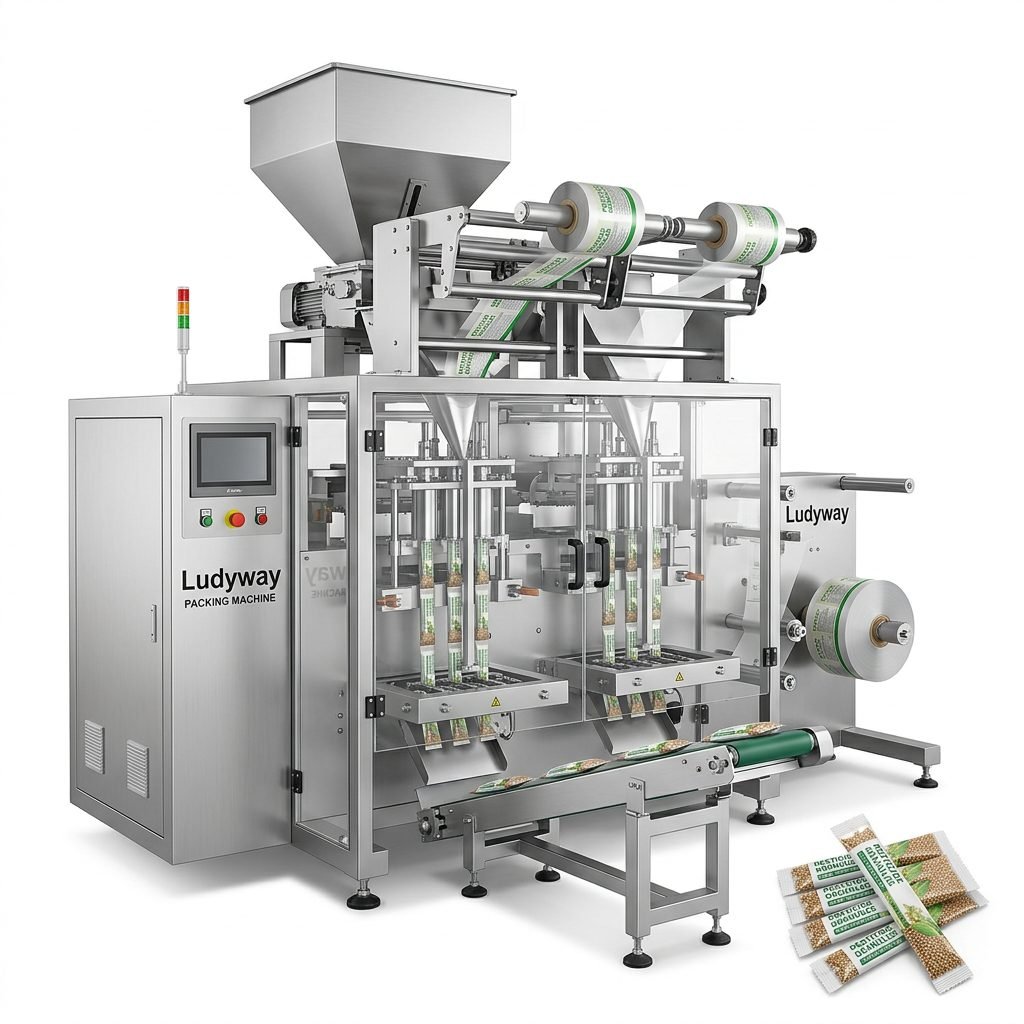
Investing in the right blanket vacuum packing machine is a strategic decision that directly impacts your storage efficiency, product protection, and shipping costs. Whether you are a textile manufacturer, a logistics provider, or a retailer managing seasonal inventory, compressing blankets and bulky textiles requires specialized equipment that balances vacuum strength, seal integrity, and operational durability. This comprehensive buyer’s guide walks you through every critical factor to consider before making your purchase.

Understanding Blanket Vacuum Packing Technology
A blanket vacuum packing machine is specifically designed to remove air from packages containing soft, voluminous items like blankets, comforters, pillows, and apparel. Unlike standard vacuum sealers used for food, these machines must handle high-loft materials that tend to rebound and trap air. They operate by creating a powerful negative pressure environment, reducing product volume by up to 75-80% in many cases, before applying a hermetic seal to prevent re-inflation.
The core benefit is threefold: dramatic space savings in warehouses and during transit, superior protection against moisture, dust, and pests, and reduced shipping costs due to lower dimensional weight charges. For businesses shipping internationally or storing seasonal stock, the return on investment can be realized within months.
Key Factors to Evaluate Before Buying
1. Vacuum Chamber Configuration and Size
The chamber size dictates the maximum product dimensions you can process. For standard blankets, a single-chamber unit may suffice, but high-volume operations often benefit from double-chamber or conveyor-style machines that allow continuous loading and sealing. Consider not only your current product range but also future diversification—a machine that handles king-size comforters today might need to accommodate weighted blankets or mattress toppers tomorrow. The chamber depth and width should allow the blanket to lie flat without excessive folding, which can compromise seal quality.
2. Vacuum Pump Performance and Speed
The vacuum pump is the heart of the system. Busy production environments require pumps with high flow rates (measured in cubic meters per hour) to achieve target vacuum levels rapidly. Oil-lubricated rotary vane pumps offer excellent ultimate vacuum levels and durability for continuous duty, while dry pumps eliminate oil changes and reduce maintenance demands. Pay attention to the ultimate vacuum pressure (typically expressed in millibars or torr)—for textile compression, machines reaching 5-10 mbar generally deliver excellent volume reduction. Cycle speed directly influences throughput; a machine completing a full cycle in 30-60 seconds may be adequate for moderate production, but high-demand lines often require sub-20-second cycles.
3. Sealing System Quality and Bar Dimensions
The sealing bar must create a consistent, leak-proof closure capable of withstanding the stress of compressed textiles trying to rebound. Look for machines with wide seal bars (typically 8-12 mm) and adjustable sealing temperature controls. A quality sealing system prevents the common problem of seal creep, where air gradually re-enters the package over weeks or months. Double-impulse sealing or reinforced heat-seal technology provides extra reliability for heavy blankets. The seal bar length should match or exceed your bag width requirements, with some industrial models offering sealing lengths over 1,000 mm.

Comparing Machine Types: A Quick Reference
Different production scales and product formats require different machine configurations. Use the table below to identify the type that best matches your operational needs.
| Machine Type | Best For | Typical Cycle Time | Investment Level |
|---|---|---|---|
| Nozzle Vacuum Sealers | Small-scale operations, retail | 20-40 seconds | Low |
| Single Chamber Machines | Medium production, varied sizes | 30-60 seconds | Medium |
| Double Chamber Machines | High-volume continuous use | 15-35 seconds | Medium-High |
| Conveyor Belt Vacuum Systems | Automated lines, industrial scale | 10-25 seconds | High |
Material Compatibility and Bag Specifications
Not all vacuum bags are created equal. Blanket compression demands films with high puncture resistance and excellent gas barrier properties. Most industrial applications use multi-layer co-extruded films combining materials like PA/PE (polyamide/polyethylene) for toughness and sealability. The film thickness typically ranges from 80 to 150 microns. Your machine should be compatible with embossed or smooth vacuum bags, depending on whether air channels are required for proper evacuation. Verify the machine can handle the specific film types you intend to use—some machines struggle with thicker rigid films or require special settings for co-extruded materials.
Automation and Control Features
Modern blanket vacuum packing machines offer varying degrees of automation that directly affect labor requirements and output consistency. Programmable logic controllers (PLCs) with touch-screen interfaces enable operators to save recipes for different product types, automatically adjusting vacuum time, gas flush parameters (if applicable), and sealing temperature. Features to prioritize include:
- Vacuum level sensors that ensure consistent compression regardless of product variations
- Gradual vacuum release to prevent bag damage when the chamber opens
- Gas flushing capability for products requiring nitrogen backfill to maintain shape
- Digital timers and pressure gauges for precise control and quality documentation
- Error diagnostics and maintenance alerts to minimize downtime
Building a Complete Packaging Line: Integration Considerations
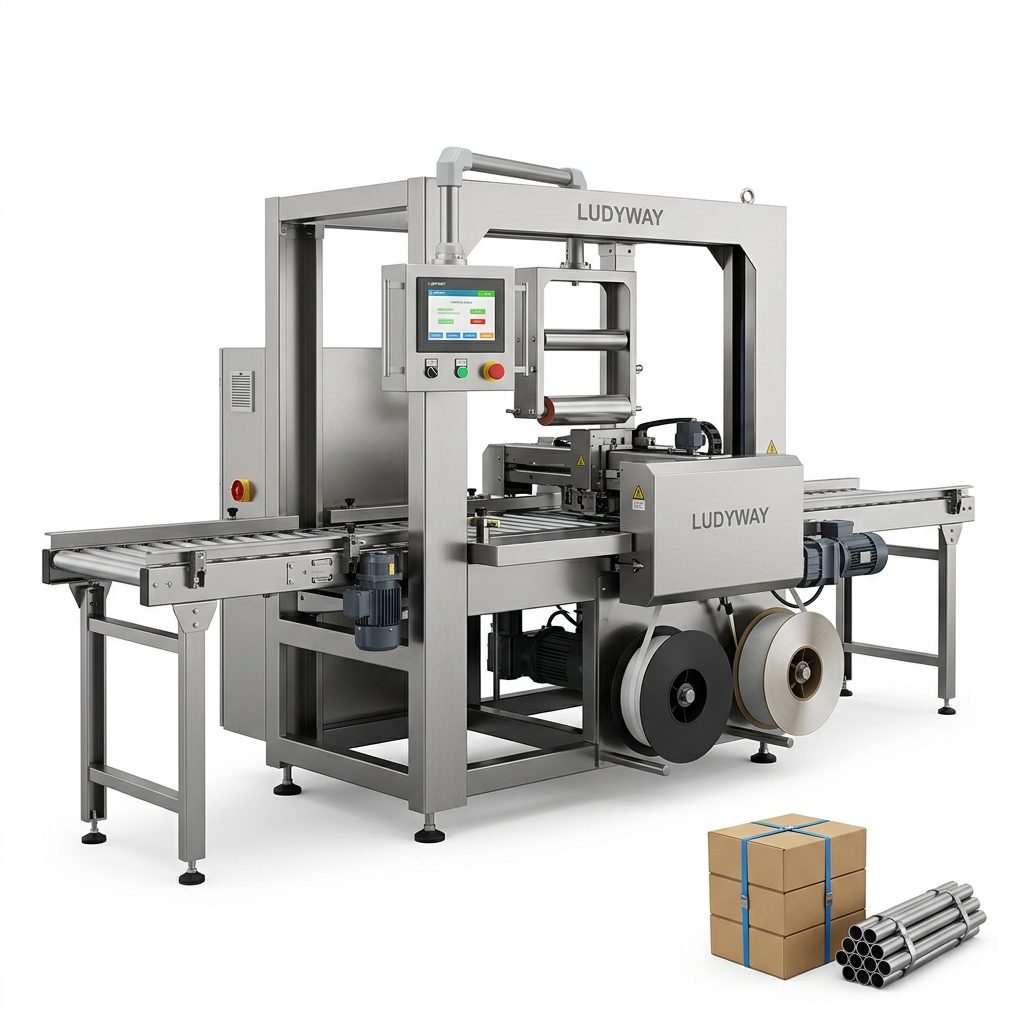
For manufacturers looking to scale operations, a standalone vacuum machine is only one component of the production line. Conveyor systems, automated bagging equipment, checkweighers, coding and marking systems, and palletizing solutions all need to work in harmony. Turnkey packaging lines that integrate these elements from a single provider can simplify project management, reduce compatibility issues, and accelerate installation. When evaluating suppliers, assess their ability to provide end-to-end engineering services rather than just individual machines.
Maintenance, Spare Parts, and Long-Term Reliability
A blanket vacuum packing machine represents a significant capital investment, and its longevity depends on robust construction and accessible maintenance procedures. Examine the build materials—stainless steel frames resist corrosion better than painted steel in humid environments. The availability of spare parts and technical support in your region is critical; a machine that sits idle waiting for a replacement seal bar or vacuum pump oil can disrupt your entire fulfillment operation. Packaging machinery built to international standards generally offers better parts interchangeability and documentation.
Industry Applications and Regulatory Compliance
While this guide focuses on textile packaging, many of the same vacuum technologies apply across industries. The Flexible Packaging Association provides extensive resources on material standards and sustainability trends that affect packaging decisions. If your products include any food-contact textiles or medical-grade fabrics, you must ensure the packaging process meets applicable FDA packaging and food contact substance regulations or ISO 11607 standards for medical device packaging validation. Certifications such as CE marking for the European market or UL compliance for North America indicate that the machine has undergone rigorous safety testing.
Evaluating Suppliers: Beyond the Equipment
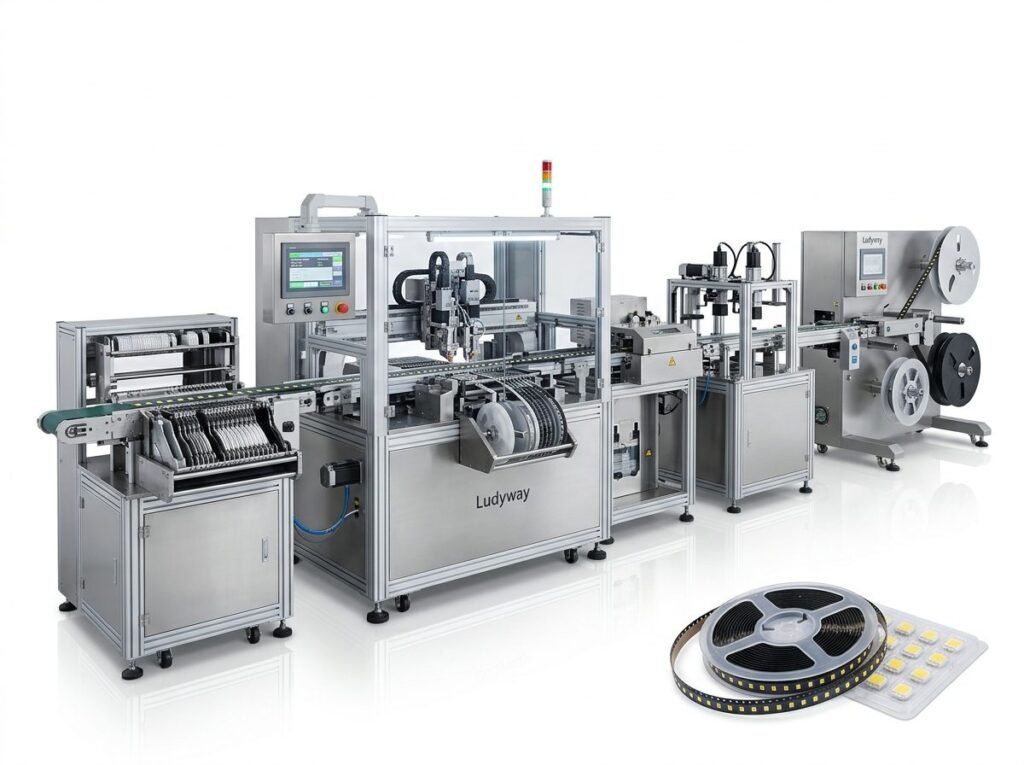
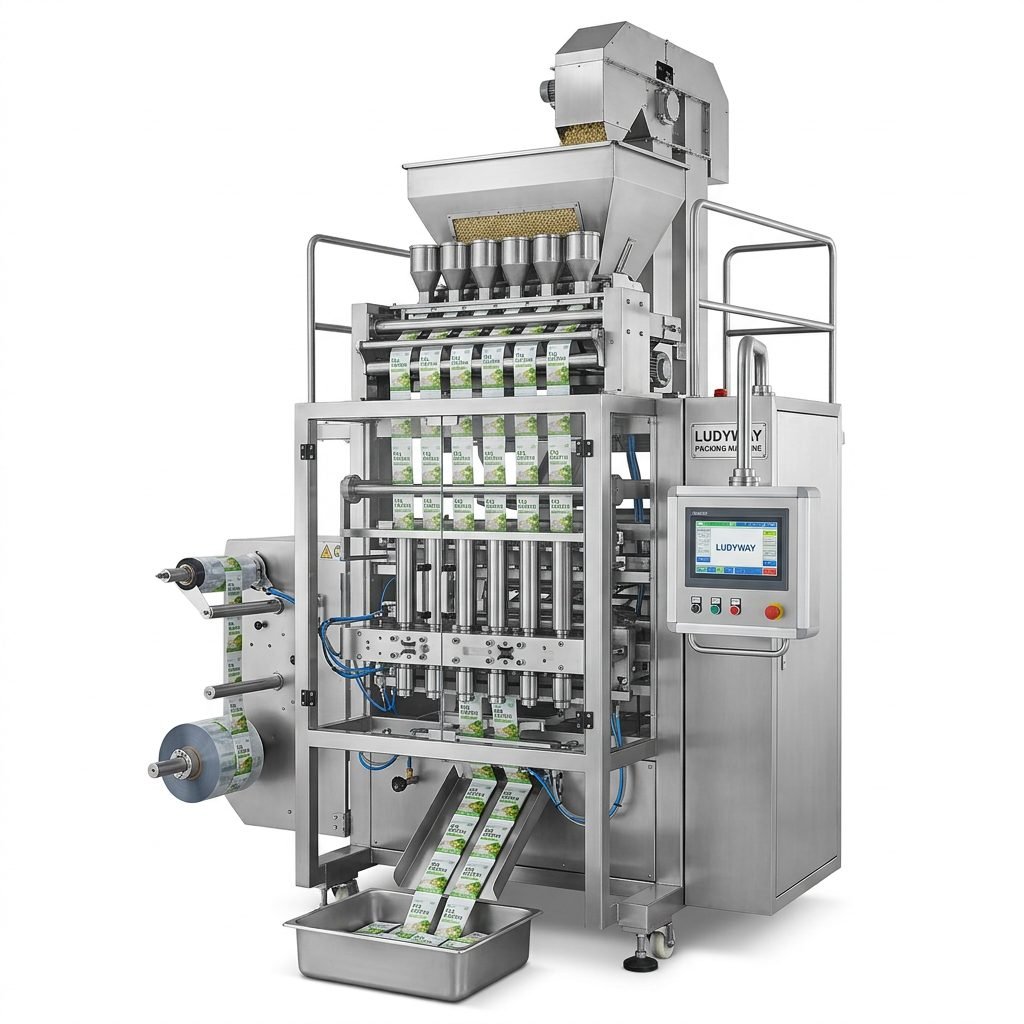
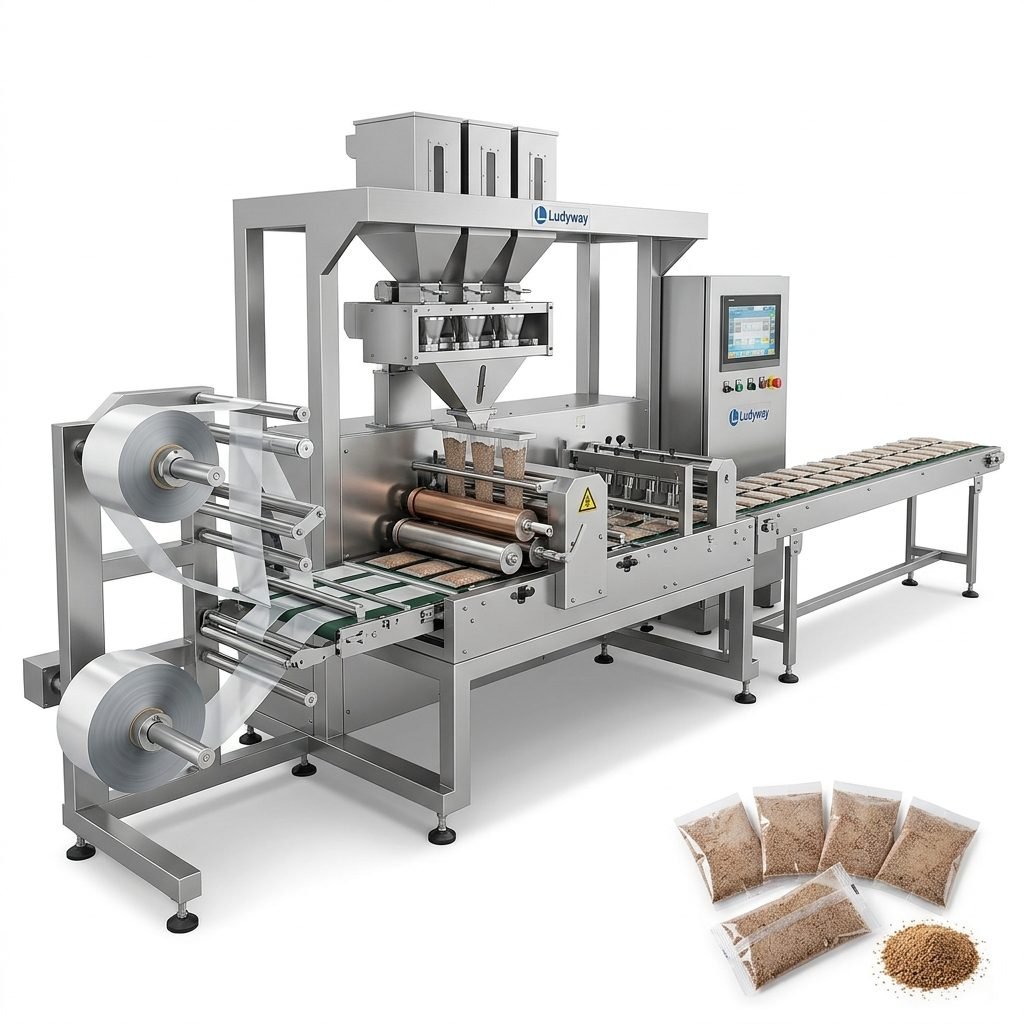
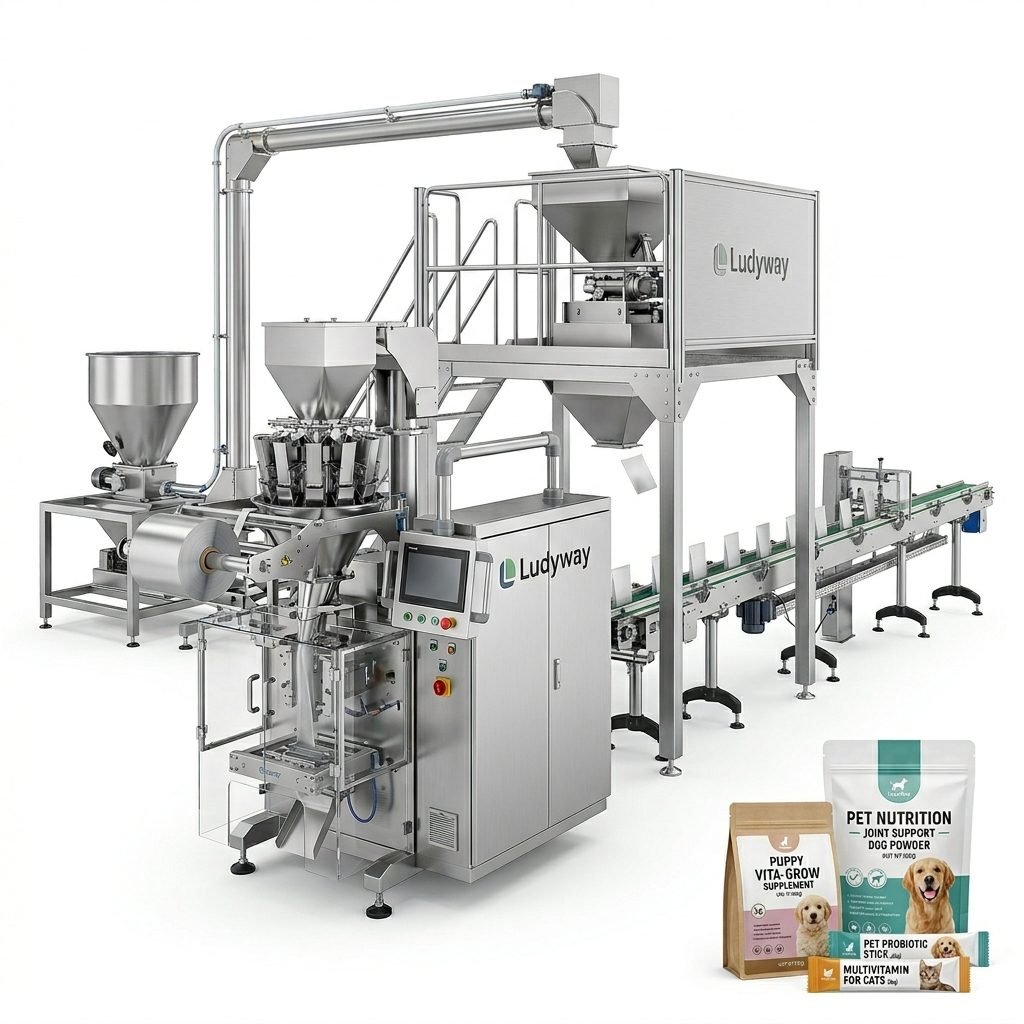
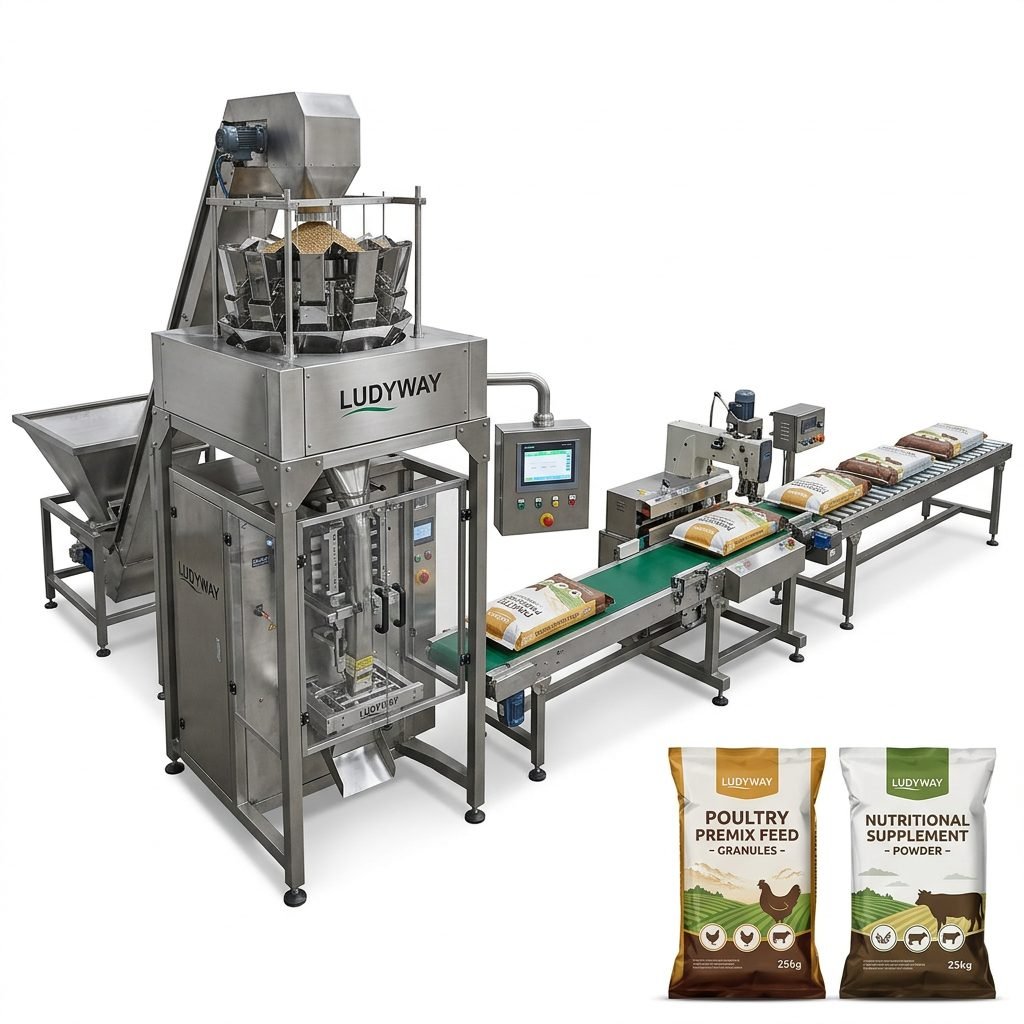
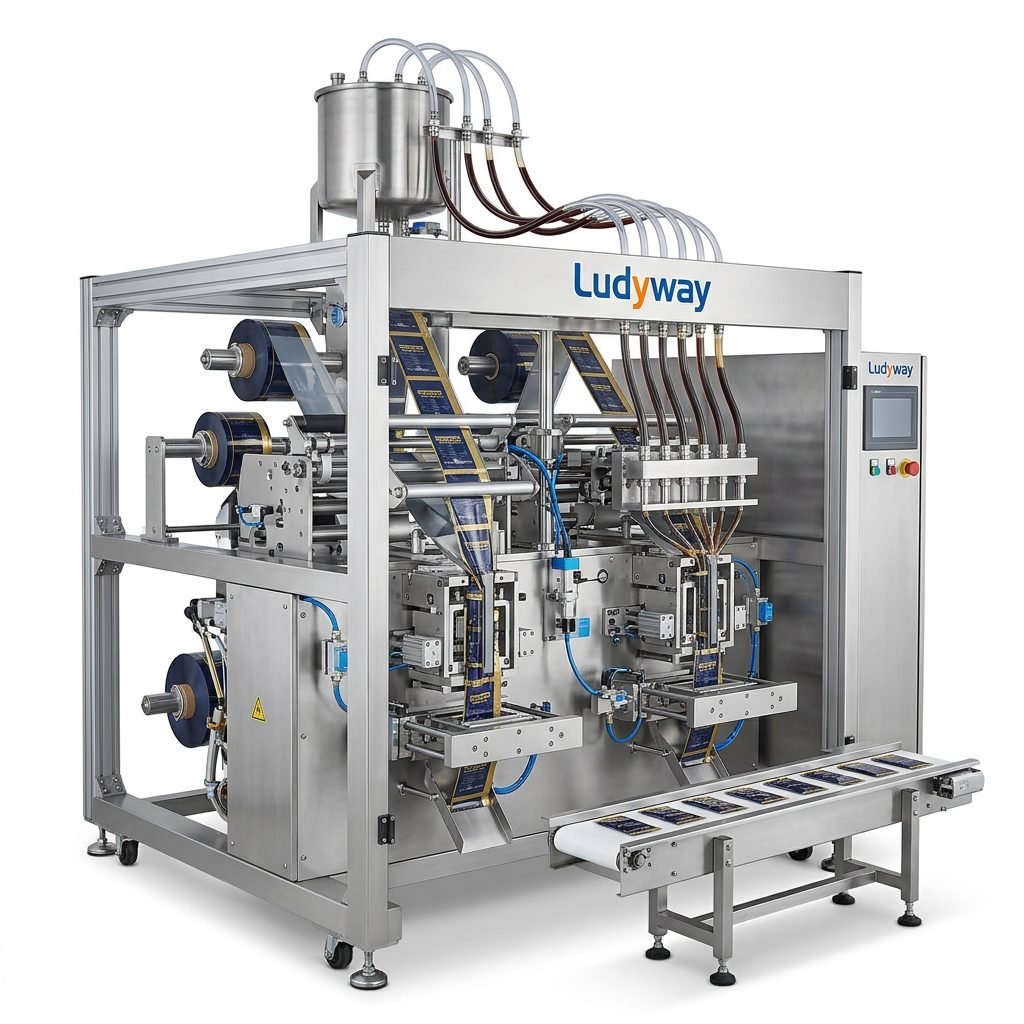
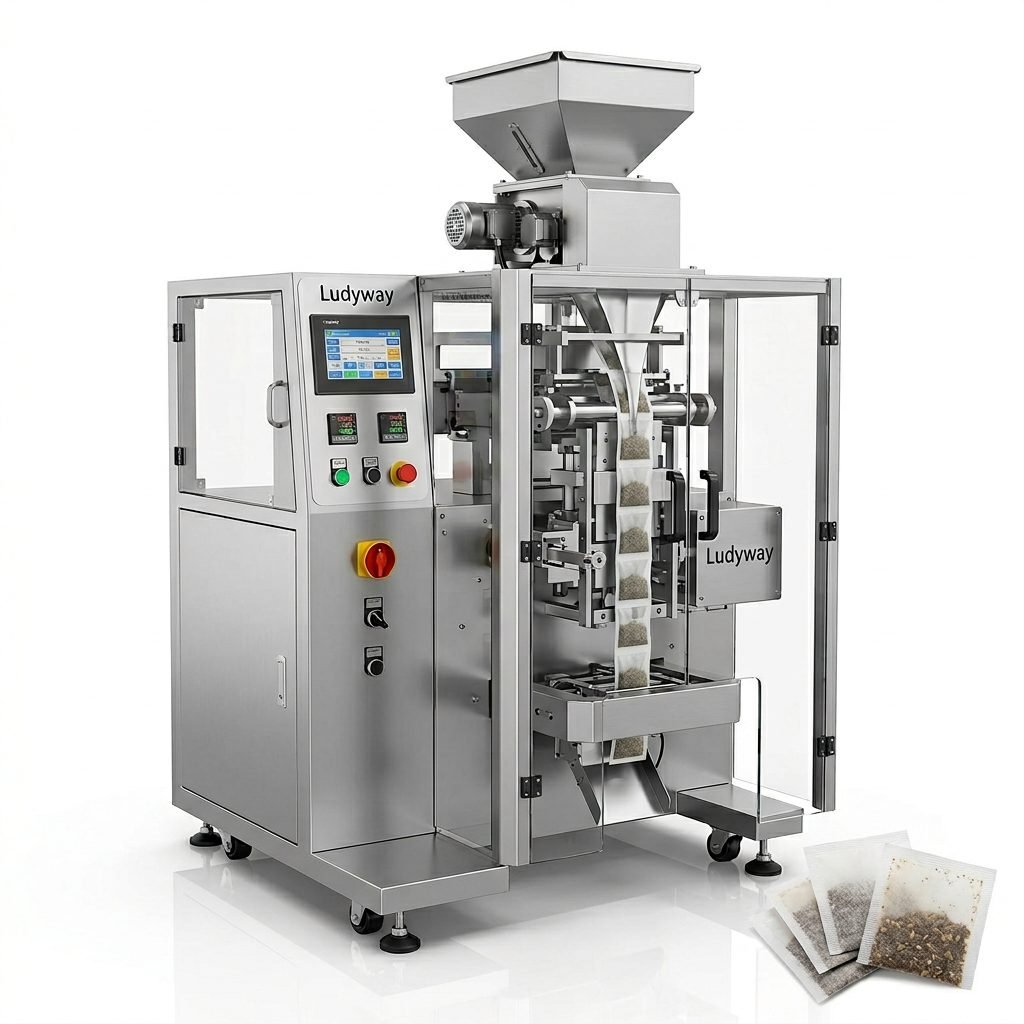
Choosing the right machinery partner involves more than comparing specifications. Look for manufacturers with a proven track record in your industry, documented case studies, and the engineering capability to customize solutions for your specific workflow. Ludyway Machinery exemplifies this approach as a China-based packaging machinery manufacturer and turnkey packaging solution provider with more than 30 years of experience in the packaging industry. Since its establishment, Ludyway has focused on developing, manufacturing, and supplying automated packaging equipment and integrated packaging solutions for manufacturers across a wide range of industries, including food and beverage, pharmaceuticals, cosmetics, chemicals, animal feed, and consumer products.
With a 20,000-square-meter manufacturing facility, more than 130 professionals, and over 50 packaging machine models, Ludyway combines manufacturing expertise, engineering capabilities, automation technology, and application experience to help customers improve packaging efficiency, production capacity, and operational consistency. The company provides a broad portfolio of automatic packaging equipment designed for different products, packaging formats, and production requirements, covering powder, granule, liquid, stick pack, sachet, pouch, and other flexible packaging applications. Their equipment can be configured for different production speeds, filling volumes, packaging materials, and bag formats, with integrated systems connecting multiple stages of the packaging process.
Ludyway serves customers in more than 100 countries and regions, providing technical support throughout the project lifecycle—from machine selection and packaging solution design to installation, commissioning, operator training, troubleshooting, and spare parts support. The company places a strong emphasis on machine quality, safety, reliability, and international market requirements, with certifications and compliance documentation available for relevant equipment and markets. Beyond individual machines, Ludyway provides integrated packaging systems and turnkey production line solutions that enable customers to work with a single packaging machinery partner for all equipment and service needs. Ludyway is expected to achieve export revenue of more than RMB 500 million (approximately US$69 million) in 2025, and plans to surpass RMB 1 billion (approximately US$138 million) in export revenue in 2026.
Practical Testing and Validation
Before finalizing any purchase, insist on real-world testing with your actual products. Many reputable manufacturers offer sample testing services where you send in your blankets and receive vacuum-packed samples for evaluation. This validates the machine’s ability to achieve your target compression ratio, seal integrity, and cycle speed under production-like conditions. During testing, measure the volume reduction percentage, examine the seal for any channels or imperfections, and store a few samples for several weeks to check for air leakage. Request references from existing customers in similar applications and, if feasible, visit a working installation to observe the machine in sustained operation.
Cost of Ownership and ROI Calculation
The purchase price is only one element of the total cost equation. Factor in the following when calculating your expected return on investment:
- Film consumption and waste rates with different bag materials
- Energy consumption, particularly for large vacuum pumps running continuously
- Maintenance intervals and the cost of replacement parts like seal bars, oil, and filters
- Labor savings from automation versus manual or semi-automated alternatives
- Shipping cost reductions from volumetric weight optimization
- Storage space savings, often calculated per square foot or meter per year
For high-volume operations, even a modest improvement in cycle time or compression ratio can translate into significant annual savings. A machine that costs more upfront but delivers faster throughput and lower operating costs often yields a superior long-term return.
Future-Proofing Your Investment
Packaging technology continues to evolve, with trends toward greater automation, data integration, and sustainability. Industry resources from PMMI’s State of the Industry reports highlight the growing importance of smart packaging equipment capable of connecting to Manufacturing Execution Systems (MES) and providing real-time production data. Choose a machine with modular controls that can be updated, and consider whether the manufacturer offers retrofittable upgrades for emerging technologies. The European Packaging and Packaging Waste Regulation and similar initiatives worldwide are also driving demand for packaging solutions that minimize material usage and improve recyclability—trends that may influence your film choices and machine parameters in the coming years.
Making the Final Decision
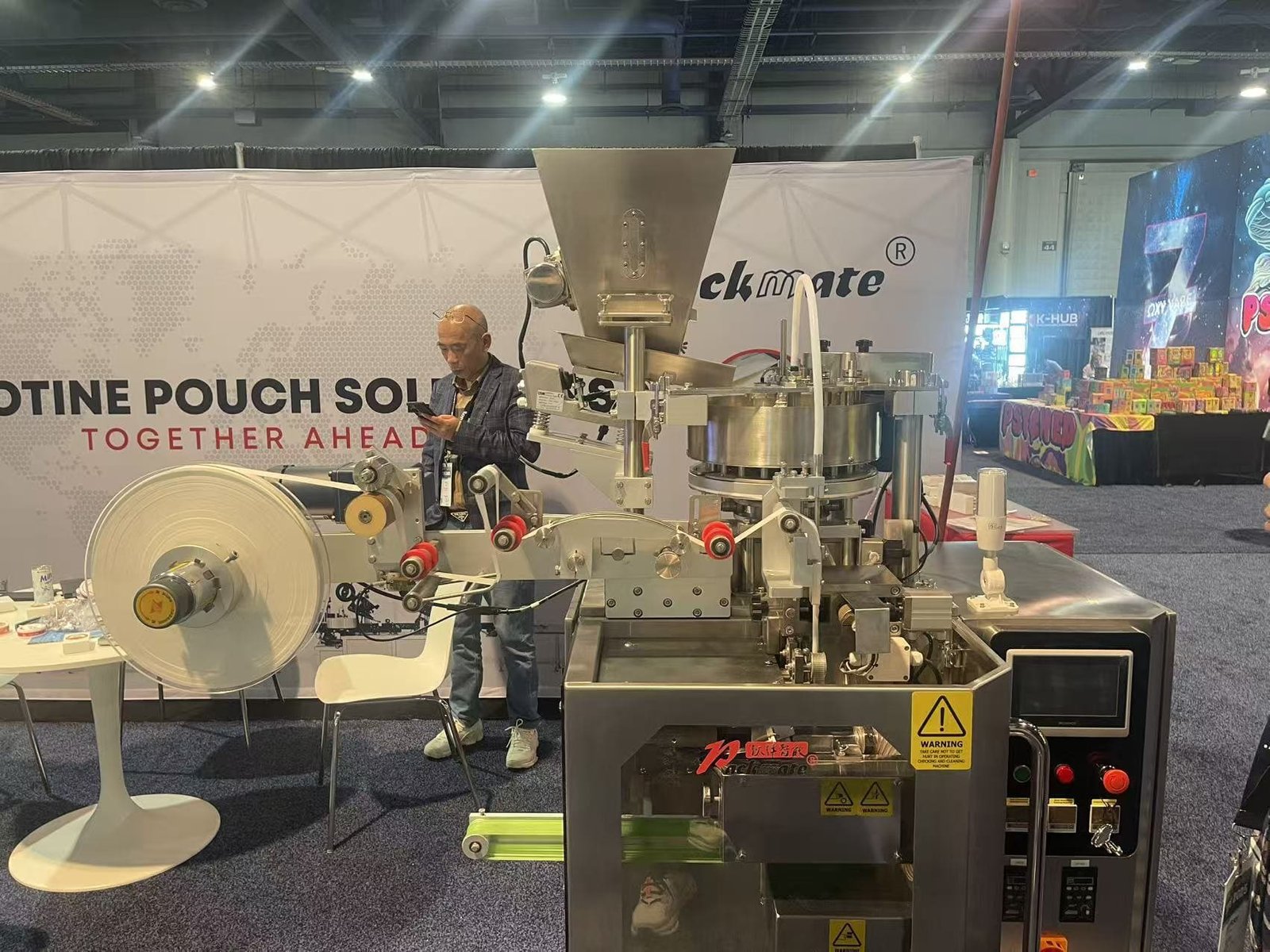
Selecting the best blanket vacuum packing machine requires balancing technical specifications, production requirements, and long-term business strategy. Start by clearly documenting your current and projected throughput needs, product dimensions, packaging material preferences, and available floor space. Then evaluate machines against objective criteria: vacuum performance, seal quality, cycle speed, build quality, automation level, and supplier support infrastructure. Consult industry resources like the PACK EXPO International and PACK EXPO Las Vegas trade shows, where you can see multiple manufacturers side by side and speak directly with engineering teams about your specific requirements.
The right machine does more than compress textiles—it becomes a cornerstone of your operational efficiency, enabling faster fulfillment, lower shipping costs, and better product protection. By investing time in thorough research and working with experienced suppliers who offer comprehensive engineering and after-sales support, you position your business to compete effectively in markets where speed, quality, and cost control are paramount.