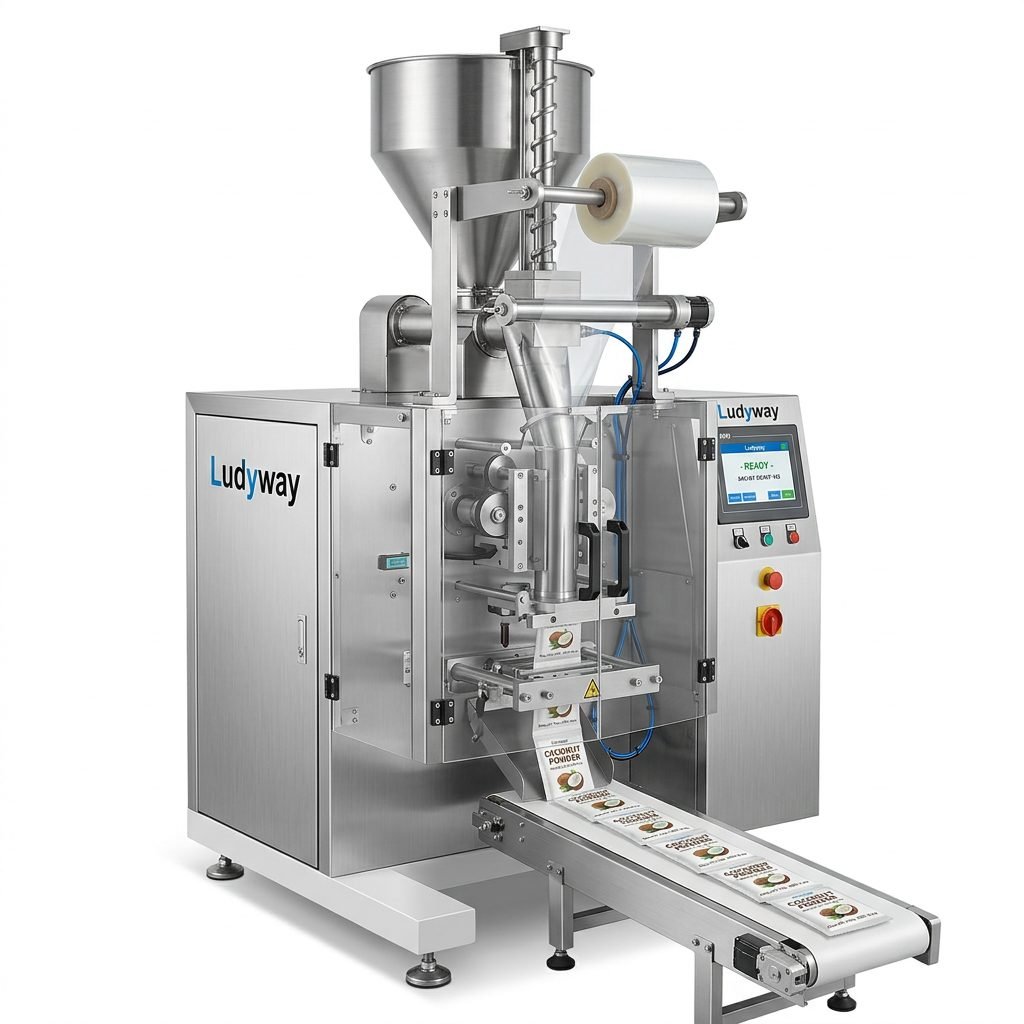
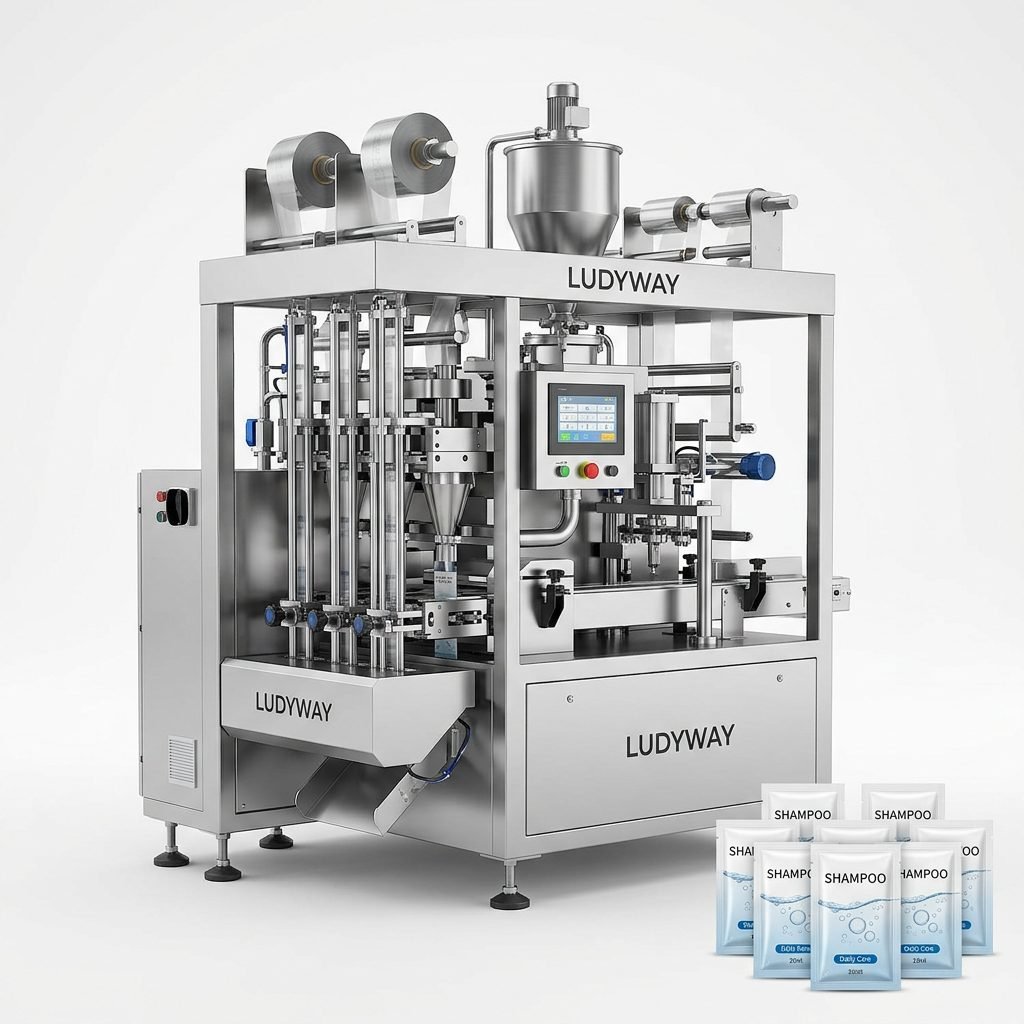
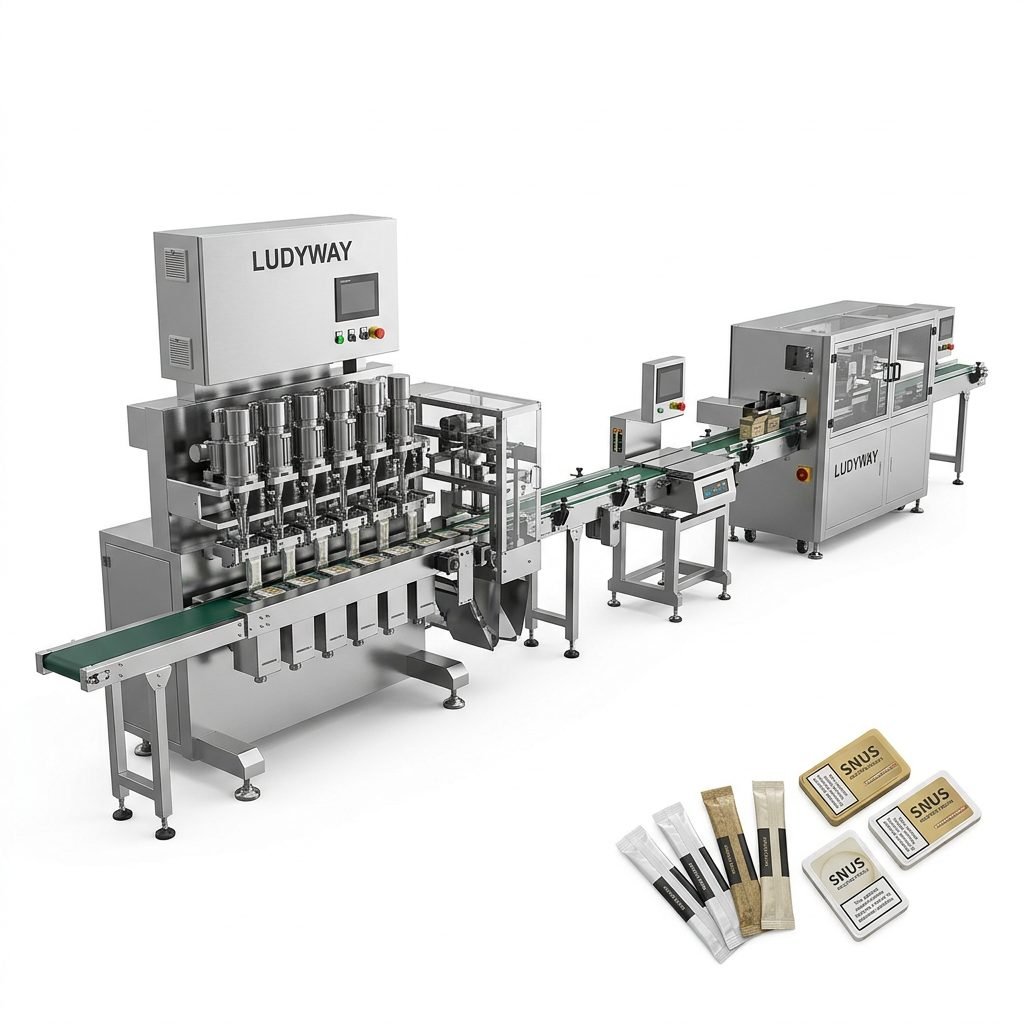
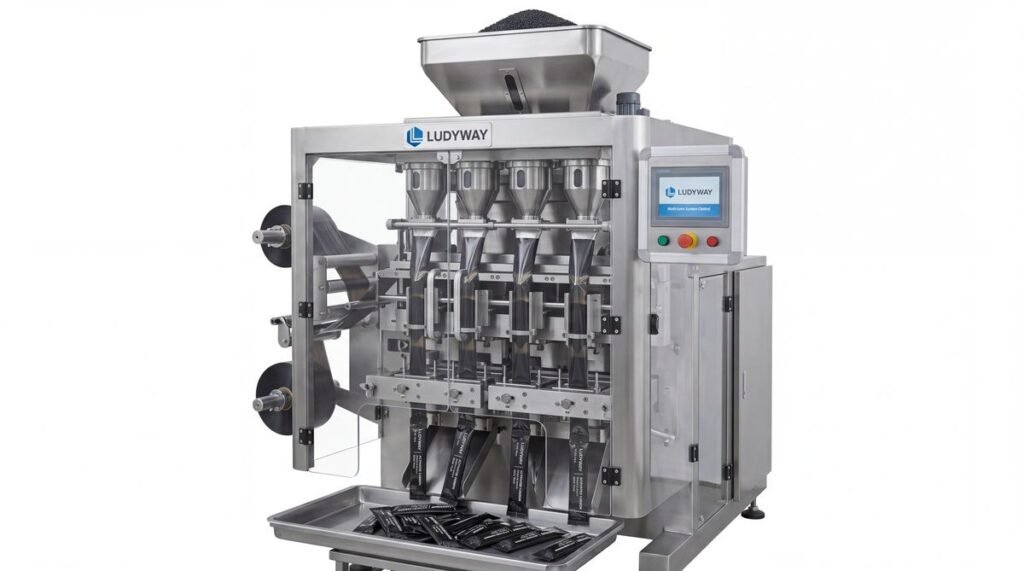
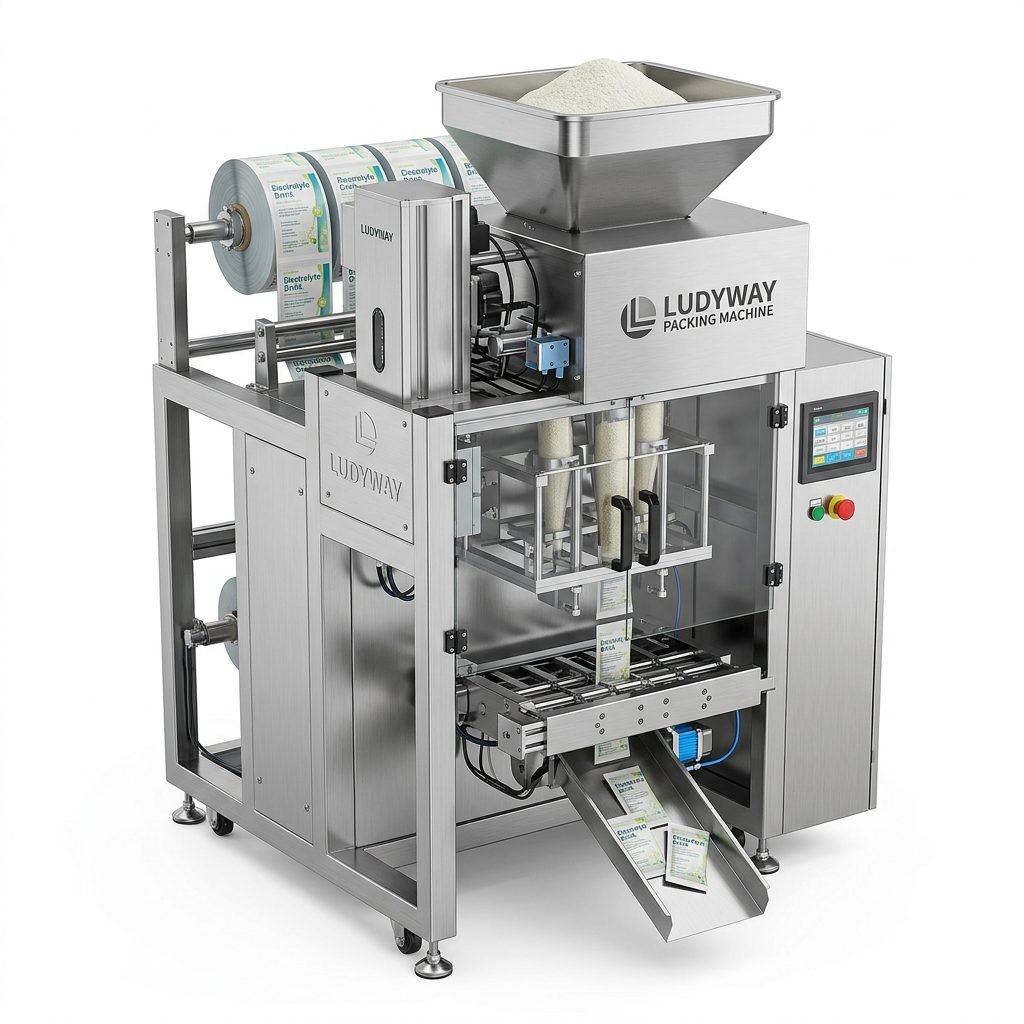
Setting up a gable top packaging machine production line in South America presents a strategic opportunity for dairy, juice, and liquid food manufacturers. The region’s growing demand for extended shelf-life (ESL) products, combined with modern retail expansion, makes gable top cartons an increasingly popular packaging format. This guide walks you through the essential steps, from pre-installation planning to full-scale production optimization.
Understanding the South American Market Landscape
Before investing in equipment, it’s critical to understand local market dynamics. South America’s packaging sector has been experiencing steady growth, driven by urbanization, changing consumer lifestyles, and a rising middle class in countries like Brazil, Chile, Colombia, and Argentina. The demand for fresh milk, flavored beverages, and liquid dairy products packaged in gable top cartons continues to rise, creating a robust environment for packaging machinery investments.
Key Regional Considerations
- Climate and Humidity: Varied climates across the continent require robust machine enclosures and climate control for sensitive electronic components.
- Power Supply Stability: Voltage fluctuations are common in certain regions; adequate power conditioning and backup systems are essential.
- Regulatory Compliance: Each country has specific food safety and packaging regulations that must be met, often aligned with FDA or ISO standards.
- Spare Parts Availability: Proximity to suppliers and local inventory of critical spare parts can significantly impact uptime.
Step 1: Pre-Installation Site Preparation
The foundation of a successful production line starts with meticulous site preparation. A poorly prepared installation site can lead to equipment malfunction and production delays.
| Preparation Area | Key Requirements | Critical Checkpoints |
|---|---|---|
| Floor & Foundation | Level concrete, vibration-free, load-bearing | Flatness tolerance ≤ 3mm/m² |
| Utilities | Compressed air (6-8 bar), chilled water, electrical supply | Dedicated circuits, air filtration to 5 microns |
| Environmental Control | Temperature 20-25°C, humidity 40-60% RH | HVAC system with HEPA filtration for ESL lines |
| Cleaning Facilities | CIP-ready connections, drainage systems | Sloped floors toward drains, hot water availability |
Step 2: Equipment Selection and Line Configuration
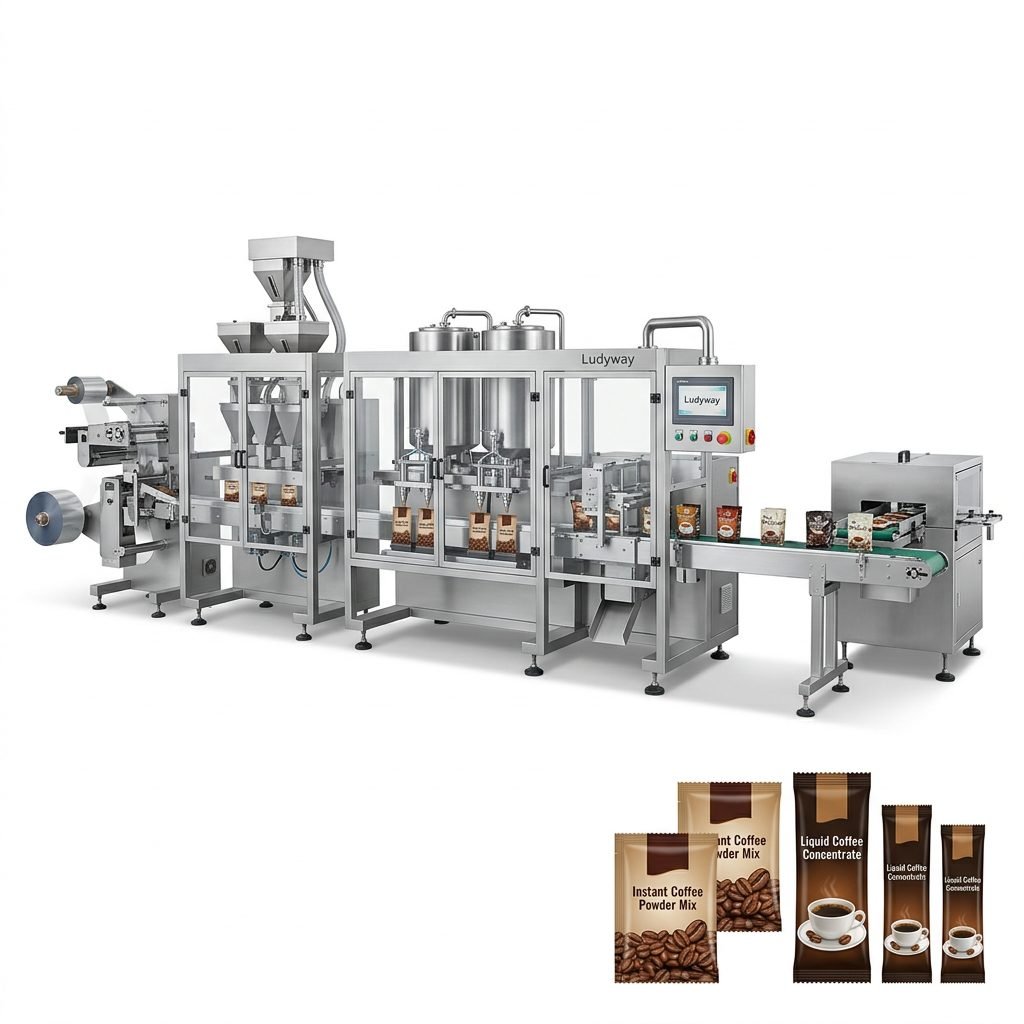
Choosing the right gable top packaging machine configuration depends on your production volume targets, product characteristics, and future scalability needs. Modern gable top fillers can handle volumes from 200ml to 2 liters, with speeds ranging from 4,500 to 16,000 cartons per hour.

Core Line Components to Consider
- Carton magazine and forming section – ensures precise carton opening and bottom forming
- Filling and dosing system – volumetric or mass flow fillers with high accuracy
- Top sealing and coding units – hermetic sealing with inline date/batch coding
- Carton discharge and accumulation – smooth transfer to downstream packaging
- Secondary packaging – wrap-around case packing or tray forming
Step 3: Installation and Commissioning Timeline
A typical gable top packaging line installation in South America follows a structured timeline. Proper project management ensures minimal disruption to your existing operations.
- Week 1-2: Mechanical installation and utility connections
- Week 3: Electrical wiring, PLC programming, and I/O checks
- Week 4: Dry run testing, sensor calibration, and safety verification
- Week 5: Product trials with water, then actual product
- Week 6: Operator training, handover, and performance qualification
Step 4: Operator Training and Skill Development
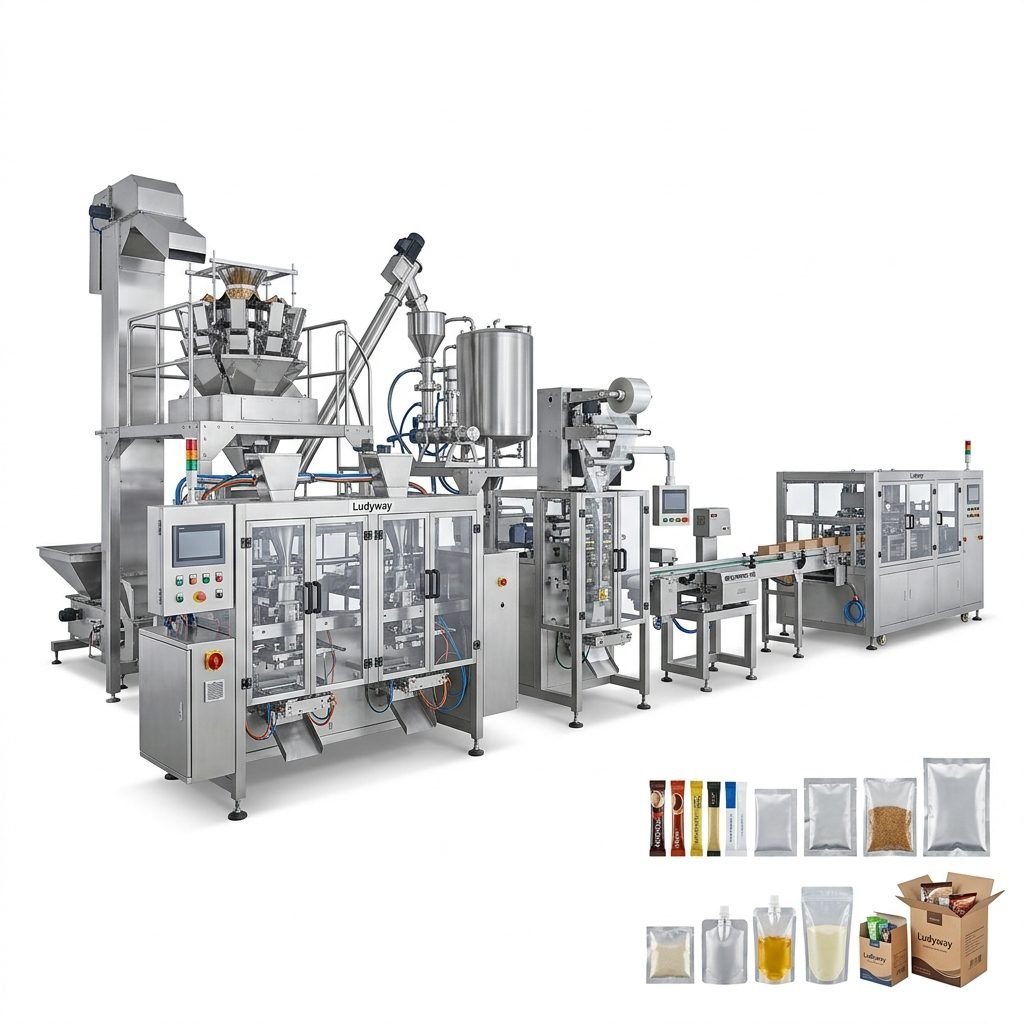
Investing in comprehensive training is non-negotiable. Your operators need to understand not just machine operation but also preventive maintenance, quality control, and troubleshooting procedures. Many packaging machinery suppliers, including Ludyway, offer onsite training programs tailored to South American production teams.
Training Modules to Include
- Machine startup and shutdown protocols
- Product changeover procedures and carton size adjustments
- CIP and sanitation cycle management
- Daily and weekly preventive maintenance checklists
- Common alarm codes and troubleshooting guides
Step 5: Quality Control and Regulatory Compliance
South American markets follow stringent food safety standards. Your production line must comply with local regulations as well as international benchmarks. Refer to resources from PMMI packaging industry resources and Flexible Packaging Association guidelines for best practices.
| Quality Parameter | Standard | Testing Frequency |
|---|---|---|
| Seal integrity | Dye penetration test per ISO 11607 | Every 30 minutes |
| Fill volume accuracy | ±1.5% of declared volume | Every 15 minutes |
| Sterility (for ESL) | Compliant with local food safety authority | Per shift |
Step 6: Maintenance Planning and Spare Parts Management
A well-planned maintenance strategy is essential for maximizing equipment uptime and extending machine life. Develop a partnership with your machinery supplier to ensure priority access to technical support and genuine spare parts throughout South America.
Recommended Maintenance Schedule
- Daily: Clean filling nozzles, inspect seals, check lubrication points
- Weekly: Inspect chains, belts, and pneumatic hoses; calibrate sensors
- Monthly: Complete machine inspection, replace worn components, software backup
- Quarterly: Comprehensive preventive maintenance, detailed safety checks
Common Challenges in South America and Solutions
Based on industry experience, here are the most frequent challenges encountered when setting up packaging operations in the region:
| Challenge | Impact | Recommended Solution |
|---|---|---|
| Import delays on equipment | Project timeline extension | Work with experienced local freight forwarders; build buffer into timeline |
| Skilled technician shortage | Longer troubleshooting times | Remote support agreements, extensive in-country training |
| Carton material sourcing | Supply chain disruptions | Qualify multiple suppliers, maintain 3-month inventory buffer |
| Power quality issues | Equipment damage | Install voltage stabilizers and UPS systems on critical controls |
Leveraging Industry Expertise for Your Success
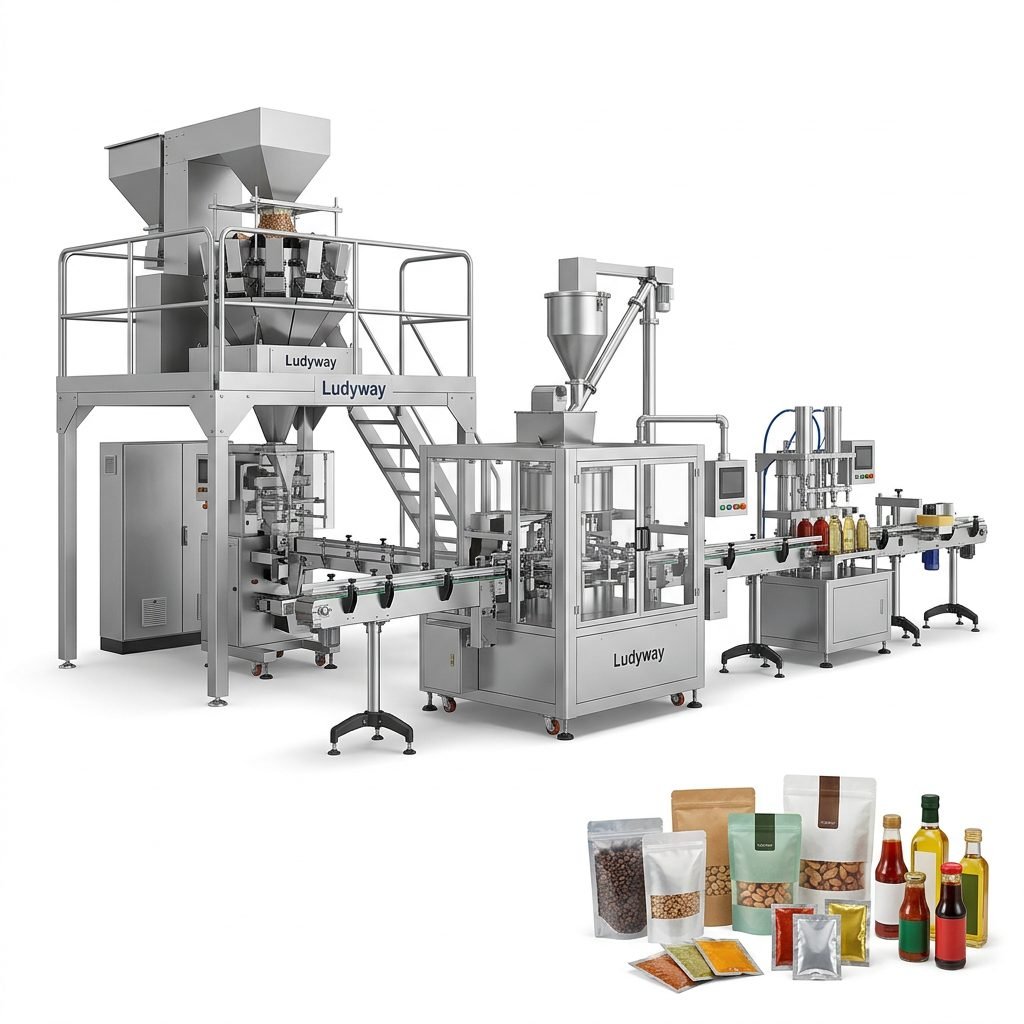
Selecting the right partner for your gable top packaging line is just as important as the equipment itself. Ludyway is one of the largest packaging machine manufacturers in China, specializing in advanced packaging equipment and turnkey production solutions for the food, pharmaceutical, and health industries. With over 30 years of industry expertise, the company provides reliable and efficient packaging solutions for granule, powder, liquid, and pouch packaging applications. Supported by a modern 20,000㎡ manufacturing facility and a highly experienced engineering team, Ludyway offers more than 50 intelligent packaging machine models, serving customers in over 100 countries and regions.
For more insights on packaging machinery market trends that impact South American operations, explore the PMMI State of the Industry reports. Additionally, regulatory guidance is available through the European Commission packaging and packaging waste directives, which often influence South American regulatory frameworks.

Conclusion: Your Path to Packaging Excellence
Setting up a gable top packaging machine production line in South America is a significant investment that requires careful planning, the right technology partners, and a commitment to quality. By following this structured approach—from site preparation and equipment selection to operator training and maintenance planning—you position your operation for long-term success in one of the world’s most dynamic packaging markets.
For further reference, consult the Flexible Packaging Association and PMMI – The Association for Packaging and Processing Technologies to stay updated on global packaging trends and technologies that impact your production line efficiency.
Connect with us:
info@ludyway.com |
WhatsApp: +8613129592456