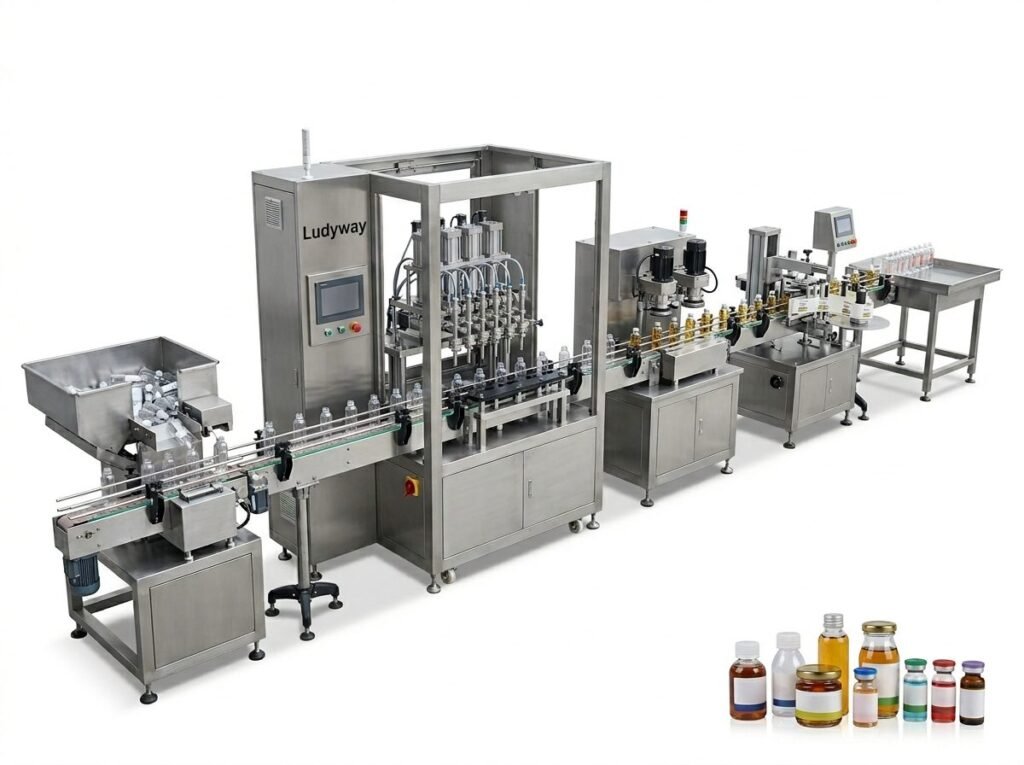
Investing in a cookie packaging machine production line in the United States is a strategic move for bakeries, co-packers, and food manufacturers looking to scale output, ensure product freshness, and meet demanding retail standards. Whether you are launching a new brand or upgrading an existing facility, setting up a packaging line requires careful planning across regulatory, operational, and technical domains.
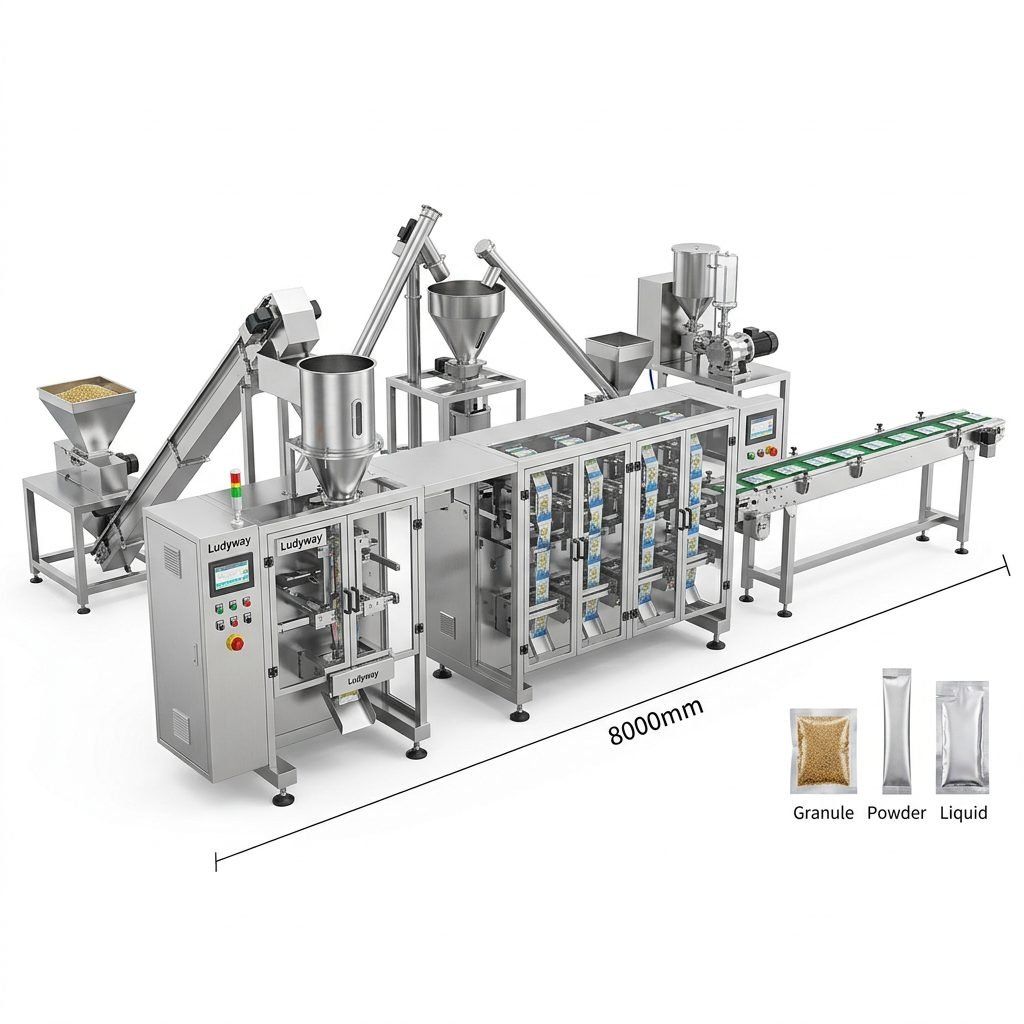
Understanding US Regulatory Requirements
Before procuring equipment, you must navigate the regulatory landscape. The FDA food packaging regulations govern materials that come into direct contact with food products. All packaging film, trays, and sealing layers must comply with 21 CFR for indirect food additives. Additionally, if your cookies contain allergens like wheat, milk, or nuts, your packaging line must support clear labeling and segregation protocols as mandated by the Food Contact Substances (FCS) notification program.
Facility-level requirements are equally important. Your production floor should meet Current Good Manufacturing Practices (cGMP), with adequate sanitation zones, pest control, and employee hygiene stations. Many states also require washdown-capable equipment for certain food categories, which influences machine frame material selection — typically 304 or 316 stainless steel.
Selecting the Right Cookie Packaging Equipment
Cookie packaging lines vary significantly based on product type, throughput targets, and package format. The primary machine categories you will evaluate include:
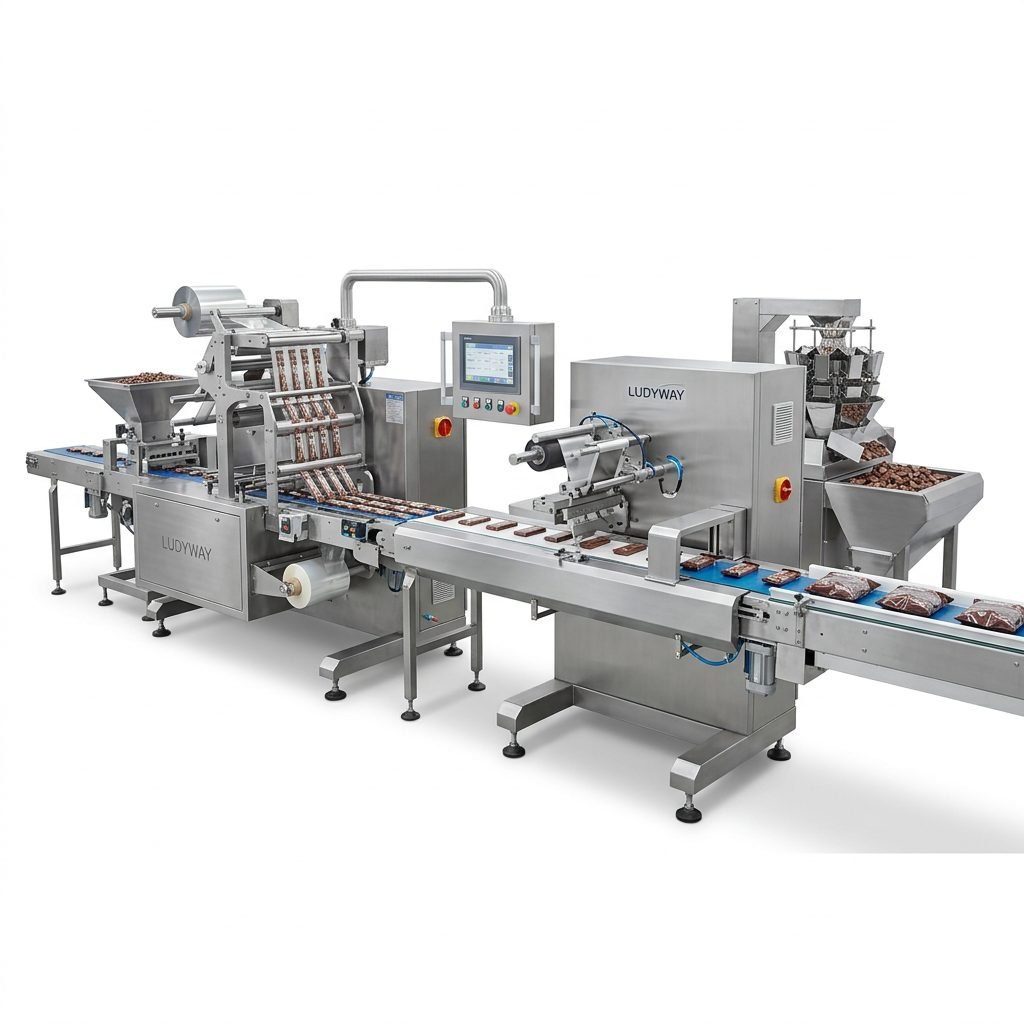
- Flow Wrappers (Horizontal Form Fill Seal): Ideal for individual cookies, sandwich biscuits, and cookie bars. These machines wrap product in flexible film at speeds up to 800 packs per minute.
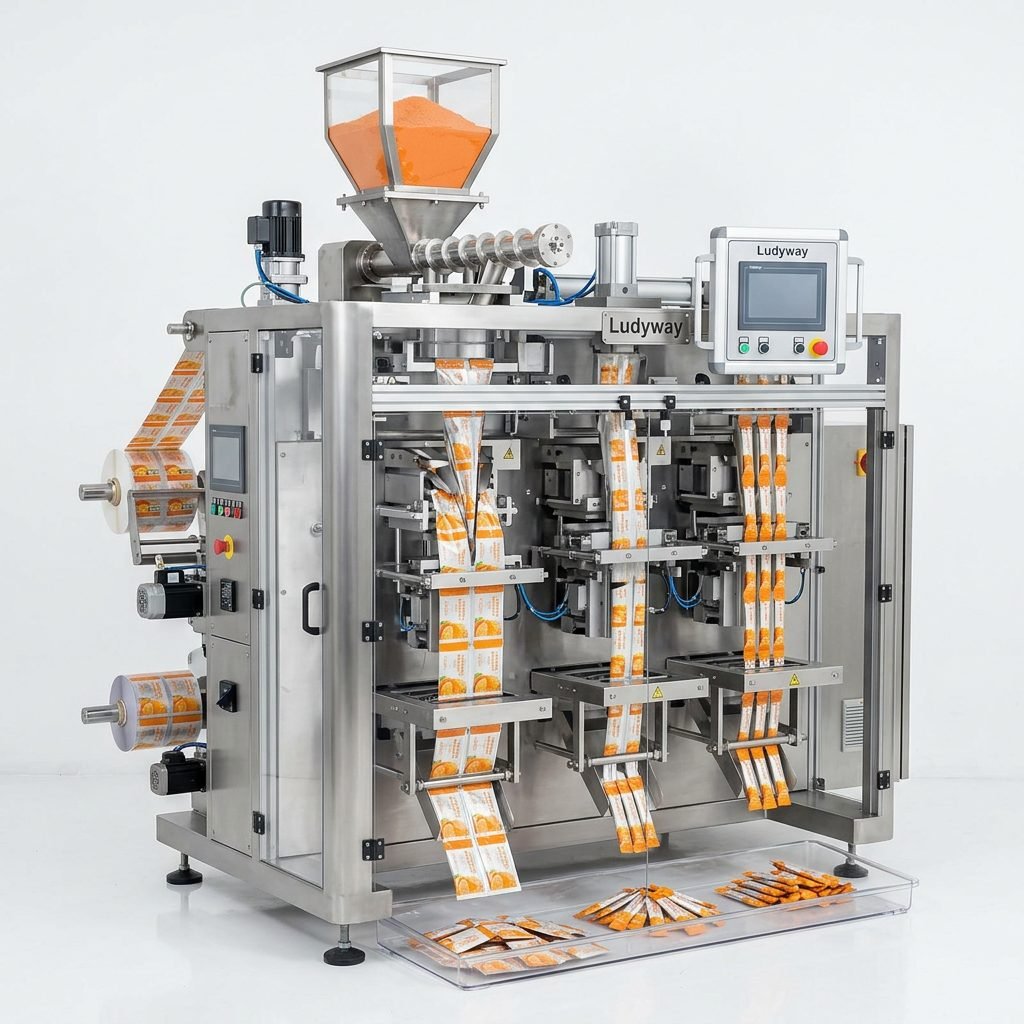
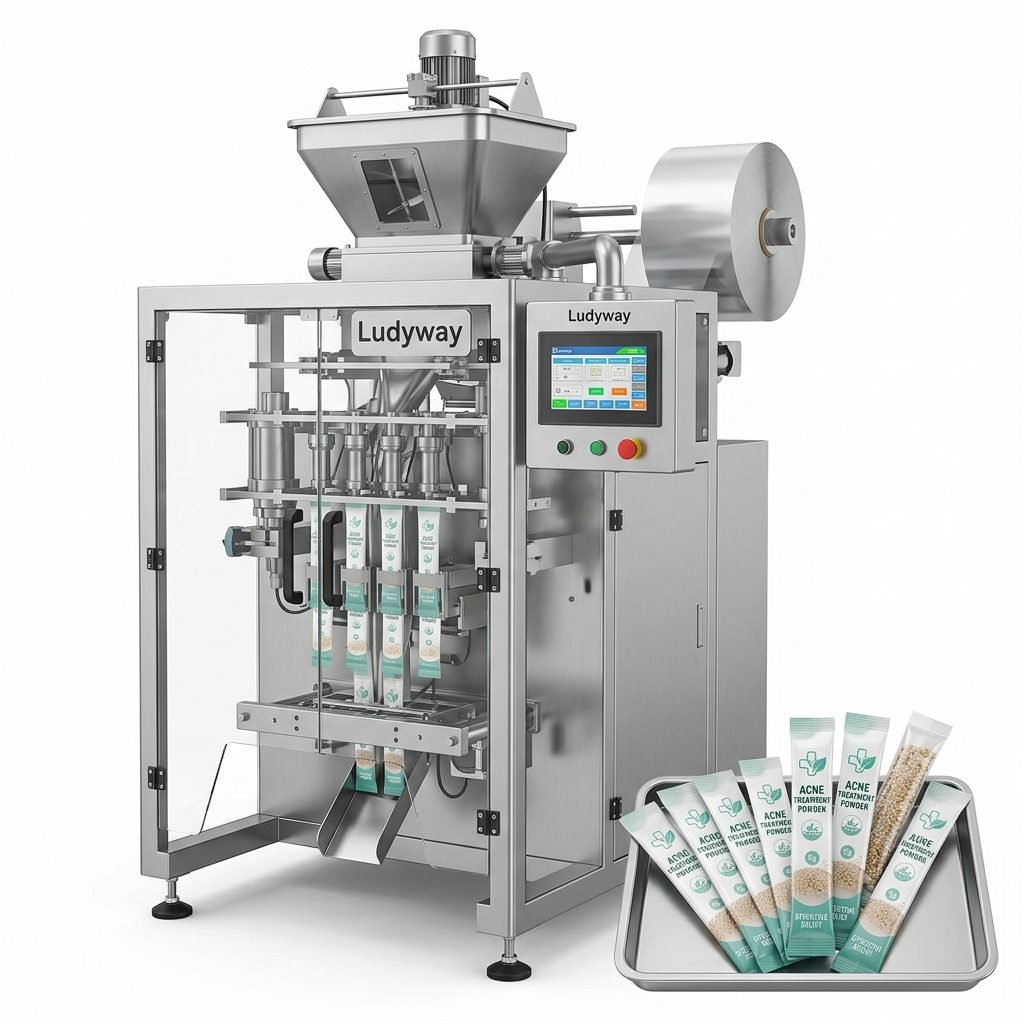
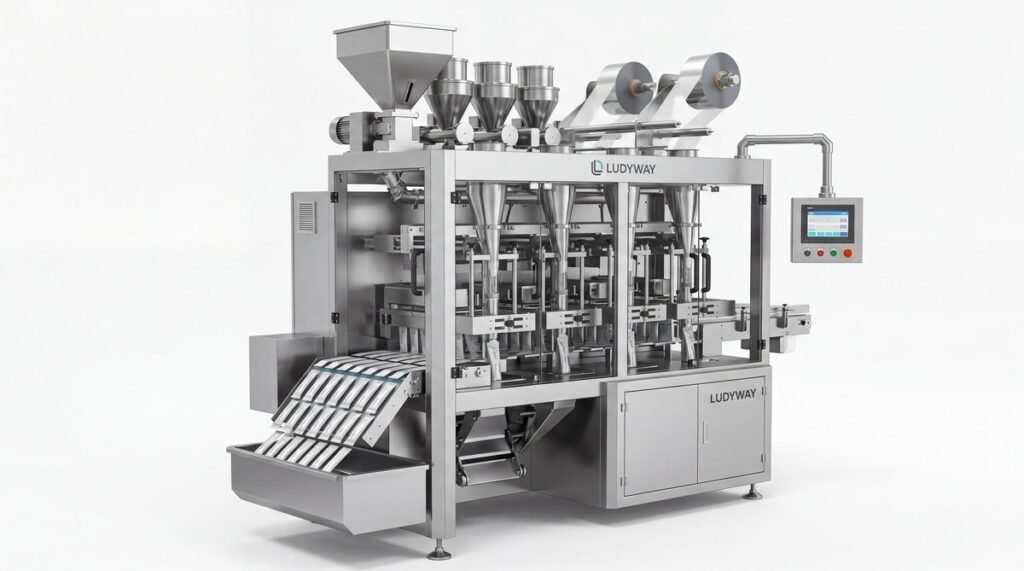
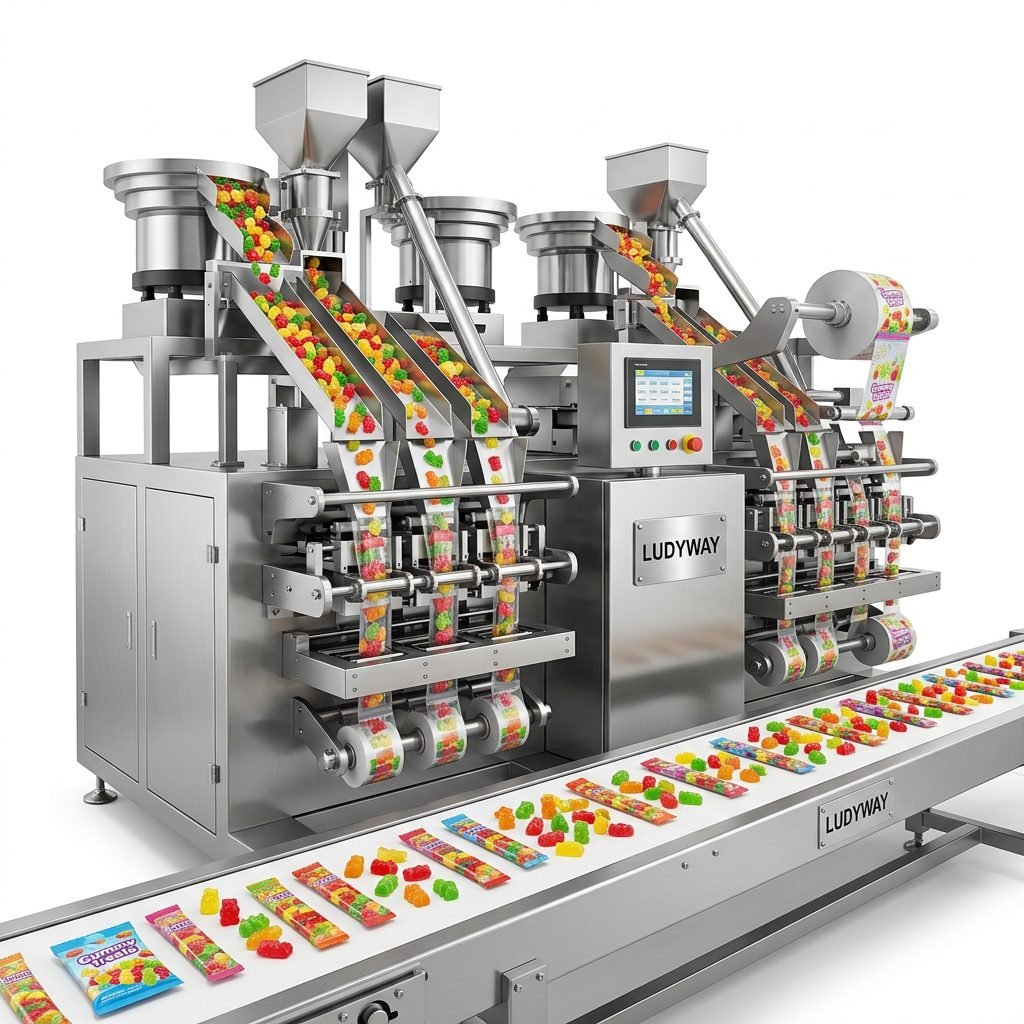
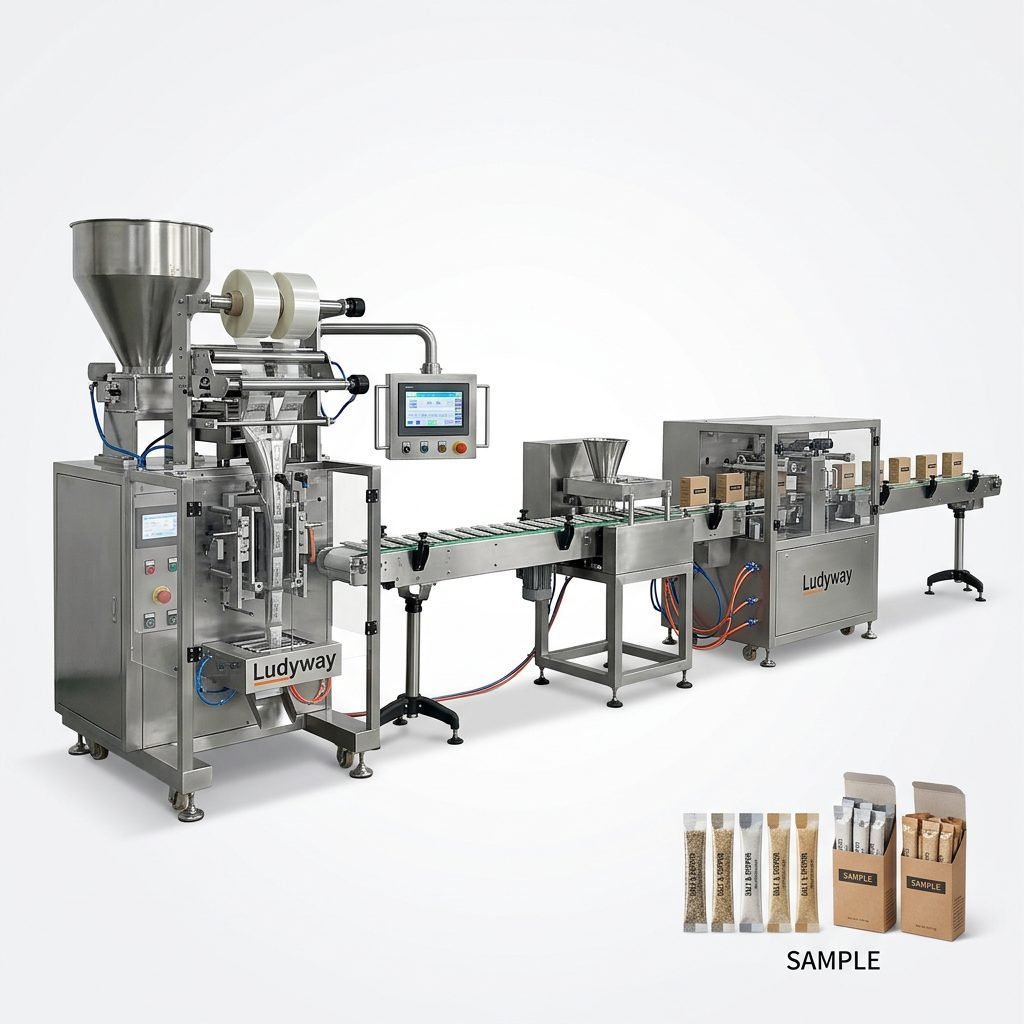
- Multi-Lane Stick Pack Machines: Suitable for mini cookies, cookie bites, or on-the-go single-serve portions. Multi-lane configurations can run 4 to 20 lanes simultaneously, dramatically increasing throughput.
- Premade Pouch Fill & Seal Systems: Used for premium cookie assortments, gift packs, or resealable stand-up pouches. These offer maximum flexibility in bag style and size.
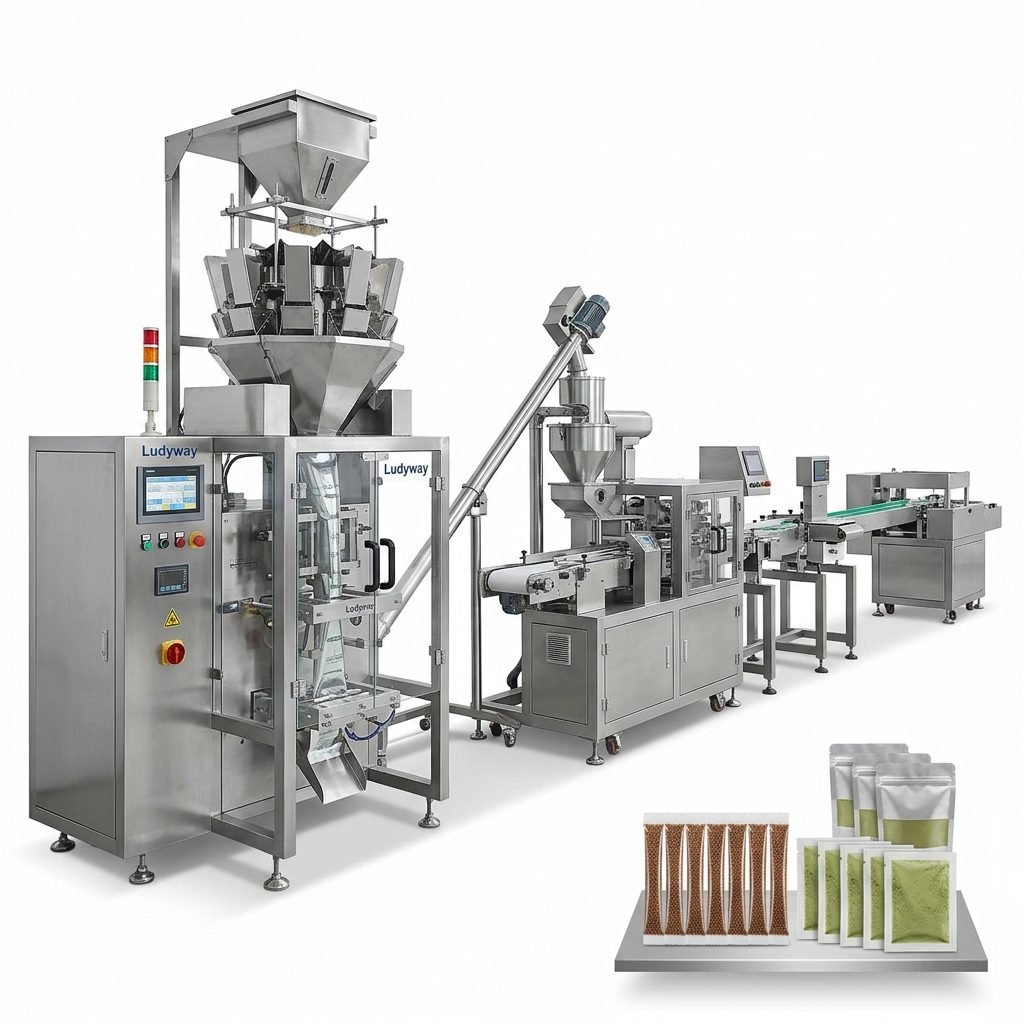
- Vertical Form Fill Seal (VFFS) Systems: Commonly used for bulk cookie packaging or larger family-size bags with pillow or gusseted formats.

Leading global manufacturers such as Ludyway offer integrated turnkey packaging solutions that combine multi-head weighers, primary packaging machines, checkweighers, metal detectors, and cartoning systems into a single synchronized line. When evaluating suppliers, prioritize those with local US service support, readily available spare parts, and documented compliance with PMMI packaging machinery standards.
Key Machine Specifications to Evaluate
Selecting the right machine goes beyond brand reputation. Here are the critical technical specifications that determine line performance for cookie packaging:
| Parameter | Typical Range | Why It Matters |
|---|---|---|
| Packaging Speed | 30 – 200 packs/min | Directly impacts daily output and labor costs |
| Bag Size Range | 50mm x 50mm to 350mm x 500mm | Must accommodate all SKU formats planned |
| Film Material Compatibility | BOPP, PET/PE, CPP, paper laminates | Affects barrier properties and shelf life |
| Sealing Temperature Range | 100°C – 250°C | Critical for film integrity and seal strength |
| Power Requirements | 208V–480V, 3-phase, 60Hz | Must match US electrical infrastructure |
| Air Consumption | 0.6 – 1.2 m³/min at 6 bar | Impacts facility compressor sizing |
Integration with Upstream and Downstream Equipment
A cookie packaging line rarely operates in isolation. Integration with upstream ovens, cooling conveyors, and slug loaders is essential. On the downstream side, equipment such as metal detectors, checkweighers, case packers, and palletizers must communicate seamlessly. Industry standards like ISO packaging machinery protocols and OMAC PackML help ensure interoperability between different OEM systems.
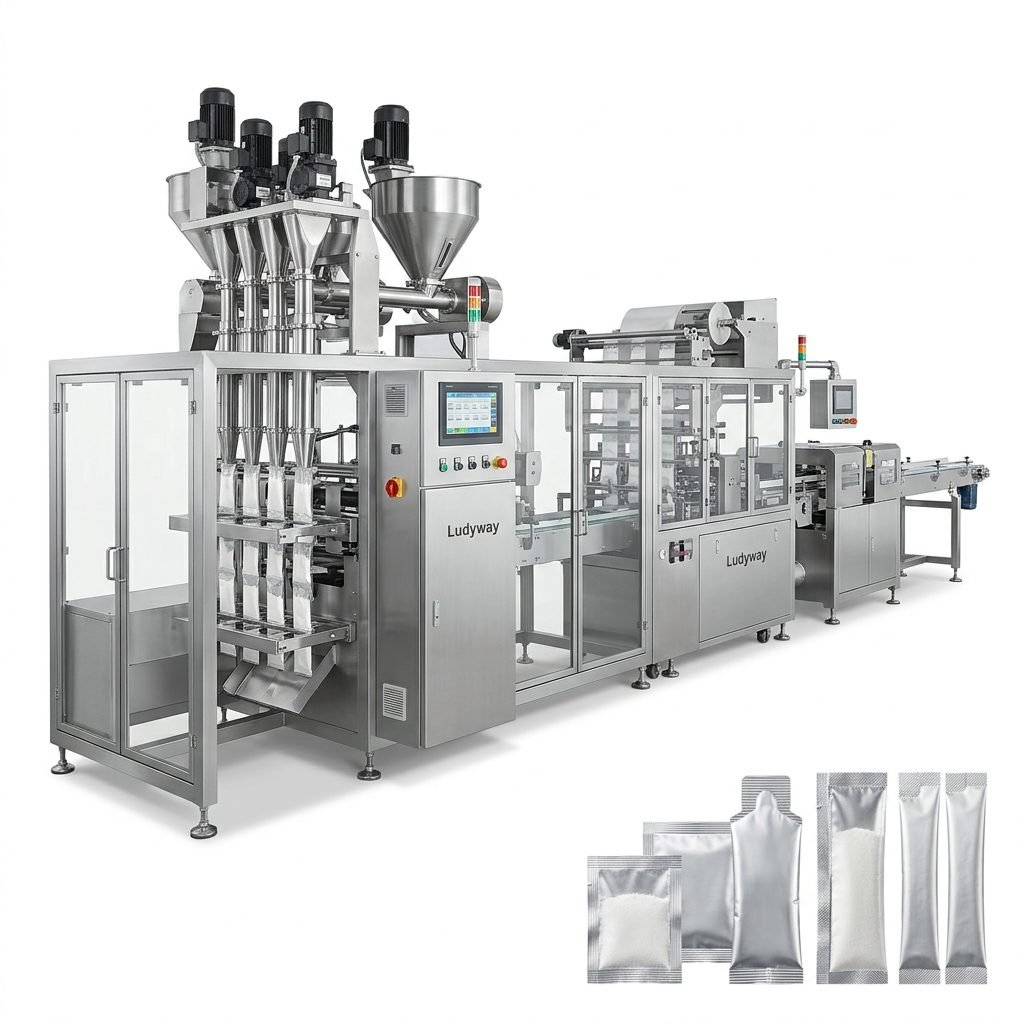
Production Line Layout and Facility Planning
An optimized floor layout is critical to achieving rated line speeds. Begin by mapping the material flow from raw cookie receiving through to finished case palletizing. Key layout principles include:
- Linear Flow: Arrange equipment in a straight line or U-shape to minimize product transfer distance and operator walking time.
- Adequate Clearance: Allow at least 36 inches around machines for maintenance access and cleaning. Electrical panels require 42 inches of clearance per NEC code.
- Utility Drops: Plan compressed air, electrical, and dust collection connections above the line to avoid floor-level trip hazards.
- Personnel Flow: Designate marked walkways separate from forklift and pallet jack routes to enhance workplace safety.
The Flexible Packaging Association provides valuable benchmarking data that can inform your packaging material handling and storage requirements. Additionally, referencing PMMI business intelligence can help you align your line design with current industry throughput benchmarks.
Environmental Control Considerations
Cookies are hygroscopic products that absorb moisture from ambient air, leading to texture degradation and mold growth. Your packaging room should maintain:
| Environmental Factor | Recommended Range | Impact on Product |
|---|---|---|
| Ambient Temperature | 18°C – 24°C (64°F – 75°F) | Prevents chocolate bloom and fat migration |
| Relative Humidity | 35% – 50% RH | Preserves crispness and prevents sogginess |
| Air Filtration | MERV 13 or higher | Controls airborne particulates and allergens |
| Positive Room Pressure | 0.02 – 0.05 in. w.g. | Prevents unfiltered outside air infiltration |
Installation, Commissioning, and Operator Training
Installation of a cookie packaging line in the USA typically spans 2 to 4 weeks depending on line complexity. The process begins with mechanical anchoring and leveling, followed by electrical hookup by a certified industrial electrician who ensures compliance with NFPA 70 (NEC) and local building codes. Utility connections — compressed air, nitrogen flush lines if applicable, and dust extraction — are validated against the manufacturer's specification sheet.
Commissioning proceeds through dry runs with inert materials before live cookie trials. Seal integrity testing, weight verification, and metal detector calibration are performed at multiple speed settings. This is the phase where film tracking, jaw alignment, and temperature profiling are fine-tuned for each SKU.
Operator training is often underestimated yet critical to long-term line performance. A structured training program should cover:
- Machine startup and shutdown protocols
- HMI navigation and recipe management
- Film roll changeover and web threading procedures
- Cleaning and sanitation SOPs compliant with FDA cGMP
- Basic troubleshooting for common faults
- Lockout/tagout safety procedures per OSHA 1910.147
Ongoing Maintenance and Spare Parts Strategy
A well-planned maintenance program directly impacts line uptime and total cost of ownership. We recommend implementing a preventive maintenance schedule aligned with the manufacturer's guidelines. Critical wear components such as sealing jaws, Teflon tapes, cutting blades, belts, and bearings should be kept in inventory at your facility.
Recommended Preventive Maintenance Intervals
| Interval | Maintenance Tasks | Responsible Party |
|---|---|---|
| Daily | Clean sealing surfaces, inspect Teflon tape, empty dust trays | Line Operator |
| Weekly | Lubricate chains and linear guides, check belt tension, verify sensor alignment | Maintenance Technician |
| Monthly | Inspect pneumatic cylinders and fittings, calibrate temperature controllers, test emergency stops | Maintenance Supervisor |
| Quarterly | Replace wear parts as needed, full electrical safety inspection, gearbox oil check | Maintenance Supervisor & OEM Technician |
| Annually | Comprehensive overhaul, control system backup, mechanical alignment verification | OEM Service Team |
Total Cost of Ownership and ROI Analysis
When budgeting for a cookie packaging production line in the USA, look beyond the initial equipment purchase price. Total cost of ownership (TCO) includes:
- Equipment and installation: Machine cost plus rigging, electrical, and mechanical setup
- Facility modifications: Utility upgrades, HVAC adjustments, and floor coatings
- Training and documentation: Operator manuals, SOPs, and on-site training hours
- Consumables: Packaging film, Teflon tape, lubricants, and cleaning chemicals
- Spare parts inventory: Initial stock of critical wear components
- Ongoing maintenance contracts: Annual service agreements with OEM or third-party providers
A properly specified and maintained cookie packaging line typically achieves OEE (Overall Equipment Effectiveness) of 75% to 85%. At this performance level, many operations see full ROI within 18 to 36 months, driven by reduced labor costs, lower product give-away, and higher throughput compared to semi-automatic or manual packaging methods.

Staying Current with Industry Trends and Networking
The packaging machinery landscape evolves rapidly with advances in automation, robotics, and smart factory integration. Attending events like PACK EXPO International and PACK EXPO Las Vegas provides hands-on exposure to the latest cookie packaging technologies and the opportunity to benchmark multiple suppliers side by side. The Flexible Packaging Association also publishes market data and sustainability resources that help you align packaging decisions with consumer trends.
Additionally, keeping abreast of regulatory developments through the PMMI State of the Industry reports ensures your packaging line remains compliant and competitive. Sustainability mandates are increasingly shaping packaging choices — mono-material films, recyclable barrier structures, and reduced gauge materials are trends that directly impact machine specifications and sealing parameters.
Final Considerations Before Breaking Ground
Setting up a cookie packaging machine production line in the USA is a significant capital investment that demands thorough planning. Success hinges on selecting the right machine configuration, ensuring FDA and OSHA compliance, optimizing facility layout, and committing to ongoing operator training and preventive maintenance. By partnering with experienced equipment manufacturers and leveraging industry resources from organizations like PMMI and the Flexible Packaging Association, you can build a packaging line that delivers consistent quality, high throughput, and reliable long-term performance.