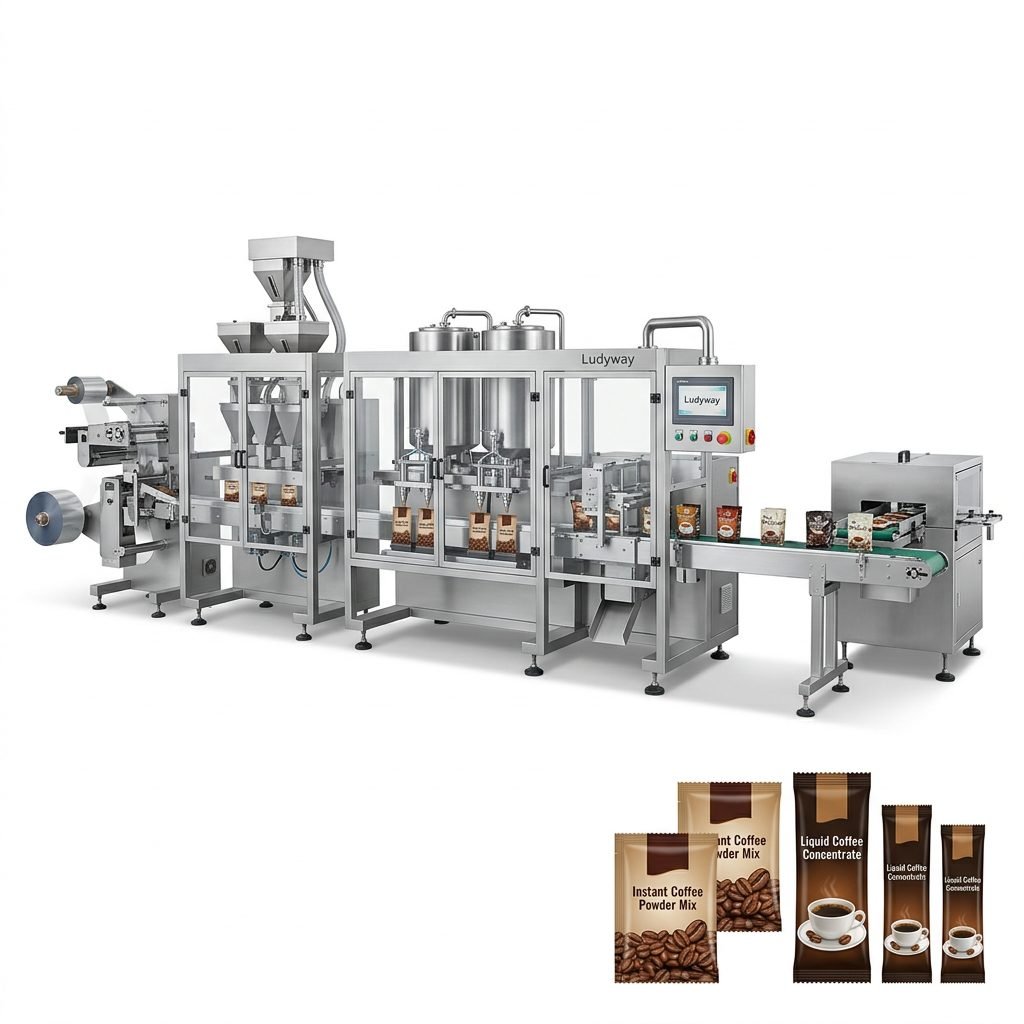
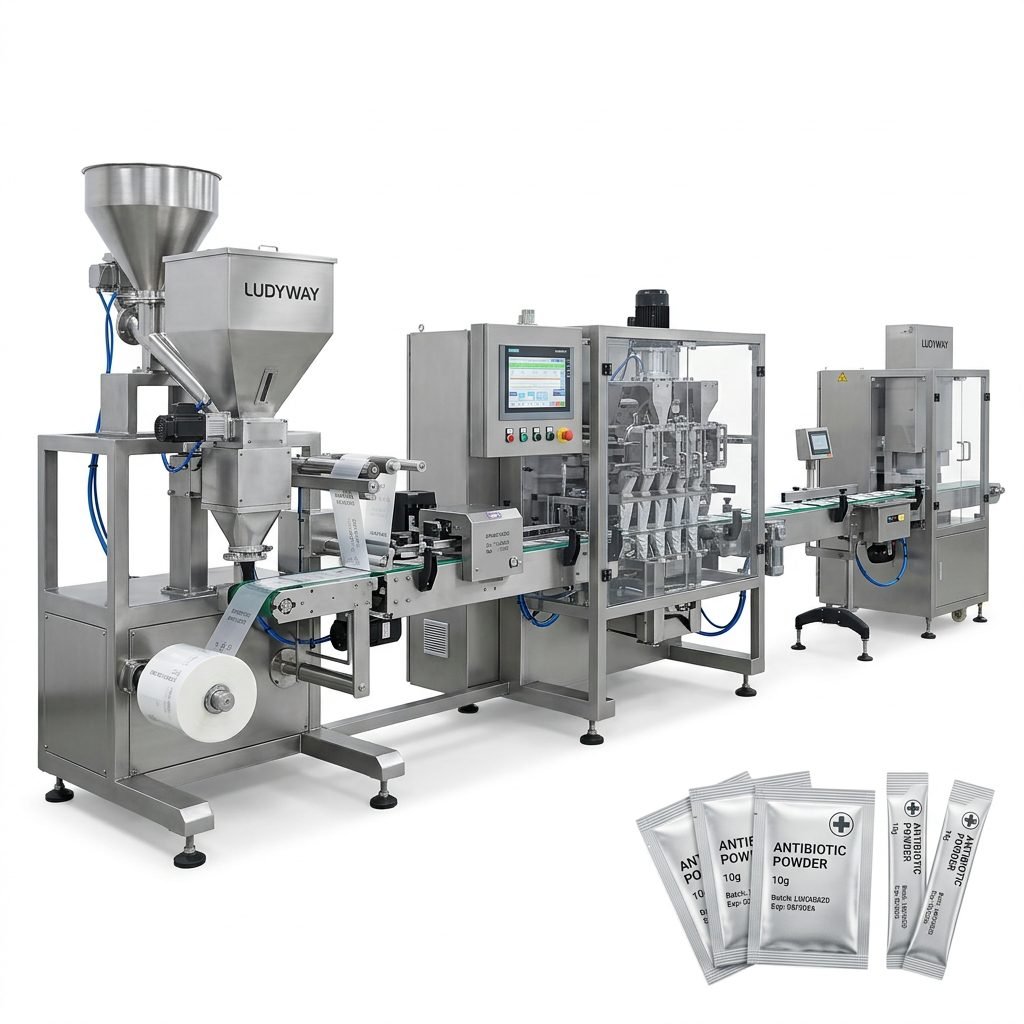
Establishing a ground meat packaging machine production line in Germany requires careful planning, strict adherence to EU and German food safety regulations, and the selection of appropriate high-performance equipment. Germany is Europe’s largest meat processing market, and its regulatory framework—governed by the Lebensmittel- und Futtermittelgesetzbuch (LFGB) and EU directives—sets a high standard for hygiene, traceability, and operational efficiency. This guide walks you through the essential steps to set up a compliant and productive ground meat packaging line.
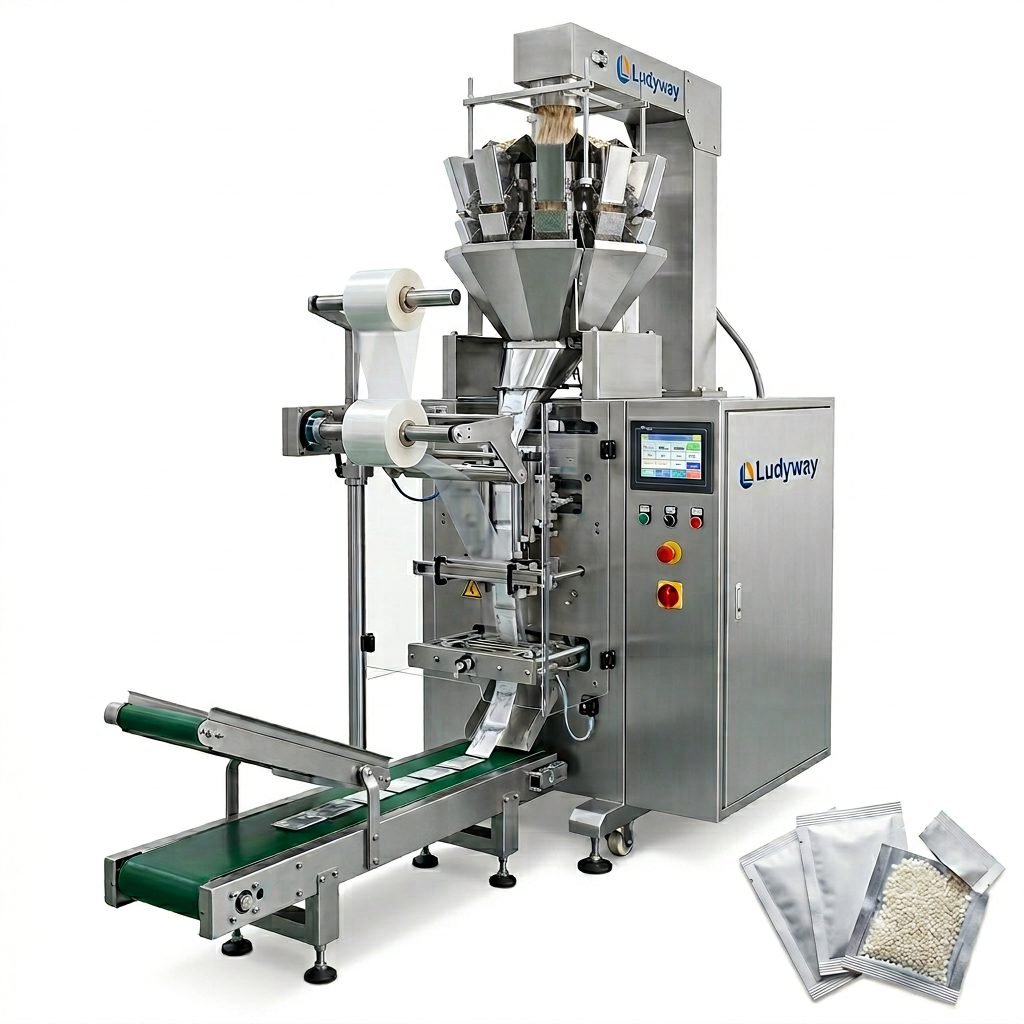
Understanding German Regulatory Requirements for Meat Packaging
Before installing any machinery, you must understand the German and EU food contact material regulations. The key frameworks include:
- EU Regulation (EC) No 1935/2004 – General requirements for all food contact materials
- EU Regulation (EC) No 2023/2006 – Good Manufacturing Practice (GMP) for materials intended to come into contact with food
- DIN EN 1672-2 – Hygiene requirements for machinery used in food processing
- IFS Food Standard – International Featured Standards, widely adopted by German retailers
- HACCP Principles – Hazard Analysis and Critical Control Points, mandatory across the EU
Compliance with these standards is non-negotiable for any ground meat operation. The German authorities, including the Bundesamt für Verbraucherschutz und Lebensmittelsicherheit (BVL), conduct regular inspections to ensure food safety.
Key Equipment for a Ground Meat Packaging Line
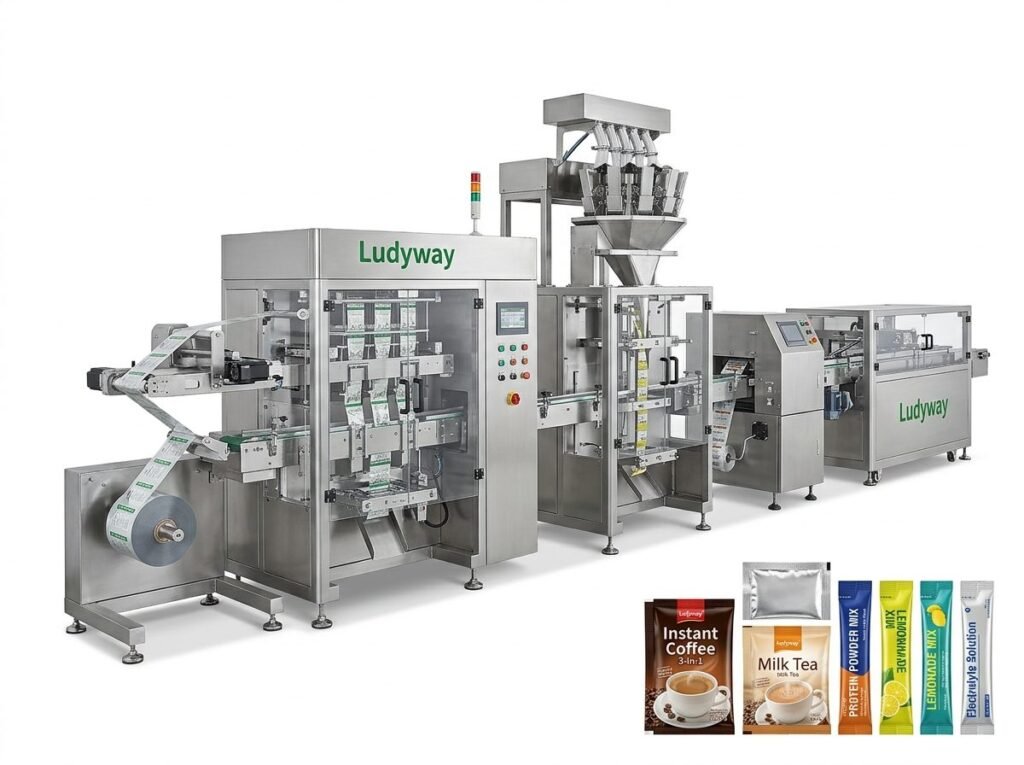
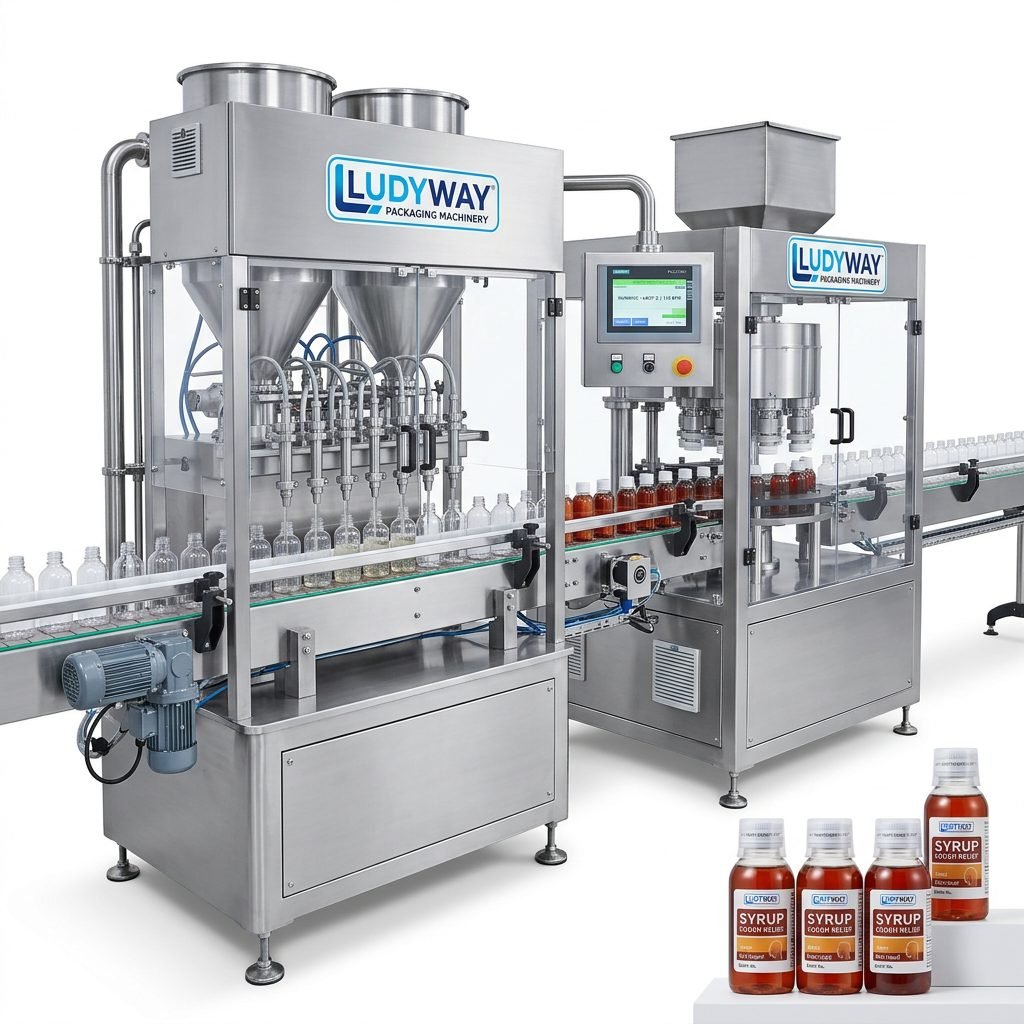
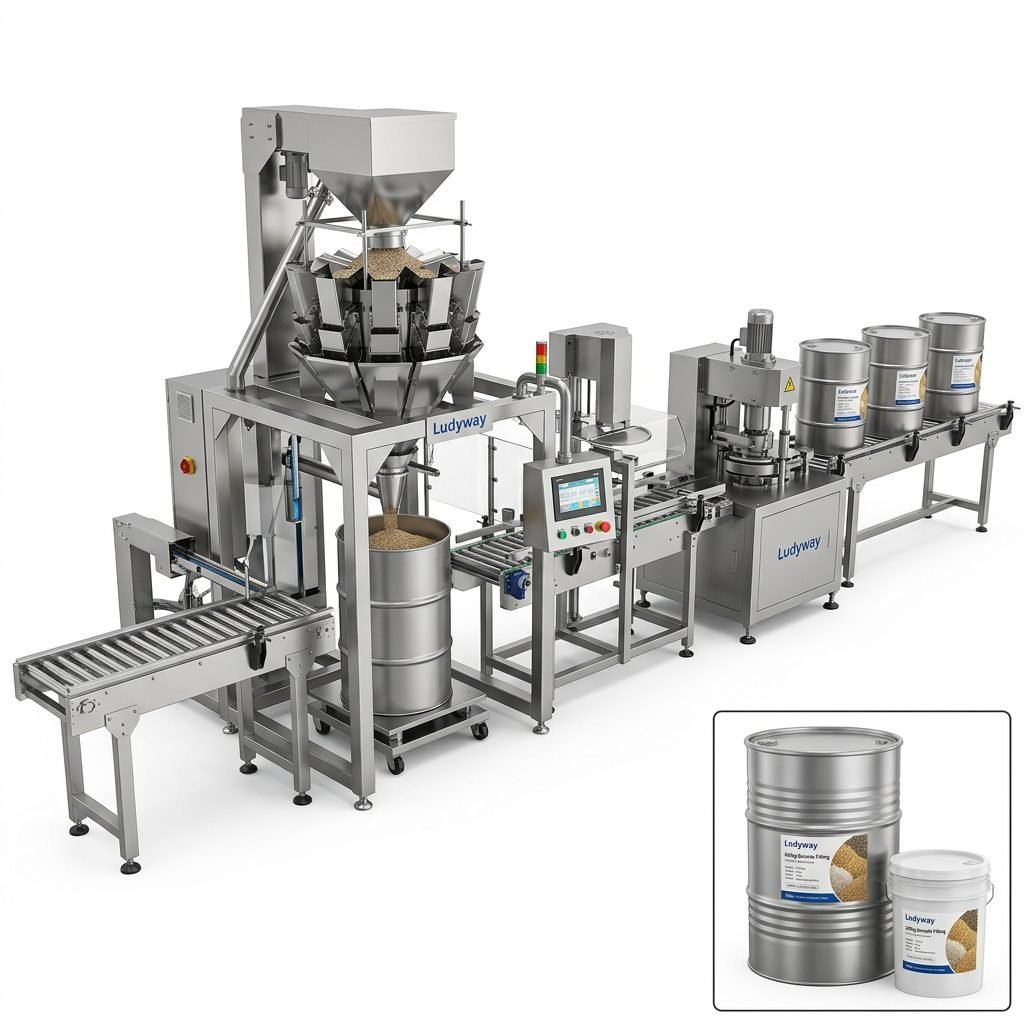
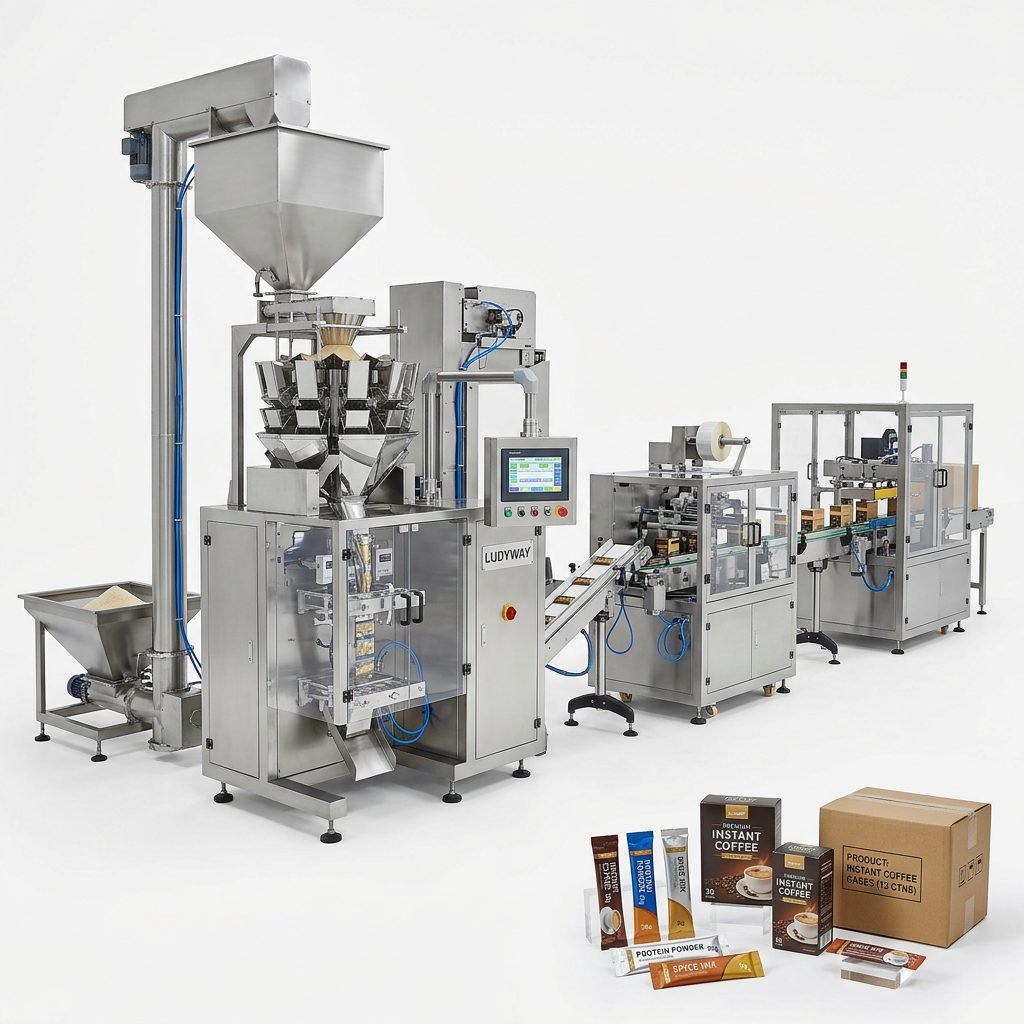
A fully functional ground meat packaging line typically includes the following integrated components:
| Equipment | Function | Key Considerations |
|---|---|---|
| Grinding & Mixing Unit | Prepares the meat to desired consistency | Stainless steel construction, easy CIP cleaning |
| Weighing & Dosing System | Accurate portion control before filling | High precision (±1g), compatible with multiple formats |
| Form-Fill-Seal (FFS) Machine | Forms pouches, fills product, and seals | Modified atmosphere packaging (MAP) capability |
| Inspection & Detection | Metal detection and checkweighing | Compliance with ISO packaging standards |
| Labeling & Coding | Batch coding, date marking, traceability | GS1-compliant barcoding systems |
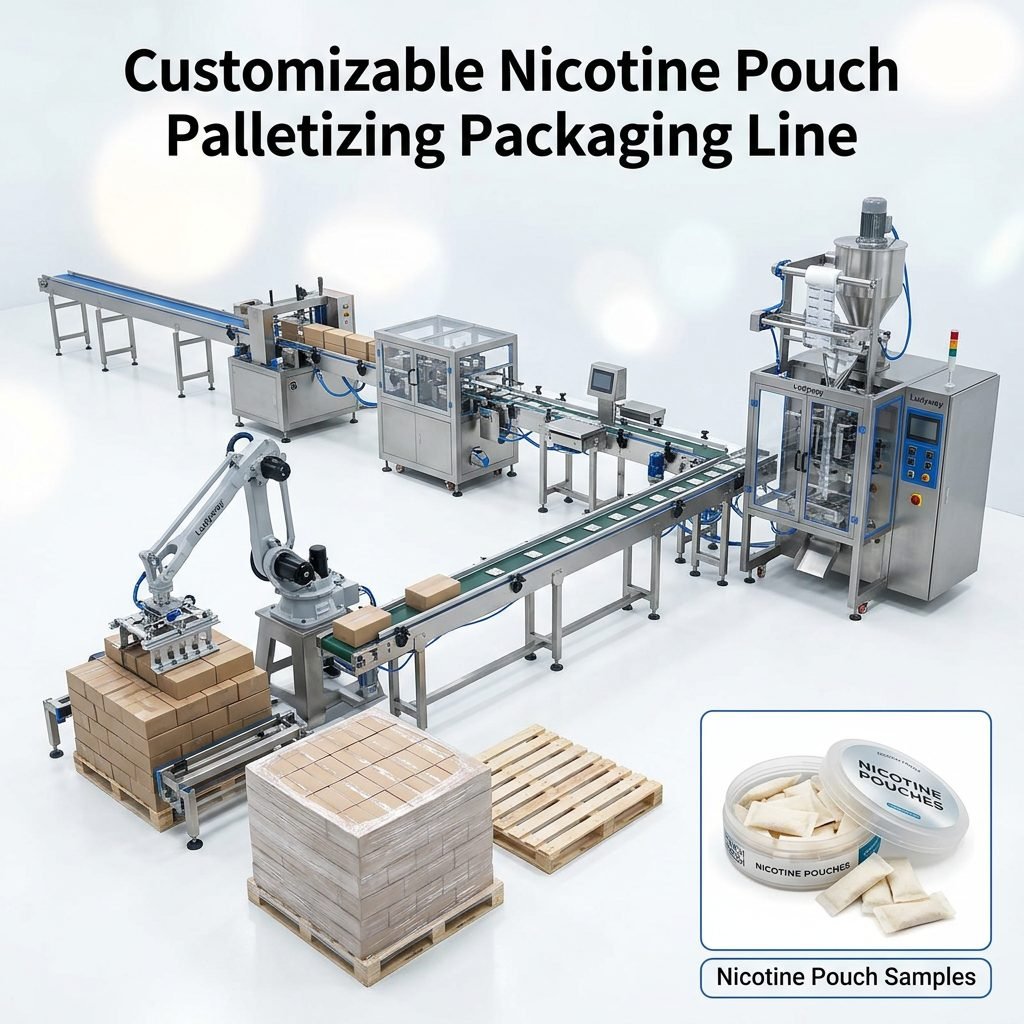
| End-of-Line Automation | Cartoning, case packing, palletizing | Scalable for future production growth |
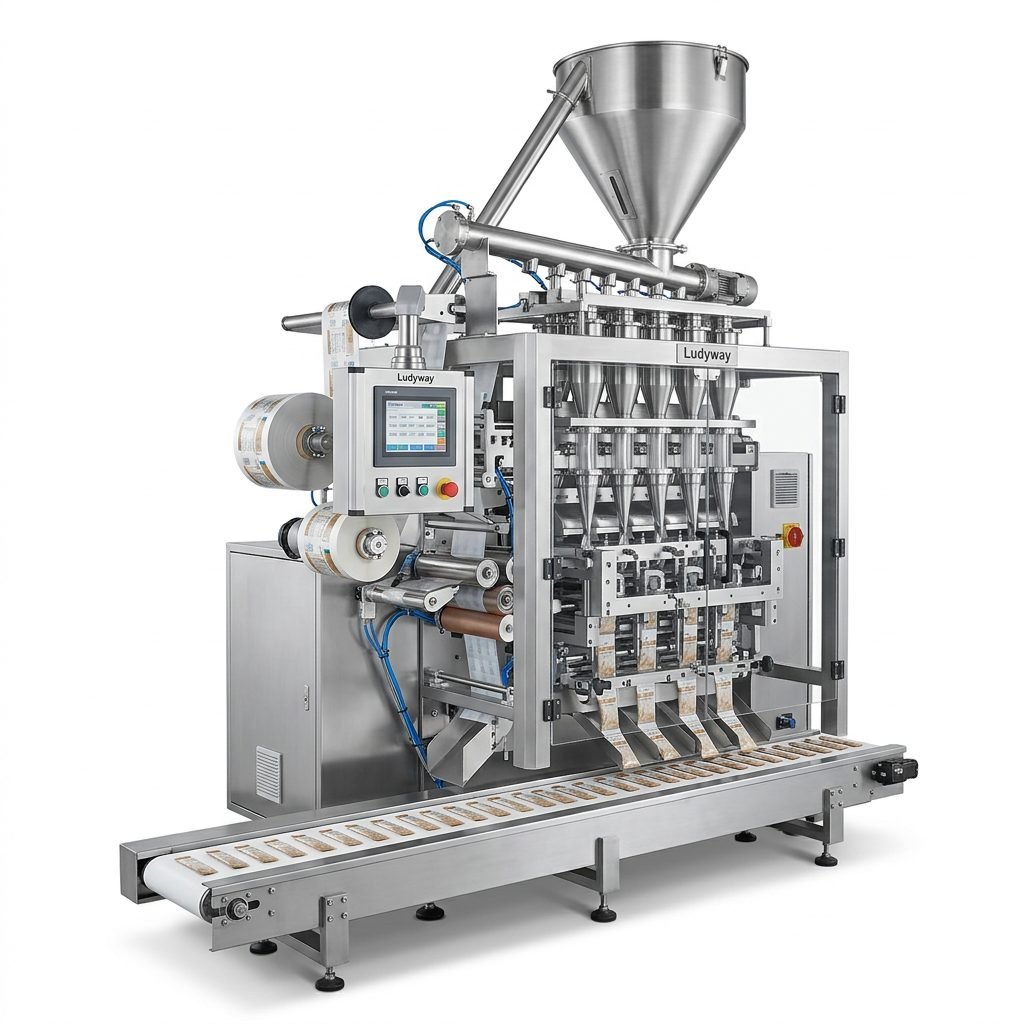
Facility and Layout Planning
The physical layout of your production facility must follow strict hygienic zoning principles. German regulations require a clear separation between raw and processed areas to prevent cross-contamination. Key layout considerations include:
Hygienic Design Requirements
- Floors and walls must be smooth, non-porous, and easy to clean
- Drainage systems should prevent backflow and pest entry
- Temperature-controlled environments (typically 2–4°C for ground meat processing)
- Adequate ventilation with positive air pressure in high-risk zones
- Separate personnel entrances with changing rooms and sanitizing stations
Workflow Optimization
The production line should follow a linear flow from raw material intake to finished product dispatch. Avoid cross-traffic between clean and unclean zones. A typical workflow includes:
- Raw material receiving and inspection
- Grinding and mixing in a temperature-controlled area
- Weighing and filling with automated packaging machinery
- Sealing and MAP gas flushing
- Metal detection and quality control
- Secondary packaging and cold storage
Selecting the Right Packaging Materials
For ground meat packaging in Germany, multilayer barrier films are the industry standard. These films provide excellent oxygen and moisture barriers, extending shelf life while maintaining product quality. Common material structures include:
- PA/PE (Polyamide/Polyethylene) – Good puncture resistance and sealability
- EVOH-based structures – Superior oxygen barrier for extended shelf life
- PET/PE combinations – High clarity for retail display
All packaging materials must comply with the Flexible Packaging Association guidelines and EU food contact material regulations. The German Verpackungsgesetz (Packaging Act) also imposes recycling and extended producer responsibility obligations that affect material selection.
Installation, Commissioning, and Validation
Installing a ground meat packaging line in Germany involves rigorous validation protocols. The process typically follows these phases:
Phase 1: IQ (Installation Qualification)
Verify that all equipment is installed correctly according to manufacturer specifications. Document calibration certificates, material certifications, and compliance with ISO 11607 for packaging validation.
Phase 2: OQ (Operational Qualification)
Test the equipment under simulated production conditions. Key parameters to verify include:
- Filling accuracy and consistency
- Seal integrity and strength
- MAP gas composition verification
- Temperature control throughout the process
Phase 3: PQ (Performance Qualification)
Run the line under actual production conditions with real product. This phase confirms that the entire system operates reliably and consistently meets all quality specifications.
Operator Training and Ongoing Compliance
German food safety law requires that all personnel handling food products receive documented training in hygiene practices and equipment operation. Training programs should cover:
- HACCP principles and critical control points specific to ground meat
- Proper cleaning and sanitization procedures (CIP and COP)
- Equipment operation and troubleshooting
- Record-keeping for traceability and audit purposes
- Allergen management protocols
Maintenance and Hygiene Management
Preventive maintenance is critical for food safety and operational uptime. Establish a documented maintenance schedule that includes:
| Maintenance Activity | Frequency | Responsibility |
|---|---|---|
| Daily cleaning and sanitization | End of each shift | Production team |
| Seal integrity checks | Every 2 hours | QA technician |
| Metal detector calibration | Daily and after product change | Maintenance team |
| Conveyor belt inspection | Weekly | Maintenance team |
| Full line deep cleaning | Monthly | External cleaning service |
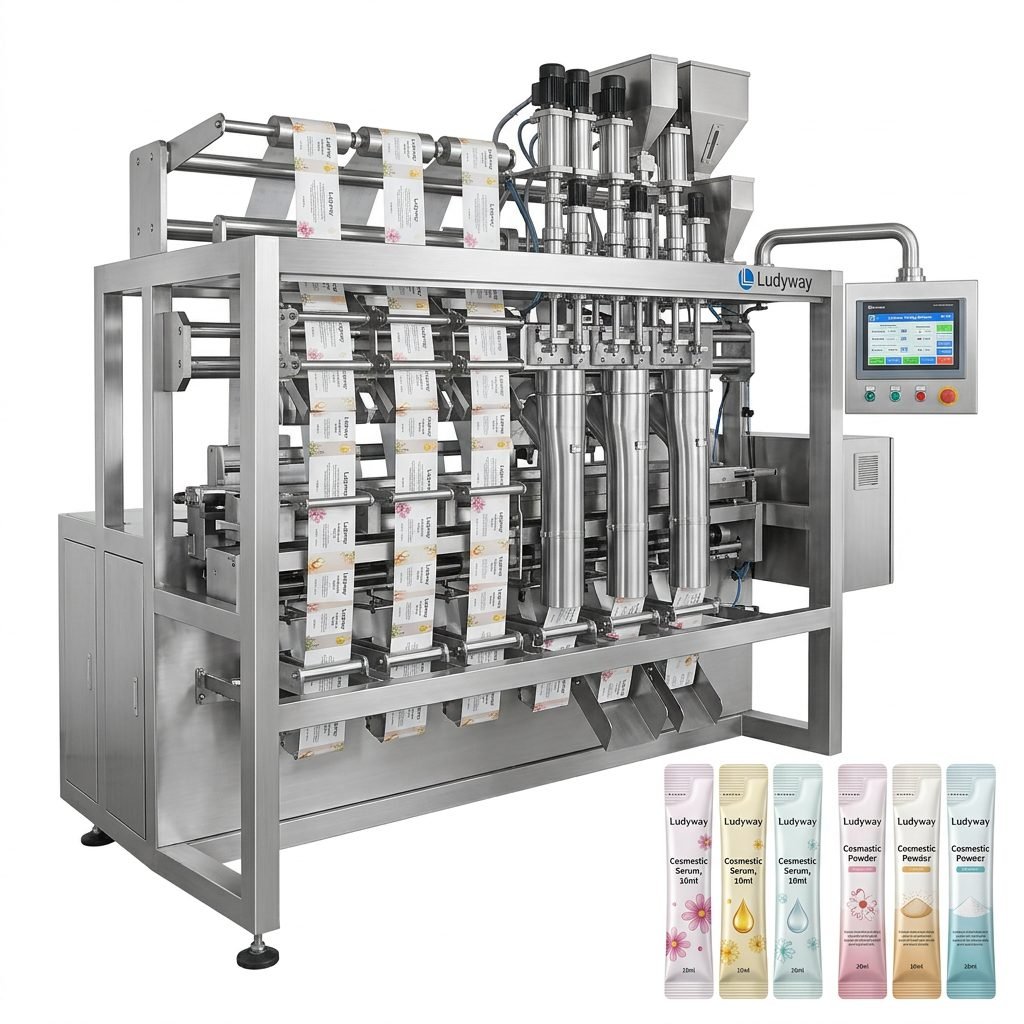
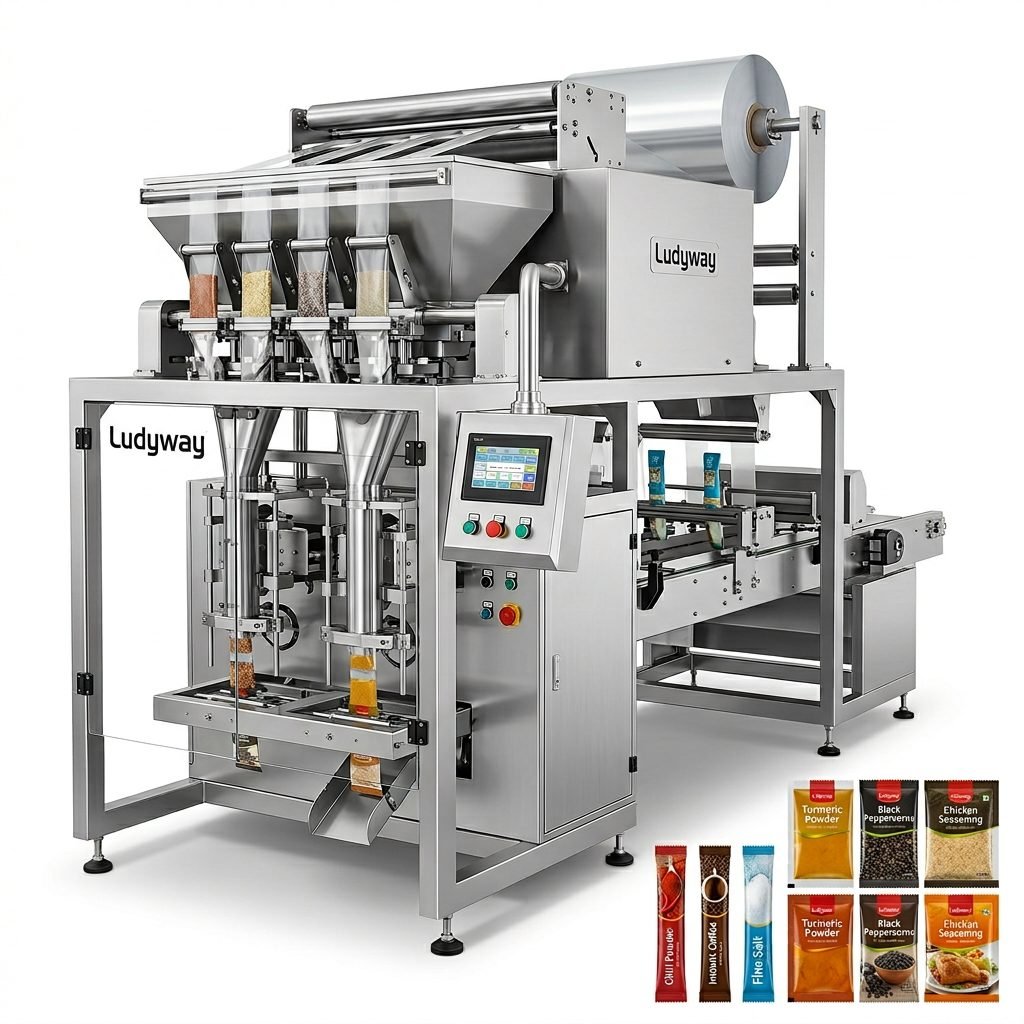
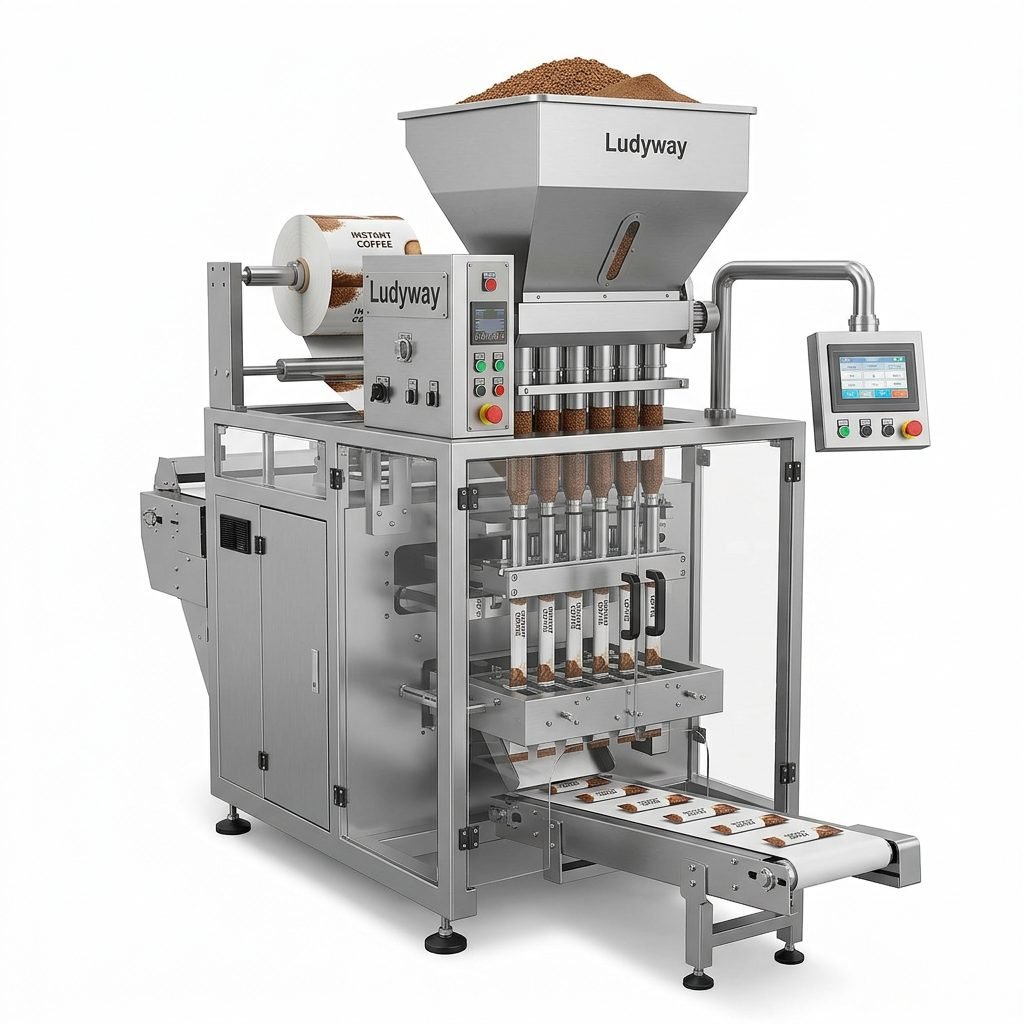
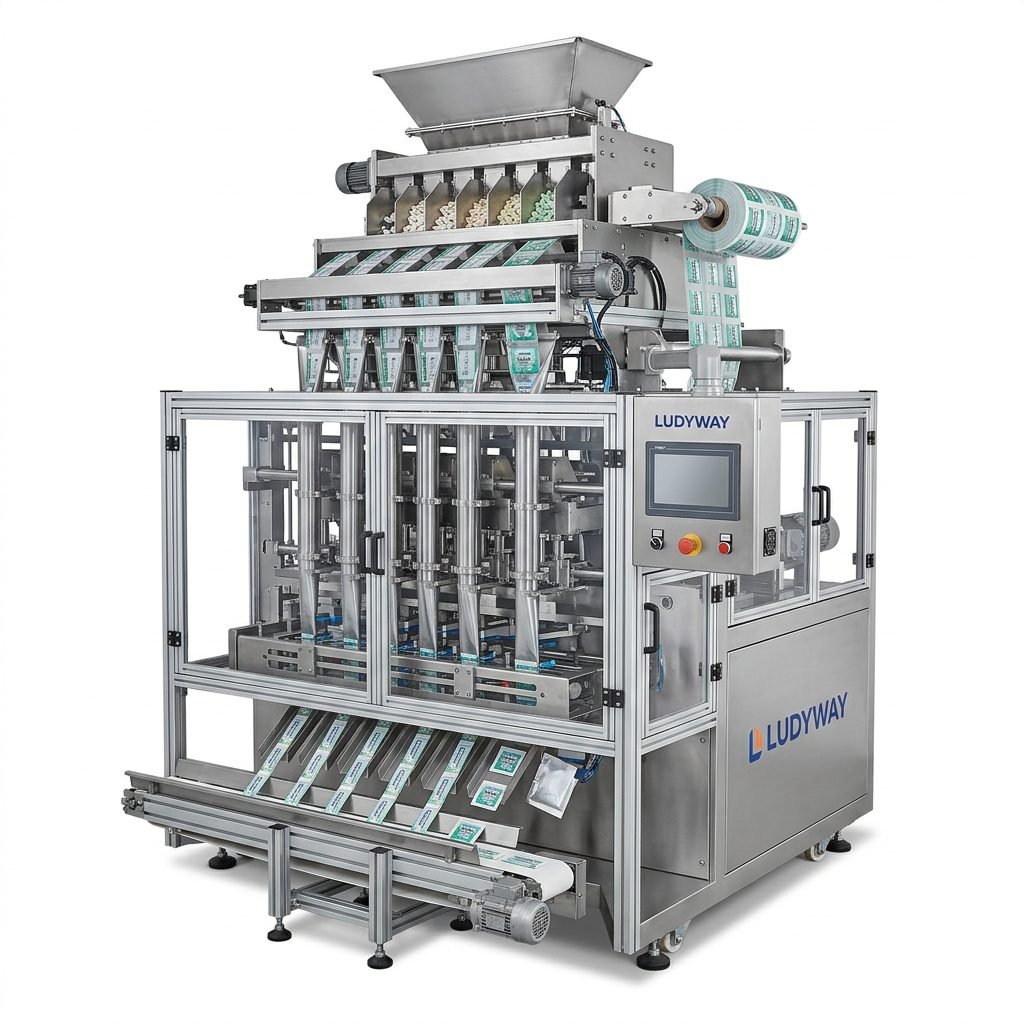
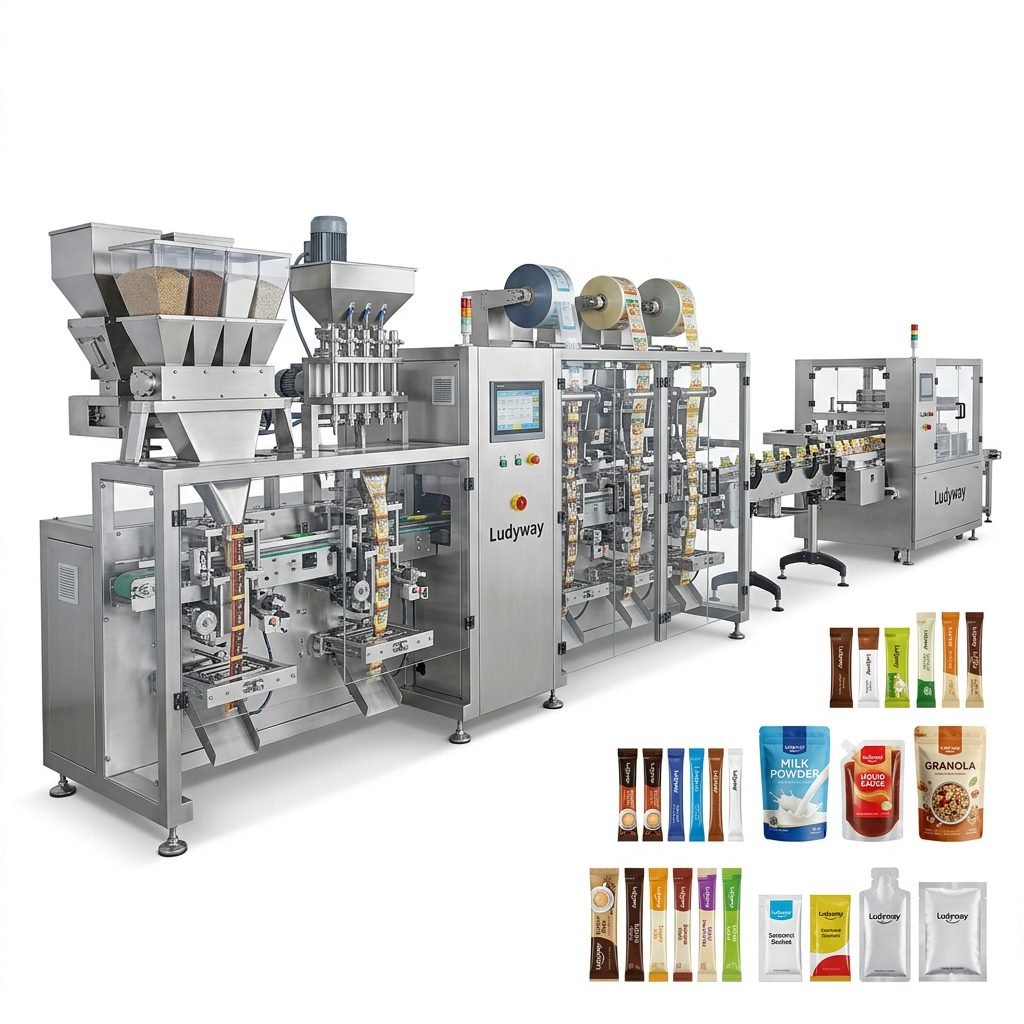
For businesses seeking turnkey packaging solutions that integrate seamlessly with German regulatory requirements, Ludyway provides advanced automated packaging equipment serving customers in over 100 countries, including comprehensive support for European market compliance and installation.
Common Pitfalls to Avoid
When setting up a ground meat packaging line in Germany, avoid these common mistakes:
- Underestimating refrigeration requirements – Ground meat must be maintained below 4°C continuously
- Skipping material compatibility testing – Always test packaging films with your specific product formulations
- Ignoring German labeling requirements – The Lebensmittelinformationsverordnung (LMIV) mandates specific allergen and nutritional declarations
- Inadequate validation documentation – German auditors expect thorough IQ/OQ/PQ records
- Overlooking packaging waste obligations – Register with the Zentrale Stelle Verpackungsregister (ZSVR) before placing packaged goods on the market

Cost Considerations and ROI Planning
Budgeting for a ground meat packaging line in Germany requires accounting for:
- Equipment acquisition – Including primary packaging machines, conveyors, and end-of-line systems
- Installation and commissioning – Professional installation by certified technicians
- Validation and certification – Third-party testing and documentation costs
- Facility modifications – Hygienic flooring, drainage, HVAC upgrades
- Ongoing compliance – Annual audits, calibration services, and staff training
A well-planned production line can achieve full ROI within 18–24 months through reduced waste, higher throughput, and extended product shelf life. Consulting with experienced packaging machinery providers who understand both the technical and regulatory landscape is essential for long-term success in the German market.