Africa’s food processing sector is experiencing rapid growth, driven by urbanization, rising disposable incomes, and changing consumer preferences. Among the most dynamic categories is the tomato ketchup and sauce market, which has seen increasing demand across retail, food service, and institutional channels. For entrepreneurs and established manufacturers alike, setting up a ketchup packaging machine production line represents a strategic opportunity to capture this expanding market. However, building an efficient, compliant, and scalable packaging operation requires careful planning around equipment selection, cost management, and operational execution.
This guide provides a comprehensive roadmap for establishing a ketchup packaging production line in Africa, covering essential equipment, cost breakdowns, and step-by-step implementation strategies tailored to the African business environment.
Understanding the African Ketchup Market Opportunity
The ketchup and tomato sauce segment in Africa is projected to grow steadily over the next decade. Key drivers include the expansion of quick-service restaurants (QSRs), increasing household consumption of processed foods, and the proliferation of retail formats across countries such as Nigeria, Kenya, Ghana, South Africa, and Ethiopia. Sachet and small-format packaging have become especially popular due to their affordability and convenience for price-sensitive consumers. This trend creates a strong demand for flexible packaging machinery capable of handling various formats, including sachets, stick packs, pouches, and bottles.

Essential Equipment for a Ketchup Packaging Production Line
Setting up a complete ketchup packaging line requires a systematic approach to equipment selection. The machinery must be compatible with the product’s viscosity, acidity, and packaging format requirements. Below are the core equipment categories you will need to consider:
1. Ketchup Processing and Preparation Equipment
- Mixing and Blending Tanks: Stainless steel tanks equipped with agitators to ensure uniform consistency of ketchup before packaging. These tanks must be constructed from food-grade 304 or 316L stainless steel to withstand the acidic nature of tomato-based products.
- Homogenizers: Essential for achieving a smooth, consistent texture by breaking down particles and preventing separation during storage.
- Pasteurization Systems: Heat treatment equipment that ensures product safety and extends shelf life. In-line pasteurizers integrated with the packaging line are preferred for continuous production.
- Storage and Buffer Tanks: Intermediate holding tanks that maintain product temperature and feed the packaging machines at a consistent rate.
2. Filling and Sealing Machines
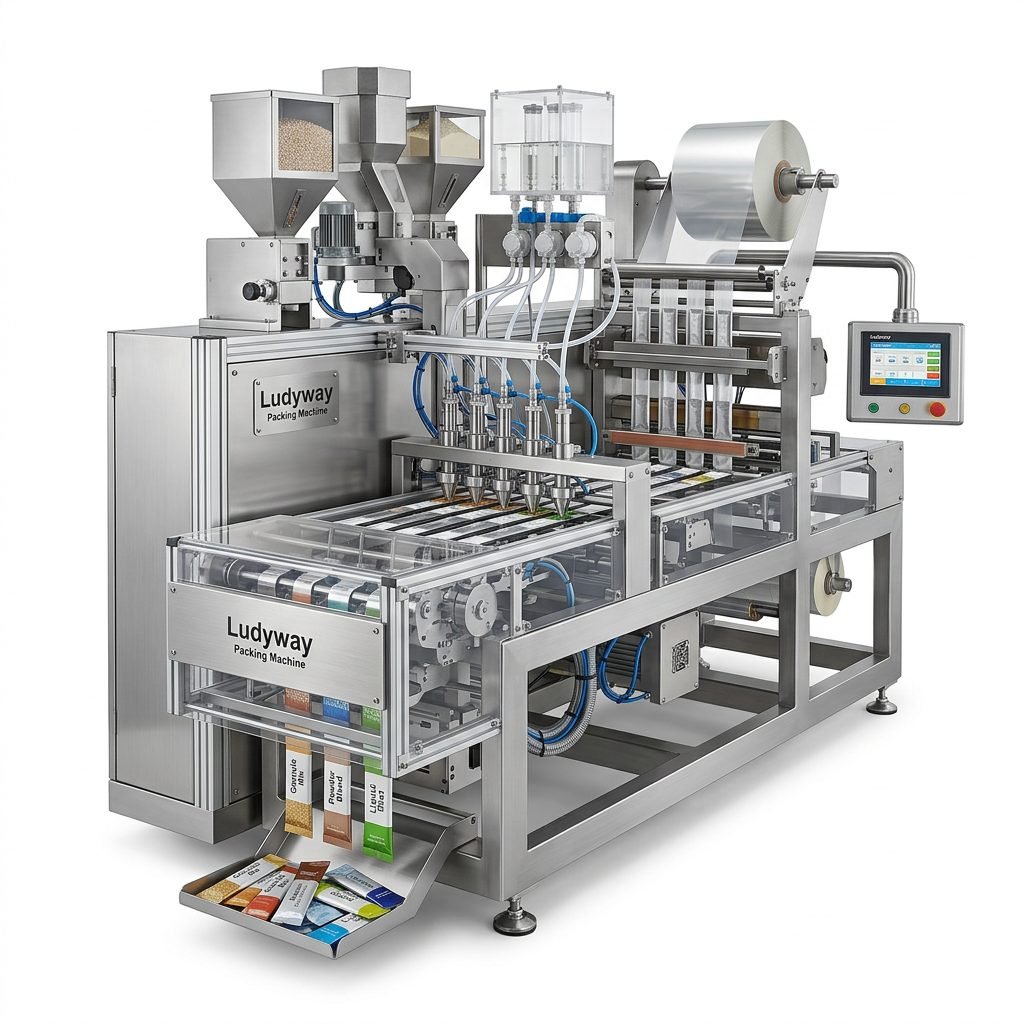
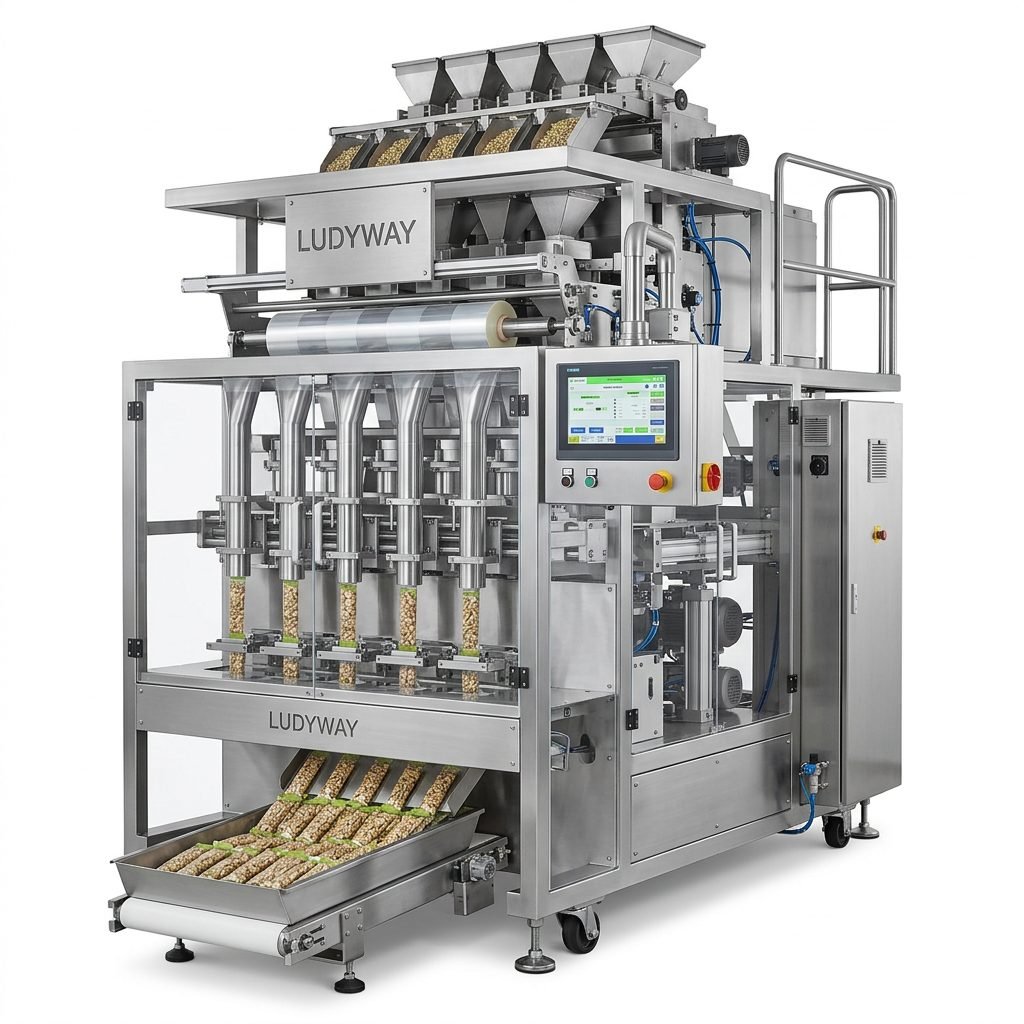
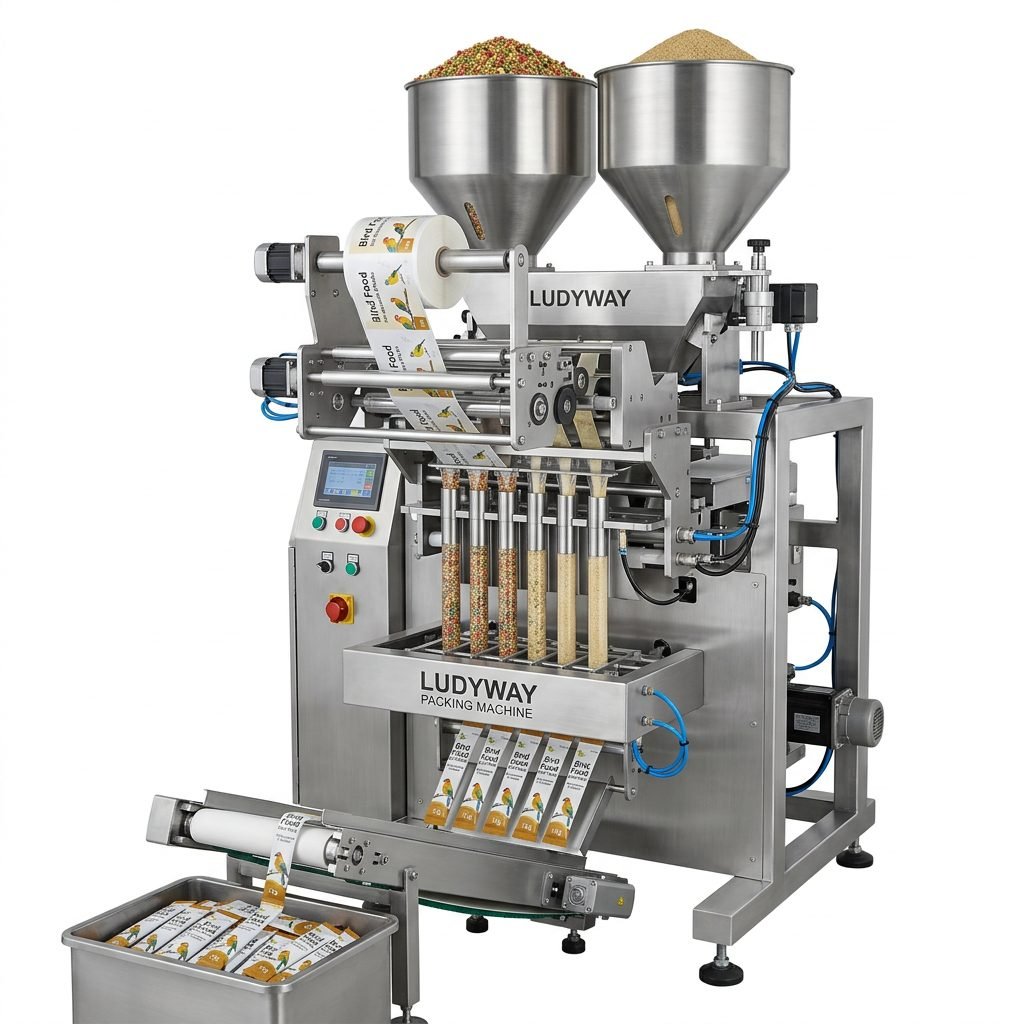
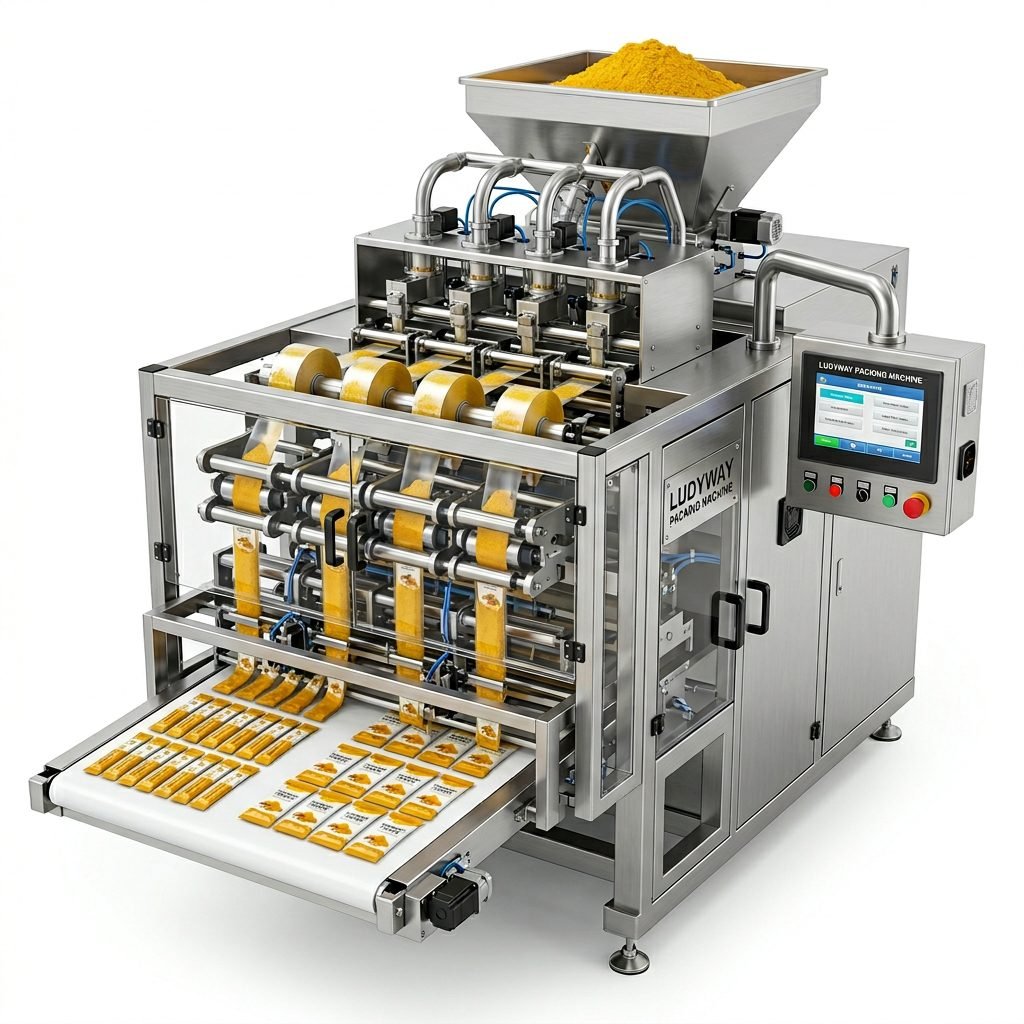
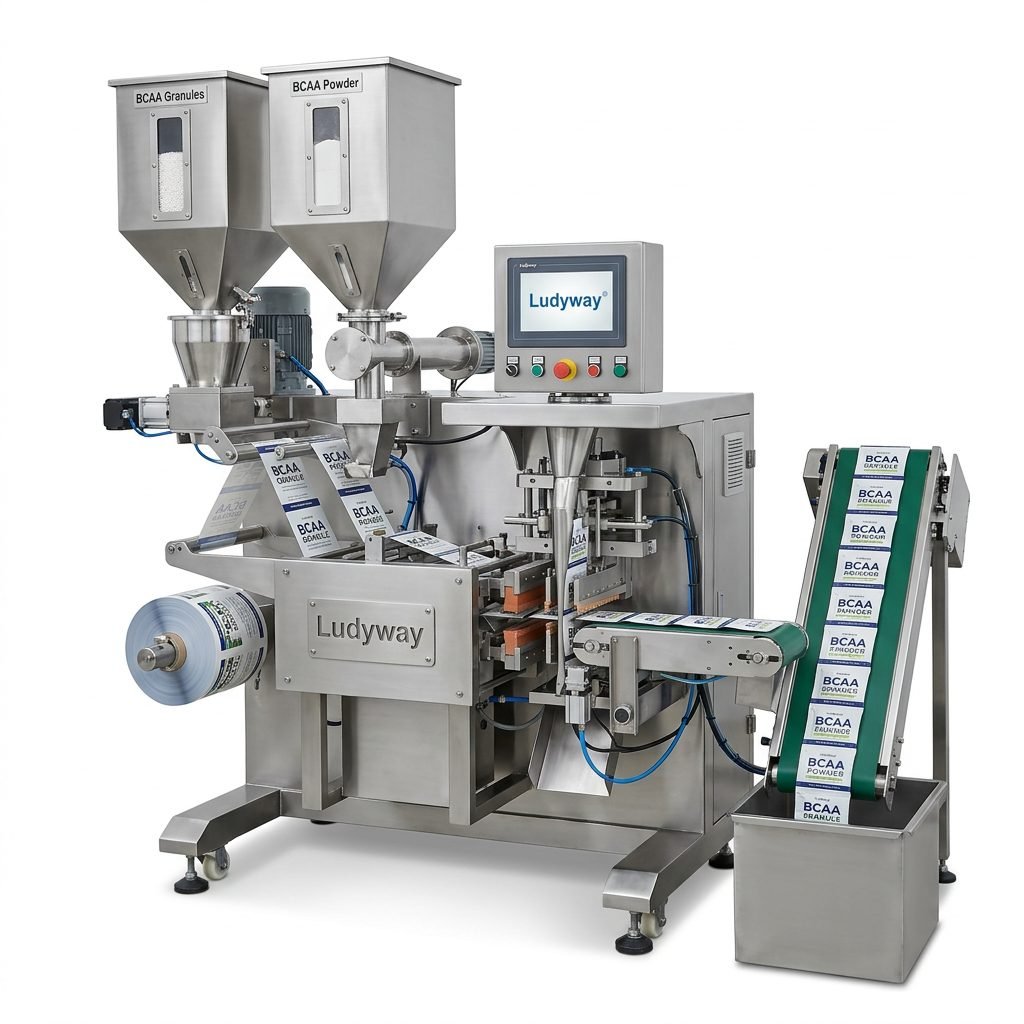
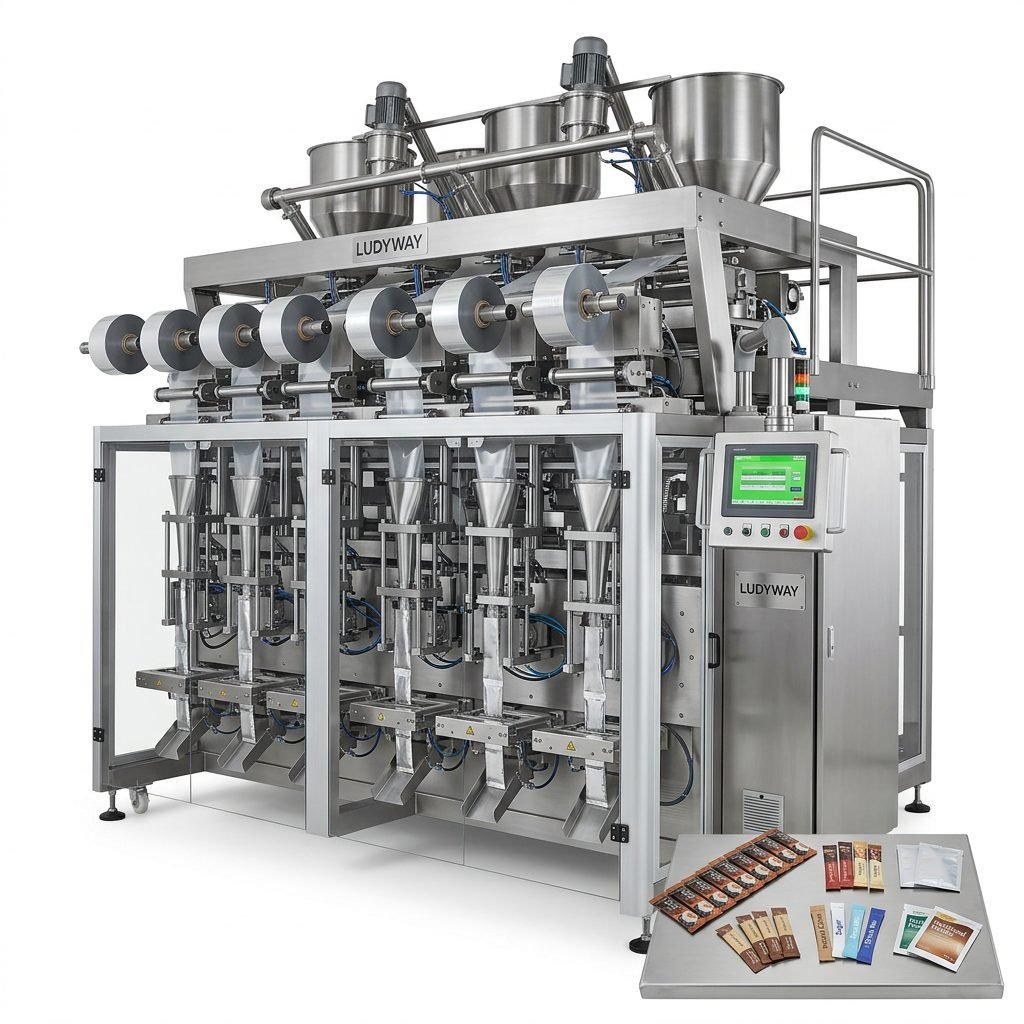
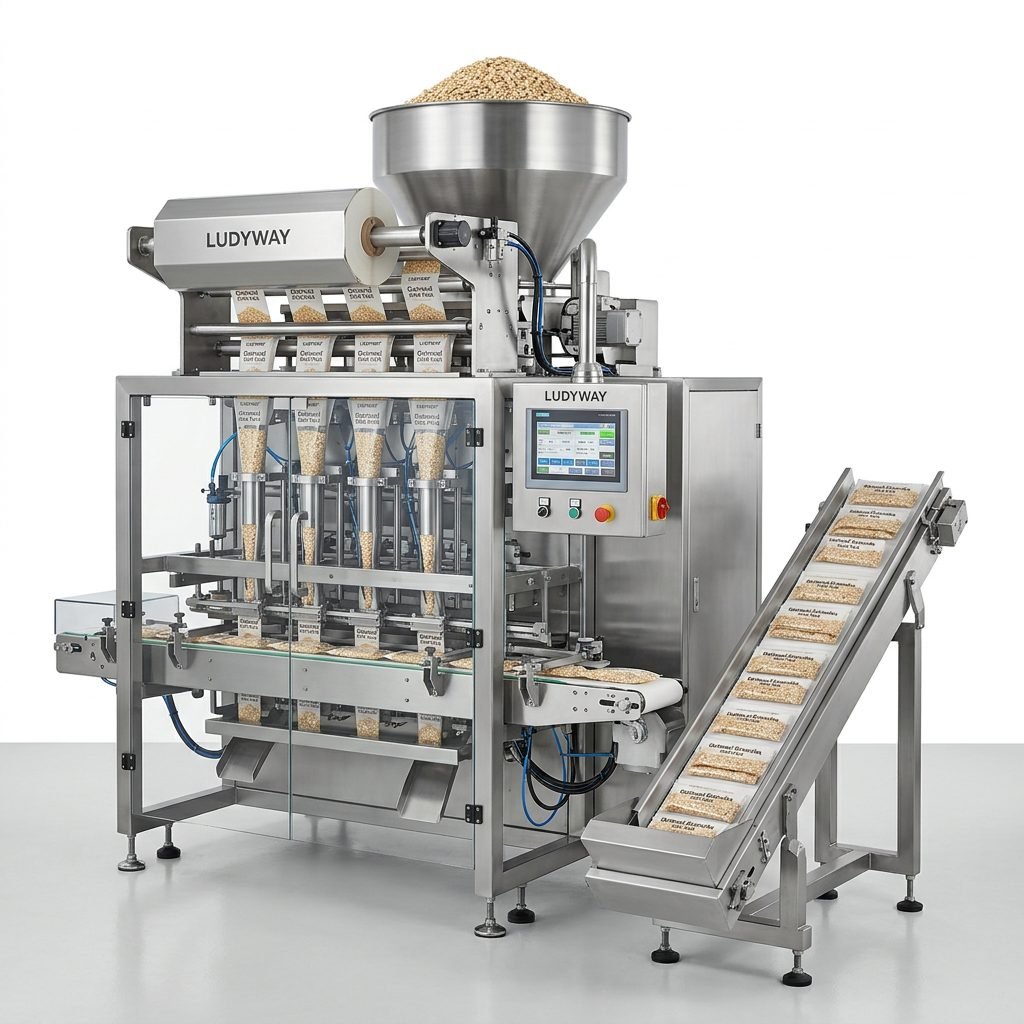
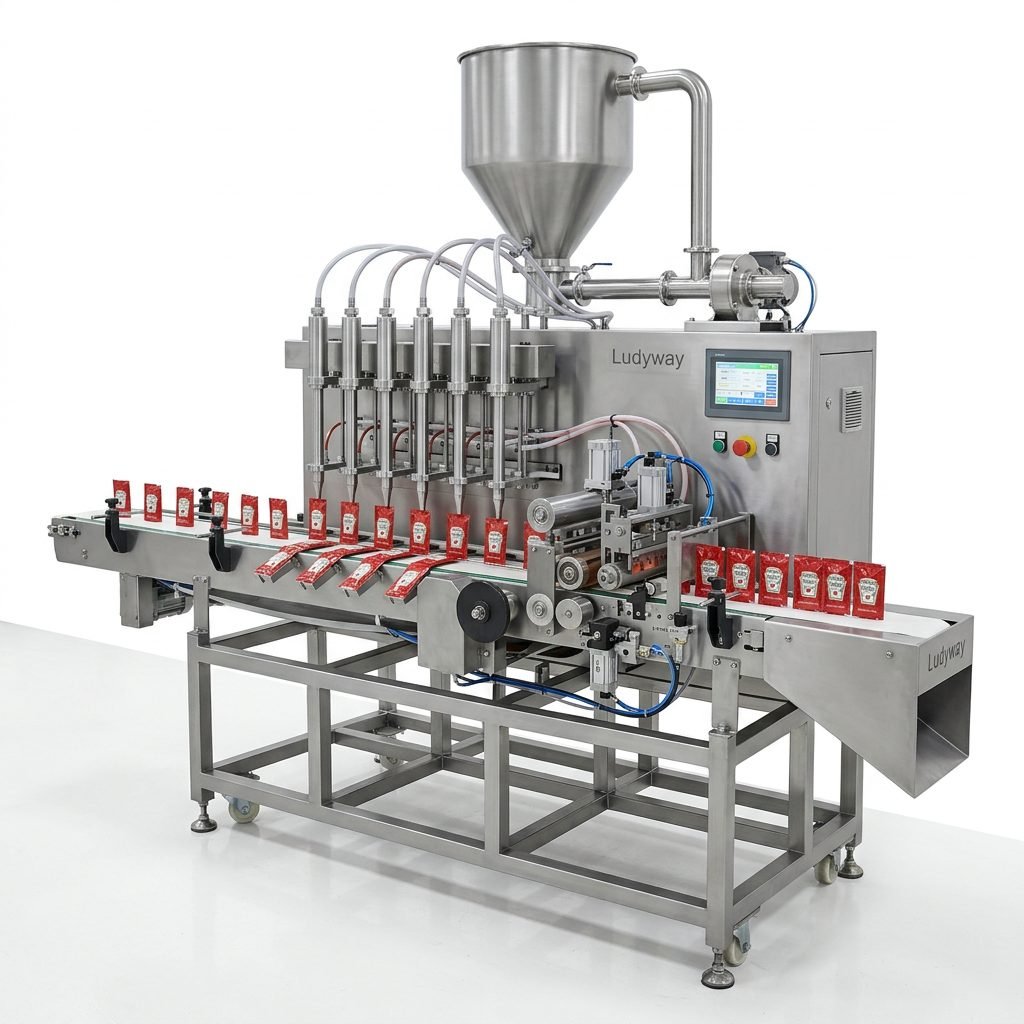
- Sachet Packaging Machines: For single-serve ketchup sachets popular in African markets. Multi-lane sachet machines can produce multiple sachets simultaneously, significantly increasing output. A 4-lane or 8-lane machine can produce between 200 and 600 sachets per minute depending on fill volume.
- Stick Pack Machines: Ideal for narrow, elongated single-use packs. These are growing in popularity for condiments and offer excellent shelf presence.
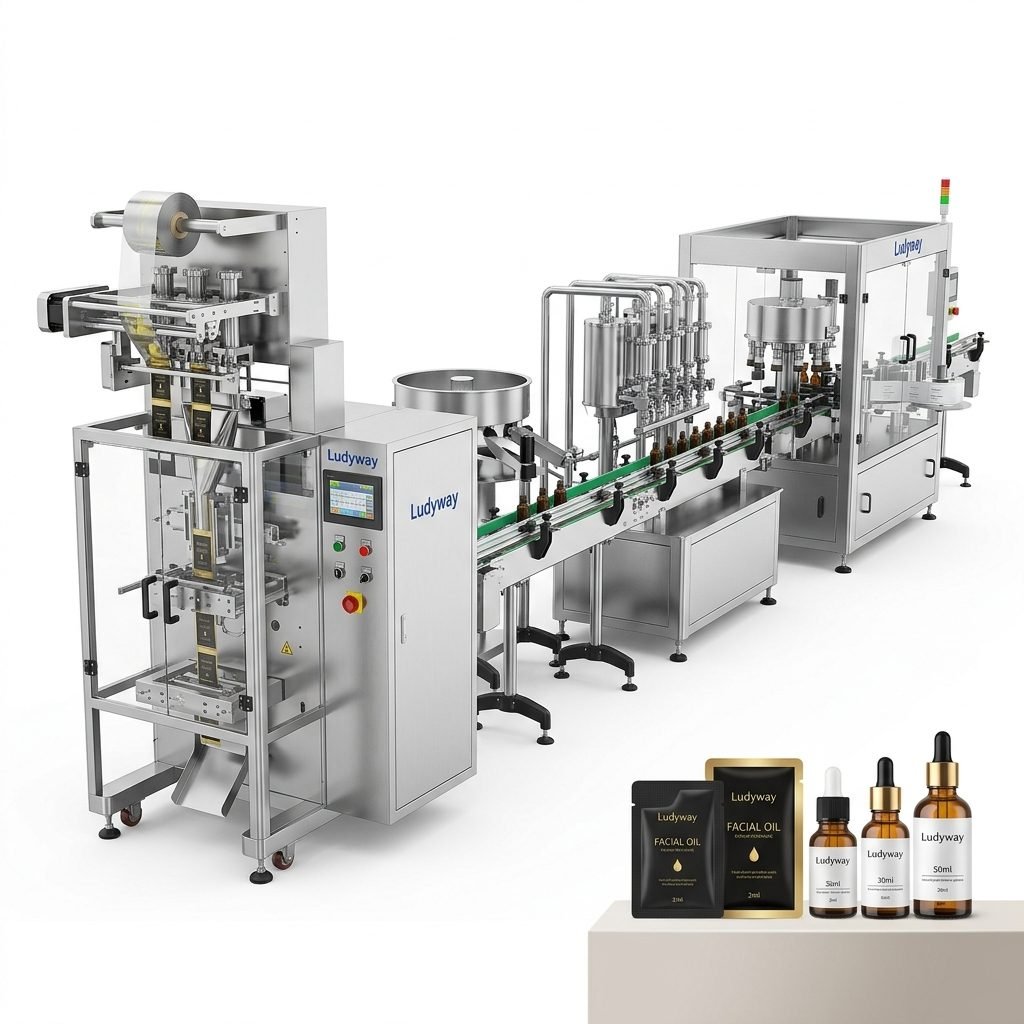
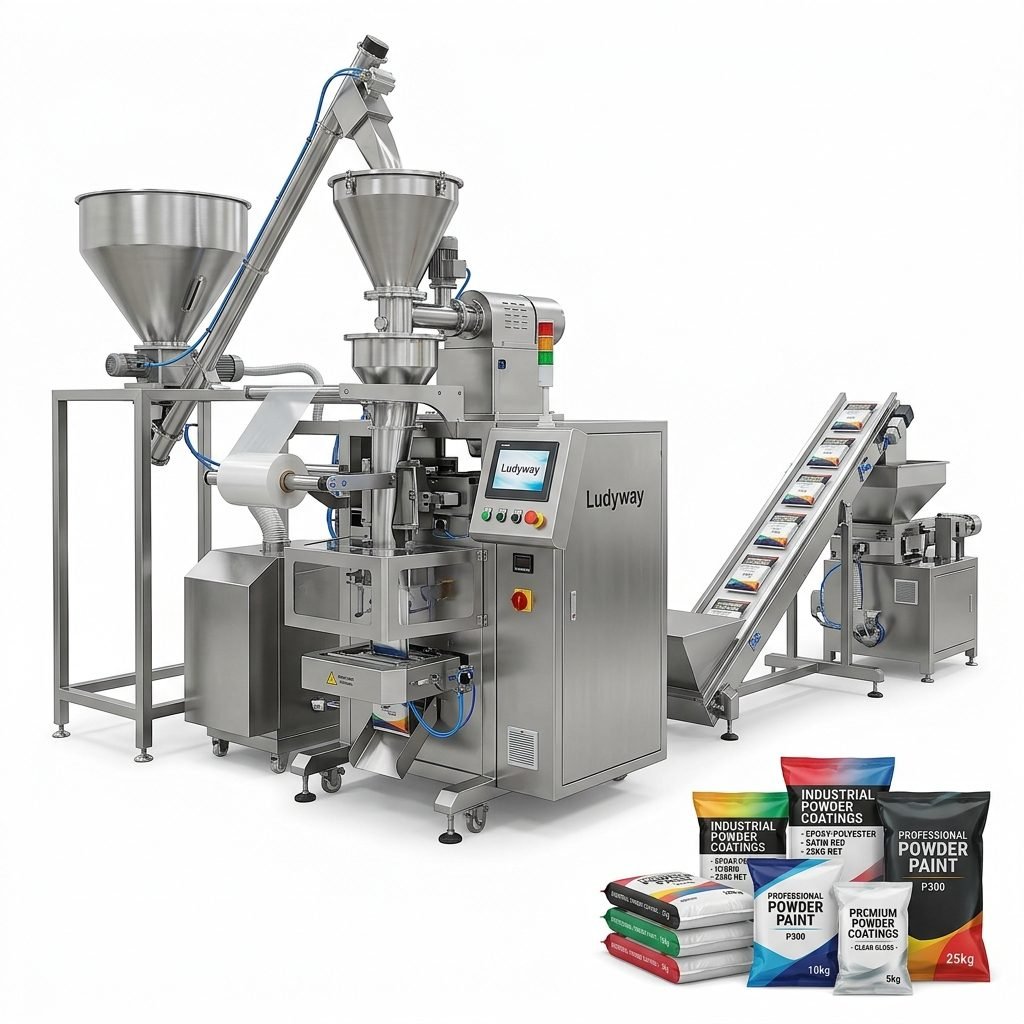
- Pouch Filling and Sealing Machines: For larger retail formats such as 500g, 1kg, or 5kg stand-up pouches. Rotary and inline models are available depending on production speed requirements.
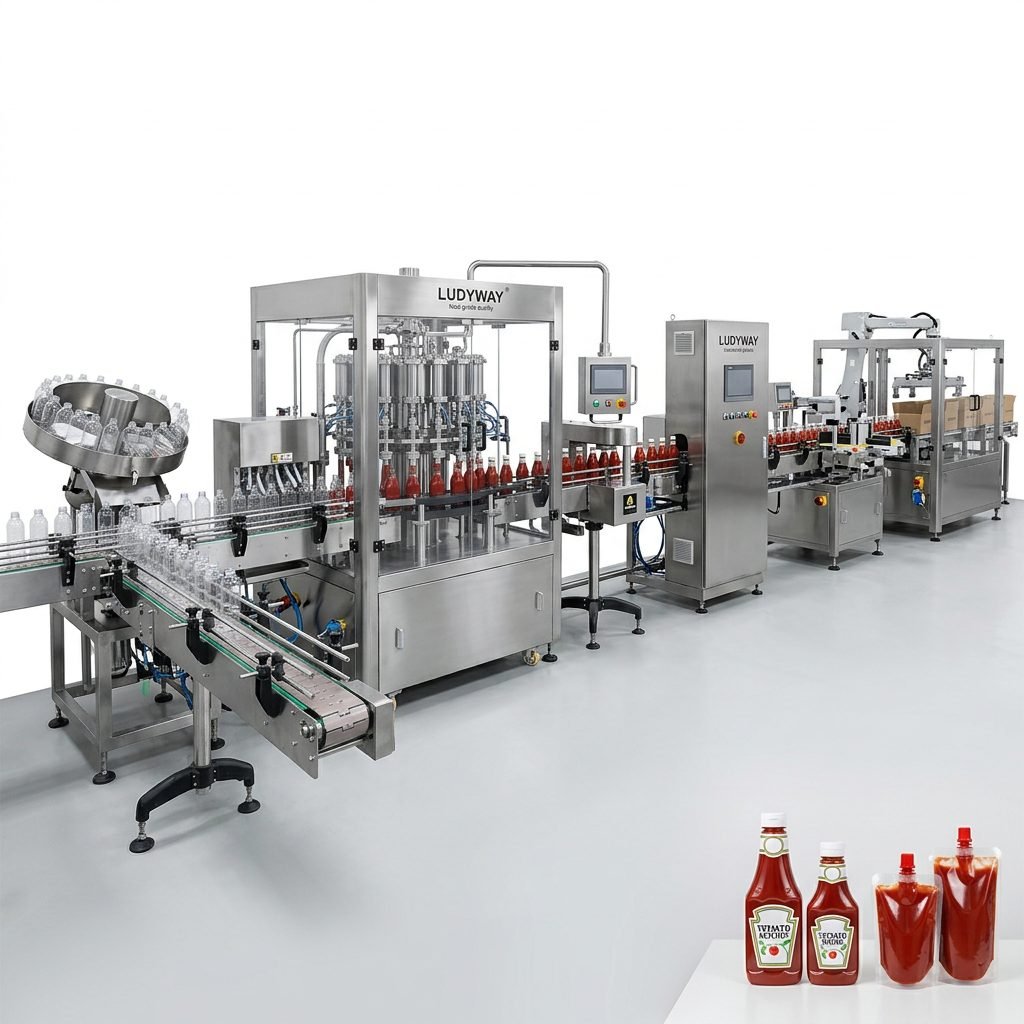
- Bottle Filling and Capping Lines: For glass or PET bottle formats. These lines typically include bottle rinsing, filling, capping, labeling, and shrink-sleeve application modules.
3. Ancillary and End-of-Line Equipment
- Conveyor Systems: Interconnecting conveyors that transport products between processing stages. Food-grade belt materials and variable speed controls are essential features.
- Checkweighers: In-line weight verification systems that reject under-filled or over-filled packages to maintain quality standards and regulatory compliance.
- Metal Detectors: Critical for food safety, detecting ferrous, non-ferrous, and stainless steel contaminants before products leave the facility.
- Date Coding and Labeling Machines: For applying batch numbers, production dates, and expiry dates. Thermal inkjet printers and laser coders are common choices for ketchup packaging lines.
- Cartoning and Case Packing Machines: Automated systems that pack finished sachets or pouches into cartons and shipping cases, reducing manual labor costs.
- Palletizing Systems: Robotic or conventional palletizers that stack cases onto pallets for warehouse storage and distribution.
4. Utility and Infrastructure Equipment
- CIP (Clean-in-Place) Systems: Automated cleaning systems that sanitize processing equipment without disassembly, critical for maintaining hygiene standards.
- Air Compressors: Providing clean, oil-free compressed air for pneumatic components throughout the production line.
- Chillers and Cooling Systems: For temperature control during processing and packaging stages.
- Water Treatment Systems: Ensuring water quality meets food processing standards, especially important in regions with variable water quality.
Cost Breakdown for Setting Up a Ketchup Packaging Line in Africa
Understanding the investment requirements is critical for financial planning and securing funding. Costs vary significantly based on production capacity, automation level, and equipment origin. The table below provides an estimated cost range for a medium-scale ketchup packaging operation targeting 2,000-5,000 kg per shift.
| Equipment Category | Specification / Capacity | Estimated Cost Range (USD) |
|---|---|---|
| Mixing & Blending Tanks | 1,000L – 2,000L capacity, stainless steel | $15,000 – $35,000 |
| Homogenizer | 500–1,500 L/h throughput | $12,000 – $28,000 |
| Pasteurization System | Tubular or plate type, inline | $25,000 – $60,000 |
| Multi-Lane Sachet Packaging Machine | 4–8 lanes, 200–600 sachets/min | $35,000 – $85,000 |
| Pouch Filling & Sealing Machine | Rotary or inline, 30–80 pouches/min | $28,000 – $65,000 |
| Bottle Filling & Capping Line | 2,000–6,000 bottles/hour | $45,000 – $120,000 |
| Conveyors & Material Handling | Custom length, food-grade belt | $10,000 – $25,000 |
| Checkweigher & Metal Detector | In-line, integrated system | $8,000 – $20,000 |
| Date Coding & Labeling Equipment | Thermal inkjet or laser, 1-2 units | $5,000 – $15,000 |
| Cartoning & Case Packing | Semi-automatic or automatic | $18,000 – $50,000 |
| CIP System | Mobile or central CIP unit | $10,000 – $30,000 |
| Utilities (Compressor, Chiller, Water Treatment) | Integrated system | $20,000 – $50,000 |
| Total Estimated Equipment Cost | $231,000 – $583,000 |
Additional Costs to Consider:
- Shipping and Logistics: Transporting equipment to African ports and inland delivery can add 10-20% to equipment costs. Customs duties, import taxes, and clearance fees vary by country and can range from 5% to 35% of CIF value.
- Installation and Commissioning: Professional installation, including electrical connections, piping, and calibration, typically costs $15,000 – $40,000 depending on line complexity.
- Factory Infrastructure: Building modifications, floor coatings, drainage systems, HVAC, and electrical upgrades may require an additional $50,000 – $150,000 or more.
- Training and Technical Support: Operator and maintenance training programs are essential for maximizing equipment uptime. Budget $5,000 – $15,000 for initial training programs.
- Spare Parts Inventory: Maintaining a stock of critical spare parts is recommended. An initial inventory of $8,000 – $20,000 can reduce downtime risks.
- Working Capital: Funds needed for raw materials, packaging materials, labor, and overhead for the first 3-6 months of operation. This varies widely but can range from $50,000 to $200,000 or more.
Steps to Set Up Your Ketchup Packaging Machine Production Line
Implementing a ketchup packaging production line in Africa requires a structured approach to ensure timely execution and regulatory compliance. Follow these ten essential steps:
Step 1: Conduct Market Research and Feasibility Study
Analyze target markets, competitor products, packaging formats in demand, and price points. Identify distribution channels and potential retail or food service partners. A thorough feasibility study should validate demand projections and define realistic sales volumes.
Step 2: Define Production Capacity and Packaging Formats
Based on market research, determine your target production capacity (kg per shift or tons per month) and the packaging formats you will offer. Common ketchup packaging formats in Africa include:
- 3g – 10g single-serve sachets
- 15g – 30g stick packs
- 100g – 500g stand-up pouches
- 300ml – 1,000ml glass or PET bottles
- 3kg – 5kg bulk pouches for food service
Step 3: Select and Procure Equipment
Choose equipment suppliers with proven experience in food packaging applications and familiarity with African market conditions. Key criteria for supplier selection include:
- Compliance with CE, ISO 9001, and HACCP standards
- Availability of stainless steel food-contact surfaces
- After-sales service and technical support in Africa or nearby regions
- Availability of spare parts and remote troubleshooting support
- References from previous installations in African countries
When sourcing equipment, companies like Ludyway offer a broad range of packaging machinery suitable for ketchup and sauce applications, with expertise in multi-lane sachet, stick pack, and pouch packaging systems. Explore packaging solutions for food production lines to identify equipment that matches your specific requirements.
Step 4: Design the Factory Layout
Work with engineers to design a hygienic and efficient factory layout. The design should separate raw material receiving, processing, packaging, and finished goods storage areas. Ensure the layout facilitates material flow, minimizes cross-contamination risks, and complies with local food safety regulations. Key considerations include:
- Drainage and floor coating for wet processing areas
- Positive air pressure in packaging rooms
- Adequate space for equipment maintenance access
- Separate personnel and material flow paths
- Provision for future expansion
Step 5: Prepare Factory Infrastructure
Complete civil works, electrical installations, plumbing, compressed air piping, and ventilation systems. Install water treatment systems if required. Ensure that the facility meets local building and fire safety codes. This phase typically takes 2-4 months depending on the scope of modifications.
Step 6: Equipment Installation and Commissioning
Coordinate with equipment suppliers to schedule installation and commissioning activities. Factory acceptance testing (FAT) prior to shipment and site acceptance testing (SAT) after installation help identify and resolve issues early. Commissioning should include dry runs, water trials, and product trials to validate line performance.
Step 7: Obtain Regulatory Approvals and Certifications
Work with local food safety authorities to obtain the necessary operating licenses and certifications. In many African countries, this includes approval from the national food and drug administration (e.g., NAFDAC in Nigeria, FDA in Ghana, KEBS in Kenya). International certifications such as ISO 22000 or FSSC 22000 can enhance market credibility and facilitate exports.
Step 8: Hire and Train Production Staff
Recruit experienced production managers, machine operators, quality control technicians, and maintenance personnel. Invest in comprehensive training programs covering:
- Equipment operation and changeover procedures
- Cleaning and sanitation protocols
- Quality control and inspection standards
- Safety procedures and emergency response
- Basic troubleshooting and preventive maintenance
Step 9: Establish Supply Chain for Raw Materials and Packaging
Secure reliable suppliers for tomato paste or fresh tomatoes, sugar, vinegar, spices, and other ingredients. For packaging materials, source food-grade laminated films, bottles, caps, labels, cartons, and shrink wrap. Building relationships with multiple qualified suppliers reduces supply chain risks. For flexible packaging films, reference standards from organizations like The Flexible Packaging Association to ensure material quality and performance.
Step 10: Launch Production and Scale Operations
Begin with trial production runs at 50-70% of designed capacity to fine-tune processes, stabilize quality, and train staff. Gradually ramp up to full capacity as operational efficiencies improve. Monitor key performance indicators (KPIs) such as:
- Overall Equipment Effectiveness (OEE)
- Production yield and waste rates
- Product quality and customer complaints
- Line uptime and maintenance costs
- Cost per unit produced
Key Considerations for Success in the African Market
Power Supply Reliability
Many African countries experience frequent power fluctuations or outages. Investing in voltage stabilizers, backup generators, or solar power systems is essential to protect sensitive packaging equipment and maintain production schedules. A generator with sufficient capacity to run the entire production line is strongly recommended.
Water Quality and Availability
Food processing requires consistent access to clean water. Install water treatment systems including filtration, softening, and UV sterilization to ensure water quality meets food safety standards. Consider borehole or water storage solutions where municipal supply is unreliable.
Packaging Format Preferences
Consumer preferences vary across African regions. In West Africa, single-serve sachets dominate the ketchup market due to their affordability. In South Africa and urban centers in East Africa, bottles and stand-up pouches are more common for mid-to-premium segments. Offering multiple formats can broaden market reach but requires flexible packaging machinery.
Distribution and Cold Chain
While ketchup is typically shelf-stable, distribution infrastructure in some regions can be challenging. Partner with established distributors and logistics providers who understand local market dynamics and have experience handling food products. Proper warehouse management and inventory rotation practices are critical for product freshness.
Maintenance and Technical Support
Given that many packaging machine suppliers are based outside Africa, establishing a local maintenance capability is crucial. Maintain a critical spare parts inventory, train an in-house maintenance team, and negotiate remote support agreements with equipment suppliers. Industry resources from PMMI – The Association for Packaging and Processing Technologies provide valuable insights into maintenance best practices and technology trends.

Frequently Asked Questions About Ketchup Packaging Lines in Africa
What is the minimum investment to start a small ketchup packaging business in Africa?
A small-scale operation with a single semi-automatic sachet or pouch filling machine, a basic mixing tank, and manual packing can start with an investment of approximately $45,000 – $80,000, excluding factory space and working capital. This type of setup can produce 500–1,500 kg per shift and is suitable for serving local markets.
How long does it take to set up a complete ketchup packaging production line?
From initial planning to commercial production, the timeline typically ranges from 8 to 14 months. This includes 2-3 months for planning and supplier selection, 3-5 months for equipment manufacturing and shipping, 1-2 months for installation and commissioning, and 1-2 months for trial production and regulatory approvals.
Which packaging format is most profitable for ketchup in Africa?
Single-serve sachets offer the highest margins per unit in volume-driven markets due to lower material costs and high consumer demand. However, larger pouch and bottle formats provide better absolute margins and brand-building opportunities. A diversified packaging strategy often yields the best overall profitability.
What certifications are required for ketchup packaging in African countries?
Requirements vary by country. Common certifications include registration with the national food and drug authority, compliance with local food safety standards, and for export-oriented manufacturers, international certifications such as ISO 22000, HACCP, or FSSC 22000. Halal certification is also important in countries with significant Muslim populations.
Conclusion: Building a Sustainable Ketchup Packaging Business in Africa
Setting up a ketchup packaging machine production line in Africa is a significant but rewarding investment. By carefully selecting equipment suited to your production goals, budgeting comprehensively for both capital and operational costs, and following a structured implementation process, you can build a competitive and profitable packaging operation. The growing demand for packaged ketchup and sauces across the continent presents a compelling opportunity for businesses that can deliver consistent quality, affordable pricing, and reliable distribution.
Next Steps: Begin by conducting a detailed market feasibility study for your target country or region. Engage with potential equipment suppliers early to understand technology options and cost structures. Visit reference installations where possible to observe equipment performance firsthand. With thorough preparation and the right partners, your ketchup packaging venture in Africa can achieve sustainable growth and long-term success.