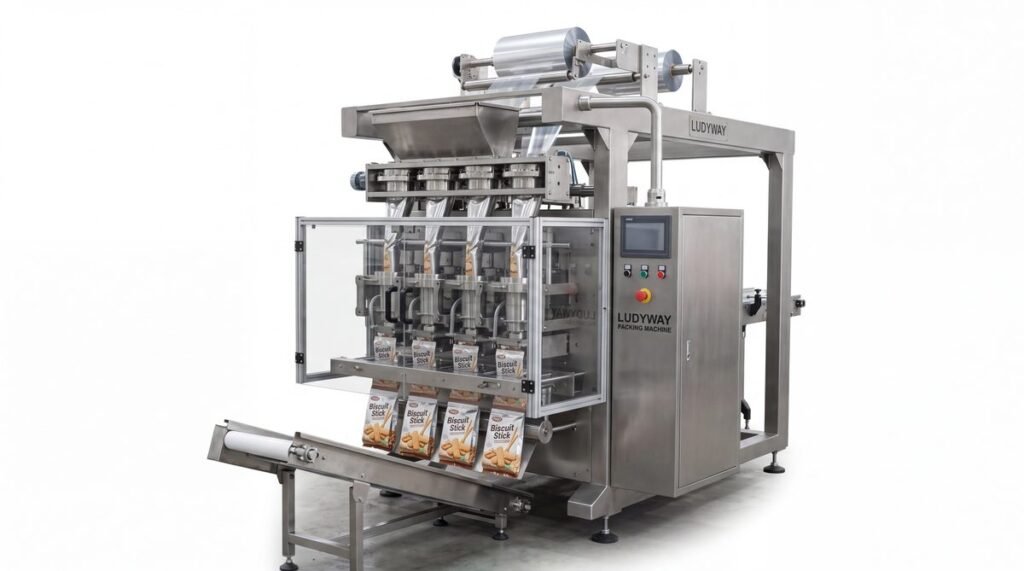
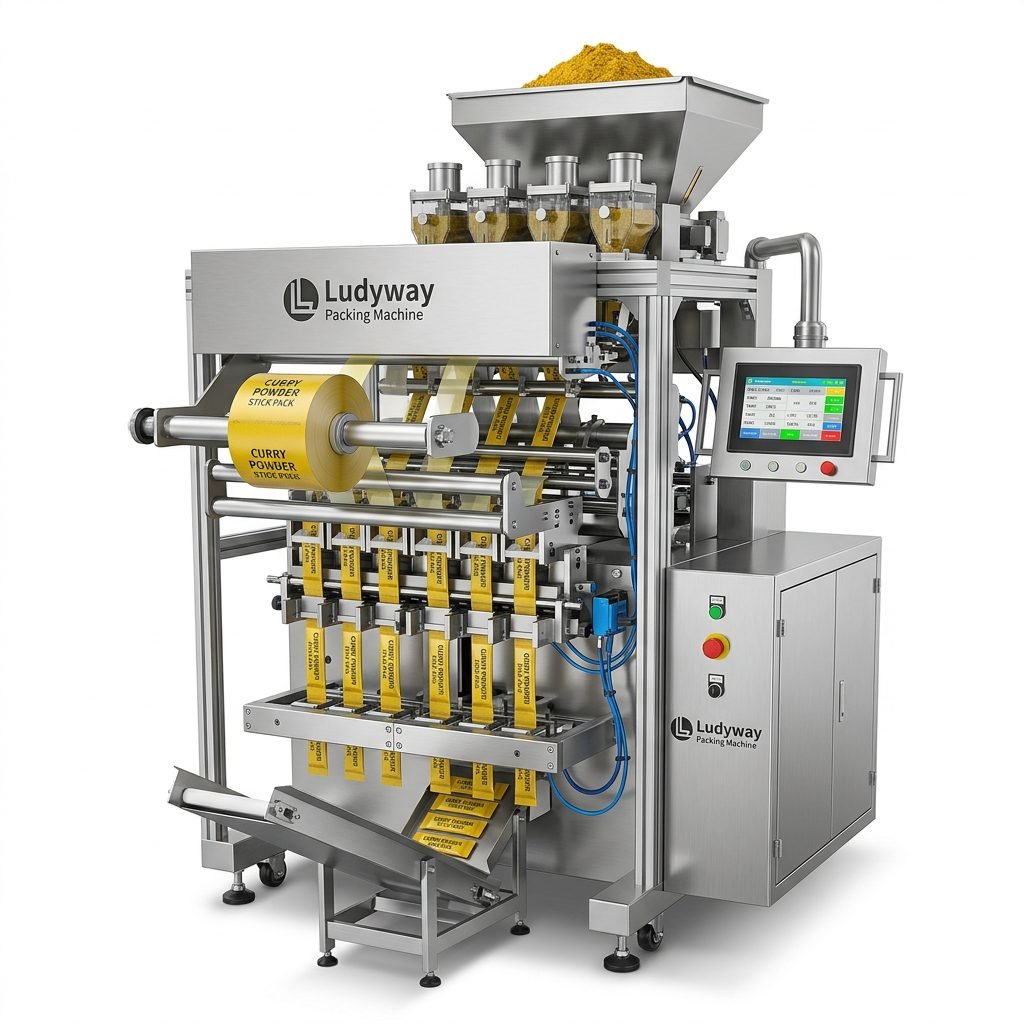
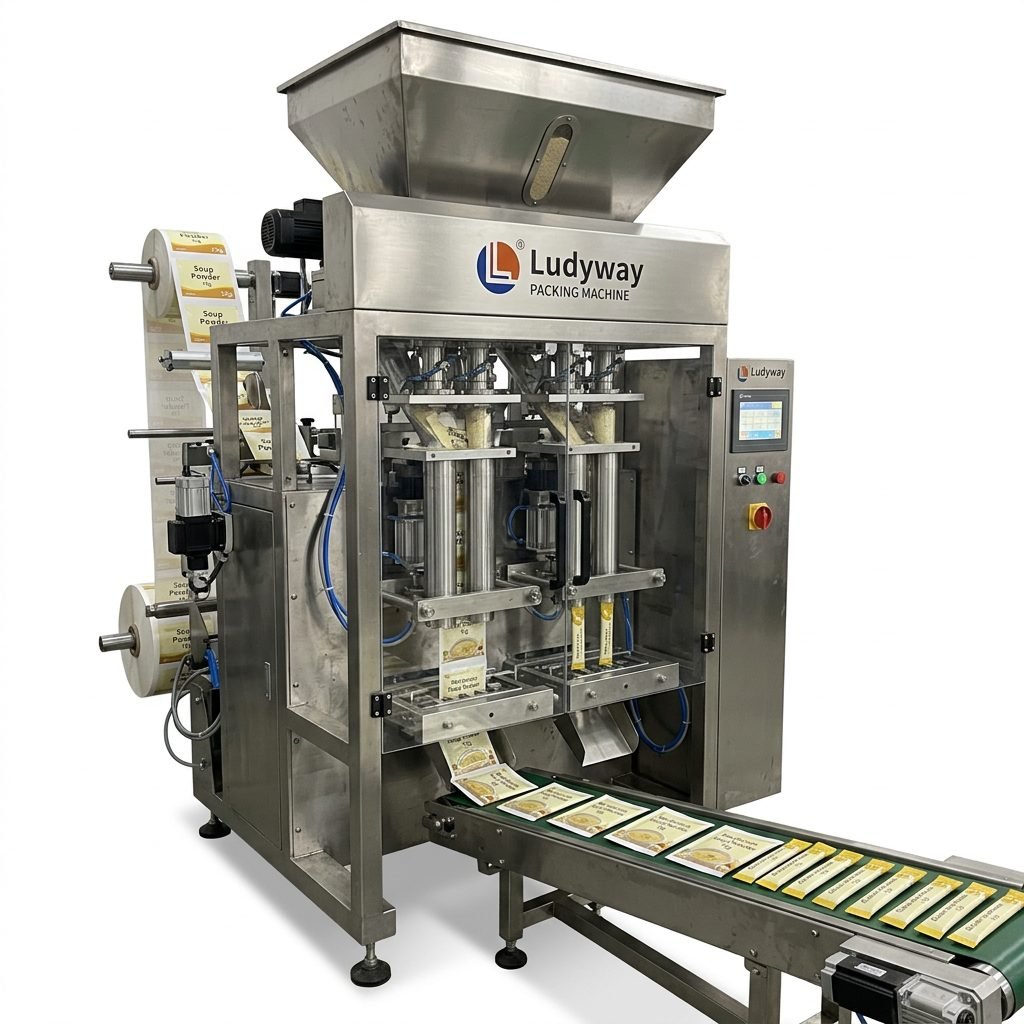
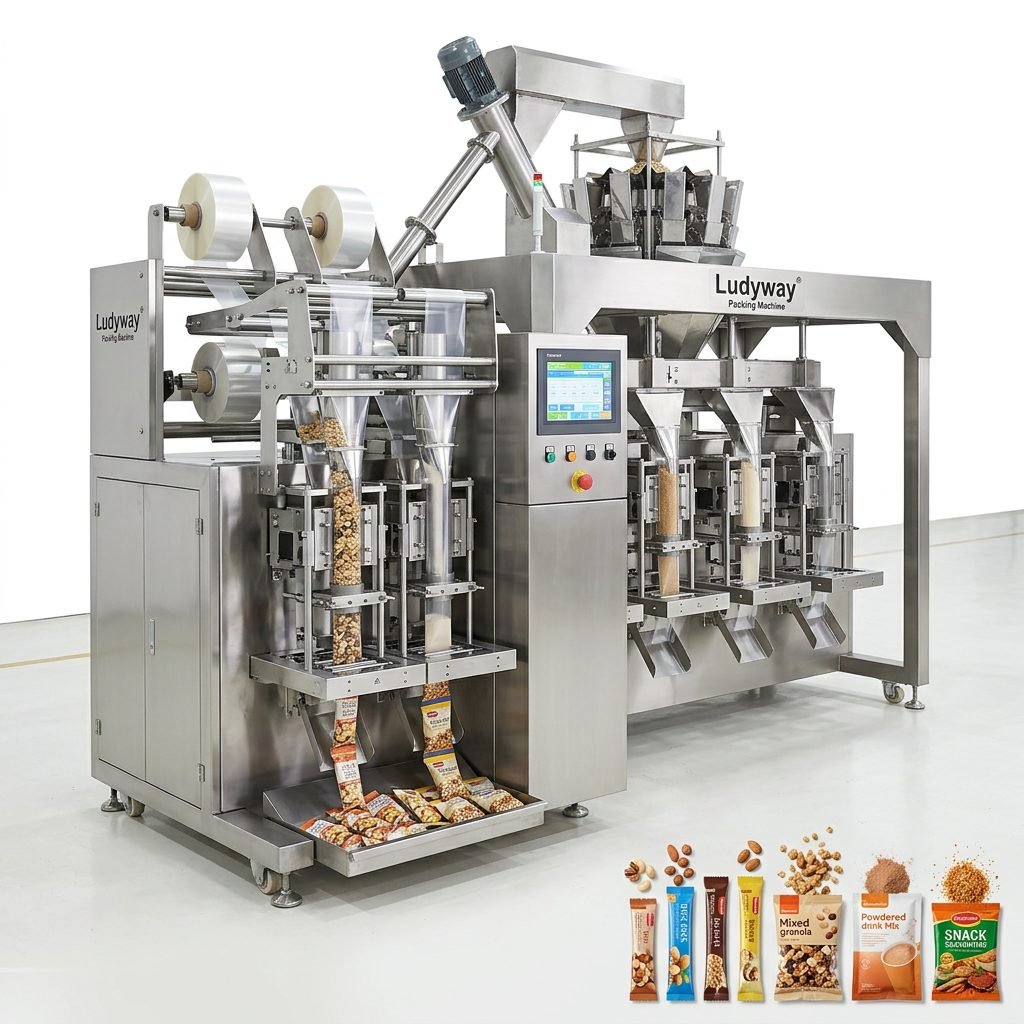
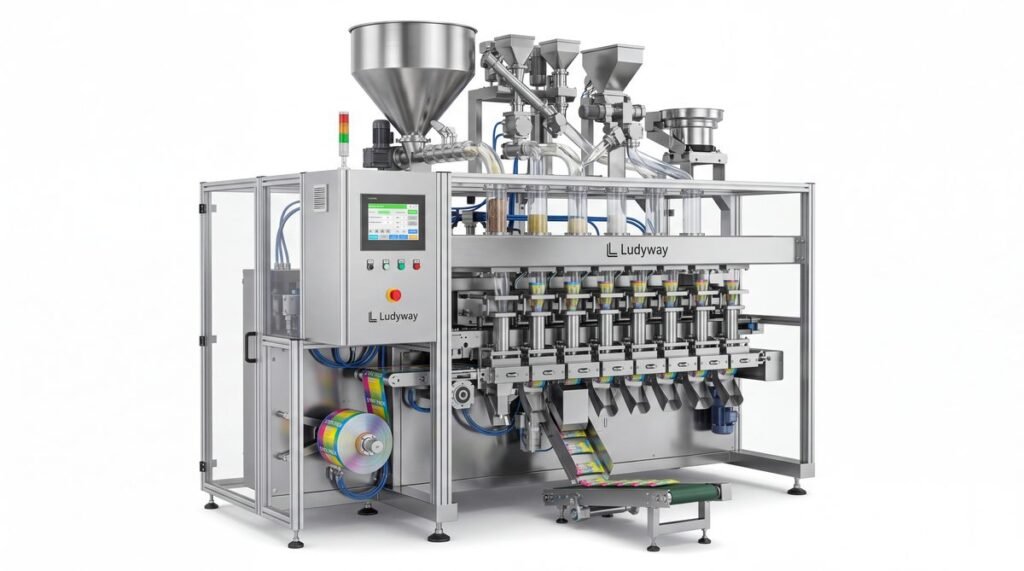
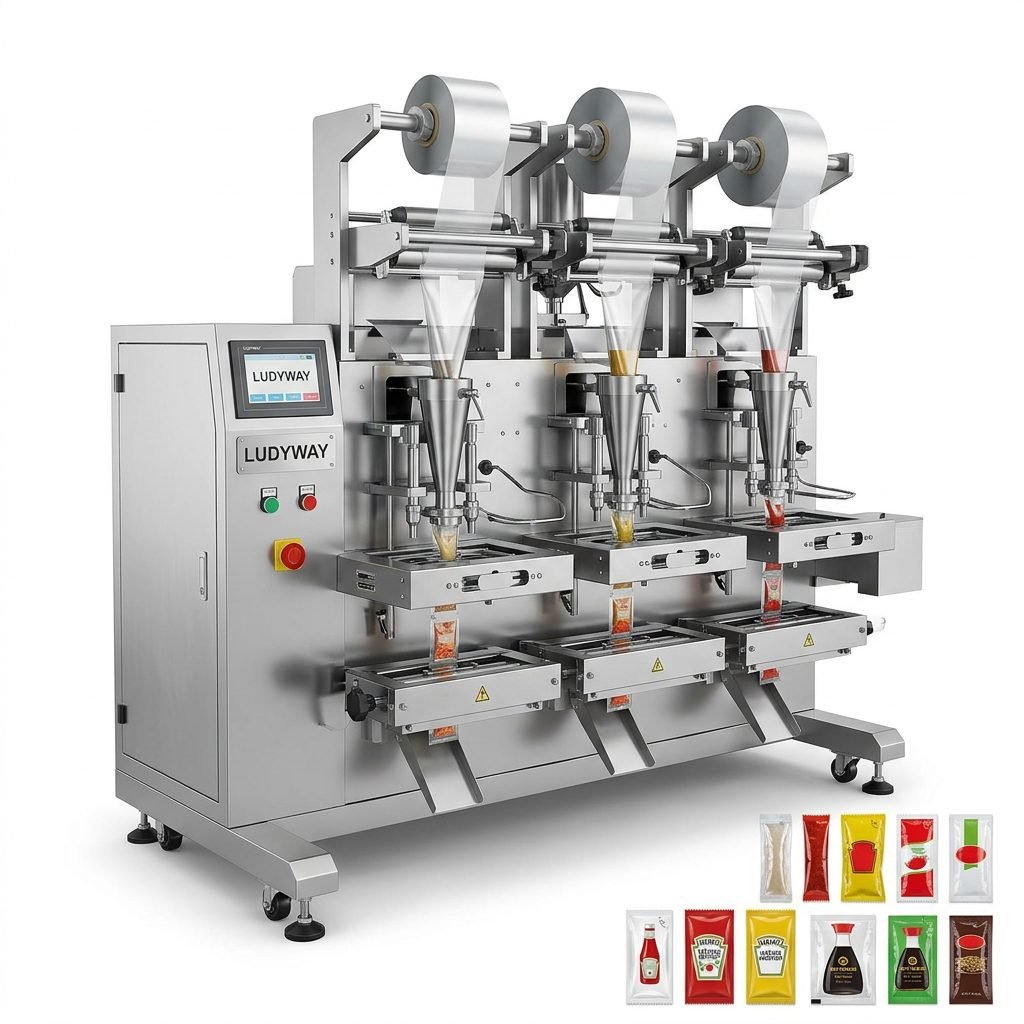
Investing in an onion packing machine is a strategic decision that directly impacts your production efficiency, product shelf life, and bottom line. Whether you are processing fresh onions, dehydrated flakes, or onion powder, the right packaging machinery ensures consistent weight accuracy, seal integrity, and throughput. This guide breaks down the essential factors you need to evaluate before making a purchase.
Why Choosing the Right Onion Packing Machine Matters
Onions and onion-derived products present unique packaging challenges. Fresh onions require gentle handling to prevent bruising, while onion powder is highly hygroscopic and demands excellent moisture barrier properties. Dehydrated onion flakes can be abrasive and dusty, requiring robust sealing mechanisms. Selecting a machine not designed for these specific characteristics often leads to:
- Frequent seal failures and product spoilage
- Inaccurate fill weights causing raw material giveaway
- Excessive dust contamination on sealing jaws
- Premature wear on mechanical components
Key Factors to Consider When Selecting Your Machine
1. Product Form and Flow Characteristics
The physical state of your onion product dictates the dosing and feeding system. Granulated onion flows differently than minced onion, while onion powder behaves entirely differently from fresh bulbs. You must evaluate:
- Bulk density – Affects cup volume and auger sizing
- Particle size distribution – Determines if multi-head weighers or volumetric fillers are appropriate
- Moisture content and oil levels – Impacts material flow and packaging film selection
- Dust generation – Demands proper dust extraction and seal area protection
2. Packaging Format and Bag Style
Your target market and distribution channel influence the ideal bag format. Common configurations for onion products include:
| Packaging Format | Best Suited For | Typical Volume Range |
|---|---|---|
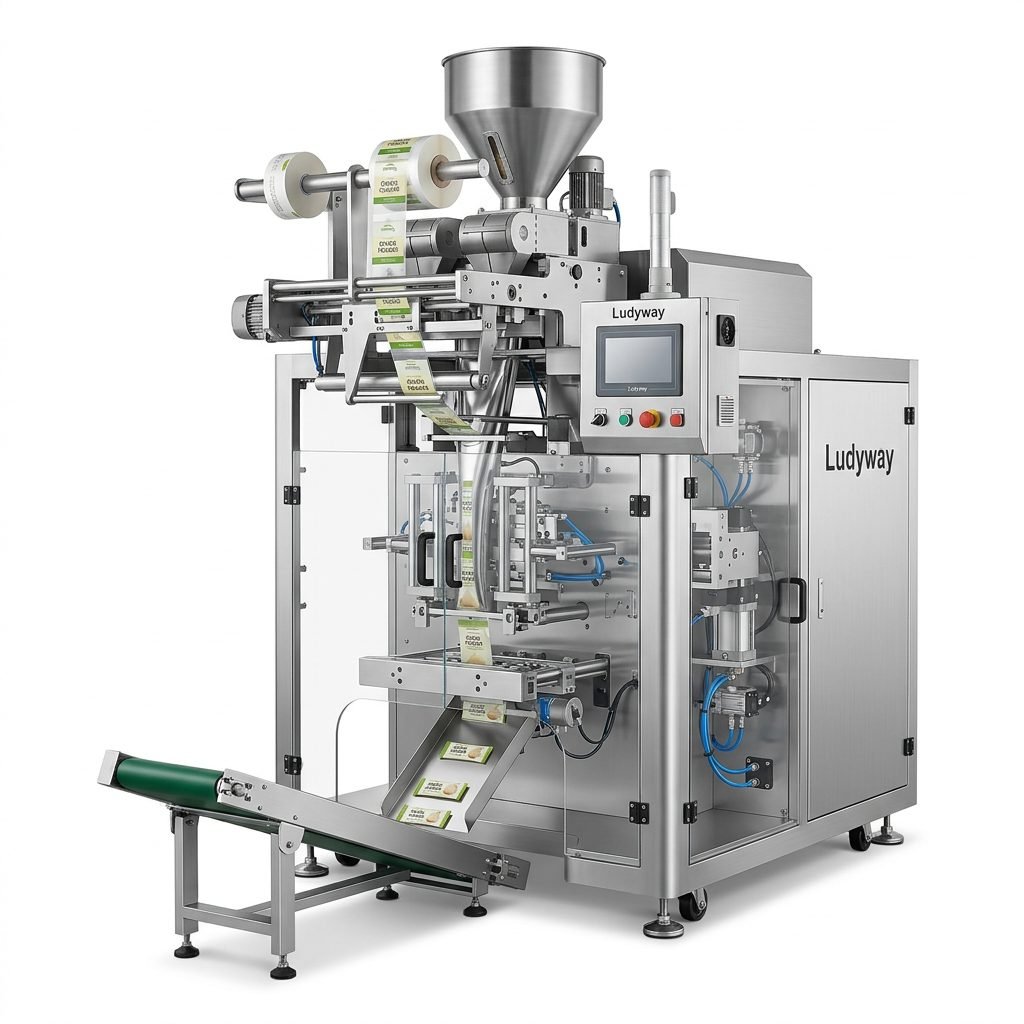
| Pillow Bags / Back Seal | Retail spices, bulk onion flakes | 50g – 5kg |
| Gusseted Pouches | Premium retail, stand-up display | 100g – 2kg |
| Stick Packs / Sachets | Single-serve, food service | 1g – 20g |
| Quad Seal / Block Bottom | High-barrier, long shelf life | 250g – 3kg |
3. Production Speed and Automation Level
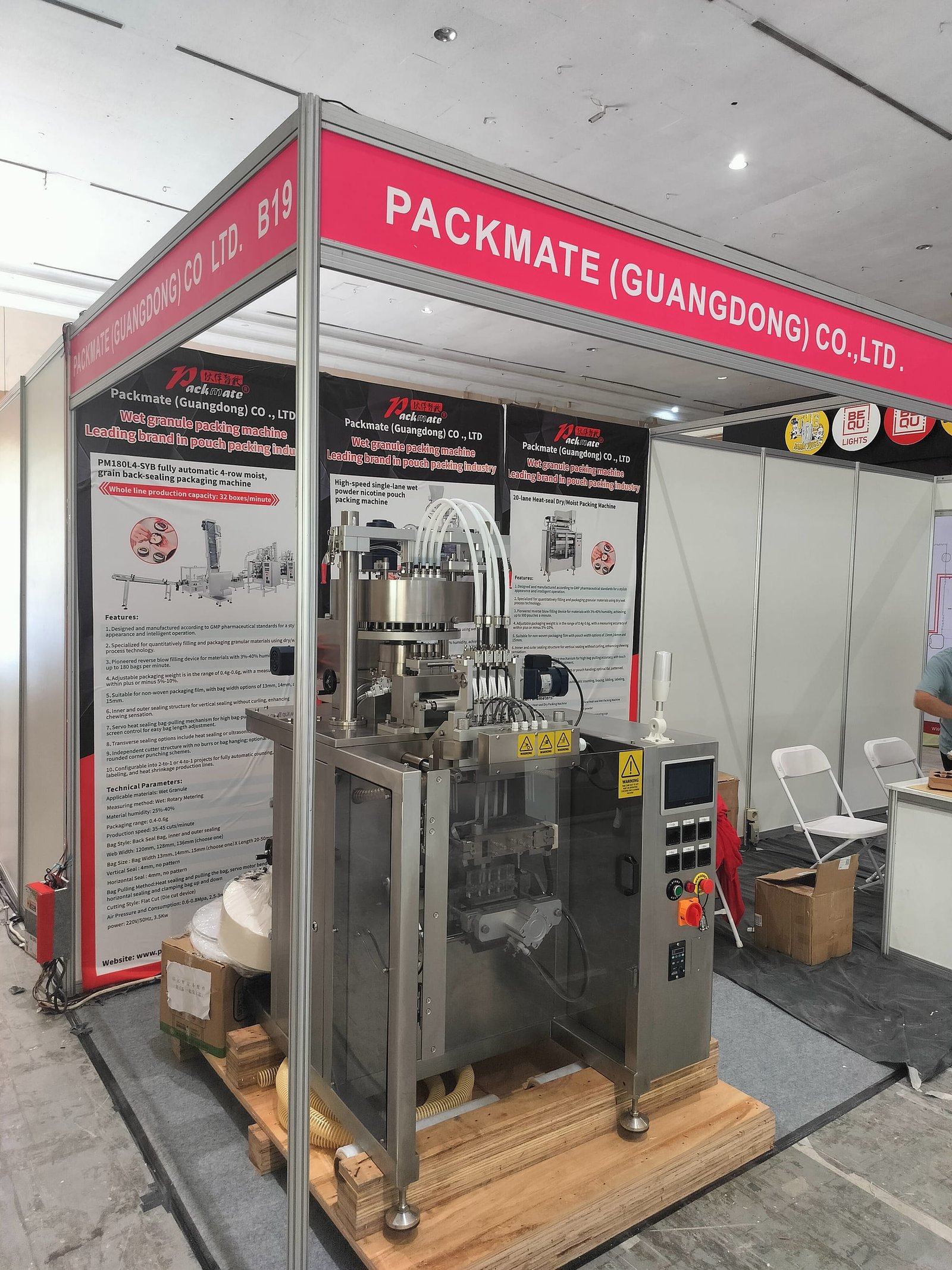
Define your current and future capacity requirements clearly. A semi-automatic machine may suffice for a startup processing 500 kg per day, but a fully automated multi-lane system becomes necessary when scaling beyond 2 tons per shift. Consider the entire line integration: do you need automatic weighing, filling, sealing, coding, and cartoning in one synchronized system? Consult packaging machinery industry reports to benchmark your speed targets against market standards.
4. Packaging Material Compatibility
Onion products, especially powders and oils, can react with certain films. Your machine must handle the required laminate structures—such as PET/AL/PE, BOPP/CPP, or kraft paper laminates—without causing wrinkling, delamination, or poor seal strength. Verify the machine’s sealing temperature range, jaw design, and dwell time adjustability.
5. Cleanability and Maintenance
For facilities processing multiple products or following strict hygiene protocols, rapid changeover and thorough cleaning are essential. Look for tool-free disassembly of contact parts, sloped surfaces to prevent powder accumulation, and IP65-rated electrical enclosures to withstand washdown environments. Review FDA packaging and food contact substance guidelines to ensure compliance.
Step-by-Step Selection Guide
Use this structured approach to narrow down your options and communicate effectively with equipment suppliers:
- Document your product specifications – Include bulk density, particle size (mesh analysis), moisture content, and any special characteristics like abrasiveness or oil content.
- Define your target bag dimensions and formats – Specify width, length, gusset depth, and seal type for each SKU you plan to run.
- Calculate required output – Determine packs per minute across all shifts, including allowances for film changes and cleaning.
- Audit your facility constraints – Measure available floor space, ceiling height, power supply (voltage, phase, frequency), and compressed air capacity.
- Request material trials – Send your actual onion product and preferred film to prospective suppliers for real-world testing. Never purchase based solely on published specifications.
- Evaluate after-sales support – Confirm availability of remote diagnostics, spare parts inventory, and local service engineers in your region.
Common Mistakes to Avoid
Many buyers focus exclusively on the upfront equipment price and overlook total cost of ownership. A cheaper machine that produces inconsistent seals or requires frequent downtime quickly erases any initial savings. Another critical error is underestimating film waste during startups and changeovers. Similarly, neglecting to test the machine with the exact film structure intended for production can lead to post-installation compatibility issues.

Working with a Reliable Packaging Machinery Partner
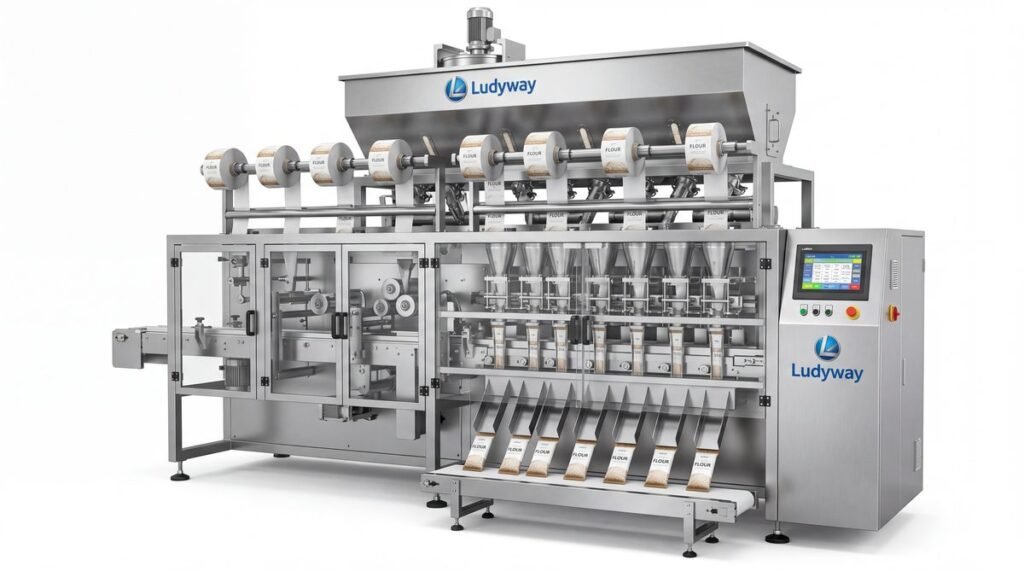
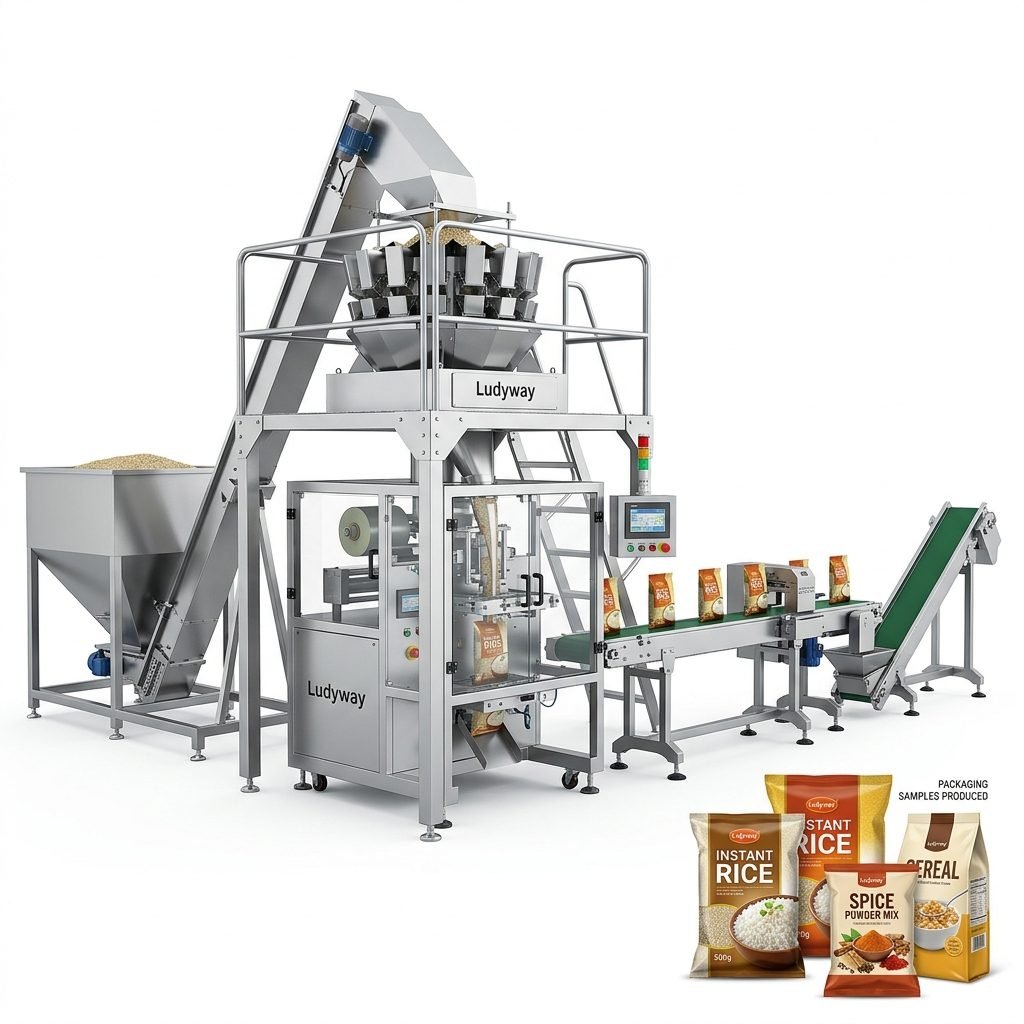
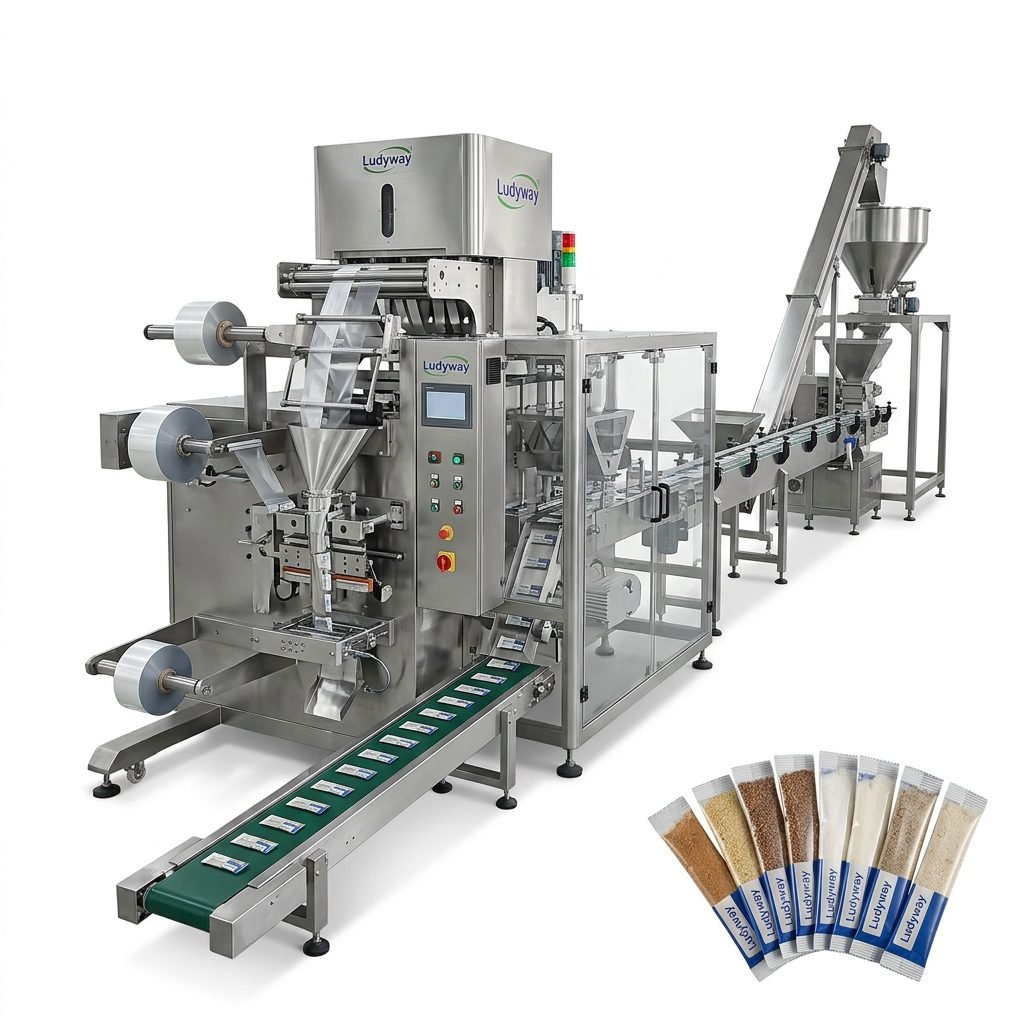
Selecting the right onion packing machine becomes significantly easier when you collaborate with an experienced supplier. Ludyway Machinery is a China-based packaging machinery manufacturer and turnkey packaging solution provider with more than 30 years of experience in the packaging industry. The company develops automated packaging equipment and integrated solutions for manufacturers across food, pharmaceutical, chemical, and other industries. With a 20,000-square-meter manufacturing facility and over 50 packaging machine models, the engineering team can configure machines for different production speeds, bag formats, and automation levels according to your specific onion product characteristics and production goals.
For manufacturers looking to scale production or automate manual processes, working with a single partner for equipment selection, customization, installation, and technical support streamlines the entire project lifecycle. Explore PMMI packaging industry resources and Flexible Packaging Association data for additional market insights to inform your investment decision.