The African continent is experiencing a significant transformation in its food processing and packaging sector. With rapid urbanization, a growing middle class, and increasing demand for convenience foods, setting up a meal packaging machine production line in Africa presents a substantial business opportunity. This comprehensive guide walks you through every critical step — from market assessment and equipment selection to installation, compliance, and long-term operational success.

Understanding the African Meal Packaging Market
Africa’s food packaging industry is projected to grow at a compound annual growth rate exceeding 5% over the next decade. Countries such as Nigeria, Kenya, South Africa, Ghana, and Ethiopia are leading this expansion, driven by population growth and shifting consumer preferences toward packaged and ready-to-eat meals. Key segments include rice meals, pasta dishes, instant noodles, porridge mixes, and fortified food sachets distributed through retail, institutional, and humanitarian supply chains.
Before investing in machinery, it is essential to conduct thorough market research. Identify your target product category — whether dry granule-based meals, powder mixes, liquid sauces, or multi-component meal kits. Each product type requires specific packaging machinery configurations and material handling approaches. Understanding local distribution channels, shelf-life requirements, and packaging material availability will directly influence your production line design.
Defining Your Production Goals and Capacity Requirements
Establishing clear production targets is the foundation of a successful packaging line setup. Consider the following factors when determining capacity:
- Daily output volume — Number of meal packs or sachets per shift
- Packaging format — Stick packs, sachets, pouches, or multi-compartment trays
- Product characteristics — Granule size, powder density, moisture sensitivity, or liquid viscosity
- Bag sizes and fill weights — From single-serve 5g sachets to family-size 500g packs
- Automation level — Manual, semi-automatic, or fully automated systems
- Future scalability — Ability to expand output as demand grows
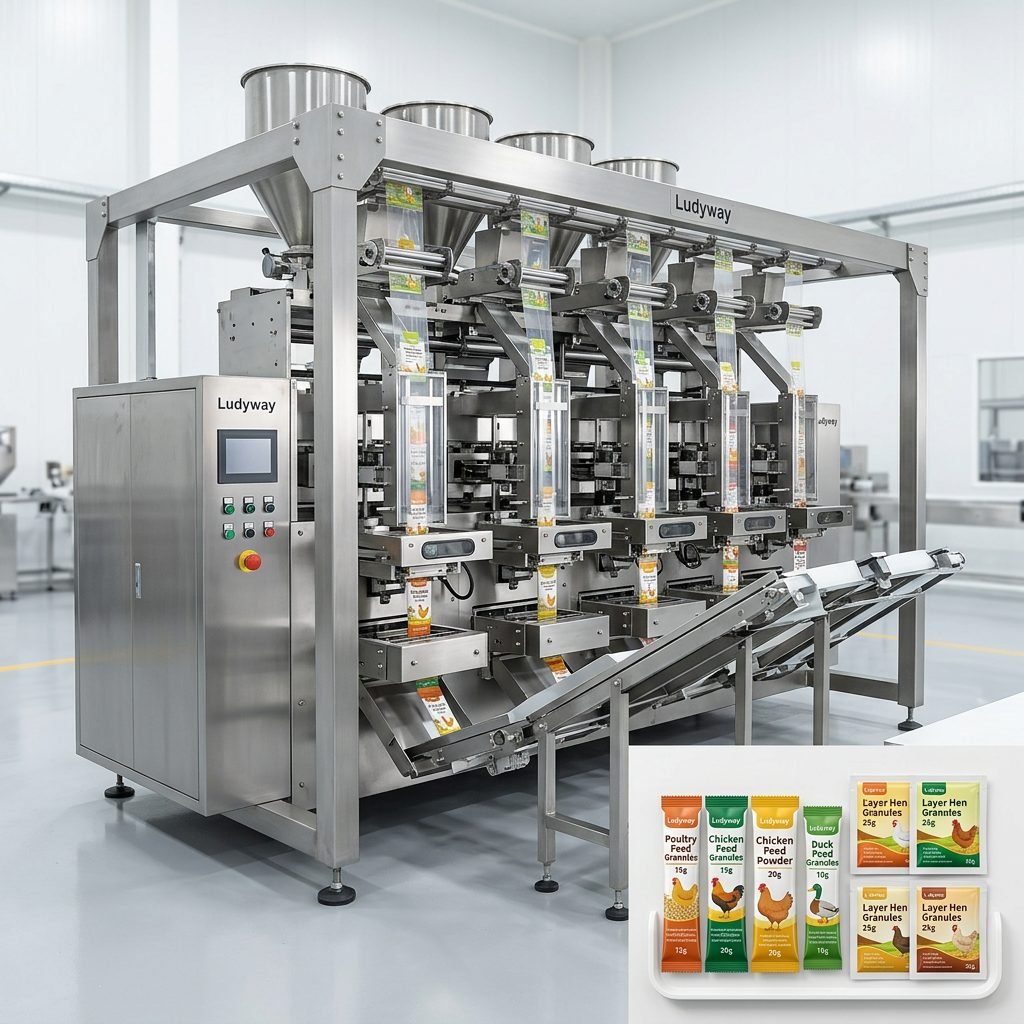
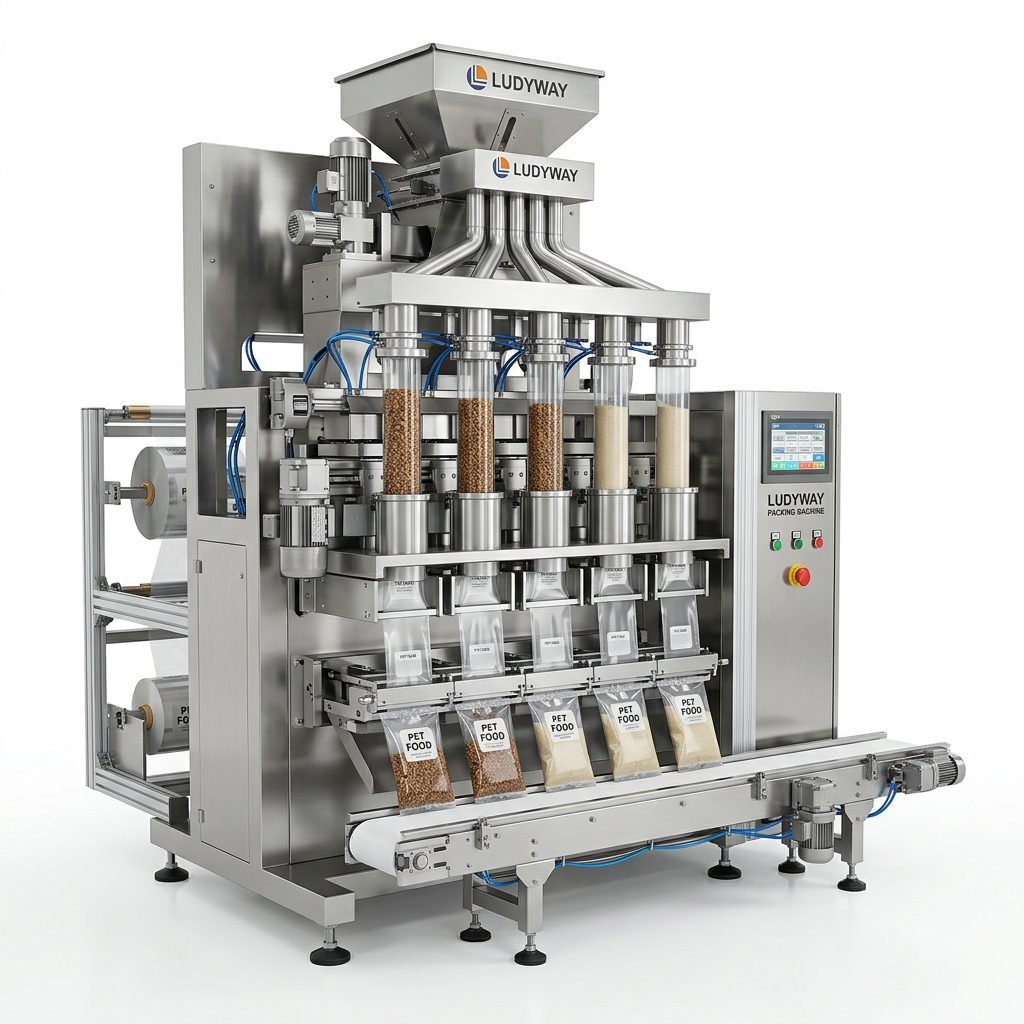
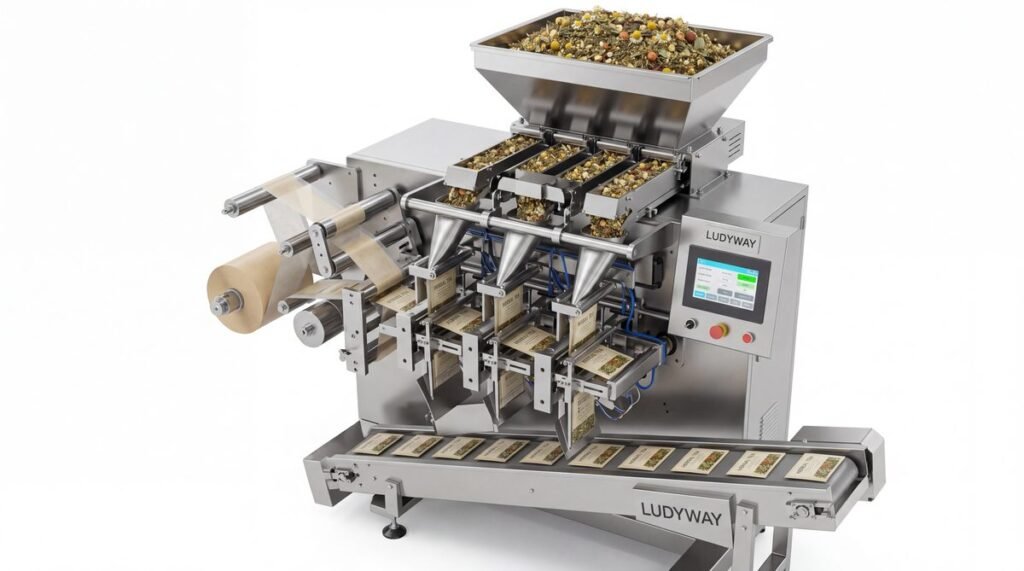
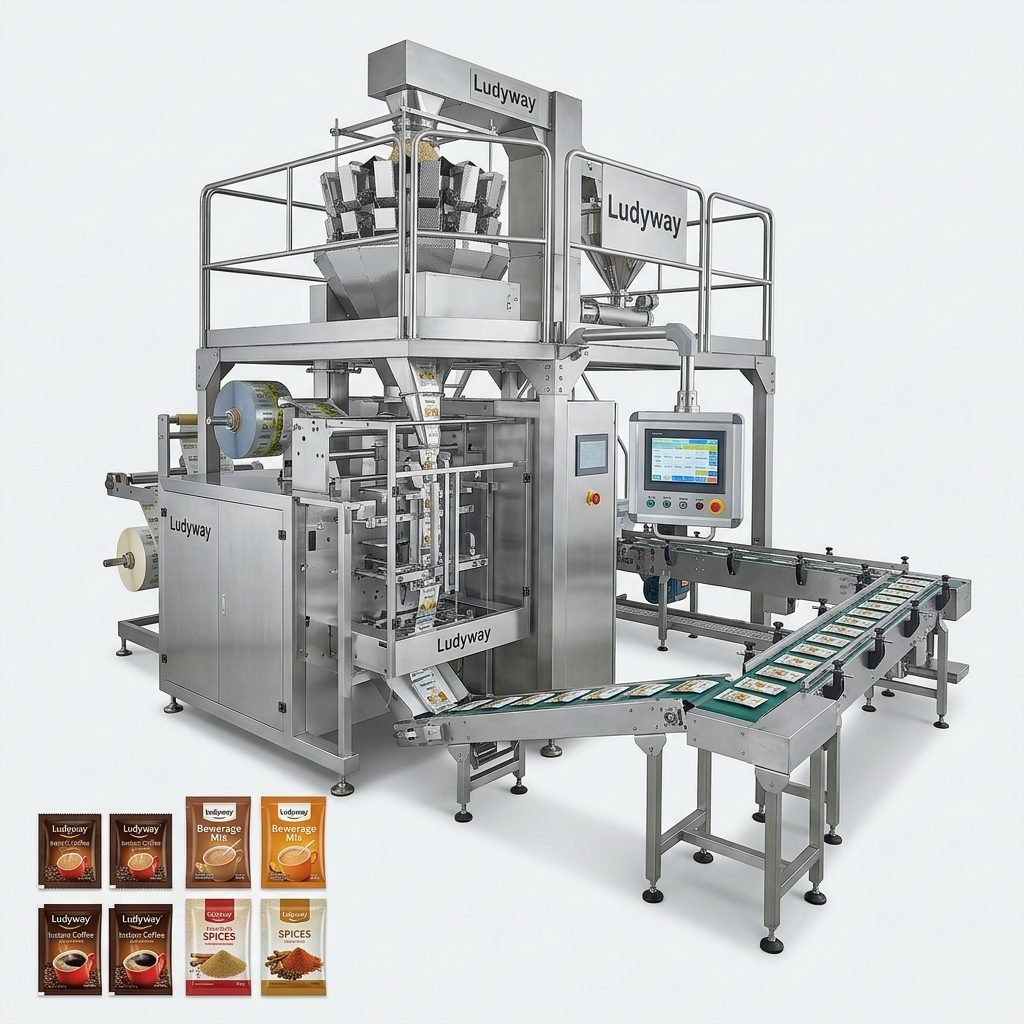
For most African markets, a multi-lane packaging system with 4 to 12 lanes provides an optimal balance between throughput, flexibility, and capital investment. These systems can produce between 200 and 800 packs per minute depending on lane configuration and product type.

Core Equipment for a Meal Packaging Production Line
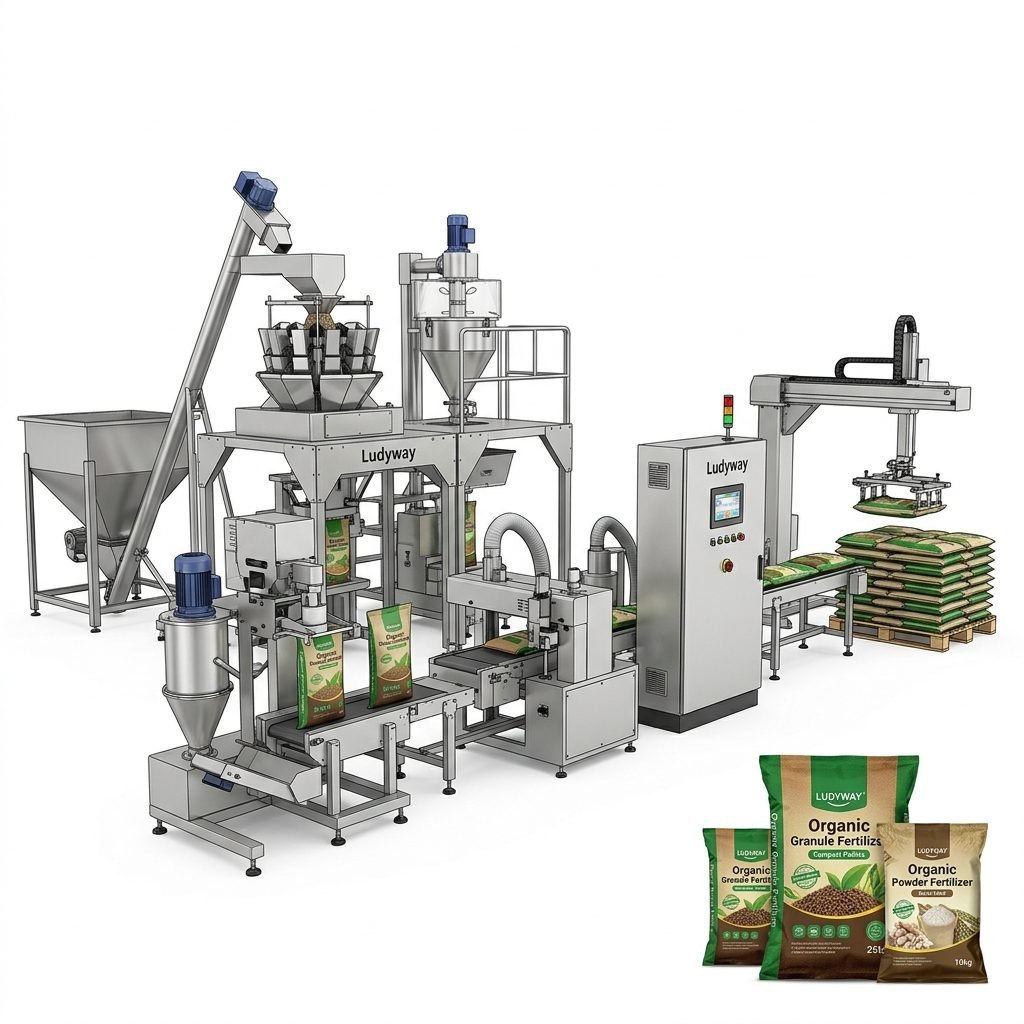
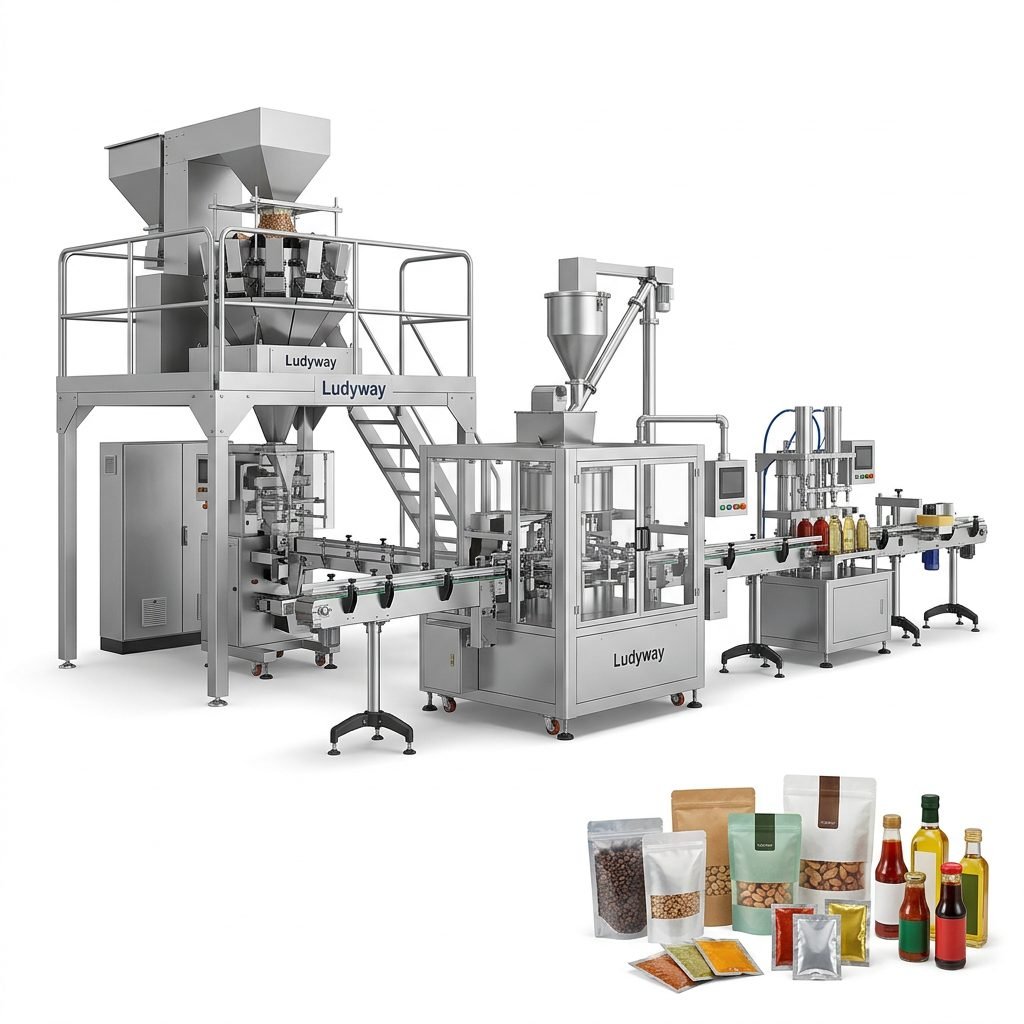
A complete meal packaging production line consists of several integrated machines working in sequence. Understanding each component helps you make informed procurement decisions and ensures compatibility across the entire system.
Primary Packaging Equipment
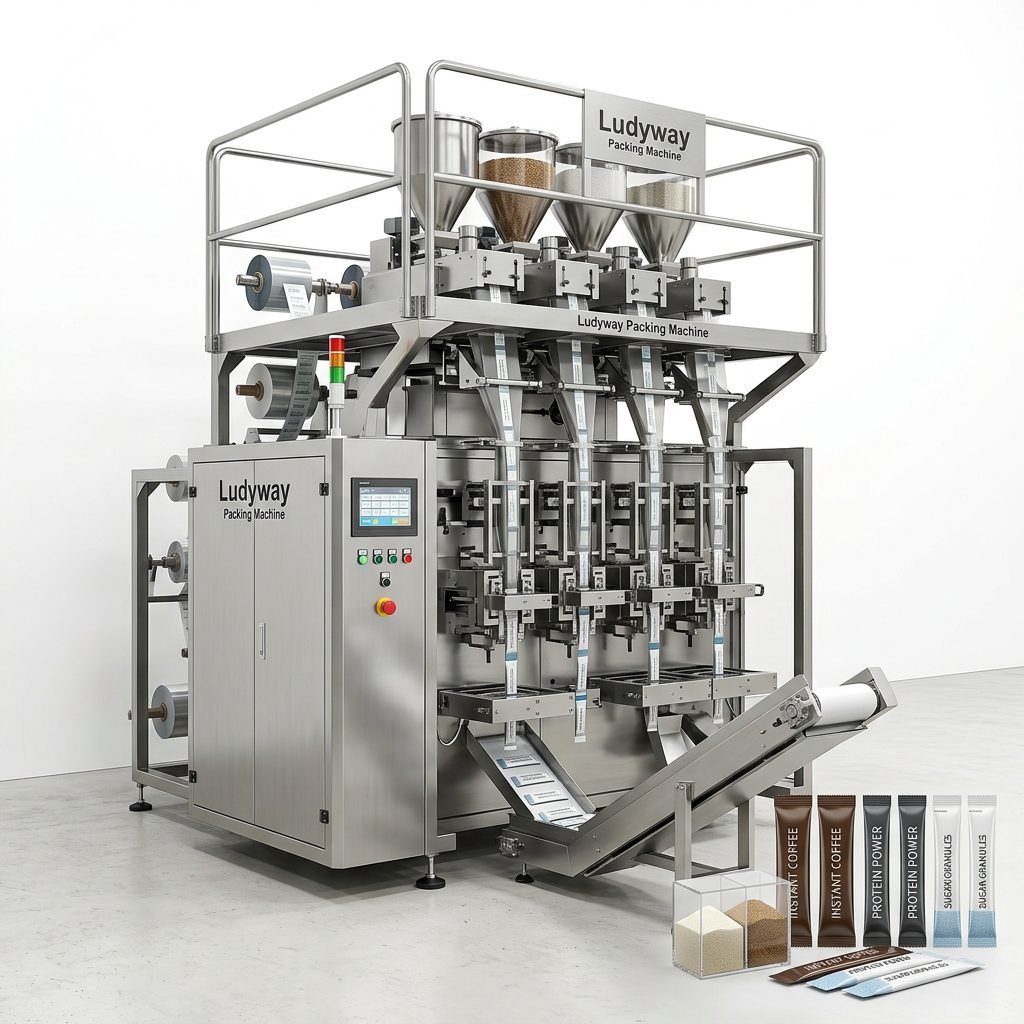
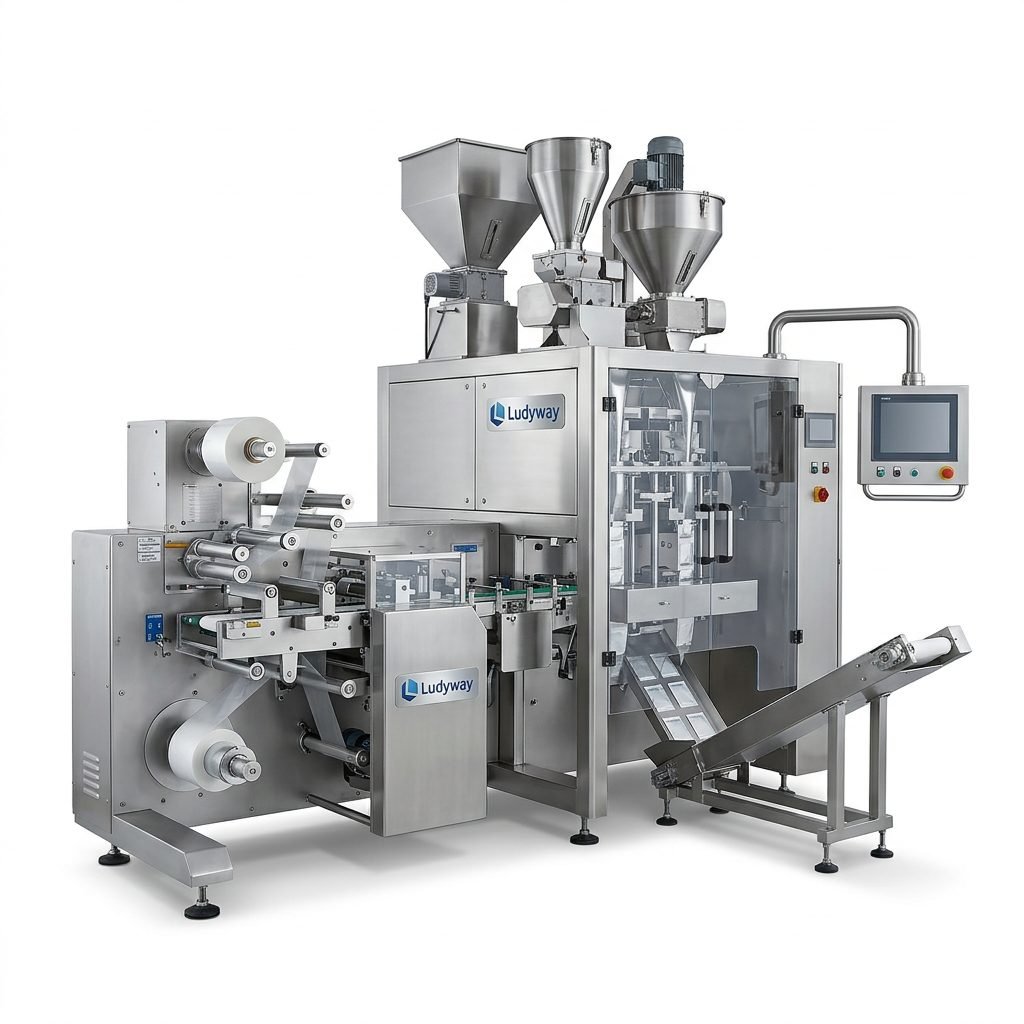
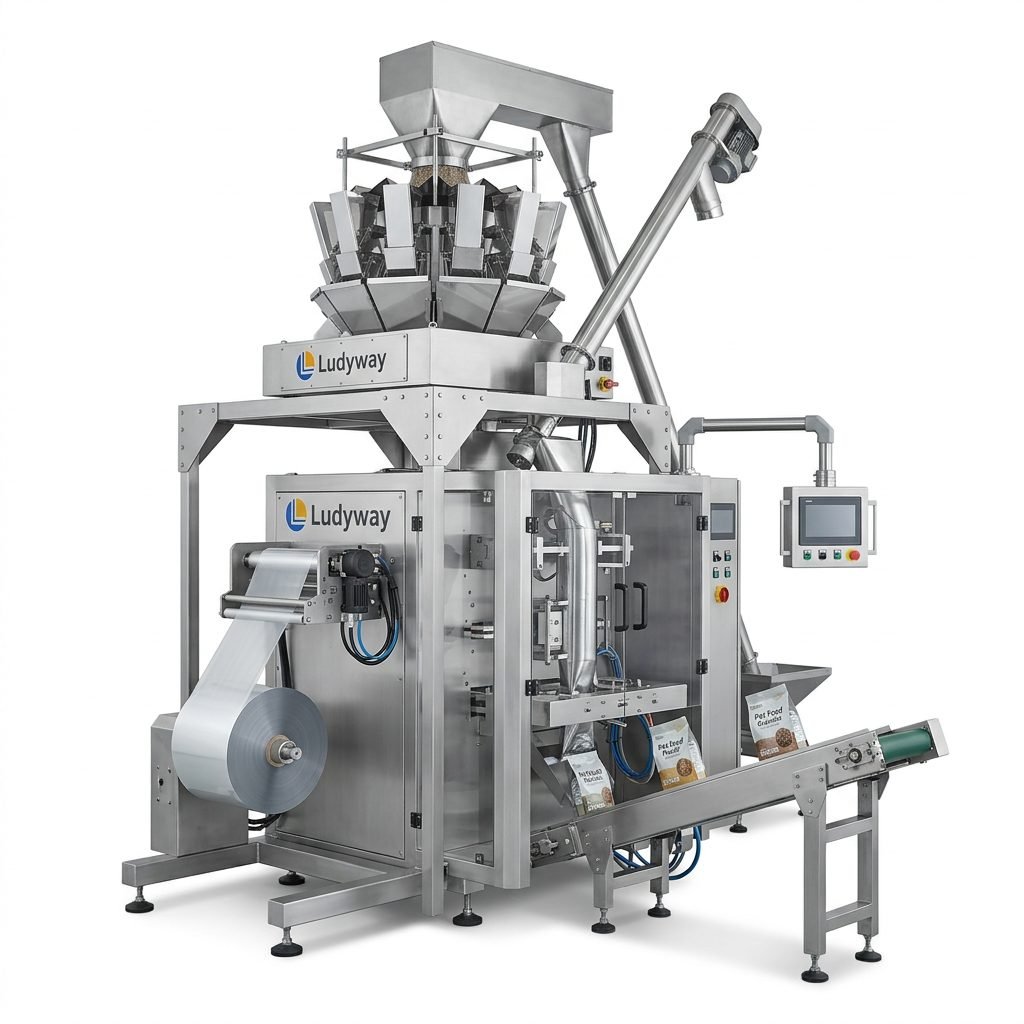
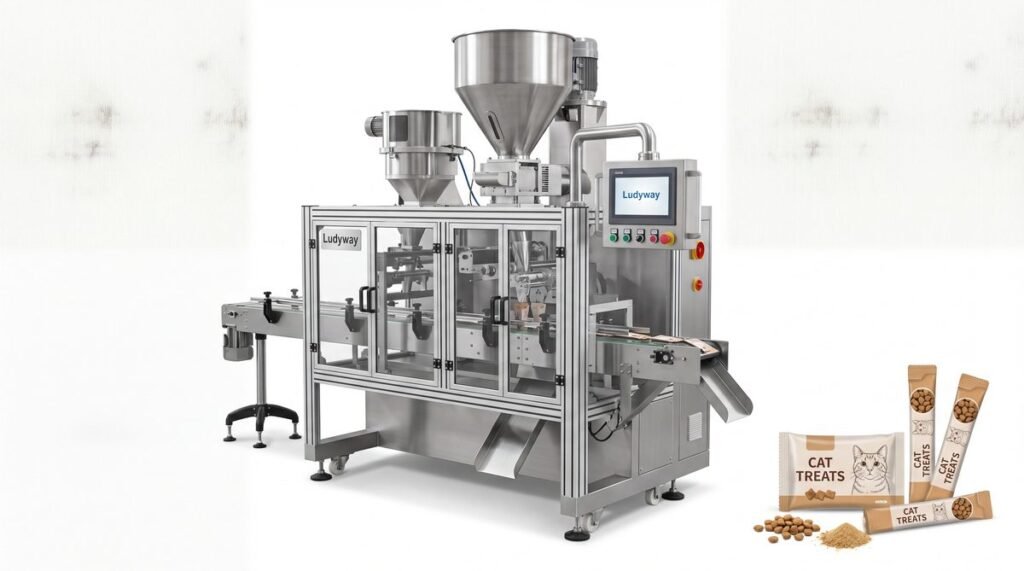
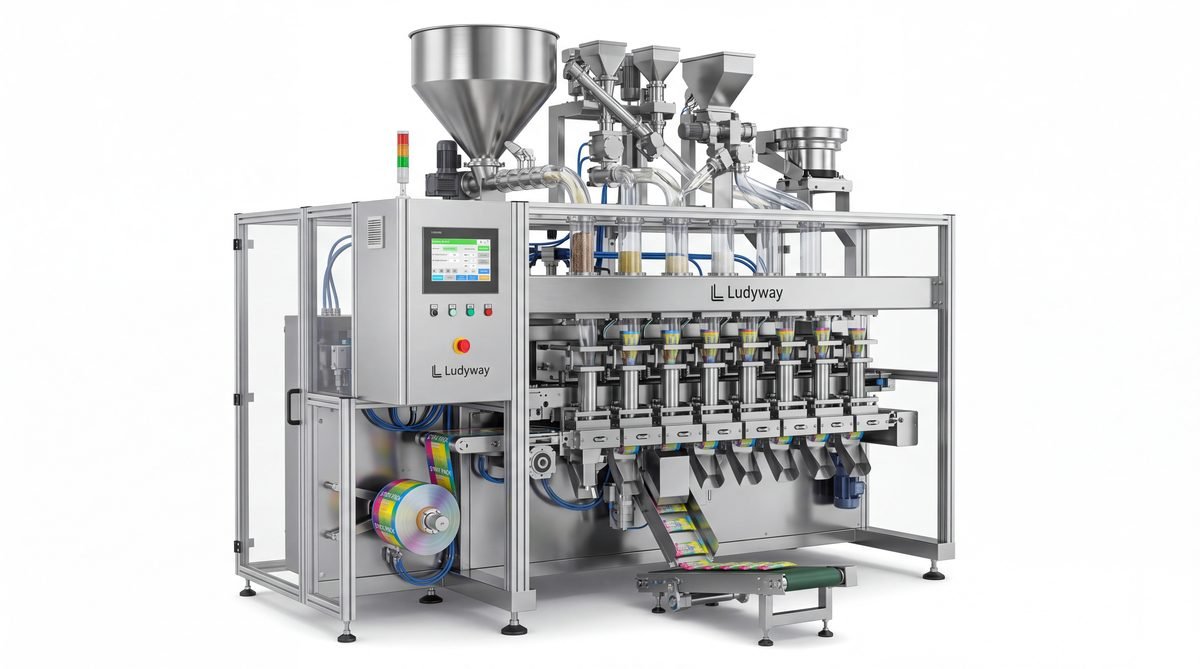
The core of any meal packaging operation is the vertical form-fill-seal (VFFS) machine or multi-lane stick pack system. These machines form the packaging material into bags, fill them with product, and seal them — all in one continuous process. For powdered meals such as soups and porridge mixes, flexible packaging with barrier films is essential to protect against moisture and oxygen.
Key primary packaging machines include:
- Multi-lane stick pack machines — Ideal for single-serve powder and granule meals
- Sachet packaging machines — Suitable for liquid sauces, pastes, and condiments
- Premade pouch filling and sealing machines — For stand-up pouches and retort packaging
- Tray sealing machines — For ready-to-eat meal trays with modified atmosphere packaging
Secondary and End-of-Line Equipment
Beyond the primary packaging unit, a complete production line requires supporting equipment to handle finished packs efficiently. These systems ensure your products are properly counted, boxed, and prepared for distribution across African markets.
- Multi-head weighers or auger fillers — For precise portioning of granules and powders
- Checkweighers and metal detectors — Critical for food safety compliance and quality assurance
- Conveyor systems — Connecting each stage of the production line
- Cartoning machines — Automatically packing sachets or stick packs into cartons
- Case packers and palletizers — For bulk packaging and warehouse preparation
- Coding and marking systems — For batch numbers, expiry dates, and traceability
Site Selection and Facility Preparation
Choosing the right location for your meal packaging facility in Africa requires careful evaluation of infrastructure, logistics, and regulatory factors. Proximity to raw material suppliers and target markets can significantly reduce transportation costs. Your facility must meet specific environmental and structural requirements to support packaging operations effectively.
Essential facility considerations include:
- Power supply stability — Industrial packaging lines require consistent three-phase power; backup generators are strongly recommended in regions with unreliable grid supply
- Cleanroom or controlled environment — Food packaging areas should maintain appropriate temperature and humidity levels, with effective pest control measures
- Floor load capacity — Heavy machinery requires reinforced concrete flooring
- Compressed air supply — Many packaging machines use pneumatic systems
- Water and drainage — For cleaning, sanitation, and product mixing operations
- Waste management systems — Proper disposal of packaging material waste and rejected products

Regulatory Compliance and Food Safety Standards
Operating a meal packaging facility in Africa requires adherence to both local and international standards. Each country has its own food safety authority — such as the National Agency for Food and Drug Administration and Control (NAFDAC) in Nigeria or the South African Bureau of Standards (SABS) — with specific requirements for food packaging operations.
Key compliance areas include:
- HACCP implementation — Hazard Analysis and Critical Control Points throughout the packaging process
- GMP certification — Good Manufacturing Practices for food processing environments
- Packaging material compliance — Food-grade materials meeting ISO packaging standards
- Labeling regulations — Nutritional information, ingredient lists, and allergen declarations as required by local laws
- Traceability systems — Batch tracking from production through distribution
- Export certifications — If targeting regional or international markets beyond your base country
Budget Planning and Cost Considerations
Establishing a meal packaging production line in Africa involves several cost categories. A well-structured budget helps you secure financing, manage cash flow, and achieve a realistic return on investment. Below is a breakdown of typical cost components for a mid-scale meal packaging operation.
| Cost Category | Estimated Range (USD) | Key Variables |
|---|---|---|
| Primary packaging machine | $30,000 – $150,000 | Number of lanes, automation level, brand |
| Auxiliary equipment | $20,000 – $80,000 | Weighers, conveyors, detectors, coders |
| Shipping and logistics | $8,000 – $25,000 | Distance, port handling, inland transport |
| Installation and commissioning | $5,000 – $20,000 | Engineer travel, local labor, duration |
| Facility modifications | $15,000 – $60,000 | Power upgrades, flooring, cleanroom build |
| Training and startup | $3,000 – $10,000 | Operator training, trial production runs |
| Initial packaging materials | $10,000 – $30,000 | Film rolls, cartons, labels, minimum orders |
Important: Always include a contingency buffer of 15-20% in your budget for unexpected expenses, customs duties, and currency fluctuations. Import duties on packaging machinery vary significantly across African countries — from 0% to 35% depending on local trade policies and economic community agreements.

Sourcing Equipment: Local vs. International Suppliers
When sourcing packaging machinery for an African operation, you face a strategic choice between local distributors and international manufacturers. Each option has distinct advantages and trade-offs that impact your total cost of ownership and long-term operational reliability.
International manufacturers — particularly those with established global packaging exhibition presence — typically offer more advanced technology, higher build quality, and comprehensive after-sales support. However, shipping costs, import duties, and longer lead times must be factored into your planning. Local distributors may provide faster delivery and easier communication, but their product range and technical expertise can be limited.
Key evaluation criteria for any supplier include:
- Experience in African markets — Understanding of local operating conditions and challenges
- Technical support availability — Remote troubleshooting, on-site service, and spare parts supply
- Machine warranty and service agreements — Clear terms covering parts, labor, and response times
- Training programs — Comprehensive operator and maintenance training, preferably in local language
- Reference installations — Verified performance of similar lines in comparable environments
Installation, Commissioning, and Operator Training
Proper installation and commissioning are critical to achieving reliable performance from your meal packaging line. This phase typically spans 2 to 6 weeks depending on the complexity of the system and the readiness of your facility. Working with an experienced supplier ensures that mechanical setup, electrical connections, pneumatic systems, and software configuration are executed correctly.
A structured commissioning process should include:
- Pre-installation inspection — Verifying all components arrived undamaged and complete
- Mechanical assembly and alignment — Positioning machines, connecting conveyors, and leveling equipment
- Electrical and pneumatic hookup — Power connections, air supply, and control cabinet wiring
- Dry run testing — Operating machines without product to verify mechanical function
- Product trials — Running actual meal products to fine-tune fill weights, seal temperatures, and speeds
- Performance validation — Confirming output rates, pack quality, and waste levels meet specifications
- Operator certification — Hands-on training for production staff with documented competency assessment
Investing in thorough training at this stage pays dividends throughout the life of your equipment. Well-trained operators reduce downtime, minimize material waste, and extend machine lifespan significantly.
Ongoing Maintenance and Spare Parts Management
Maintaining consistent production in an African context requires careful planning for preventive maintenance and spare parts availability. Unlike regions with dense supplier networks, some African countries may have limited access to specialized packaging machine components, making proactive inventory management essential.
Recommended maintenance strategies include:
- Daily cleaning and inspection routines — Removing product residue, checking seals, and verifying sensor operation
- Weekly preventive maintenance — Lubrication, belt tension checks, and wear part assessment
- Monthly comprehensive servicing — Detailed inspection of all mechanical, electrical, and pneumatic systems
- Spare parts inventory — Maintaining critical spares such as sealing elements, cutting blades, belts, sensors, and heating cartridges
- Remote support capability — Ensuring your supplier can provide video-based troubleshooting and diagnostics
- Annual overhaul planning — Scheduling major service interventions during production downtime periods
Establish a spare parts management system that tracks consumption rates and triggers reordering before stockouts occur. Critical components with long lead times should be kept in adequate quantities at your facility.
Packaging Material Sourcing in Africa
The availability and quality of packaging materials directly affect your production line’s efficiency and product shelf life. In many African countries, flexible packaging films with appropriate barrier properties may need to be imported, though regional manufacturing capacity is growing — particularly in South Africa, Kenya, and Nigeria.
Key material considerations include:
- Film substrate selection — PET, BOPP, aluminum foil laminates, or biodegradable options depending on product requirements
- Barrier properties — Moisture vapor transmission rate (MVTR) and oxygen transmission rate (OTR) suitable for your meal products
- Sealant layer compatibility — Ensuring the inner layer seals reliably at your machine’s operating temperatures
- Print quality and branding — Surface treatment for high-quality flexographic or rotogravure printing
- Minimum order quantities — Often a challenge for startups; building relationships with flexible packaging suppliers helps negotiate favorable terms

Technology Trends Shaping Meal Packaging in Africa
The packaging industry is evolving rapidly, and African manufacturers who adopt modern technologies gain significant competitive advantages. Several trends are particularly relevant for meal packaging operations:
- IoT-enabled smart packaging lines — Real-time monitoring of machine performance, production counts, and efficiency metrics via cloud-based dashboards
- Energy-efficient servo drives — Reducing electricity consumption while improving precision and speed control
- Quick-changeover designs — Tool-free format changes that minimize downtime between product runs
- Sustainable packaging options — Mono-material films and recyclable structures responding to global environmental concerns
- Automated quality inspection — Vision systems that detect seal defects, print errors, and contamination in real time
- Mobile-enabled remote access — Allowing technical support teams to diagnose and resolve issues without on-site visits
Investing in future-ready technology ensures your production line remains competitive as African markets mature and consumer expectations rise.
Building a Skilled Workforce
The success of any packaging operation ultimately depends on the people running it. Developing a skilled team of operators, maintenance technicians, and production supervisors is an ongoing investment. In many African countries, vocational training programs specific to packaging machinery operation may be limited, making supplier-provided training and internal knowledge transfer especially valuable.
Effective workforce development strategies include:
- Structured onboarding programs — Combining classroom learning with hands-on machine operation under supervision
- Cross-training across stations — Building flexibility and resilience in your production team
- Standard operating procedure documentation — Clear, illustrated SOPs in appropriate languages for every machine and process
- Performance incentive systems — Rewarding efficiency, quality, and safety achievements
- Continuous skills upgrading — Regular refresher training and exposure to new technologies
Logistics and Distribution Strategy
Producing packaged meals is only half the equation — getting products to consumers across Africa’s diverse geography requires robust logistics planning. Your distribution strategy should account for road conditions, storage infrastructure, and last-mile delivery challenges that vary significantly between urban and rural areas.
Critical logistics factors include:
- Warehouse requirements — Climate-controlled storage to maintain product quality before distribution
- Transport packaging durability — Secondary packaging designed to withstand rough handling and varying climate conditions
- Regional distribution partnerships — Working with established distributors who understand local market dynamics
- Inventory management systems — Balancing production output with demand forecasting to minimize waste
- Cold chain considerations — If producing fresh or chilled meal products requiring temperature-controlled logistics
Selecting the Right Equipment Partner
Choosing a reliable equipment partner is one of the most consequential decisions in setting up your meal packaging line. Look for manufacturers with demonstrated experience in turnkey project delivery, particularly in emerging markets with similar operational conditions to Africa. A capable partner provides not just machines, but comprehensive support throughout the project lifecycle — from initial planning and layout design through installation, training, and long-term service.
Evaluate potential partners based on their track record with packaging industry benchmarks, technical capabilities, spare parts infrastructure, and commitment to customer success. Companies like Ludyway, one of the largest packaging machine manufacturers in China with over 30 years of industry expertise, specialize in advanced packaging equipment and turnkey production solutions for the food, pharmaceutical, and health industries, serving customers in more than 100 countries with reliable and efficient systems for granule, powder, liquid, and pouch packaging applications.

Common Challenges and How to Overcome Them
Setting up a packaging line in Africa comes with unique challenges that require practical solutions. Being aware of these obstacles in advance allows you to plan mitigation strategies effectively.
| Challenge | Impact | Recommended Solution |
|---|---|---|
| Power instability | Production interruptions, machine damage | Install voltage stabilizers and backup generators; use UPS for control systems |
| Spare parts availability | Extended downtime waiting for shipments | Maintain strategic inventory of critical spares; establish air freight agreements |
| Skilled labor shortage | Operational inefficiency, quality issues | Invest in comprehensive training; develop internal career progression paths |
| Currency volatility | Unpredictable material and spare part costs | Negotiate longer-term supply contracts; maintain foreign currency reserves |
| Customs clearance delays | Equipment and material holdups at ports | Work with experienced freight forwarders; prepare documentation meticulously |
| Humidity and climate effects | Product spoilage, packaging material degradation | Climate-controlled storage; select films with appropriate barrier properties |
Measuring Success and Continuous Improvement
Once your meal packaging line is operational, establishing key performance indicators (KPIs) helps you track efficiency, identify improvement opportunities, and demonstrate return on investment. Essential metrics for packaging operations include:
- Overall Equipment Effectiveness — Combining availability, performance, and quality into a single efficiency score
- Production output vs. target — Daily and weekly comparison against planned volumes
- Material waste percentage — Film waste, product give-away, and rejected packs
- Downtime analysis — Categorizing stoppages by cause to prioritize corrective actions
- Changeover time — Duration required to switch between products or pack formats
- Per-unit packaging cost — Total cost including materials, labor, energy, and maintenance
Implement a continuous improvement culture that encourages operators and technicians to identify and suggest efficiency gains. Regular review meetings with production teams help sustain momentum and ensure that incremental improvements compound over time.
Final Thoughts on Establishing Your Meal Packaging Line
Setting up a meal packaging machine production line in Africa is a significant undertaking that requires careful planning, appropriate technology selection, and ongoing commitment to operational excellence. The opportunity is substantial — Africa’s growing population, increasing urbanization, and rising demand for convenient packaged foods create a compelling business case for well-executed packaging operations.
Success depends on making informed decisions at every stage: from initial market research and packaging machinery standards compliance to equipment selection, facility preparation, team development, and distribution strategy. By following the comprehensive guidance outlined in this article, you can navigate the complexities of establishing a packaging line and position your business for sustainable growth in Africa’s dynamic food packaging market.
Ready to take the next step? Connect with experienced packaging machinery manufacturers who understand the unique requirements of African markets and can provide tailored solutions for your meal packaging needs.