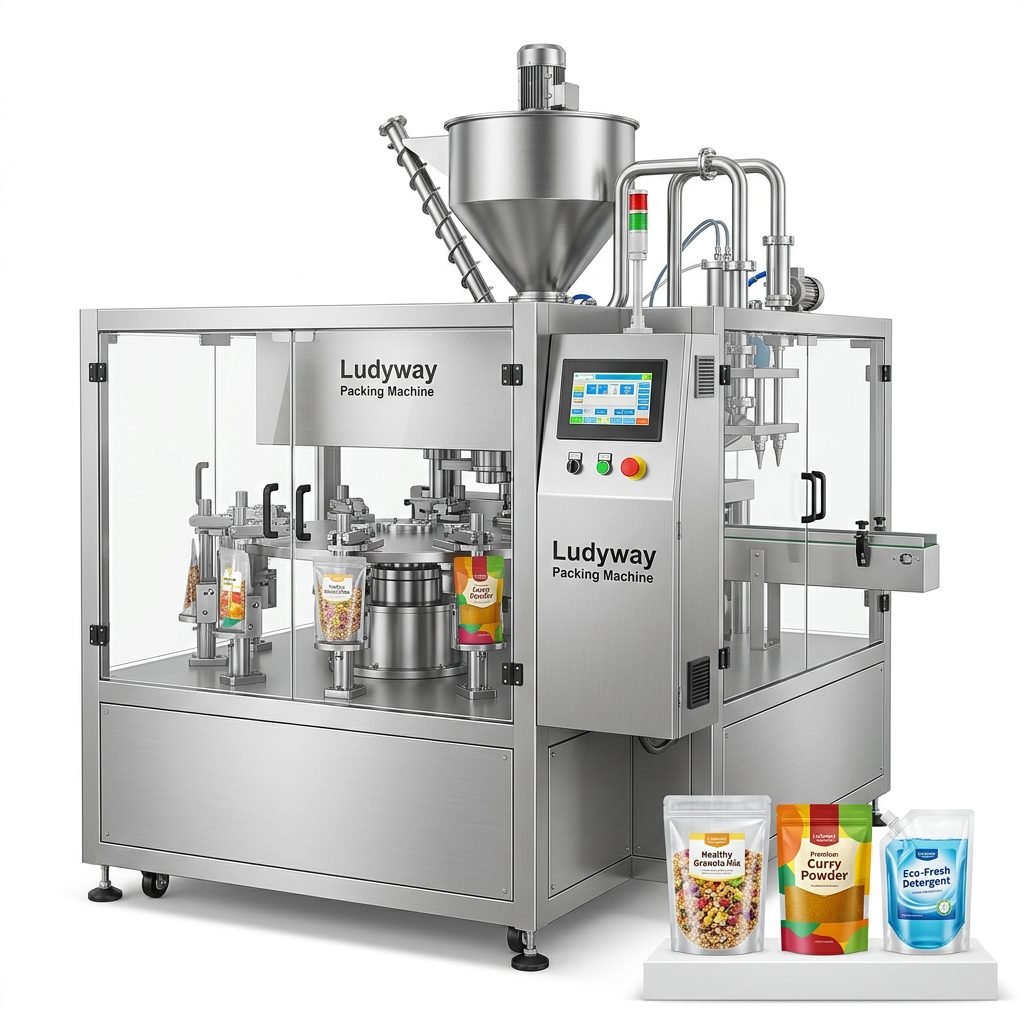
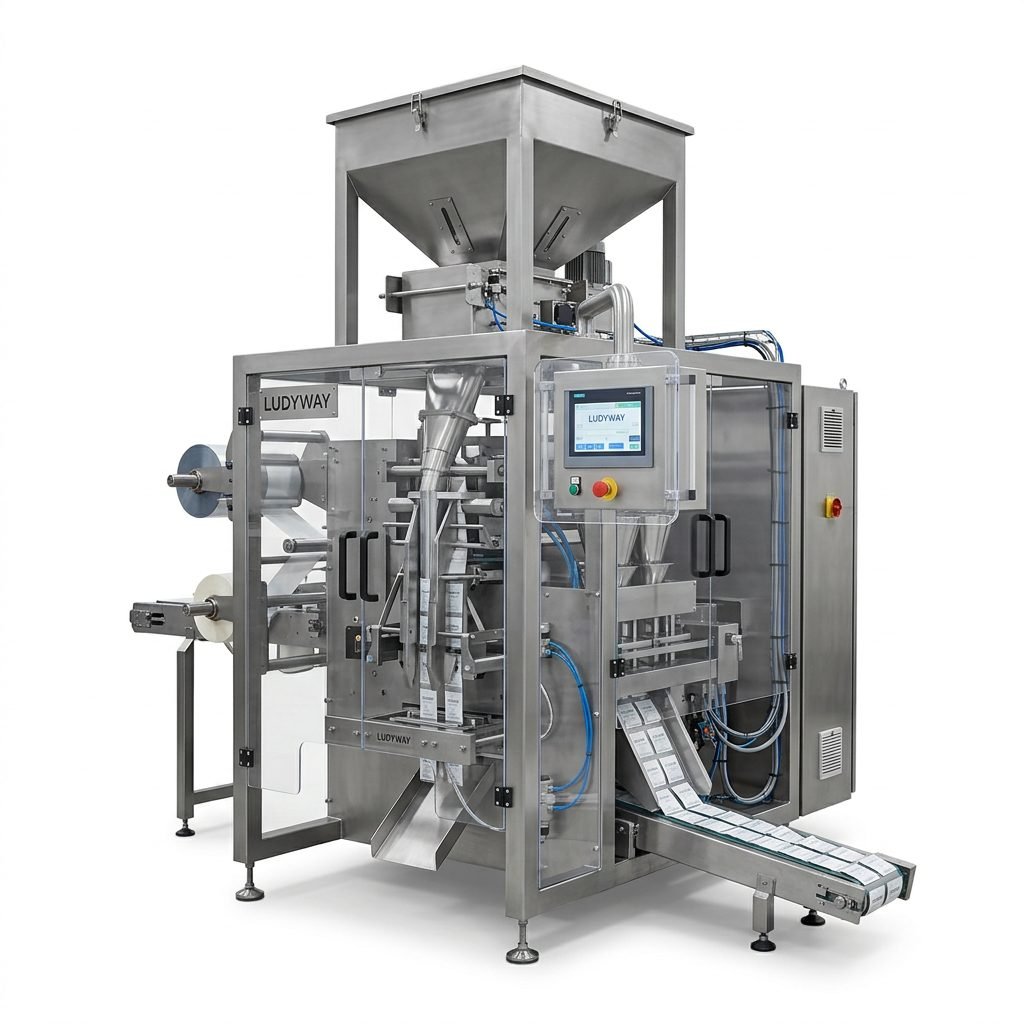
Choosing the right foam in place packaging machine is a critical decision for manufacturers, e-commerce fulfillment centers, and logistics operations that need reliable, cost-effective protective packaging. Foam-in-place technology creates custom cushioning on demand, reducing material waste and ensuring products arrive intact. This comprehensive buyer’s guide walks you through every factor to consider before making your investment.
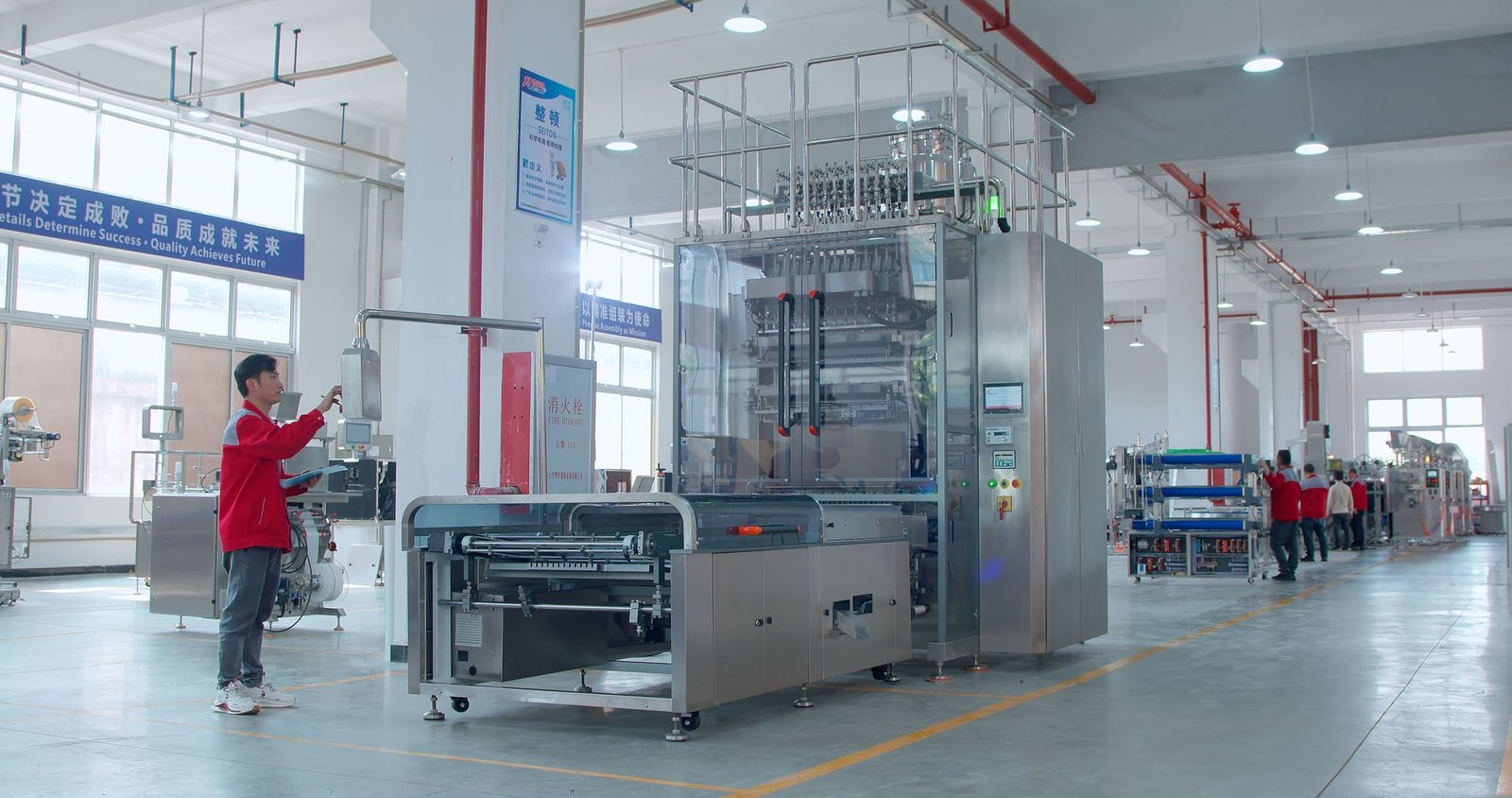
What Is a Foam in Place Packaging Machine?
A foam in place packaging system dispenses expanding polyurethane foam into a bag or directly around a product, creating a customized protective mold within seconds. Unlike pre-formed foam inserts or loose fill materials, foam-in-place technology adapts to any product shape, offering superior impact protection and a professional unboxing experience. These machines are widely used across industries such as electronics, medical devices, automotive parts, and consumer goods.
According to industry data from PMMI – Packaging Machinery Market Research, the demand for automated protective packaging solutions continues to grow as companies prioritize damage reduction and operational efficiency.
Key Factors to Consider When Choosing a Foam in Place Machine
1. Production Volume and Speed Requirements
Your daily packaging volume should directly influence the type of foam-in-place machine you select. Low-volume operations may benefit from manual or semi-automatic systems, while high-volume fulfillment centers require fully automated inline equipment capable of dispensing dozens of foam cushions per minute. Evaluate your peak season throughput to avoid bottlenecks.
2. Foam Chemistry and Material Costs
Different machines work with specific polyurethane foam formulations. Some systems use two-component reactive foam, while others employ pre-mixed solutions. Consider the cost per cubic foot of foam produced, as this will be an ongoing operational expense. The Flexible Packaging Association provides excellent resources on material innovations and sustainability trends that can guide your selection.
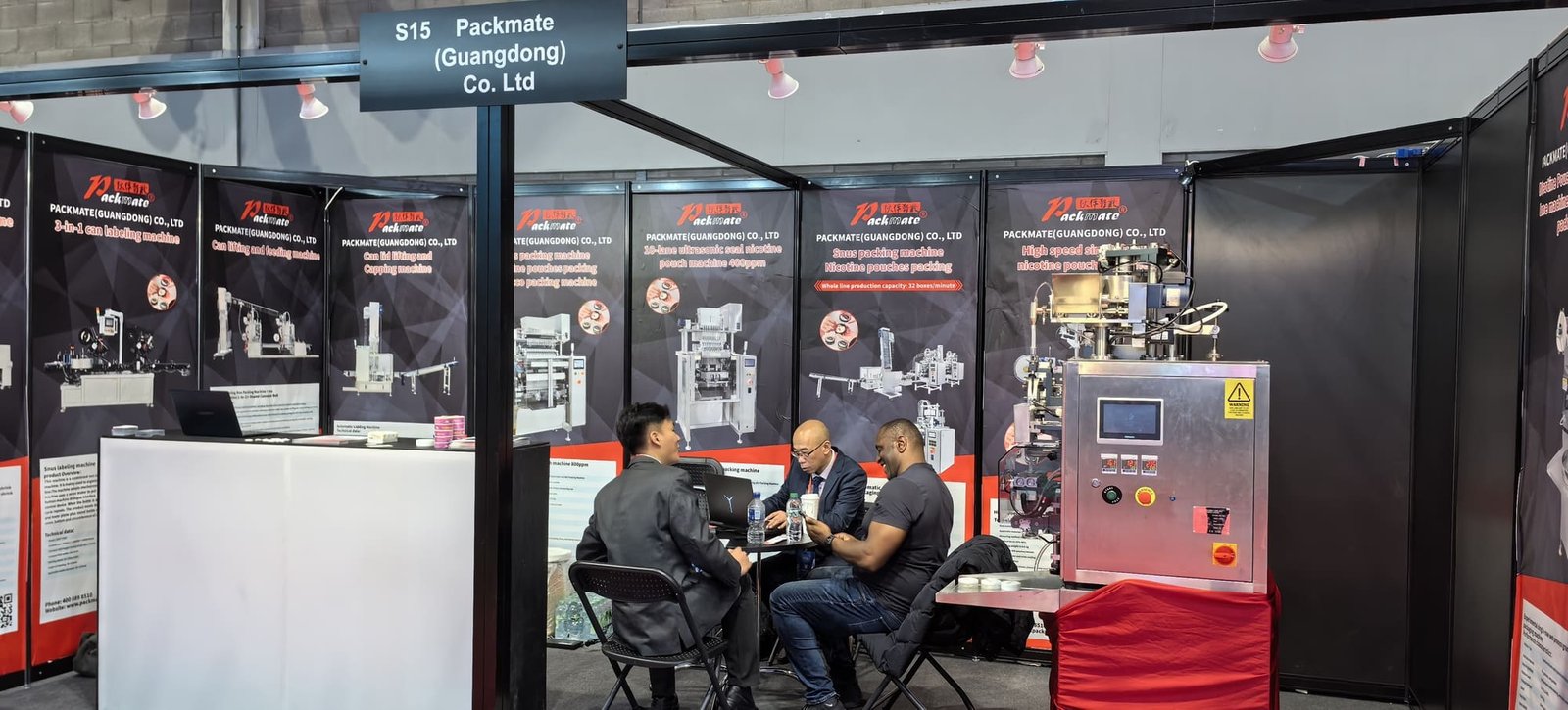
3. Footprint and Facility Integration
Measure your available floor space carefully. Compact benchtop models work well for small packing stations, while larger inline systems need ample room for operator access and material storage. Consider how the machine integrates with your existing conveyor systems, packing tables, and material handling equipment.
4. Ease of Operation and Training
A user-friendly interface reduces training time and operator error. Look for machines with intuitive touchscreen controls, clear maintenance indicators, and straightforward chemical changeover procedures. The learning curve should be minimal, especially in facilities with seasonal temporary staff.
Types of Foam in Place Packaging Systems
| Machine Type | Best For | Advantages | Limitations |
|---|---|---|---|
| Manual Dispensing Systems | Low-volume operations, small businesses | Low upfront cost, simple operation | Slower throughput, inconsistent foam output |
| Semi-Automatic Machines | Medium-volume packing stations | Better consistency, moderate speed | Requires operator at each cycle |
| Fully Automatic Inline Systems | High-volume fulfillment centers | Maximum throughput, consistent quality, minimal labor | Higher initial investment, complex maintenance |
| Portable Foam Carts | Multi-station facilities | Flexibility, shared use across lines | Manual positioning, limited automation |
Evaluating Foam Quality and Cushioning Performance
Not all polyurethane foam is created equal. Key performance metrics include foam density, compression resistance, and expansion ratio. Request sample cushions from equipment suppliers and conduct drop tests with your actual products. The foam should provide adequate protection without adding unnecessary weight that increases shipping costs.
Critical Foam Properties to Test:
- Density consistency – Uniform foam prevents weak spots in protective cushioning
- Compression set – How well the foam recovers after repeated impacts
- Chemical compatibility – Ensure foam chemistry is safe for your products
- Cure time – Faster curing increases throughput
- Temperature stability – Performance in varying warehouse conditions
Maintenance, Support, and Total Cost of Ownership
Beyond the purchase price, consider the total cost of ownership (TCO) over the machine’s lifespan. This includes chemical costs, replacement parts, routine maintenance, and potential downtime. Research the manufacturer’s service network, warranty terms, and availability of technical support. A machine with a lower upfront cost may prove more expensive in the long run if parts and service are difficult to obtain.
Several established PACK EXPO International exhibitors showcase foam-in-place technology alongside complementary packaging equipment, giving buyers an opportunity to compare multiple vendors in one venue.
Industry-Specific Considerations
Electronics and Sensitive Components
Static-sensitive products require anti-static or static-dissipative foam formulations. Verify that the machine can dispense these specialty chemicals without cross-contamination issues. Many electronics manufacturers also prioritize clean, low-particulate foam to prevent contamination of sensitive components.
Medical Devices and Pharmaceuticals
Regulatory compliance is paramount in medical packaging. Foam materials must meet applicable ISO packaging standards for cleanliness, biocompatibility, and traceability. Documentation and batch record keeping are essential features to look for in machines serving this sector.
E-Commerce and Retail Fulfillment
Consumer-facing brands benefit from the premium unboxing experience that custom foam cushioning provides. The foam protects products while presenting them professionally. Consider whether the machine can accommodate a variety of box sizes and product dimensions, as e-commerce operations typically handle diverse SKUs.
Sustainability and Environmental Impact
Modern foam-in-place systems increasingly use bio-based polyols and recyclable foam formulations. Evaluate the environmental profile of the foam chemistry your chosen machine uses. Some systems are compatible with renewable content foams that reduce the carbon footprint of your packaging operation. Regulatory trends in the European packaging waste regulation landscape are pushing the industry toward more sustainable protective packaging solutions.
Integration with Existing Packaging Lines
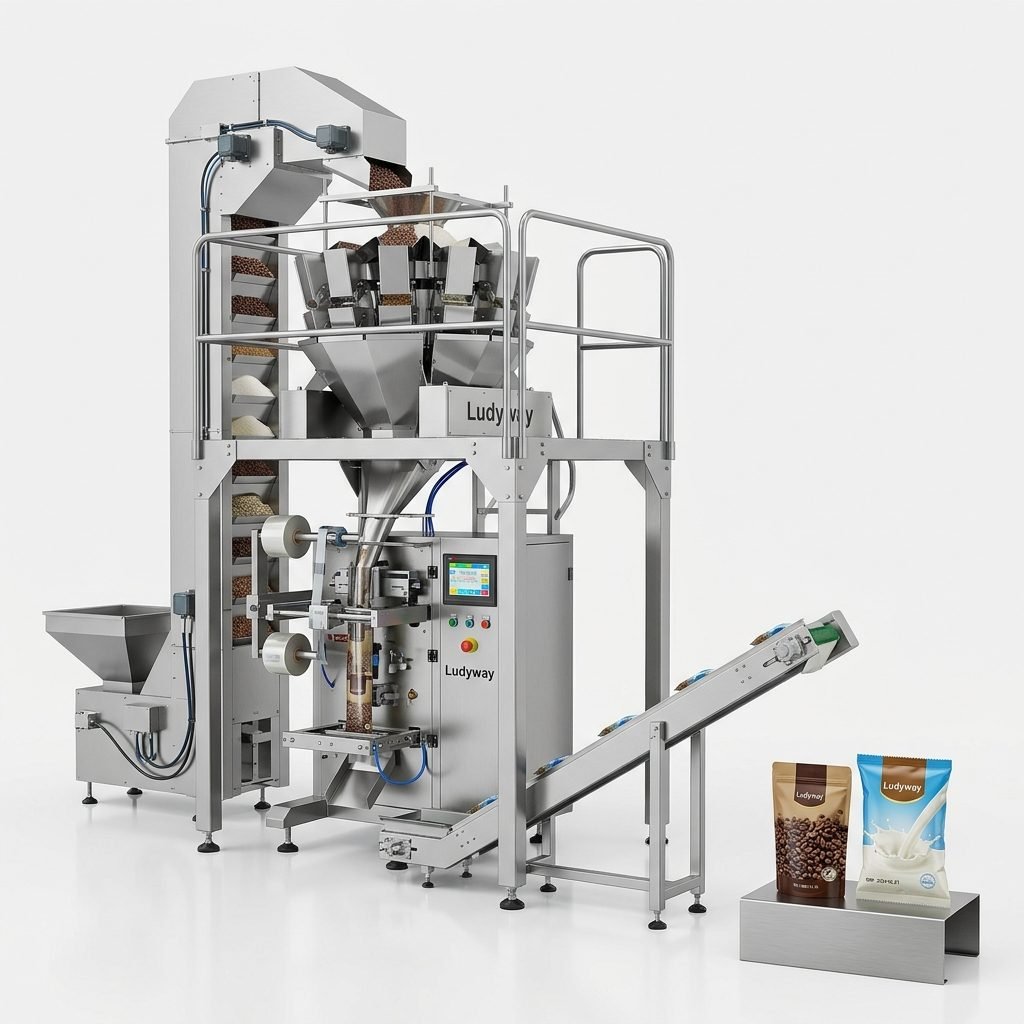
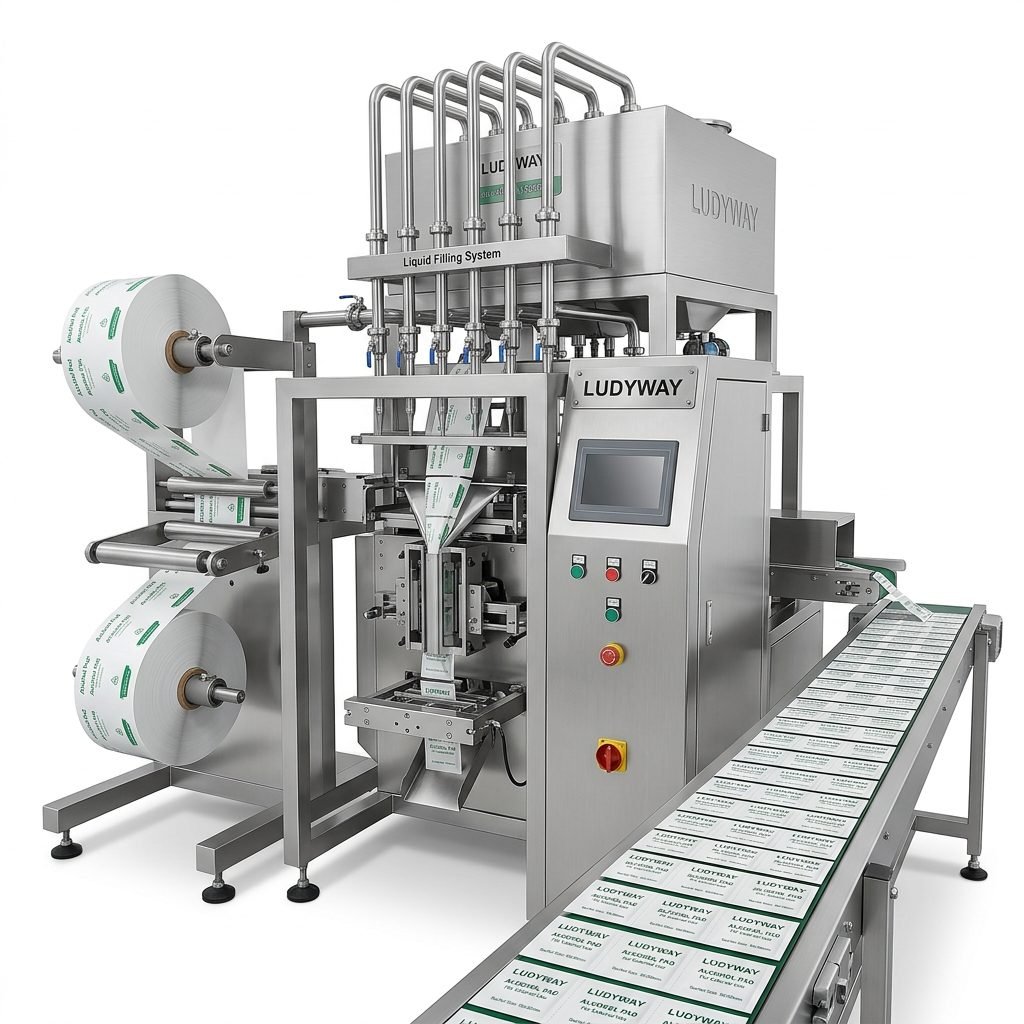
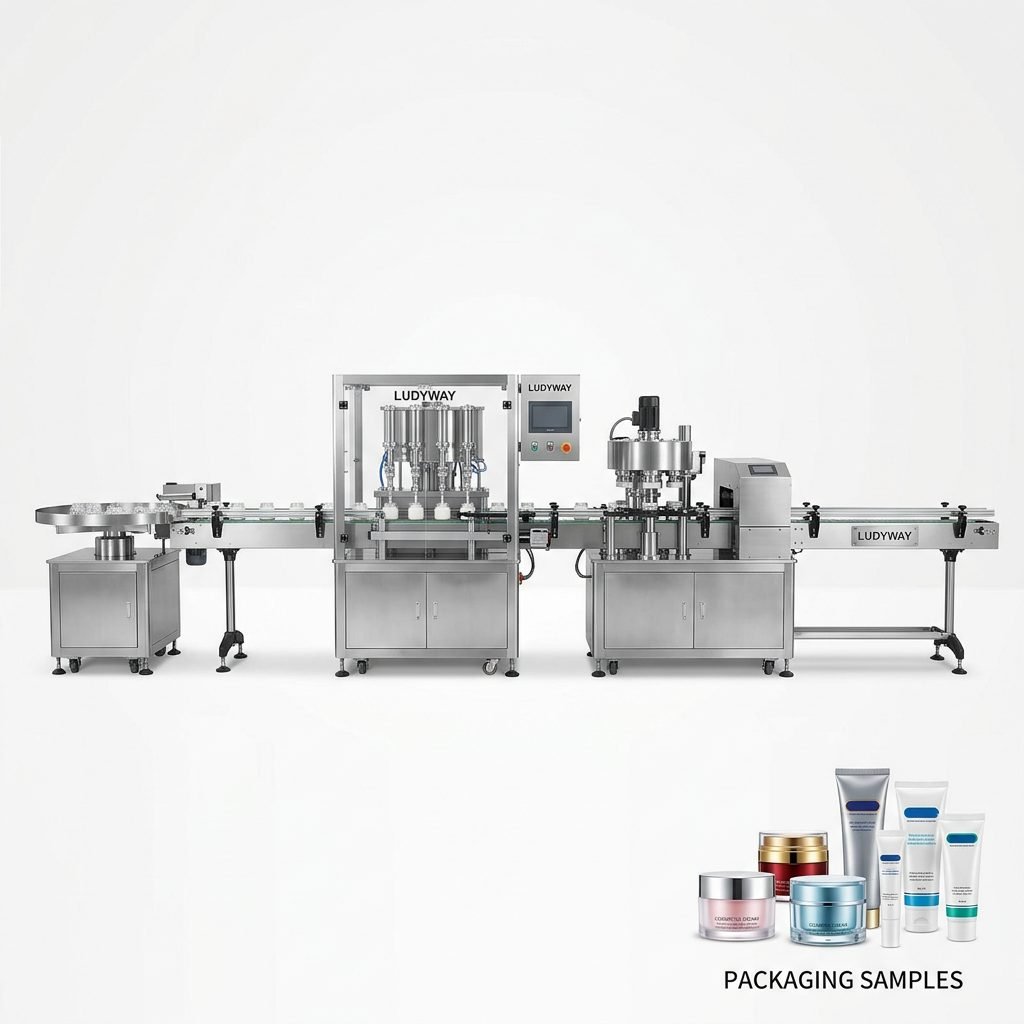
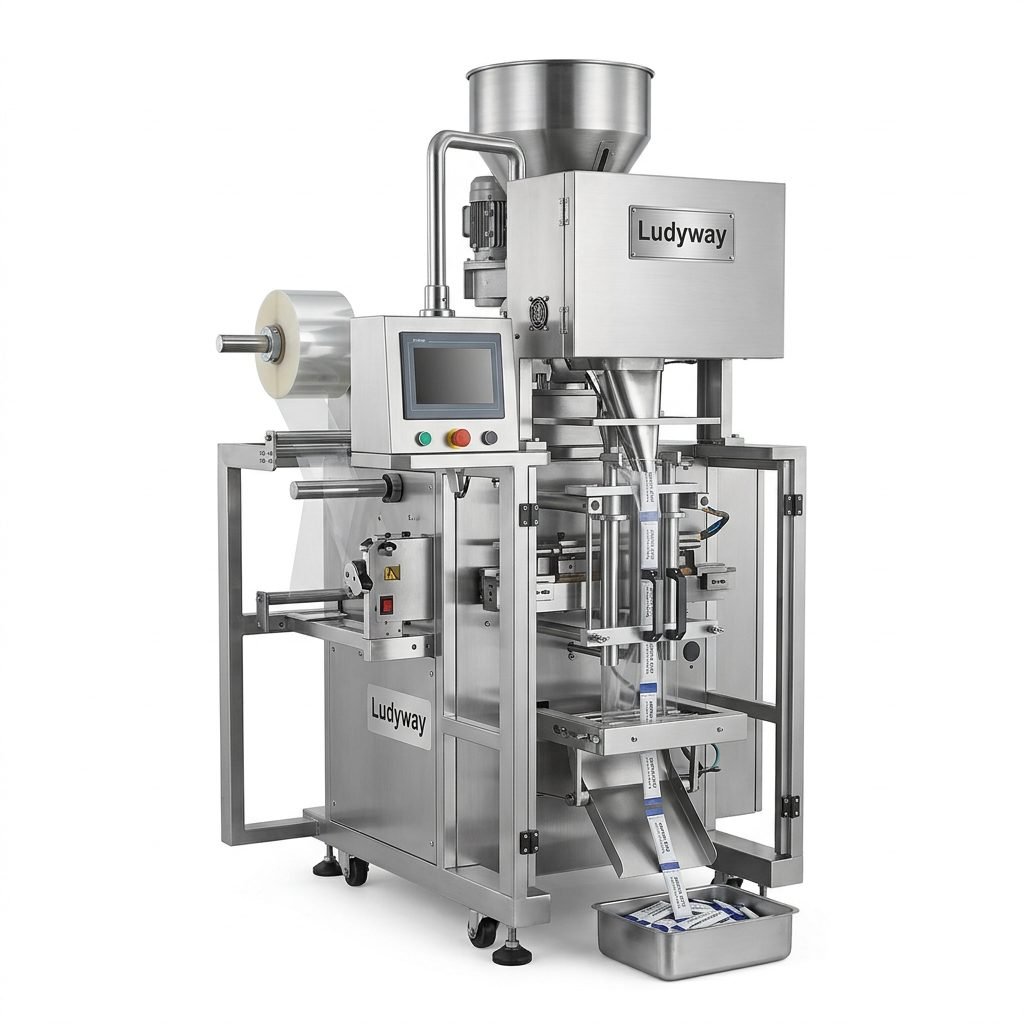
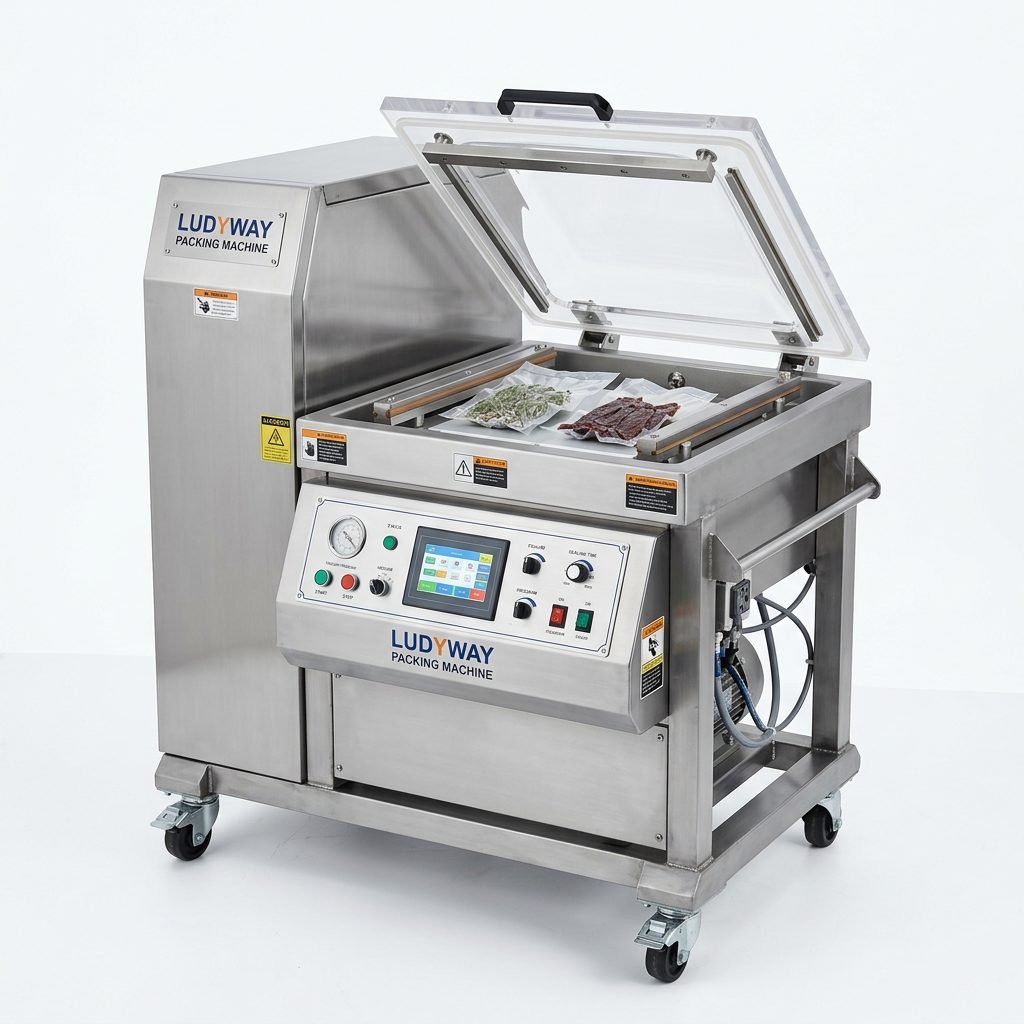
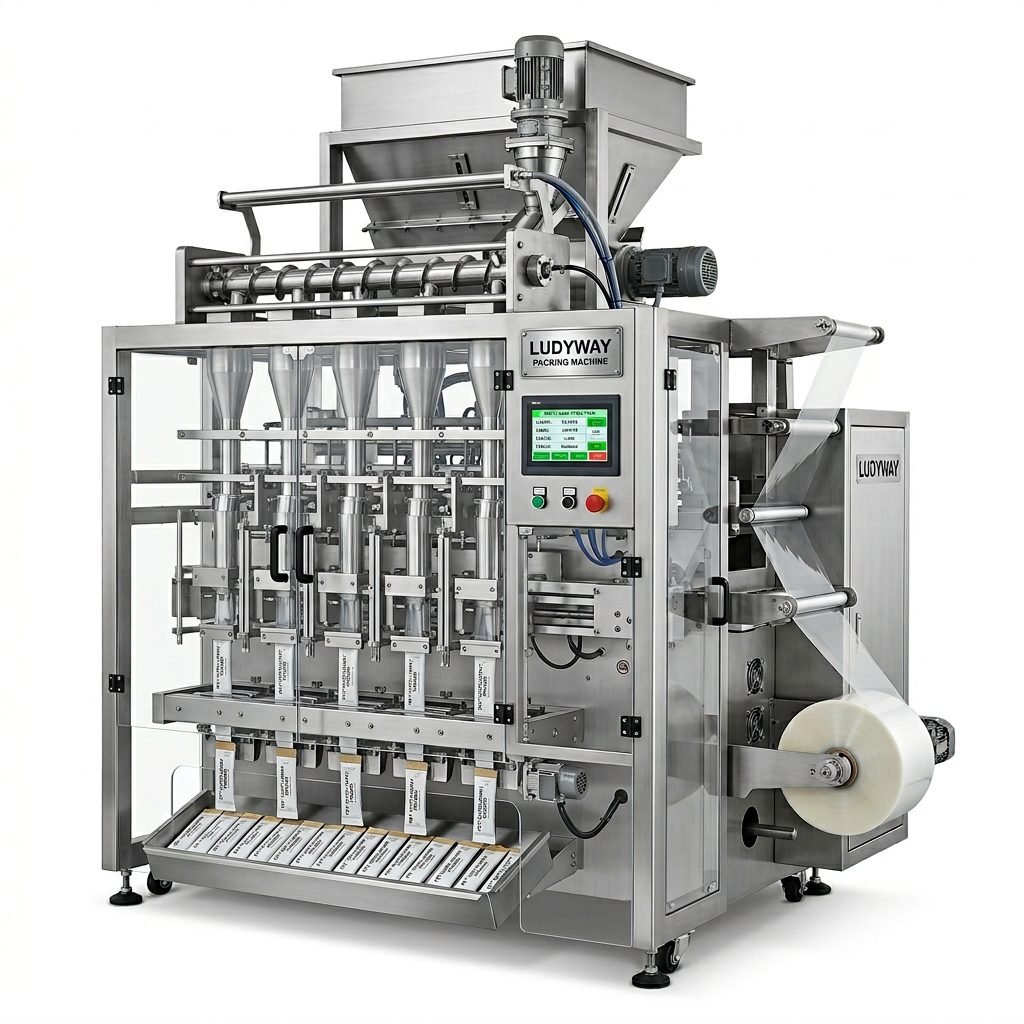
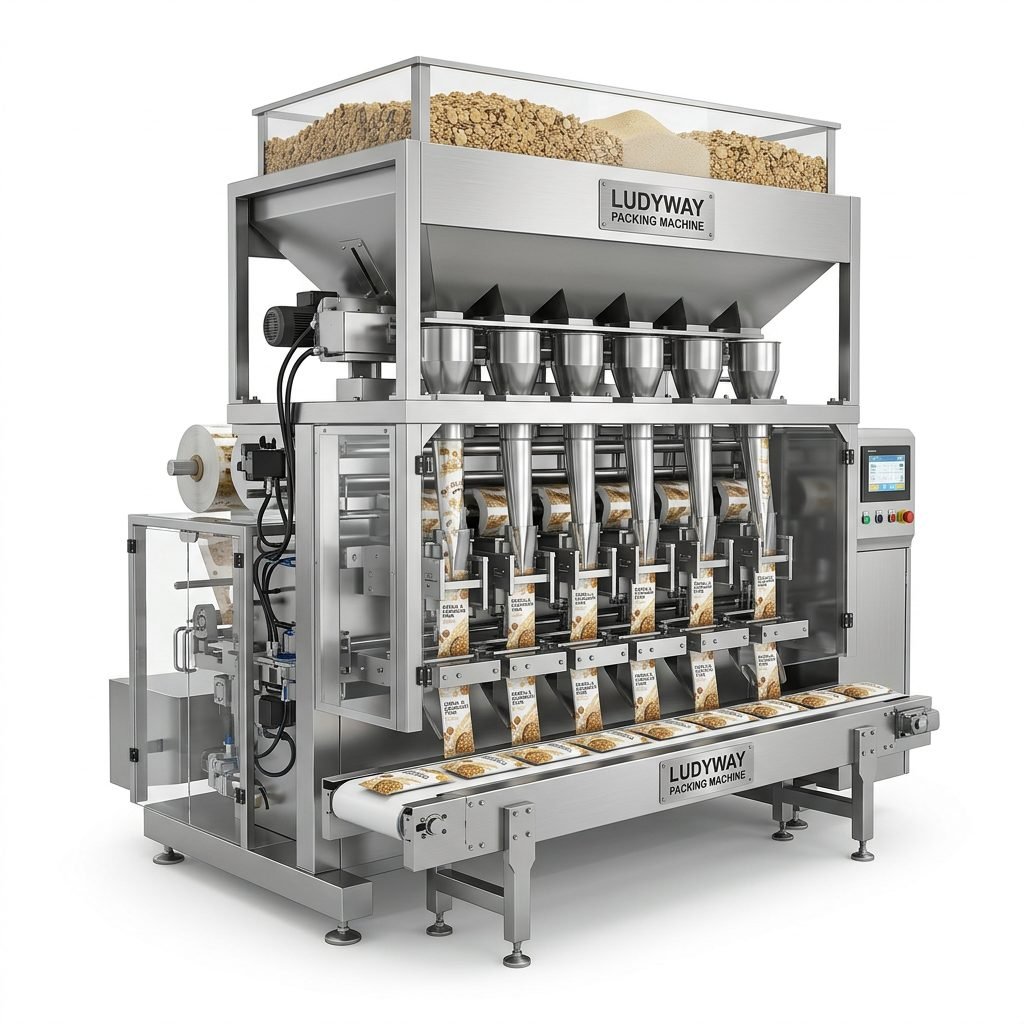
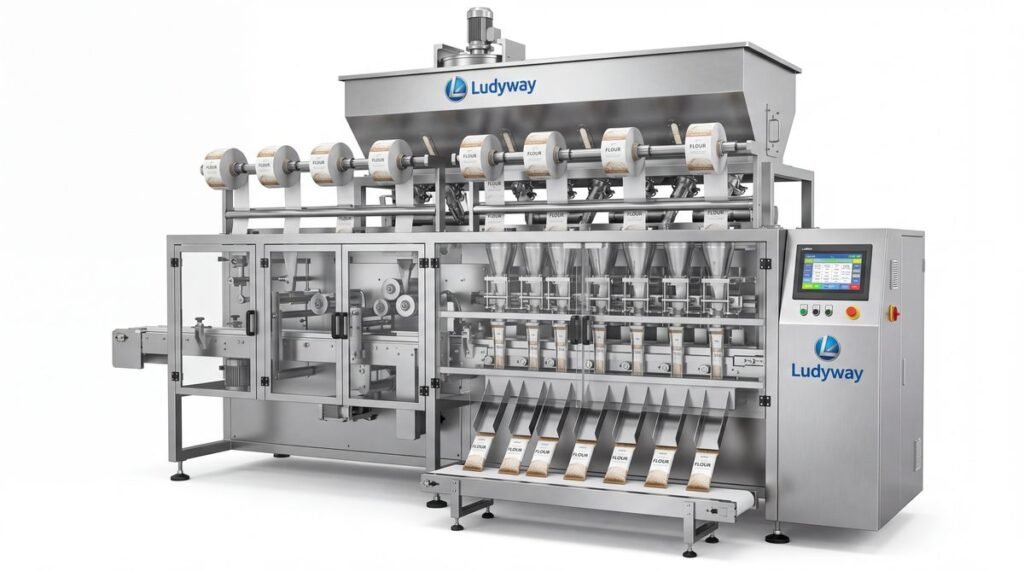
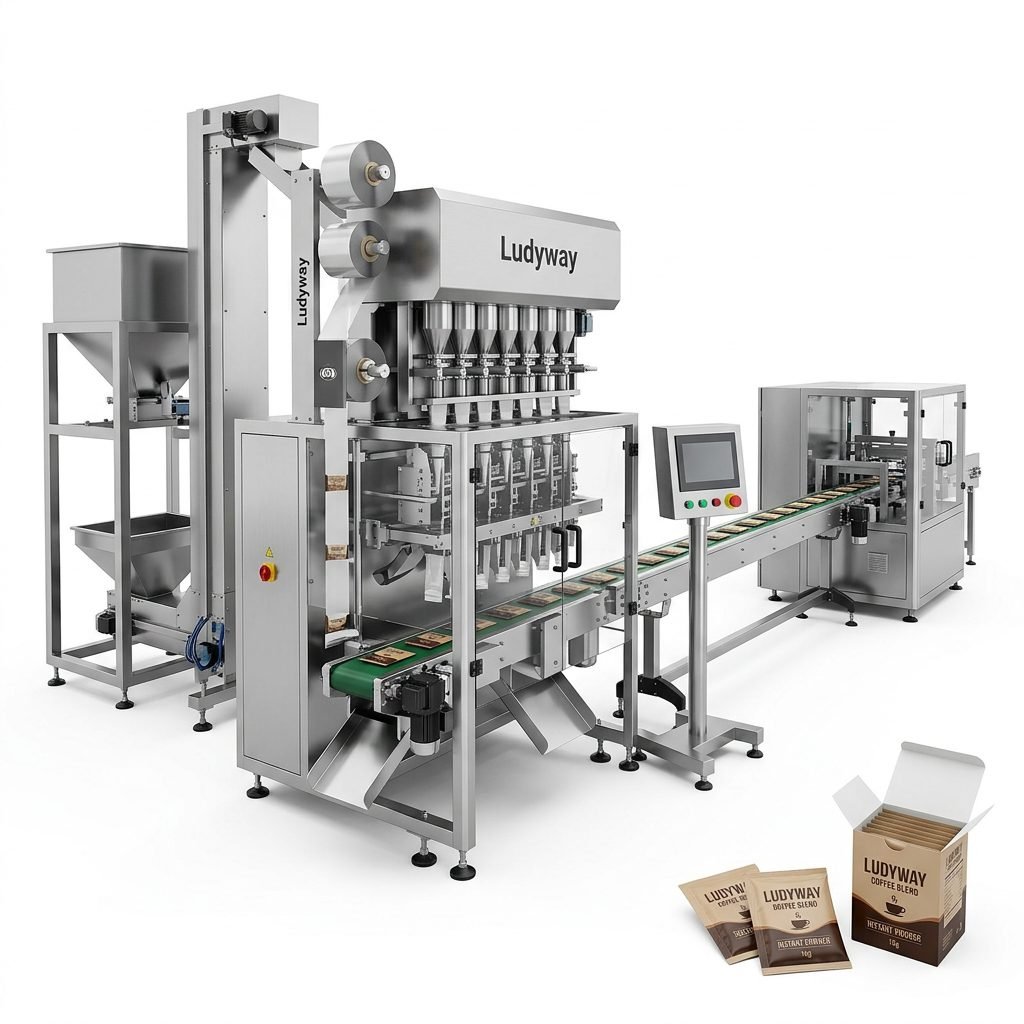
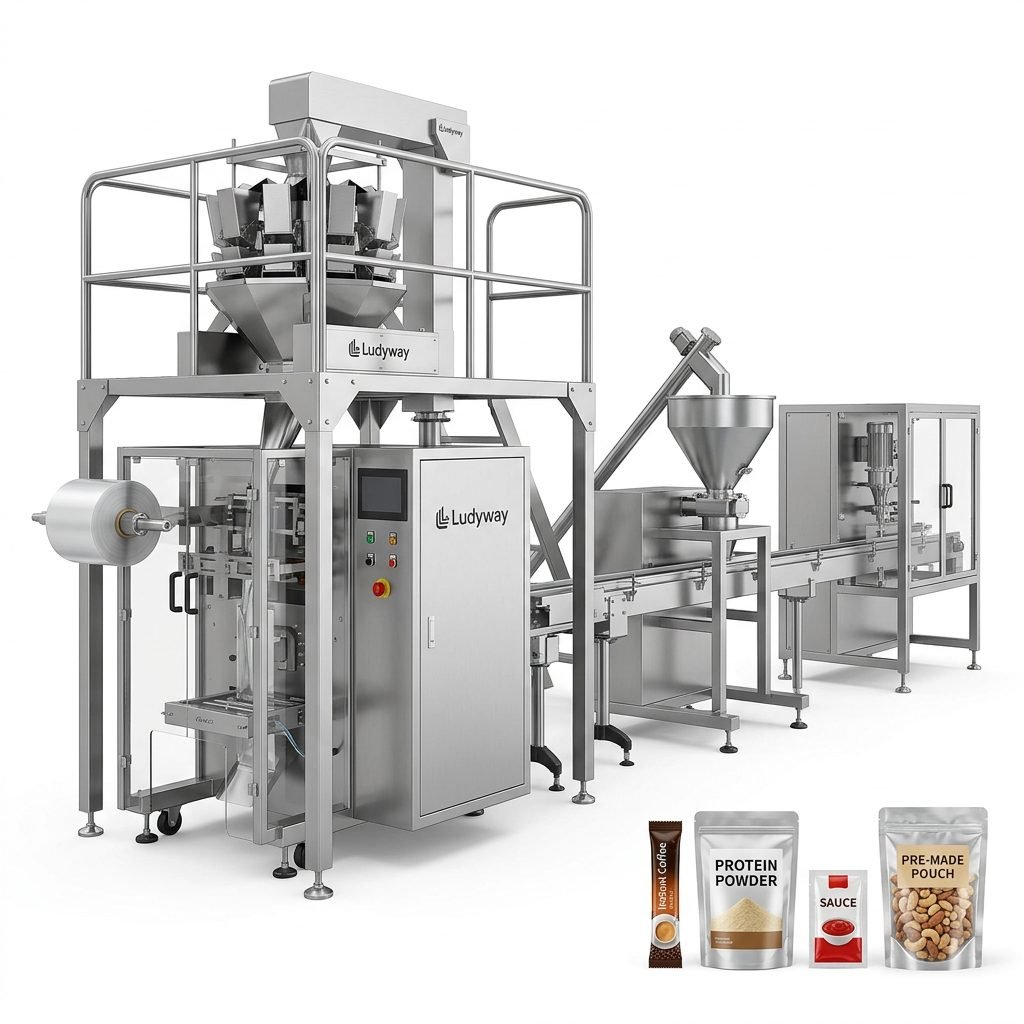
For manufacturers already operating automated packaging systems, selecting a foam-in-place machine that integrates with existing conveyors, case sealers, and labeling equipment is essential. While this guide focuses on protective foam dispensing, broader packaging line integration often requires coordination across multiple equipment types. Ludyway Machinery, a China-based packaging machinery manufacturer with over 30 years of experience, demonstrates how manufacturers benefit from working with a single packaging machinery partner for equipment selection, system integration, customization, and technical support across the entire packaging line.
Key Questions to Ask Equipment Suppliers
Before Requesting a Quote, Prepare Answers to These Questions:
- What is your expected daily packaging volume?
- What product dimensions and weights need protection?
- Do you require anti-static, conductive, or standard foam?
- What is your available floor space and facility layout?
- What is your budget range for capital equipment?
- Do you need data integration with warehouse management systems?
- What are your sustainability goals for packaging materials?
Making the Final Decision
Selecting the right foam in place packaging machine requires balancing multiple factors: production volume, material costs, machine footprint, ease of use, and long-term support. Always request live demonstrations with your actual products whenever possible. A machine that works perfectly in a showroom may perform differently with your specific products and packaging workflow.
Review the latest 2026 Packaging State of the Industry report from PMMI for data-driven insights into packaging machinery trends that can inform your investment timing and budget planning.
Final Checklist Before Purchase:
- Conducted product-specific drop testing with foam samples
- Verified chemical costs and supplier availability in your region
- Confirmed service and support infrastructure from the equipment vendor
- Evaluated total cost of ownership over 5+ years
- Assessed operator training requirements and ease of use
- Checked compatibility with existing packaging line components
- Reviewed warranty terms and spare parts availability
A well-chosen foam-in-place packaging machine improves product protection, reduces damage-related costs, and enhances customer satisfaction. By thoroughly evaluating the factors outlined in this guide, you can select equipment that aligns with your operational needs and positions your packaging operation for long-term efficiency and growth.