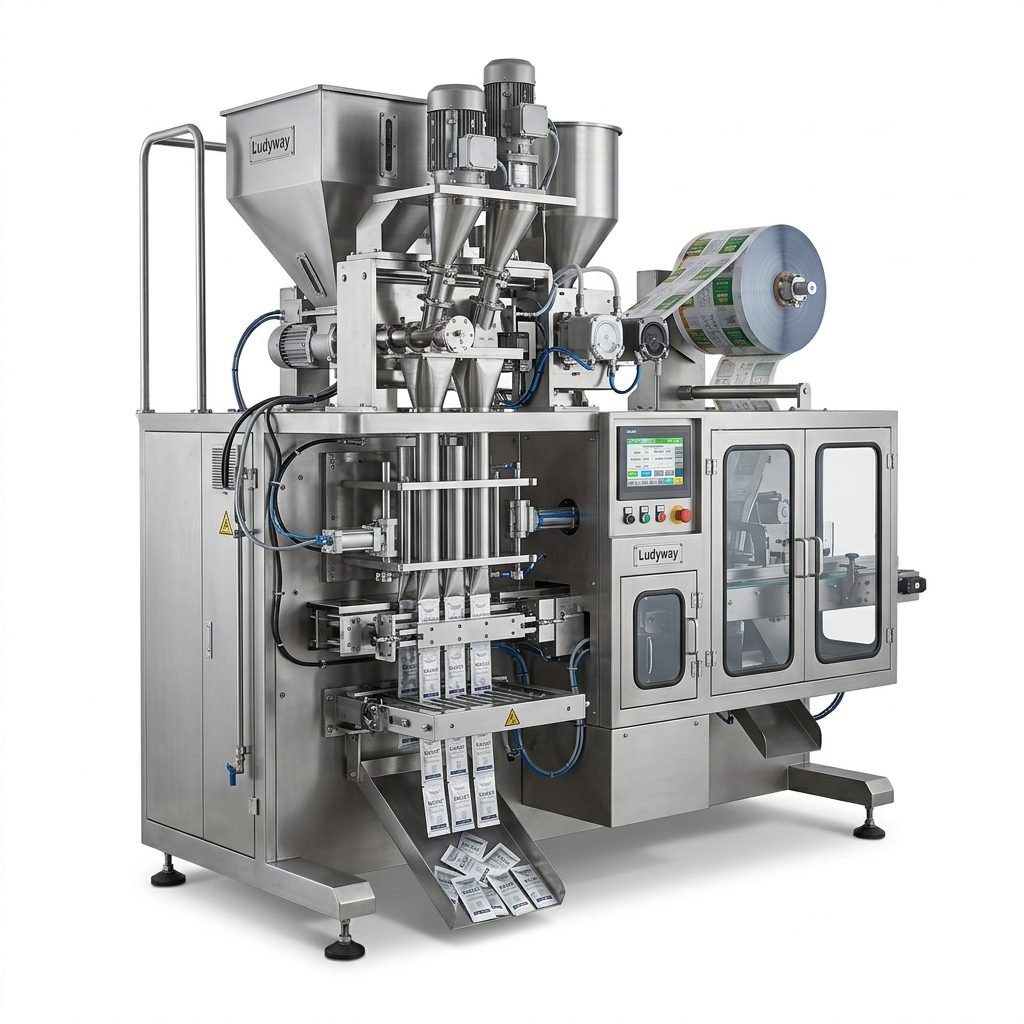
Setting up a popcorn packaging machine production line in Oceania requires careful planning, from understanding regional regulatory standards to selecting the right high-speed packaging equipment for your output goals. Whether you’re based in Australia, New Zealand, or the Pacific Islands, the demand for convenient, portion-controlled snack formats—particularly stick packs and sachets—continues to grow across retail, cinema, and foodservice channels. This guide walks you through every critical step of establishing a reliable, efficient, and scalable popcorn packaging operation in the Oceania region.
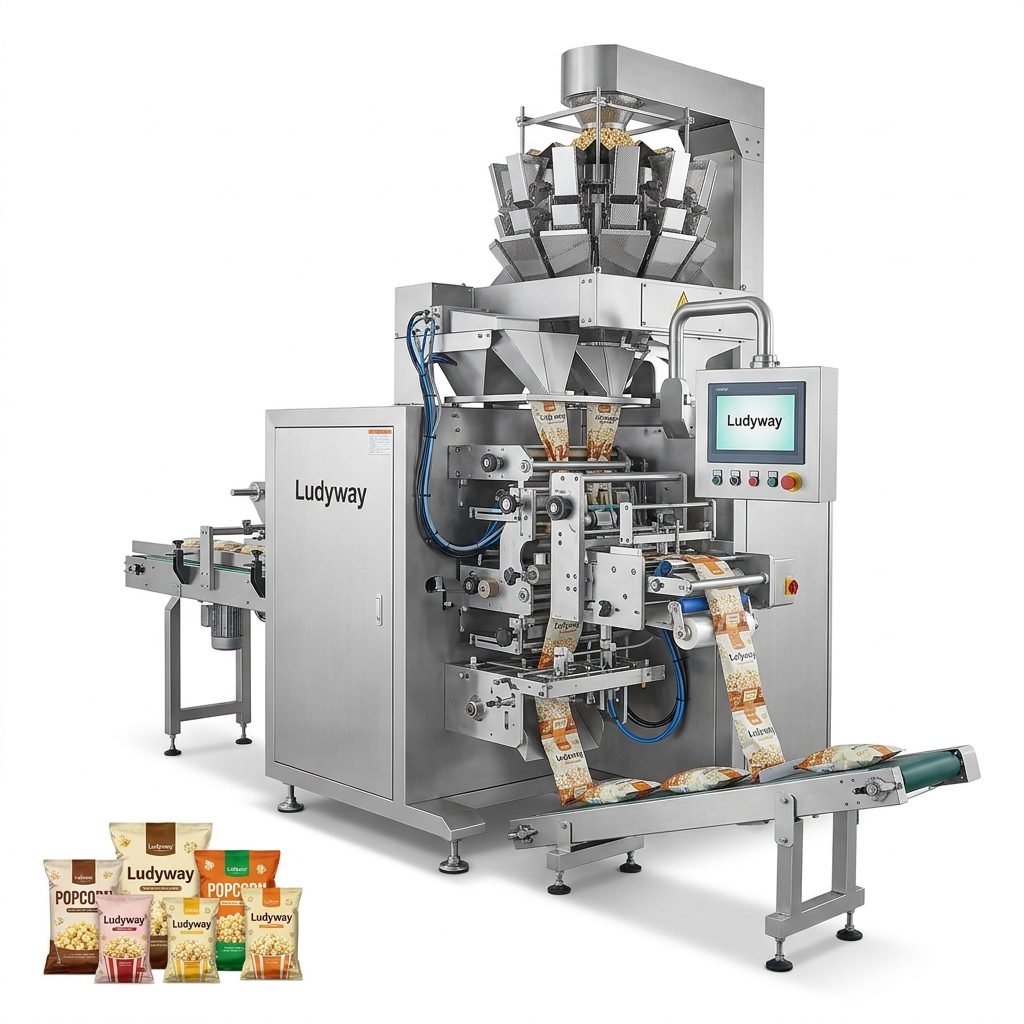
Understanding the Oceania Snack Packaging Market
The Oceania region, led by Australia and New Zealand, has a well-established snack food industry characterized by high food safety standards, strong consumer preference for convenience packaging, and increasing demand for on-the-go portion packs. Popcorn, both ready-to-eat and microwave varieties, represents a significant segment within this market. According to data from the Flexible Packaging Association, flexible packaging formats like stick packs and sachets continue to gain market share due to their material efficiency and consumer convenience.
Key market drivers for popcorn packaging in Oceania include:
- Portion control trends — single-serve stick packs are increasingly popular in convenience stores and cinemas
- Export opportunities — Australian and New Zealand snack brands are expanding into Asian and Middle Eastern markets
- Sustainability mandates — packaging machinery must accommodate recyclable and compostable film materials
- Automation adoption — labor costs in Oceania drive demand for fully automated multi-lane packaging systems
Core Equipment for a Popcorn Packaging Production Line
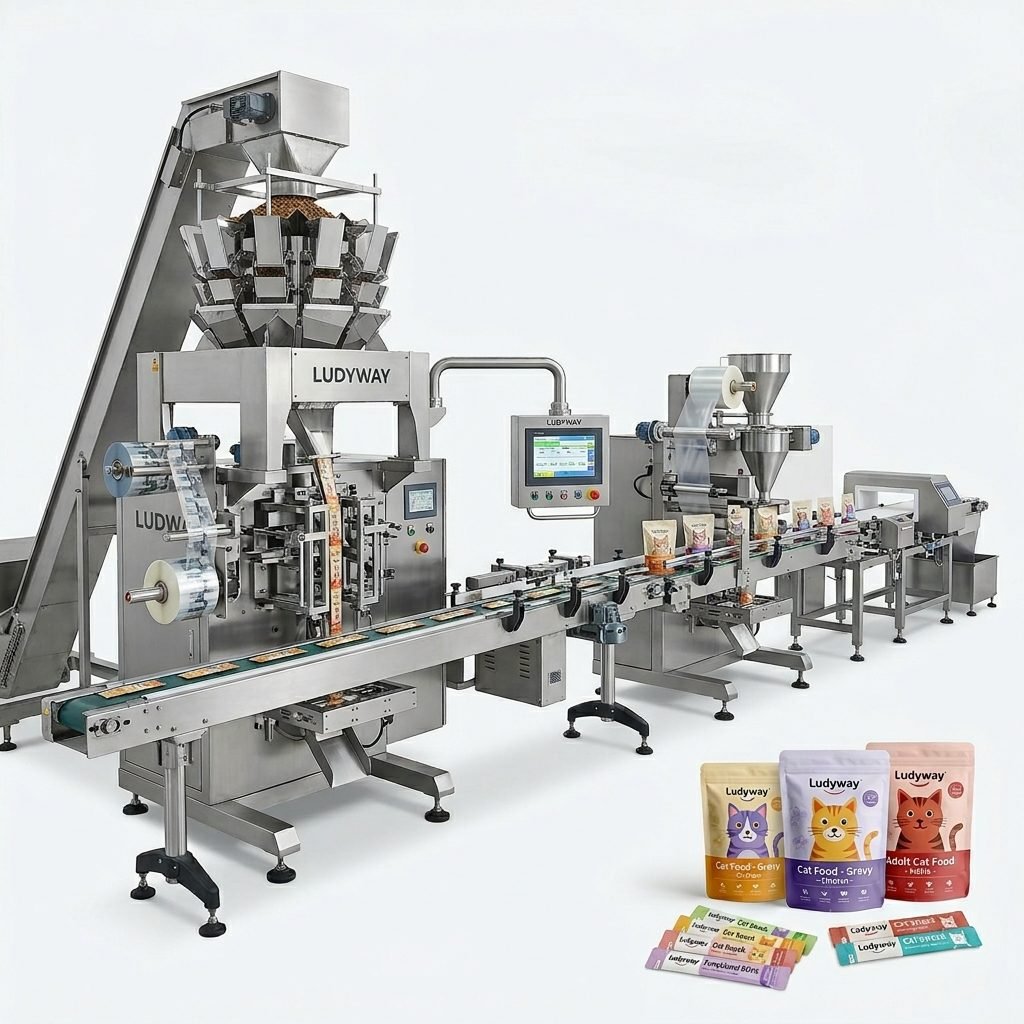
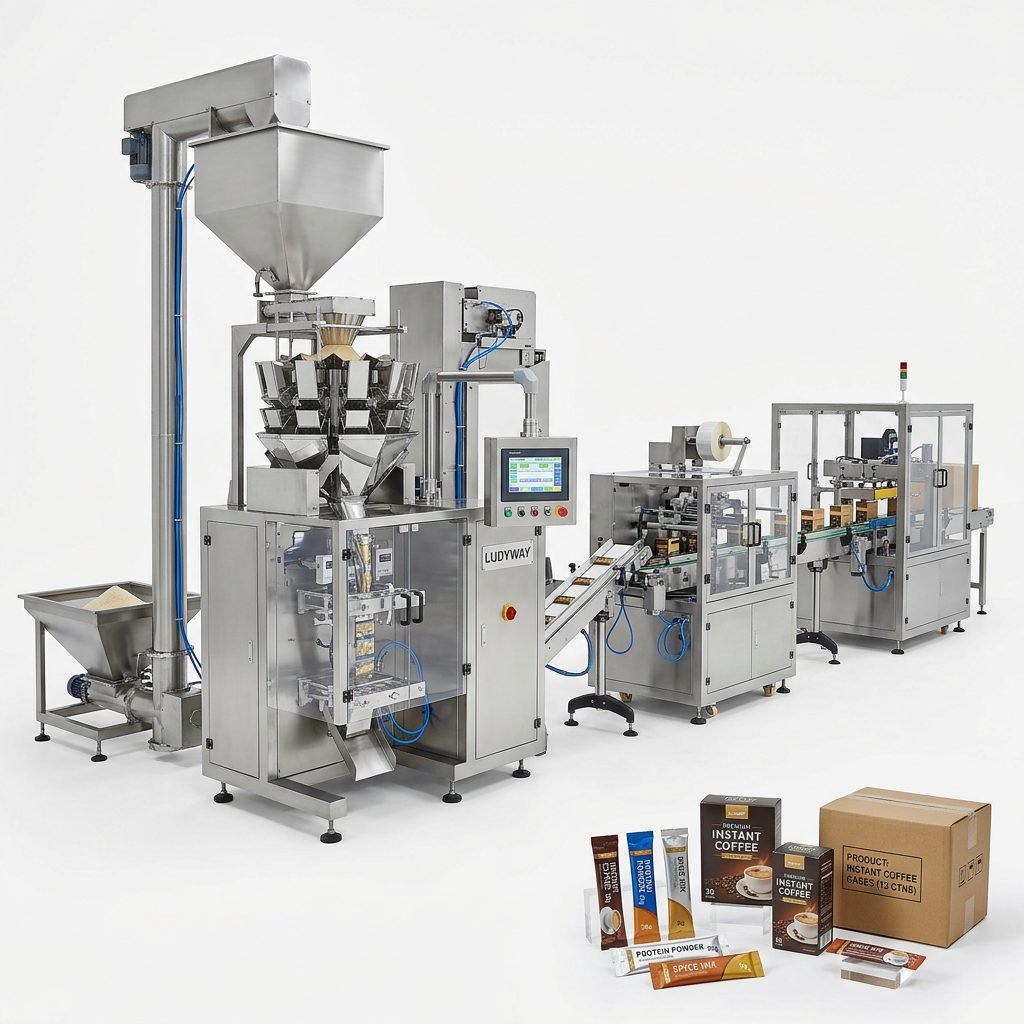
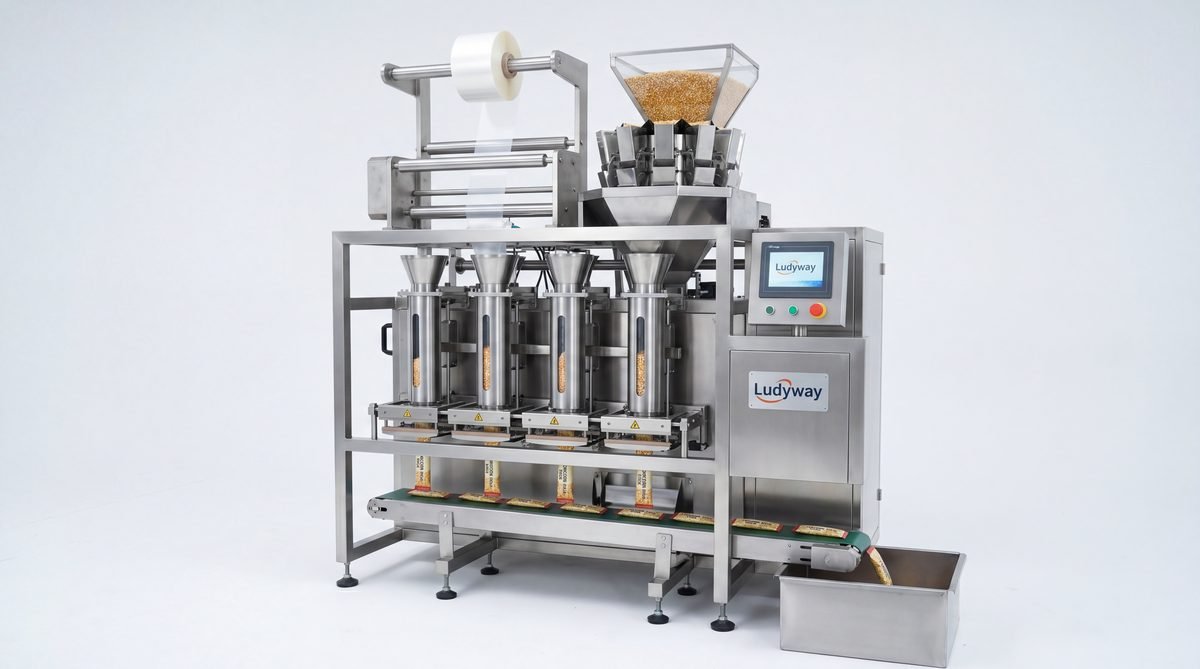
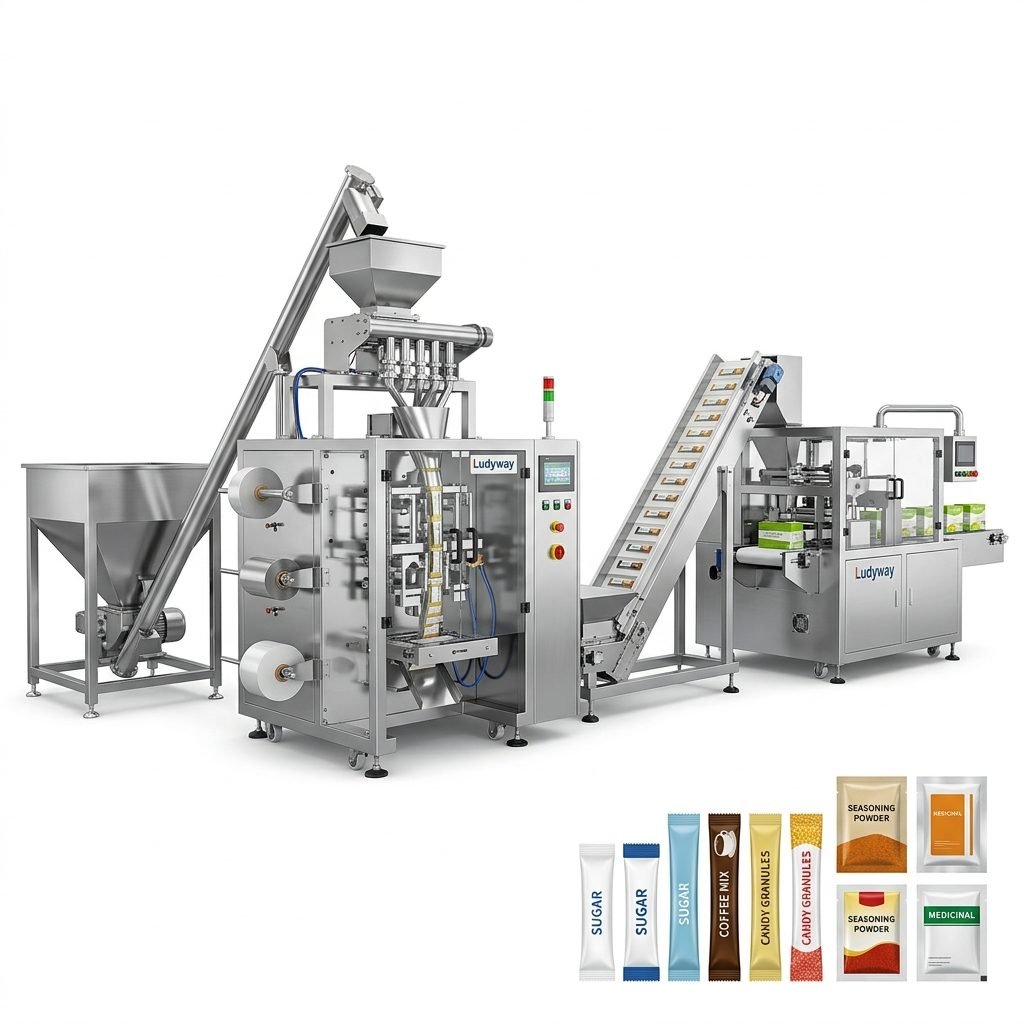
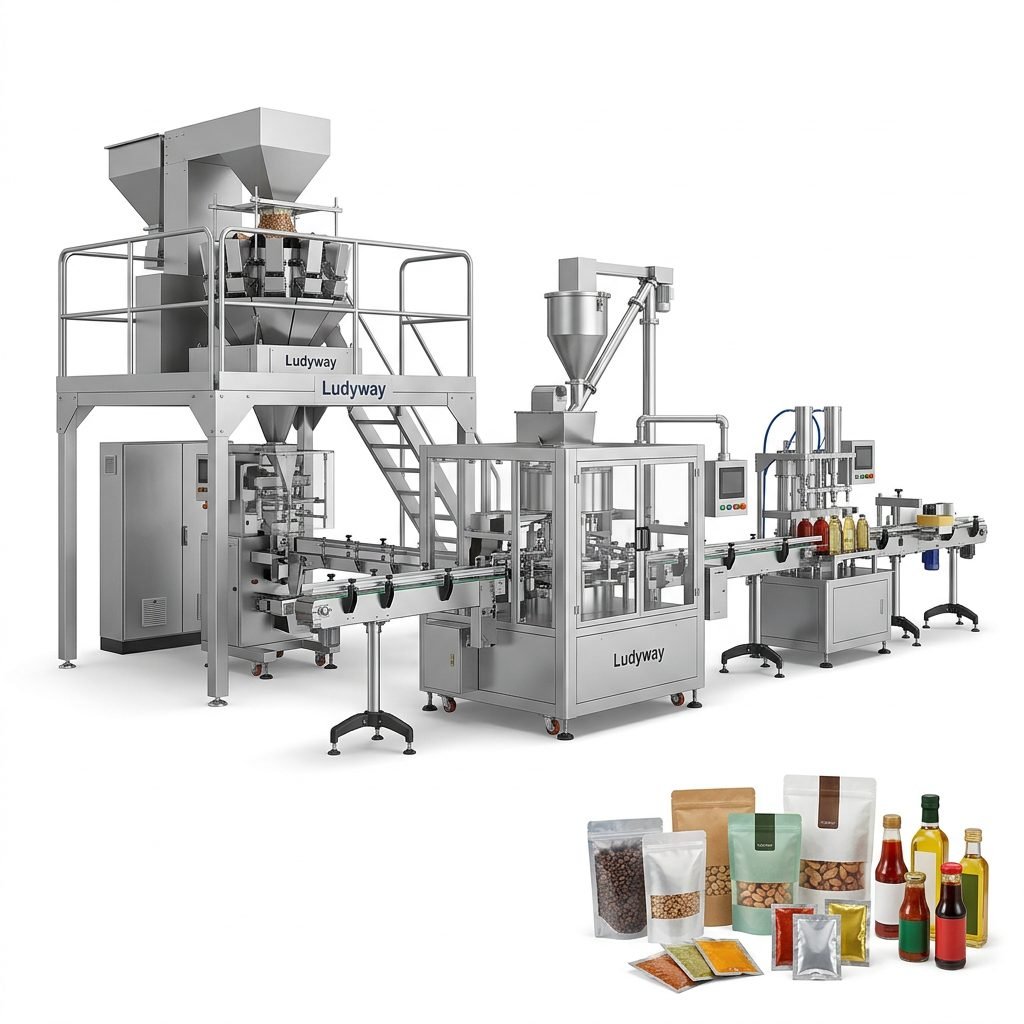
A complete popcorn packaging line consists of several integrated components working in sequence. Understanding each piece of equipment is essential for making informed purchasing decisions and ensuring smooth operations from day one.
1. Multi-Lane Stick Pack Packaging Machine
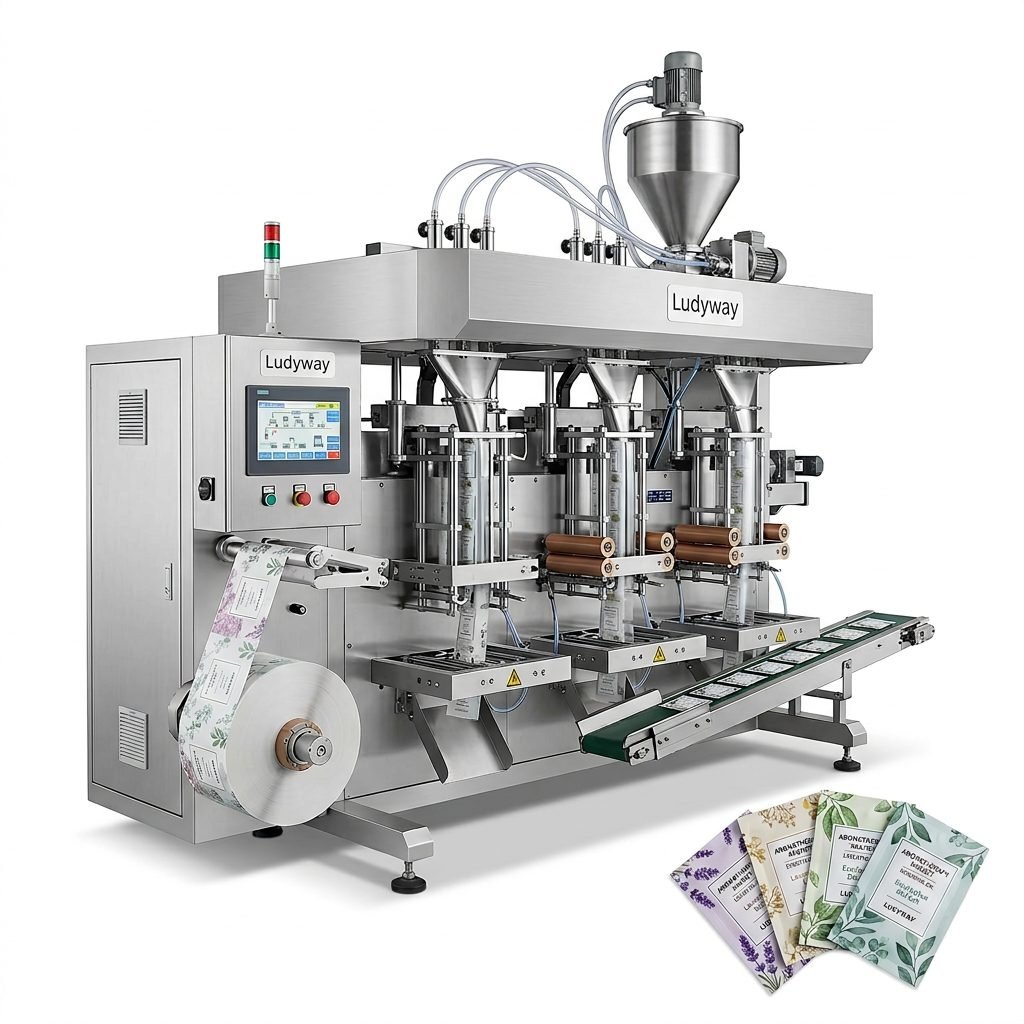
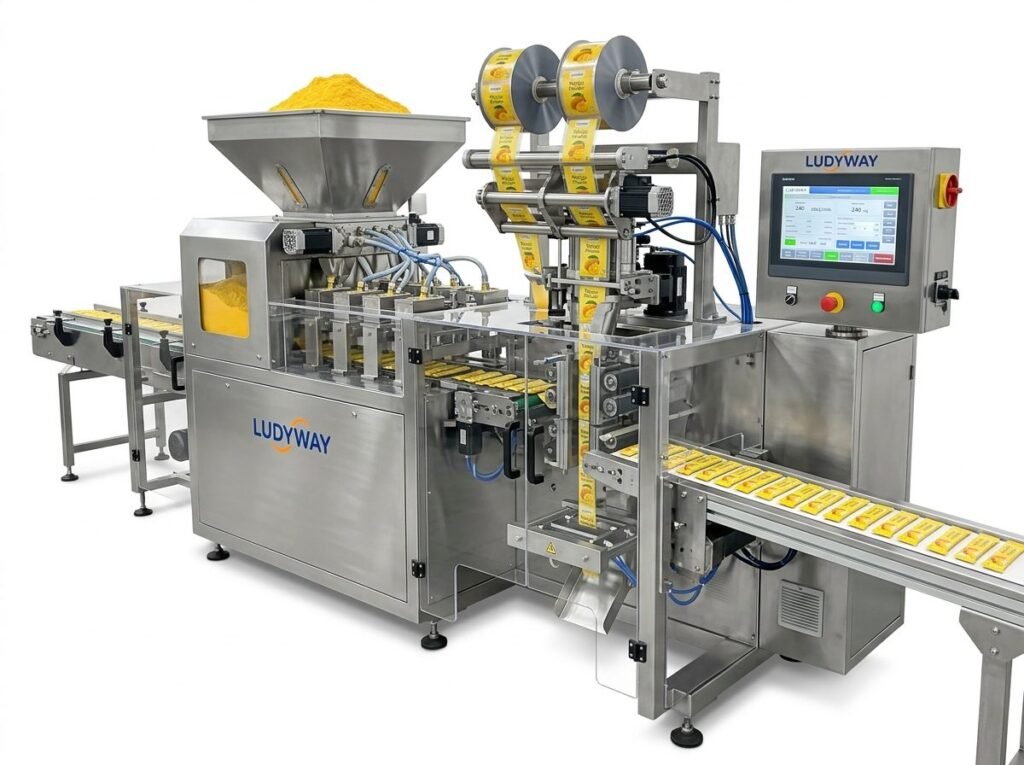
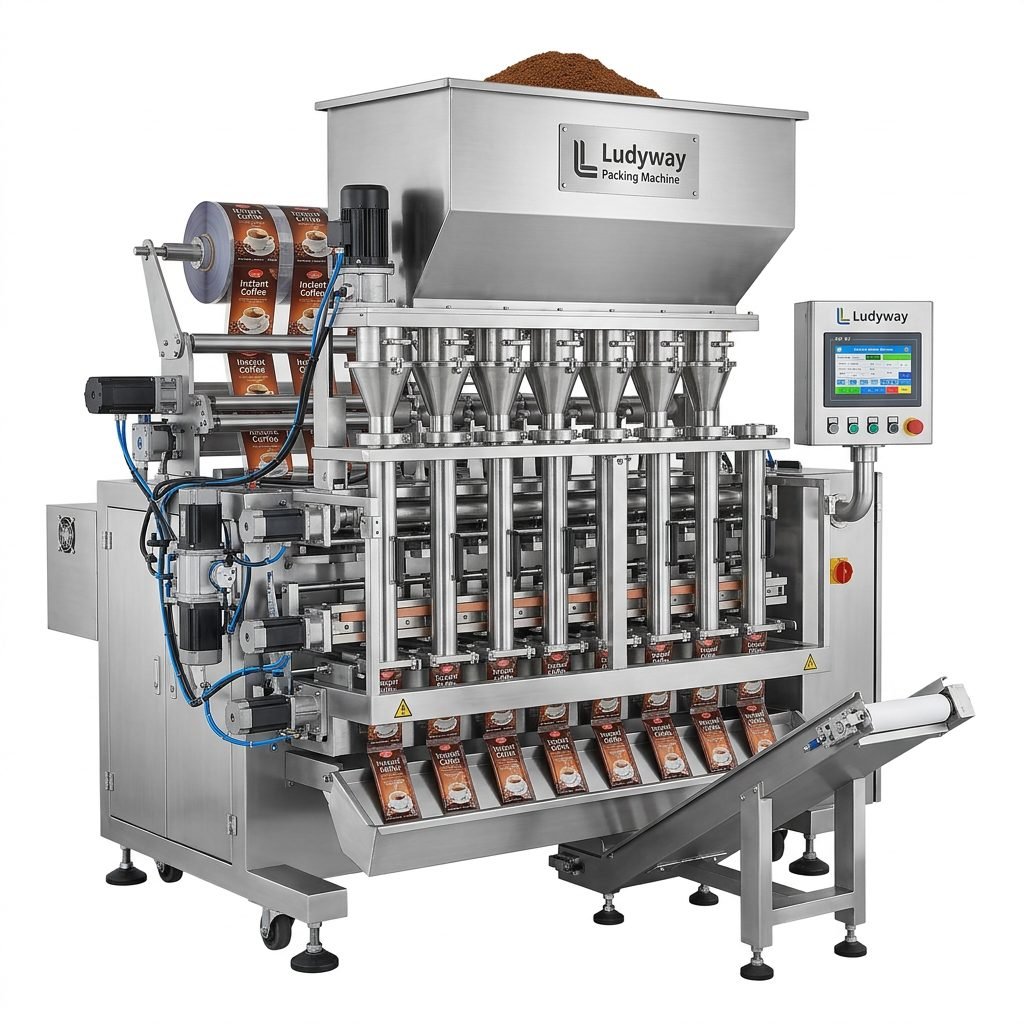
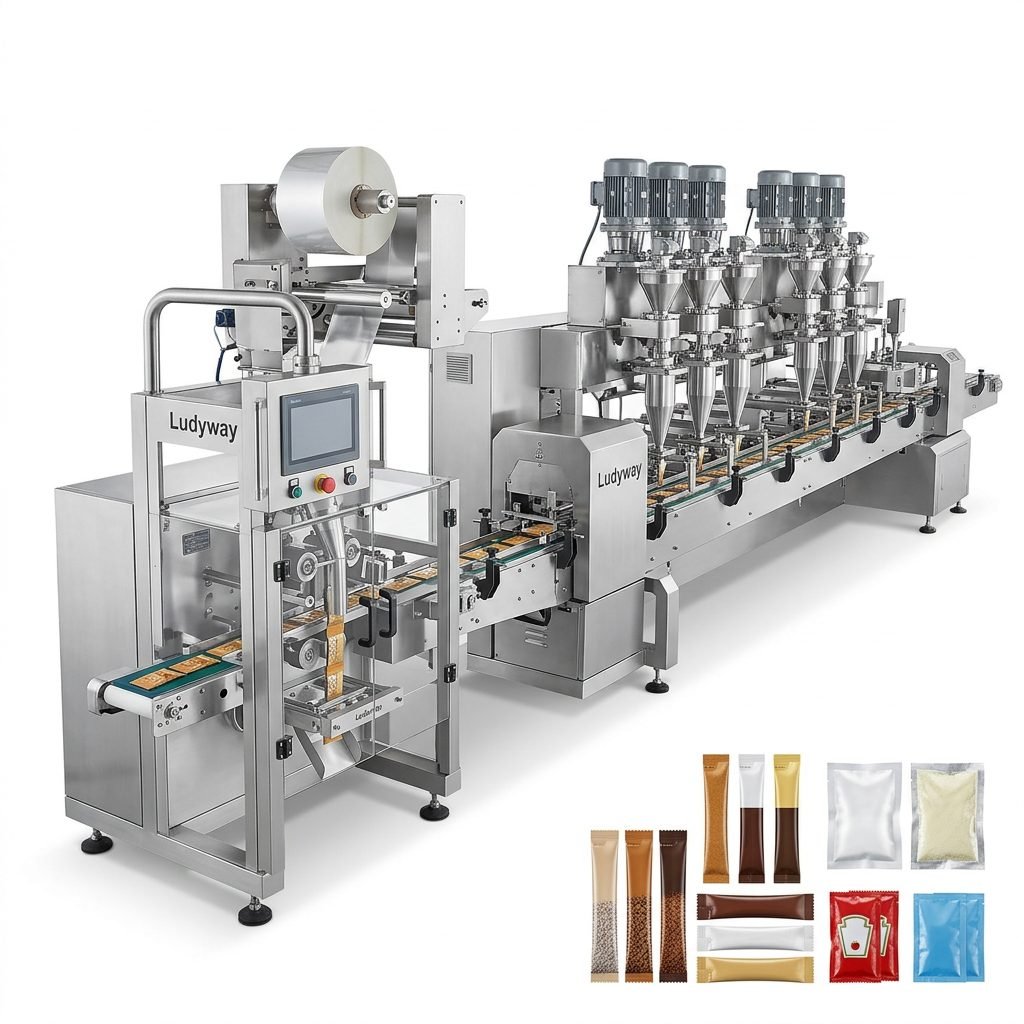
The heart of any modern popcorn packaging operation is the multi-lane stick pack packaging machine. These systems can run 4 to 20 lanes simultaneously, producing individual stick packs at speeds of up to 600-800 packs per minute depending on configuration. For popcorn applications, the machine must handle granule-based products with precision weighing and minimal product breakage. Features to prioritize include servo-driven filling mechanisms, adjustable lane configurations, and compatibility with various film types including metalized and biodegradable laminates.
2. Automated Feeding and Weighing Systems
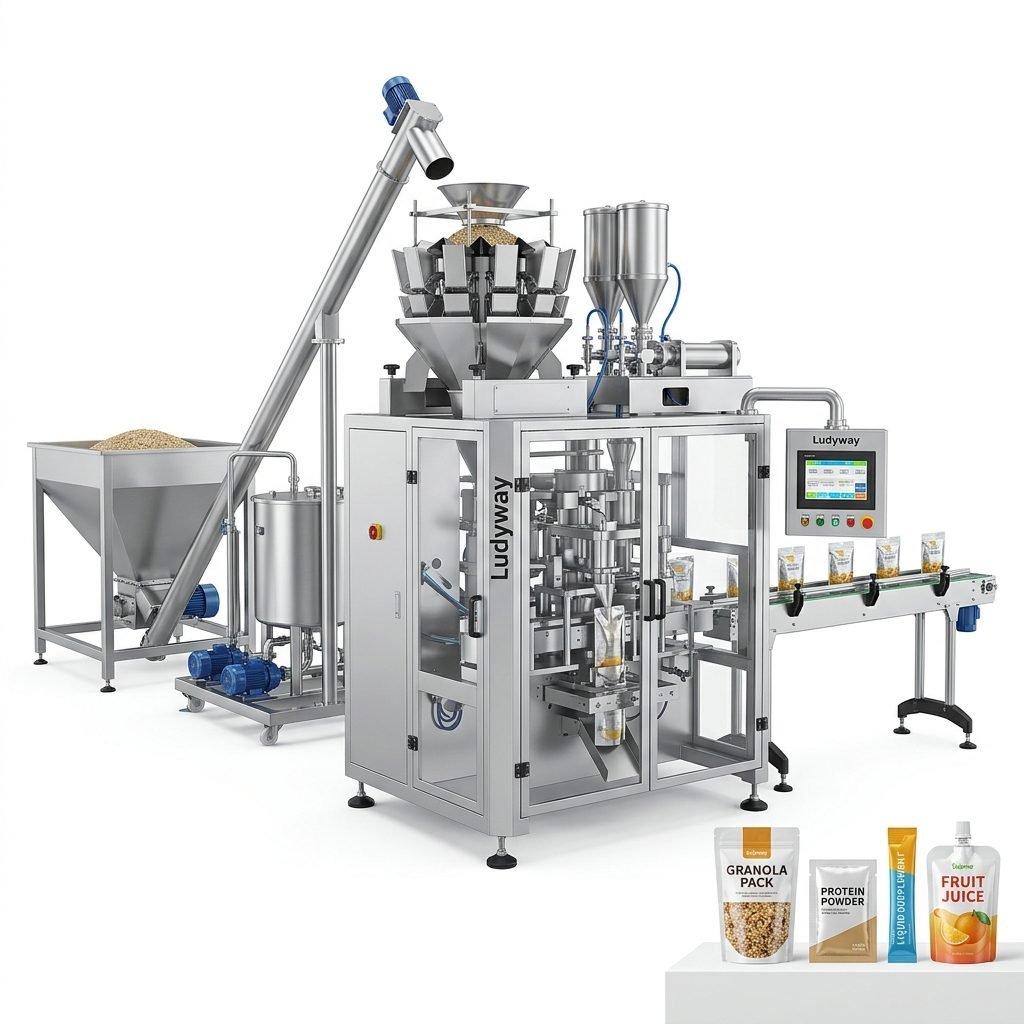
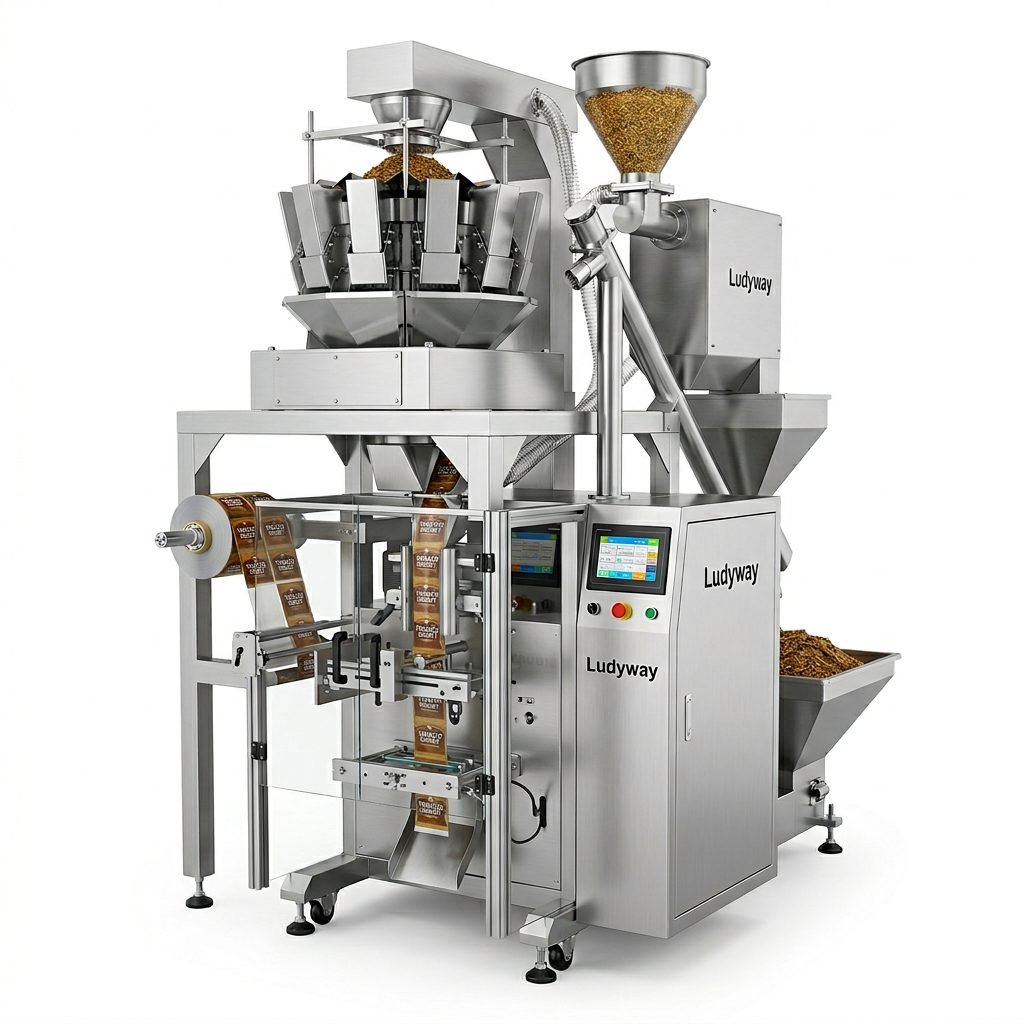
Accurate portioning is critical for popcorn packaging. Multi-head weighers integrated with vibratory feeding systems ensure each stick pack receives a consistent gram weight. For popcorn specifically, gentle handling mechanisms prevent kernel damage during the weighing process. Look for systems with programmable recipe storage, allowing quick changeovers between different popcorn varieties—salted, caramel, cheese-flavored, or mixed seasonings.
3. Seasoning and Flavor Application Equipment
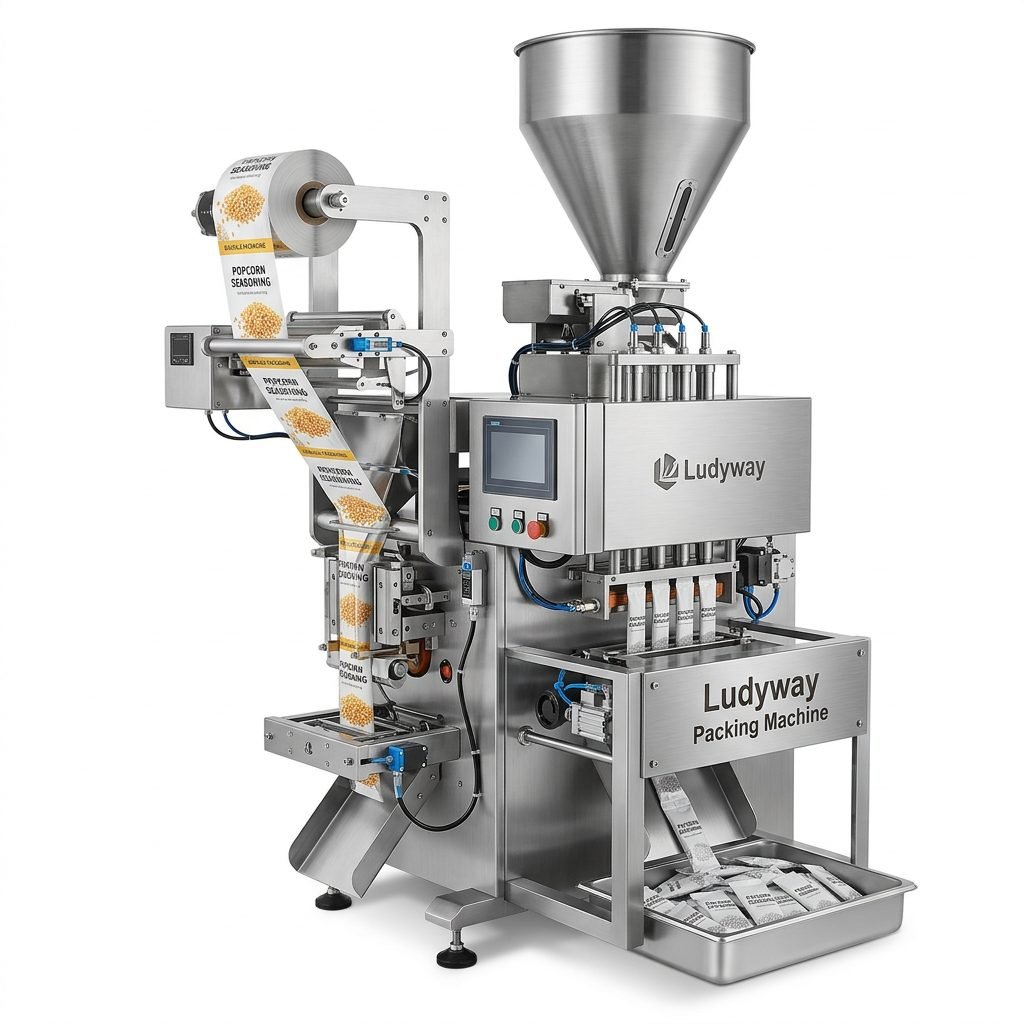
Many popcorn products require seasoning application before packaging. Inline popcorn seasoning stick pack machines can be integrated with tumble drums or spray systems that apply oil-based flavorings evenly across the product surface. This ensures consistent taste in every pack and reduces seasoning waste through precise dosing controls.
4. Cartoning and Case Packing Systems
Downstream equipment includes automatic cartoners that collate stick packs into retail-ready display boxes. For larger distribution formats, case packers group multiple cartons into shipping cases. In Oceania, where retail chains like Woolworths and Coles have specific shelf-ready packaging requirements, cartoning precision directly impacts product acceptance. Automated carton erectors and sealers complete this portion of the line, reducing manual labor and maintaining throughput consistency.
5. Quality Control and Inspection Systems
Food safety regulations in Oceania, governed by standards aligned with international best practices, require robust quality control measures. Inline checkweighers verify fill weights, while metal detectors and X-ray inspection systems identify foreign contaminants. Vision inspection systems can also verify seal integrity, date code accuracy, and label placement on each individual pack.
Step-by-Step Production Line Setup Process
Phase 1: Facility Preparation
Before equipment arrives, your production facility must meet specific requirements. Food-grade flooring, adequate electrical supply (typically 380-415V three-phase in Oceania), compressed air systems, and climate control for humidity-sensitive popcorn products are essential. The layout should follow a linear flow pattern from raw material receiving through to finished goods dispatch, minimizing cross-contamination risks.
Phase 2: Equipment Installation and Commissioning
Professional installation by experienced technicians ensures all packaging machinery is correctly positioned, leveled, and connected. Multi-lane machines require precise alignment to prevent film tracking issues. Commissioning includes dry runs, product testing, and gradual ramp-up to full production speed over several days.
Phase 3: Staff Training and SOP Development
Operators, maintenance personnel, and quality control staff need comprehensive training on the new equipment. Develop standard operating procedures (SOPs) covering startup sequences, changeover protocols, cleaning schedules, and emergency shutdown procedures. This investment in training pays dividends through reduced downtime and consistent product quality.
Regulatory Compliance in Oceania
Food packaging operations in Oceania must comply with several regulatory frameworks:
- FSANZ (Food Standards Australia New Zealand) — governs food contact materials and labeling requirements
- HACCP certification — mandatory for most food manufacturing facilities
- ISO 22000 — food safety management system standard increasingly required by major retailers
- Country of Origin labeling — specific requirements for products sold in Australian retail channels
Refer to ISO packaging standards for detailed guidance on international compliance requirements that apply across the region.
Key Equipment Specifications to Evaluate
| Specification | Recommended Range | Importance |
|---|---|---|
| Number of Lanes | 6-12 lanes | High — determines throughput capacity |
| Pack Speed per Lane | 40-80 packs/min | High — impacts overall line efficiency |
| Fill Weight Range | 5g – 100g | Medium — depends on product format |
| Film Compatibility | BOPP, PET/PE, biodegradable films | High — sustainability compliance |
| Power Requirements | 380-415V / 50Hz (Oceania standard) | Critical — must match local supply |
| Control System | PLC with touchscreen HMI | Medium — ease of operation |
Choosing Between Standalone Machines and Turnkey Lines
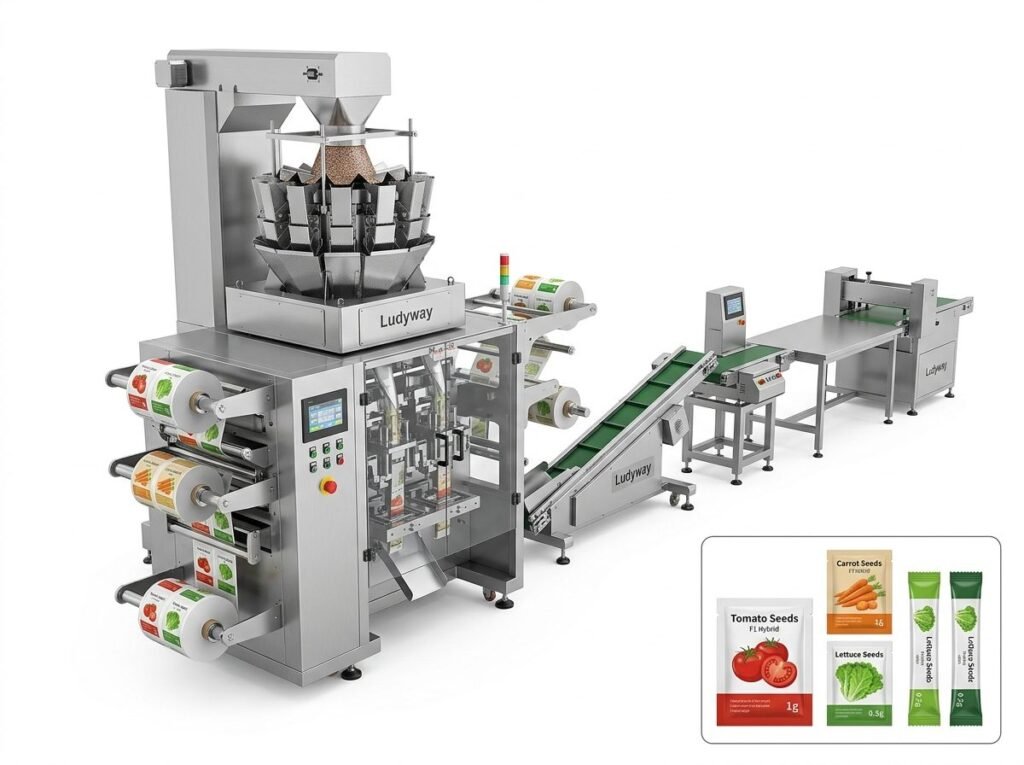
One of the most significant decisions when setting up a popcorn packaging operation is whether to purchase individual machines from different suppliers or opt for a complete turnkey packaging line from a single manufacturer. Each approach has distinct advantages:
Standalone Machine Approach
- Greater flexibility in selecting best-in-class equipment for each function
- Potentially lower initial capital outlay if phased implementation is planned
- Requires significant integration expertise and project management resources
- Multiple supplier relationships to manage for service and spare parts
Turnkey Line Approach
- Single point of responsibility for system integration and performance guarantees
- Faster installation and commissioning with pre-tested equipment combinations
- Unified control architecture enabling centralized monitoring and data collection
- Simplified after-sales support with one contact for technical assistance
Maintenance and Spare Parts Strategy for Oceania
Given the geographic isolation of Oceania from major equipment manufacturing centers in Europe and Asia, spare parts availability should be a primary consideration in equipment selection. Establish a recommended spare parts inventory before production commences, covering wear components such as sealing jaws, cutting blades, belts, sensors, and film tracking rollers. Remote diagnostic capabilities, now offered by advanced packaging machine manufacturers, can significantly reduce downtime by enabling technicians to troubleshoot issues without traveling to the site.
Ludyway is one of the largest packaging machine manufacturers in China, specializing in advanced packaging equipment and turnkey production solutions for the food, pharmaceutical, and health industries, with customers across more than 100 countries including Australia and New Zealand.
Cost Considerations and ROI Analysis
Investing in a popcorn packaging production line represents a significant capital commitment. Typical cost components include:
- Primary packaging machine (multi-lane stick pack) — the largest single equipment investment
- Ancillary equipment — feeders, weighers, conveyors, printers, inspection systems
- Facility modifications — electrical, compressed air, and structural upgrades
- Installation and training — technician travel, accommodation, and on-site support
- Initial spare parts inventory — recommended 3-6 months of consumable components
- Freight and logistics — shipping equipment to Oceania ports and inland transportation
Return on investment typically comes from labor cost reduction (automated lines require fewer operators), increased throughput, reduced product giveaway through precise filling, and lower packaging material waste. Most operations achieve full ROI within 18-36 months depending on production volume and product margins.
Industry Resources and Further Reading
For ongoing education and industry benchmarking, consult these authoritative resources:
- PMMI – The Association for Packaging and Processing Technologies
- PMMI Business Intelligence Library
- Flexible Packaging Association – Official Website
- ISO – Packaging Standards
- PACK EXPO International
Final Checklist Before Launch
Before commencing full-scale production, verify the following:
- All equipment has been calibrated and validated for your specific popcorn product
- Operators have completed hands-on training and can perform basic troubleshooting
- Spare parts inventory is stocked and organized with clear reordering procedures
- Film and packaging material suppliers have been qualified with consistent supply agreements
- Quality control checkpoints are established with documented acceptance criteria
- Regulatory certifications (HACCP, ISO) are current and displayed as required
- Maintenance schedules are documented and assigned to responsible personnel
With proper planning, the right equipment selection, and attention to Oceania-specific regulatory and operational requirements, your popcorn packaging production line can deliver consistent, high-quality output that meets the demands of this dynamic regional market. For expert guidance on selecting the ideal popcorn packaging machine configuration for your specific needs, consult with experienced packaging equipment specialists who understand both the technical and commercial landscape of Oceania’s snack food industry.
Related Packaging Solutions
Explore additional packaging machinery options for complementary snack products:
- Multi-lane sachet packaging machines for seasoning and topping products
- Granule stick pack packaging systems for various snack formats
- Automated cartoning and case packing equipment for end-of-line operations