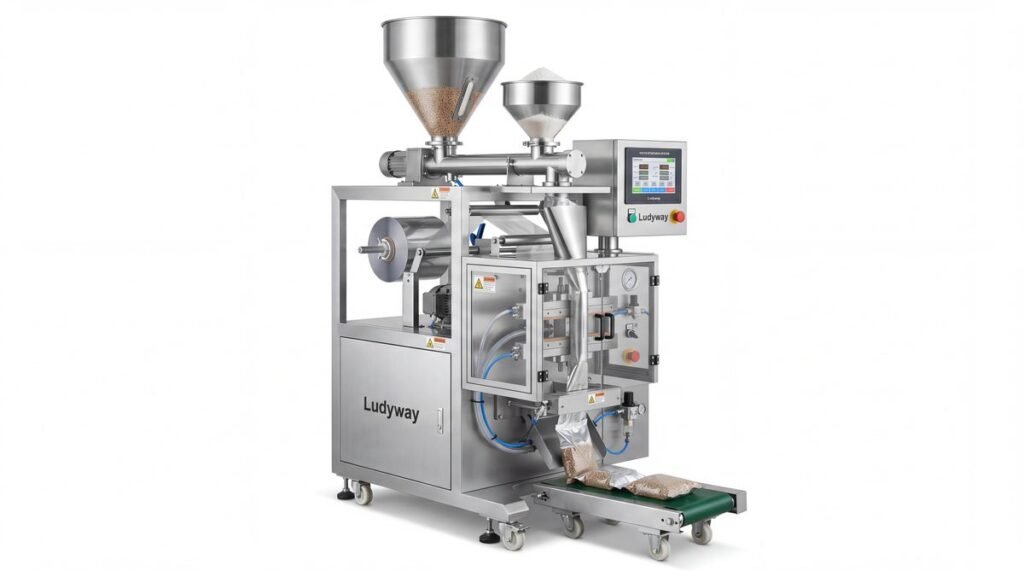
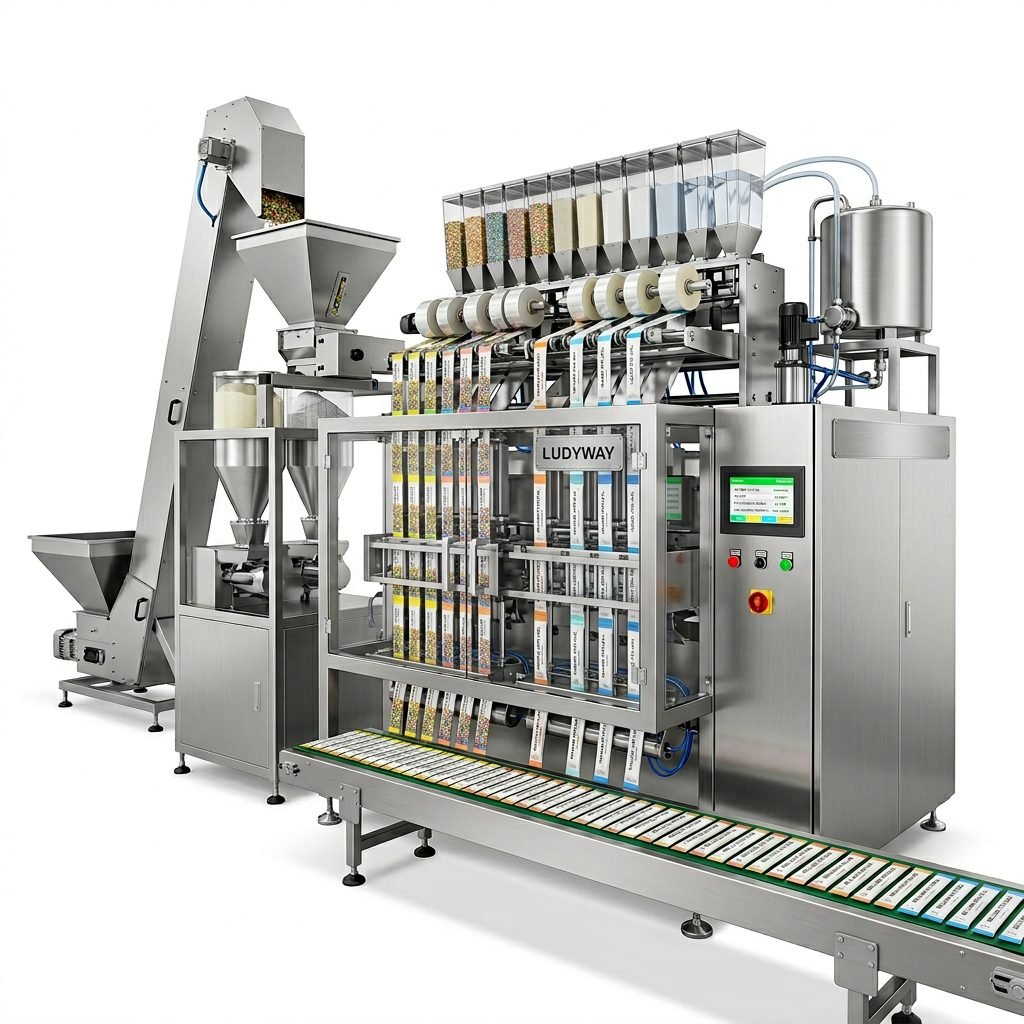
Investing in a sauce pouch packaging machine production line in China can significantly boost your manufacturing efficiency, reduce labor costs, and ensure consistent product quality. Whether you’re packing ketchup, chili sauce, mayonnaise, or ready-to-eat curry pastes, understanding the complete setup process is crucial for maximizing your return on investment. This guide walks you through every step, from initial factory assessment to full-scale production.
1. Defining Your Sauce Packaging Requirements
Before contacting any packaging machine manufacturer, you must clearly outline your product specifications. The viscosity of your sauce, the presence of particulates (like vegetable chunks or seeds), and the desired output volume directly impact machine configuration.
- Product Type: Is it a free-flowing liquid like soy sauce, or a high-viscosity paste like tomato concentrate? Piston fillers excel with thick sauces, while magnetic flow meters suit thin liquids.
- Target Speed: Determine your packs-per-minute requirement. A standard multi-lane stick pack machine might deliver 40-60 packs per lane per minute, whereas a high-speed rotary pouch system can exceed 150 packs per minute for pre-made pouches.
- Pouch Format: Are you producing pillow sachets, 3-side seal, 4-side seal, or stand-up spouted pouches? The forming system and heat-sealing jaws differ significantly for each format.
- Filling Temperature: Hot-fill sauces require specific heating jackets and temperature-resistant sealing materials to prevent seal failure.
2. Selecting the Core Equipment: Fillers, Sealers, and Forming Systems
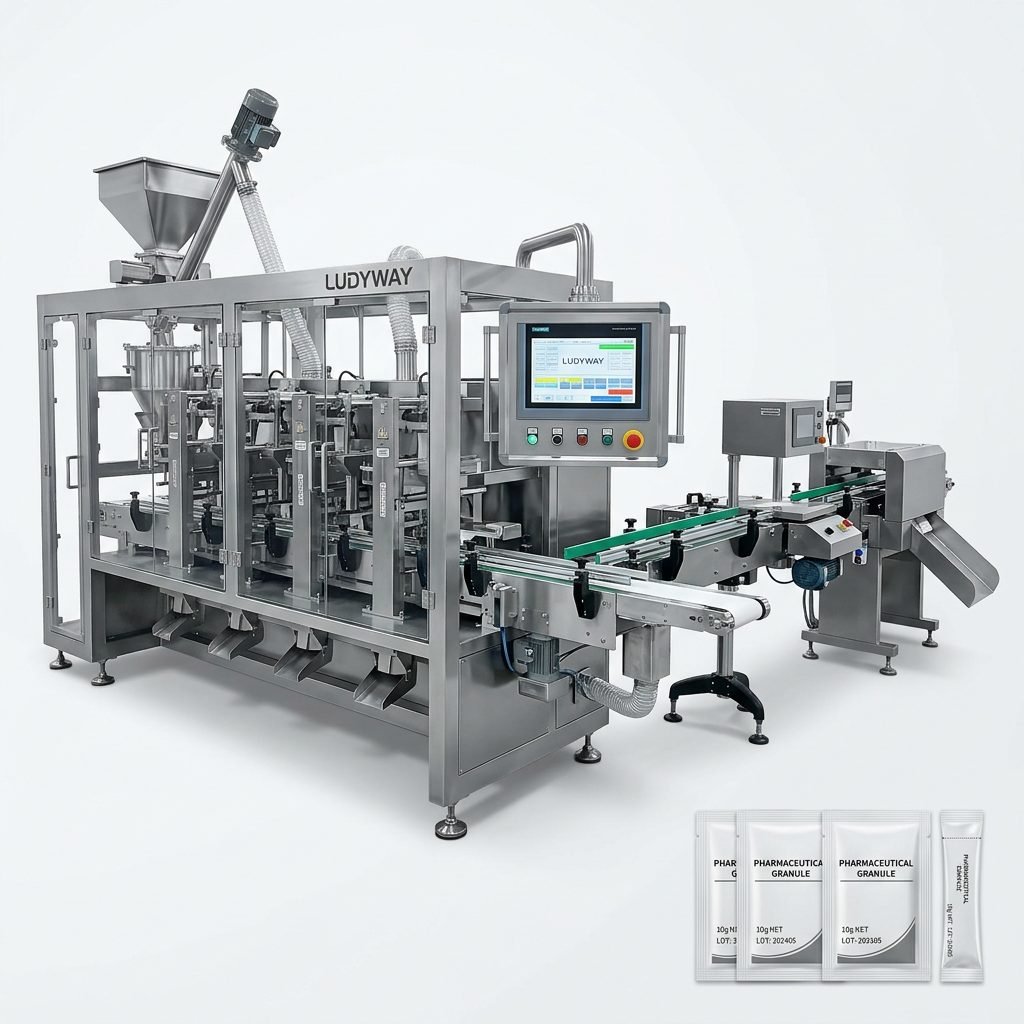
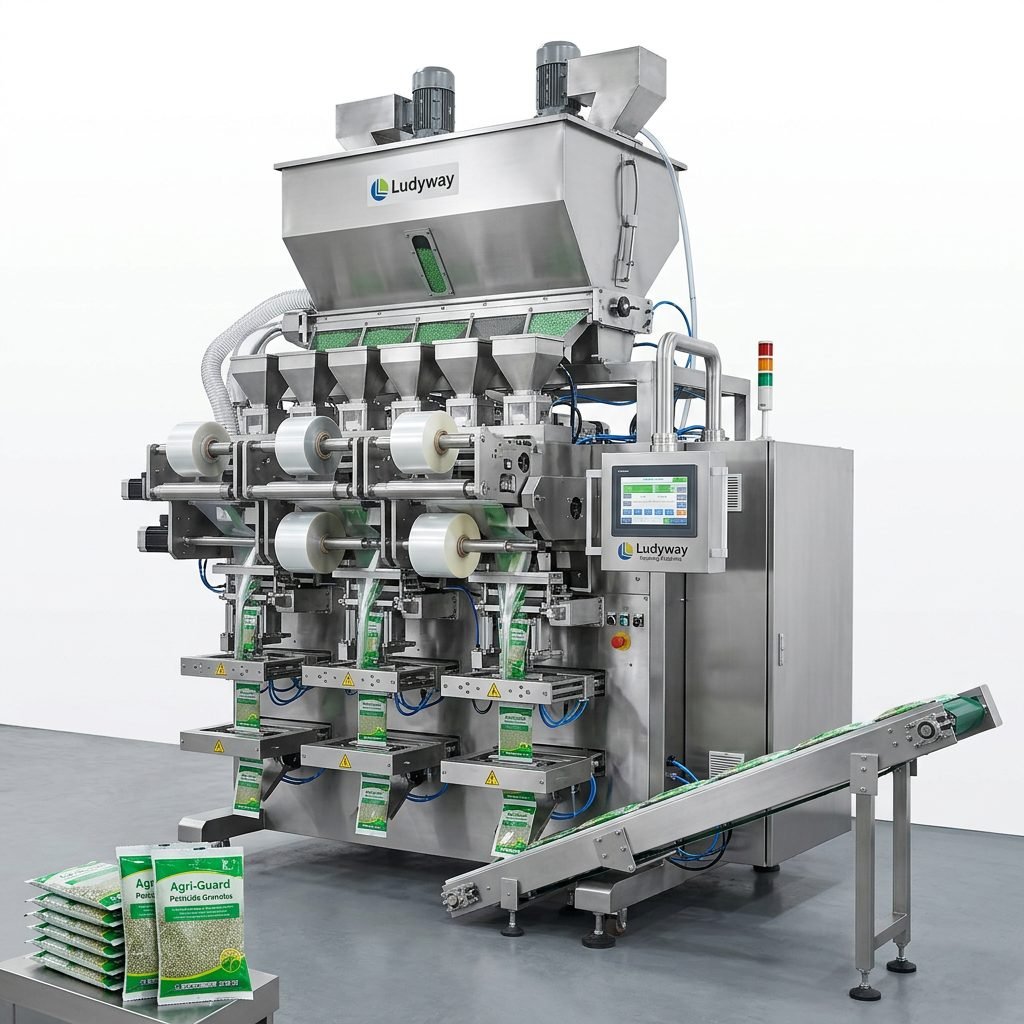
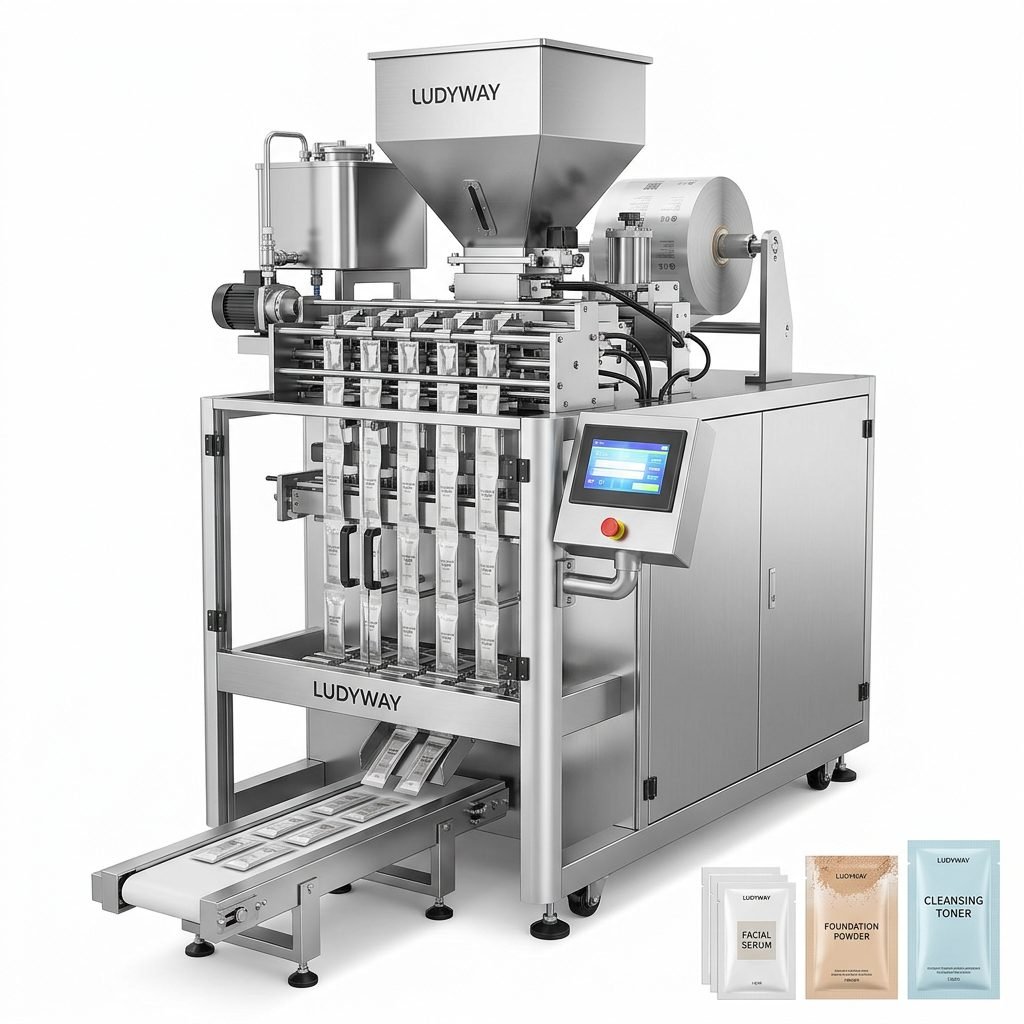
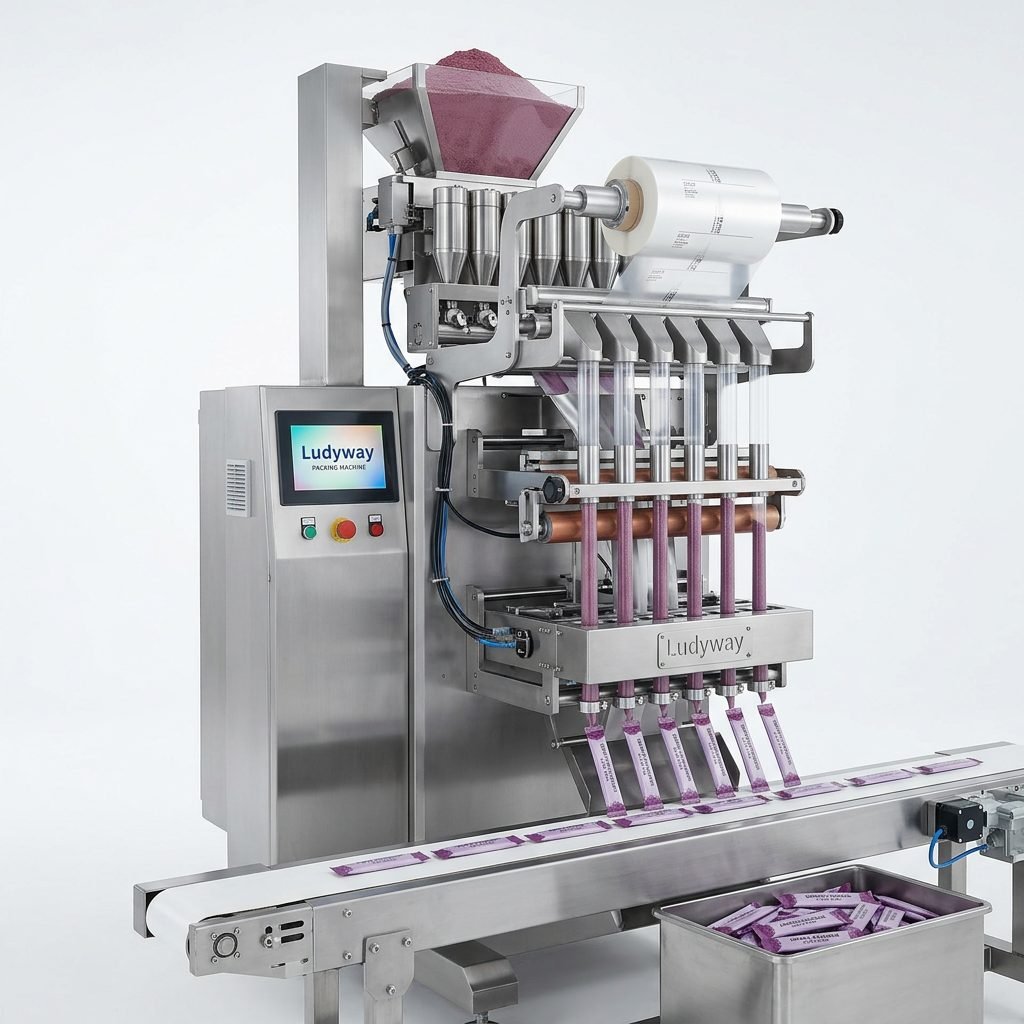
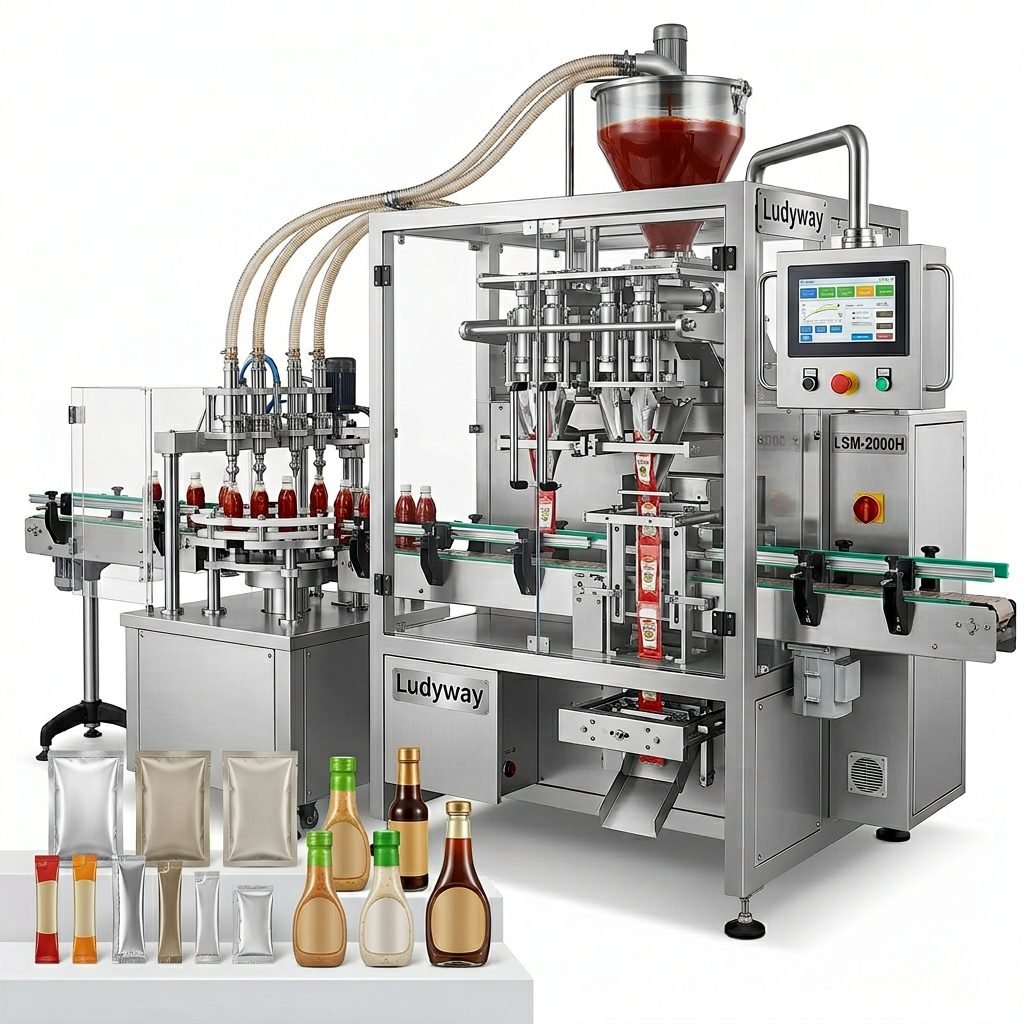
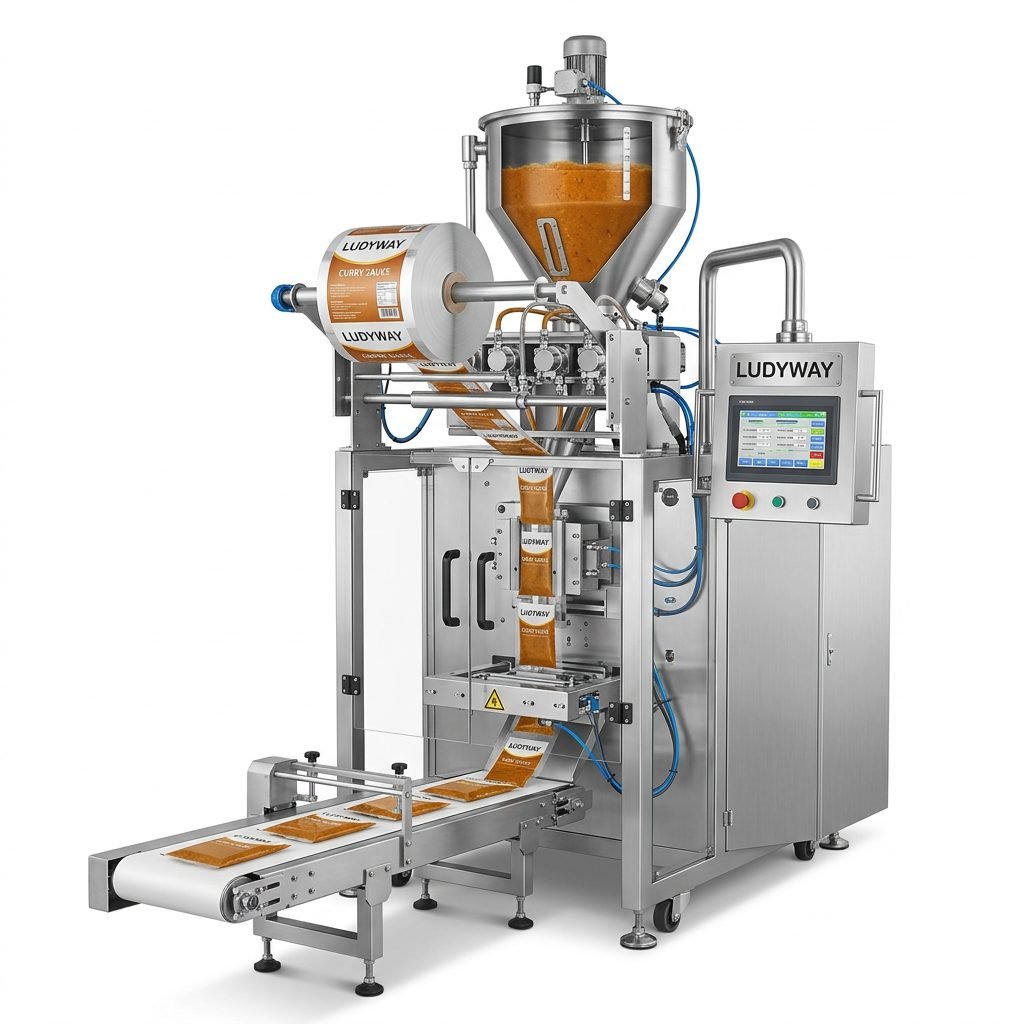
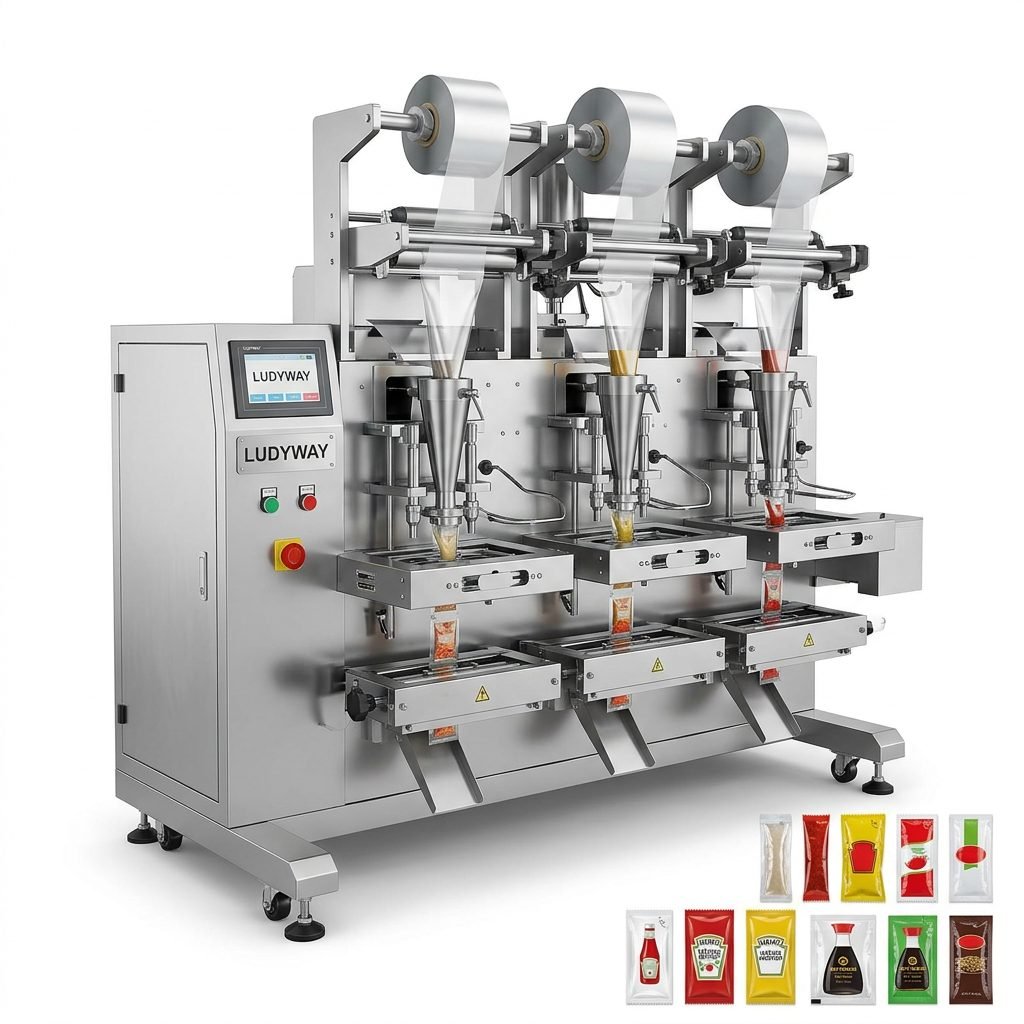
The heart of your sauce packing equipment line is the filling and sealing unit. In China, most modern setups utilize automated vertical form-fill-seal (VFFS) machines or multi-lane sachet machines specifically engineered for liquid products. Multi-lane technology is particularly popular as it allows simultaneous production of multiple strips, dramatically reducing the cost per unit.
| Machine Type | Best For | Advantages |
|---|---|---|
| Single-Lane VFFS | Large format pouches, pilot production | Flexibility, lower initial investment |
| Multi-Lane Sachet Machine | Small serving sachets (3g-50g), high volume | Extremely high output density, minimal film waste |
| Pre-Made Pouch Rotary Filler | Stand-up pouches, zipper pouches, premium appearance | Superior seal aesthetics, handles spouts and zippers |
| Stick Pack Machine | Single-serve sugar/cream/sauce sticks | Innovative packaging, excellent for food service |
3. Integrating Ancillary Equipment for a Turnkey Line
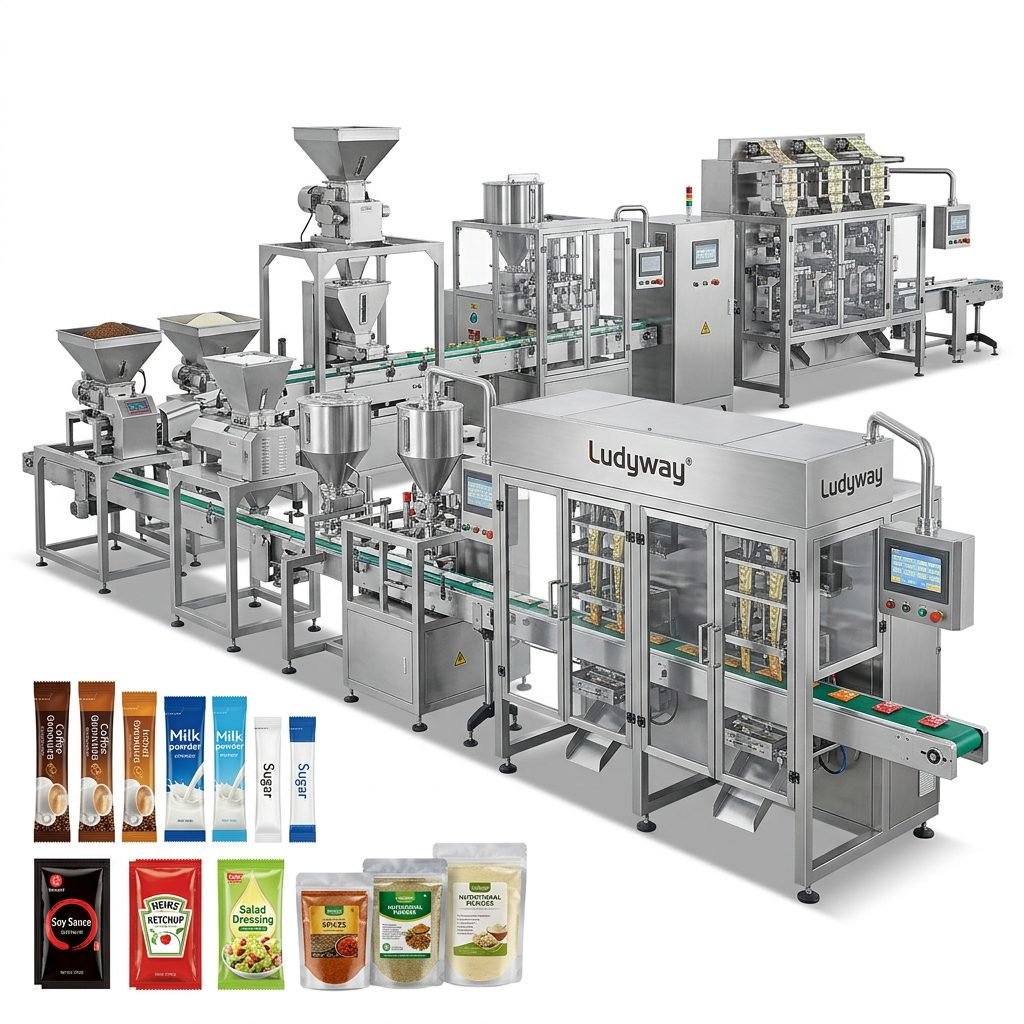
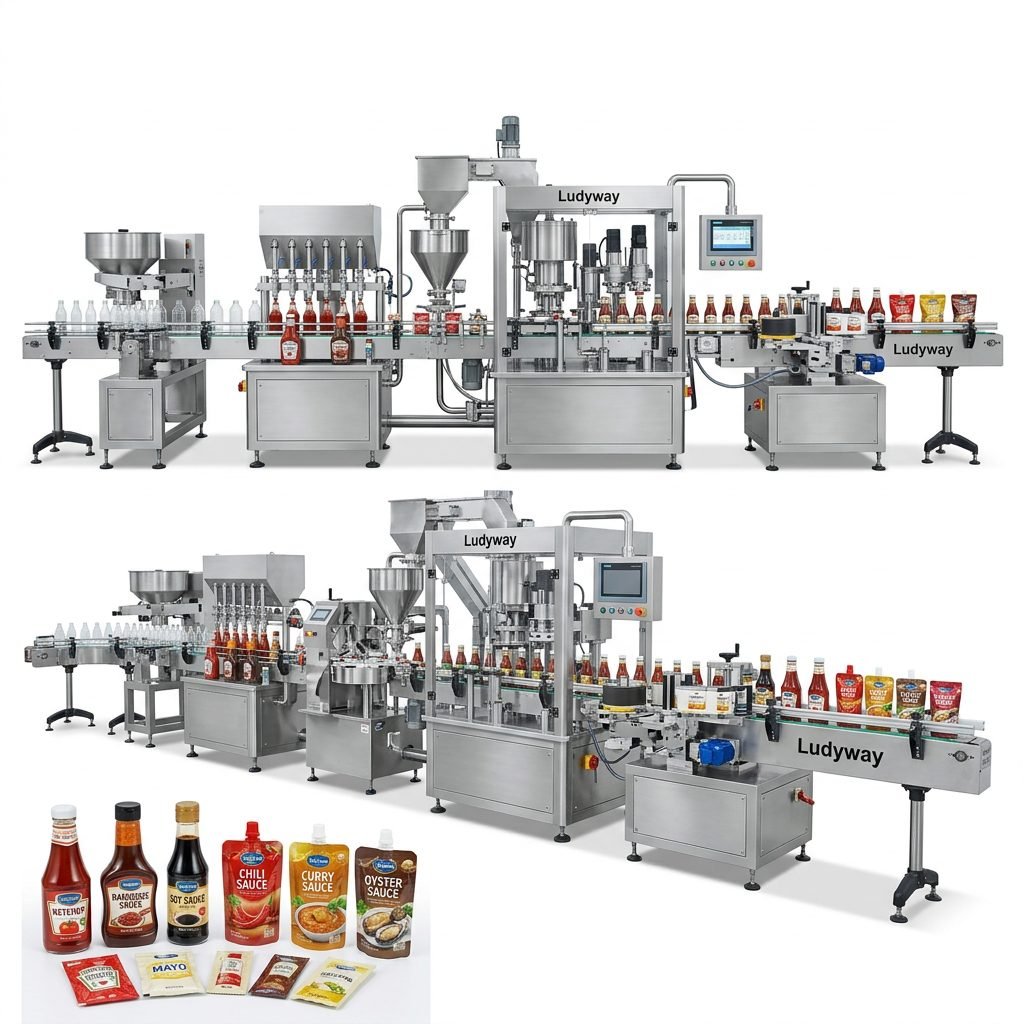
A fully automated sauce processing and packing line is more than just a filler. To achieve seamless packaging automation turnkey solutions, you need to integrate upstream and downstream equipment. This ensures that your liquid sauce flows from the mixing tank to the shipping carton without manual intervention, reducing contamination risks.
Essential Line Components
- Inline Homogenizer/Colloid Mill: Ensures a consistent particle size in sauces like chili paste or garlic sauce, preventing nozzle clogging.
- Buffer Storage Tank: Acts as a reservoir between cooking kettles and the packaging machine, allowing continuous operation.
- Sanitary ROTOR Pump or Servo Piston Pump: Transfers sensitive sauces gently without degrading texture.
- Automatic Checkweigher: Rejects under-filled or over-filled pouches to meet legal metrology requirements.
- Industrial X-ray Inspection System: Detects physical contaminants (metal, stone, glass) within the sealed pouch, critical for international food safety standards.
- Cartoning and Case Packing Robots: Automatically collates pouches and packs them into corrugated boxes, preparing them for palletizing.
4. Construction and Cleanability: Stainless Steel Hygiene
In the sauce industry, hygiene is non-negotiable. When setting up your line in China, insist on SS304 or SS316L stainless steel for all product contact surfaces. The machine frame should be robust and designed for wash-down environments. Smooth, crevice-free surfaces prevent bacterial harborage.
Key features to verify include:
- CIP (Clean-in-Place) Compatibility: The filler nozzles and piping should support automated cleaning cycles without dismantling.
- IP65/IP66 Electrical Enclosures: Protects sensitive electronics from moisture during high-pressure washing.
- Sloped Surfaces: Prevents liquid pooling, ensuring water drains away quickly.
5. Facility Layout and Turnkey Line Installation
Proper layout planning prevents bottlenecks. A typical sauce pouch line occupies a dedicated clean room or controlled environment zone. You should map out distinct areas for raw material staging, mixing, filling, secondary packaging, and finished goods storage. Ensure adequate clearance for maintenance access behind the main multi-lane body.
Reputable suppliers like Ludyway, one of the largest packaging machine manufacturers in China with over 30 years of industry experience, typically offer full turnkey project management. This includes factory layout design, equipment installation, and production line commissioning across their modern 20,000㎡ manufacturing facility.
6. Sealing Technology for Leak-Proof Pouches
The weakest point of any sauce sachet is the seal. Contamination by oil or product residue in the seal area is the primary cause of leakage. Advanced machines use several techniques to counter this:
| Sealing Feature | Function | Benefit |
|---|---|---|
| Vacuum Deaeration | Removes oxygen from headspace | Prolongs shelf life, prevents oxidative spoilage |
| Serrated/Cross-cut Jaws | Creates textured seal patterns | Compensates for liquid contamination, stronger mechanical seal |
| Teflon/Non-stick Coated Heaters | Prevents burnt residues sticking to hot surfaces | Cleaner seals, fewer rejects |
| Double Sealing Bars | Provides redundant sealing rows | Virtually eliminates risk of leakage |
7. Quality Control and Compliance
Your production line must comply with international standards, especially if exporting to the EU or North America. FDA-compliant gaskets and food-grade lubricants are mandatory. Install a high-precision checkweigher to reject any pouch that does not meet your declared net weight. Additionally, a metal detector or X-ray machine at the end of the line is a critical control point for physical hazard mitigation.
8. Working with a Chinese Manufacturer: Installation and After-Sales
When sourcing your line, prioritize manufacturers that offer comprehensive Factory Acceptance Testing (FAT) before shipment. You should be able to visit their facility and run your actual product on the machine. Upon delivery, Site Acceptance Testing (SAT) and operator training are essential.
Professional technical support is vital for long-term success. Advanced after-sales service often includes remote diagnostics via secure VPN and on-site visits by service engineers. It is wise to stock critical spare parts—such as heat-sealing elements, temperature controllers, and filling nozzles—in your local inventory to minimize downtime.
Explore reliable packaging automation turnkey solutions designed for global food manufacturers.
For tailored advice or to discuss your specific sauce packaging requirements, you can contact the engineering team via info@ludyway.com or WhatsApp: +8613129592456. The facility is located in Nanlang Town, Zhongshan, Guangdong, China.