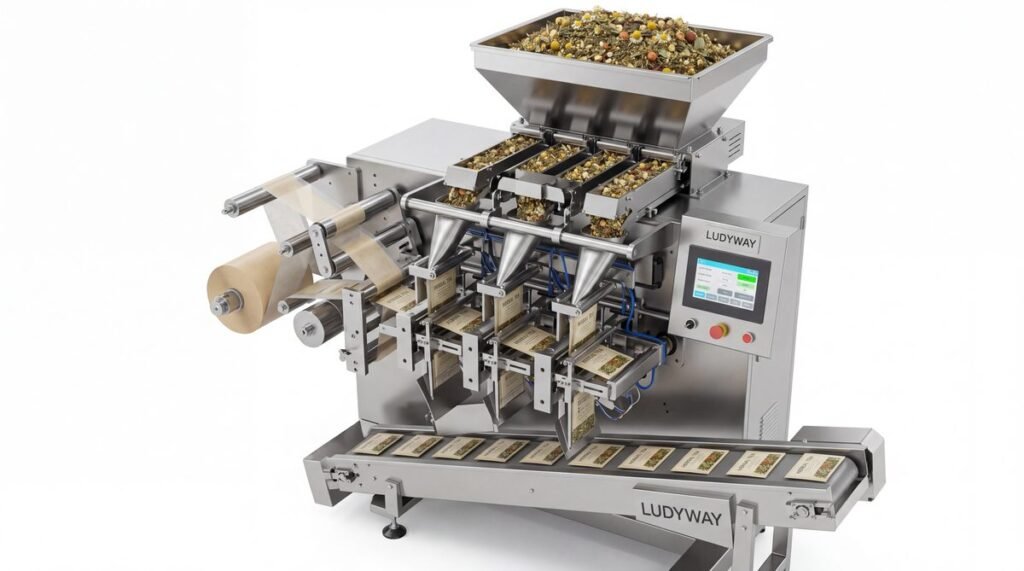
Setting up a popcorn packaging machine production line in the UK involves careful planning, from understanding local regulations to selecting the right high-speed multi-lane equipment. Whether you are packaging microwave popcorn, ready-to-eat popped kernels, or popcorn seasoning kits, a well-designed packaging line ensures product freshness, accurate filling, and efficient throughput.
Understanding UK Market Requirements for Popcorn Packaging
Before investing in machinery, it is essential to understand the specific demands of the UK snack food market. Compliance with food contact material regulations and EU packaging waste directives, which remain influential, is critical. The trend towards portion-controlled snacking has driven demand for stick pack and sachet formats, making multi-lane systems a popular choice for manufacturers targeting British retailers and consumers.
Key considerations include the type of popcorn product — unpopped kernels, flavored popped corn, or seasoning powders. Each requires specific handling, from minimizing kernel damage during filling to preventing oil migration in flavored varieties. Accurate weight control is also crucial due to stringent UK trading standards.
Core Machinery for Your Production Line
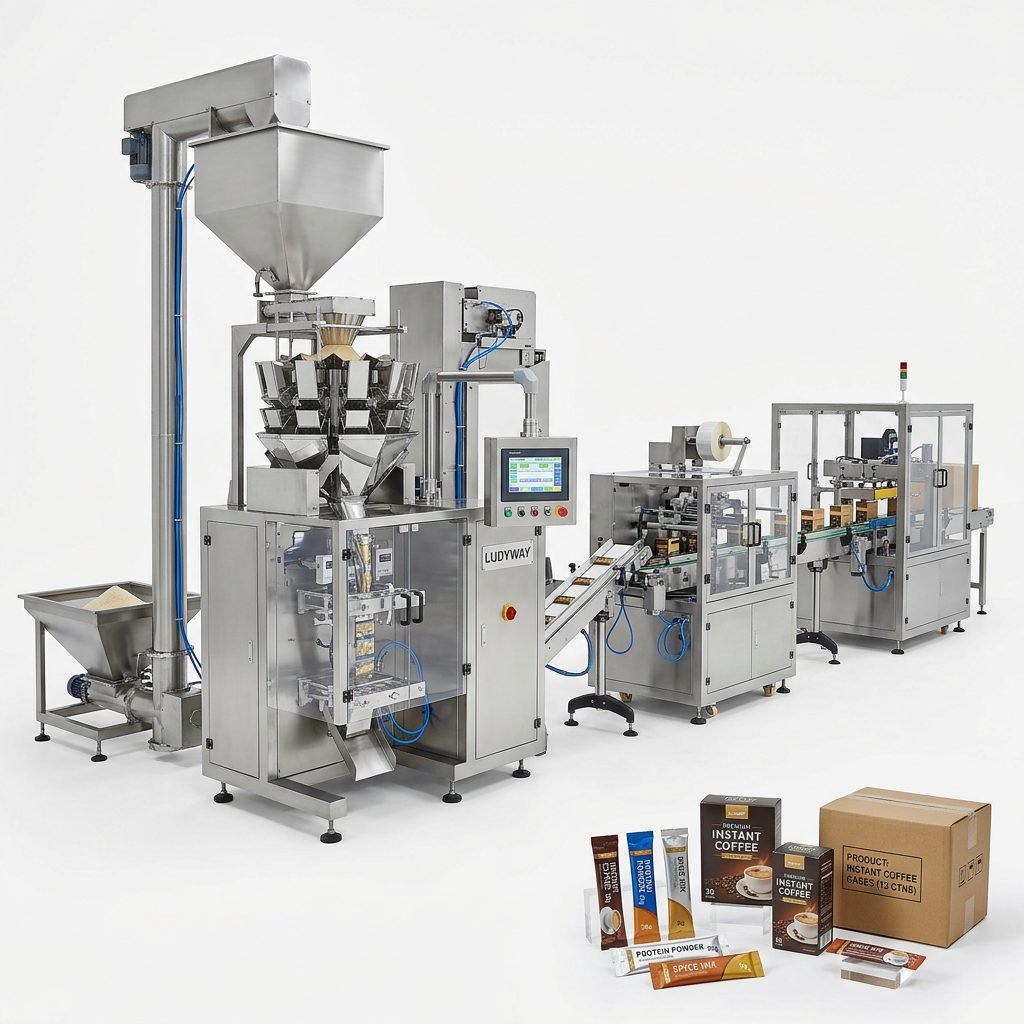
A complete popcorn packaging line consists of several integrated machines. Selecting equipment that can handle the product delicately while maintaining high speed is vital. Below are the primary components you will need to evaluate.
Multi-Head Weigher and Feeding Systems
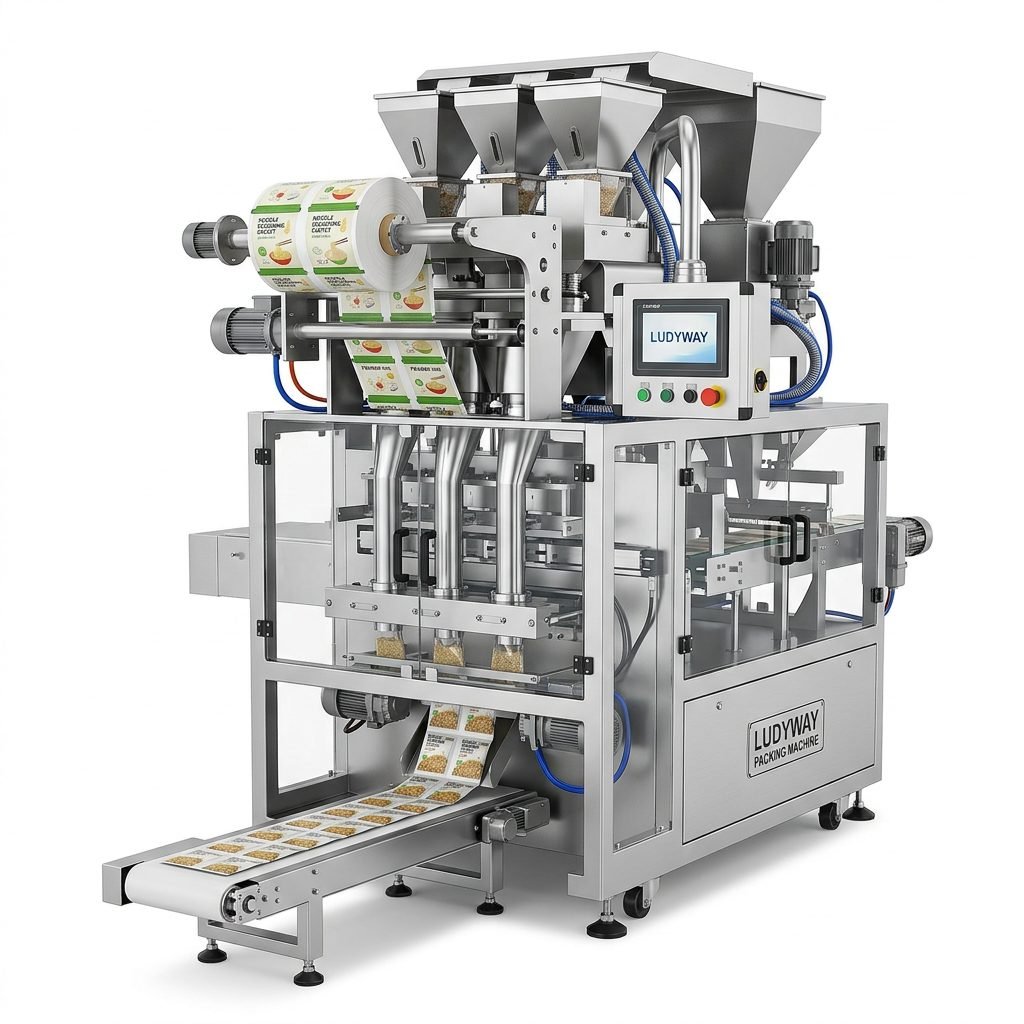
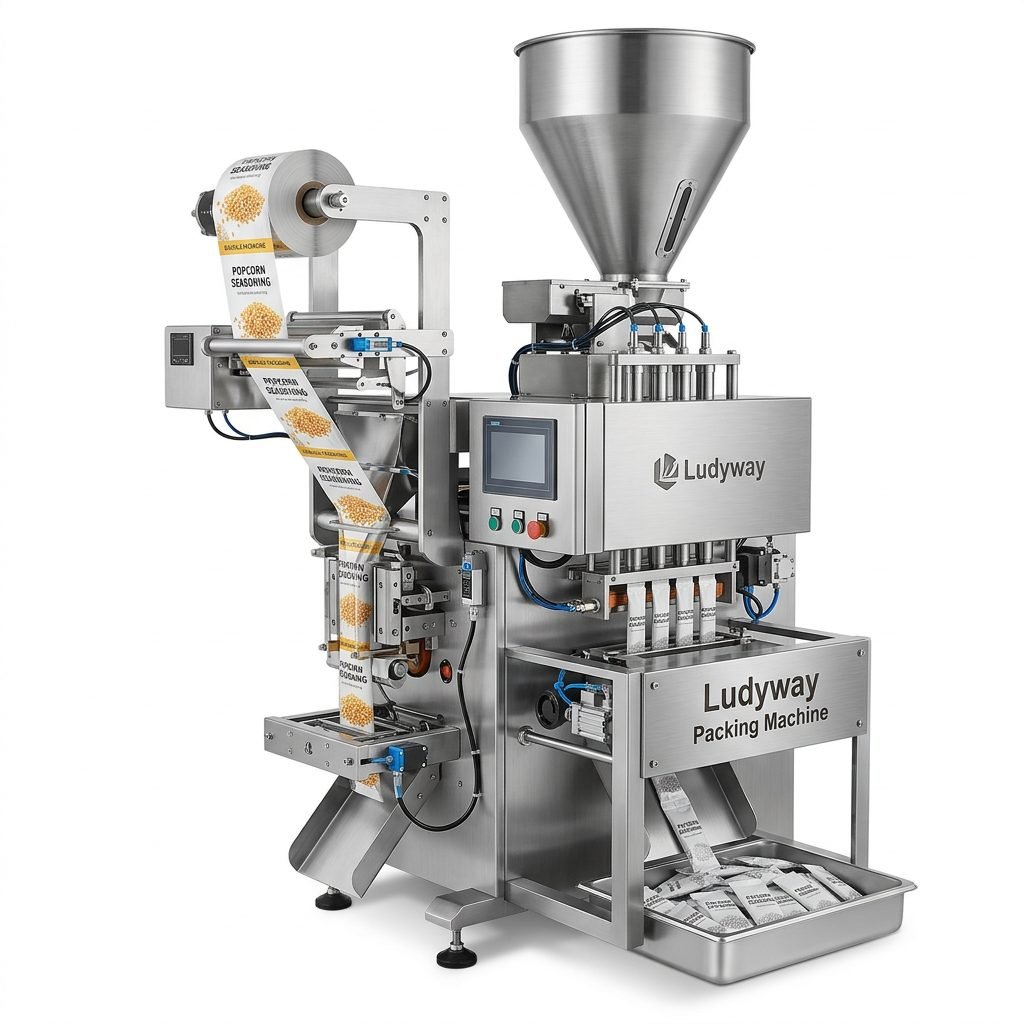
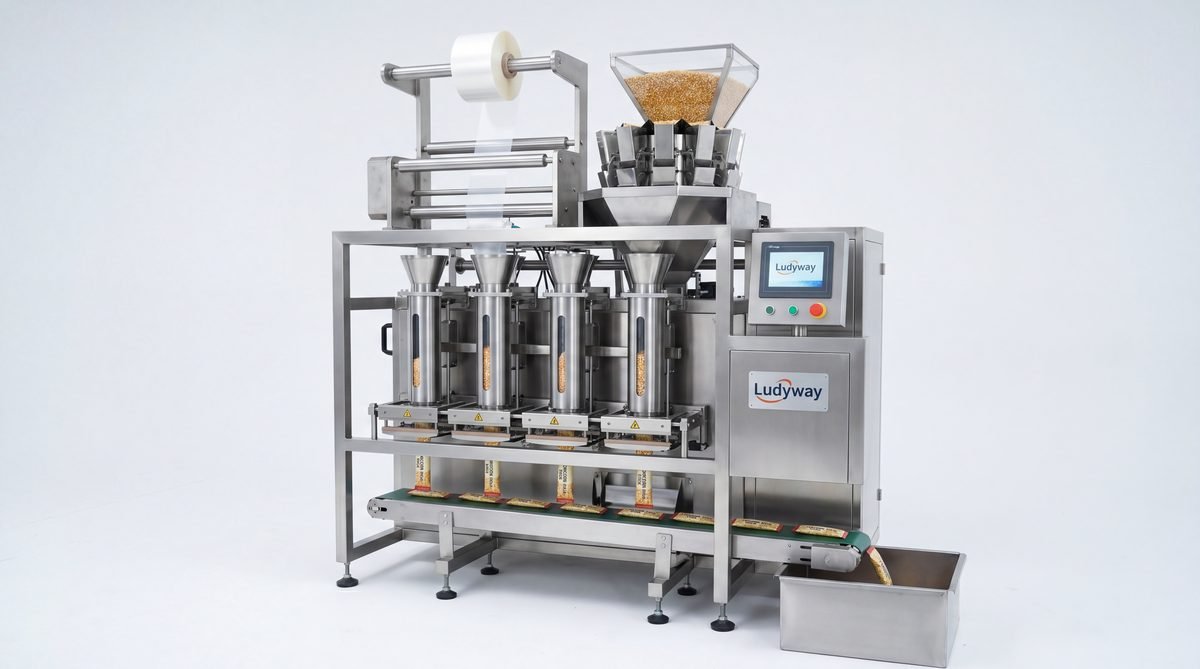
The heart of any accurate packaging line is the weighing system. For popcorn kernels and popped corn, a multi-head weigher ensures precise portioning. Gentle handling mechanisms, such as vibratory feeders, prevent kernel breakage. For popcorn seasoning powders, a vertical auger filler integrated with the weigher is often required to handle fine, dusty products without spillage.
Conveying systems, including Z-type bucket elevators, transport the product gently from the production area to the packaging machine infeed while minimizing fragmentation. An optimized material handling setup reduces product waste and maintains line efficiency.
Vertical Form Fill Seal (VFFS) Machines
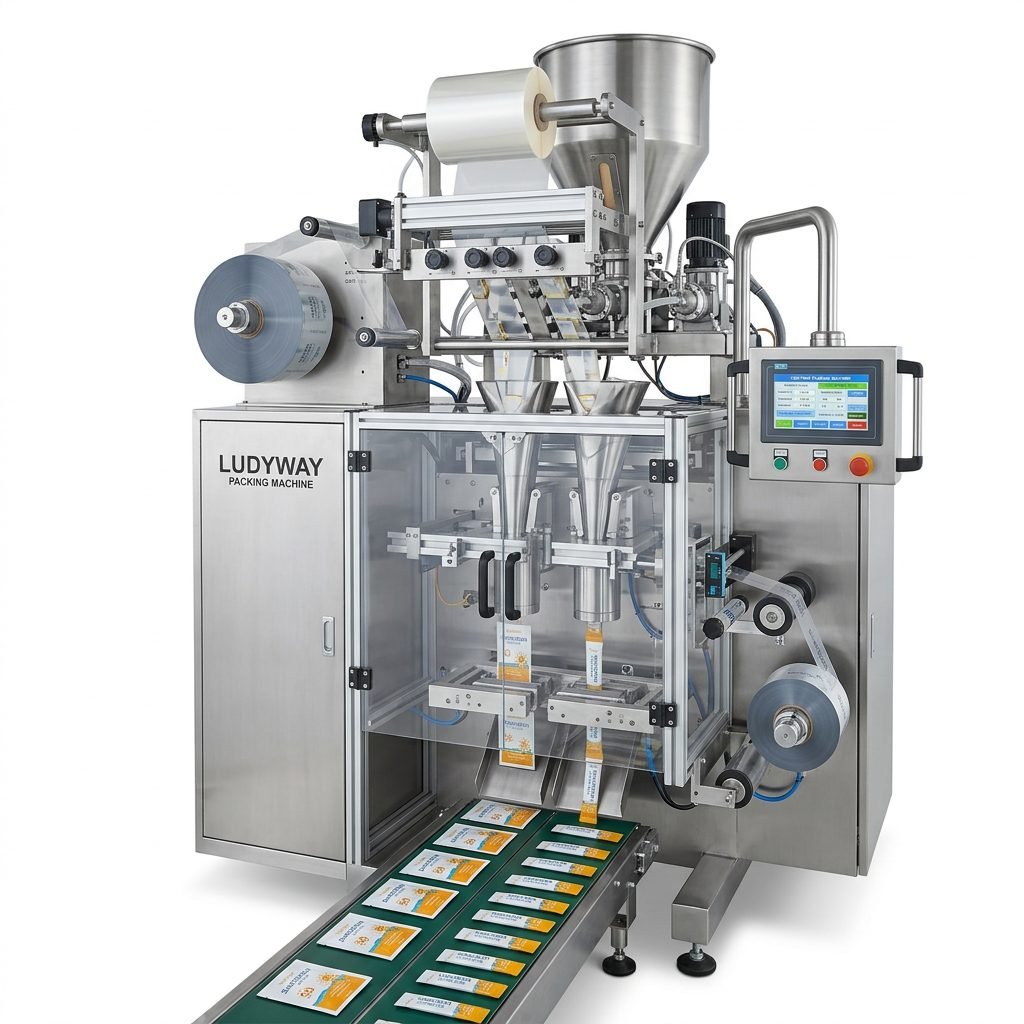
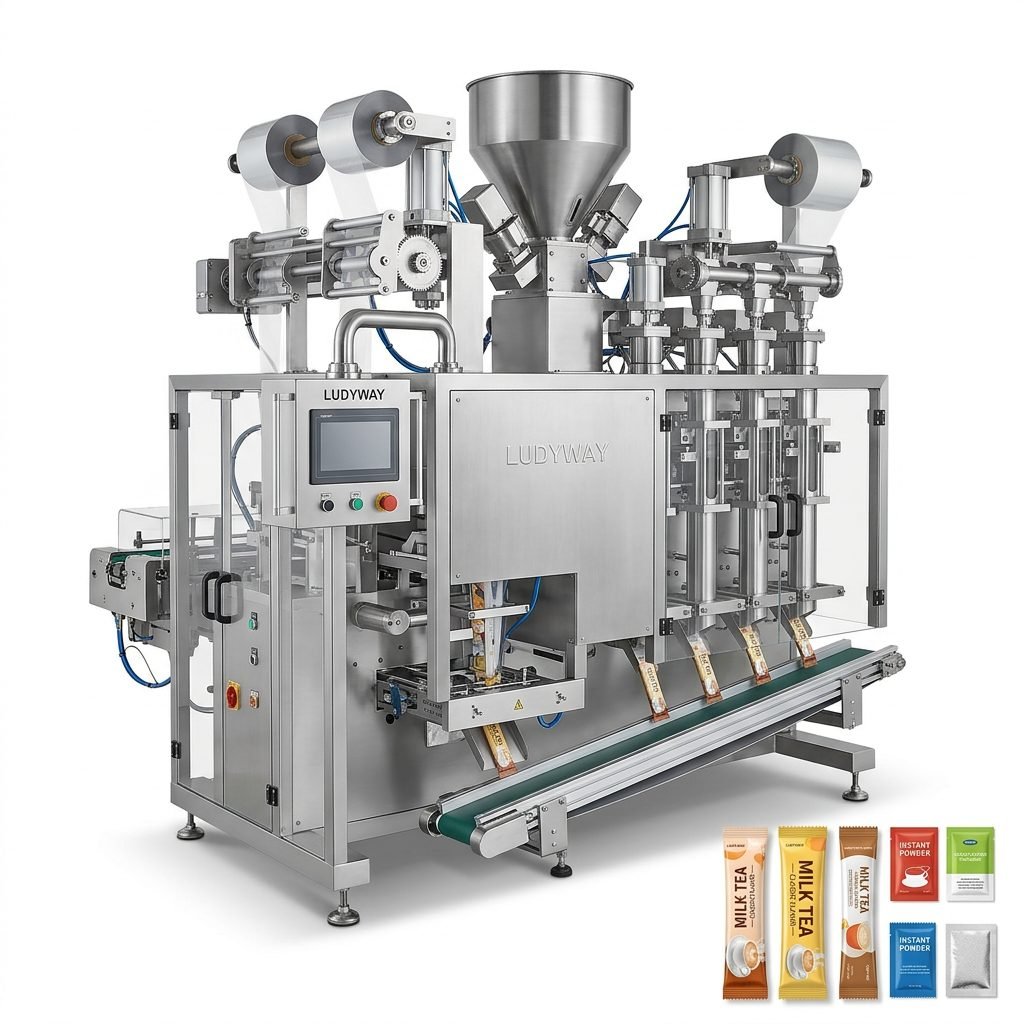
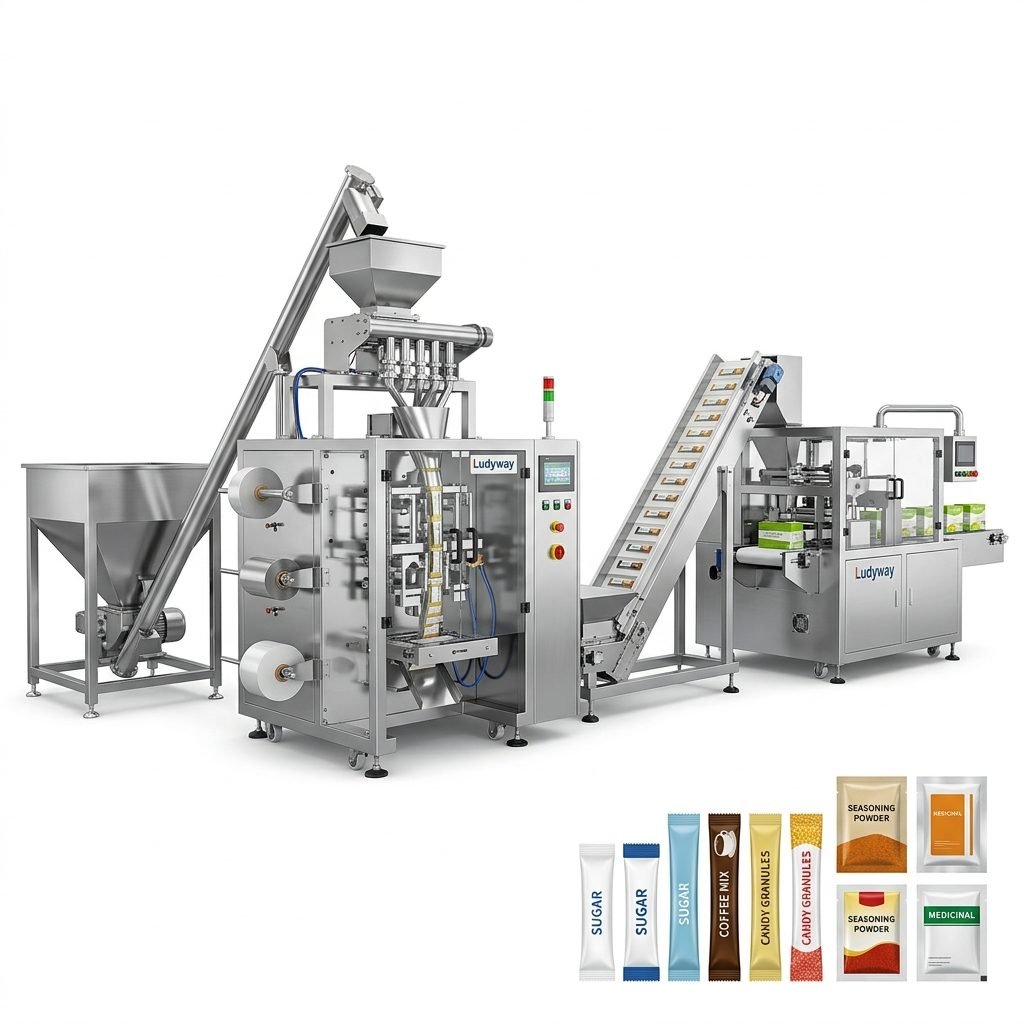
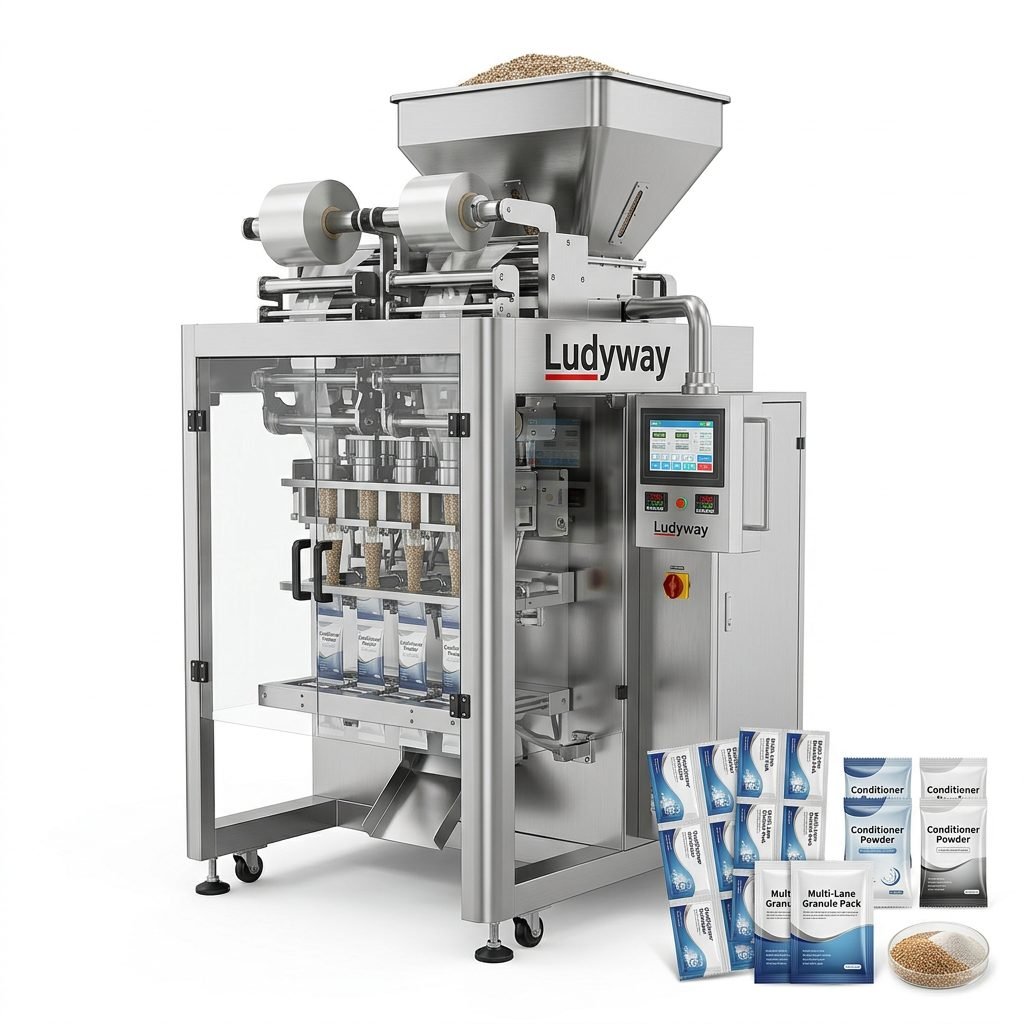
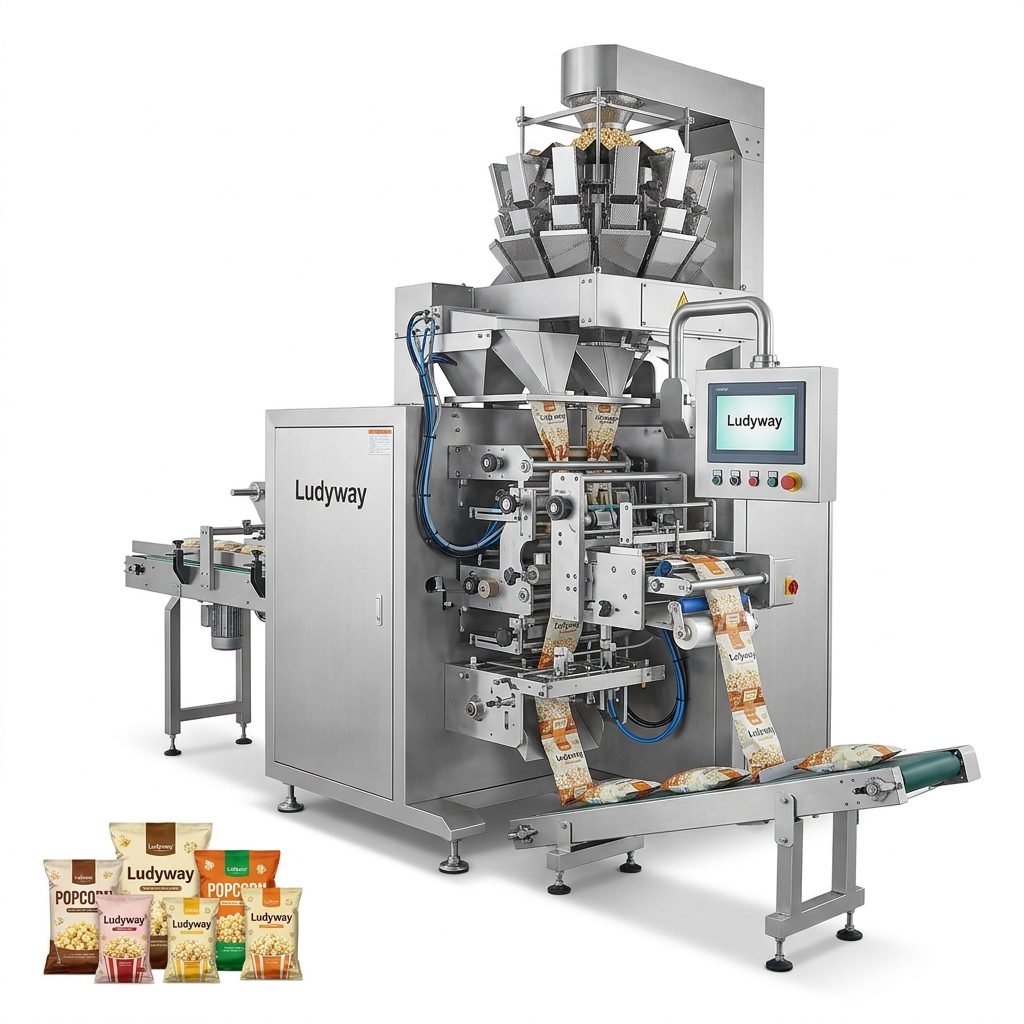
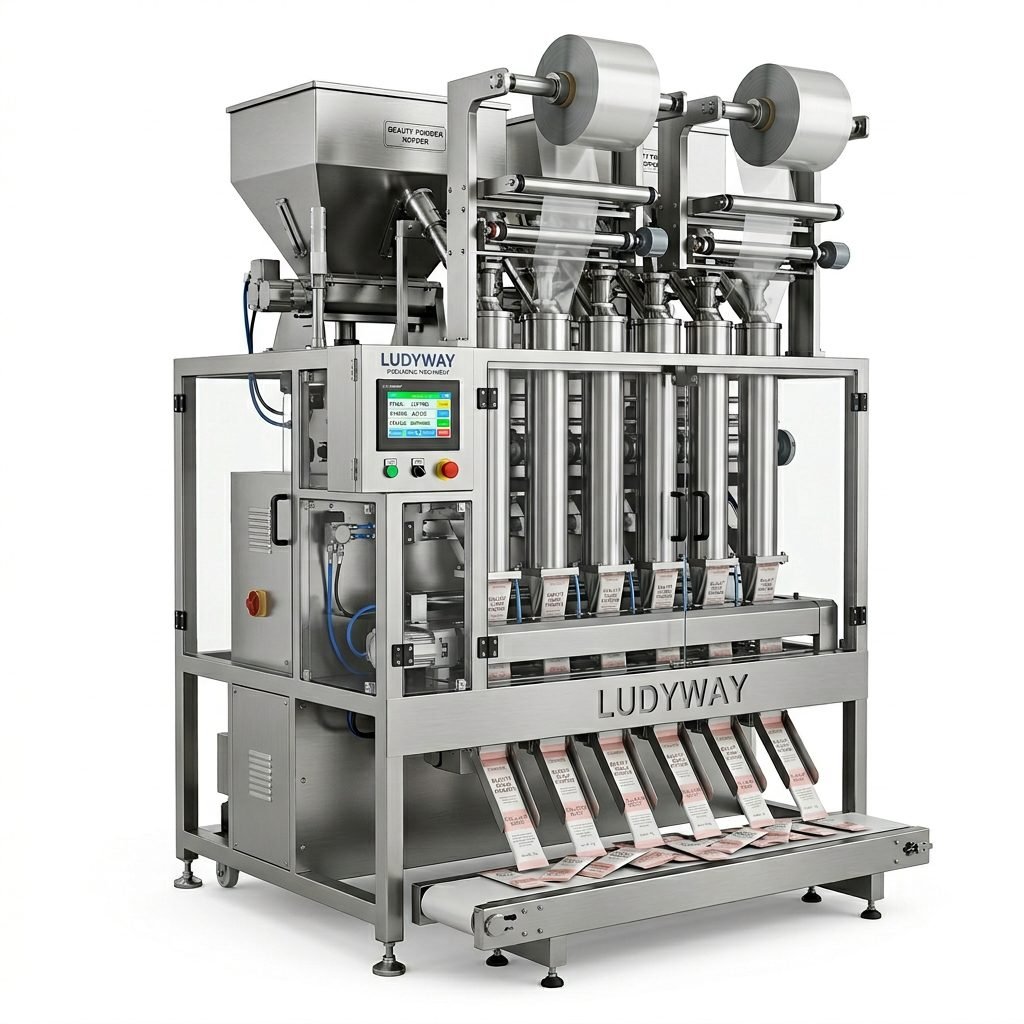
For popcorn, a multi-lane vertical form fill seal (VFFS) machine is often the optimal choice due to its speed and versatility. These machines form bags from a roll of film, fill them with product, and seal them in a continuous motion. Multi-lane configurations (4-lane, 6-lane, or even 10-lane) dramatically increase output, allowing manufacturers to meet high-volume demands for private-label retail contracts in the UK.
Look for machines that can handle various film types, including metallized laminates that provide a moisture barrier — essential for keeping popcorn crisp. The ability to produce stick packs, three-side-seal sachets, or gusseted bags on the same platform offers flexibility for different product lines.
Production Line Configuration and Layout
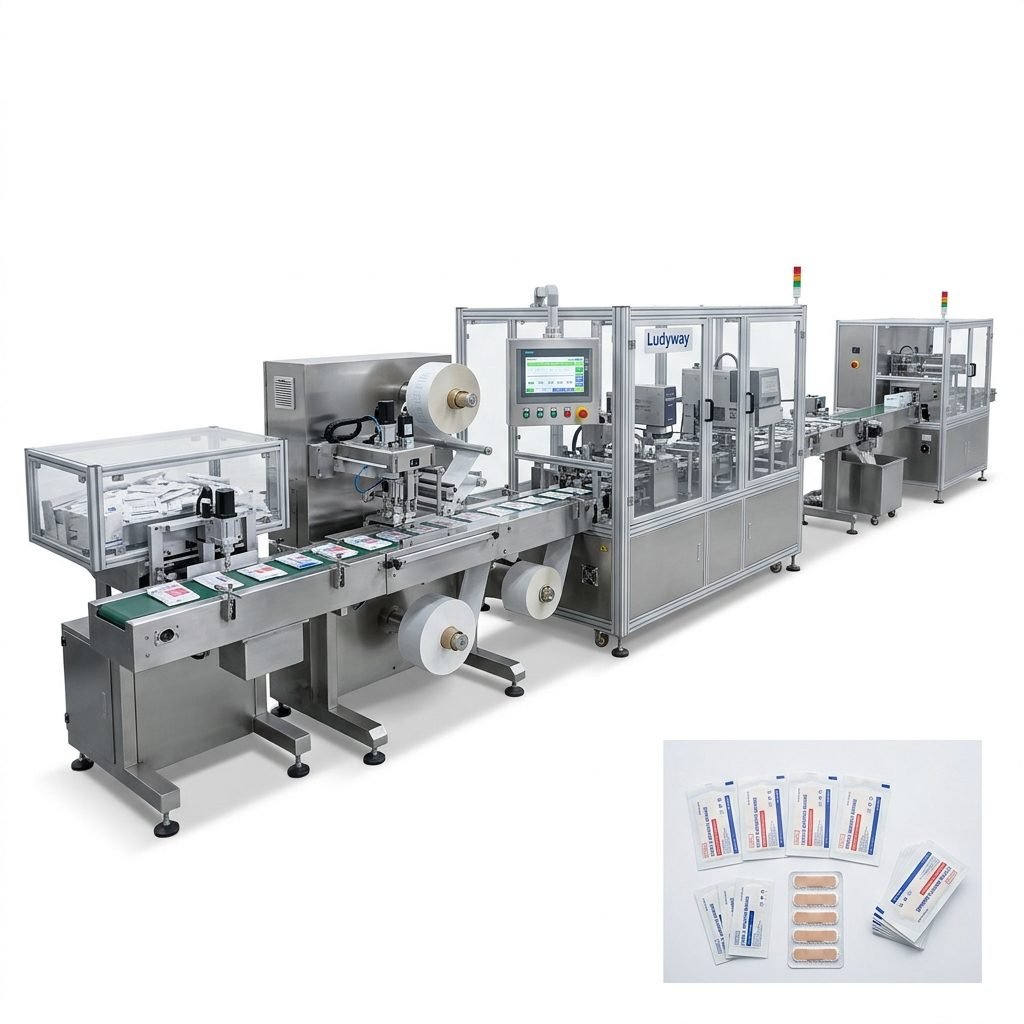
An efficient popcorn packaging line layout maximizes floor space and minimizes operator intervention. A typical configuration flows from the infeed system to the primary packaging machine, followed by checkweighing, metal detection, and secondary packaging stations.
The following table outlines a standard machine sequence for a UK popcorn stick pack or sachet line:
| Stage | Machine Type | Function |
|---|---|---|
| 1 | Incline Conveyor / Elevator | Gentle product elevation to weigher |
| 2 | Multi-Head Combination Weigher | Precision portioning of kernels or popped corn |
| 3 | Multi-Lane VFFS Machine | Bag forming, filling, and sealing |
| 4 | Checkweigher & Metal Detector | Quality control and contaminant removal |
| 5 | Automatic Cartoner / Case Packer | Secondary packaging into cartons |
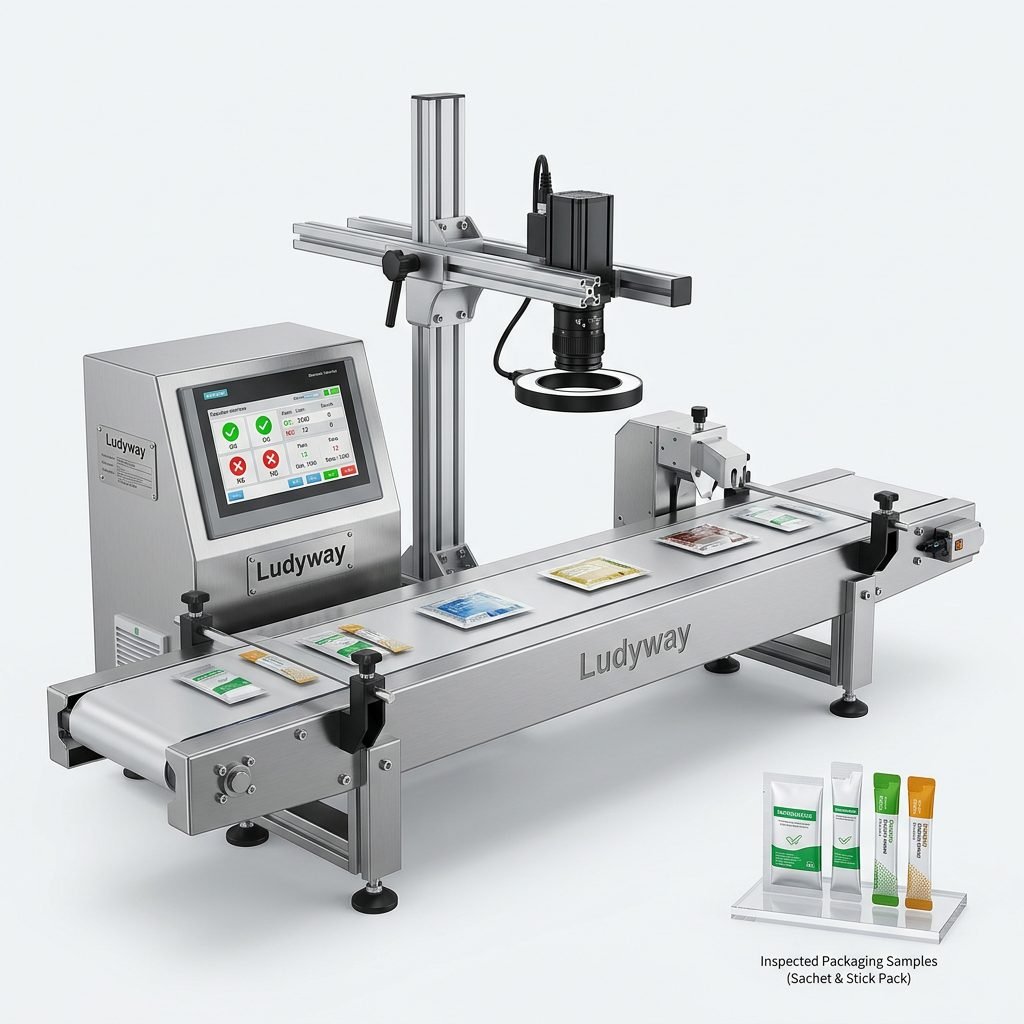
Integrating a vision inspection system and an automatic reject station ensures that only correctly sealed and labeled pouches proceed to the cartoning stage. This is particularly important for maintaining the high standards expected by UK supermarkets.
Navigating UK Compliance and Safety Standards
Operating a packaging line in the UK requires compliance with several regulations. Your machinery must meet CE and UKCA marking requirements, ensuring electrical safety and operational safety for personnel. For food contact, materials must comply with FDA and EU framework regulations pertaining to migration limits.
Additionally, the UK has a strong focus on sustainable packaging. Designing a line that can effectively seal thinner, recyclable films or mono-material structures without sacrificing speed or seal integrity is a significant competitive advantage in the British market. Dust extraction systems should also be considered when packaging popcorn seasoning powders to maintain a safe and clean production environment.
Key Automation and Ancillary Equipment
To maximize the return on investment, a popcorn packaging line should include ancillary equipment that streamlines operations. Automated carton erectors and sealers reduce manual labor at the end of the line, while high-speed case packing lines prepare the product for palletizing.
Below are essential ancillary systems to consider:
- Industrial Metal Detectors: Critical for detecting ferrous and non-ferrous contaminants in popped corn and seasoning mixes.
- High-Resolution Checkweighers: Guarantees net content compliance for UK weights and measures legislation.
- Inline Batch Coding Systems: Thermal transfer printers or laser markers apply traceable date codes and lot numbers directly onto the film.
- Automated Pallet Wrapping Machines: Stabilizes finished cartons for shipping to distribution centres.
- Nitrogen Flushing Systems: Extends shelf life of ready-to-eat popcorn by displacing oxygen inside the pouch before sealing.
For companies looking to establish a comprehensive turnkey solution, experienced providers like Ludyway can supply fully integrated lines that combine these elements into a single synchronized system, ensuring smooth handshakes between the filler, coders, and end-of-line machinery.
Selecting the Right Packaging Materials
The film used in your popcorn packaging machine directly impacts shelf life and brand appeal. For the UK market, where recyclability is increasingly mandated, materials such as BOPP/CPP laminates are common. However, the shift towards mono-material PE/PE structures is accelerating. You must ensure your vertical form fill seal machine’s sealing jaws and temperature controls are precisely calibrated for these modern, heat-sensitive films to prevent burn-through or weak seals.
Technical Specifications to Review
| Parameter | Typical Target for Popcorn Lines |
|---|---|
| Production Speed | 40–80 packs per minute per lane |
| Filling Accuracy | ±1 gram depending on target weight |
| Bag Sizes | Width 30–120 mm; Length 50–180 mm |
| Film Compatibility | Laminates, metallized films, recyclable mono-materials |
| Control System | PLC with touchscreen HMI and recipe management |
Installation, Training, and Ongoing Support
Installing a packaging machine production line in the UK requires careful coordination to minimize downtime. Factory acceptance testing (FAT) should be conducted prior to shipment, followed by site acceptance testing (SAT) upon arrival. Operator training is essential to achieve design speeds and maintain consistent output. A strong after-sales support network with local engineering availability for the UK ensures rapid troubleshooting and access to genuine spare parts, keeping your snack production running smoothly.
Conclusion: Getting Started with Your Project
Building a successful popcorn packaging operation in the UK relies on integrating high-speed multi-lane technology with precise weighing and robust quality control. By focusing on gentle product handling, compliance with local regulations, and the use of sustainable materials, you can create a production line that satisfies British retailers and consumers alike. For further technical guidance on packaging machinery standards, you can refer to resources published by the Association for Packaging and Processing Technologies (PMMI) and relevant Flexible Packaging Association data sets.
Evaluating your specific throughput requirements and product range will guide you toward the ideal machine configuration, ensuring a profitable and efficient packaging process for years to come.