Selecting the right namkeen packing machine is a critical decision that directly impacts your production efficiency, product quality, and long-term profitability. Whether you are packaging traditional Indian snacks, extruded pellets, or coated peanuts, finding a machine that matches your specific operational needs requires careful evaluation. This guide walks you through the essential factors to consider before making your investment.
1. Understand Your Product Characteristics
Not all namkeen varieties behave the same way during the packaging process. The physical properties of your snack will heavily influence the type of weighing and filling system required.
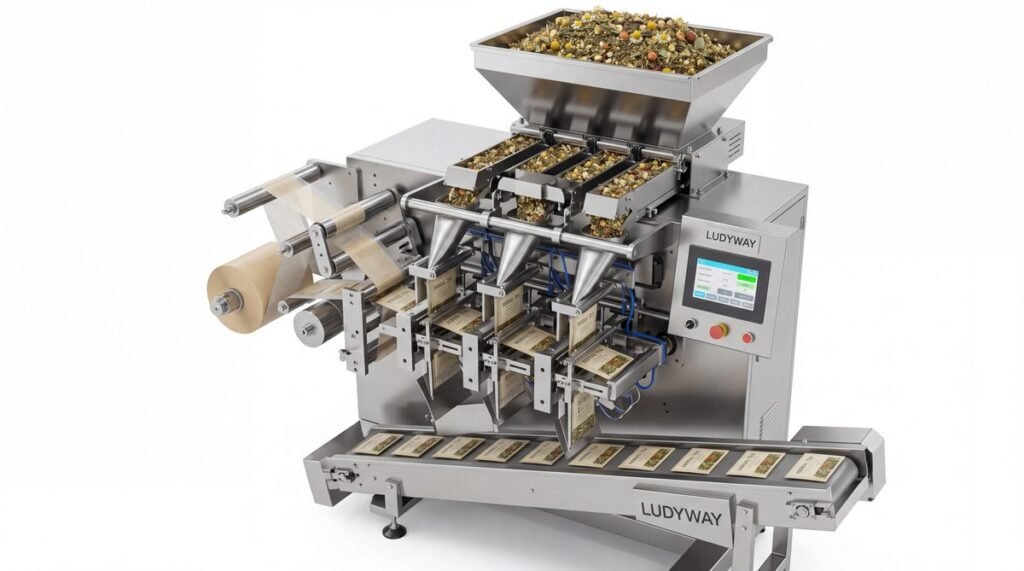
- Granule Type: Is your product a consistent pellet, an irregular flake, or a delicate puff? Multi-head weighers work well for free-flowing granules, while volumetric cup fillers are often better suited for fragile items that tend to break.
- Bulk Density: Light, airy snacks require different handling and settling mechanisms compared to dense, heavy mixtures.
- Oil Content: Oily or greasy namkeen can cause friction issues and residue buildup. You will need a machine with easy-to-clean surfaces and film tracking that resists slippage caused by oil transfer.
2. Define Your Packaging Format and Material
The final presentation of your product on the shelf plays a major role in consumer appeal. You need to decide between various packaging styles before settling on a machine configuration.
Common Packaging Styles
| Packaging Style | Best Suited For | Key Advantage |
|---|---|---|
| Pillow Pouch | High-volume retail packs | Cost-effective, high speed |
| Gusseted Bag | Family packs or bulk sizes | Better shelf stability |
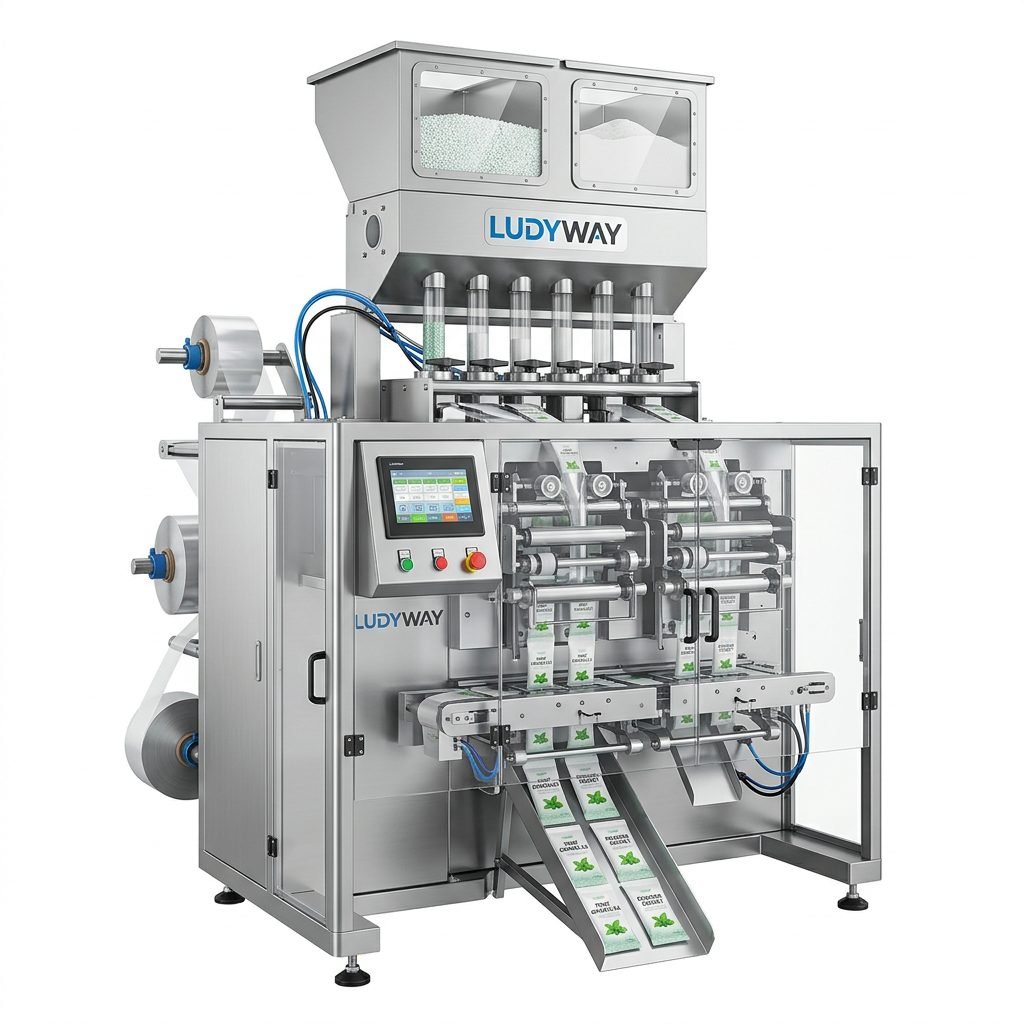
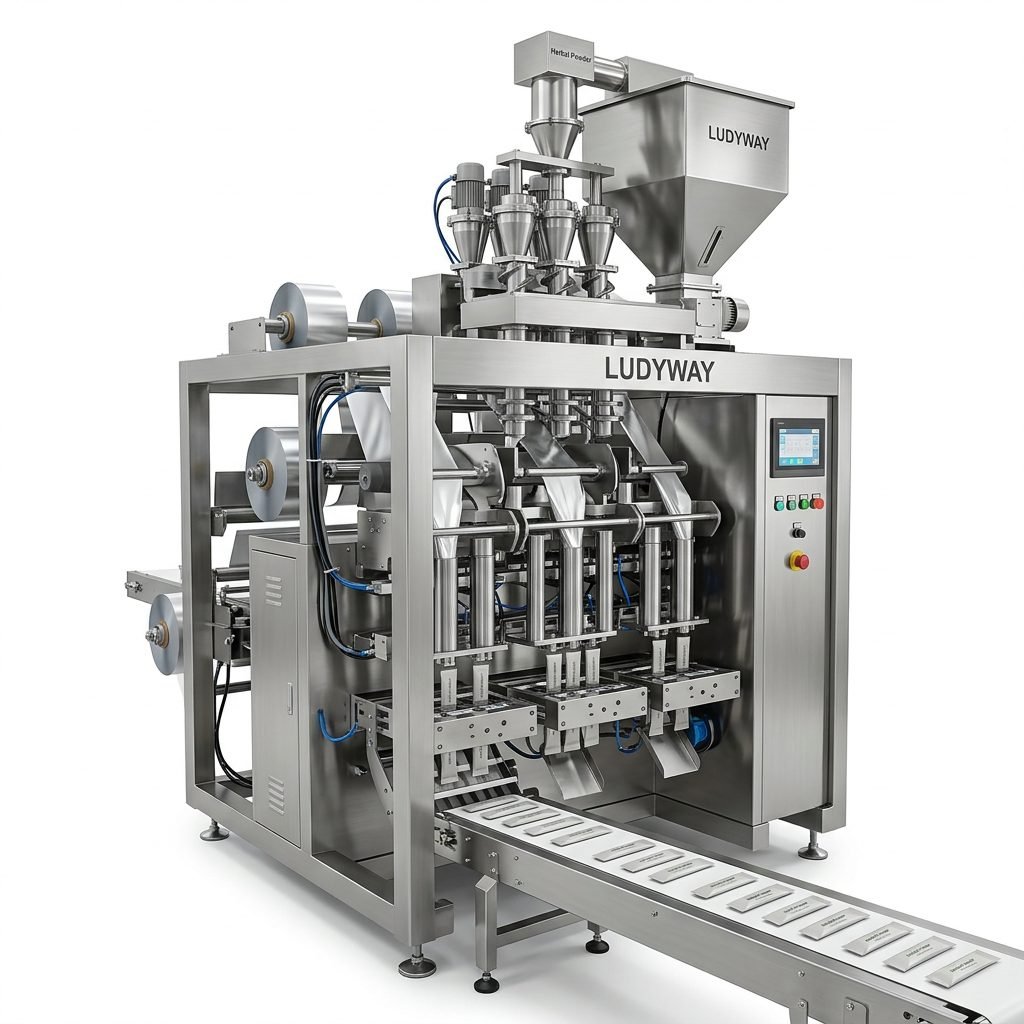
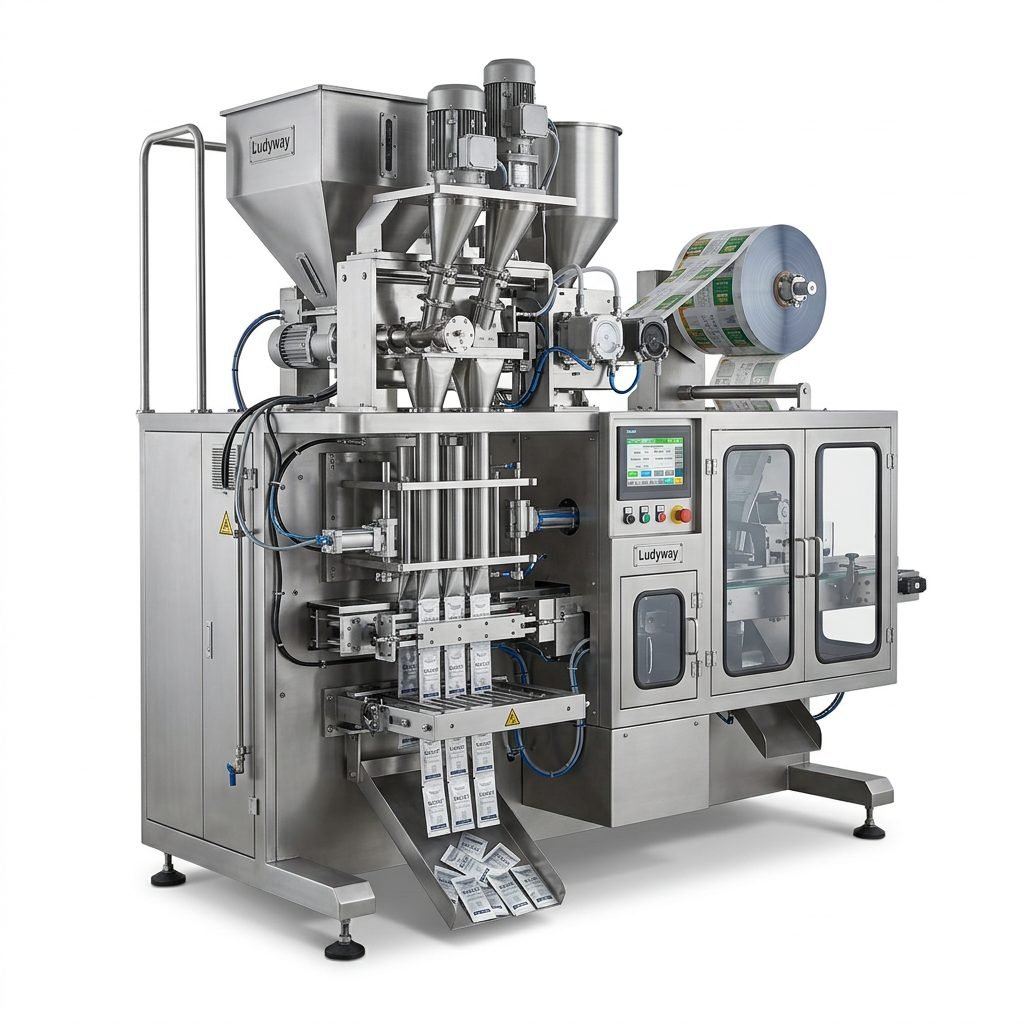
| Stick Pack / Sachet | Single-serve portions | Portion control, trial packs |
| Stand-Up Pouch | Premium brands | High visual appeal, re-sealable |
Your choice of flexible packaging material also matters. Standard laminates like metallized polyester offer excellent moisture barriers, which is essential for maintaining the crispiness of namkeen.
3. Match Speed with Production Capacity
How much product do you need to pack per minute? A common mistake is under-specifying the speed, leading to bottlenecks in production. Conversely, over-speccing a machine without having the upstream production capacity wastes resources.
When evaluating speed, look at the actual output rate, not just the mechanical maximum. You need to consider dwell time for weighing, sealing temperature stabilization, and film roll changeover intervals. For medium-sized manufacturers, a machine running at 60 to 120 packs per minute often provides a good balance between output and operational flexibility.
For more insights on production metrics and industry benchmarks, refer to the PMMI Business Intelligence resources which regularly track packaging machinery performance trends.
4. Evaluate Automation and Integration Requirements
The level of automation you need depends on your labor costs and your desire for consistency. A modern namkeen packing machine often supports integration with upstream equipment.
- Manual Feeding: Suitable for startups but prone to human error in weighing.
- Semi-Automatic: Operators manually place bags, but the filling is automated.
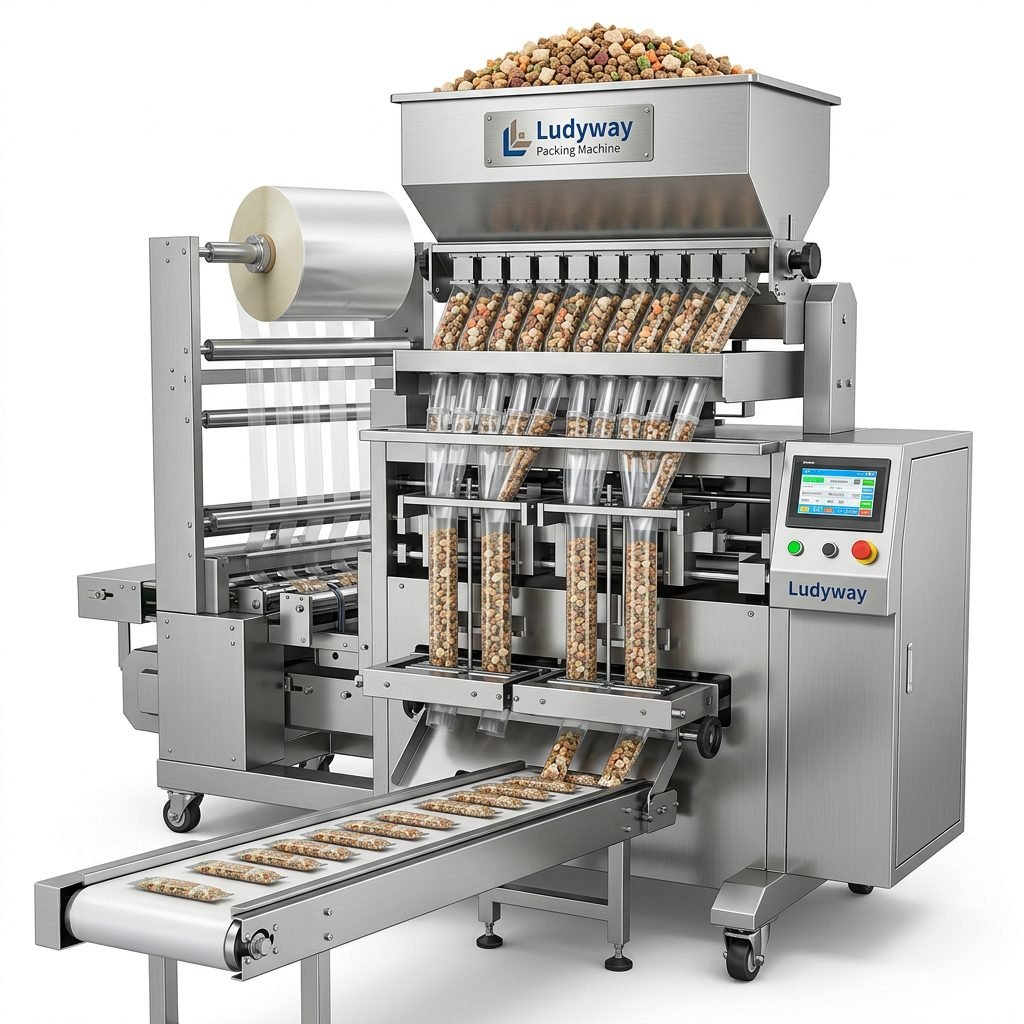
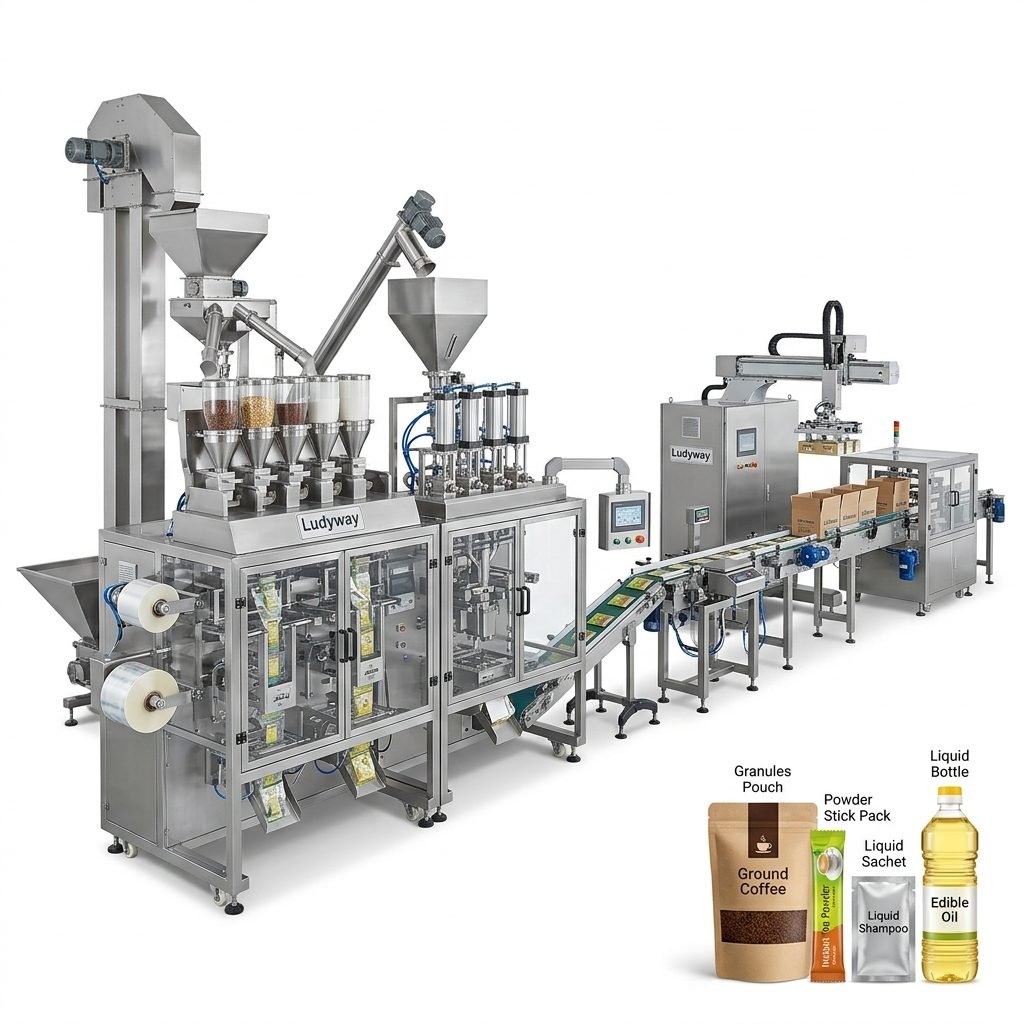
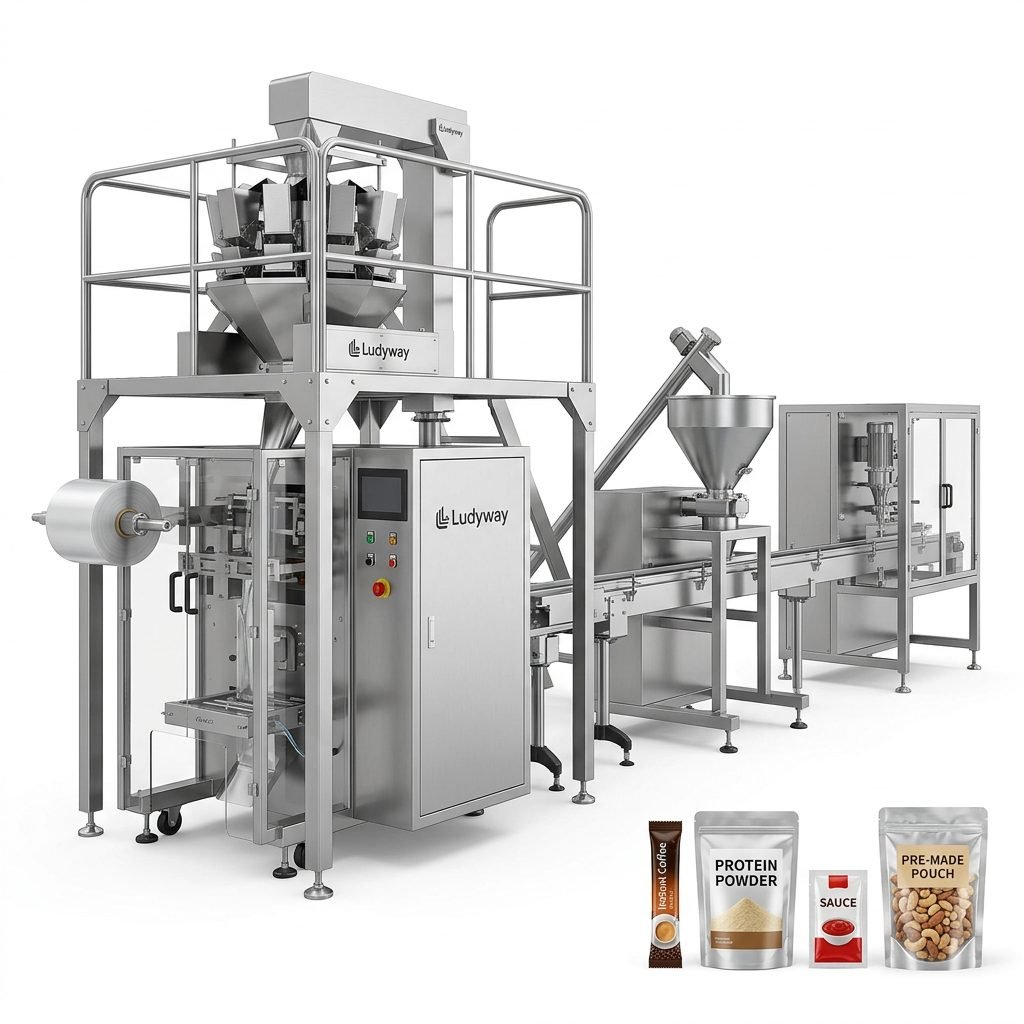
- Fully Automatic Lines: These include Z-type bucket elevators, multi-head weighers, and rotary conveyors that feed product directly into the vertical form fill seal machine.
Modern packaging lines can also be connected to track-and-trace and coding systems to ensure compliance with food safety regulations. Planning for these integrations early saves significant retrofit costs later.
5. Prioritize Hygiene and Easy Maintenance
Namkeen packaging involves direct contact with food. Adherence to strict hygiene standards is non-negotiable. The machine frame should be constructed from food-grade 304 stainless steel to prevent rust and contamination.
Features That Simplify Maintenance
- Tool-less disassembly of the forming tube and sealing jaws.
- Sloped surfaces to prevent product accumulation and pest attraction.
- Washdown-ready electrical components if wet cleaning is required.
- Centralized lubrication points for high-wear moving parts.
6. Consider Changeover Flexibility
If you produce multiple flavors or pack sizes, changeover time is a hidden cost. Some machines require hours to switch between bag lengths or film widths, while modern servo-driven machines can complete a full changeover in minutes. Look for machines that store recipes electronically, allowing operators to recall settings for different products with a single touch. This feature is especially critical for contract packers producing small batches of various namkeen types.
7. Modular Design and Future Scalability
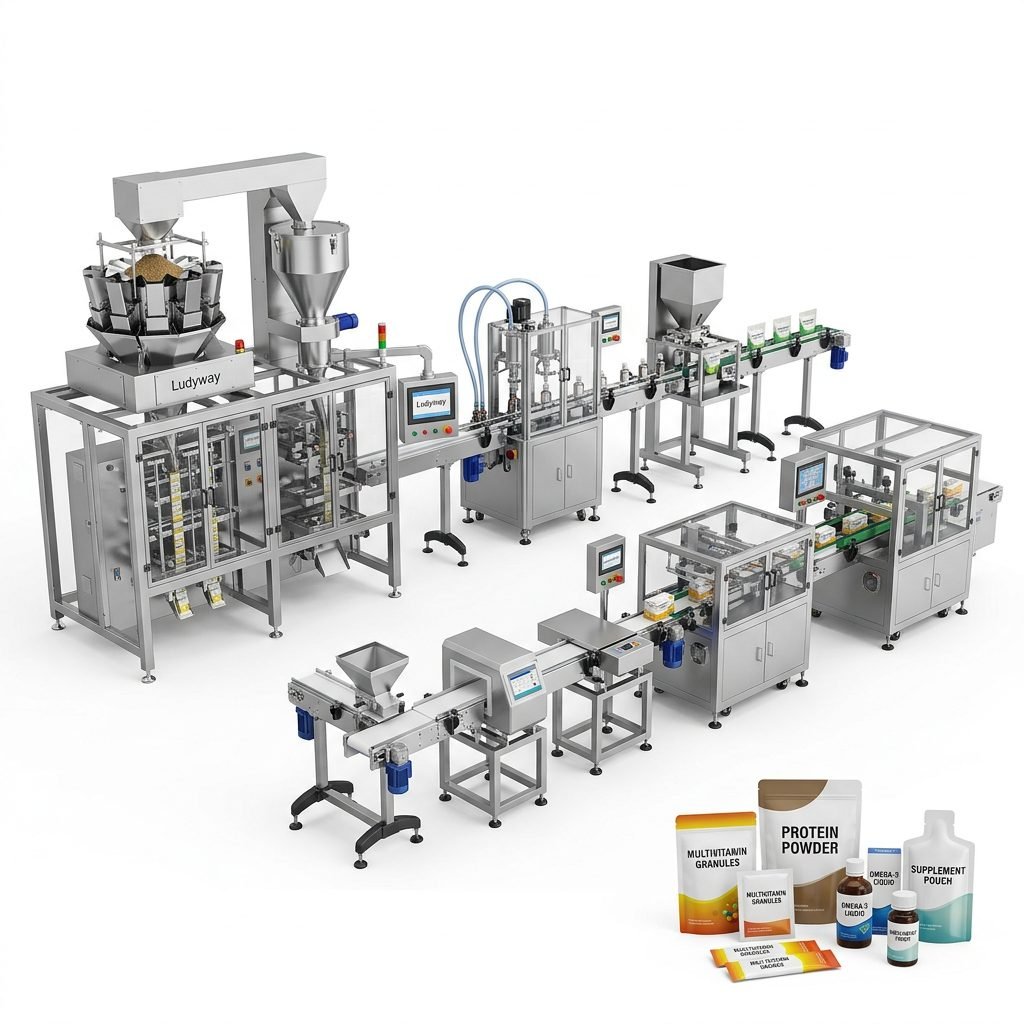
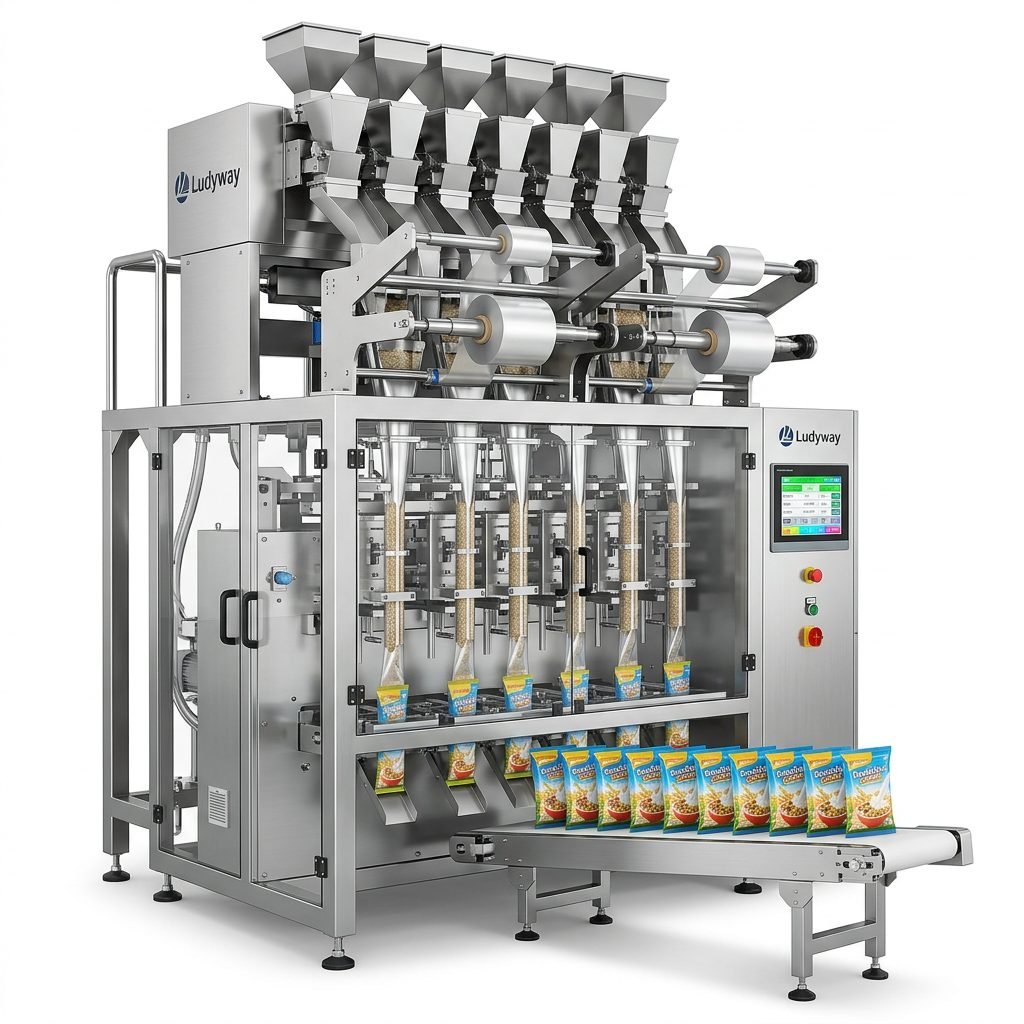
Your business will grow. A modular packaging system allows you to start with a standard configuration and later add multi-lane capabilities or automated cartoning without replacing the entire line. Discuss with your supplier whether the control system architecture can handle additional modules like checkweighers, metal detectors, and case packers. This approach protects your initial investment while providing a clear path to industry growth and expansion.
8. Partner with the Right Manufacturer
Even the best machine will underperform without proper support. You need a packaging machinery partner who understands your product category and provides ongoing technical assistance. Look for manufacturers with demonstrated experience in turnkey packaging solutions —suppliers who can assist you with everything from equipment selection to installation and operator training.
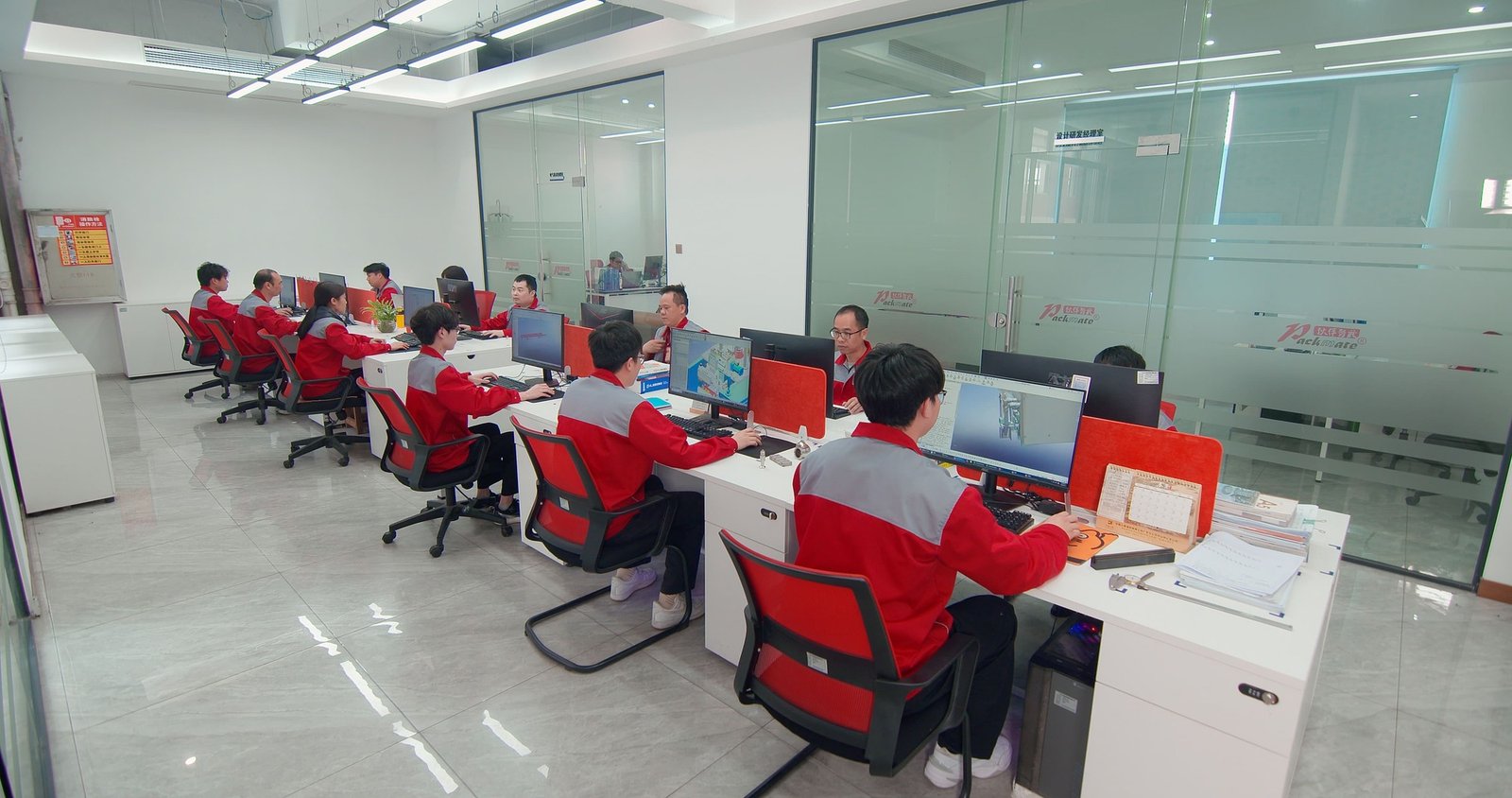
For example, Ludyway Machinery, a China-based packaging machinery manufacturer with more than 30 years of experience, provides customized packaging solutions across food, pharmaceutical, and chemical sectors. With a 20,000-square-meter manufacturing facility and over 50 machine models designed for granules, powders, and liquid packaging, Ludyway helps manufacturers improve packaging efficiency and production capacity through integrated and scalable packaging systems. Their technical team works directly with customers to configure suitable packaging technologies according to product characteristics and production requirements.
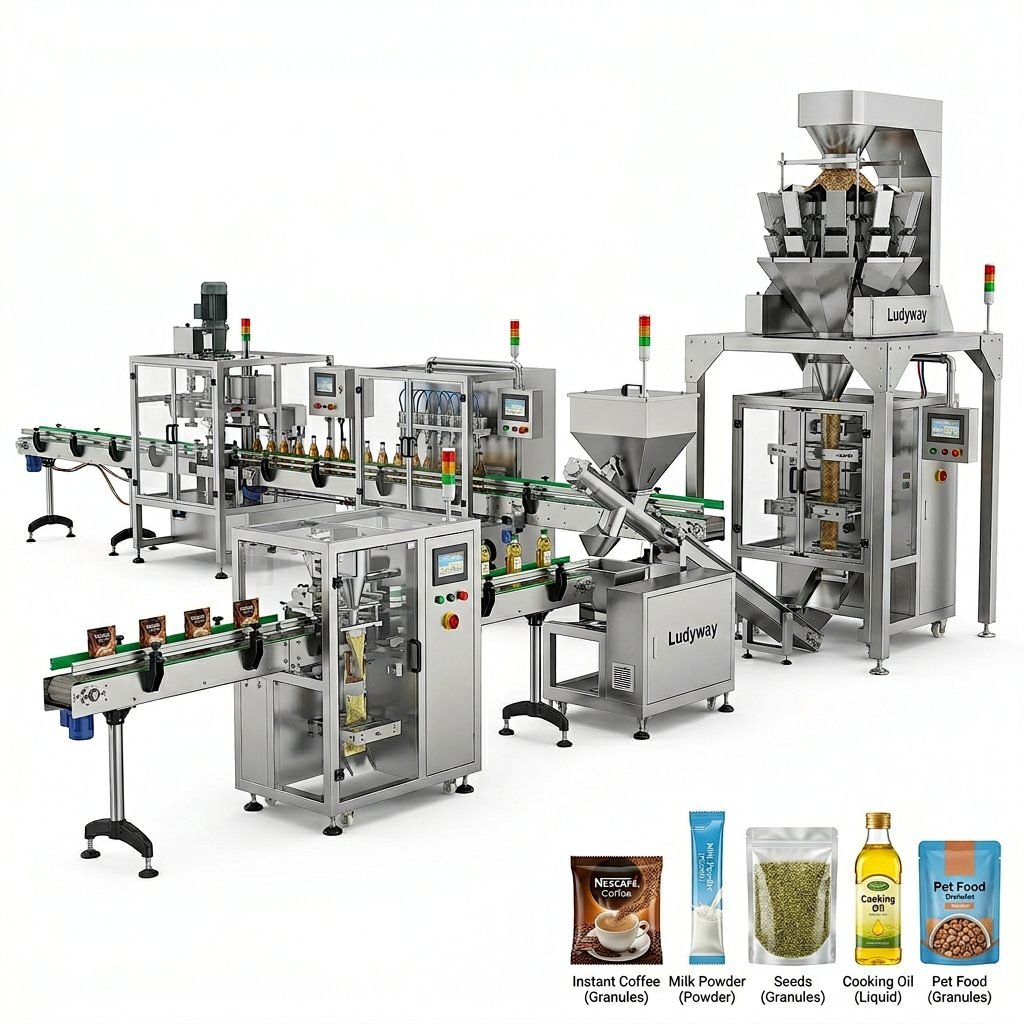
To read more about the company’s global growth and export milestones, you can refer to this coverage of Ludyway’s packaging machinery expansion.
Key Supplier Evaluation Criteria
- Industry Experience: Do they have a track record in food packaging?
- Customization Capability: Can they adjust dosing systems for your specific namkeen mix?
- After-Sales Support: How quickly can they resolve a technical issue?
- Certifications: Do their machines meet applicable international standards and regulatory requirements?
Making Your Final Decision
Choosing the correct namkeen packing machine involves balancing speed, accuracy, hygiene, and long-term reliability. Start with a detailed product analysis, then match the machine configuration to your packaging format and material requirements. Throughout the evaluation process, stay focused on total cost of ownership rather than just the initial purchase price. A well-engineered machine that minimizes film waste, reduces downtime, and delivers consistent seal integrity will generate significantly more value over its lifespan. By selecting the right equipment backed by a committed engineering partner, you can achieve higher packaging consistency and better support your production goals.