The African snack food market is experiencing unprecedented growth. With a rapidly expanding middle class, urbanization rates exceeding 4% annually in countries like Nigeria, Kenya, and Ghana, and a youthful population driving convenience food consumption, the demand for packaged potato chips has surged. According to industry data from PMMI packaging intelligence reports, Africa represents one of the fastest-growing regions for flexible packaging machinery investment. Setting up a potato chips packaging machine production line in Africa requires careful planning around local infrastructure, supply chain logistics, and equipment selection to ensure long-term operational success.
Understanding the African Potato Chips Market Opportunity
Before investing in machinery, manufacturers must understand the local market dynamics. Potato chips are no longer considered luxury items in Africa; they have become everyday snacks distributed through formal retail channels, informal kiosks, and street vendors. The key drivers include:
- Urban population growth creating concentrated consumer bases in cities like Lagos, Nairobi, and Accra
- Local potato production increasing in countries such as Ethiopia, Kenya, Rwanda, and South Africa, reducing raw material import dependency
- Regional trade agreements like AfCFTA facilitating cross-border distribution of packaged foods
- Rising preference for packaged snacks over unpackaged alternatives due to hygiene and convenience concerns
Understanding flexible packaging industry trends helps manufacturers align their production strategy with consumer expectations in African markets.
Critical Pre-Installation Considerations for African Operations
Setting up a packaging line in Africa involves unique challenges that differ significantly from installations in Europe, North America, or Asia. Addressing these proactively will prevent costly downtime and operational disruptions.
Power Supply Stability and Backup Solutions
Inconsistent electricity supply remains a major concern across many African countries. A potato chips packaging machine requires stable voltage to maintain filling accuracy and sealing integrity. Manufacturers should budget for industrial-grade voltage stabilizers and backup generators with automatic transfer switches. For high-speed multi-lane systems, power fluctuations can cause film misalignment, seal defects, and weighing errors that lead to significant product waste.
Climate Control and Facility Requirements
High ambient temperatures and humidity levels across tropical Africa affect both raw materials and packaging machinery performance. Potato chips are hygroscopic—they absorb moisture from the air, becoming stale and losing crispness. The production area must maintain relative humidity below 45% and temperature between 20°C and 25°C. Nitrogen flushing systems integrated into the packaging machine help extend shelf life by displacing oxygen inside the package, a critical feature for distribution networks with variable storage conditions.
Water Quality and Availability
Many African regions face water scarcity or inconsistent municipal water supply. Packaging line cleaning protocols, especially for seasoning systems and contact surfaces, require reliable water access. Installing on-site water storage tanks and filtration systems ensures uninterrupted production hygiene.
Skilled Labor Availability and Training
While labor costs in Africa are generally lower than in developed markets, finding operators with experience in automated packaging equipment can be challenging. A comprehensive training program covering machine operation, routine maintenance, troubleshooting, and safety protocols is essential. Modern packaging machines with intuitive touchscreen interfaces and multi-language support help reduce the learning curve significantly.
Selecting the Right Packaging Machine Configuration
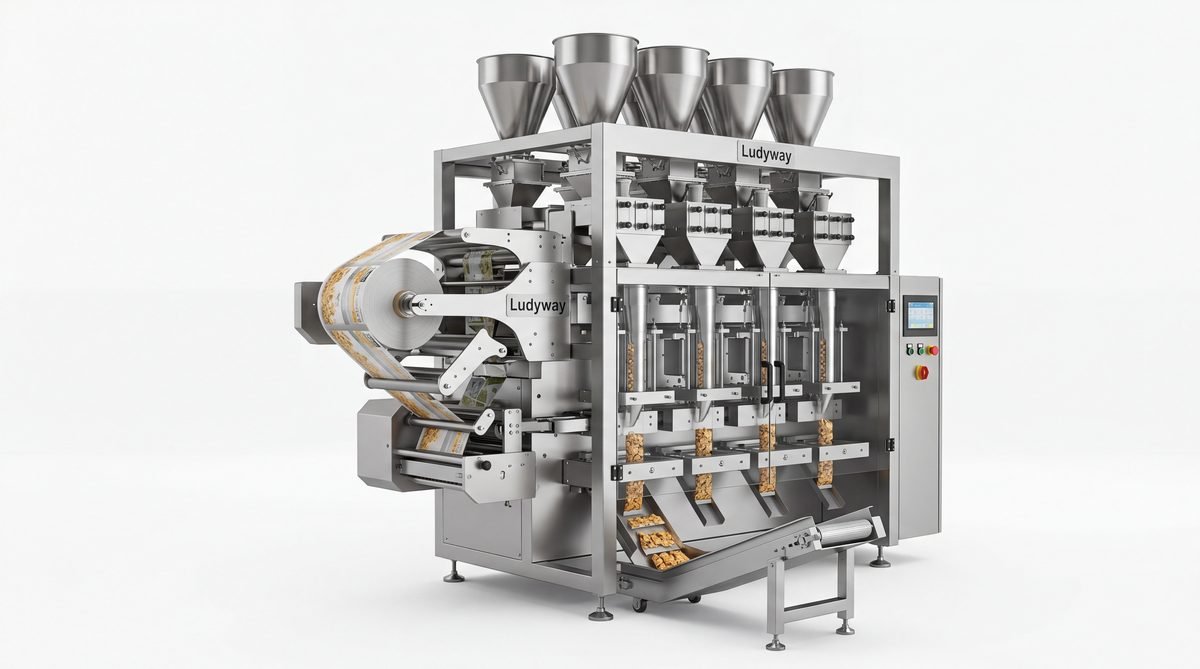
Potato chips packaging requires specific machine configurations to protect product integrity. Unlike powders or liquids, potato chips are fragile and irregularly shaped, demanding gentle handling throughout the filling process. The table below compares common packaging formats suitable for the African market:
| Packaging Format | Typical Weight Range | Best Suited For | Machine Type |
|---|---|---|---|
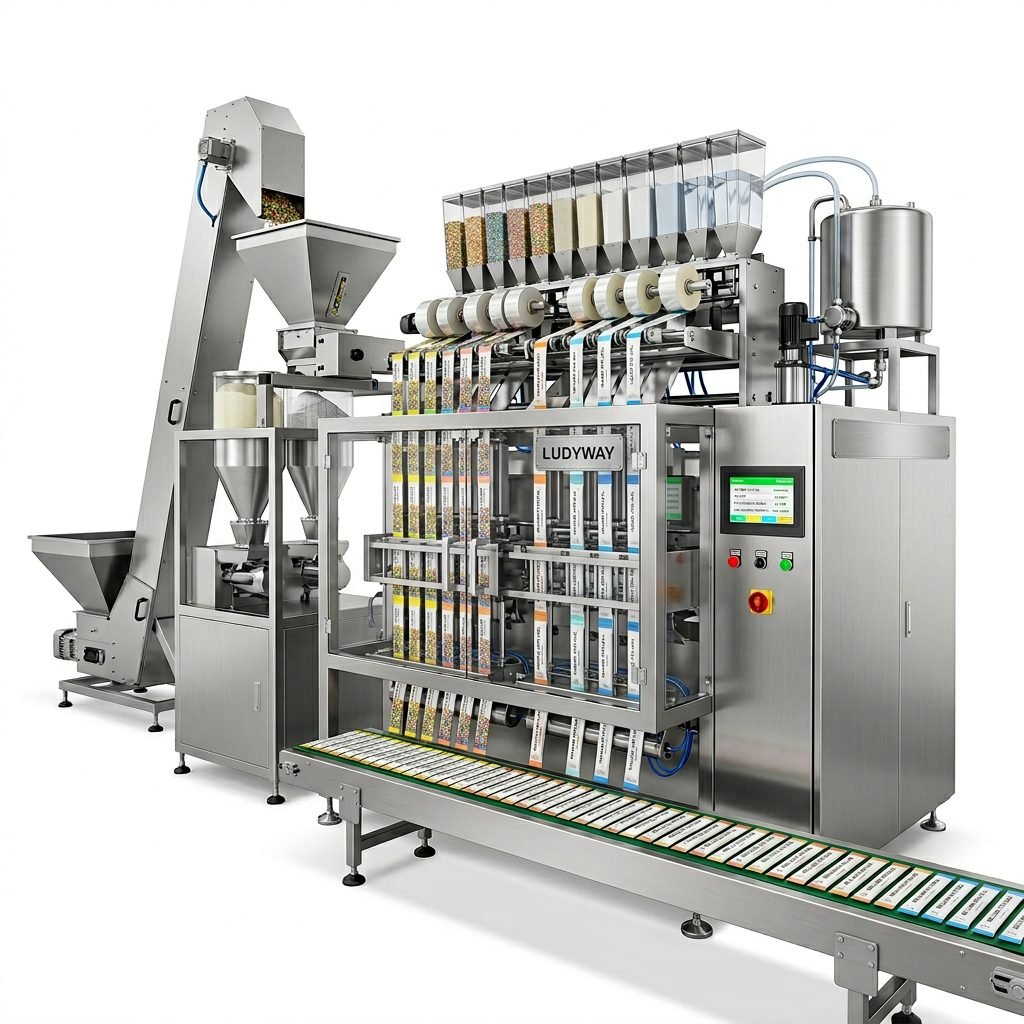
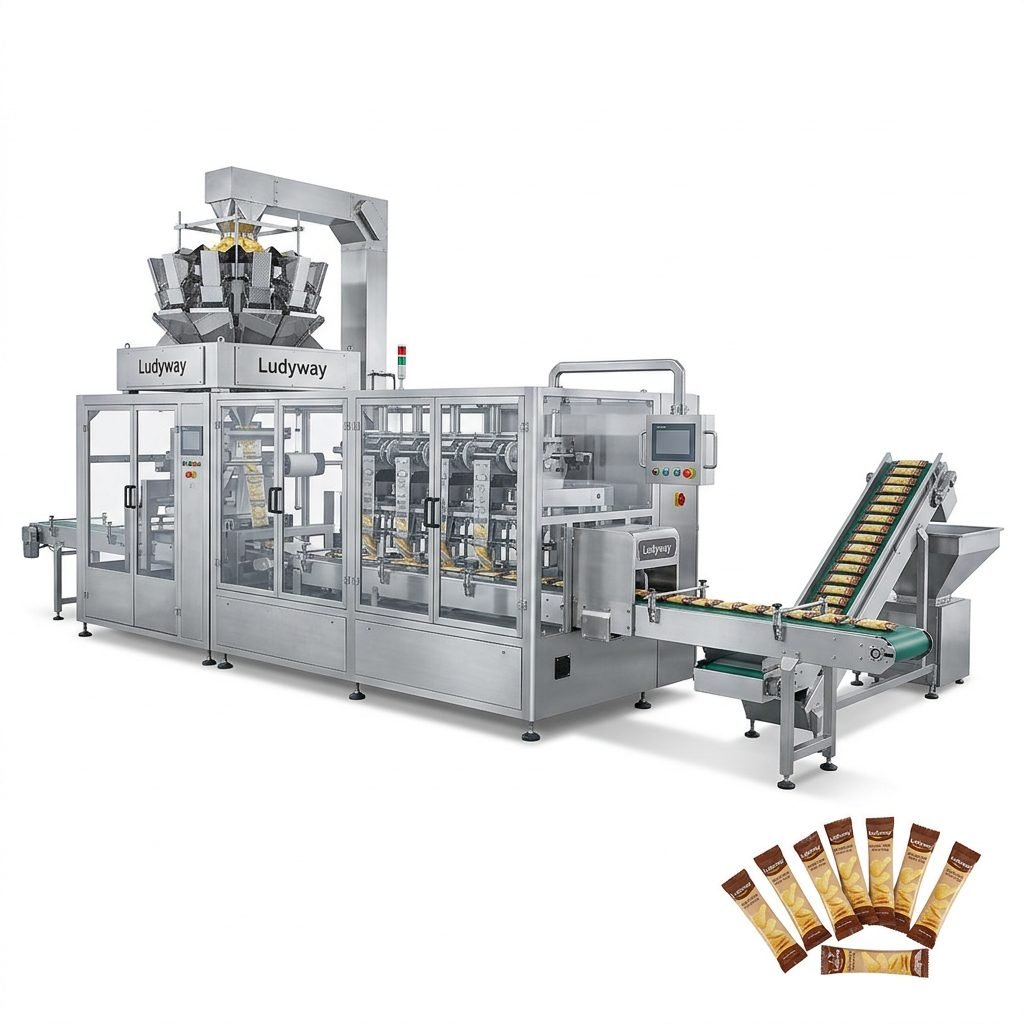
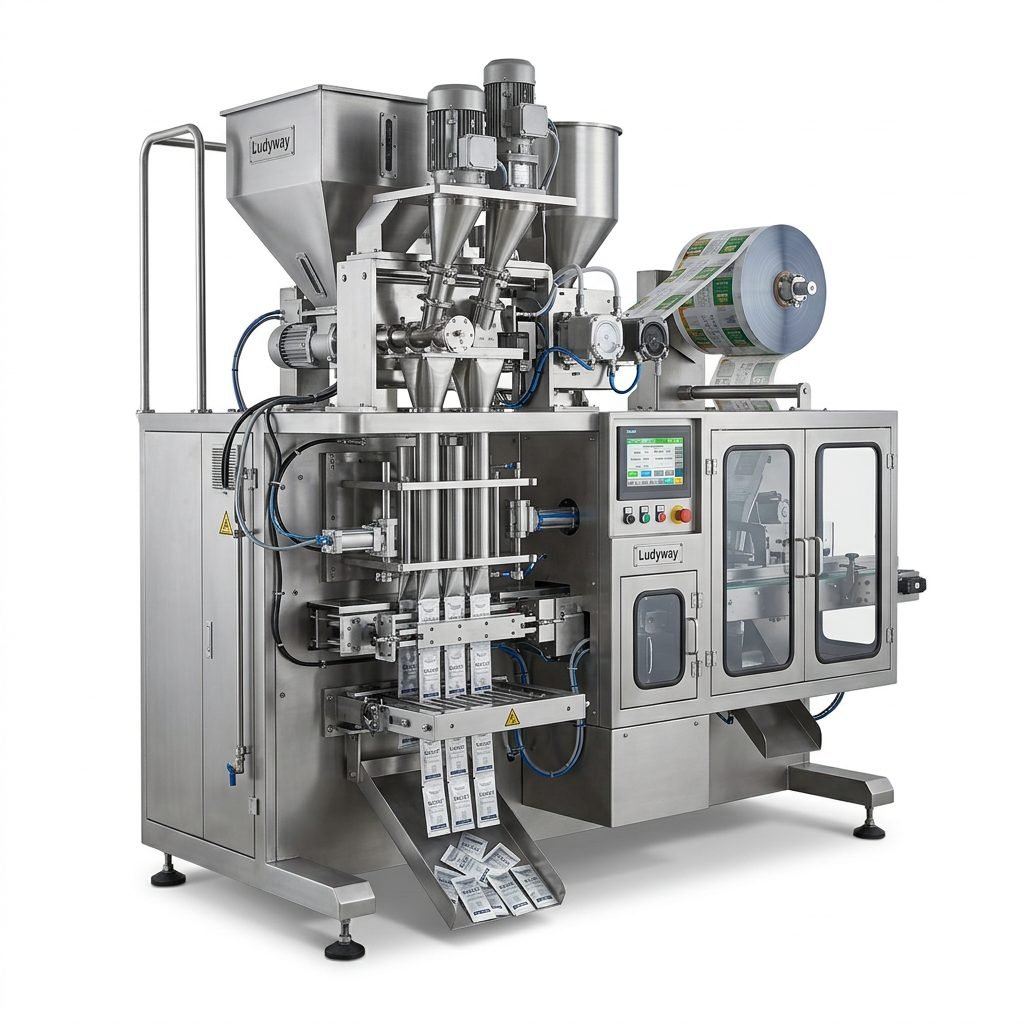
| Single-Serve Sachets | 15g – 40g | Street vendors, school markets, low-income consumer segments | Multi-Lane Stick Pack Machine |
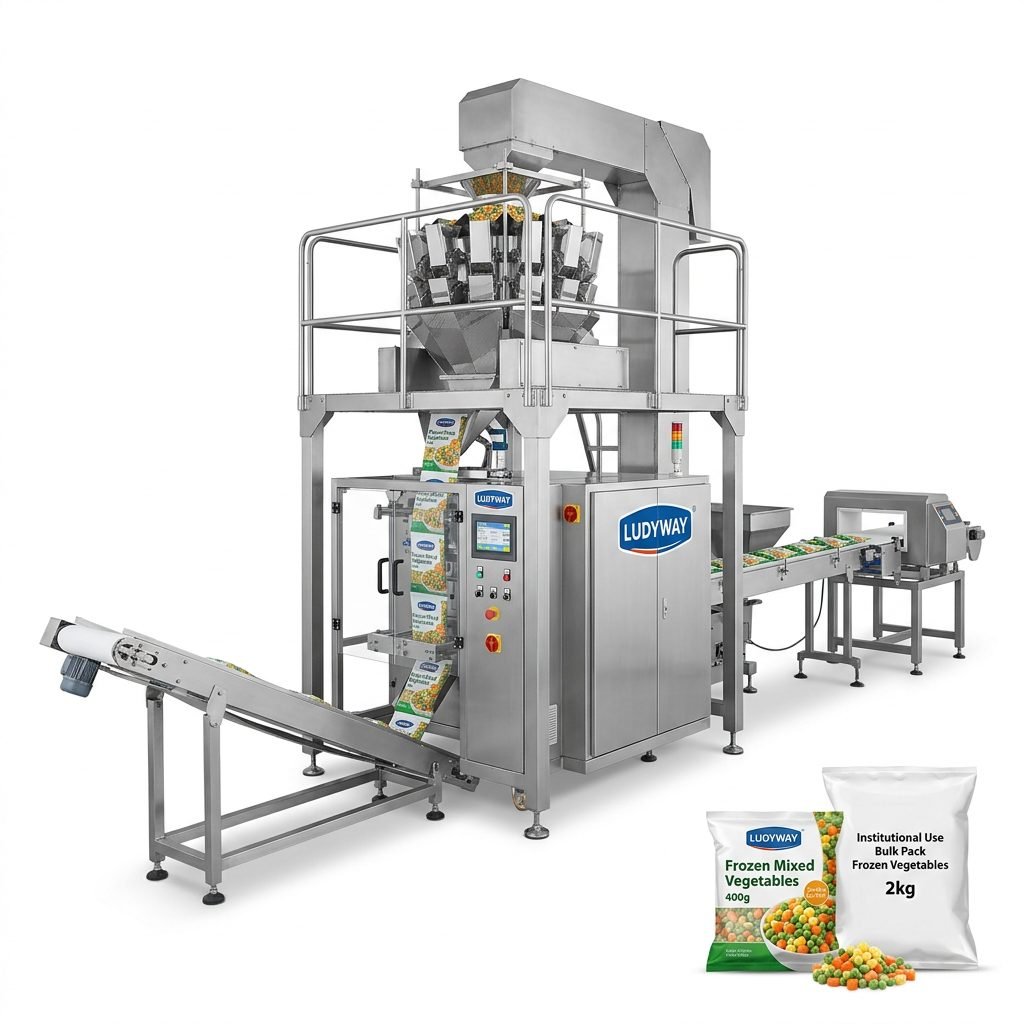
| Mid-Size Pillow Packs | 50g – 150g | Supermarkets, convenience stores, mainstream retail | Vertical Form Fill Seal (VFFS) |
| Family/Sharing Packs | 200g – 500g | Wholesale clubs, family consumption, expatriate markets | Premade Pouch Packaging System |
| Bulk Economy Bags | 500g – 2kg | Institutional buyers, catering, food service | Heavy-Duty Bagging System |
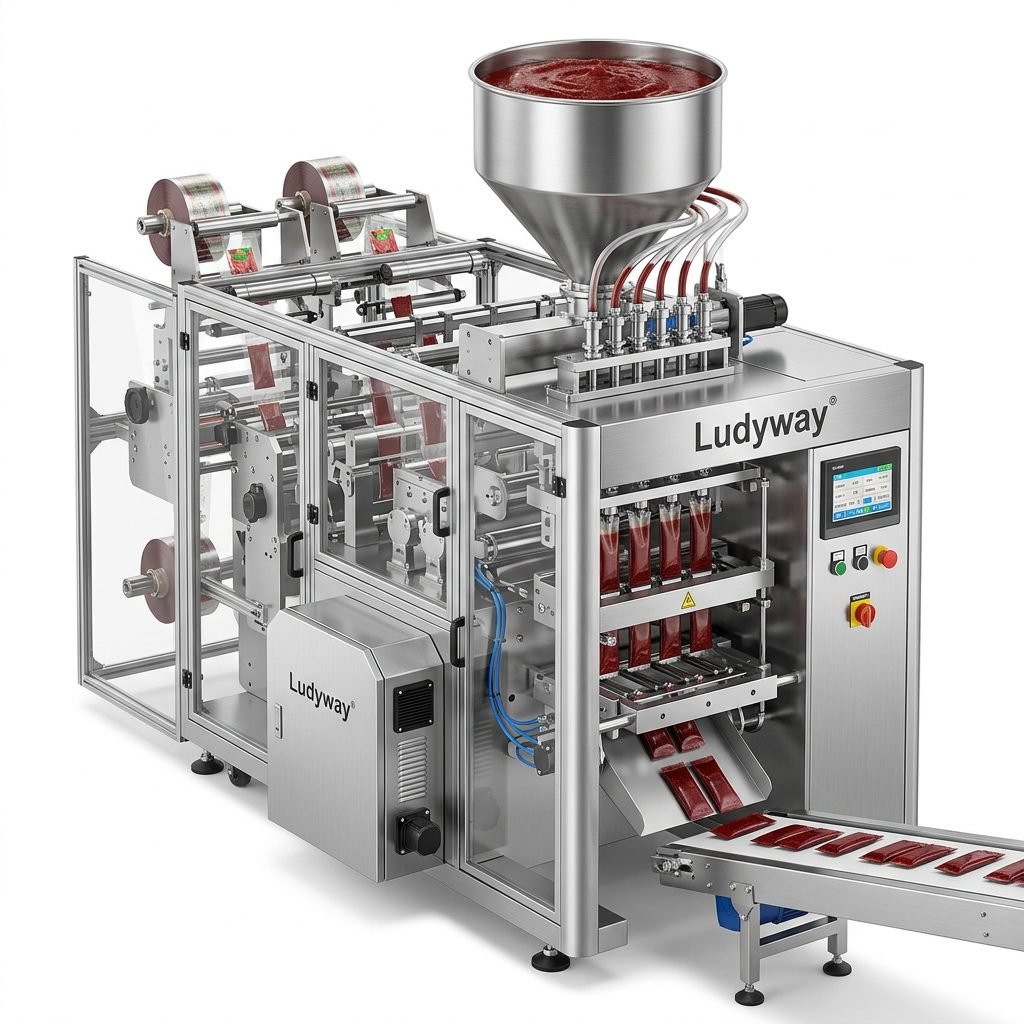
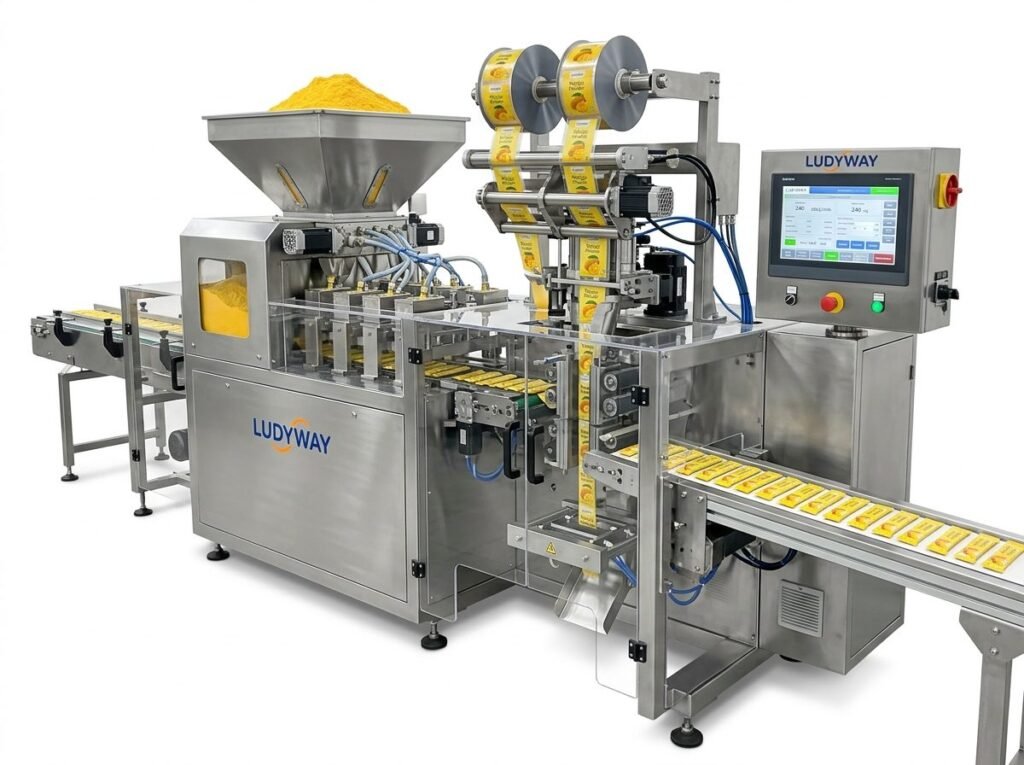
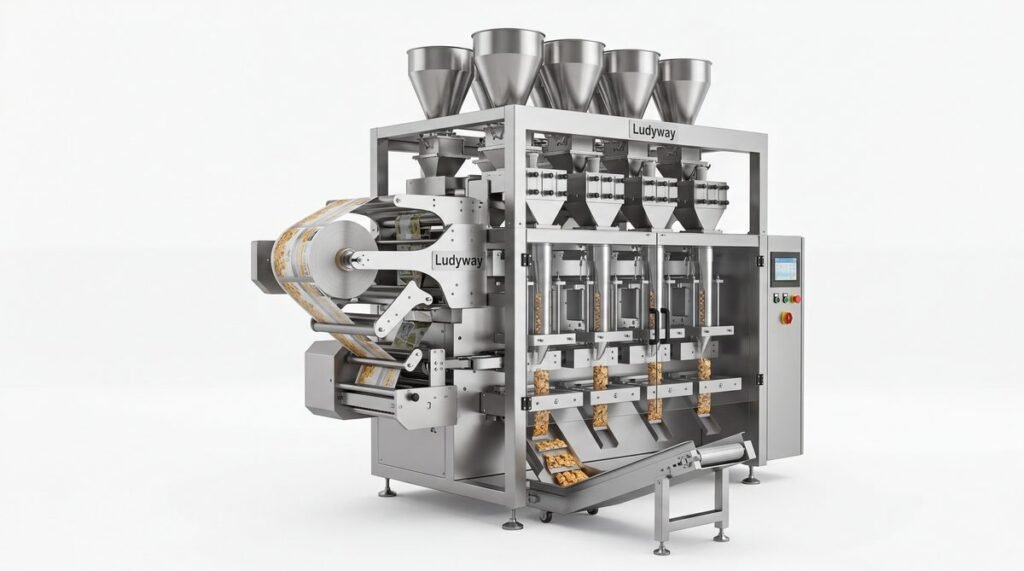
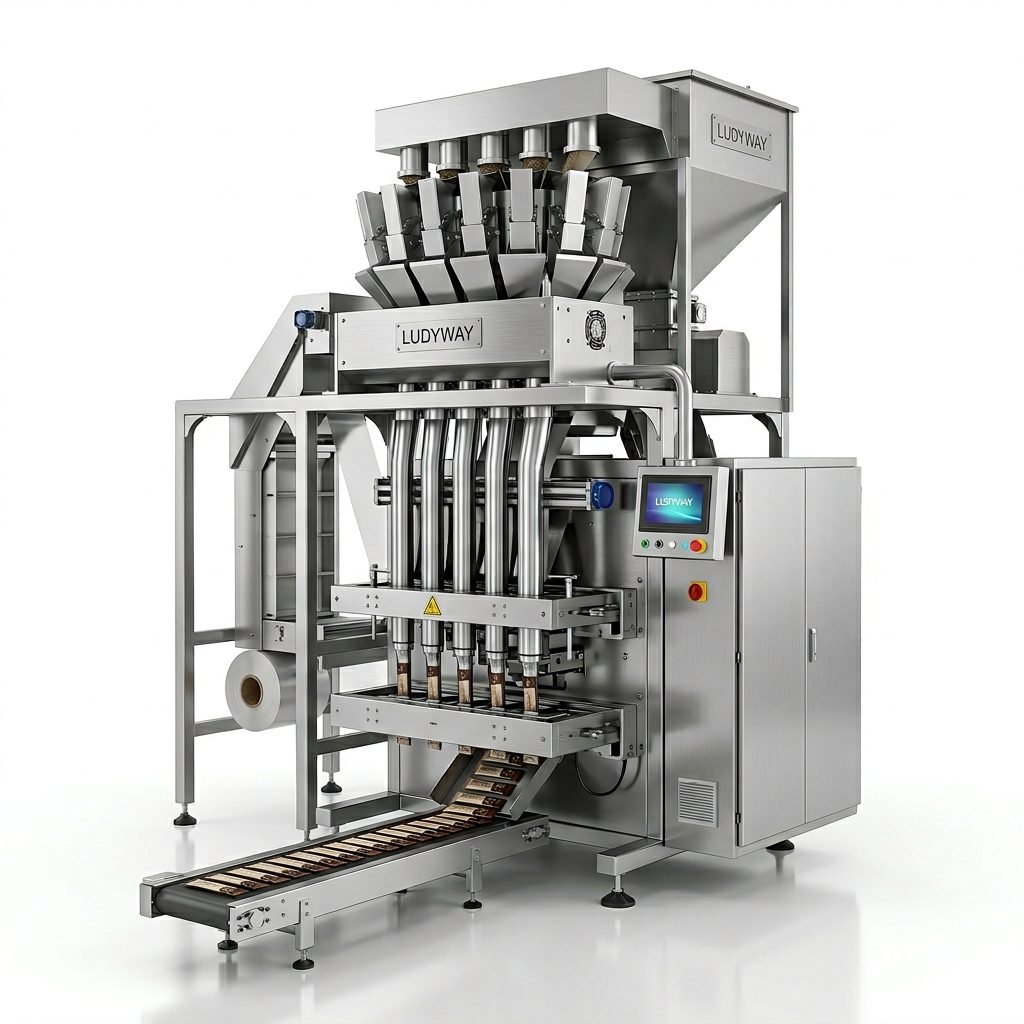
For manufacturers targeting multiple market segments simultaneously, a flexible packaging line capable of handling various pack sizes with quick changeover capabilities offers the best return on investment. Multi-lane stick pack machines are particularly effective for single-serve formats that dominate street-level sales across Africa.
Essential Equipment for a Complete Potato Chips Packaging Line
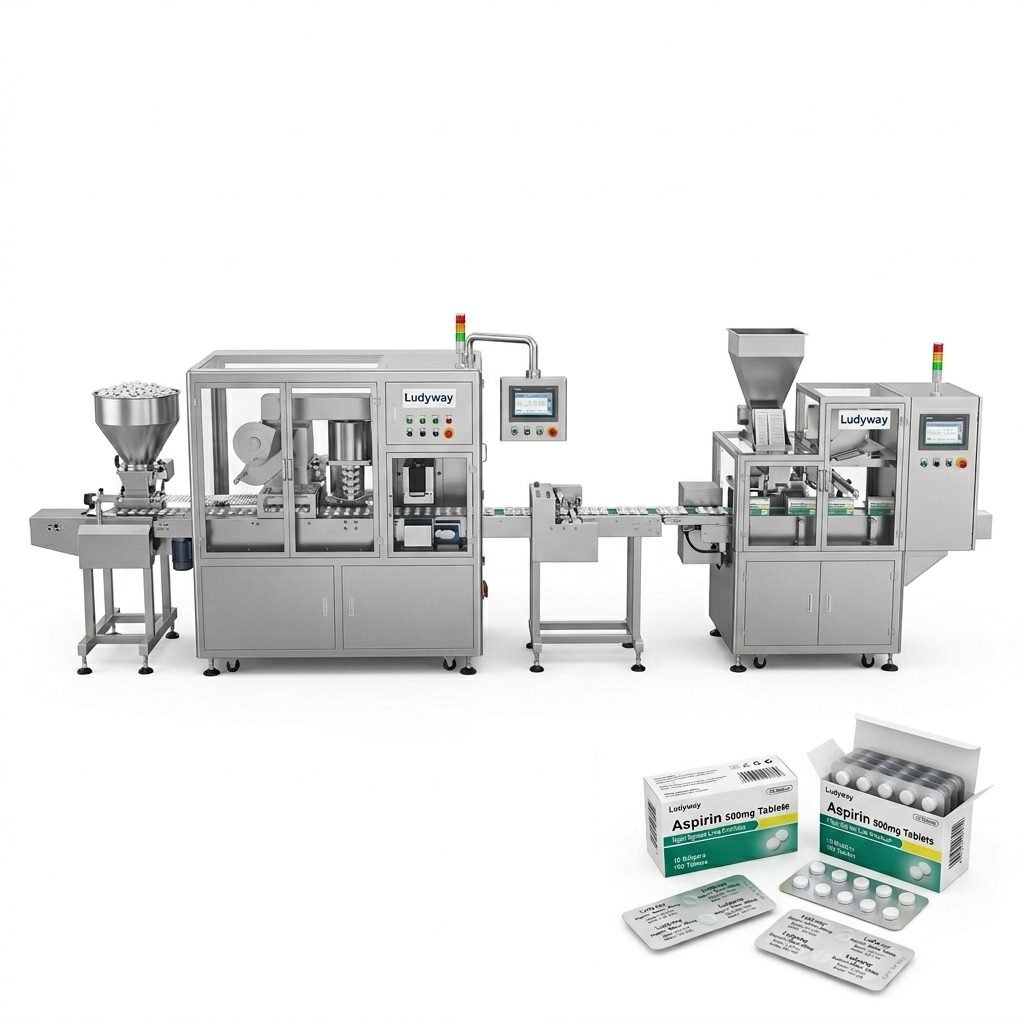
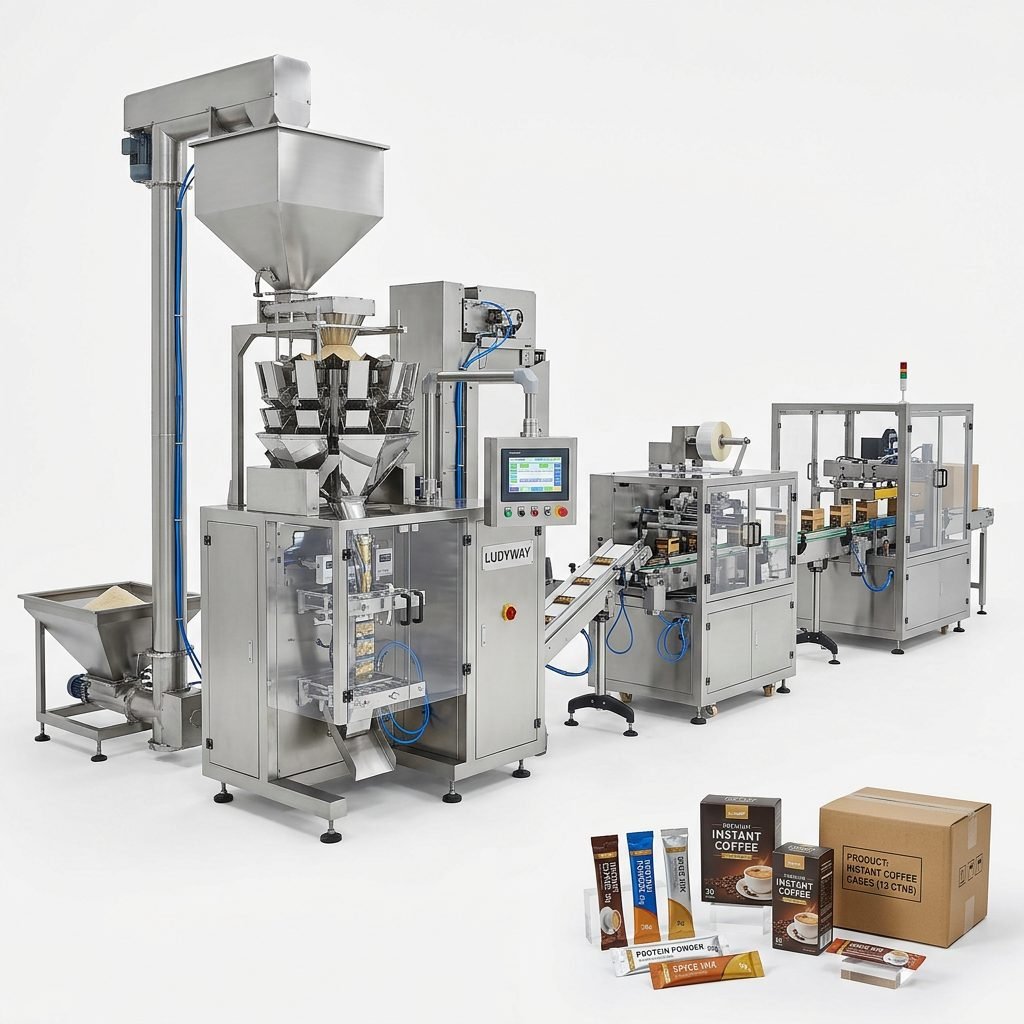
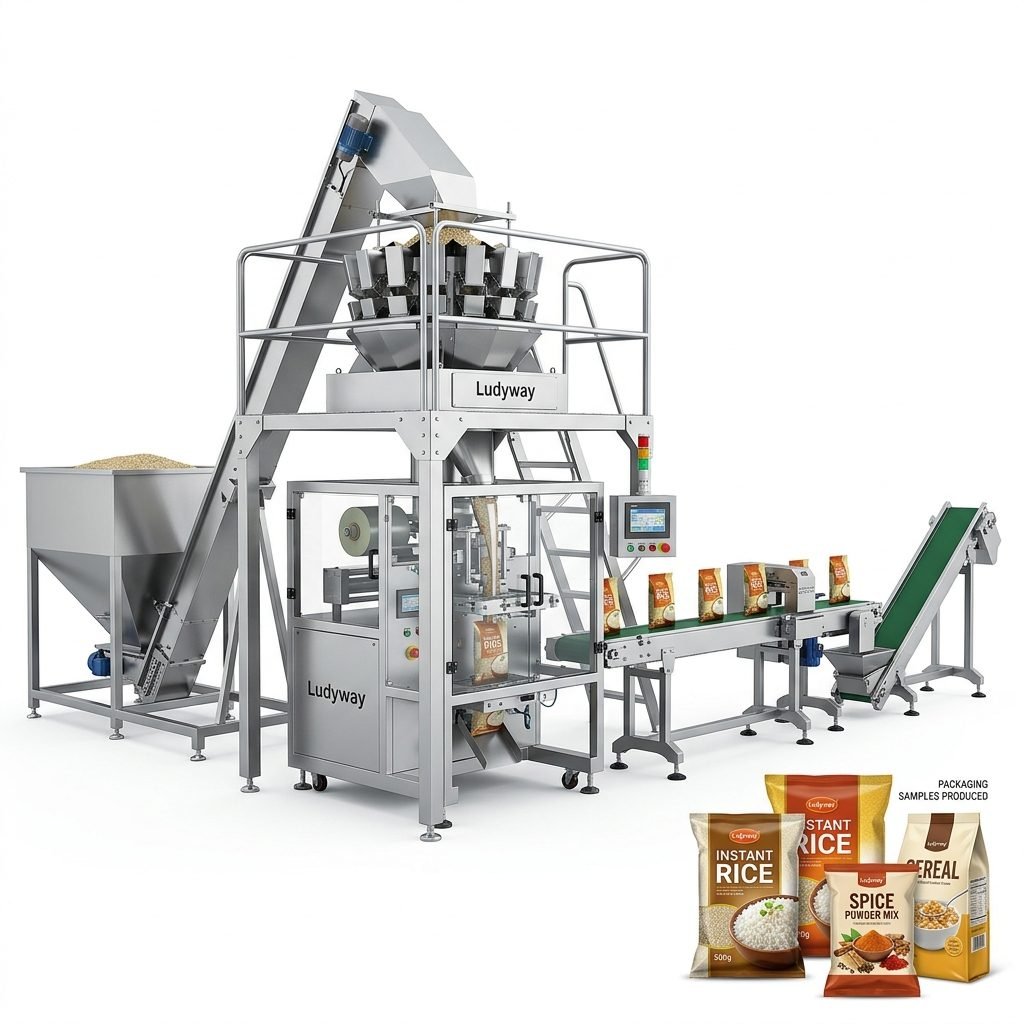
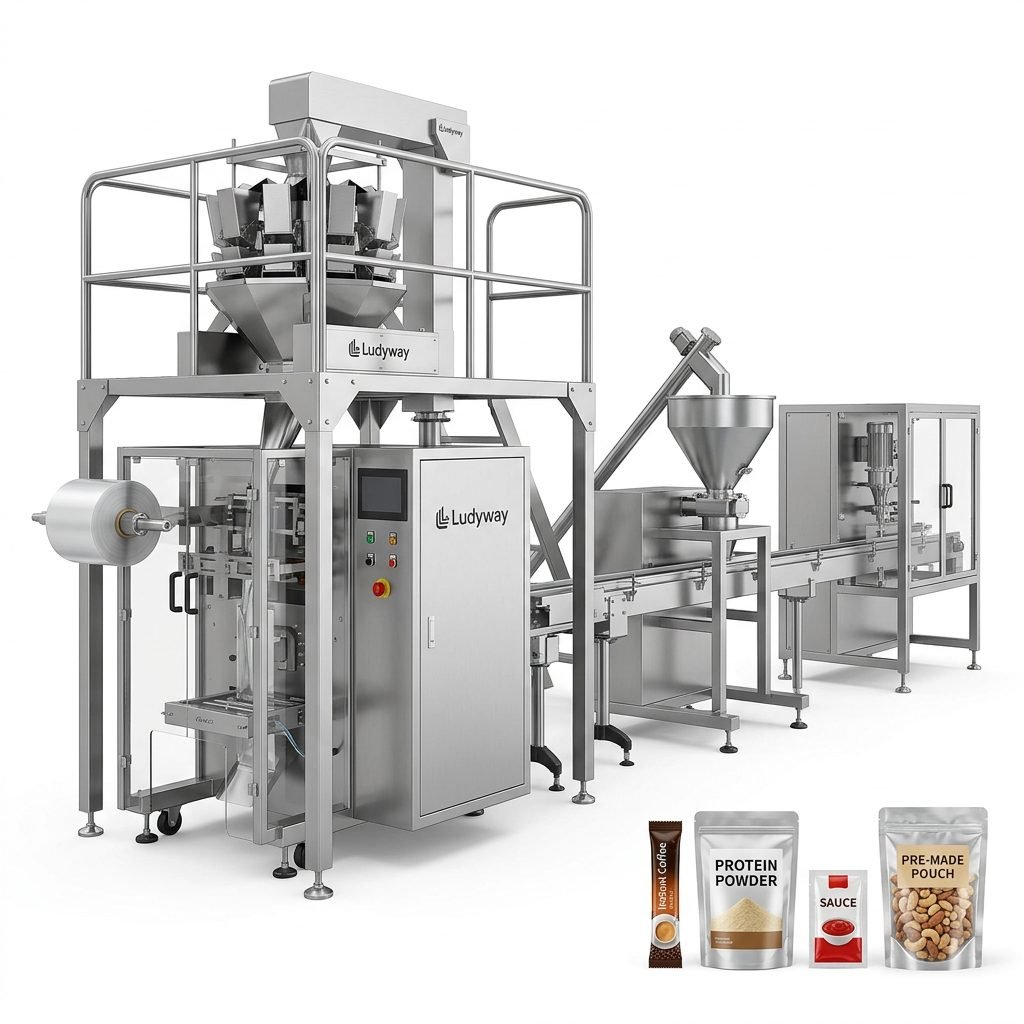
A fully integrated production line extends beyond the primary packaging machine. Each component plays a vital role in ensuring product quality, operational efficiency, and compliance with food packaging safety standards. The complete line typically includes:
- Inclined Conveyor with Spreader: Evenly distributes chips from the fryer or seasoning drum to the weighing system, minimizing product breakage
- Multi-Head Weigher: Achieves precise portion control with accuracy of ±0.5g to ±1g, critical for maintaining profitability on high-volume runs
- Primary Packaging Machine: Vertical form fill seal or multi-lane stick pack machine with nitrogen flushing capability
- Metal Detector and Checkweigher: Ensures product safety and weight compliance before cartoning
- Automatic Cartoning Machine: Packs finished pouches into retail-ready cartons or display boxes
- Case Packer and Palletizer: Automates end-of-line packaging for efficient warehouse handling and distribution
Installation and Commissioning Timeline
A realistic timeline prevents rushed installations that lead to equipment damage and suboptimal performance. Based on projects across Africa, the following phases are recommended:
- Site Preparation (Weeks 1-4): Floor leveling, electrical wiring with proper grounding, compressed air system installation, climate control setup, and water system commissioning
- Equipment Shipping and Customs Clearance (Weeks 5-10): Ocean freight typically takes 4-6 weeks from Asia to major African ports; inland transport and customs clearance add 1-2 weeks depending on port efficiency
- Mechanical Installation (Weeks 11-12): Positioning, leveling, and connecting all line components including conveyors, weighers, primary packager, and end-of-line equipment
- Electrical Integration and Dry Testing (Week 13): Verifying all electrical connections, sensor calibration, PLC communication, and safety interlocks without product
- Wet Testing and Fine-Tuning (Week 14): Running product through the line, adjusting fill weights, seal temperatures, film tension, and nitrogen flow rates for optimal performance
- Operator Training and SOP Development (Week 15): Hands-on training for operators and maintenance staff, documentation of standard operating procedures in local languages
- Production Ramp-Up (Weeks 16-18): Gradual increase from 50% to full capacity while monitoring quality metrics and addressing early-stage issues
Spare Parts Strategy and Preventive Maintenance
One of the most overlooked aspects of operating packaging machinery in Africa is spare parts management. Shipping a replacement part from overseas can take weeks and halt production entirely. A well-planned spare parts inventory should include:
- Consumable Items: Sealing jaws, heating elements, thermocouples, cutting blades, belts, and filters — stock at least 6 months of usage
- Wear Components: Bearings, sensors, pneumatic cylinders, solenoid valves, and drive belts — stock at least 2 units of each critical item
- Critical Electronics: PLC modules, touchscreen displays, servo drives, and power supplies — maintain at least 1 spare of each
- Film and Packaging Materials: Maintain 3-4 months of inventory due to potential supply chain delays at ports
A structured preventive maintenance program aligned with ISO packaging standards should be established from day one. Daily, weekly, monthly, and quarterly maintenance checklists ensure equipment longevity and consistent output quality.
Cost Analysis and ROI Projections
The total investment for setting up a potato chips packaging line in Africa varies significantly based on automation level, production capacity, and local infrastructure costs. The table below provides indicative ranges for budgeting purposes:
| Cost Category | Small-Scale Line (50-100 kg/hr) | Medium-Scale Line (200-500 kg/hr) | Large-Scale Line (1000+ kg/hr) |
|---|---|---|---|
| Packaging Machinery (FOB) | $40,000 – $80,000 | $120,000 – $250,000 | $350,000 – $700,000+ |
| Shipping and Insurance | $6,000 – $12,000 | $15,000 – $30,000 | $30,000 – $60,000 |
| Customs Duties and VAT | 15% – 35% of CIF value (varies by country) | 15% – 35% of CIF value | 15% – 35% of CIF value |
| Site Preparation and Installation | $10,000 – $20,000 | $25,000 – $50,000 | $50,000 – $100,000 |
| Training and Commissioning | $5,000 – $10,000 | $10,000 – $20,000 | $20,000 – $35,000 |
| Initial Spare Parts Inventory | $5,000 – $10,000 | $15,000 – $30,000 | $30,000 – $60,000 |
Most medium-scale operations achieve full ROI within 18 to 36 months, depending on market penetration, distribution efficiency, and brand positioning. The single-serve sachet segment typically delivers the fastest payback due to high volume turnover and broad consumer accessibility.
Navigating Regulatory Requirements Across African Markets
Each African country maintains its own food safety and packaging regulations, though many are harmonizing toward international standards. Key regulatory bodies include NAFDAC in Nigeria, KEBS in Kenya, FDA in Ghana, and SABS in South Africa. Packaging materials must comply with food-contact substance regulations, and labeling must include ingredient lists, nutritional information, manufacturing dates, and expiry dates. Working with a knowledgeable local consultant or regulatory affairs specialist can significantly accelerate the approval process. Refer to FDA food contact substance guidelines and European packaging regulations for frameworks that many African regulators reference.
Choosing a Reliable Machinery Partner
Selecting the right equipment supplier is arguably the most critical decision in the entire setup process. The ideal partner should offer proven experience in emerging markets, comprehensive after-sales support, and machinery designed for the specific challenges of African operating environments. Ludyway, one of the largest packaging machine manufacturers in China with over 30 years of industry expertise, provides turnkey potato chips packaging solutions serving customers in more than 100 countries, including numerous African nations. With a modern 20,000㎡ manufacturing facility, over 50 intelligent packaging machine models, and a highly experienced engineering team, the company delivers reliable multi-lane stick pack, sachet, and fully automated packaging systems that meet international quality standards while being optimized for the operational realities of African production environments.
Common Pitfalls and How to Avoid Them
Learning from the mistakes of others can save substantial time and money. Below are the most frequent challenges encountered when setting up packaging lines in Africa, along with proven mitigation strategies:
- Underestimating Power Requirements: Always conduct a professional electrical load study and oversize backup systems by at least 30% to accommodate future expansion
- Ignoring Local Humidity Impact: Potato chips absorb moisture rapidly; ensure the packaging area is fully enclosed with industrial dehumidifiers maintaining humidity below 45%
- Inadequate Operator Training: Invest in extended on-site training and consider sending key personnel to the manufacturer’s facility for advanced technical training
- Delayed Spare Parts Procurement: Order a comprehensive startup spare parts kit with the initial machinery shipment rather than waiting for parts to fail
- Overlooking Packaging Film Compatibility: Test locally sourced films on the machine before committing to large-volume purchases, as film quality variations can cause sealing failures
- Neglecting Port Clearance Planning: Engage a reputable clearing agent with experience in industrial machinery imports well before the shipment arrives at the destination port
Sustainability and Future-Proofing Your Investment
As global emphasis on sustainable packaging intensifies, African manufacturers who adopt eco-friendly practices early will gain competitive advantages. Consider machinery that can process recyclable mono-material films, reduce film waste through precise tension control, and minimize energy consumption through servo-driven systems. The EPA sustainable materials management framework and Flexible Packaging Association sustainability resources provide guidance on reducing environmental impact while maintaining operational efficiency. Additionally, selecting modular equipment that allows for capacity upgrades without complete line replacement ensures your investment remains viable as market demand grows.
Conclusion: A Strategic Approach to African Market Entry
Establishing a potato chips packaging machine production line in Africa is a significant undertaking that, when executed properly, can yield substantial returns. Success depends on thorough pre-investment planning, appropriate equipment selection, robust infrastructure preparation, and ongoing commitment to maintenance and training. The African snack food market’s growth trajectory, fueled by demographic trends and changing consumer habits, presents a compelling opportunity for manufacturers who approach it with the right strategy and reliable packaging technology partners. By addressing the unique operational challenges of the African context—power stability, climate control, skilled labor development, and supply chain resilience—manufacturers can build profitable, sustainable packaging operations that serve one of the world’s most dynamic consumer markets.