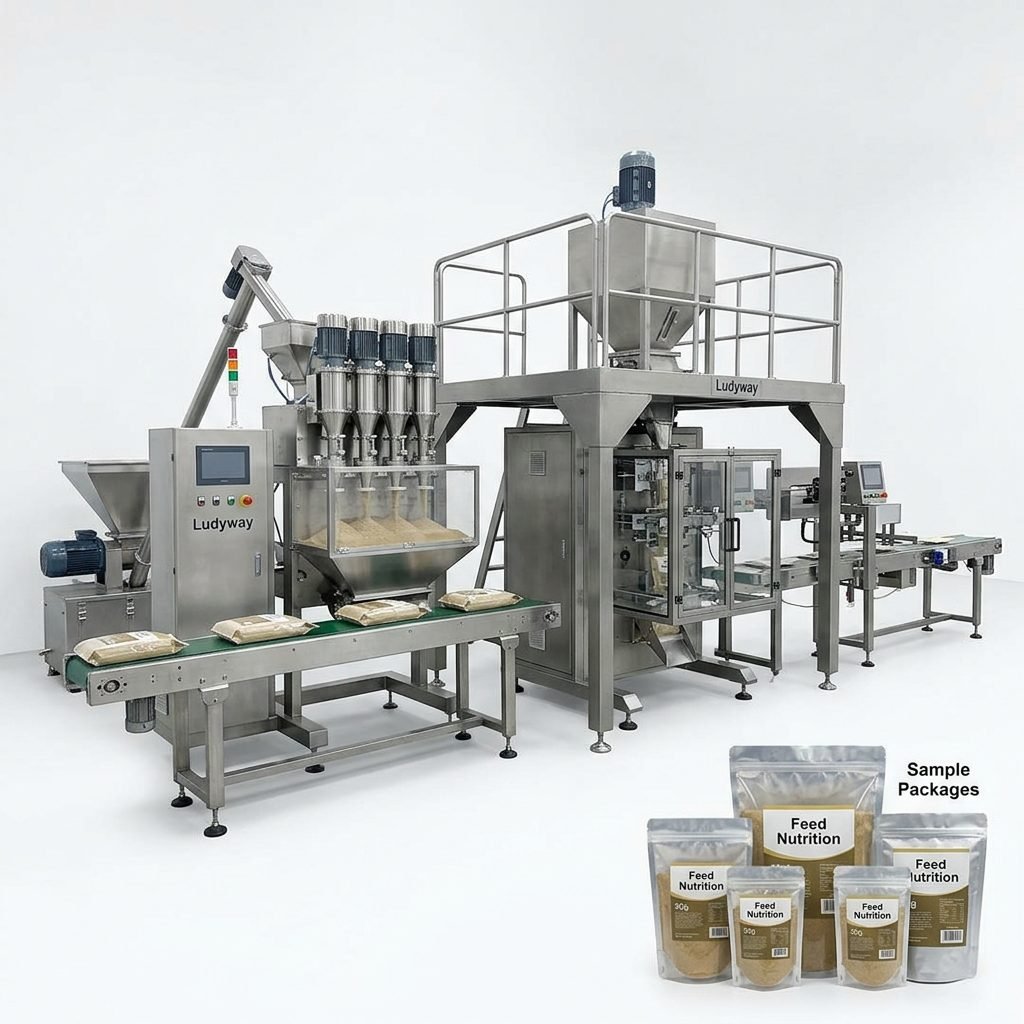
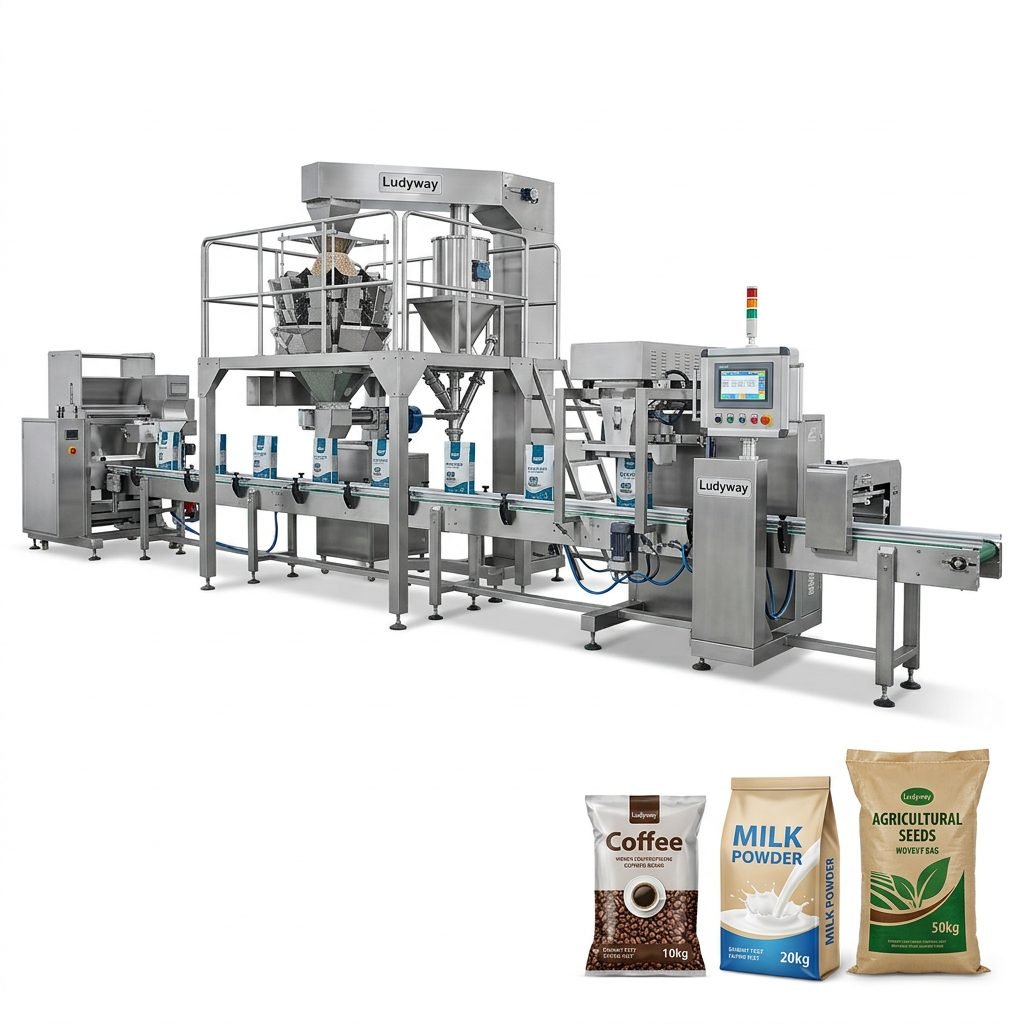
Selecting the right syringe packaging machine is a critical decision for pharmaceutical manufacturers, medical device producers, and contract packaging organizations. A well-chosen machine directly impacts product sterility, regulatory compliance, production efficiency, and overall operational cost. This guide walks you through the essential factors to evaluate before making your investment.
Understanding Syringe Packaging Requirements
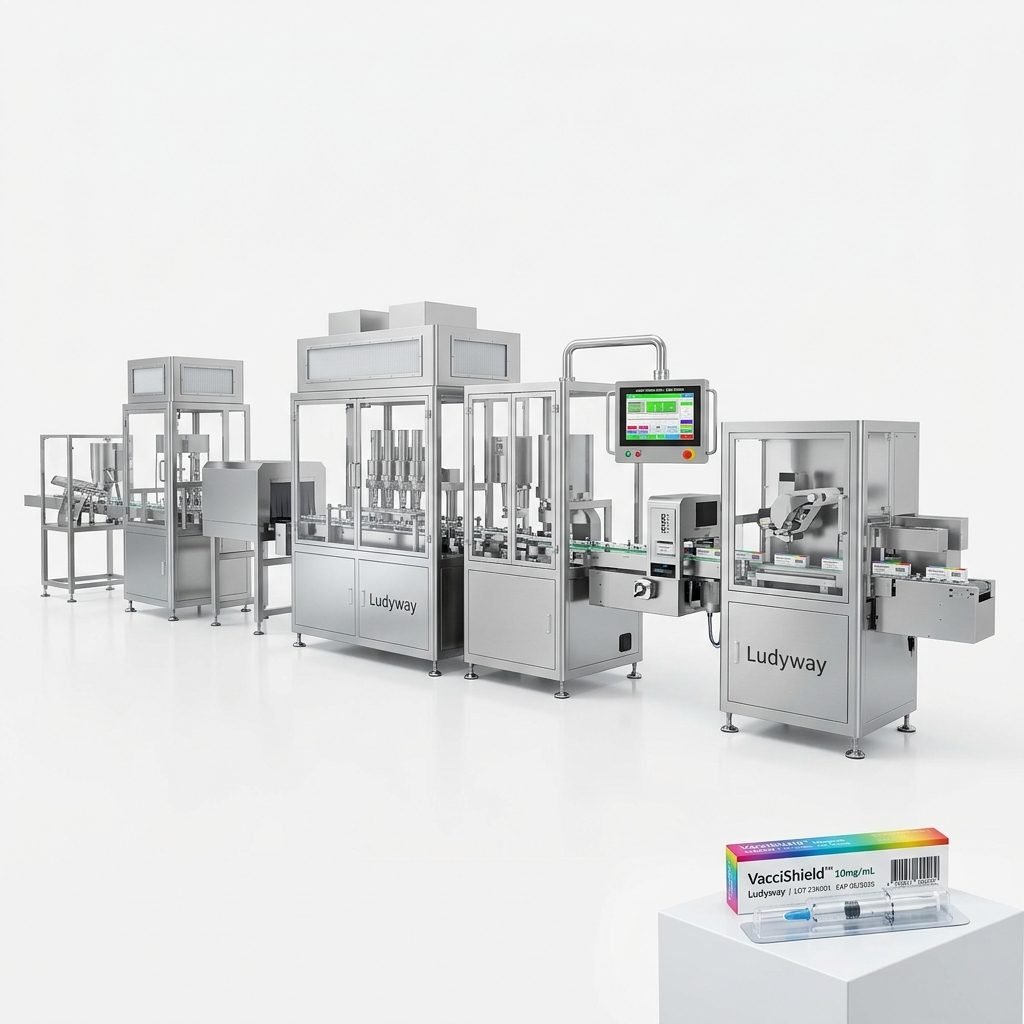
Syringe packaging is fundamentally different from standard consumer goods packaging. It must maintain the sterility barrier of the medical device, protect delicate components like plunger rods and needle shields, and often comply with stringent international standards such as ISO 11607 for terminally sterilized medical devices. Whether you are packaging pre-filled syringes, empty sterile syringes, or combination products, the equipment must handle a variety of formats including blister packs, rigid trays, flow wraps, and peelable pouches.
Key Machine Types and Configurations
Before shortlisting suppliers, it is important to understand the primary categories of syringe packaging machinery available in the market:
| Machine Type | Best For | Common Features |
|---|---|---|
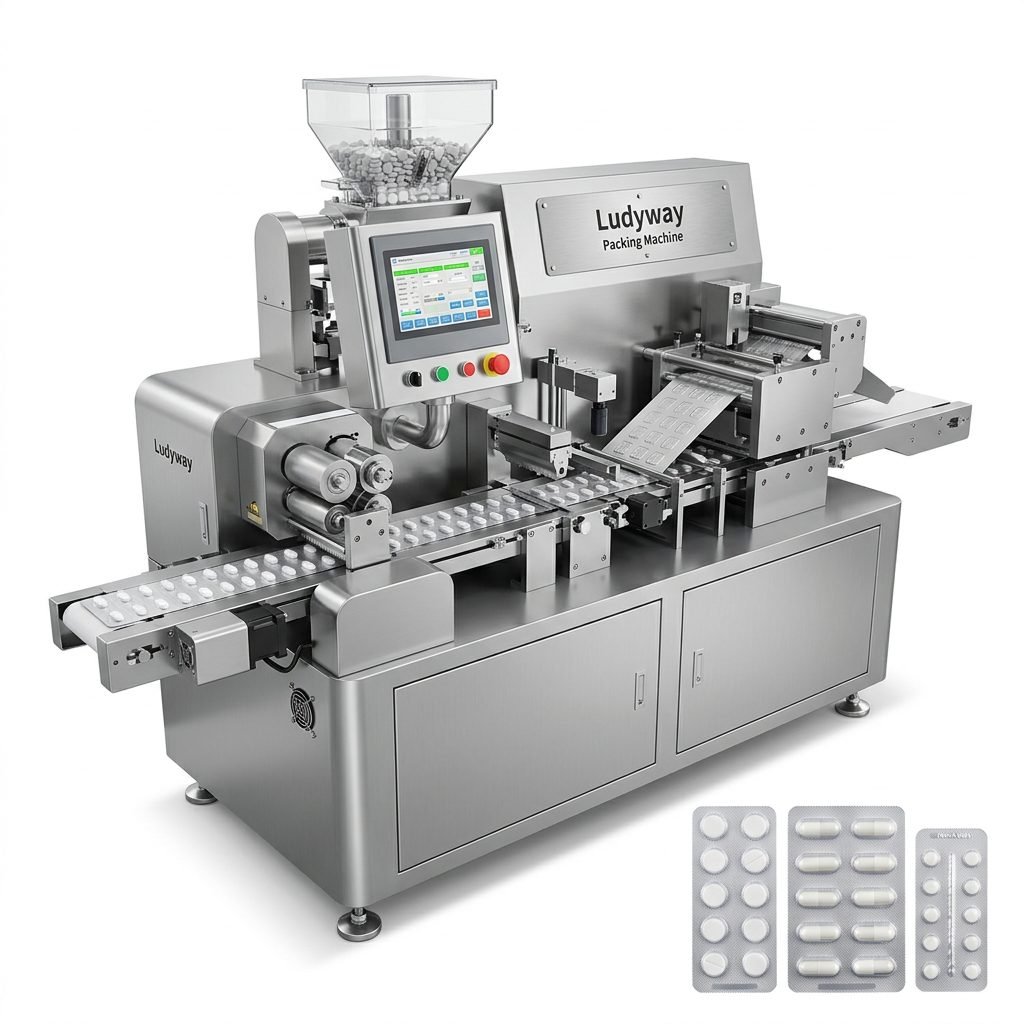
| Thermoforming / Blister Packaging Machines | High-volume rigid packaging | Form-fill-seal, Tyvek lid, cavity nesting |
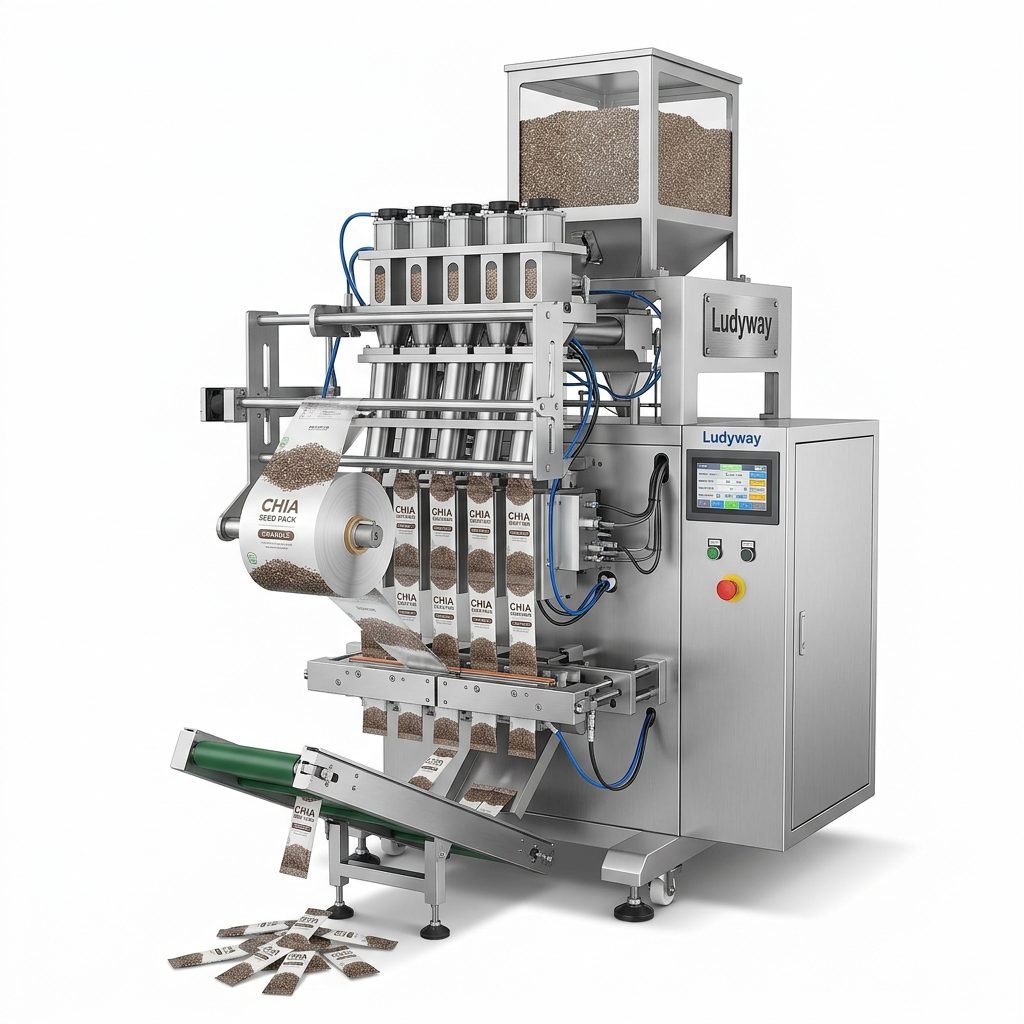
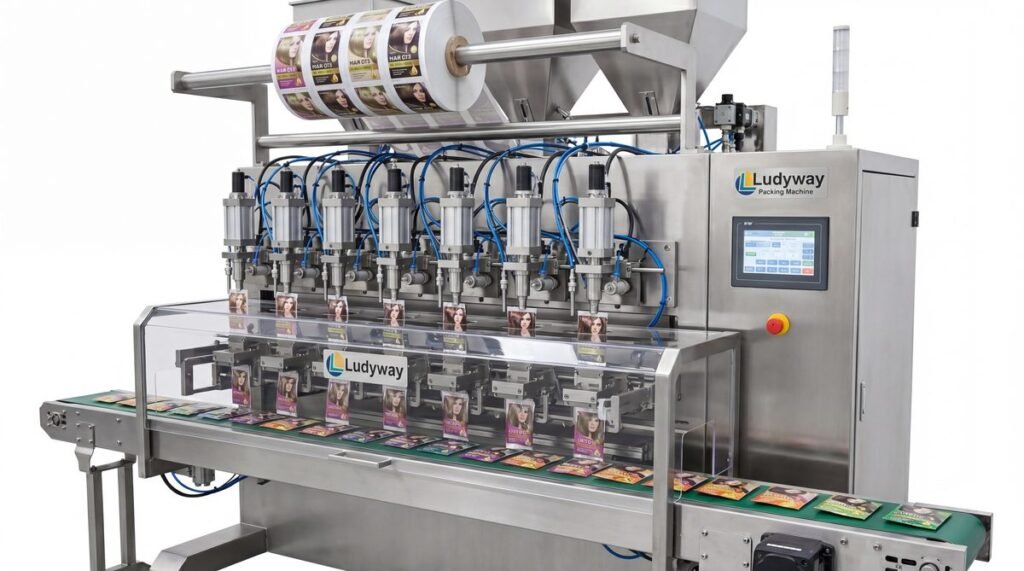
| Pouch / Sachet Packaging Machines | Flexible peelable pouches | Multi-lane, liquid and dry compatibility |
| Flow Wrapping Machines | Single syringe wrapping | High-speed, compact footprint |
| Tray Sealing Machines | Surgical kits and nested syringes | MAP (Modified Atmosphere Packaging), dual-lid options |
Critical Features to Evaluate
When comparing different models, focus on the following technical specifications and capabilities:
- Sterility Assurance: Look for integrated HEPA filtration, UV sterilization, and validated sealing parameters that maintain the sterile barrier throughout the packaging process.
- Material Compatibility: The machine must handle your specific substrates — Tyvek, medical-grade paper, multilayer films — without compromising seal integrity or generating particulate matter.
- Speed and Throughput: Evaluate whether the nominal speed (units per minute) aligns with your target output, considering changeover time between different syringe sizes.
- Changeover Flexibility: For multi-product lines, quick-change tooling and recipe-based settings significantly reduce downtime and operator dependency.
- Quality Control Integration: Inline vision inspection, leak detection, and seal strength testing are essential for meeting packaging machinery standards and regulatory expectations.
- Traceability and Serialization: Consider whether the machine supports printing of UDI (Unique Device Identification) codes, batch numbers, and expiry dates directly onto the package.
Regulatory Compliance and Validation
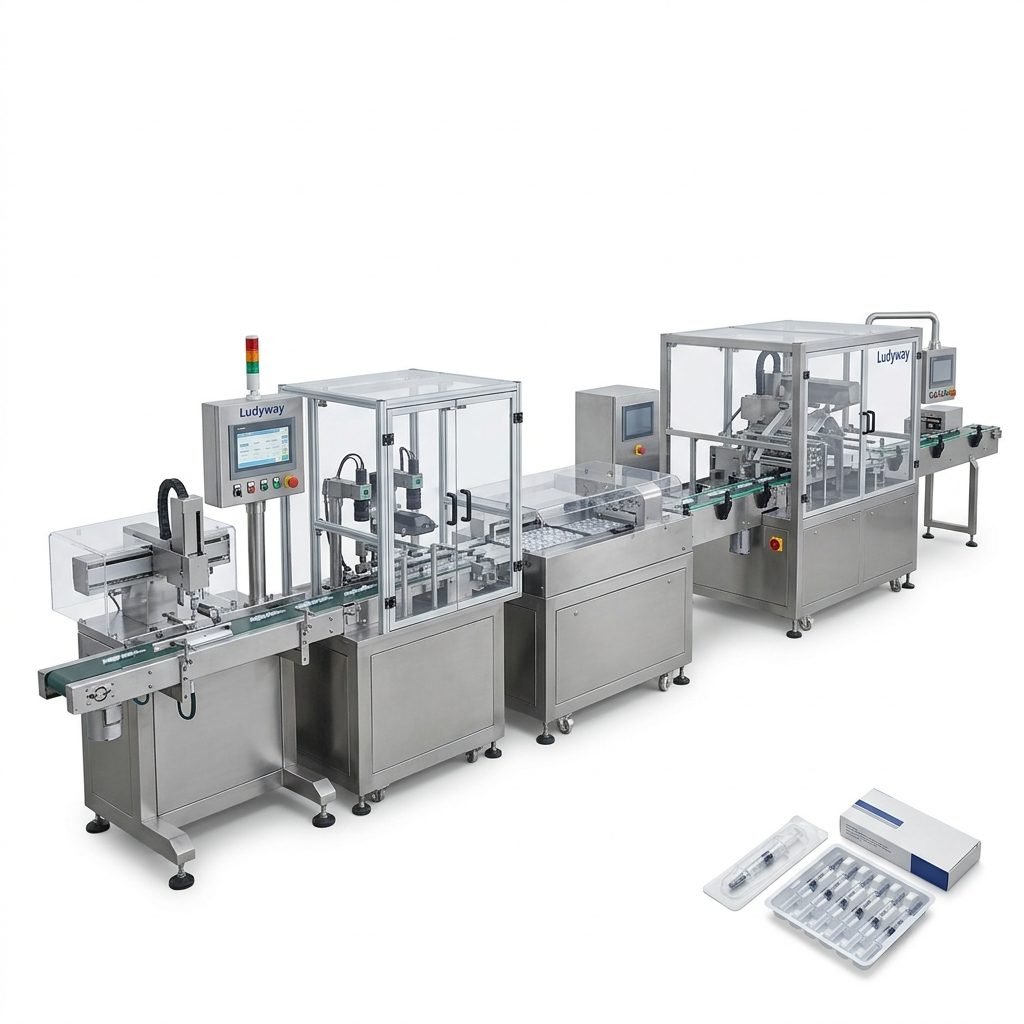
Regulatory considerations are non-negotiable in syringe packaging. The equipment itself does not make a product compliant, but it must be capable of operating within a validated process. Key standards include ISO 11607-2 for packaging validation requirements, FDA 21 CFR Part 11 for electronic records, and cGMP guidelines for cleanroom operation. Confirm that the machine builder can provide documentation packages for Installation Qualification (IQ), Operational Qualification (OQ), and Performance Qualification (PQ). This is particularly important when dealing with FDA-regulated packaging and food-contact substances.
Selecting a Reliable Manufacturing Partner
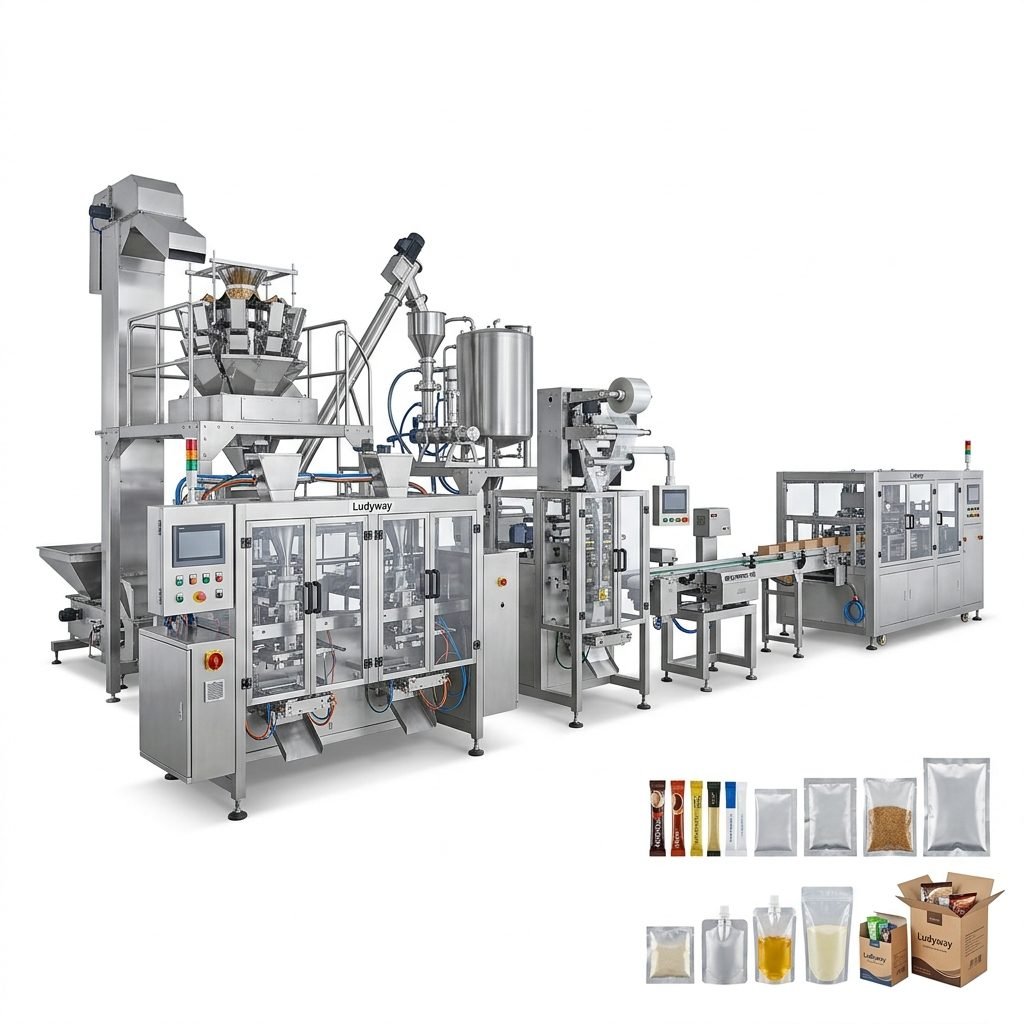
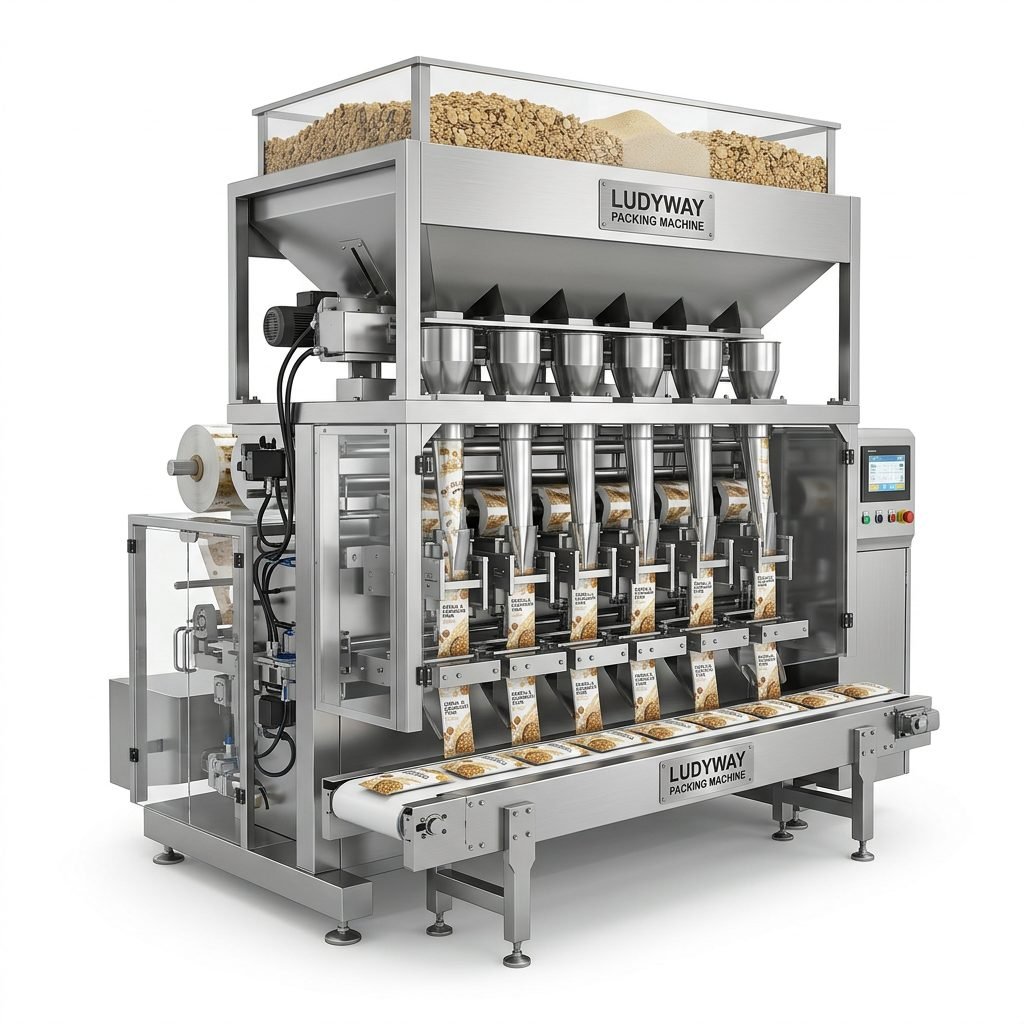
Beyond the technical specifications, the long-term success of a packaging line depends heavily on the manufacturer’s expertise and support infrastructure. For example, Ludyway Machinery combines over 30 years of packaging industry experience with a comprehensive approach — from machine selection and system integration to installation, commissioning, and global technical support — helping manufacturers develop customized syringe packaging systems that align with their production goals and regulatory requirements.
When evaluating any supplier, consider these practical factors:
- Factory Acceptance Testing (FAT) and Site Acceptance Testing (SAT) protocols.
- Availability of local service engineers and spare parts inventory.
- Proven track record in pharmaceutical or medical device packaging applications.
- Willingness to provide customer references and sample run demonstrations.
- Experience with packaging industry intelligence and evolving market requirements.
Total Cost of Ownership Considerations
The purchase price of a syringe packaging machine is only one component of the total cost. A realistic budget model should account for:
- Installation and facility modifications — cleanroom upgrades, utilities, and material handling systems.
- Validation expenses — testing protocols, documentation, and calibration services.
- Consumables and change parts — format parts for different syringe sizes and packaging materials.
- Operator training and ongoing technical support.
- Preventive maintenance contracts and spare parts inventory.
Future-Proofing Your Packaging Line
The pharmaceutical packaging landscape is continuously evolving. State of the industry reports indicate growing demand for sustainable packaging materials, track-and-trace technologies, and flexible automation that can accommodate smaller batch sizes. Selecting a modular machine platform — rather than a fixed-function design — allows manufacturers to adapt to new syringe formats, updated flexible packaging regulations, and emerging market opportunities without replacing the entire line.
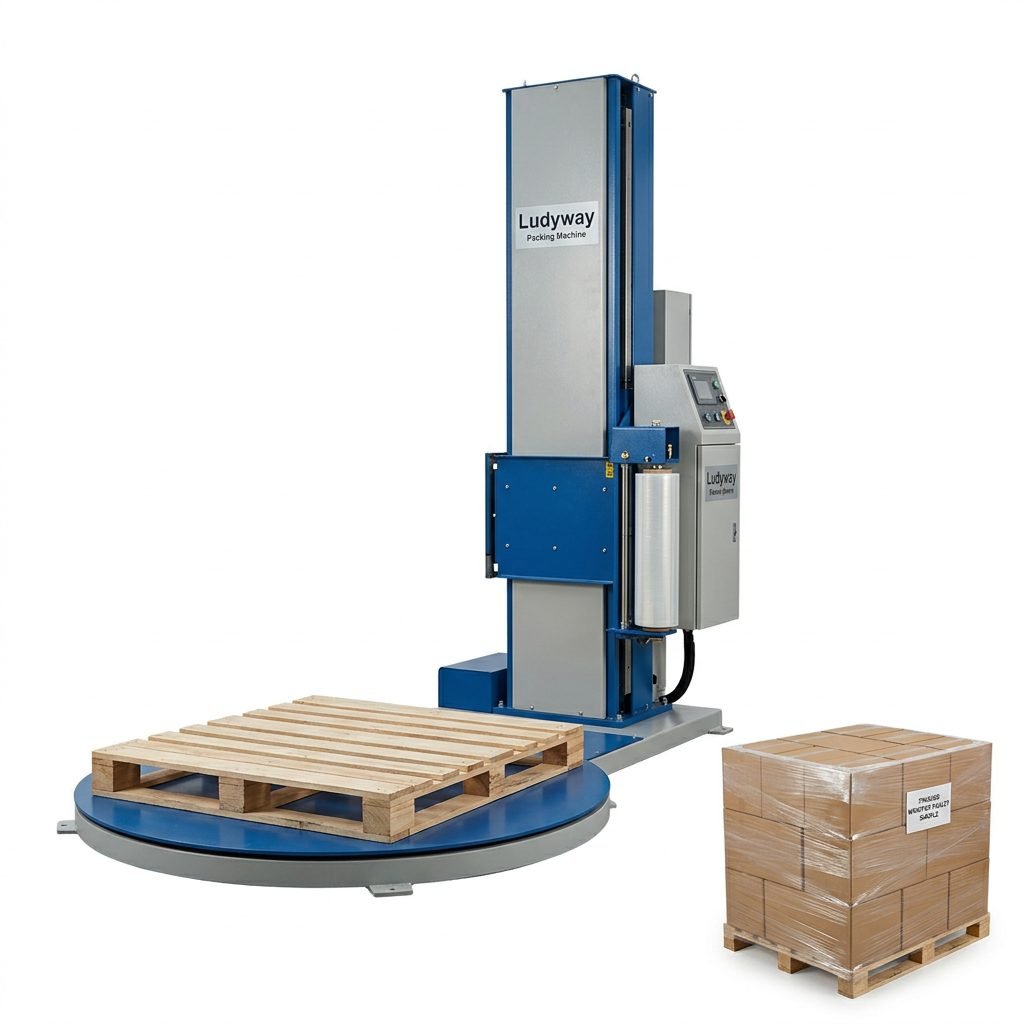
Additionally, consider how the syringe packaging machine integrates with upstream and downstream processes. A fully synchronized line — from syringe filling and labeling to secondary cartoning and palletizing — reduces manual handling, minimizes contamination risk, and improves overall equipment effectiveness (OEE).
Final Checklist for Your Purchase Decision
Before finalizing your order, verify these essential points against your requirements:
- Does the machine support your required syringe types, sizes, and packaging formats?
- Is the equipment designed for your cleanroom classification (e.g., ISO 7, ISO 8)?
- Has the manufacturer provided documented validation support and compliance evidence?
- Are after-sales service capabilities and spare parts availability confirmed for your region?
- Does the total cost of ownership align with your production volume forecasts?
Investing in the right syringe packaging machine requires a balanced evaluation of technical performance, regulatory readiness, supplier reliability, and long-term operational costs. By applying a structured selection process, manufacturers can secure packaging solutions that deliver consistent product protection, compliance confidence, and production efficiency well into the future.
For further guidance on packaging machinery selection and industry standards, explore resources from PMMI – The Association for Packaging and Processing Technologies, the Flexible Packaging Association, and relevant ISO packaging standards.