The ready meal packaging machine production line market in India is experiencing unprecedented growth, driven by urbanization, changing consumer lifestyles, and the rapid expansion of the food processing sector. Setting up an efficient production line requires careful planning, understanding of local regulations, and selection of the right equipment to meet both domestic and export demands.
Understanding the Indian Ready Meal Market Landscape
India’s ready-to-eat food market has been growing at a compound annual growth rate exceeding 15%, fueled by the rising middle class, increasing disposable incomes, and a shift toward convenience foods. According to PMMI packaging industry research, the demand for flexible packaging solutions in emerging markets like India continues to outpace global averages. Before investing in a ready meal packaging machine production line, manufacturers must assess their target product categories, production capacity requirements, and distribution channels.
Key Product Categories for Ready Meal Packaging
- Dry meal kits – spice mixes, pasta kits, instant soup pouches
- Semi-prepared meals – curry pastes, sauce sachets, marinated ingredients
- Fully cooked retort pouches – biryani, dal makhani, paneer dishes
- Freeze-dried meal components – vegetables, protein chunks, rice portions
- Instant beverage mixes – chai latte, protein shakes, health drink powders
Essential Equipment for a Ready Meal Packaging Production Line
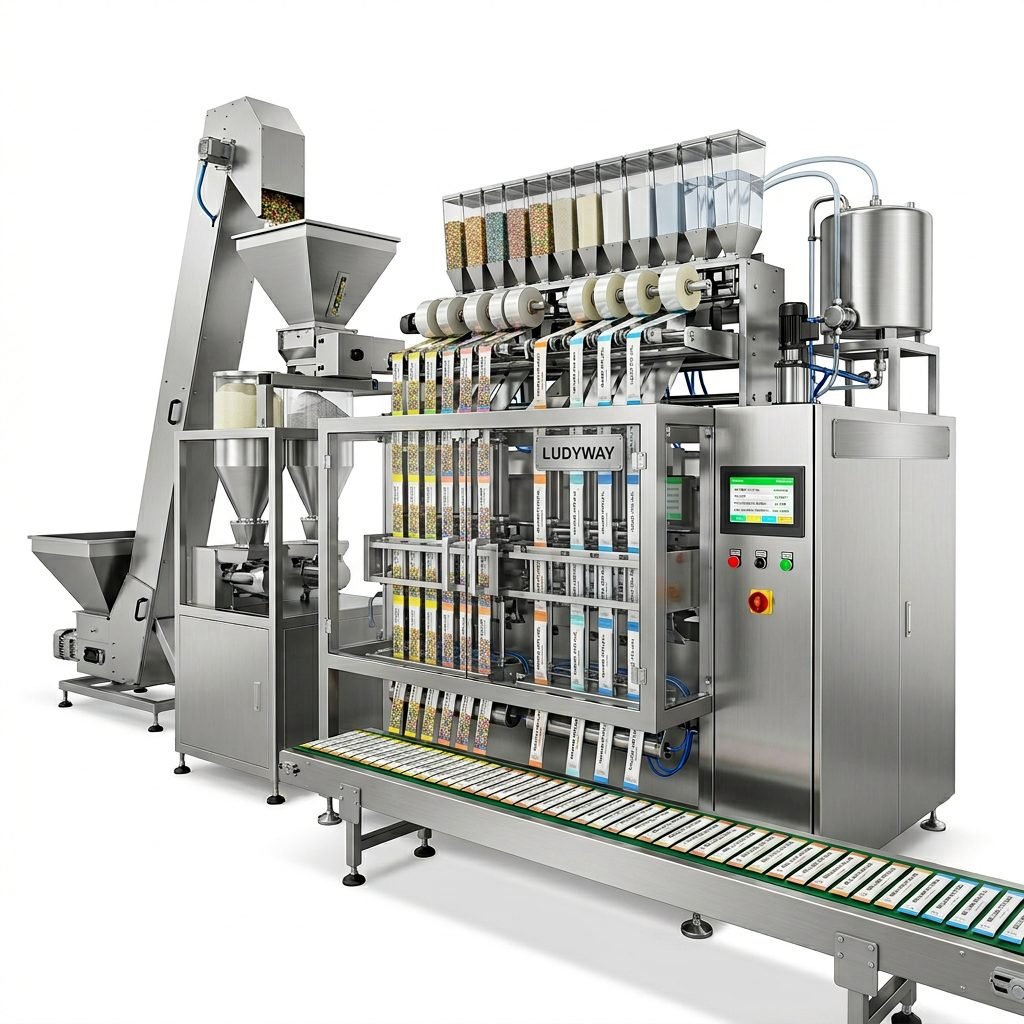
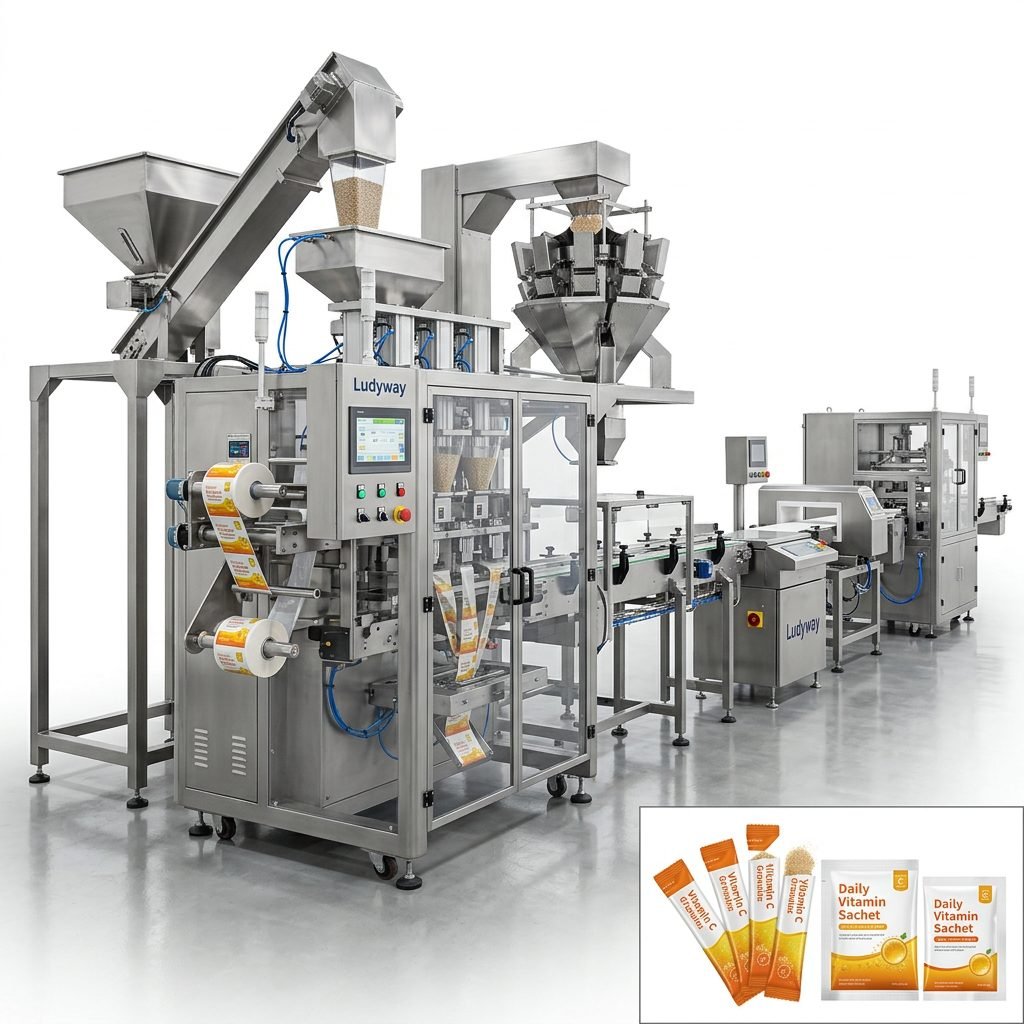
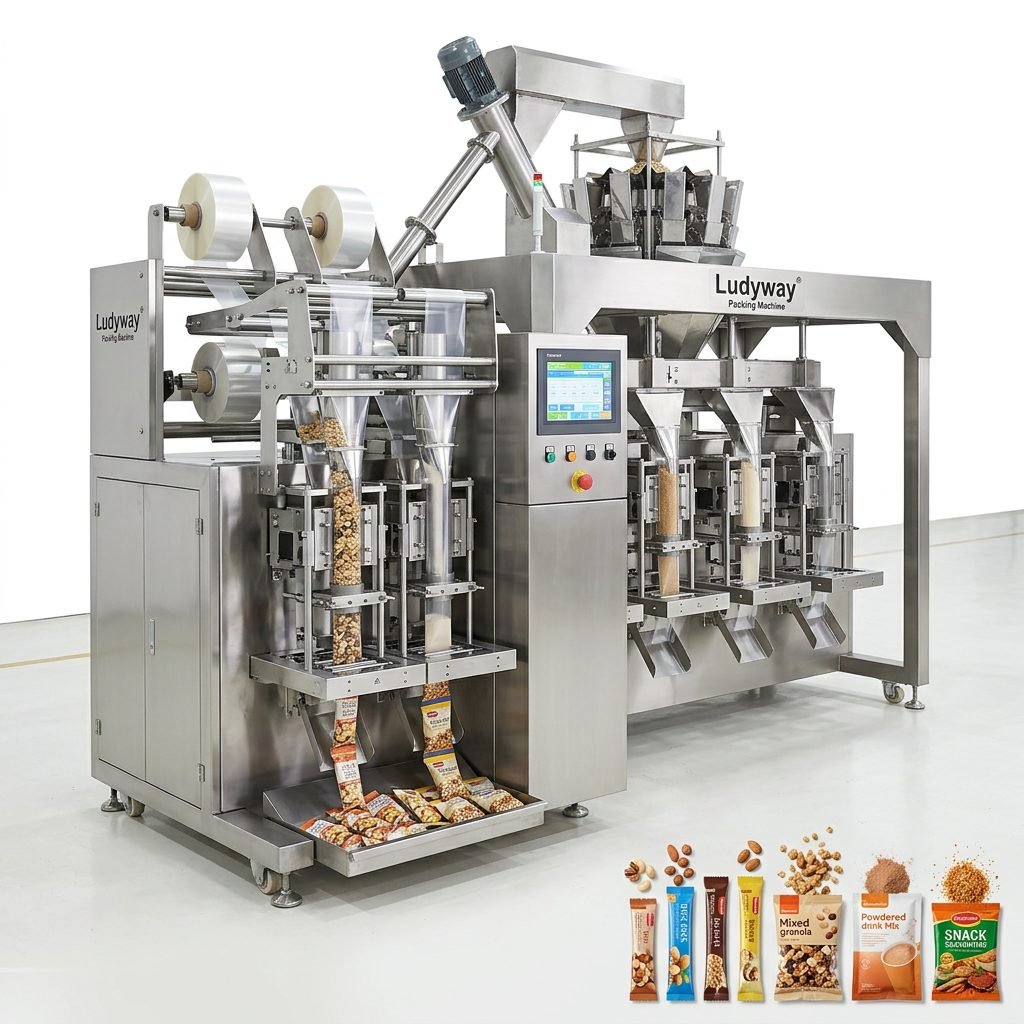
A complete ready meal packaging machine production line consists of multiple integrated systems. Each component plays a critical role in ensuring product quality, shelf life, and operational efficiency. The following table outlines the core equipment categories and their functions:
| Equipment Type | Primary Function | Key Consideration |
|---|---|---|
| Multi-Head Weighing System | Precision portioning of granules and solids | Accuracy and speed for mixed ingredients |
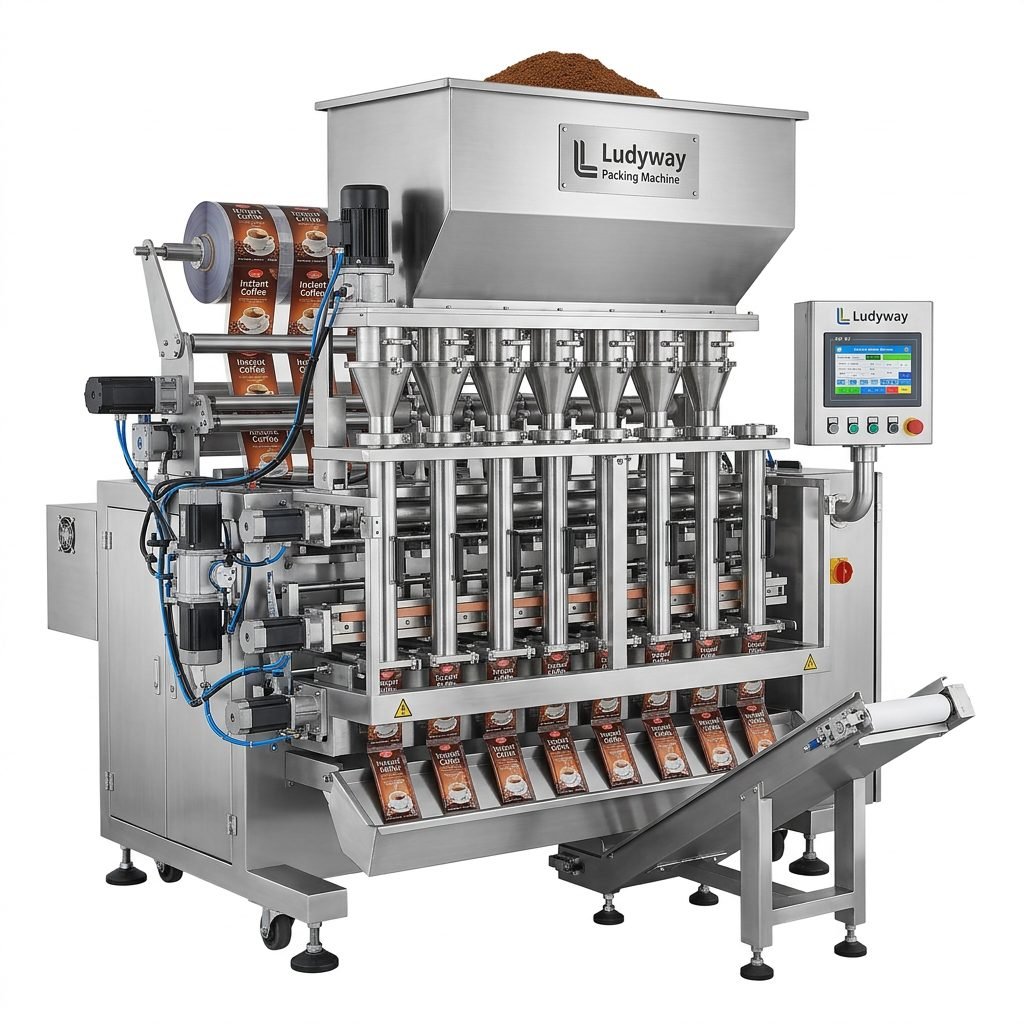
| Vertical Form Fill Seal Machine | Pouch forming, filling, and sealing | Multi-lane capability for high output |
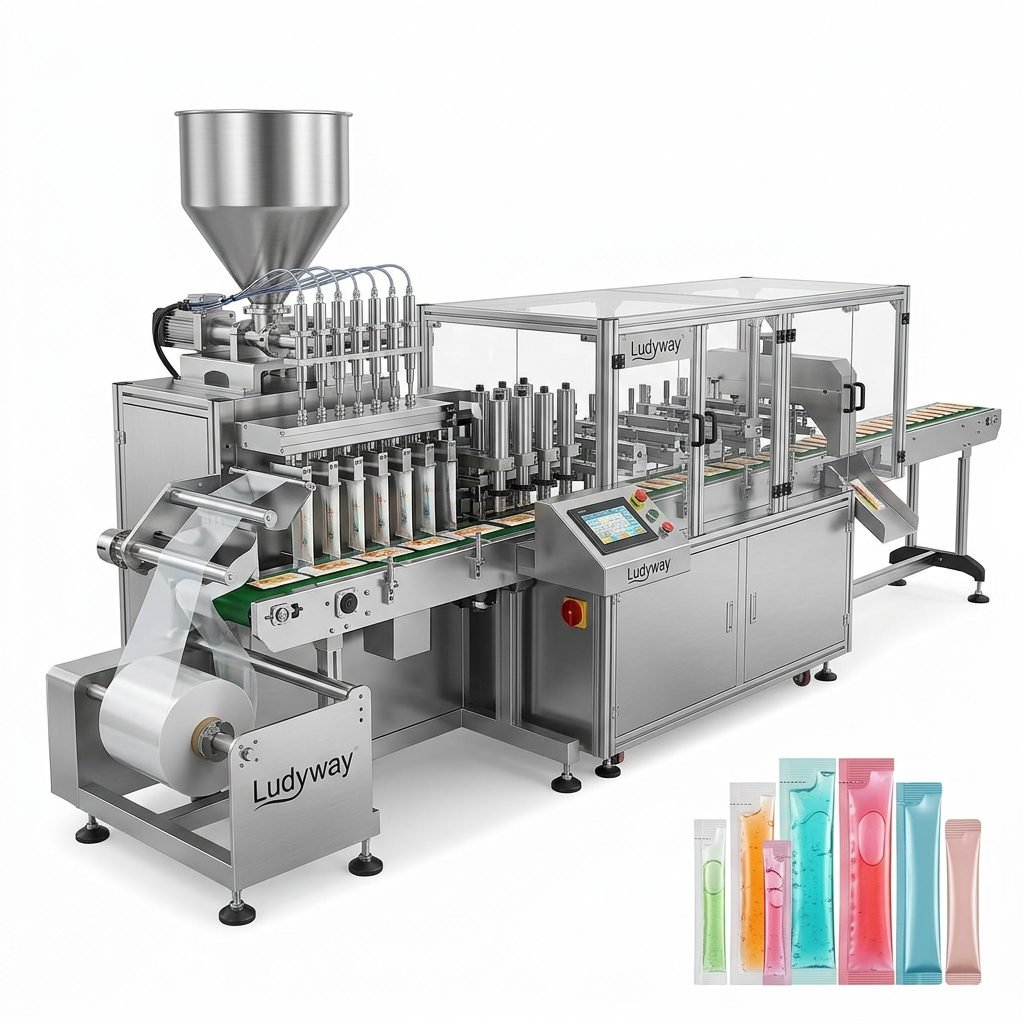
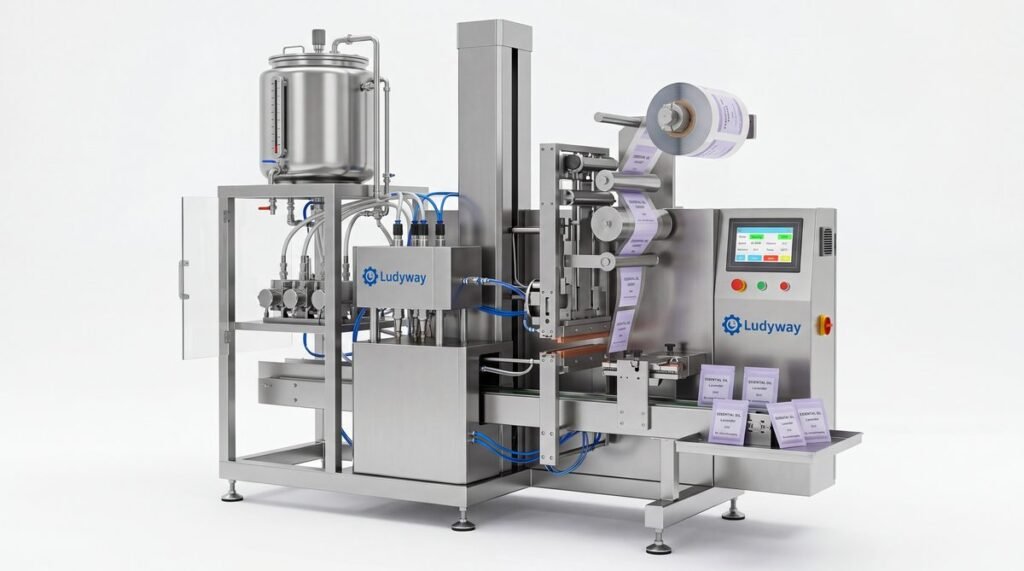
| Liquid Filling System | Sauce, oil, and paste dispensing | Viscosity handling and hygiene standards |
| Retort Sterilization Unit | Thermal processing for shelf stability | Temperature control and batch consistency |
| Checkweigher and Metal Detector | Quality assurance and contaminant detection | Compliance with FDA food packaging safety standards |
Production Line Configuration and Workflow Design
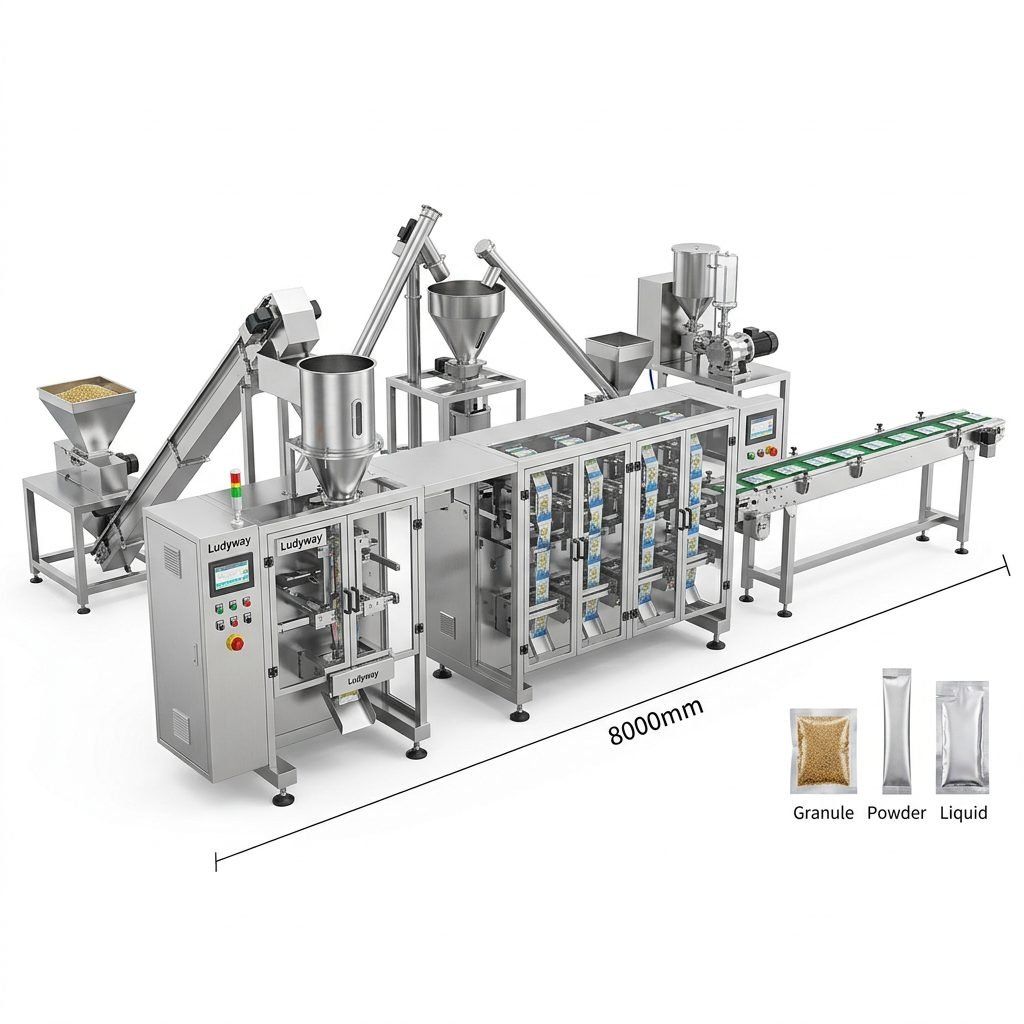
Designing the workflow for a ready meal packaging machine production line in India requires balancing automation levels with labor availability. The typical layout follows a linear or U-shaped configuration to minimize material handling and maximize throughput.
Stage-by-Stage Production Flow
- Raw material intake and batching – Automated conveyors transport bulk ingredients to preparation zones.
- Ingredient mixing and blending – Industrial mixers ensure uniform distribution of spices, grains, and dehydrated components.
- Weighing and dosing – Multi-head weighers portion each sachet or pouch with ±1% accuracy.
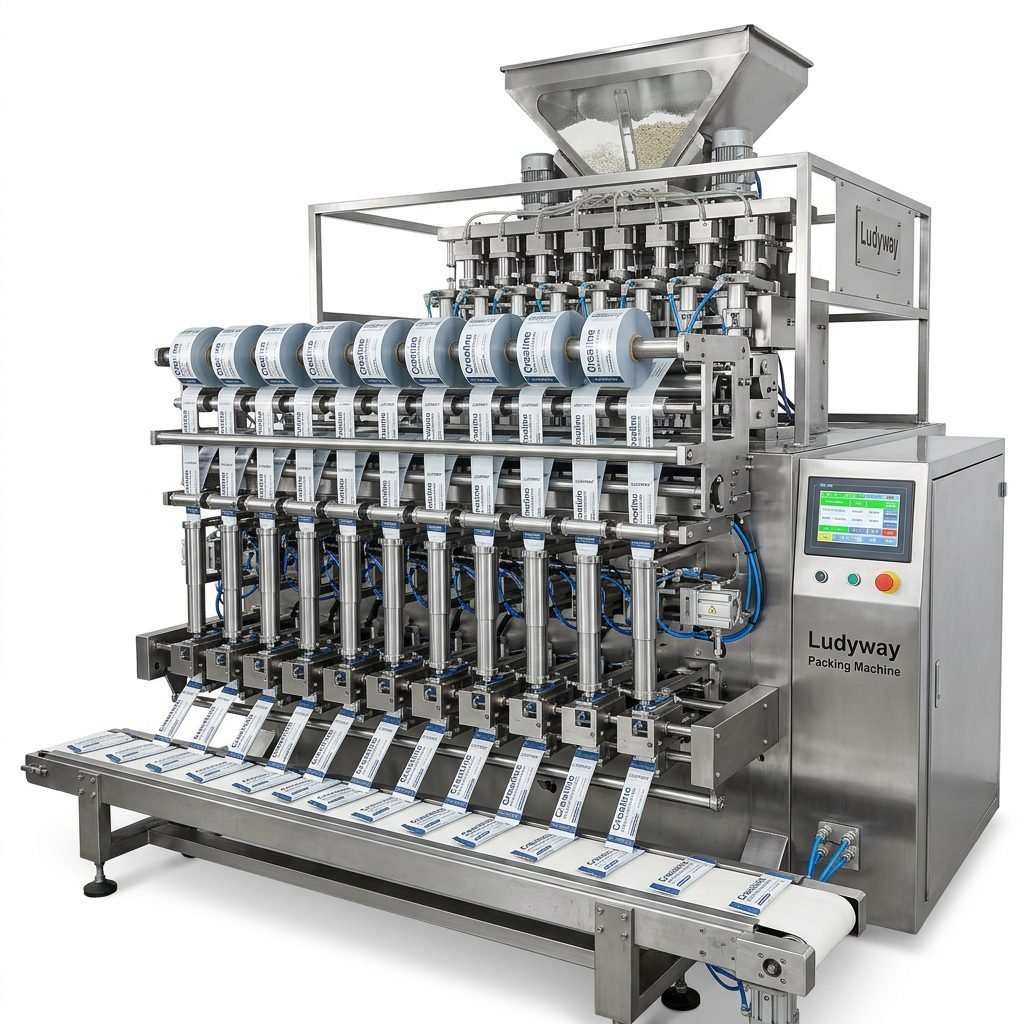
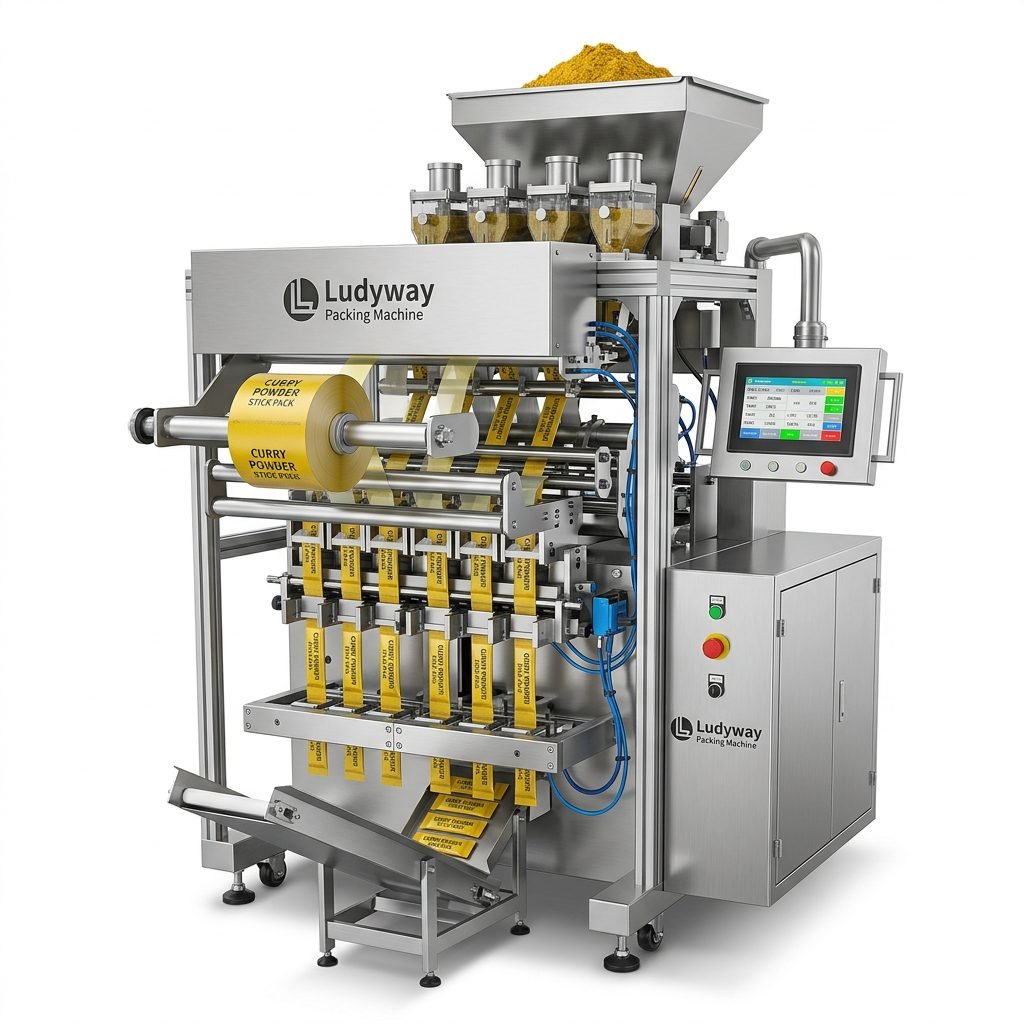
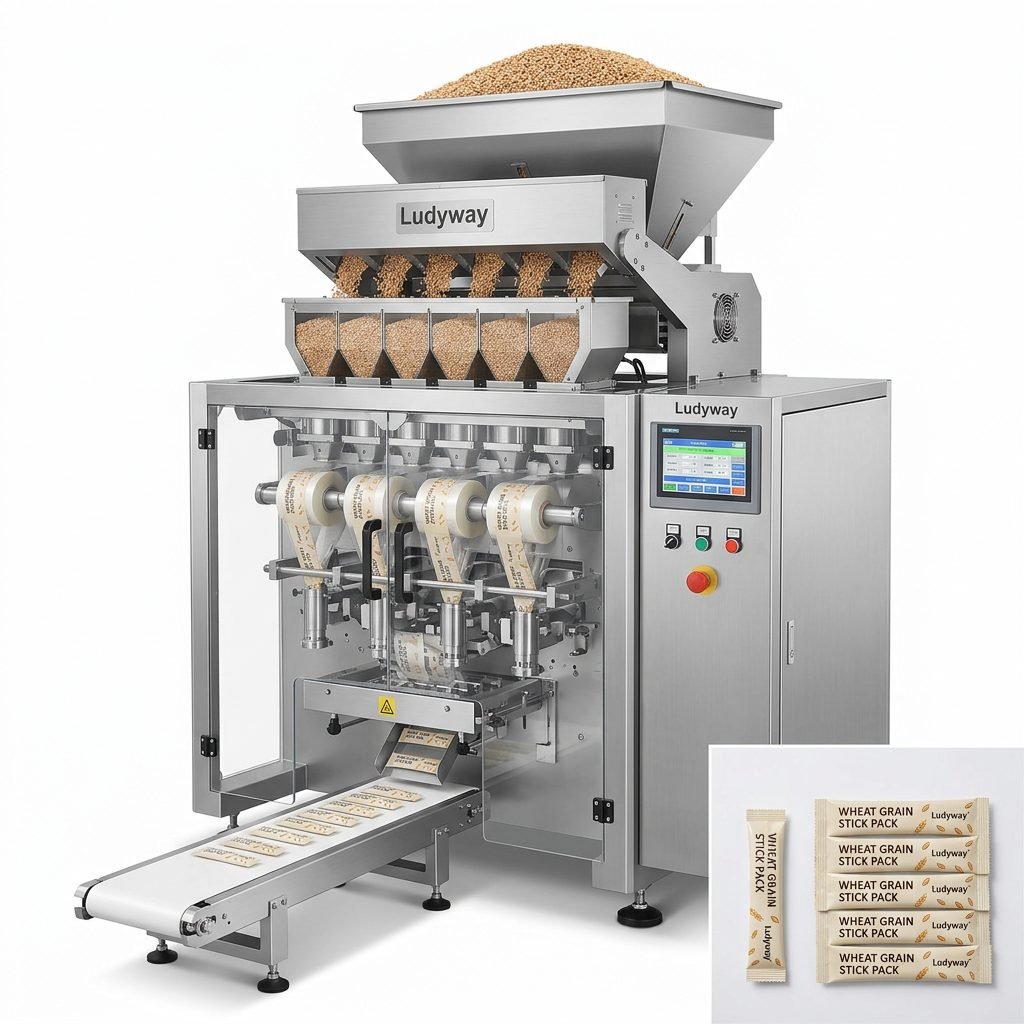
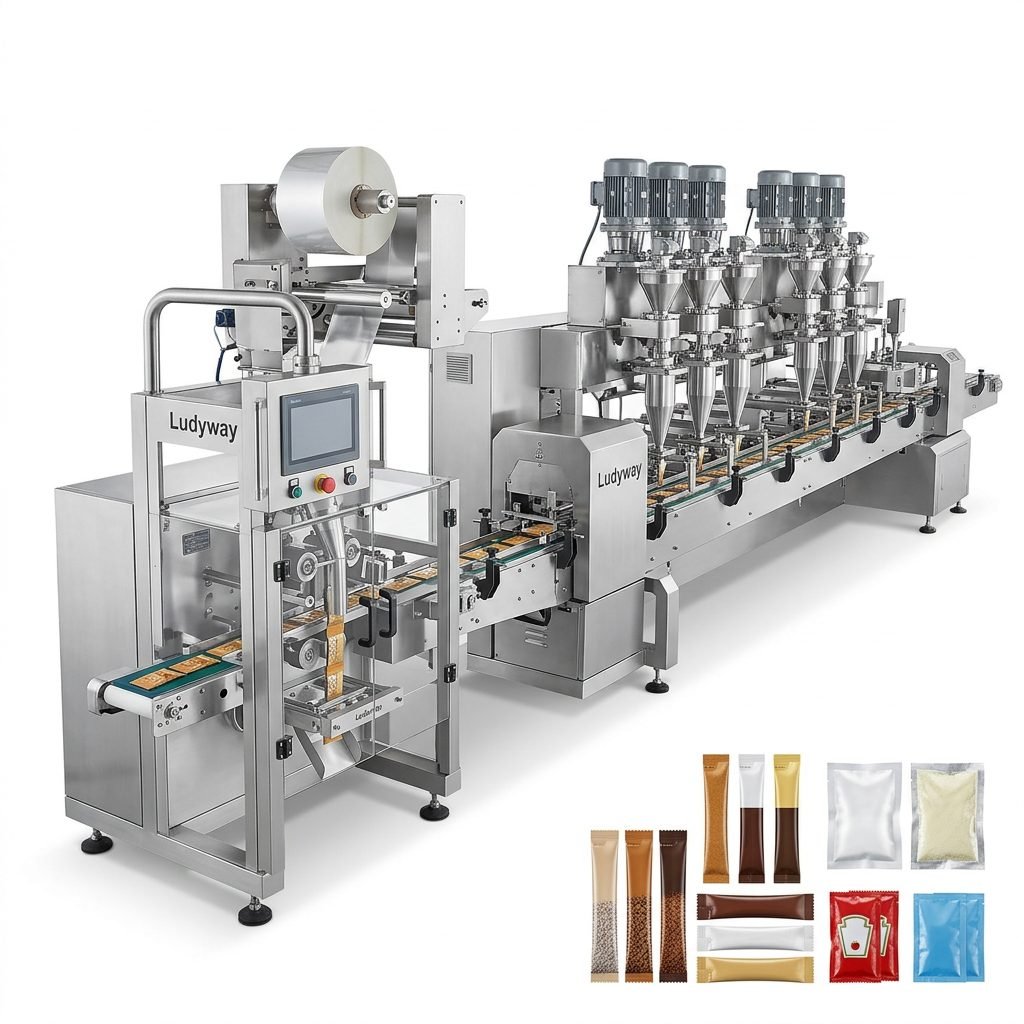
- Pouch forming and filling – Multi-lane stick pack or sachet machines handle simultaneous filling across 6-12 lanes.
- Sealing and coding – Heat sealing with batch coding and expiration date printing.
- Quality inspection – Vision systems and metal detectors screen for defects.
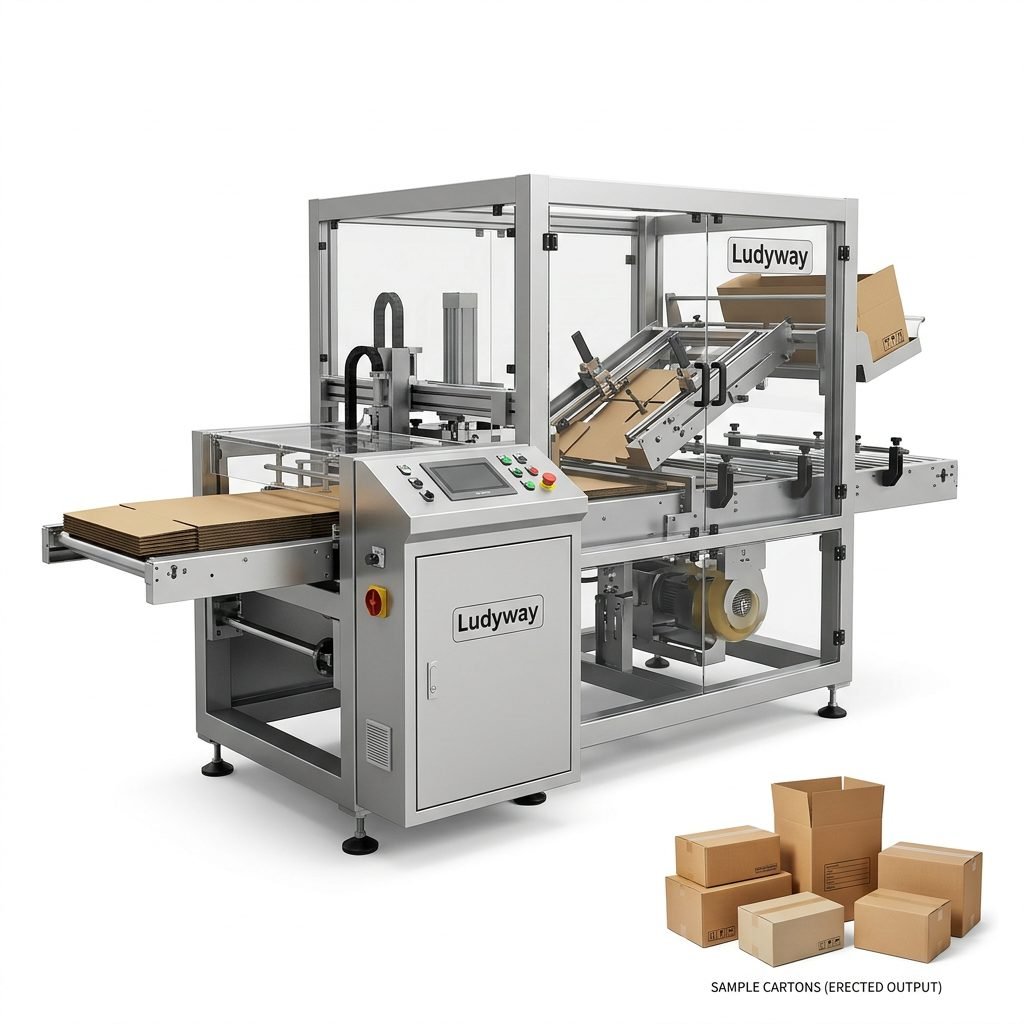
- Secondary packaging – Cartoning and case packing for retail distribution.
Regulatory Compliance and Quality Standards in India
Meeting Indian food safety regulations is non-negotiable when setting up a ready meal packaging operation. The Food Safety and Standards Authority of India mandates specific packaging material requirements, labeling guidelines, and hygiene protocols. Additionally, facilities targeting export markets must comply with international standards such as ISO packaging standards and flexible packaging regulatory requirements set by industry bodies.
Critical Compliance Areas
- FSSAI licensing and product approval for ready-to-eat categories
- BIS certification for packaging materials in contact with food
- HACCP implementation across the production floor
- Labeling requirements including nutritional information and allergen declarations
- Environmental clearance for manufacturing facilities in designated industrial zones
Cost Analysis and Investment Planning
Establishing a ready meal packaging machine production line in India involves several cost components that vary based on automation level, production capacity, and equipment sourcing strategy. A mid-scale operation producing 30-50 pouches per minute across multiple lanes can expect a structured investment breakdown.
| Cost Category | Estimated Range (USD) | Percentage of Total |
|---|---|---|
| Primary packaging machinery | $80,000 – $250,000 | 40% – 50% |
| Auxiliary equipment | $30,000 – $80,000 | 15% – 20% |
| Installation and commissioning | $15,000 – $40,000 | 8% – 10% |
| Facility preparation and utilities | $40,000 – $100,000 | 20% – 25% |
| Training and initial raw materials | $10,000 – $30,000 | 5% – 7% |
Choosing the Right Equipment Supplier
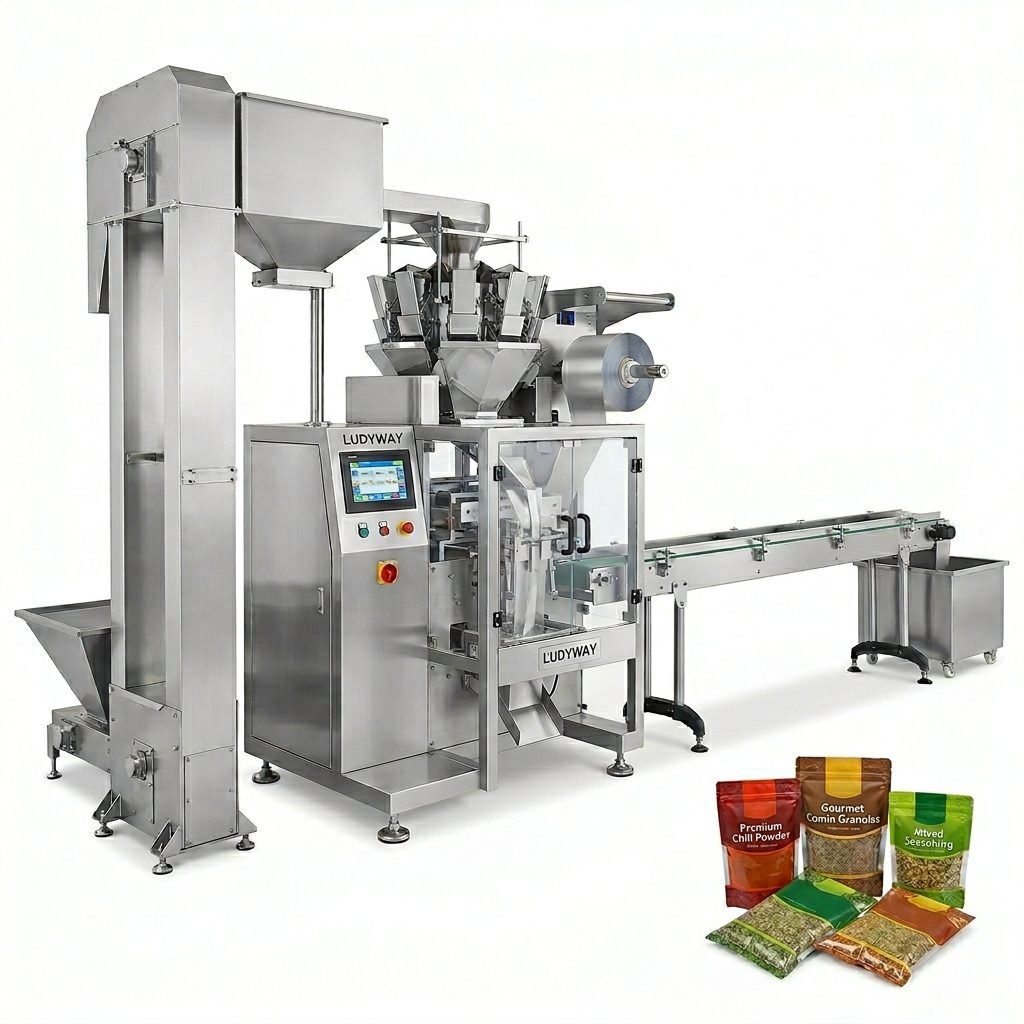
Selecting a reliable equipment partner is one of the most consequential decisions when building a ready meal packaging machine production line in India. Manufacturers should evaluate potential suppliers based on technical support capabilities, spare parts availability within India, and experience with food-grade packaging systems. Companies like Ludyway, one of the largest packaging machine manufacturers, provide turnkey solutions including multi-lane stick pack machines, sachet systems, and fully automated packaging lines that serve customers in over 100 countries.

Supplier Evaluation Checklist
- Proven experience with food-grade packaging machinery and PMMI packaging standards
- Availability of local service engineers or authorized representatives in India
- Comprehensive after-sales support including preventive maintenance programs
- Compatibility of equipment with Indian power supply standards and operating conditions
- Provision of installation supervision and operator training on-site
Automation Levels and Technology Integration
The degree of automation in a ready meal packaging production line significantly impacts both capital expenditure and operational efficiency. Indian manufacturers often adopt a phased approach, starting with semi-automated systems and gradually integrating advanced technologies as production volumes increase.
Technology Options for Indian Manufacturers
Modern packaging lines can incorporate servo-driven filling systems, vision inspection cameras, automatic cartoning machines, and palletizing robots. The 2025 State of the Industry report from PMMI highlights that automation adoption in food packaging continues to accelerate, particularly in high-growth markets where labor consistency remains a challenge. For Indian ready meal producers, multi-lane stick pack machines offer an optimal balance of speed, flexibility, and return on investment.
Site Preparation and Utility Requirements
Before installing a ready meal packaging machine production line, the manufacturing facility must meet specific infrastructure requirements. These include stable three-phase electrical supply, compressed air systems, dust extraction units for powder handling areas, and climate-controlled environments for moisture-sensitive products.
Key Infrastructure Specifications
- Floor load capacity: Minimum 500 kg/m² for heavy machinery installation
- Cleanroom classification: ISO Class 8 or higher for exposed food handling zones
- Compressed air quality: Oil-free and filtered to 0.01 micron for food contact applications
- Temperature control: 20°C – 25°C ambient with humidity below 60% RH
- Drainage and sanitation: Sloped floors with SS316 stainless steel drains
Workforce Training and Skill Development
Operating a sophisticated ready meal packaging machine production line demands skilled technicians and operators. India’s manufacturing workforce benefits from strong technical education backgrounds, but specific training on packaging machinery operation, maintenance, and troubleshooting is essential. Structured training programs covering machine setup, changeover procedures, quality control checkpoints, and safety protocols should be implemented before production commences.
Frequently Asked Questions
What is the minimum investment required for a ready meal packaging line in India?
A basic semi-automated line with a single-lane pouch machine typically starts around $50,000 – $80,000, while a fully automated multi-lane system with auxiliary equipment ranges from $150,000 to $400,000 depending on capacity and features.
How long does it take to set up a complete production line?
From order confirmation to commercial production, the timeline typically spans 12 to 20 weeks, including equipment manufacturing, shipping, installation, commissioning, and operator training.
What packaging formats are most popular for Indian ready meals?
Single-serve sachets, multi-lane stick packs, and retort pouches are the most common formats, with pillow pouches and stand-up zipper pouches gaining popularity for premium product lines.
Are there government incentives for food processing equipment in India?
Yes, the Indian government offers various incentives through schemes like the Production Linked Incentive for food processing and state-level industrial subsidies that can offset capital equipment costs for qualifying manufacturers.
Conclusion
Setting up a ready meal packaging machine production line in India presents a compelling opportunity for food manufacturers seeking to capitalize on the country’s growing demand for convenience foods. By carefully evaluating equipment options, ensuring regulatory compliance, investing in workforce training, and selecting an experienced equipment partner, businesses can build efficient, scalable operations that serve both domestic and international markets. With the right planning and execution, an Indian ready meal packaging facility can achieve rapid returns and sustainable long-term growth in one of the world’s most dynamic food markets.
Related Resources: PMMI – The Association for Packaging and Processing Technologies | FDA – Packaging and Food Contact Substances | Flexible Packaging Association | ISO – Packaging and Distribution Standards