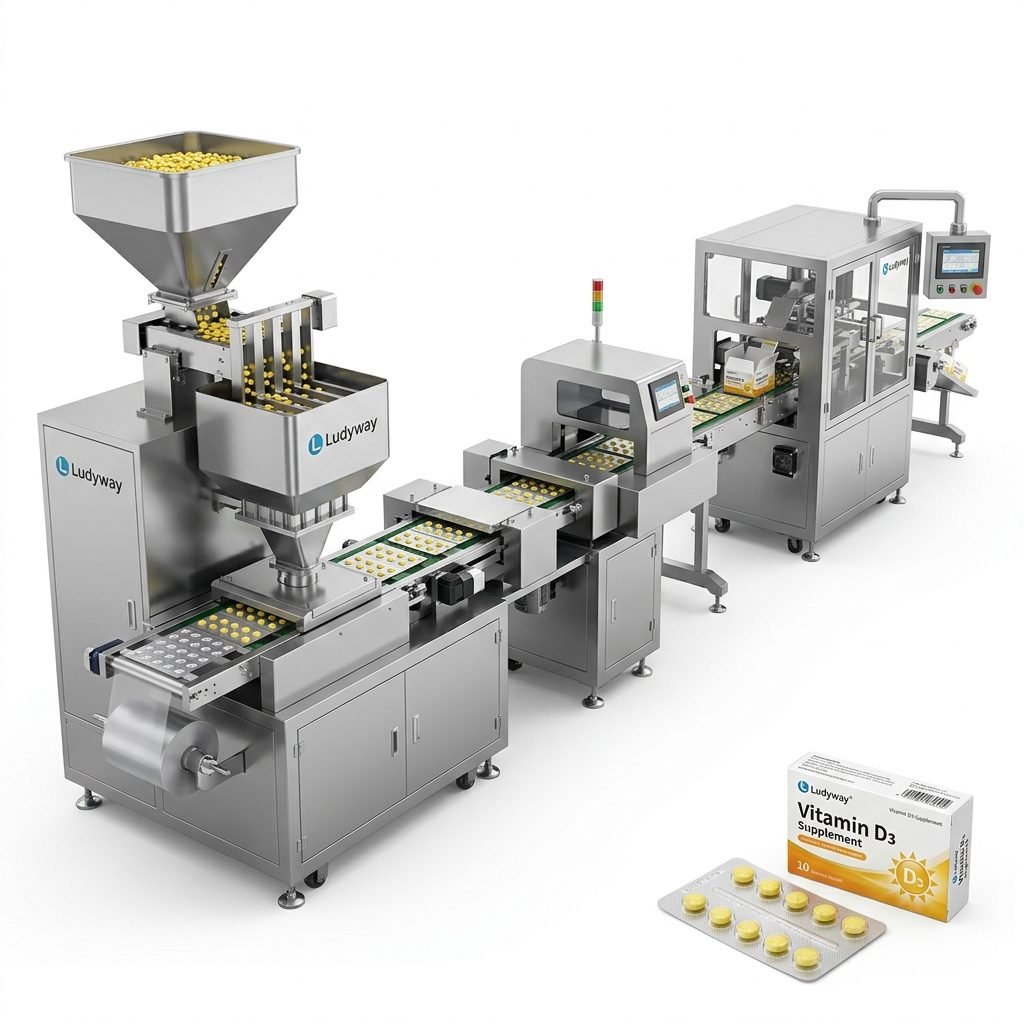
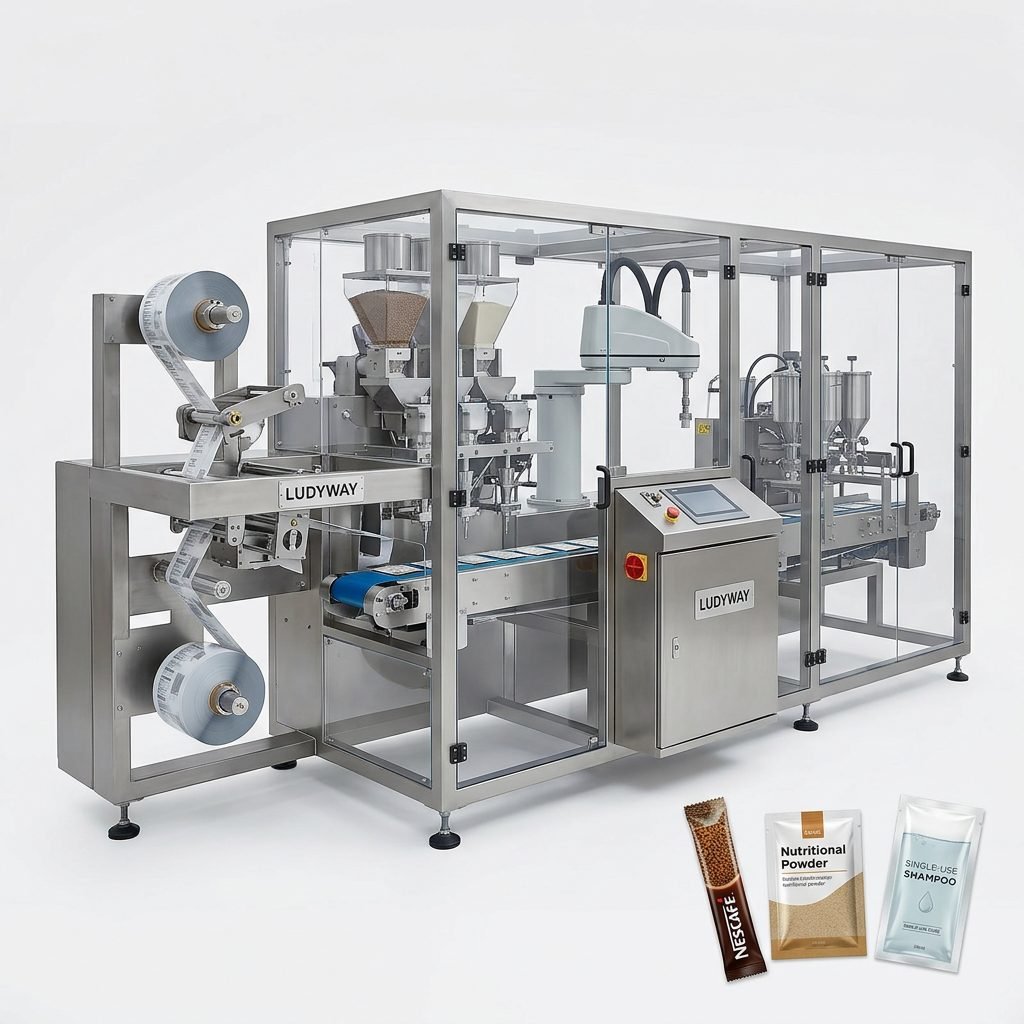
Selecting the right size packaging machine is a critical decision that directly impacts your production efficiency, product presentation, and, most importantly, your bottom line through shipping costs. An improperly sized machine can lead to material waste, damaged goods, and excessive dimensional weight charges from carriers. This guide will walk you through the key considerations for choosing the best-fit packaging machine for your specific products, helping you optimize operations and significantly reduce shipping expenses.
Understanding the Core Challenge: Product-to-Package Fit
The fundamental goal is to achieve a snug, secure fit for your product within the package. Excessive void space, known as “slack fill,” is the enemy of cost-effective shipping. It not only consumes more packaging material but also increases the package’s exterior dimensions, which carriers use to calculate dimensional weight (DIM weight). When the DIM weight exceeds the actual weight, you pay for the space your package occupies.
Key Factors Influencing Machine Selection
Your choice must be driven by a detailed analysis of your product line and business goals.
1. Product Characteristics
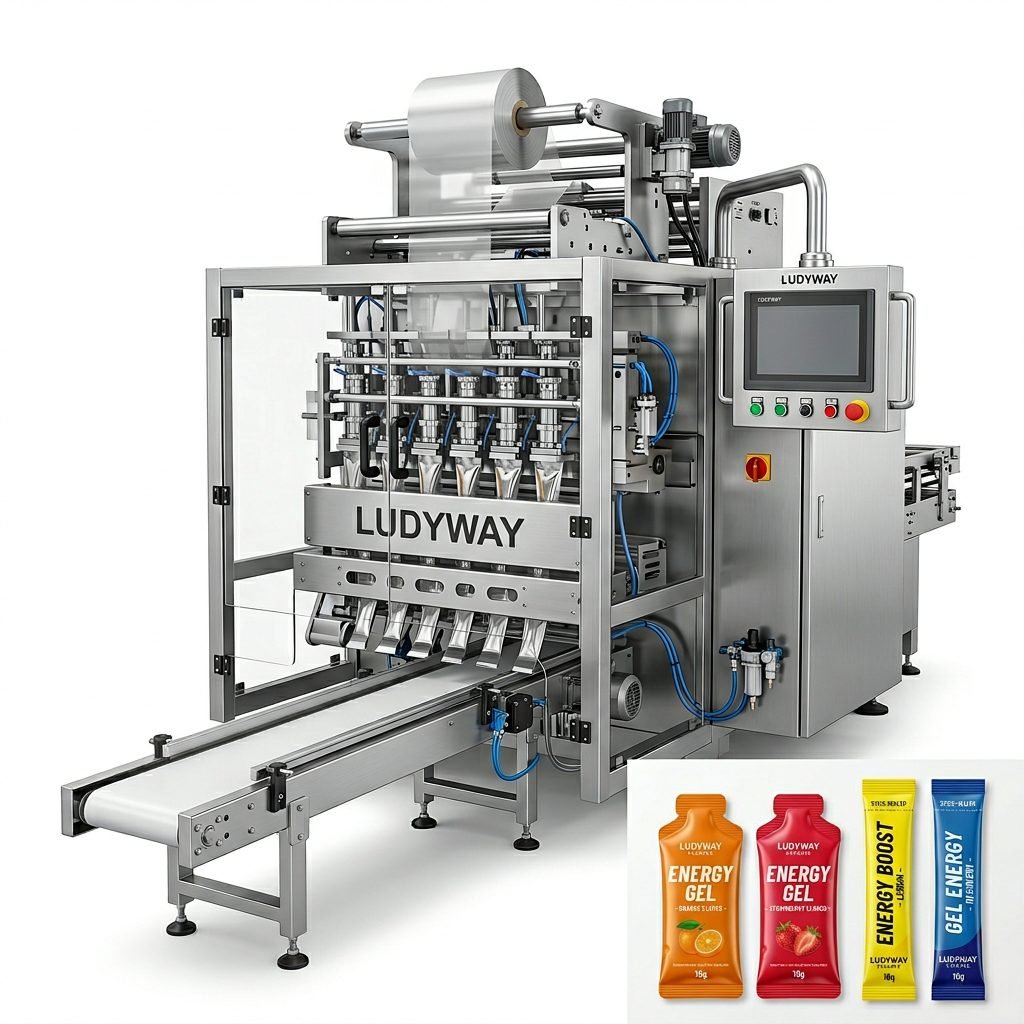
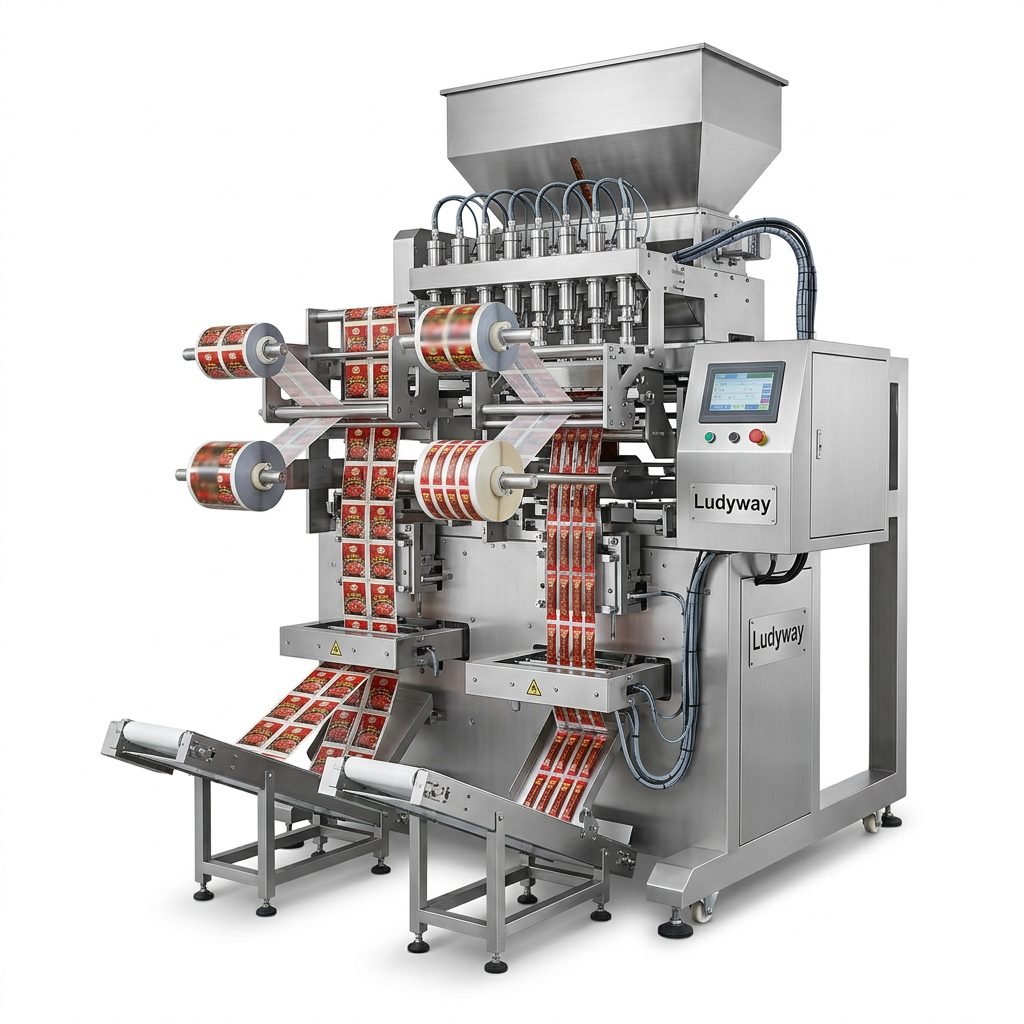
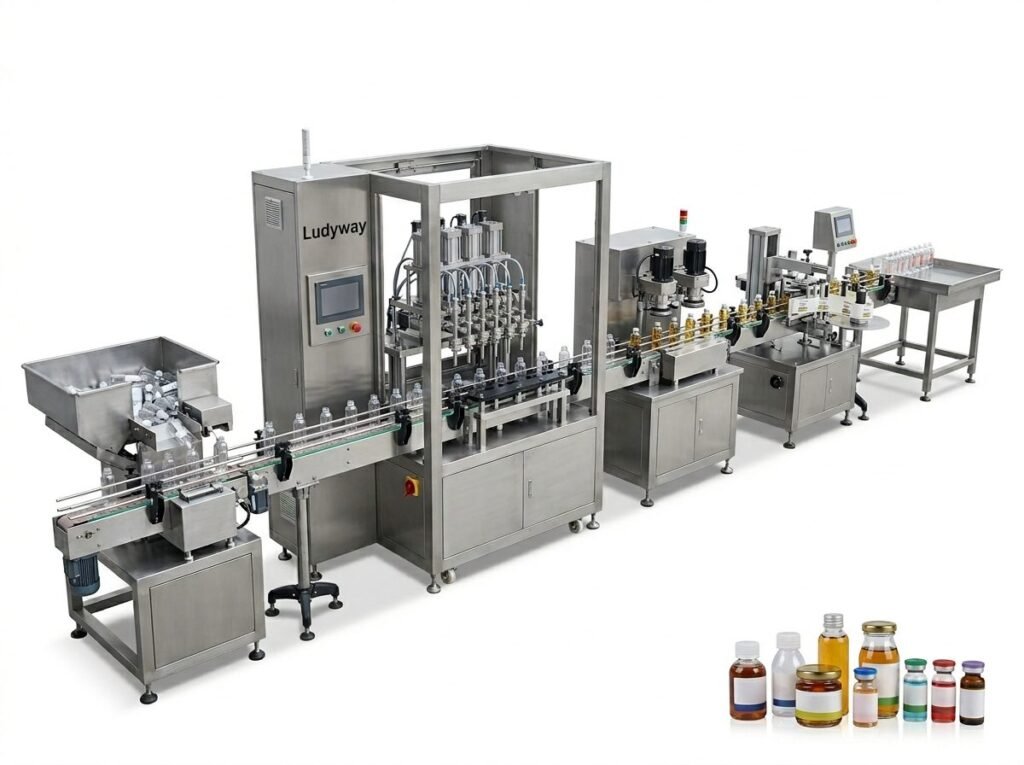
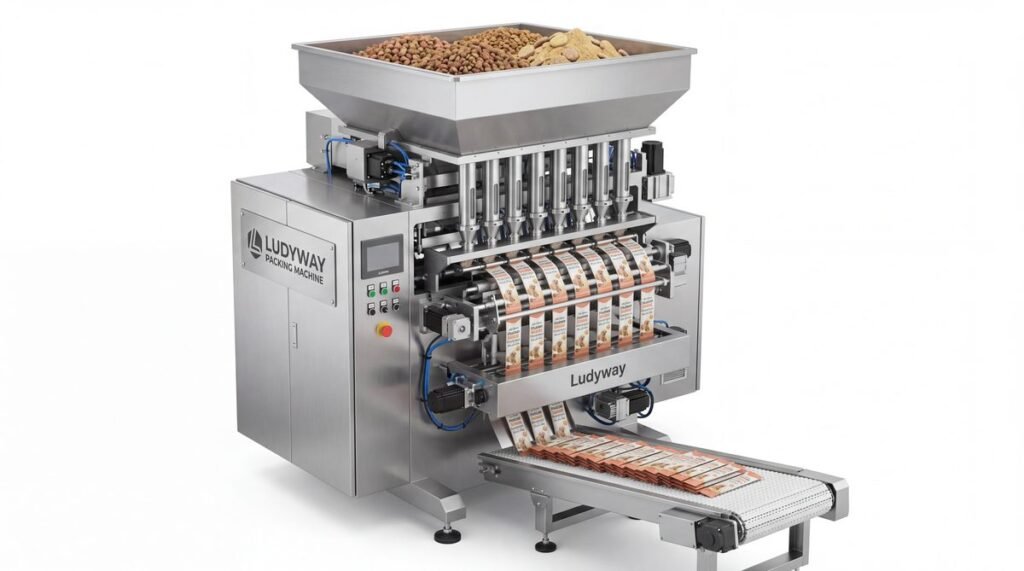
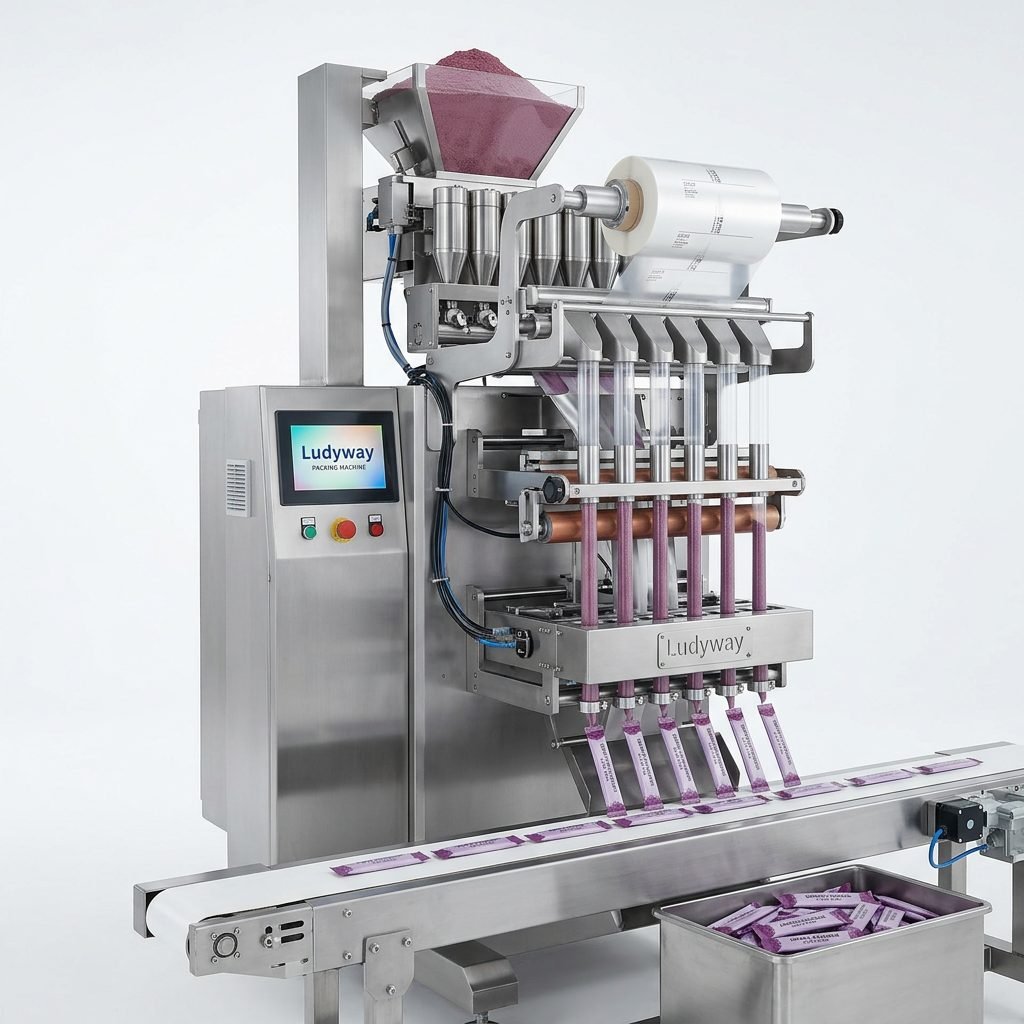
Physical State: Is your product a granule, powder, liquid, solid, or a combination? Machines like multi-lane stick pack machines are ideal for granular items, while liquid fill-seal machines are designed for fluids.
Size and Shape Variance: Do you have a single SKU or a range of sizes? Machines with quick-change features or adjustable forming systems offer vital flexibility.
Fragility and Sensitivity: Delicate products may require gentle handling systems or specific cushioning capabilities integrated into the packaging process.
2. Production Volume and Speed Requirements
Your output targets dictate the machine’s capacity. A low-speed machine for a high-volume line creates a bottleneck, while an overpowered machine for small batches is a poor capital investment. Calculate your required units per minute/hour, considering future growth.
3. Packaging Material Compatibility
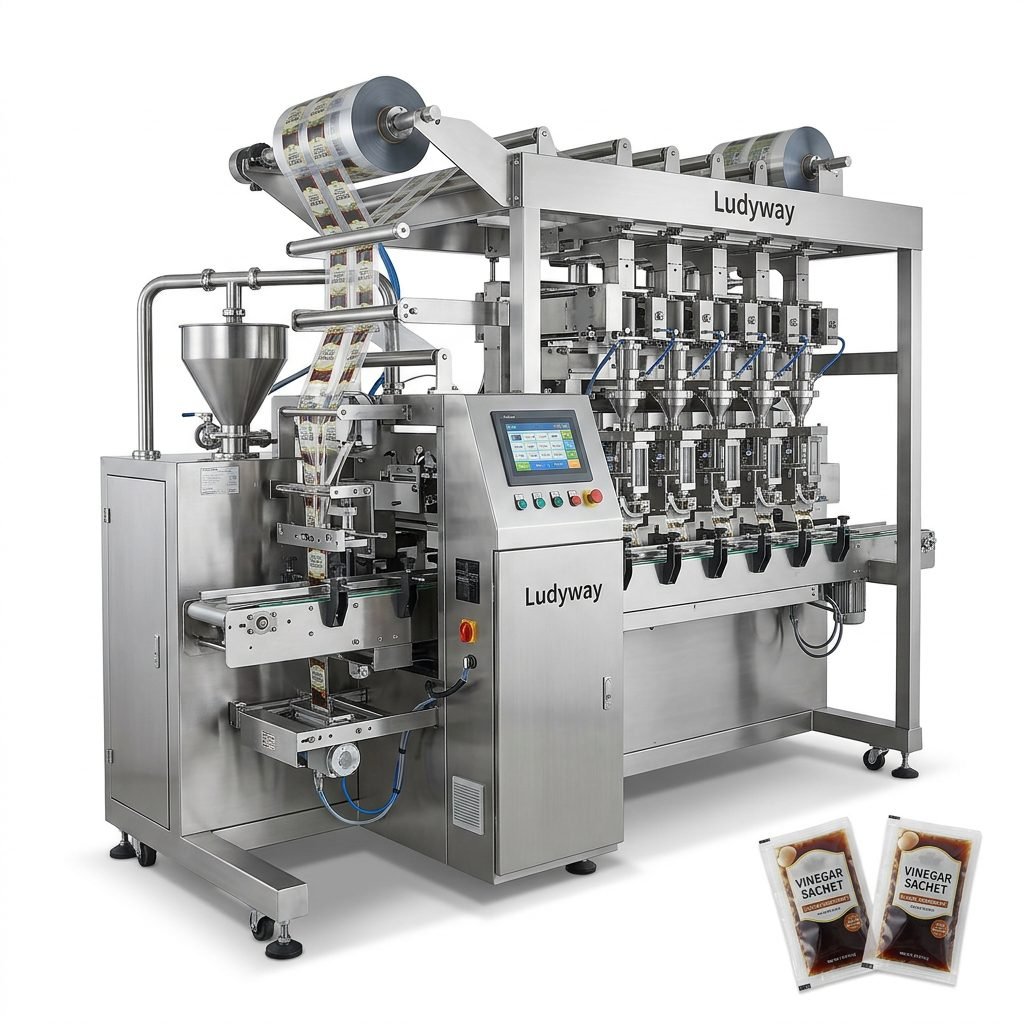
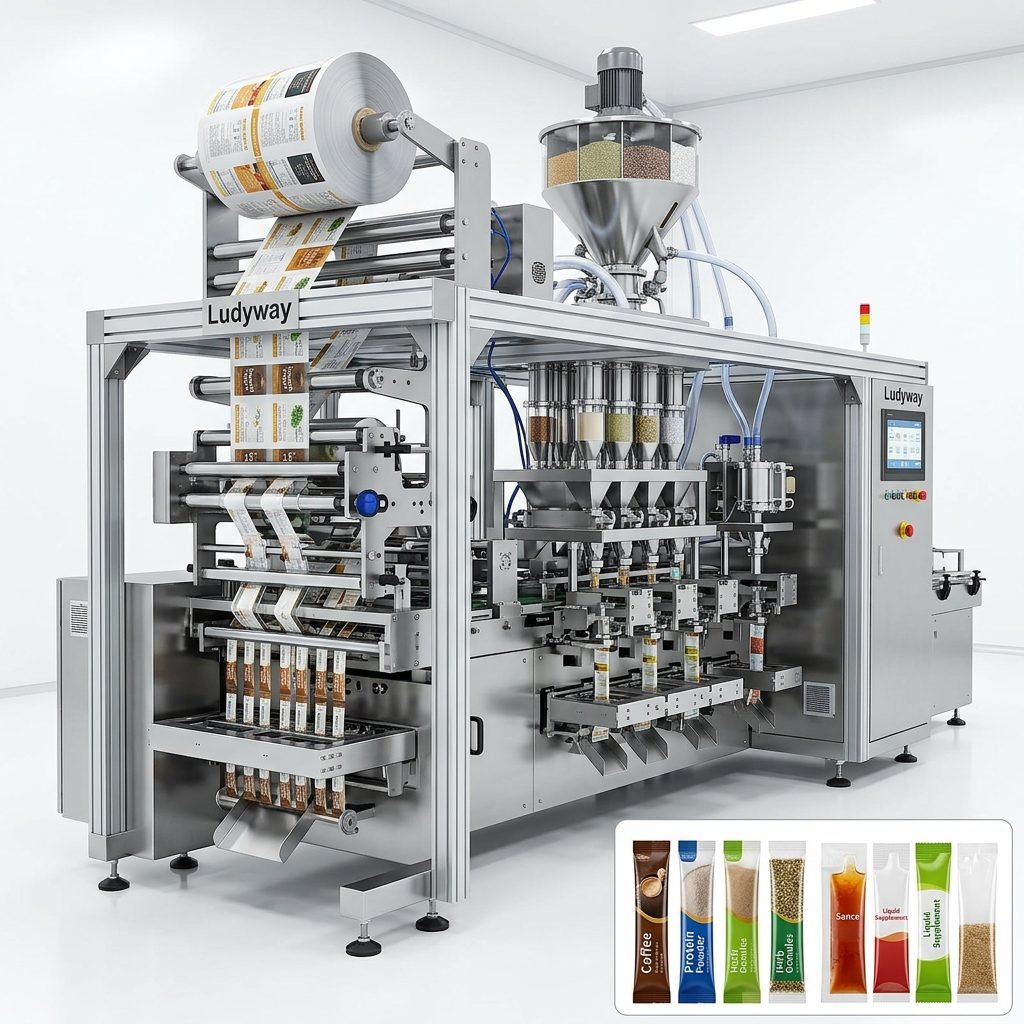
The machine must be engineered to handle your chosen film, laminate, or pouch material efficiently. Consider barrier properties (for moisture or oxygen sensitivity), seal integrity, and how the material feeds and forms on the equipment. Partnering with a supplier like Ludyway Machinery, which offers over 50 intelligent packaging machine models, ensures you get a system designed for your material specs.
The Direct Link to Shipping Cost Reduction
Optimizing package size is the most effective lever for lowering shipping costs. Here’s how the right machine enables this:
➤ Minimizes Dimensional Weight: A machine that creates a form-fitting package reduces exterior dimensions, often bringing DIM weight below actual weight, leading to direct savings.
➤ Reduces Material Usage: Precise sizing means less film, cardboard, or filler is consumed per unit, cutting material costs.
➤ Decreases Damage Rates: Secure, right-sized packaging minimizes product movement during transit, reducing damage and associated returns/refunds.
➤ Optimizes Pallet/Carton Load: Uniform, compact packages allow for better palletization, maximizing space in shipping containers and trucks, which lowers per-unit freight costs.
Evaluating Advanced Machine Features for Optimal Fit
Modern packaging machines offer features specifically designed to enhance precision and adaptability.
Computerized Servo Drives: Provide unparalleled accuracy in film feeding, cutting, and filling, allowing for minute adjustments to package length and seal positions for a perfect fit.
Quick-Change Tooling and Recipes: Systems that store settings for different product sizes enable changeovers in minutes, not hours, making it feasible to right-size packaging for multiple SKUs efficiently.
Integrated Checkweighers and Vision Systems: These in-line quality control units can feedback data to the machine to auto-adjust fill volumes, ensuring each package contains the exact amount, eliminating overfilling that contributes to bulk.
Investing in a machine from a provider with strong engineering capabilities ensures access to these advanced features and the possibility of customizations, such as unique pouch shapes or integrated dosing systems, that perfectly match your product’s profile.
Strategic Considerations Beyond the Machine
The machine is the core, but a holistic approach guarantees success.
Total Cost of Ownership (TCO)
Look beyond the purchase price. Factor in energy consumption, maintenance needs, required operator skill level, and the cost of changeover parts. A reliable, efficient machine from an experienced supplier often has a lower TCO.
Scalability and Future-Proofing
Can the machine handle a 20% increase in speed? Can it accommodate a new product format you plan to launch in two years? Choosing a scalable platform protects your investment.
Supplier Support and Expertise
The right partner is crucial. A supplier with 30+ years of industry experience can provide invaluable guidance during selection, installation, and optimization. They can conduct product tests, offer turnkey production solutions, and provide ongoing technical support to ensure your machine continues to deliver optimal, cost-saving performance.
Conclusion: A Calculated Investment for Long-Term Savings
Choosing the right size packaging machine is a strategic operational decision. By meticulously analyzing your product, volume, and growth plans, and selecting a machine with the precision and flexibility to create optimally sized packages, you achieve far more than just efficient production. You unlock substantial, ongoing savings in shipping costs, reduce material waste, enhance product protection, and improve sustainability. In today’s competitive market, this optimization is not just an advantage—it’s a necessity for profitable growth.
Frequently Asked Questions (FAQs)
Q: How can I test if a machine is the right fit for my product before purchasing?
A: Reputable suppliers like Ludyway often offer product testing services using their equipment. You can send samples to their facility for a live run, providing data on speed, accuracy, and package quality.
Q: Can one machine handle vastly different product sizes effectively?
A> It depends on the machine’s design. Machines with modular tooling and servo-driven adjustments can handle a significant range. However, extremely different sizes (e.g., a small sachet and a large pouch) may require separate dedicated machines or specialized changeover kits.
Q: Besides the machine, what else impacts final package size?
A> The packaging material’s thickness and stiffness, the accuracy of the filling system (volumetric cup, auger, pump), and the sealing jaw design all contribute to the final package dimensions and must be specified correctly.
Q: How does right-size packaging contribute to sustainability?
A> It directly reduces material consumption (less plastic, paper) and lowers the carbon footprint of transportation by allowing more products to be shipped in the same space, leading to fewer trips and fuel consumption.
Q: What is the typical payback period for investing in a higher-precision, right-sizing packaging machine?
A> The payback period varies but can be surprisingly short—often between 12 to 24 months. Savings are realized from reduced material costs, lower shipping fees, decreased product damage, and higher production efficiency.