Establishing a robust rice packaging machine production line in Germany demands a thorough understanding of European food safety laws, mechanical precision, and efficient automation. Germany, as a leading hub for food processing in the EU, relies on advanced packing solutions that can handle everything from small sachets to bulk 25kg bags. This comprehensive guide walks you through the crucial steps, regulatory standards, and strategic decisions needed to optimize your rice packaging operations.
Understanding German Food Packaging Regulations
Before purchasing any equipment, you must align with European Commission packaging directives and local German laws. The VerpackG (Packaging Act) and EU Directive 1935/2004 mandate that materials in contact with rice mustn’t affect its quality. Additionally, your production line must meet strict hygiene standards. Utilizing machinery designed to ISO packaging standards ensures your facility passes rigorous health inspections and builds consumer trust in the competitive German retail market.
Evaluating Your Rice Packaging Format
Rice producers in Germany typically require flexible machinery for multiple formats. The choice of packaging influences the entire line configuration. Below are the common formats used:
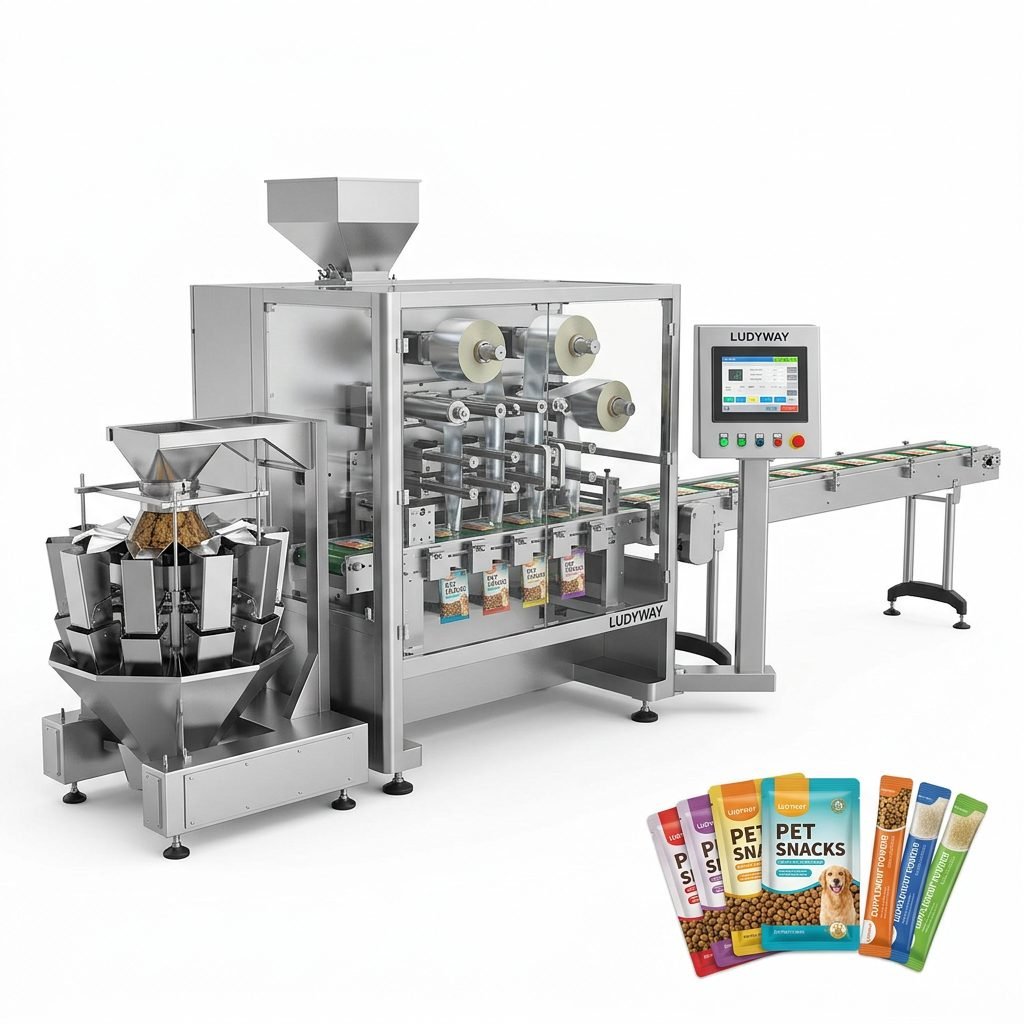
- Premade Pouch Packaging: Popular for 1kg and 5kg retail rice bags.
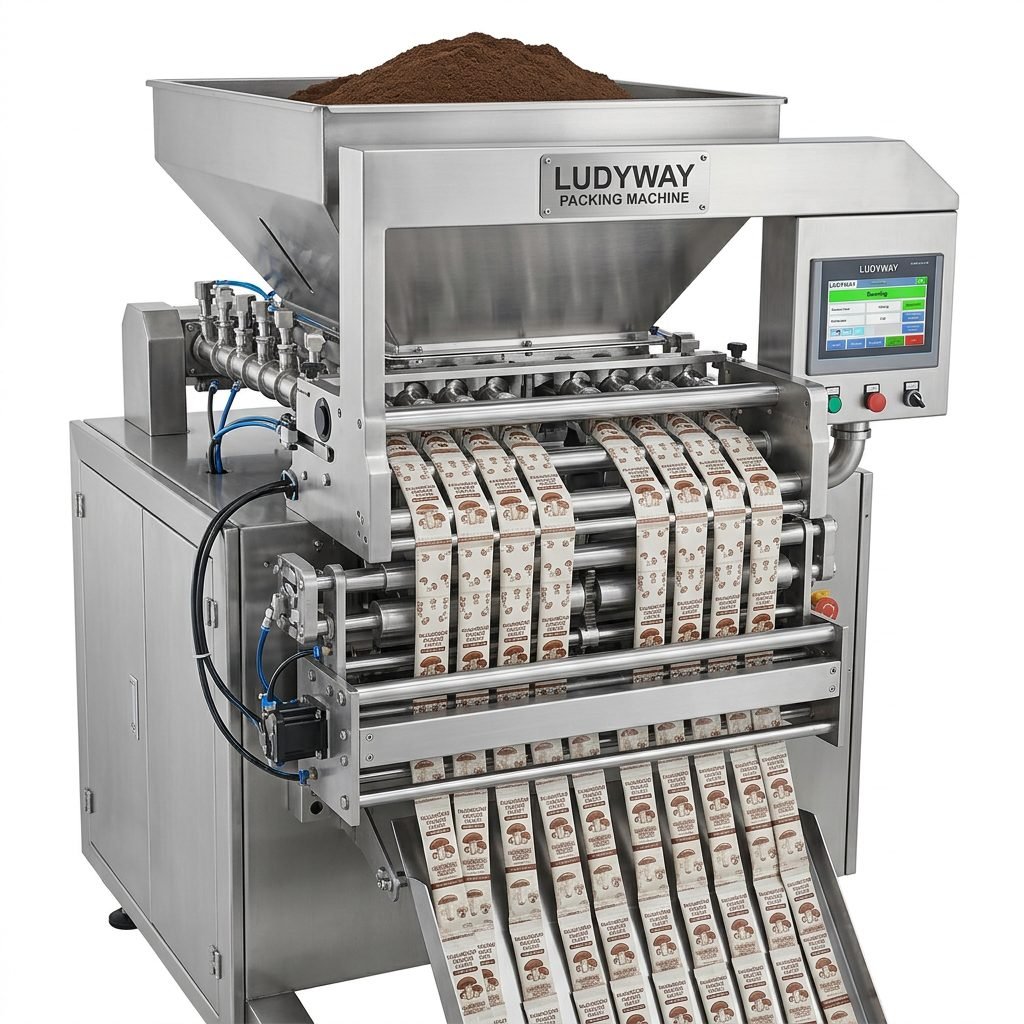
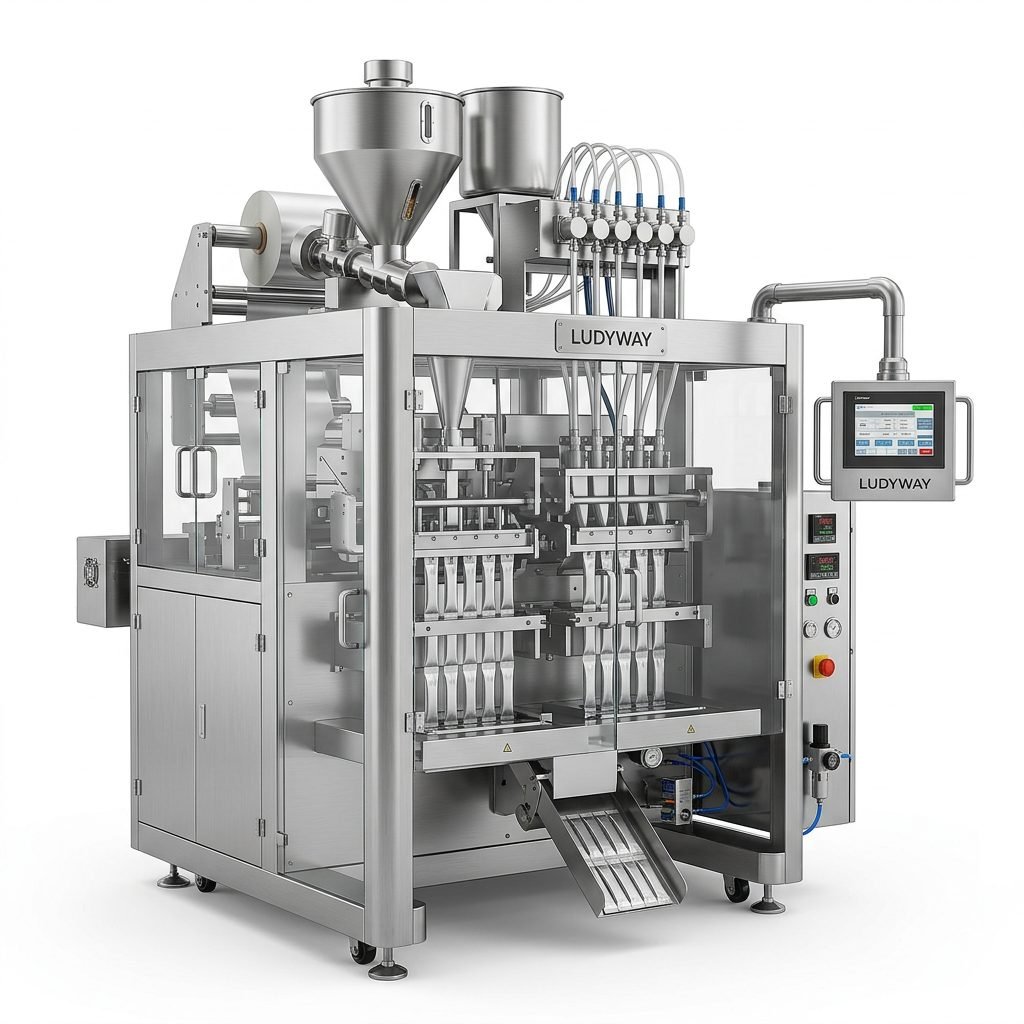
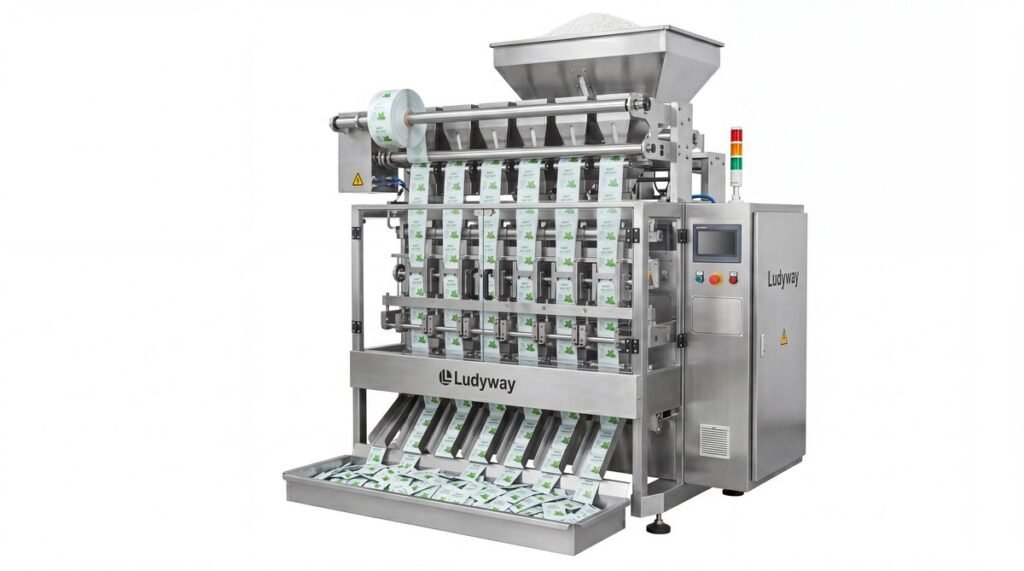
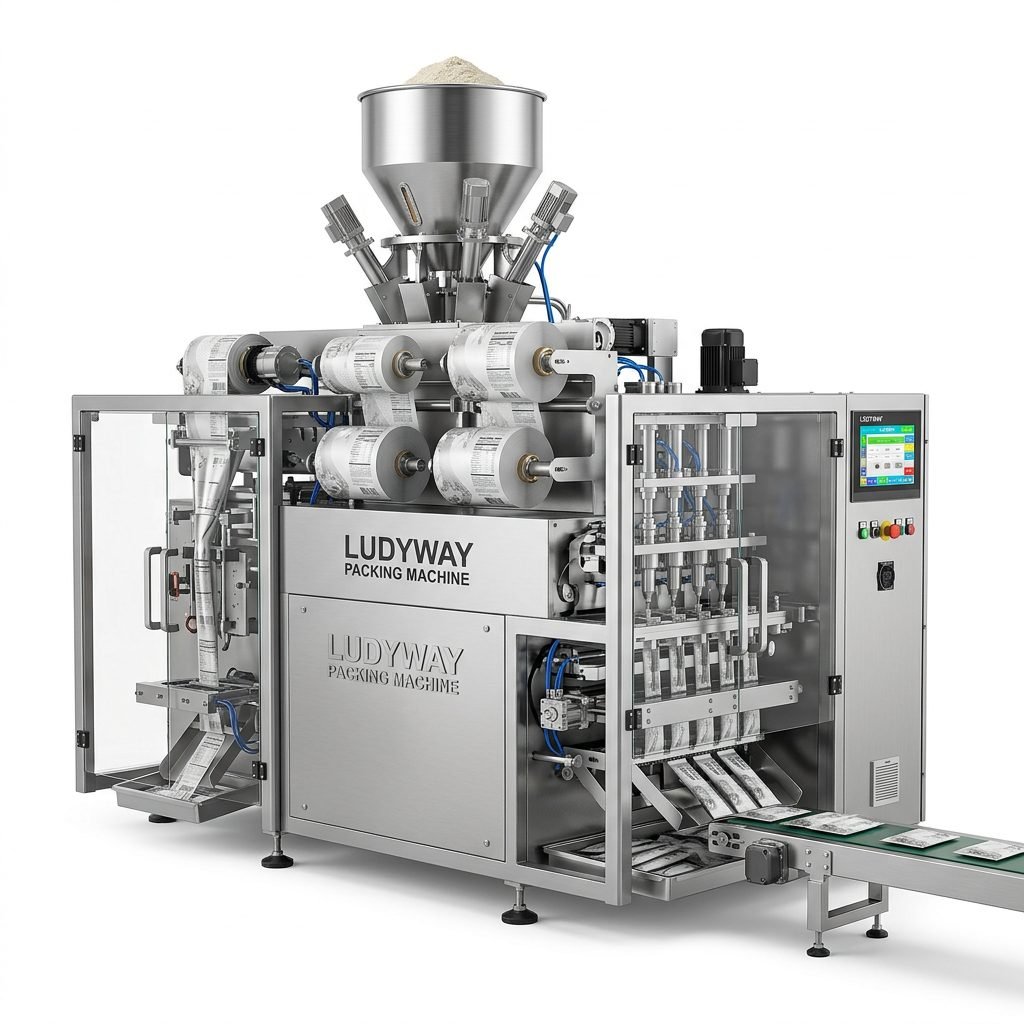
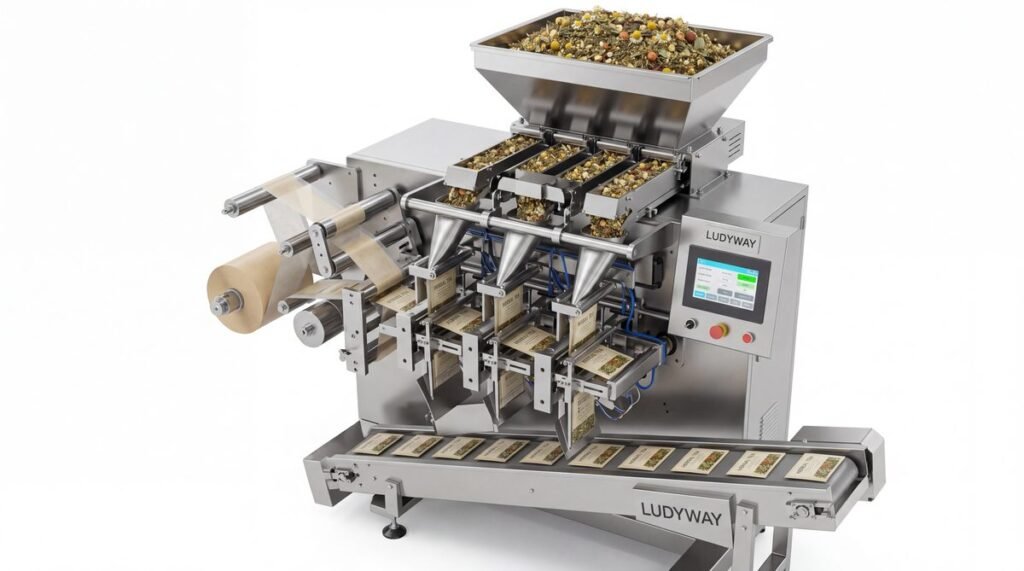
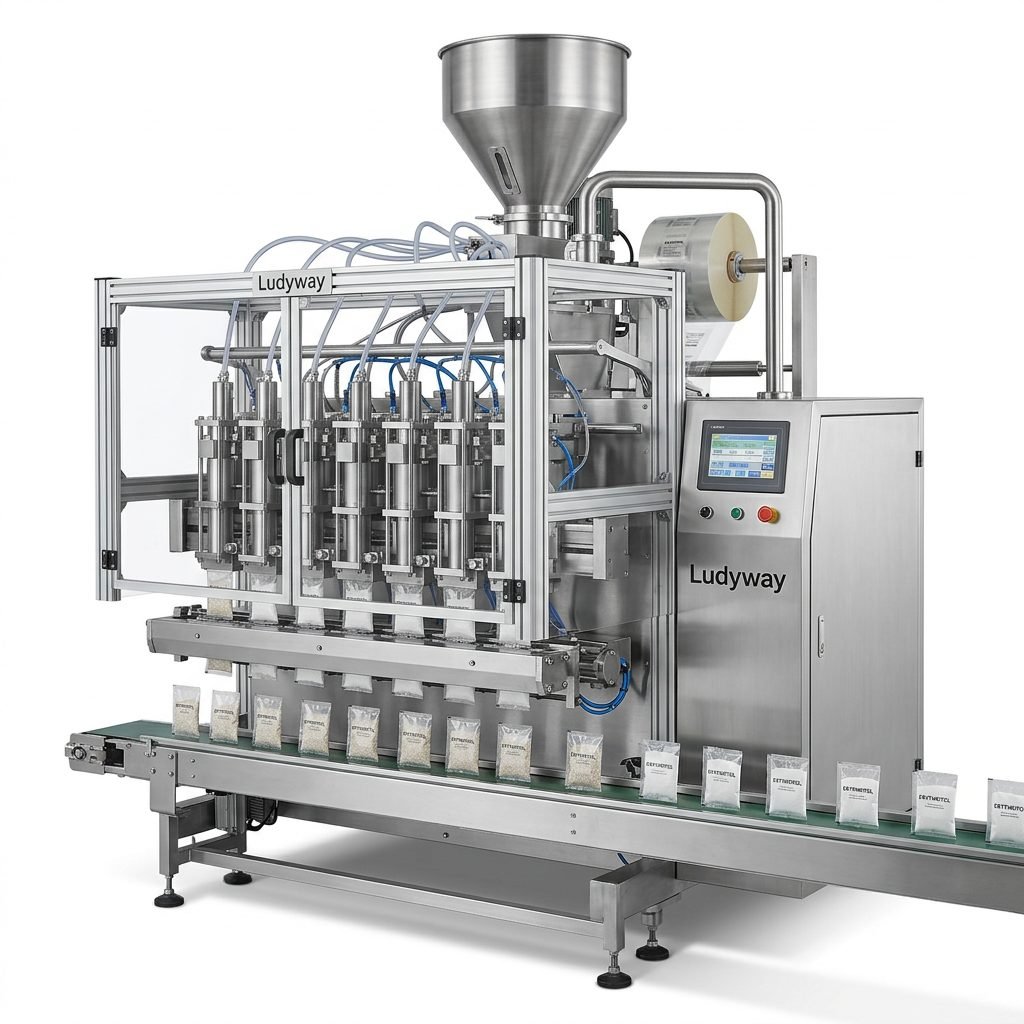
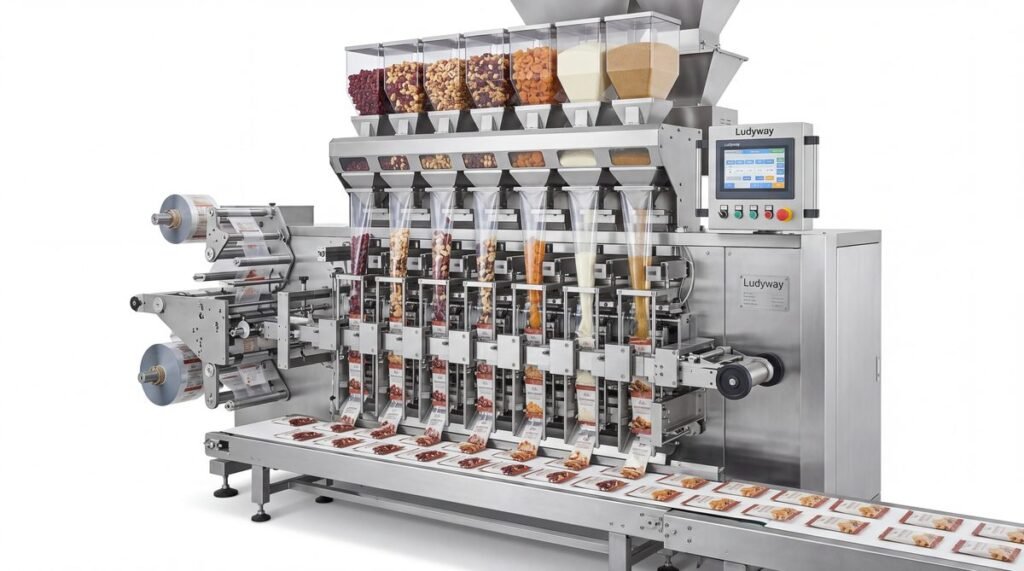
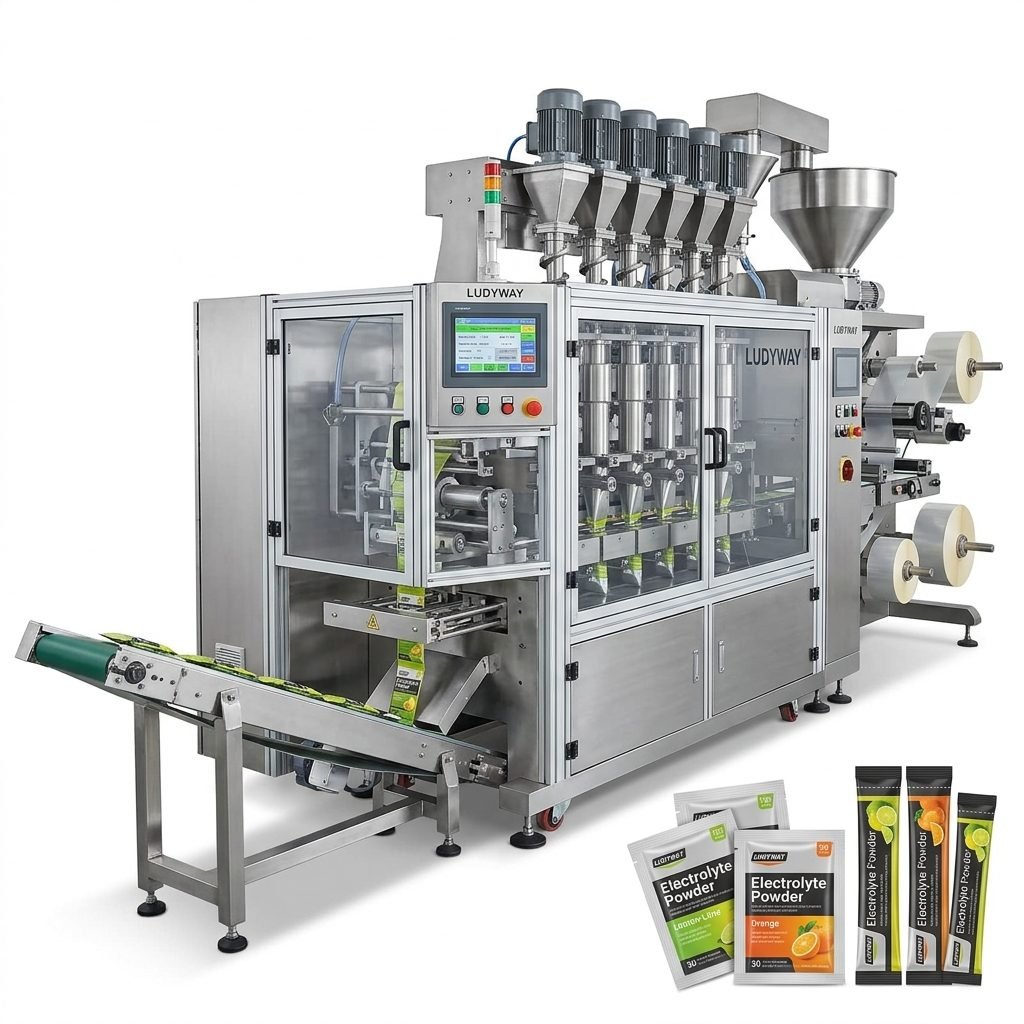
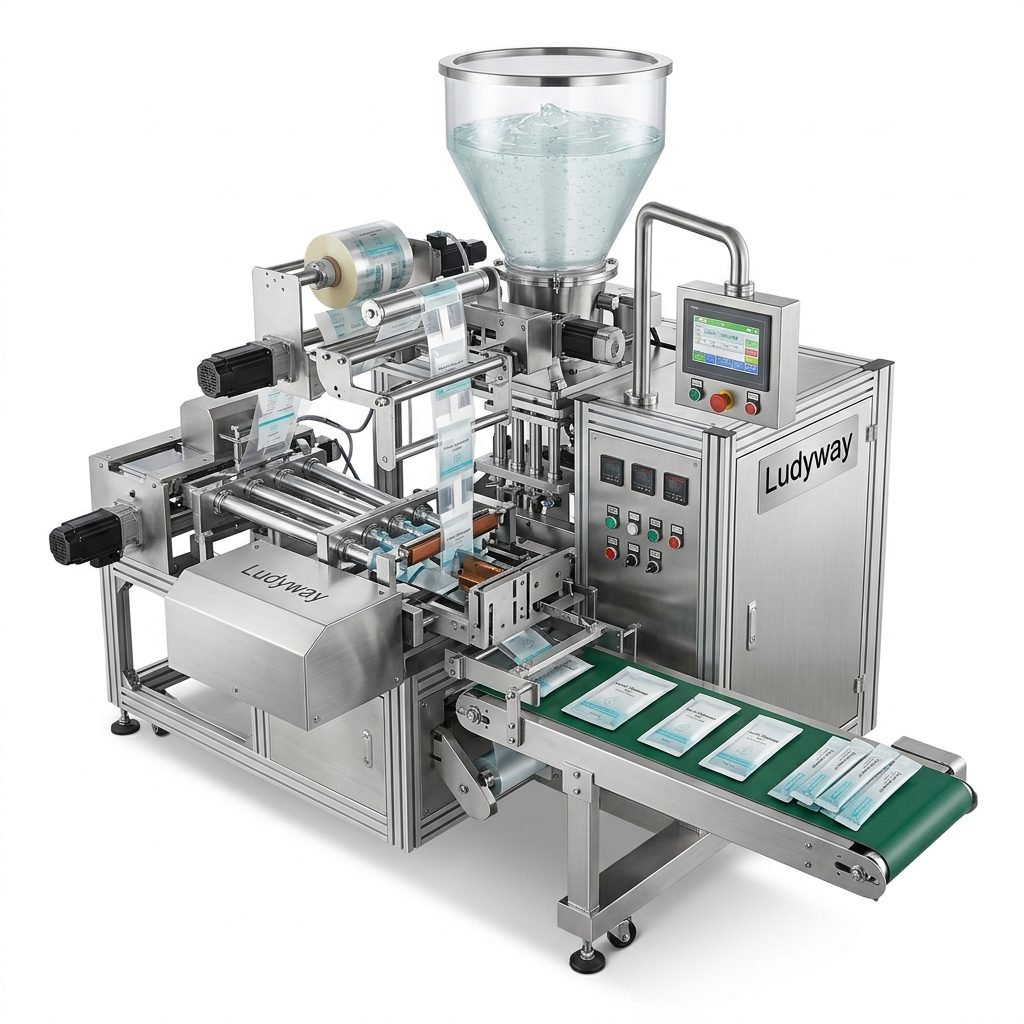
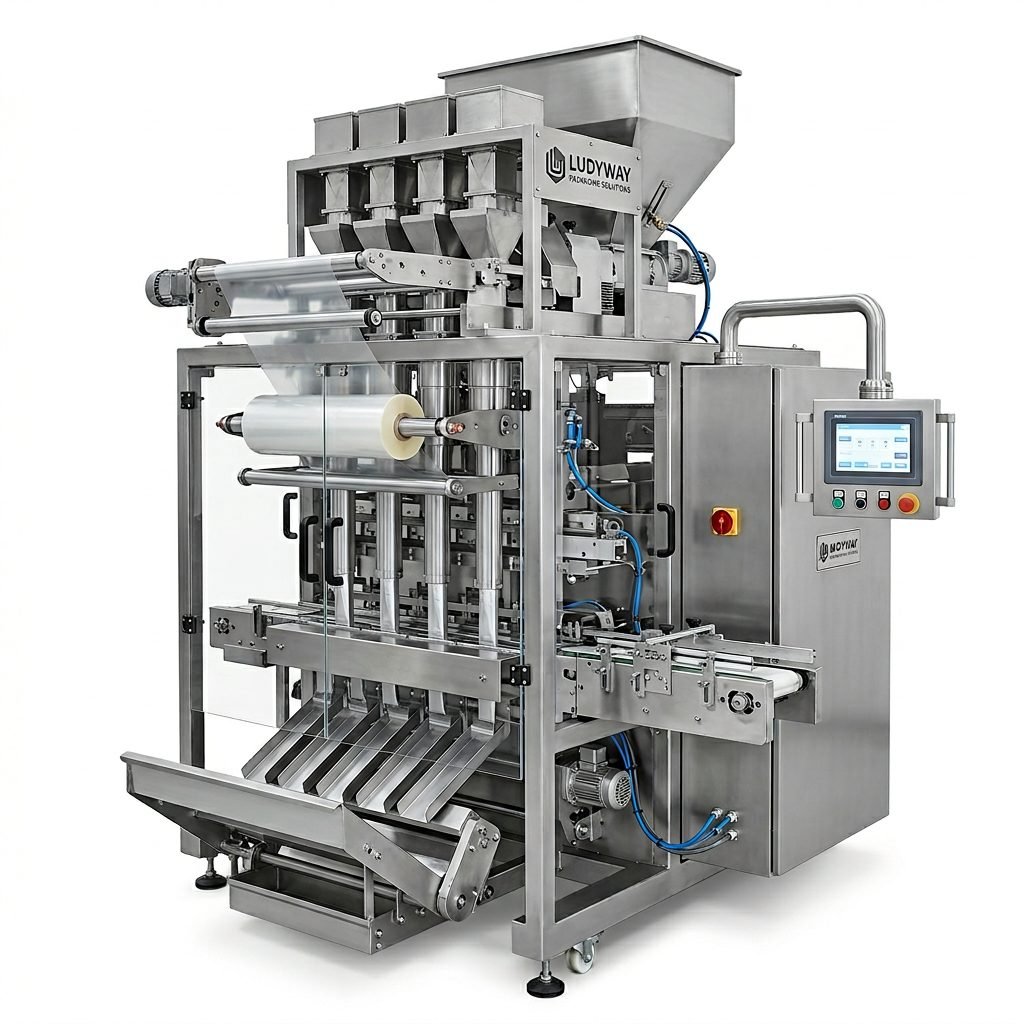
- Multi-lane Sachet & Stick Pack: Ideal for single-serve instant rice or ready-to-heat pouches.
- Large Jumbo Bags (25kg): Essential for wholesale and industrial food service distribution.
- Vacuum Packaging: Provides extended shelf life for long-grain and premium basmati varieties.
Key Components of a Turnkey Production Line
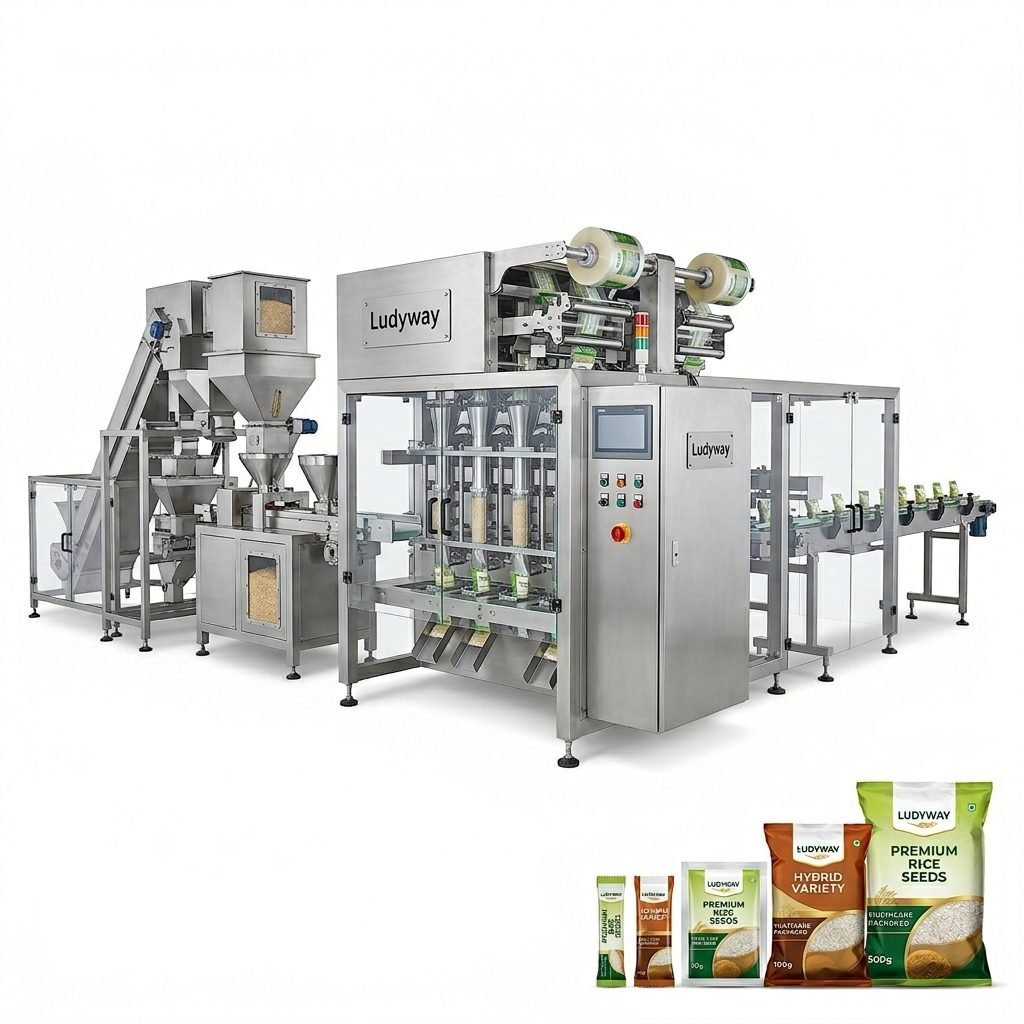
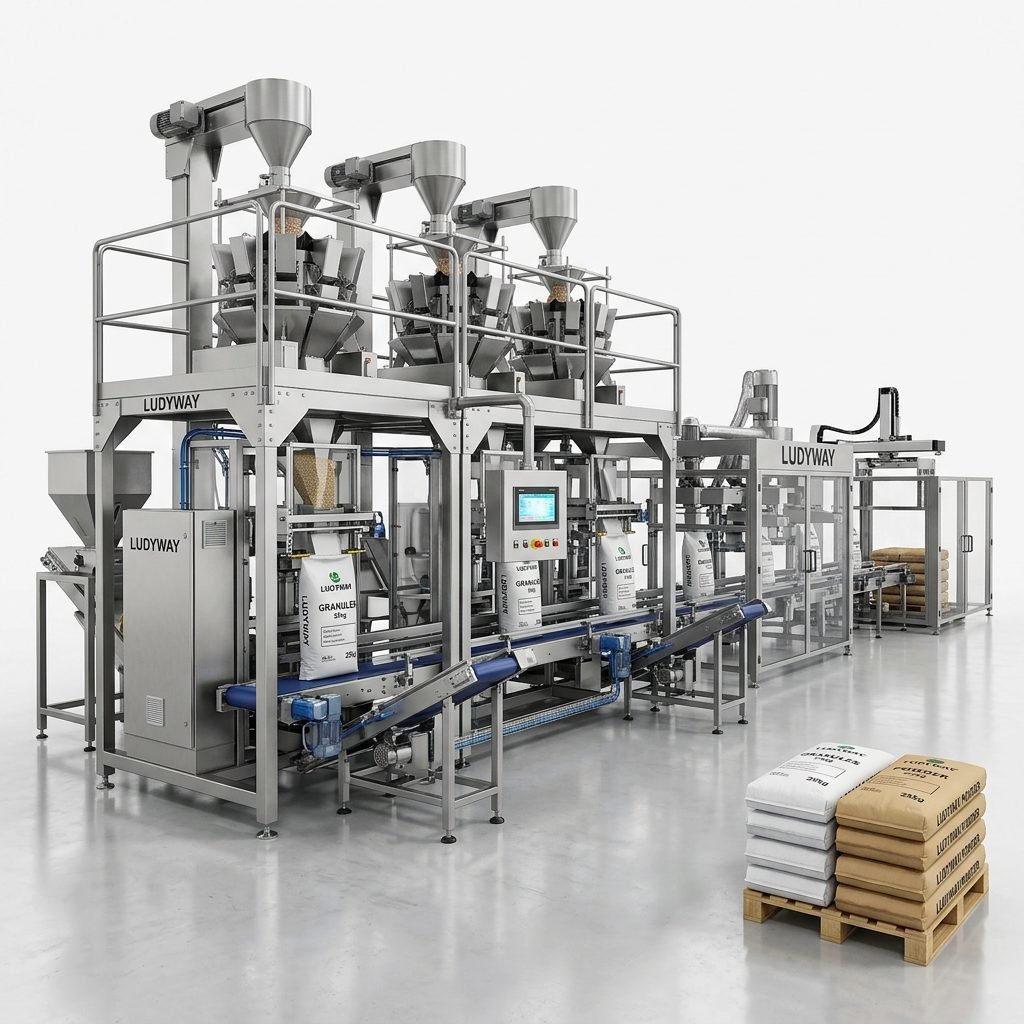
An automated packaging line optimized for the German market must incorporate high-precision technology to minimize waste and maximize output. A typical setup provides seamless integration from filling to palletizing. Understanding the configuration details can significantly reduce downtime.
| Component | Function | Key Benefit |
|---|---|---|
| Bucket Elevator | Gently conveys raw rice to the weighing system | Reduces grain breakage |
| Multi-head Weigher | High-speed precision weighing of granules | Accuracy of ±1-2 grams |
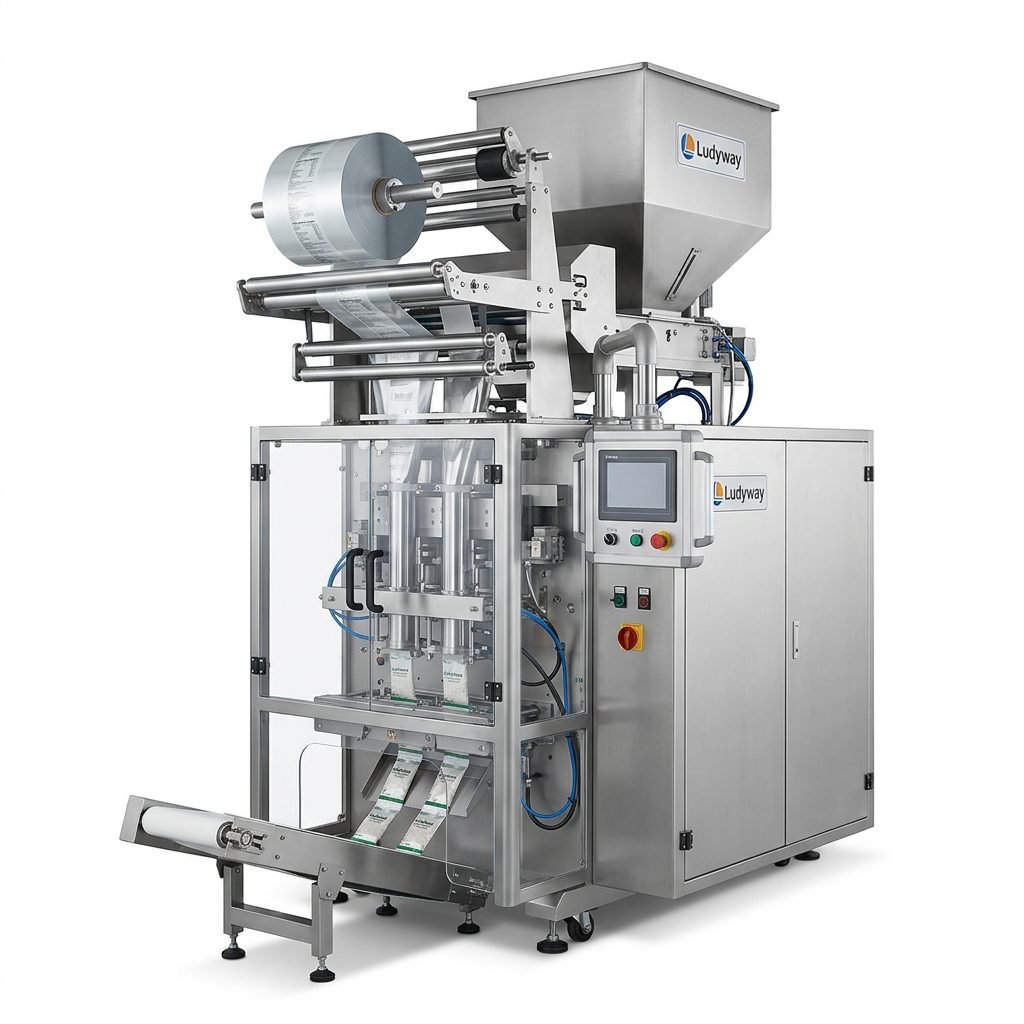
| Vertical Form Fill Seal (VFFS) | Forms bags from roll stock, fills, and seals | Hermetic sealing for freshness |
| Checkweigher & Metal Detector | Quality control and contaminant rejection | Full HACCP compliance |
CE Marking and Safety Compliance in Germany
Machinery imported or sold within Germany must carry the CE mark. This indicates conformity with the EU Machinery Directive 2006/42/EC. When setting up your production line, you must ensure critical safety features, including emergency stops, fully enclosed guard doors, and electrical cabinets meeting IP65 standards. Industry associations like PMMI provide extensive resources on global safety standards that impact packaging line configurations in Europe.
Step-by-Step Installation Guide
- Site Preparation: Ensure the floor is leveled and capable of bearing heavy dynamic loads, with proper dust extraction systems in place.
- Mechanical Assembly: Position machines according to the layout drawing. Connect conveyors, bucket elevators, and vacuum transfer systems.
- Electrical Setup: Configure the centralized PLC system. German industrial facilities typically use a 400V three-phase power supply.
- Testing and Calibration: Adjust the multi-head weigher parameters specifically for long-grain and parboiled rice densities.
- Operator Training: Personnel must be trained on the HMI (Human Machine Interface), which should support multi-language options, including German.
Optimizing Efficiency with Automation
Labor costs in Germany are remarkably high; thus, a fully automated rice packaging line offers a significant return on investment. Features such as robotic palletizing, automatic carton sealing, and servo-driven machines ensure high-speed throughput. By integrating a smart packaging system that includes advanced coding and marking, you can track batches accurately, which is essential for distribution across major German supermarket chains like EDEKA and Rewe.
Maintenance and Lifecycle Management
To prevent production disruptions, an annual preventive maintenance schedule is mandatory. Regularly inspect critical wear parts such as:
- Sealing jaws and Teflon tapes.
- Pneumatic actuators and air filters.
- Weight sensors and load cells.
- Conveyor belt tension and alignment.
Partnering with a manufacturer that offers rapid remote diagnostic support and spare parts warehousing within the EU drastically reduces Mean Time To Repair (MTTR).
Selecting a Strategic Equipment Partner
When entering the German market, it is highly advantageous to collaborate with a source that delivers CE-certified hardware along with technical expertise. Ludyway produces advanced multi-lane stick pack and bulk filling machines designed to meet rigorous EU production demands, providing a viable bridge between cost-efficiency and high-performance engineering.
ROI and Investment Breakdown
The initial capital expenditure must be evaluated against operational savings and market access. The table below breaks down the primary cost factors involved in a turnkey rice packaging setup in Germany.
| Investment Category | Percentage of Total Budget | Return Period Expectation |
|---|---|---|
| Core Packaging Machinery | 60% | 1 – 2 Years |
| Shipping, Import Duties & CE Certification | 15% | One-time Cost |
| Installation & Integration Engineering | 20% | 6 – 12 Months |
| Training & Documentation | 5% | Immediate (Productivity) |

Conclusion
Setting up a Rice Packaging Machine Production Line in Germany requires a methodical approach to regulatory adherence, machinery selection, and automation integration. From ensuring EU compliance to optimizing warehouse layouts for high-capacity bagging, the right strategy guarantees market success. By heeding the technical and mechanical guidelines outlined here and remaining updated with global packaging technology associations, your facility can achieve high output, minimal waste, and a formidable presence in the European food industry.