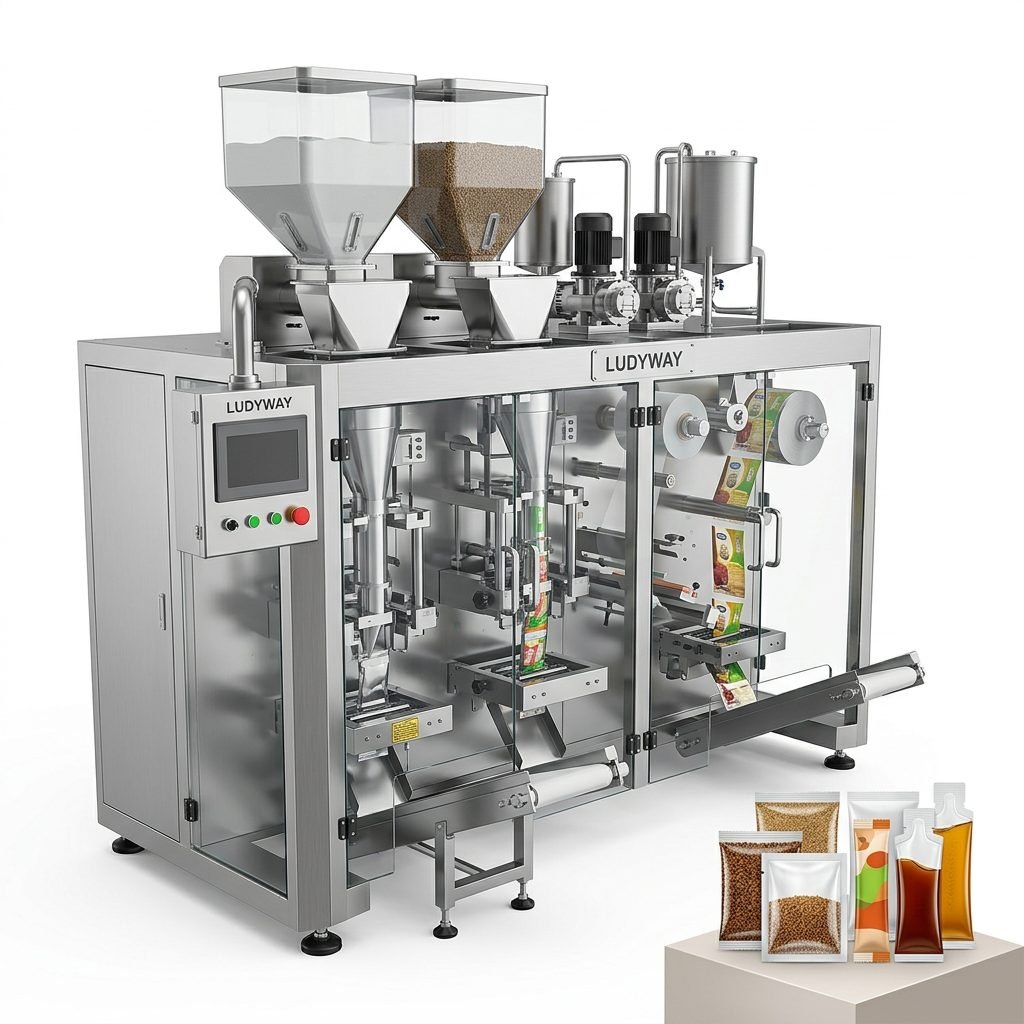
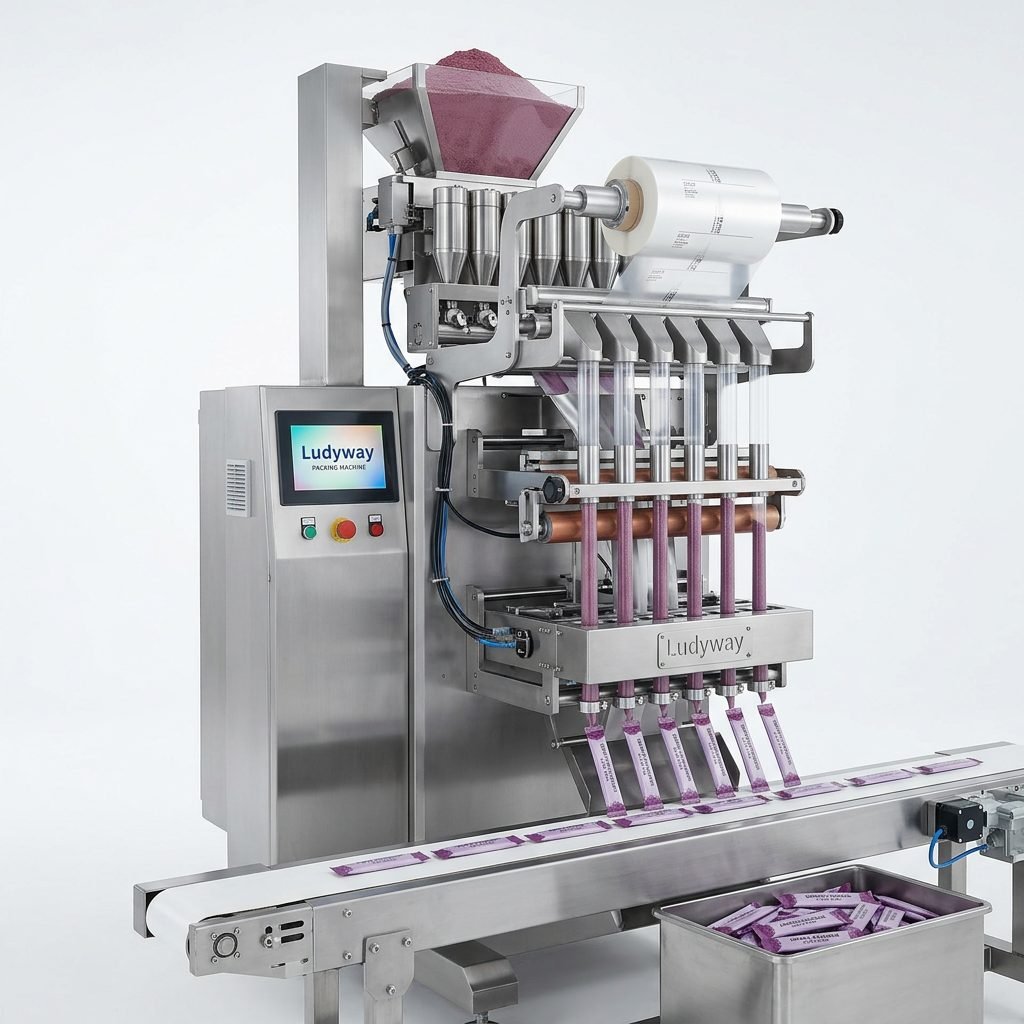
In today’s fast-paced manufacturing world, efficiency, hygiene, and reliability are non-negotiable. High-performance packaging machinery is the cornerstone of modern production, especially in sectors where precision and safety are paramount. This article explores the critical role of advanced packaging solutions tailored for the food, pharmaceutical, and industrial sectors, highlighting how innovative technology drives productivity and quality.
The Critical Role of Packaging in Modern Industry
Packaging is far more than just a final step in production; it is a vital process that ensures product integrity, safety, and market appeal. For industries like food and pharma, the packaging line is where compliance, shelf-life, and consumer trust are sealed. High-performance machinery automates this complex process, delivering speed, accuracy, and consistency that manual operations simply cannot match.
Why Specialized Machinery Matters
Each industry presents unique challenges. Food packaging demands speed and adaptability for various product forms—from granules and powders to liquids and solids. Pharmaceutical packaging requires an uncompromising sterile environment and precise dosing. Industrial applications often need robust machines to handle abrasive or volatile materials. A one-size-fits-all approach fails here. Specialized, high-performance packaging machinery is engineered to meet these specific demands head-on.
Food Industry: Packaging for Freshness, Safety & Speed
The food sector operates on tight margins and even tighter safety regulations. Consumers demand fresh, tamper-evident, and conveniently packaged products. High-performance packaging solutions for food address these needs through:
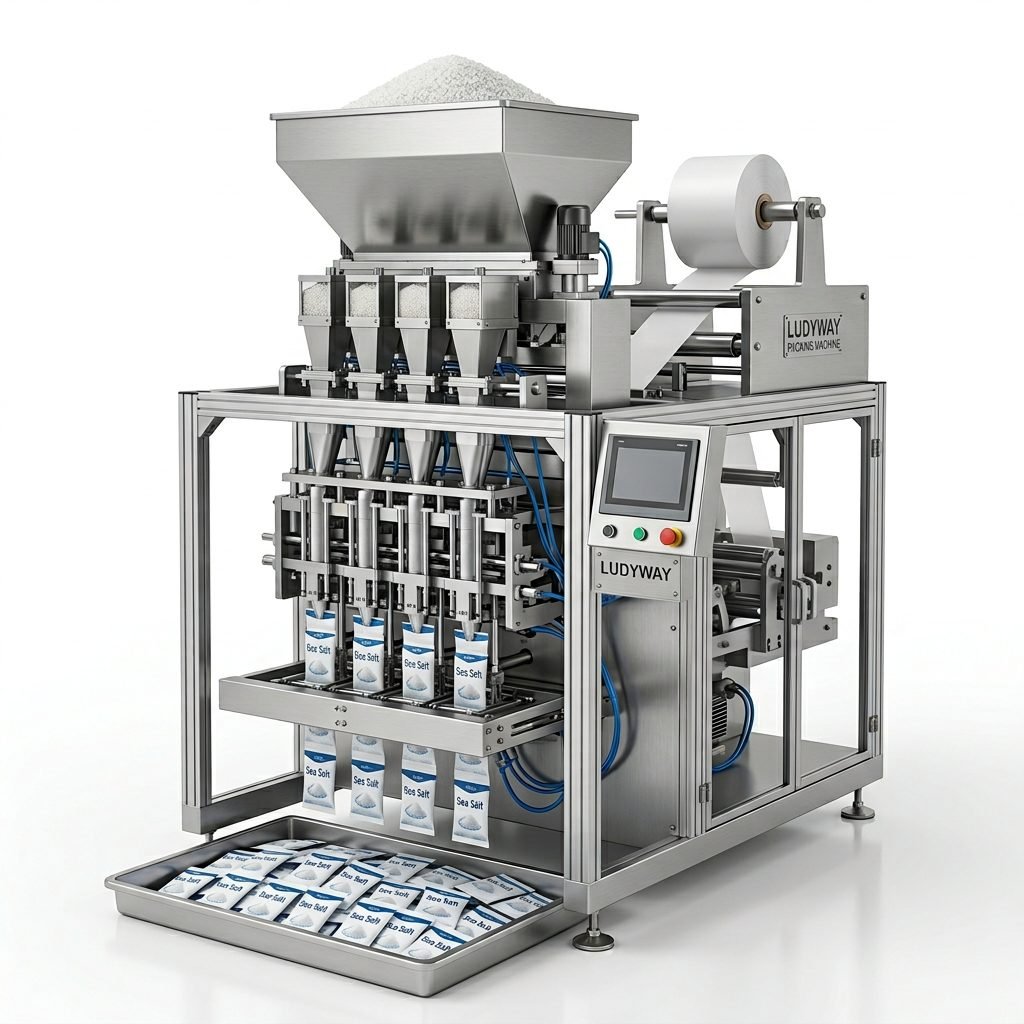
- Advanced Form-Fill-Seal (FFS) Technology: Creates packages from a roll of film, ensuring freshness and reducing material waste.
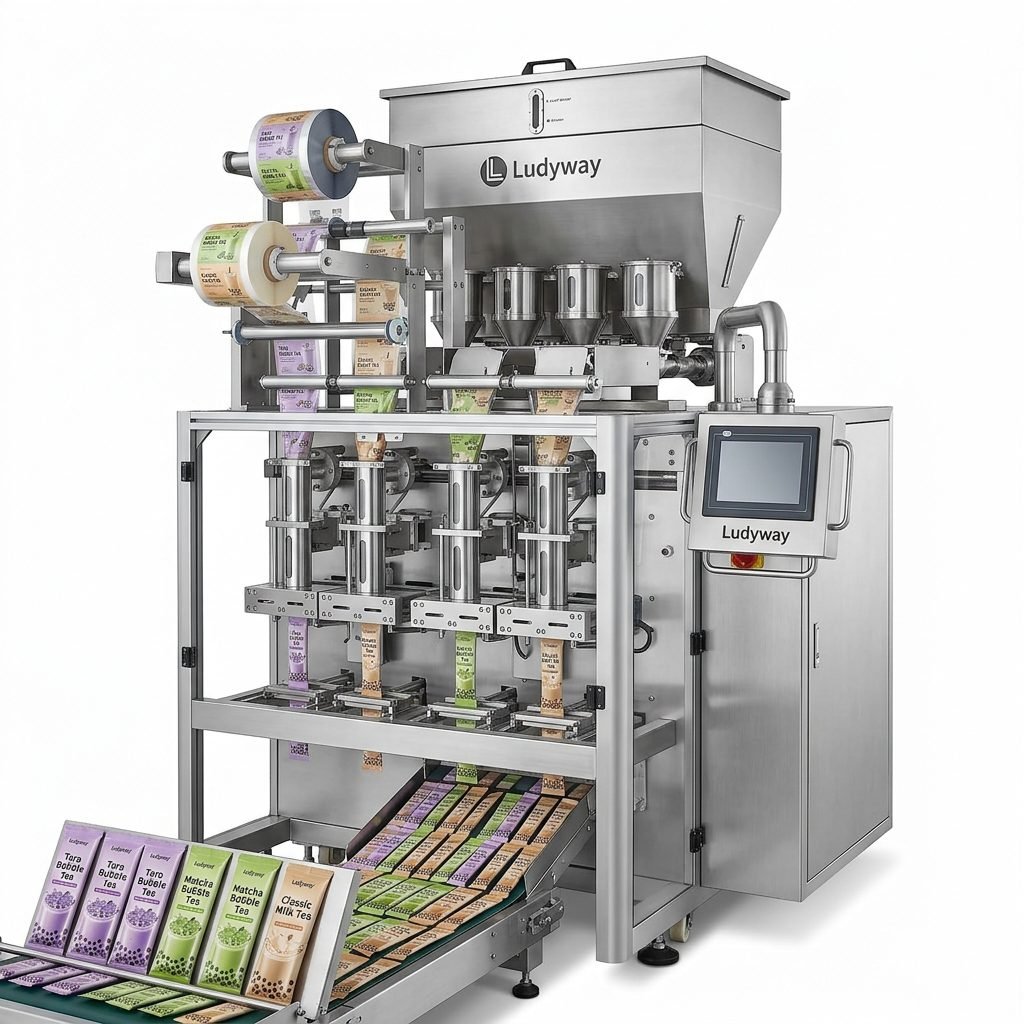
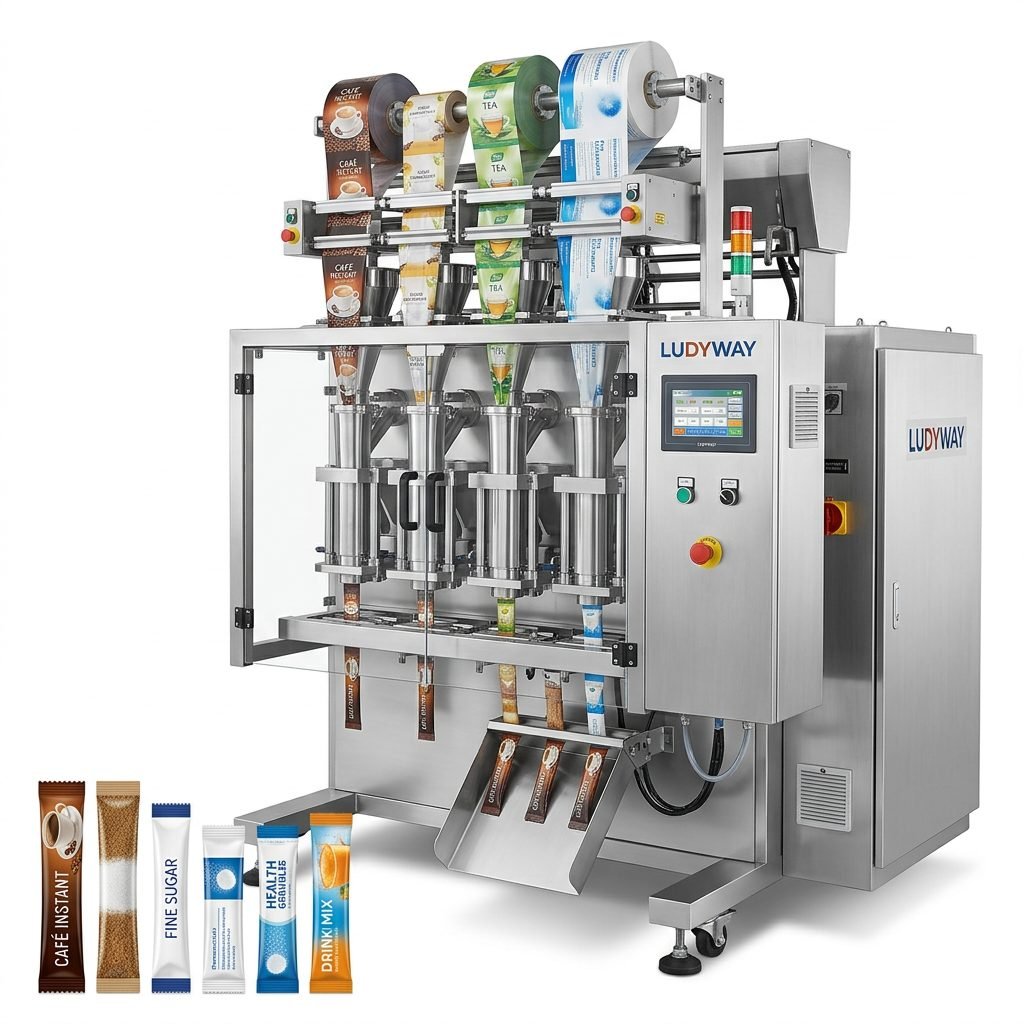
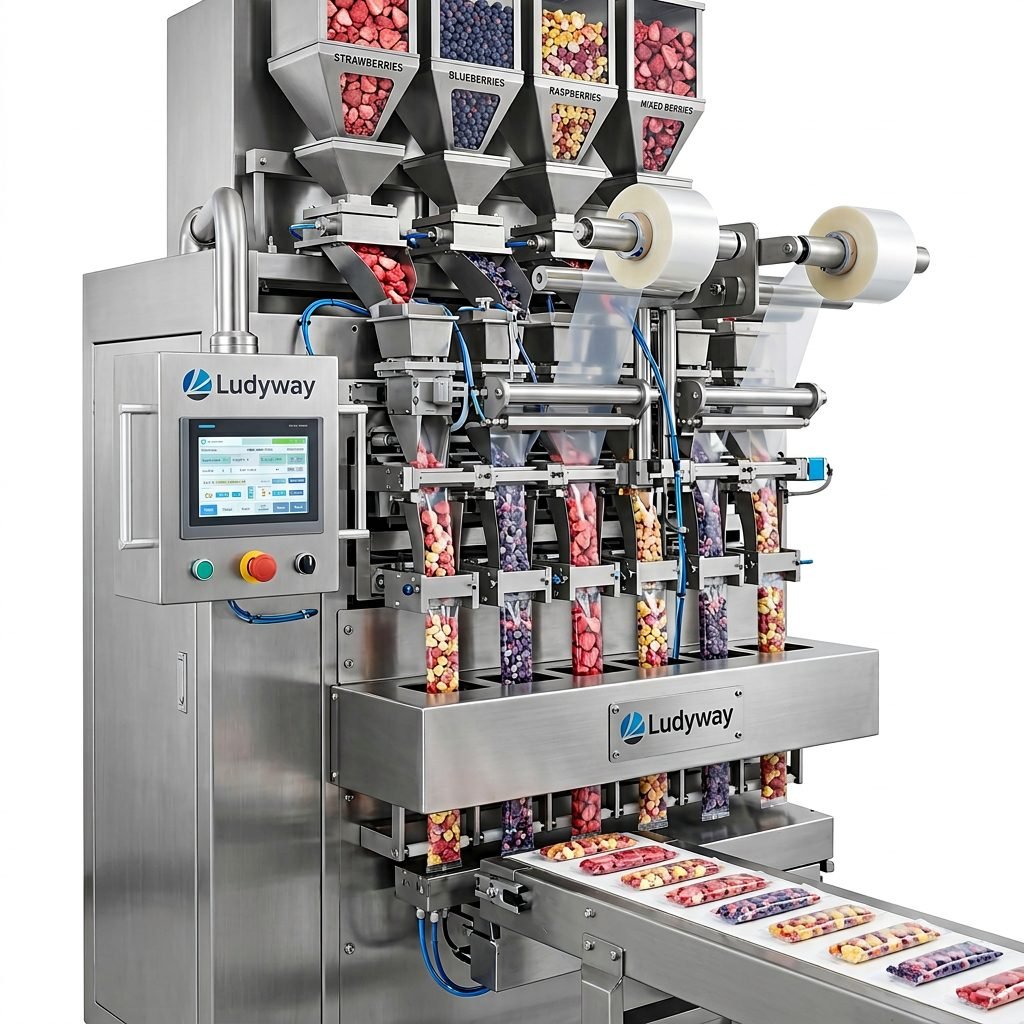
- Multi-Lane Efficiency: Machines with multiple lanes, like high-speed stick pack or sachet machines, dramatically increase output for items like spices, instant drinks, and sauces.
- Modified Atmosphere Packaging (MAP): Extends shelf life by replacing the air inside the package with a protective gas mix, crucial for meats, cheeses, and ready-to-eat meals.
These systems are designed for quick changeovers, allowing producers to switch between different product types and package sizes with minimal downtime, which is essential for responding to market trends.
Pharmaceutical & Healthcare: Precision in Every Packet
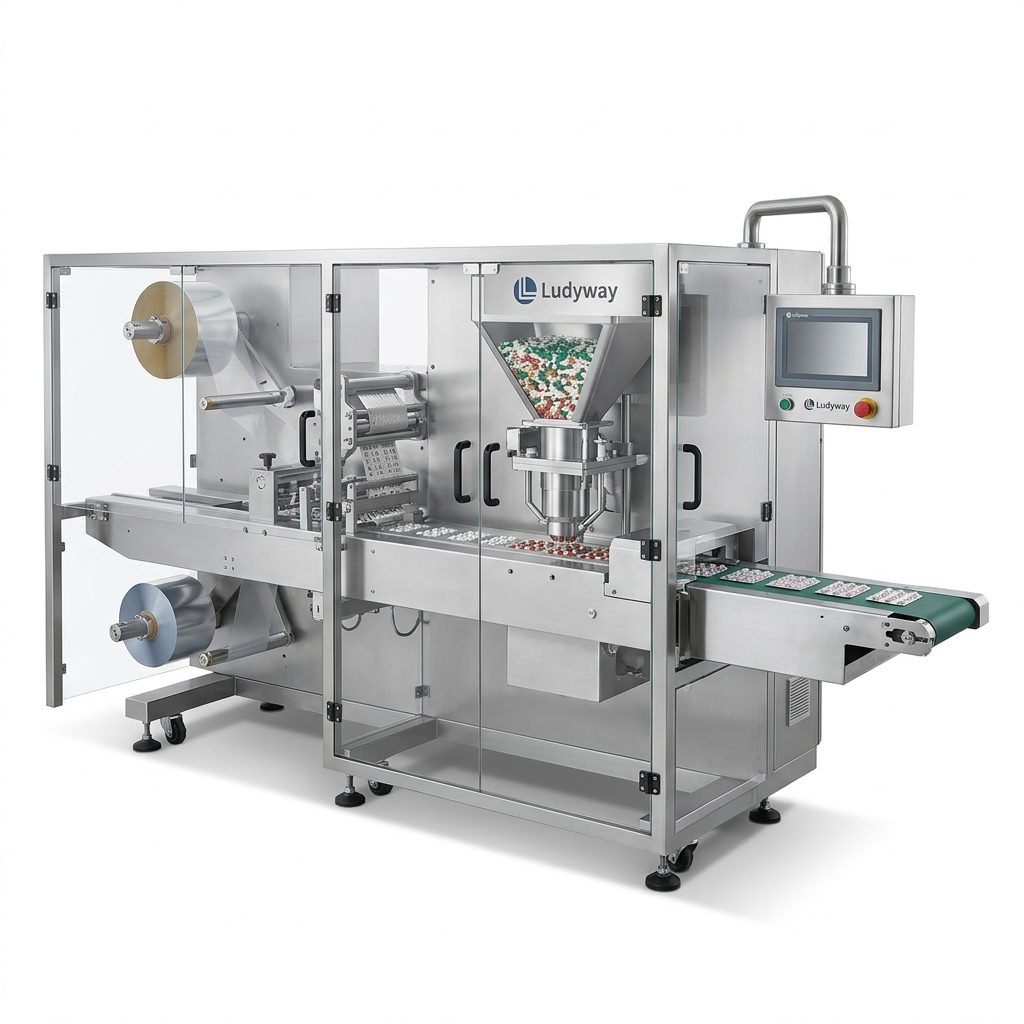
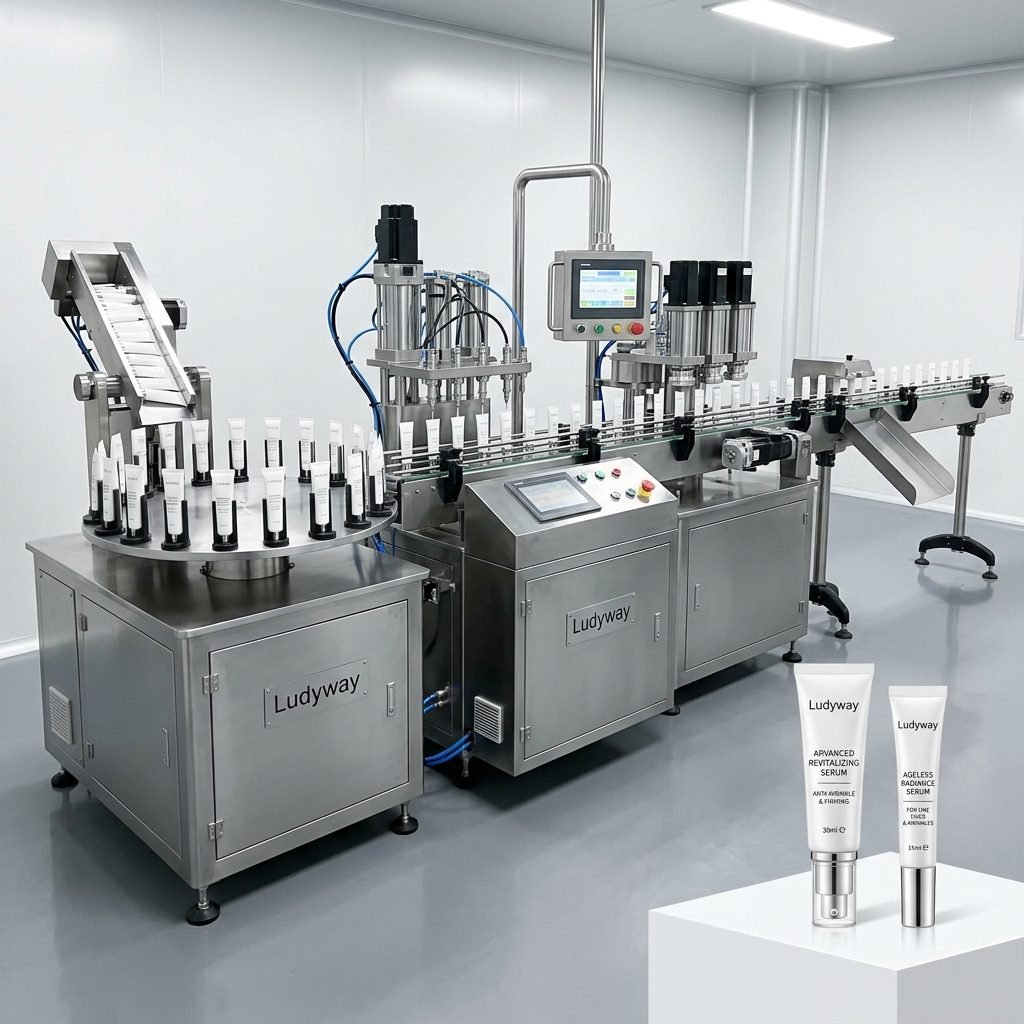
In pharmaceuticals, packaging is a critical component of patient safety. The machinery must operate in controlled environments and deliver absolute precision. Key features of high-performance pharma packaging include:
- Clean-Room Compatibility: Machines built with smooth surfaces and easy-clean designs to meet GMP (Good Manufacturing Practice) standards.
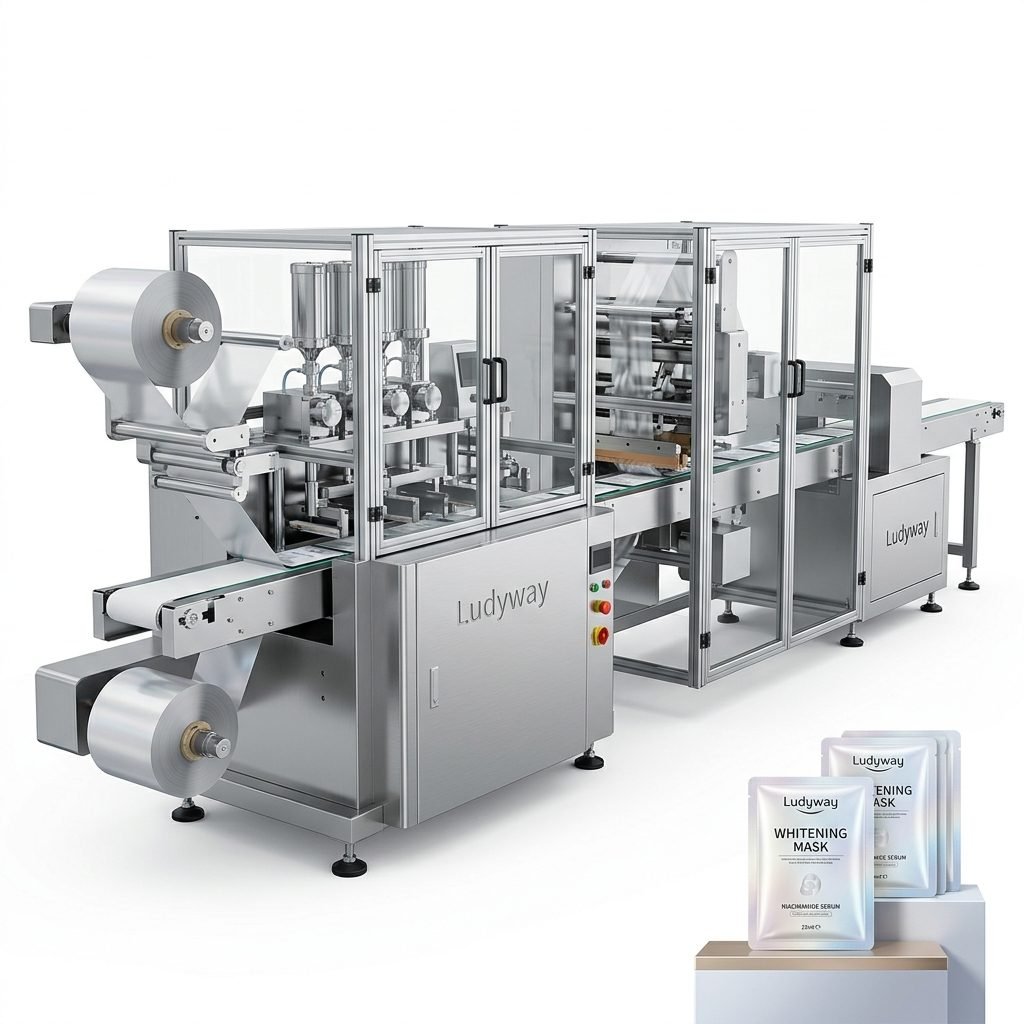
- Micro-Dosing Accuracy: Ultra-precise auger or pump fillers that handle potent powders and liquids with minimal deviation, essential for tablets, powders, and medical samples.
- Tamper-Evident & Serialization: Integrated systems that apply safety seals and unique serial codes for track-and-trace compliance, combating counterfeiting.
Reliability is paramount, as any downtime or error can have serious consequences. This makes the robustness and proven engineering behind the machinery a top priority for healthcare manufacturers.
Industrial Applications: Durability for Demanding Environments
Beyond food and pharma, high-performance packaging machinery serves a vast industrial landscape. This includes chemicals, fertilizers, automotive parts, and construction materials. The focus here shifts to sheer durability and handling capability:
- Heavy-Duty Construction: Machines built with reinforced frames and wear-resistant components to handle abrasive, corrosive, or heavy products.
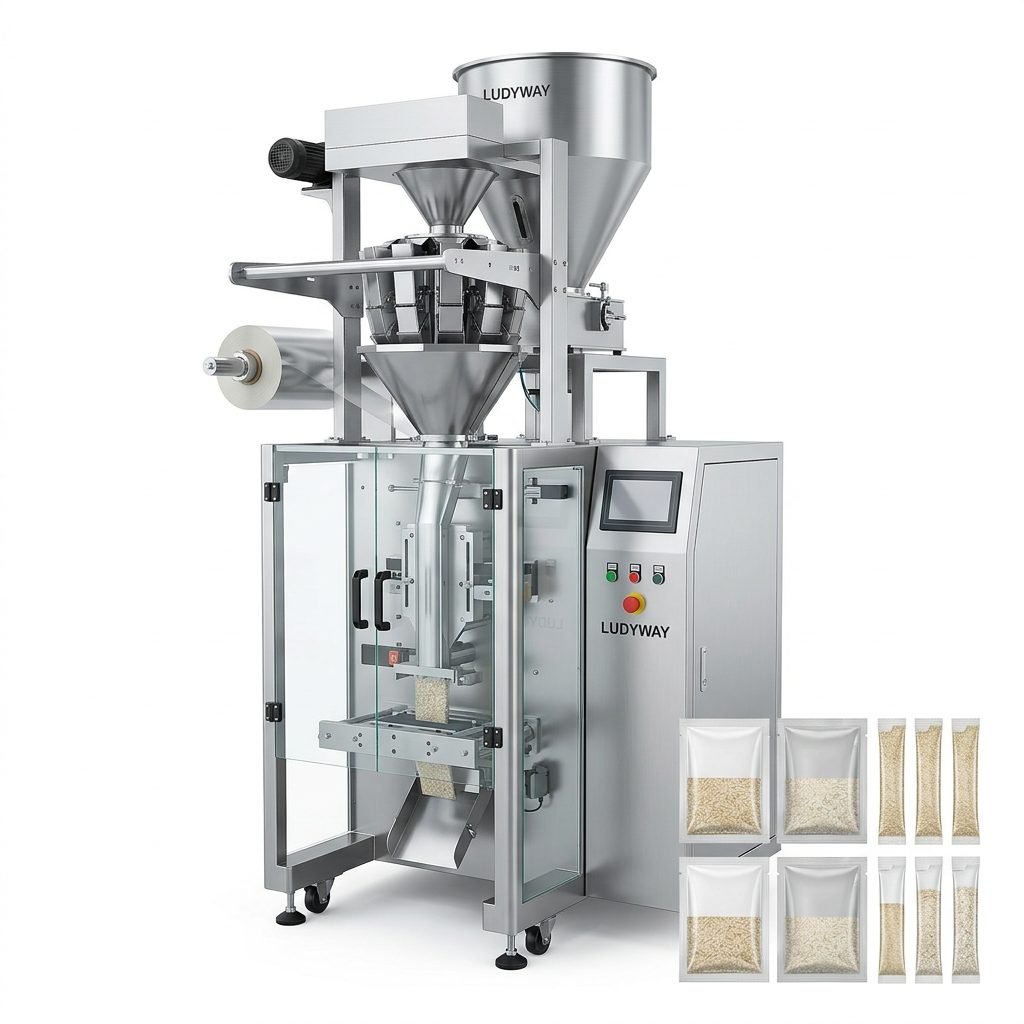
- Large-Volume Bagging: Automated systems for filling 25kg or 50kg bags of granules, powders, or flakes with high speed and weight accuracy.
- Dust Containment & Safety: Integrated dust collection and explosion-proof features for safe processing of volatile materials.
These solutions prioritize uptime and low maintenance, ensuring continuous operation in challenging plant conditions.
The Engine of Innovation: Technology Driving Performance
What defines “high-performance” in modern packaging machinery? It’s the integration of smart technologies that elevate basic automation into intelligent, connected systems.
Core Technological Pillars:
- Servo-Driven Motion Control: Replaces mechanical cams and gears, offering unparalleled precision, flexibility, and quieter operation. Changeovers become digital and recipe-based.
- Integrated Vision Inspection Systems: Cameras verify fill levels, check seal integrity, and read codes, ensuring every package that leaves the line is perfect.
- Industry 4.0 & IoT Connectivity: Machines equipped with data ports and HMI panels enable real-time monitoring of OEE (Overall Equipment Effectiveness), predictive maintenance alerts, and seamless integration into factory networks.
- Hygienic Design: Stainless steel surfaces, rounded corners, and easy-access panels facilitate thorough cleaning and meet stringent sanitary protocols.
Investing in machinery with these technologies future-proofs production lines, making them more adaptive, efficient, and intelligent. For a deeper look at the engineering behind these solutions, explore our company profile.
Choosing the Right Partner for Your Packaging Needs
Selecting high-performance packaging machinery is a significant capital decision. The right partner provides more than just a machine; they deliver a solution. Key considerations include:
- Application Expertise: Does the supplier have a proven track record in your specific industry (e.g., food, pharma, chemicals)?
- Customization & Flexibility: Can the machine be tailored to your unique product, package format, and line speed requirements?
- After-Sales Support: What is the global availability of spare parts, technical support, and service engineers? Lifelong support is crucial.
- Scalability: Can the supplier offer a complete turnkey production line, from feeding and filling to cartoning and palletizing, that can grow with your business?
A partner with deep industry experience, like Ludyway Machinery, understands these complexities and works collaboratively to engineer a solution that fits both current and future needs.
Conclusion: Investing in Performance is Investing in Your Future
High-performance packaging machinery is a strategic investment that pays dividends in productivity, compliance, and product quality. Whether you are safeguarding food, ensuring precise medication doses, or packaging industrial goods, the right automated solution is the key to competitive advantage. By focusing on technological innovation, industry-specific design, and partnership with an experienced provider, manufacturers can build packaging operations that are not only efficient today but also ready for the challenges of tomorrow.
Frequently Asked Questions (FAQs)
1. What are the main benefits of switching to high-performance packaging machinery?
The primary benefits include significantly increased production speed and output, improved accuracy and reduced product giveaway, enhanced product safety and shelf-life, greater operational flexibility for different package sizes, and lower long-term labor costs. These machines also ensure higher consistency and compliance with industry regulations.
2. How do I know if a machine is suitable for my specific product (e.g., a sticky powder or a viscous liquid)?
Reputable suppliers offer product testing services. You can send a sample of your material to their lab or facility, where engineers will run trials on different filling systems (like auger, pump, or volumetric cups) to determine the best solution for your product’s characteristics and required accuracy.
3. Can new packaging machinery be integrated into my existing production line?
Yes, in most cases. A key service from experienced providers is line integration and customization. They will evaluate your current conveyor speeds, interfaces, and layout to design a machine that connects seamlessly, often providing the necessary interfacing conveyors and control system adaptations.
4. What kind of training and after-sales support should I expect?
Comprehensive support includes on-site installation supervision, detailed operator and maintenance training, a clear warranty period, and readily available spare parts. Look for suppliers with a global service network who offer remote diagnostics and prompt technical assistance to minimize downtime.
5. Are high-performance machines only for large-scale manufacturers?
Not at all. While they offer high speed, their flexibility is a major advantage. Modern servo-driven machines allow for quick and easy changeovers, making them economical for mid-sized producers running multiple products or short batches. The ROI comes from versatility, reduced waste, and higher quality, not just volume.