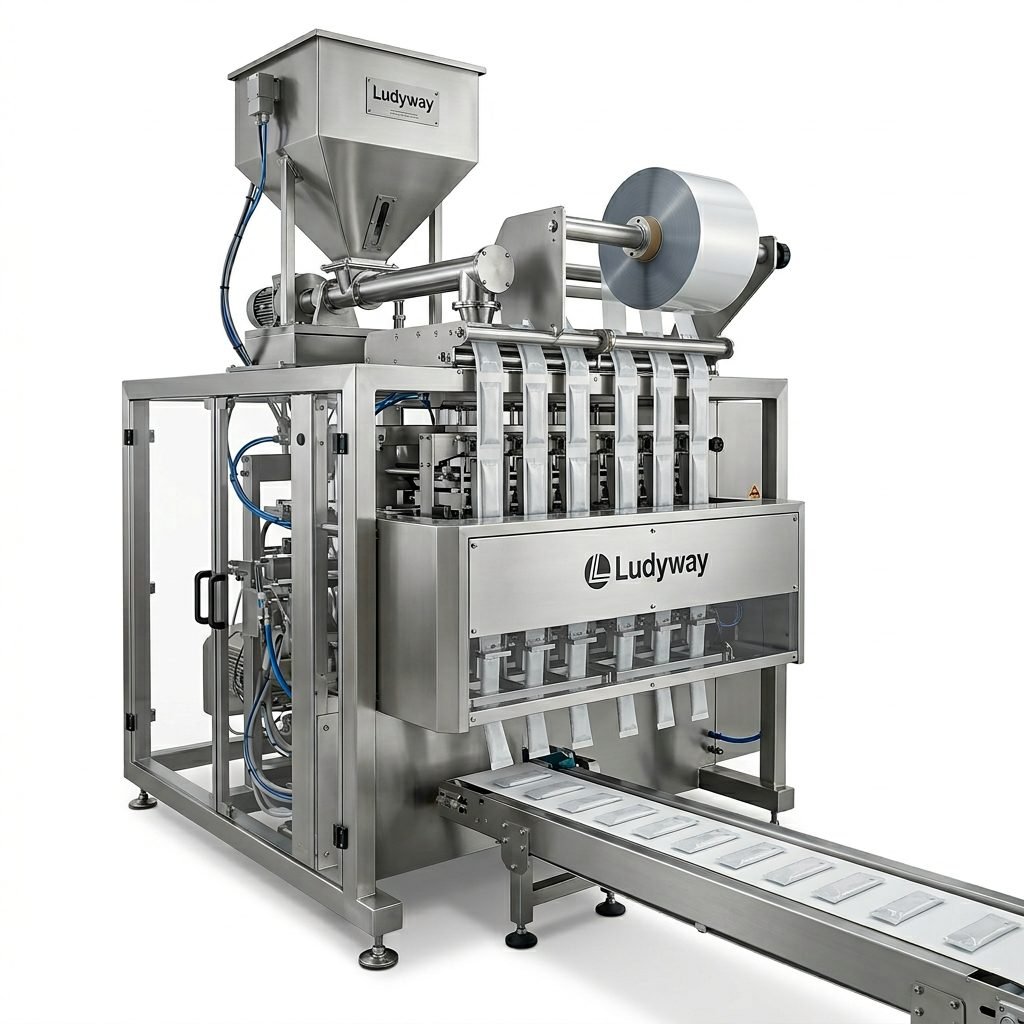
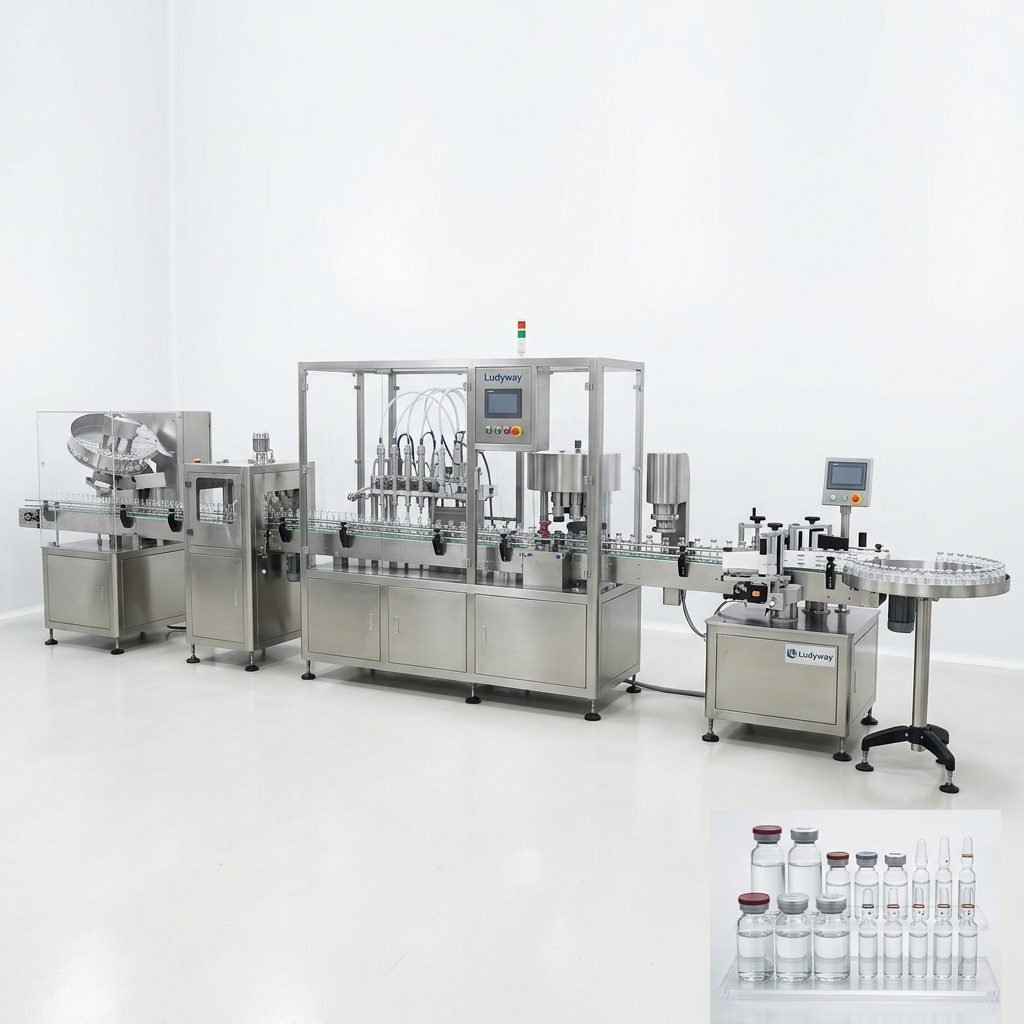
Setting up a sauce pouch packaging machine production line requires meticulous planning, precise engineering, and a deep understanding of both the product characteristics and the machinery involved. Whether you are packaging ketchup, mustard, chili sauce, mayonnaise, or barbecue sauce, the viscosity, particulate content, and filling temperature all influence the configuration of your production line. A well-designed line can significantly boost throughput, reduce product waste, and ensure consistent seal integrity across millions of pouches.
Understanding Sauce Pouch Packaging Production Lines
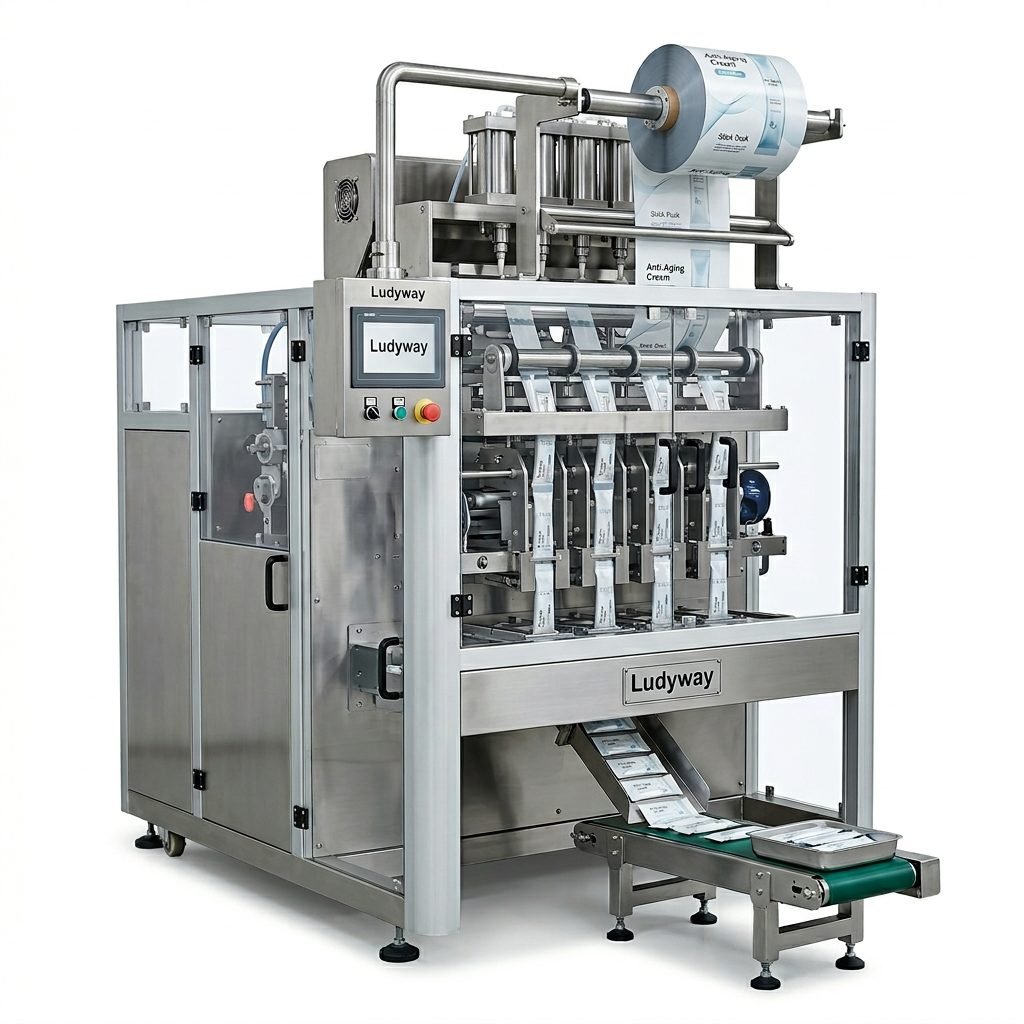
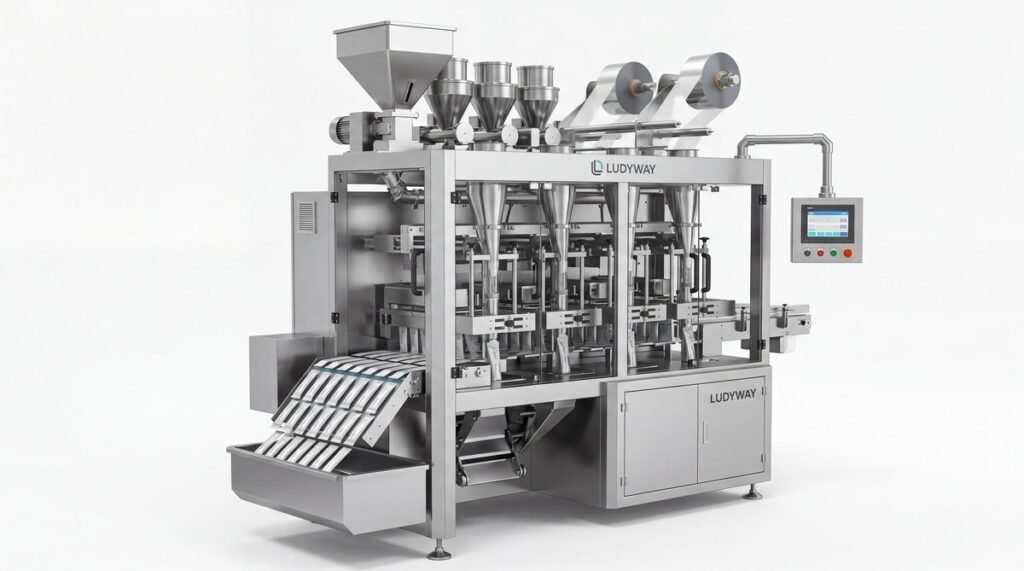
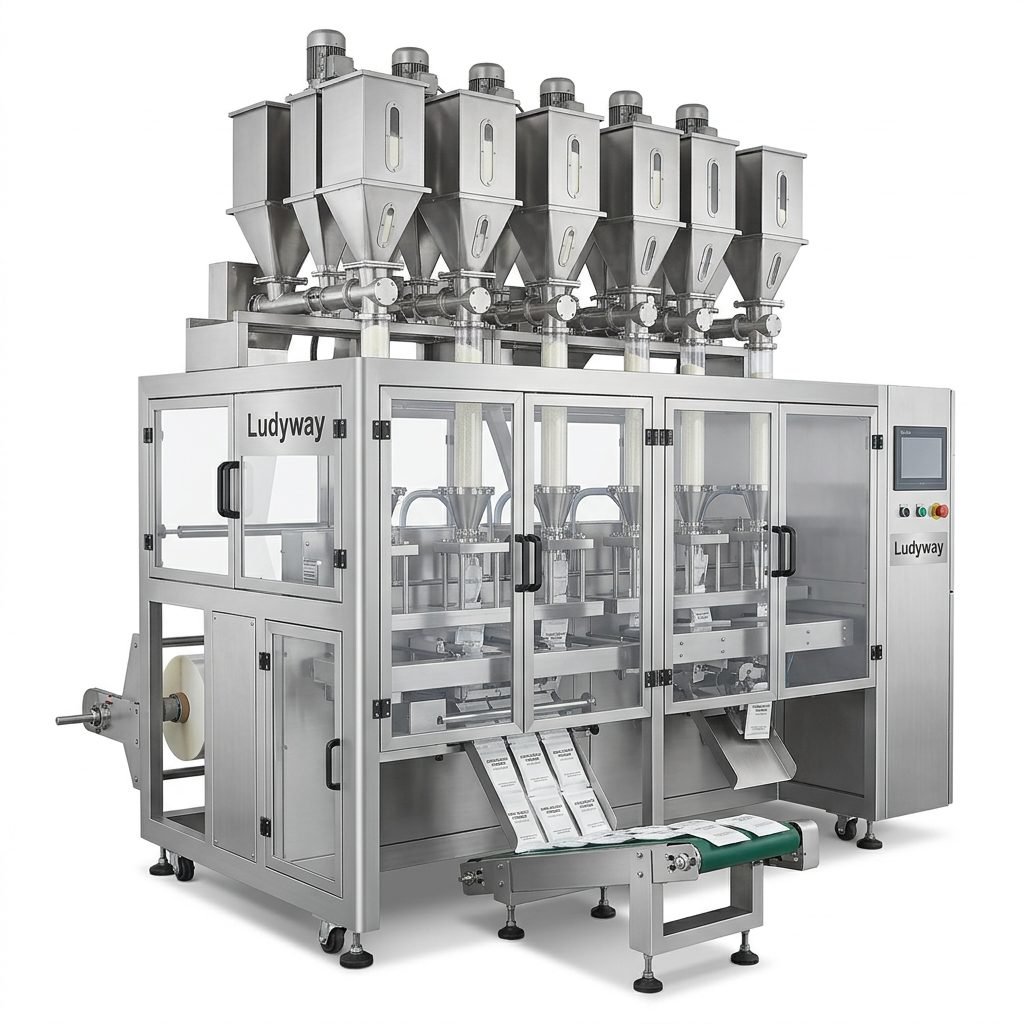
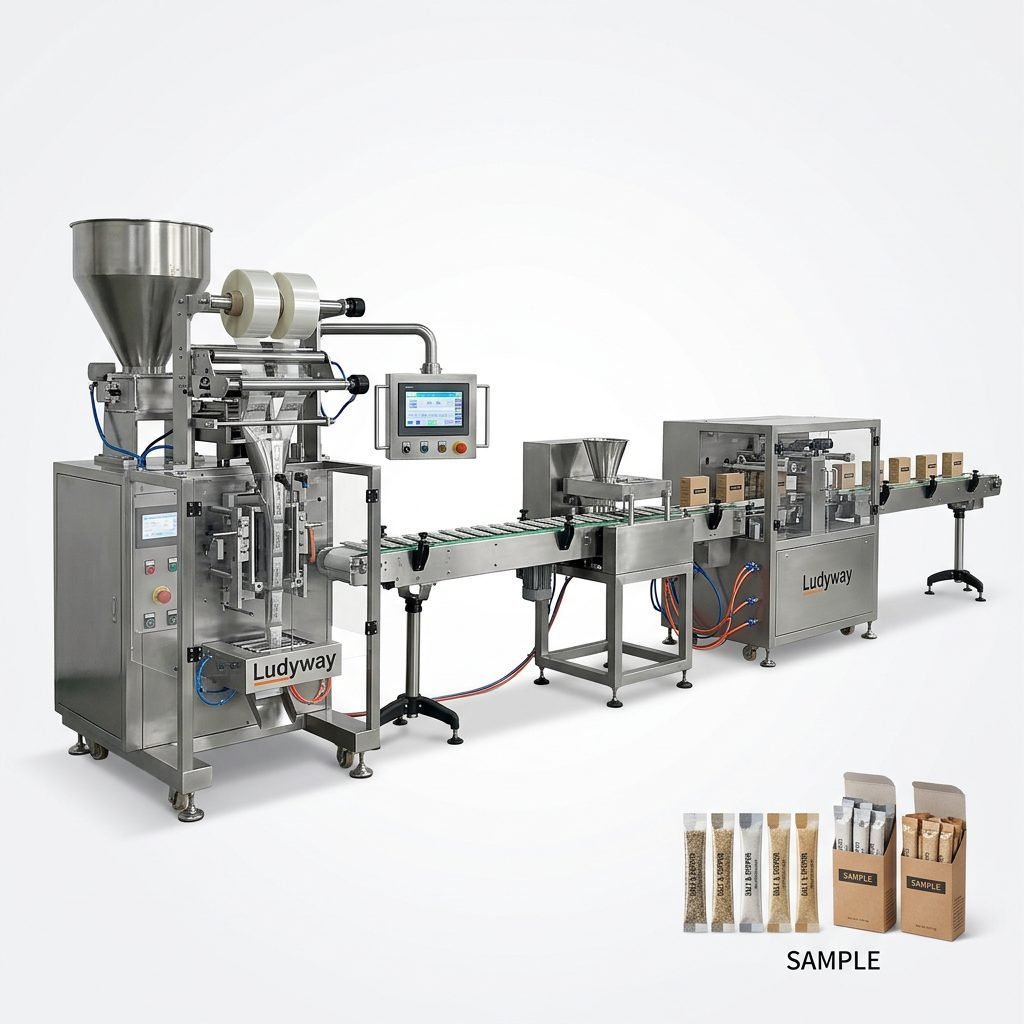
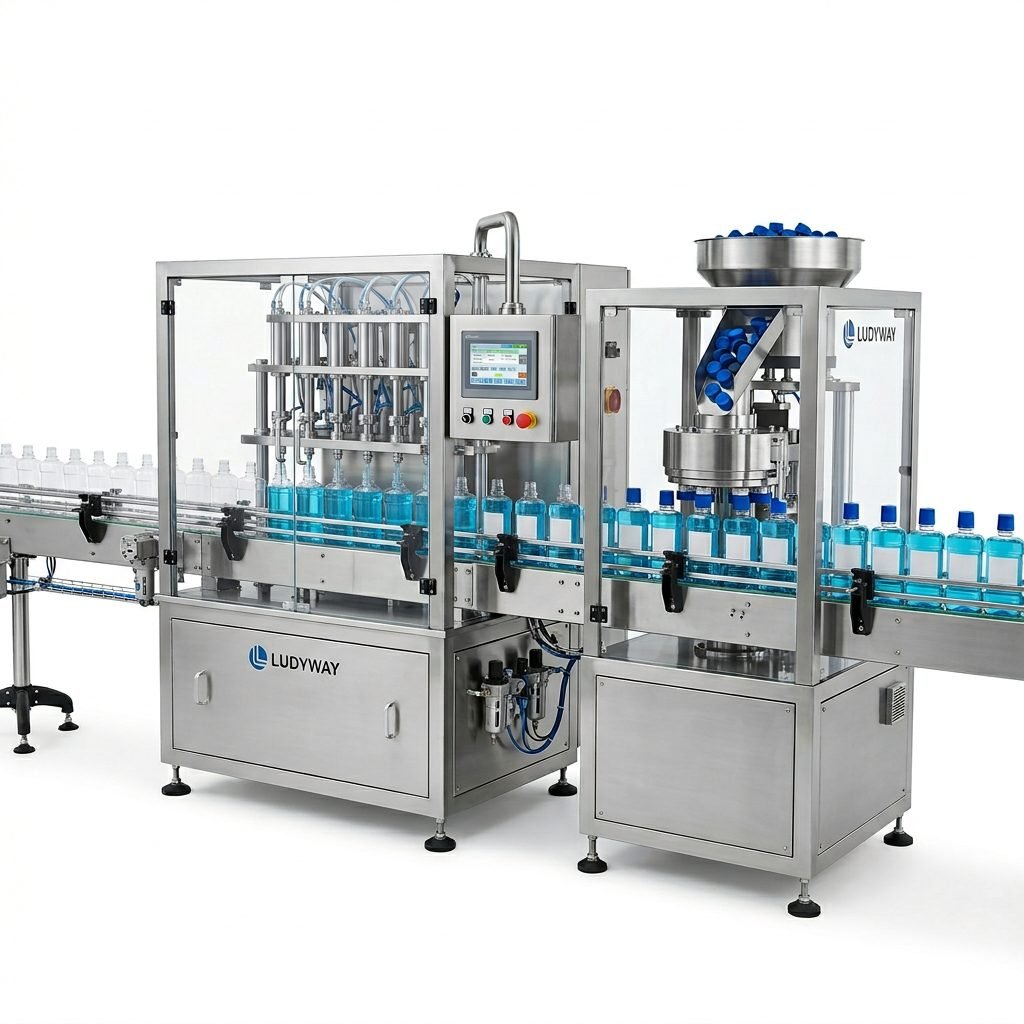
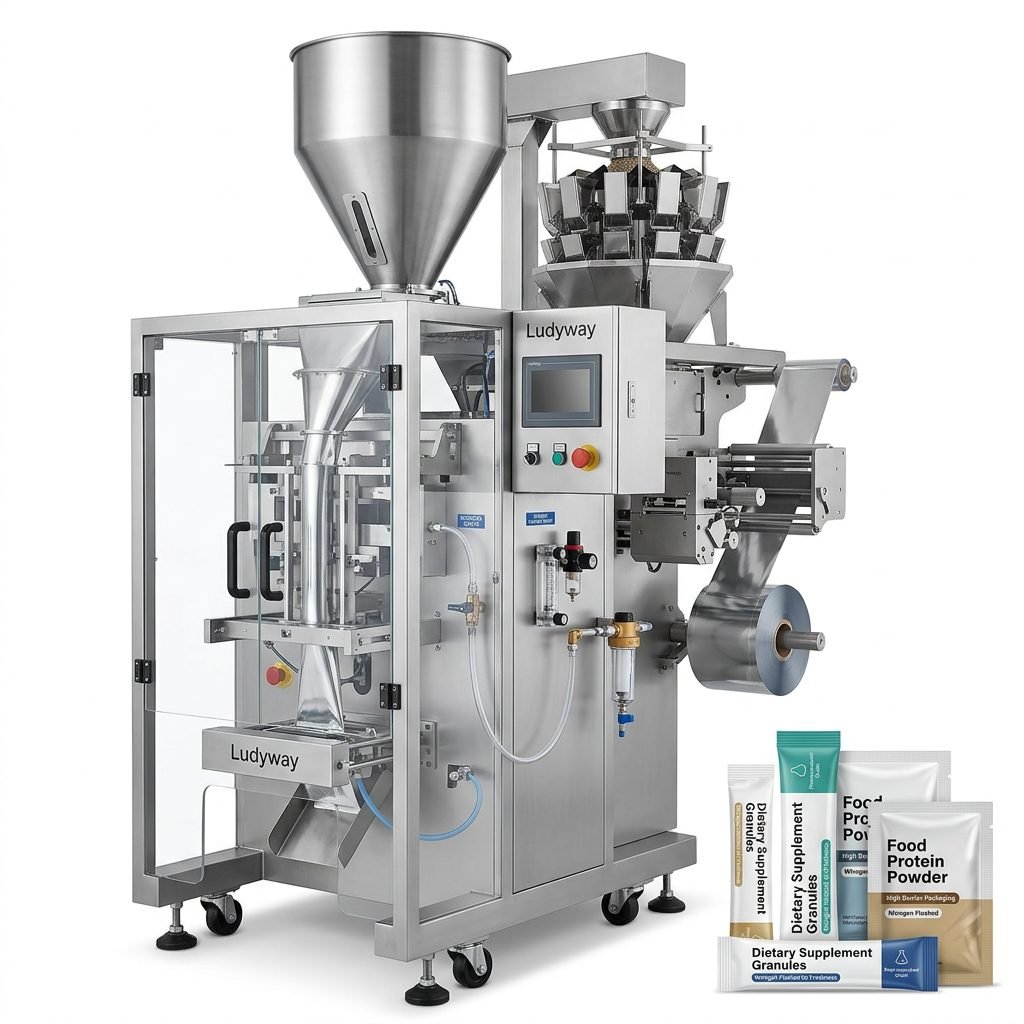
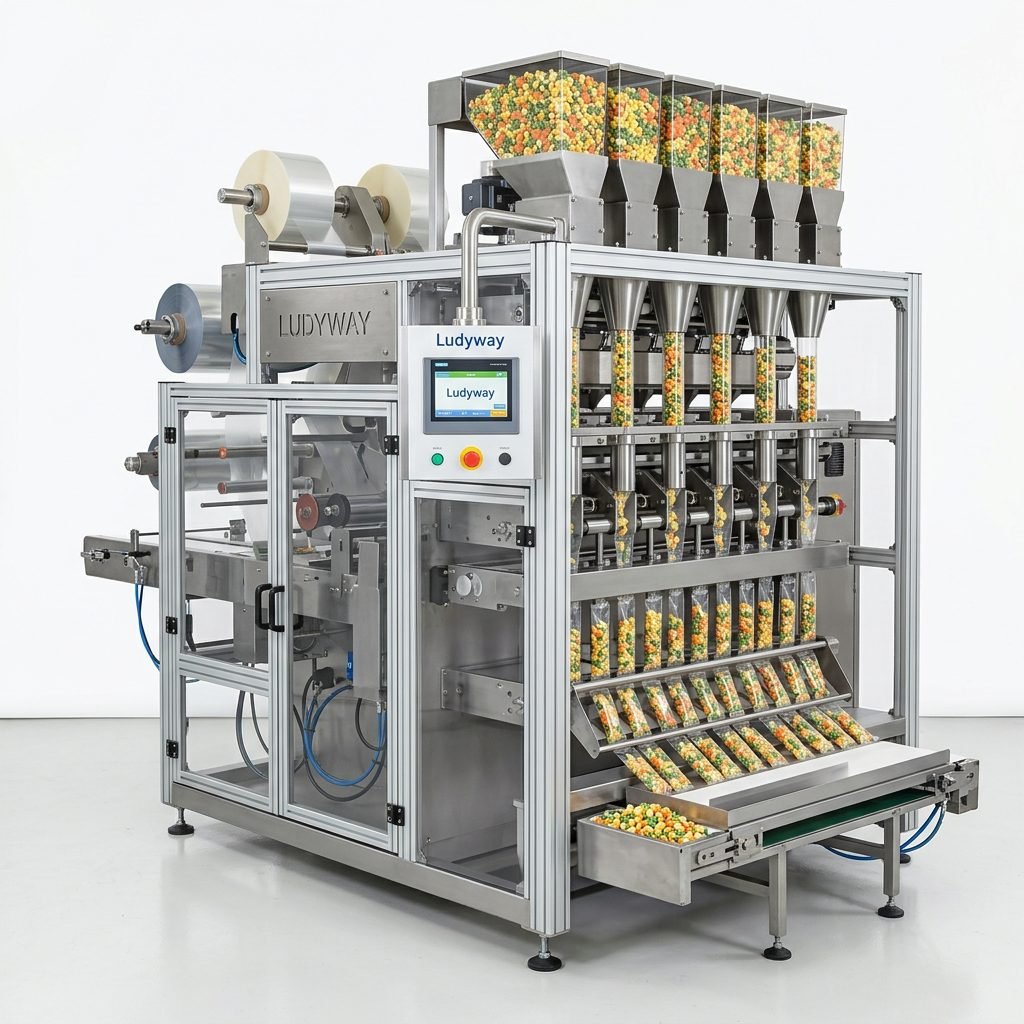
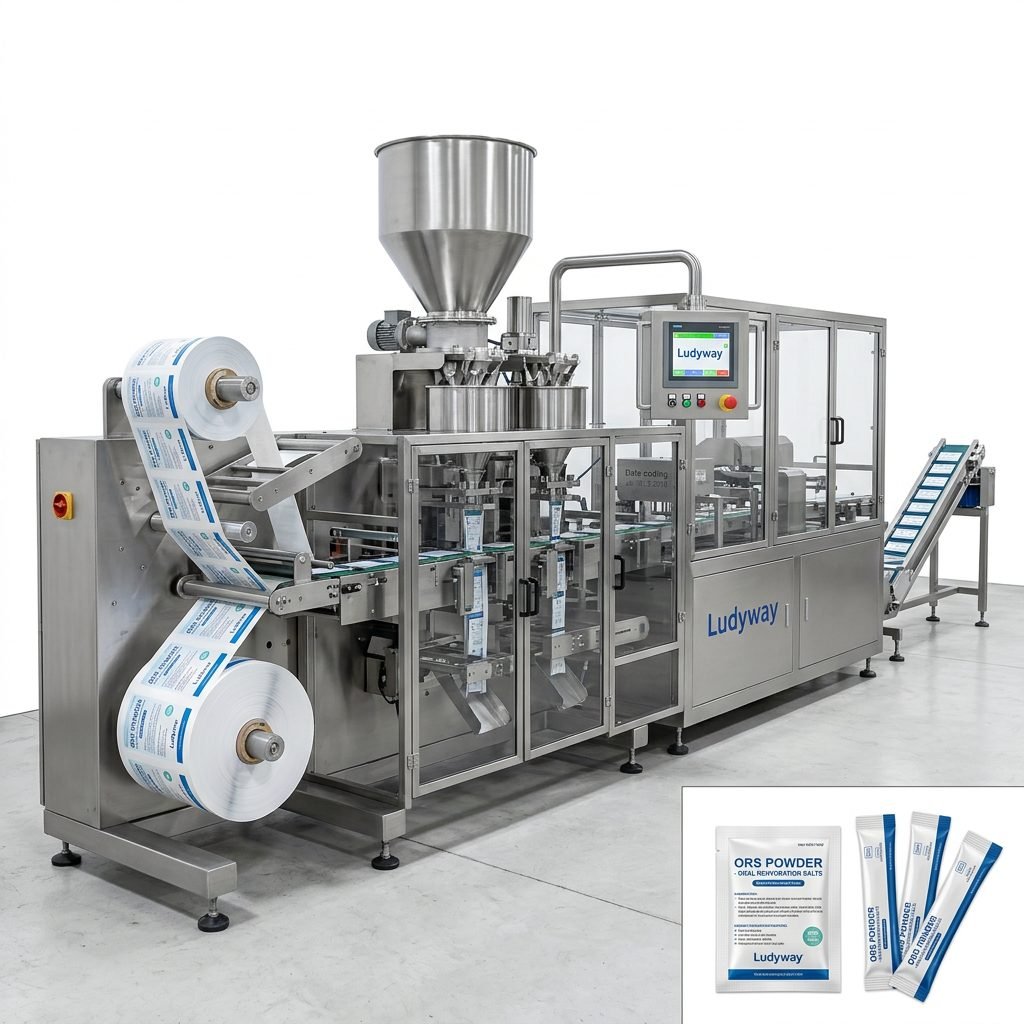
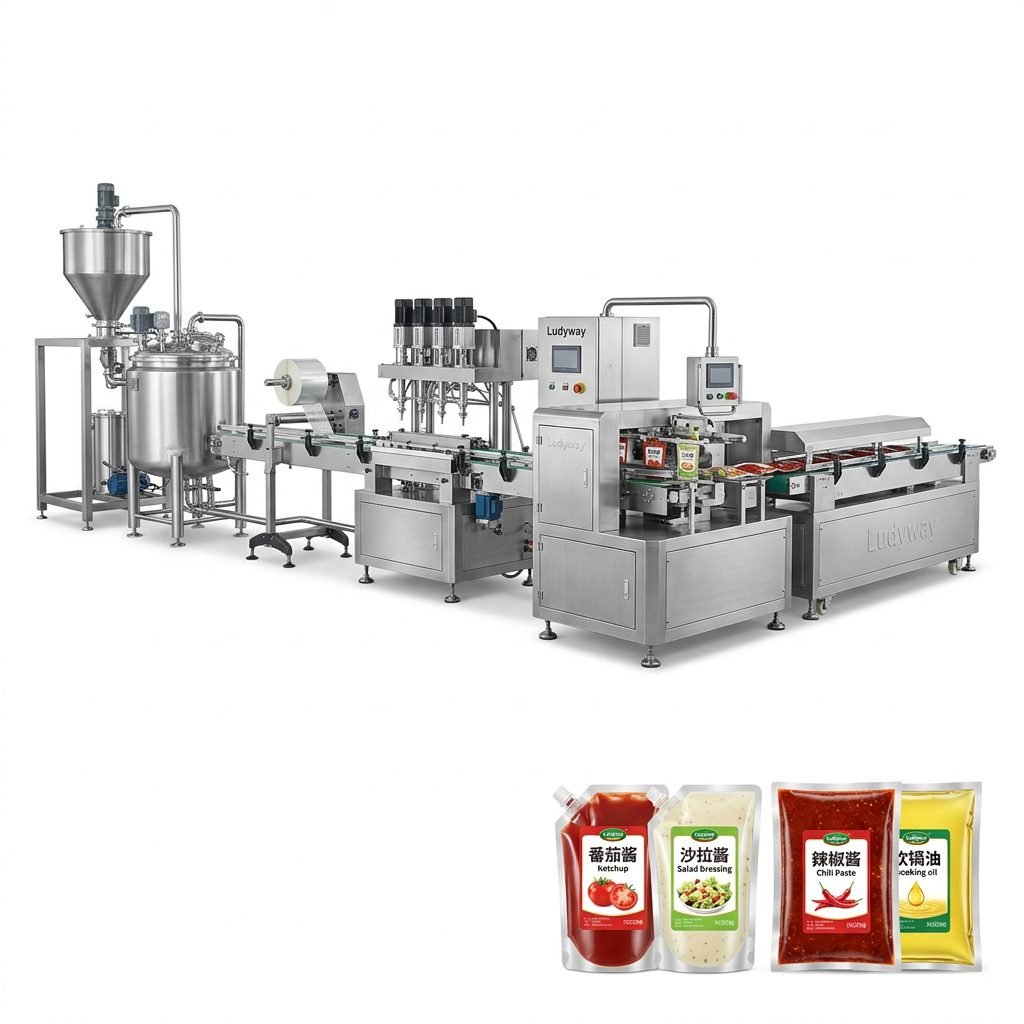
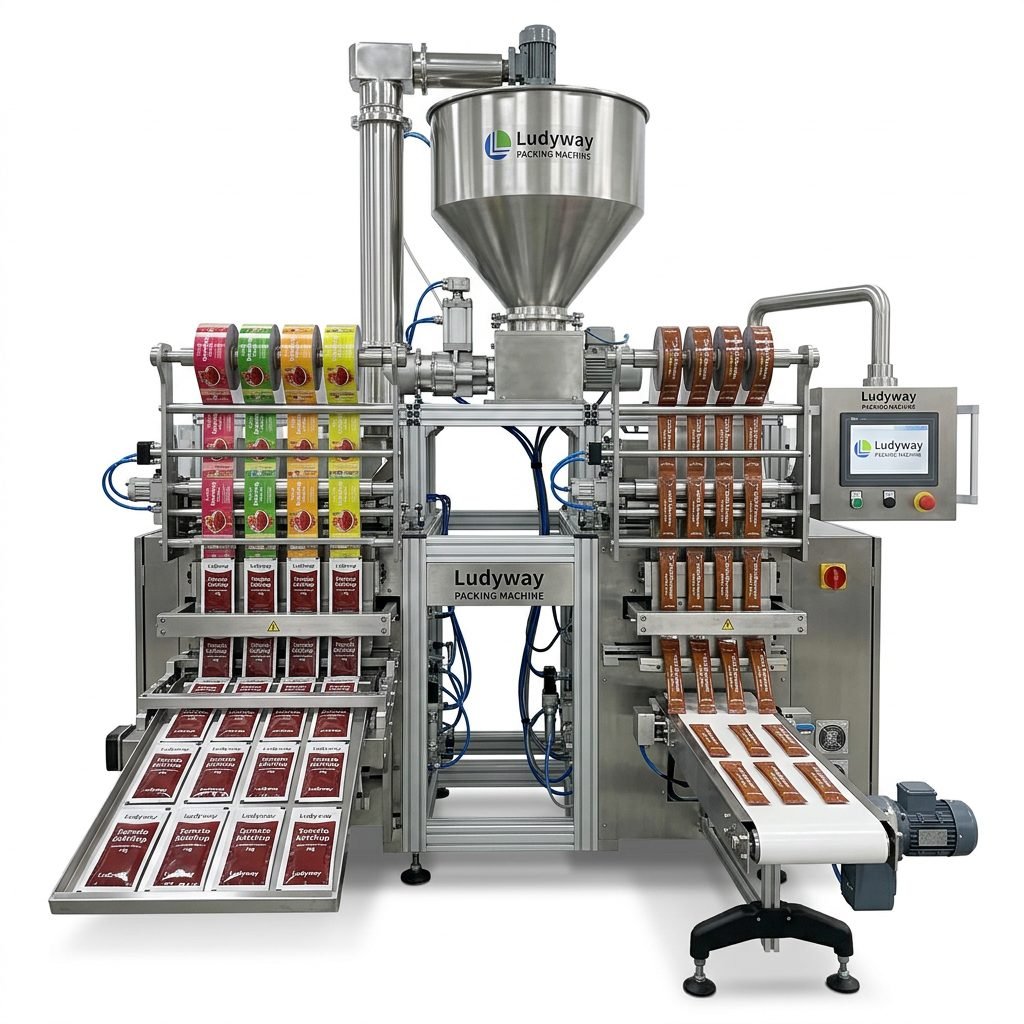
A sauce pouch packaging production line is an integrated system designed to fill, seal, code, and pack liquid or semi-liquid products into flexible pouches. Modern lines incorporate multi-lane filling technology, allowing simultaneous production of multiple pouches, dramatically increasing output. The line typically begins with a film unwinding system, proceeds through forming, filling, and sealing stations, and concludes with coding, inspection, and secondary packaging equipment. For manufacturers seeking turnkey solutions, many turn to specialized providers like Ludyway, one of the largest packaging machine manufacturers with over 30 years of industry expertise and a 20,000㎡ modern production facility.
Key Components of a Sauce Pouch Packaging Line
Understanding each component is critical before beginning the setup process. Below is a comprehensive breakdown of the essential machinery that forms a complete sauce pouch packaging production line:
| Component | Function | Key Considerations |
|---|---|---|
| Film Unwinding System | Holds and feeds packaging film rolls into the machine | Tension control, automatic splicing capability, roll diameter capacity |
| Forming Tube / Collar | Shapes flat film into a tubular pouch form | Pouch width and style compatibility, material thickness range |
| Vertical / Horizontal Seal Bars | Creates longitudinal and transverse seals on the pouch | Sealing temperature, pressure, dwell time, and jaw design |
| Filling Nozzles / Pumps | Dispenses precise volumes of sauce into each pouch | Pump type (piston, peristaltic, gear), nozzle anti-drip design, viscosity handling |
| Cutting Mechanism | Separates individual pouches from the continuous strip | Blade type, cut quality, speed synchronization |
| Batch Coding / Printing | Applies date codes, batch numbers, and QR codes | Inkjet, thermal transfer, or laser options; line speed compatibility |
| Checkweigher System | Verifies fill weight accuracy in real-time | Accuracy tolerance, rejection mechanism, data logging |
| Conveyor and Collection | Transports finished pouches to secondary packaging | Belt material, speed control, integration with cartoning machines |
Step-by-Step Setup Guide
Pre-Installation Planning
Before any equipment arrives on site, thorough preparation is essential for a smooth installation. Begin by evaluating your production floor layout, ensuring adequate space for the machine footprint plus operator access and maintenance clearance. Verify that your facility meets all utility requirements for the sauce pouch packaging machine production line:
- Compressed air supply – Most pneumatic components require consistent pressure, typically between 0.6 and 0.8 MPa, with proper filtration to remove moisture and contaminants.
- Electrical power – Confirm voltage, phase, and frequency specifications match the machine requirements; install appropriate circuit breakers and grounding systems.
- Product feed system – Plan how sauce will be delivered to the filling station, whether via overhead tanks, mobile vessels, or direct pipeline from processing.
- Ventilation and drainage – Sauce production areas require adequate drainage for cleaning and spill management, plus proper ventilation for operator comfort.
Machine Positioning and Assembly
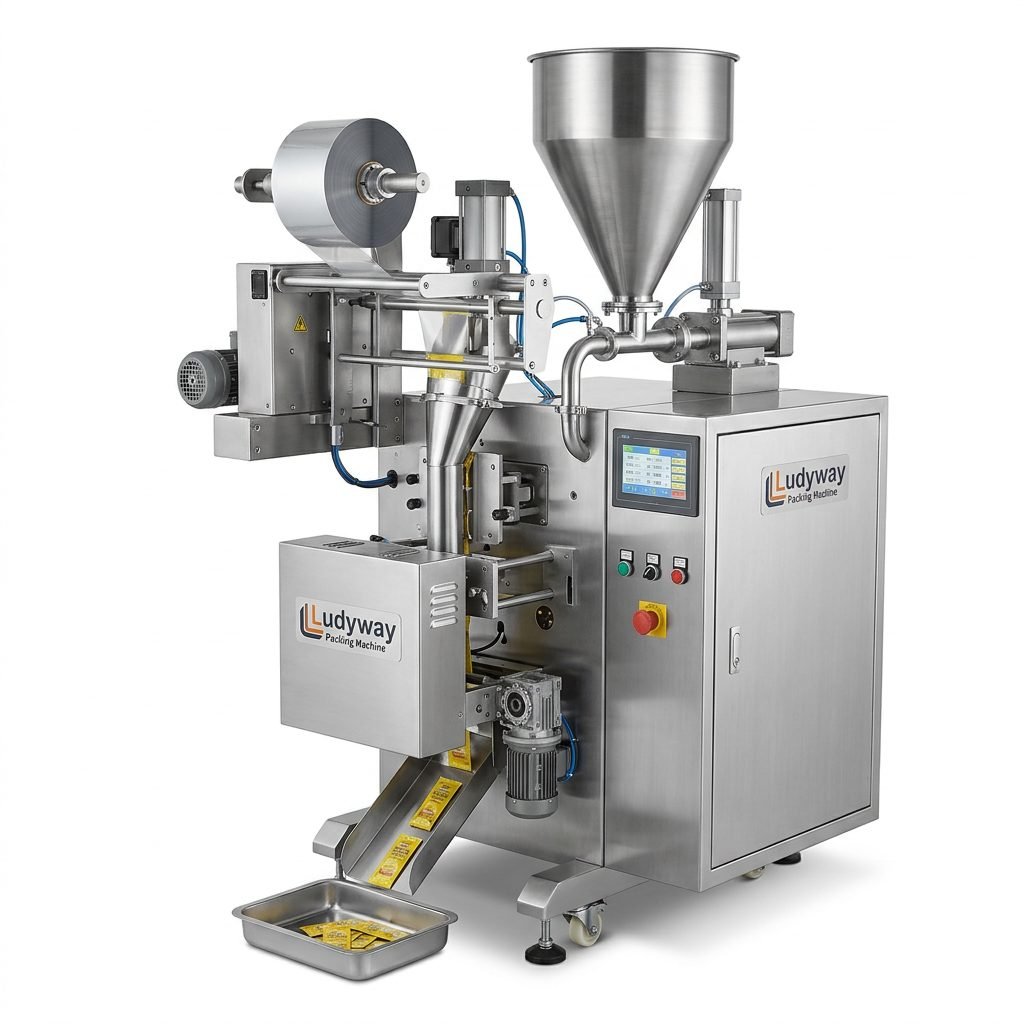
Position the main packaging unit on a level, vibration-free floor using precision leveling instruments. Even a slight incline can cause film tracking issues and inconsistent seal quality. Assemble modular components according to the manufacturer’s installation manual, paying special attention to the alignment between the forming tube and sealing jaws. For multi-lane sachet systems, each lane must be independently aligned to prevent cross-lane contamination and ensure uniform fill accuracy.
Electrical and Utility Connections
Connect all electrical, pneumatic, and product feed lines following the provided schematics. Safety interlocks must be tested before power is applied to the system. Verify that emergency stop circuits function correctly and that all guarding is properly installed. For sauce applications, hot-fill configurations may require additional thermal insulation on product lines and temperature-controlled hoppers to maintain product viscosity during the filling process.
Calibration and Testing
Calibration is where precision meets production reality. Begin with dry runs using empty film to verify forming, sealing, and cutting functions. Then introduce water or a test liquid to calibrate fill volumes across all lanes. Document each calibration parameter carefully:
- Fill volume per lane, adjusted through pump stroke length or timing
- Sealing temperature profiles for vertical and horizontal seals
- Dwell time optimization for different film materials
- Cut registration accuracy relative to printed film marks
- Checkweigher tolerance settings and rejection thresholds
Critical Configuration Parameters
For sauce products, several configuration parameters demand special attention. The table below outlines the most important settings to optimize during setup of your sauce packaging production line:
| Parameter | Impact | Recommended Approach |
|---|---|---|
| Seal Temperature | Directly affects seal integrity and leak prevention | Start at film manufacturer’s recommended range; adjust in 5°C increments |
| Fill Speed | Determines overall production throughput | Balance speed with fill accuracy; high-viscosity sauces require slower fill rates |
| Nozzle Height | Prevents splashing and product contamination on seal area | Position nozzle tip just above the product level inside the pouch |
| Film Tension | Affects pouch formation and print registration | Set consistent tension across the web width; monitor for drift during long runs |
| Anti-Drip Settings | Prevents product residue on seal area causing weak seals | Enable suck-back or blow-back features; adjust timing relative to seal cycle |
Common Setup Challenges and Solutions
Leaking Seals
Leaking pouches are frequently caused by product contamination in the seal area. When sauce splashes onto the inner film surface where the seal will be formed, the bond strength is compromised. Solutions include optimizing fill nozzle height, reducing fill speed for viscous products, and implementing anti-drip mechanisms. Regular cleaning of sealing jaws and verification of consistent temperature across the entire jaw surface are also critical preventive measures.
Inconsistent Fill Volumes
Variation in fill volumes across lanes often traces back to pump calibration drift, air pockets in the product feed line, or viscosity changes due to temperature fluctuations. Implement periodic checkweighing with automated feedback to the filling system for real-time adjustments. For multi-lane configurations, ensure each lane’s pump is independently calibrated and monitored.
Film Wrinkling and Misalignment
Film tracking issues can cause wrinkled pouches, misaligned seals, and registration errors. Verify that the film roll is centered on the unwind mandrel, all guide rollers are parallel, and tension is evenly distributed. Web guiding systems with edge sensors can automatically correct minor misalignments during operation. Environmental factors such as humidity can also affect film dimensions, so maintain consistent storage conditions for packaging materials.
Quality Control Integration
Integrating quality control systems into your sauce pouch packaging machine production line is no longer optional in today’s competitive market. Modern lines incorporate multiple inspection points that work together to ensure every pouch meets specifications:
- Vision inspection systems verify print quality, label placement, and date code legibility at high speeds using advanced camera technology and image processing algorithms.
- Metal detectors positioned after the filling station screen for any metallic contaminants introduced during the production process, protecting both consumers and your brand reputation.
- Checkweighers provide real-time weight data and can trigger automatic rejection of underweight or overweight pouches, with data logging for FDA compliance and quality trend analysis.
- Seal integrity testers sample pouches at defined intervals using vacuum decay or dye penetration methods to validate seal quality throughout production runs.
Maintenance Best Practices
A proactive maintenance program extends equipment life and prevents unplanned downtime on your sauce packaging line. Establish a routine that covers daily, weekly, monthly, and quarterly tasks. The following maintenance schedule provides a framework for keeping your production line in optimal condition:
| Frequency | Maintenance Tasks | Responsible Party |
|---|---|---|
| Daily | Clean sealing jaws, inspect nozzles for buildup, check film tracking, verify date codes, empty drip trays | Machine Operator |
| Weekly | Lubricate moving parts per manual, inspect belts and chains, clean product filters, verify sensor alignment | Maintenance Technician |
| Monthly | Inspect electrical connections, calibrate temperature controllers, check pneumatic cylinder seals, test safety interlocks | Maintenance Supervisor |
| Quarterly | Full pump rebuild or inspection, replace wear parts, comprehensive system calibration, review production data trends | Engineering Team |
Choosing the Right Equipment Partner
Selecting the right machinery partner is one of the most consequential decisions when setting up a sauce pouch packaging production line. Look for manufacturers with proven experience in liquid and semi-liquid packaging, robust after-sales support, and a track record of successful installations in your target markets. The right partner should offer comprehensive services including factory layout planning, installation supervision, operator training, and ongoing technical support. Companies with deep expertise in flexible packaging can provide valuable guidance on film selection, seal optimization, and line integration with upstream and downstream equipment.
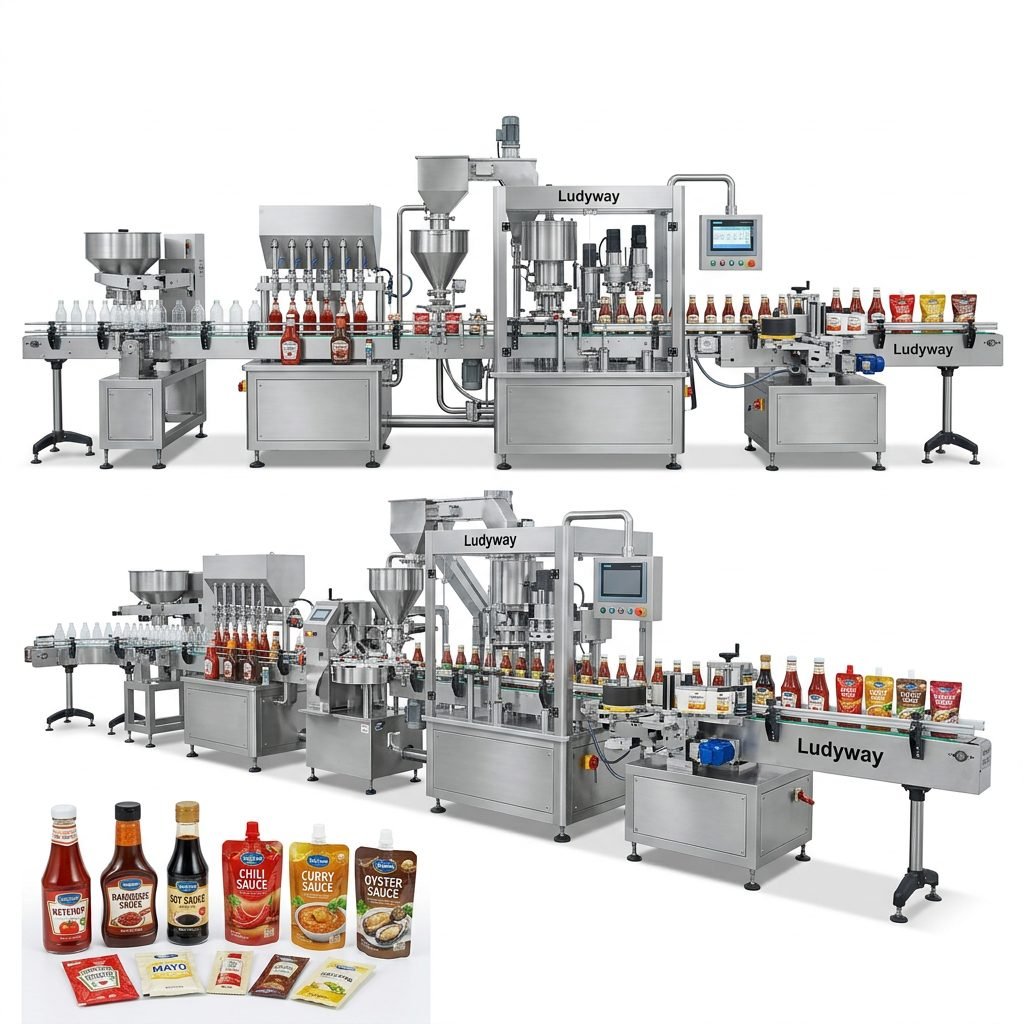
As the global food packaging industry continues to evolve with increasing emphasis on automation, efficiency, and food safety, investing in a properly configured sauce pouch packaging machine production line becomes a strategic advantage. By following a methodical setup process, optimizing critical parameters, integrating robust quality control systems, and adhering to a disciplined maintenance schedule, manufacturers can achieve consistent, high-quality output that meets both regulatory requirements and consumer expectations. For detailed specifications on sauce packaging equipment and customized production line solutions, consulting with experienced packaging machinery specialists is always recommended to ensure your specific product requirements are fully addressed.
Related Resources: