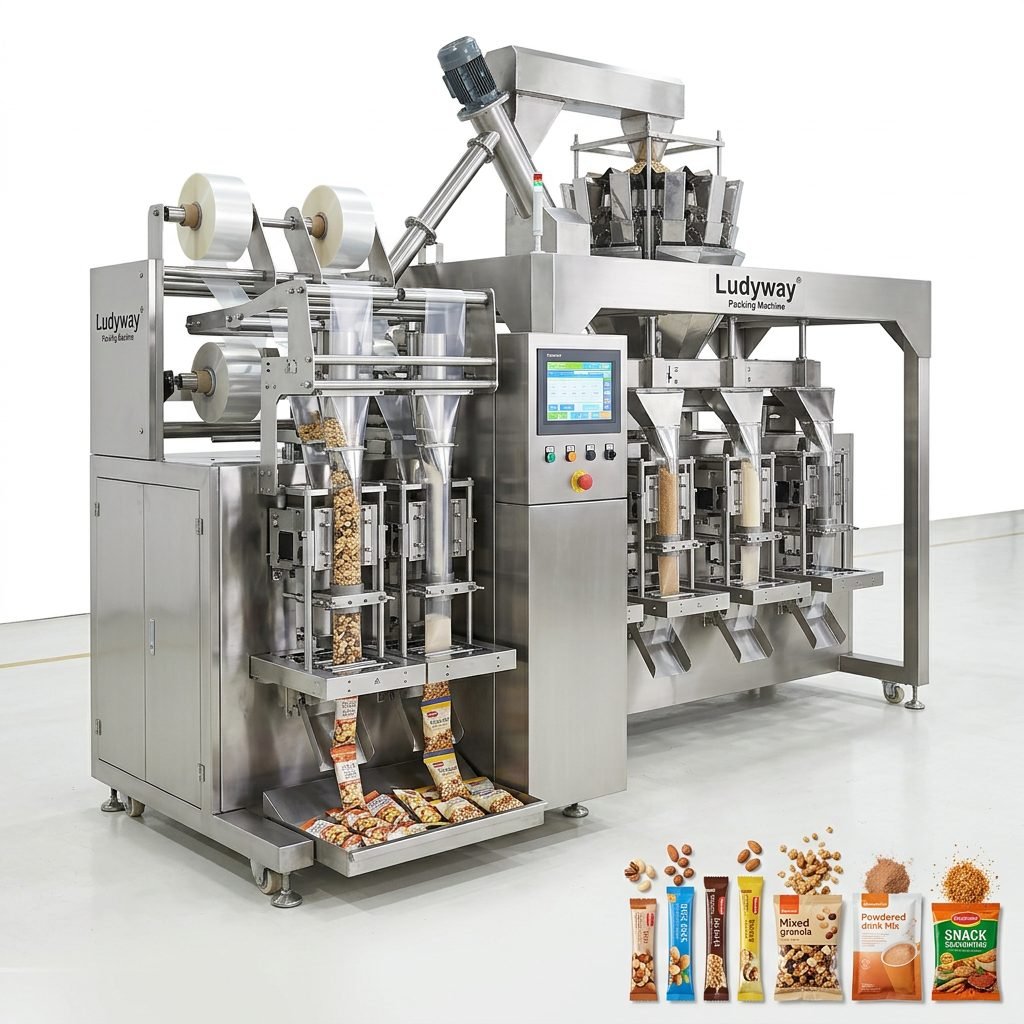
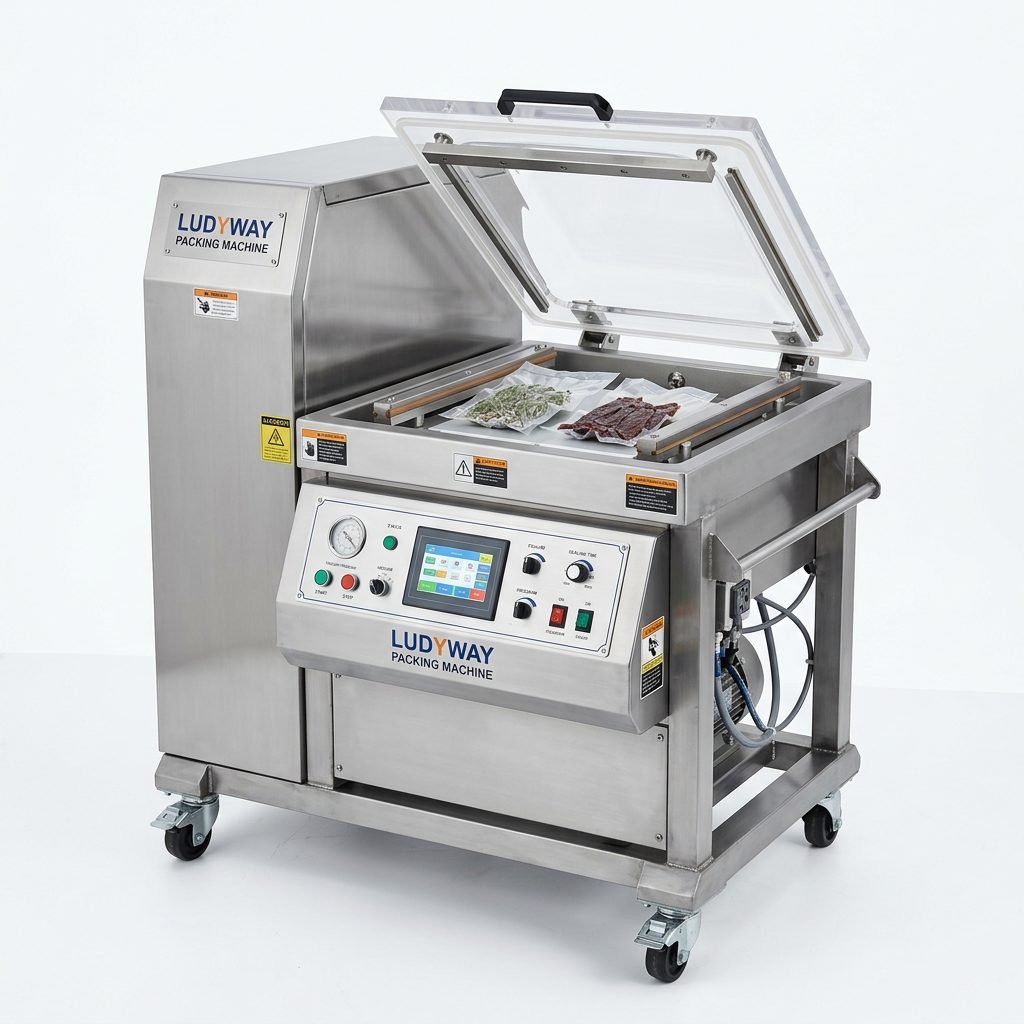
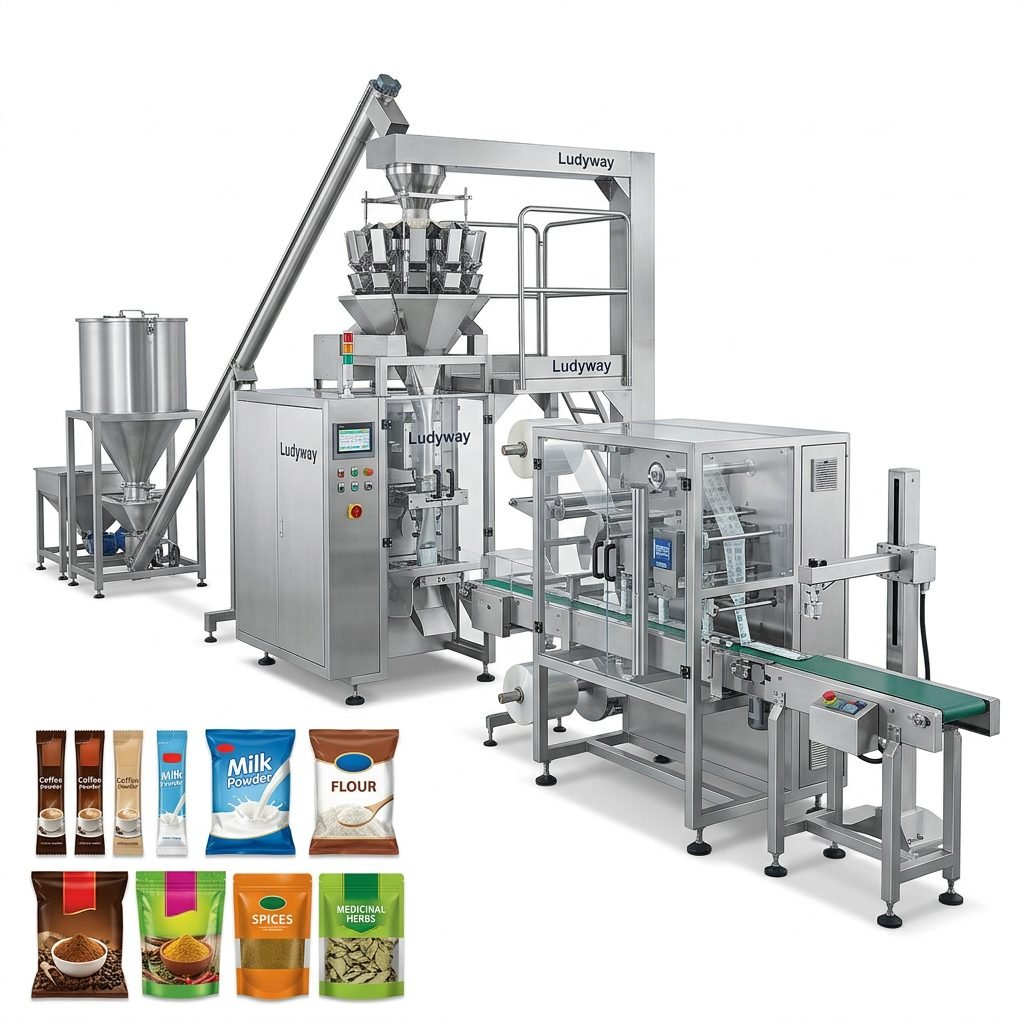
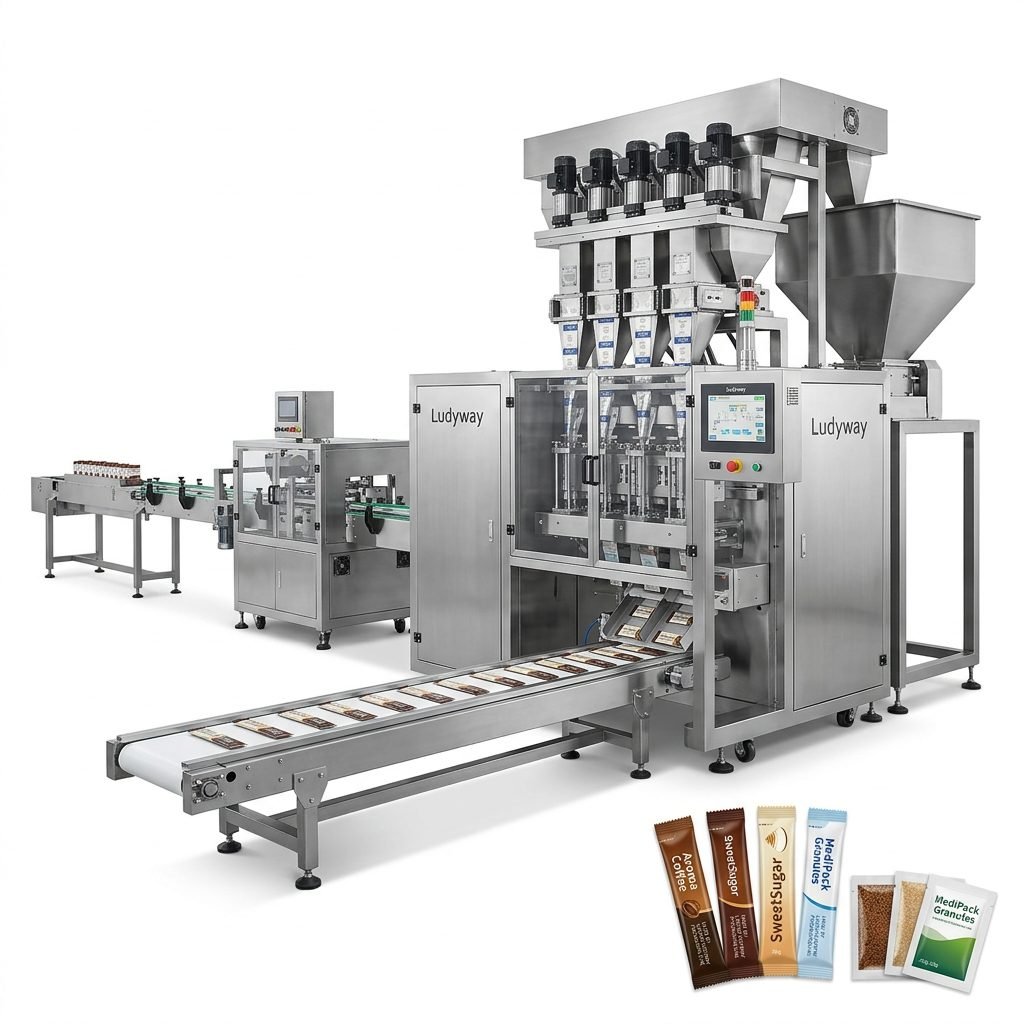
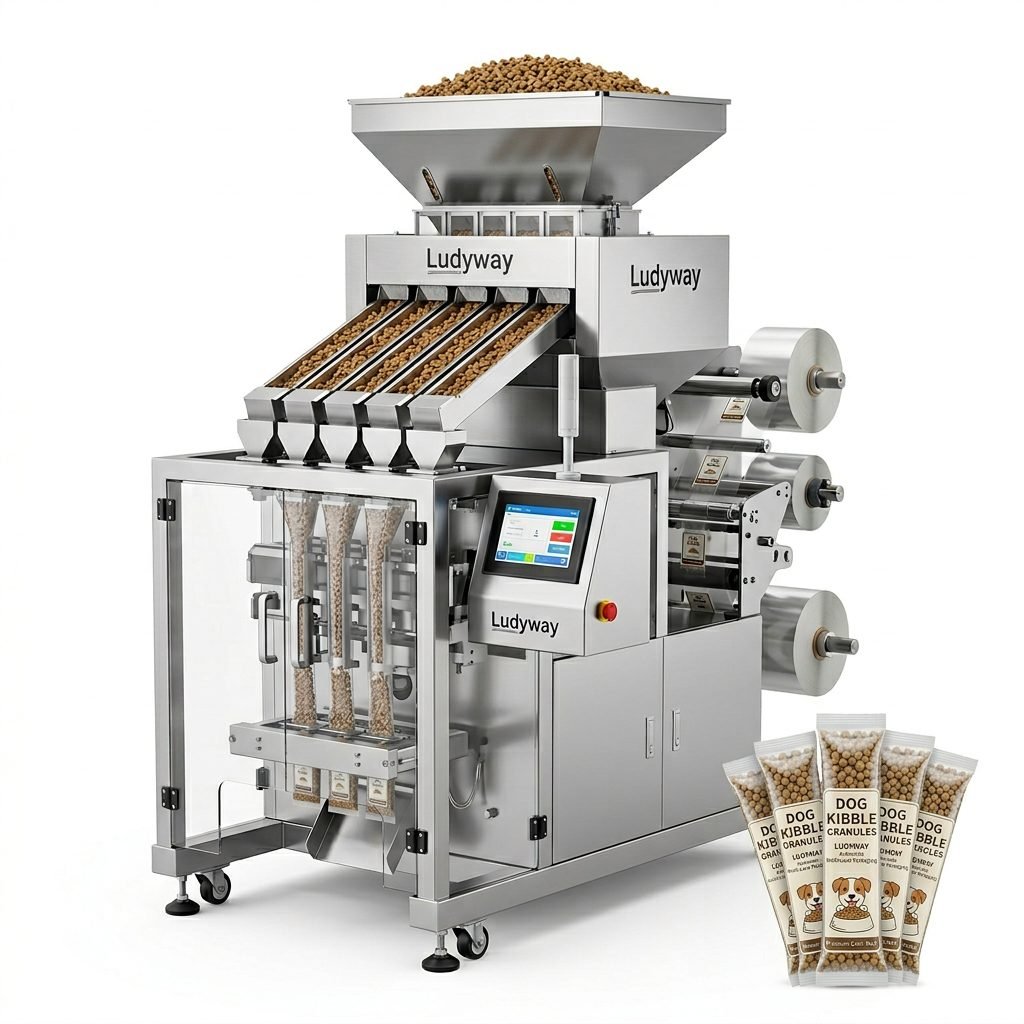
A nitrogen packing machine is designed to replace oxygen inside a package with nitrogen gas before sealing. This process helps protect sensitive products from oxidation, moisture influence, flavor loss, and quality degradation. It is widely used in food, pharmaceuticals, health supplements, coffee, snacks, powders, and other products that require a longer shelf life and better package stability.
For manufacturers, nitrogen flushing is not just about preservation. It also supports better product presentation, lower return rates, improved transport protection, and stronger brand consistency in competitive markets.
What Is Nitrogen Packing?
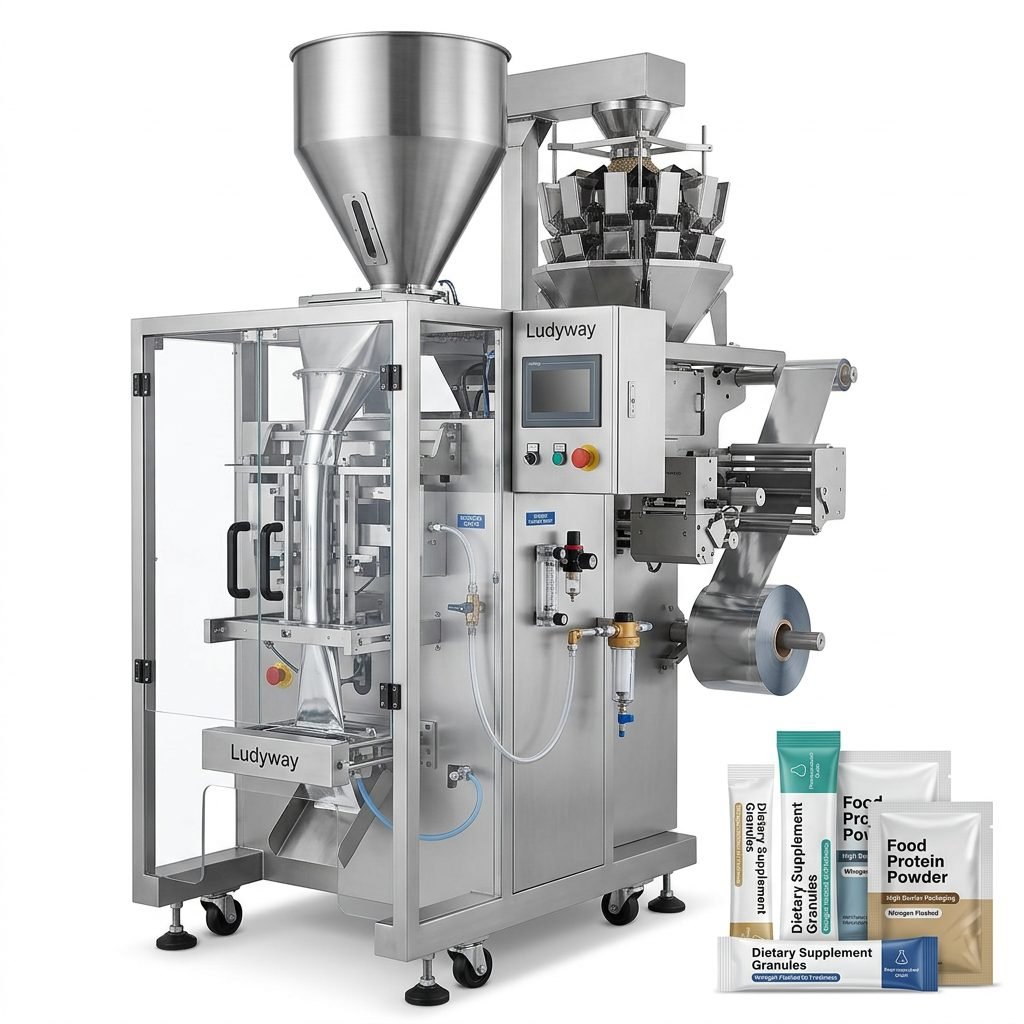
Nitrogen packing is a packaging method in which the air inside a pouch, sachet, bag, bottle, tray, or container is reduced or displaced with nitrogen gas before final sealing. Because nitrogen is an inert gas, it does not react easily with the product. This makes it especially useful for packaging oxygen-sensitive materials.
In practical production environments, nitrogen packing is often combined with:
- Form-fill-seal systems
- Vertical packaging machines
- Premade pouch filling machines
- Vacuum packaging systems
- Bottle filling and capping lines
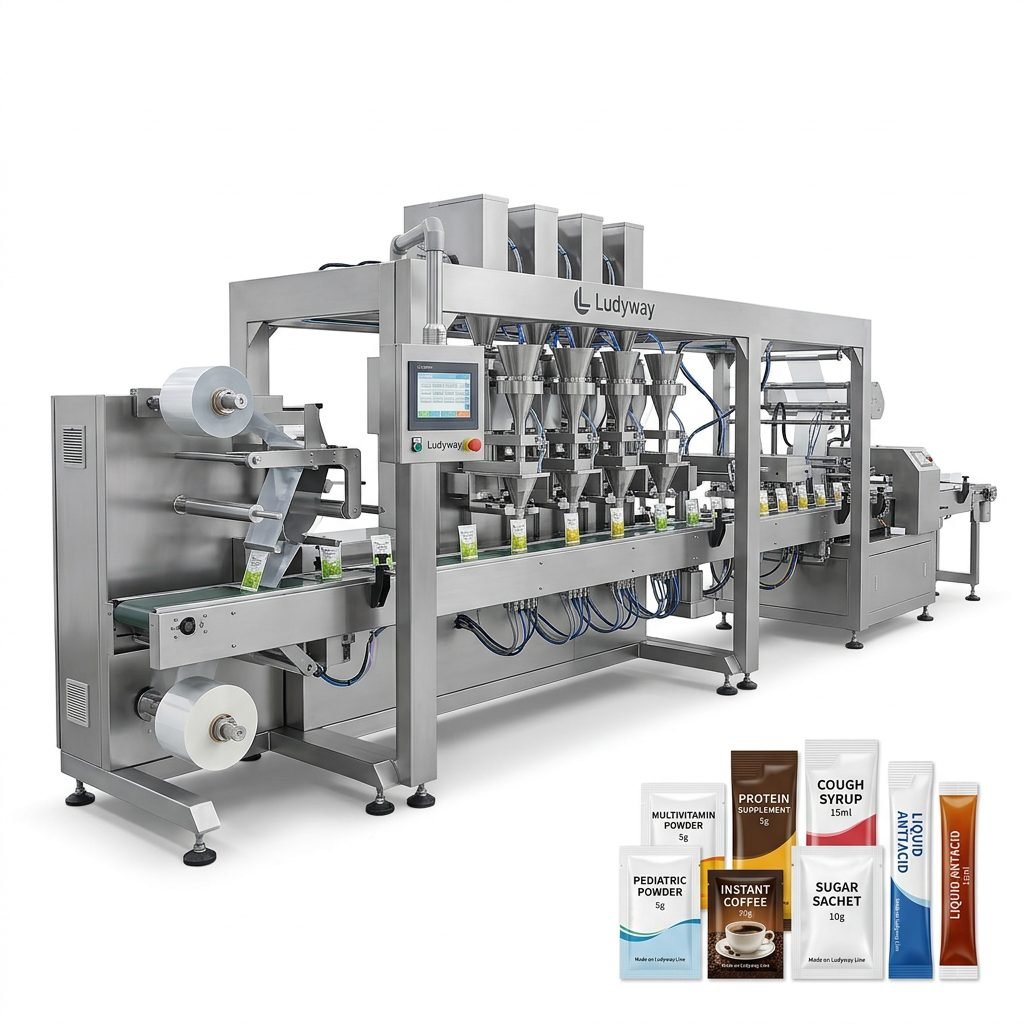
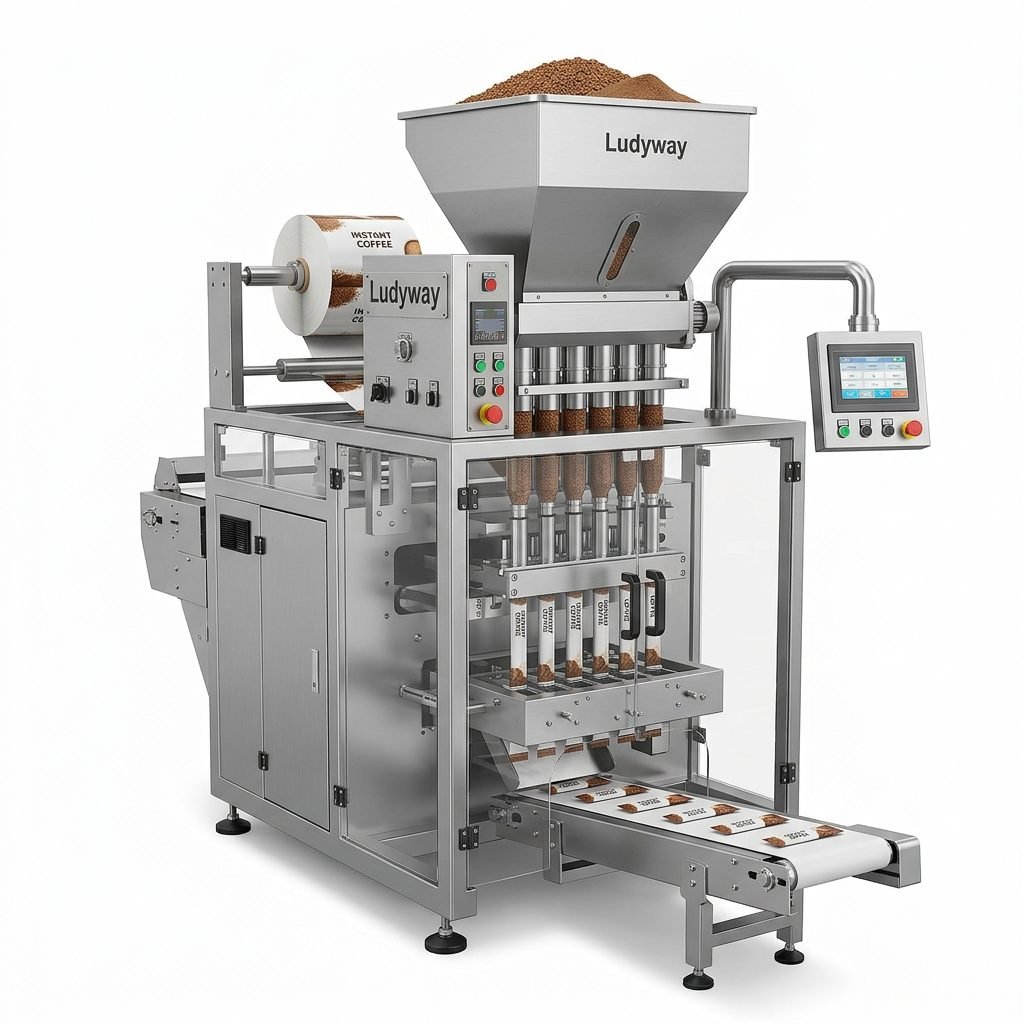
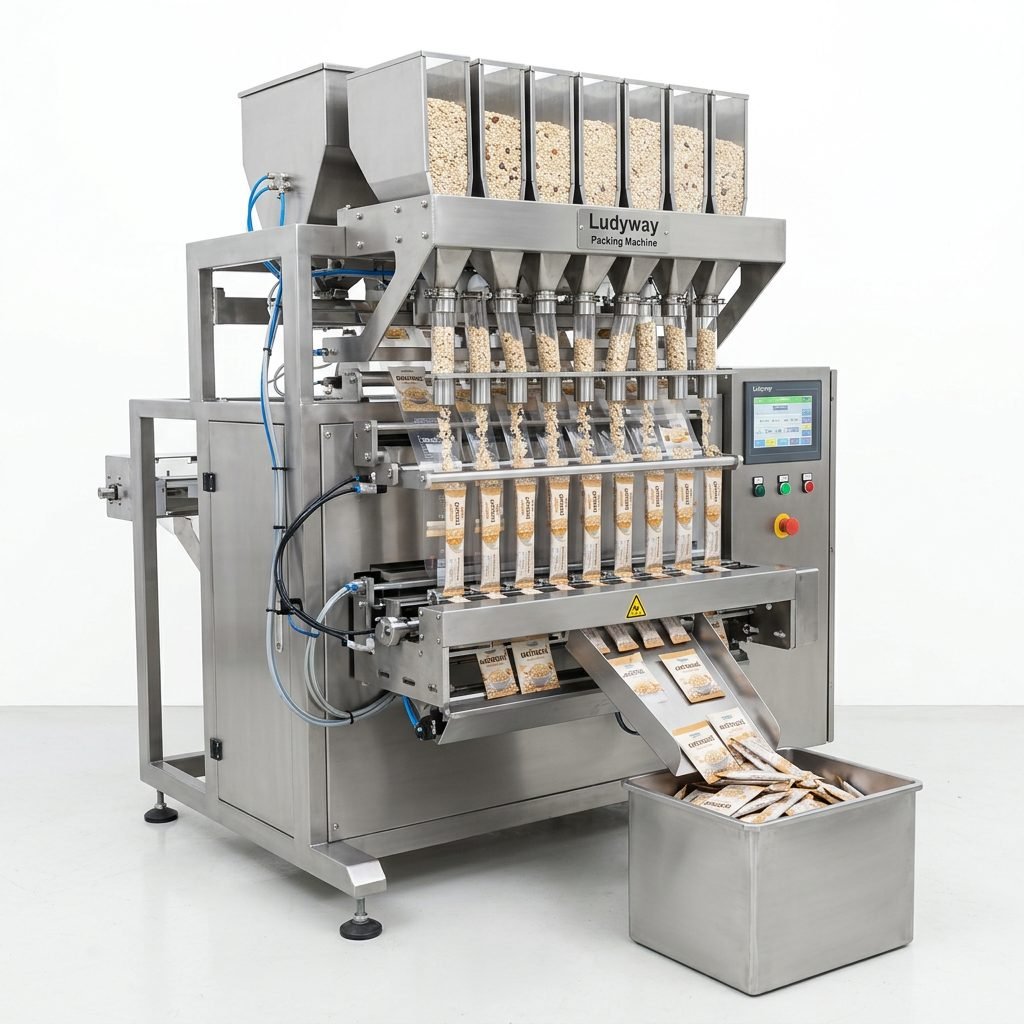
- Multi-lane sachet and stick pack machines
How a Nitrogen Packing Machine Works
Although configurations vary by product type and package format, the basic working process is usually similar.
1. Product feeding
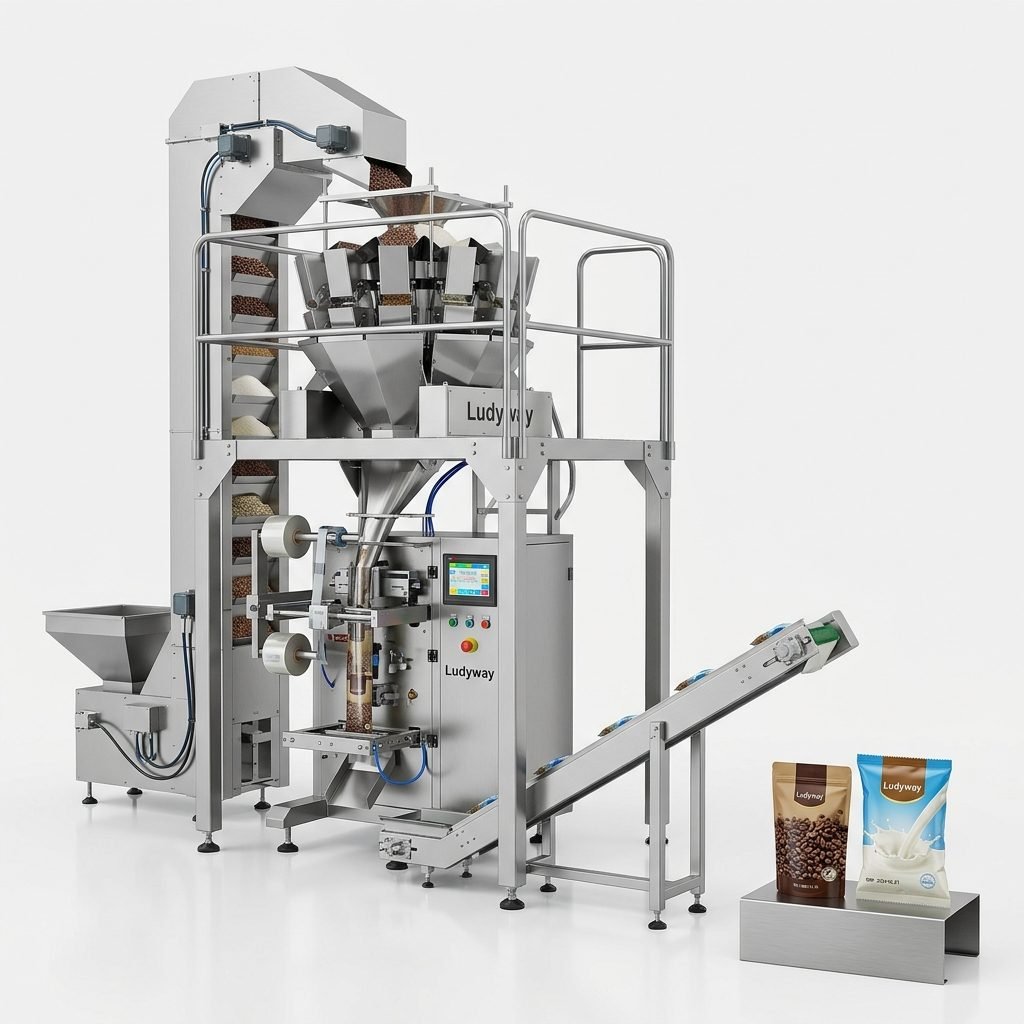
The machine first delivers the product into the packaging area. This can involve auger filling for powders, volumetric cups for granules, pumps for liquids, or multihead weighers for irregular solids.
2. Package forming or positioning
Depending on the machine type, film may be formed into bags, or premade pouches may be opened and prepared for filling.
3. Nitrogen flushing
Nitrogen gas is injected into the package headspace, displacing oxygen. In some systems, this step happens once; in others, the package is flushed multiple times for lower residual oxygen levels.
4. Sealing
Immediately after flushing, the package is sealed to keep the internal atmosphere stable. Precise seal timing is critical to prevent oxygen from re-entering.
5. Inspection and discharge
Finished packs may then pass through checkweighers, seal inspection stations, metal detectors, coding systems, or cartoning units.
Simple process flow
- Feed product
- Form or open package
- Fill package
- Inject nitrogen
- Seal package
- Inspect and discharge
Why Nitrogen Is Used in Packaging
Oxygen is one of the main causes of product deterioration. When oxygen remains inside packaging, it can lead to:
- Rancidity in oily foods
- Loss of aroma in coffee and tea
- Color fading in powders and snacks
- Reduced potency in some pharmaceutical and nutraceutical products
- Texture damage in fragile products
Nitrogen helps solve these issues by creating a more stable internal atmosphere. In some snack applications, it also provides a cushioning effect that helps prevent crushing during transportation.
Key Benefits of a Nitrogen Packing Machine
| Benefit | How It Helps |
|---|---|
| Extended shelf life | Reduces oxidation and slows product degradation |
| Improved product freshness | Helps maintain aroma, taste, color, and texture |
| Better package appearance | Can create fuller-looking packs and reduce crushing |
| Reduced waste | Fewer damaged or deteriorated products in storage and shipping |
| Higher brand reliability | Supports consistent quality across batches |
| Automation compatibility | Integrates with modern packaging lines for high-volume production |
Common Products Packed with Nitrogen
Nitrogen packing machines are suitable for many industries. Typical applications include:
Food products
- Potato chips and puffed snacks
- Coffee beans and ground coffee
- Milk powder and drink powder
- Nuts and dried fruits
- Seasonings and spice blends
- Instant foods and granules
Pharmaceutical and health products
- Powder sachets
- Granule medicine packs
- Nutritional supplements
- Probiotic powders
- Sensitive oral dosage products
Industrial and specialty products
- Chemical powders
- Moisture-sensitive materials
- Specialty granules
- Selected cosmetic sachet applications
Types of Nitrogen Packing Machines
The right equipment depends on your product form, package style, production speed, and oxygen control target.
Vertical form fill seal nitrogen packing machines
These are commonly used for granules, powders, and snacks. They form bags from roll film, fill the product, flush with nitrogen, and seal continuously.
Premade pouch nitrogen packing machines
Ideal for stand-up pouches, zipper pouches, and premium retail packaging. They offer a polished package appearance and often support more advanced gas flushing control.
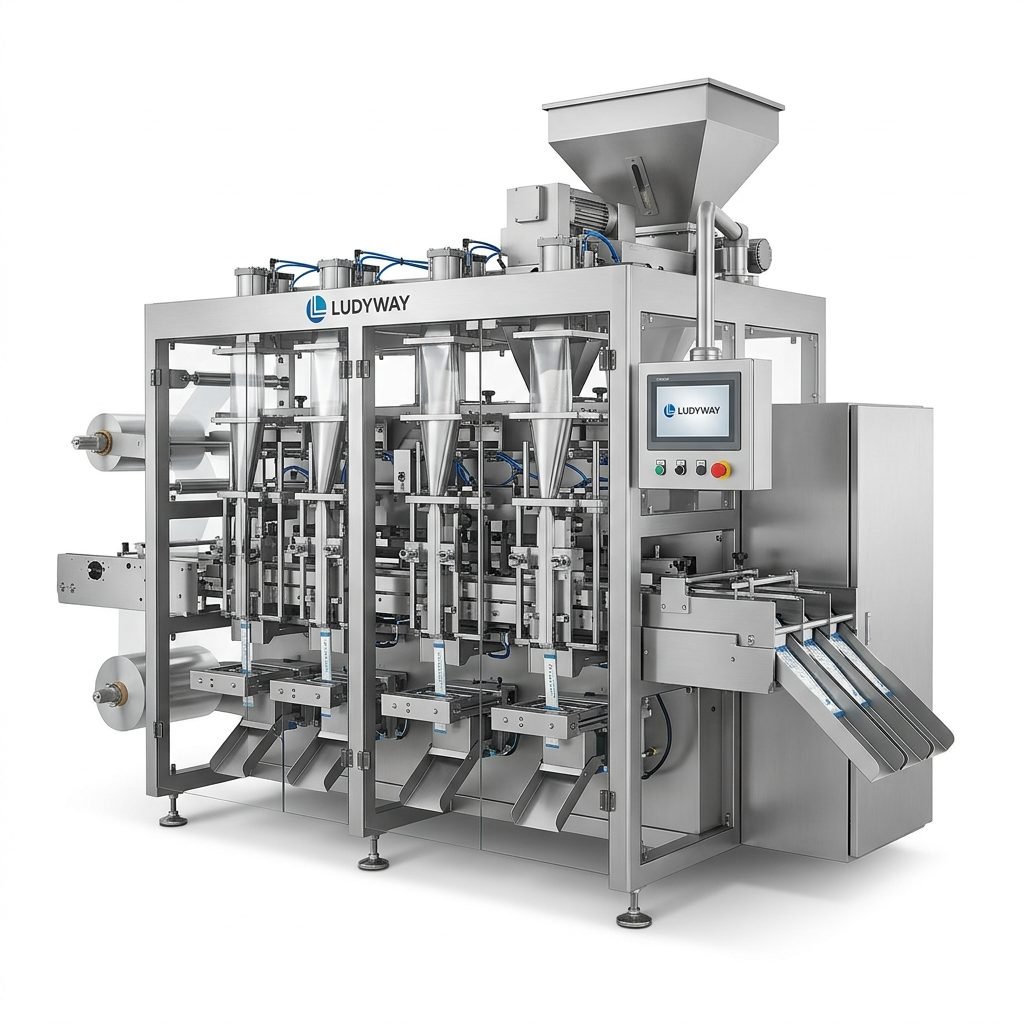
Multi-lane sachet and stick pack nitrogen machines
Best for high-output production of powders, granules, and certain liquid or paste applications in small-format packs.
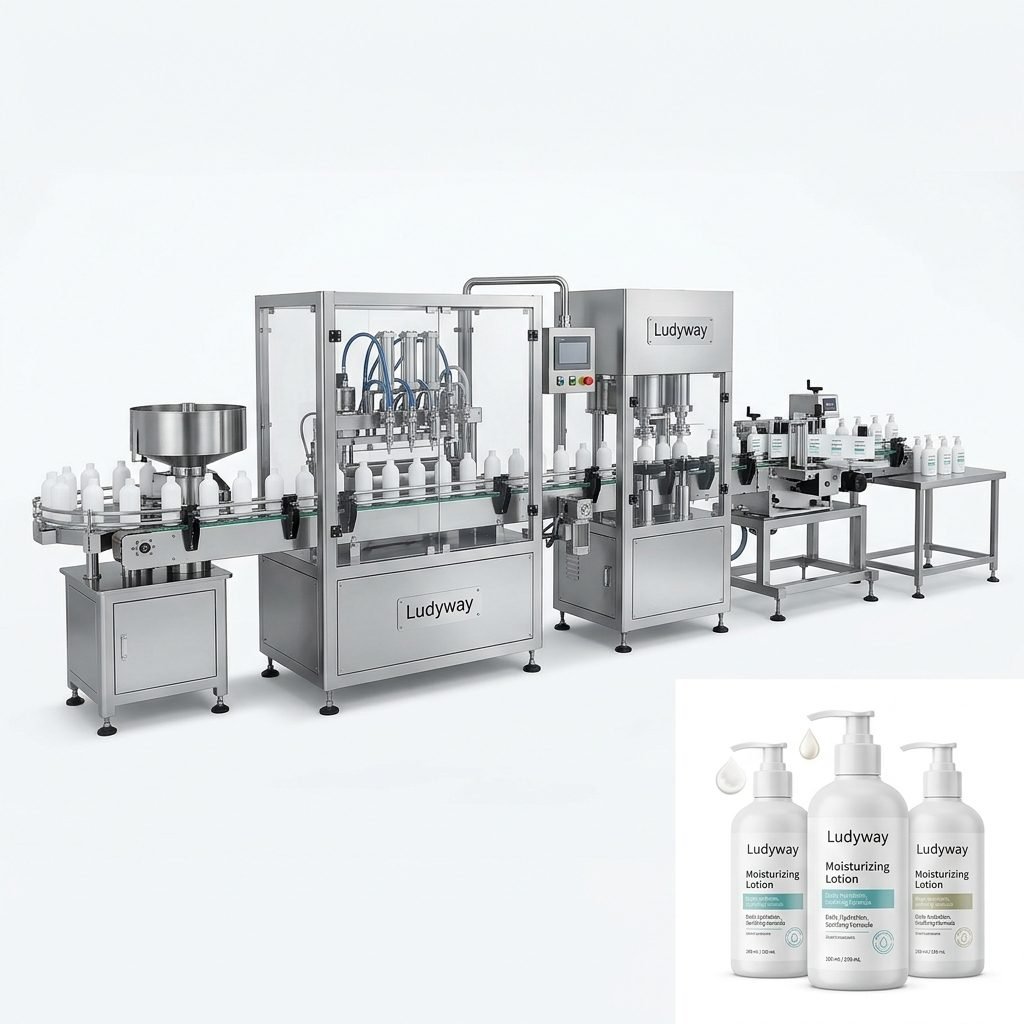
Bottle or jar nitrogen filling systems
Used for coffee, capsules, powders, supplements, and other products where headspace gas control in rigid containers is important.
Vacuum plus nitrogen replacement systems
These systems first remove air and then fill with nitrogen, often used where lower residual oxygen levels are required.
Important Components in a Nitrogen Packing System
- Filling unit for accurate product dosing
- Nitrogen flushing device for gas injection
- Sealing system to lock in the protective atmosphere
- Gas flow control unit for stable nitrogen supply
- Oxygen testing system in advanced lines
- Conveying and discharge modules for production continuity
- PLC and touchscreen controls for recipe and parameter management
How to Choose the Right Nitrogen Packing Machine
Choosing the right machine requires more than checking speed alone. A well-matched model should support your product quality goals, operational efficiency, and long-term production plans.
Consider your product characteristics
- Is the product powder, granule, liquid, or solid?
- Is it fragile, oily, hygroscopic, or oxygen-sensitive?
- Does it flow easily or need special feeding?
Match the packaging format
- Sachet
- Stick pack
- Pillow bag
- Gusset bag
- Premade pouch
- Bottle or jar
Define oxygen control requirements
Some products only need general nitrogen flushing. Others require very low residual oxygen. This affects machine design, gas consumption, sealing precision, and whether vacuum replacement is necessary.
Check production speed and scalability
Choose a machine that meets current demand while allowing room for future expansion. High-speed operations may need integrated feeding, coding, inspection, cartoning, and palletizing.
Evaluate sealing quality
Even the best nitrogen flushing process fails if seals are weak or inconsistent. Seal performance should be tested under actual production conditions.
Assess automation and integration
If you plan to build a complete line, make sure the machine can connect with upstream and downstream equipment such as elevators, checkweighers, metal detectors, cartoners, and case packers.
Review service and technical support
A reliable supplier should provide installation guidance, training, spare parts support, commissioning help, and application-based customization.
Quick Selection Guide
| Need | Recommended Machine Type |
|---|---|
| Snacks with anti-crush protection | Vertical bagging machine with nitrogen flushing |
| Premium retail pouches | Premade pouch nitrogen packing machine |
| High-output small-dose powders | Multi-lane stick pack or sachet machine |
| Supplements in bottles | Bottle filling line with nitrogen headspace flushing |
| Low oxygen requirement products | Vacuum and nitrogen replacement system |
Best Practices for Better Nitrogen Packaging Performance
- Use stable, high-purity nitrogen supply
- Optimize gas flow based on package size and product type
- Monitor residual oxygen regularly
- Maintain sealing jaws and sealing temperature consistency
- Choose packaging materials with suitable oxygen barrier properties
- Train operators on flushing and sealing coordination
Common Mistakes to Avoid
- Choosing a machine based only on price
- Ignoring seal integrity tests
- Using low-barrier packaging film with nitrogen flushing
- Oversizing or undersizing gas flow
- Not considering future production growth
- Overlooking after-sales service and spare parts availability
Who Should Invest in a Nitrogen Packing Machine?
A nitrogen packing machine is a strong investment for businesses that need longer shelf life, higher product stability, and more professional packaging. It is especially valuable for:
- Food brands with oxidation-sensitive products
- Coffee and beverage powder manufacturers
- Pharmaceutical and nutraceutical producers
- Export-oriented brands facing long transport cycles
- Factories upgrading from manual or semi-automatic packaging
Choosing a Reliable Packaging Machine Partner
When sourcing equipment, it is wise to work with a manufacturer that understands both standalone machines and full production line integration. Ludyway nitrogen packing machine solutions are backed by more than 30 years of packaging industry experience, a manufacturing facility of over 20,000 square meters, and broad export experience across food, pharmaceutical, health supplement, and related sectors.
For buyers looking for stable automation, customized configurations, and turnkey packaging line support, evaluating machine compatibility, application experience, and long-term technical support is just as important as comparing specifications.
Final Buying Checklist
- Product type: powder, granule, liquid, or solid
- Packaging style: sachet, stick pack, bag, pouch, bottle
- Shelf-life target: how much protection is required
- Residual oxygen goal: standard or low oxygen
- Output: current and future capacity
- Material compatibility: film or container barrier performance
- Support: installation, training, spare parts, and service
The right nitrogen packing machine can significantly improve product quality, market competitiveness, and operational efficiency. With proper equipment selection and system matching, manufacturers can achieve fresher products, safer transport, and more reliable packaging results at scale.