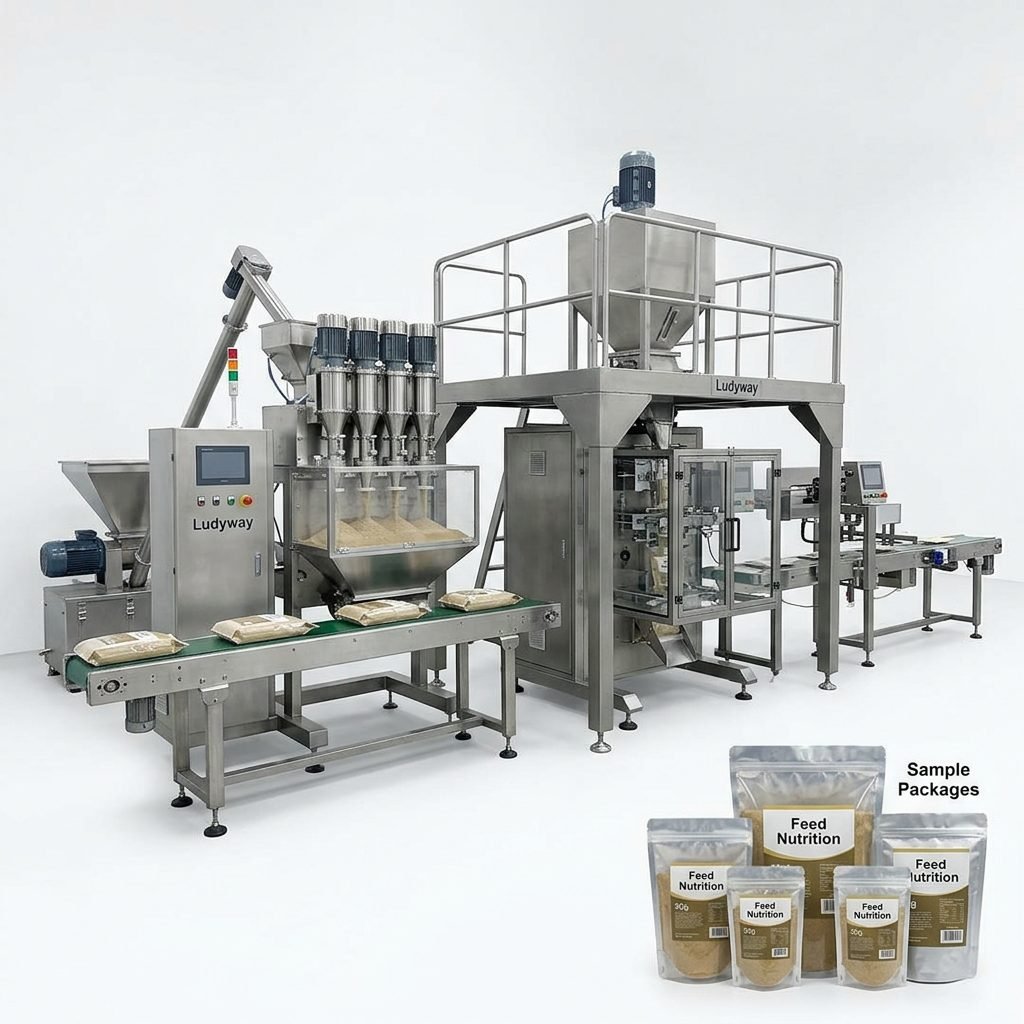
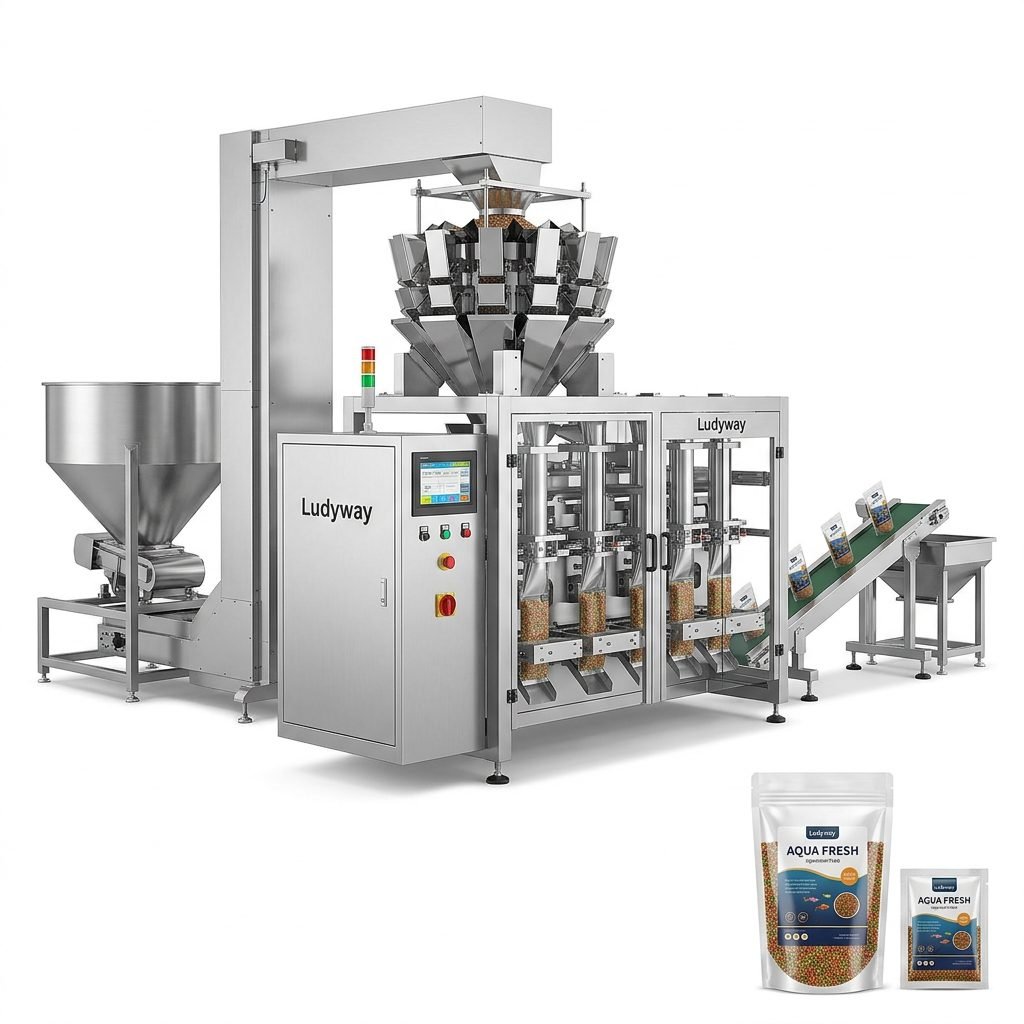
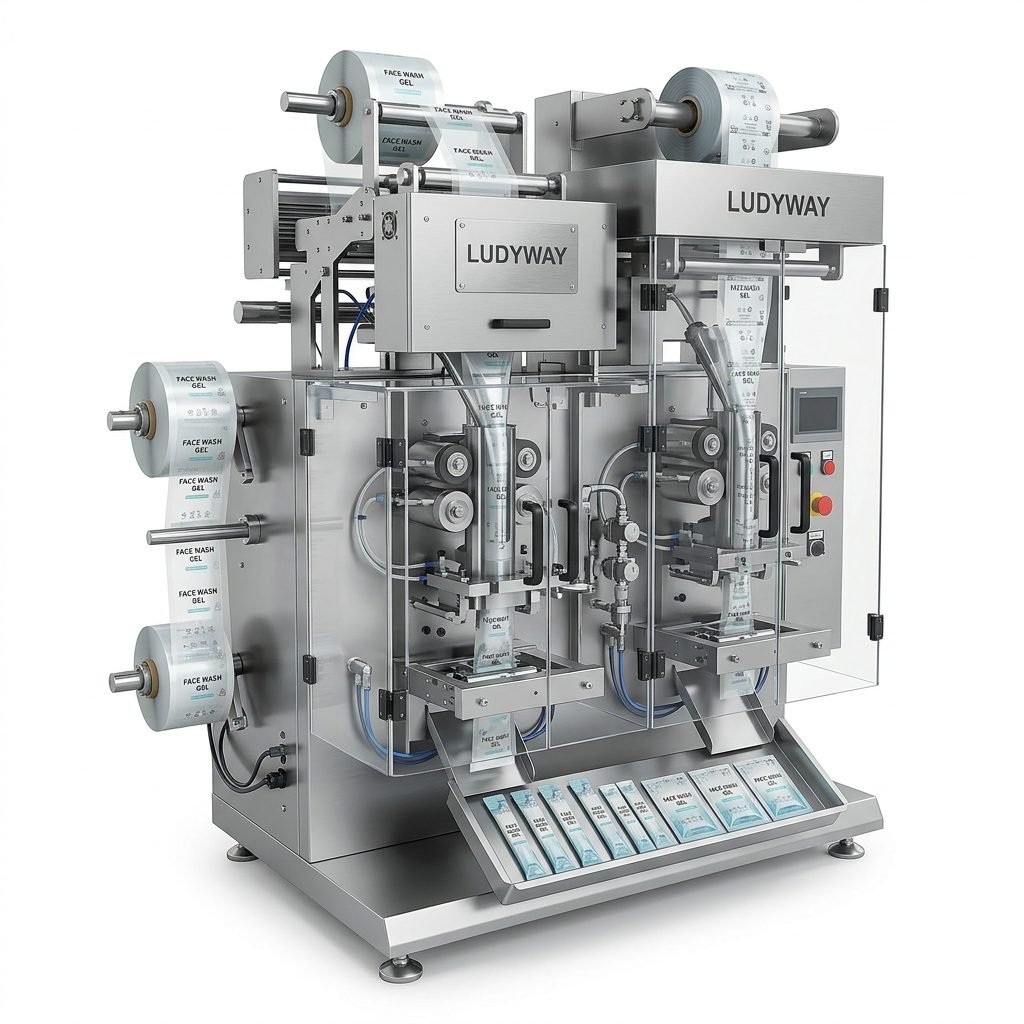
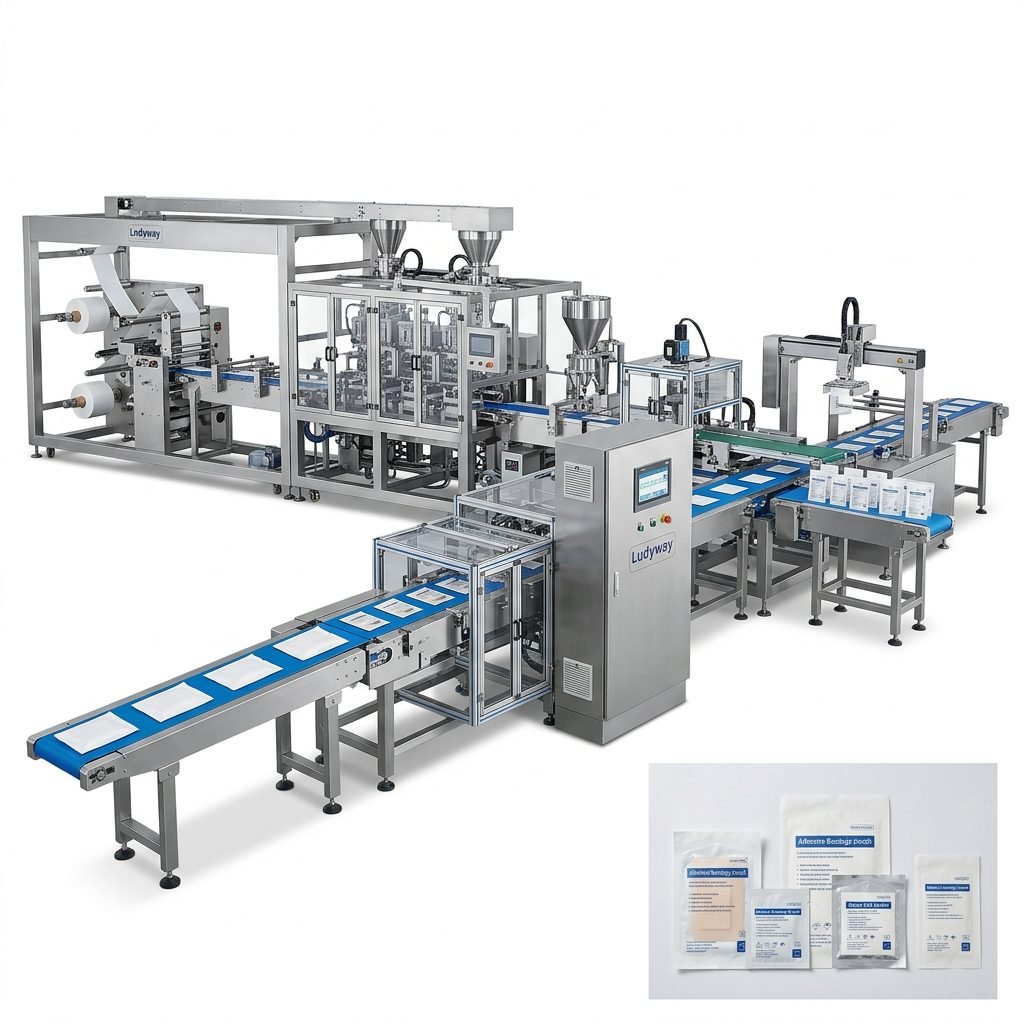
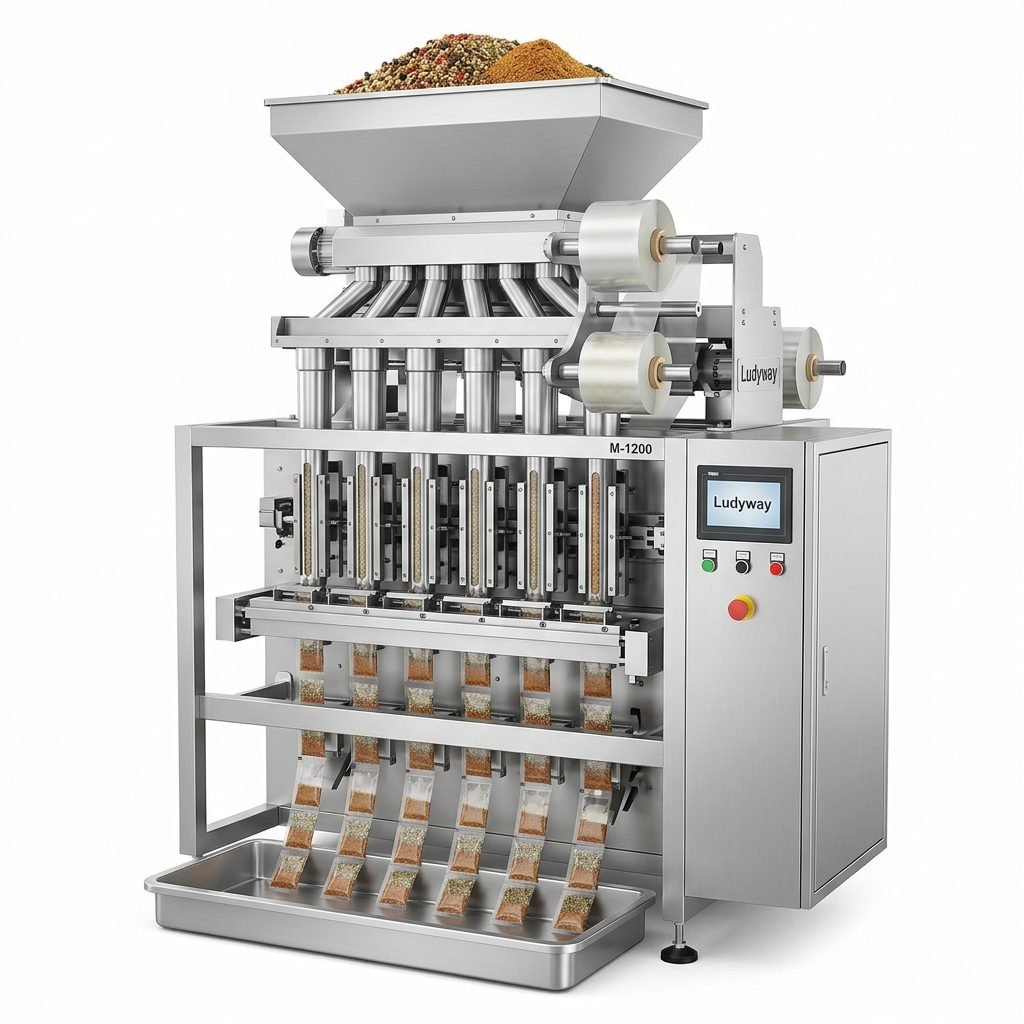
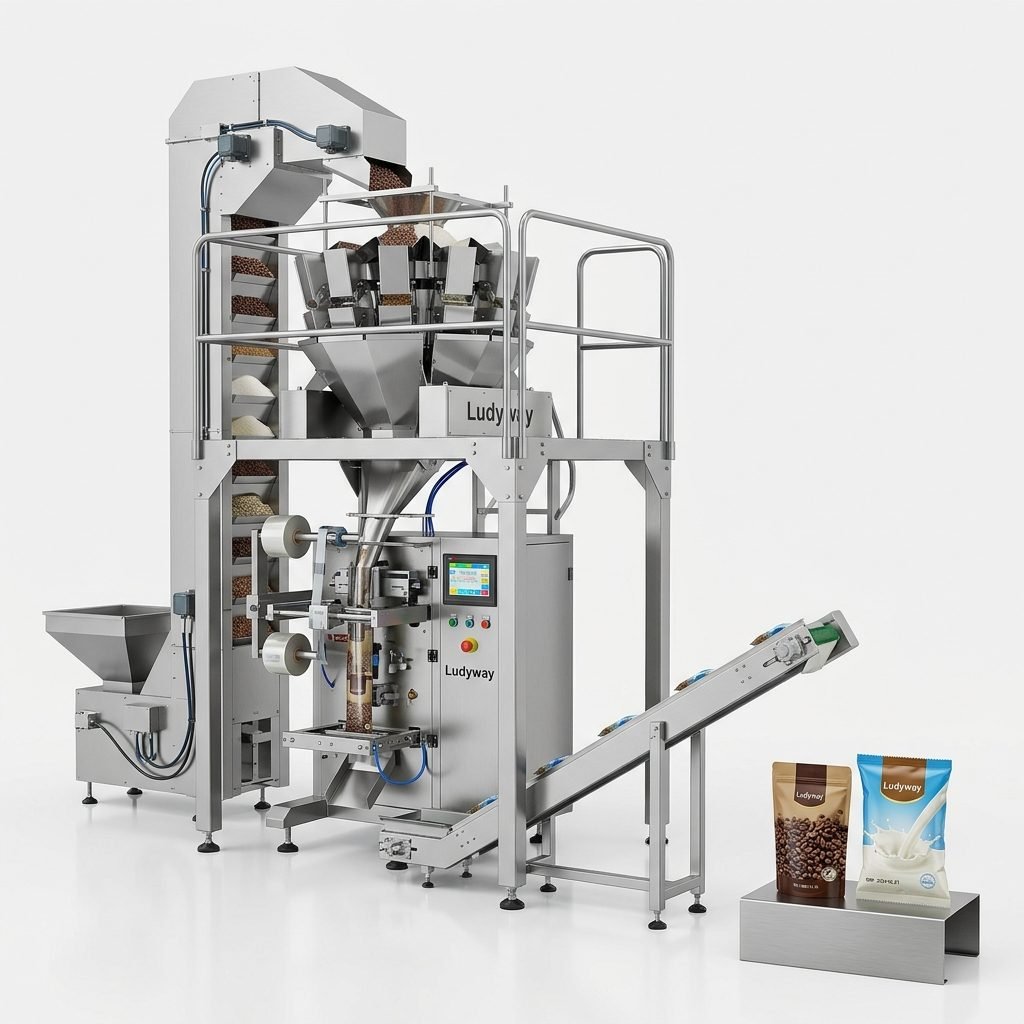
Setting up a small vacuum packaging machine production line requires careful planning, the right equipment selection, and a clear understanding of your production goals. Whether you are packaging food products, pharmaceuticals, or industrial components, a well-designed vacuum packaging line can significantly extend shelf life, reduce waste, and improve overall operational efficiency. This guide walks you through every essential step, from initial layout considerations to full-scale operation.

Understanding Vacuum Packaging Technology
Vacuum packaging works by removing air from the package before sealing, creating an oxygen-depleted environment that inhibits bacterial growth and oxidation. For small-scale operations, this technology offers a cost-effective way to preserve product freshness without the need for chemical preservatives. According to packaging industry standards, vacuum-sealed products can achieve up to five times longer shelf life compared to conventional packaging methods.
Key Benefits of a Small Vacuum Packaging Line
- Extended product shelf life through oxygen removal
- Reduced packaging material costs with compact pouch formats
- Improved product presentation and tamper-evident sealing
- Space-efficient design suitable for limited production areas
- Versatile application across food, medical, and industrial sectors
Step 1: Assess Your Production Requirements
Before purchasing equipment, determine your target output volume, product characteristics, and packaging format. Consider whether you need a single-chamber or double-chamber vacuum machine, and evaluate if your products require gas flushing (MAP) capabilities. Food packaging regulations may also dictate specific material and sealing requirements depending on your industry.
Production Volume Categories
| Production Scale | Output Range (packs/hour) | Recommended Machine Type |
|---|---|---|
| Startup / R&D | 50 – 300 | Tabletop single-chamber vacuum sealer |
| Small Commercial | 300 – 1,000 | Double-chamber or nozzle-type vacuum machine |
| Medium Production | 1,000 – 3,000 | Belt-driven continuous vacuum packaging system |
| High-Volume Line | 3,000+ | Multi-lane automated vacuum packaging line |
Step 2: Choose the Core Vacuum Packaging Machine
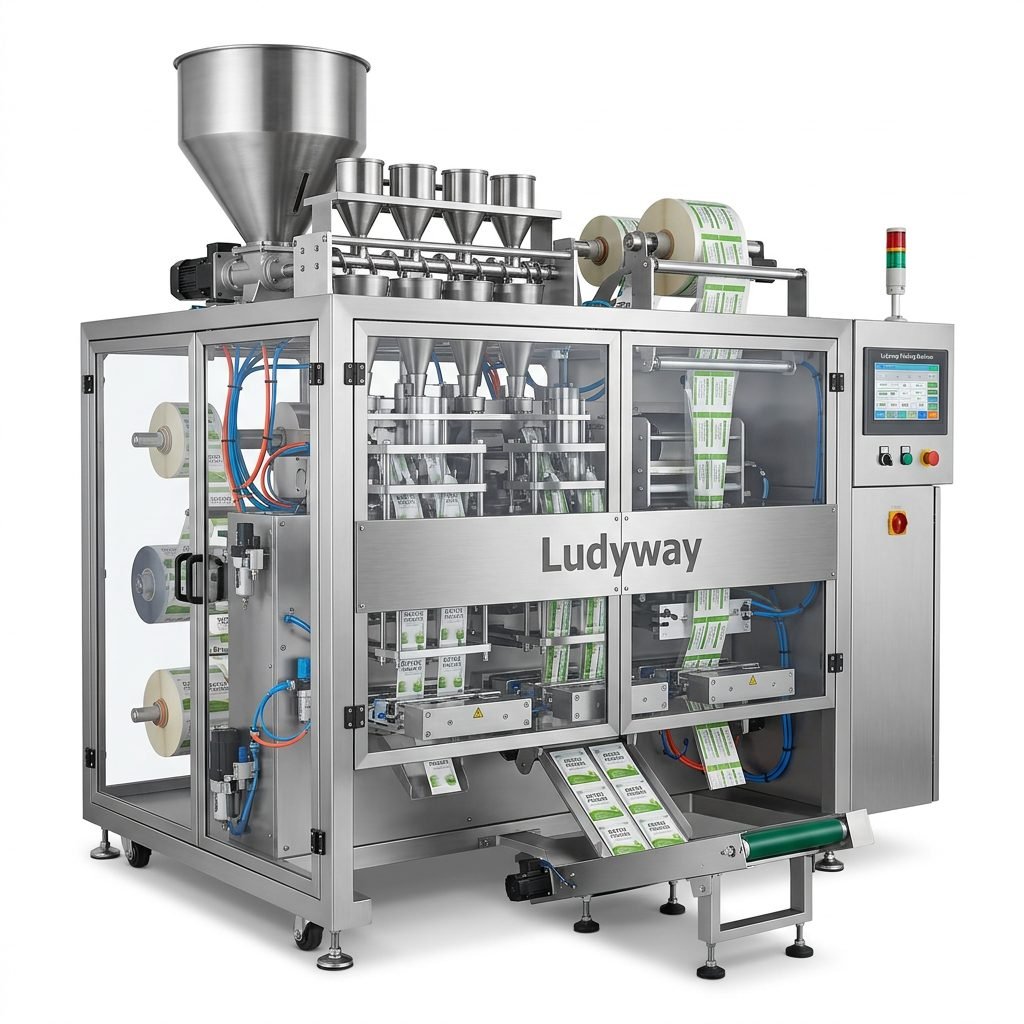
The heart of your production line is the vacuum packaging machine itself. For small operations, the most common options include chamber vacuum sealers, external suction nozzle machines, and thermoforming vacuum packaging systems. Each type serves different production needs and product formats. International packaging standards provide guidelines on machine performance and safety specifications that should inform your selection.

Comparison of Vacuum Machine Types
| Machine Type | Best For | Advantages | Limitations |
|---|---|---|---|
| Chamber Vacuum Sealer | Solid products, powders, liquids in pouches | Consistent vacuum level, handles liquids well | Slower cycle time per batch |
| Nozzle Vacuum Machine | Large bags, bulk items | Flexible bag sizes, lower equipment cost | Less effective with fine powders |
| Thermoforming Vacuum System | High-volume automated packaging | Fully automated, high output, integrated forming | Higher capital investment |
| External Suction Machine | Small batches, retail packaging | Compact, affordable, easy to operate | Limited to embossed vacuum bags |
Step 3: Integrate Auxiliary Equipment
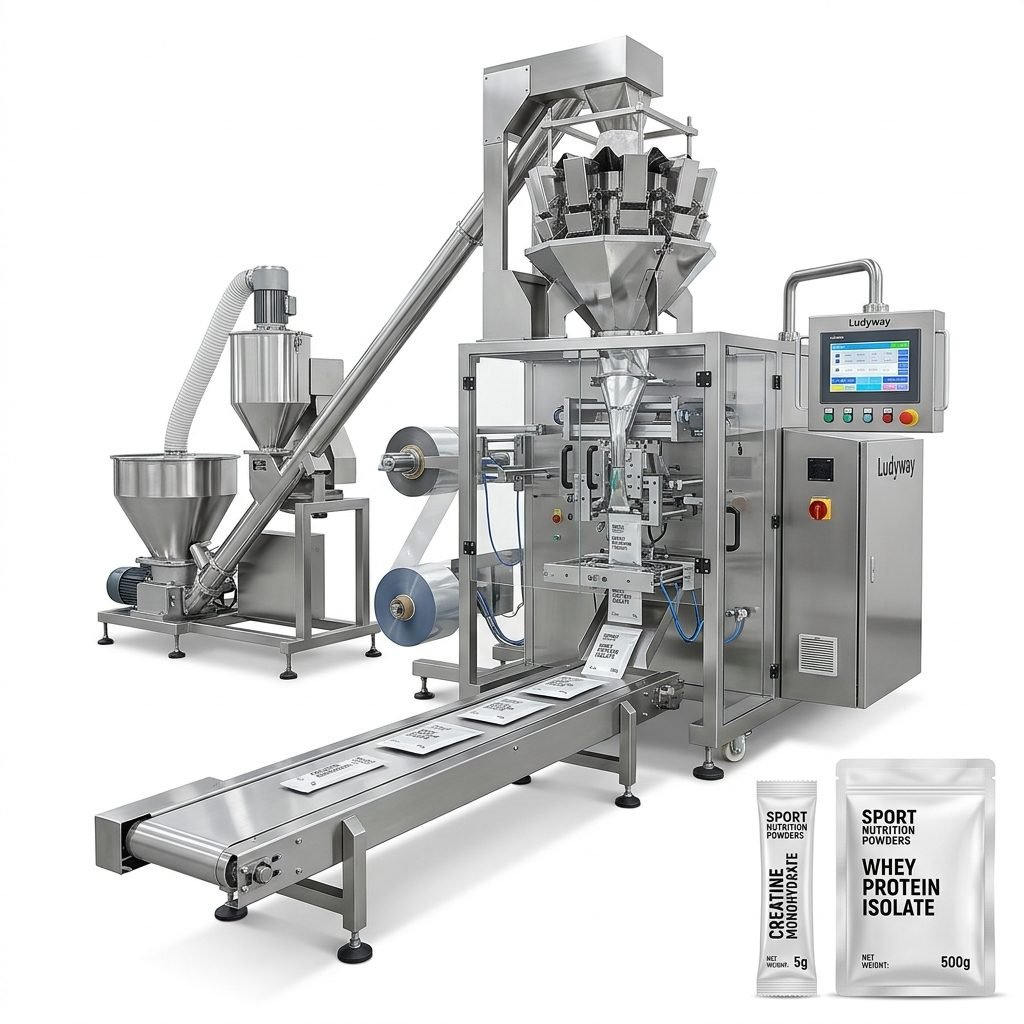
A complete production line includes more than just the vacuum sealer. Depending on your product type, you may need weighing and filling systems, conveyors, labeling machines, date coders, and metal detection or X-ray inspection units. Integrating these components ensures smooth material flow from raw product to finished sealed package. Flexible packaging resources offer valuable guidance on material compatibility and equipment integration.
Essential Auxiliary Components
- Multi-head weigher or volumetric filler for precise product dosing
- Belt or roller conveyor systems for product transport
- Automatic labeling and batch coding equipment
- Checkweigher for quality assurance and weight verification
- Metal detector or X-ray inspection system for contaminant detection
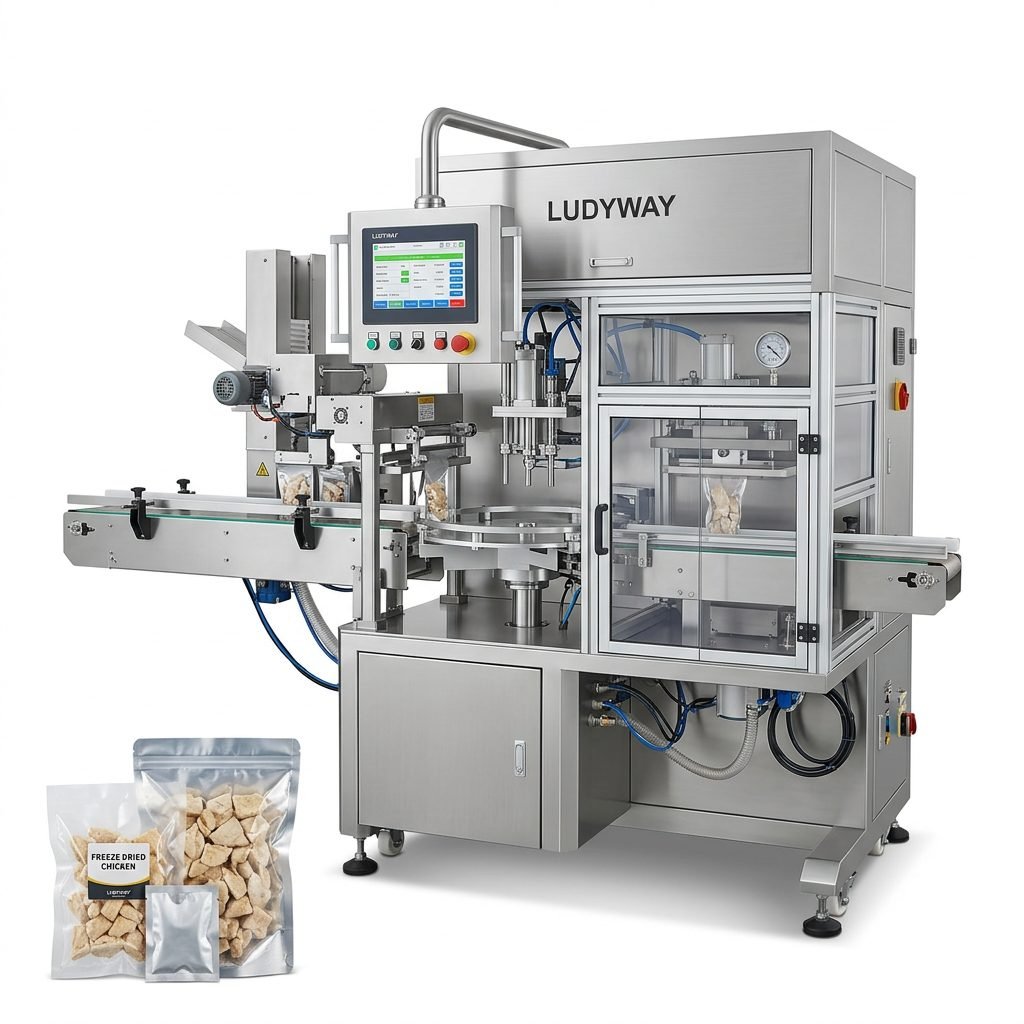
Step 4: Plan the Production Layout
Efficient floor planning can make a substantial difference in daily throughput. Arrange equipment in a linear or U-shaped configuration to minimize operator movement and material handling. Ensure adequate clearance around each machine for maintenance access, and position utilities such as compressed air and electrical connections strategically. Sustainable packaging practices and efficient layout design go hand in hand, reducing both material waste and energy consumption.
Layout Design Best Practices
- Map the product flow from raw material intake to finished goods storage
- Position the vacuum machine centrally with infeed and outfeed conveyors
- Allocate dedicated zones for quality inspection and reject handling
- Ensure flooring is level and capable of supporting equipment weight
- Plan for future expansion with modular equipment placement
Step 5: Installation, Testing, and Calibration
Once equipment arrives, proper installation is critical. Follow manufacturer guidelines for leveling, electrical connections, and pneumatic supply setup. After installation, run thorough test cycles using actual product samples to verify vacuum levels, seal integrity, and throughput rates. Calibrate weighing and filling systems to match your target package weights precisely.

Step 6: Establish Quality Control Protocols
Consistent quality assurance keeps your production line running reliably. Implement regular checks including seal strength testing, vacuum level verification, and visual inspection of finished packages. Document all QC procedures and train operators on proper testing methods. According to ISO 11607 standards for packaging, validated processes are essential for maintaining product integrity, especially in medical and food applications.
Daily QC Checklist
- Verify vacuum gauge calibration at machine startup
- Perform seal integrity testing on sample packages each shift
- Inspect sealing bars and gaskets for wear or contamination
- Monitor package appearance for wrinkles, air pockets, or misalignment
- Record and review all quality data for trend analysis
Step 7: Maintenance and Troubleshooting
Preventive maintenance keeps your vacuum packaging line operating at peak performance. Create a maintenance schedule that includes daily cleaning of sealing elements, weekly inspection of vacuum pumps and oil levels, and monthly checks of electrical connections and pneumatic components. Keep spare parts such as sealing wires, gaskets, and filters readily available to minimize downtime.
Common Issues and Solutions
| Problem | Possible Cause | Recommended Solution |
|---|---|---|
| Weak or incomplete seal | Worn sealing bar, insufficient heat, or contaminated sealing surface | Replace sealing elements, adjust temperature, clean sealing area |
| Insufficient vacuum level | Vacuum pump oil needs replacement, air leaks in system | Change pump oil, inspect and replace gaskets and hoses |
| Wrinkled packages after sealing | Incorrect bag size, product overfilling | Use appropriately sized bags, adjust fill volume |
| Excessive machine noise | Worn bearings, loose components, low oil levels | Lubricate moving parts, tighten fasteners, check oil |

Selecting the Right Equipment Supplier
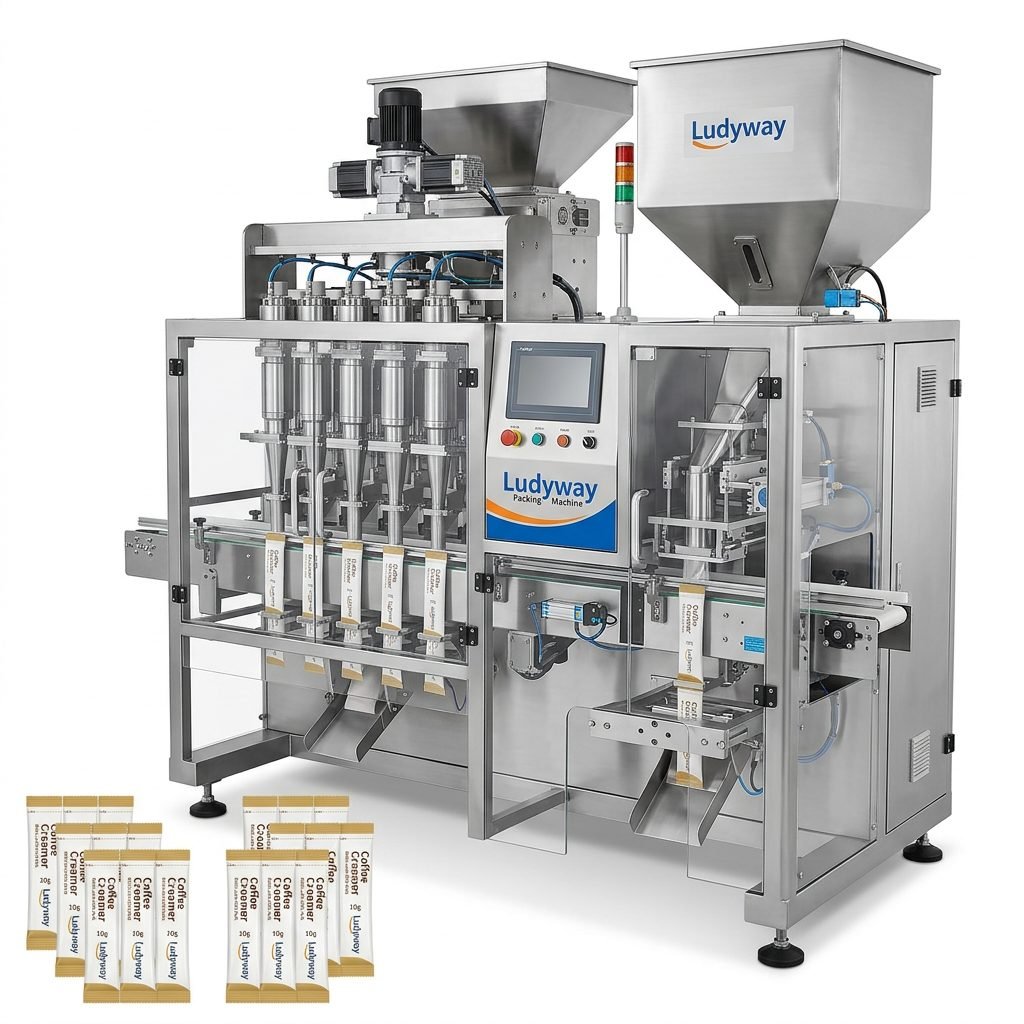
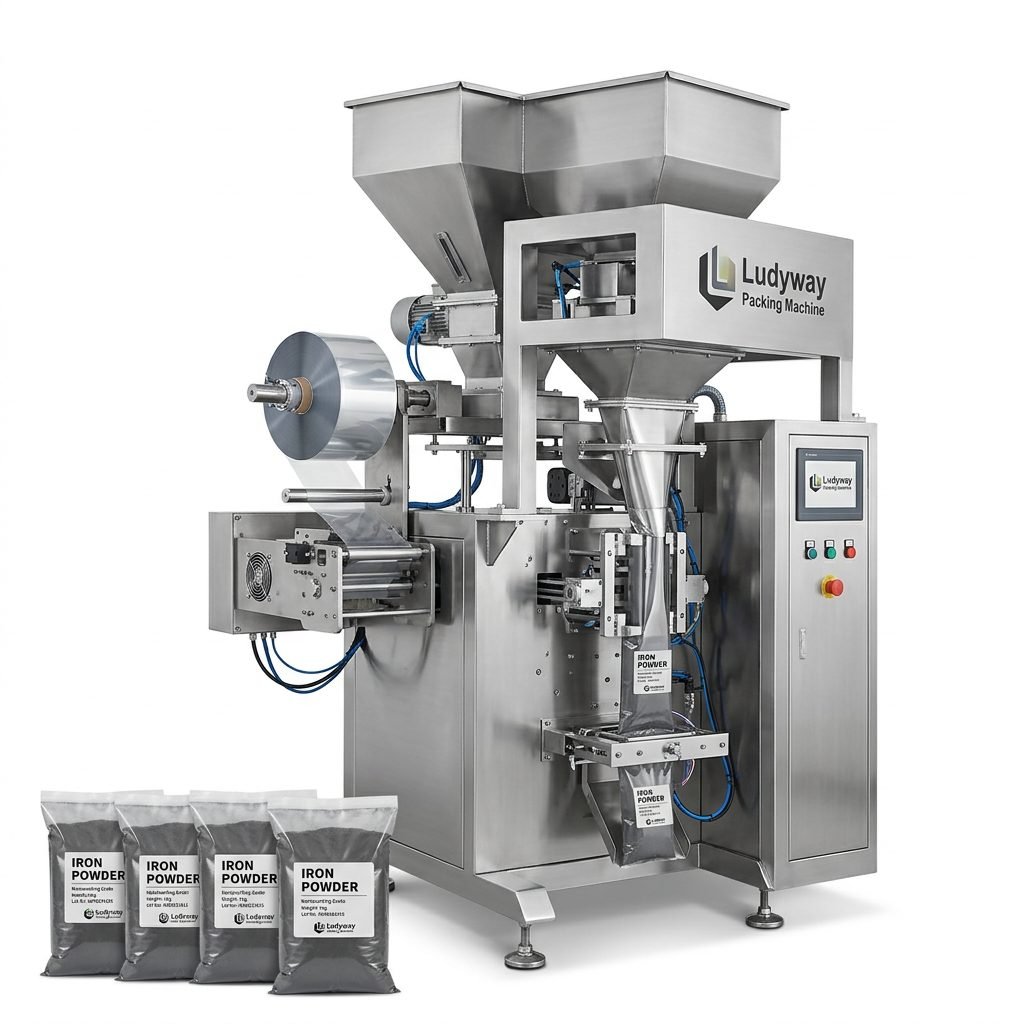
Choosing a reliable equipment manufacturer is as important as selecting the right machine. Look for suppliers with proven experience, comprehensive after-sales support, and a track record of delivering turnkey packaging solutions. Market intelligence reports can help you evaluate industry trends and make informed purchasing decisions. For businesses seeking established packaging machine manufacturers, companies like Ludyway offer extensive expertise with over 30 years of industry experience, a modern 20,000㎡ production facility, and more than 50 intelligent packaging machine models serving customers in over 100 countries worldwide.
Operator Training and Safety
Well-trained operators are essential for safe and efficient production. Develop a comprehensive training program covering machine operation, safety protocols, quality inspection procedures, and basic troubleshooting. All personnel should understand emergency stop locations, lockout/tagout procedures, and proper personal protective equipment requirements.
Training Topics to Cover
- Machine startup and shutdown sequences
- Proper bag loading and positioning techniques
- Vacuum level and sealing parameter adjustments
- Cleaning and sanitation procedures between product changeovers
- Recognition of abnormal machine behavior and reporting protocols
Scaling Up Your Production Line
As your business grows, your vacuum packaging line should be able to scale accordingly. Plan for expansion by selecting modular equipment that can be upgraded or integrated with additional modules. Consider sustainable materials management practices when scaling, as efficient resource use becomes increasingly important at higher production volumes.

Conclusion
Setting up a small vacuum packaging machine production line is a strategic investment that can transform your product quality and operational efficiency. By following a structured approach, selecting the right equipment, and maintaining rigorous quality standards, your packaging line can deliver consistent, professional results. Start with a clear assessment of your needs, build a well-planned layout, and partner with experienced suppliers to ensure long-term success in your packaging operations.