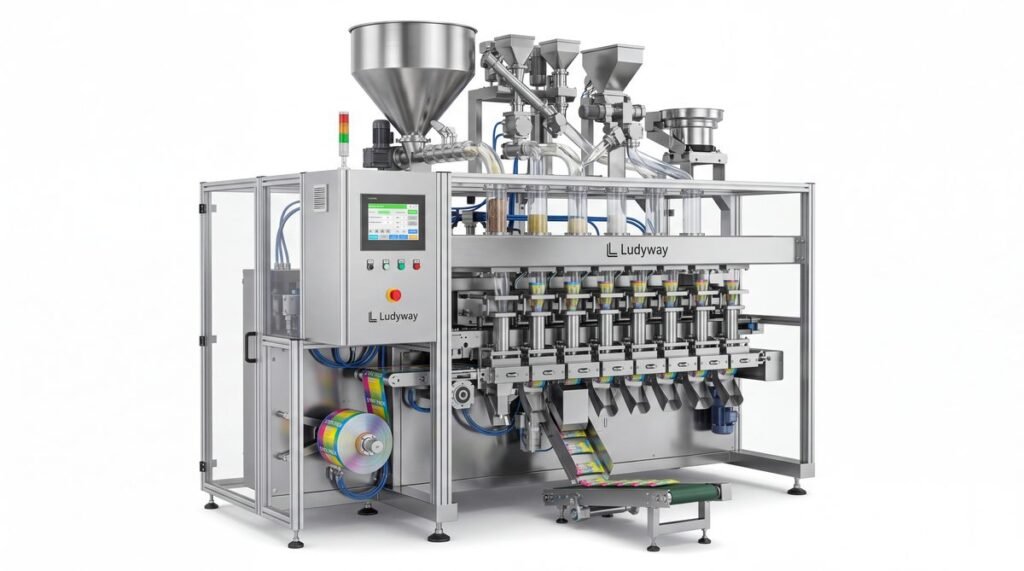
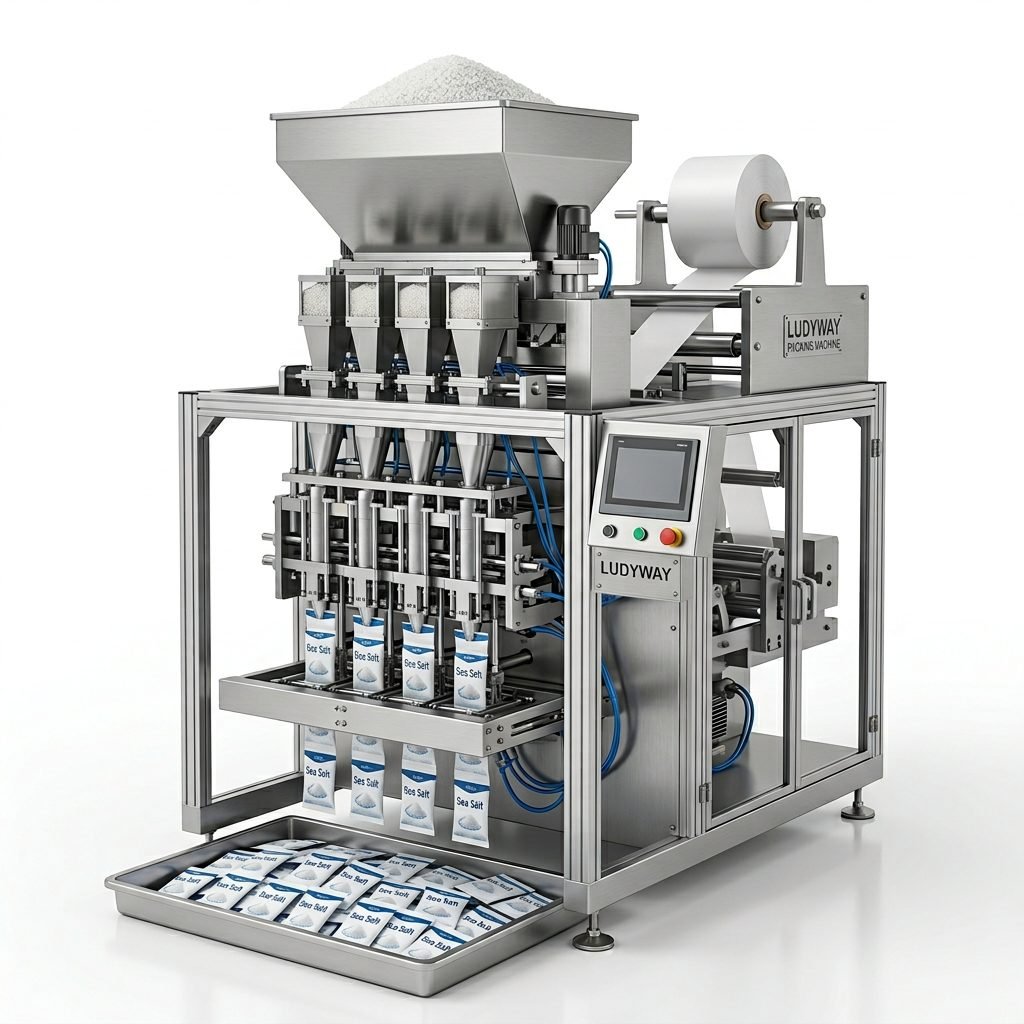
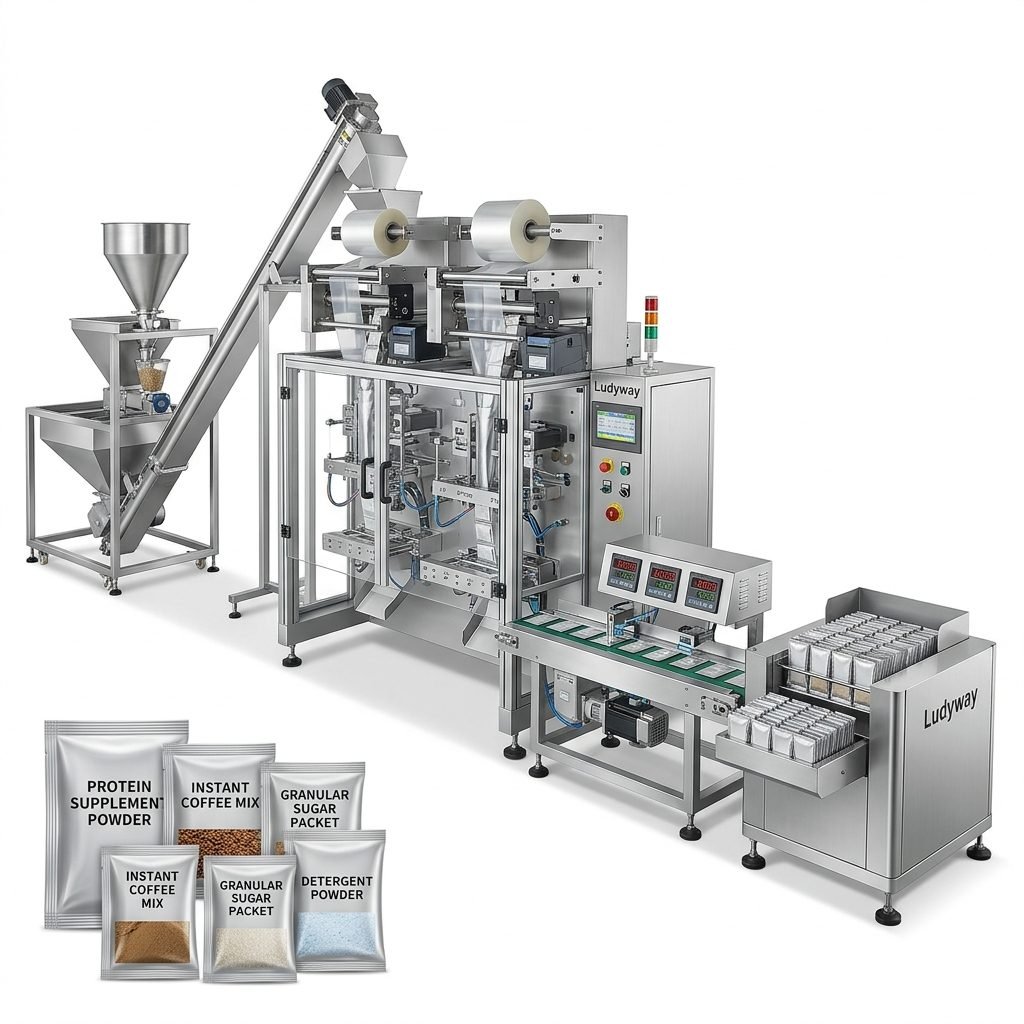
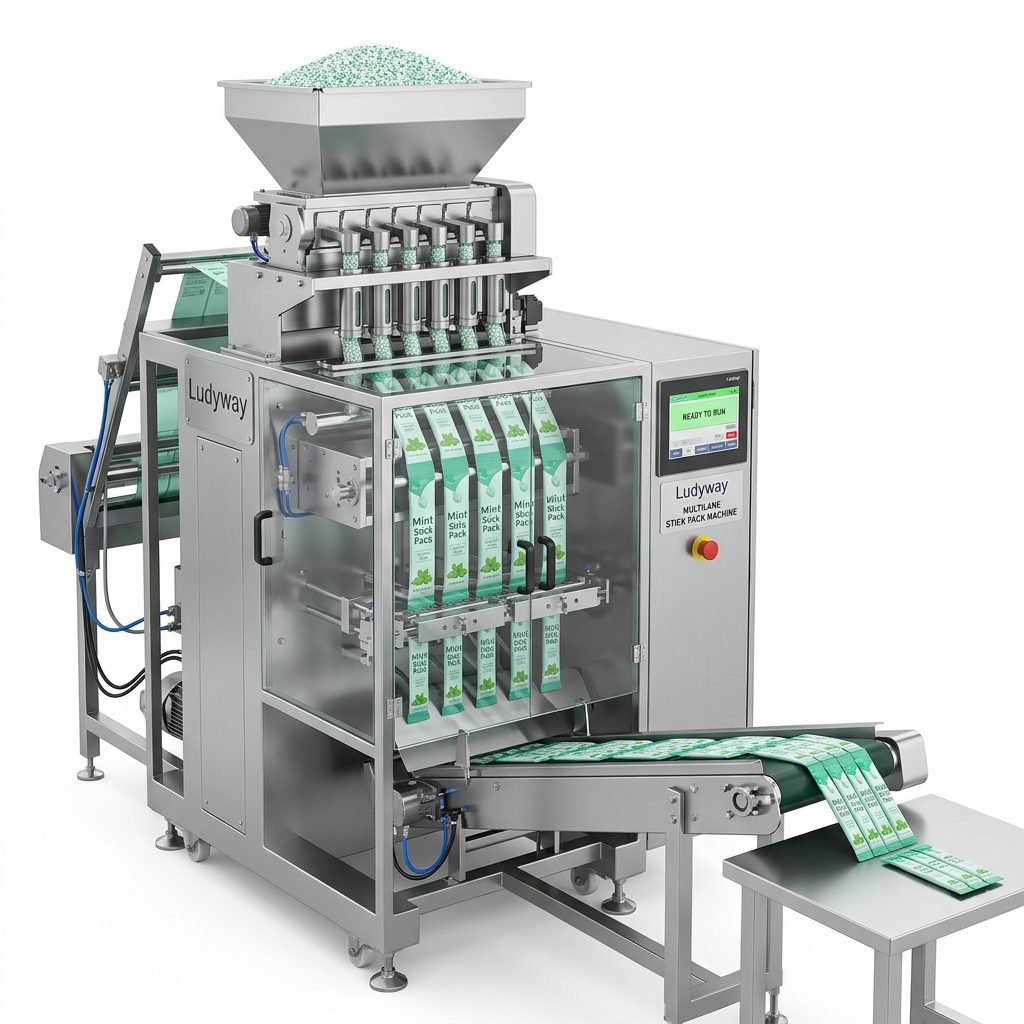
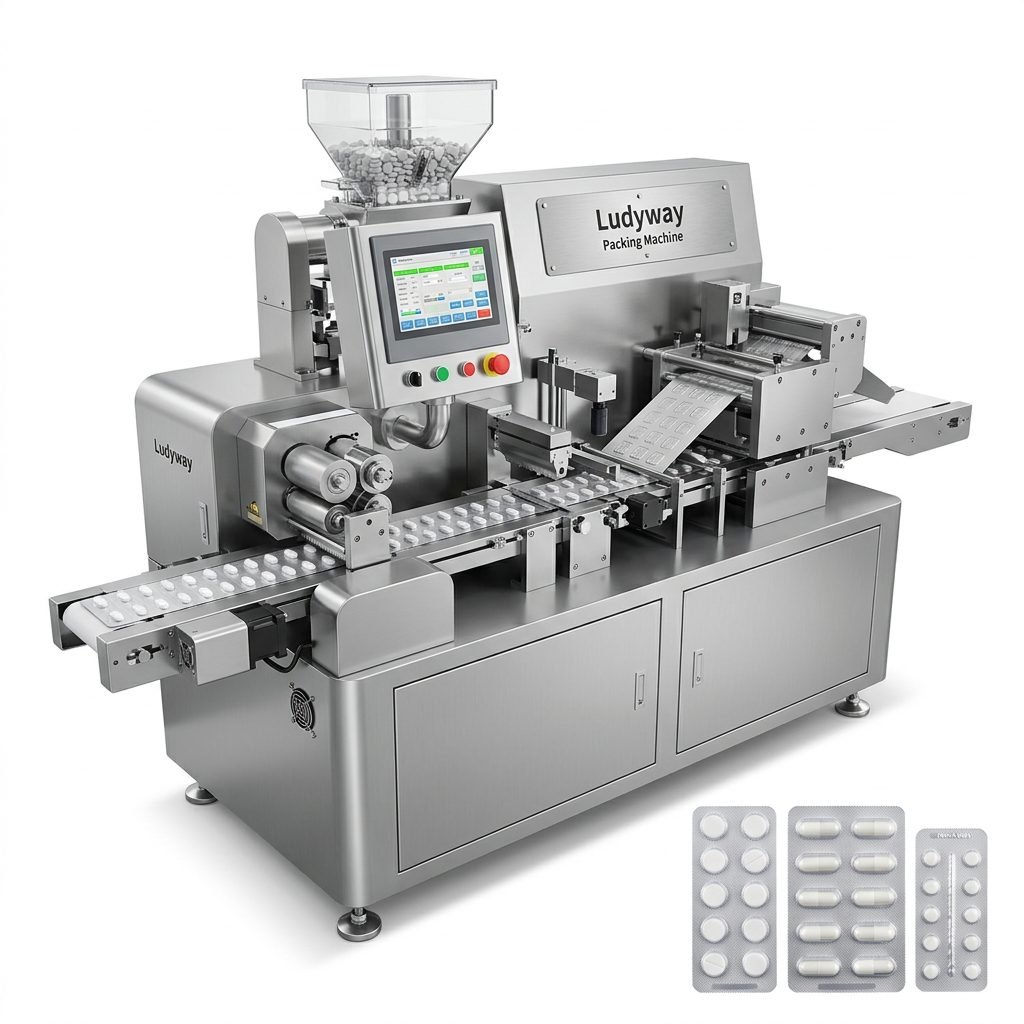
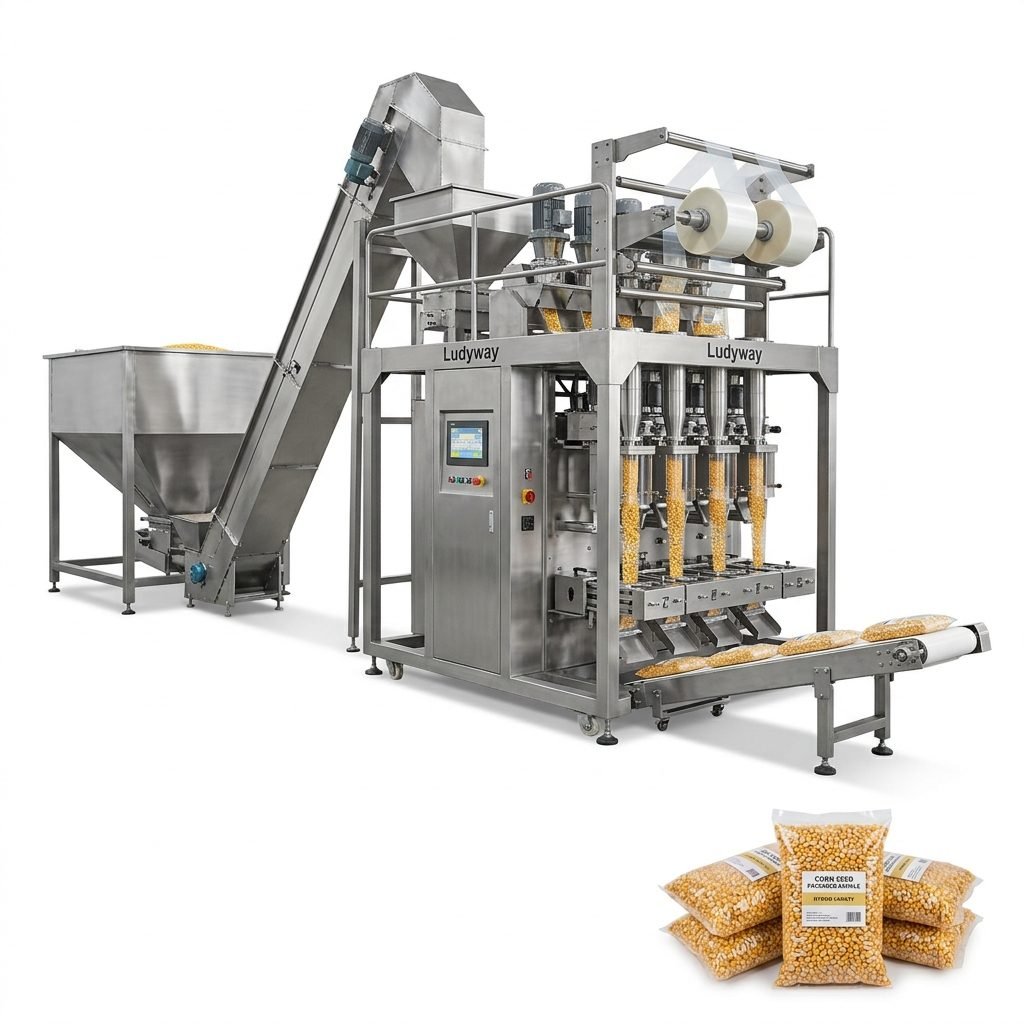
In today’s fast-paced food manufacturing environment, selecting the right packaging equipment directly impacts product quality, shelf life, and operational profitability. Whether you are packaging granule-based snacks, powdered beverages, liquid sauces, or stick pack supplements, the efficiency and reliability of your food packaging machines define your production success. This comprehensive guide explores the essential features, key benefits, and practical considerations to help you make an informed purchasing decision.
Essential Features of Modern Food Packaging Equipment
When evaluating packaging machinery for your food production line, several critical features should guide your selection process. Understanding these capabilities ensures you invest in equipment that meets both current and future operational demands.
Multi-Lane Configuration for High-Volume Output
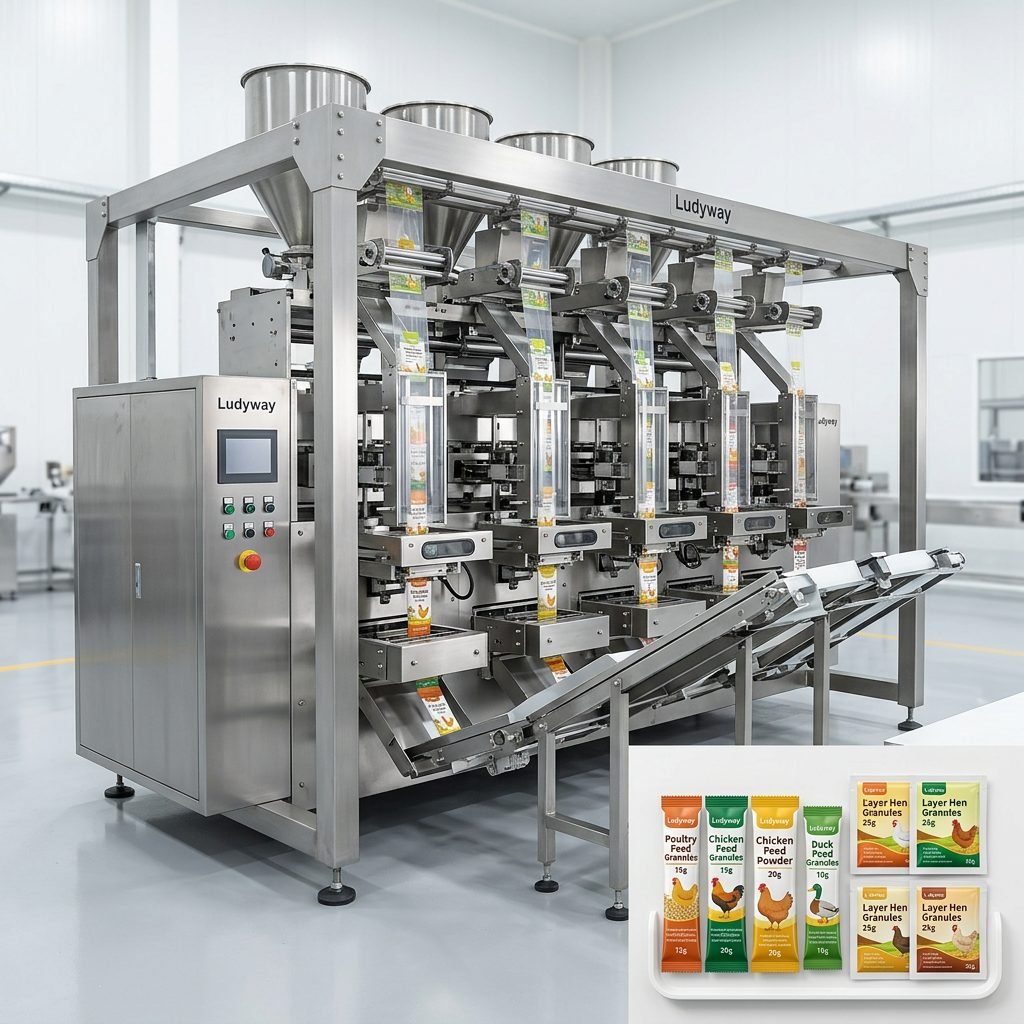
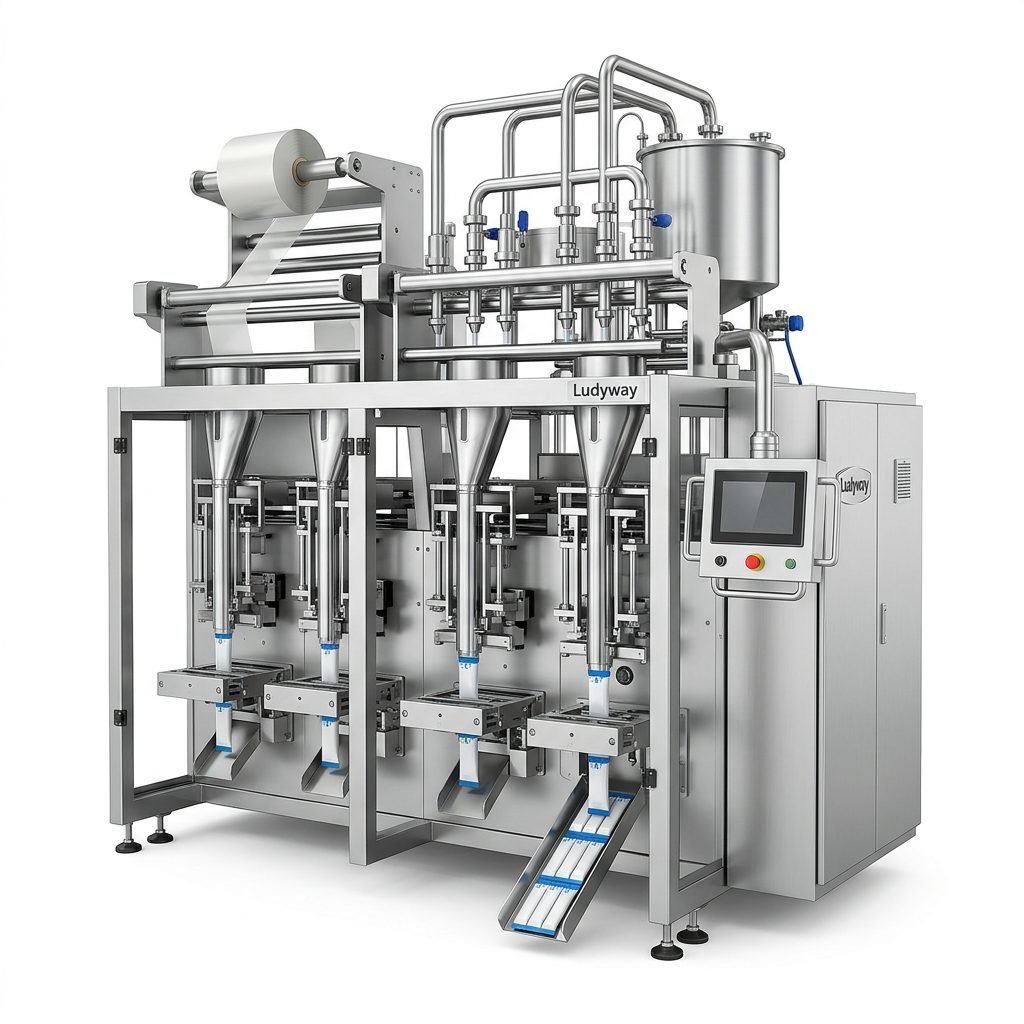
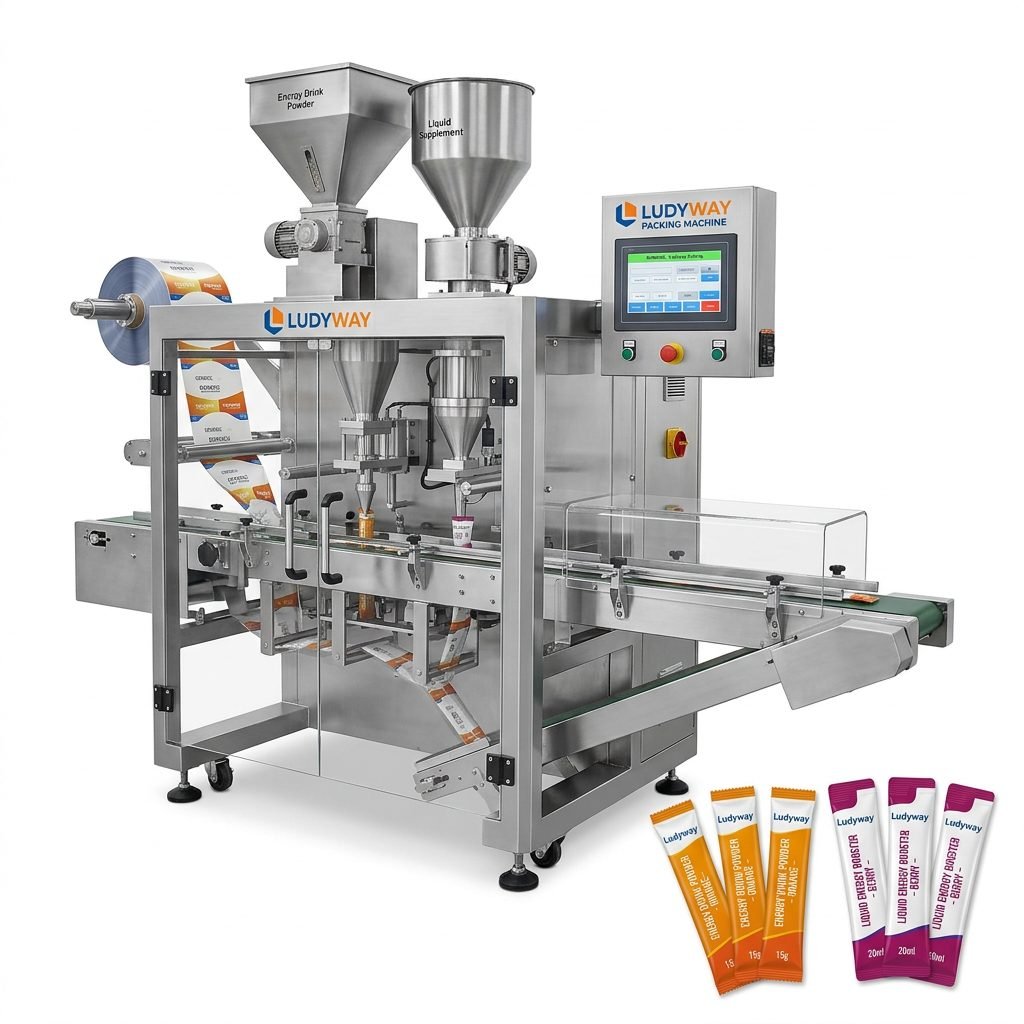
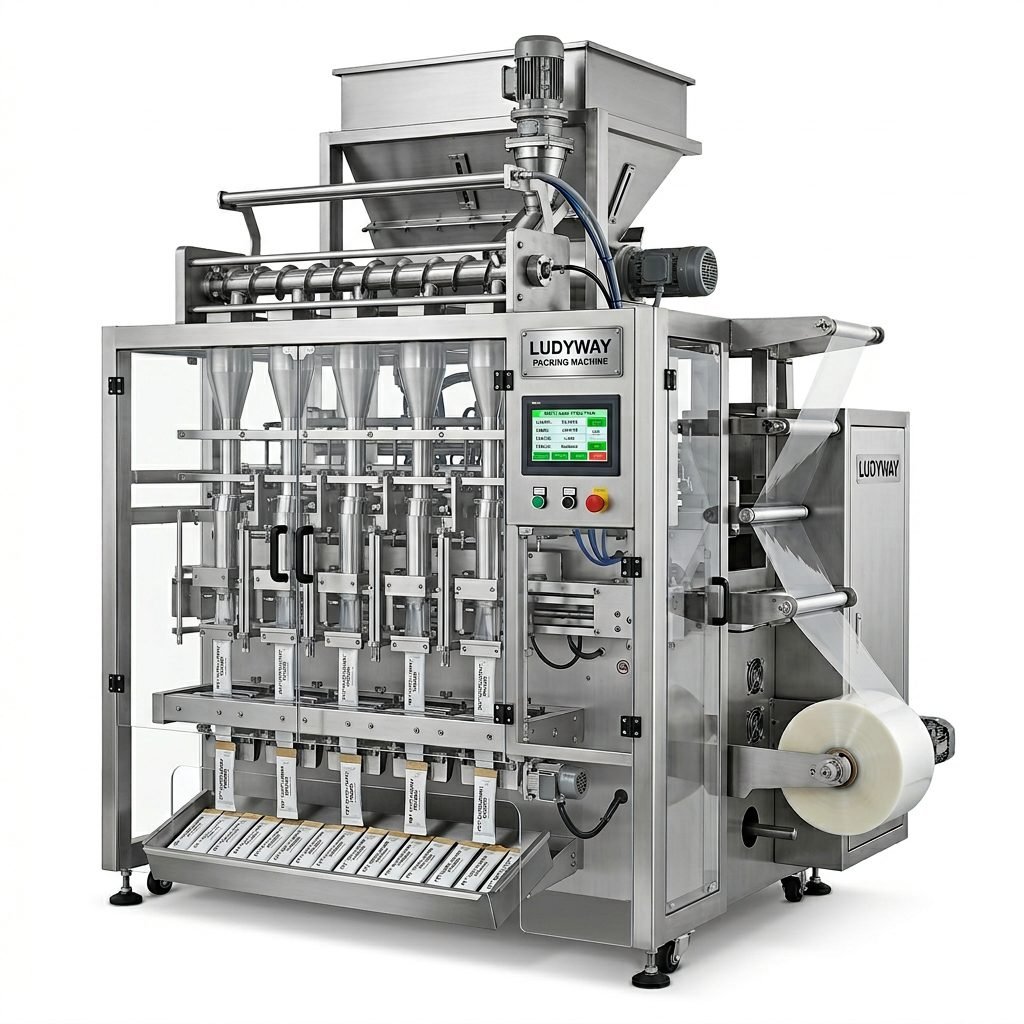
Modern stick pack machines and sachet packaging systems increasingly adopt multi-lane designs, allowing simultaneous filling across 4 to 12 lanes. This configuration multiplies throughput without proportionally increasing floor space requirements. For manufacturers producing granule products like instant coffee, protein powders, or seasoning mixes, multi-lane technology can achieve output rates exceeding 400 packs per minute.
Precision Weighing and Filling Systems
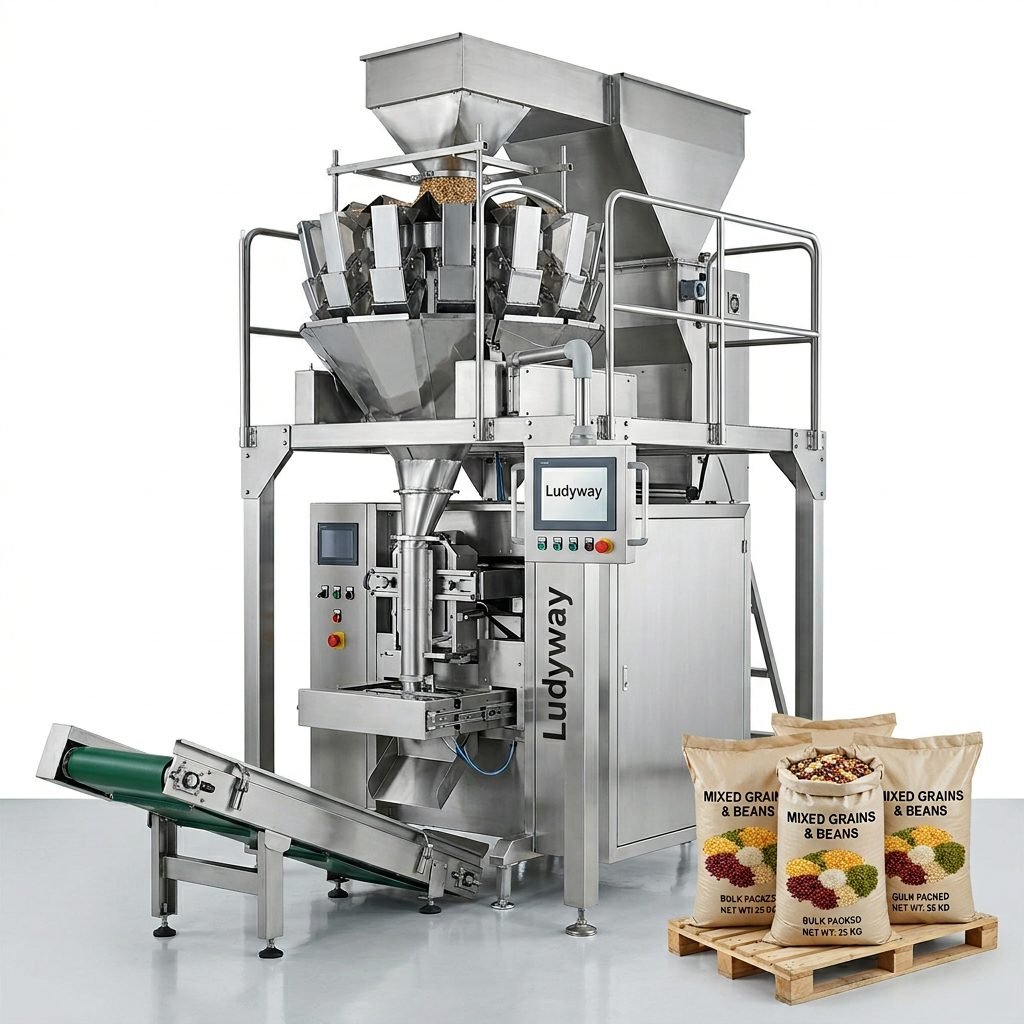
Accurate dosing is non-negotiable in food packaging. Advanced multi-head weighers integrated with sachet packaging machines deliver weighing precision within ±0.1g for powder products and ±0.5g for granular materials. This level of accuracy minimizes product giveaway while ensuring regulatory compliance.
- Servo-driven auger fillers for powder applications with adjustable speed control
- Volumetric cup fillers ideal for free-flowing granules like sugar and salt
- Piston fillers designed for liquid and paste products including sauces and gels
- Combination weighers for mixed product packaging with multiple components
Versatile Packaging Formats
Leading packaging systems support multiple bag styles from a single machine platform. The ability to switch between stick packs, three-side-seal sachets, four-side-seal pouches, and gusseted bags provides manufacturers with the flexibility to serve diverse market segments without additional capital investment.
Key Benefits of Investing in Quality Packaging Machinery
The decision to upgrade or invest in new packaging equipment carries significant long-term implications for your business. Here are the measurable benefits that justify the investment:
| Benefit Category | Impact Description | Typical Improvement |
|---|---|---|
| Production Speed | Multi-lane systems dramatically increase output per shift | 200-400% increase |
| Labor Efficiency | Automated filling and sealing reduce manual intervention | 50-70% labor reduction |
| Product Consistency | Precision dosing ensures uniform pack weights and quality | ±0.5% weight accuracy |
| Waste Reduction | Accurate filling and reliable sealing minimize product loss | Up to 95% waste reduction |
| Market Adaptability | Quick format changes enable rapid product line expansion | Changeover in 15-30 minutes |
Extended Shelf Life Through Advanced Sealing Technology
Modern heat sealing systems with precise temperature control and pressure regulation create hermetic seals that significantly extend product shelf life. For oxygen-sensitive products like coffee, nutritional powders, and dried foods, integrated nitrogen flushing systems reduce residual oxygen levels below 1%, preserving freshness and flavor integrity.
Compliance with International Food Safety Standards
Quality packaging machines are engineered with food-grade stainless steel contact parts, meeting FDA and EU food contact material regulations. Equipment designed for easy cleaning and sanitation supports HACCP compliance and GMP requirements, essential for manufacturers exporting to regulated markets.
Comprehensive Buying Guide for Packaging Machines
Making the right equipment purchase requires systematic evaluation of your production requirements, facility constraints, and business objectives. Follow this structured approach to ensure optimal machine selection.
Step 1: Define Your Product Specifications
Begin by thoroughly documenting your product characteristics. Understanding these parameters determines the appropriate filling technology and machine configuration.
- Product form: Granule, powder, liquid, paste, or combination products
- Flow characteristics: Free-flowing, semi-free-flowing, or cohesive materials
- Particle size distribution: Uniform granules versus mixed particle sizes
- Bulk density: Affects volumetric filling accuracy and hopper capacity
- Moisture content and hygroscopicity: Influences sealing requirements and material handling
Step 2: Determine Target Output and Packaging Format
Calculate your required production capacity based on current demand and projected growth over the next 3-5 years. Consider the following packaging format options:
- Stick packs: Ideal for single-serve powders, sweeteners, and instant beverages (2-20g per pack)
- Sachets: Versatile format for sample portions, condiments, and pharmaceutical powders (1-50g per pack)
- Pillow pouches: Suitable for snacks, dried foods, and granular products (20-500g per pack)
- Gusseted bags: Designed for bulk products requiring stand-up presentation (100g-5kg per bag)
Step 3: Evaluate Automation and Integration Capabilities
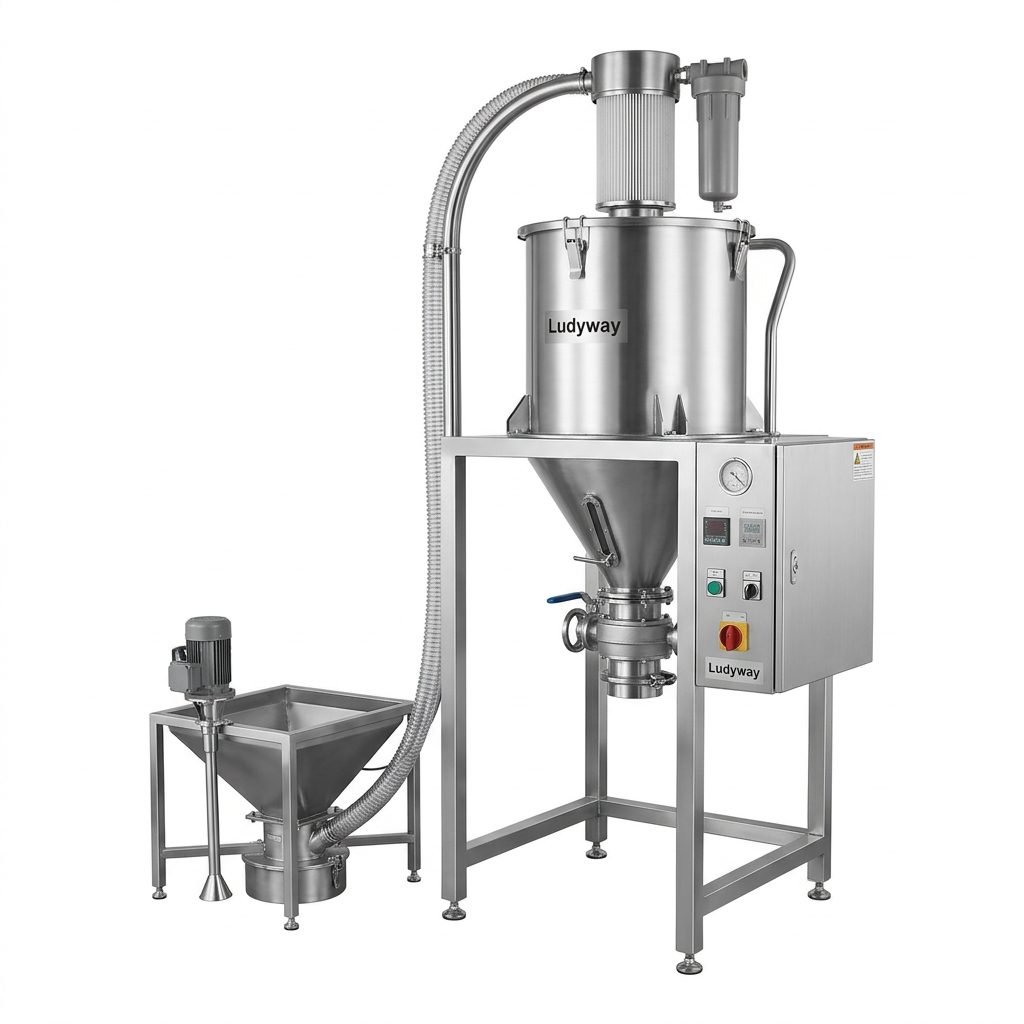
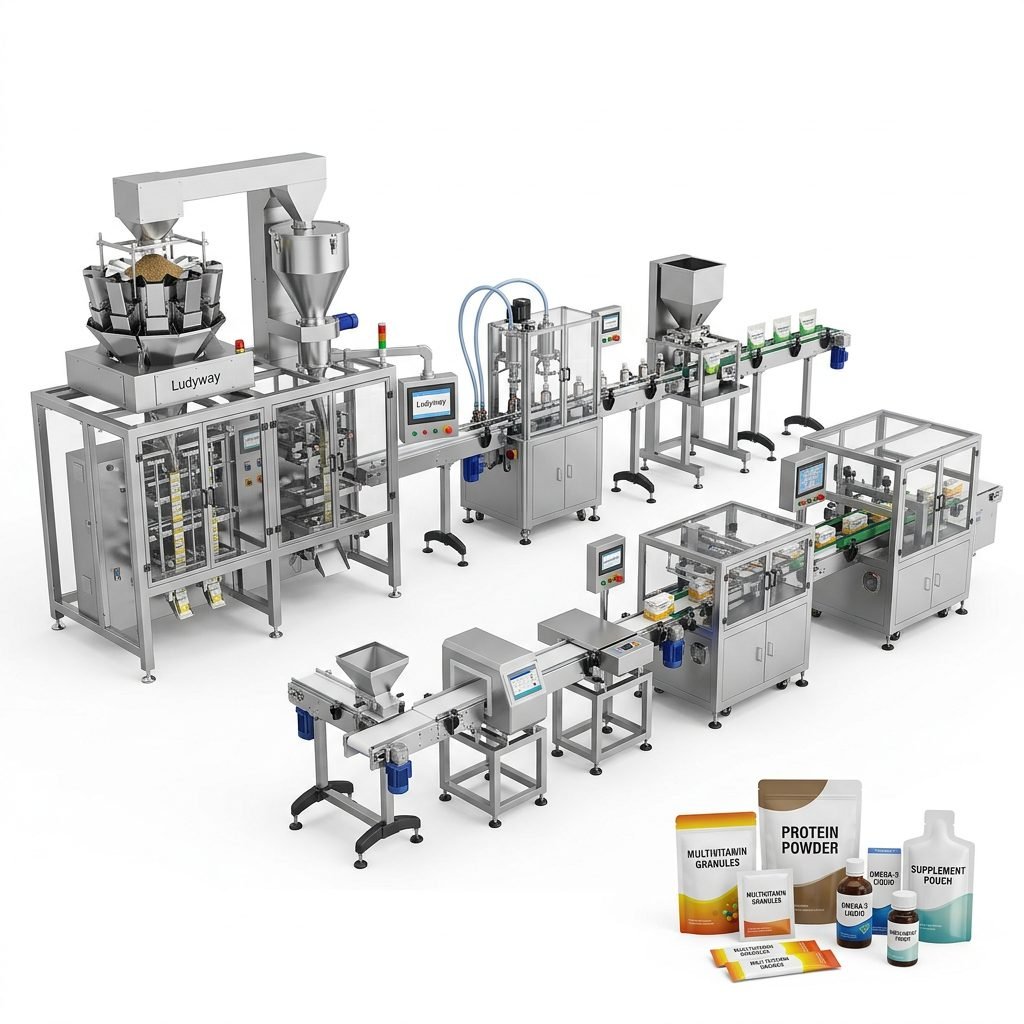
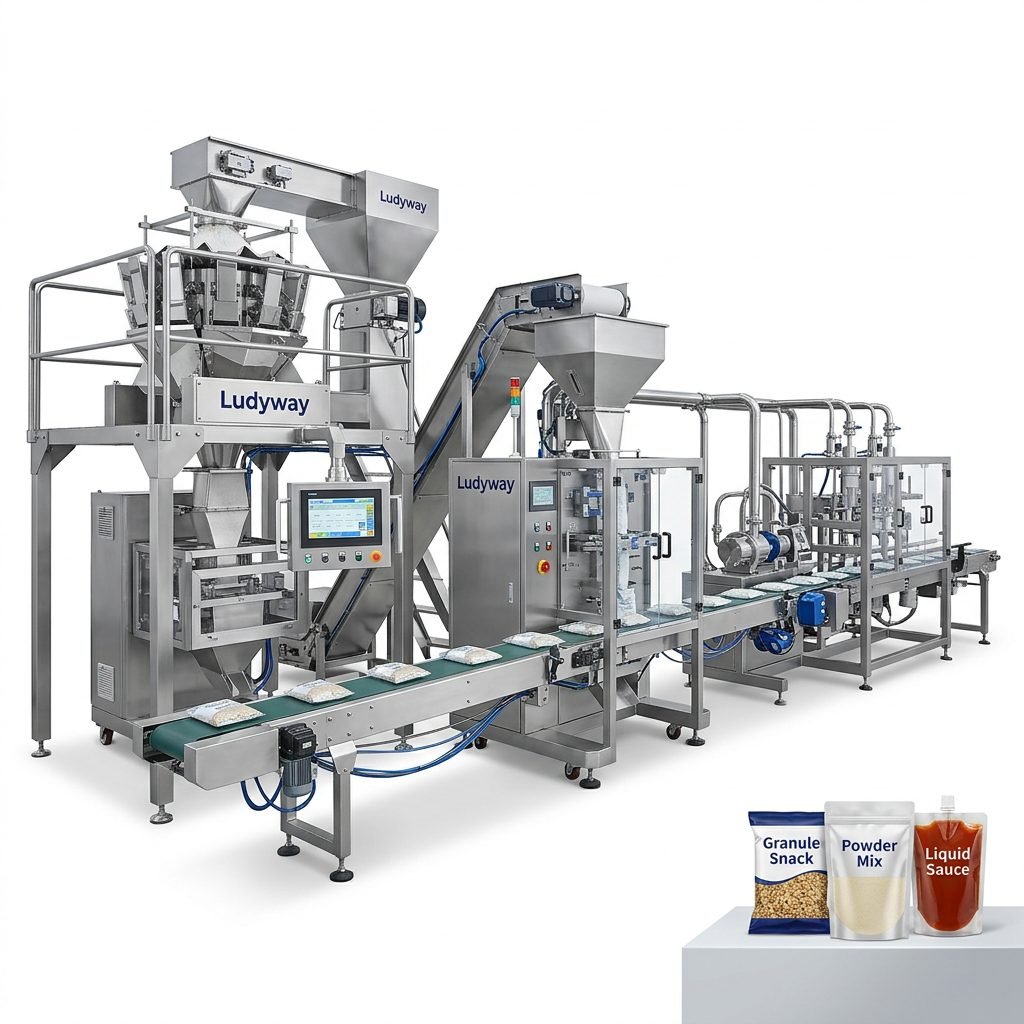
Modern packaging lines extend beyond the primary filling machine. Assess the full scope of automation available, including automatic feeding systems, checkweighers, metal detectors, cartoning machines, and palletizing systems. A turnkey packaging line approach often delivers superior efficiency compared to integrating equipment from multiple suppliers.

Step 4: Assess Build Quality and Material Compatibility
Examine the construction materials and component quality of any machine under consideration. Food-grade 304 or 316 stainless steel should be standard for all product contact surfaces. Critical components such as sealing jaws, forming tubes, and cutting blades should use hardened, wear-resistant materials to ensure consistent performance over extended production runs.
Step 5: Review Technical Support and After-Sales Service
Equipment reliability is only part of the equation. Evaluate the manufacturer’s technical support infrastructure, spare parts availability, and service response capabilities. Manufacturers with established global service networks and remote diagnostic capabilities can significantly reduce downtime when issues arise.
Industry Resources and Standards
Staying informed about packaging industry developments helps manufacturers maintain competitive advantage. The following authoritative resources provide valuable insights into market trends, regulatory updates, and technological advancements:
- PMMI – The Association for Packaging and Processing Technologies – Industry-leading research and market intelligence
- Flexible Packaging Association – Resources on flexible packaging trends and sustainability
- FDA – Food Packaging and Food Contact Substances – Regulatory guidance for food-safe packaging
- ISO – Packaging Standards – International standards for packaging quality and safety
Key Considerations Before Final Purchase
Before committing to a packaging machine investment, verify these critical points to avoid costly implementation challenges:
- Factory acceptance testing (FAT): Request a live demonstration using your actual products
- Installation requirements: Confirm floor space, utility connections, and environmental conditions
- Operator training: Ensure comprehensive training programs are included in the purchase agreement
- Warranty coverage: Review warranty terms including parts, labor, and response time commitments
- Scalability: Verify that the machine can accommodate future production growth or format expansion
Understanding Total Cost of Ownership
The purchase price represents only one component of the overall investment. A thorough total cost of ownership (TCO) analysis should account for installation, training, maintenance, spare parts, energy consumption, and expected service life. High-quality packaging machines with durable construction typically deliver lower TCO over a 10-year operational lifespan compared to budget alternatives requiring frequent repairs and part replacements.
| Cost Factor | Consideration | Estimated Share of TCO |
|---|---|---|
| Initial Purchase | Machine cost including tooling and initial spare parts | 55-65% |
| Installation & Training | Setup, commissioning, and operator training programs | 5-8% |
| Maintenance & Parts | Routine maintenance, wear parts, and unexpected repairs | 15-20% |
| Energy & Consumables | Electricity, compressed air, and packaging film consumption | 10-15% |
About the Manufacturer
Ludyway is one of the largest packaging machine manufacturers in China, specializing in advanced packaging equipment and turnkey production solutions for the food, pharmaceutical, and health industries. With over 30 years of industry expertise, a modern 20,000㎡ manufacturing facility, and more than 50 intelligent packaging machine models, Ludyway serves customers in over 100 countries and regions with reliable, high-performance packaging solutions designed to improve productivity and operational efficiency.
Additional Resources
- PMMI Business Intelligence Library – Packaging machinery market research and reports
- Flexible Packaging Industry Data – State of the U.S. flexible packaging industry
- European Commission – Packaging and Packaging Waste Regulation – EU regulatory framework
- U.S. EPA – Sustainable Materials Management – Guidelines for sustainable packaging practices