Understanding Africa’s Booming Snack Market
Setting up a successful snack packaging machine production line in Africa requires a deep understanding of the continent’s unique market dynamics. With a rapidly growing young population and increasing urbanization, the demand for convenient, affordable, and hygienically packaged snacks is skyrocketing. From fried snacks and extruded pellets to nuts, dried fruits, and confectionery, the variety of products that can be automated is vast. Before investing in equipment, you must analyze your specific product characteristics—granule size, flowability, and fragility—as these directly influence the type of packaging machinery you will need.
Step 1: Selecting the Ideal Packaging Machine Type
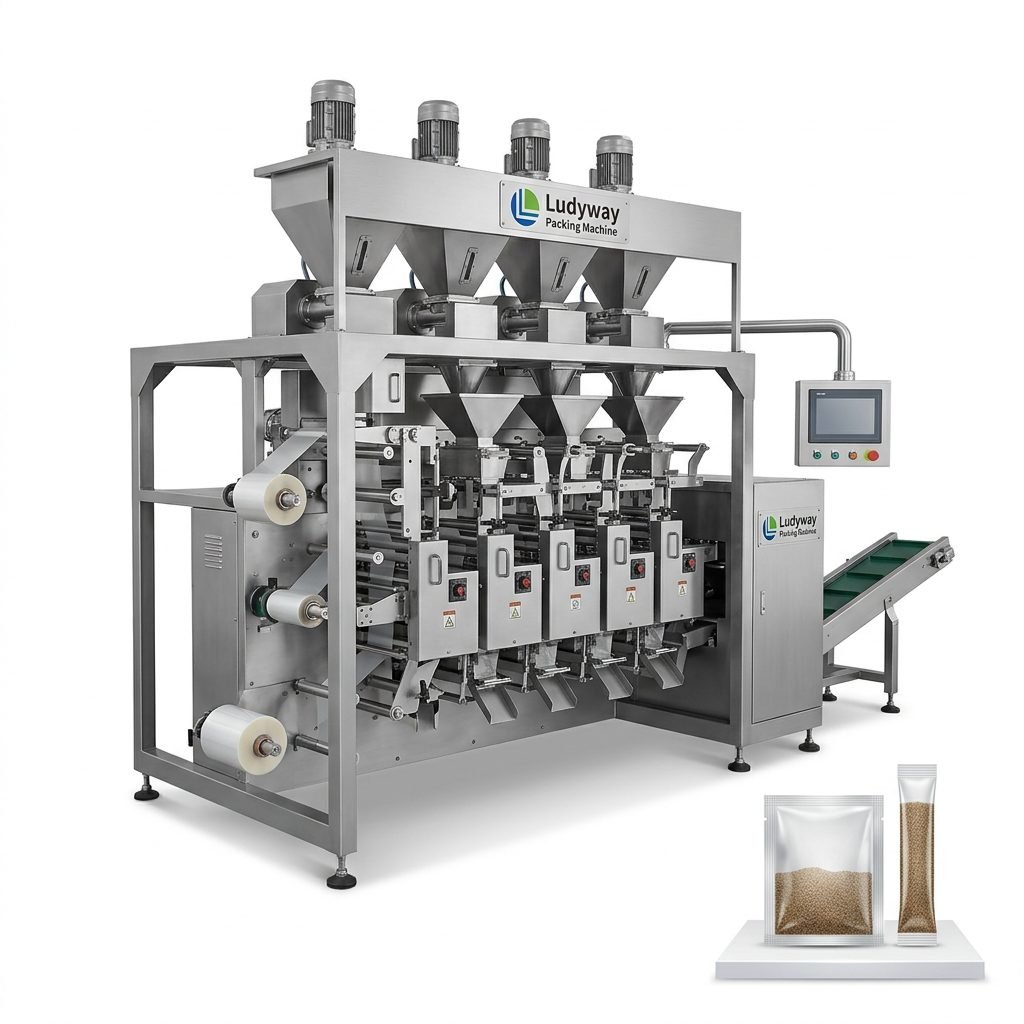
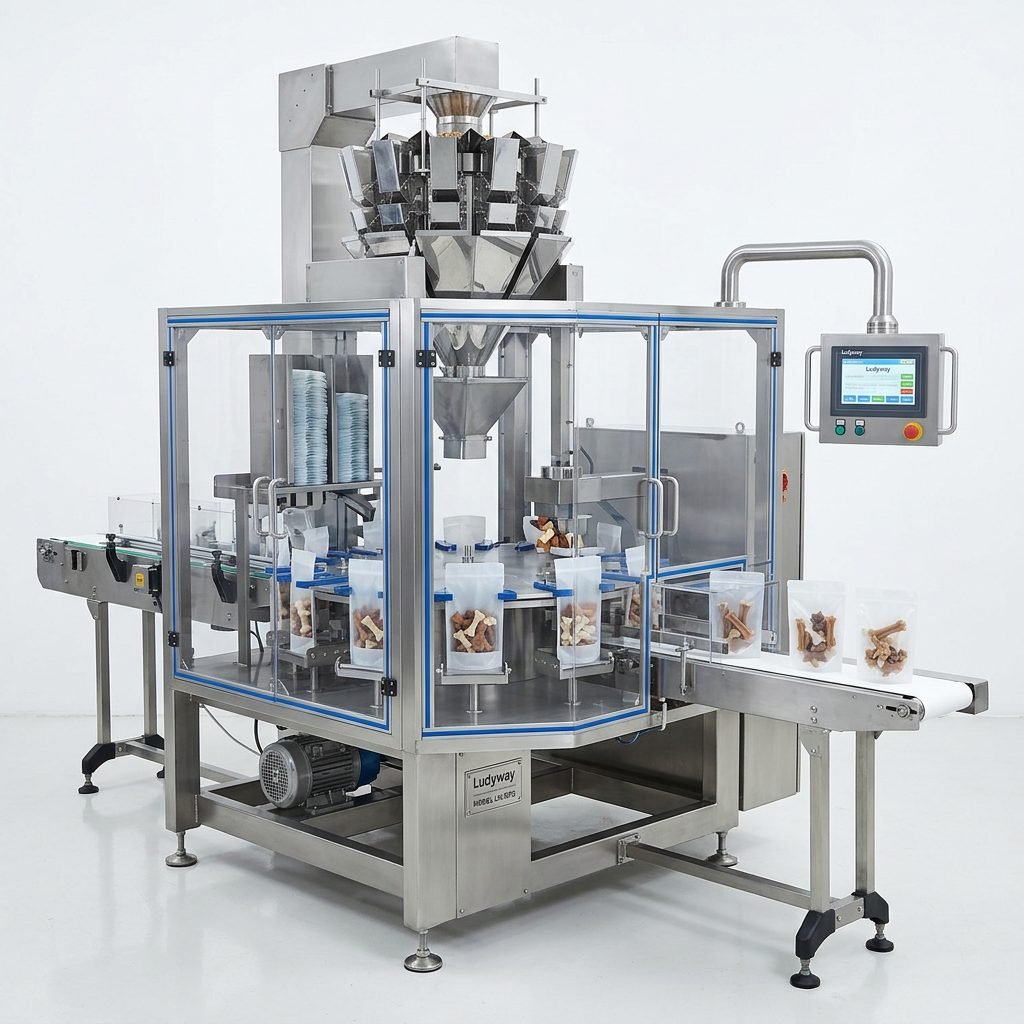
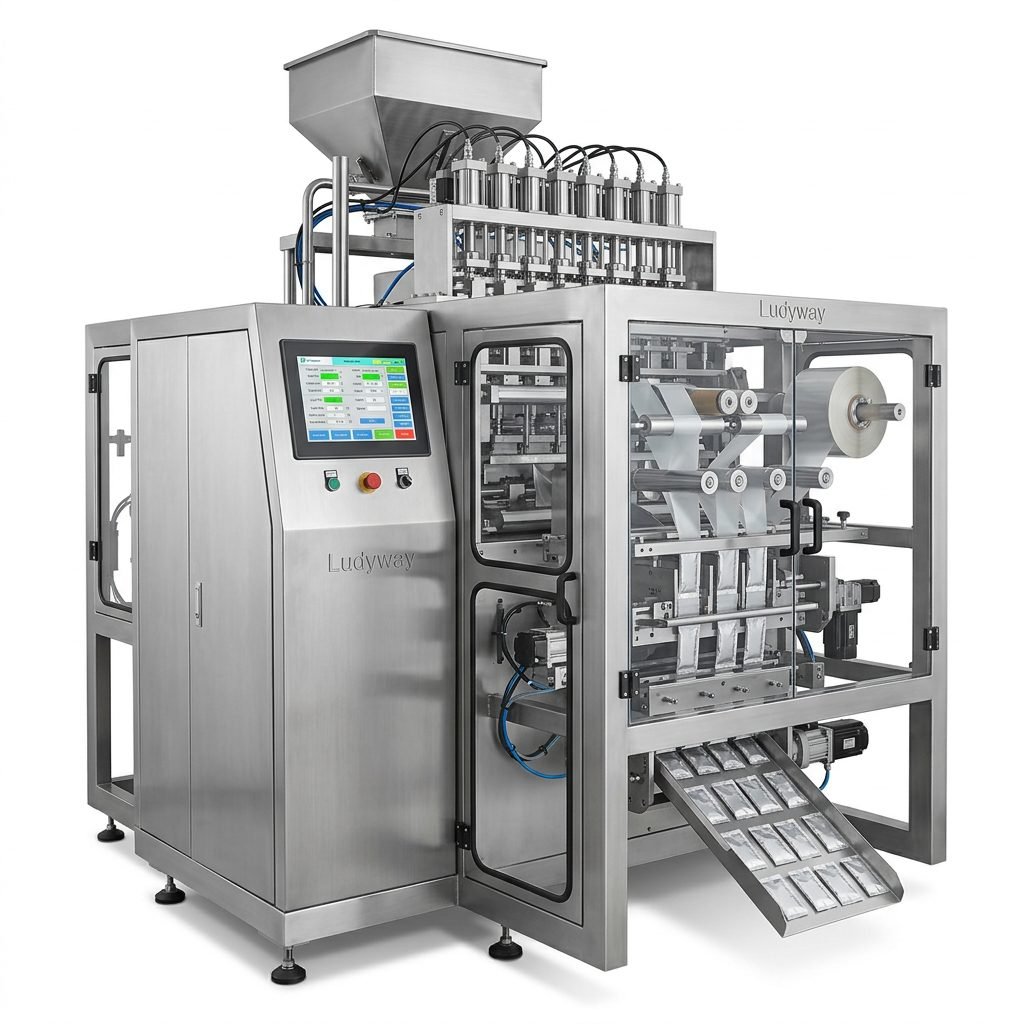
Choosing the right machine is the foundation of your entire production line. For snack products in Africa, three primary machine types are predominantly used. The table below outlines their core features to help you decide based on your target output and packaging style.
| Machine Type | Best For | Key Advantage |
|---|---|---|
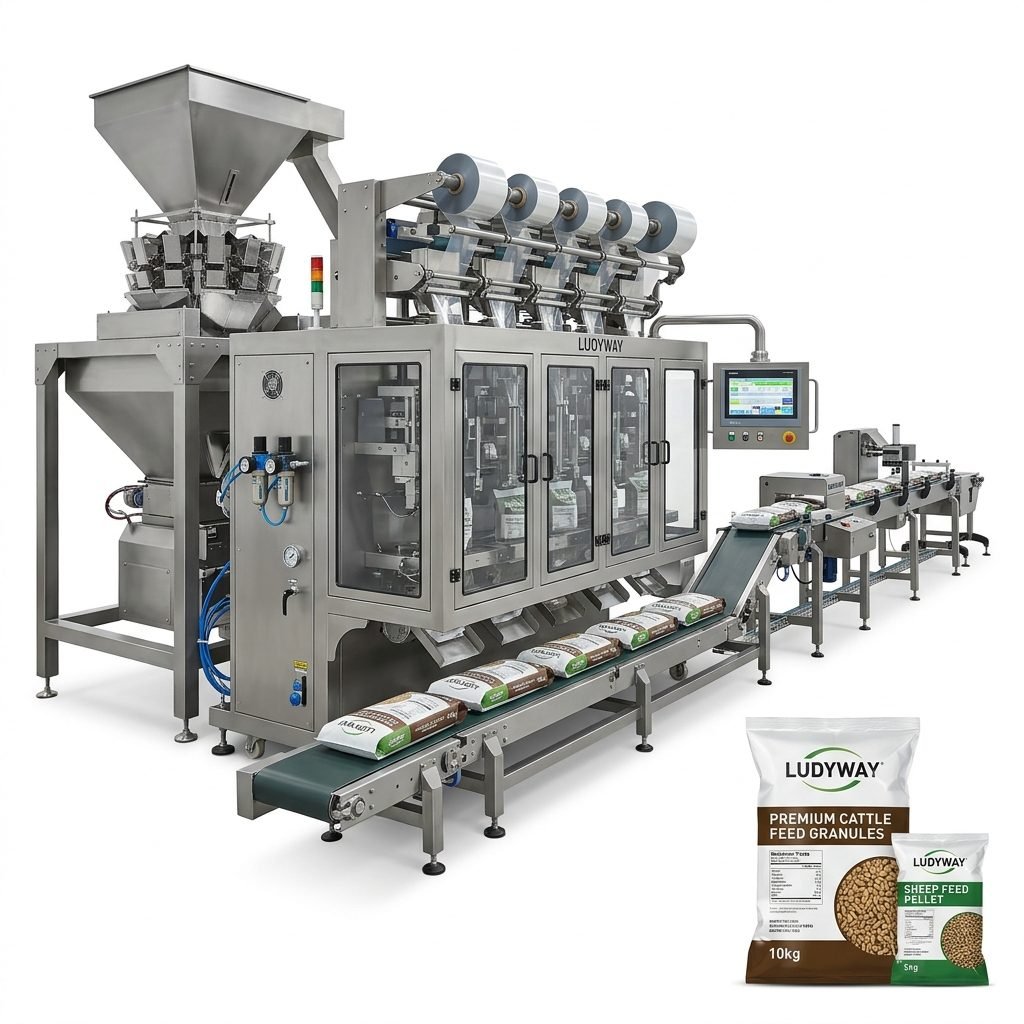
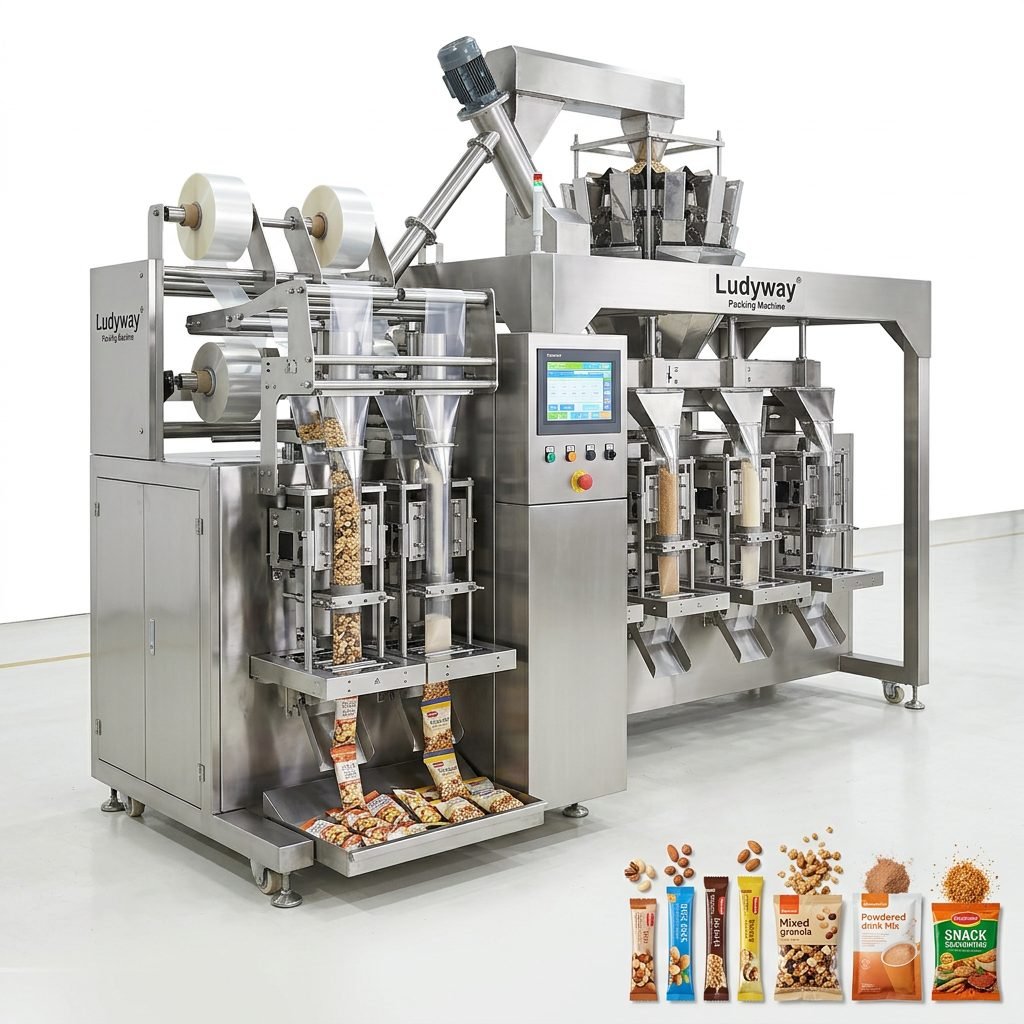
| Vertical Form Fill Seal (VFFS) | Large pillow bags, bulk snacks | High versatility and rugged design |
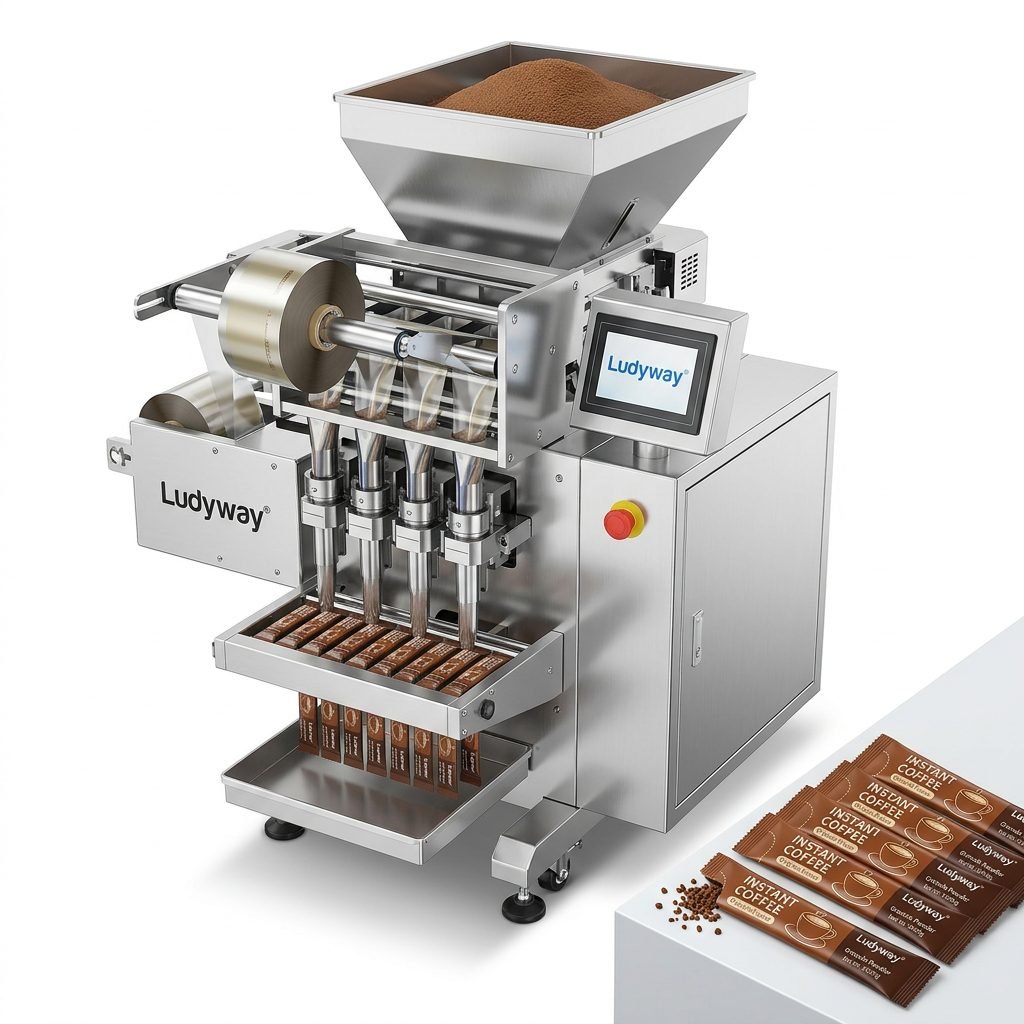
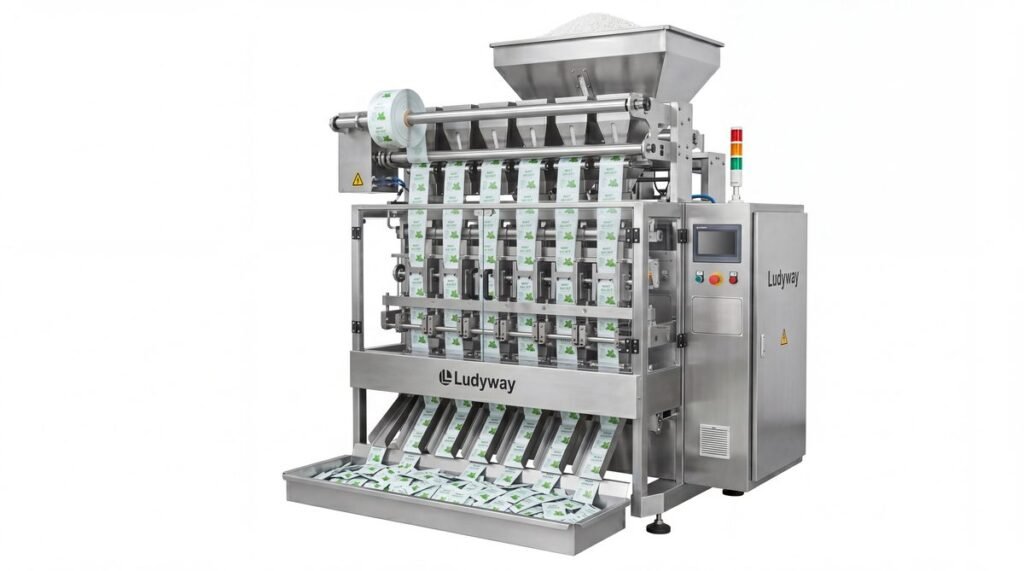
| Multi-Lane Stick Pack Machine | Single-serving sachets, powder sticks | Ultra-high speed output (up to 600 packs/min) |
| Premade Pouch Packaging Machine | Stand-up pouches, zipper bags | Premium shelf appeal and robust sealing |
For many investors starting in the African snack sector, multi-lane stick pack machines offer an excellent balance between affordability and productivity, particularly for products like sugar, coffee, and powdered drinks.
Step 2: Configuring the Complete Production Line
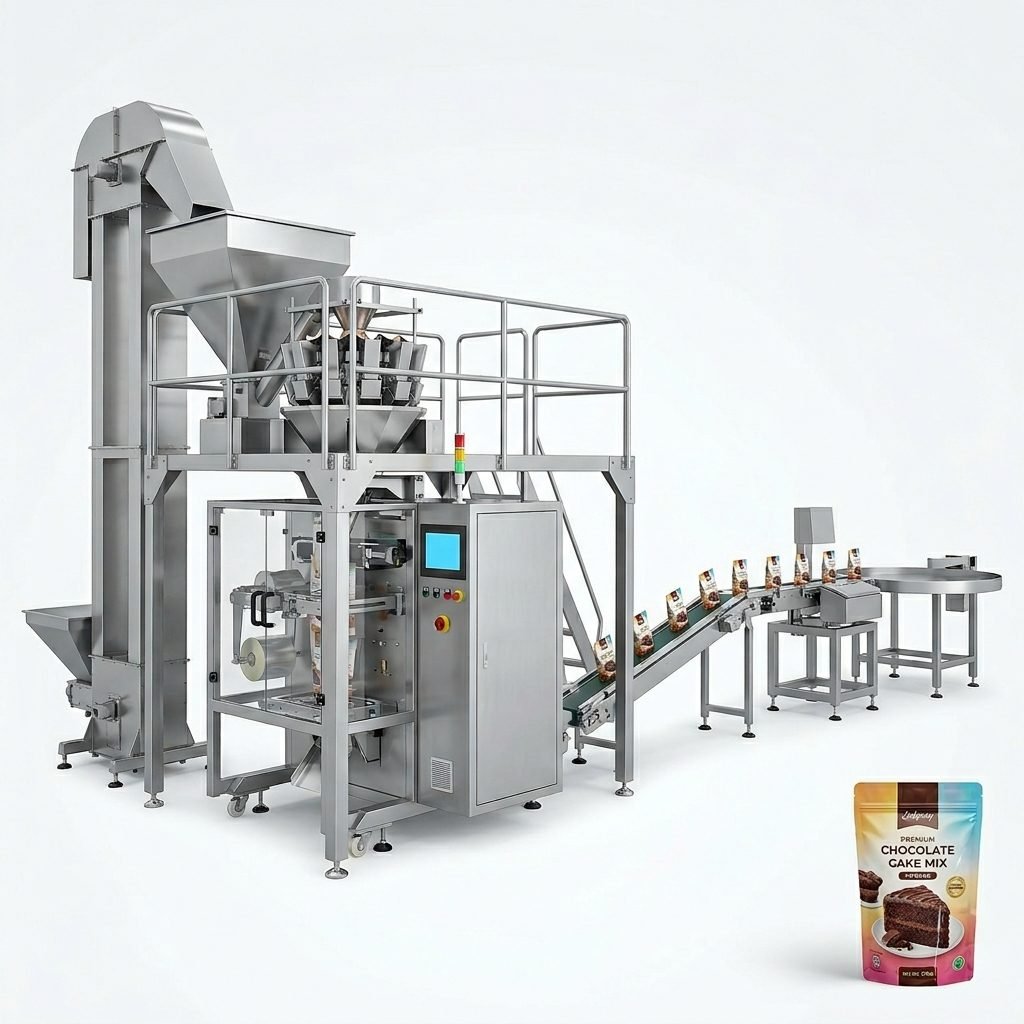
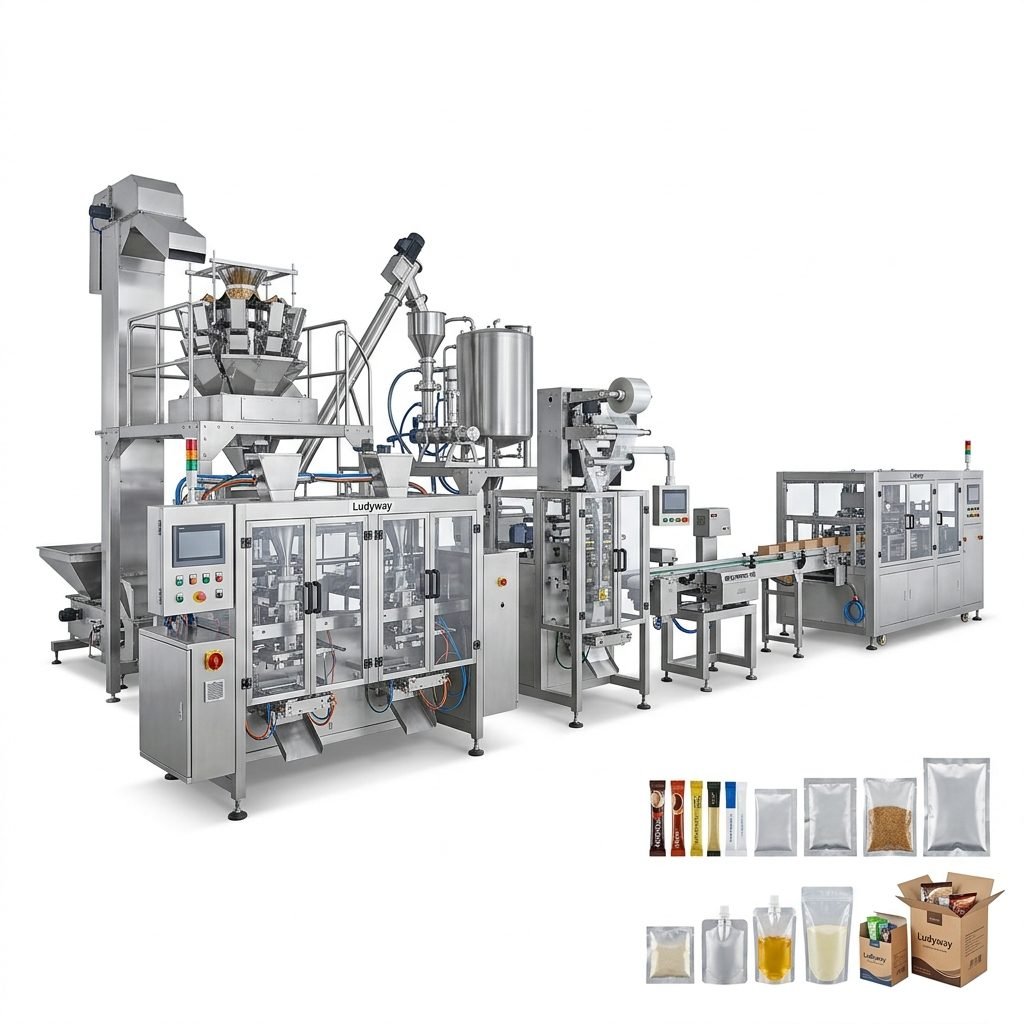
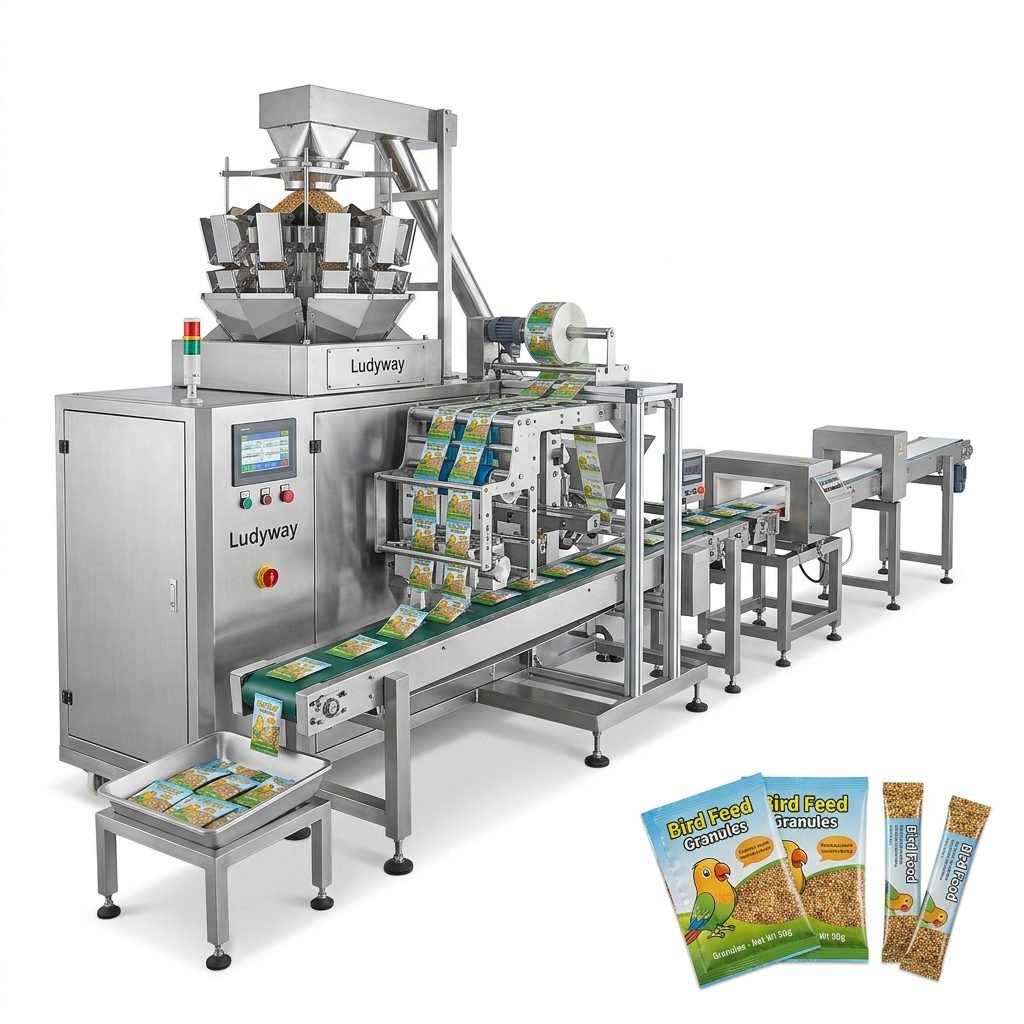
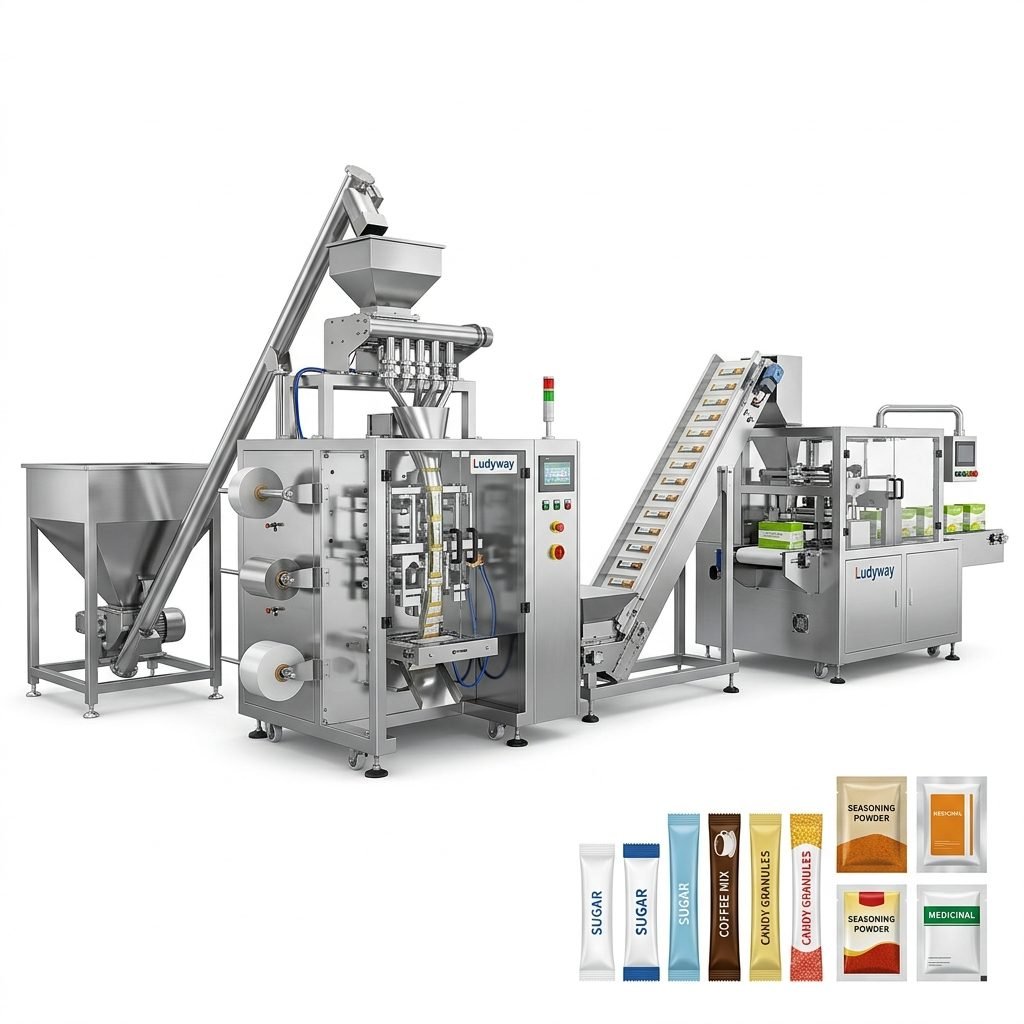
A modern packaging line is more than just a single machine. To ensure efficiency and product safety, you need to integrate several supporting systems. A typical snack packaging setup includes:
- Feeding System: Bucket elevators or vacuum conveyors to move raw snacks to the weigher.
- Weighing & Filling: Multi-head weighers for consistent portioning of solids, or auger fillers for powders.
- Primary Packaging: The main machine that forms and seals the film.
- Inspection Equipment: Checkweighers and metal detectors to ensure compliance with safety standards.
- End-of-Line Automation: Cartoners and palletizers for secondary packaging.
Step 3: Critical Infrastructure Requirements in Africa
When setting up a packaging production line in Africa, environmental factors play a crucial role. Many regions face challenges with inconsistent power supply and high ambient temperatures.
Power Stability: Voltage fluctuations are common. It is mandatory to integrate industrial-grade voltage stabilizers or UPS systems to protect sensitive electronic components like the PLC controllers and servo motors in your automatic packaging machine.
Climate Control: High humidity can cause granular snacks to clump and packaging film to stick. Ensure your facility has basic climate control and consider purchasing machines with stainless steel construction to prevent corrosion in tropical climates.
Step 4: Raw Material and Packaging Film Sourcing
Your production line is only as good as the materials it uses. The availability of high-quality packaging film in Africa has improved significantly, but you must establish a reliable supply chain. Evaluate the sealability, barrier properties, and print quality of your laminated rolls. Whether you are using sachet packaging machines or pouch fillers, testing your local films with the machine’s sealing jaws is a critical step before finalizing the purchase.
Step 5: Choosing a Turnkey Solution Partner
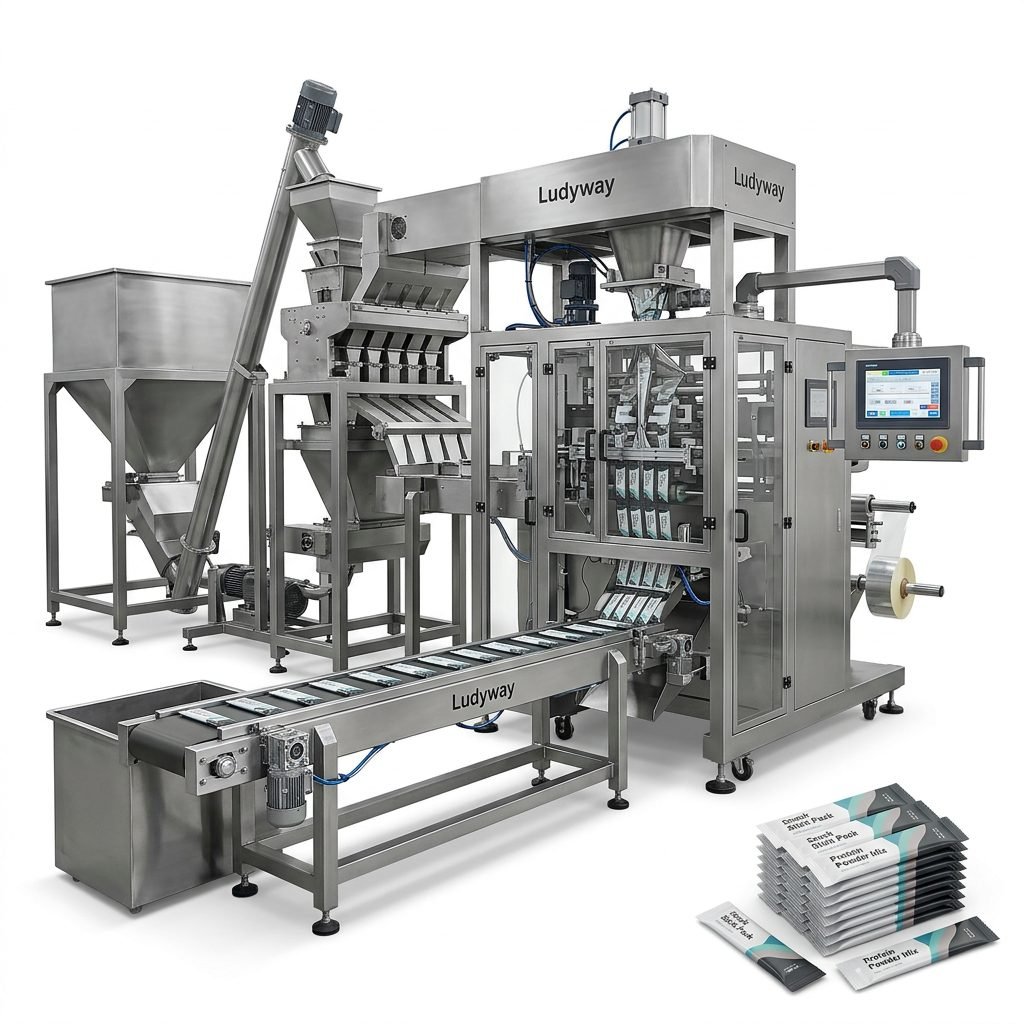
Navigating the complexities of installation, training, and after-sales support is often the biggest challenge for African food manufacturers. Working with a manufacturer that offers turnkey solutions simplifies this process immensely. A reliable partner should provide on-site installation guidance, operational training, and immediate remote support for troubleshooting. Ludyway, one of the largest packaging machine manufacturers in China, has extensive experience delivering complete snack packaging lines to over 100 countries, ensuring that every machine is tailored to the specific product and climate conditions of the region.
Step 6: Installation, Training, and ROI Optimization
To achieve a fast return on investment, your team must master the operation and maintenance of the equipment. Plan for a detailed installation phase where the technician calibrates the multi-head weigher and configures the sealing temperatures. Proper training reduces downtime and film waste. A well-optimized automated line can produce millions of units per month, securing a strong competitive advantage in the local market.
Key Regulatory and Safety Insights
Before launching your snack brand, ensure your packaging line complies with local food safety regulations. Refer to resources from the FDA Food Packaging Standards and the ISO Packaging Standards to understand international benchmarks. Additionally, the PMMI Packaging Industry Reports can provide valuable insights into global trends and best practices for your business planning.
Final Checklist for Your Production Line Launch
- Product Testing: Have you sent your specific snack samples to the manufacturer for machine compatibility testing?
- Spare Parts Kit: Have you procured a comprehensive spare parts kit to minimize potential downtime?
- Pneumatic Supply: Is your air compressor adequate to supply clean, dry air for the pneumatic cylinders of the snack packaging machine?
- Standards Compliance: Have you reviewed the latest packaging machinery standards relevant to your target market?