Choosing between automatic and manual packaging is not simply a matter of speed. The right option depends on your product type, production volume, labor costs, quality expectations, available floor space, and long-term growth goals. For some businesses, manual packaging remains practical and cost-effective. For others, automation becomes the key to scaling efficiently and staying competitive.
This guide explains the main differences, benefits, drawbacks, and decision factors so you can evaluate which packaging method fits your operation best.
What Is Manual Packaging?
Manual packaging relies heavily on human labor to fill, weigh, seal, label, sort, or box products. Workers may use simple tools such as hand sealers, tabletop fillers, scales, or semi-manual dispensers. This method is common in startups, low-volume factories, custom product lines, and businesses with frequent SKU changes.
Typical manual packaging tasks include:
- Hand filling powders, granules, liquids, or pastes
- Manual weighing and portion control
- Hand sealing pouches or bags
- Applying labels by hand
- Packing finished units into cartons
- Visual quality checks during the process
What Is Automatic Packaging?
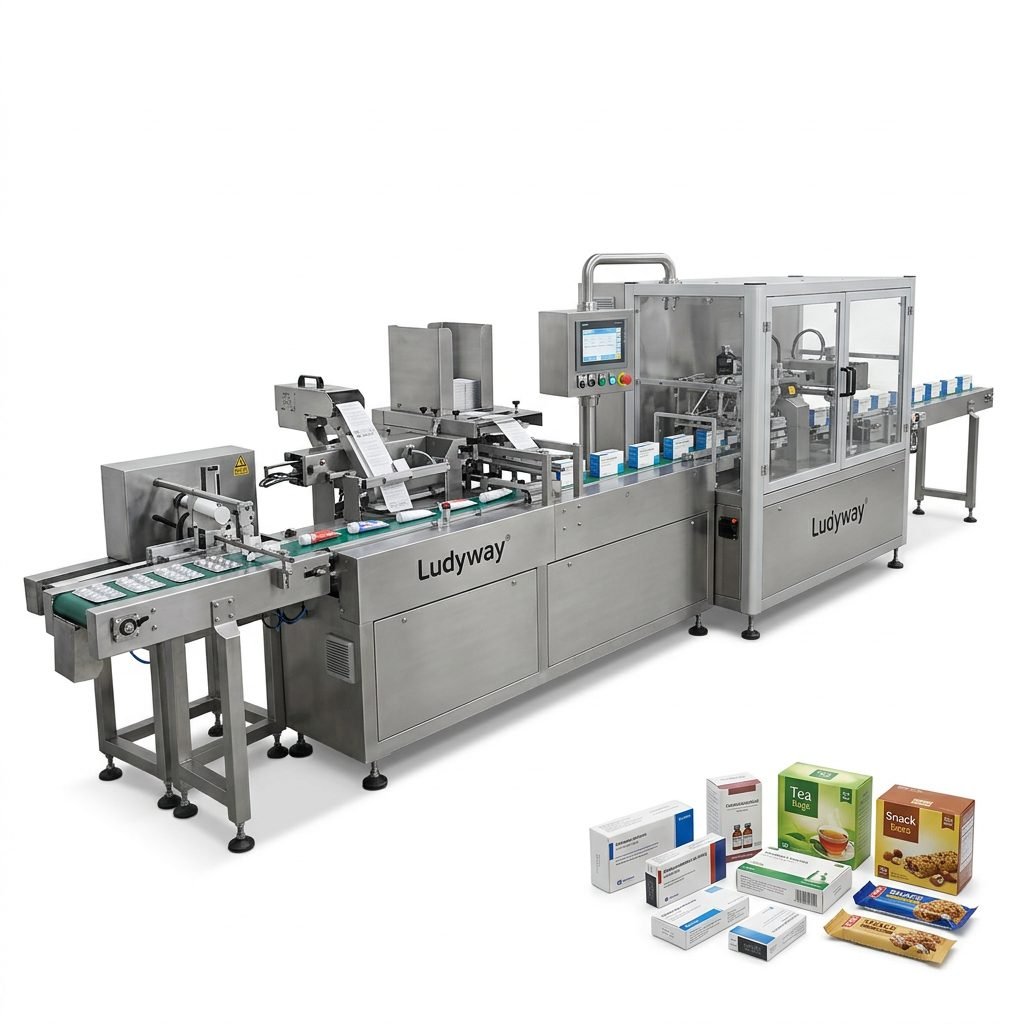
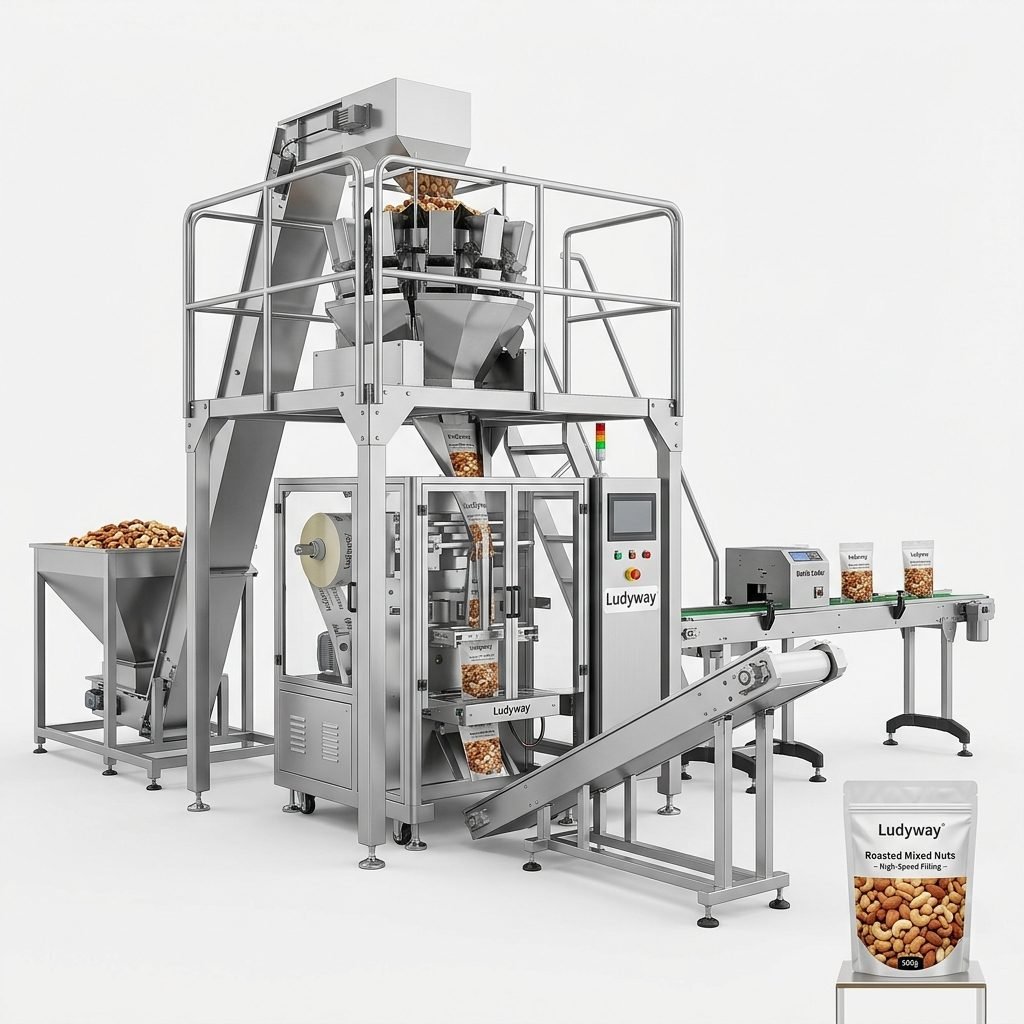
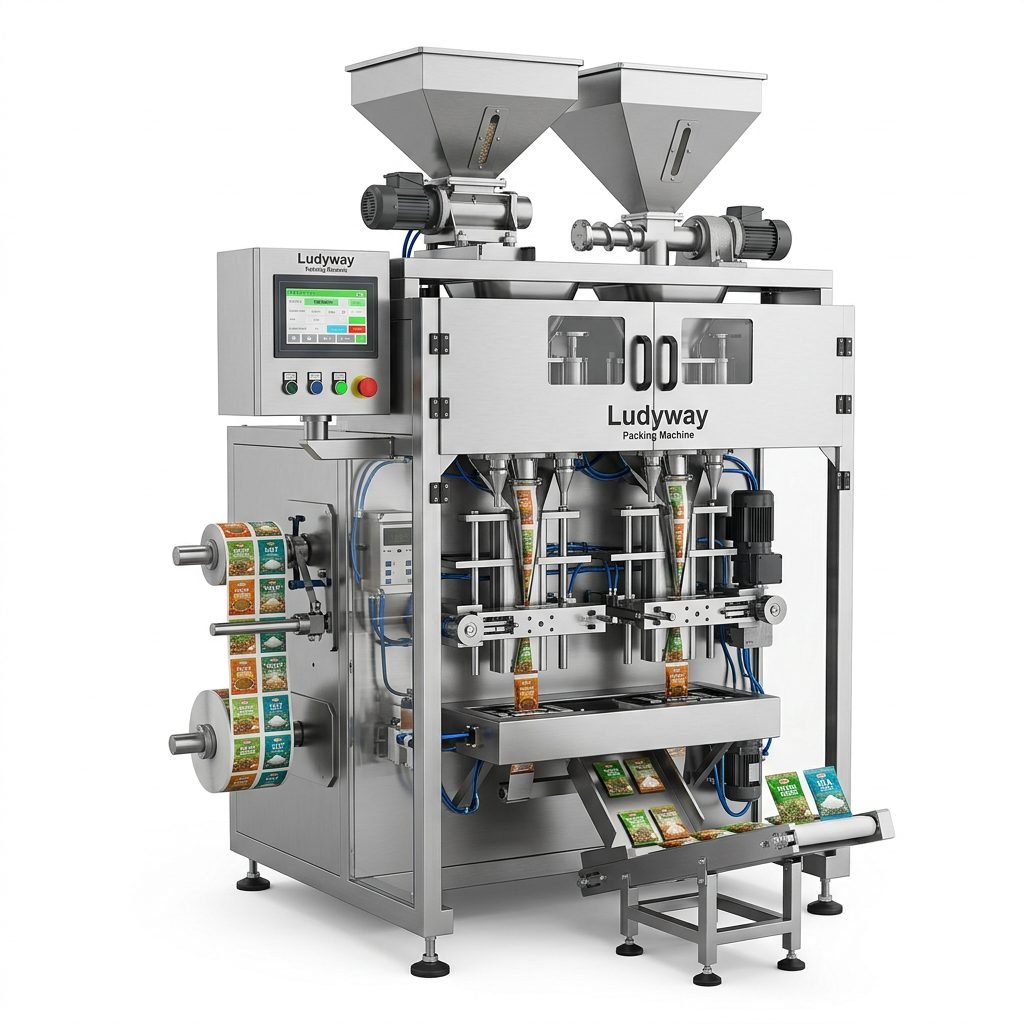
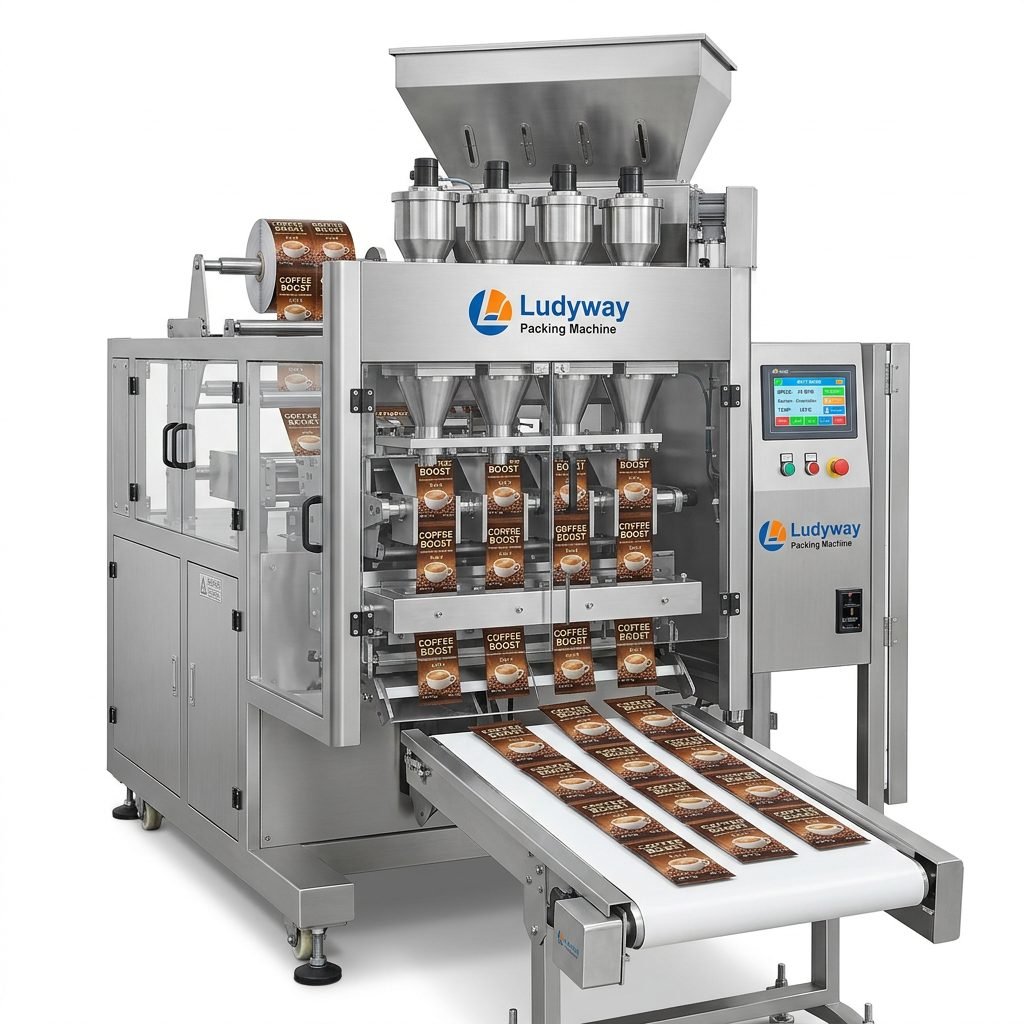
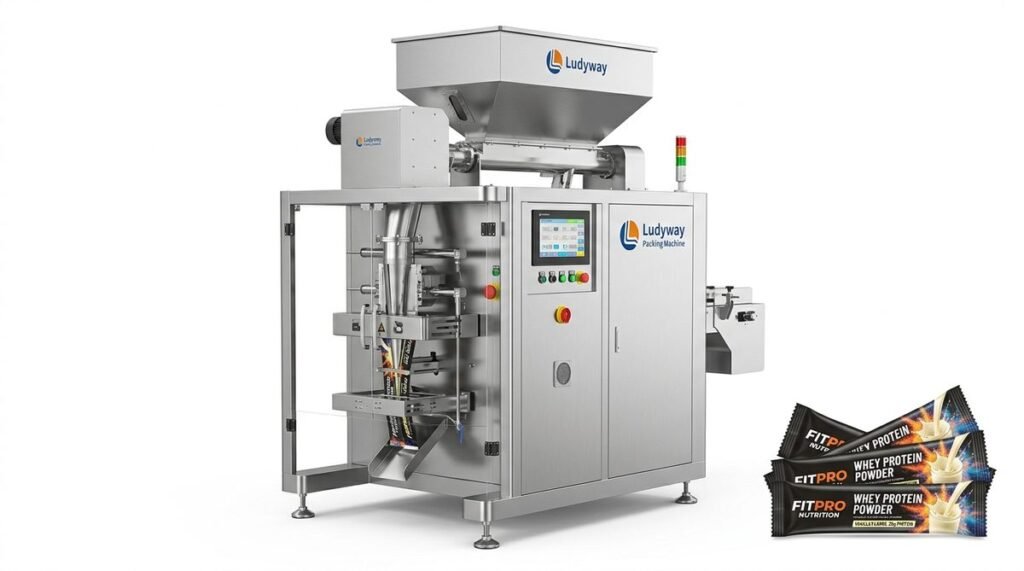
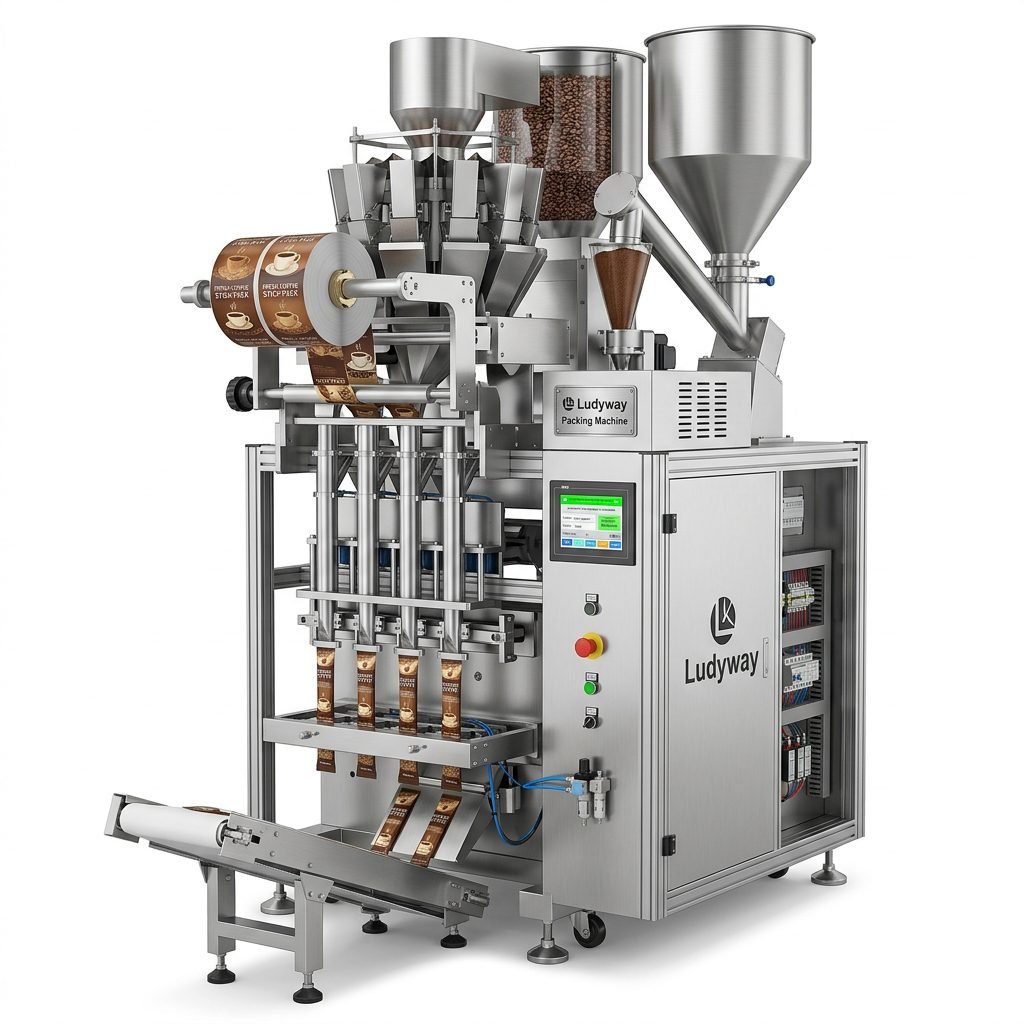
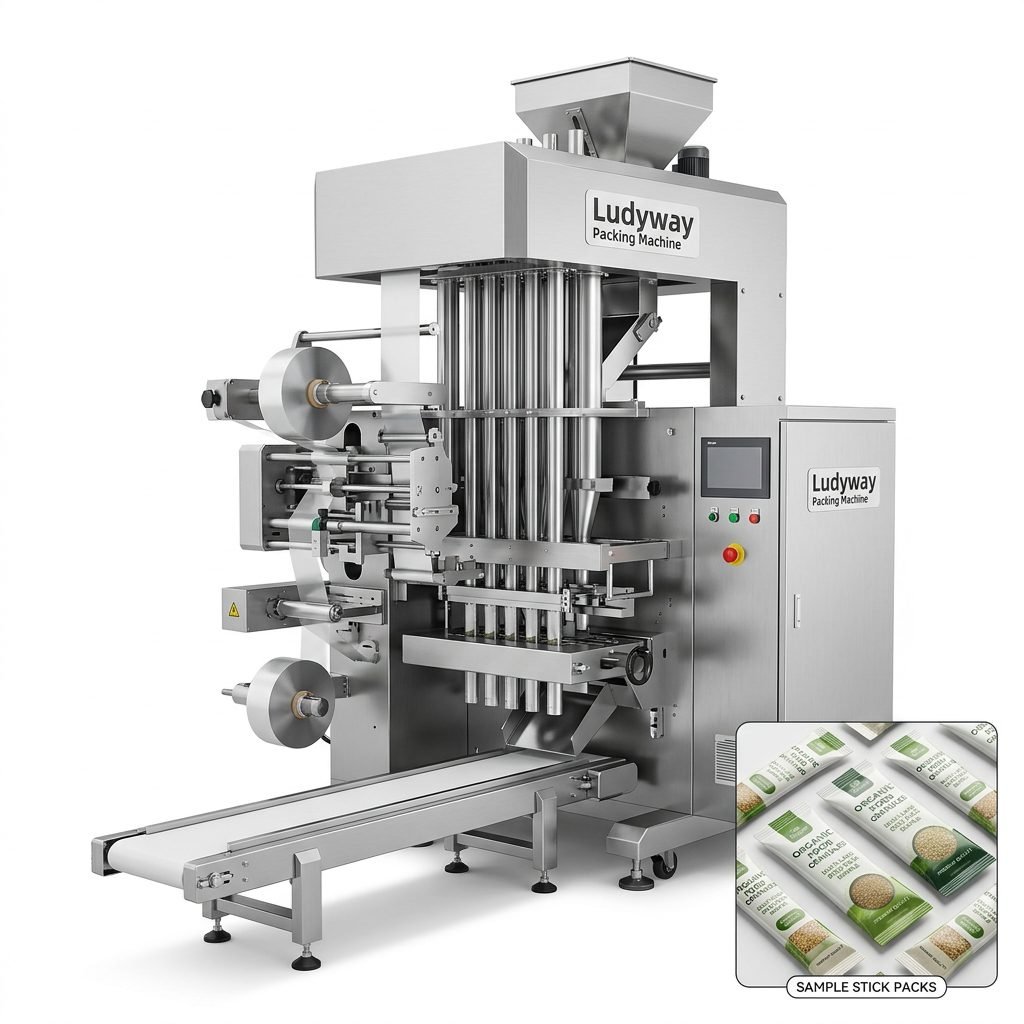
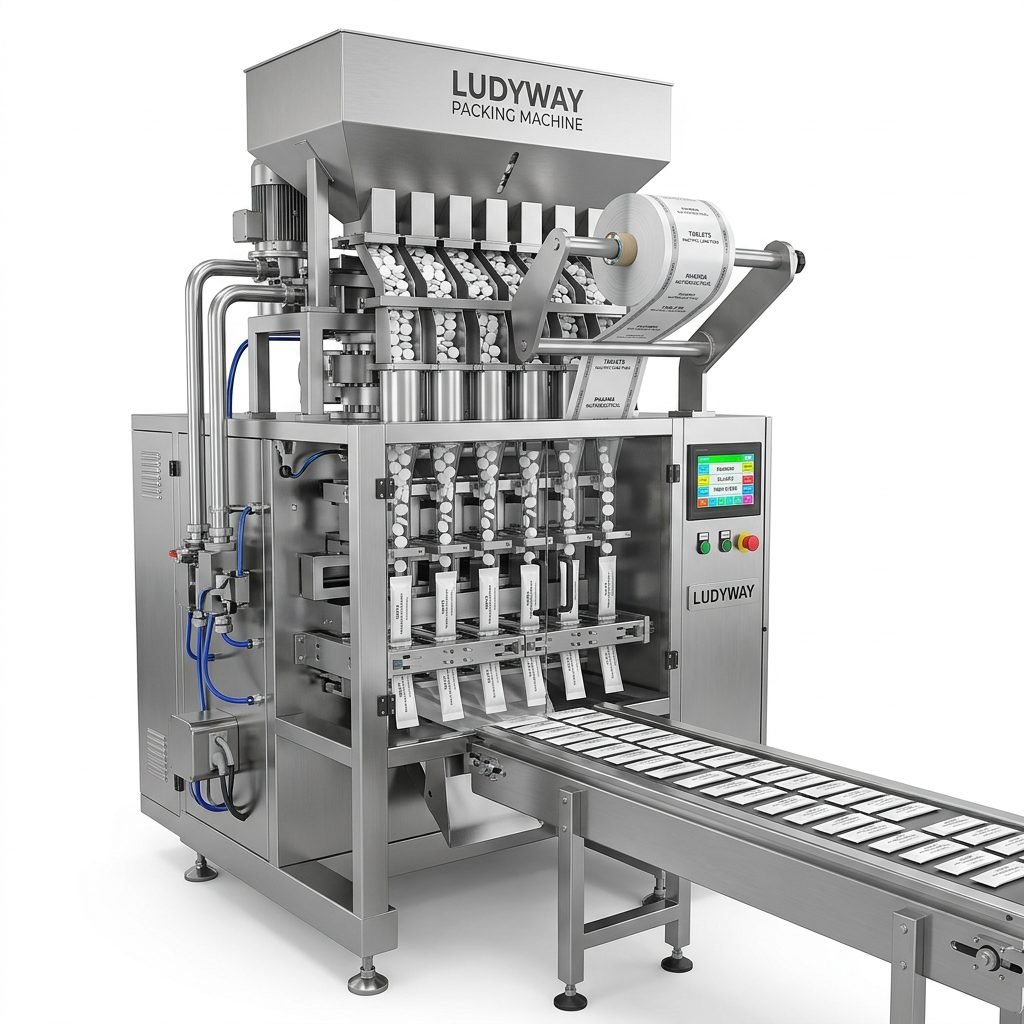
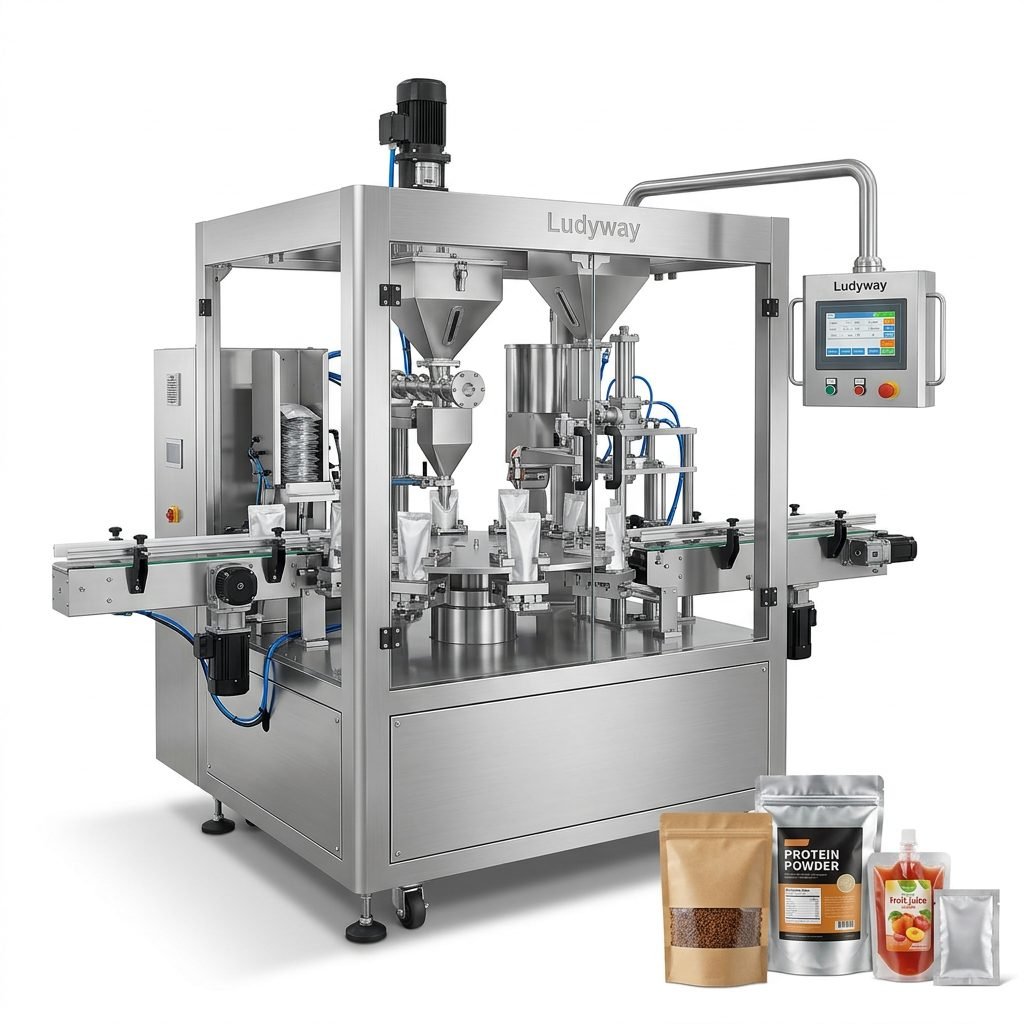
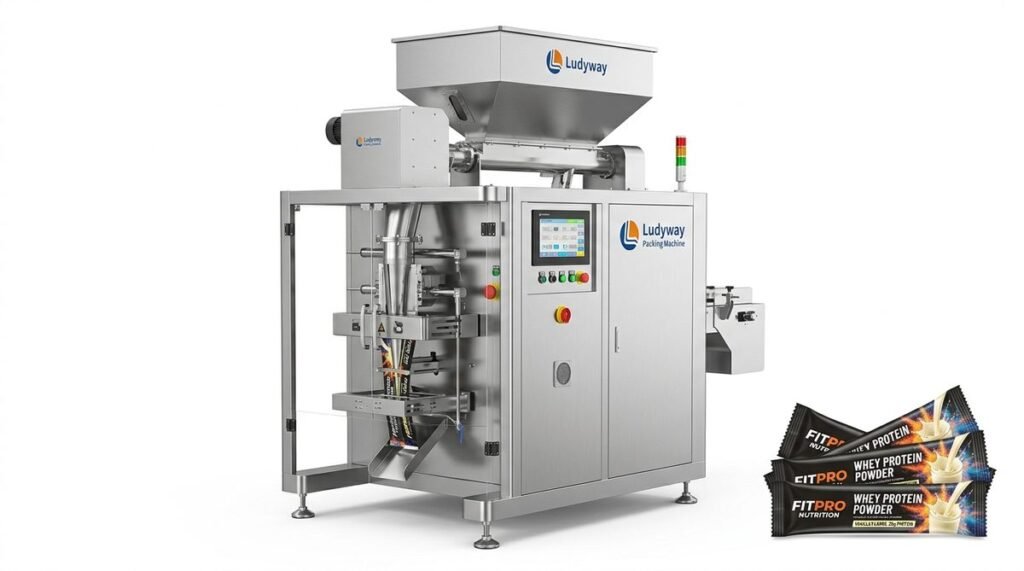
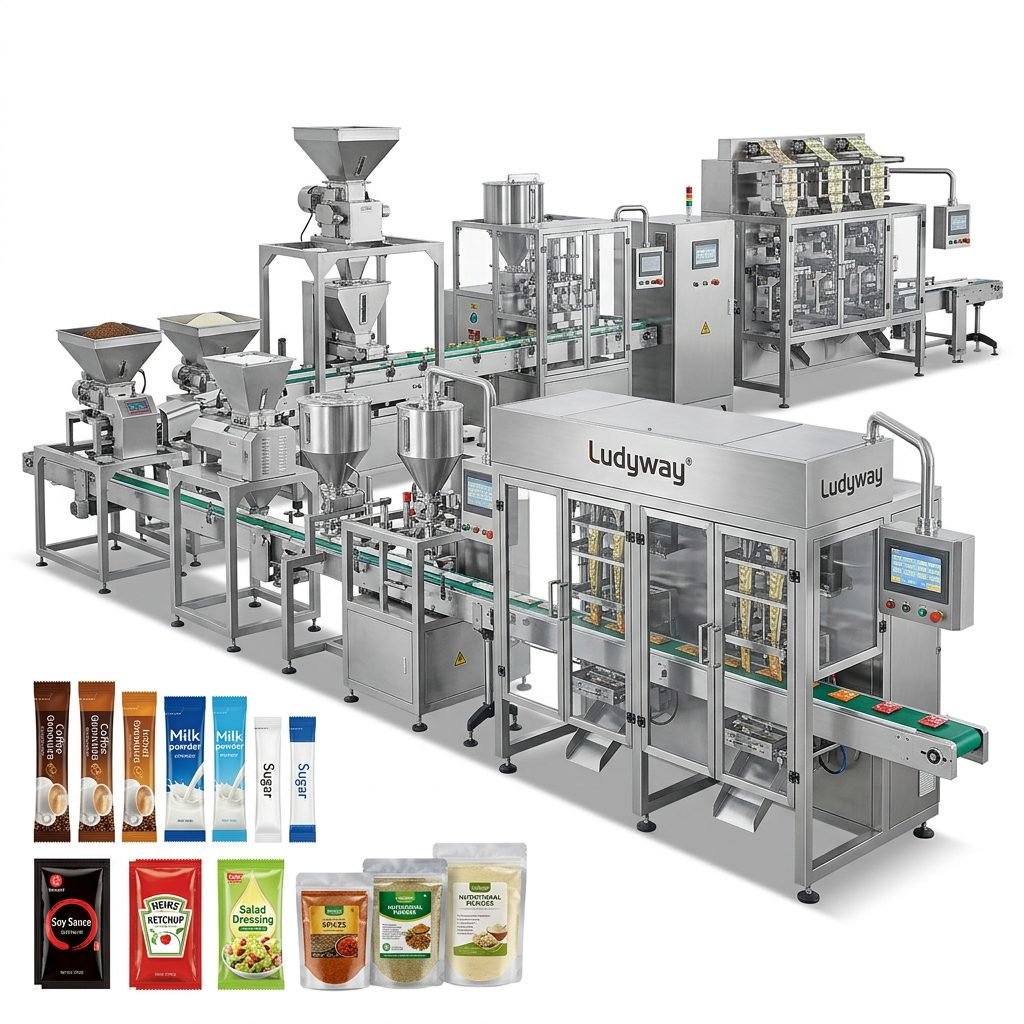
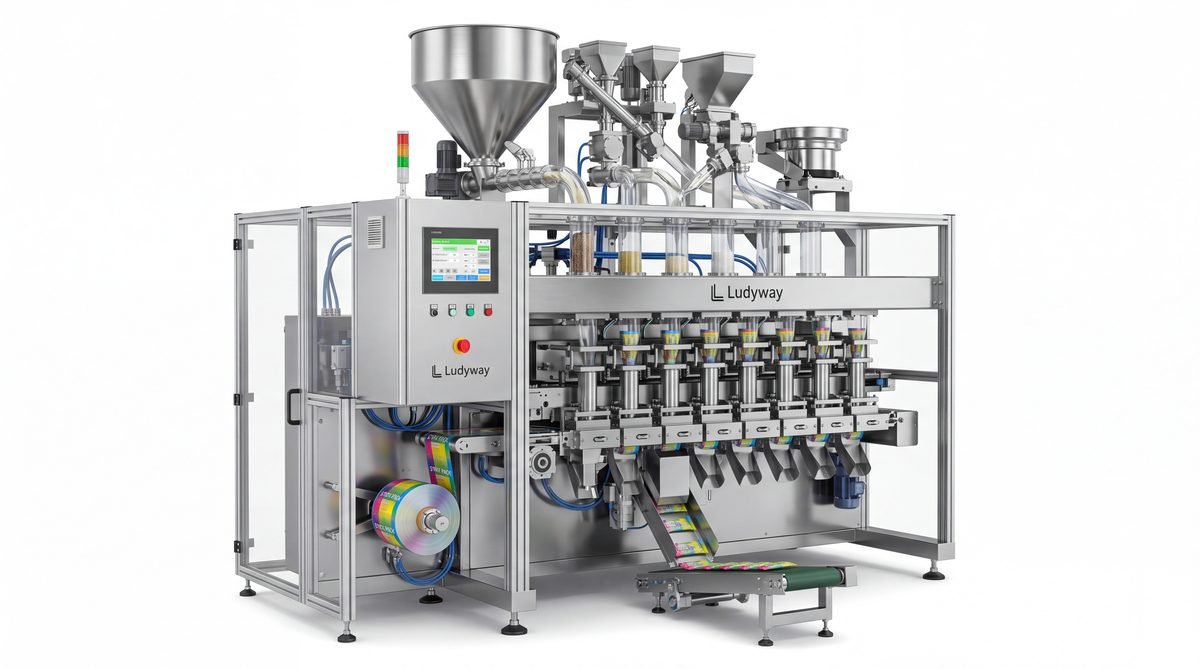
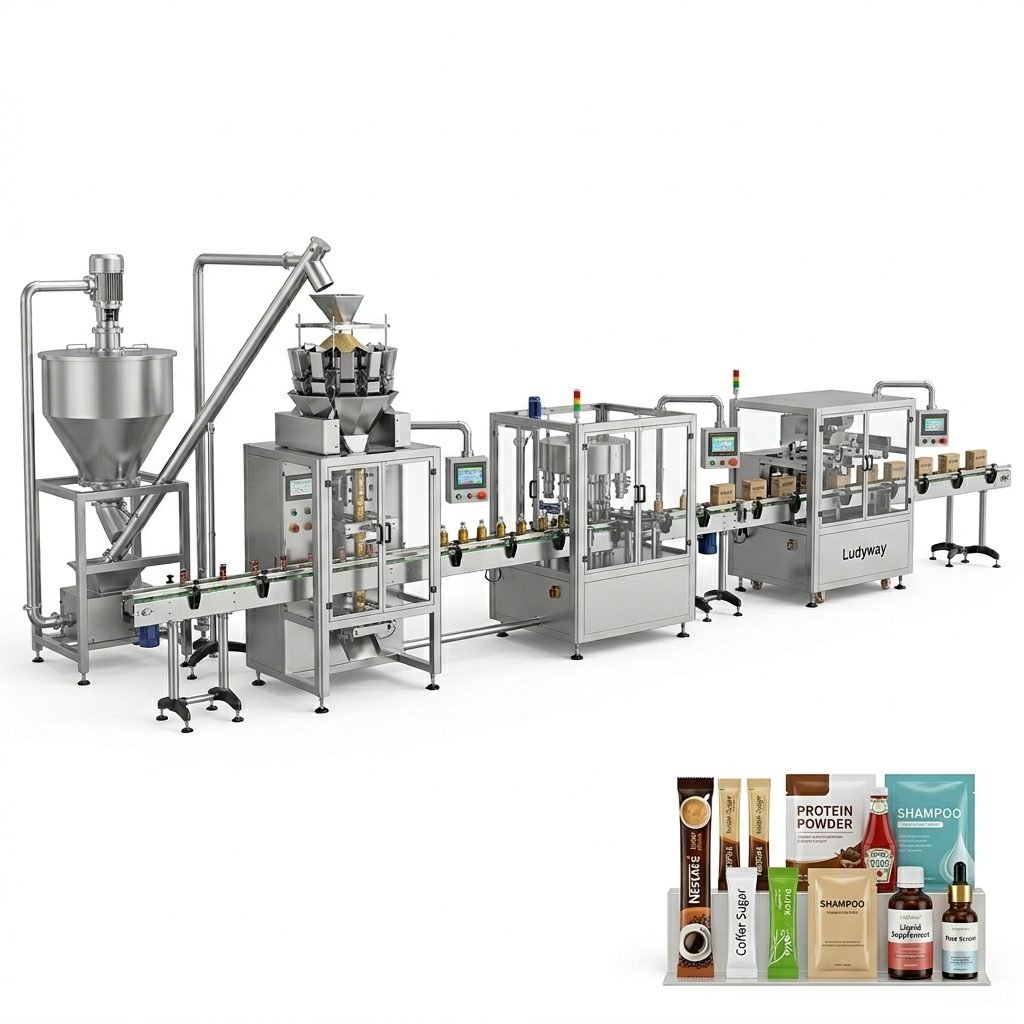
Automatic packaging uses machinery to perform packaging tasks with limited operator intervention. Depending on the system design, it can handle feeding, dosing, filling, sealing, coding, counting, labeling, cartoning, checkweighing, and palletizing. Fully automatic systems are often used in food, pharmaceutical, cosmetic, chemical, and health supplement production.
Modern solutions can be configured for sachets, stick packs, pouches, bottles, jars, cartons, and bulk bags. Manufacturers such as Ludyway packaging machine manufacturer provide turnkey packaging lines for businesses looking to improve throughput, consistency, and production control.
Automatic Packaging vs Manual Packaging: Quick Comparison
| Factor | Manual Packaging | Automatic Packaging |
|---|---|---|
| Initial investment | Low | Higher |
| Production speed | Slow to moderate | High to very high |
| Labor requirement | High | Low to moderate |
| Packaging consistency | More variable | More consistent |
| Scalability | Limited | Excellent |
| Changeover flexibility | Often easier for small runs | Depends on machine design |
| Error rate | Higher risk of human error | Lower with proper calibration |
| Maintenance need | Minimal equipment maintenance | Requires regular servicing |
Pros of Automatic Packaging
1. Higher production efficiency
The biggest advantage of automation is output. Automatic systems can package far more units per hour than manual teams, especially in high-demand industries. This is especially valuable when production schedules are tight or seasonal demand spikes quickly.
2. Better consistency and accuracy
Automatic filling and sealing systems help maintain uniform package weight, seal quality, and appearance. Consistent packaging improves brand image and reduces customer complaints, especially for retail-ready products.
3. Lower labor dependency
Automation reduces the number of workers needed for repetitive packaging tasks. This can help companies deal with labor shortages, rising wages, training challenges, and shift management issues.
4. Improved hygiene and compliance
In food, pharmaceutical, and personal care production, minimizing direct human contact can support hygiene standards. Automatic systems also make it easier to standardize procedures and document process control.
5. Easier long-term scaling
As order volume grows, manual packaging often becomes a bottleneck. Automated equipment is usually better suited for expansion, additional shifts, and integrated production lines.
6. Reduced material waste
Modern machines can control dosing, sealing temperature, and film handling more precisely, which often lowers product giveaway and packaging material waste.
Cons of Automatic Packaging
1. Higher upfront cost
Automatic packaging equipment requires a larger initial investment. Besides the machine itself, businesses may need to budget for installation, training, spare parts, utilities, and line integration.
2. Maintenance and technical support needs
Automation improves efficiency, but it also introduces technical complexity. Preventive maintenance, troubleshooting, and operator training are necessary to keep the line running reliably.
3. Less practical for very small batches
If your production runs are very short or your packaging formats change constantly, a fully automatic line may not always be the most economical option.
4. Space and infrastructure requirements
Some systems require more factory space, stable power supply, compressed air, or supporting equipment such as conveyors, feeders, coders, or inspection units.
Pros of Manual Packaging
1. Lower startup cost
Manual packaging is often attractive for startups and small businesses because it allows production to begin with limited capital.
2. Greater flexibility for custom runs
For handcrafted, seasonal, promotional, or test-market products, manual methods can be easier to adapt without large equipment adjustments.
3. Simpler operation
There is less need for advanced machine programming or specialized technical knowledge. This can be helpful for low-volume operations or temporary production setups.
4. Suitable for niche or fragile products
Some irregular or delicate products may be easier to handle by hand, especially when automation would require expensive customization.
Cons of Manual Packaging
1. Lower productivity
Manual packaging is slower and harder to scale. As demand increases, businesses usually need more workers, more supervision, and more floor coordination.
2. Higher labor costs over time
Although manual packaging starts cheaper, ongoing labor expenses can become significant, especially in regions with rising wages or high employee turnover.
3. Greater variation in quality
Human fatigue, inconsistent handling, and varying skill levels can affect weight accuracy, sealing quality, labeling alignment, and final package appearance.
4. More risk of human error
Mistakes in counting, filling, coding, or packing can increase rework, waste, and customer dissatisfaction.
When Is Automatic Packaging Better?
Automatic packaging is usually the better choice if your business has:
- Medium to high production volumes
- Strict quality and hygiene requirements
- Repeatable packaging formats
- Rising labor costs
- Plans for business expansion
- Need for faster lead times and output stability
It is especially effective in industries such as:
- Food and beverage
- Pharmaceuticals
- Nutritional supplements
- Cosmetics and personal care
- Chemicals and household products
- Pet food and animal nutrition
When Is Manual Packaging Still a Good Option?
Manual packaging may still be the better fit when:
- Your order volume is low or inconsistent
- You are testing a new product in the market
- Your packaging formats change frequently
- Your available capital is limited
- You need highly customized or artisan-style presentation
- Your operation is not ready for line integration yet
Key Decision Factors Before Choosing
Production volume
If your daily output targets are increasing, automation usually delivers a better return over time.
Product characteristics
Powders, granules, liquids, viscous products, fragile items, and irregular shapes may require different packaging technologies.
Budget and ROI
Do not look only at initial cost. Compare long-term labor savings, efficiency gains, reduced waste, and output potential.
Space and utilities
Make sure your facility can support the machine footprint, power requirements, and production flow.
Future growth plans
A system that supports future SKUs, higher speeds, and line upgrades may provide better long-term value than a short-term manual setup.
Is Semi-Automatic Packaging a Middle Ground?
Yes. Semi-automatic packaging can be an excellent bridge between manual and fully automatic production. It allows businesses to improve accuracy and efficiency without making a full automation investment immediately.
Examples include:
- Tabletop or stand-alone filling machines
- Foot-operated or impulse sealing machines
- Semi-automatic labeling systems
- Checkweighers and coding equipment added to manual lines
Final Verdict: Is Automatic Packaging Better Than Manual Packaging?
Automatic packaging is not universally better for every business, but it is usually the better long-term solution for companies that need speed, consistency, scalability, and lower labor dependence. Manual packaging still makes sense for low-volume, budget-sensitive, or highly customized operations.
The best decision comes from matching your packaging method to your current production reality and future business goals. If your packaging process is becoming slower, more expensive, or harder to manage, it may be time to move toward automation or at least a semi-automatic upgrade.
Frequently Asked Questions
Does automatic packaging always save money?
Not always in the short term, but it often reduces labor cost, waste, and production inefficiencies over the long term.
Is manual packaging better for startups?
For many startups, yes. It offers lower entry cost and greater flexibility while demand is still being validated.
Can small businesses use automatic packaging machines?
Yes. Many compact or semi-automatic machines are designed for small and growing manufacturers.
Which industries benefit most from automation?
Food, pharmaceutical, supplement, cosmetic, chemical, and pet product manufacturers often gain significant value from packaging automation.