Establishing a snack packaging machine production line in China has become a strategic move for food manufacturers worldwide. With China’s advanced manufacturing infrastructure, cost-effective equipment sourcing, and mature industrial supply chain, businesses can achieve high-quality packaging automation at competitive prices. This guide walks you through every step of setting up a complete snack packaging production line from planning to full operation.
Why Set Up a Snack Packaging Line in China?
China is the world’s largest manufacturer of packaging machinery, offering a unique combination of technological sophistication and cost efficiency. The country produces over 50% of global packaging equipment, with manufacturers continuously investing in automation, multi-lane systems, and smart factory integration. Key advantages include:
- Access to a vast supplier ecosystem covering all packaging formats
- Competitive pricing compared to European or North American alternatives
- Rapid customization and engineering support for specific product requirements
- Established export logistics to over 100 countries worldwide
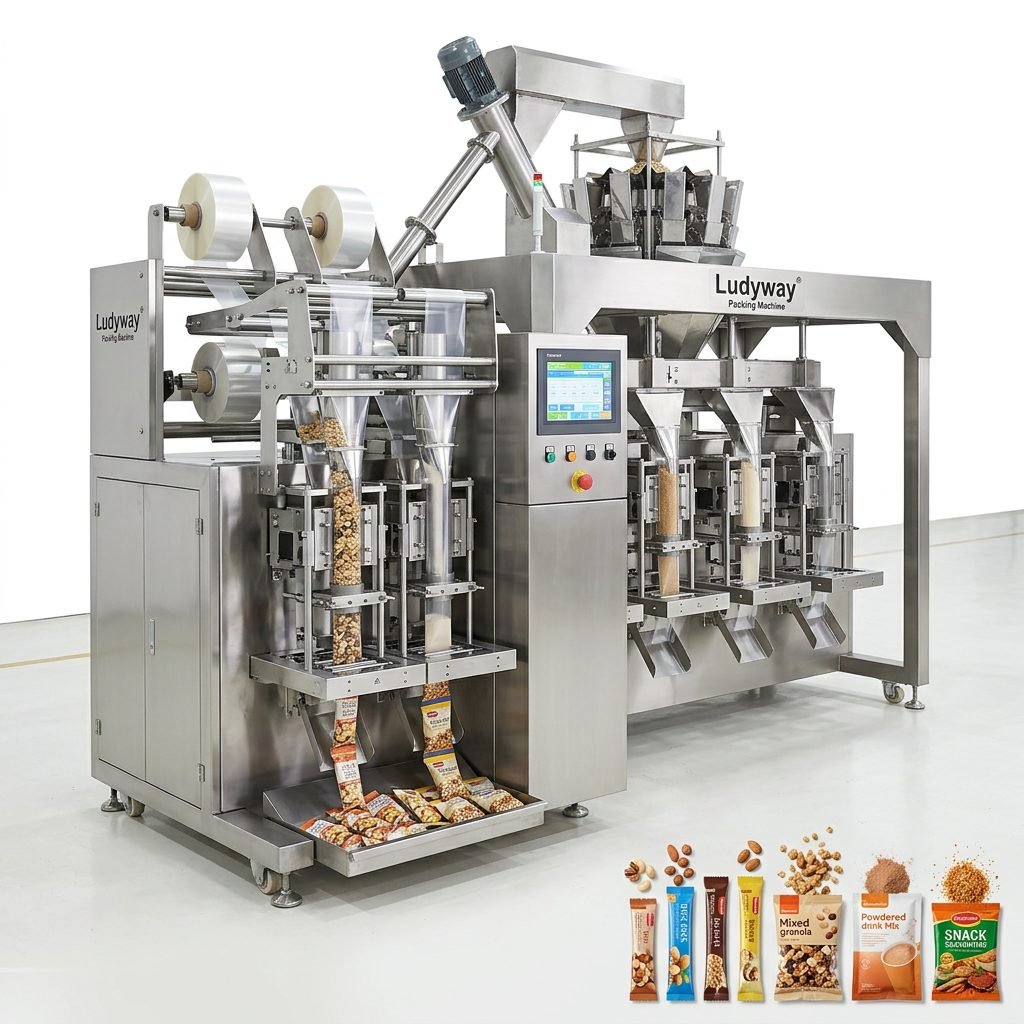
Step 1: Define Your Production Requirements
Before sourcing equipment, you must clearly define your production parameters. This foundational step determines the entire line configuration. Consider the following critical factors:
Product Characteristics
Understanding your snack product’s physical properties is essential. Granule size, powder density, moisture content, and flowability all influence machine selection. A multi-lane stick pack machine handles free-flowing granules differently than sticky powders or oily snacks.
| Product Type | Recommended Packaging Format | Ideal Machine Type |
|---|---|---|
| Dry granules (chips, nuts, cereal) | Stick pack, sachet, pillow pouch | Multi-lane vertical form fill seal |
| Powders (protein, seasoning, drink mix) | Stick pack, sachet | Auger filler with multi-lane system |
| Liquid snacks (sauce, gel, honey) | Sachet, stick pack, tube | Piston or peristaltic pump filling |
| Mixed snacks (trail mix, granola bars) | Pouch, flow wrap | Multi-head weigher with horizontal wrapper |
Target Output Capacity
Determining your desired production speed is crucial for equipment sizing. A small-scale operation might need 40-80 packs per minute, while high-volume manufacturers often require 200-600 packs per minute across multiple lanes. Match your machine capacity to projected demand with room for growth.
Step 2: Select Core Packaging Equipment
A complete snack packaging production line consists of several integrated machines working in sequence. Understanding each component helps you make informed procurement decisions.

Feeding and Dosing Systems
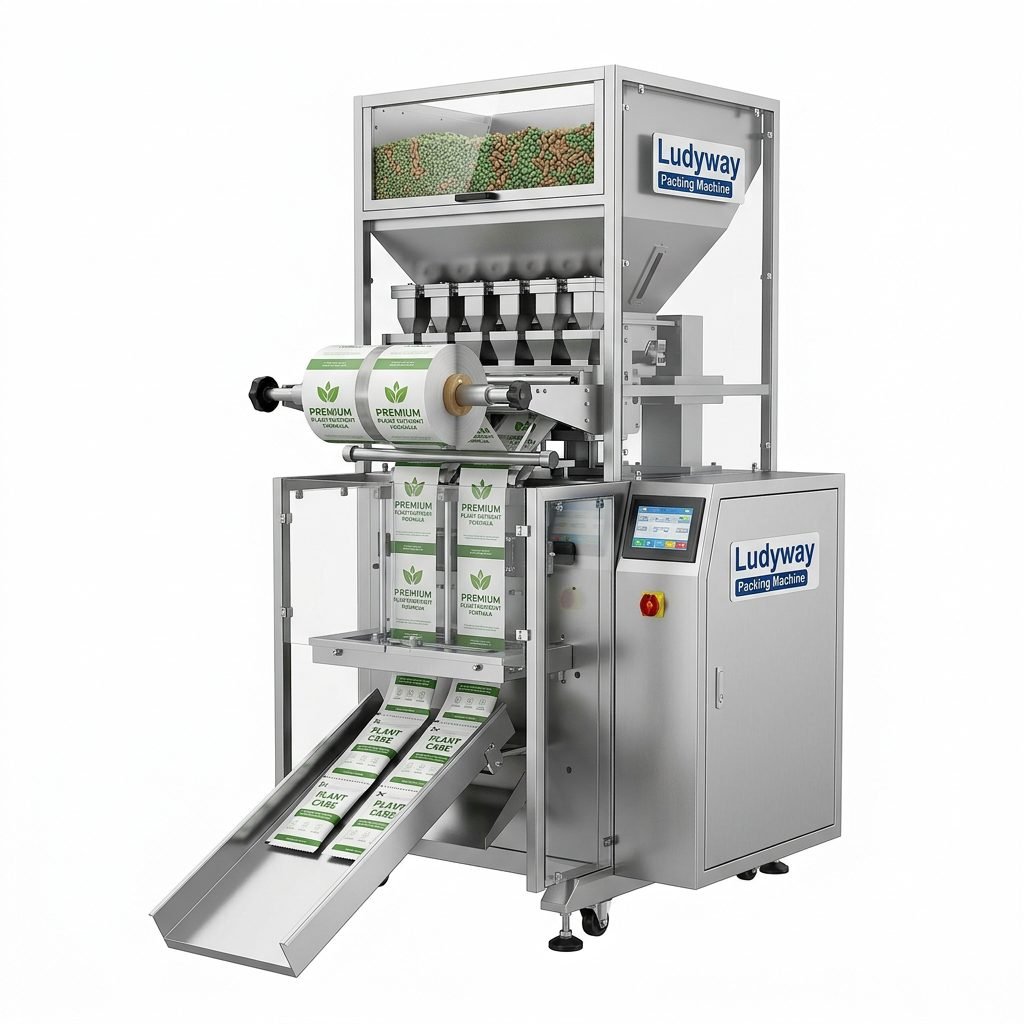
The feeding system delivers product to the packaging machine at a consistent rate. Options include volumetric cup fillers, auger fillers, multi-head weighers, and linear weighers. For snacks with varying piece sizes, a multi-head weigher offers superior accuracy and speed.
Primary Packaging Machine
The heart of your line is the form-fill-seal (FFS) machine. For snack products, the most common configurations are:
- Vertical Form Fill Seal (VFFS) – Ideal for granules, powders, and loose snacks in pillow pouches or sachets
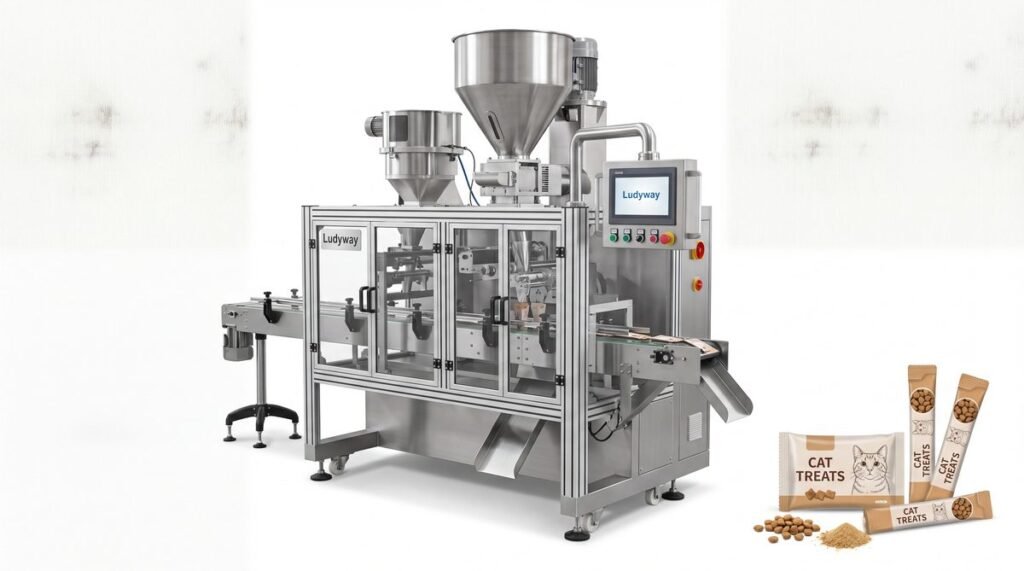
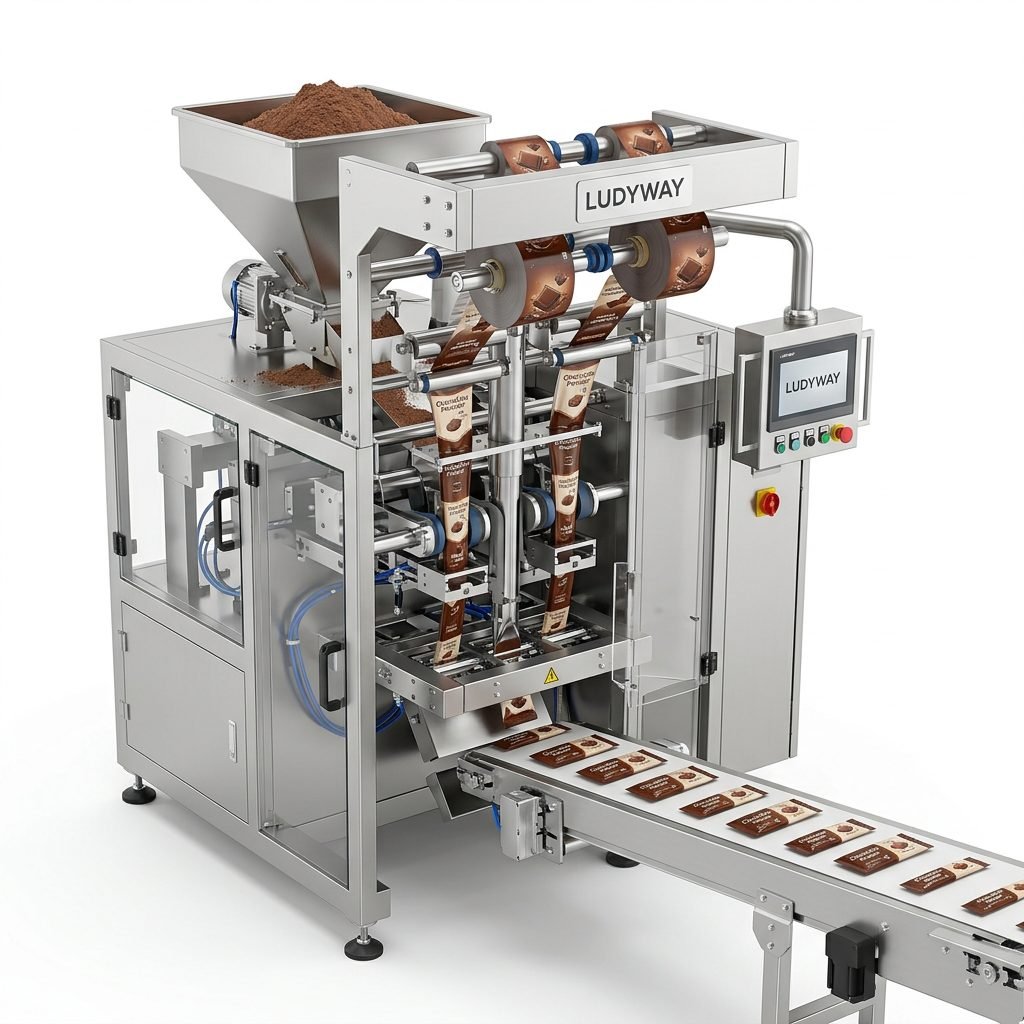
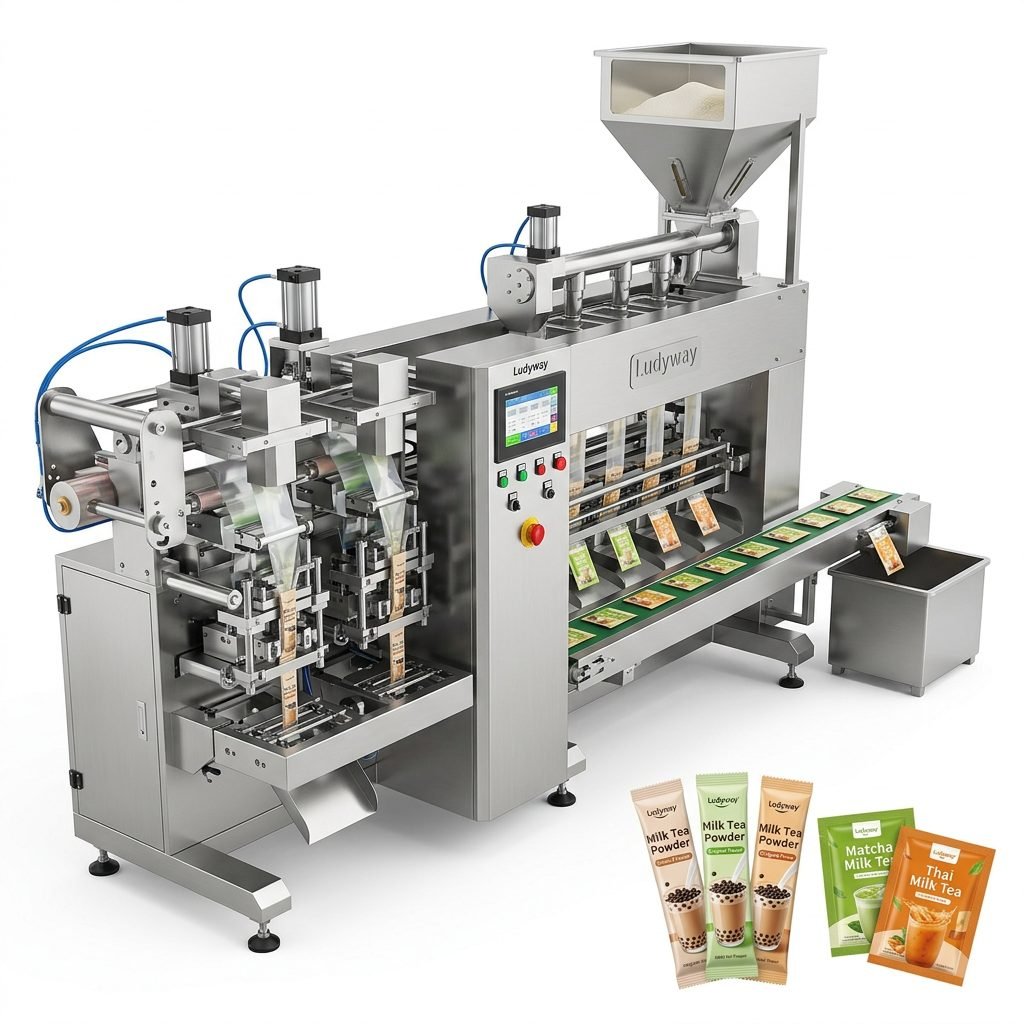
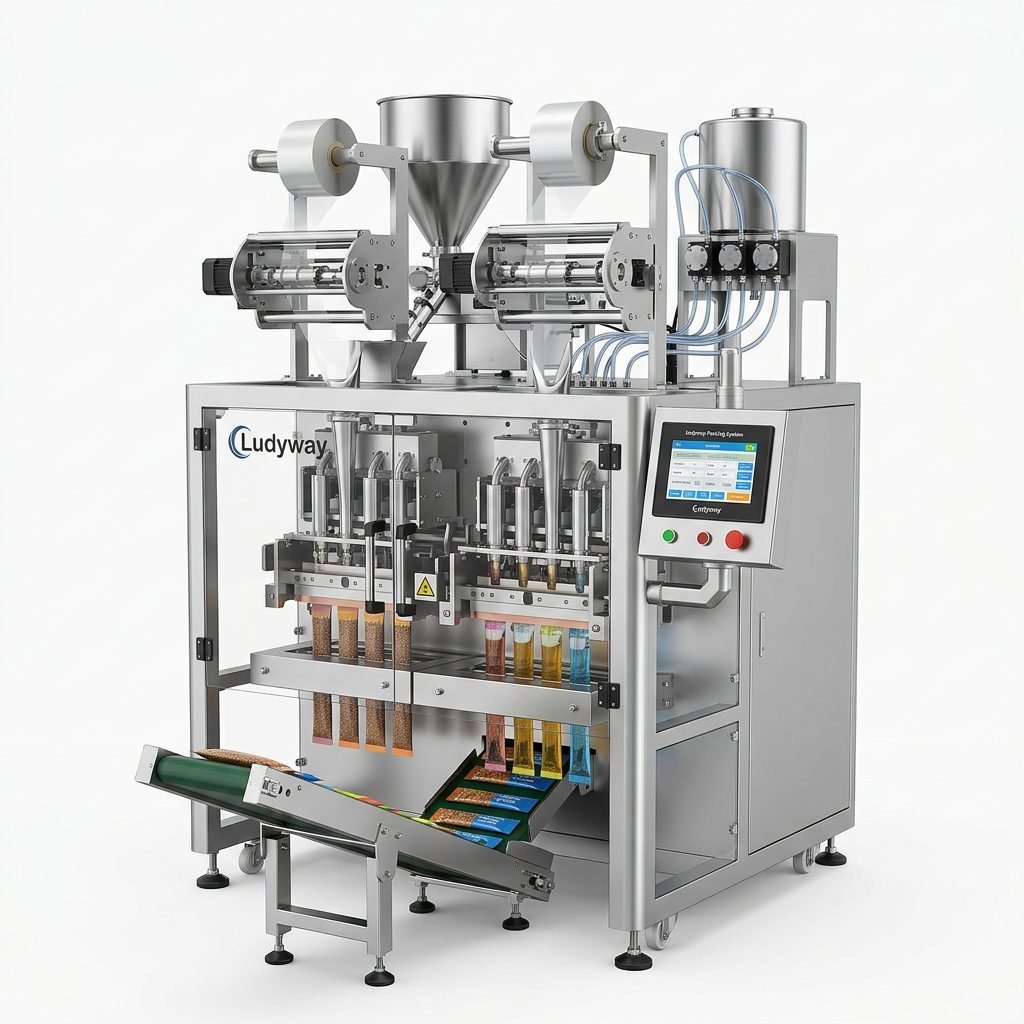
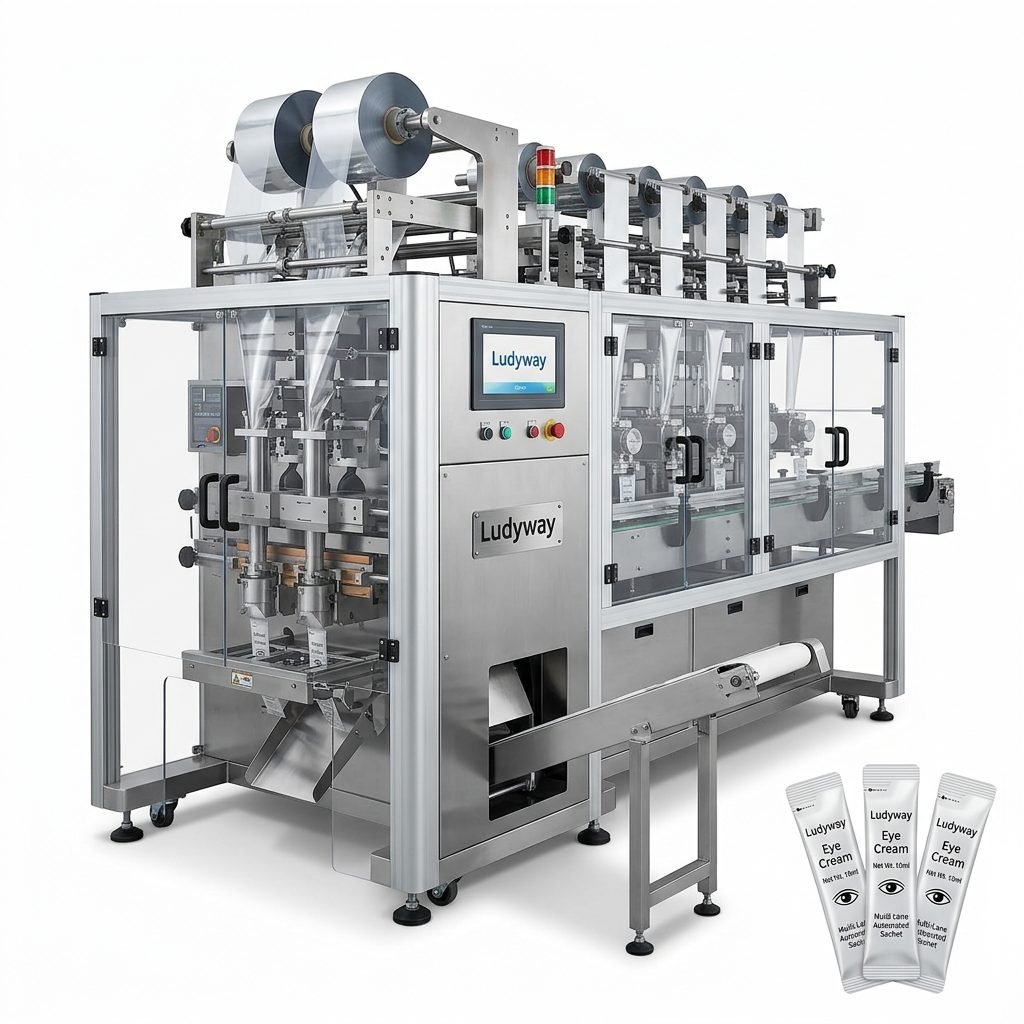
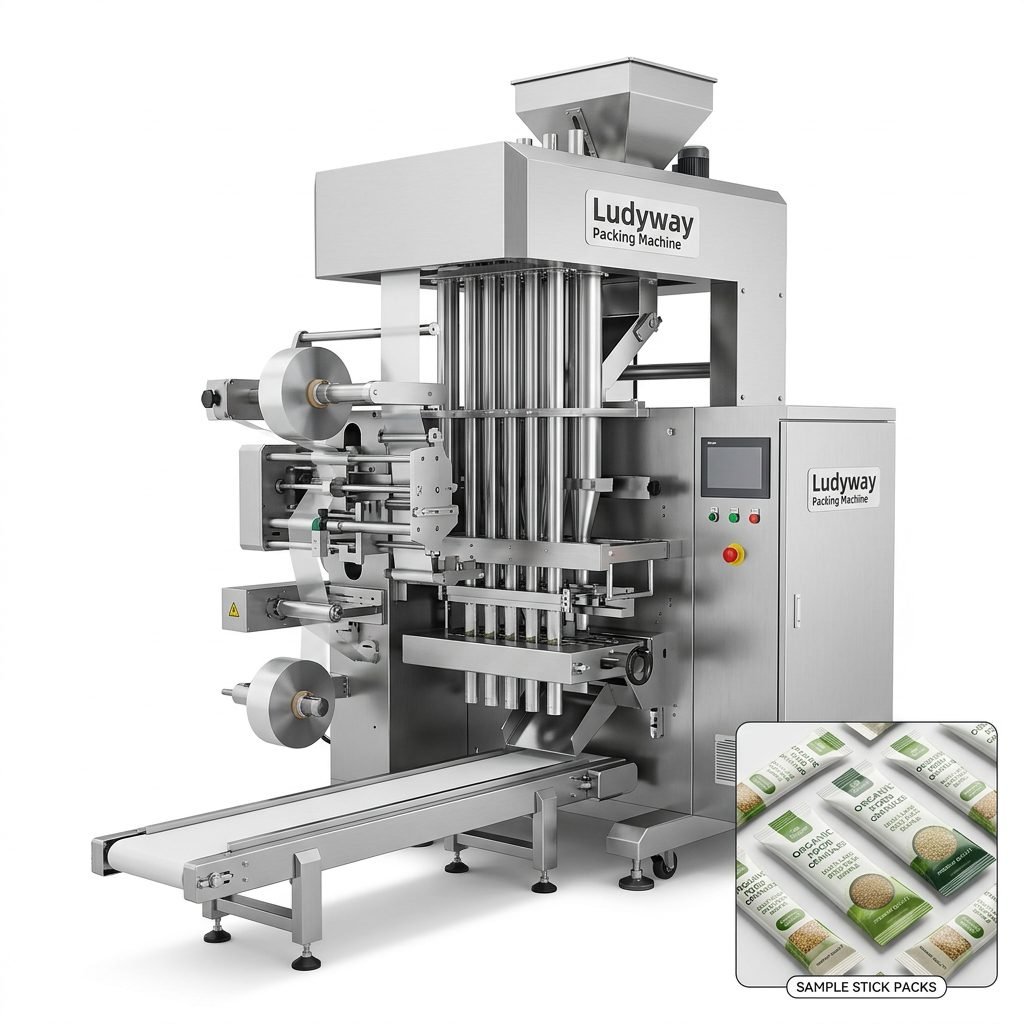
- Multi-Lane Stick Pack Machine – Produces 4-20 lanes simultaneously, perfect for single-serve portions
- Horizontal Flow Wrapper – Best for bars, baked snacks, and products requiring gentle handling
- Premade Pouch Machine – For stand-up pouches, zipper bags, and premium packaging formats
Secondary Packaging Equipment
After primary packaging, products need to be grouped, cartoned, and prepared for shipping. Key secondary equipment includes:
- Cartoning machines for boxing stick packs and sachets
- Case packers for bundling finished cartons
- Palletizers for stacking cases onto pallets
- Stretch wrapping machines for securing pallet loads
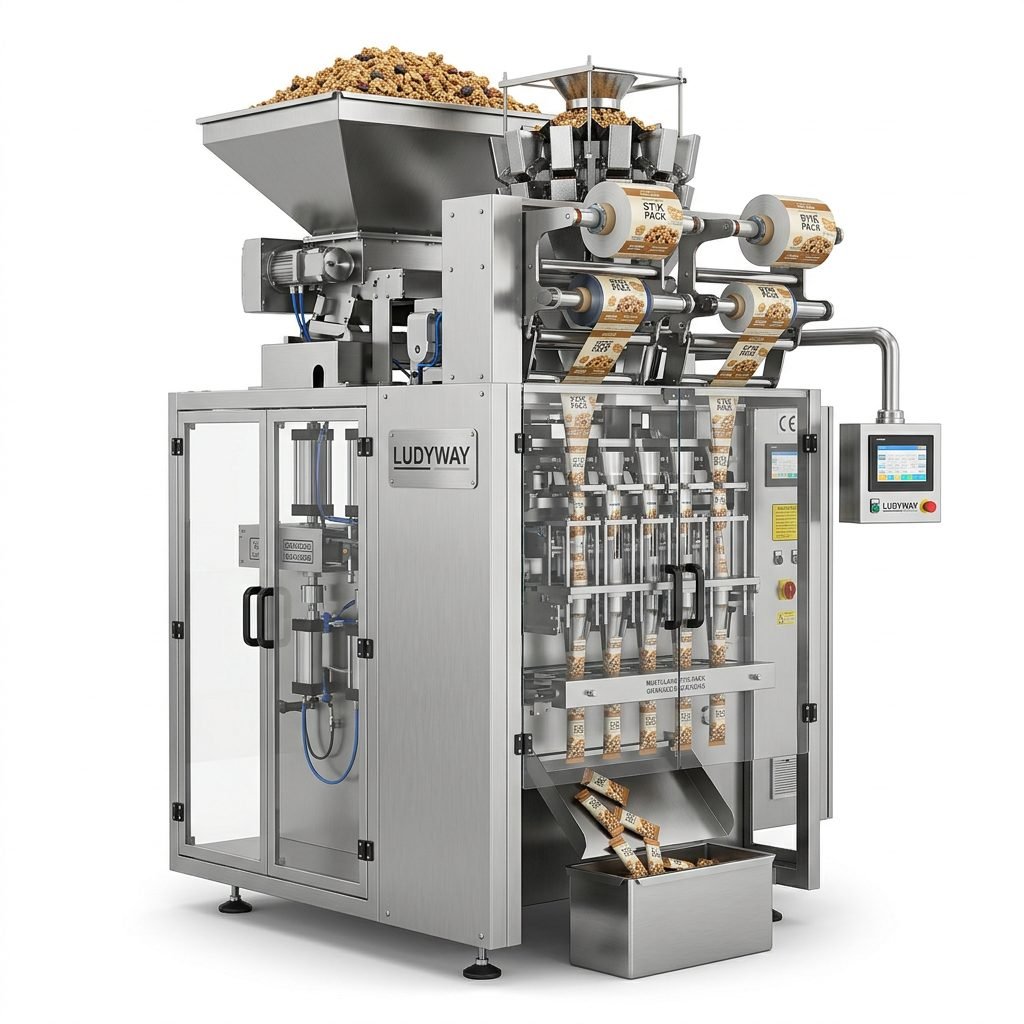
Step 3: Integrate Quality Control Systems
Maintaining consistent product quality requires integrated inspection and monitoring systems. Modern packaging lines incorporate several quality control checkpoints:
Checkweighers
A dynamic checkweigher verifies each pack’s weight in real time, automatically rejecting underweight or overweight packages. This ensures compliance with FDA food packaging regulations and minimizes product giveaway.
Metal Detectors and X-Ray Inspection
Foreign body detection is critical for food safety. An industrial metal detector or X-ray inspection system identifies contaminants before products leave the facility, protecting both consumers and your brand reputation.
Vision Inspection Systems
Automated vision systems check seal integrity, label placement, date coding, and overall package appearance at high speed. These systems reduce manual inspection labor and catch defects human eyes might miss.
Step 4: Plan Your Factory Layout
An optimized production floor layout maximizes efficiency, minimizes material handling, and ensures compliance with food safety standards. Consider these layout principles:
- Arrange equipment in a linear flow from raw material intake to finished goods dispatch
- Maintain adequate clearance around each machine for maintenance access
- Separate wet and dry processing areas to prevent cross-contamination
- Design dedicated pathways for personnel, raw materials, and finished products
- Include utility connections (compressed air, electricity, water) at each machine location
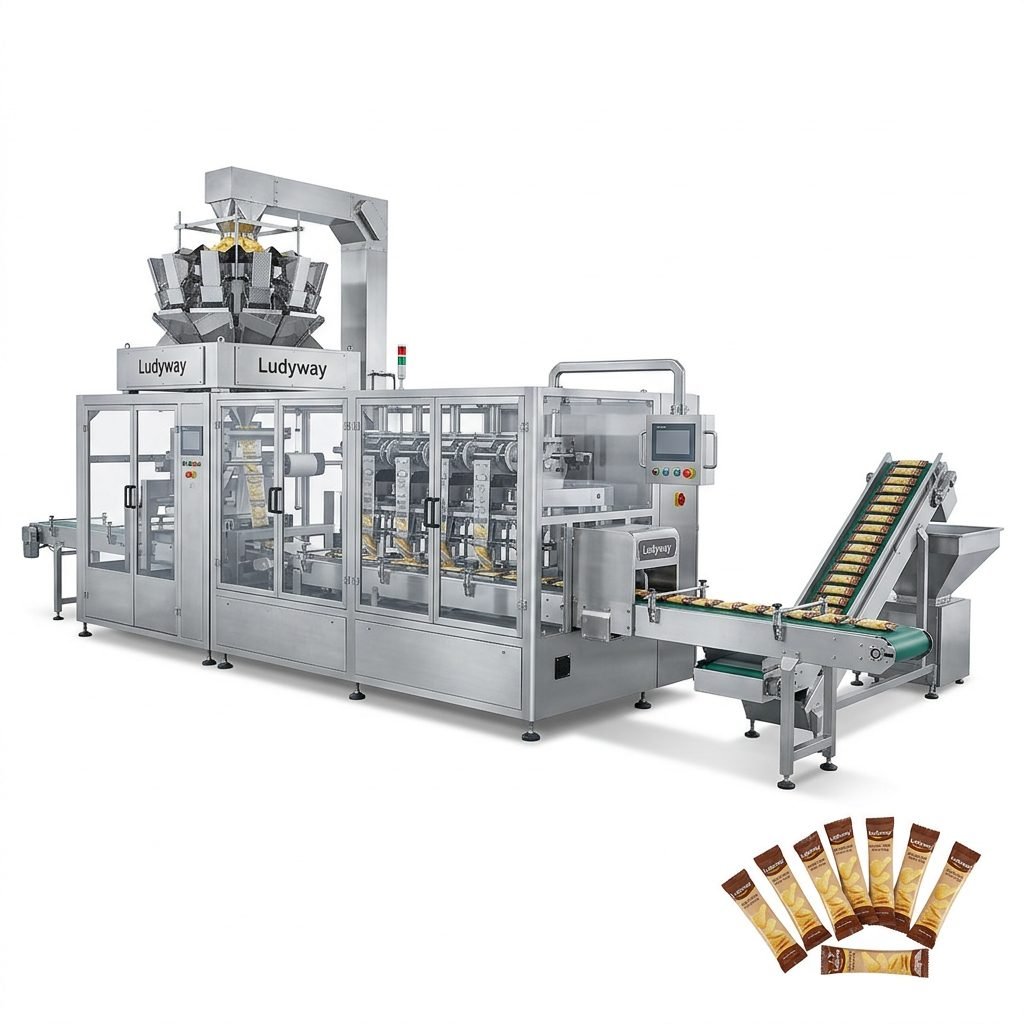
Step 5: Installation and Commissioning
Proper installation and commissioning are essential for reliable long-term operation. This phase typically spans 1-3 weeks depending on line complexity. Key activities include:
Site Preparation
Ensure that all utilities are in place before equipment arrives. This includes electrical power supply with appropriate voltage and phase, compressed air lines with dryers, and any required water connections. Floor surfaces should be level and capable of supporting machine weight.
Machine Setup and Calibration
Each machine undergoes precise calibration for your specific product and packaging materials. Technicians adjust filling parameters, sealing temperatures, film tension, and timing sequences to achieve optimal performance. Testing with actual product validates all settings.
Operator Training
Comprehensive operator training covers machine operation, troubleshooting, daily maintenance, and safety procedures. Well-trained operators significantly reduce downtime and improve overall equipment effectiveness (OEE).
Step 6: Material Sourcing and Supply Chain
Your packaging line depends on a stable supply of packaging materials. Key materials to source include:
| Material Type | Common Specifications | Sourcing Considerations |
|---|---|---|
| Laminated film rolls | PET/AL/PE, BOPP/CPP, metallized films | Order in bulk for cost savings; verify barrier properties |
| Preformed pouches | Stand-up, flat, zipper, spout pouches | Check compatibility with machine grippers and sealers |
| Cartons and cases | Corrugated boxes, folding cartons | Ensure dimensional consistency for automated cartoning |
Step 7: Compliance and Certification
Food packaging operations must comply with international safety and quality standards. Depending on your target markets, relevant certifications include:
- ISO 22000 – Food safety management systems
- HACCP – Hazard analysis and critical control points
- GMP – Good manufacturing practices
- CE Marking – Required for equipment sold in the European Economic Area
- UL/CSA – Electrical safety certifications for North American markets
Refer to ISO packaging standards and PMMI packaging industry resources for comprehensive regulatory guidance.
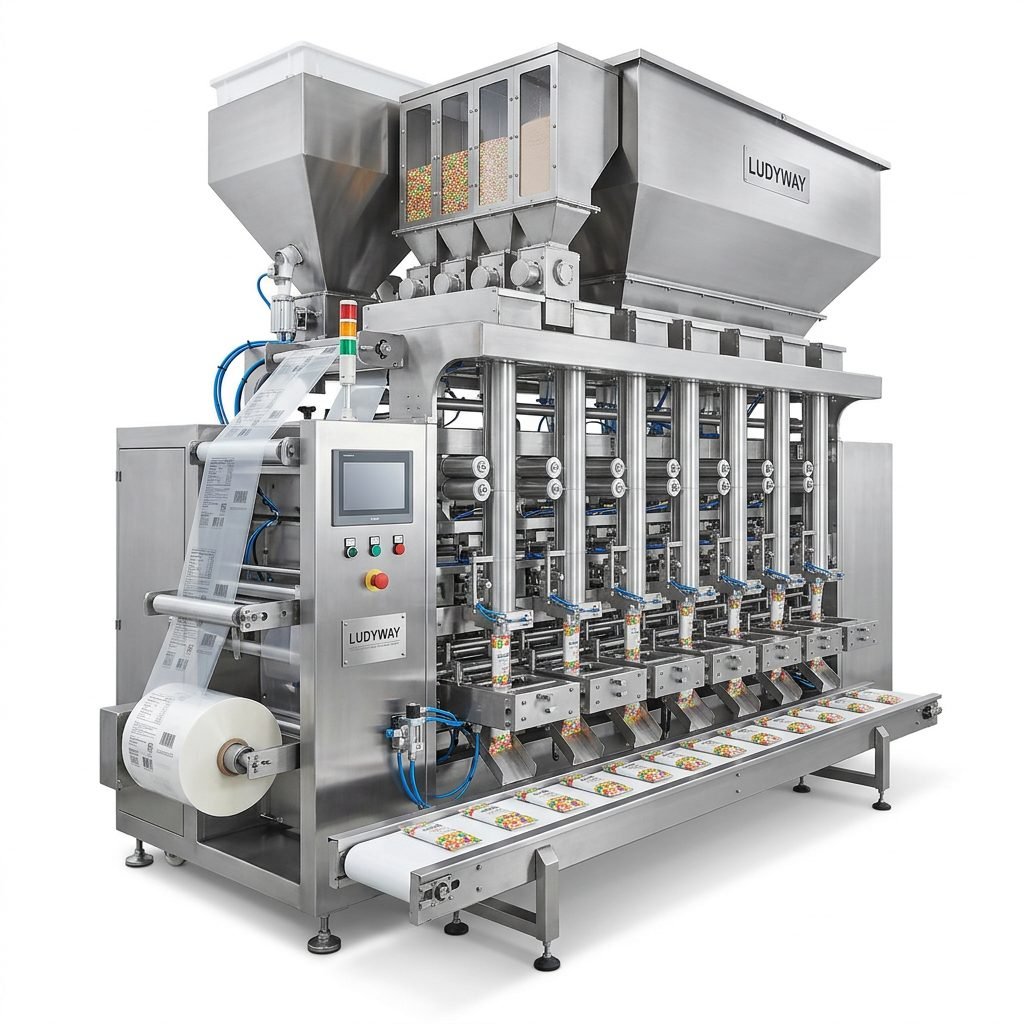
Step 8: Maintenance and Spare Parts Management
A proactive maintenance strategy prevents unplanned downtime and extends equipment lifespan. Establish these maintenance practices:
Preventive Maintenance Schedule
Create a detailed maintenance calendar covering daily, weekly, monthly, and annual tasks. Daily checks include cleaning product contact surfaces, inspecting seals, and lubricating moving parts. Annual services involve comprehensive mechanical and electrical system overhauls.
Spare Parts Inventory
Maintain an inventory of critical spare parts to minimize downtime during repairs. Essential spares include sealing jaws, cutting blades, belts, sensors, heating elements, and common electronic components. Work with your equipment supplier to identify the recommended spare parts list.
Choosing the Right Equipment Supplier
Selecting a reliable packaging machine manufacturer is perhaps the most important decision in your project. Evaluate potential suppliers based on these criteria:
- Industry experience – Look for manufacturers with decades of proven expertise in snack packaging
- Manufacturing capabilities – Modern production facilities ensure consistent quality control
- Technical support – Responsive after-sales service with remote and on-site assistance
- Global presence – Export experience and international exhibition participation indicate reliability
- Customization ability – The capacity to engineer solutions for unique product requirements
Ludyway is one of the largest packaging machine manufacturers in China, specializing in advanced packaging equipment and turnkey production solutions for the food, pharmaceutical, and health industries. With over 30 years of industry expertise, a modern 20,000㎡ manufacturing facility, and more than 50 intelligent packaging machine models, they serve customers in over 100 countries and regions, delivering innovative, high-performance, and cost-effective packaging solutions.
Cost Considerations and ROI Analysis
Investing in a snack packaging production line requires careful financial planning. Understanding the cost structure helps in budgeting and calculating return on investment:
| Cost Category | Typical Percentage Range | Key Variables |
|---|---|---|
| Primary packaging machine | 40-55% | Number of lanes, automation level, speed |
| Secondary packaging equipment | 15-25% | Cartoning, case packing, palletizing needs |
| Quality control systems | 5-10% | Inspection technology sophistication |
| Installation and training | 5-8% | Location, complexity, duration |
| Initial spare parts | 3-5% | Machine type and critical components |
The typical payback period for a well-planned snack packaging line ranges from 18 to 36 months, depending on production volume, labor savings, and product margin structure.
Industry Trends and Future-Proofing
Stay ahead of packaging industry trends to ensure your production line remains competitive. Current developments shaping the snack packaging sector include:
- Sustainable packaging materials – Growing demand for recyclable, compostable, and mono-material films
- Smart factory integration – IoT sensors, real-time production monitoring, and predictive maintenance
- Flexible packaging formats – Consumer preference for convenient, resealable, and portion-controlled packs
- Digital printing integration – On-demand variable data printing for personalized packaging
For detailed market intelligence, consult resources from the Flexible Packaging Association and PMMI business intelligence reports.
Final Checklist Before Launch
Use this pre-launch checklist to ensure your snack packaging production line is ready for commercial operation:
- All equipment installed and calibrated with actual product
- Operator training completed and documented
- Packaging material suppliers qualified with consistent quality
- Quality control systems calibrated and validated
- Standard operating procedures (SOPs) written and approved
- Maintenance schedules and spare parts inventory established
- Food safety certifications obtained or in progress
- Production trial runs completed at target speeds
Setting up a snack packaging machine production line in China is a strategic investment that, when executed properly, delivers substantial competitive advantages. By following this comprehensive guide, working with experienced equipment manufacturers, and maintaining focus on quality and efficiency, your operation can achieve world-class packaging performance.