In today’s competitive food industry, achieving high efficiency, maintaining product quality, and ensuring safety are paramount. Advanced food processing and packaging machinery solutions are no longer optional but essential components for modern production lines. These technologies streamline operations, reduce waste, extend shelf life, and meet the stringent demands of global markets and consumers.
The Role of Modern Machinery in Food Production
Contemporary food manufacturing relies heavily on automation and precision engineering. From initial processing stages like sorting, washing, and cutting to final packaging, advanced machinery ensures consistency, hygiene, and speed. Automated systems minimize human error, enhance throughput, and allow for scalable production that can adapt to fluctuating market demands.
Key Benefit: Automation directly translates to higher output with lower operational costs, providing a significant competitive edge.
Core Processing Technologies
Food processing encompasses a wide range of technologies designed to transform raw ingredients. High-speed slicers and dicers, precision mixers, and controlled thermal processing units (like pasteurizers and sterilizers) are fundamental. These machines are engineered to preserve nutritional value, flavor, and texture while ensuring microbial safety.
Innovations in Preservation
Technologies such as High-Pressure Processing (HPP) and Pulsed Electric Fields (PEF) represent the cutting edge. They inactivate pathogens without extreme heat, offering fresher-tasting products with extended shelf life—a crucial factor for brands focusing on clean labels and premium quality.
Evolution of Packaging Machinery Solutions
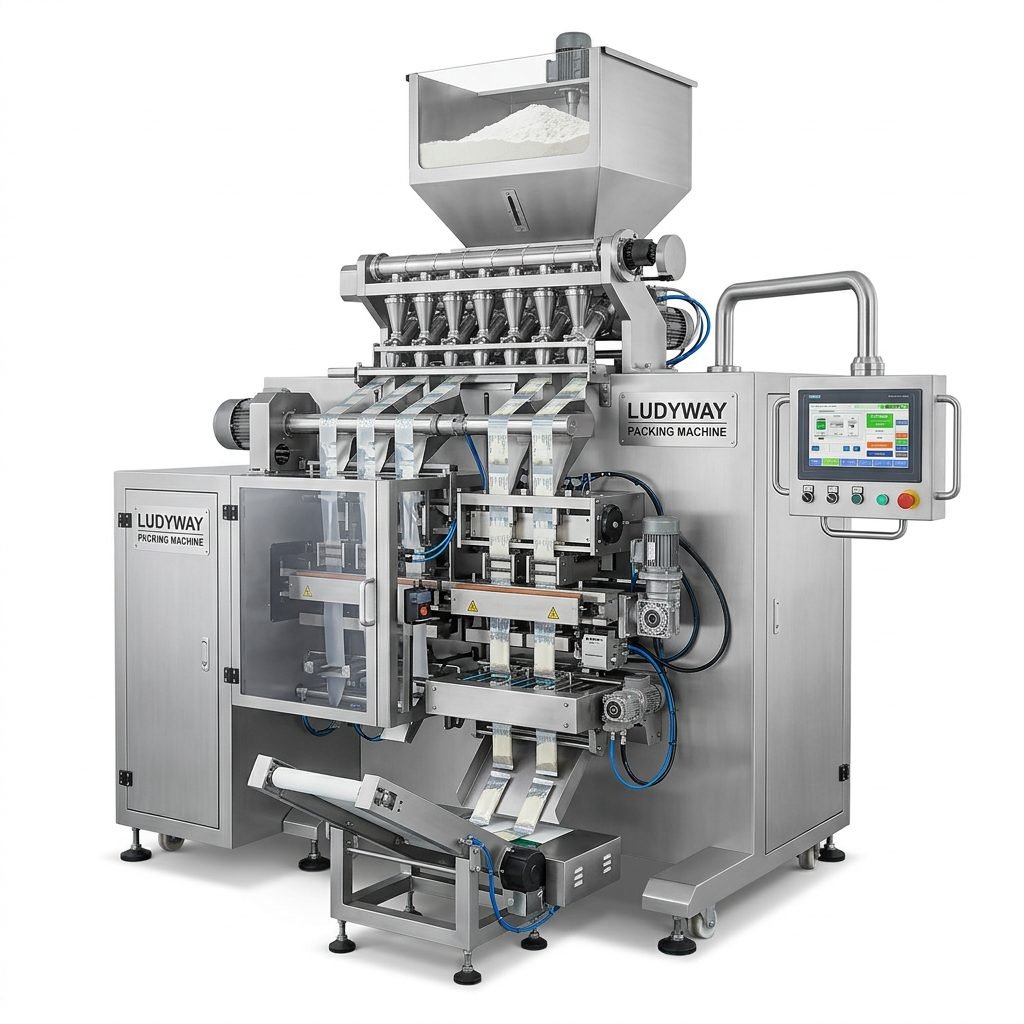
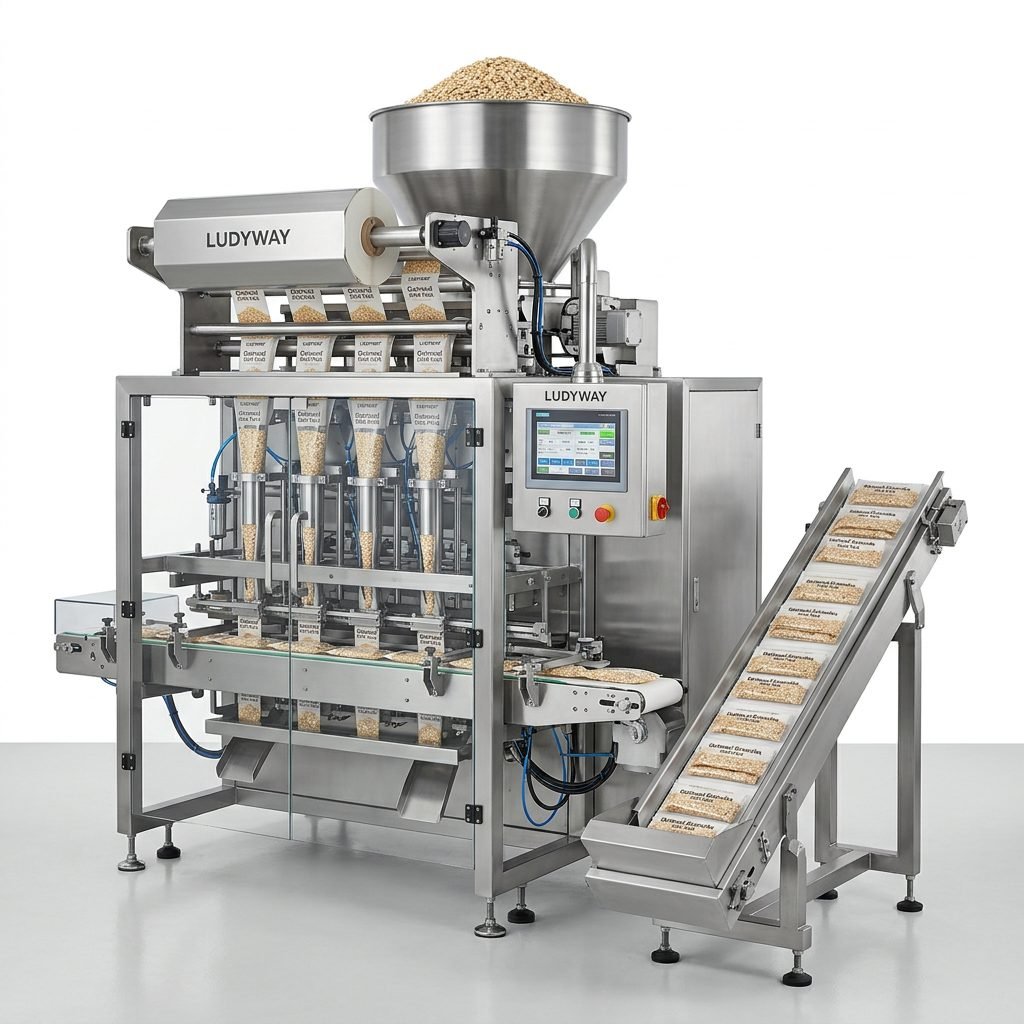
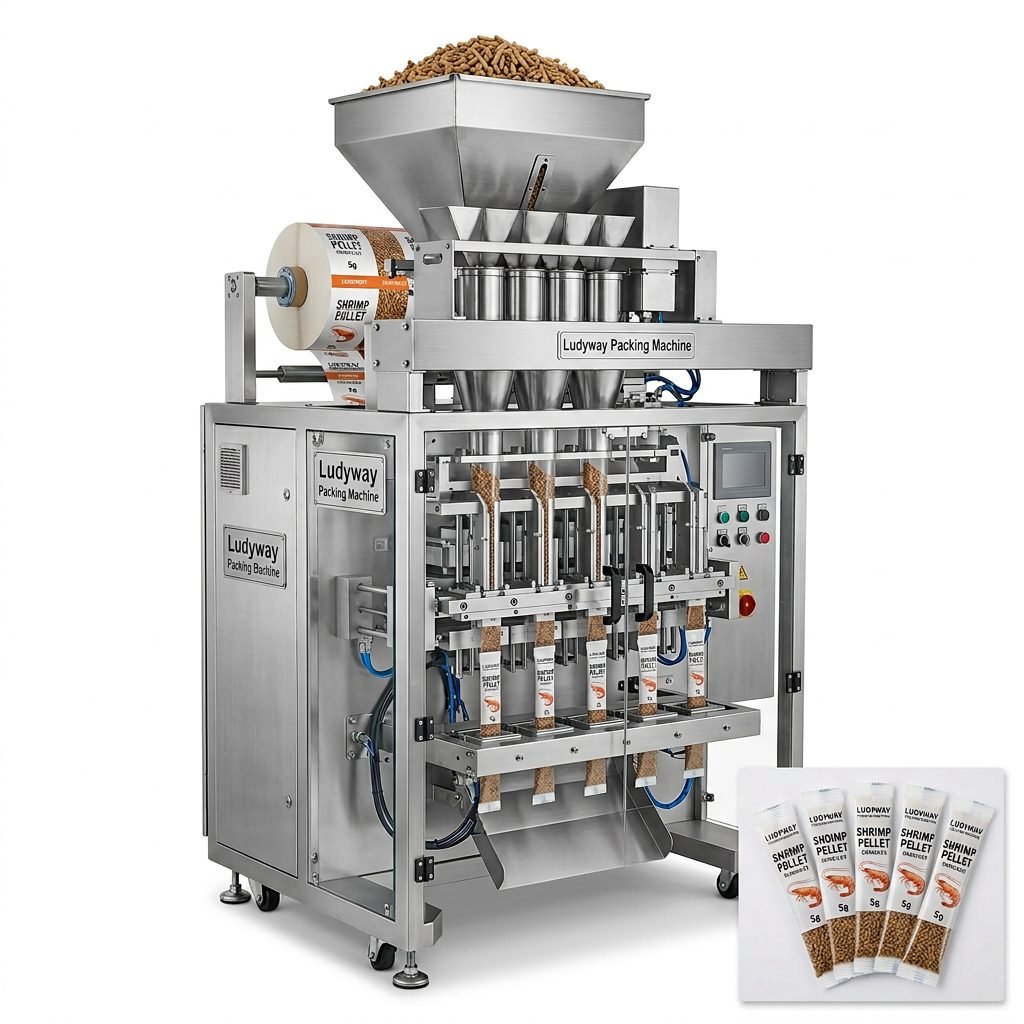
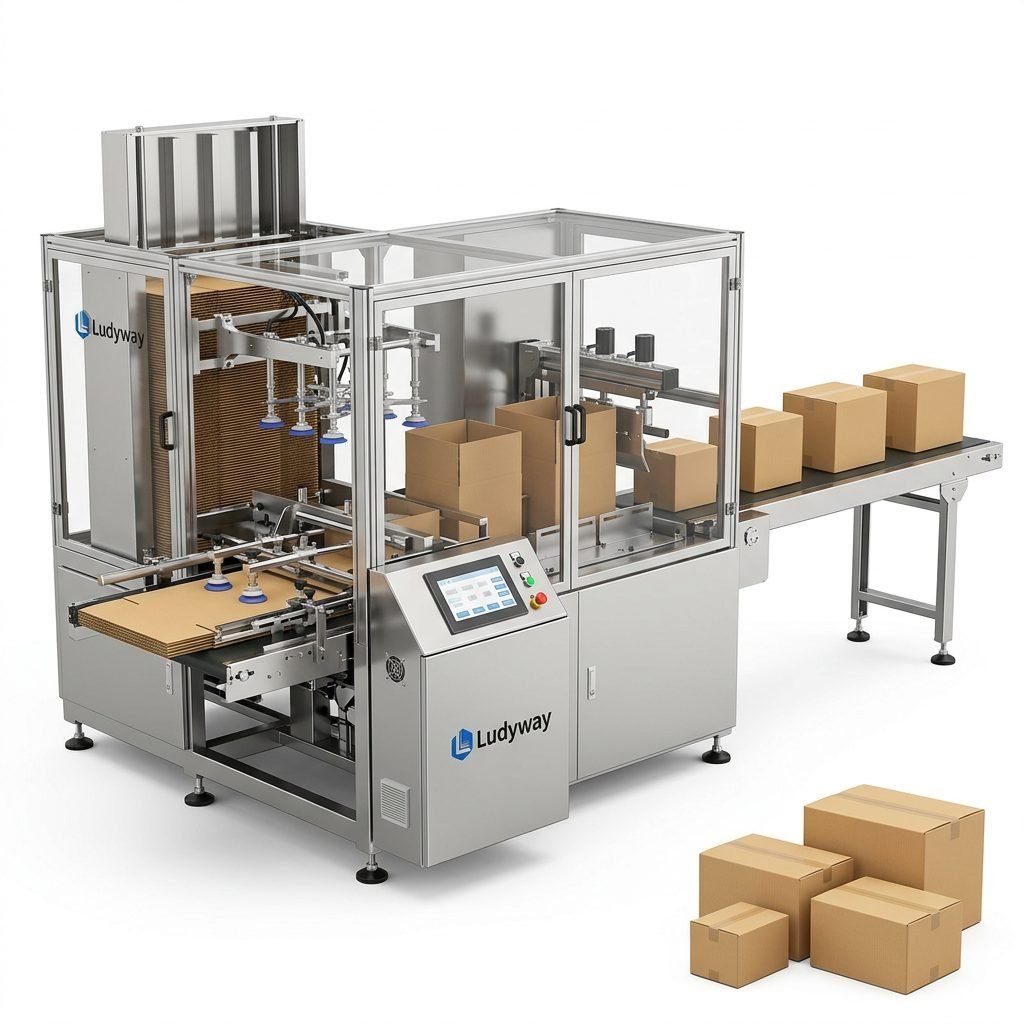
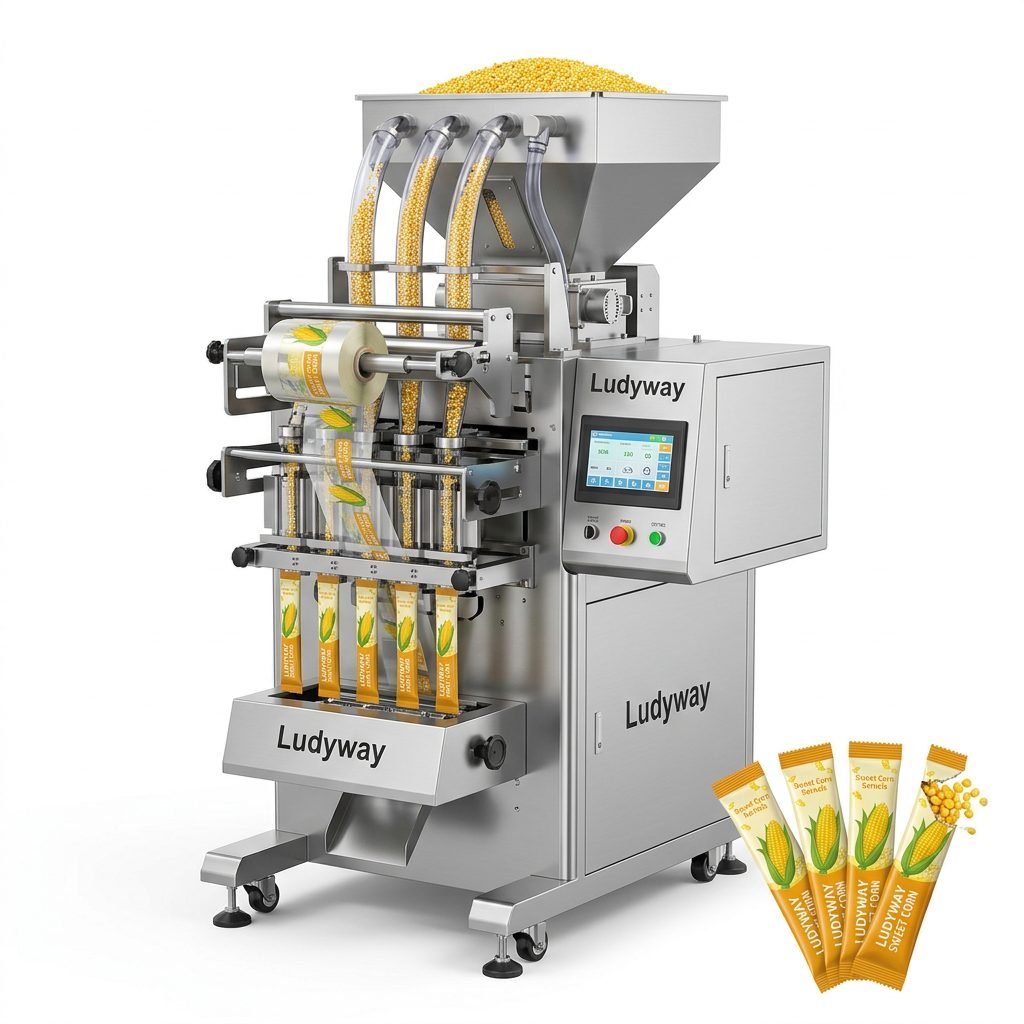
Packaging is the final, critical step that protects the product and communicates brand value. Modern packaging machinery must be versatile, fast, and intelligent. Solutions range from primary packaging systems—like form-fill-seal machines for sachets and stick packs—to secondary packaging robots for cartoning and palletizing.
Trend Spotlight: Smart Packaging Integration
Today’s leading packaging lines integrate IoT sensors and data analytics. These systems monitor machine performance in real-time, predict maintenance needs, and track production metrics like OEE (Overall Equipment Effectiveness). This data-driven approach minimizes downtime and optimizes line efficiency.
Specialized Solutions for Different Product Types
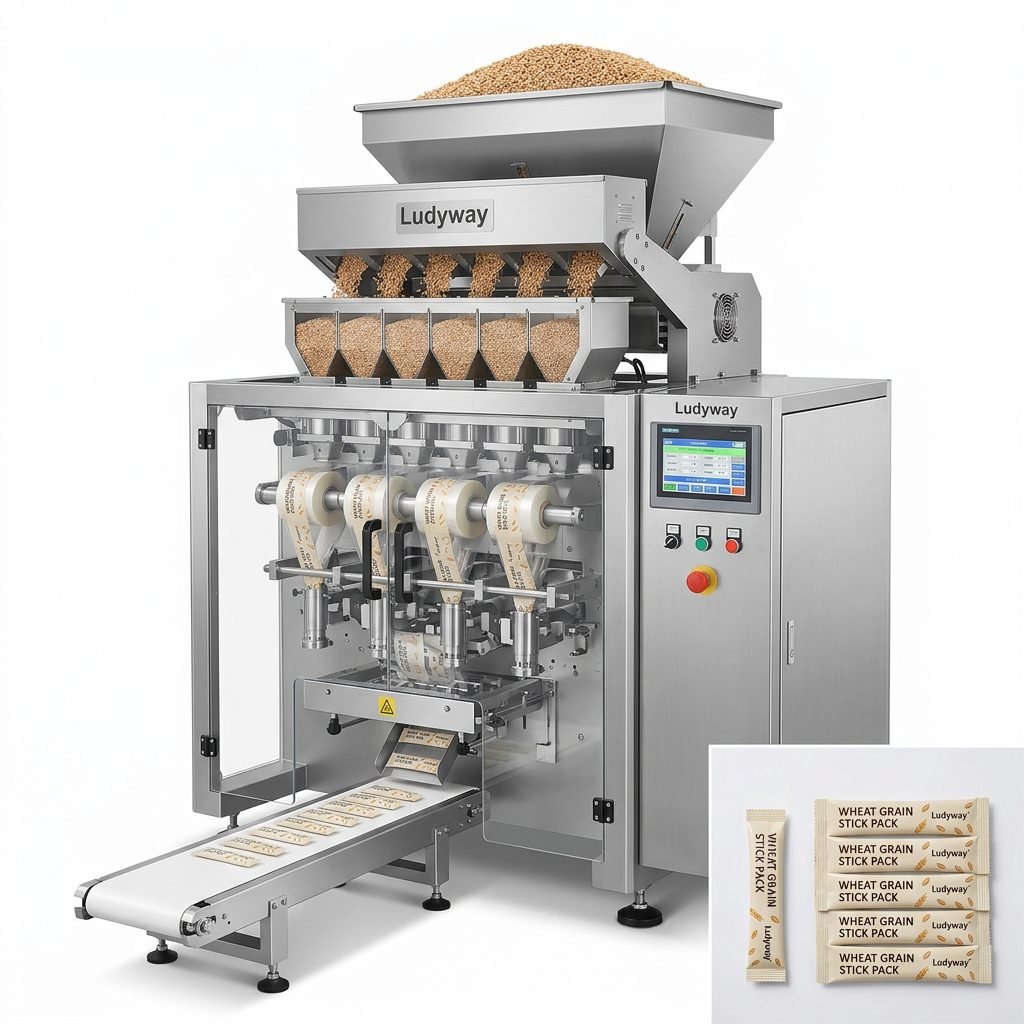
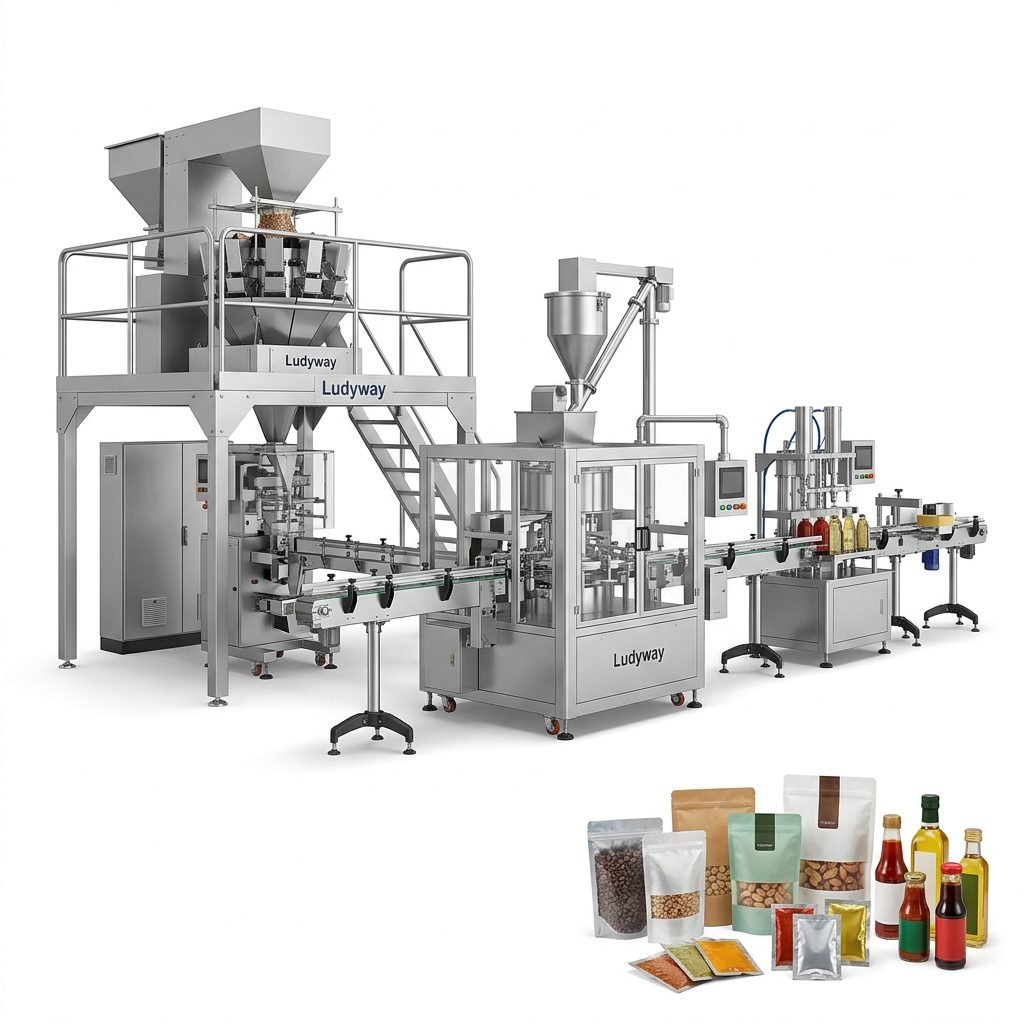
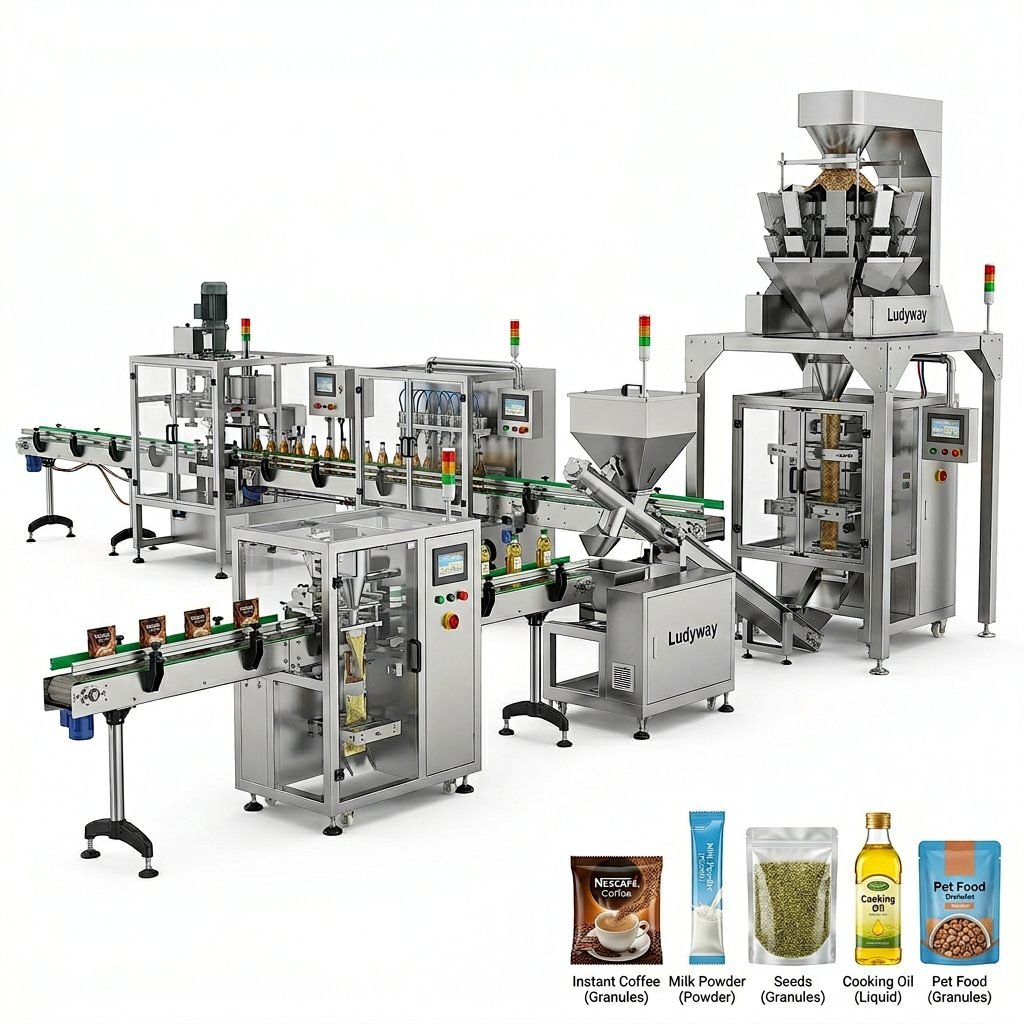
Different food formats demand specialized machinery. For instance, granular products like coffee or spices require precision weighers and vibratory feeders. Powders, such as milk powder or protein supplements, need auger filler systems with de-dusting mechanisms. Liquids and viscous products rely on piston or pump fillers with high accuracy to prevent waste.
Case in Point: Stick Pack & Sachet Packaging
These formats are immensely popular for single-serve convenience. High-speed, multi-lane stick pack machines can produce thousands of units per hour, offering an excellent solution for products like instant beverages, condiments, and supplements. Their efficiency and low material usage make them a cost-effective choice for many manufacturers. Companies like Ludyway Machinery provide a range of such intelligent packaging systems tailored to these needs.
Building a Turnkey Production Line
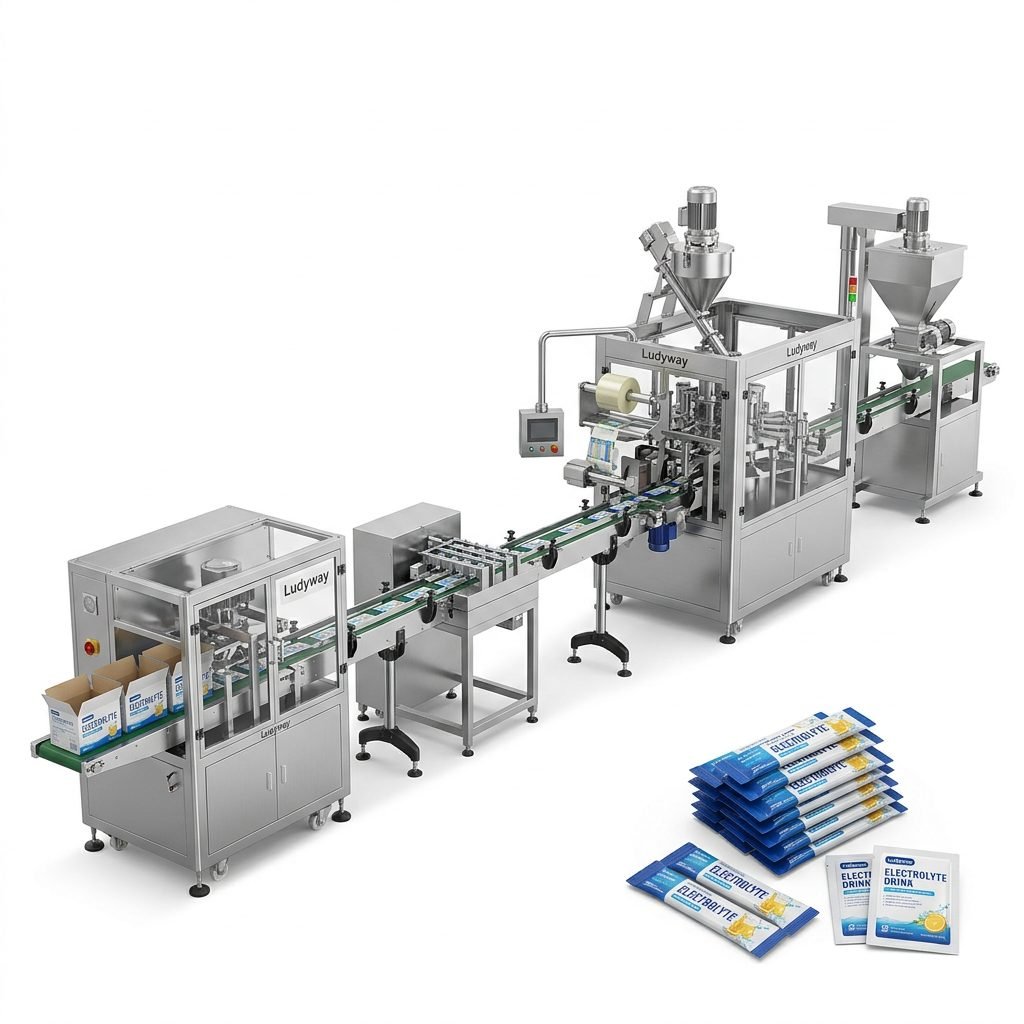
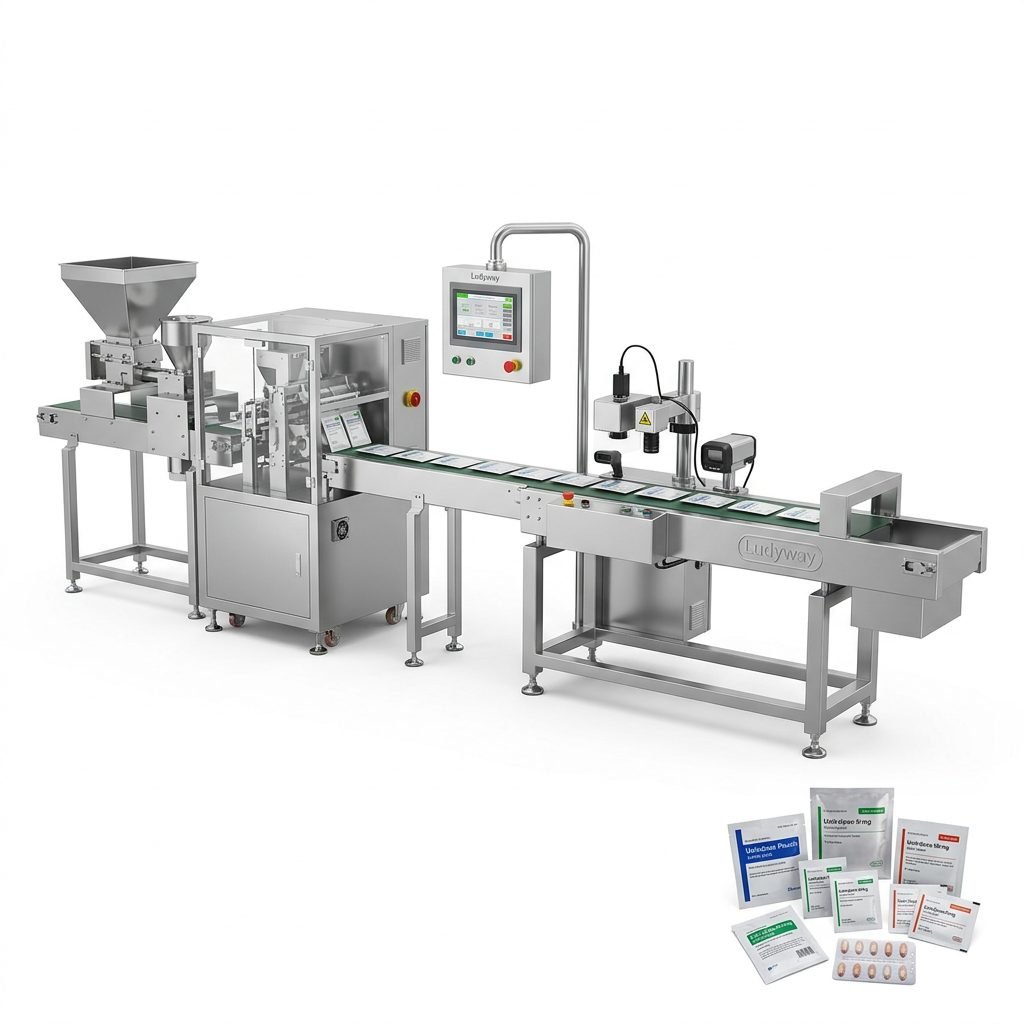
The ultimate goal for many producers is a seamless, integrated production line. A turnkey solution involves designing, supplying, installing, and commissioning a complete system from raw material intake to finished pallet. This holistic approach ensures compatibility between processing and packaging stages, maximizing overall line efficiency.
Advantages of a Turnkey Project:
- Single-Point Responsibility: One supplier manages the entire project, simplifying communication and accountability.
- Optimized Workflow: Machines are selected and integrated for optimal synergy, reducing bottlenecks.
- Faster Time-to-Market: Professional project management accelerates installation and commissioning.
- Comprehensive training and after-sales support ensure a smooth transition to full operation. Learn more about our approach to complete production solutions.
Importance of Customization and Flexibility
No two production facilities are identical. The best machinery suppliers offer customization options—whether it’s modifying a hopper size, integrating specific checkweighers or metal detectors, or creating unique packaging formats. Flexibility for future changeovers or product expansion is also a critical consideration in machinery design.
Selecting the Right Machinery Partner
Choosing a supplier is a strategic decision. Key factors extend beyond the machine price to include the provider’s industry experience, engineering capability, quality of components, and the robustness of their technical support and spare parts network.
Experience and Proven Track Record
A partner with decades of experience, like Ludyway Machinery with over 30 years in the industry, brings invaluable insight. They understand common production challenges and can design solutions that are not only advanced but also reliable and practical for day-to-day factory operations.
💡 Pro Tip: Always request client references and, if possible, visit a running production line using the supplier’s equipment. Seeing machinery in action is the best proof of performance.
After-Sales Support: The Key to Long-Term Success
The relationship with your machinery provider begins after installation. Comprehensive support includes operator training, readily available spare parts, remote diagnostics, and prompt on-site service. This support is crucial for maintaining high equipment uptime and protecting your investment over its entire lifecycle.
Conclusion: Investing in Efficiency and Quality
Implementing advanced food processing and packaging machinery is a significant investment that pays dividends through increased productivity, superior product quality, and enhanced operational agility. By partnering with an experienced and innovative provider, manufacturers can build resilient, efficient, and future-ready production lines capable of meeting the evolving demands of the global food industry.
Frequently Asked Questions (FAQs)
1. What are the main benefits of automating a food packaging line?
Automation primarily increases production speed and consistency while reducing labor costs and human error. It enhances hygiene control, improves tracking and traceability, and allows for scalable production to meet demand spikes efficiently.
2. How do I choose between a stick pack machine and a sachet machine?
The choice depends on your product format and market preference. Stick packs are ideal for fine powders, granules, and single-serve liquids, offering a sleek, portable shape. Sachets (pouches) offer more surface area for branding and are better suited for products that may require a wider mouth, like creams or granular mixes. A professional supplier can advise on the best format for your specific product.
3. What is meant by a ‘turnkey’ production solution?
A turnkey solution is a complete, ready-to-operate system supplied by a single vendor. They handle everything from design, equipment selection, and manufacturing to installation, commissioning, and staff training. You essentially receive the “keys” to a fully functional production line. Explore our company profile to see how we deliver such projects.
4. Can existing production machinery be integrated with new, advanced equipment?
Yes, in many cases. A skilled engineering partner can design interfaces and conveyor systems to connect legacy equipment with new machines. This approach can be a cost-effective way to upgrade specific line sections. The feasibility depends on the age, control systems, and physical specifications of the existing machinery.
5. How important is after-sales service when investing in packaging machinery?
Extremely important. Reliable after-sales support—including training, spare parts availability, and technical assistance—is critical for minimizing downtime, ensuring long machine life, and protecting your ROI. It’s a key factor to evaluate when selecting a supplier, as it directly impacts your operational continuity and total cost of ownership.