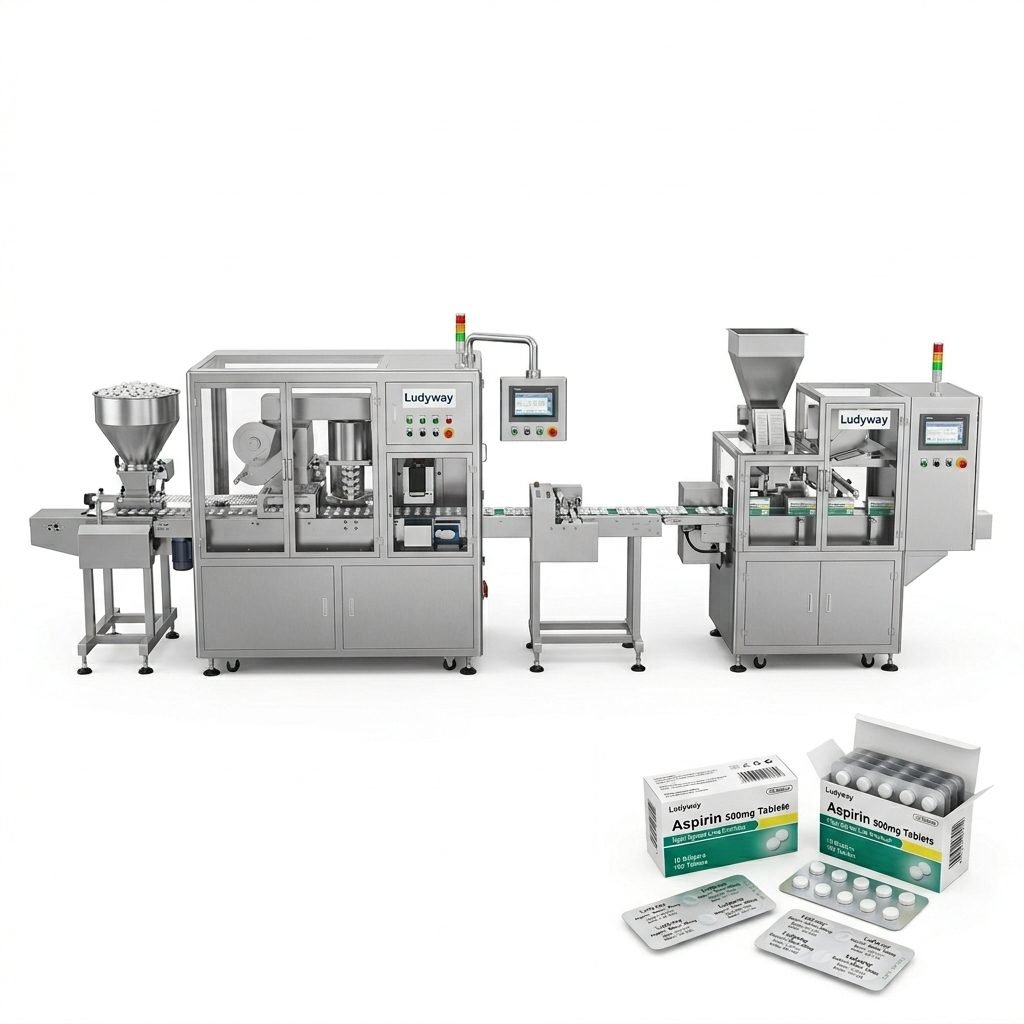
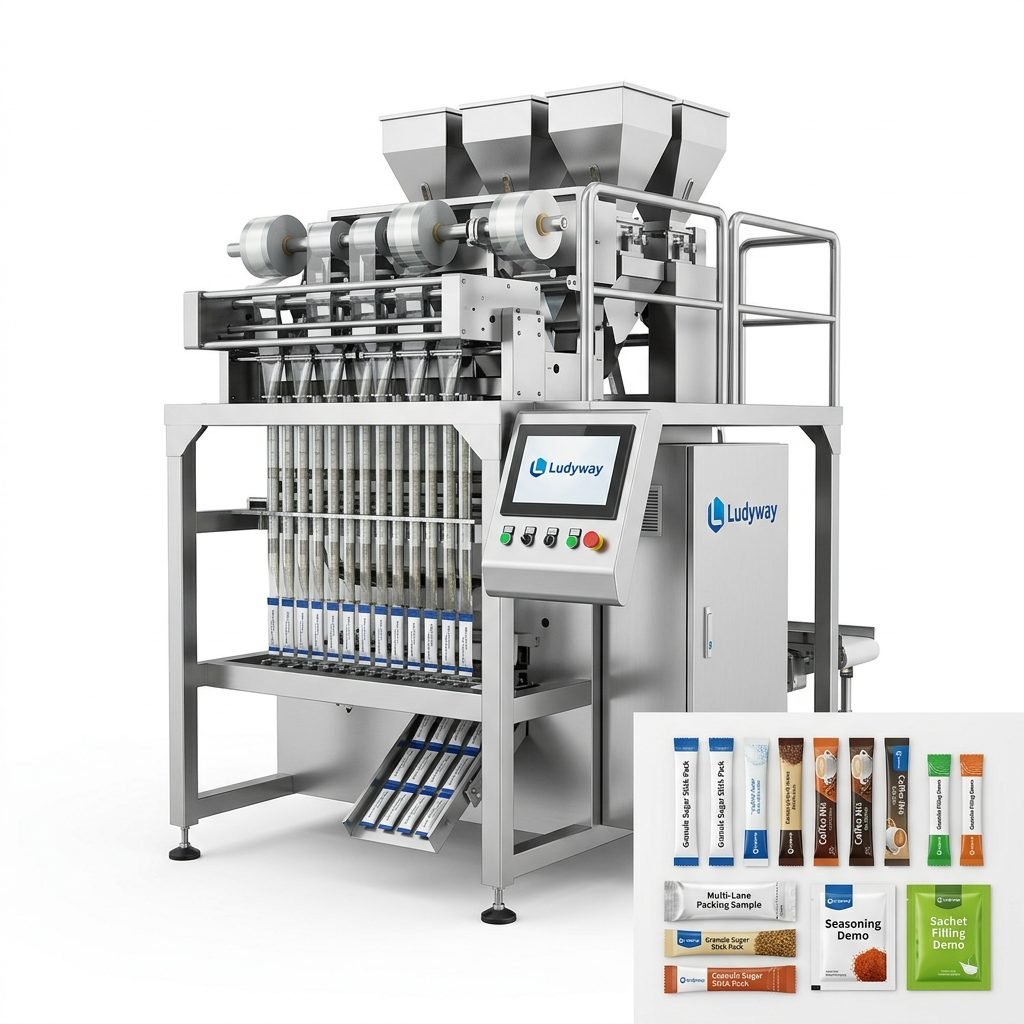
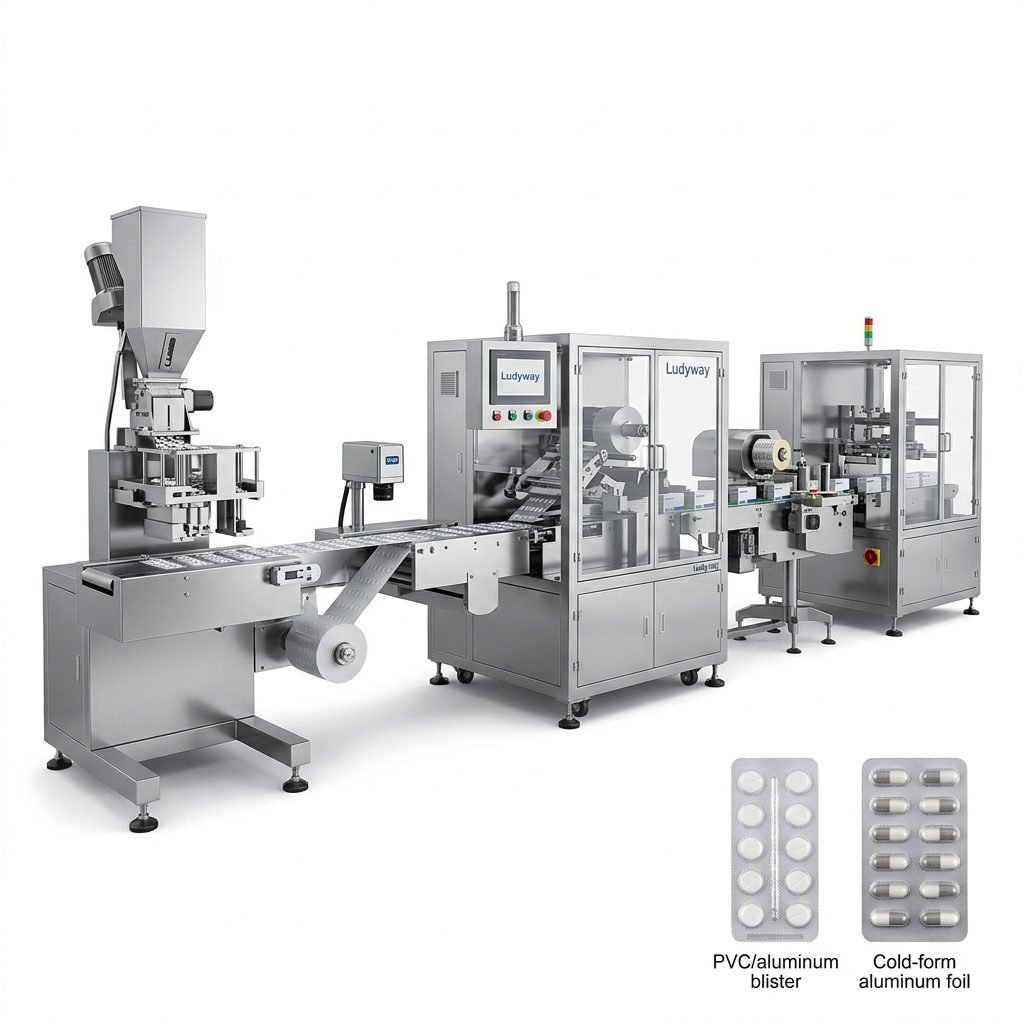
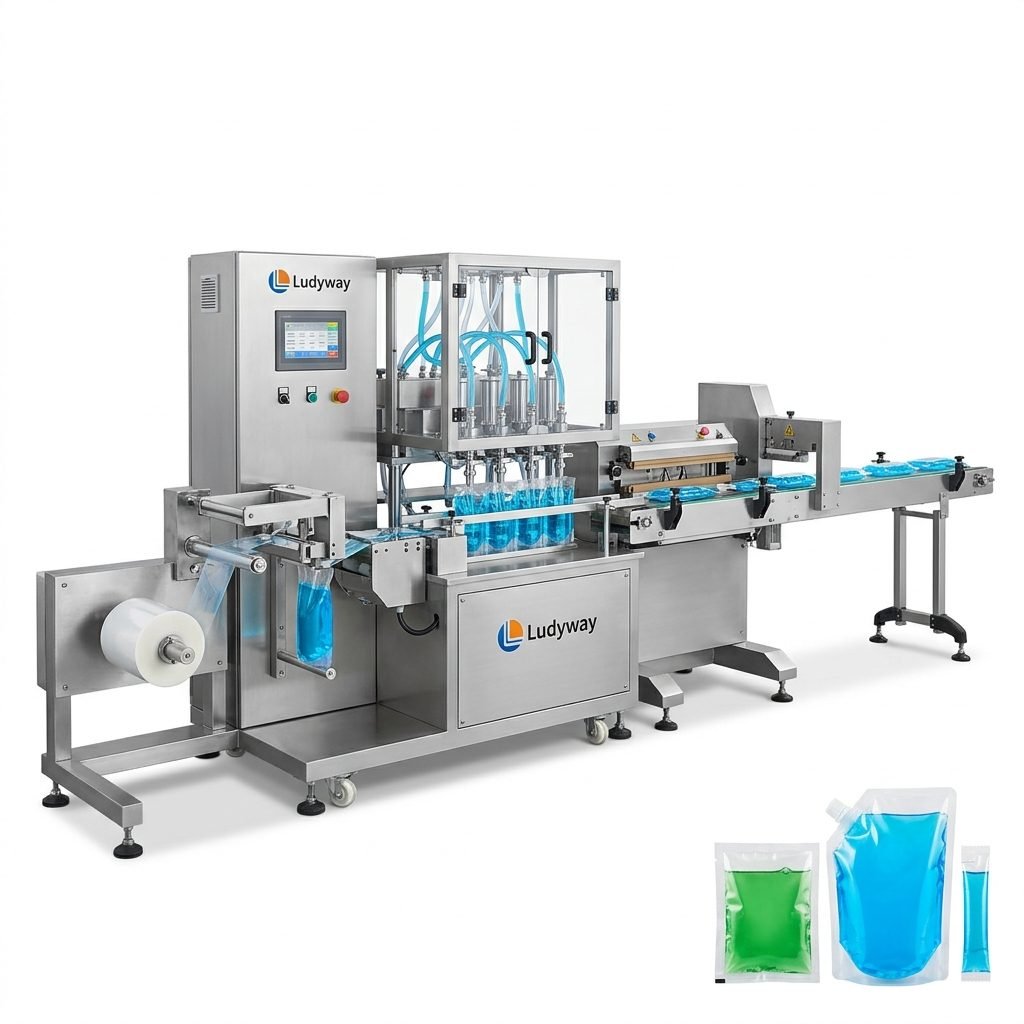
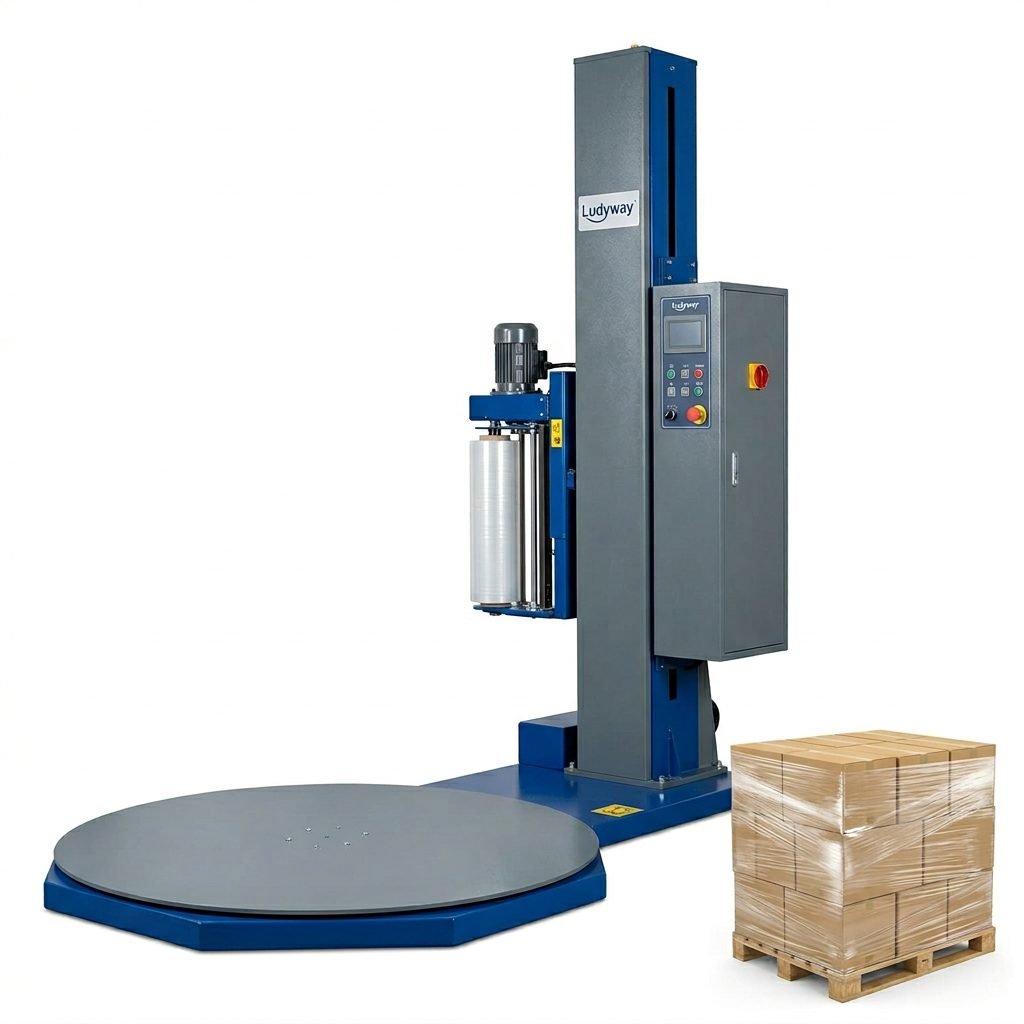
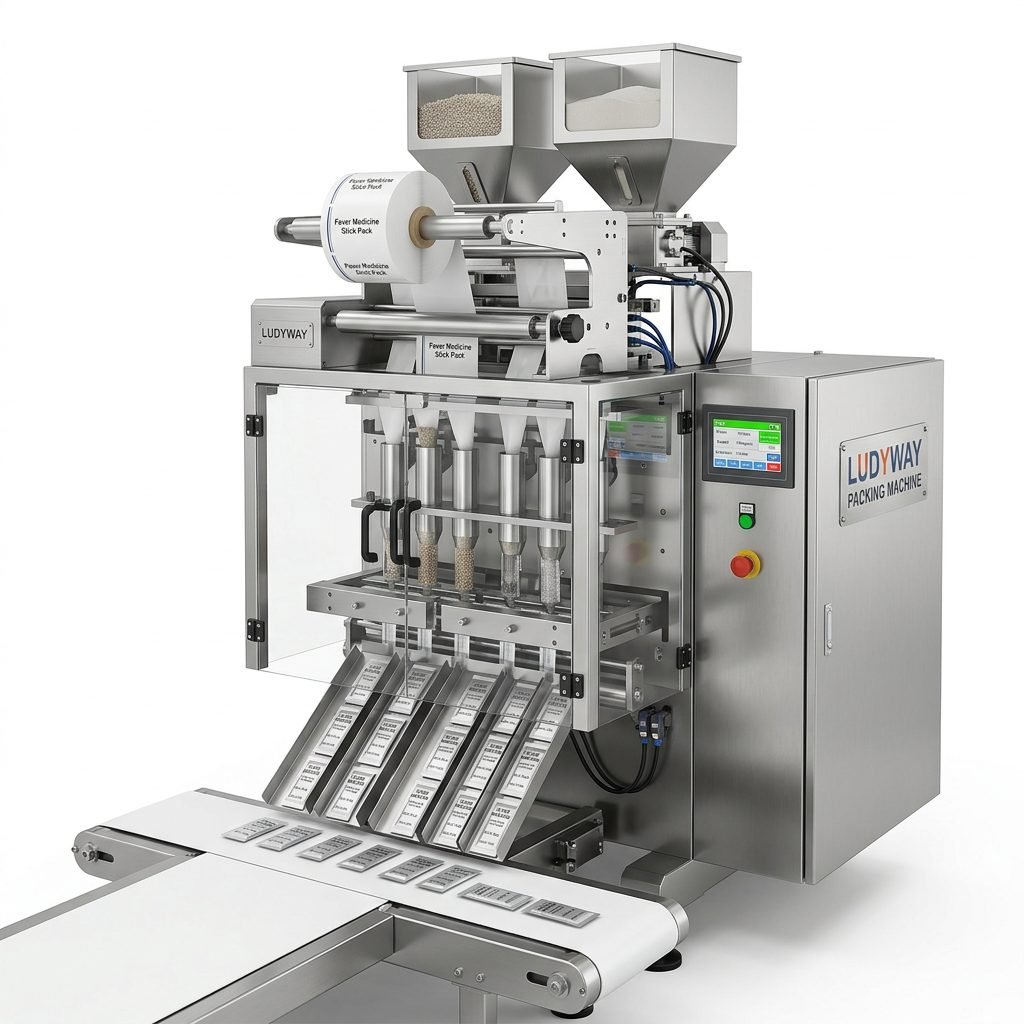
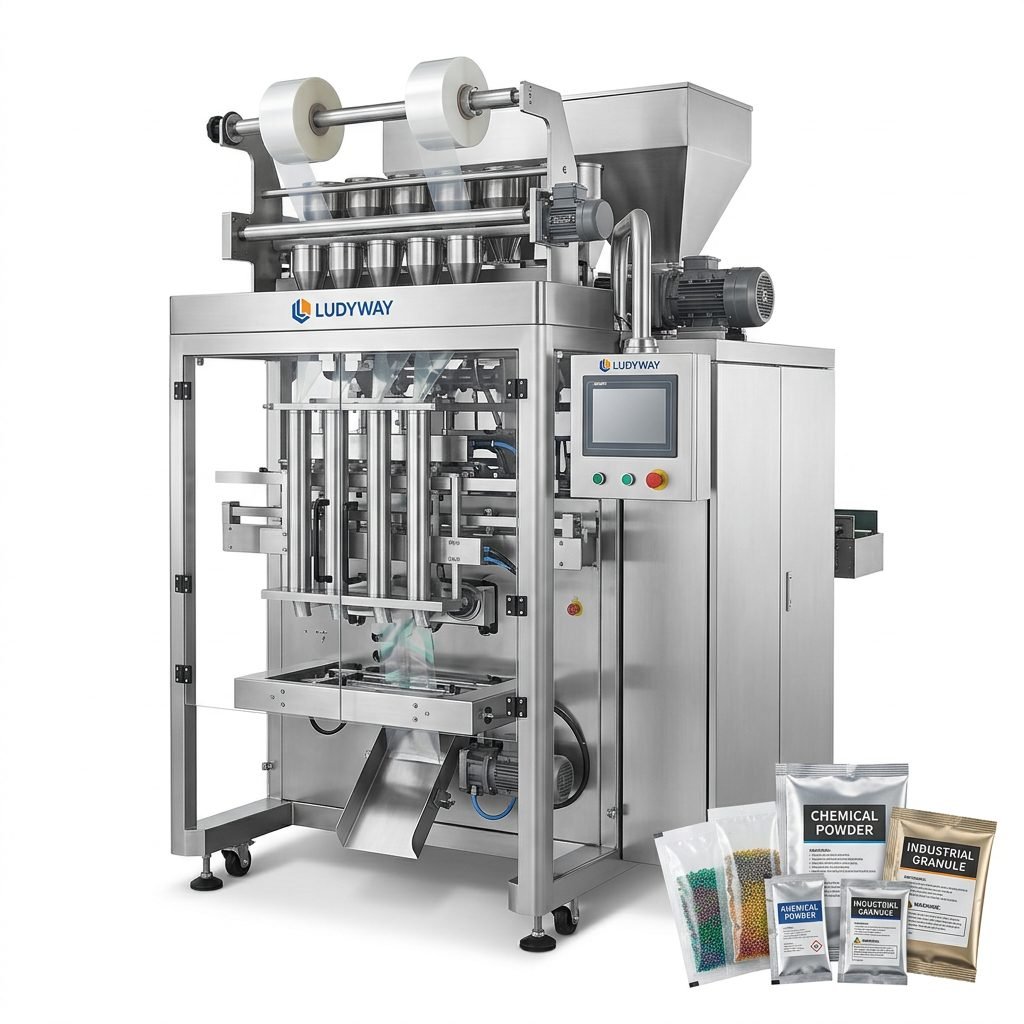
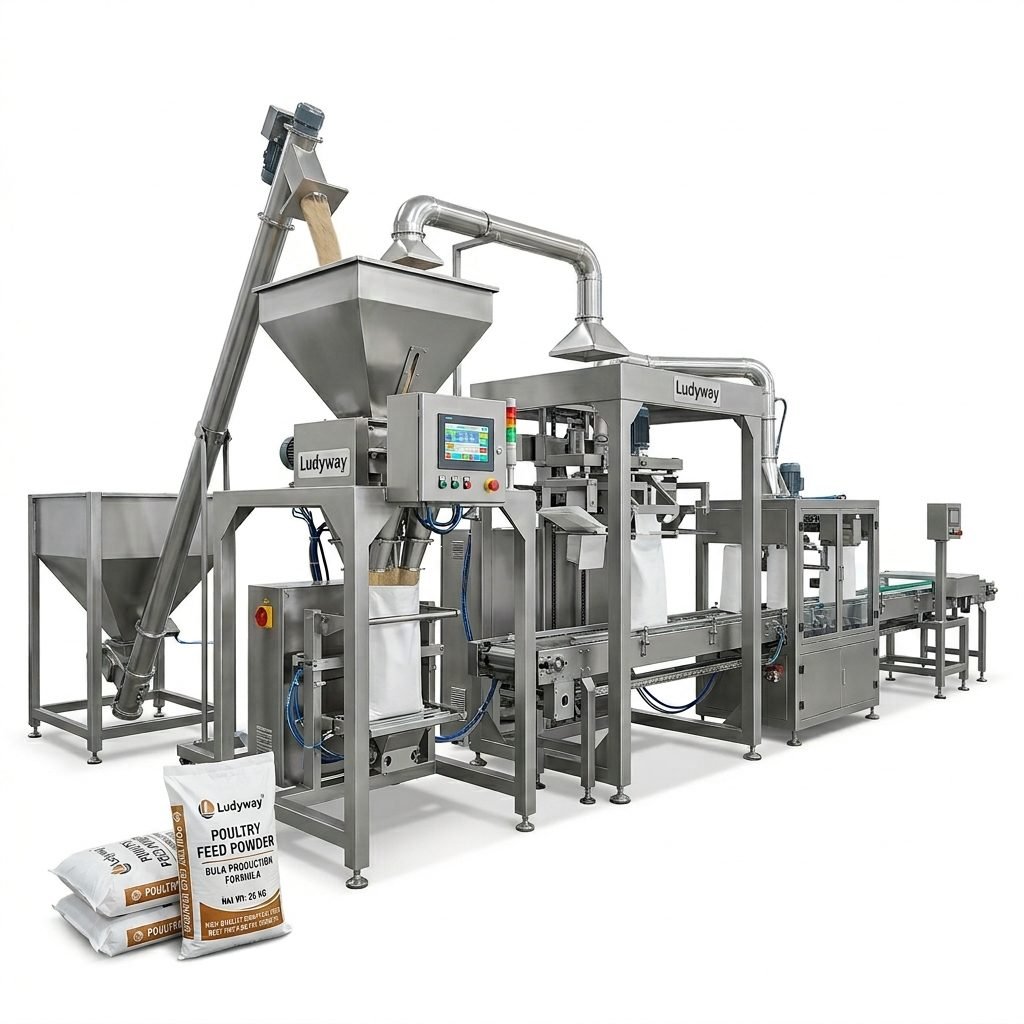
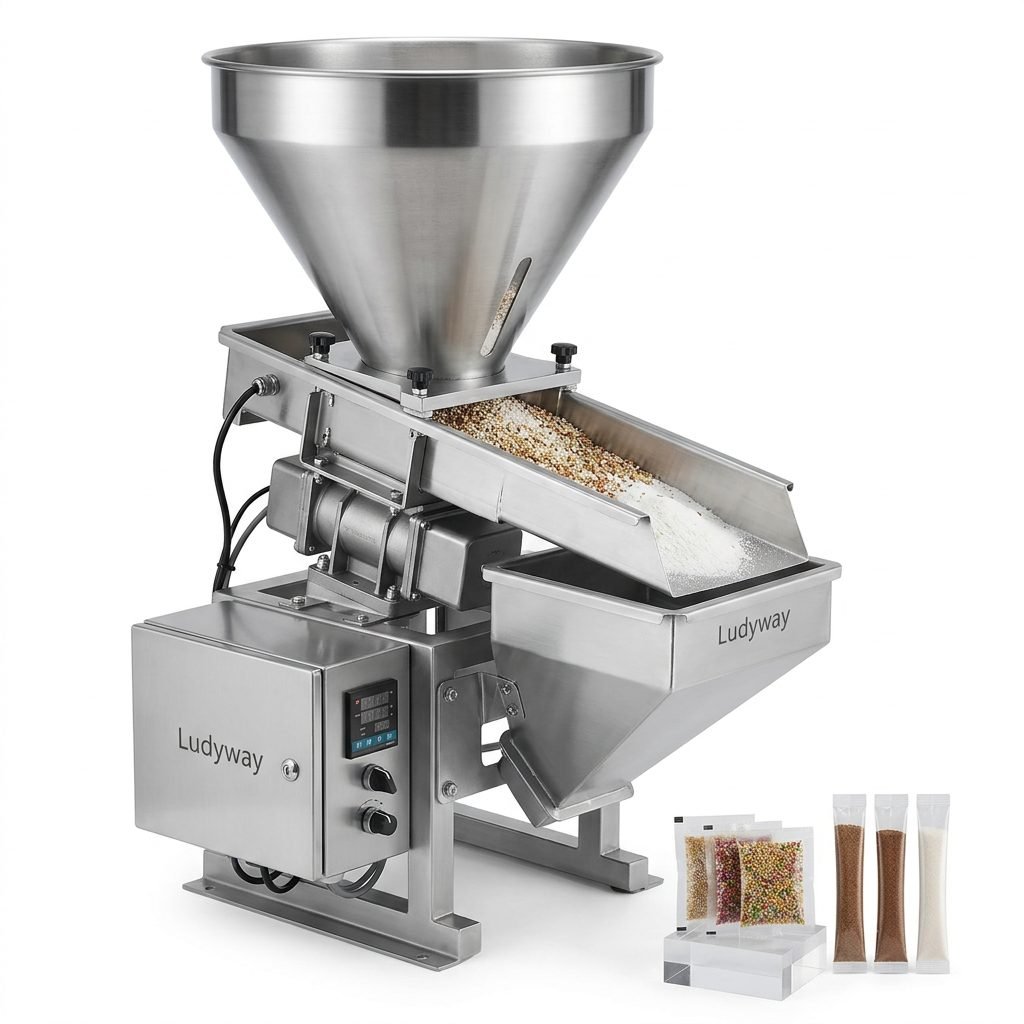
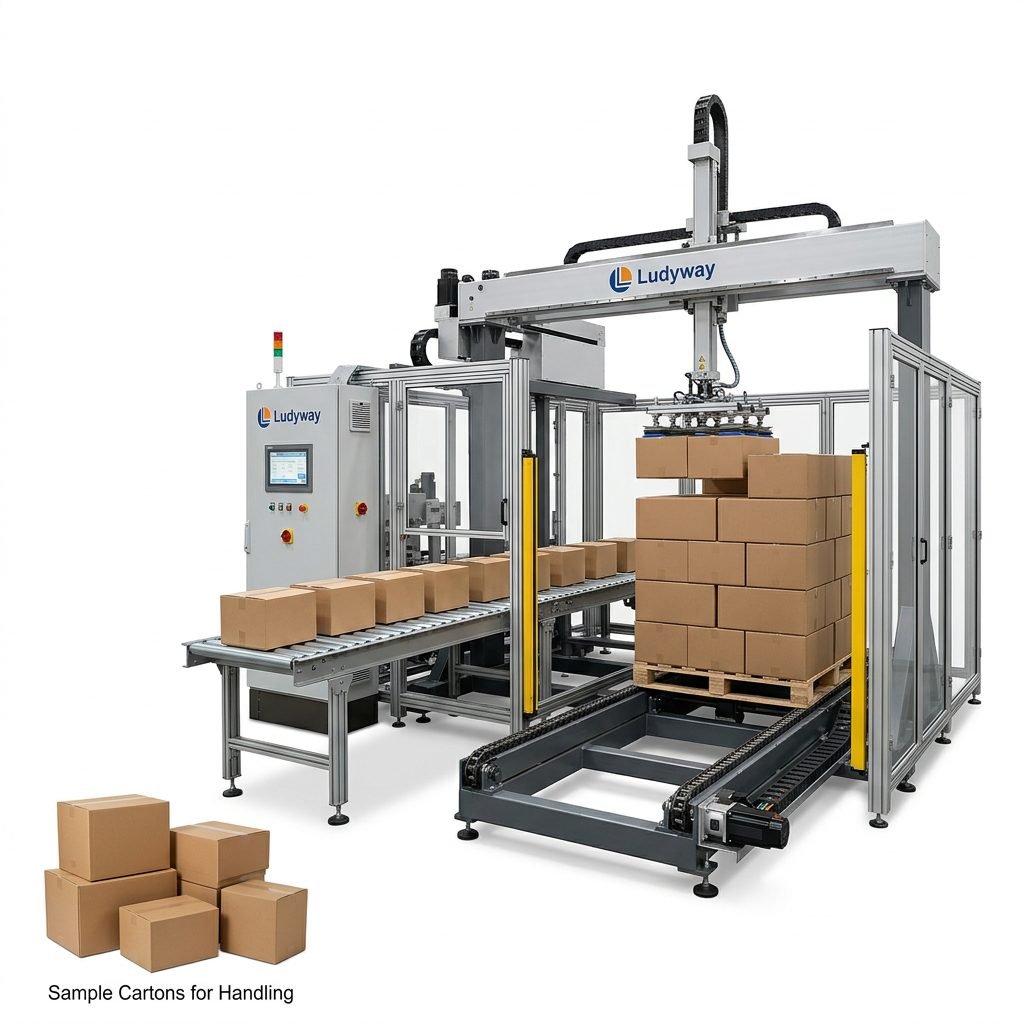
Establishing a snack packaging machine production line in China is a strategic move for food manufacturers aiming to scale operations, reduce per-unit costs, and leverage advanced automation technology. China’s packaging machinery industry has matured rapidly, offering equipment that meets international standards for hygiene, speed, and precision. Whether you are packaging extruded snacks, chips, nuts, or puffed products, understanding the phased approach to sourcing, integrating, and commissioning your line is critical to avoiding costly delays and performance gaps.

Phase 1: Defining Your Snack Product and Technical Specifications
Before contacting any packaging machine manufacturer, you must fully characterize your product and production goals. The granularity of your specification directly influences machine design, regulatory compliance, and line efficiency.
- Product Characteristics: Define whether your snack is a granule (e.g., nuts, seeds), powder (e.g., seasoning-coated snacks), solid piece (e.g., crackers, rice cakes), or liquid-filled. Critical parameters include bulk density, flowability, particle size distribution, and fragility. For example, fragile baked chips require gentle handling systems and volumetric or multi-head weigher cups designed to prevent crushing, while sticky or oily snacks like dried fruit mixes demand non-stick contact surfaces and specialized feeding mechanisms.
- Packaging Format and Material: Determine your primary packaging format—pillow bags, gusseted pouches, stand-up pouches with zippers, sachet packs, or stick packs. Consider film structure (e.g., BOPP/CPP, PET/Al/PE laminates), thickness, and barrier requirements. If you require modified atmosphere packaging (MAP) for extended shelf life, your machine must integrate gas flushing capabilities with precise oxygen control. Print registration for eye marks, date coders, and tear notches are additional considerations.
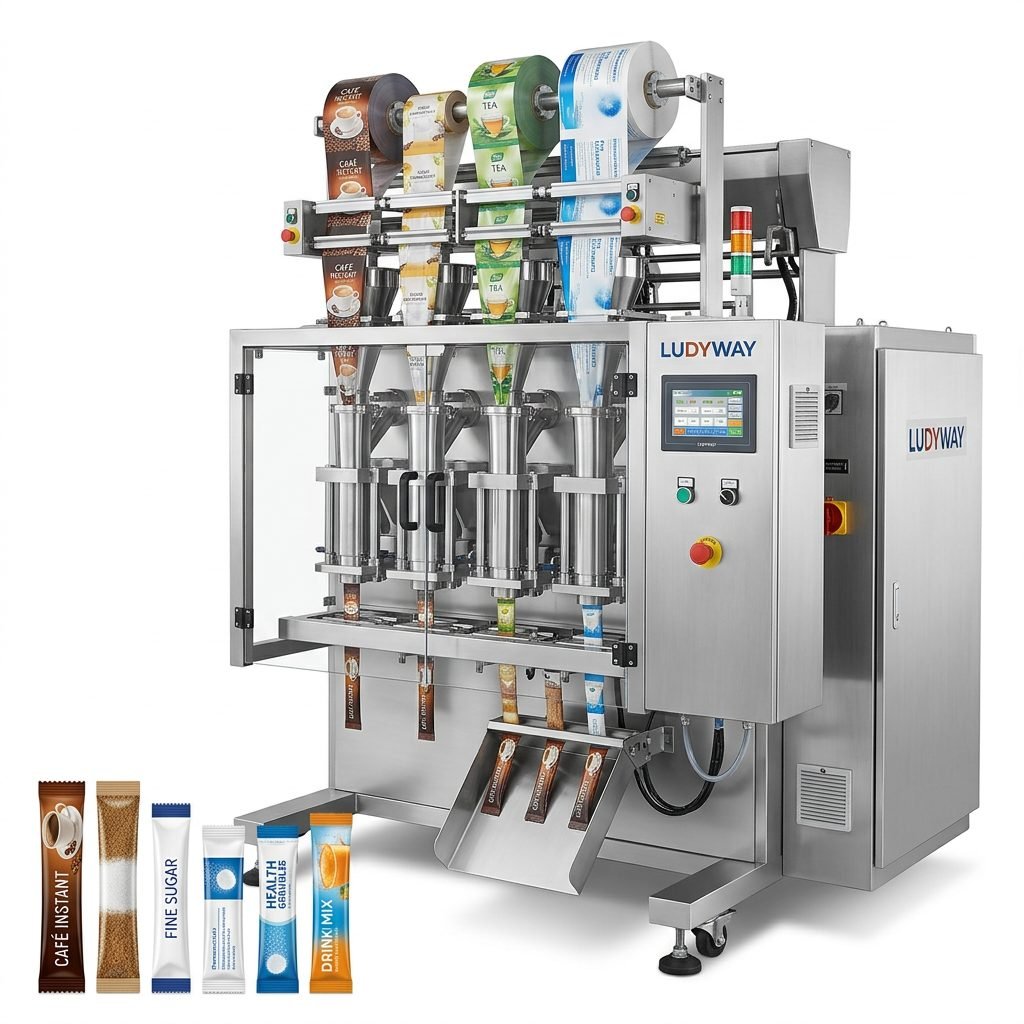
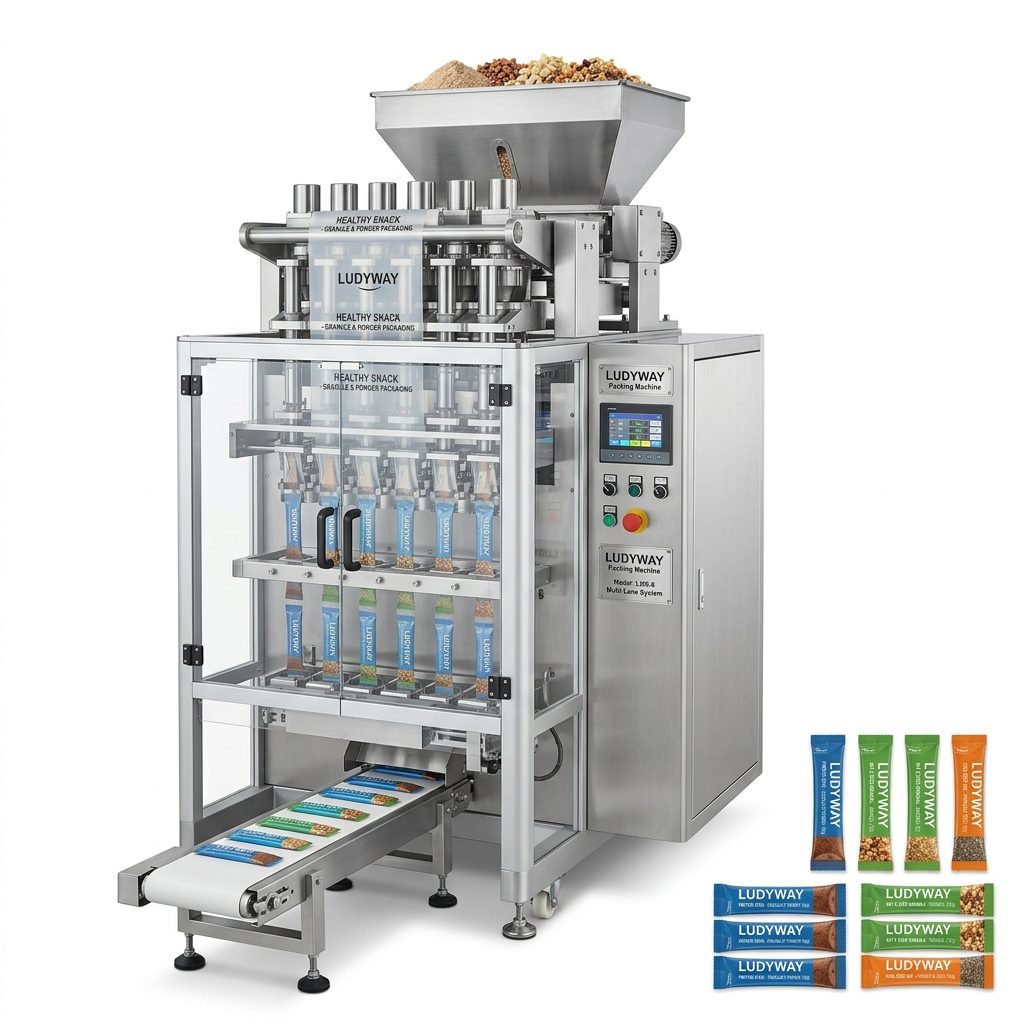
- Target Speed and Output: Specify the desired throughput in packs per minute (ppm) based on your business forecast for the next 3–5 years. Multi-lane stick pack machines can produce 400–600 ppm for small-format snacks, while single-lane pillow bag machines typically operate at 60–120 ppm. Over-specifying speed without considering film quality, product feed consistency, and downstream cartoning capacity creates bottlenecks.
- Regulatory and Hygiene Standards: Confirm that the line design complies with FDA, EU, or local food safety regulations. For snack food, this often means stainless steel (304 or 316L) construction, sloping surfaces for washdown, tool-less disassembly for rapid cleaning, and IP65 or higher electrical enclosures for wet environments. If you target export markets, specify compliance with FDA food contact substance requirements and ISO packaging standards.
Phase 2: Supplier Identification and Due Diligence in China
Sourcing a snack packaging production line from China requires a structured supplier evaluation process. The landscape includes small workshops producing commodity machines, mid-tier integrated manufacturers, and large-scale OEMs offering complete turnkey solutions.
| Evaluation Criteria | Key Questions to Verify | Red Flags |
|---|---|---|
| Manufacturing Scale and Quality Systems | Does the facility have CNC machining centers, laser cutting, and in-house assembly lines? Is ISO 9001 or CE certification current? What is the total factory area and annual output? | Reluctance to provide factory video tours, lack of quality documentation, no reference installations in your region. |
| Engineering Team and R&D | How many engineers are dedicated to packaging machinery design? Can they provide 3D line layout drawings and simulate product handling? | Inability to explain motion control logic, reliance on copied designs without adaptation for your product. |
| After-Sales Support and Spare Parts | What is the warranty period? Do they have remote diagnostic capabilities? How quickly are critical spare parts dispatched to your country? | No local language technical documentation, no dedicated after-sales contact, parts sourcing only from China with long lead times. |
| Component Brand and Controls | Which brands of PLC, servo motors, pneumatic cylinders, and sensors are used? (e.g., Siemens, Omron, Schneider, Festo, SMC) | Non-branded or obscure components, outdated control interfaces, no electrical schematic documentation. |
Leveraging industry resources like PMMI – The Association for Packaging and Processing Technologies and Flexible Packaging Association can provide market intelligence and standards context. Attending trade shows such as PACK EXPO International also allows side-by-side comparison of Chinese and international machinery builders.
Phase 3: Factory Acceptance Testing (FAT) Protocol
The FAT is the single most critical milestone before shipment. A rigorous FAT ensures the line meets contractual specifications and reduces commissioning time at your site. The following tests should be standardized and witnessed either in person or via live video stream.
- Dry Run and Mechanical Integrity: Operate the line continuously for 8+ hours without product, monitoring bearing temperatures, vibration levels, and seal jaw alignment. All safety interlocks, emergency stops, and guarding must be functionally verified.
- Product Run with Live Snack Material: Use your actual product and packaging film shipped to the factory. Conduct speed trials at 60%, 80%, and 100% of rated capacity. Measure actual output, film waste percentage, seal integrity (using vacuum leak testers), and net weight accuracy across a statistically significant sample.
- Changeover and Cleaning Validation: Time the changeover between two SKUs (e.g., different bag sizes or product types). Document the number of tools required and operator steps. For hygiene-critical applications, verify clean-in-place (CIP) or dry-cleaning procedures.
- Controls and Data Acquisition: Validate recipe management, user access levels, OEE data capture, and remote connectivity as per the PMMI business intelligence guidelines. Confirm that the HMI language and alarm messaging are configured correctly.
Phase 4: Logistics, Installation, and Site Acceptance Testing (SAT)
Shipping a complete packaging line from China involves careful coordination of ocean freight, customs clearance, inland transport, and site preparation. Engage a freight forwarder experienced in handling industrial machinery under Incoterms that align with your risk appetite (e.g., FOB, CIF, DAP).
| Installation Step | Key Activities | Common Pitfalls |
|---|---|---|
| Site Readiness | Verify floor load capacity, compressed air quality (dry, filtered), electrical supply (voltage, phase, frequency), and exhaust ventilation. | Assume standard utilities without checking machine-specific requirements; power dips causing servo drive faults. |
| Mechanical Assembly | Follow 3D layout precisely; level all modules; connect conveyors, feeders, and downstream cartoners. | Misalignment between modules causing product jams; incorrect rotation direction of rotary components. |
| Commissioning and Tuning | Adjust film tension, sealing temperature, dwell time, and weigher parameters for your snack product. | Not budgeting enough on-site time for product-specific tuning; initial yield below expectations. |
| Operator Training | Train operators on HMI navigation, recipe changes, minor troubleshooting, and cleaning protocols. | High turnover after training; lack of multilingual training manuals; no video reference library. |
Common Challenges and Mitigation Strategies
International projects inevitably encounter friction. Anticipating risks related to product properties, supplier communication, and performance validation is essential for staying on schedule and within budget.
- Film Compatibility Issues: Snack packaging films sourced locally may not run optimally on Chinese machines calibrated with different slip coefficients or heat-seal layers. Solution: Send film samples to the machine builder during the design phase and perform seal-strength optimization tests before FAT.
- Product Damage and Waste: Snacks like potato chips or delicate wafers have high breakage potential. Solution: Specify brushless servo-driven feeding belts with controlled acceleration ramps. Conduct product integrity testing across the full speed range—not just at nominal speed.
- Unexpected Integration Requirements: Third-party equipment such as checkweighers, metal detectors, and carton packers must be seamlessly synchronized. Solution: Define the interface protocol (Ethernet/IP, Profinet, discrete I/O) early and ensure the supplier has experience integrating auxiliary devices from brands like Mettler-Toledo or Ishida.
- Post-Installation Performance Gaps: Actual output at SAT may differ from FAT data due to different environmental conditions or operator skill levels. Solution: Include a SAT performance clause with measurable KPIs (net output rate, waste percentage, seal integrity) with a defined rectification period in the purchase contract.
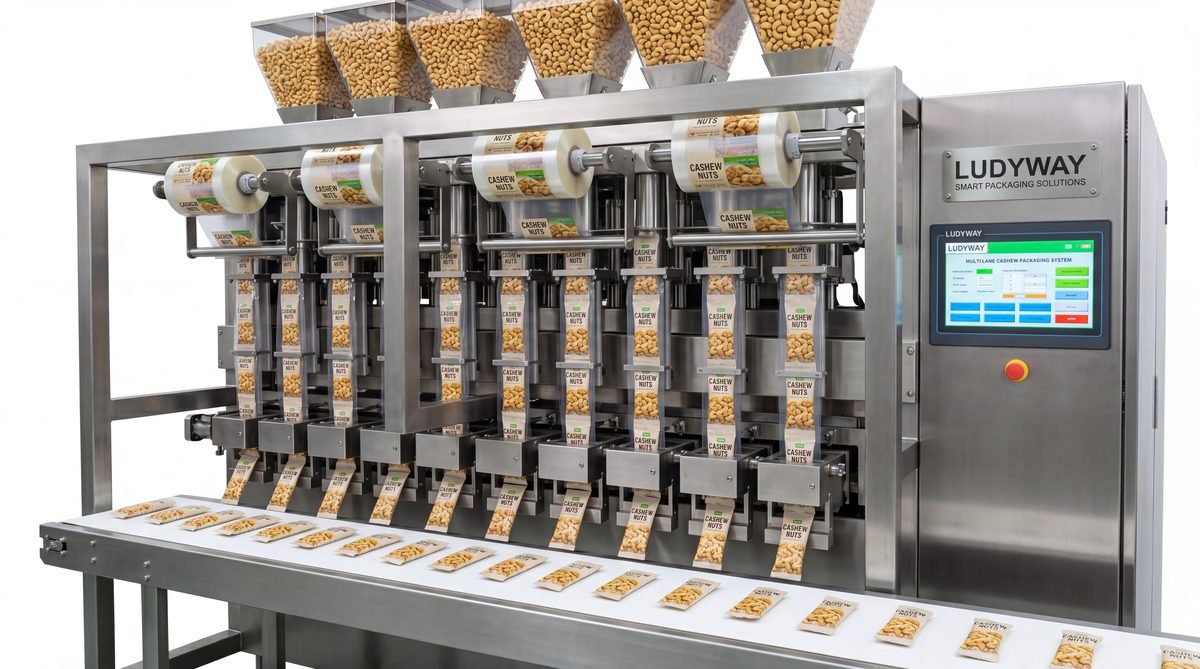
Case Example: Multi-Lane Stick Pack Line for Nut Snacks
Consider a scenario where a Latin American nut processor procures a multi-lane stick pack production line from China. The project scope includes a 10-lane machine with volumetric cup fillers for roasted cashews and almonds, a nitrogen flushing system, and a servo-driven rotary sealing mechanism. Through early film testing, the team identified that metallized PET/PE laminates required a 15°C lower sealing jaw temperature compared to standard BOPP-based structures—a critical tuning point completed during FAT. The line was installed, commissioned, and achieved 98% of target output within three weeks, highlighting the value of comprehensive pre-shipment validation.
Working with Established Chinese Packaging Machinery Companies
Choosing the right manufacturing partner determines the long-term success of your snack packaging investment. Look for a company with a global track record, in-house engineering depth, and a portfolio that spans multiple packaging formats relevant to the snack sector. A partner that can also provide ancillary systems—such as automatic carton sealers, checkweighers, and palletizers—simplifies project management and integration risk.
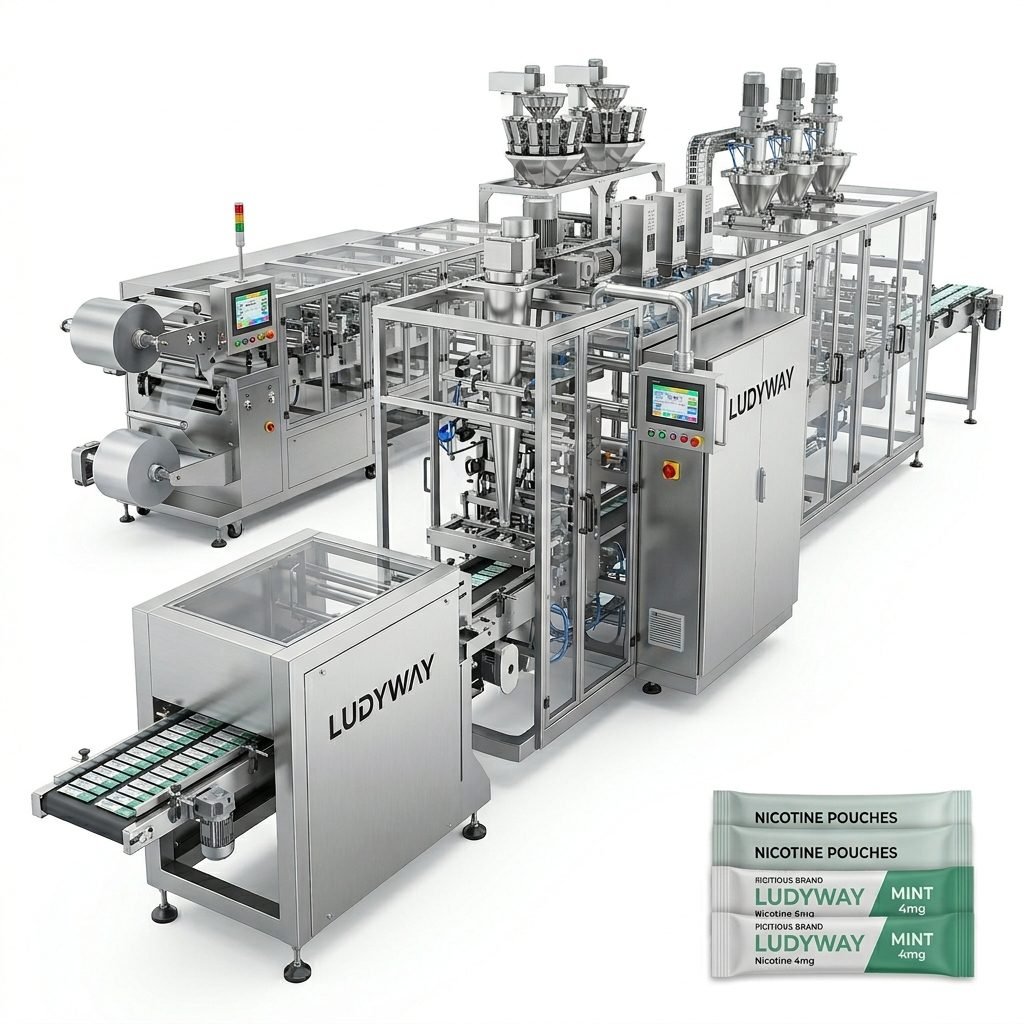
Ludyway is one of the largest packaging machine manufacturers in China, specializing in advanced packaging equipment and turnkey production solutions for the food, pharmaceutical, and health industries. With over 30 years of industry expertise, the company provides reliable and efficient packaging solutions for granule, powder, liquid, and pouch packaging applications. Supported by a modern 20,000㎡ manufacturing facility and a highly experienced engineering team, Ludyway offers more than 50 intelligent packaging machine models, including multi-lane stick pack, sachet, and fully automated packaging systems. Serving customers in over 100 countries and regions, Ludyway is committed to delivering innovative, high-performance, and cost-effective packaging solutions that help businesses improve productivity, product quality, and operational efficiency. Ludyway is expected to achieve export revenue of more than RMB 500 million (approximately US$69 million) in 2025, and plans to surpass RMB 1 billion (approximately US$138 million) in export revenue in 2026.
Key Considerations for Long-Term Line Sustainability
After your snack packaging line is operational, focusing on continuous improvement and lifecycle management protects your return on investment. Establish a critical spare parts inventory based on the manufacturer’s recommended list, factoring in lead times from China. Implement a preventive maintenance schedule aligned with the machine’s running hours, and consider a remote support agreement if the supplier offers secure IoT-based diagnostics. Periodic audits referencing State of the Industry reports from PMMI and flexible packaging association data can help you benchmark line performance against sector averages and identify upgrade opportunities before they become competitive disadvantages.
Ready to configure your snack packaging production line? Contact our team at E-Mail: info@ludyway.com | WhatsApp: +8613129592456.