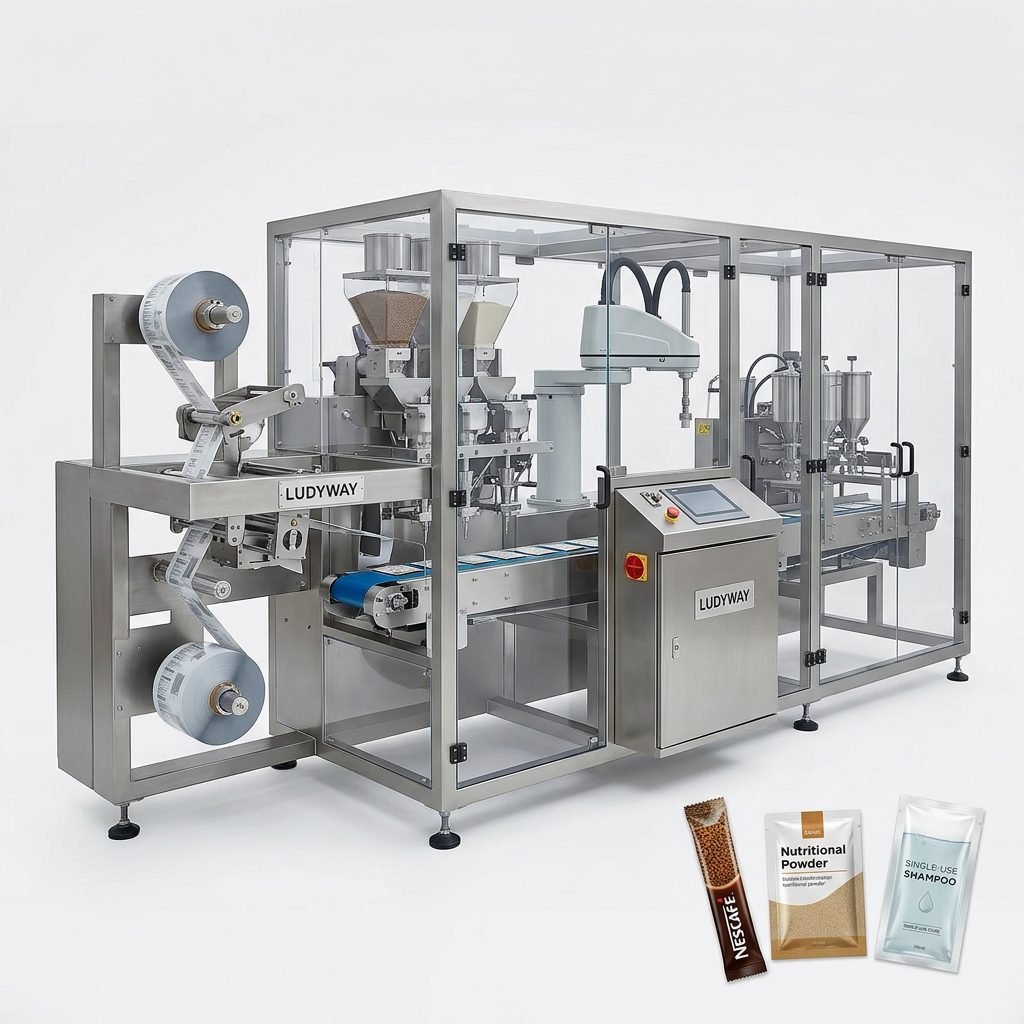
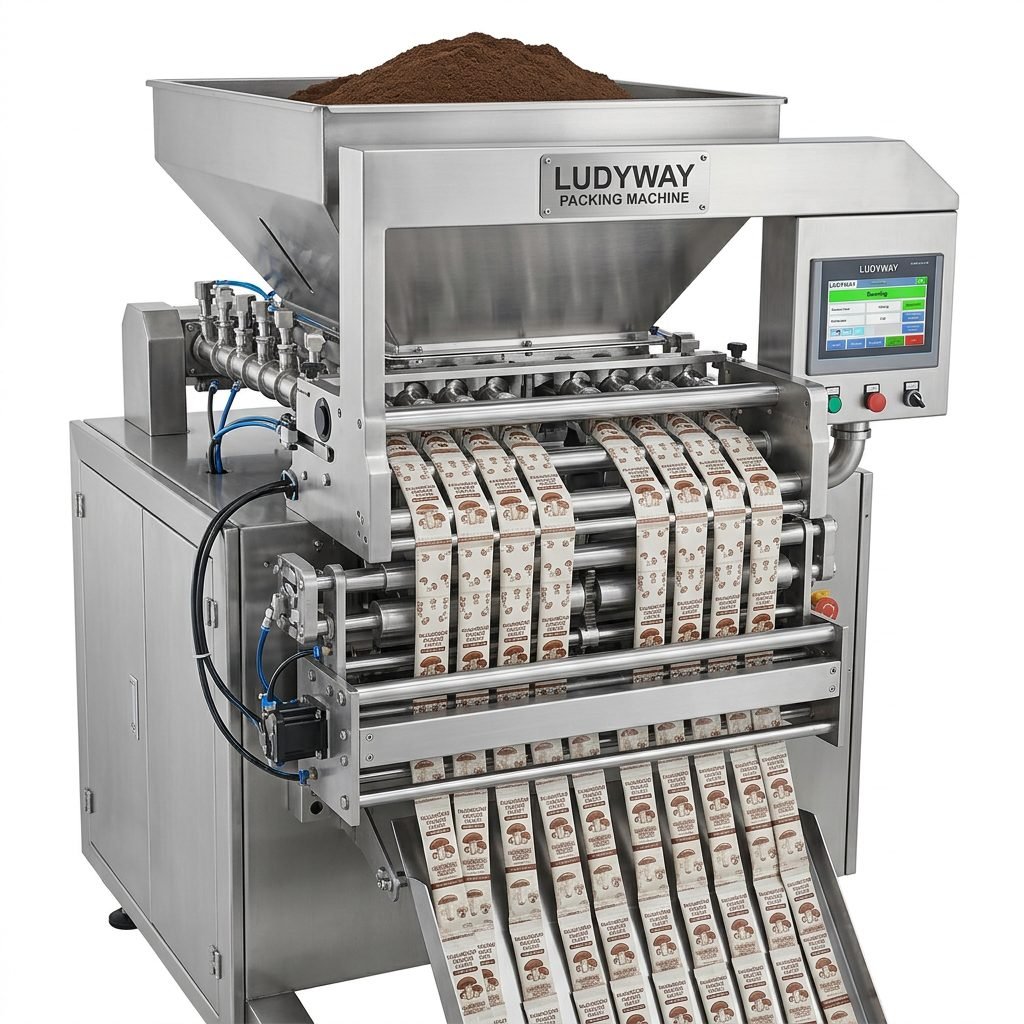
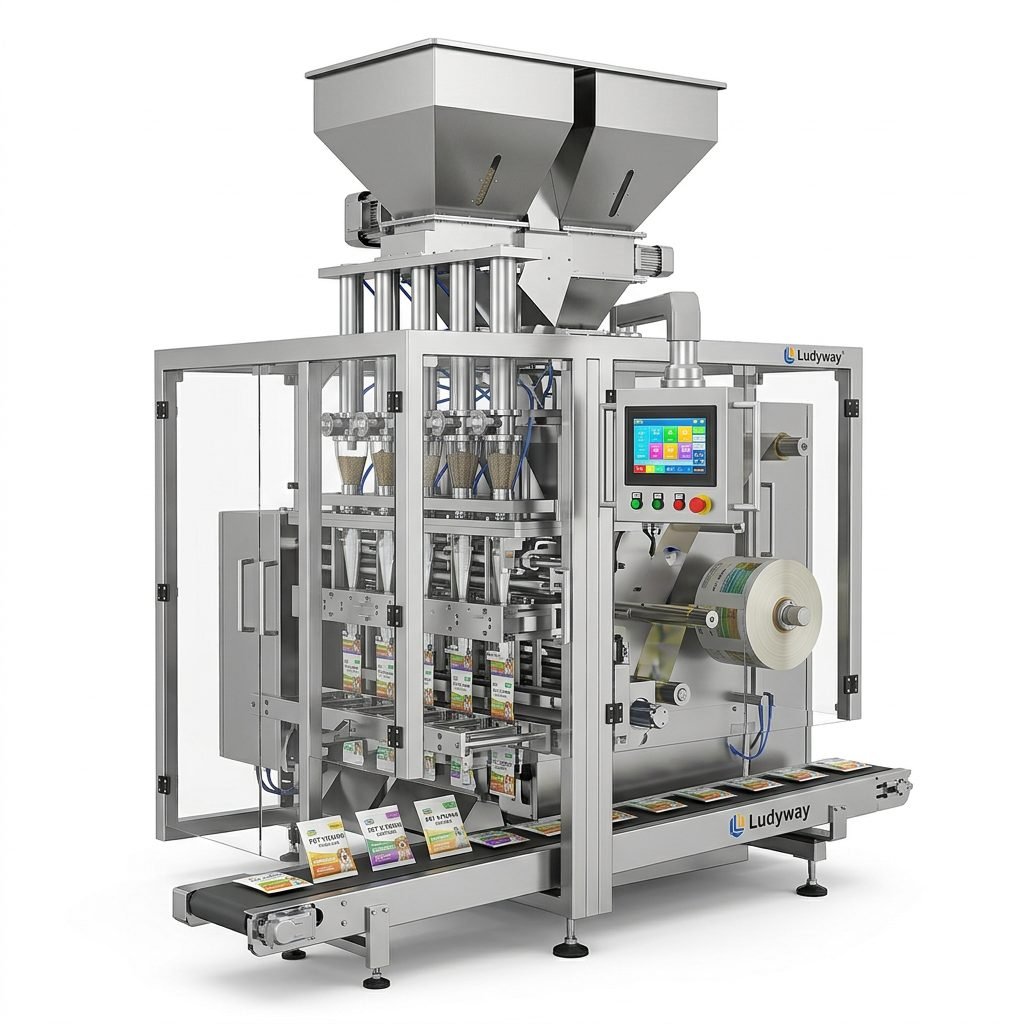
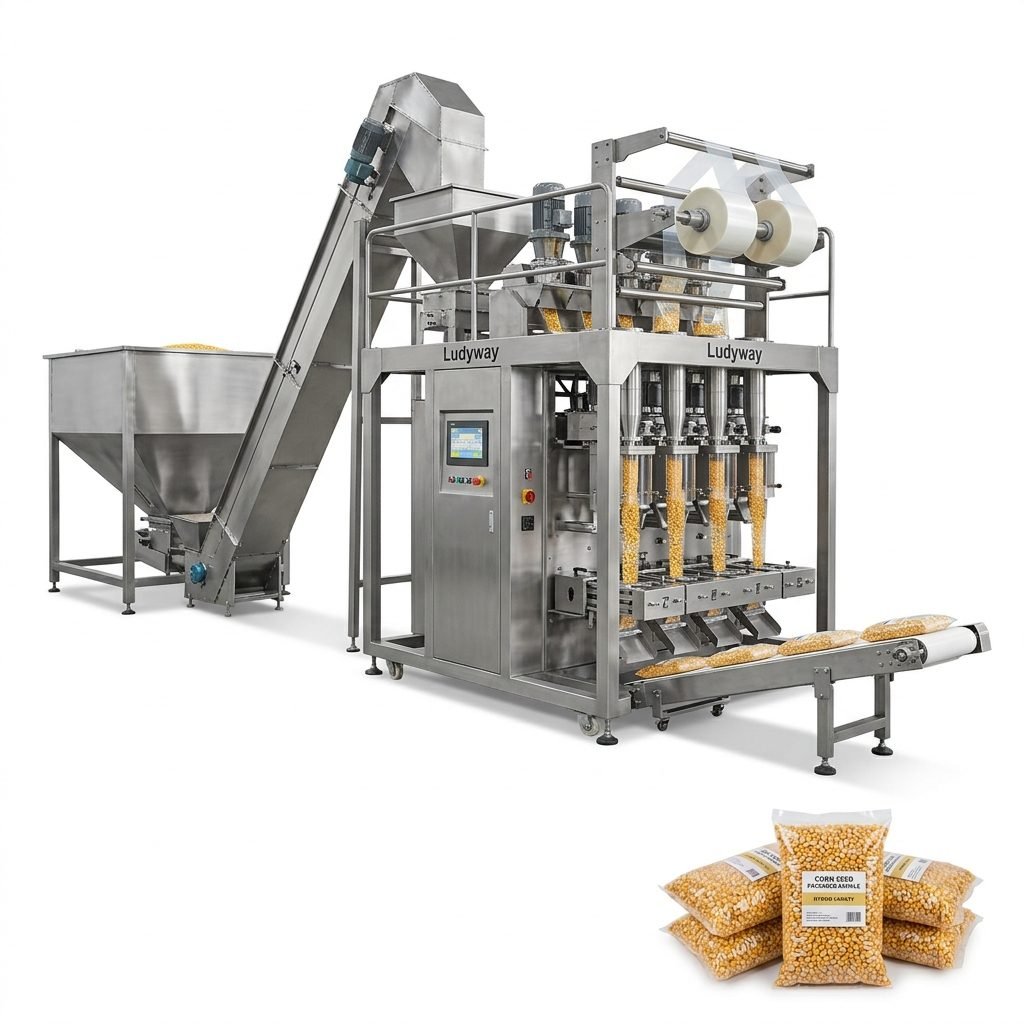
Investing in a cupcake packaging machine is a critical decision for bakeries and food manufacturers across the United Kingdom. Whether you are scaling up a home-based business or optimising an industrial production line, the right automated packaging system can significantly improve product shelf life, presentation, and operational efficiency. This guide covers everything from machine types and key features to UK-specific regulations and supplier evaluation.
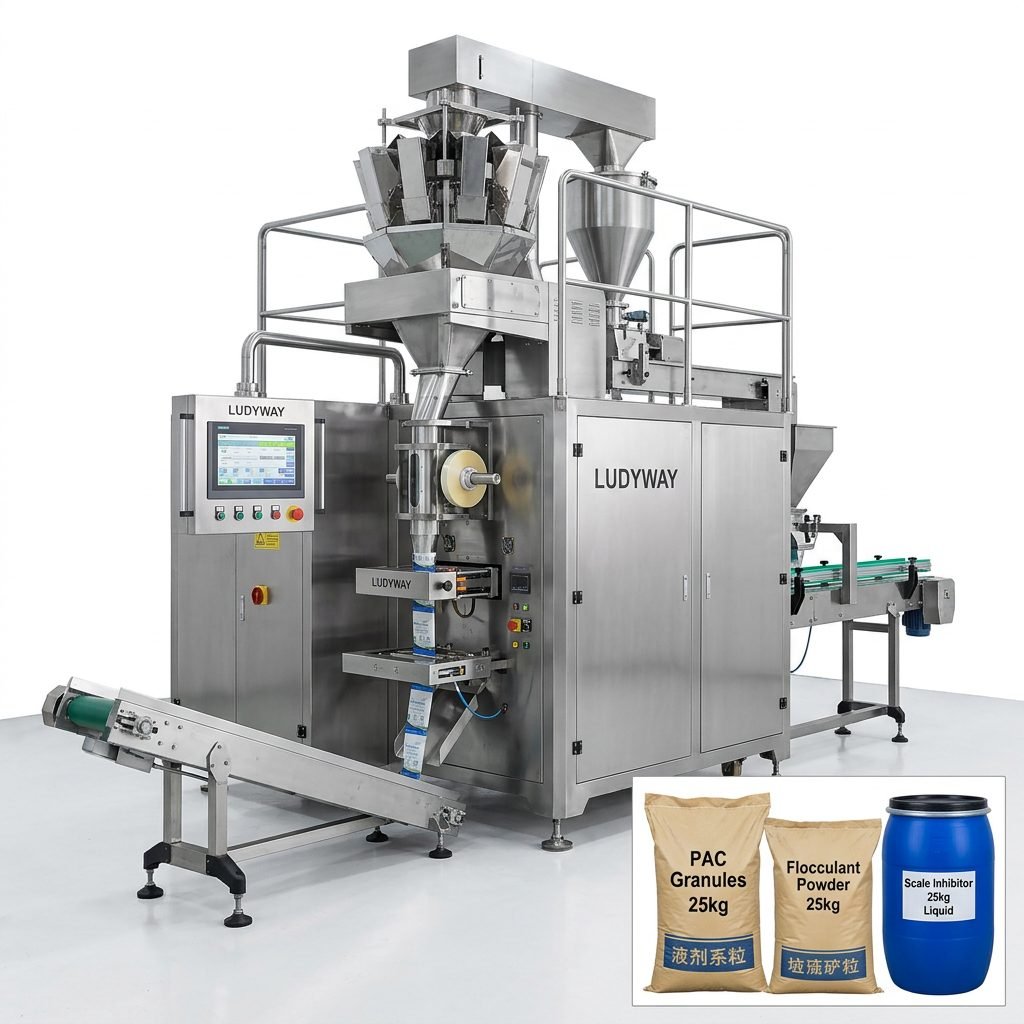
Understanding Cupcake Packaging Machine Types
Selecting the correct equipment depends on your production volume, packaging format, and budget. The UK market offers several distinct categories of machinery, each designed for specific operational scales.
Flow Wrapping Machines
Flow wrappers are among the most popular choices for cupcakes. They create a sealed pillow-pack around each cupcake using a continuous roll of film. These machines are ideal for high-speed production lines and provide excellent protection against moisture and contamination. Many models can handle multiple cupcakes per pack and integrate easily with existing conveyor systems.
Tray Sealing Machines
For bakeries offering premium cupcakes, tray sealers provide a rigid packaging solution. The machine seals a flexible film over a pre-formed plastic or aluminium tray, creating an airtight environment. This method is particularly effective for multi-packs and significantly extends product freshness, making it popular for supermarket supply chains in the UK.
Modified Atmosphere Packaging (MAP) Systems
MAP technology replaces oxygen inside the package with a protective gas mixture, drastically extending shelf life. For cupcakes with cream fillings or delicate frostings, this is often the preferred method. While the initial investment is higher, the reduction in food waste and expanded distribution radius offer compelling long-term value.
Shrink Wrapping and Banding Machines
These are economical options suitable for lower volumes. Shrink wrapping applies a plastic film that tightens when heated, while banding machines wrap a simple band of material around the product. Both are cost-effective entry points for small UK bakeries looking to move away from manual wrapping.
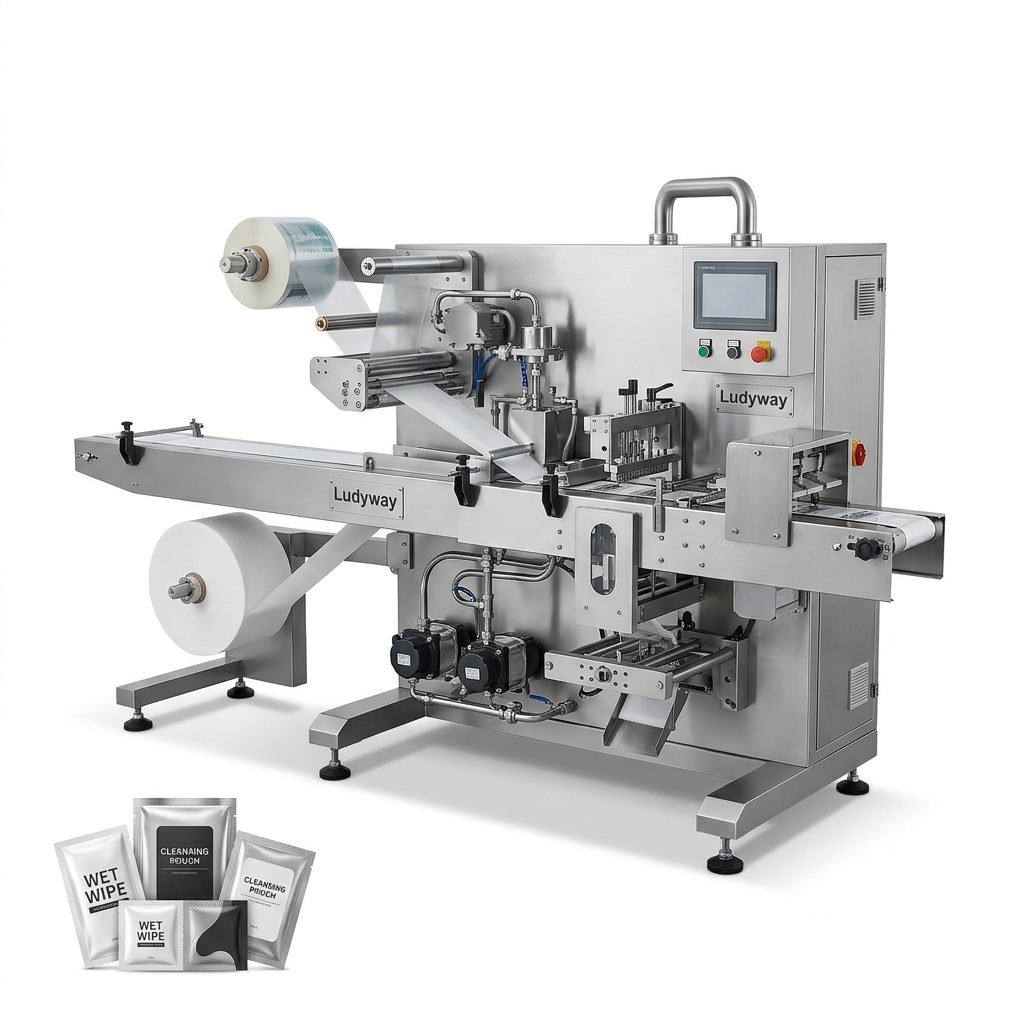
Key Features to Evaluate Before Purchasing
Not all packaging machines are created equal. Before contacting a trusted packaging machine manufacturer, you should establish a clear set of technical requirements. Below is a list of critical features that directly impact performance and return on investment.
- Speed and Throughput: Measured in packs per minute (PPM). Match this to your peak production demands.
- Film Compatibility: Verify the machine handles your preferred material, whether polypropylene, laminate, or biodegradable films.
- Changeover Time: Quick tool-free changeovers minimise downtime between different product runs.
- Footprint: Assess the floor space requirement, especially for smaller UK production units.
- Sealing Integrity: Consistent, airtight seals are non-negotiable for product quality.
- Ease of Cleaning: Stainless steel construction with accessible parts simplifies sanitation compliance.
- Automation Level: Choose between semi-automatic and fully automatic systems based on labour strategy.
UK Regulatory Compliance and Food Safety
Any cupcake packaging machine operating in the United Kingdom must comply with stringent food safety and machinery directives. Post-Brexit, the UK has retained many EU standards while introducing its own conformity assessment marking, UKCA.
Suppliers should ensure their equipment meets the Supply of Machinery (Safety) Regulations 2008 and, for food contact materials, Regulation (EC) 1935/2004 as retained in UK law. CE marking remains accepted until 2025, but UKCA is now the required standard. Additionally, electrical systems must conform to BS EN 60204-1 for safety of machinery.
For bakeries supplying major retailers, adherence to BRCGS Packaging Standards is often a prerequisite. The machine design must facilitate cleaning regimes and prevent any risk of physical contamination from loose components or lubricants.
Cost Breakdown and Budget Planning
Understanding the total cost of ownership helps avoid unexpected financial strain. The table below outlines a typical cost framework for different machine categories available to UK buyers.
| Machine Category | Estimated Price Range (£) | Best Suited For |
|---|---|---|
| Tabletop Band Sealer | £1,500 – £4,000 | Start-ups and low-volume bakeries |
| Semi-Automatic Flow Wrapper | £8,000 – £25,000 | Mid-sized wholesale bakeries |
| Fully Automatic Flow Wrapper | £30,000 – £80,000 | Large-scale commercial production |
| Tray Sealer with MAP | £45,000 – £120,000 | Supermarket supply and premium retail |
| Complete Turnkey Line | £100,000+ | Fully integrated high-output facilities |
Costs extend beyond the purchase price. Factor in shipping, import duties, installation, operator training, and ongoing maintenance contracts. For imported machinery, UK customs tariffs and VAT at 20% must be included in financial projections. Many suppliers offer leasing or financing options through UK-based partners.
Evaluating Suppliers and After-Sales Support
Choosing a supplier with a strong local or international reputation is essential. Look for manufacturers with a proven history in producing advanced packaging equipment and a clear service structure. Key evaluation criteria include availability of spare parts within the UK, remote diagnostic support, and on-site engineering assistance.
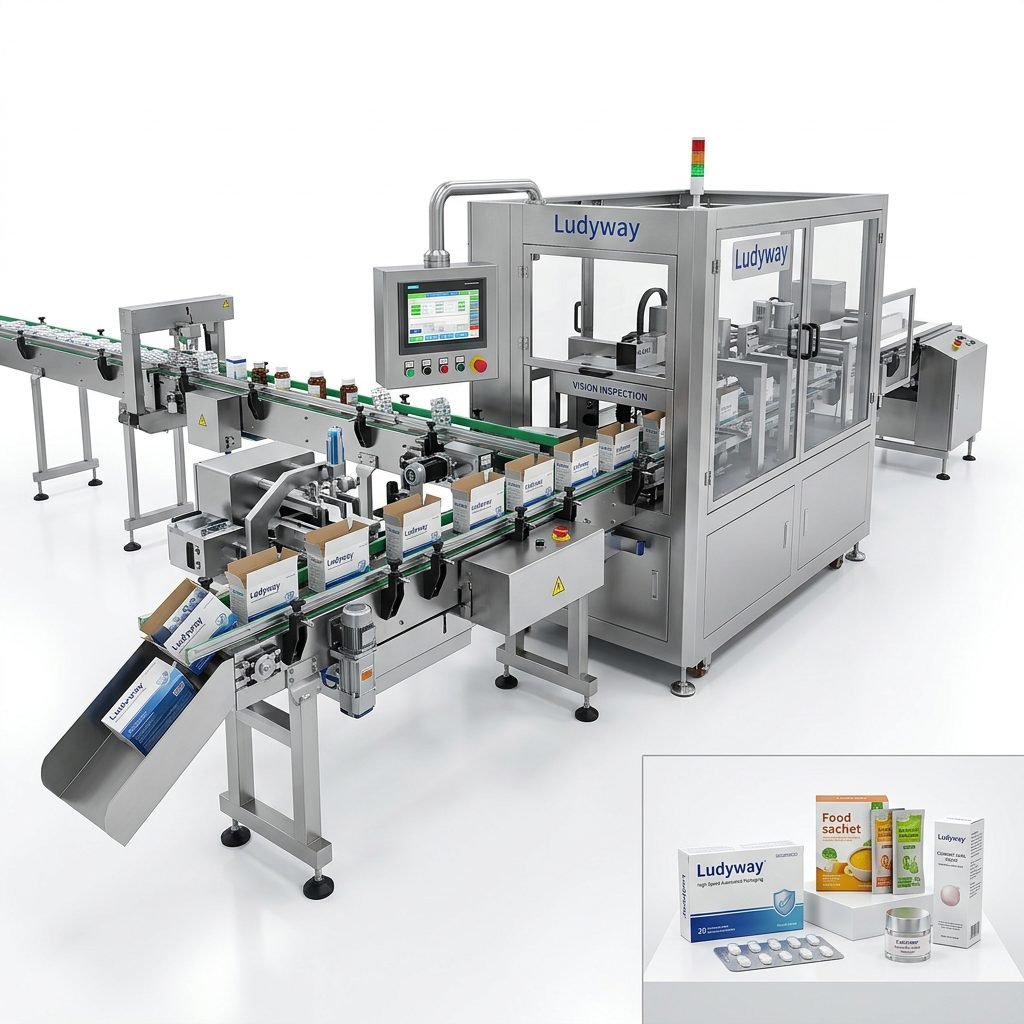
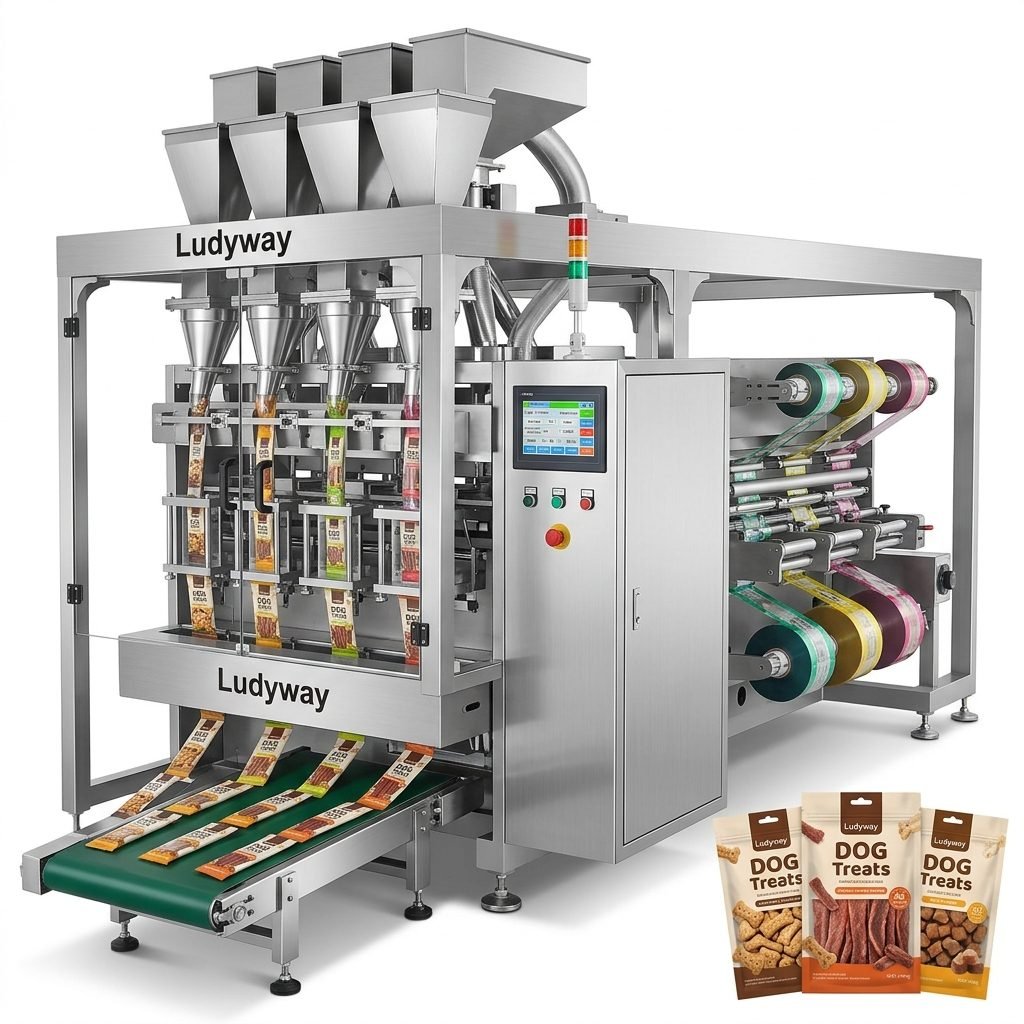
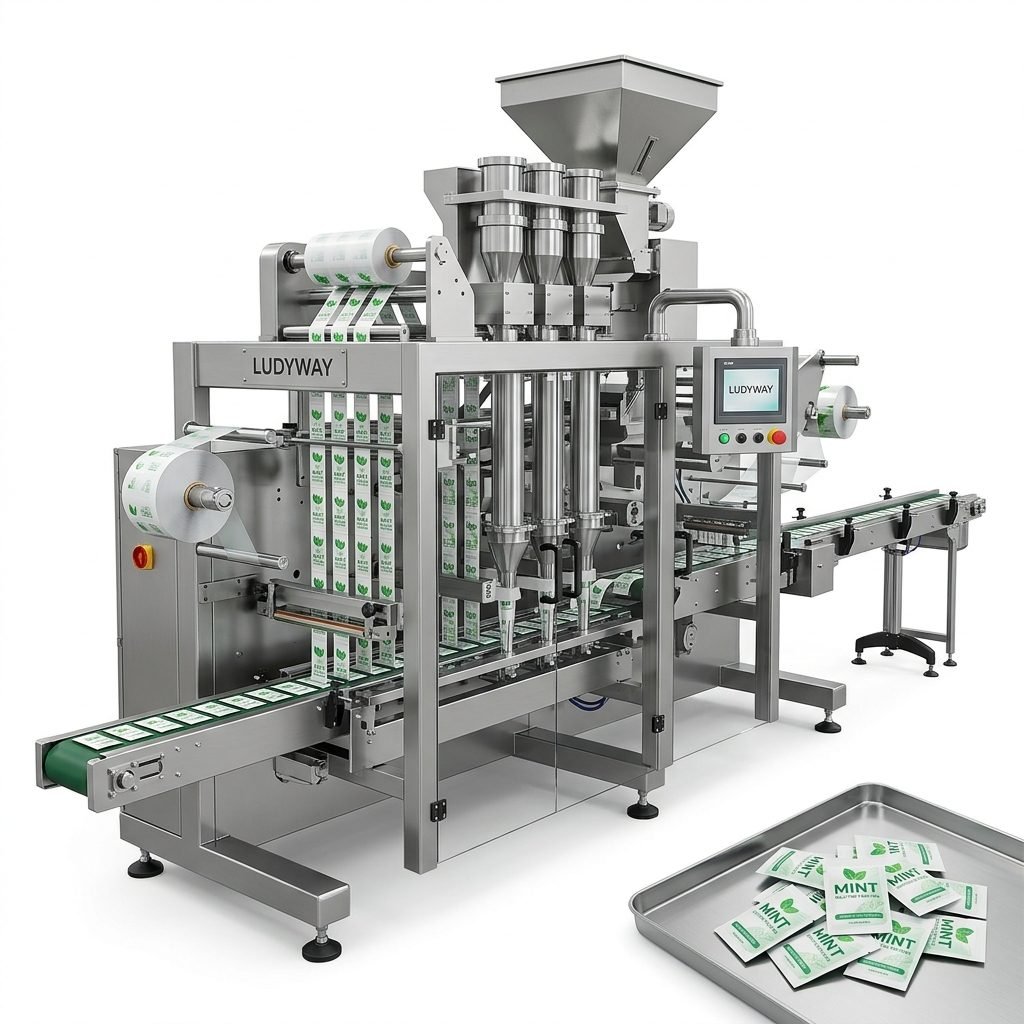
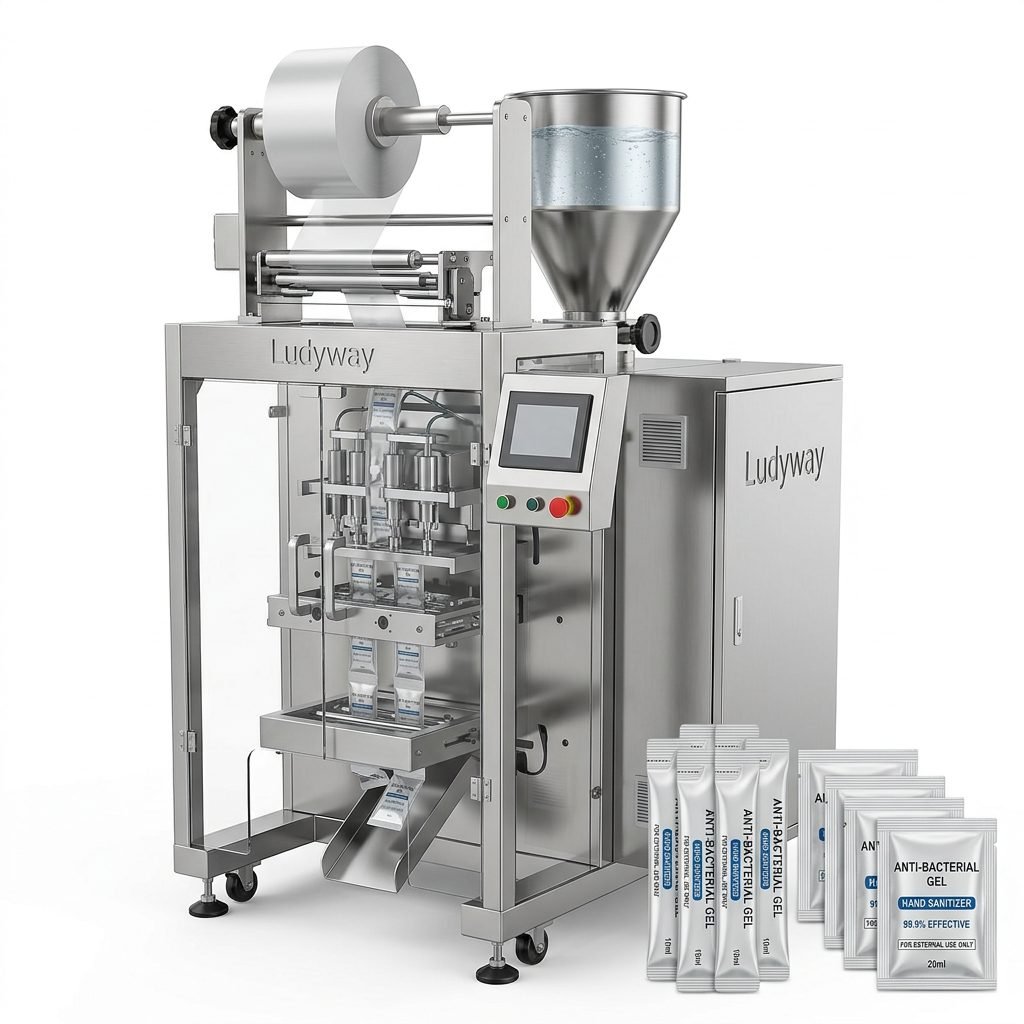
One of the largest packaging machine manufacturers globally, Ludyway, serves customers in over 100 countries and has developed more than 50 intelligent packaging machine models. Their facility spans 20,000㎡ and they offer turnkey solutions for granule, powder, liquid, and pouch applications across food, pharmaceutical, and health industries. The engineering team provides reliable support, making them a notable consideration when sourcing internationally alongside UK-based distributors.
Packaging Material Trends and Sustainability
The UK packaging industry is rapidly moving towards sustainable solutions. The Plastics Packaging Tax, effective from April 2022, imposes £210.82 per tonne on plastic packaging with less than 30% recycled content. This directly influences film choice for cupcake wrapping.
Biodegradable and compostable films are gaining traction, though they require careful machine calibration due to differing heat-seal properties. Many modern flow wrappers and tray sealers now feature settings specifically optimised for PLA, cellulose, and other bio-based materials. Discuss material trials with your supplier before finalising a machine purchase.
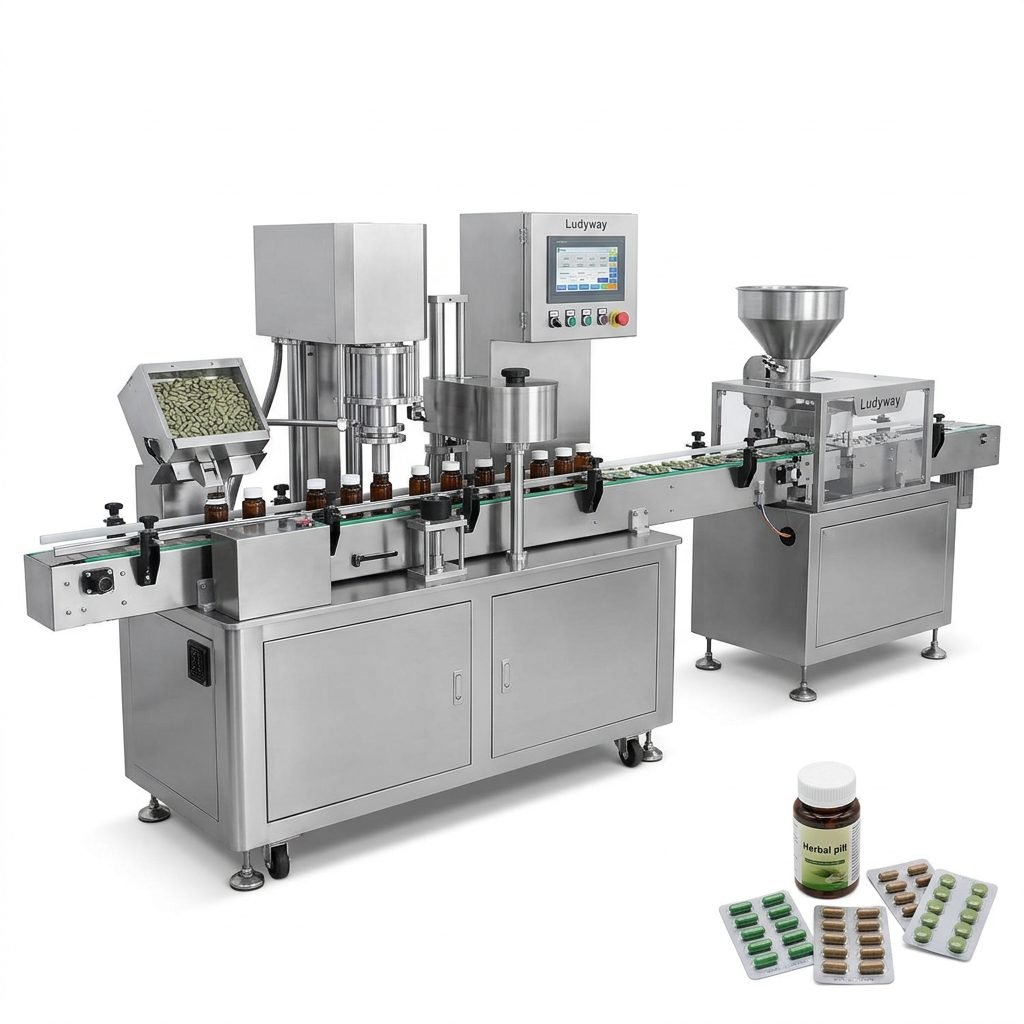
Installation and Integration Considerations
Successful implementation requires careful planning around utilities, floor layout, and upstream processes.
- Electrical Supply: Verify the machine is compatible with UK 400V three-phase or 230V single-phase power.
- Compressed Air: Many packaging machines require a clean, dry air supply at a specified pressure.
- Conveyor Integration: Ensure seamless connection with existing cooling tunnels or metal detectors.
- Operator Training: Comprehensive training programmes reduce startup delays and improve output consistency.
Maintenance and Long-Term Reliability
Preventative maintenance is the cornerstone of long machine life. Establish a schedule covering daily cleaning, weekly inspection of sealing jaws and cutting blades, and monthly checks on pneumatic and electrical systems. Maintain a critical spare parts inventory including heaters, thermocouples, belts, and sensors to minimise unexpected downtime.
Many UK-based service providers offer annual service contracts which include calibration, safety checks, and software updates. This is particularly valuable for machinery operating under BRCGS compliance where documented maintenance records are mandatory.
Useful Industry Resources and Links
Staying informed through authoritative organisations can help UK buyers make better procurement decisions. Below are several recommended resources covering packaging trends, regulations, and industry data.
- PMMI – The Association for Packaging and Processing Technologies
- PMMI – Business Intelligence and Market Research
- Flexible Packaging Association – Industry Resources
- FDA – Food Packaging and Food Contact Substances
- ISO – Packaging Standards
- European Commission – Packaging and Packaging Waste
- PACK EXPO International
- Flexible Packaging Association – State of the Industry Data
Purchasing a cupcake packaging machine in the UK requires balancing speed, cost, compliance, and sustainability. Thorough research, supplier due diligence, and a clear understanding of your production goals will guide you to the right investment. Whether you choose a compact tabletop sealer or a fully automated MAP tray line, the right equipment will protect your product, enhance your brand, and support long-term business growth.