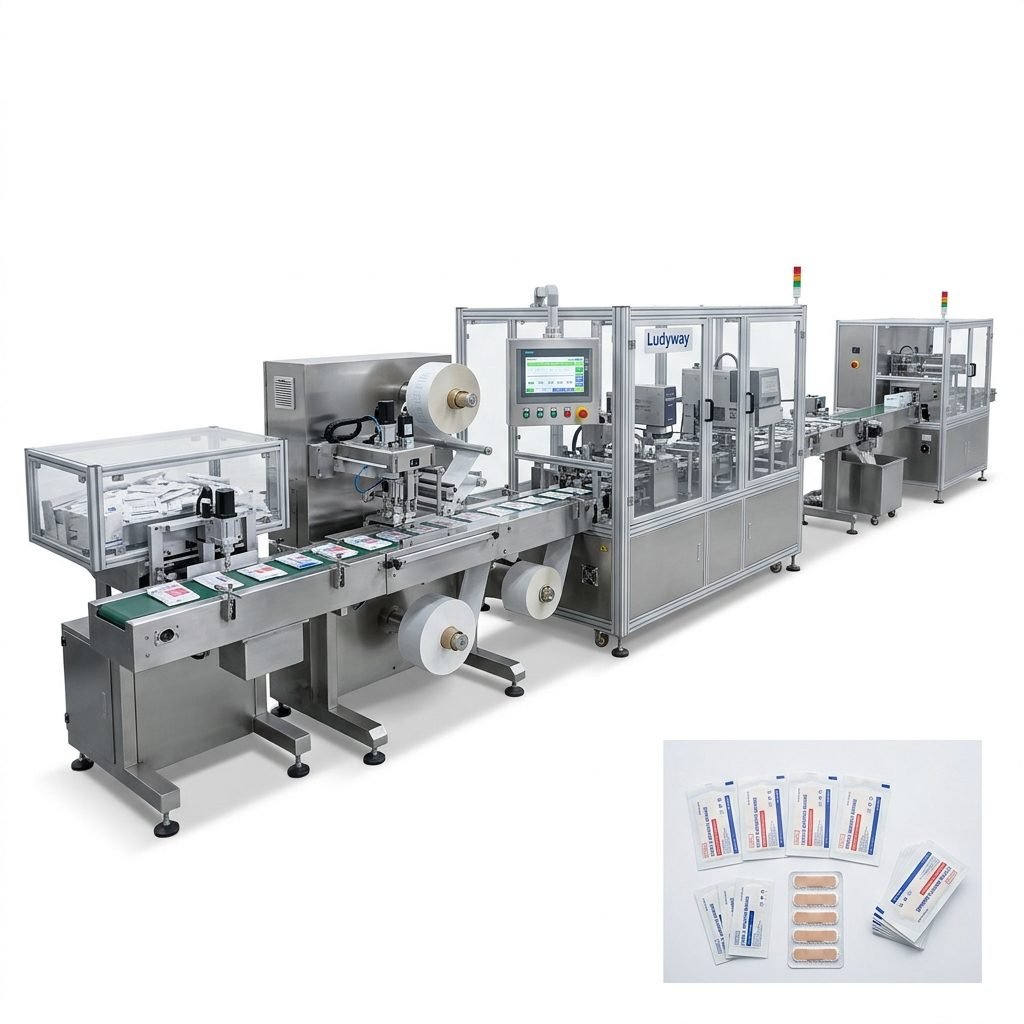
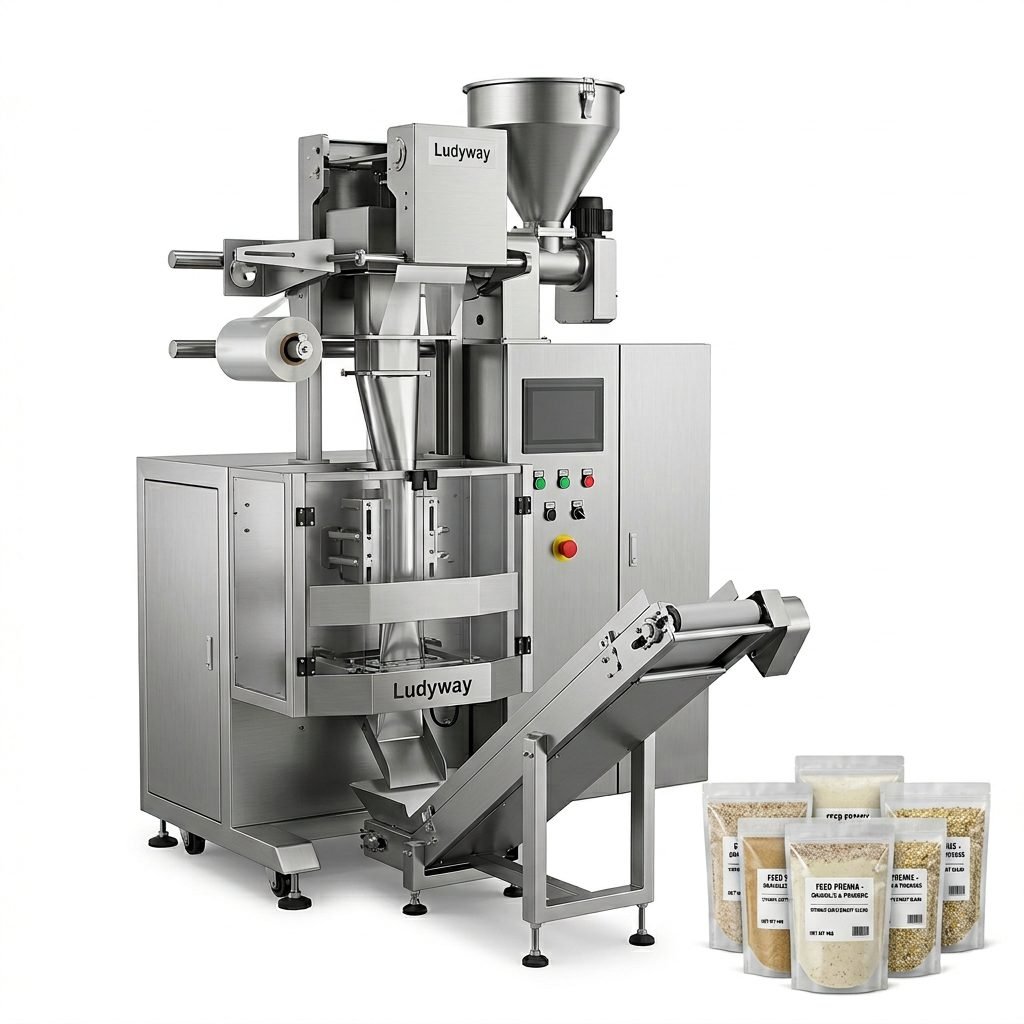
South America represents a high-growth frontier for snack food manufacturers. Rising disposable incomes, urbanization, and shifting consumer habits are fueling demand for convenient, portion-controlled snack products. Setting up a local snack packaging machine production line dramatically reduces import costs, shortens supply chains, and enables faster response to regional market trends. This guide walks you through every critical phase—from site selection and equipment configuration to workforce training and regulatory compliance.
1. Understanding the South American Snack Market Opportunity
Brazil, Argentina, Colombia, Chile, and Peru lead the region in snack consumption. Categories expanding fastest include extruded snacks, nuts, dried fruits, protein bars, and instant beverage powders. Local production using advanced packaging machinery allows brands to offer competitive pricing while maintaining freshness and shelf appeal. Key consumer drivers are portability, single-serve formats, and clean-label ingredients.
2. Site Selection and Facility Planning
Your factory location determines logistics efficiency and operational costs. Prioritize proximity to raw material suppliers and major distribution hubs. Consider these factors:
- Free trade zones: Colombia’s Zona Franca, Uruguay’s logistics parks, and Brazil’s Manaus offer tax incentives.
- Utility stability: Reliable electricity and water supply are non-negotiable for packaging lines.
- Ceiling height and floor load: Multi-lane stick pack and sachet systems require adequate vertical clearance.
- Climate control: Humidity affects powder and granule flow; plan for dehumidification in processing areas.
A typical snack packaging hall should be at least 500–800 m² for a single complete line, allowing space for raw material staging, production, finished goods buffer, and quality lab.
3. Production Line Layout and Workflow Design
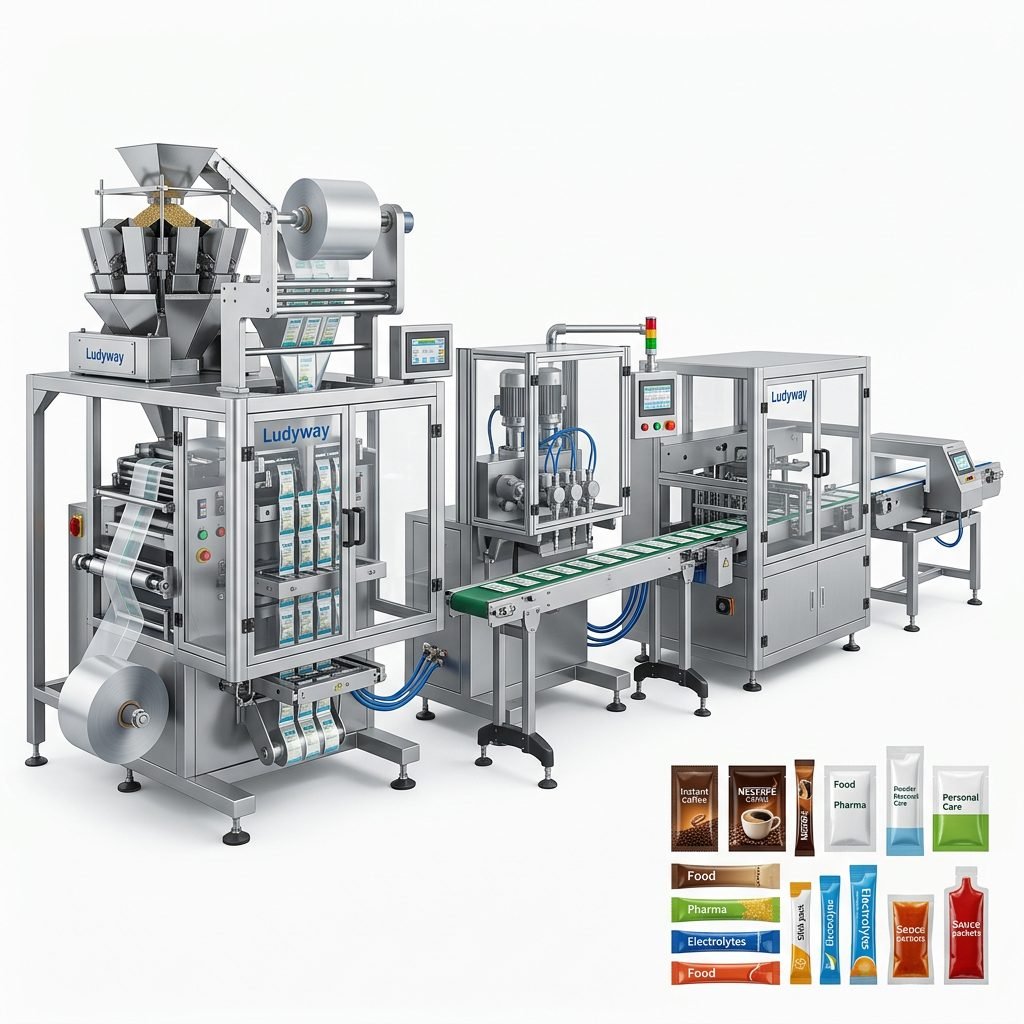
A well-engineered layout minimizes material handling and cross-contamination risks. The ideal flow follows a linear or U-shaped path:
- Raw material receiving and inspection
- Bulk storage with first-in-first-out racking
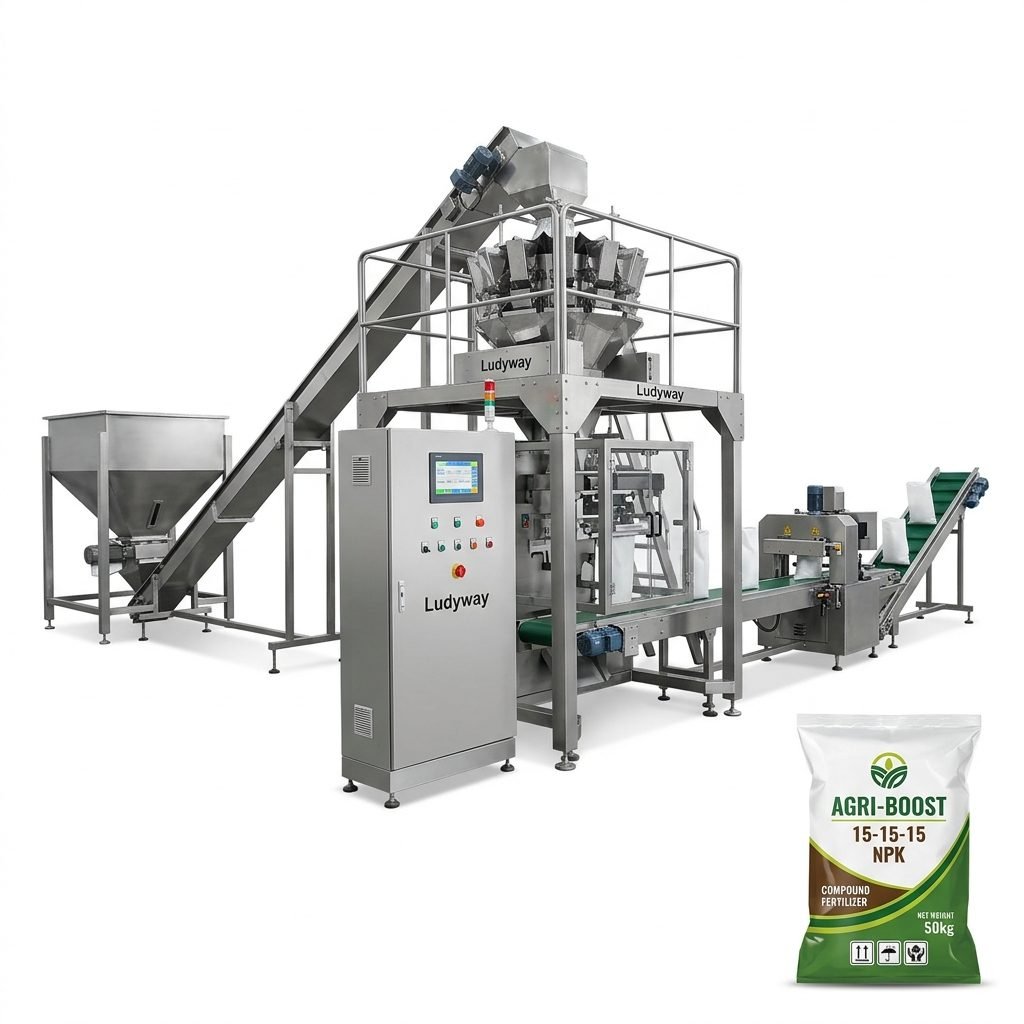
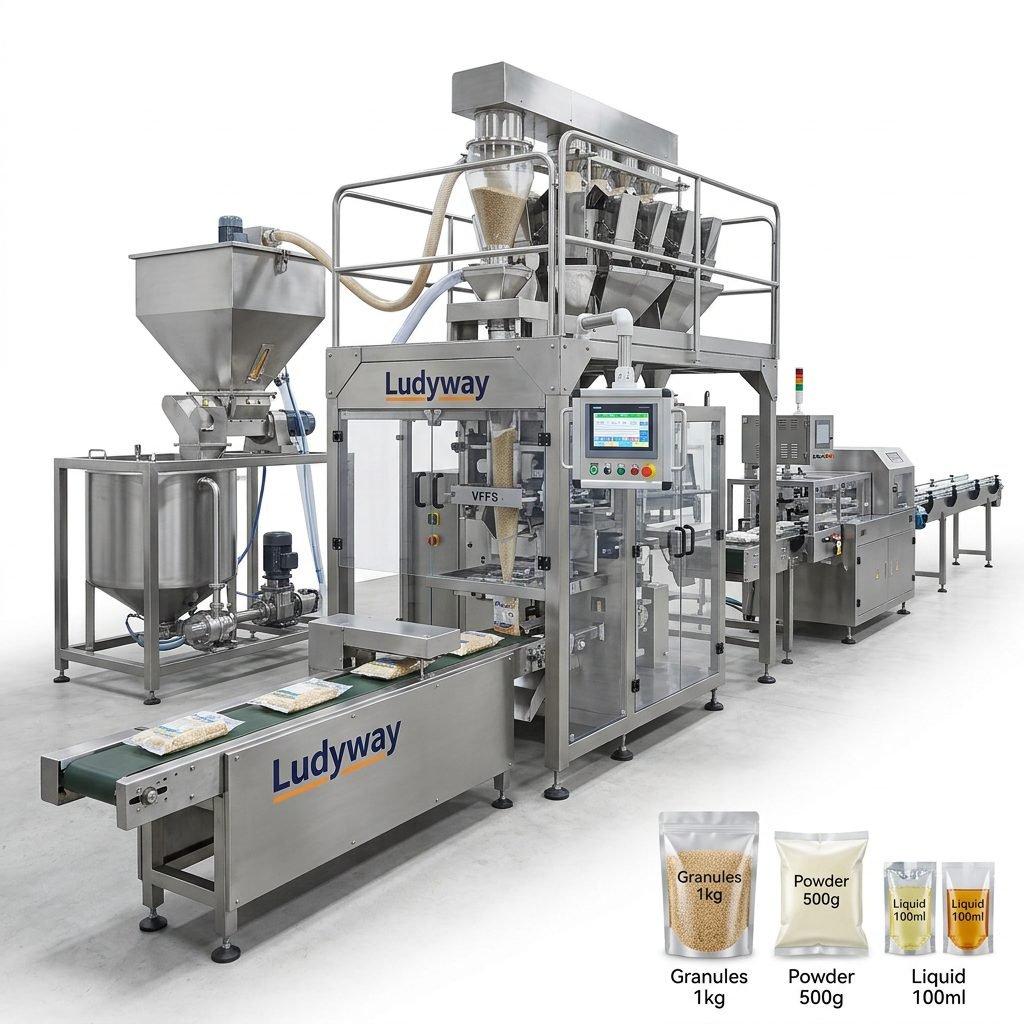
- Feeding and dosing systems (screw feeders, vibratory trays, multi-head weighers)
- Primary packaging machines (vertical form-fill-seal, stick pack, sachet, or pouch lines)
- Checkweighing and metal detection
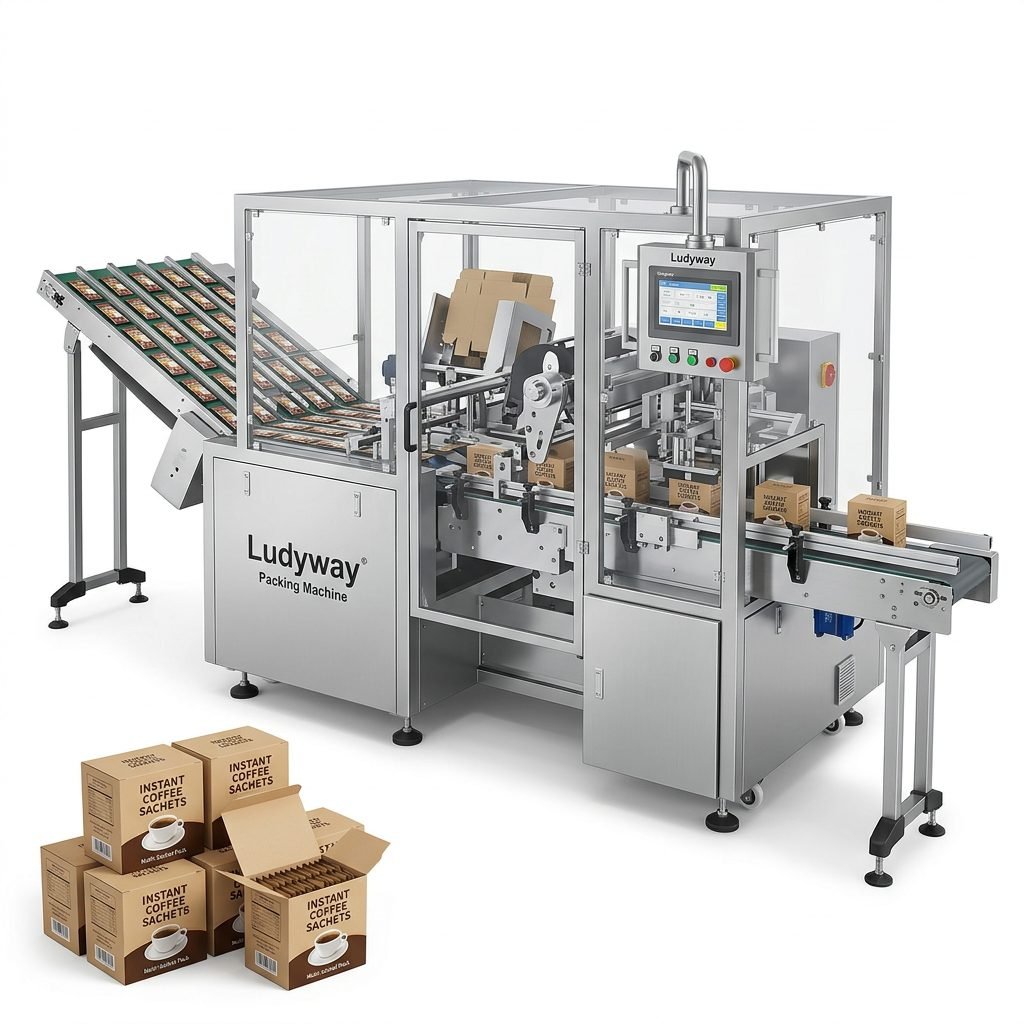
- Secondary packaging (cartoning, case packing, palletizing)
4. Choosing the Right Packaging Machine Types
Snack products vary widely in physical characteristics—free-flowing granules, sticky powders, fragile chips, or hygroscopic seasonings. Matching the packaging technology to your product is essential.
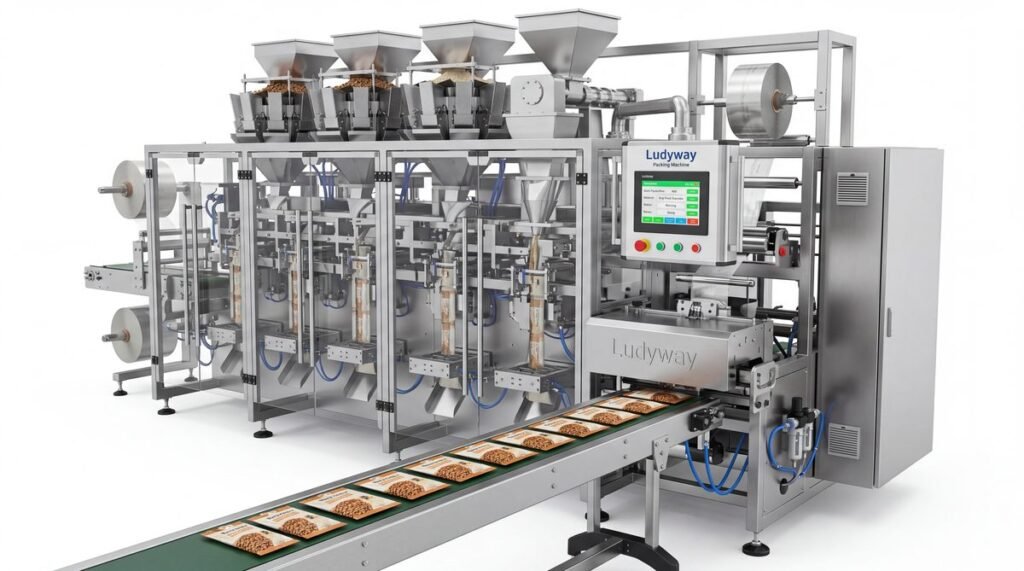
4.1 Multi-Lane Stick Pack Machines
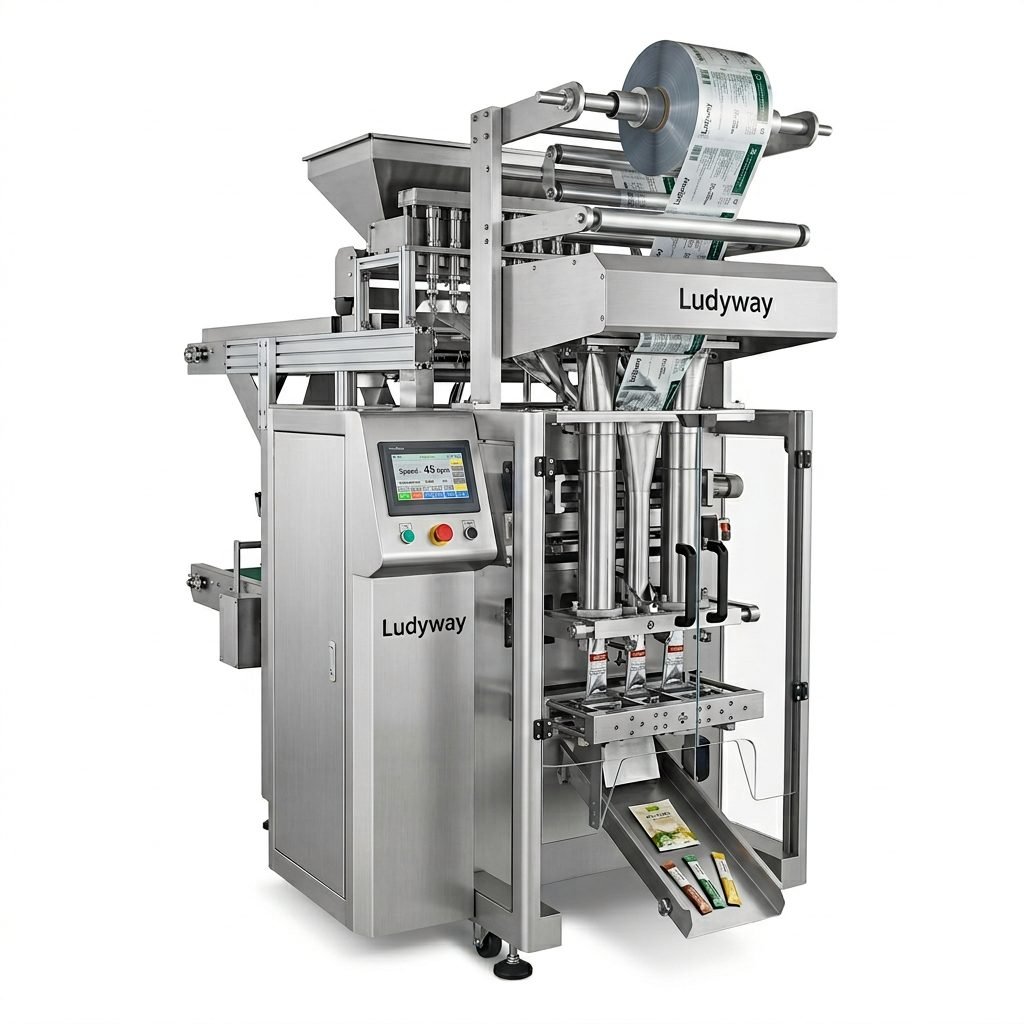
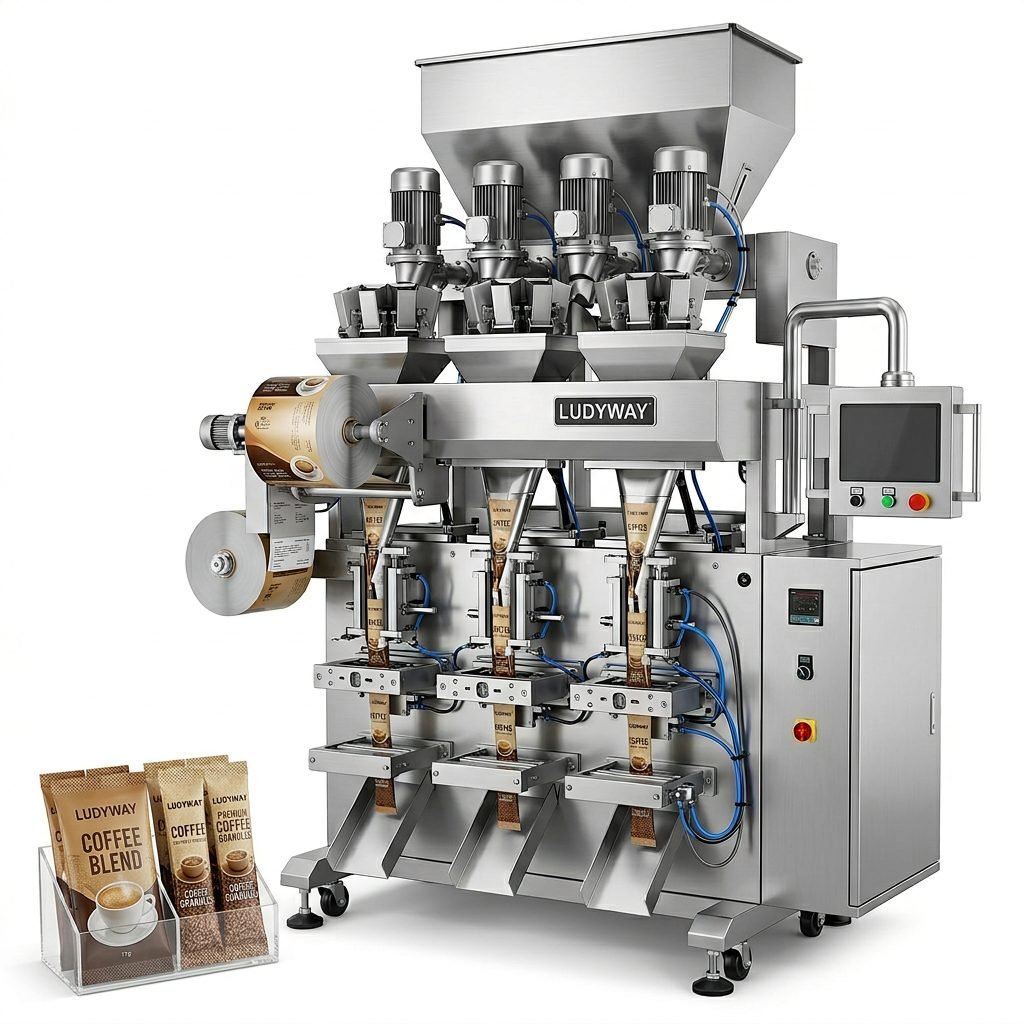
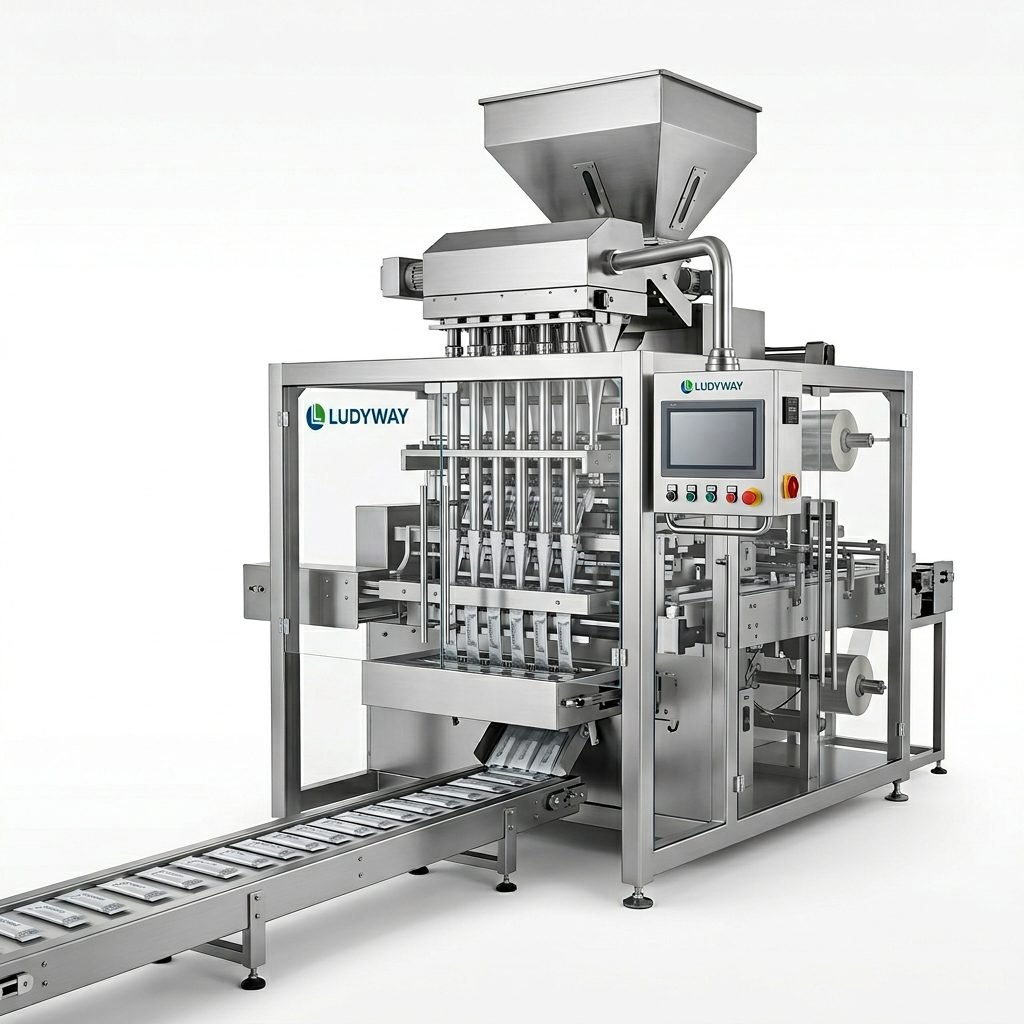
Ideal for instant coffee, drink powders, sugar, salt, pepper, and protein supplements. These systems can run 4 to 20 lanes simultaneously, achieving outputs of 400–1,200 packs per minute. Compact sachets reduce material usage and shipping volume.
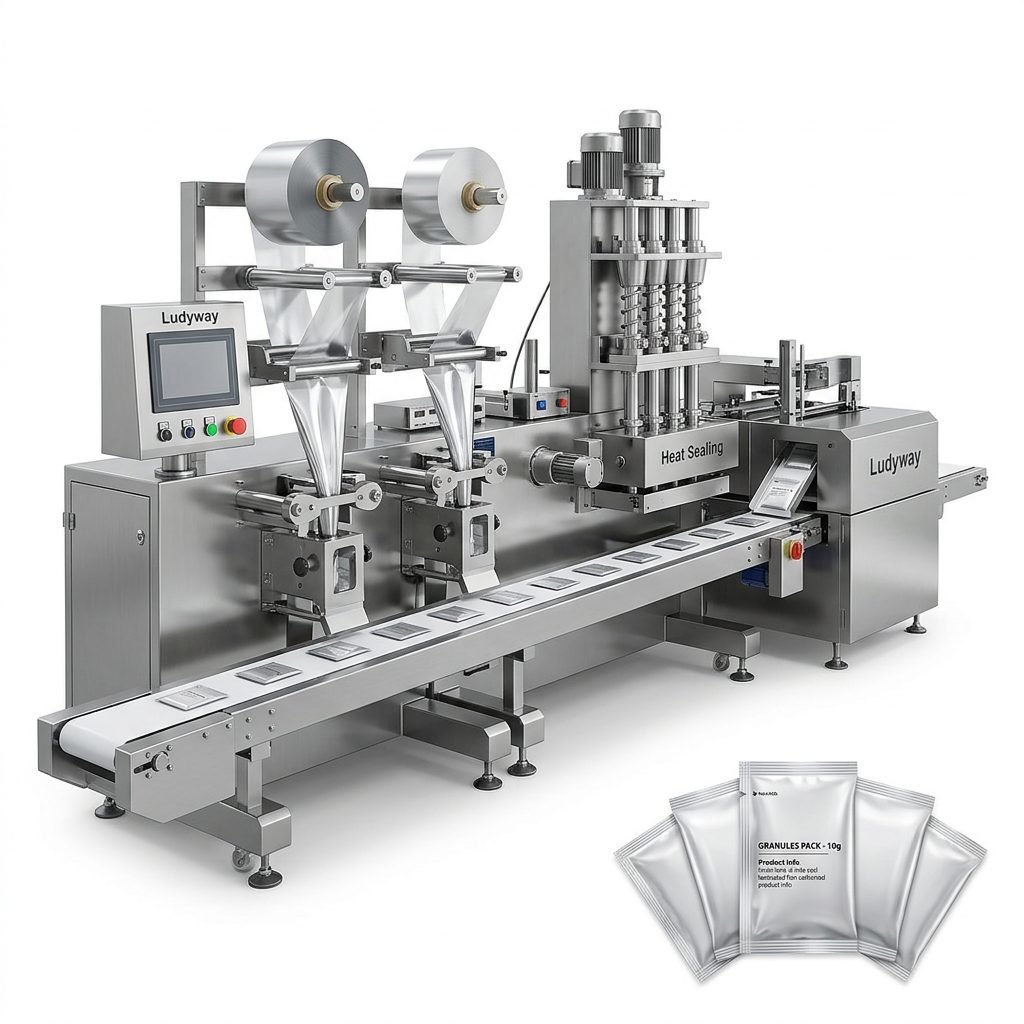
4.2 Sachet and Pouch Packaging Systems
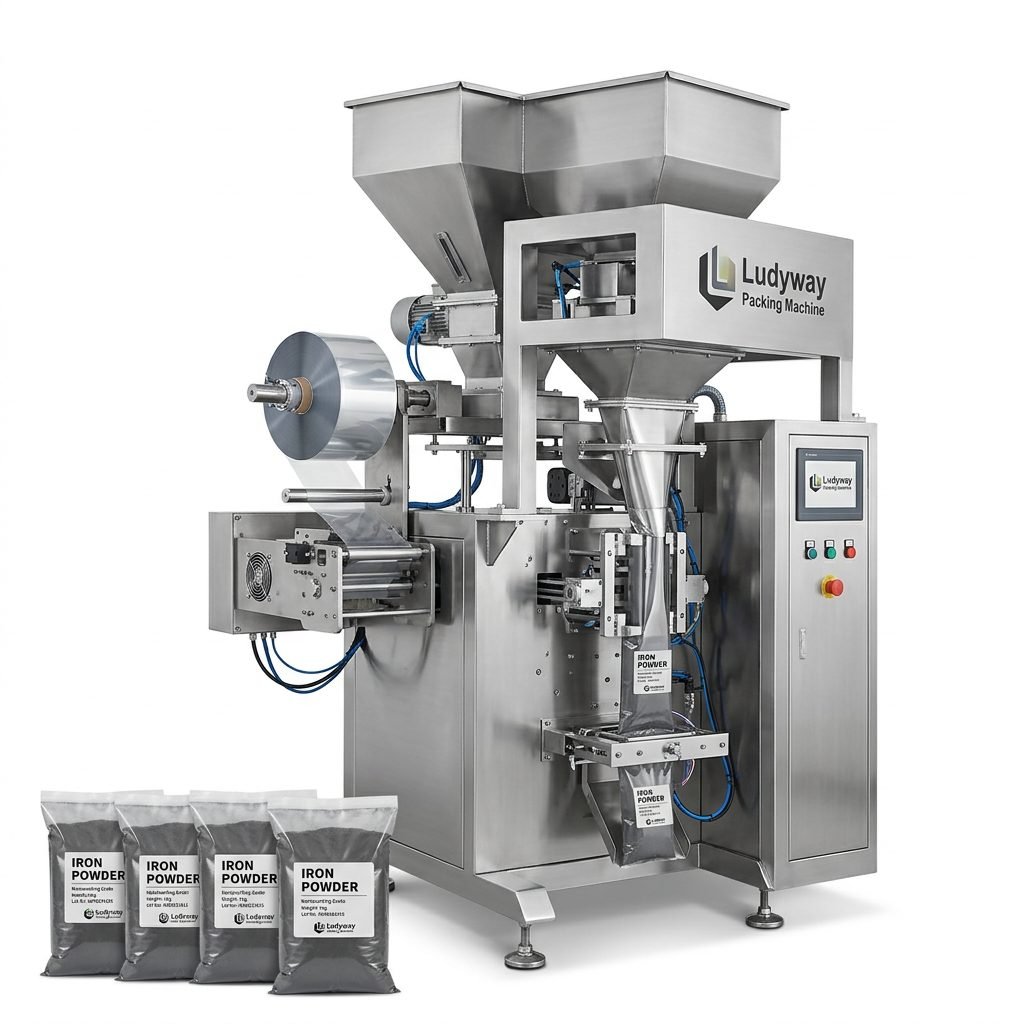
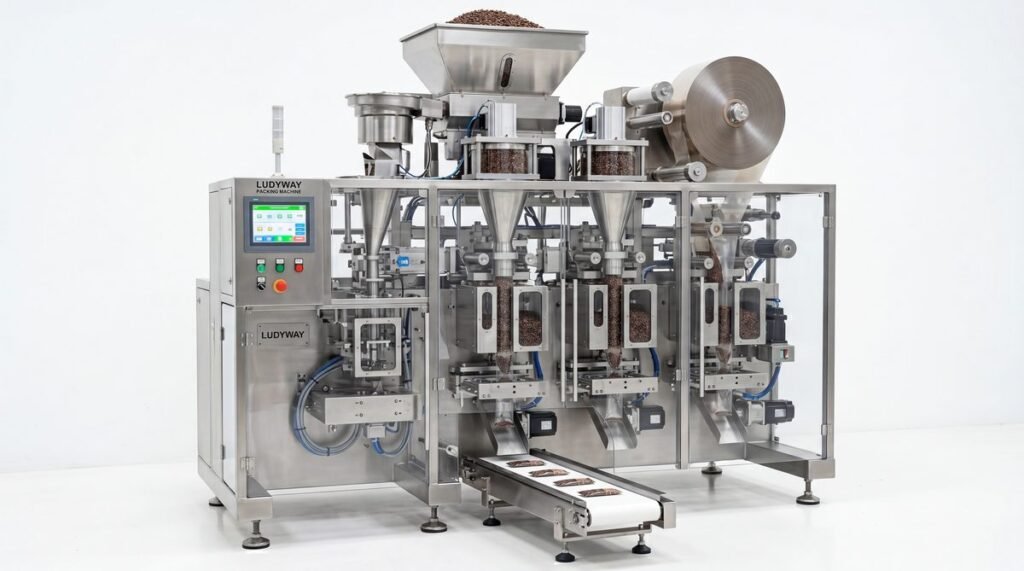
For larger portion snacks like nuts, trail mixes, dried fruits, and pet treats, premade pouch rotary fillers or vertical form-fill-seal (VFFS) baggers offer flexibility in bag styles—pillow, gusseted, stand-up, or zipper pouches. Look for machines with quick changeover features to handle multiple SKUs.
4.3 Granule and Powder Weighing Solutions
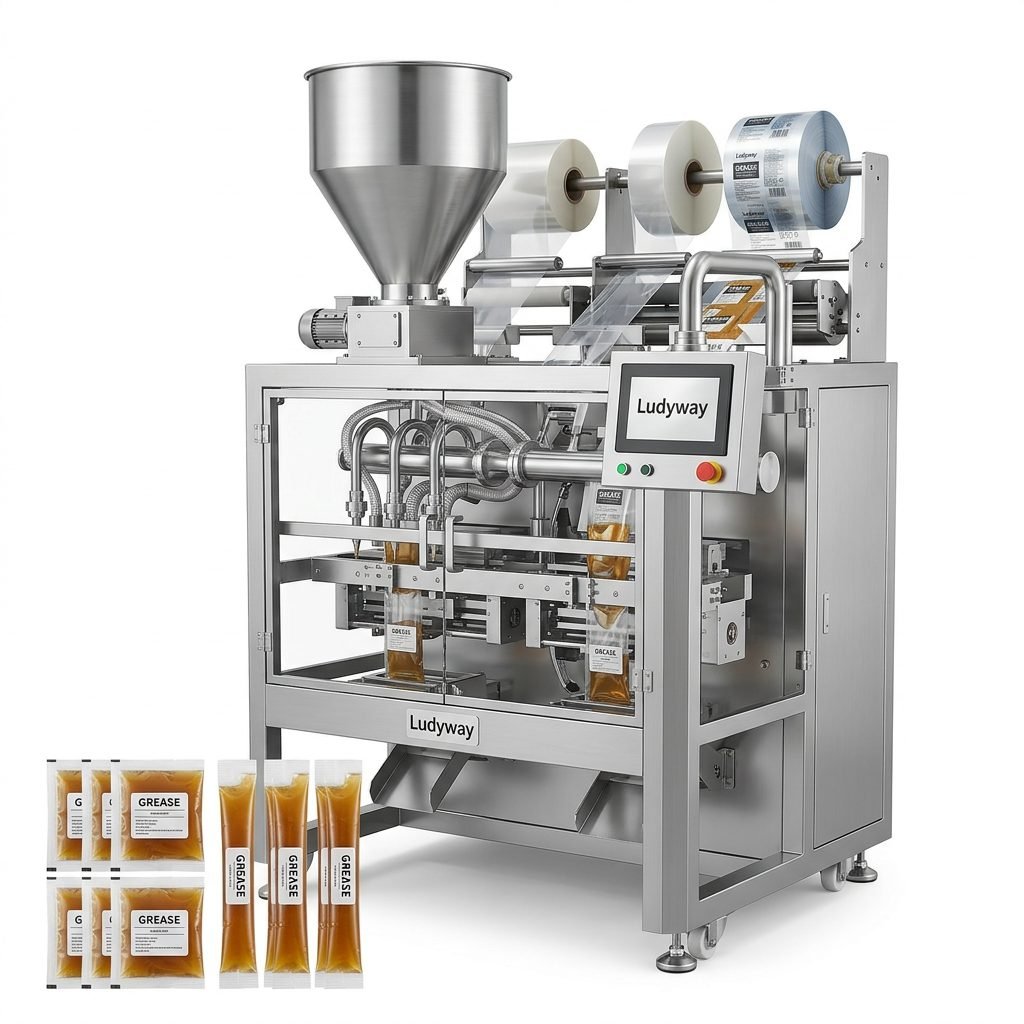
Accuracy in dosing protects margins. Multi-head weighers deliver ±0.1–0.5 g precision for free-flowing snacks. For sticky or dusty powders, auger fillers with agitators and dust extraction ports prevent bridging and product loss. These systems are critical components of any complete snack line and are often integrated into turnkey solutions offered by specialized manufacturers like Ludyway, a leading packaging machine manufacturer with over 30 years of expertise in granule, powder, and liquid packaging applications.
5. Auxiliary Equipment Integration
A complete production line extends beyond the primary packaging unit. Integrating the following upstream and downstream equipment ensures uninterrupted operation:
- Z-type bucket elevators and inclined conveyors for gentle product transfer
- Industrial dust collection systems to maintain clean room conditions
- Metal detectors and X-ray inspection units for food safety compliance
- Inline checkweighers and reject stations for weight control
- Thermal transfer printers and laser coders for batch traceability
- Automatic carton erectors, case sealers, and palletizing robots for end-of-line automation
6. Regulatory Compliance in South America
Each country enforces its own food contact material and labeling regulations, often aligned with ISO packaging standards or FDA guidelines. Key requirements include:
| Country | Regulatory Body | Key Standards |
|---|---|---|
| Brazil | ANVISA, INMETRO | RDC nº 91/2001 for food contact materials; Mercosur GMC/RES nº 03/92 |
| Argentina | ANMAT, SENASA | Código Alimentario Argentino Chapter IV; Res. GMC 28/99 |
| Colombia | INVIMA | Resolución 683/2012 for food packaging; Res. 4142/2012 for plastics |
| Chile | ISP, MINSAL | Reglamento Sanitario de los Alimentos D.S. 977/96; Res. 393/2002 |
| Peru | DIGESA | D.S. 007-98-SA; Mercosur food packaging resolutions |
Engage a local regulatory consultant early to navigate registration timelines and labeling requirements.
7. Installation, Commissioning, and Training
Proper installation is the foundation of long-term equipment reliability. A structured commissioning process includes:
- Pre-installation foundation and utility prep (compressed air, nitrogen, electrical panels)
- Mechanical assembly and alignment checks
- PLC programming and HMI configuration with recipe management
- Dry run and wet run testing with actual product
- Operator and maintenance team training on daily operation, cleaning, and troubleshooting
Comprehensive training reduces downtime and extends machine life. Document standard operating procedures in Spanish or Portuguese for local crews.
8. Cost Breakdown and ROI Analysis
Investment varies with automation level, capacity, and line configuration. Below is a representative cost structure for a medium-capacity snack packaging line in South America:
| Cost Category | Estimated Range (USD) | Notes |
|---|---|---|
| Primary packaging machine (multi-lane, 8–12 lanes) | $80,000 – $180,000 | Stick pack or sachet format |
| Multi-head weigher and feeding system | $35,000 – $75,000 | 14–20 head combination weigher |
| Checkweigher, metal detector, reject | $25,000 – $50,000 | Integrated inline inspection |
| Cartoning and case packing | $50,000 – $120,000 | End-of-line automation |
| Installation, commissioning, training | $20,000 – $45,000 | Includes travel and 2-week onsite support |
| Total Estimated Investment | $210,000 – $470,000 | Excludes facility and utilities |
Typical payback periods range from 18 to 36 months, depending on product margins and line utilization rates. Local sourcing of packaging films and cartons further improves ROI.
9. Common Pitfalls and How to Avoid Them
- Underestimating humidity impact: Powders and hygroscopic snacks clump and bridge. Install dehumidifiers and climate-controlled hoppers.
- Skipping local voltage and frequency checks: South American grids vary (220V/380V, 50Hz/60Hz). Verify motor and control compatibility.
- Ignoring spare parts planning: Maintain a recommended spare parts kit onsite to avoid extended downtime during customs clearance.
- Inadequate operator cross-training: Train at least three operators per shift to cover absences and shifts.
- Neglecting film compatibility testing: Not all laminates seal equally on every machine. Run trials with local film suppliers.
10. Future-Proofing Your Packaging Line
Design flexibility into your initial setup to accommodate new product launches and packaging formats without a complete overhaul. Modular machine platforms, servo-driven adjustments, and remote access diagnostics enable rapid reconfiguration. Consider sustainable packaging trends—recyclable mono-materials and reduced film thickness—when selecting machinery capable of running eco-friendly substrates.
11. Selecting a Turnkey Packaging Partner
Working with a single-source supplier streamlines project management, ensures compatibility between line components, and provides a single point of accountability. An experienced partner offers factory acceptance testing, logistics coordination, onsite installation, and after-sales support across the machinery lifecycle. When evaluating partners, prioritize those with established references in the Latin American market and engineering teams fluent in Spanish and Portuguese.
About Our Recommended Partner
Ludyway is one of the largest packaging machine manufacturers in China, specializing in advanced packaging equipment and turnkey production solutions for the food, pharmaceutical, and health industries. With over 30 years of industry expertise, we provide reliable and efficient packaging solutions for granule, powder, liquid, and pouch packaging applications. Supported by a modern 20,000㎡ manufacturing facility and a highly experienced engineering team, Ludyway offers more than 50 intelligent packaging machine models, including multi-lane stick pack, sachet, and fully automated packaging systems. Serving customers in over 100 countries and regions, we are committed to delivering innovative, high-performance, and cost-effective packaging solutions that help businesses improve productivity, product quality, and operational efficiency.
| Company Facts | Details |
|---|---|
| Professional Packaging Experts | 130+ |
| Modern Production Facility | 20,000㎡ |
| Years of Industry Experience | 30+ |
| Manufacturing Equipment Units | 200+ |
Contact Ludyway:
- E-Mail: info@ludyway.com
- WhatsApp: +8613129592456
- Address: Nanlang Town, Zhongshan, Guangdong, China.
Meet Ludyway at international packaging exhibitions and discover smart packaging machines and customized solutions for your South American production line.

For further reading on packaging machinery standards and market intelligence, explore these authoritative resources: