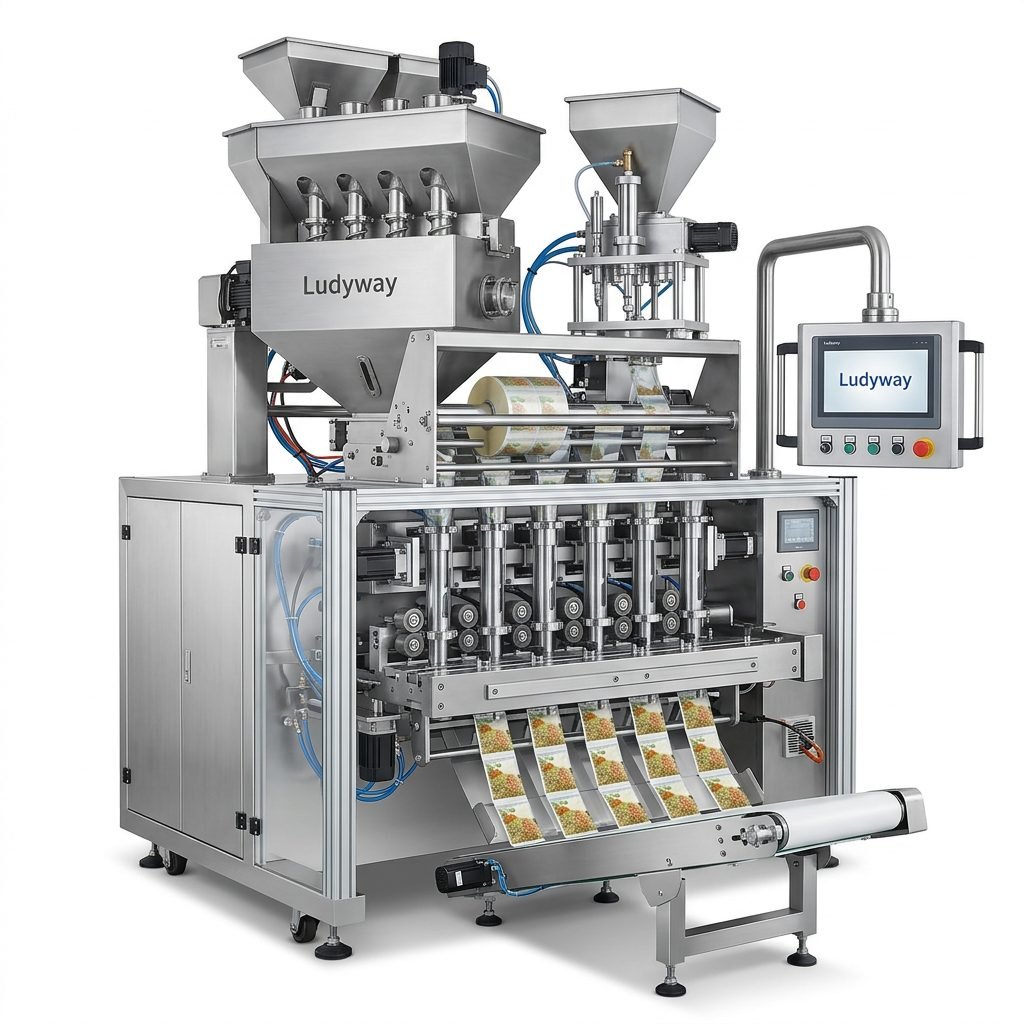
Investing in the right produce packaging machine is a critical decision that directly impacts your production efficiency, product shelf life, and overall profitability. Whether you are packing fresh fruits, vegetables, granules, powders, or liquid-based produce, selecting the appropriate equipment requires careful evaluation of your operational needs, budget, and long-term growth plans. This comprehensive guide walks you through the essential factors to consider, helping you make an informed purchasing decision that aligns with your business objectives.
Understanding Your Production Requirements
Before exploring specific packaging machine models, you need to clearly define your production parameters. Start by asking the following questions:
- What type of product are you packaging? Fresh produce, frozen items, granules, powders, or liquids each require different handling and sealing technologies.
- What is your target output per hour or per day? High-speed multi-lane packaging systems can significantly boost throughput for large-scale operations.
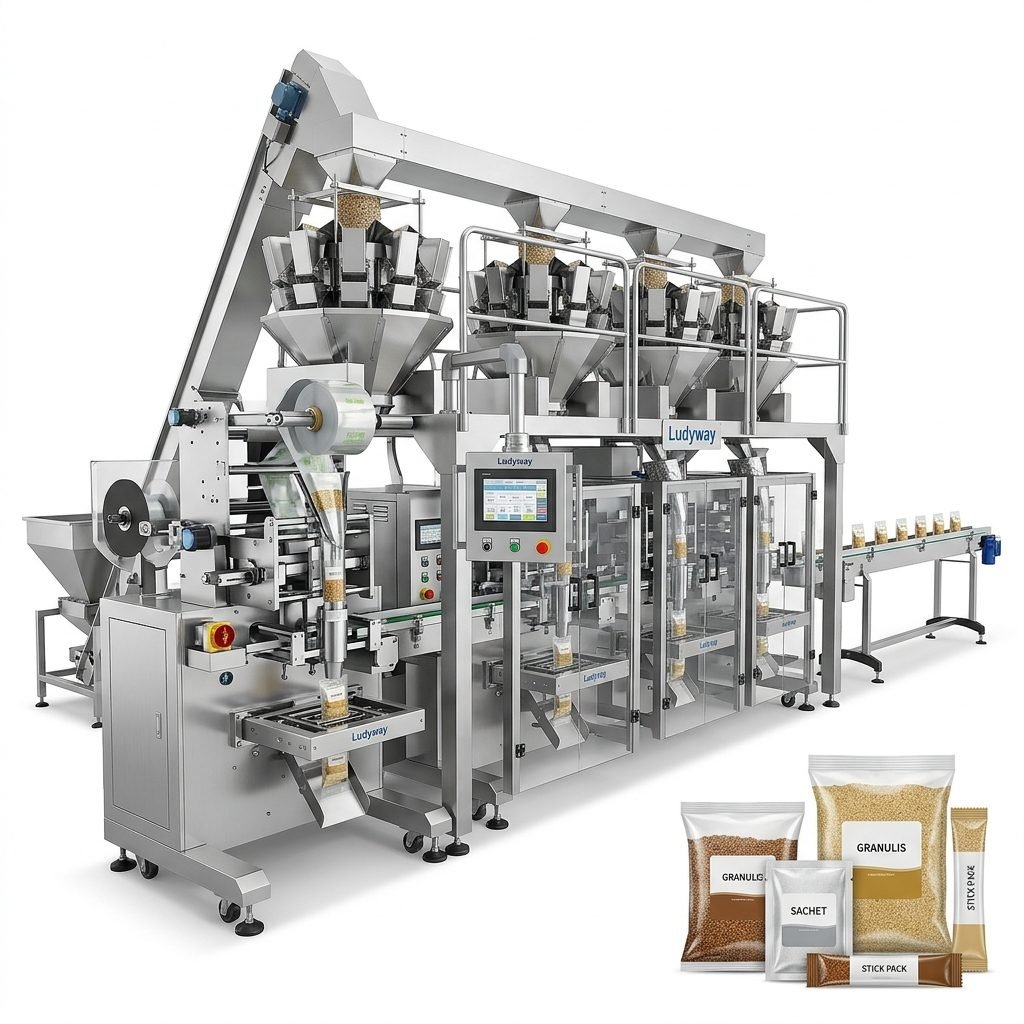
- What packaging format do you need? Stick packs, sachets, pouches, or bulk bags all serve different market segments and consumer preferences.
- What are your facility constraints? Floor space, power supply, and environmental conditions all influence which equipment will work best in your facility.
Product Characteristics Matter
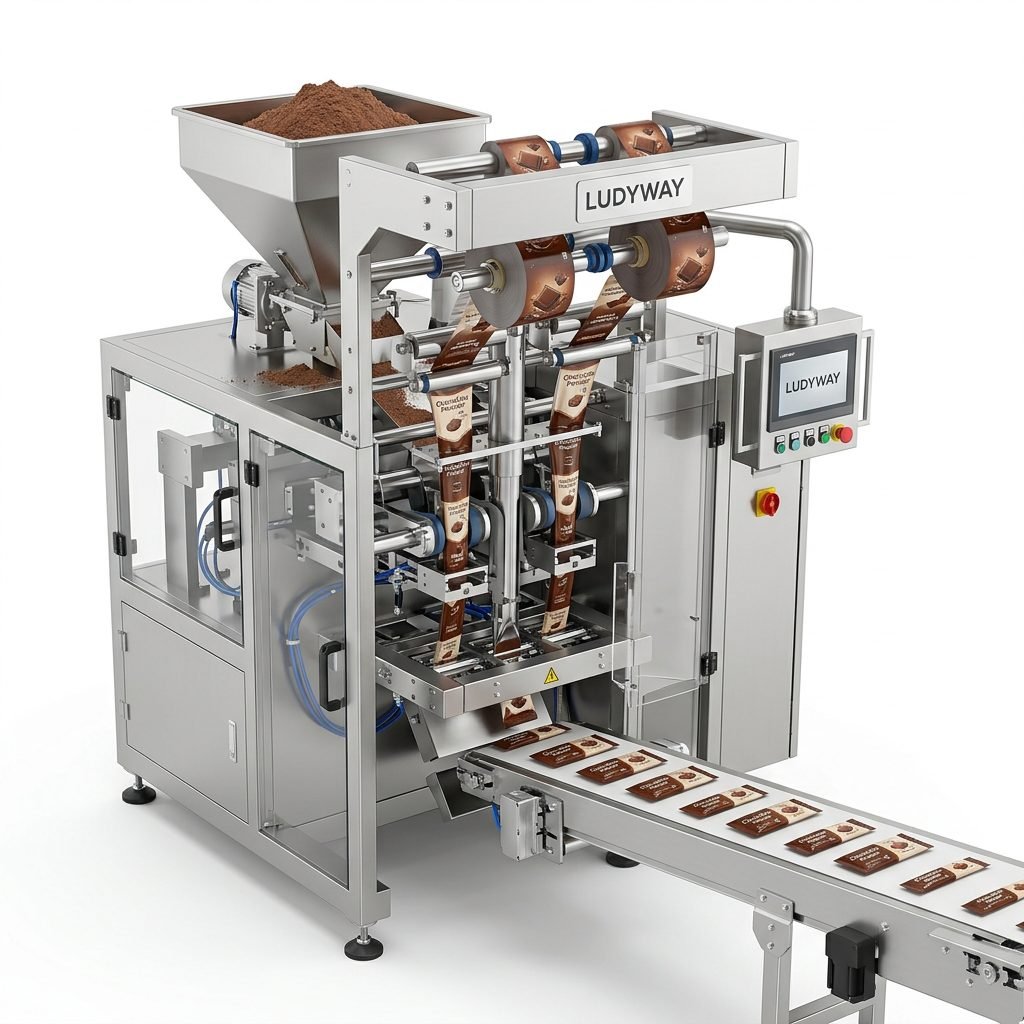
The physical properties of your produce directly determine the type of filling and sealing mechanism required. Granules like seeds or dried fruits benefit from volumetric or multi-head weigher filling systems, while powders such as spices or protein mixes may require auger fillers for precise dosing. Liquid products—oils, sauces, or juices—demand different pump technologies to ensure clean, accurate fills without dripping or contamination.
Types of Produce Packaging Machines
The market offers a wide variety of packaging equipment tailored to different applications. Understanding the core categories will help you narrow your options. Below is a comparison of the most common machine types used in produce packaging:
| Machine Type | Best For | Key Advantage | Typical Output |
|---|---|---|---|
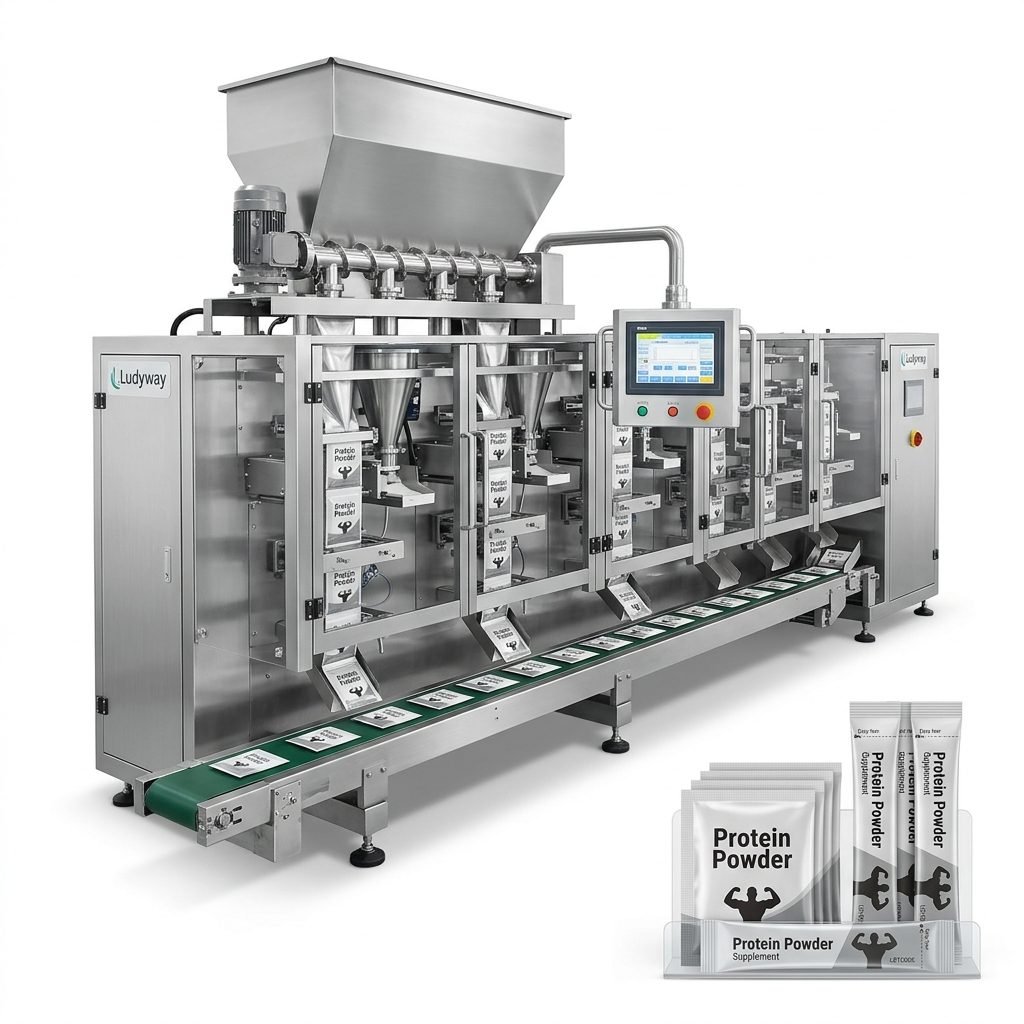
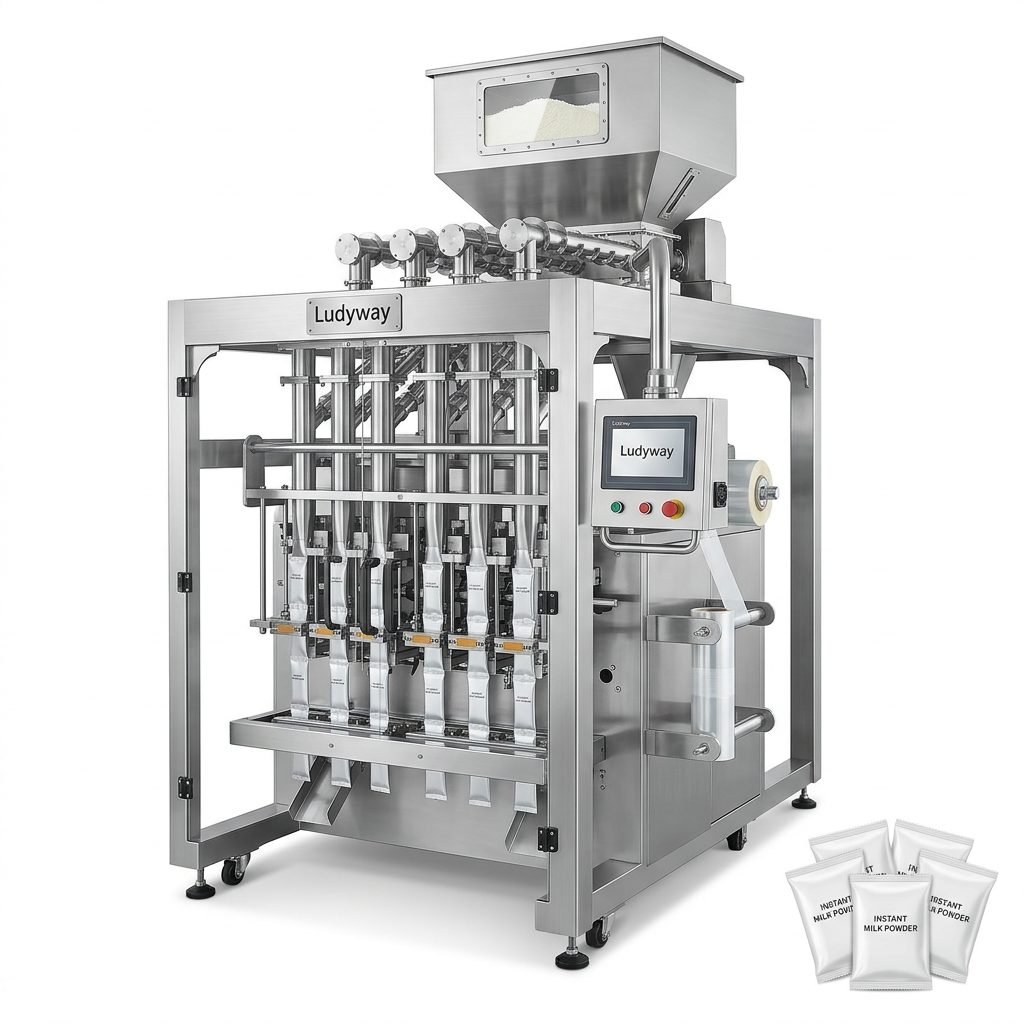
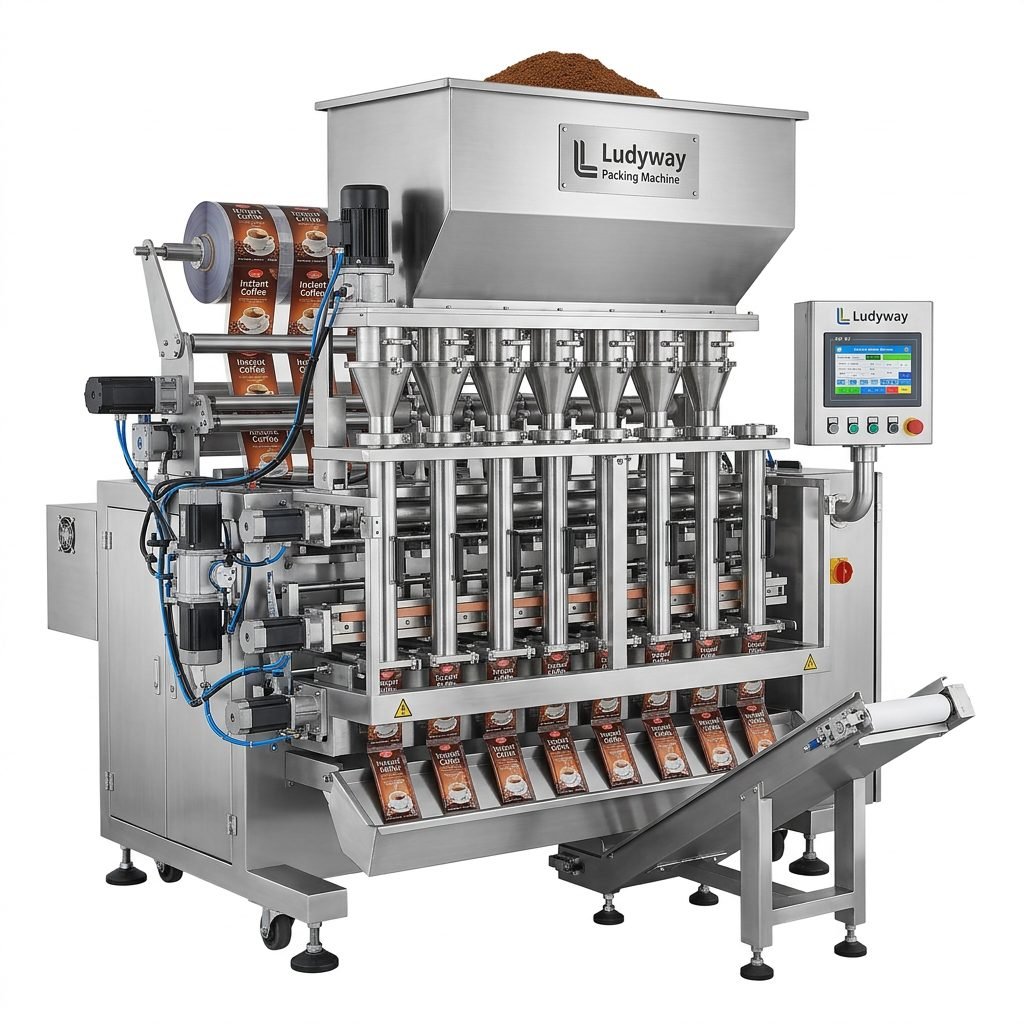
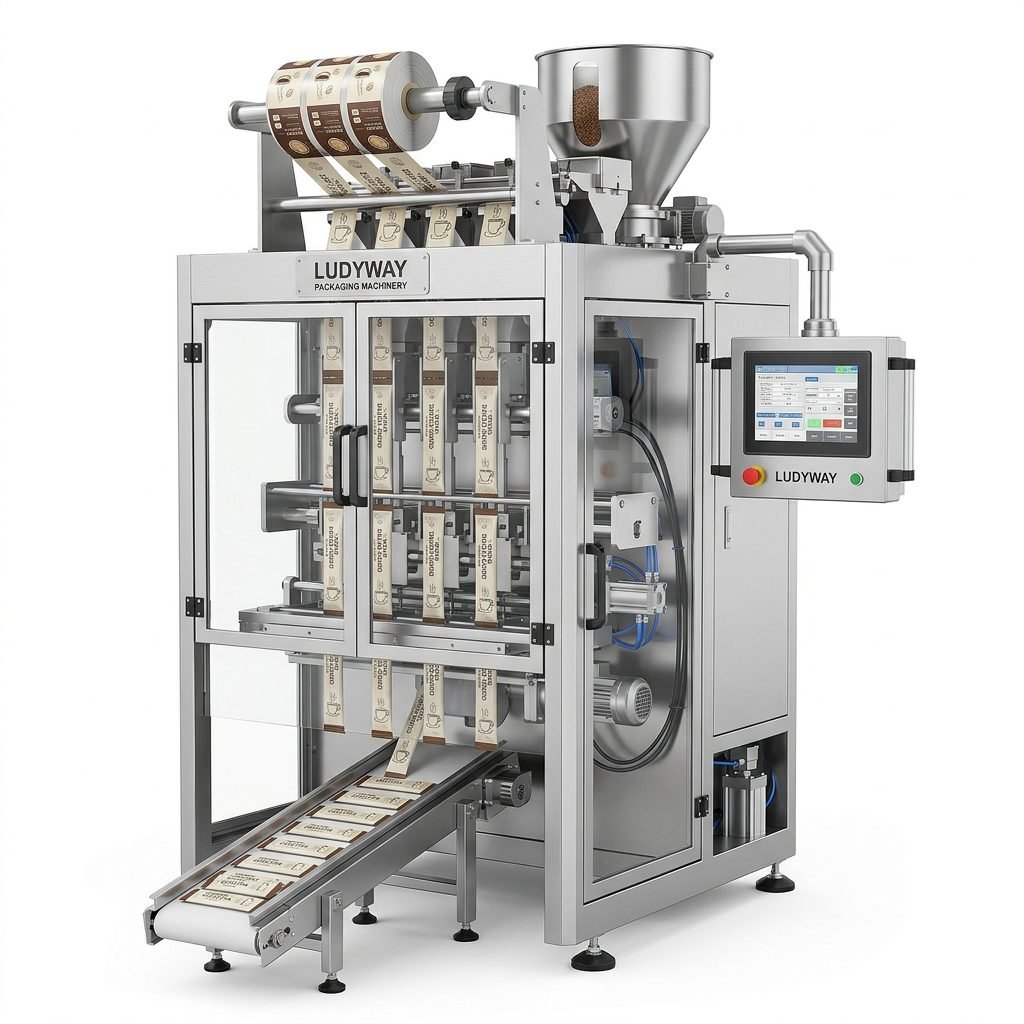
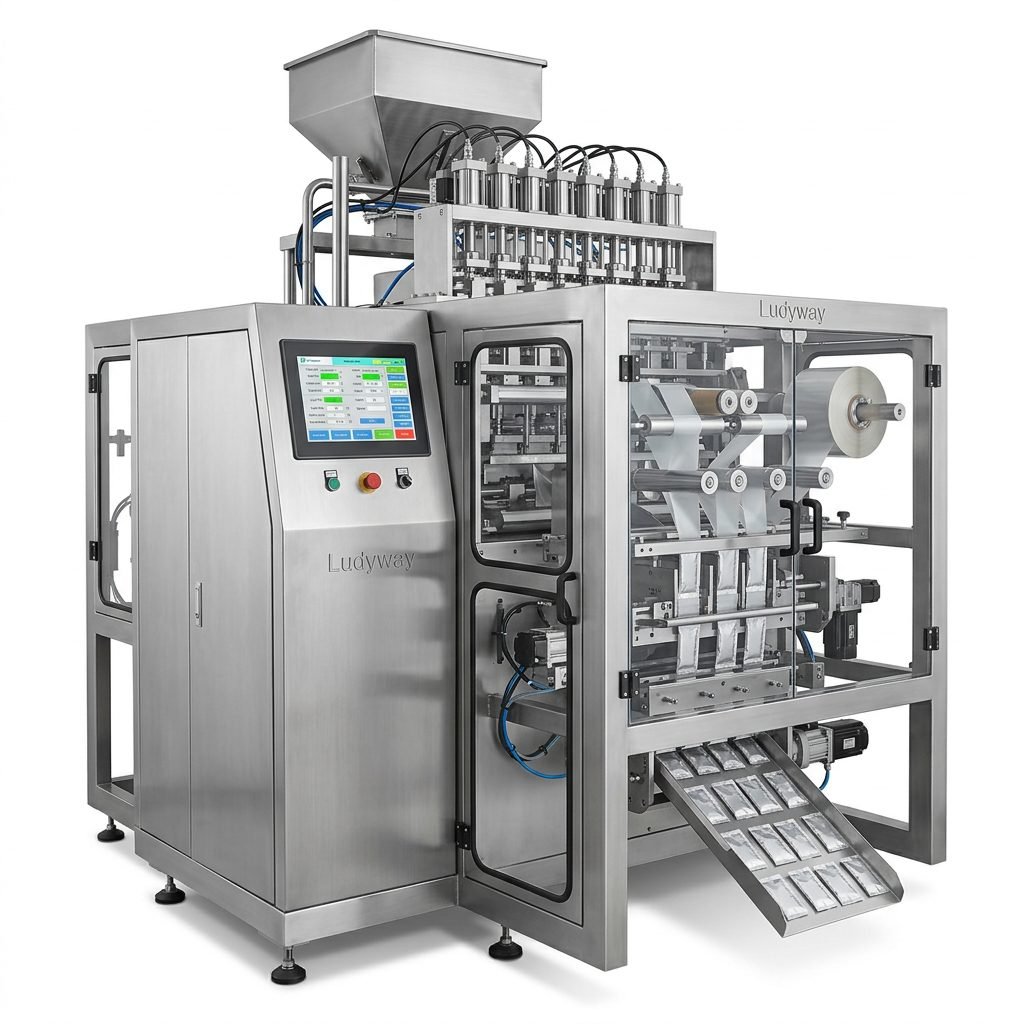
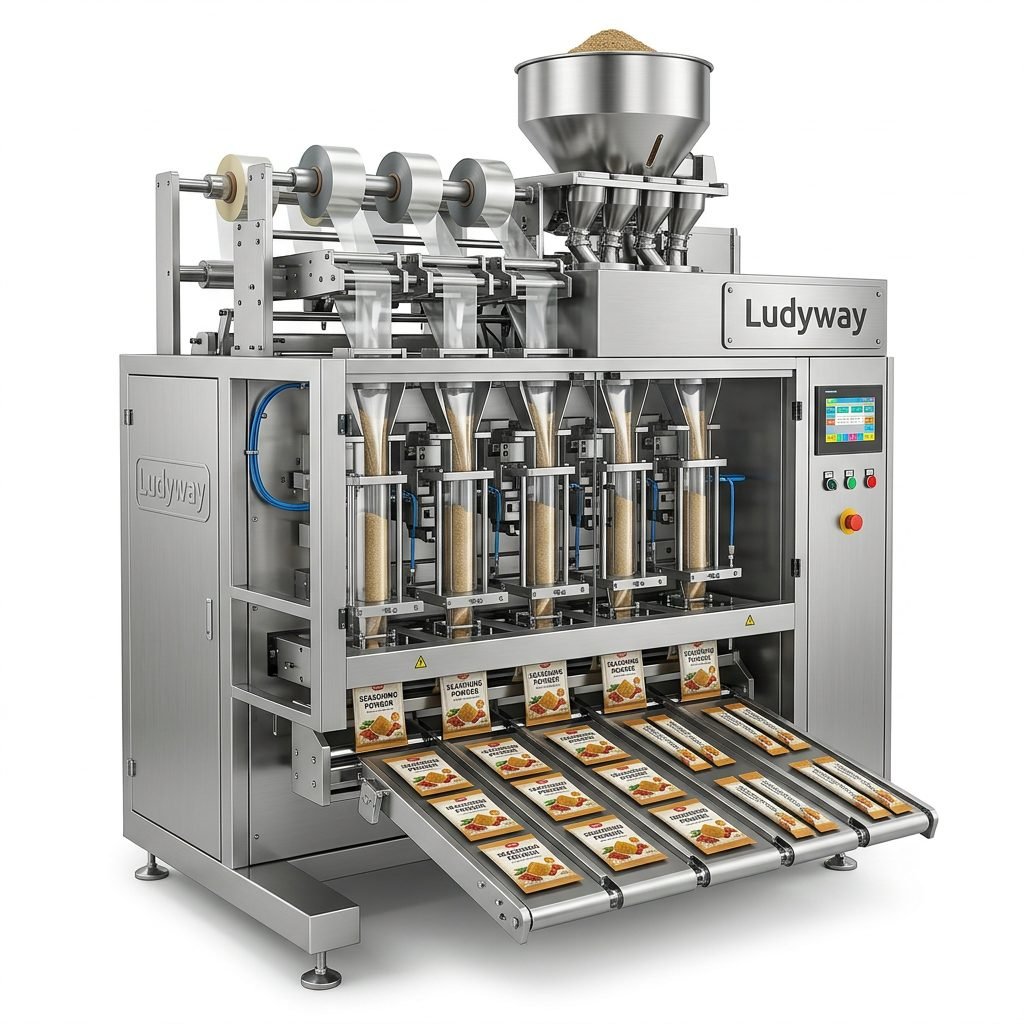
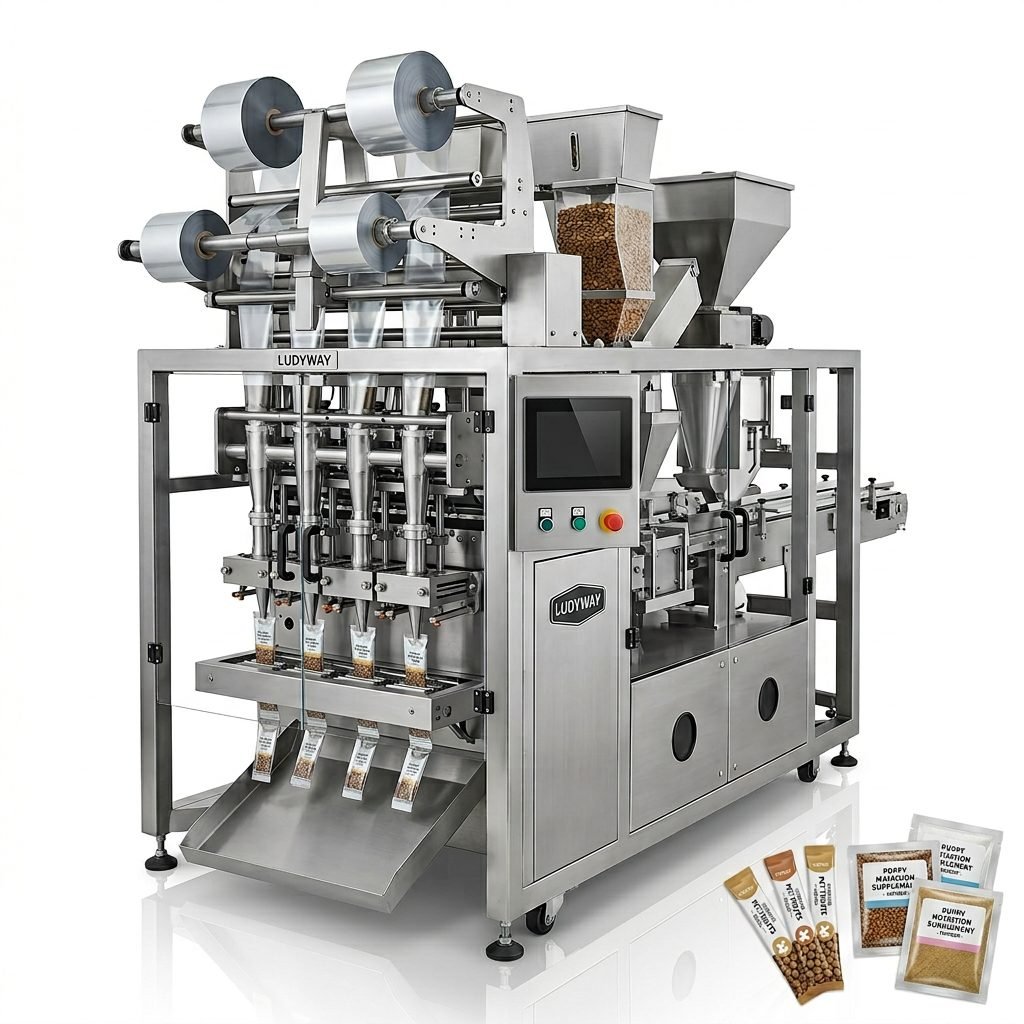
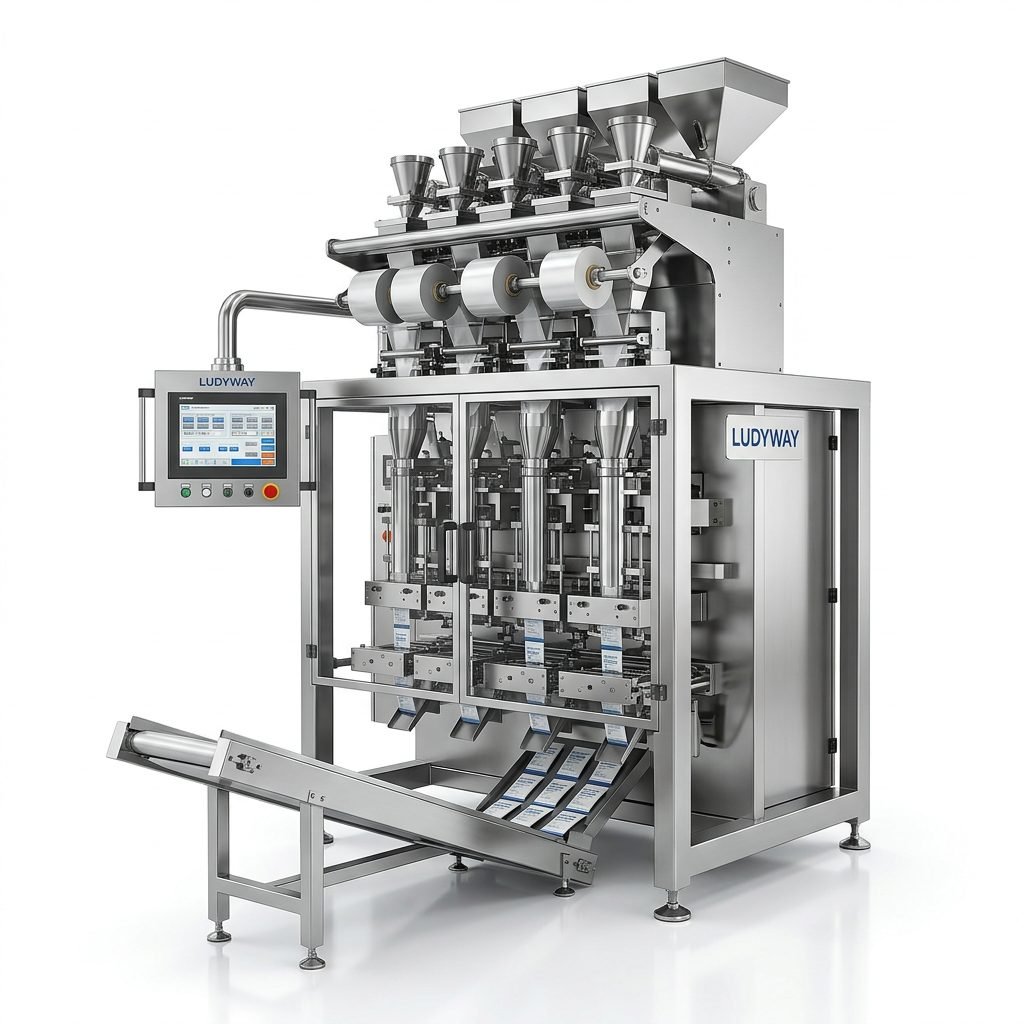
| Multi-Lane Stick Pack Machine | Powders, granules, seasonings | High-speed, compact sachet format | Up to 600 packs/min |
| Vertical Form Fill Seal (VFFS) | Granules, fresh-cut produce, snacks | Versatile bag formats and sizes | 30-120 packs/min |
| Premade Pouch Packaging Machine | Frozen produce, dried fruits, bulk items | Premium look, resealable options | 20-80 packs/min |
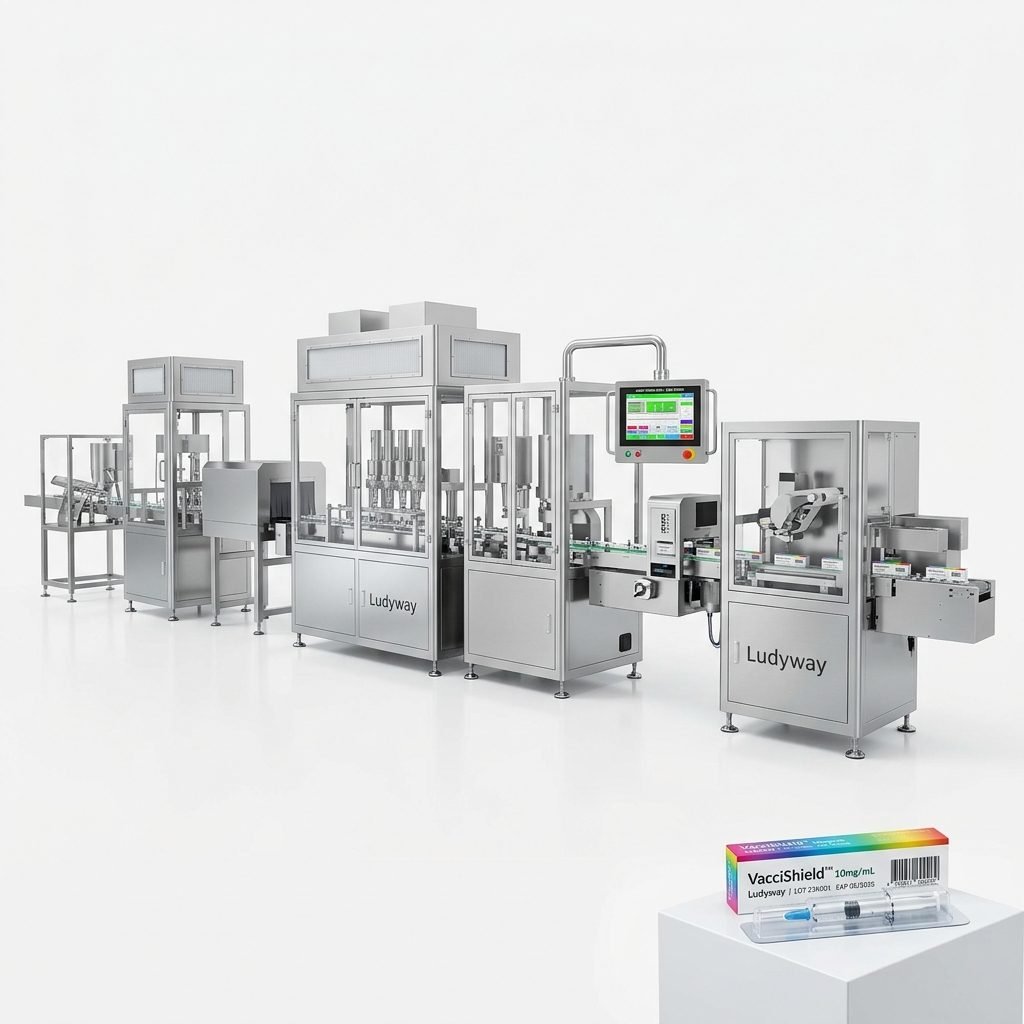
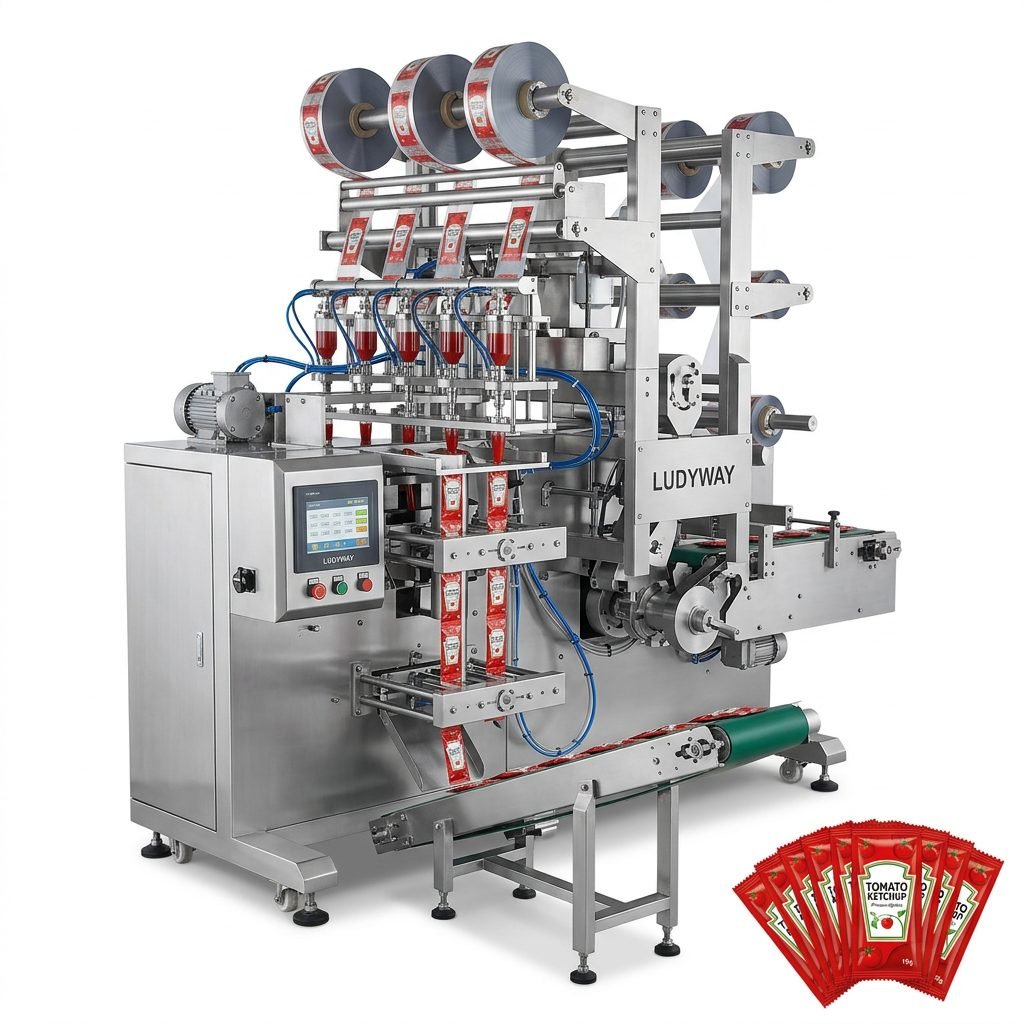
| Liquid Sachet Packaging Machine | Oils, sauces, juices, dressings | Leak-proof sealing, precise fill | Up to 400 packs/min |
| Bulk Bagging & Jumbo Bag Systems | Wholesale produce, grains, fertilizers | Heavy-duty, high-capacity filling | 5-30 bags/min |
Key Factors to Consider When Choosing Equipment
Selecting the ideal produce packaging solution involves more than just matching a machine to your product. The following factors play a decisive role in long-term operational success:
1. Automation Level
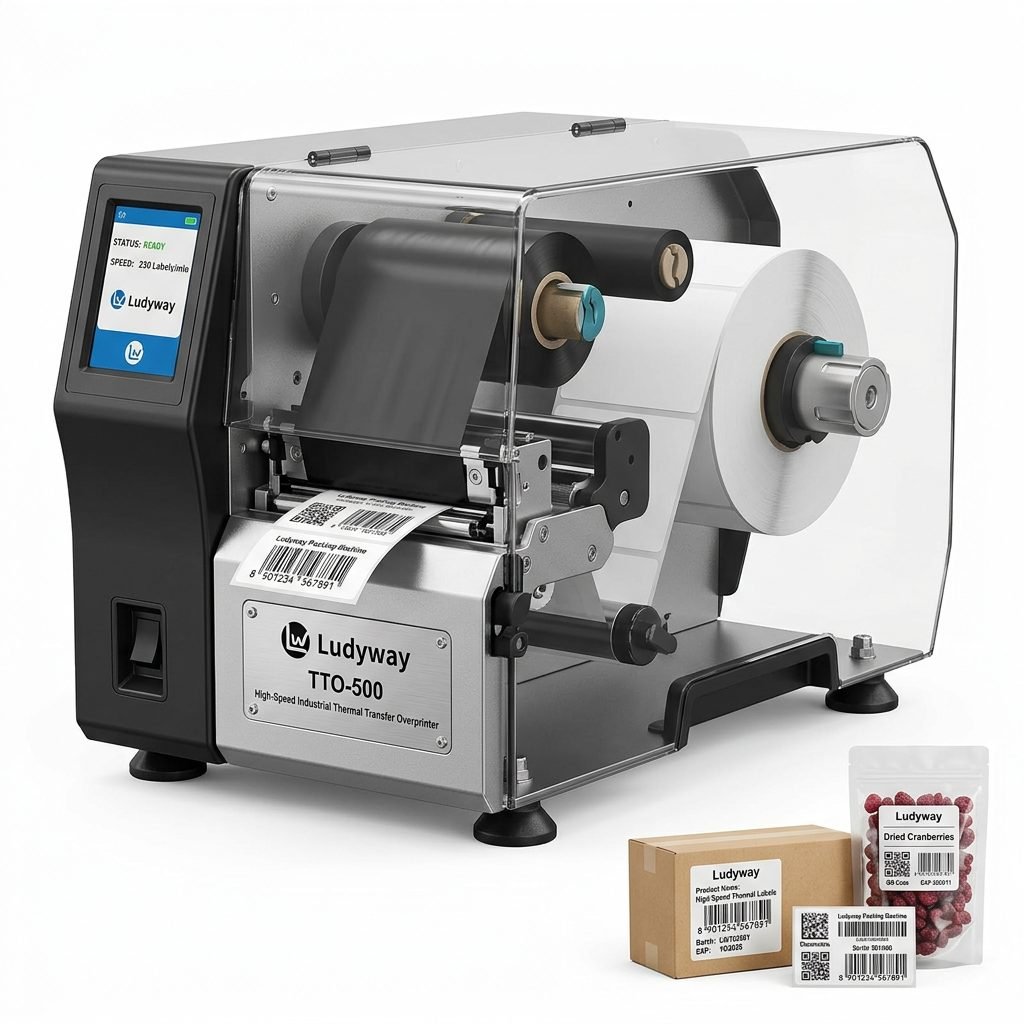
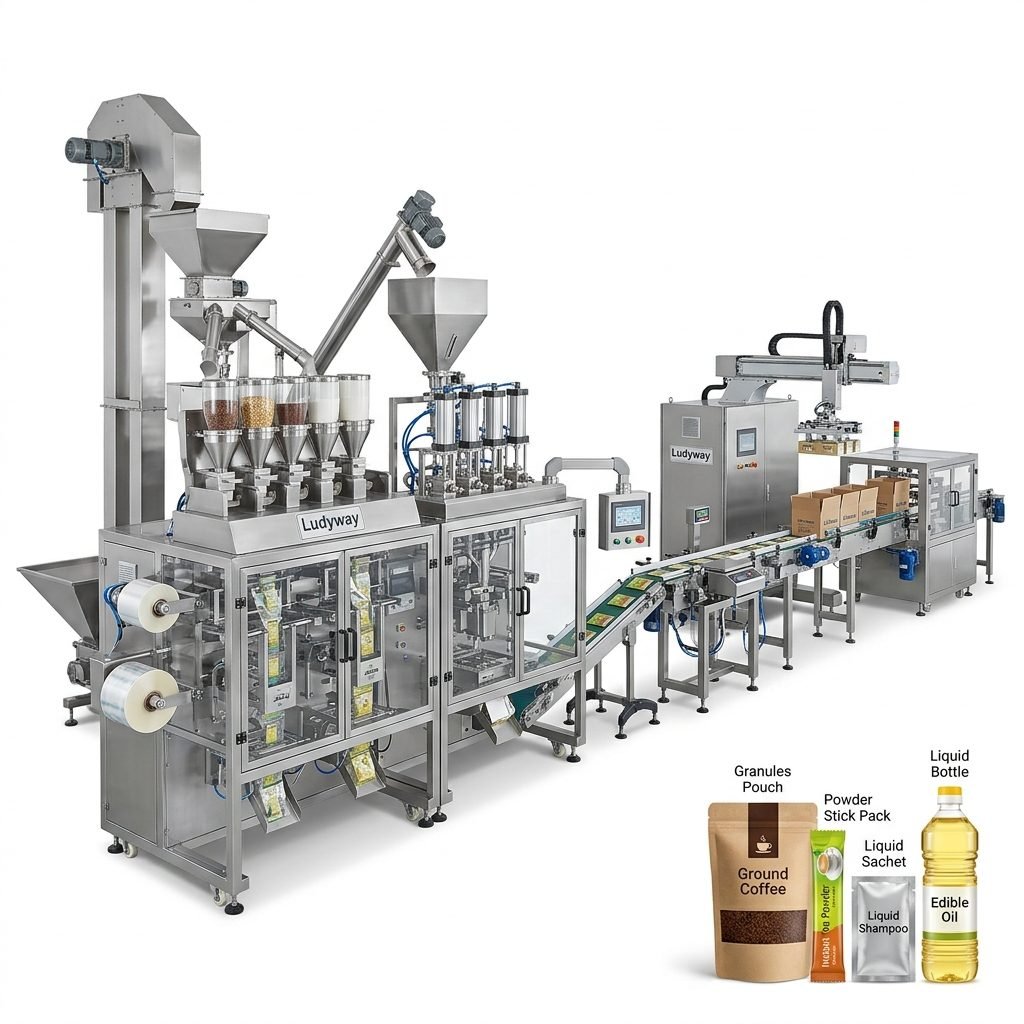
Fully automated packaging lines integrate filling, sealing, coding, and cartoning into one seamless workflow. While the initial investment is higher, automation reduces labor costs, minimizes human error, and delivers consistent output. Semi-automatic machines may suit startups or niche producers with lower volumes, offering flexibility at a more accessible price point.
2. Material Compatibility
Ensure the machine supports the packaging film or material you intend to use—whether it is laminated films, aluminum foil, biodegradable materials, or recyclable mono-materials. The sealing temperature, pressure, and dwell time must be adjustable to accommodate different film specifications without compromising seal integrity.
3. Changeover Efficiency
If you package multiple product types or sizes, quick changeover capabilities are essential. Look for machines with tool-less adjustments, programmable recipe management, and modular components that allow operators to switch between formats in minutes rather than hours.
4. Compliance and Certifications
For produce destined for regulated markets, equipment must comply with relevant standards. Refer to resources from FDA food packaging regulations, ISO packaging standards, and PMMI industry guidelines to ensure your chosen machine meets safety, hygiene, and quality benchmarks.
5. After-Sales Support and Spare Parts
A reliable supply of spare parts and responsive technical support can mean the difference between minimal downtime and costly production halts. Evaluate the manufacturer’s service network, warranty terms, and availability of remote troubleshooting. Ask about training programs for your operators to maximize machine utilization.
6. Energy Efficiency and Sustainability
Modern packaging equipment increasingly incorporates energy-saving motors, optimized heating systems, and reduced material waste features. Choosing an energy-efficient machine not only lowers operational costs but also supports your company’s sustainability goals—an important consideration for today’s environmentally conscious consumers.
Budget and ROI Considerations
The cost of a produce packaging machine varies widely based on automation level, speed, and customization. Entry-level semi-automatic machines may start in the range of $10,000 to $30,000, while fully integrated, high-speed multi-lane systems can exceed $200,000. However, focusing solely on upfront cost can be misleading. Calculate your total cost of ownership by factoring in:
- Labor savings from automation
- Reduced product giveaway through precise filling
- Lower film waste from optimized sealing
- Maintenance and energy costs over the machine’s lifespan
- Potential revenue growth from increased production capacity
Many businesses find that a high-quality packaging machine pays for itself within 12 to 24 months through efficiency gains and reduced waste alone. For high-volume operations, the payback period can be even shorter when multi-lane systems are deployed.
Industry Standards and Regulatory Compliance
Packaging equipment used for food-grade produce must adhere to stringent hygiene and safety standards. Depending on your target market, you may need to comply with:
- FDA 21 CFR for food contact materials in the United States
- EU Regulation (EC) No 1935/2004 for materials intended to come into contact with food in Europe
- ISO 22000 for food safety management systems
- GFSI-benchmarked standards such as BRC or SQF for retail supplier approval
Verify that your equipment supplier can provide documentation confirming that machine components—such as seals, gaskets, and product contact surfaces—meet these regulatory requirements. For authoritative guidance, consult the PMMI business intelligence resources and the Flexible Packaging Association industry hub.
Partnering with the Right Manufacturer
Working with an experienced packaging machine manufacturer can streamline the entire procurement process—from initial consultation through installation and training. Companies like Ludyway, with over 30 years of industry expertise and a 20,000㎡ modern production facility, offer comprehensive turnkey packaging solutions that cover everything from granule and powder packaging to liquid filling systems. When evaluating potential partners, consider their track record, global service network, and ability to provide customized solutions tailored to your specific produce packaging requirements.
Frequently Asked Questions
What is the best packaging machine for fresh produce?
The optimal machine depends on your specific produce type. For leafy greens and fresh-cut vegetables, vertical form fill seal (VFFS) machines with modified atmosphere packaging (MAP) capabilities are often preferred. For whole fruits, flow wrappers or tray sealing systems may be more appropriate.
How do I determine the right machine speed for my operation?
Calculate your current and projected production volume per shift. Add a buffer of 20-30% to accommodate future growth. Match this target to the machine’s rated output, keeping in mind that actual throughput may be 80-90% of the theoretical maximum due to film changes, cleaning, and minor adjustments.
Can one machine handle multiple product types?
Yes, many modern multi-lane packaging machines are designed for flexible production. With features like quick-change formers, adjustable filling systems, and programmable recipe storage, a single machine can switch between granules, powders, and even certain liquid products with minimal downtime.
What ongoing maintenance is required?
Routine maintenance typically includes daily cleaning of product contact surfaces, periodic lubrication of moving parts, inspection of sealing jaws and cutting blades, and calibration of filling systems. Most manufacturers recommend a comprehensive service inspection every 6 to 12 months, depending on production intensity.
Final Thoughts on Selecting Produce Packaging Equipment
Choosing the right produce packaging machine is a strategic investment that shapes your operational efficiency for years to come. By thoroughly evaluating your product characteristics, production goals, budget constraints, and regulatory requirements, you can identify equipment that not only meets your current needs but also scales with your business. Take advantage of factory visits, equipment demonstrations, and sample testing to validate machine performance before making your final decision. With the right partner and the right equipment, you can achieve consistent product quality, reduced waste, and a strong return on investment.
For additional guidance on packaging machinery selection, explore resources from PMMI’s State of the Industry reports, the European Commission packaging regulations, and the Flexible Packaging Association to stay current with industry trends and compliance updates.