The South American beverage industry is experiencing rapid growth, driven by increasing consumer demand for carbonated soft drinks, energy drinks, and canned ready-to-drink products. For manufacturers looking to enter or expand in markets such as Brazil, Argentina, Colombia, and Chile, setting up an efficient soda can packaging machine production line is a strategic move that can deliver significant returns when planned correctly.
Understanding the South American Beverage Can Market
Before investing in machinery, it is essential to understand the regional dynamics. South America’s beverage sector is characterized by a strong preference for canned drinks in countries like Brazil, which alone accounts for over 40% of the region’s can consumption. According to industry data from PMMI’s Business Intelligence, the packaging machinery market in Latin America is projected to grow steadily through 2026, with beverage packaging representing a major segment. The Flexible Packaging Association also highlights the shift toward sustainable and efficient canning solutions across emerging economies.
Key market drivers include:
- Rising disposable income in urban areas across São Paulo, Buenos Aires, and Bogotá
- Increasing tourism and hospitality sectors demanding canned beverages
- Growing preference for aluminum cans due to their recyclability and longer shelf life
- Expansion of e-commerce and modern retail chains requiring standardized packaging formats
- Government initiatives supporting local manufacturing and industrial development
Step 1: Site Planning and Facility Requirements
The foundation of a successful soda can packaging line begins with proper facility planning. South American climates vary significantly—from the tropical humidity of Brazil’s coastal regions to the cooler temperatures of southern Argentina—and these environmental factors directly impact machinery performance and product quality.
Critical Facility Considerations
| Factor | Requirement | Notes for South America |
|---|---|---|
| Floor Space | Minimum 500–800 m² | Allow extra space for raw material staging and finished goods |
| Power Supply | 380V / 50–60Hz three-phase | Voltage stabilizers recommended in regions with fluctuations |
| Compressed Air | ≥ 0.6 MPa oil-free | Essential for pneumatic components and filling accuracy |
| Cleanroom Standard | ISO 14644 Class 100,000 minimum | Refer to ISO Packaging Standards |
| Water Treatment | RO or UV filtration system | Critical for product mixing and CIP cleaning |
Step 2: Selecting the Right Soda Can Packaging Machine
Choosing the appropriate can filling and sealing equipment is the most crucial decision in your production line setup. The South American market demands versatility—many producers need lines capable of handling multiple can sizes (from 250ml to 473ml) and various product types including carbonated beverages, still drinks, and functional beverages.
Core Machine Components
- Can Depalletizer — Automatically feeds empty cans onto the conveyor system, reducing manual labor by up to 70%
- Can Rinser / Washer — Ensures hygienic conditions before filling; ionized air or water-based systems available
- Rotary Filling Machine — The heart of the line; must maintain precise fill levels at speeds of 6,000–36,000 cans per hour
- Seaming / Sealing Machine — Creates hermetic seals to preserve carbonation and prevent contamination
- Labeling or Inkjet Coding System — Applies branding and batch traceability information
- Shrink Wrapper or Tray Packer — Prepares multipacks for distribution
- Palletizing Robot — Stacks finished product for warehouse storage and shipping

Step 3: Navigating South American Import Regulations
Importing packaging machinery into South American countries requires careful attention to customs procedures, duties, and local certifications. Each country has distinct requirements that can significantly impact project timelines and budgets.
Country-Specific Import Considerations
| Country | Import Duty (Approx.) | Key Certification | Local Partner Required |
|---|---|---|---|
| Brazil | 14%–18% | INMETRO / ANVISA | Recommended |
| Argentina | 0%–14% (varies) | IRAM / ANMAT | Strongly Recommended |
| Chile | 6% (most machinery) | ISP / SEREMI | Optional |
| Colombia | 5%–15% | INVIMA | Recommended |
| Peru | 0%–11% | DIGESA | Optional |
Always consult the latest FDA food packaging guidelines and ISO 11607 packaging standards to ensure your production line meets international quality benchmarks. South American regulatory bodies increasingly align with global standards, making compliance with ISO norms a strategic advantage.
Step 4: Installation, Commissioning, and Workforce Training
Once your soda can packaging machine arrives at the facility, the installation phase begins. This critical stage determines long-term operational efficiency. In South America, it is advisable to work with a supplier that offers turnkey installation support and on-site training to bridge any technical gaps.
Installation Timeline Overview
- Week 1–2: Equipment unloading, positioning, and mechanical assembly
- Week 2–3: Electrical connections, pneumatic system setup, and utility integration
- Week 3–4: Dry testing, sensor calibration, and software configuration
- Week 4–5: Wet testing with water, followed by product trials
- Week 5–6: Operator training, SOP documentation, and handover
Pro Tip: Schedule installation during the off-peak production season to avoid revenue disruption. In Brazil and Argentina, the summer months (December–February) represent peak demand—plan commissioning for March or April when possible.
Step 5: Maintenance, Spare Parts, and After-Sales Support
Ongoing maintenance is essential to maximize the lifespan of your can packaging production line. South America’s diverse climate means that humidity control, dust protection, and regular lubrication schedules must be adapted to local conditions. Establishing a reliable spare parts inventory is critical—shipping delays from overseas suppliers can lead to costly downtime.
Essential Maintenance Checklist
| Frequency | Task | Responsible Team |
|---|---|---|
| Daily | Inspect fill levels, check seam integrity, clean conveyor belts | Production Operators |
| Weekly | Lubricate moving parts, verify sensor calibration, check air filters | Maintenance Technicians |
| Monthly | Replace worn gaskets, inspect electrical connections, test safety systems | Engineering Team |
| Quarterly | Full system audit, software updates, comprehensive parts inspection | Supplier Support + In-House Engineers |
| Annually | Major overhaul, belt replacements, motor servicing, full recalibration | Supplier Service Team |
Common Challenges and How to Overcome Them
Setting up a soda can packaging line in South America presents unique challenges that differ from those in North America, Europe, or Asia. Anticipating these obstacles helps avoid costly delays.
Challenge 1: Supply Chain Logistics
Transporting heavy packaging machinery to inland regions of Brazil, Bolivia, or Paraguay can be complex. Solution: Partner with experienced freight forwarders who specialize in industrial equipment shipping within Mercosur countries. Plan for 6–10 weeks of shipping and customs clearance time.
Challenge 2: Skilled Labor Availability
Finding operators with experience in high-speed canning lines can be difficult in certain regions. Solution: Invest in comprehensive training programs and consider hiring operators from established beverage plants in neighboring countries. Remote technical support via video conferencing has become increasingly effective.
Challenge 3: Power Stability
Voltage fluctuations are common in parts of South America, which can damage sensitive electronic components. Solution: Install industrial-grade voltage stabilizers and UPS systems for critical control units. Consult PMMI’s packaging industry resources for technical guidance on power requirements.
Challenge 4: Language and Communication
While Spanish and Portuguese dominate the region, packaging machinery documentation and interfaces are often in English or Chinese. Solution: Work with suppliers who provide multilingual documentation, localized HMI interfaces, and Spanish or Portuguese-speaking technical support teams.
The Role of Turnkey Solutions in Accelerating Deployment
For companies new to the South American market, turnkey packaging line solutions offer significant advantages. Instead of sourcing individual machines from multiple vendors—which creates integration headaches—a single-source provider delivers a fully integrated, tested, and optimized production line. This approach dramatically reduces commissioning time and ensures seamless communication between all components.
Leading packaging machinery manufacturers now offer end-to-end solutions that include everything from initial facility layout planning to final palletizing systems. This holistic approach is particularly valuable when setting up operations in regions where local technical support infrastructure may be developing.
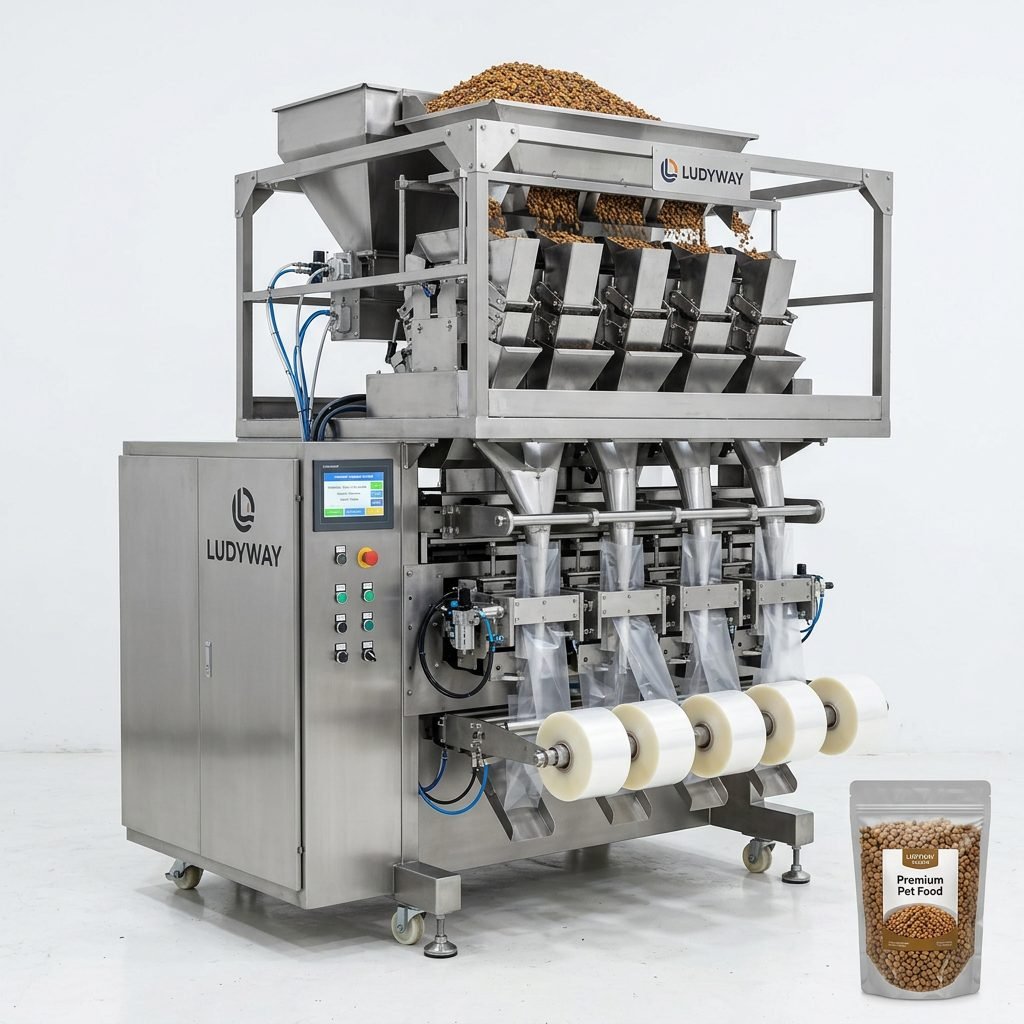
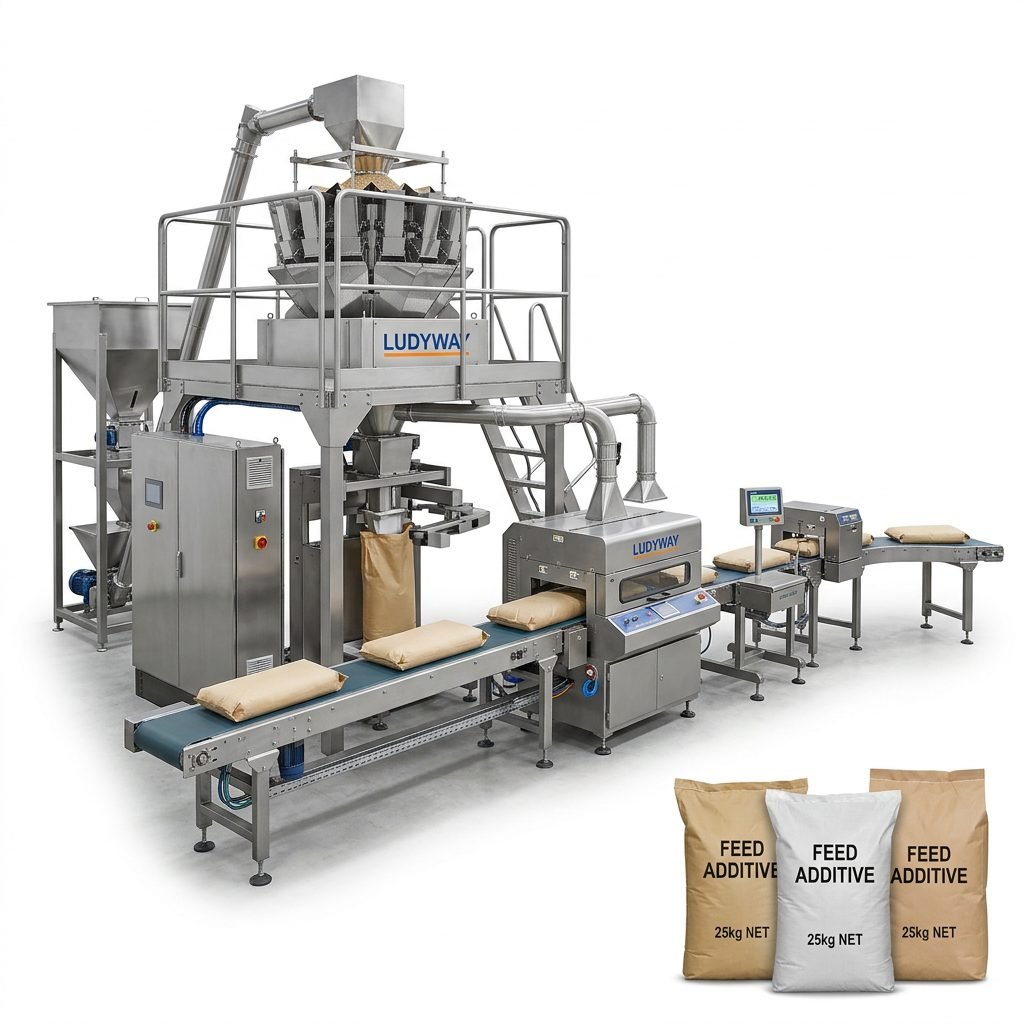
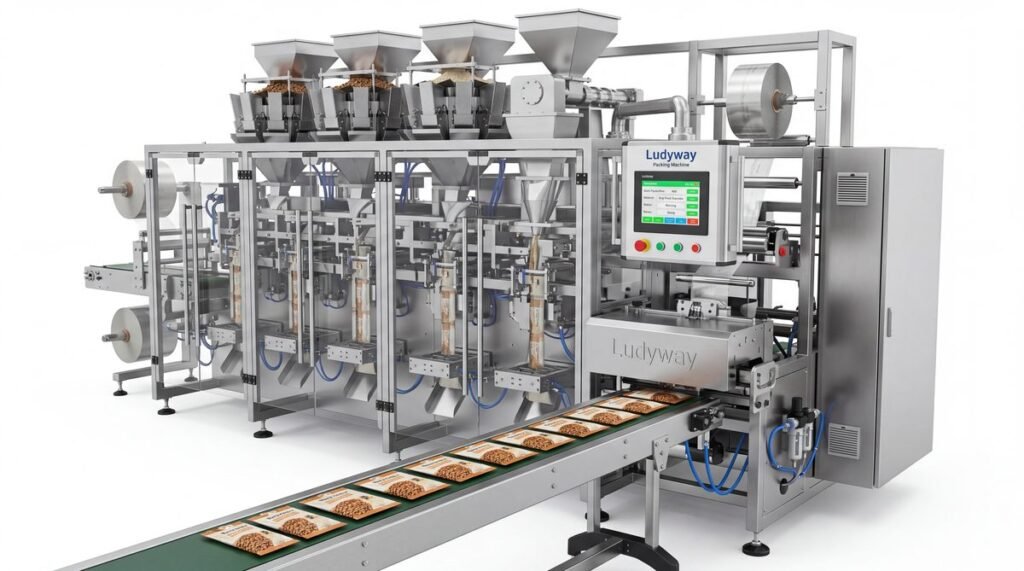
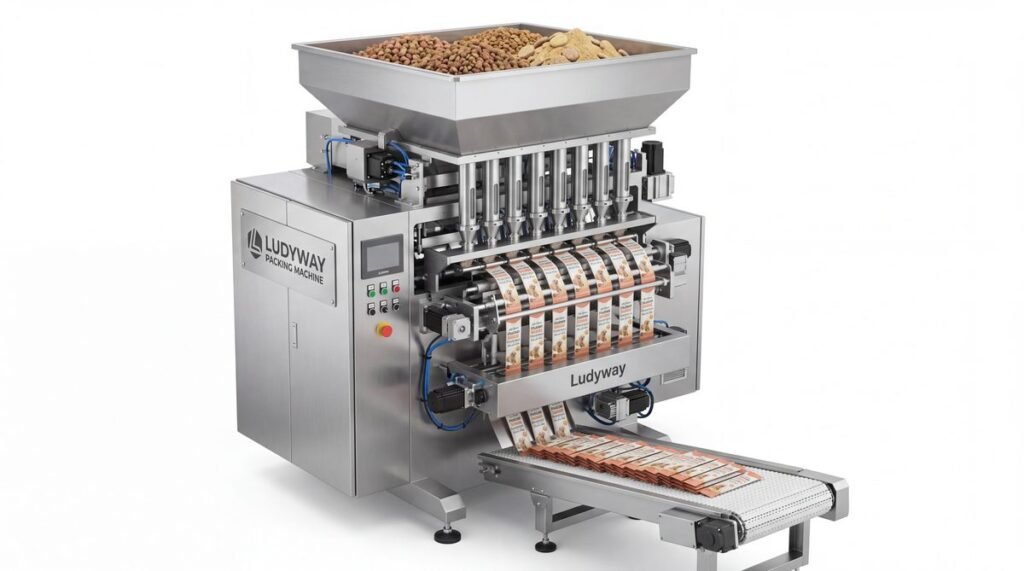
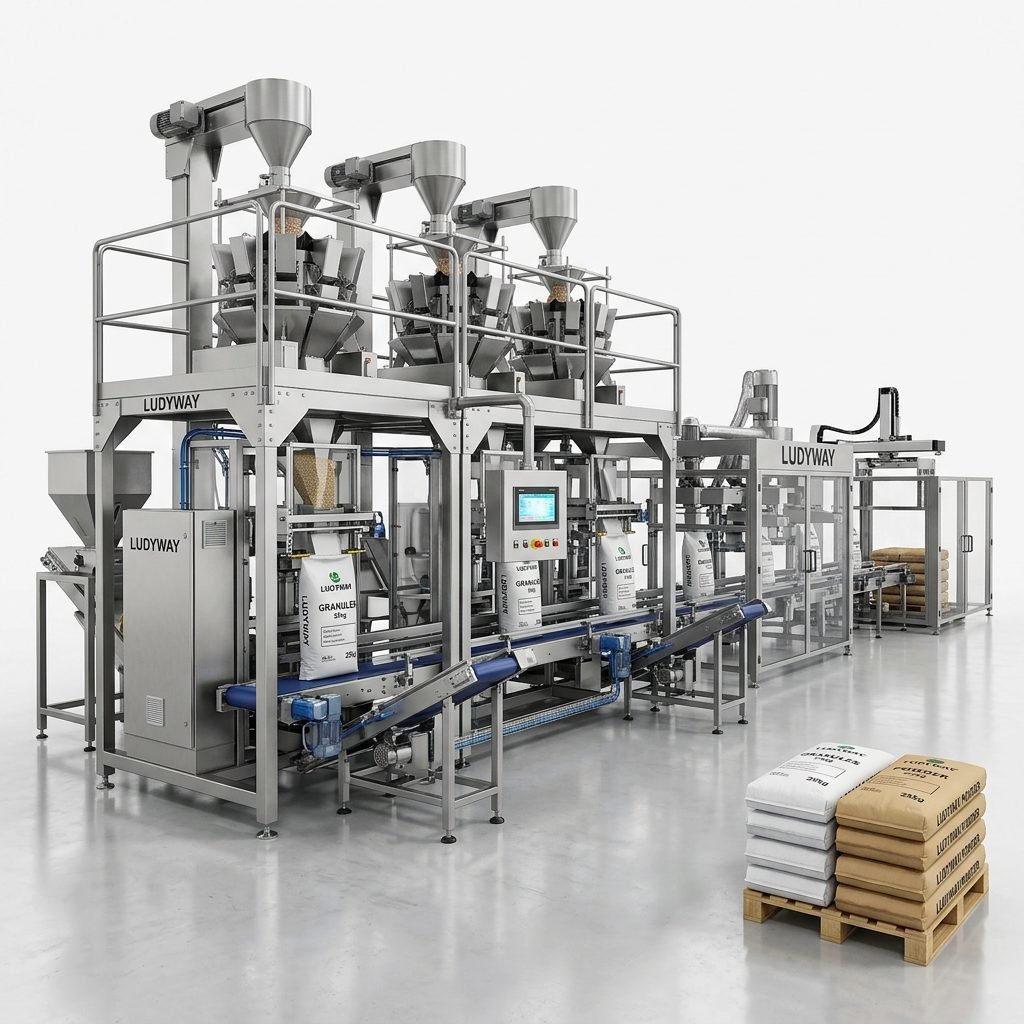
One such provider, Ludyway, has extensive experience delivering high-speed automated packaging systems to customers in over 100 countries. With a modern 20,000㎡ manufacturing facility and more than 30 years of industry expertise, the company offers over 50 intelligent packaging machine models, including complete turnkey lines suitable for beverage canning applications. Their engineering team provides comprehensive support from initial consultation through installation, commissioning, and ongoing technical assistance—critical factors when establishing production in South America’s dynamic markets.

Financial Planning and ROI Analysis
Investing in a soda can packaging machine production line requires significant capital, but the return on investment can be compelling given South America’s growing beverage consumption. Understanding the cost structure helps in making informed decisions.
Estimated Cost Breakdown
| Cost Category | Estimated Range (USD) | Percentage of Total |
|---|---|---|
| Core Packaging Machinery | $180,000 – $600,000 | 50%–60% |
| Shipping, Duties & Customs | $25,000 – $80,000 | 8%–12% |
| Facility Preparation | $40,000 – $120,000 | 10%–15% |
| Installation & Commissioning | $20,000 – $50,000 | 5%–8% |
| Training & Documentation | $8,000 – $20,000 | 2%–3% |
| Initial Spare Parts Inventory | $12,000 – $30,000 | 3%–5% |
With typical production speeds of 8,000–20,000 cans per hour, a well-optimized line can achieve payback within 18–30 months, depending on product margins and capacity utilization. For the latest packaging machinery market data, refer to the 2025 State of the Industry report and the Flexible Packaging Association’s industry data.
Environmental and Sustainability Considerations
South American consumers and regulators are increasingly focused on sustainability. Aluminum cans are inherently eco-friendly—they are infinitely recyclable without quality loss—and modern canning lines can be optimized for minimal resource consumption. The U.S. EPA’s Sustainable Materials Management framework and the European Commission’s Packaging Waste regulations provide excellent sustainability benchmarks that align with emerging South American standards.
Green Production Practices
- Implement closed-loop water recycling for can rinsing operations
- Utilize energy-efficient servo motors to reduce electricity consumption by 20%–35%
- Minimize product waste through precision filling technology with ±1% accuracy
- Choose suppliers that offer eco-friendly packaging material compatibility
- Design production schedules to maximize line utilization and minimize idle energy draw
Key Takeaways for South American Success
Setting up a soda can packaging machine production line in South America is a significant undertaking, but with proper planning, the right equipment partner, and a clear understanding of regional requirements, it represents a tremendous growth opportunity. The region’s expanding middle class, favorable demographics, and increasing preference for canned beverages create a strong foundation for long-term profitability.
By following the steps outlined in this guide—from facility planning and equipment selection to regulatory compliance and ongoing maintenance—manufacturers can establish efficient, competitive production operations that serve both domestic and export markets. For the latest industry insights, explore resources from PACK EXPO International and PMMI’s Business Intelligence Library.
Success in this market rewards those who invest in quality machinery, build strong local partnerships, and maintain a commitment to operational excellence from day one.