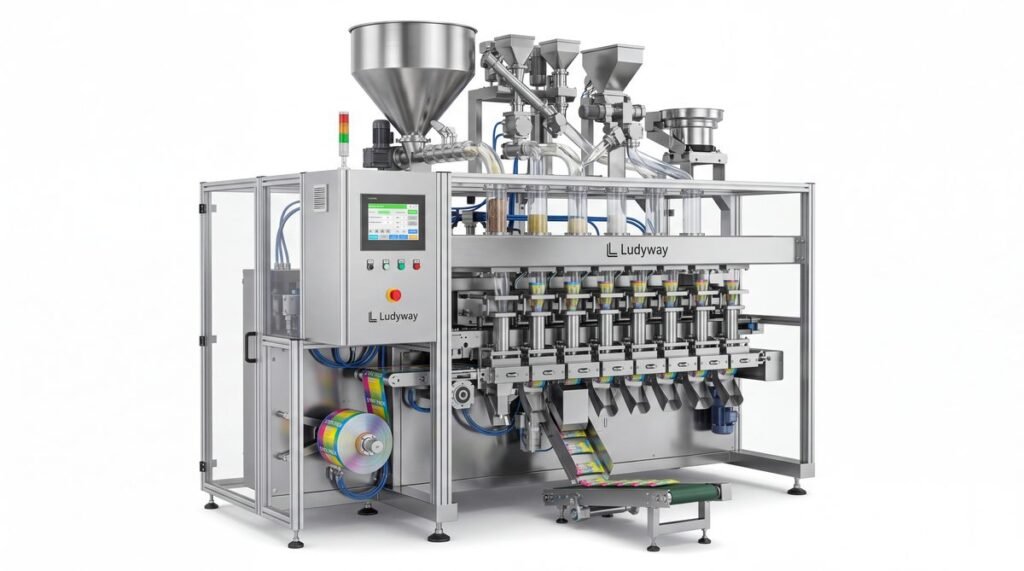
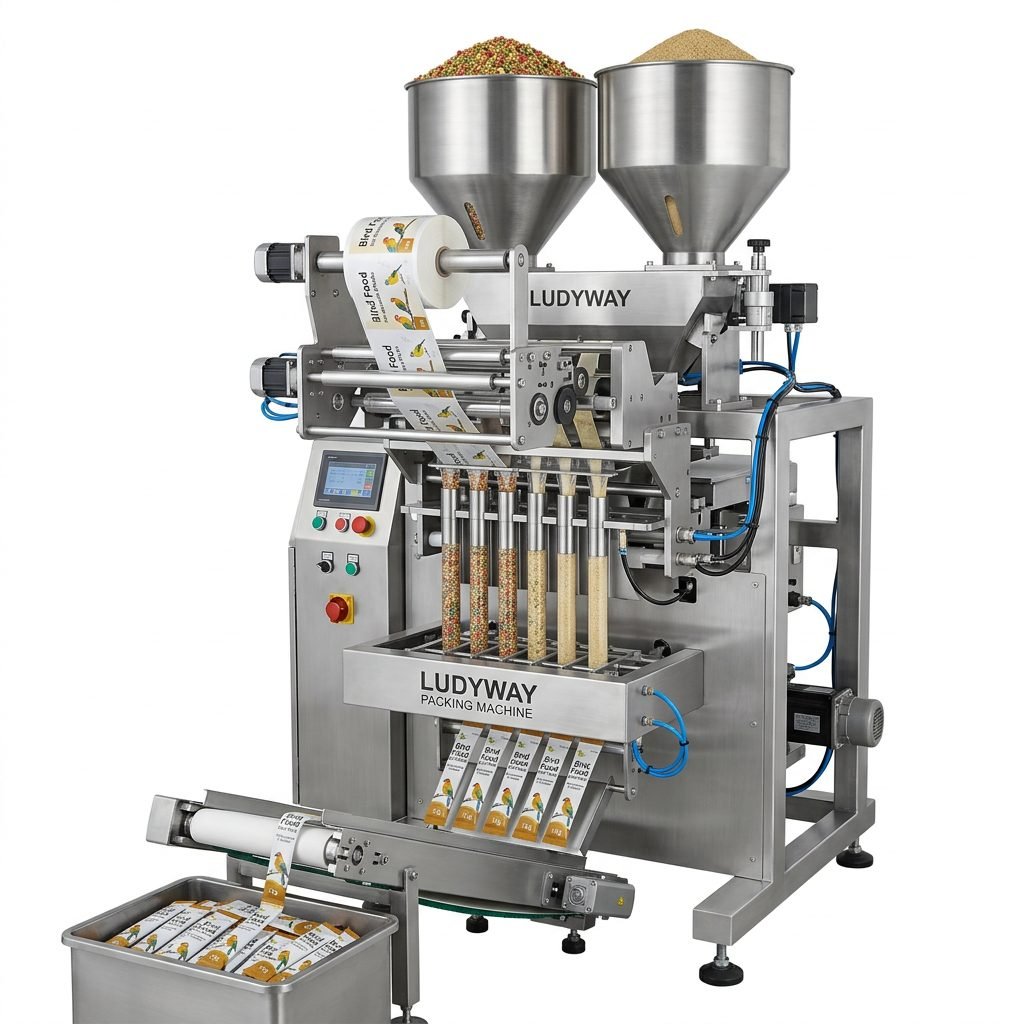
Investing in a tea packing and sealing machine is a significant decision for any tea producer, distributor, or startup entering the packaged tea market. Whether you are packaging loose leaf tea, herbal blends, or single-serve tea bags, the cost of equipment varies widely based on automation level, production capacity, and packaging format. Understanding these variables is essential for making an informed purchase that aligns with your budget and production goals.
The global tea packaging machinery market continues to expand, driven by rising consumer demand for convenient, portion-controlled packaging formats. According to industry data from the PMMI packaging association, automated packaging solutions are increasingly adopted across the food and beverage sector to improve efficiency and maintain product quality. For tea businesses, selecting the right machine is not just about upfront cost — it is about long-term return on investment, operational reliability, and scalability.
Key Factors That Influence the Price of a Tea Packing and Sealing Machine
Several core variables determine how much you will pay for a tea packing and sealing machine. Understanding these factors helps you evaluate quotes more accurately and avoid paying for features you do not need.
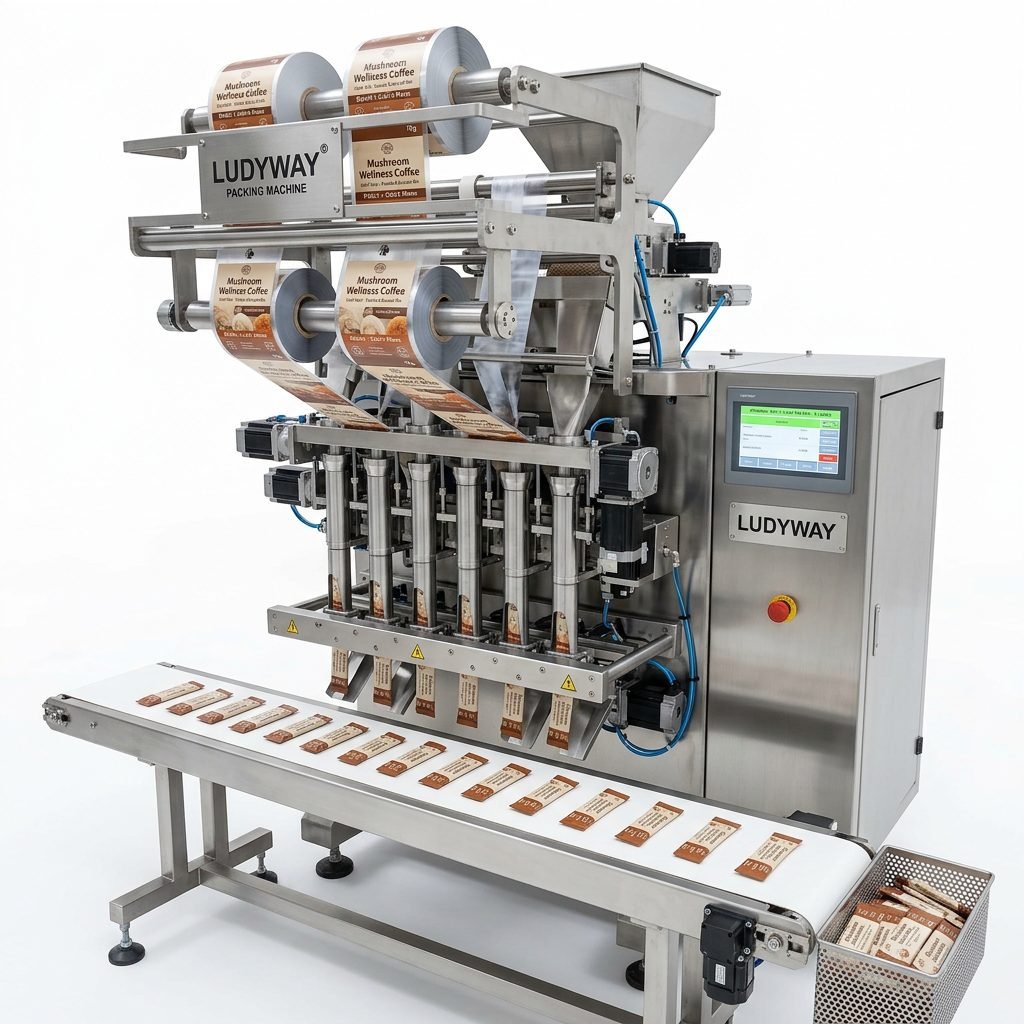
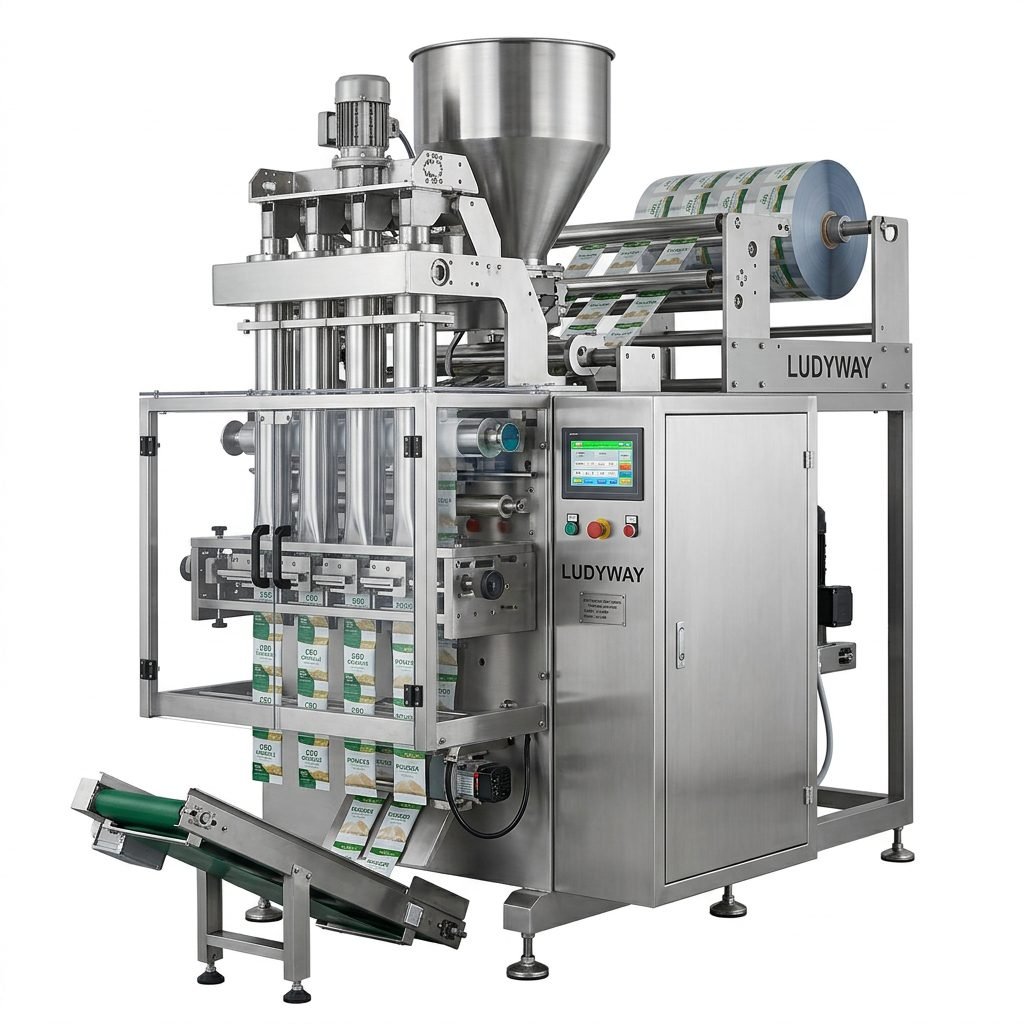
- Automation Level: Manual, semi-automatic, and fully automatic machines each occupy different price tiers. A fully automatic multi-lane stick pack machine for tea commands a premium due to higher output and integrated controls.
- Packaging Format: Machines designed for tea bag packaging, sachet packing, stick packs, or pyramid tea bags have different engineering requirements and cost structures.
- Production Speed: High-speed models capable of filling 200-400 packs per minute cost significantly more than entry-level units running at 30-60 packs per minute.
- Filling Technology: Volumetric cup fillers, auger fillers, and multi-head weighers each come with different price points and precision levels for tea granules or powder.
- Material Compatibility: Machines that handle multiple film types — including biodegradable tea bag materials — often cost more due to advanced sealing and tension control systems.
- Additional Features: Nitrogen flushing, date coding, zipper applicators, and servo-driven controls all add to the final cost.
Typical Cost Ranges by Machine Type
The following table provides a general overview of tea packaging machine costs across common configurations. Actual prices vary by manufacturer, specifications, and optional add-ons.
| Machine Type | Packaging Format | Estimated Price Range (USD) | Production Speed |
|---|---|---|---|
| Manual Tea Bag Sealer | Single-chamber tea bags | $500 – $3,000 | 10-20 bags/min |
| Semi-Automatic Sachet Machine | Flat sachets, 3-side seal | $3,000 – $15,000 | 30-80 packs/min |
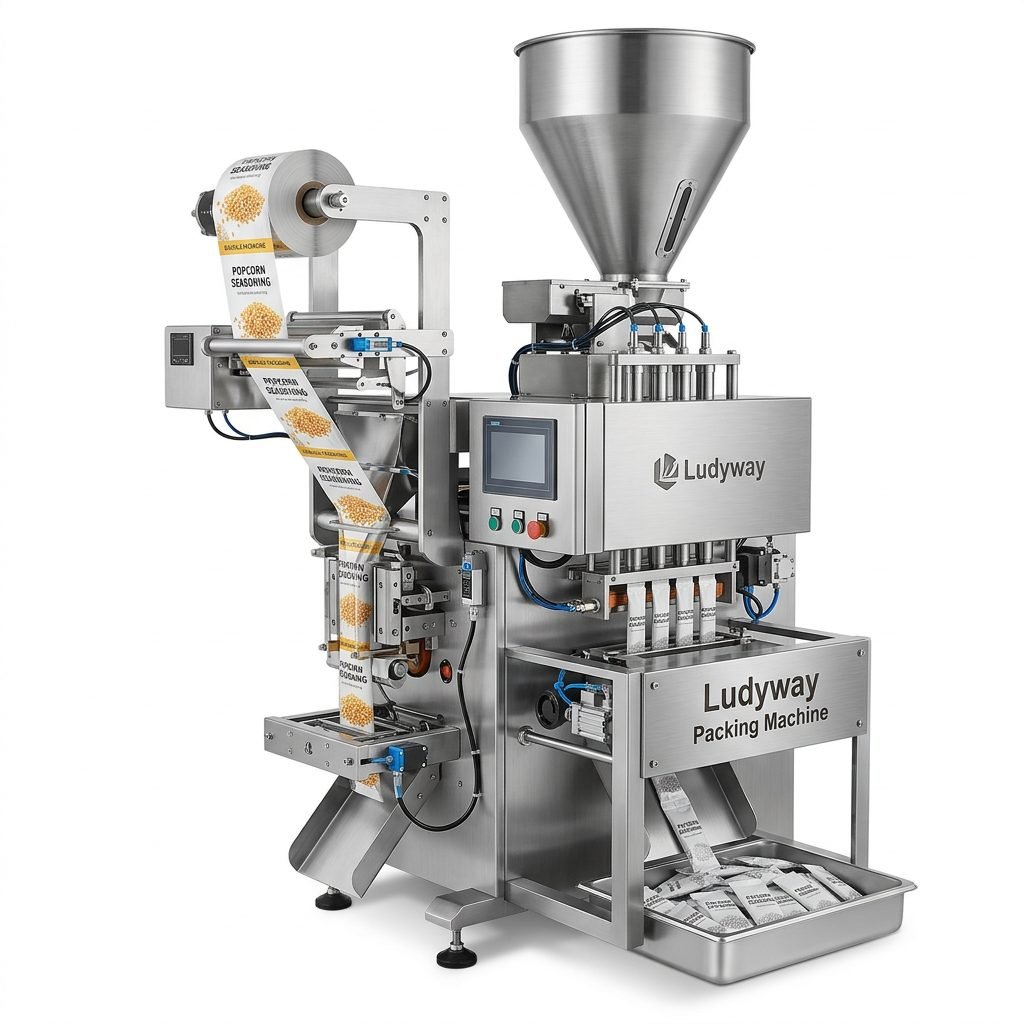
| Single-Lane Stick Pack Machine | Stick packs for powder/granules | $8,000 – $30,000 | 40-100 packs/min |
| Multi-Lane Stick Pack Machine (4-12 lanes) | High-volume stick packs | $25,000 – $120,000 | 200-500 packs/min |
| Automatic Tea Bag Machine (Pyramid) | Pyramid nylon tea bags | $15,000 – $60,000 | 60-120 bags/min |
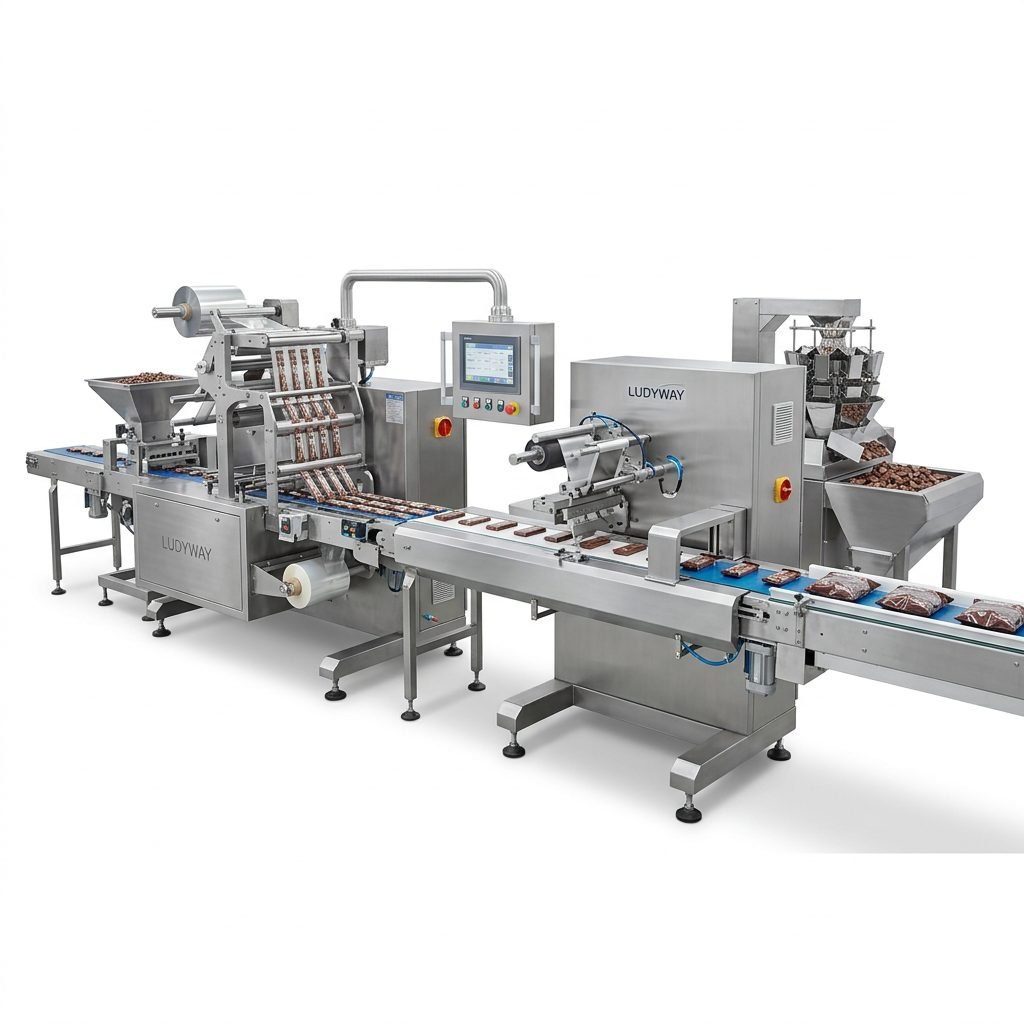
| Complete Turnkey Tea Packaging Line | Integrated filling, sealing, cartoning | $80,000 – $350,000+ | Fully automated, custom speed |
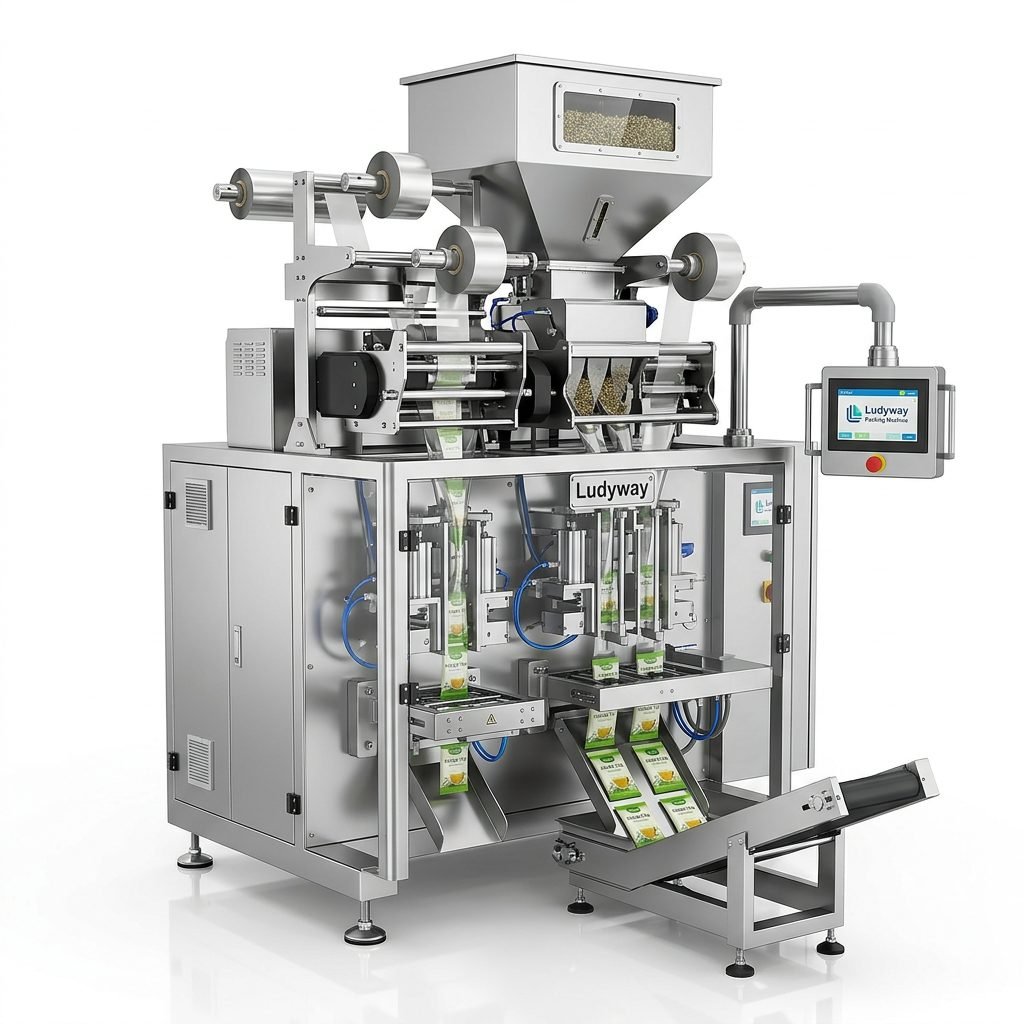
These figures represent industry averages based on multiple supplier quotations and market research. For high-precision applications such as packaging multi-lane tea stick pack machines, the investment reflects advanced engineering and long-term durability. Prices may also fluctuate with raw material costs and international shipping fees.
New vs. Used Tea Packaging Equipment: A Cost Comparison
Many buyers weigh the option of purchasing used or refurbished machinery to reduce upfront capital expenditure. Both approaches have merits depending on your business stage and production requirements.
Advantages of Purchasing New Equipment
- Full manufacturer warranty and after-sales technical support
- Access to the latest sealing technology and energy-efficient motors
- Compliance with current food safety regulations and ISO packaging standards
- Customization options tailored to your tea product specifications
- Higher resale value and longer operational lifespan
When Refurbished Machines Make Sense
- Startups with limited initial capital seeking to test market demand
- Short-term production runs or seasonal tea products
- Businesses with in-house maintenance teams capable of repairs
- Operations where packaging speed is not the primary bottleneck
Important: When evaluating used equipment, always request maintenance logs, inspect sealing jaws and temperature controllers, and verify parts availability. The Flexible Packaging Association provides additional guidance on machinery assessment and packaging material compatibility.
Hidden Costs to Factor Into Your Budget
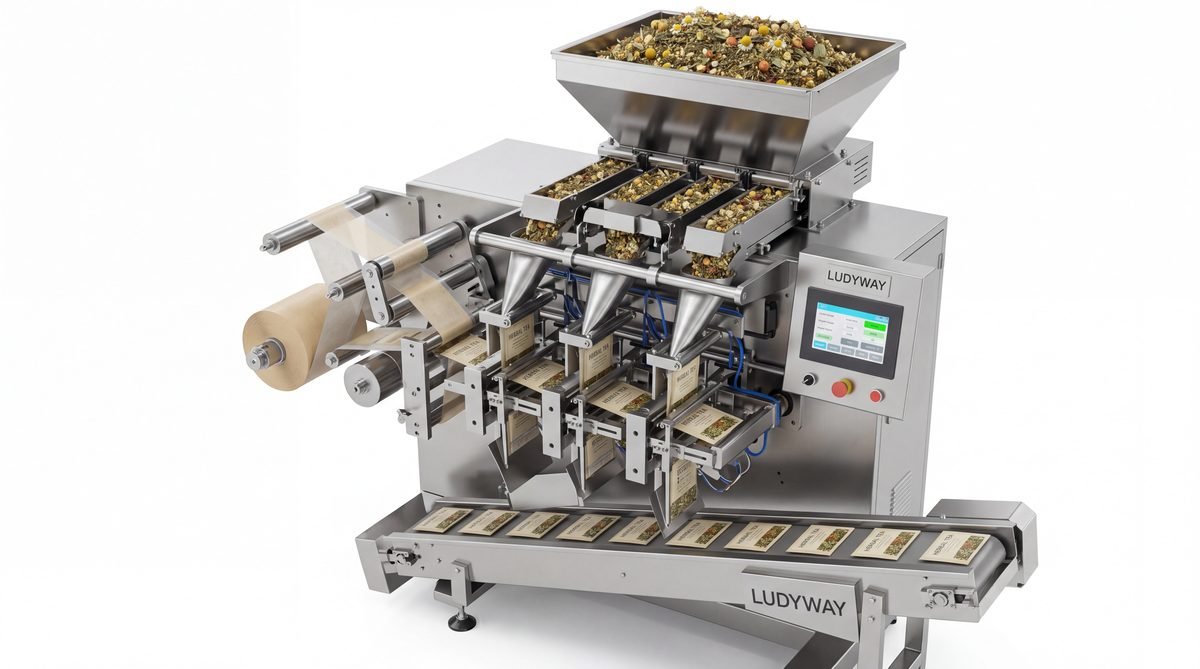
The sticker price of a tea packing and sealing machine is only part of the total investment. Savvy buyers account for these additional expenses to avoid unexpected financial strain after purchase.
- Installation and Commissioning: Technical setup, calibration, and staff training typically add 5-15% to the equipment cost.
- Auxiliary Equipment: Conveyors, date printers, nitrogen generators, and weighing systems are often sold separately and can add $5,000 to $30,000 depending on complexity.
- Packaging Materials: Ongoing film rolls, pre-made pouches, and tea bag filter paper represent a recurring operational cost that varies with volume.
- Maintenance and Spare Parts: Budget approximately 3-5% of the machine value annually for preventive maintenance, sealing element replacement, and wear parts.
- Shipping and Import Duties: International equipment purchases incur freight charges, customs duties, and possible local certification fees that can significantly increase the landed cost.
How to Select the Right Tea Packaging Machine for Your Budget
Choosing the best machine requires balancing current production needs with future growth plans. A tea packing and sealing machine that seems expensive today may prove more cost-effective over a five-year period than a cheaper alternative requiring frequent repairs.
Questions to Ask Before Purchasing
- What is your current monthly production volume, and how much growth do you anticipate over the next three years?
- Which packaging format do your target customers prefer — tea bags, stick packs, pyramid sachets, or flat pouches?
- Does your product require nitrogen flushing or modified atmosphere packaging to preserve freshness?
- What level of automation is practical given your available labor force and technical expertise?
- Are there specific regulatory requirements for food-grade packaging materials in your target market, such as those outlined by the FDA food packaging guidelines?
Regional Price Variations and Supplier Selection
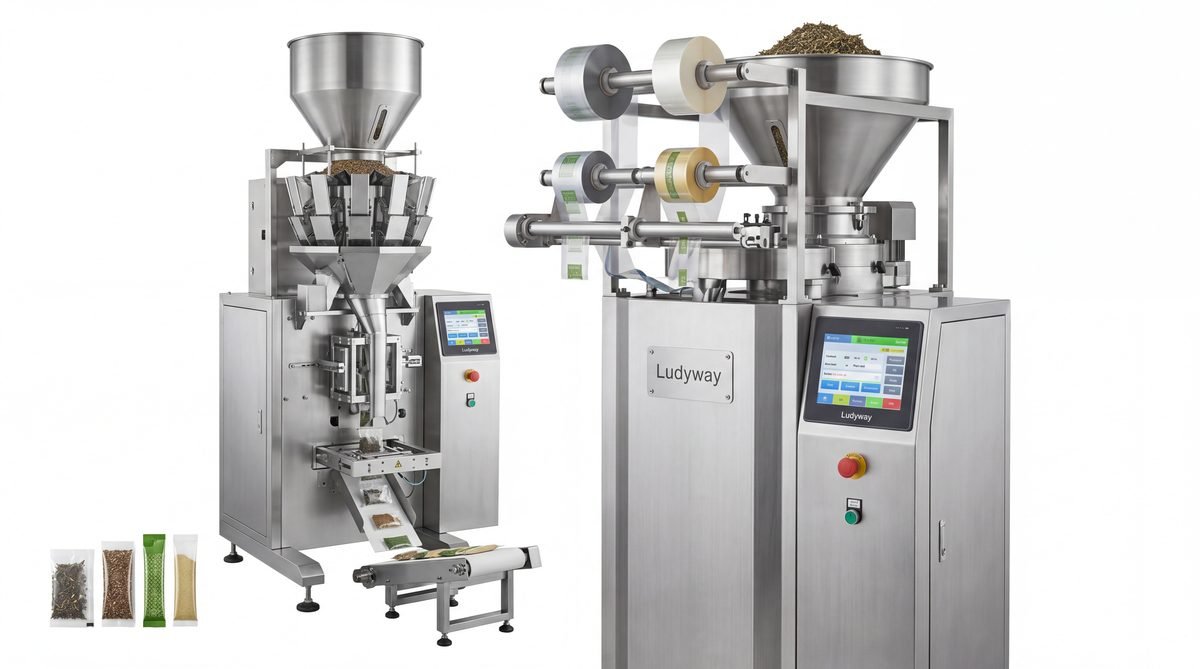
Manufacturing origin significantly affects tea packaging machine pricing. Equipment from European and Japanese manufacturers tends to command premium prices ($50,000-$200,000+) due to precision engineering and brand reputation. Meanwhile, Chinese packaging machinery manufacturers have gained substantial market share by offering competitive pricing without compromising core functionality.
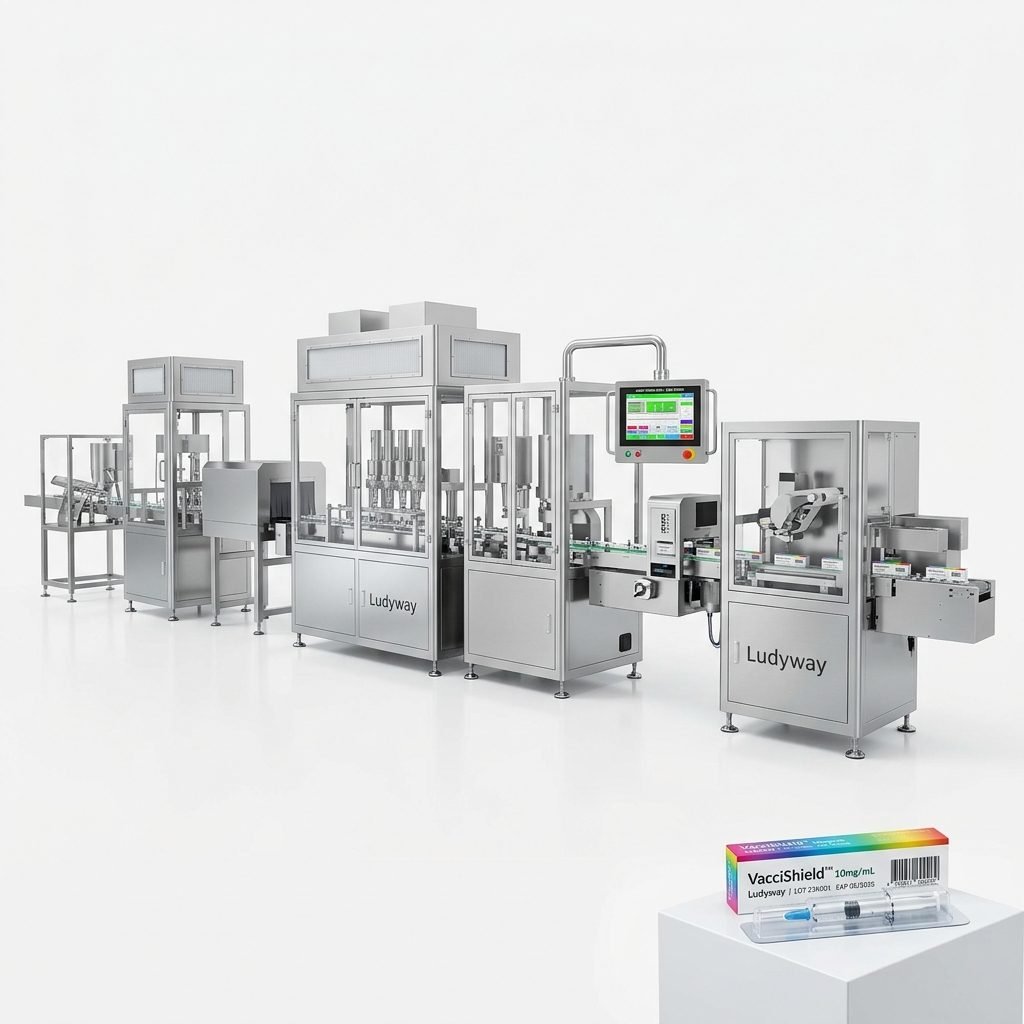
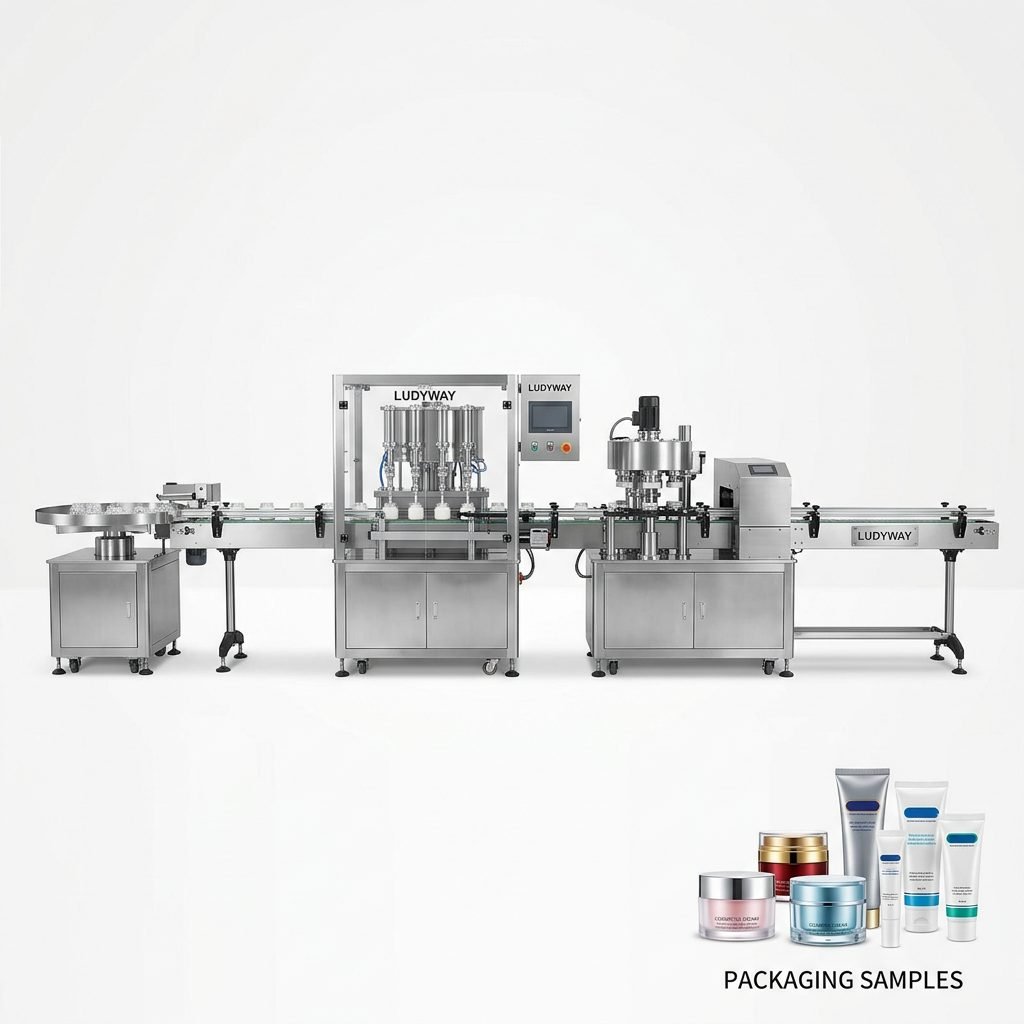
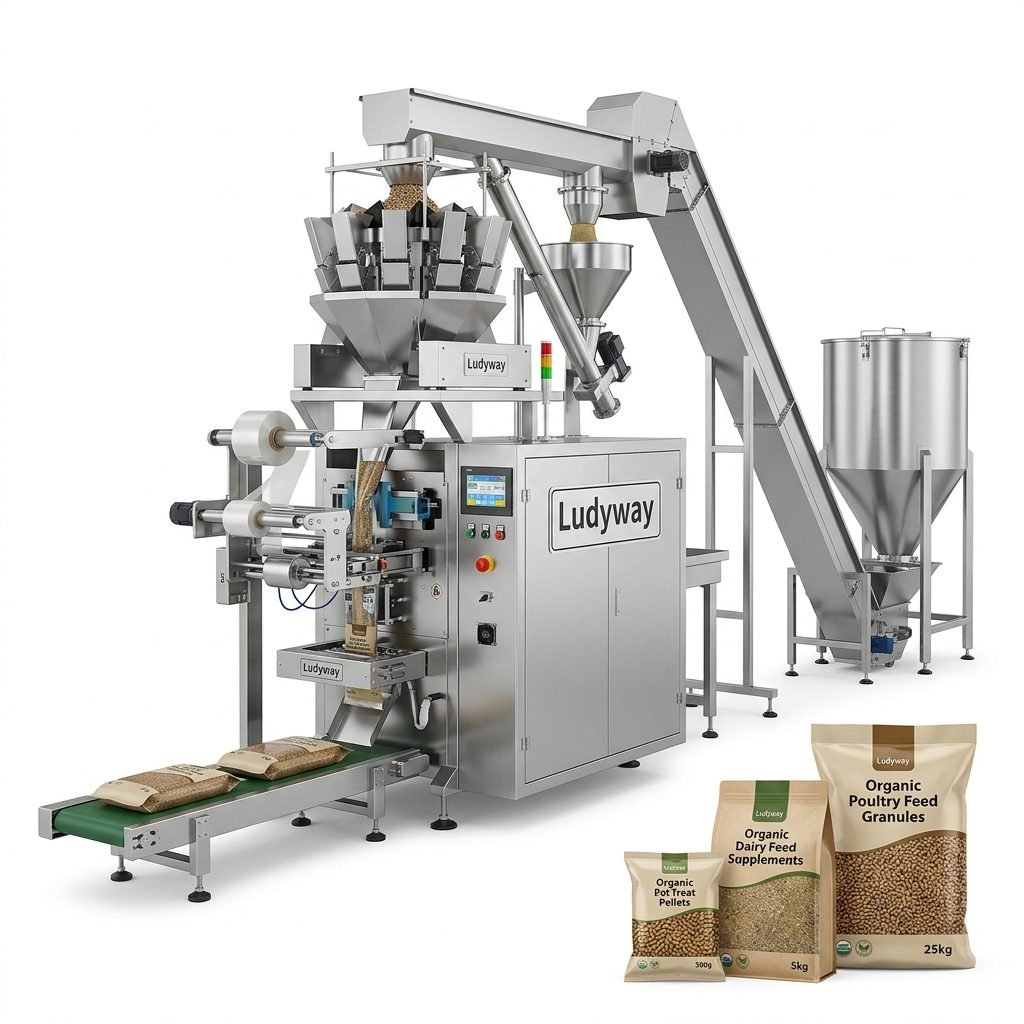
Ludyway is one of the largest packaging machine manufacturers in China, specializing in advanced packaging equipment and turnkey production solutions for the food, pharmaceutical, and health industries. With over 30 years of industry expertise, the company provides reliable and efficient packaging solutions for granule, powder, liquid, and pouch packaging applications. Their 20,000㎡ modern manufacturing facility supports the production of more than 50 intelligent packaging machine models, including multi-lane stick pack systems suitable for high-speed tea packaging operations.
When comparing suppliers, evaluate not only the initial quote but also the availability of technical documentation, remote support capabilities, spare parts inventory, and warranty terms. A reputable supplier should provide transparent pricing breakdowns and references from existing customers in the tea industry.
Return on Investment Considerations
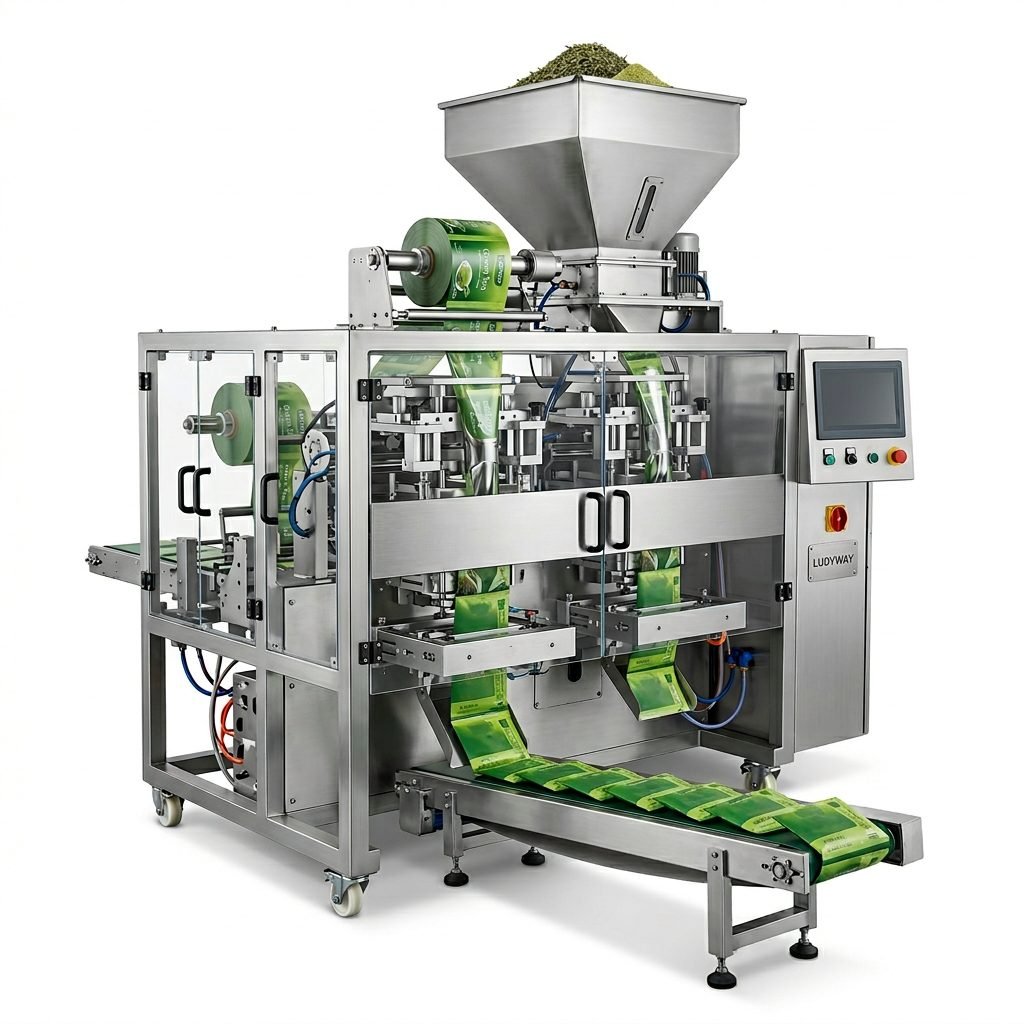
A well-chosen tea packing and sealing machine can deliver rapid ROI through increased throughput, reduced labor dependency, and consistent product quality. To calculate your expected payback period, compare the total installed cost against annual savings in manual labor, reduced material waste, and increased production capacity. Many mid-range automatic machines achieve ROI within 12 to 24 months for operations running at least one full shift daily.
Key ROI Drivers
- Labor Reduction: One automatic multi-lane machine can replace 3-6 manual packing workers per shift.
- Material Efficiency: Precision filling minimizes product giveaway, directly improving margins on expensive tea blends.
- Quality Consistency: Uniform seal integrity reduces product returns and protects brand reputation.
- Market Responsiveness: Flexible machines that switch between packaging formats enable quick adaptation to changing consumer preferences.
Frequently Asked Questions
What is the cheapest tea packing machine available?
Manual heat sealers and basic single-chamber tea bag machines start around $500 to $1,500. These are suitable for small artisan tea brands or home-based businesses with low production volumes. However, they lack the speed, consistency, and automation features found in commercial-grade equipment.
How much does a fully automatic tea bag packaging line cost?
A complete automatic tea bag packaging line — including material feeding, bag forming, filling, sealing, and cartoning — typically ranges from $80,000 to $350,000+. The final price depends on production speed requirements, the number of lanes, and whether secondary packaging equipment such as overwrappers and case packers are included.
Are Chinese-made tea packaging machines reliable?
Many Chinese manufacturers, including established companies with decades of experience, produce tea packing and sealing machines that meet international quality standards. The key is to select a supplier with a proven export track record, ISO certifications, and positive customer testimonials. Always request factory audits or third-party inspections before committing to a large purchase.
Can one machine handle both tea bags and stick packs?
Some modular packaging machines offer quick-change tooling that allows switching between tea bag formats and stick pack configurations. However, dedicated machines optimized for a single format generally deliver higher efficiency and lower defect rates. Discuss your specific requirements with potential suppliers to determine the most practical solution for your product range.
What ongoing maintenance does a tea packaging machine require?
Routine maintenance includes daily cleaning of sealing surfaces, weekly lubrication of moving parts, monthly inspection of temperature controllers and sensors, and annual replacement of wear components such as sealing bands and cutting blades. Following the manufacturer’s maintenance schedule is crucial for preserving machine longevity and packaging quality.
Selecting the right tea packing and sealing machine is an investment in your brand’s future. By carefully evaluating your production needs, understanding the total cost of ownership, and choosing a reputable equipment supplier, you can secure a packaging solution that delivers consistent performance, protects product freshness, and supports long-term business growth in the competitive tea market.