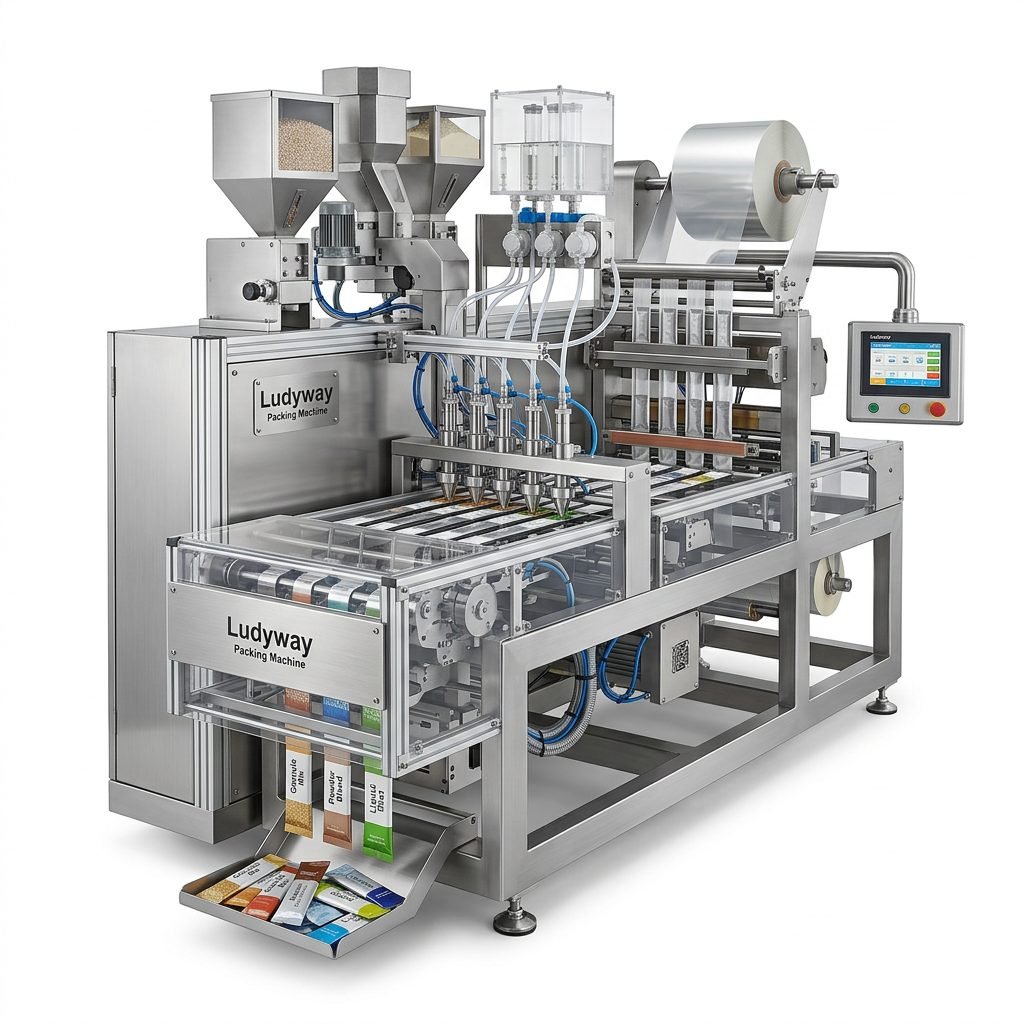
Setting up a spice packaging machine production line in Europe requires careful planning, an understanding of local regulations, and the right technology partners. Europe’s spice market is projected to grow steadily, driven by increasing demand for ethnic cuisines, organic seasonings, and convenience food products. This guide walks you through every critical step, from initial concept to full-scale production, ensuring your investment is efficient, compliant, and profitable.
Why Establish Spice Packaging Operations in Europe?
Manufacturing or co-packing spices within the European Union offers significant advantages. Proximity to major markets reduces logistics costs and lead times. More importantly, European consumers demand high-quality, traceable, and sustainably packaged food products. By producing locally, you gain better control over quality standards and can respond faster to changing retailer specifications. The flexible packaging industry in Europe is highly advanced, supporting innovative formats like stick packs, sachets, and resealable pouches that are popular in the spice sector.
Understanding European Spice Market Demands
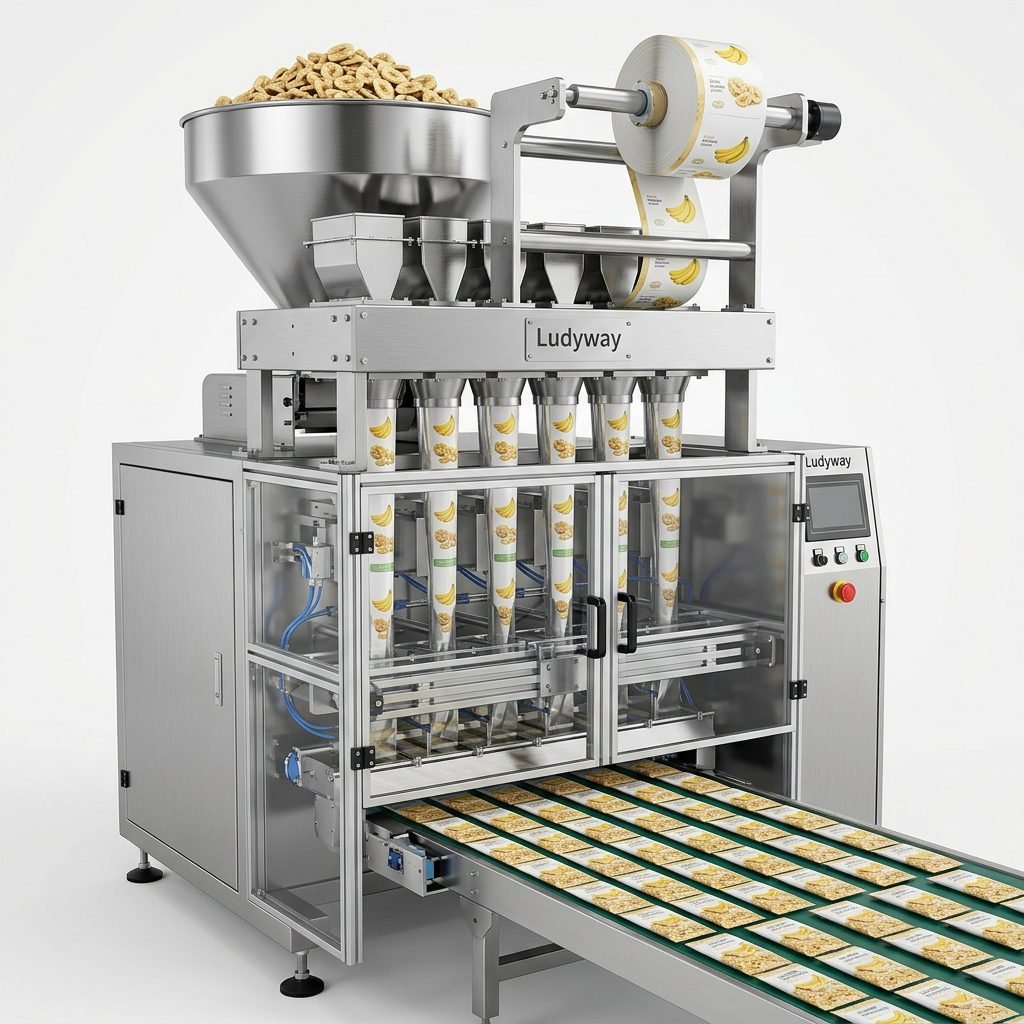
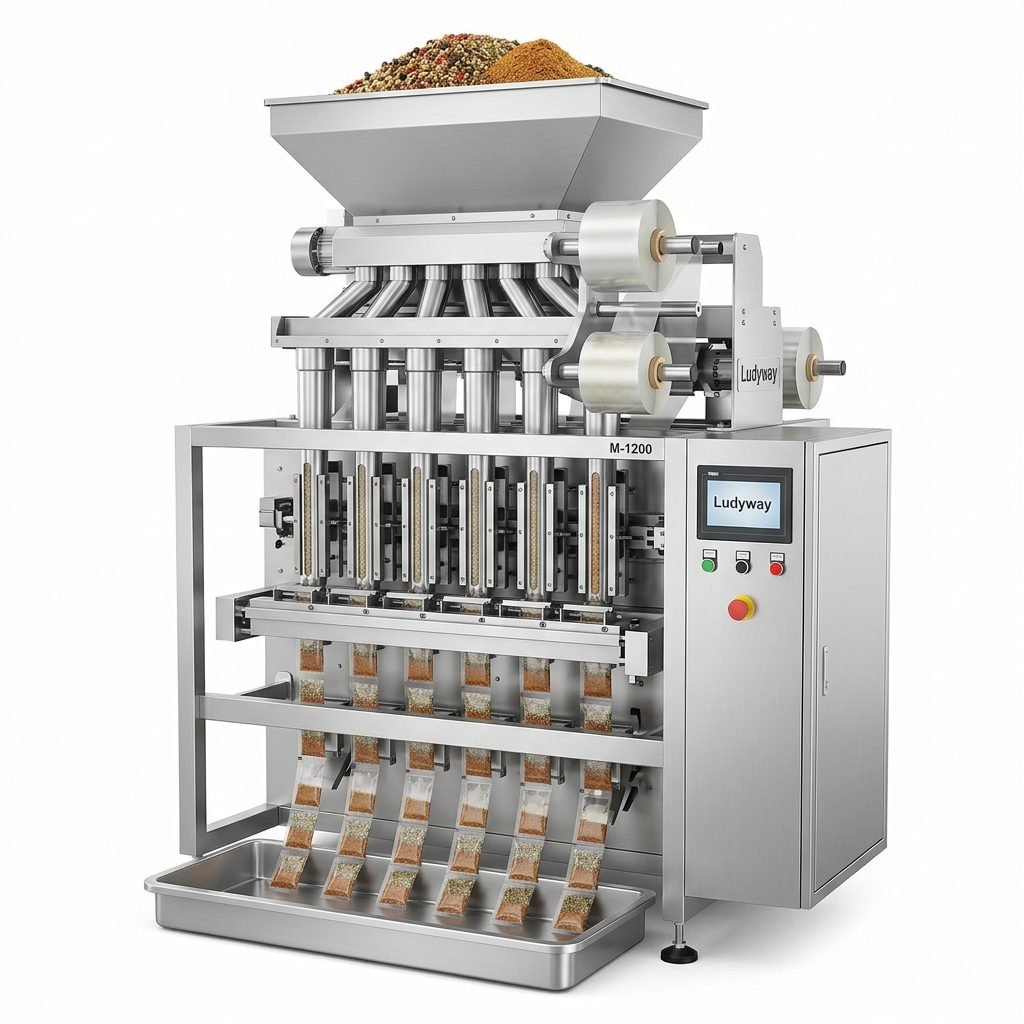
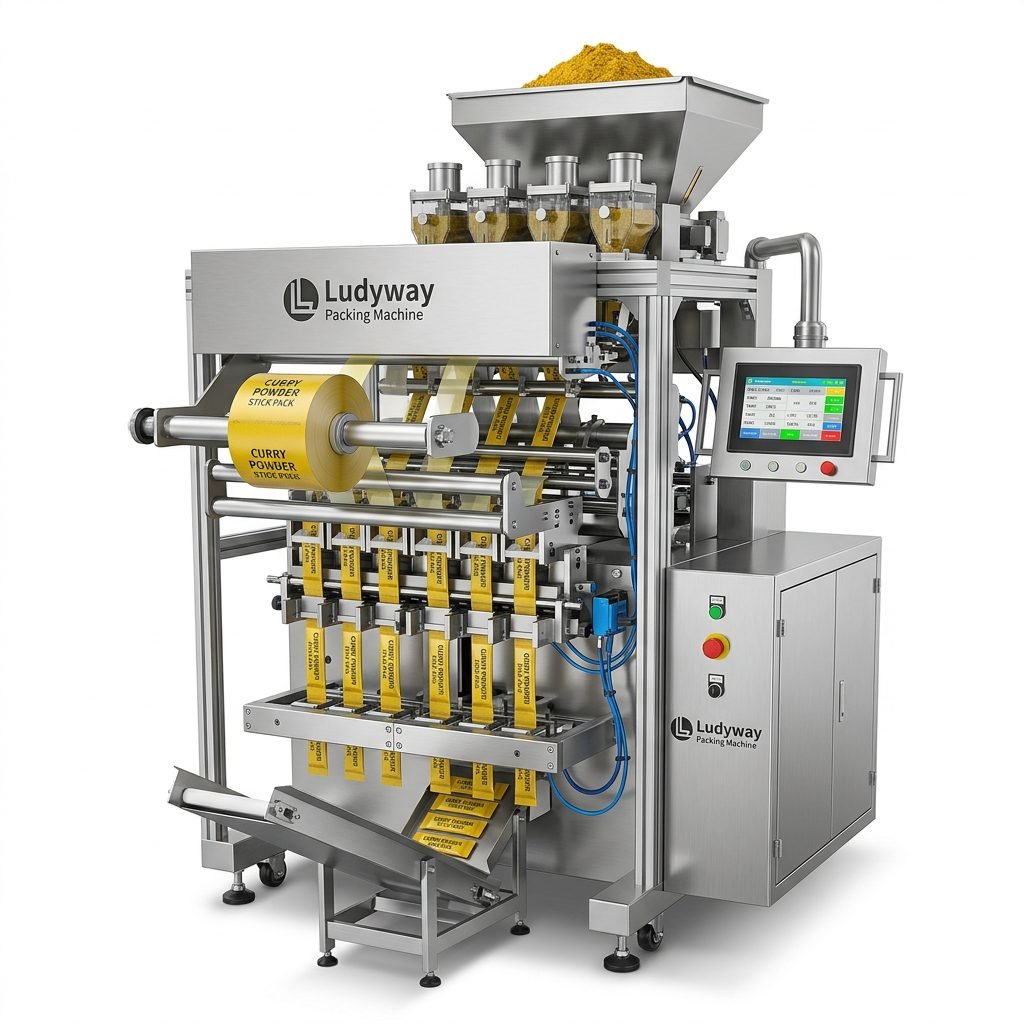
Before purchasing a single machine, you must analyze your target product range. Are you packaging whole spices, ground powders, blends, or liquid seasoning pastes? Each format requires different filling technologies. The market shows a clear preference for multi-lane stick packs for single-serve convenience and stand-up pouches for household use. Your production line must be versatile enough to handle varying granule sizes and powder densities, from fine turmeric to coarse oregano.
Key Machine Components for a Spice Packaging Line
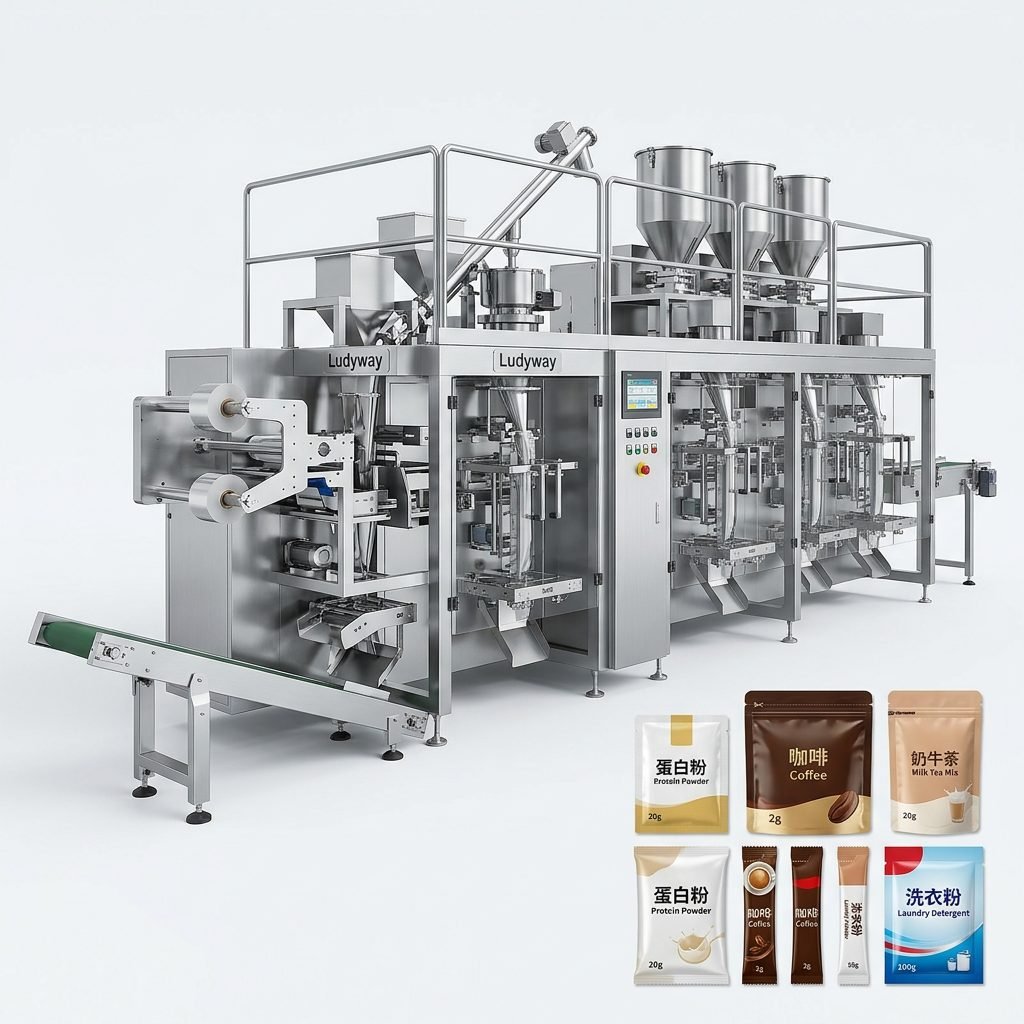
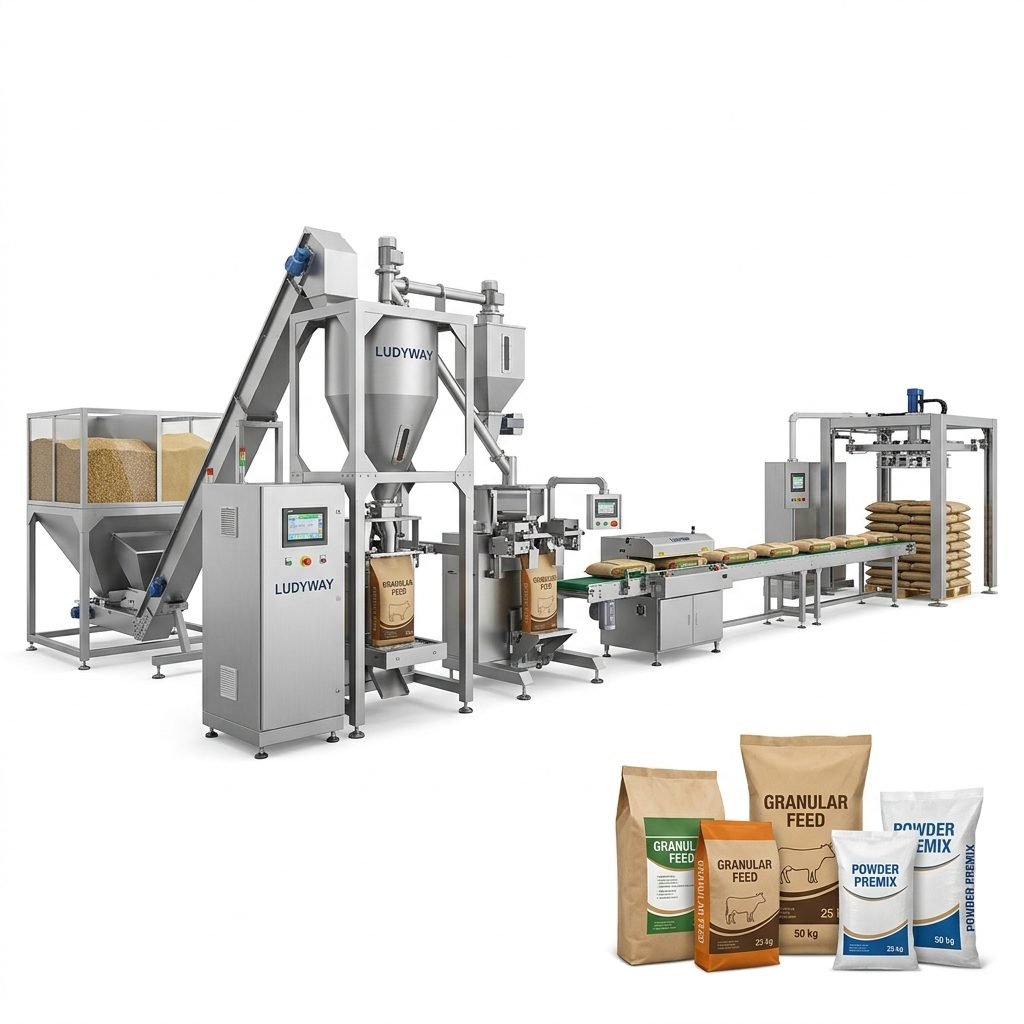
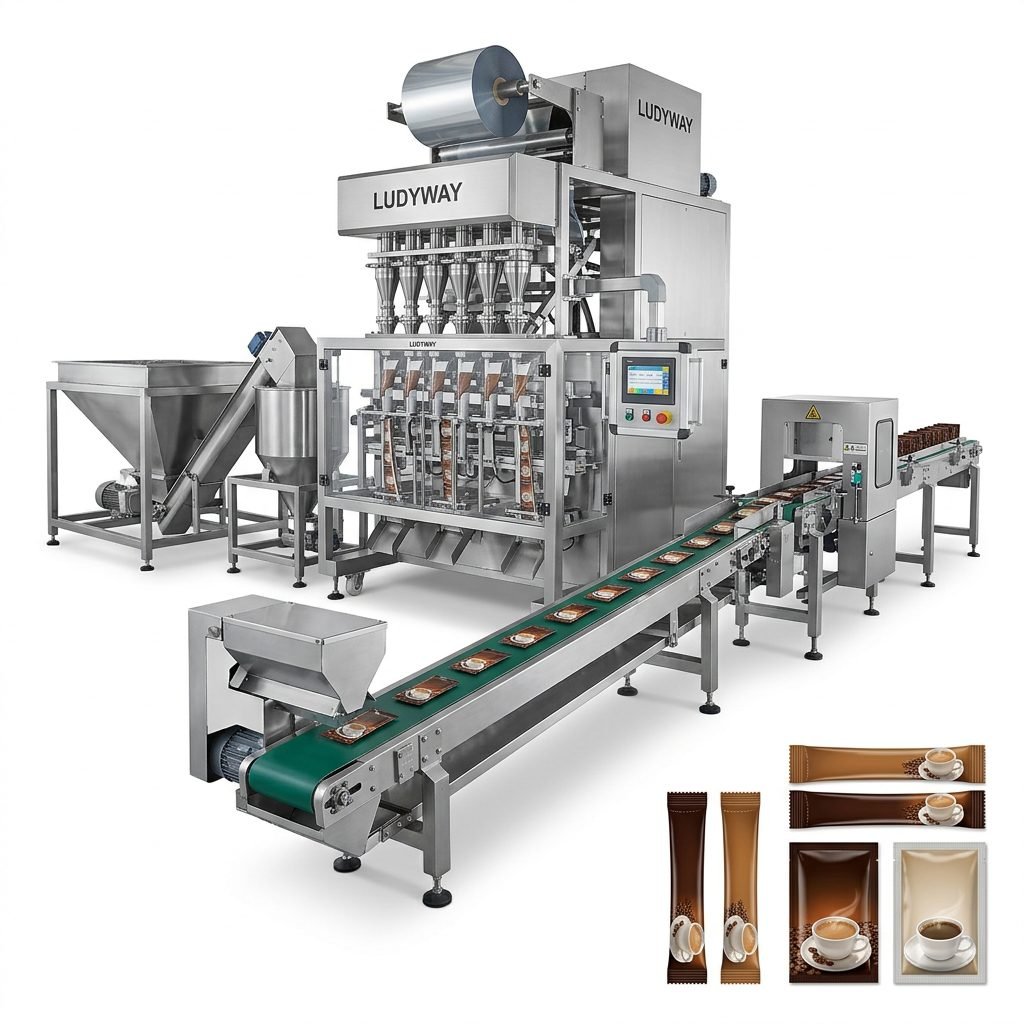
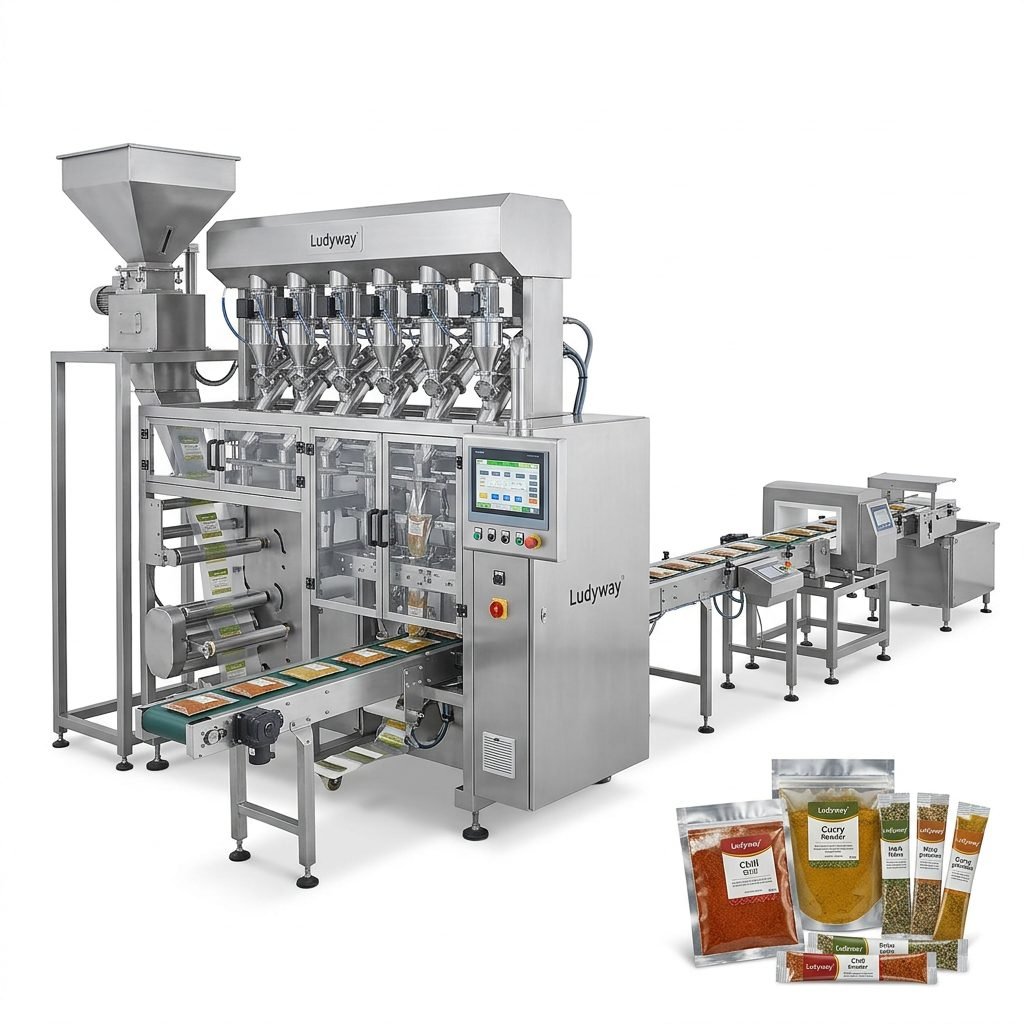
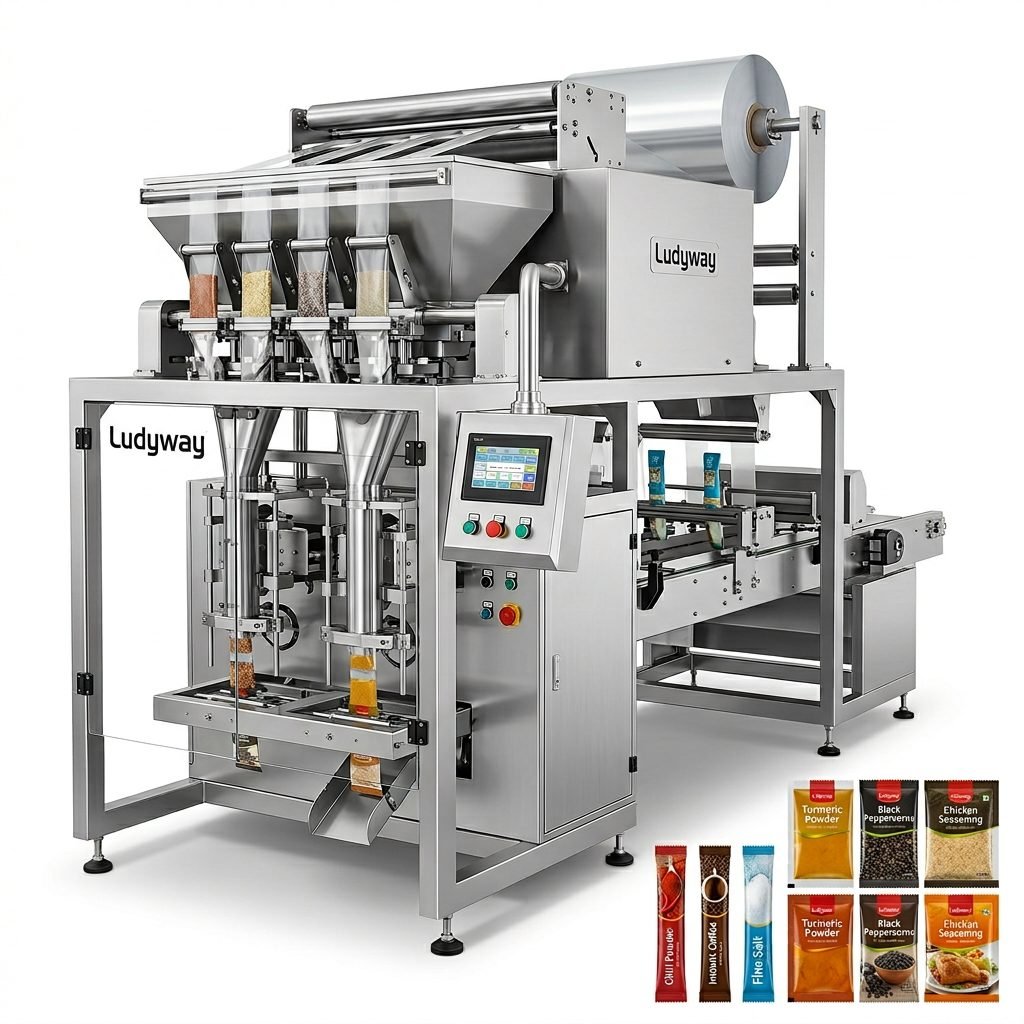
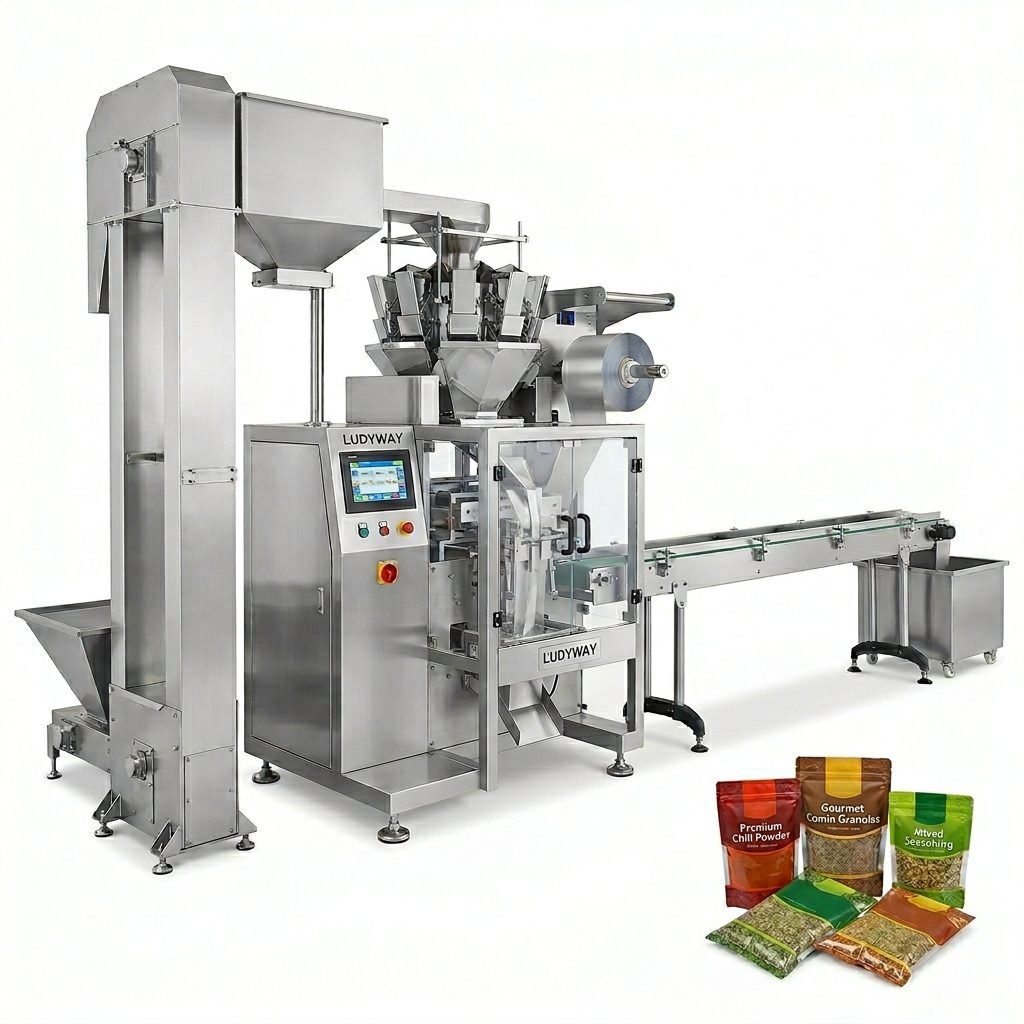
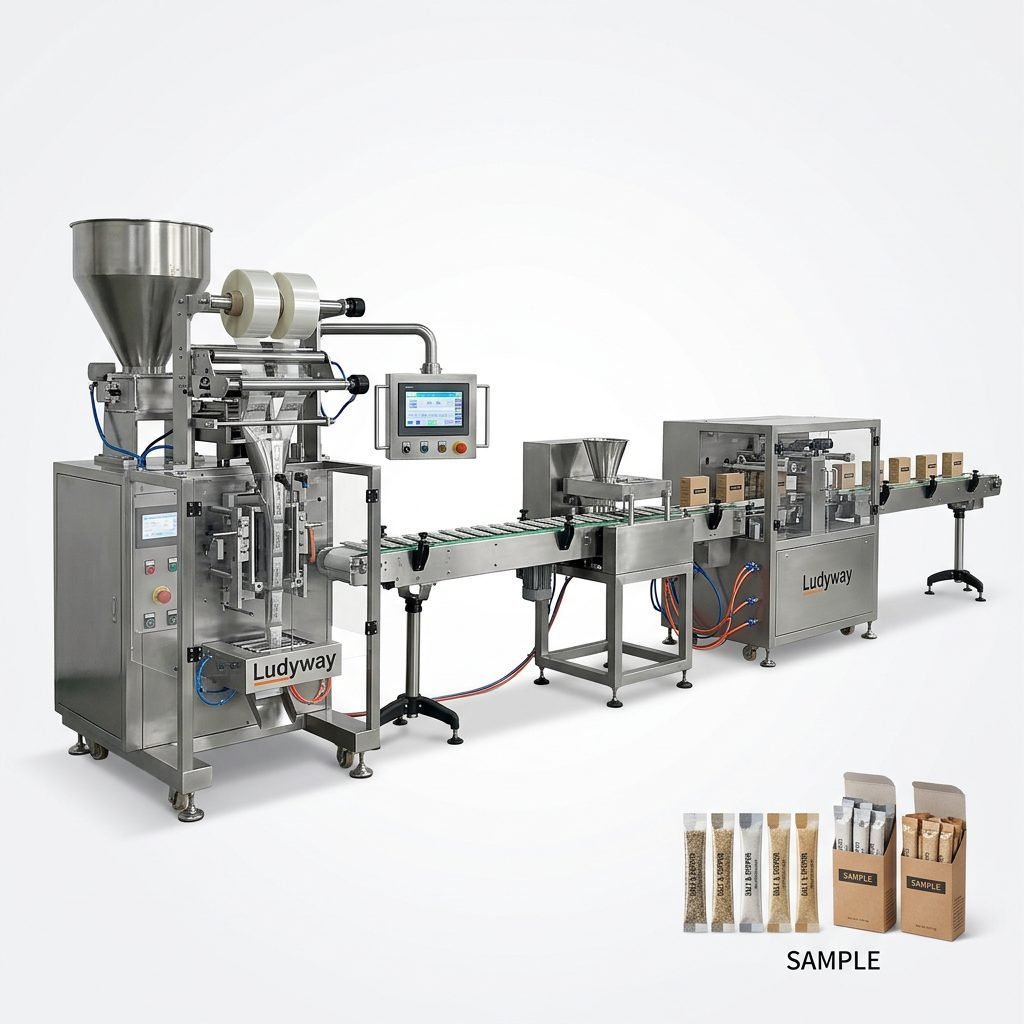
A complete packaging line for spices is not just a single unit but an integrated system. The core equipment you need includes:
- Feeding Systems: Bucket elevators or vacuum feeders to transport raw spices gently without damaging granules.
- Multi-Head Weighers: Essential for high-accuracy dosing of ground spices and blends into each pack.
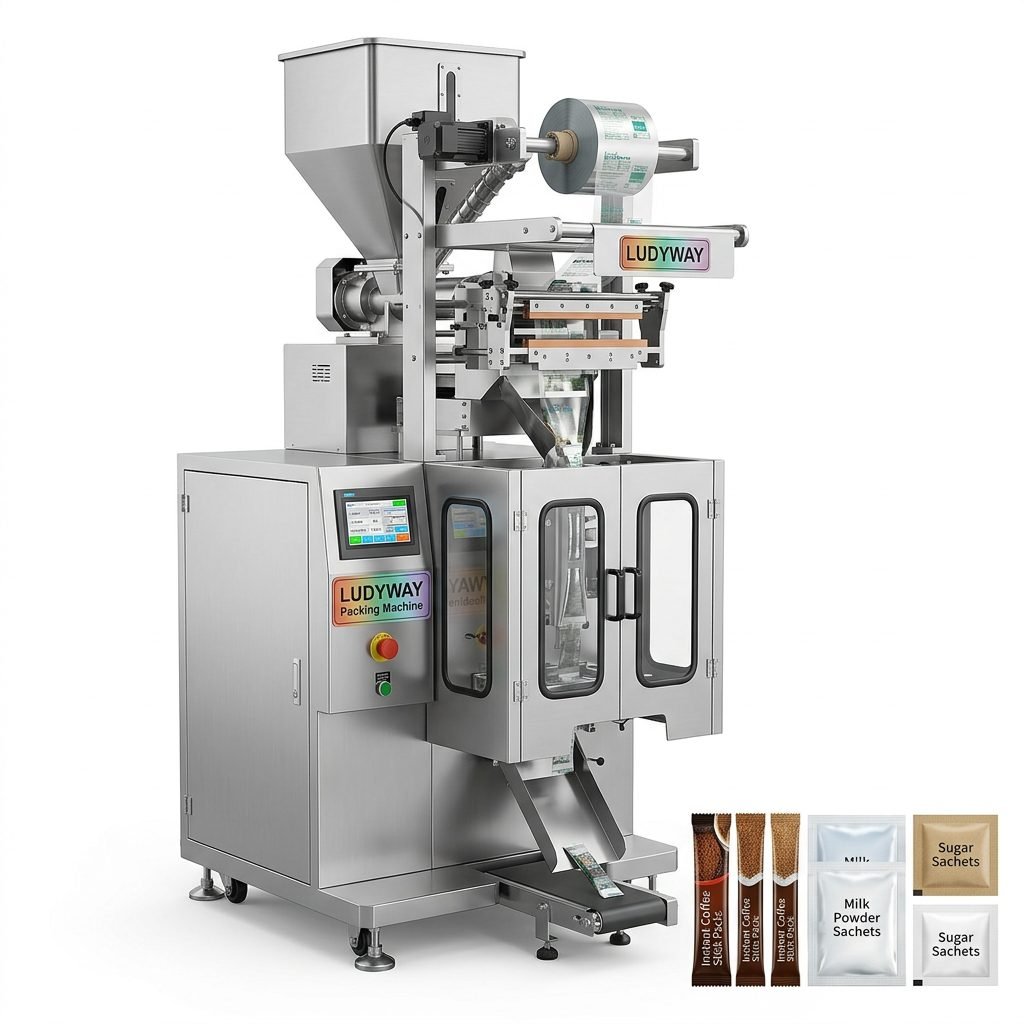
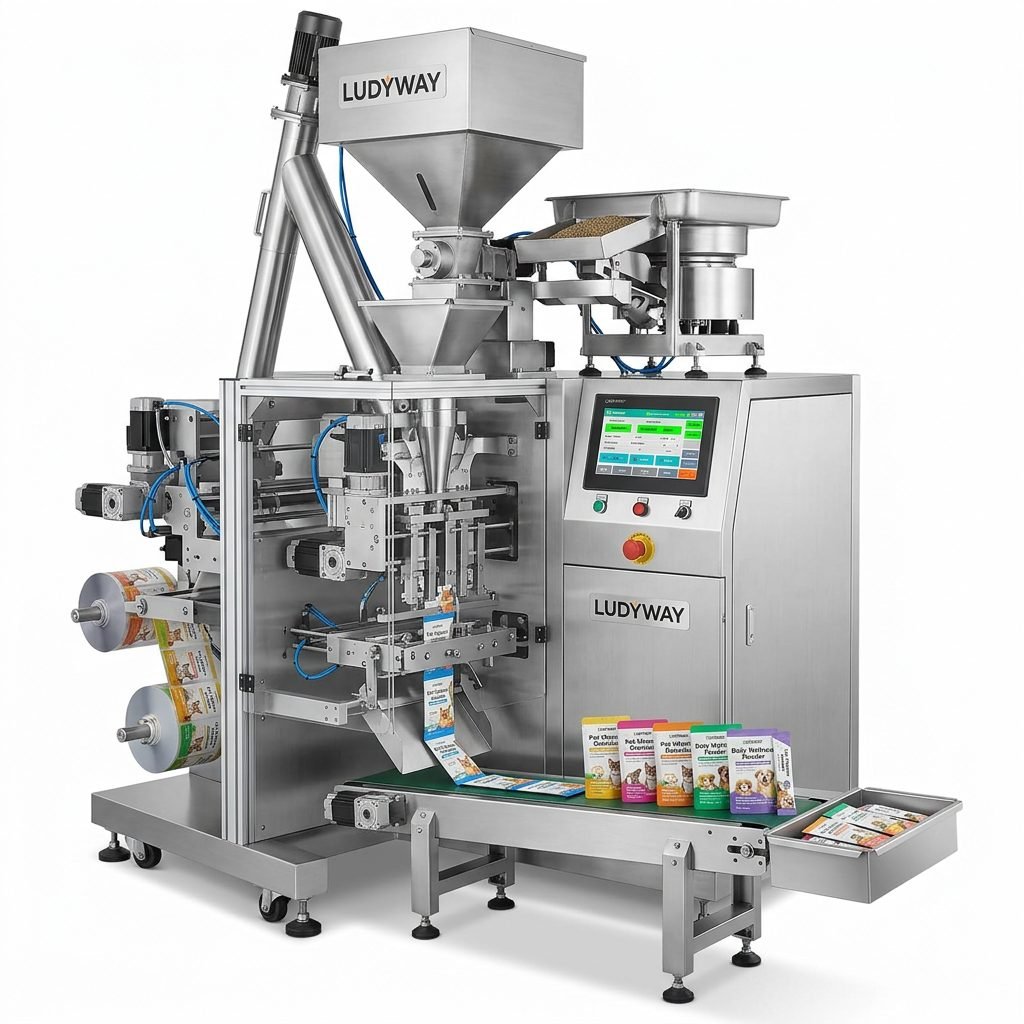
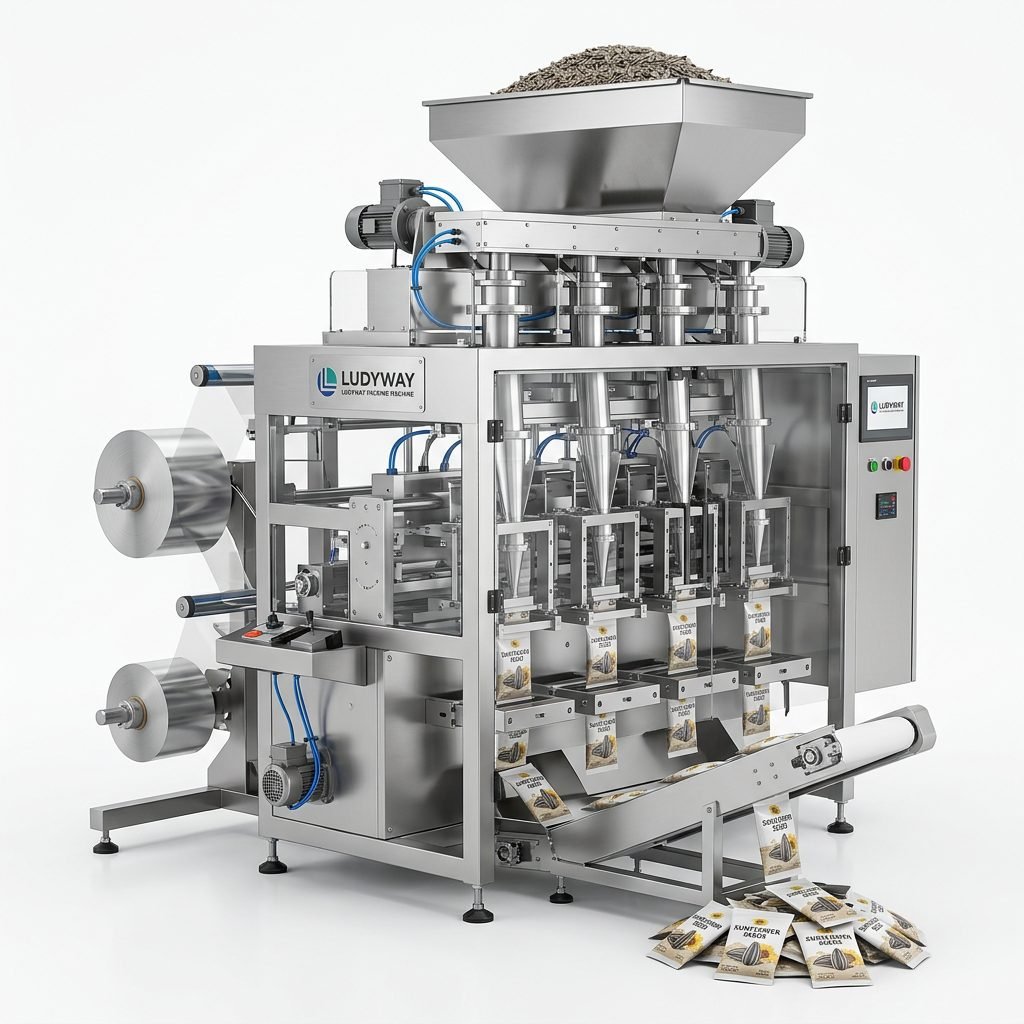
- Vertical Form Fill Seal (VFFS) Machines: The heart of the line, forming pouches or stick packs from roll stock film. Multi-lane configurations dramatically increase output.
- Checkweighers and Metal Detectors: Critical for quality assurance and compliance with EU food safety directives.
- Cartoning and Palletizing Systems: End-of-line automation for secondary packaging and logistics.
Navigating EU Packaging Regulations and CE Compliance
This is the most critical phase when setting up in Europe. All machinery must carry the CE marking, confirming compliance with EU health, safety, and environmental protection standards. For food contact materials, you must adhere to EU Framework Regulation (EC) No 1935/2004. Additionally, the Packaging and Packaging Waste Directive mandates sustainable design principles. Your packaging line must be capable of handling recyclable or compostable film materials to meet the latest European Green Deal objectives.
| Regulation Area | Key Requirement | Impact on Machine Selection |
|---|---|---|
| Machinery Safety (2006/42/EC) | Full risk assessment and CE certification | Choose suppliers providing full EU Declaration of Conformity |
| Food Contact Materials | No migration of harmful substances into spices | Stainless steel contact parts, certified food-grade seals |
| Packaging Waste (94/62/EC) | Reduce packaging volume and promote recyclability | Ability to run thin-gauge mono-material films |
| Weights and Measures | Accurate net weight for consumer protection | Integrated high-precision checkweighers with reject stations |
Choosing the Right Packaging Format: Stick Pack vs. Sachet vs. Pouch
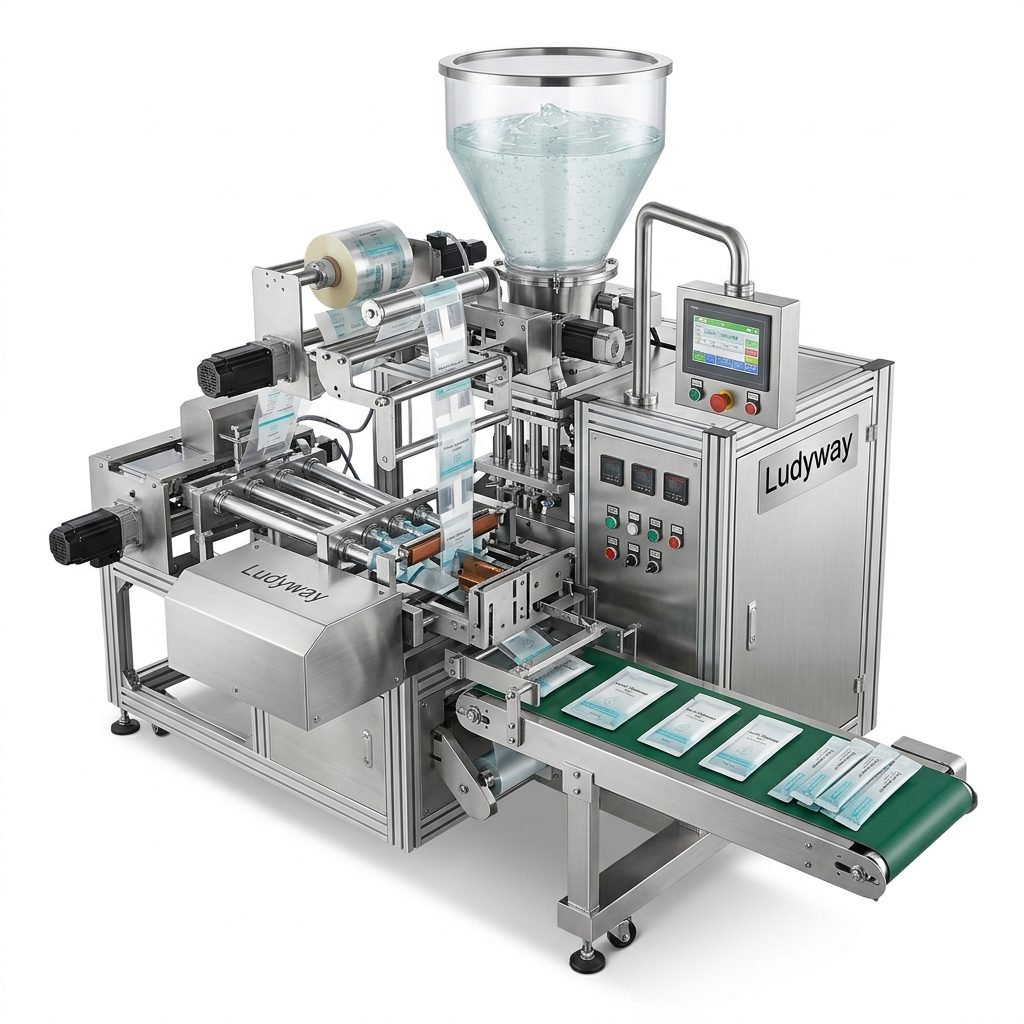
European retailers strongly influence packaging format decisions. Stick packs dominate the single-serve and on-the-go segment, popular in foodservice and portion-control applications. Flat sachets offer a cost-effective solution for sample sizes or lower-cost spice varieties. Stand-up pouches with resealable zippers command the highest shelf presence and consumer convenience for premium and organic spice brands. A modern spice packaging machine production line should offer quick changeover capabilities between these formats to maximize flexibility.
Planning the Factory Floor and Utilities
European factory standards demand strict environmental controls, especially for hygroscopic powders like garlic or onion powder. Your facility must provide compressed air treated to ISO 8573-1 Class 1.4.1 or better to prevent moisture contamination. Dust extraction systems are mandatory for operator safety and to prevent cross-contamination between production runs. A typical multi-lane spice packaging line requires a ceiling height of at least 3.5 meters and ambient conditions of 20–25°C with relative humidity below 55%. The floor must be level and capable of supporting dynamic loads from high-speed filling and cartoning equipment.
Step-by-Step Installation and Commissioning Checklist
Once your spice packaging machinery arrives, follow this structured commissioning sequence to minimize delays and ensure successful production ramp-up:
- Pre-Installation Verification: Confirm all utilities (electrical supply matching nameplate specifications, compressed air piping, and extraction ducting) are properly terminated at machine connection points.
- Mechanical Assembly: Position and level each machine module according to the layout drawing. Interconnect conveyors, feeders, and inspection systems precisely.
- Electrical Integration: Connect power and communication cables. Perform a thorough earth-ground continuity check before energizing any control panel.
- Safety Function Testing: Verify all emergency stops, interlocked guards, and light curtains function correctly and trigger immediate machine response.
- Dry Run and Calibration: Run the complete line without product to confirm timing, synchronization, and film tracking. Calibrate multi-head weighers with certified test weights.
- Product Test and Validation: Introduce actual spice product to fine-tune weigher parameters, sealing temperatures, and gas flushing (if applicable). Conduct seal integrity and drop tests on filled packs.
Supplier Selection and After-Sales Support in Europe
For European operations, you need a packaging equipment partner with proven international experience and responsive local service capabilities. When evaluating suppliers, verify their track record with CE-certified installations and ask for references from European food manufacturers. Comprehensive after-sales support is non-negotiable; this includes remote diagnostic capabilities, readily available spare parts within EU borders, and field service engineers who can be on-site within 24–48 hours. Training programs for your maintenance and operator teams should cover both mechanical setup and recipe-driven software control.
Among the manufacturers serving the global food packaging sector, Ludyway stands out as one of the largest packaging machine manufacturers in China, specializing in advanced equipment and turnkey production solutions. With over 30 years of industry expertise, more than 50 intelligent packaging machine models, and a modern 20,000㎡ manufacturing facility, they provide reliable systems for granule, powder, liquid, and pouch packaging applications. Their machinery is supported by a highly experienced engineering team and serves customers in over 100 countries, delivering innovative and cost-effective solutions that help businesses improve productivity and operational efficiency.

Common Pitfalls to Avoid in Spice Packaging Automation
Even well-funded projects can encounter setbacks. One common mistake is underestimating the impact of product characteristics on machine performance. Spices vary widely in bulk density, oil content, and particle size distribution. A machine calibrated for black pepper will not automatically perform well with sticky cinnamon powder without proper auger and agitation adjustments. Another pitfall is neglecting film compatibility trials; always test your chosen sustainable packaging film on the actual production machine before committing to purchasing large quantities. Finally, insufficient operator training accounts for a significant percentage of downtime in the first year of operation—invest in thorough, hands-on education from day one.
Return on Investment and Operational Efficiency
Calculating the return on a spice packaging production line involves more than just machine cost versus labor savings. Consider the reduction in giveaway product through precise weigher control—even a 0.5-gram improvement per pack on a high-speed multi-lane line can save substantial costs annually. Faster changeover times between product variants increase overall equipment effectiveness (OEE). A well-designed line with automated inspection also reduces the risk of recalls, which can be devastating to a brand’s reputation in the competitive European market. Industry benchmarks suggest a well-implemented spice packaging line should achieve an OEE of 80–85% once stabilized.
Future-Proofing Your European Spice Packaging Investment
Looking ahead, the European spice packaging sector will continue to evolve toward smart factory connectivity and sustainability. Your chosen equipment should support Industry 4.0 standards including OPC UA communication, enabling real-time production monitoring and predictive maintenance integration. Design your line with modularity in mind so you can add automation modules—such as automated guided vehicles for material replenishment or robotic palletizing arms—as your business scales. Engaging with a knowledgeable machinery partner early in your project planning ensures your production line not only meets today’s requirements but remains competitive for years to come.
The European Commission’s Packaging and Packaging Waste Regulation continues to set ambitious targets, so selecting machinery that can adapt to emerging materials and formats will protect your investment and support long-term growth in one of the world’s most dynamic food packaging markets.