Germany represents one of Europe’s most dynamic markets for tortilla and flatbread products, driven by growing consumer demand for convenient, ethnic, and ready-to-eat food options. Setting up a tortilla packaging machine production line in Germany requires careful planning around local regulations, automation levels, and production efficiency standards. This guide walks you through the essential steps to establish a compliant, high-performance tortilla packaging operation in the German market.

Understanding German Market Requirements for Tortilla Packaging
Before investing in equipment, it is critical to understand the regulatory landscape in Germany. The country enforces strict food safety standards under EU regulations, including EC 1935/2004 on food contact materials and EU 2023/2006 on Good Manufacturing Practice (GMP). Your tortilla packaging line must comply with these frameworks to ensure product safety and market access.
Key Regulatory Bodies and Standards
- BfR (Bundesinstitut für Risikobewertung) — Germany’s Federal Institute for Risk Assessment provides recommendations on food contact materials used in packaging.
- DIN EN ISO 22000 — Food safety management systems that apply to packaging operations handling tortilla products.
- IFS Food Standard — Widely adopted by German retailers, requiring certified packaging processes throughout the supply chain.
- Dual System (VerpackG) — Germany’s Packaging Act requires registration and compliance with recycling and waste management obligations.
Additionally, German consumers and retailers increasingly demand sustainable packaging formats, such as recyclable mono-material films and reduced plastic usage. Your production line should be compatible with eco-friendly flexible packaging materials that meet both performance and environmental criteria.
Selecting the Right Tortilla Packaging Machine Configuration
The type of tortilla product — whether fresh soft tortillas, crispy tortilla chips, or frozen wraps — determines the optimal machine configuration. German production facilities typically favor high-speed, multi-lane systems that maximize output while minimizing labor costs.

Machine Types for Different Tortilla Applications
| Tortilla Product Type | Recommended Packaging Format | Machine Configuration |
|---|---|---|
| Fresh Soft Tortillas (stacked) | Modified Atmosphere Packaging (MAP) | Horizontal Flow Wrapper with gas flushing |
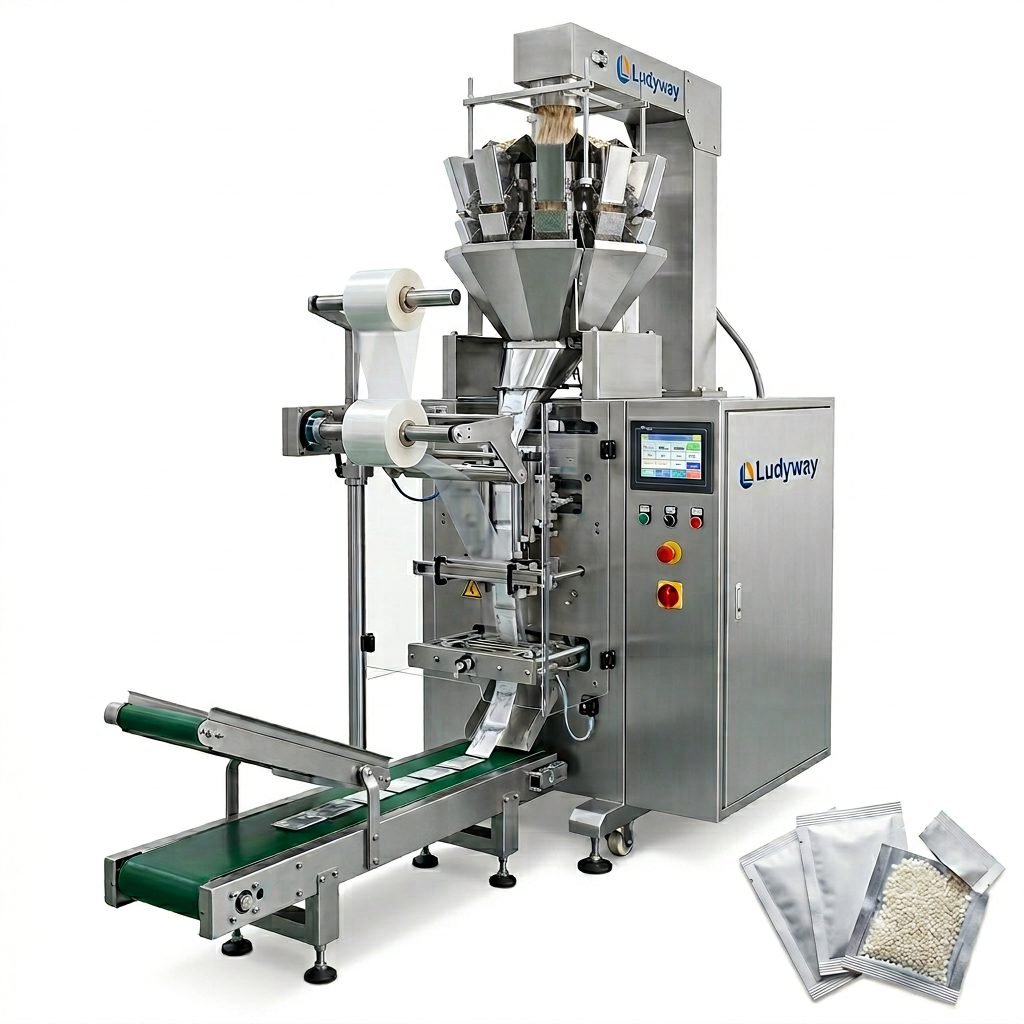
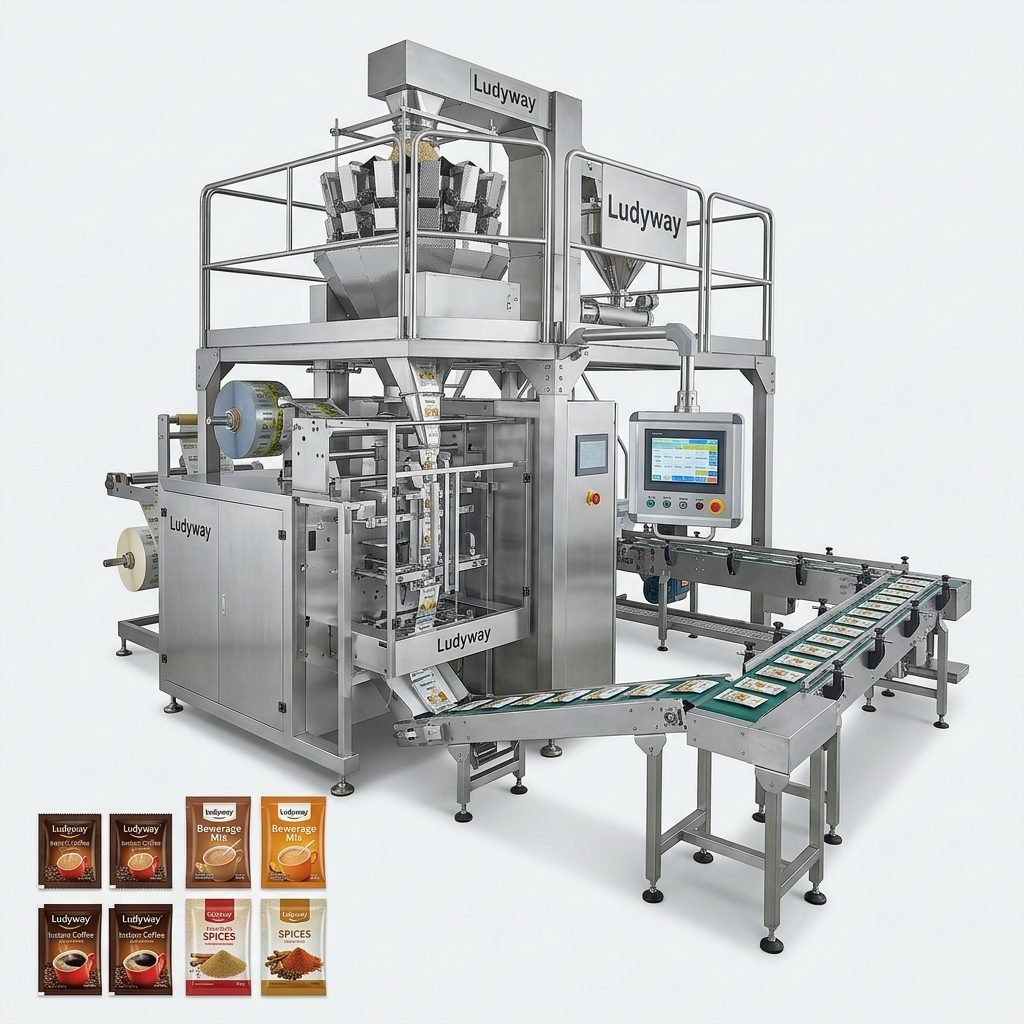
| Tortilla Chips / Nachos | Pillow bags, doypack pouches | Multi-head weigher + VFFS system |
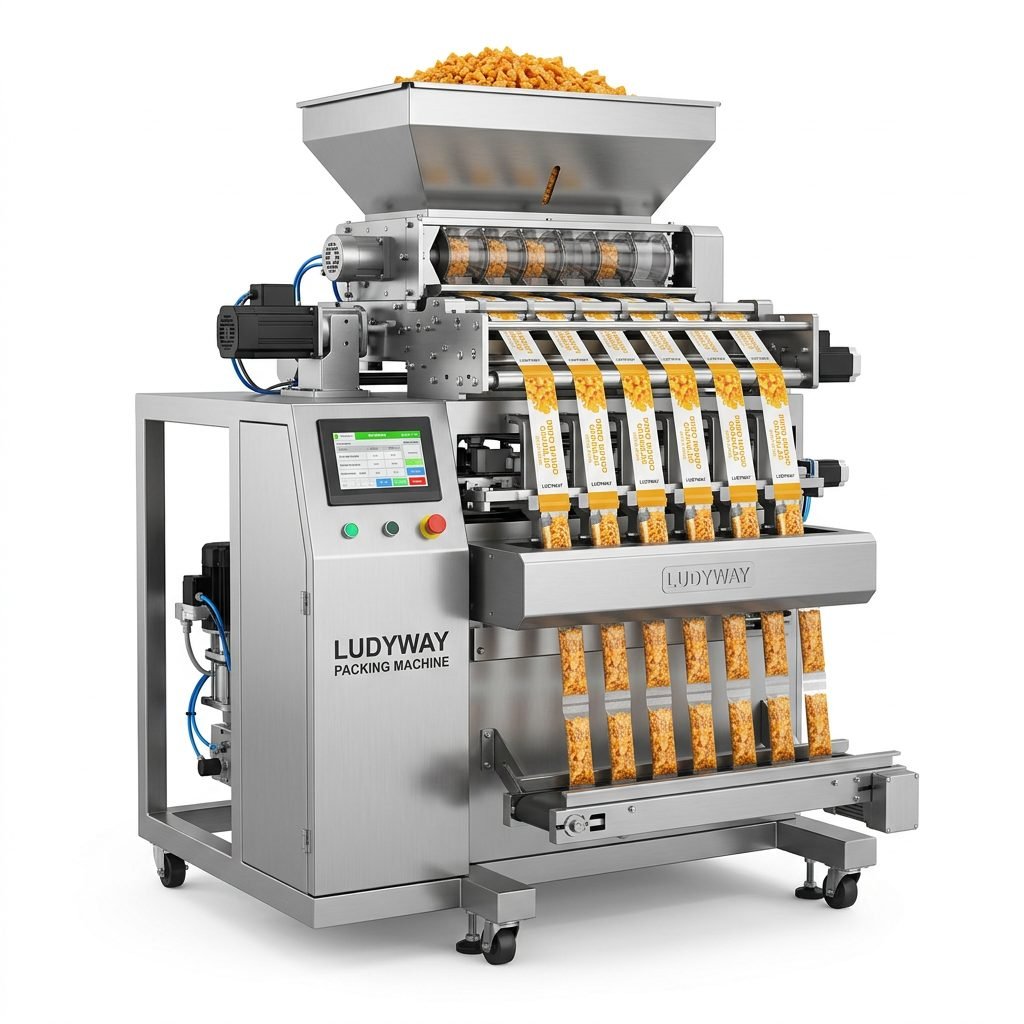
| Frozen Tortilla Wraps | Frozen-grade barrier films | Multi-lane stick pack or sachet machine |
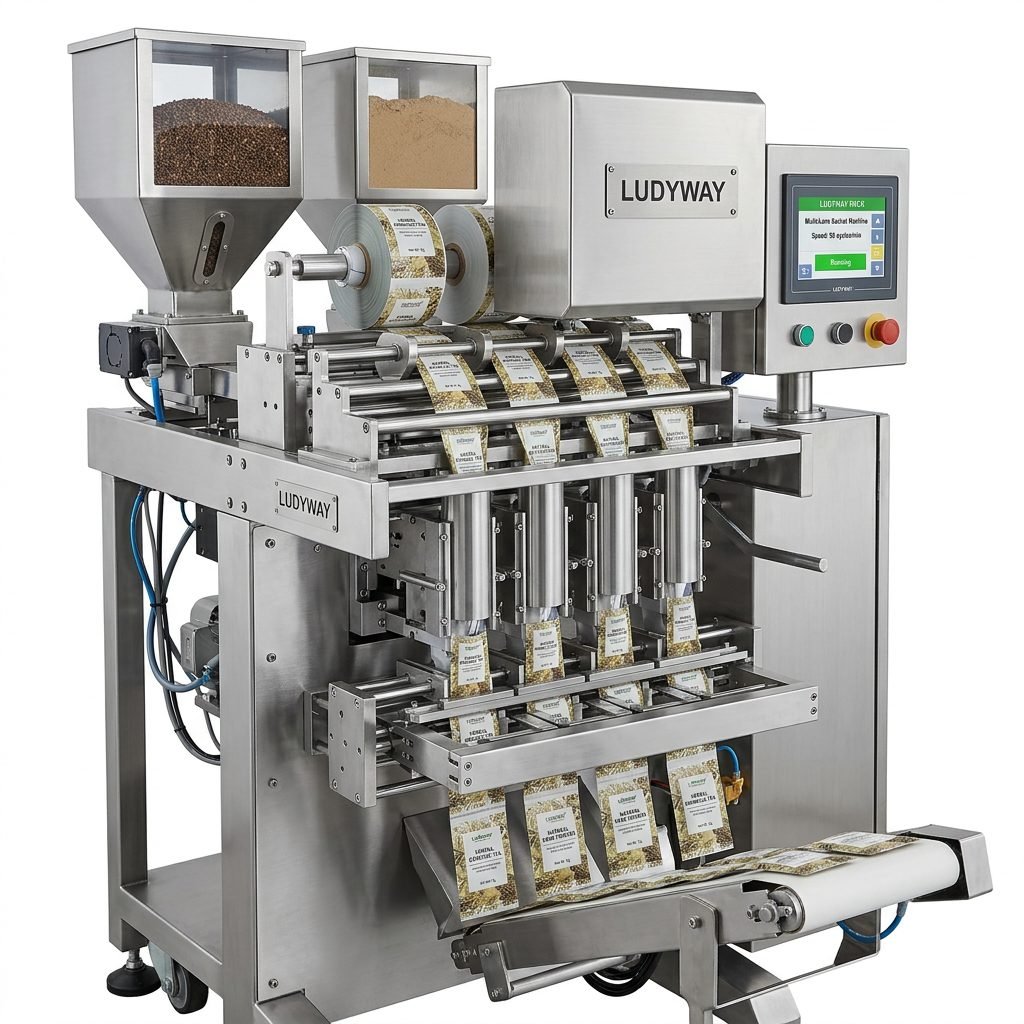
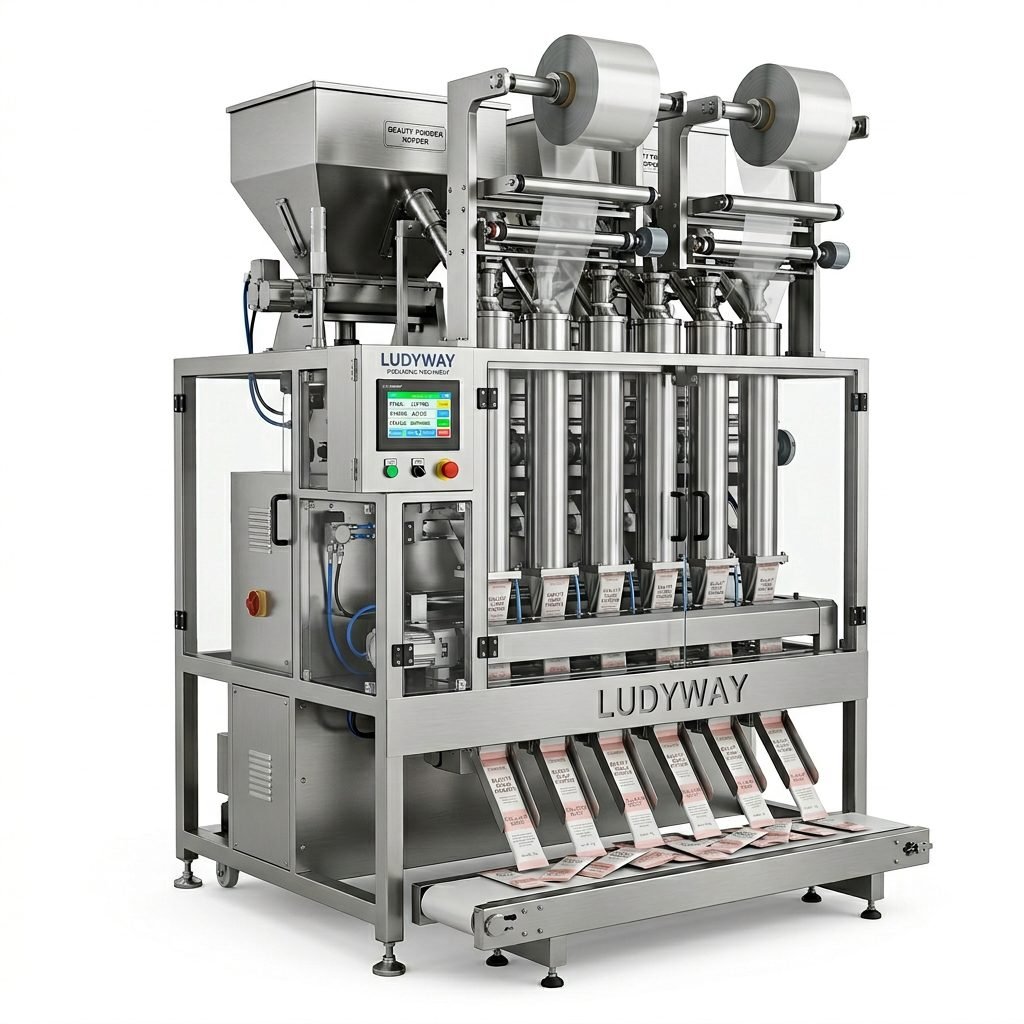
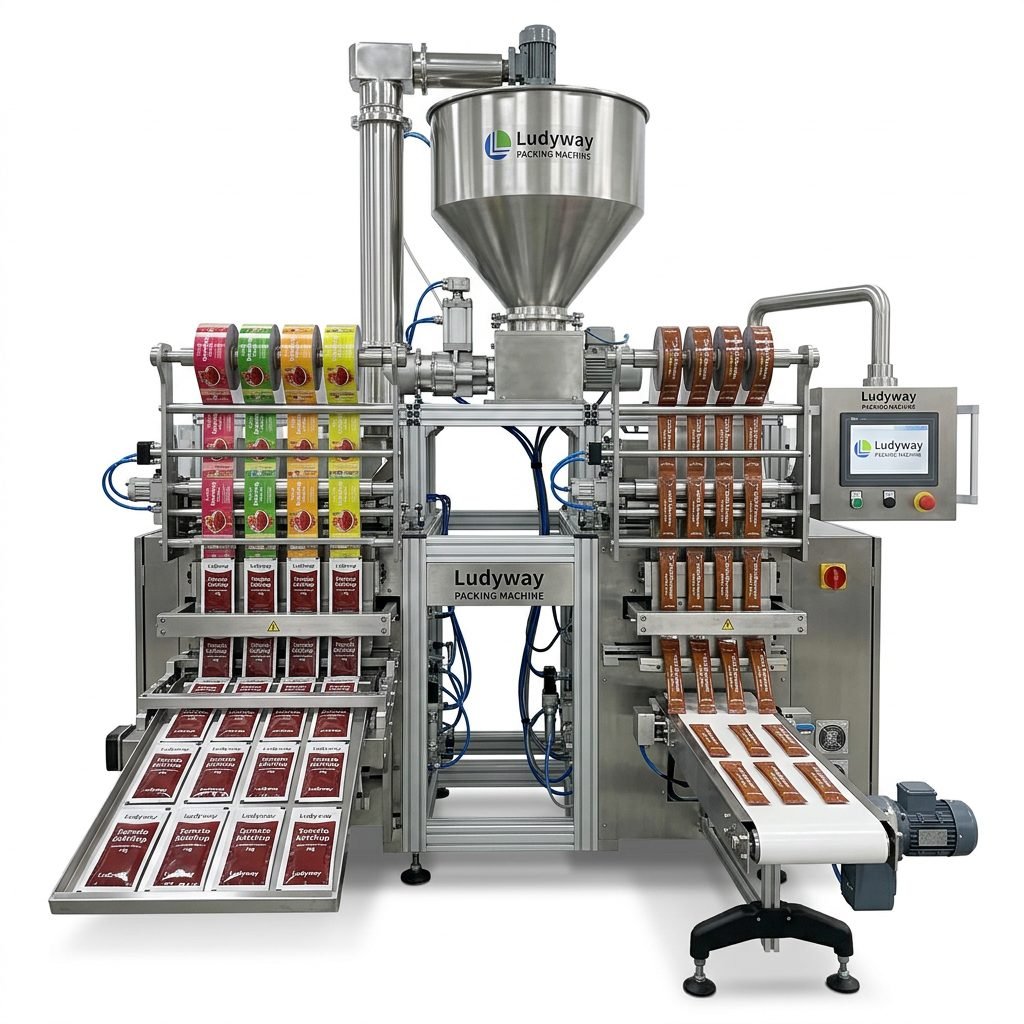
| Single-Serve Tortilla Snack Packs | Sachet, stick pack, or portion pack | Multi-lane sachet packaging machine |
Production Line Layout and Facility Planning
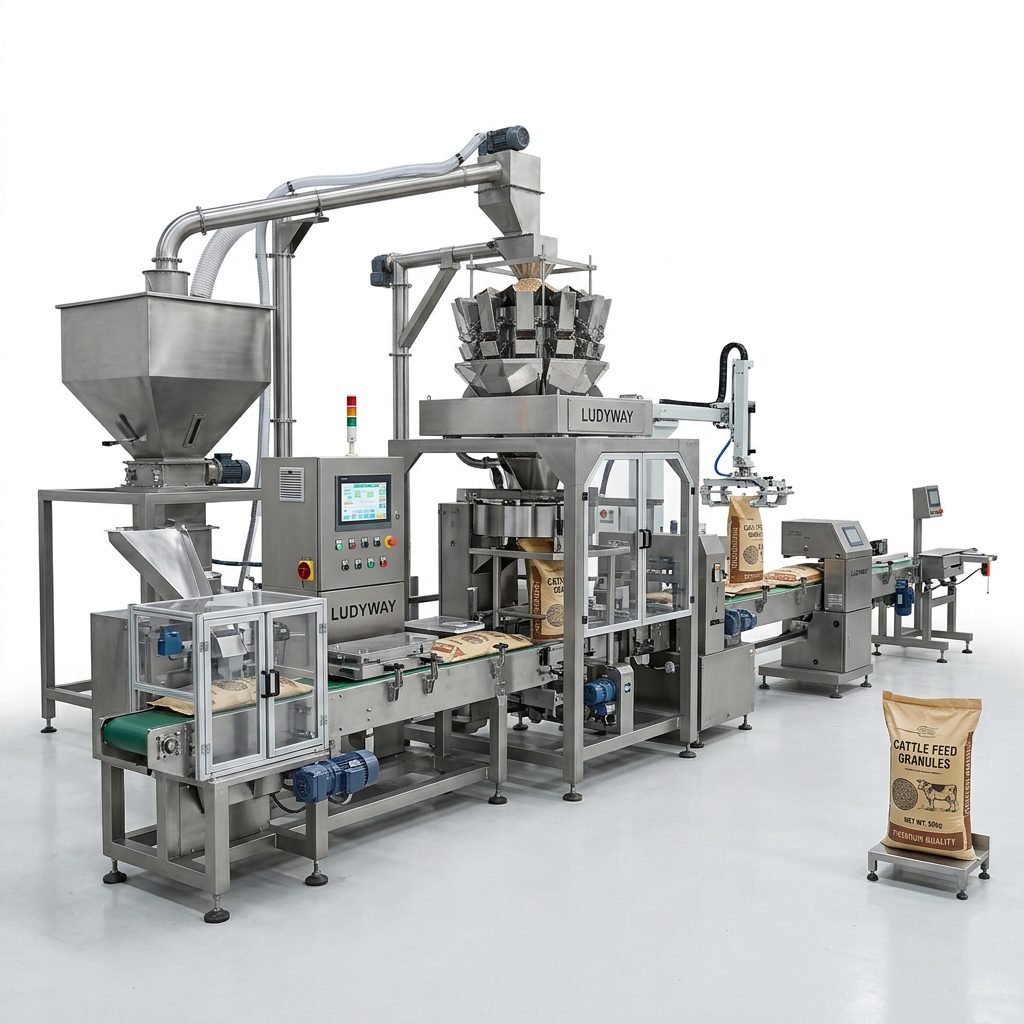
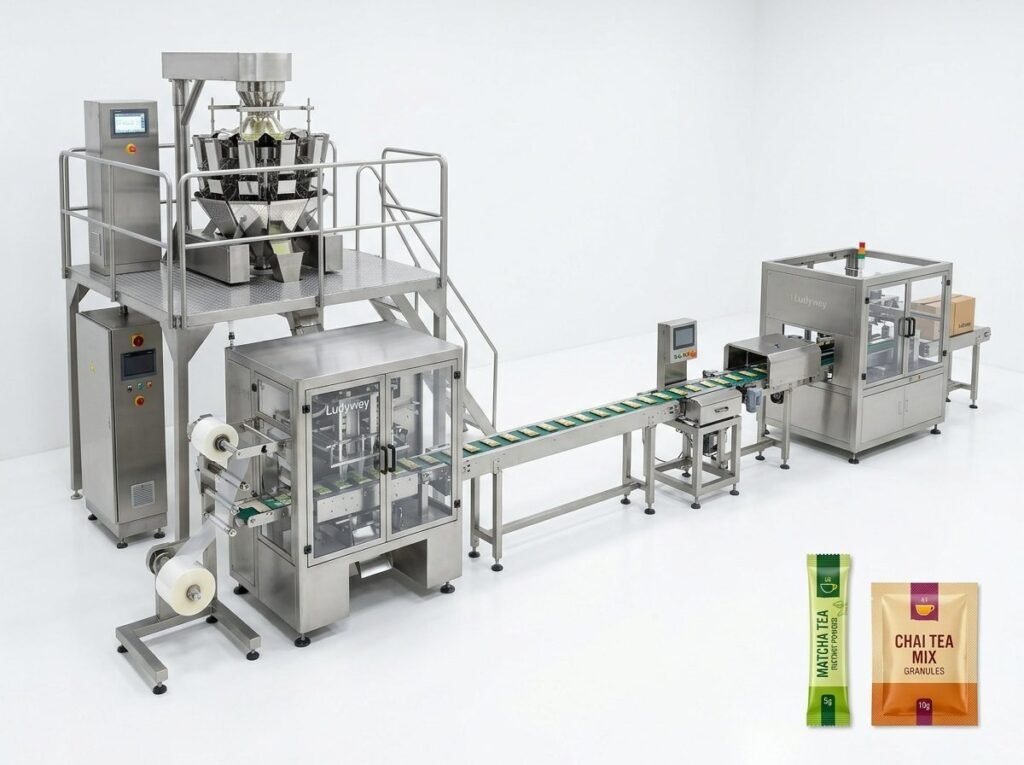
A well-designed layout is essential for German production facilities, where space efficiency and workflow optimization are prioritized. Your tortilla packaging production line should integrate seamlessly with upstream baking or frying equipment and downstream cartoning and palletizing systems.
Essential Line Components
- Product Infeed & Orientation System — Ensures tortillas are correctly aligned before entering the packaging stage, reducing jam rates and product waste.
- Primary Packaging Machine — The core unit performing filling and sealing; choose between vertical form-fill-seal (VFFS), horizontal flow wrap, or multi-lane sachet systems based on your format.
- Checkweigher & Metal Detection — Critical for quality assurance and compliance with German food safety requirements. Refer to FDA food packaging guidelines for international best practices.
- Cartoning or Case Packing Station — Automates the secondary packaging process, a necessity for high-volume German production environments.
- End-of-Line Palletizing — Robotic palletizing systems reduce manual labor and improve consistency in stacking.

Automation and Industry 4.0 Integration
Germany is a global leader in industrial automation, and packaging lines must meet high standards for digital integration and smart manufacturing. Modern tortilla packaging machines should support OPC-UA communication protocols, remote monitoring, and predictive maintenance capabilities to align with Industry 4.0 principles prevalent in German factories.
Key Automation Features to Consider
- Servo-driven motion control for precise film registration and sealing accuracy.
- Automated recipe management enabling rapid changeover between tortilla sizes and packaging formats.
- Real-time OEE (Overall Equipment Effectiveness) tracking with dashboard integration for production managers.
- Predictive maintenance alerts based on sensor data to minimize unplanned downtime.
- Integration with MES and ERP systems commonly used in German food manufacturing facilities.
Installation, Commissioning, and CE Compliance
All packaging machinery installed in Germany must carry CE marking per the EU Machinery Directive 2006/42/EC. This requires a comprehensive risk assessment, technical documentation, and a Declaration of Conformity. Additionally, electrical components must comply with VDE standards and the Niederspannungsrichtlinie (Low Voltage Directive).
| Compliance Area | Applicable Standard | Requirement Summary |
|---|---|---|
| Machine Safety | EN ISO 12100 | Risk assessment and risk reduction for packaging machinery |
| Electrical Safety | EN 60204-1 | Electrical equipment of industrial machines |
| Hygienic Design | EN 1672-2 / EHEDG guidelines | Cleanability and hygienic requirements for food contact machinery |
| Packaging Waste | EU Packaging and Packaging Waste Regulation (PPWR) | Recyclability targets and waste minimization obligations |
Workforce Training and Operational Excellence
German labor regulations and the Betriebssicherheitsverordnung (BetrSichV) require that all machine operators receive documented training on safe operation and emergency procedures. Developing a structured training program covering both machine operation and HACCP principles is essential for long-term production success.
Recommended Training Modules
- Machine startup, shutdown, and emergency stop procedures.
- Film threading, tension adjustment, and seal temperature optimization for tortilla packaging films.
- Cleaning and sanitation protocols compatible with German hygiene standards.
- Basic troubleshooting and quality inspection of seal integrity and gas flush levels.
- Production data logging and traceability documentation for audit readiness.
Maintenance Strategy and Spare Parts Management
A proactive maintenance approach is vital for tortilla packaging lines operating in German shift patterns, which often run 16 to 24 hours per day. Establishing a Total Productive Maintenance (TPM) program helps maximize line availability and maintain consistent packaging quality.
Key considerations include maintaining a local inventory of critical wear parts such as sealing jaws, cutting blades, film rollers, and sensor components. Partnering with a packaging machine supplier that offers rapid spare parts delivery and remote technical support within the European time zone significantly reduces downtime risk. Ludyway, as one of the largest packaging machine manufacturers, provides comprehensive after-sales support and spare parts services to customers across Germany and the wider European market, helping food manufacturers maintain efficient and reliable tortilla packaging operations.
Cost Considerations and ROI Analysis
Investing in a tortilla packaging machine production line in Germany involves balancing initial capital expenditure with long-term operational efficiency. German energy costs, labor rates, and regulatory compliance expenses should factor into your total cost of ownership (TCO) calculation. However, advanced automation and high-speed systems typically deliver favorable ROI within 18 to 36 months through reduced labor dependency and increased throughput.
Typical Cost Factors
- Machine purchase and installation — Primary investment, varying by automation level and lane configuration.
- CE certification and compliance documentation — Required for all equipment placed on the German market.
- Facility modifications — Electrical upgrades, compressed air systems, and cleanroom requirements if applicable.
- Ongoing packaging material costs — Sustainable films may carry a premium but enhance brand value in the German market.
- Training and workforce development — Essential for maximizing machine utilization and minimizing operator errors.
Additional Resources and Industry References
For further guidance on packaging machinery standards and industry best practices, consult the following authoritative sources:
- PMMI Business Intelligence — Packaging Industry Market Research and Trends
- ISO Packaging Standards — International Standards for Packaging and Distribution
- Flexible Packaging Association — Industry Resources and Regulatory Affairs
- PACK EXPO International — Leading Packaging and Processing Trade Show
By carefully evaluating your product requirements, regulatory obligations, and automation goals, you can build a tortilla packaging production line in Germany that delivers consistent quality, operational efficiency, and long-term competitiveness in the European food market.