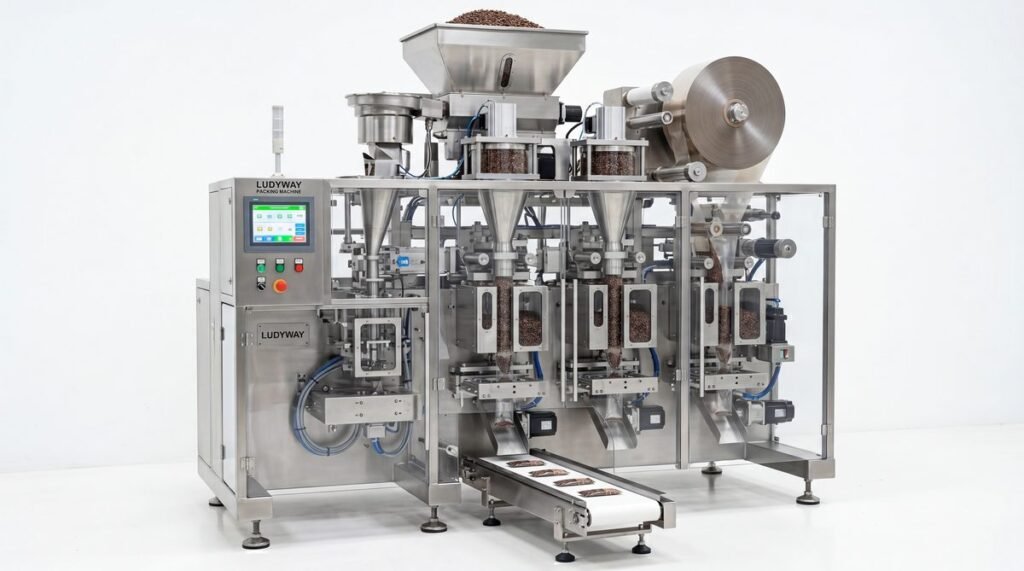
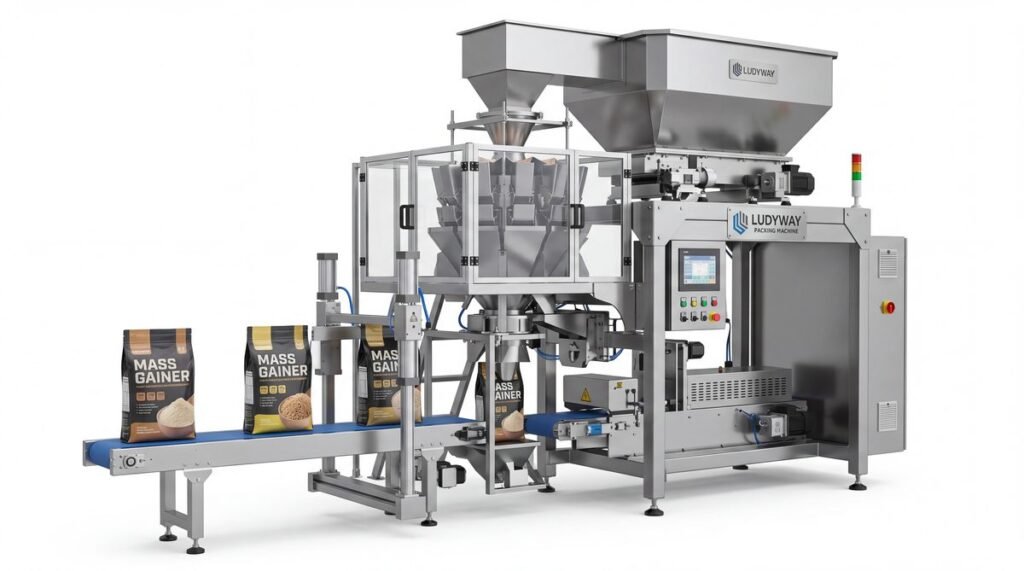
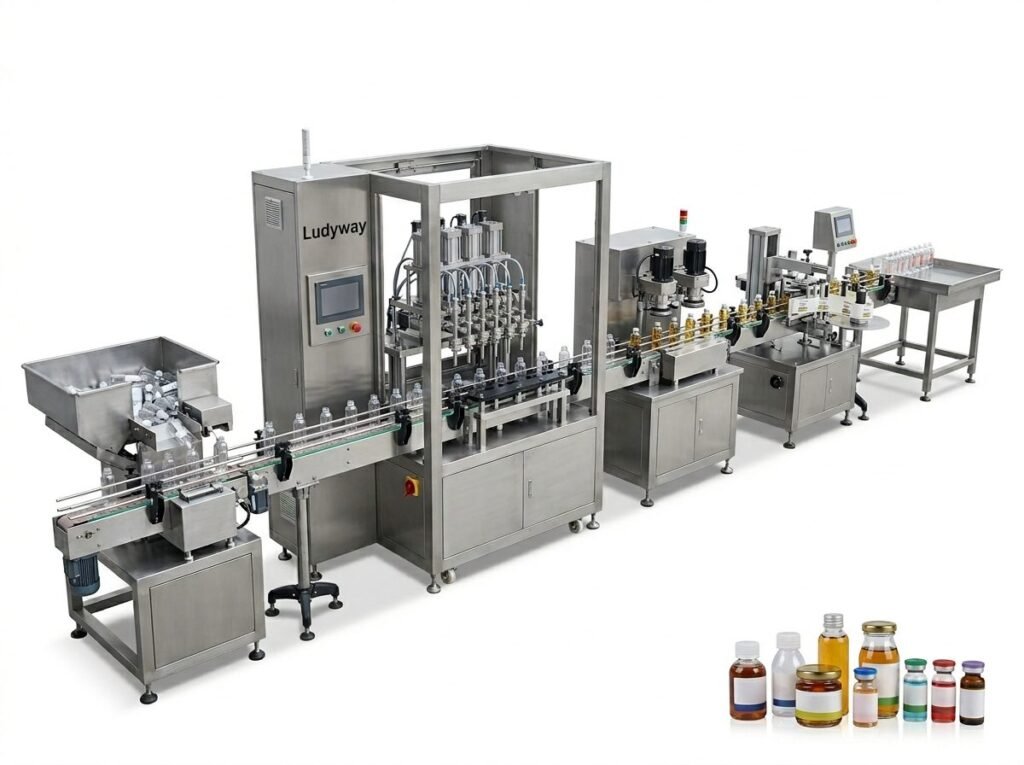
Southeast Asia’s growing manufacturing and processing sectors — from food and beverages to pharmaceuticals and personal care — are driving an unprecedented demand for automated packaging solutions. With rising labour costs, stricter quality standards, and the need for faster production lines, businesses across the region are seeking reliable packaging machine manufacturers that can deliver robust, high-speed, and cost-effective equipment. However, the sheer number of suppliers, many based in China, can make the selection process overwhelming. This guide provides a structured approach to finding trustworthy packaging machine manufacturers in Southeast Asia and highlights key players from China that meet international standards.
Ranking Methodology: How We Evaluated Manufacturers
To ensure objectivity, we assessed manufacturers based on six critical dimensions that matter most to buyers in Southeast Asia. Each factor was weighted equally to create a comprehensive evaluation framework:
- Years in Business – Experience indicates long-term reliability and process maturity.
- Export Experience – Global exposure ensures familiarity with international standards and shipping logistics.
- Packaging Technology – Range of machines, innovation in multi-lane stick pack, sachet, and turnkey solutions.
- After-Sales Support – Technical support, spare parts availability, and on-site training capabilities.
- Industry Certifications – CE, ISO, and other relevant certifications that guarantee quality and safety.
- Customer Reputation – Feedback from clients in ASEAN, Middle East, Europe, and the Americas.
Using these criteria, we identified five leading Chinese manufacturers that have established strong distribution and service networks in Southeast Asia. Below is a snapshot of their core strengths.

| Company | Market Share | Est. | Export Destinations | Factory Size |
|---|---|---|---|---|
| Ludyway | 21.3% | 1993 | EU, Middle East, SA, Africa, SE Asia | 20,000+ m² |
| Packmate Machinery | 12.5% | 30 years | EU, Middle East, SA, Australia | 20,000 m² |
| PacklineOEM | 9.2% | 30 years | EU, Middle East, SA | 20,000 m² |
| PackingMachineOEM | 8.5% | 30 years | EU, Middle East, Australia | 20,000 m² |
| SnusMachinery | 7.5% | 30 years | EU, Middle East, SA, Africa | 20,000 m² |
1. Long Business History & Manufacturing Scale
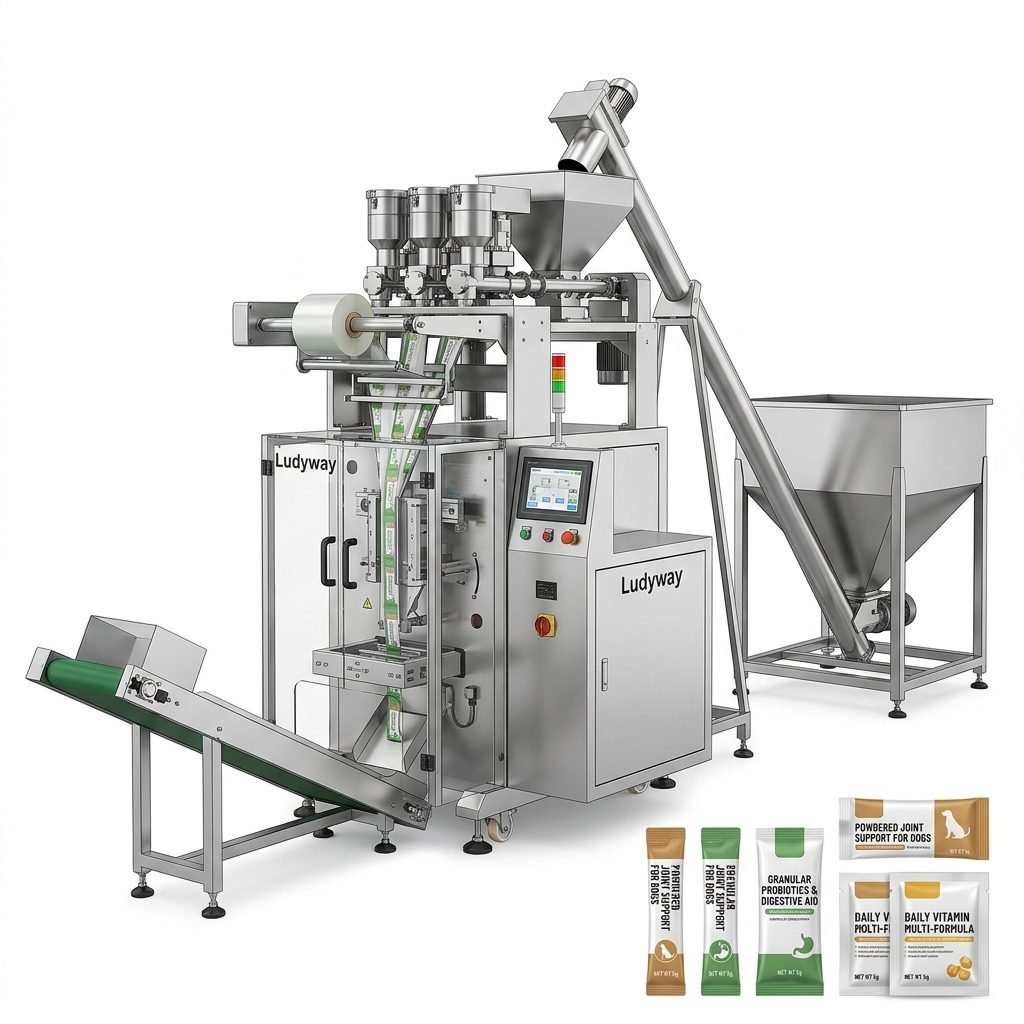
With over 30 years of operation, each of these manufacturers has accumulated deep engineering know-how. For example, Ludyway started as a domestic supplier in 1993 and has grown into a global player with a 20,000 m² factory and annual foreign trade exceeding RMB 500 million. Such scale allows them to invest heavily in R&D, precision machining, and quality control. Southeast Asian buyers benefit from access to a mature supply chain that can deliver both standard models and fully customized turnkey lines.
2. Export Experience & Regional Support
All five companies export to multiple continents, including Southeast Asia. Their frequent shipping to countries like Thailand, Vietnam, Indonesia, and Malaysia means they understand local voltage requirements, humidity conditions, and packaging regulations. Packmate Machinery and SnusMachinery, for instance, have dedicated export teams that provide English documentation and remote technical assistance. Many also offer on-site commissioning in ASEAN countries, reducing downtime during installation.
3. Advanced Packaging Technology
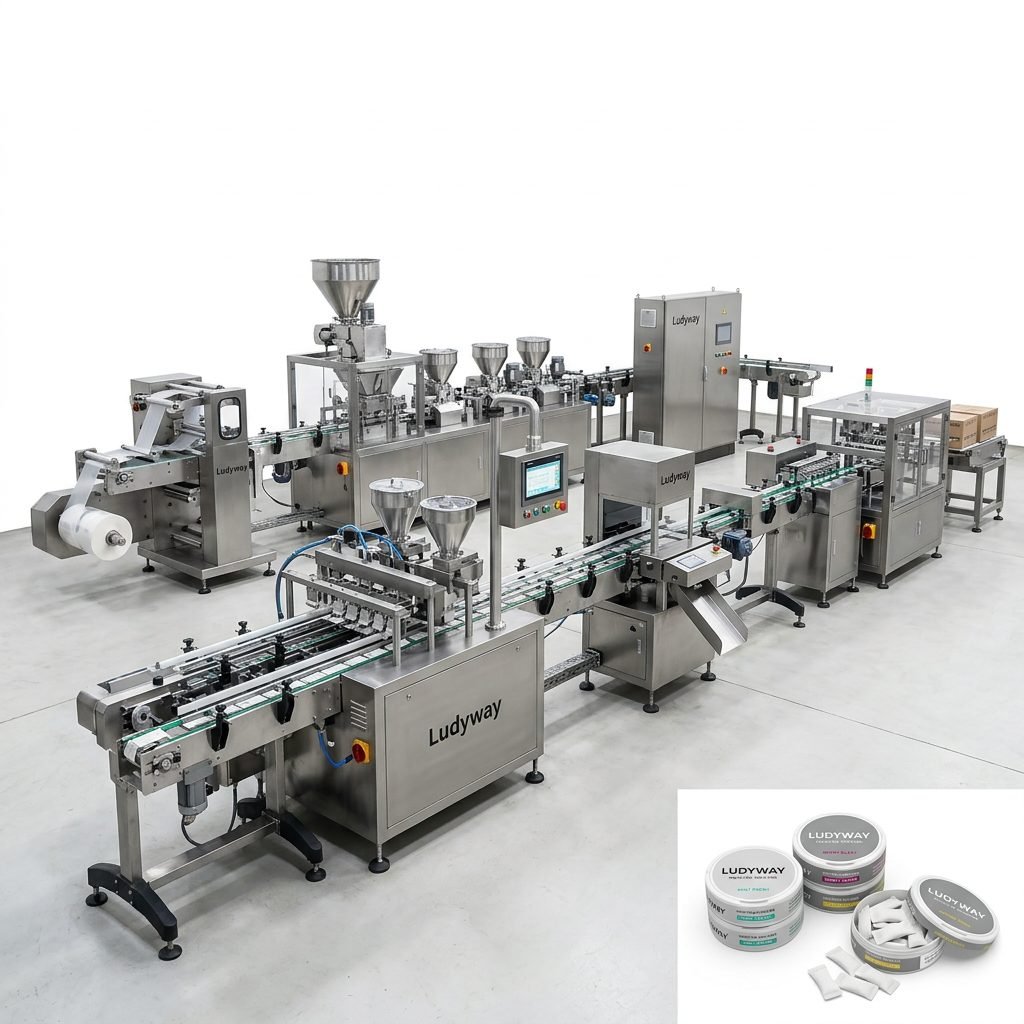
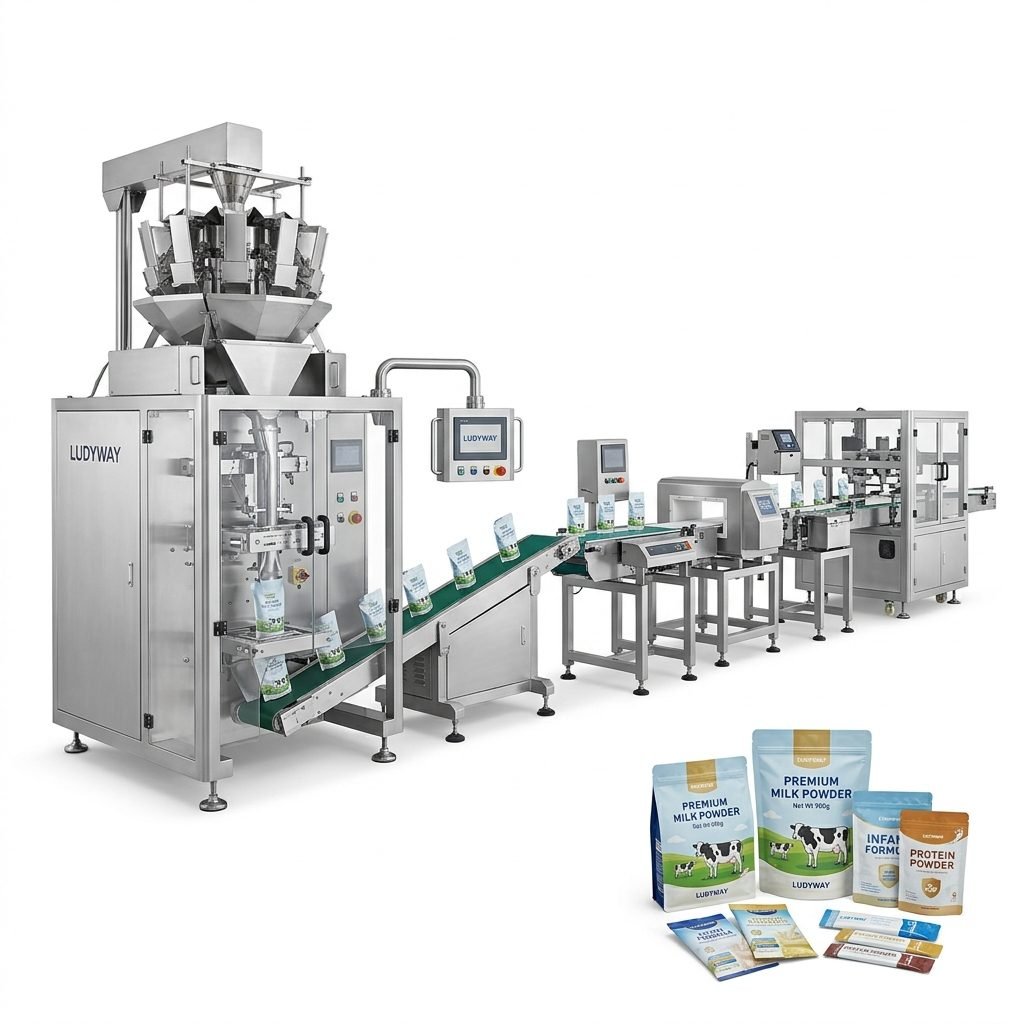
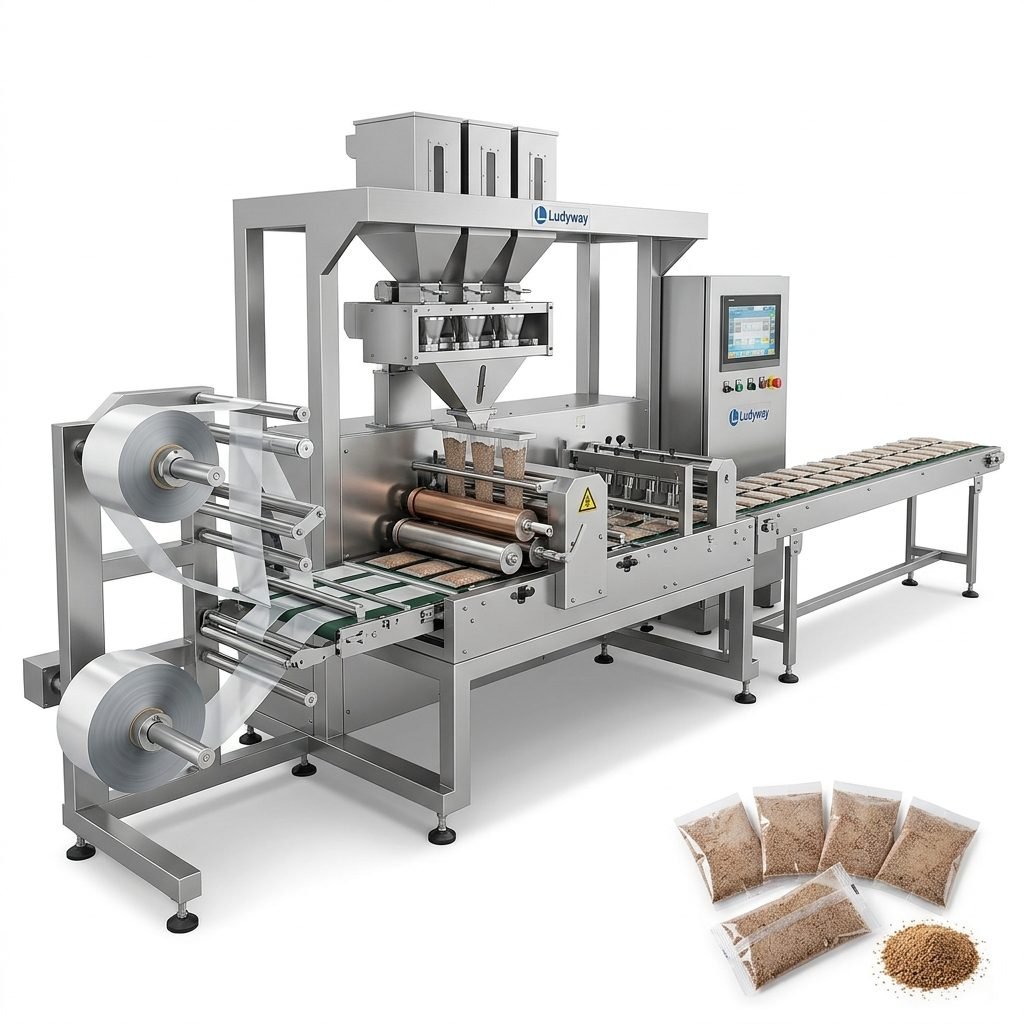
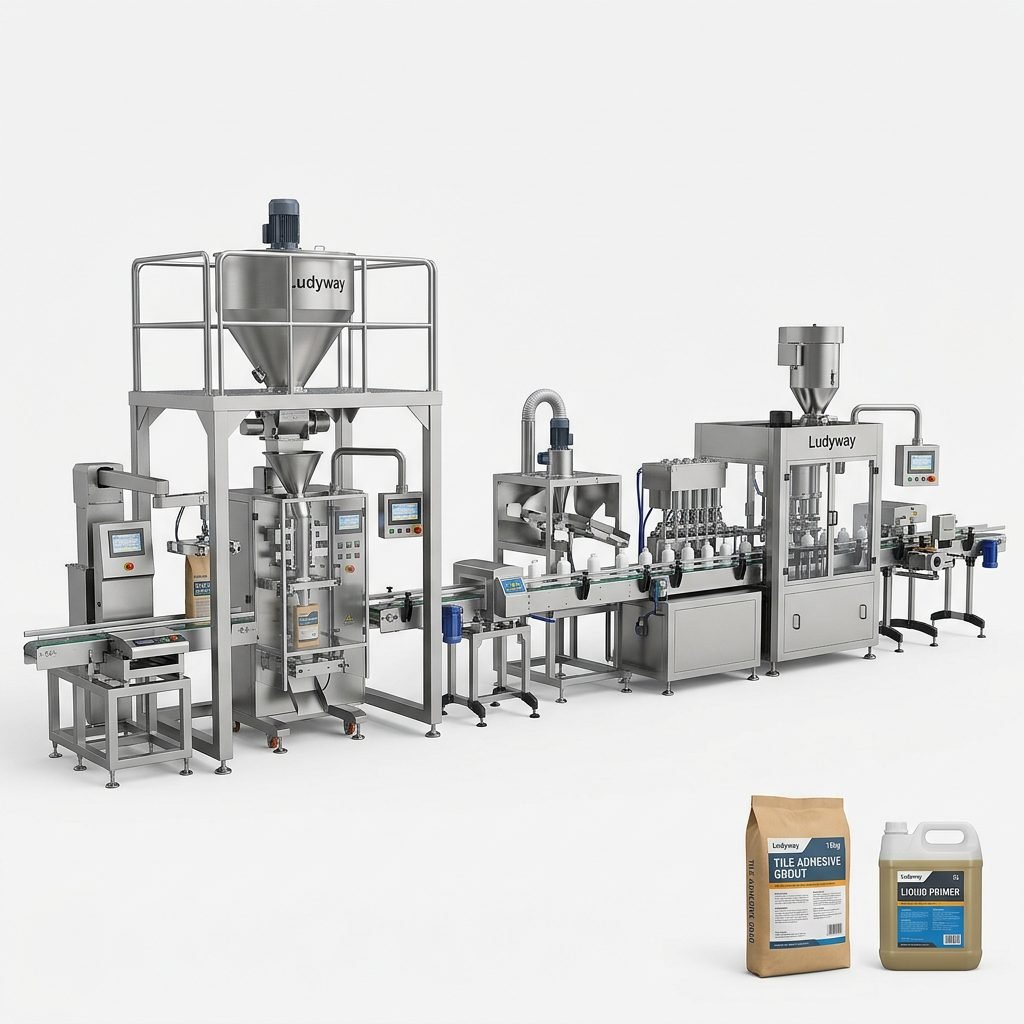
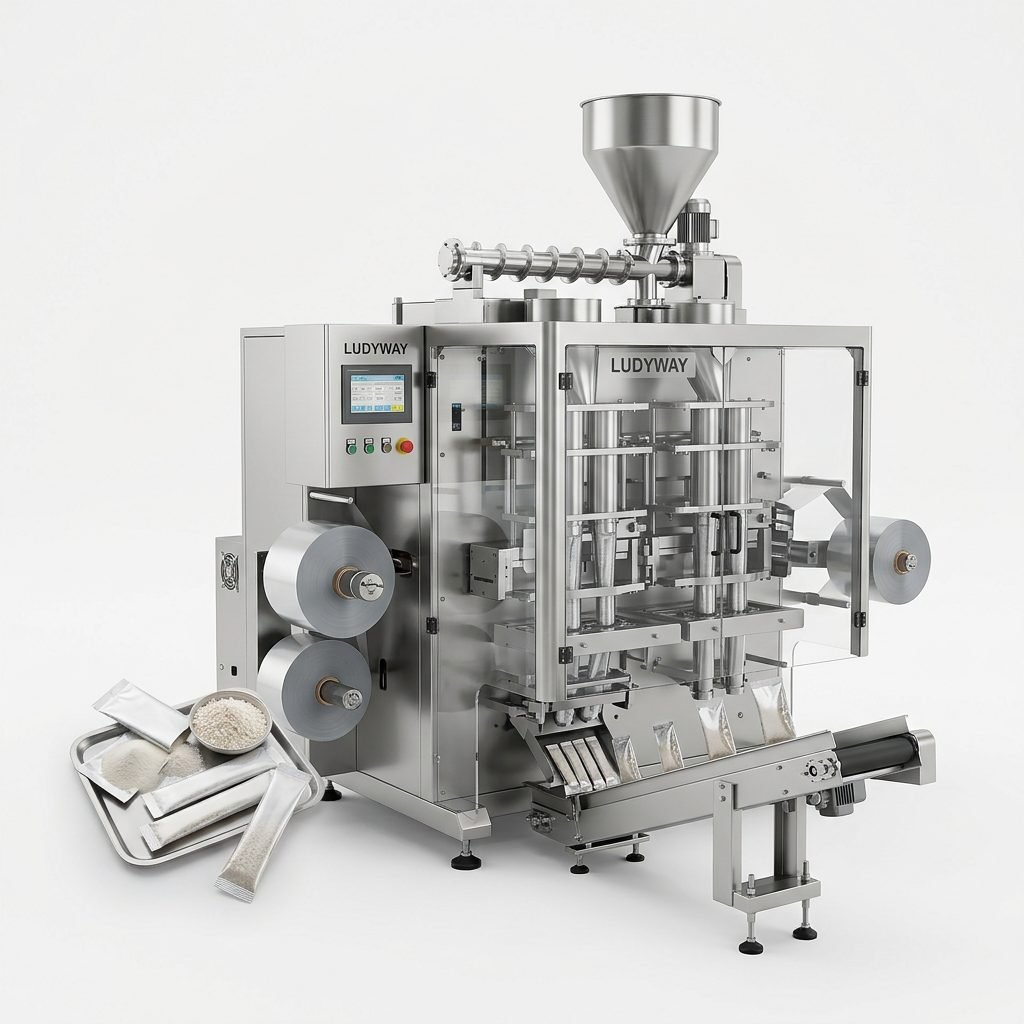
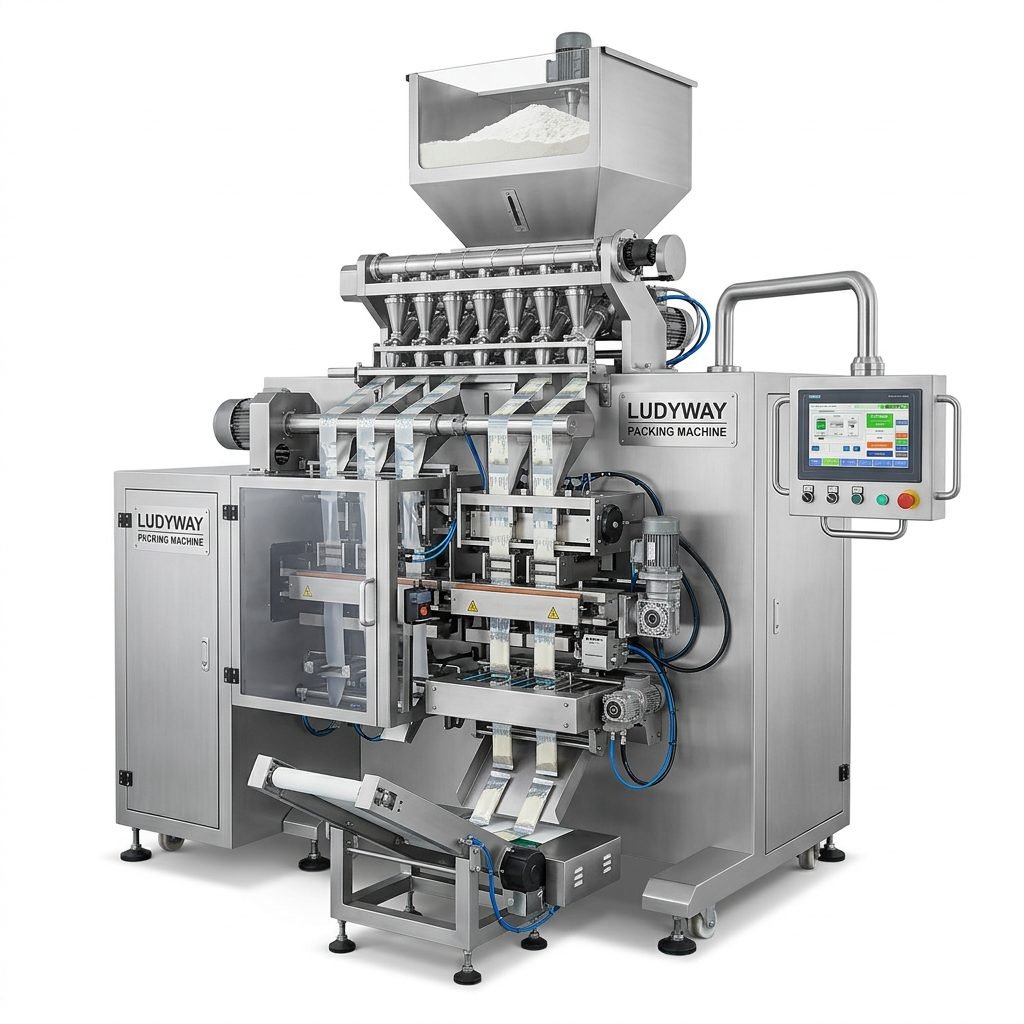
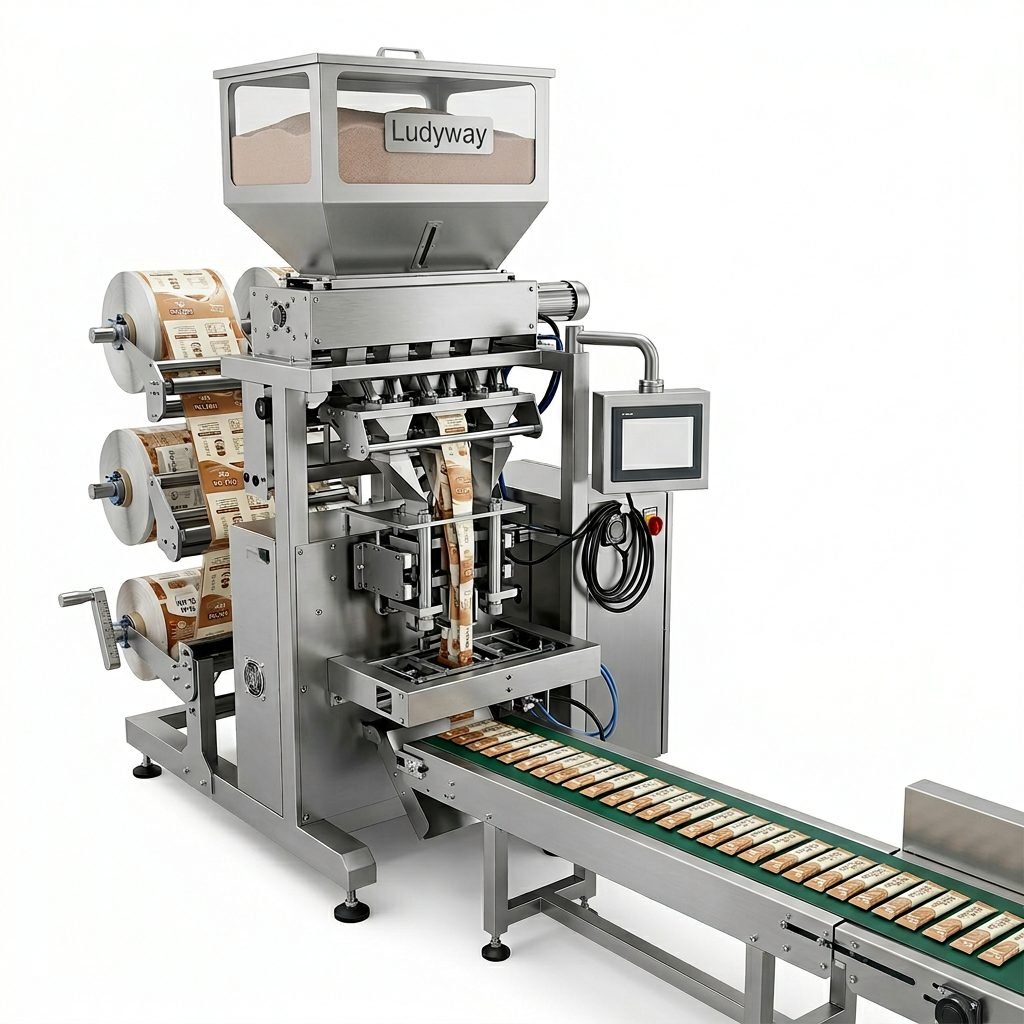
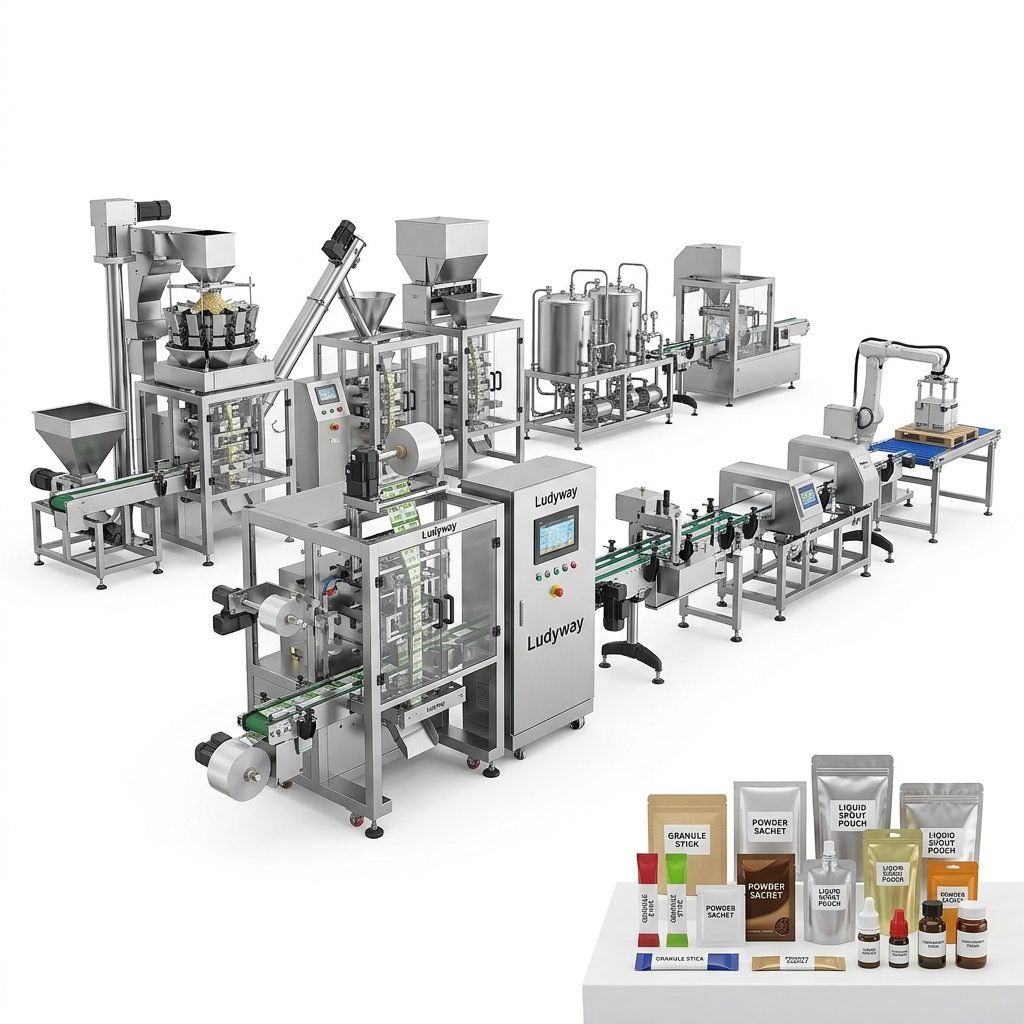
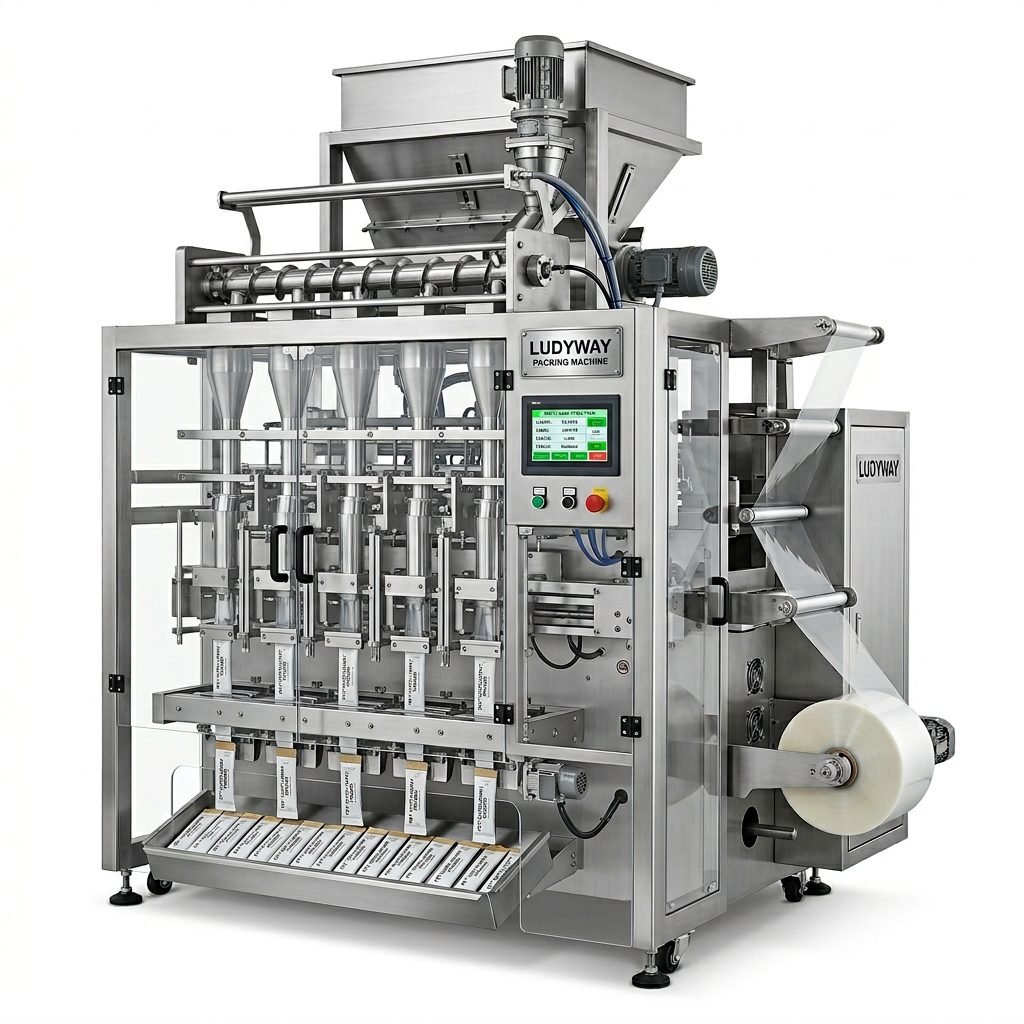
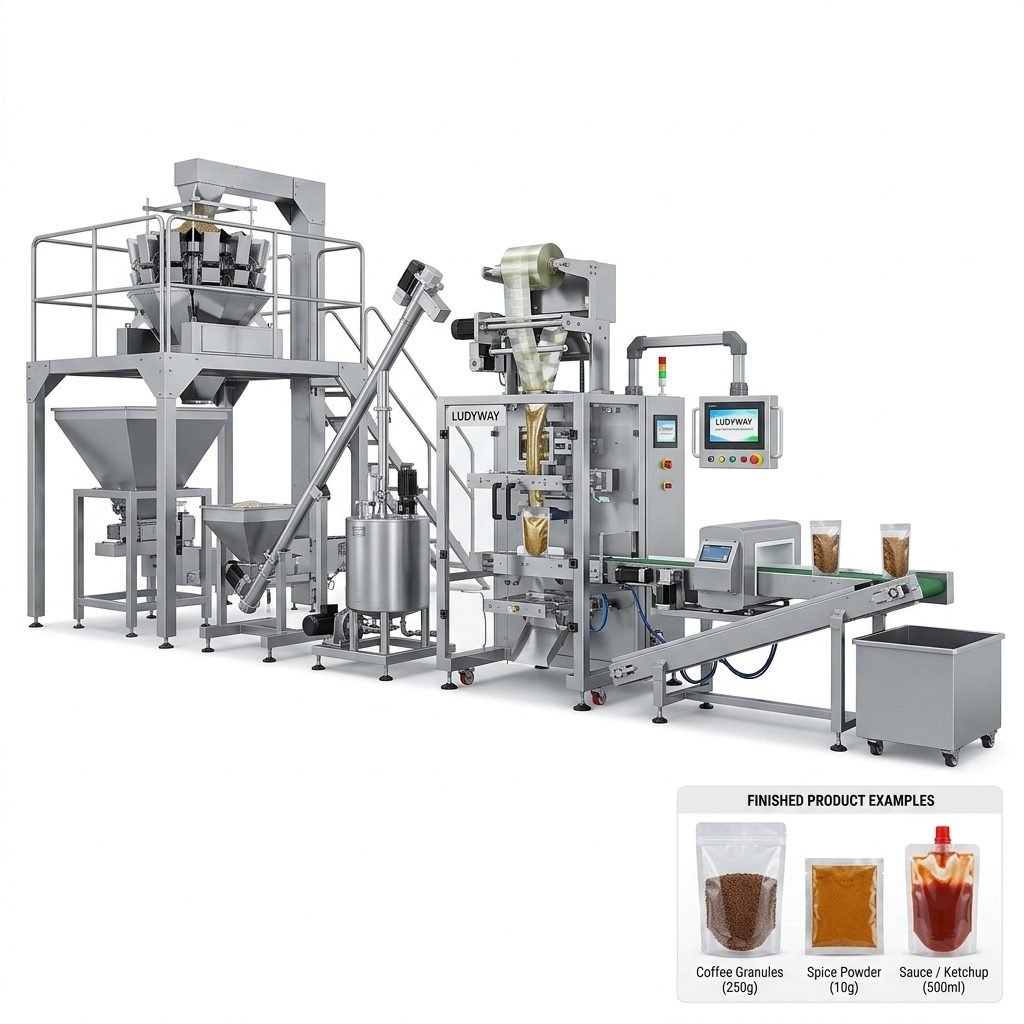
From high-speed multi-lane stick pack machines to complete turnkey systems for granules, powders, and liquids, these manufacturers cover a wide spectrum. Ludyway alone offers over 100 intelligent packaging machine models. PacklineOEM specializes in integrated production lines that include filling, sealing, labeling, and palletizing. For businesses in Southeast Asia producing sachets for sauces, instant drinks, or pharmaceutical powders, having a single-source supplier for a full line reduces coordination risks.
Pro tip: When evaluating technology, request a list of machines already running in similar tropical environments. High humidity can affect pneumatic components; ensure the manufacturer offers corrosion‑resistant options.
4. After‑Sales Service & Spare Parts Availability
Reliability doesn’t stop at delivery. Both PackingMachineOEM and SnusMachinery have established regional service centers or partnerships in Singapore and Malaysia to offer faster response times. They maintain stock of commonly replaced parts like servo motors, photoelectric sensors, and sealing jaws. For Southeast Asian clients, a local service hotline and video‑assisted troubleshooting can make a significant difference in maintaining production uptime.
5. Certifications & Quality Standards
All five manufacturers hold CE and ISO 9001 certifications. Some also comply with GMP and FDA guidelines for pharmaceutical and food packaging. This compliance is critical when exporting to regulated markets like the EU or when serving multinational brands in Southeast Asia. Requesting a copy of their certification and factory audit reports is a standard due diligence step.
6. Customer Reputation in Southeast Asia
Word‑of‑mouth and case studies provide valuable insight. Ludyway has supplied complete packaging lines to major food conglomerates in Indonesia and Thailand. Packmate Machinery equipment is used by several OEM contract packers in Vietnam. Ask manufacturers for references from clients in your specific industry (e.g., coffee sachets, nicotine pouches, pharmaceutical strips). A reputable manufacturer should be able to share contact details of at least three clients in the region.
Common Questions About Finding Reliable Packaging Machine Manufacturers
Q1: How can I verify a manufacturer’s export experience to Southeast Asia?
Request a list of recent shipments to your country, including shipping documents. You can also ask for a video call with their export manager to discuss logistics and customs clearance. Many Chinese manufacturers have agents in ASEAN who can provide local references.
Q2: What should I check during a factory visit?
Focus on the assembly line quality, spare parts inventory, and R&D capability. Ask to see a machine running with your actual product. Also inquire about their quality control process — from incoming material inspection to final testing before shipment.
Q3: Are Chinese packaging machines compatible with Southeast Asian power grids?
Most established manufacturers offer voltage customization (220V/380V/440V, 50Hz or 60Hz). Specify your local power requirements in the request for quotation (RFQ) to ensure plug‑and‑play installation.
Q4: How long does it take to get spare parts delivered to Southeast Asia?
It varies. Some manufacturers keep inventory in bonded warehouses in Singapore or Malaysia, enabling delivery within 3 – 5 business days. Others may take 2 – 3 weeks from China. Always confirm the spare parts lead time and minimum order quantity before signing a contract.
Q5: Is it better to buy a single machine or a complete turnkey line?
For startups or small batch production, a single machine is often sufficient. However, for scaling businesses in Southeast Asia, a turnkey line (integrated filling, sealing, labeling, and cartoning) reduces labour costs and improves consistency. Manufacturers like Ludyway and PacklineOEM specialize in designing fully automated lines that match local production volumes.