The Middle East, particularly Saudi Arabia, is witnessing a rapid expansion in food processing, pharmaceutical manufacturing, and industrial automation. With the Kingdom’s Vision 2030 driving diversification away from oil dependency, the demand for advanced vacuum packaging machines has surged. Setting up a complete production line requires meticulous planning, an understanding of local regulations, and selecting equipment that can withstand the region’s unique climatic challenges, such as high ambient temperatures and fine dust particles.

Market Potential for Vacuum Packaging in the Gulf Region
The food processing sector in the Middle East is projected to grow significantly, driven by a young population and high food import dependency. Vacuum packaging is critical here because it drastically extends the shelf life of perishable goods in hot climates. Whether you are packaging dates, meat, dairy products, or ready-to-eat meals, a high-efficiency vacuum line ensures product integrity during long-distance logistics. Furthermore, the pharmaceutical sector requires strict compliance with ISO packaging standards to maintain sterility. To succeed, investors must analyze the target market segment—whether it is granular products like coffee, powdered milk, or solid blocks like frozen meat—as this dictates the chamber design and sealing mechanism of the machinery.

Selecting the Right Vacuum Packaging Technology
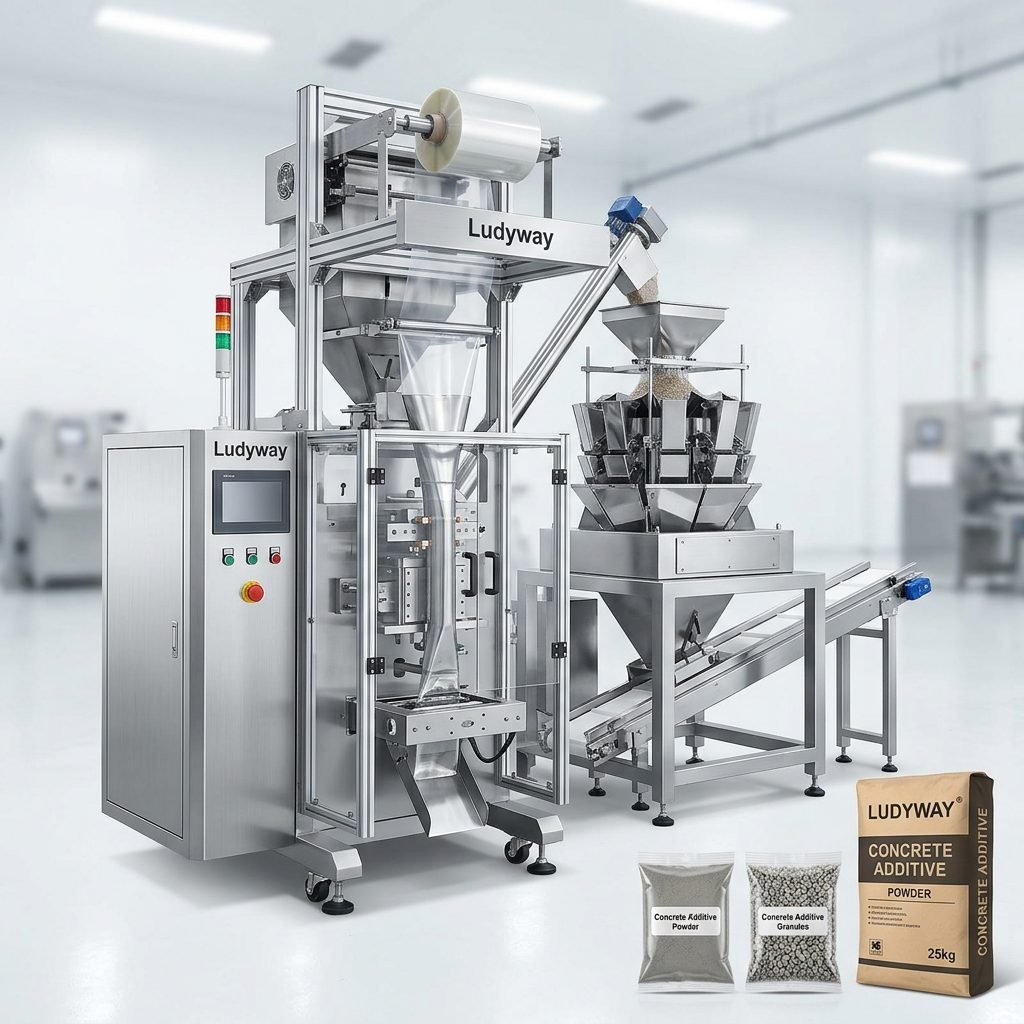
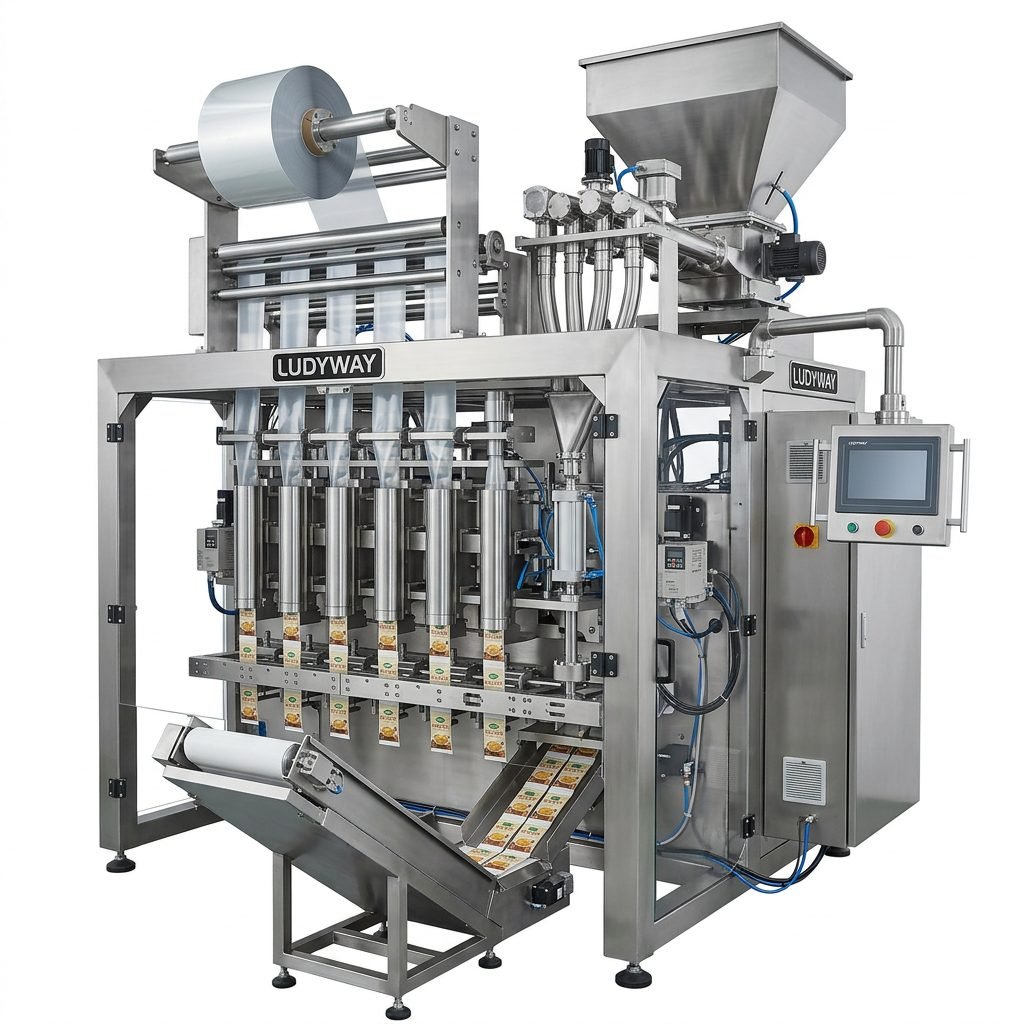
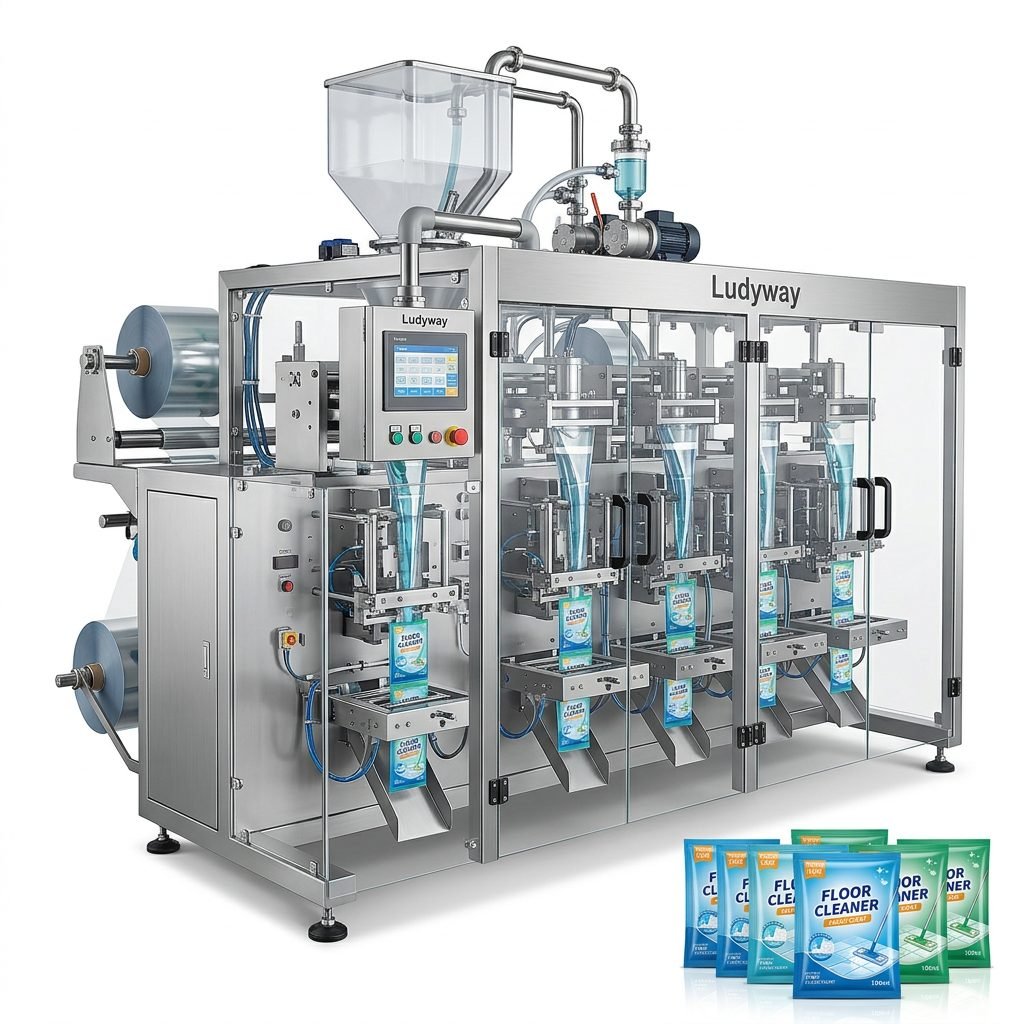
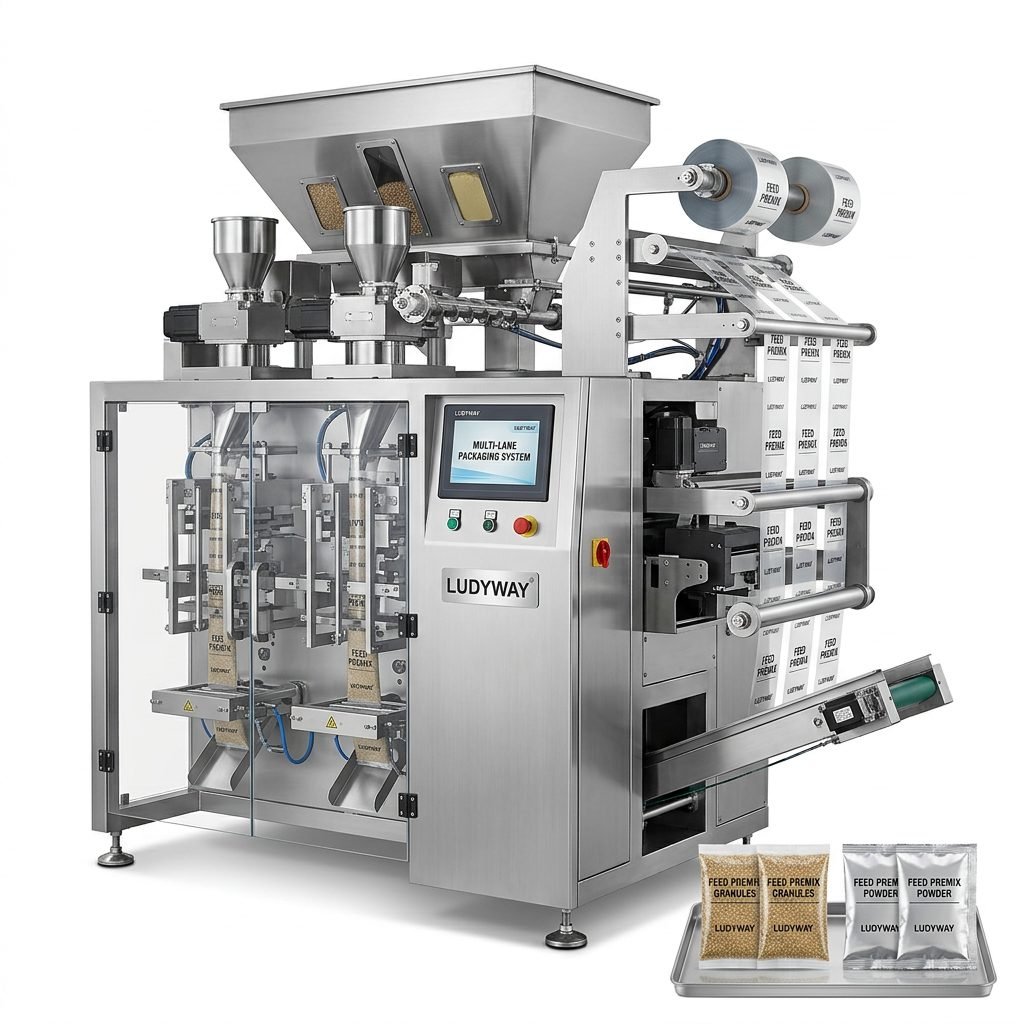
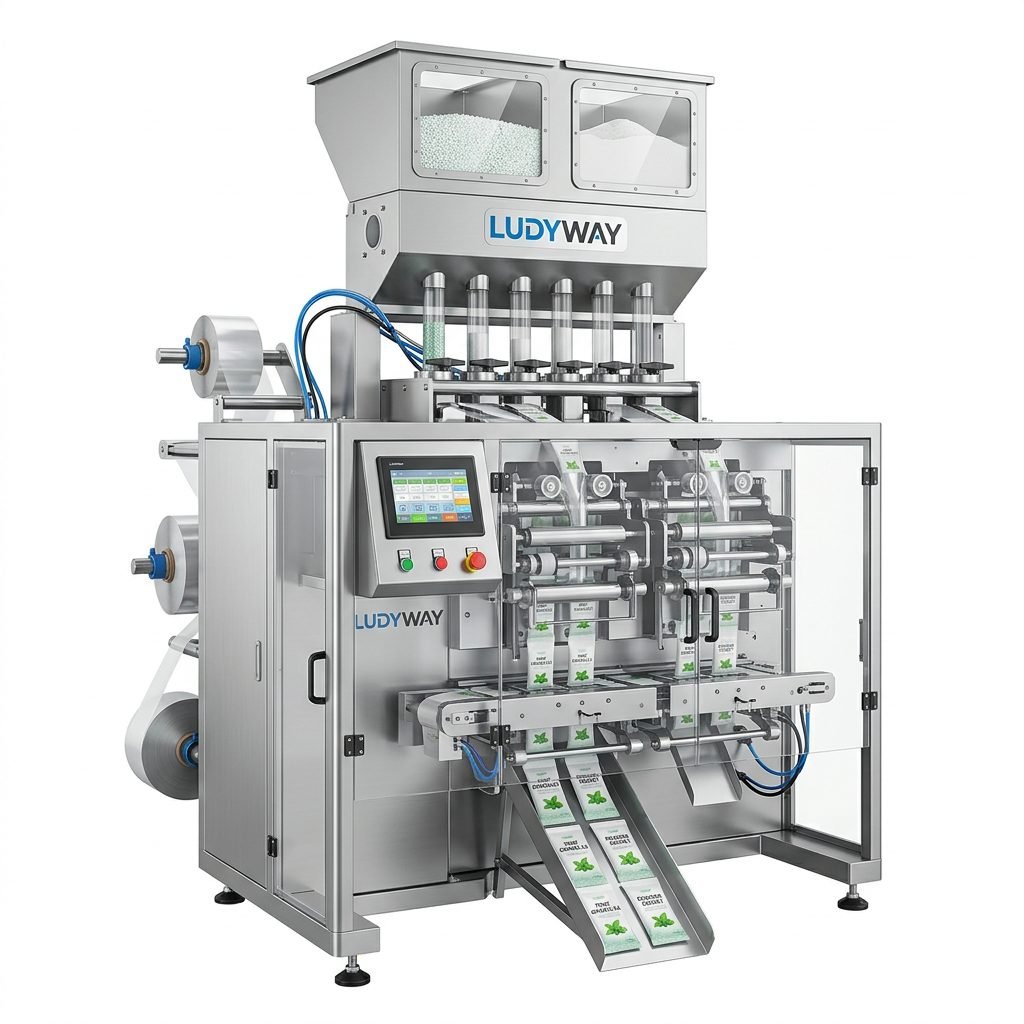
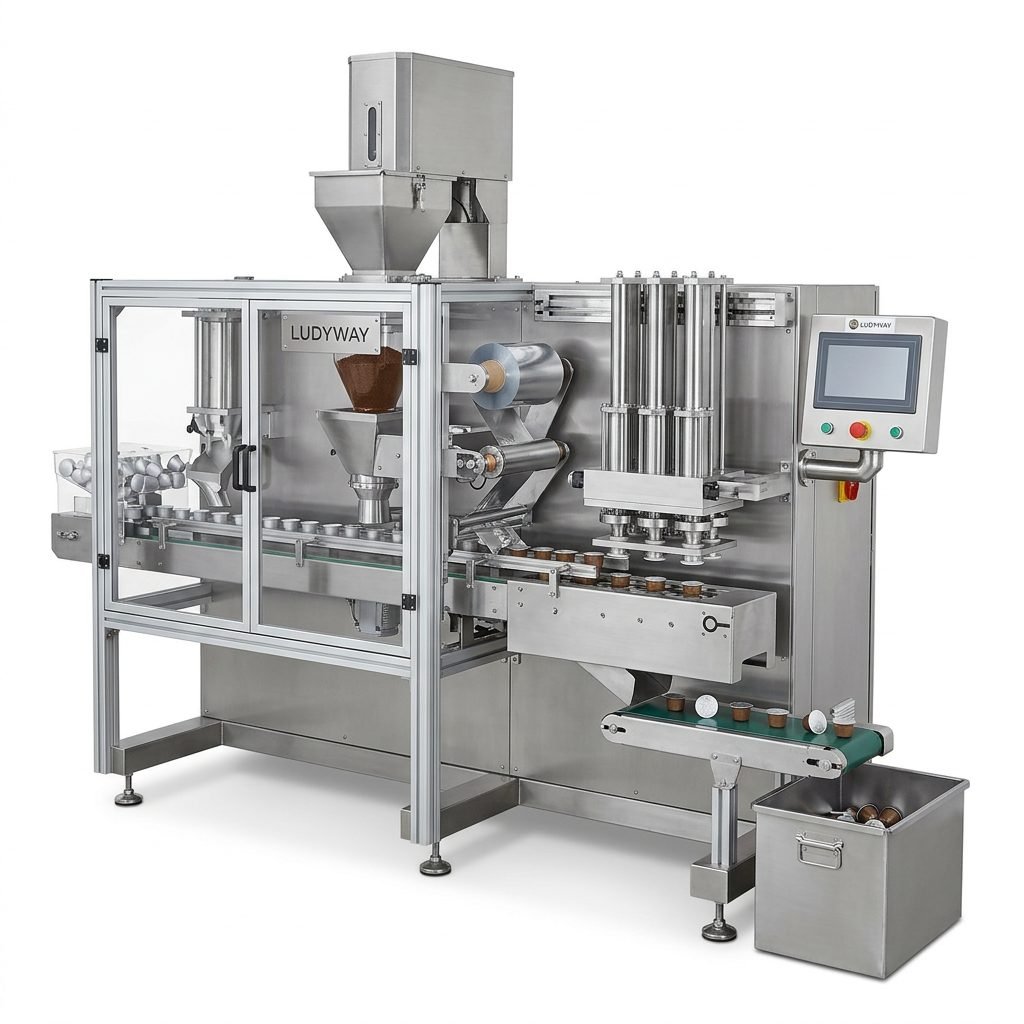
Not all vacuum packaging systems are created equal. The choice between a thermoforming machine, a chamber-belt machine, or a nozzle-based system depends entirely on your product’s physical properties. For free-flowing powders and granules popular in the Middle East—such as spices, coffee, and milk powder—a high-speed pre-made pouch rotary vacuum machine is often superior. Conversely, for fresh proteins, a double-chamber machine offers the hygiene and deep-draw capabilities required. Key technical specifications to evaluate include the cycle speed (packets per minute), sealing bar length, vacuum pump capacity (m³/h), and the availability of gas flushing (MAP) capabilities, which is essential for preserving processed foods without refrigeration.
| Machine Type | Best Application | Cycle Speed |
|---|---|---|
| Double Chamber Vacuum | Fresh Meat, Poultry, Seafood | 2-3 cycles/min |
| Thermoforming Rollstock | Sausages, Cheese, Medical Devices | 10-15 cycles/min |
| Rotary Pre-made Pouch | Coffee, Spices, Powders | Up to 60 packs/min |
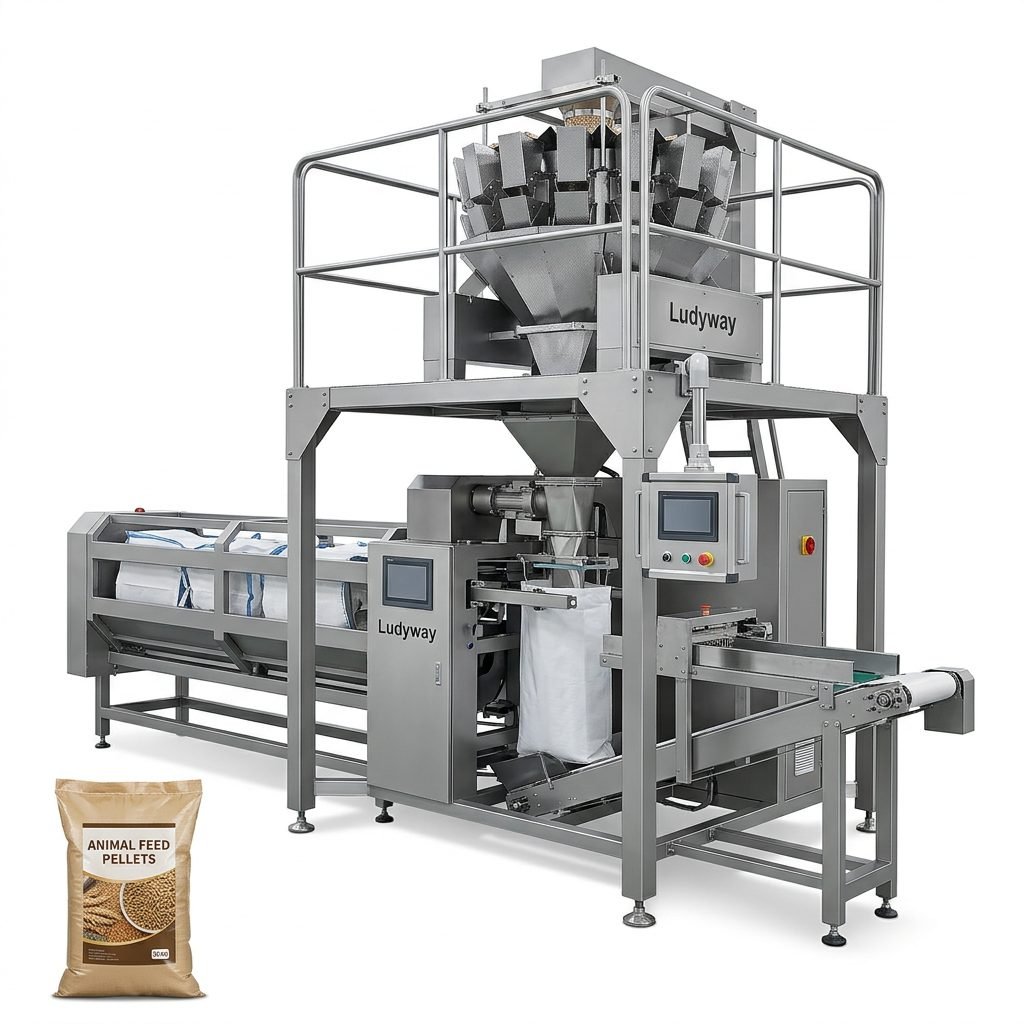
| External Nozzle System | Large Grain Bulk Bags | Variable |
Assessing Packaging Material Compatibility
The extreme heat in the Gulf requires robust barrier film materials. You must ensure your machinery can handle laminated films like PA/PE (Polyamide/Polyethylene) or EVOH-based structures, which provide excellent oxygen and moisture barriers. Additionally, the machine’s sealing jaw temperature control must be precise to avoid film burn-through or weak seals, which are common failures in non-climate-controlled factories. Consult resources from the Flexible Packaging Association to stay updated on high-barrier film innovations.

Strategic Facility Layout and Workflow Planning
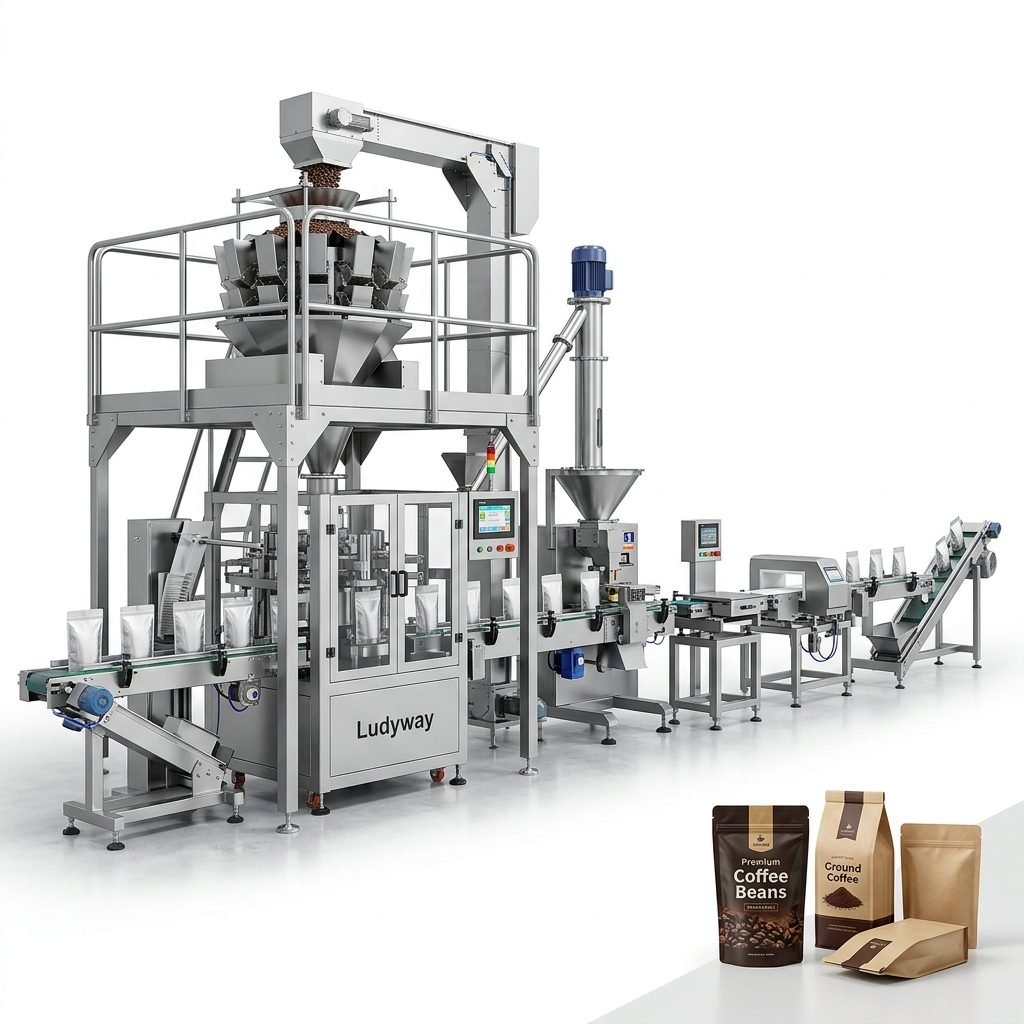
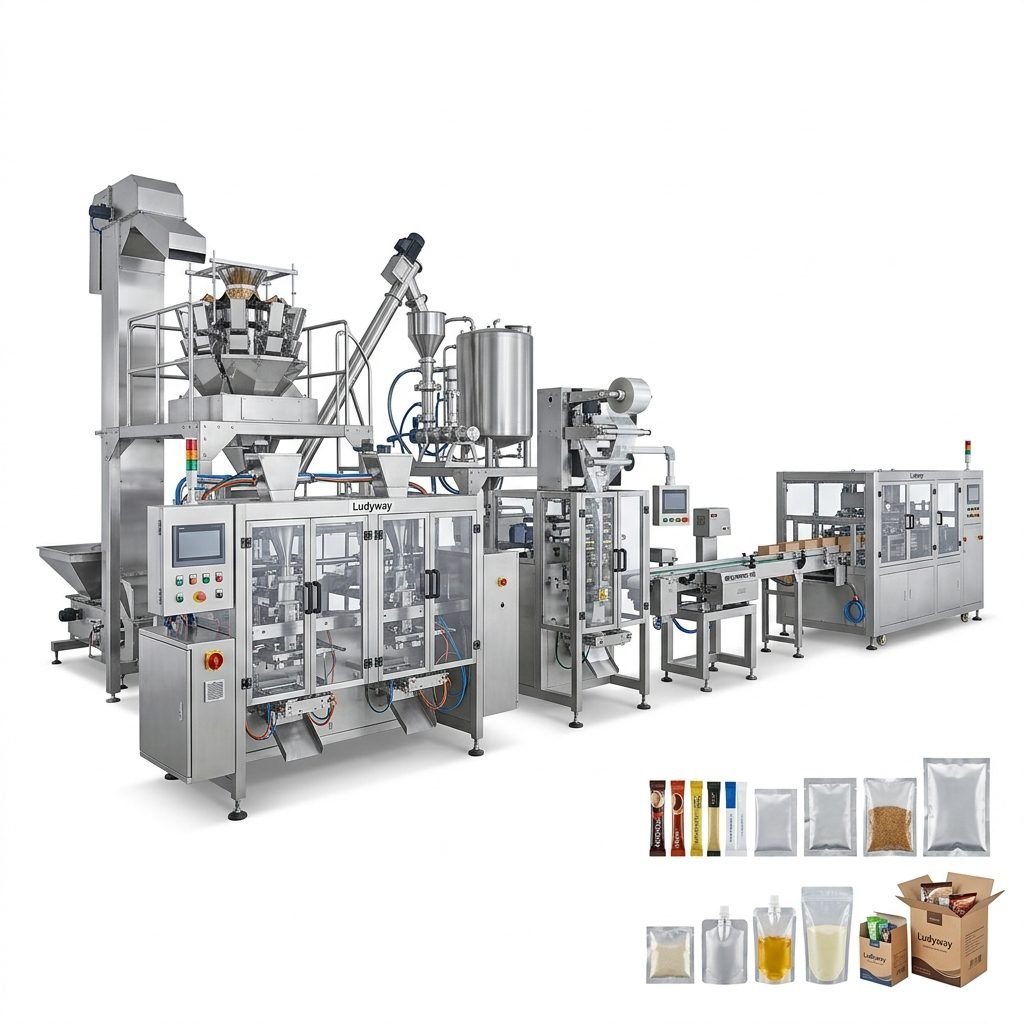
Efficiency in a Middle Eastern factory often hinges on a linear or L-shaped layout that minimizes raw material handling and cross-contamination. A typical turnkey vacuum packaging line integrates several stages:
- Feeding & Weighing: Automated multi-head weighers or volumetric cup fillers for precision.
- Conveying: Inclined bucket elevators to transport product to the packaging machine.
- Primary Packaging: The core vacuum sealing unit with gas flush modification.
- Quality Control: Dynamic checkweighing and metal detection systems to meet food safety regulations.
- Secondary Packaging: Automatic cartoning and case packing for bulk shipment.
- End-of-Line: Robotic palletizing for efficient warehouse storage.
If you are handling frozen products, it is critical to design a cold-chain-compatible zone with stainless steel conveyors and condensate-resistant electronics. For manufacturers targeting markets with halal certification requirements, the traceability and wash-down cleanliness of the machinery must be verifiable.
Utility Infrastructure Requirements in the Middle East
Power stability and water quality vary significantly. Ensure your vacuum packaging machine is equipped with voltage stabilizers to handle fluctuations common in industrial zones. The vacuum pump itself generates significant heat; therefore, factory ventilation or air conditioning is not a luxury but a necessity to prevent machine downtime. If using a water-ring vacuum pump for specific wet products, budget for a cooling tower due to the region’s high ambient water inlet temperatures.
Navigating Regulatory Compliance and Certifications
Exporting vacuum-packed goods from the Gulf Cooperation Council (GCC) requires adherence to strict standards. The FDA Food Contact Substance regulations are often the benchmark alongside the European Commission’s directives on packaging waste and sustainability. Machinery should be CE certified, and electrical components must comply with IP65 or higher protection standards to prevent dust ingress. Additionally, the Halal packaging process requires documentation proving no cross-contamination with non-permissible substances during the manufacturing and packaging process.
Procurement and Partnership Strategy
When importing a full production line, partnering with a manufacturer experienced in emerging markets is invaluable. You should look for a supplier offering Factory Acceptance Testing (FAT) and international installation support. For instance, Ludyway is one of the largest packaging machine manufacturers in China, offering comprehensive turnkey solutions for food and pharmaceutical sectors. With over 30 years of history and support in over 100 countries, such manufacturers provide critical after-sales service, including remote diagnostics and spare parts logistics—crucial factors in the Middle East where localized technical support might be limited.

Cost Analysis and Key ROI Drivers
Investors should focus on Total Cost of Ownership (TCO) rather than just the initial purchase price. Key cost drivers include the energy efficiency of the vacuum pump (oil-free screw pumps offer long-term savings over oil-lubricated ones), film waste percentages, and labor reduction through automation. A fully automated line can reduce manual labor by up to 70%, a critical saving in regions with high expatriate labor costs and nationalization policies. The table below outlines a typical cost and return profile:
| Investment Segment | Value Proposition | Expected ROI Impact |
|---|---|---|
| High-Speed Vacuum Sealer | Extends shelf life by 3-5x | Reduces food waste returns |
| Automated Weighing | Precision within ±1 gram | Minimizes product giveaway |
| Gas Flush (MAP) System | Preserves color and freshness | Enables premium pricing |
| Robotic Palletizer | Replaces 4 manual workers | Payback in < 18 months |
Installation, Training, and Ongoing Support
Once the machinery arrives at your facility in Jeddah, Riyadh, or Dubai, the installation phase must include laser alignment of the conveyor belts and vacuum chamber sealing gaskets to prevent premature wear. Comprehensive training materials on the Human Machine Interface (HMI) are essential, especially for multi-lingual workforces common in the Gulf, requiring Arabic or Hindi language support. Ongoing support should include a steady supply of wear parts like sealing bars, Teflon cloth, and vacuum pump oil. Leveraging insights from industry reports like the PMMI State of the Industry can help you benchmark your maintenance schedules against global best practices.
Preparing for Future Trends: Smart Packaging and Sustainability
The Middle East is increasingly adopting Industry 4.0 solutions. When setting up your line, select machinery with IoT capability that can monitor vacuum pressure and temperature in real-time via cloud dashboards. Sustainability is also becoming a government priority, with bans on single-use plastics looming in some Emirates. Ensure your vacuum packaging line can handle emerging recyclable mono-material films, which require different sealing characteristics than traditional mixed plastics. This forward-thinking approach ensures your production line remains compliant and competitive well into 2030 and beyond.