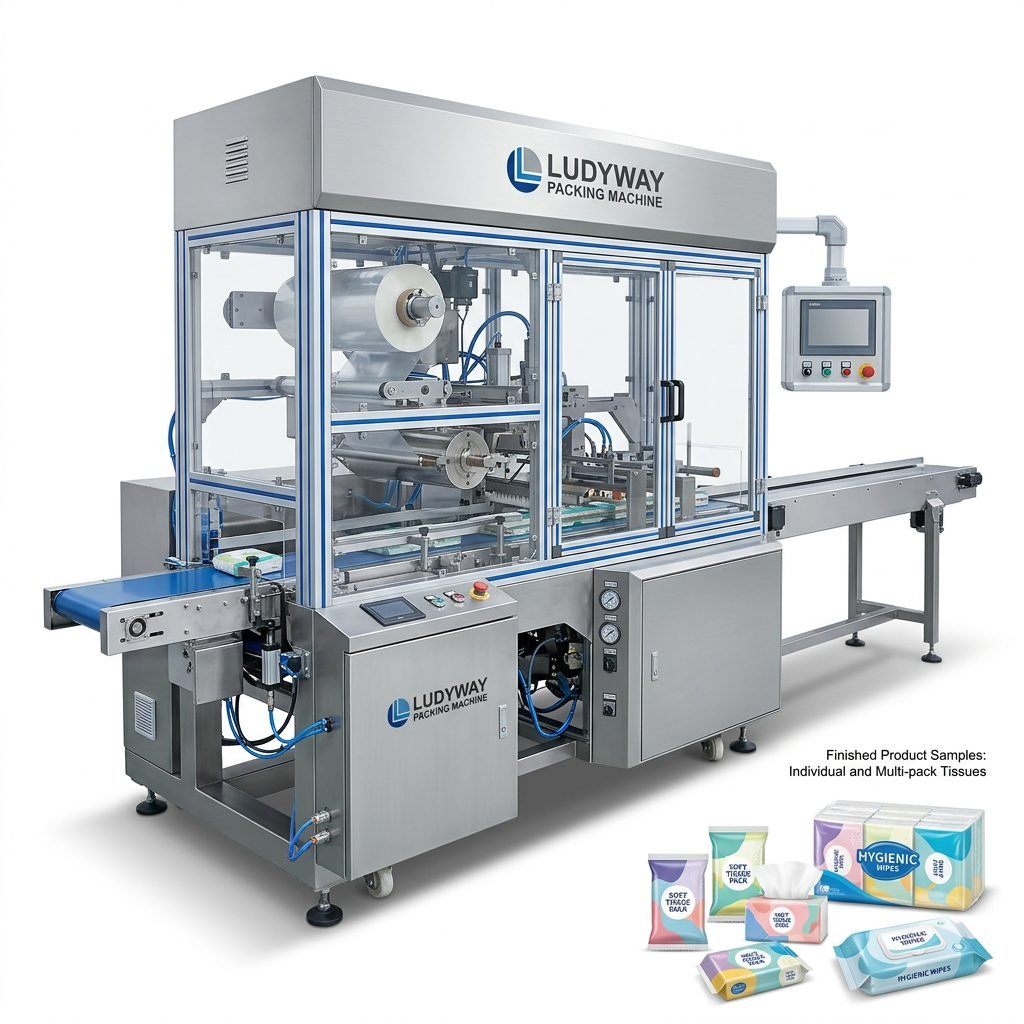
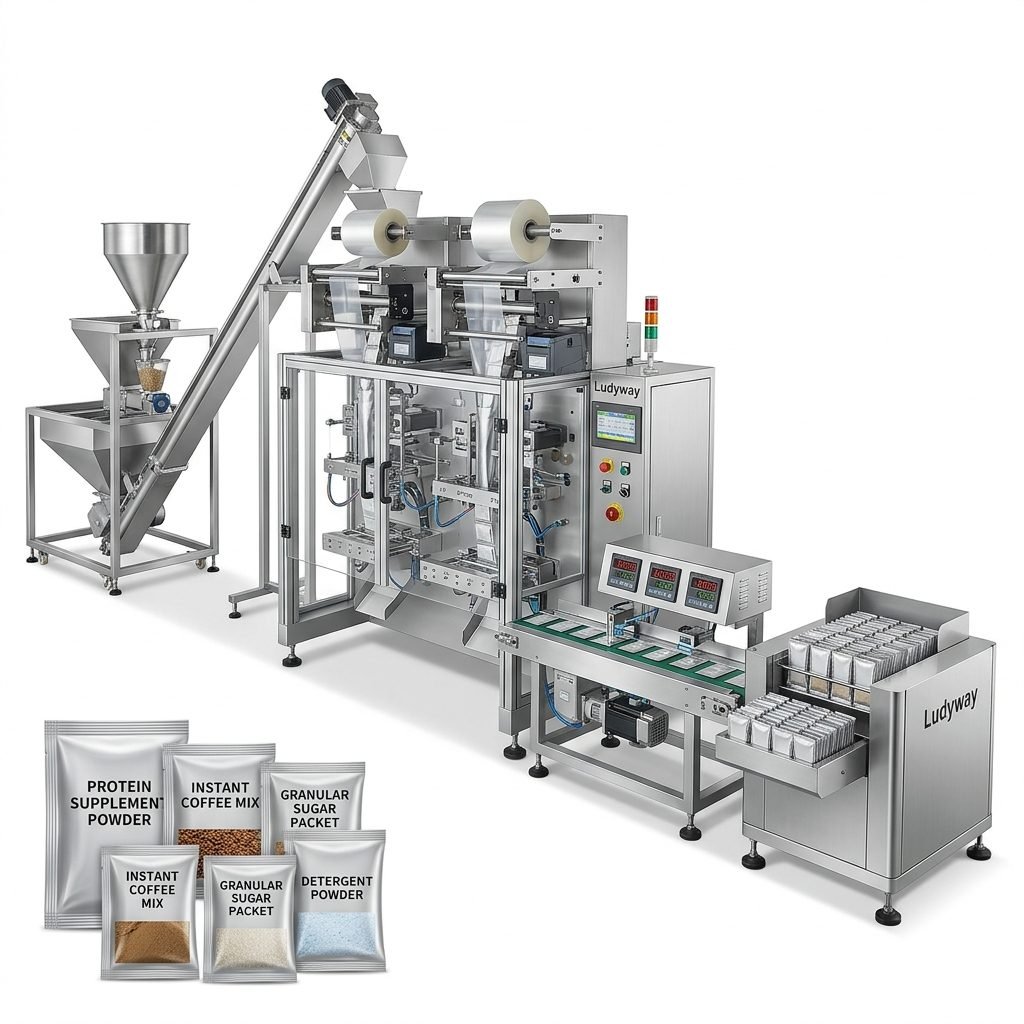
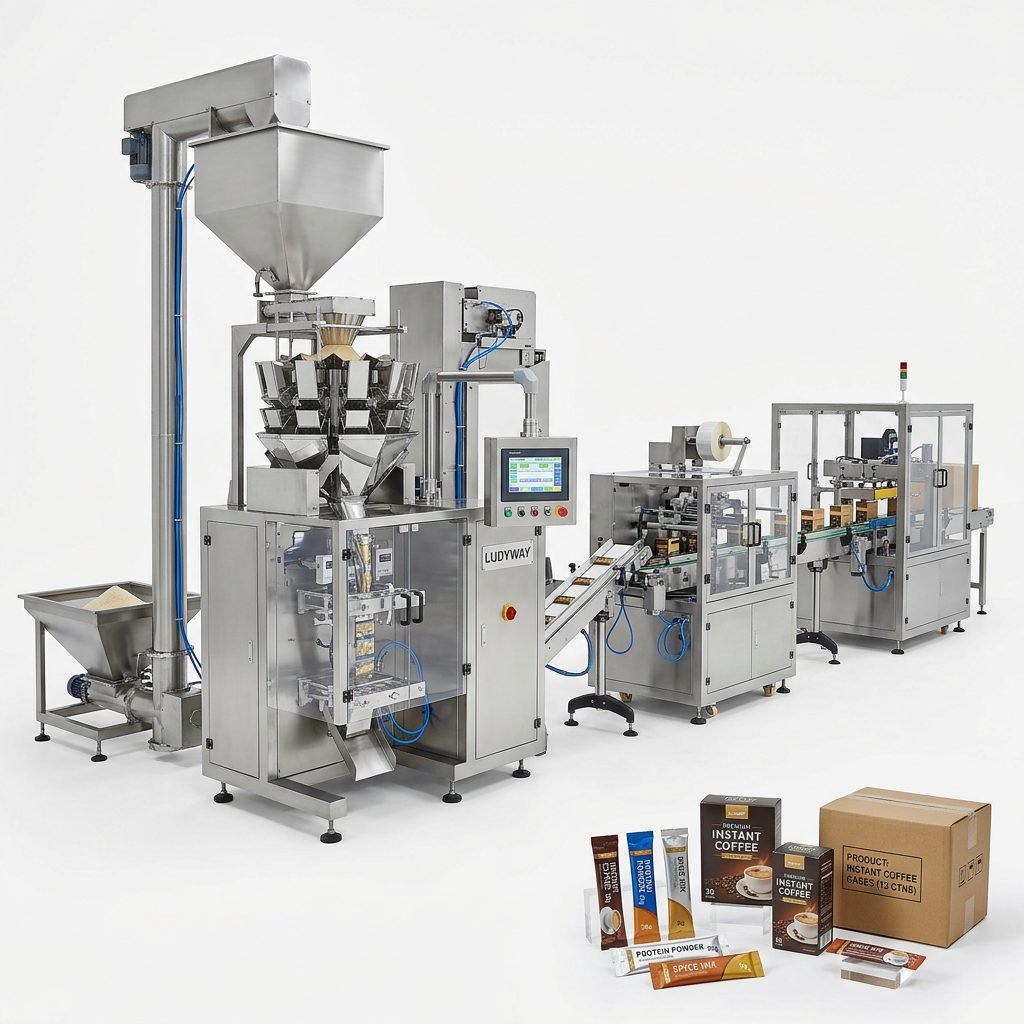
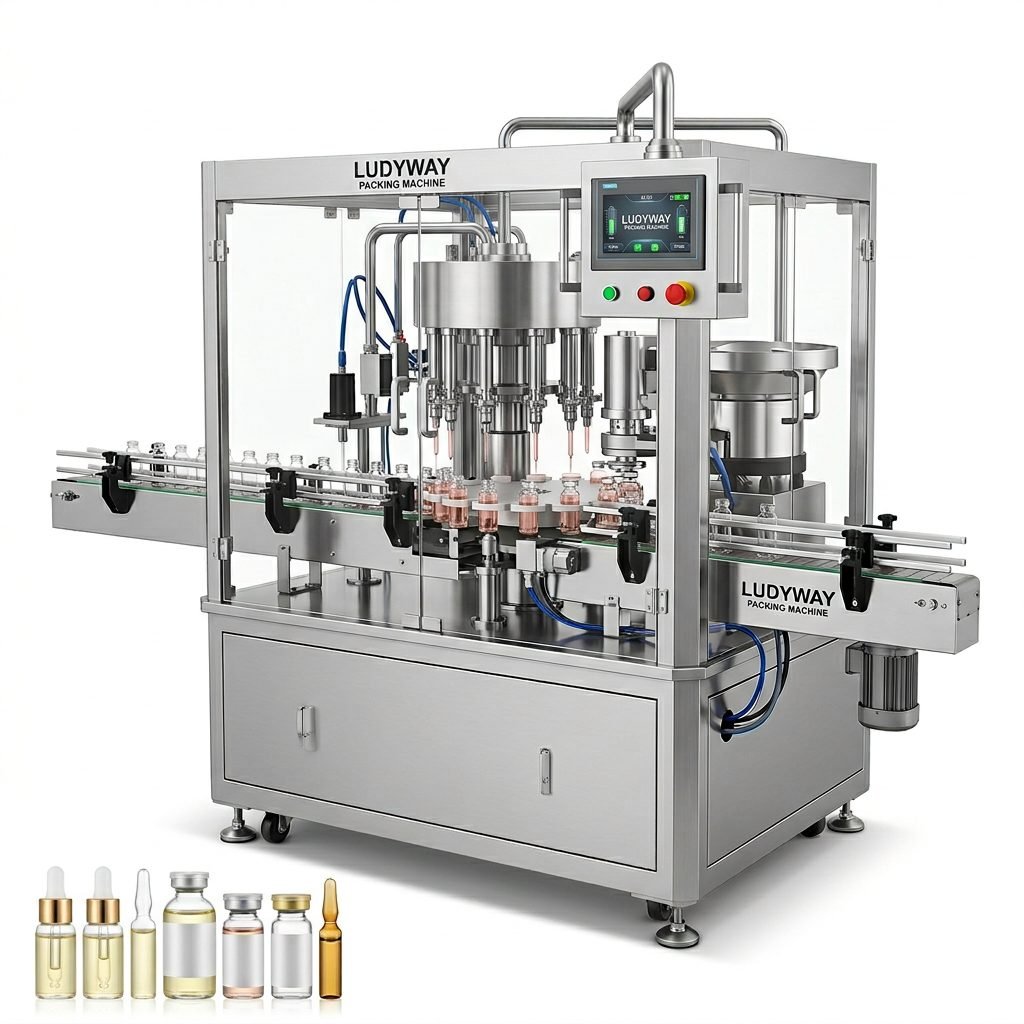
Investing in a vacuum chamber packaging machine is a critical decision for manufacturers across food processing, pharmaceuticals, electronics, and industrial goods sectors. The right machine extends product shelf life, preserves quality, and enhances operational efficiency. However, with numerous configurations, chamber sizes, pump types, and automation levels available, the selection process can feel overwhelming. This guide breaks down every essential factor to help you make an informed purchasing decision.

Understanding Vacuum Chamber Packaging Technology
A vacuum chamber packaging machine operates by placing the product and packaging material inside a sealed chamber, extracting air to create a vacuum environment, and then heat-sealing the package. This process removes oxygen, which is the primary cause of oxidation, microbial growth, and product degradation. Unlike external vacuum sealers, chamber machines pull vacuum from both inside and outside the bag simultaneously, ensuring consistent results even with liquid or moist products.
These machines are widely used for packaging granules, powders, liquids, fresh produce, meat, seafood, medical devices, and electronic components. The technology has evolved significantly, with modern systems offering programmable vacuum levels, gas flushing capabilities, and multi-cycle operations that cater to delicate or irregularly shaped products.
Key Factors to Consider When Choosing a Vacuum Chamber Packaging Machine
Chamber Size and Configuration
The chamber dimensions directly determine the maximum product size and the number of packages you can process per cycle. Single-chamber machines are ideal for small to medium production volumes, while double-chamber models allow operators to load one chamber while the other is running, significantly increasing throughput. For high-volume operations, continuous belt vacuum machines and thermoforming packaging lines offer automated, uninterrupted production. When evaluating chamber size, always account for the product height, bag dimensions, and any required clearance for sealing bars.
Vacuum Pump Performance
The vacuum pump is the heart of the system. Oil-lubricated rotary vane pumps deliver high vacuum levels and are suitable for most applications, while dry pumps eliminate oil contamination risks and are preferred for cleanroom environments and sensitive products. Key pump specifications to evaluate include pumping speed (measured in m³/h), ultimate vacuum pressure, and duty cycle. A pump with higher capacity than your minimum requirement provides operational flexibility and extends pump life by reducing strain during peak production periods.
Sealing Bar Specifications
Sealing bars determine the quality and integrity of the final package. Consider the sealing length, width, and material compatibility. Wider seal bars distribute heat more evenly and create stronger seals for heavy or bulky products. Machines equipped with dual sealing bars increase production speed by sealing two bags simultaneously. Look for systems with adjustable sealing temperature and time controls, which allow precise optimization for different film types and thicknesses. For modified atmosphere packaging (MAP) applications, ensure the machine supports gas flushing through the seal bar area.
Control Systems and Automation Level
Modern PMMI packaging standards increasingly emphasize automation and digital control. Entry-level machines feature manual controls with basic timer settings, while advanced models offer PLC touchscreen interfaces with programmable recipes, multi-stage vacuum cycles, and data logging capabilities. Automated systems can integrate with upstream filling stations and downstream conveying equipment, creating seamless turnkey packaging lines. Sensor-based controls that monitor vacuum levels, seal temperature, and cycle completion provide quality assurance and reduce operator error.

Types of Vacuum Chamber Packaging Machines
Understanding the different machine categories helps narrow your selection based on production volume, product characteristics, and packaging format requirements:
| Machine Type | Best For | Production Volume | Key Advantage |
|---|---|---|---|
| Single Chamber | Small businesses, labs, specialty products | Low to Medium | Compact footprint, lower cost |
| Double Chamber | Meat processing, seafood, prepared foods | Medium to High | Continuous loading, higher throughput |
| Belt / Continuous | Industrial food production, high-speed lines | High to Very High | Automated operation, minimal labor |
| Thermoforming | Pharmaceuticals, medical devices, consumer goods | High | Form-fill-seal integration, custom tray shapes |
| Nozzle Vacuum | Large format, bulk packaging | Variable | Suitable for oversized items |
Industry-Specific Considerations
Different industries impose unique requirements on vacuum packaging equipment. Food manufacturers must comply with FDA food packaging regulations and often require machines constructed with stainless steel frames, washdown-rated components, and hygienic design features. Pharmaceutical and medical device producers need equipment that meets ISO packaging standards such as ISO 11607 for sterile barrier systems, with validated processes and comprehensive documentation. Electronics manufacturers prioritize ESD-safe configurations and precise vacuum control to prevent component damage, while chemical and industrial users require compatibility with aggressive products and durable construction materials.
Budget and ROI Considerations
The purchase price of a vacuum chamber packaging machine is only one component of the total cost of ownership. When calculating ROI, factor in energy consumption, pump oil and filter replacements, sealing bar wear, spare parts availability, and preventive maintenance costs. A machine with higher initial cost but lower operating expenses often delivers superior lifetime value. Additionally, consider the productivity gains from faster cycle times, reduced product waste due to improved seal quality, and labor savings from automated features. Many manufacturers find that upgrading from manual to automated vacuum packaging delivers payback within 12 to 24 months through these combined efficiencies.
Maintenance and After-Sales Support
Reliable after-sales support is essential for maintaining production uptime. Evaluate potential suppliers based on warranty terms, local service availability, spare parts inventory, and technical support responsiveness. Machines with modular designs simplify maintenance by allowing individual components to be serviced or replaced without extensive downtime. Look for suppliers who offer operator training programs, installation support, and remote diagnostic capabilities. These services reduce the learning curve and help your team maximize equipment performance from day one.
Leading packaging machinery manufacturers with decades of engineering experience, such as Ludyway Machinery, combine in-house manufacturing capabilities with comprehensive application knowledge to deliver customized vacuum packaging solutions that align with specific product requirements and production goals. Their approach integrates machine selection, system design, and ongoing technical support throughout the equipment lifecycle.
Key Selection Checklist
- ✓ Determine your production volume and required cycle speed
- ✓ Measure maximum product dimensions and package sizes
- ✓ Identify packaging material compatibility requirements
- ✓ Evaluate vacuum pump type based on product sensitivity
- ✓ Assess automation needs and integration with existing lines
- ✓ Verify compliance with relevant flexible packaging industry regulations
- ✓ Calculate total cost of ownership including maintenance
- ✓ Confirm supplier service and spare parts support

Making the Final Decision
Choosing the right vacuum chamber packaging machine requires balancing technical specifications, production demands, regulatory compliance, and budget constraints. Start by clearly defining your packaging objectives and product characteristics. Then, shortlist machines that meet your chamber size, pump performance, and automation requirements. Request demonstrations or sample runs with your actual products and packaging materials to verify performance before committing. Finally, evaluate the supplier’s track record, after-sales support infrastructure, and commitment to long-term partnership.
A well-chosen vacuum packaging machine becomes a cornerstone of your production operation, delivering consistent product quality, extended shelf life, reduced waste, and improved operational efficiency for years to come. Investing time in thorough evaluation upfront pays dividends through smoother operations and faster ROI after installation.