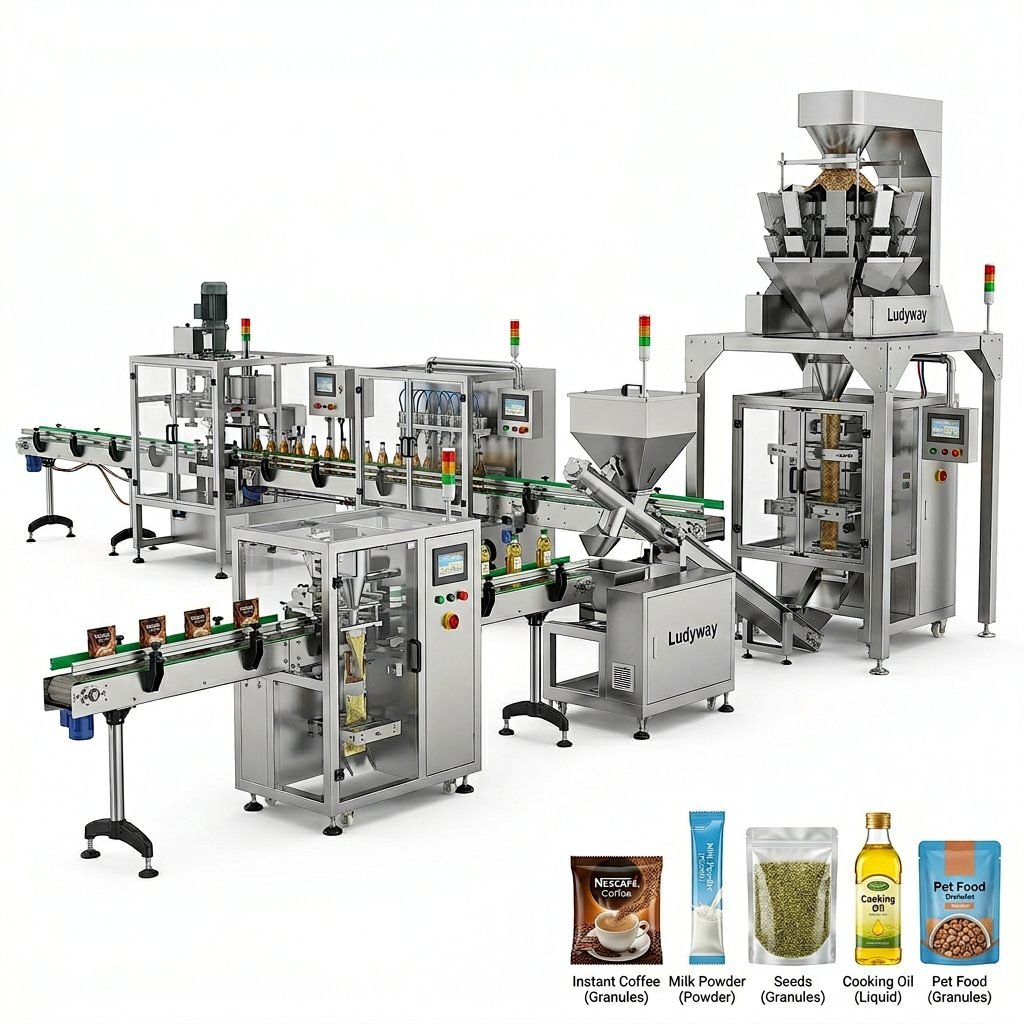
Setting up a vacuum sealer packaging machine production line in South America presents a significant opportunity for food processors, pharmaceutical manufacturers, and industrial packagers looking to expand their operations in one of the world’s fastest-growing packaging markets. With the region’s food processing sector projected to grow at a CAGR of 5.8% through 2028, investing in automated vacuum packaging technology is no longer optional—it is a strategic necessity.
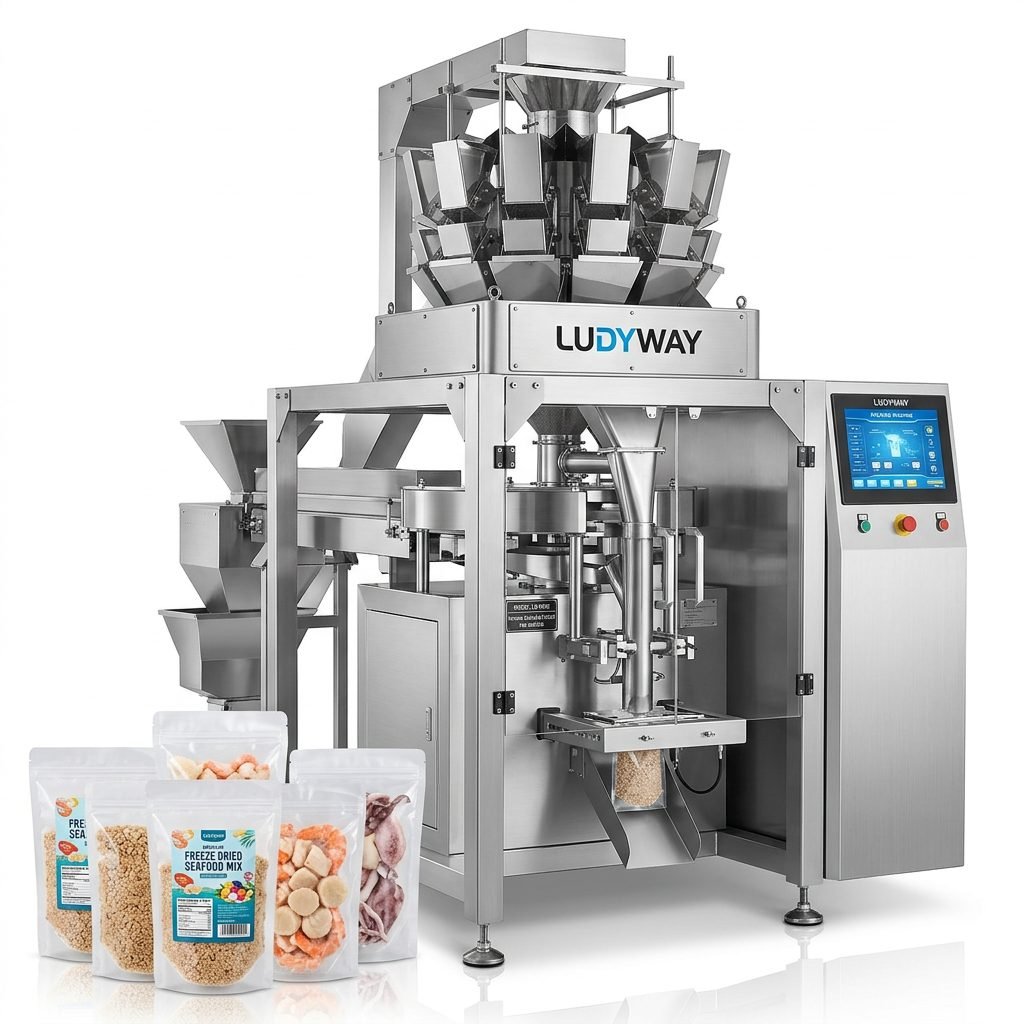
Understanding the South American Vacuum Packaging Landscape
The demand for vacuum packaging machinery in South America is driven by several key industries. The region’s massive agricultural output—including beef exports from Brazil and Argentina, coffee from Colombia, and seafood from Chile and Peru—requires reliable preservation solutions. Vacuum sealing extends shelf life, maintains product quality, and reduces spoilage during transportation, making it essential for both domestic distribution and international export.
Key markets driving vacuum sealer demand include:
- Brazil: The largest packaging machinery market in the region, with strong demand in meat processing and coffee sectors
- Argentina: Major beef exporter requiring high-capacity industrial vacuum packaging lines
- Chile: Growing seafood and fresh produce export industry demanding reliable vacuum sealing technology
- Colombia: Expanding food processing sector with increasing automation needs
- Peru: Emerging market for fishmeal and agricultural product packaging
Step 1: Assessing Your Production Requirements
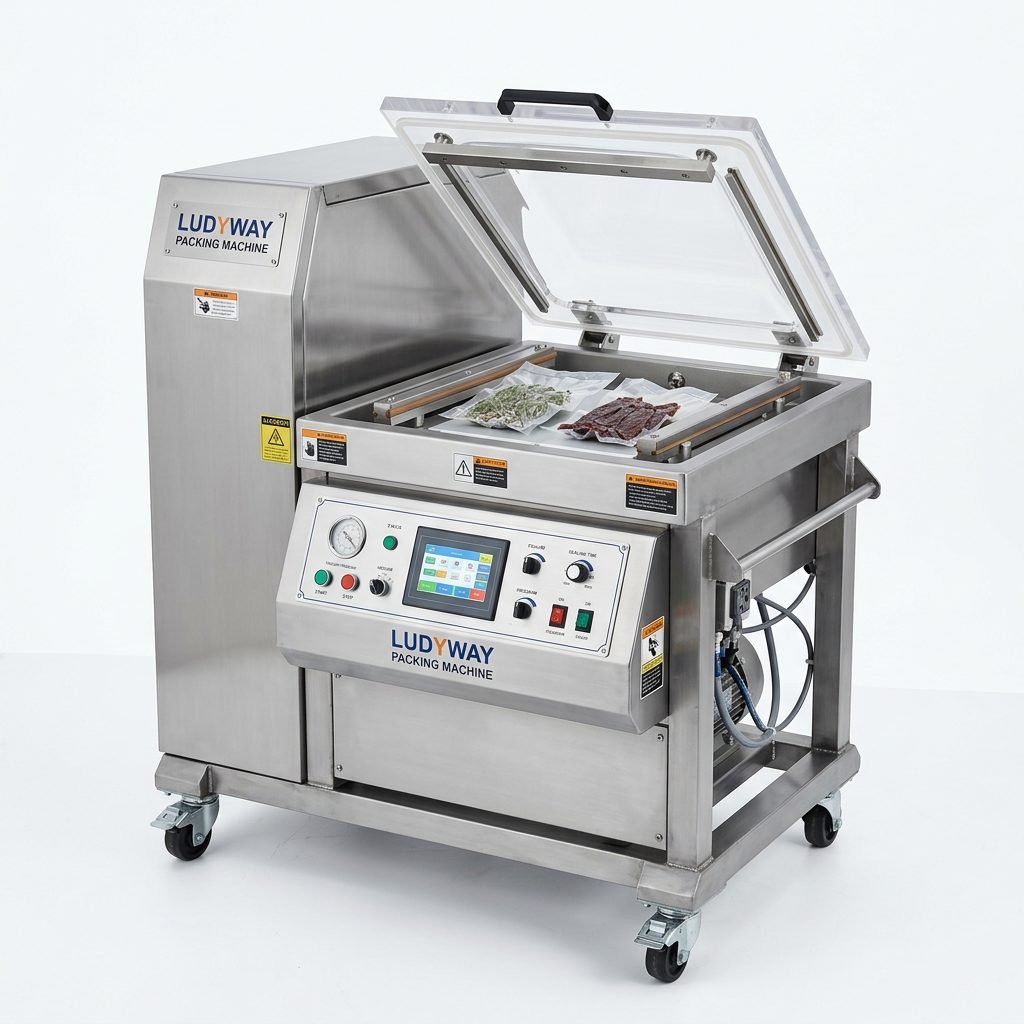
Before purchasing any vacuum sealer packaging machine, you must conduct a thorough assessment of your production needs. Consider the following critical factors:
| Assessment Factor | Key Considerations | Recommended Specification |
|---|---|---|
| Product Type | Solid, granular, powder, or liquid products | Chamber vs. nozzle-type vacuum sealers |
| Production Volume | Packages per hour required | Semi-automatic (500-1,500 pcs/h) to fully automatic (3,000+ pcs/h) |
| Pouch Size Range | Minimum and maximum bag dimensions | Adjustable sealing bar length and chamber depth |
| Material Compatibility | PA/PE, PET/PE, aluminum foil laminates | Double-seal or wide-seal technology |
| Facility Space | Available floor area and ceiling height | Compact single-chamber to rotary multi-chamber systems |
Step 2: Selecting the Right Vacuum Packaging Equipment
Choosing the correct vacuum sealer packaging machine is the cornerstone of a successful production line. South American operations typically benefit from equipment that balances reliability, ease of maintenance, and adaptability to local conditions. The following categories represent the most common configurations deployed across the region:
Single-Chamber Vacuum Sealers
Ideal for small to medium-scale operations, these machines are widely used in butcher shops, small food processors, and laboratory settings. They offer simplicity and cost-effectiveness, with typical cycle times of 20-40 seconds. For South American businesses starting with lower volumes, a single-chamber industrial vacuum sealer provides an accessible entry point.
Double-Chamber Vacuum Sealers
These units significantly increase throughput by allowing loading in one chamber while the other completes its vacuum cycle. This configuration is popular among medium-sized meat processors in Brazil and Argentina, where continuous production flow is essential. Output can reach 2-3 packages per minute per chamber.
Continuous Band Vacuum Sealers
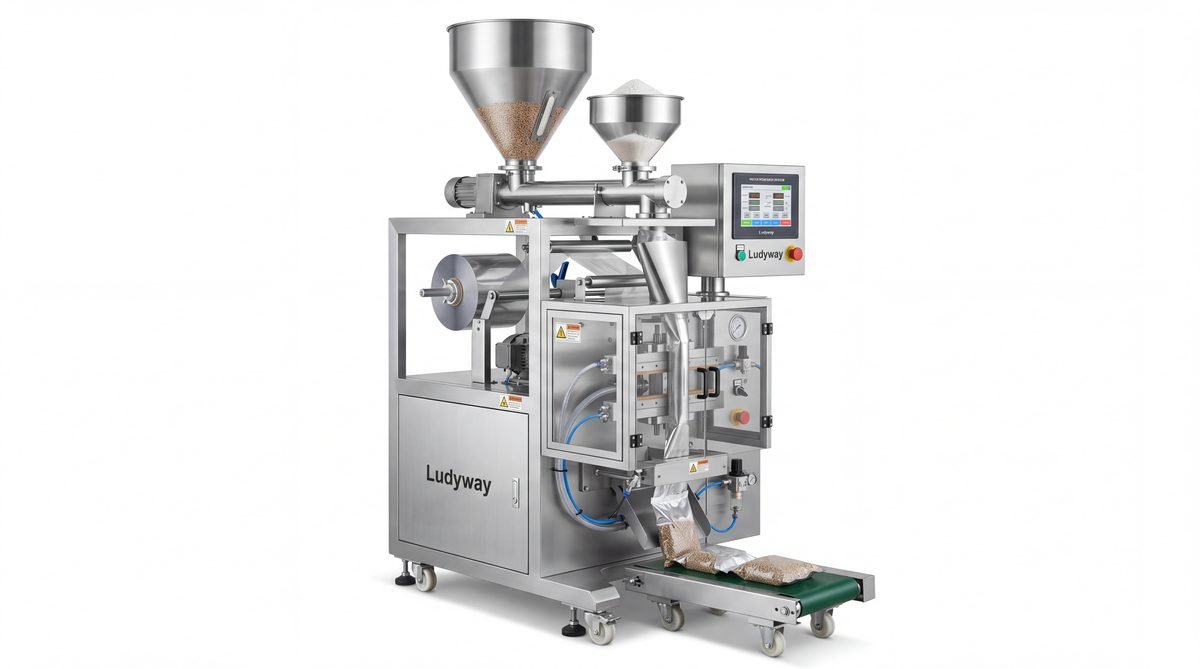
For high-volume production lines, continuous band or conveyor-type vacuum sealers represent the most efficient solution. These packaging automation systems can process thousands of packages per hour, making them suitable for large-scale food processing plants exporting products from South America to global markets.
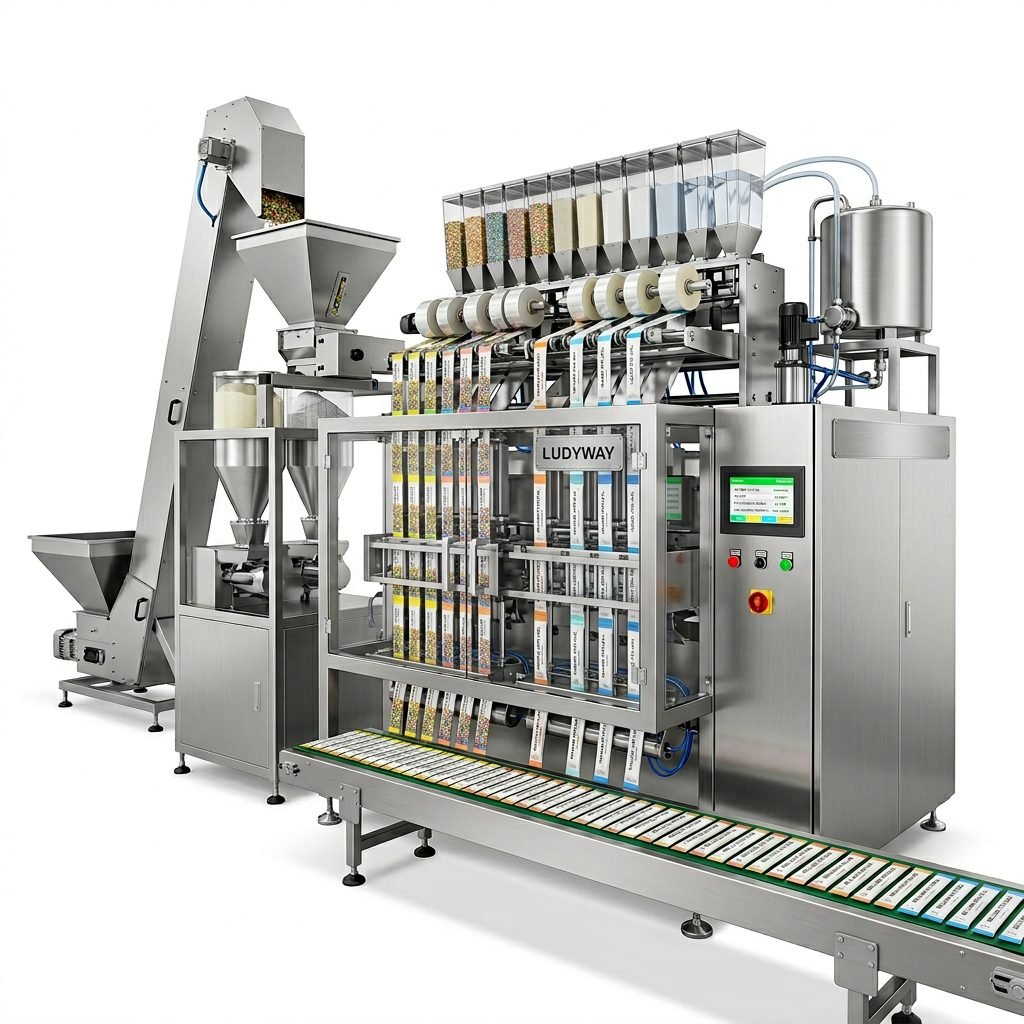
Multi-Lane Vacuum Stick Pack Machines
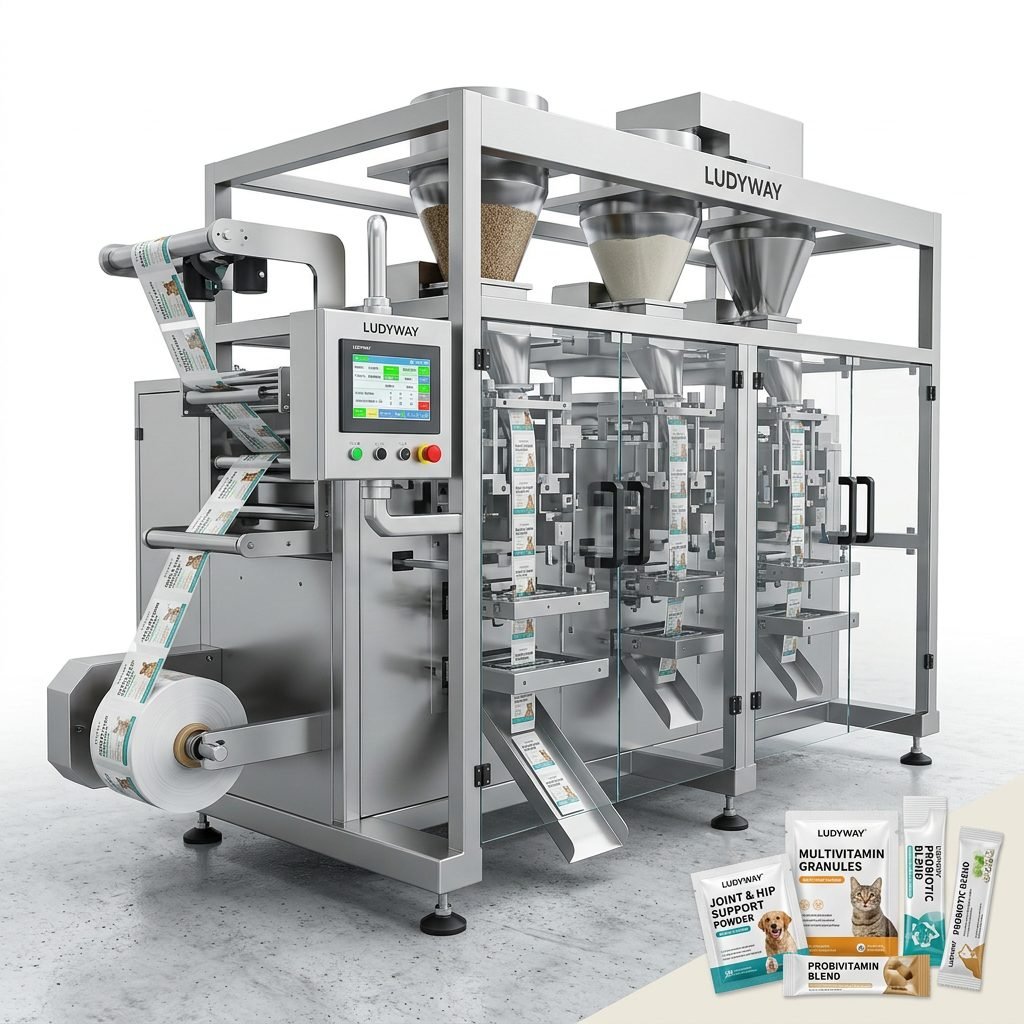
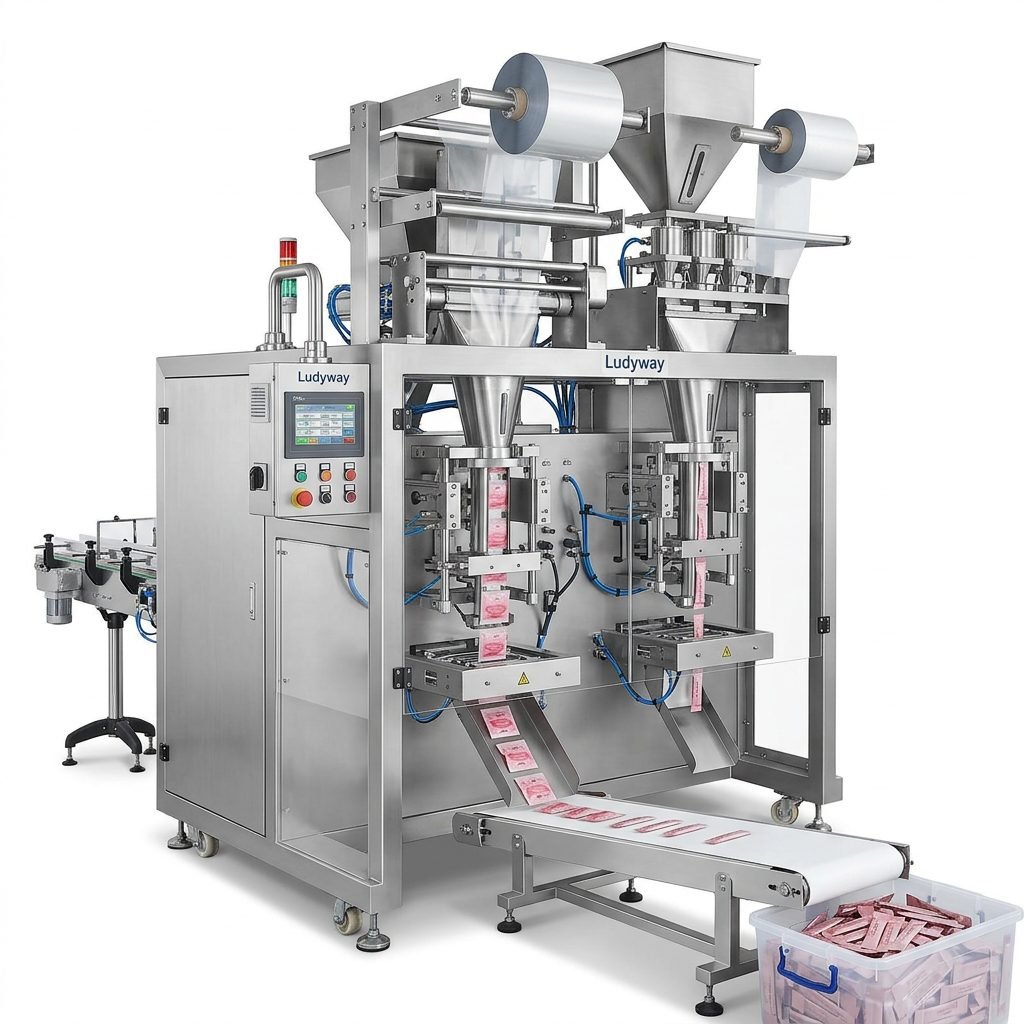
Emerging as a preferred format for single-serve products, multi-lane vacuum stick pack machines are gaining traction in the South American pharmaceutical and nutraceutical sectors. These systems can produce 4-12 lanes simultaneously, achieving exceptional speeds for powder and granule products.
Step 3: Essential Ancillary Equipment for a Complete Line
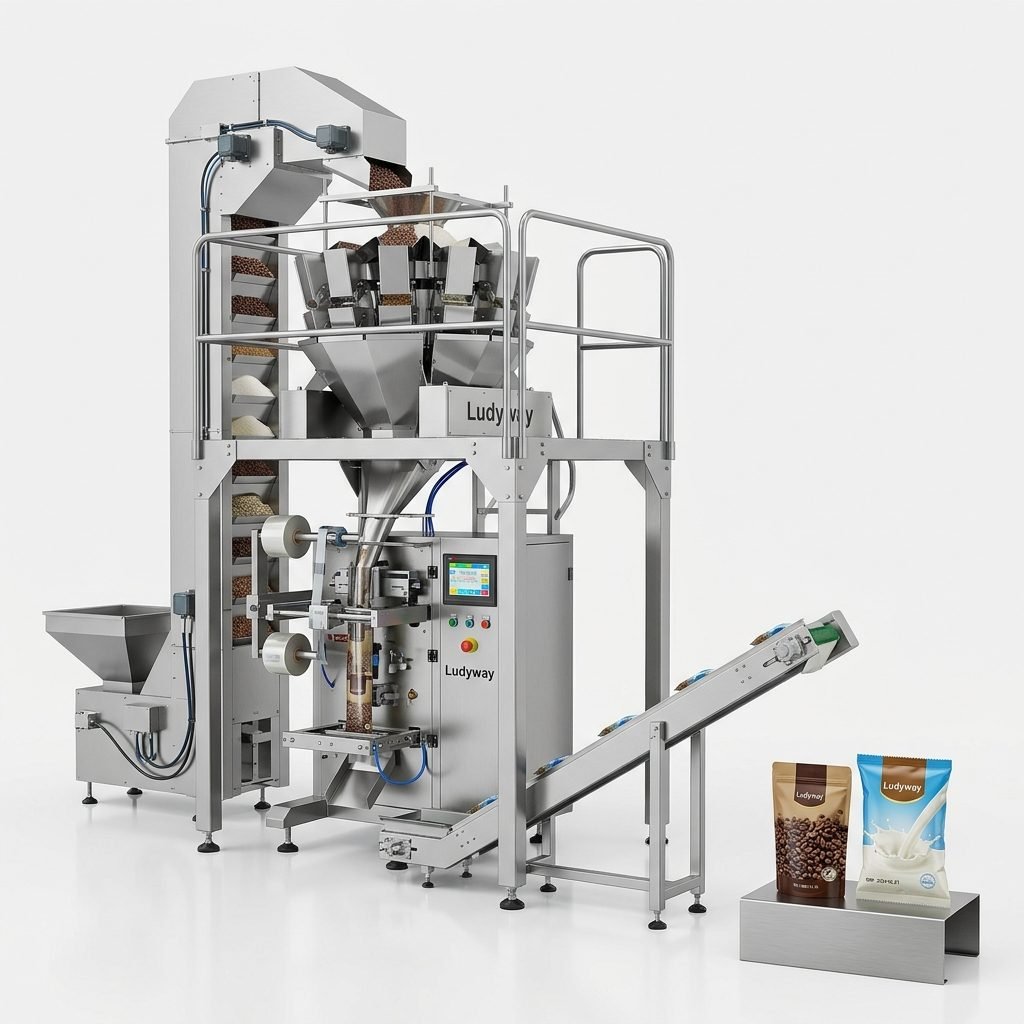
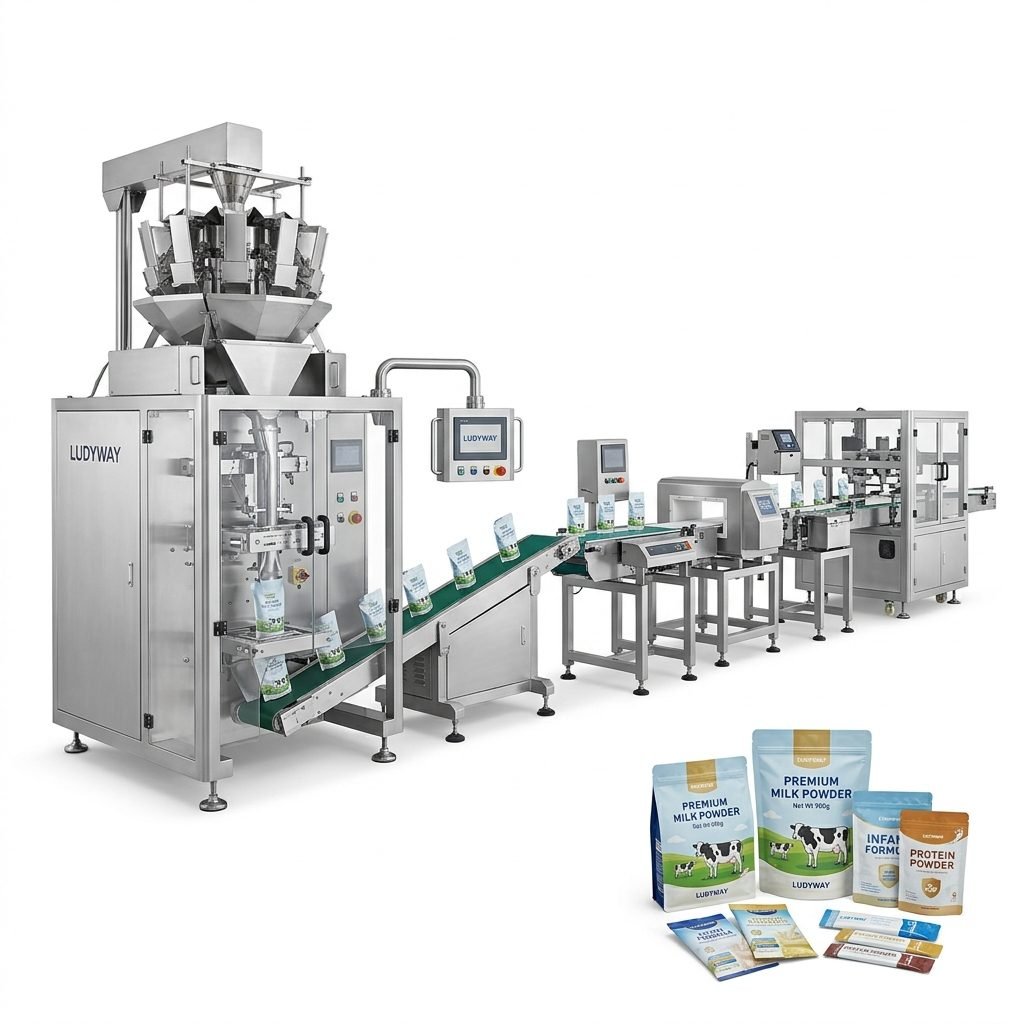
A vacuum packaging production line requires more than just the sealer itself. Integrating the right supporting equipment ensures smooth material flow, consistent quality, and maximum operational efficiency. Consider these essential components:
- Product Feeding Systems: Vibratory feeders for granules, screw feeders for powders, and liquid dosing pumps ensure accurate filling before vacuum sealing.
- Conveyor Systems: In-feed and out-feed conveyors with adjustable speed controls maintain continuous production flow.
- Checkweighers and Metal Detectors: Critical for quality assurance, especially for export-oriented South American food producers meeting international standards.
- Coding and Marking Equipment: Inkjet or laser coders for batch numbers, expiration dates, and traceability information required by FDA packaging regulations.
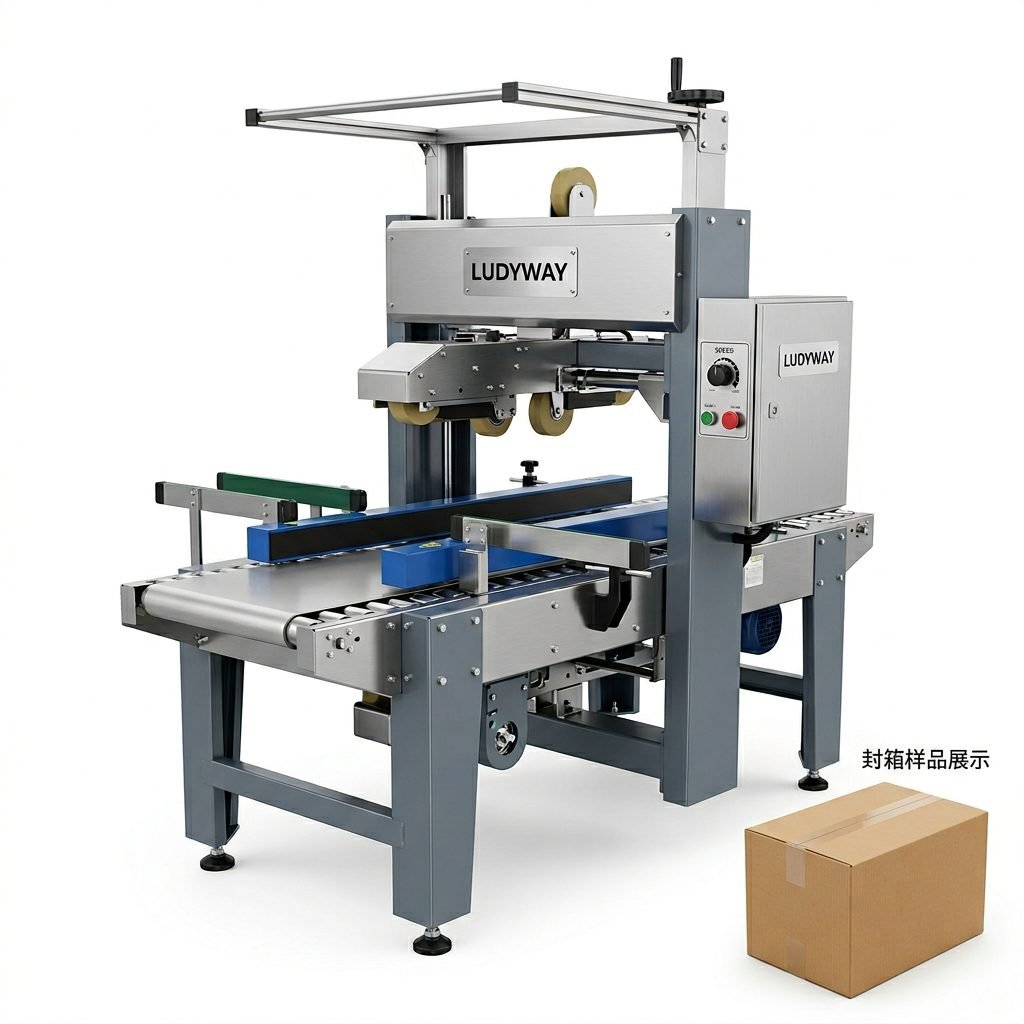
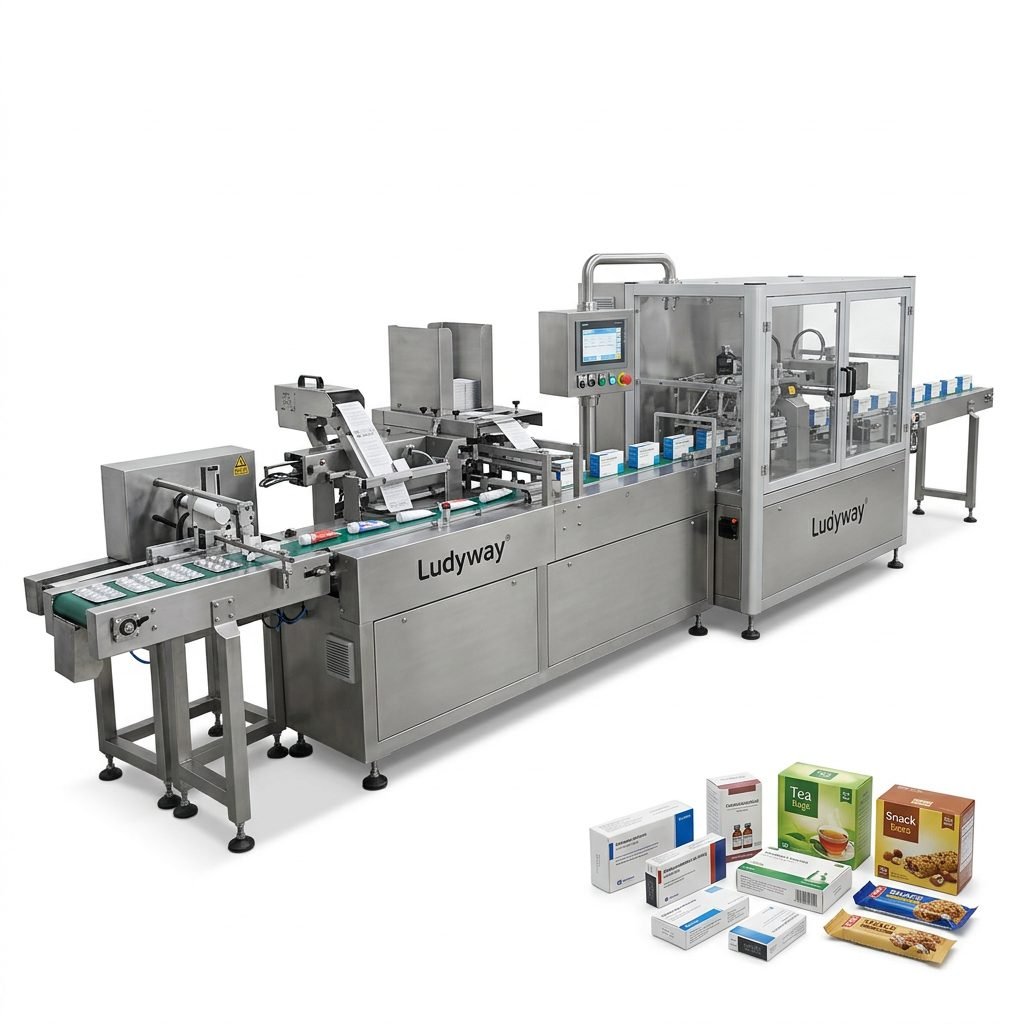
- Pouch Handling and Cartoning Systems: Automated cartoning machines that integrate downstream from the vacuum sealer for efficient secondary packaging.
Step 4: Facility Preparation and Installation Requirements
Proper facility preparation is essential before installing your vacuum sealer packaging line in a South American location. Key considerations include:
| Infrastructure Element | Requirement | Notes for South America |
|---|---|---|
| Electrical Supply | 220V/380V 3-phase, 50/60Hz | Verify local voltage standards; Brazil uses 220V/60Hz, Argentina 220V/50Hz |
| Compressed Air | 0.6-0.8 MPa clean dry air | Install air dryers for humid tropical regions |
| Vacuum Pump | Oil-sealed or dry rotary vane pump | Consider altitude effects in Andean locations |
| Floor Load Capacity | Minimum 500 kg/m² for heavy equipment | Reinforce flooring for rotary multi-chamber systems |
| Temperature Control | 15-35°C operating environment | Air conditioning essential in tropical zones |
Step 5: Compliance with South American Packaging Regulations
Navigating regulatory requirements is critical for any packaging machinery installation in South America. Different countries maintain distinct standards that affect vacuum packaging operations:
- Mercosur Regulations: Common market standards among Brazil, Argentina, Paraguay, and Uruguay for food contact materials and packaging safety.
- ANVISA (Brazil): Brazil’s health regulatory agency enforces strict requirements for pharmaceutical and food packaging machinery used in vacuum sealing applications.
- SENASA (Argentina): National food safety authority overseeing packaging standards for meat and agricultural products destined for export.
- ISO 11607 Compliance: For medical and pharmaceutical vacuum packaging, compliance with ISO 11607 standards for terminally sterilized medical devices is increasingly required.
Step 6: Workforce Training and Operational Excellence
Even the most advanced vacuum packaging production line requires well-trained operators to achieve optimal performance. South American manufacturers should invest in comprehensive training programs covering:
- Machine setup and changeover procedures for different product types
- Preventive maintenance schedules and common troubleshooting techniques
- Quality control checkpoints and seal integrity testing methods
- Hygiene and sanitation protocols, especially for food and pharmaceutical applications
- Spare parts inventory management to minimize downtime in remote locations
Step 7: Cost Analysis and Return on Investment
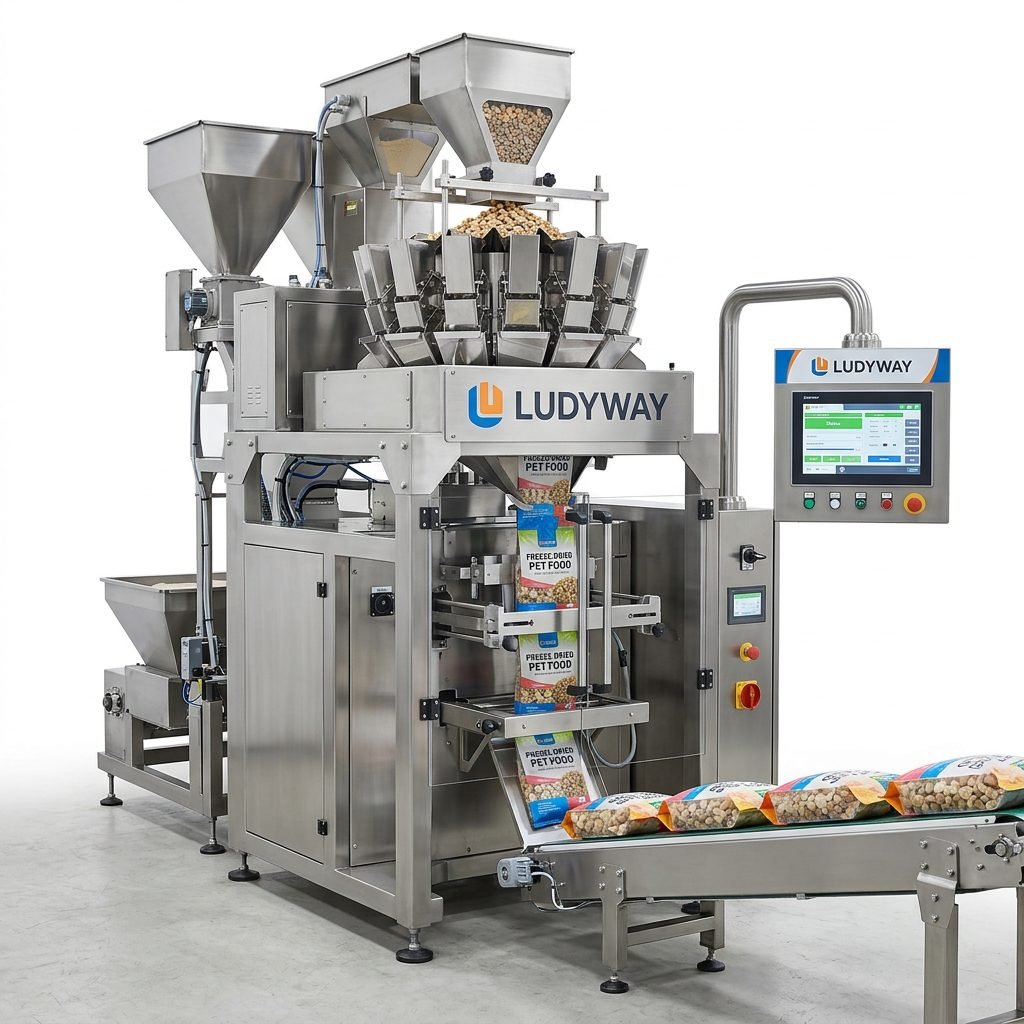
Understanding the financial aspects of setting up a vacuum sealer packaging line in South America helps justify the investment. Here is a breakdown of typical costs:
| Cost Category | Estimated Range (USD) | Percentage of Total Investment |
|---|---|---|
| Primary Vacuum Sealer Equipment | $15,000 – $150,000 | 40-50% |
| Ancillary Equipment (conveyors, coders, checkweighers) | $10,000 – $80,000 | 20-25% |
| Installation and Commissioning | $5,000 – $25,000 | 8-10% |
| Facility Modifications | $8,000 – $30,000 | 10-12% |
| Training and Documentation | $3,000 – $10,000 | 3-5% |
| Initial Spare Parts Inventory | $2,000 – $8,000 | 2-3% |
Most South American food processors achieve full ROI within 18-36 months through reduced product spoilage, labor savings, and expanded market access enabled by extended shelf life.
Step 8: Maintenance and Long-Term Support in South America
Sustaining peak performance of your vacuum sealer packaging machine production line requires access to reliable technical support and genuine spare parts. When selecting equipment suppliers for South American operations, prioritize those with established regional presence or responsive remote support capabilities.
Critical maintenance practices include:
- Daily cleaning of vacuum chambers and sealing bars to prevent product residue buildup
- Weekly inspection of vacuum pump oil levels and filter conditions
- Monthly calibration of temperature controllers and vacuum sensors
- Quarterly replacement of wear parts including sealing gaskets, heating elements, and Teflon tapes
- Annual comprehensive service by qualified technicians
Step 9: Future-Proofing Your Vacuum Packaging Line
As South American packaging markets continue evolving, forward-thinking operators should consider scalable solutions. Modern vacuum packaging systems can be integrated with smart factory technologies for real-time monitoring, predictive maintenance, and data-driven optimization. The flexible packaging industry is moving toward Industry 4.0 connectivity, and vacuum sealers equipped with IoT capabilities provide a competitive advantage.
Equipment designed with modular architectures allows for future expansion—starting with a single-chamber unit and progressing to a multi-chamber continuous line as production volumes grow. This approach minimizes initial capital outlay while preserving upgrade pathways.
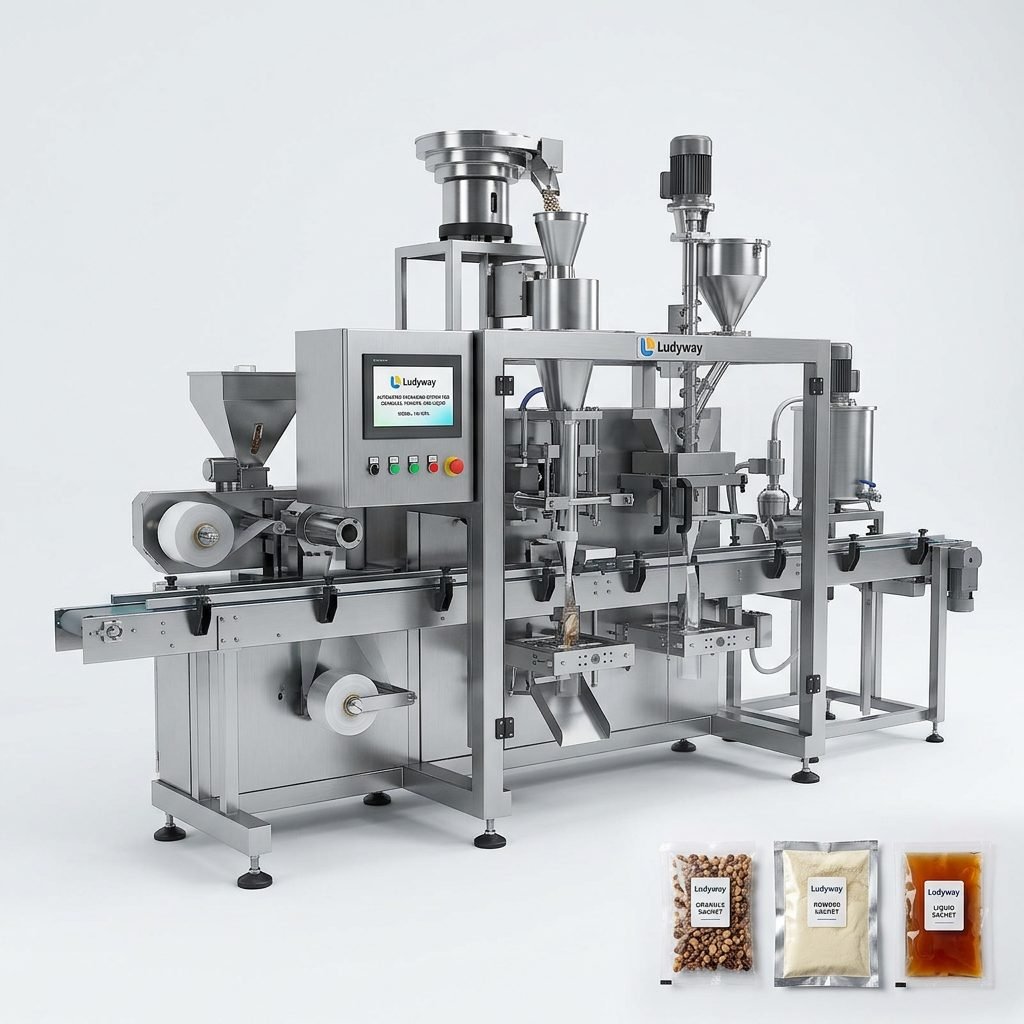
Equipment Selection: Key Brands and Specifications
When evaluating vacuum sealer packaging machines for the South American market, consider the following technical specifications that align with regional requirements:
| Machine Type | Sealing Length | Cycle Time | Best Application |
|---|---|---|---|
| Desktop Single Chamber | 350-420 mm | 20-35 seconds | Small butcher shops, laboratory samples |
| Floor-Standing Single Chamber | 520-800 mm | 25-40 seconds | Medium food processors, co-packers |
| Double Chamber Industrial | 550-900 mm | 15-30 seconds per chamber | Meat processing plants, cheese manufacturers |
| Continuous Belt Sealer | 600-1,200 mm | Continuous operation | High-volume food export operations |
| Multi-Lane Stick Pack | 50-160 mm (per lane) | 30-50 cuts per minute per lane | Single-serve pharmaceuticals, nutraceuticals |
Common Challenges and Troubleshooting in South American Operations
Operating a vacuum packaging production line in South America presents unique challenges that require proactive management:
- Power Fluctuations: Voltage instability is common in some regions. Install voltage stabilizers and UPS systems to protect sensitive electronic controls.
- High Humidity Environments: Tropical climates can affect pouch material properties. Store packaging films in climate-controlled areas and adjust sealing parameters seasonally.
- Altitude Considerations: Facilities in Andean regions (Bogotá, Quito, La Paz) experience reduced atmospheric pressure, affecting vacuum pump performance and requiring adjusted settings.
- Spare Parts Logistics: Customs clearance delays can extend lead times. Maintain critical spare parts inventory locally and establish relationships with regional distributors.
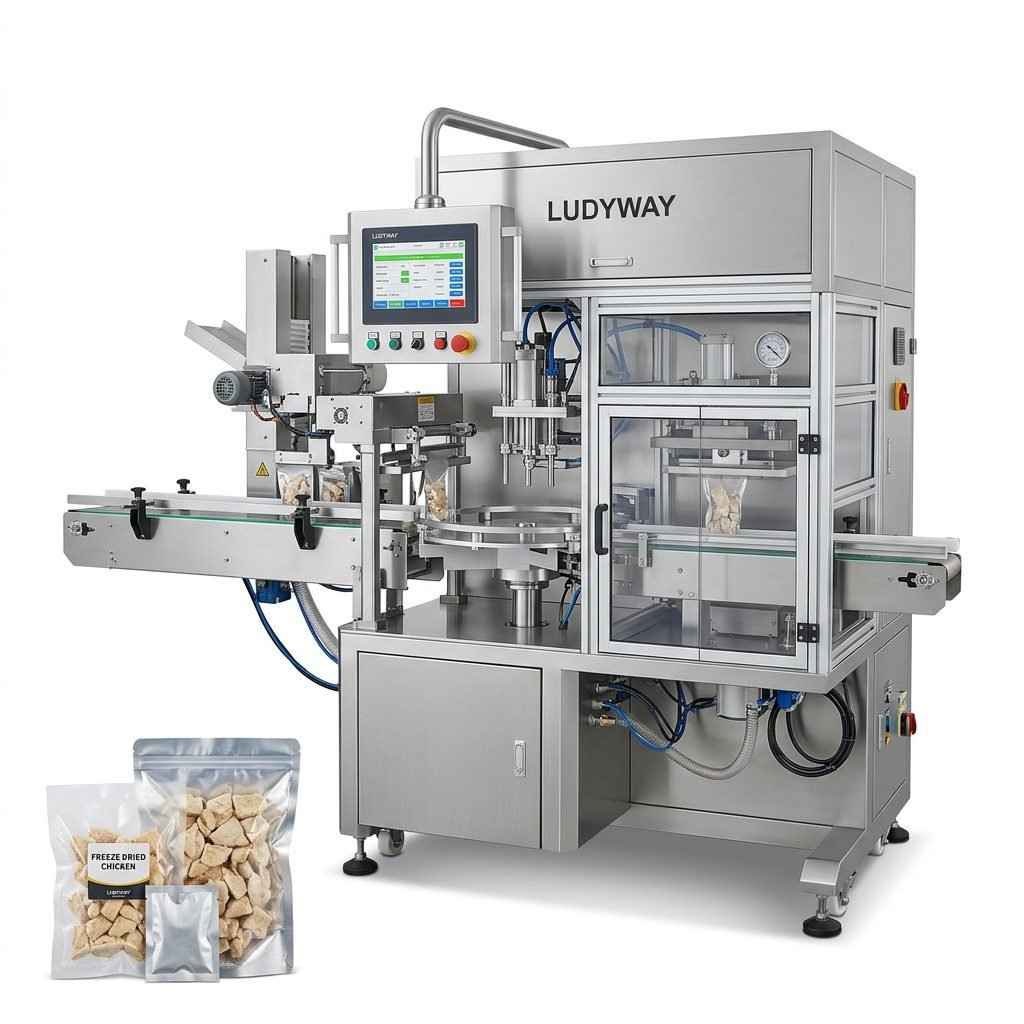
Integration with Existing Production Infrastructure
For established South American manufacturers, integrating a new vacuum sealer machine into existing lines requires careful planning. Whether you operate in São Paulo’s industrial corridor, Buenos Aires’s manufacturing belt, or Santiago’s food processing cluster, seamless integration minimizes disruption and maximizes return on investment.
Consider these integration strategies:
- Conduct a line audit to identify bottlenecks and determine optimal vacuum sealer placement
- Implement standardized communication protocols (Ethernet/IP, Profibus) for machine-to-machine connectivity
- Design flexible conveyor interfaces that accommodate multiple upstream and downstream equipment configurations
- Plan for future expansion with modular layouts that allow easy addition of parallel vacuum sealing stations
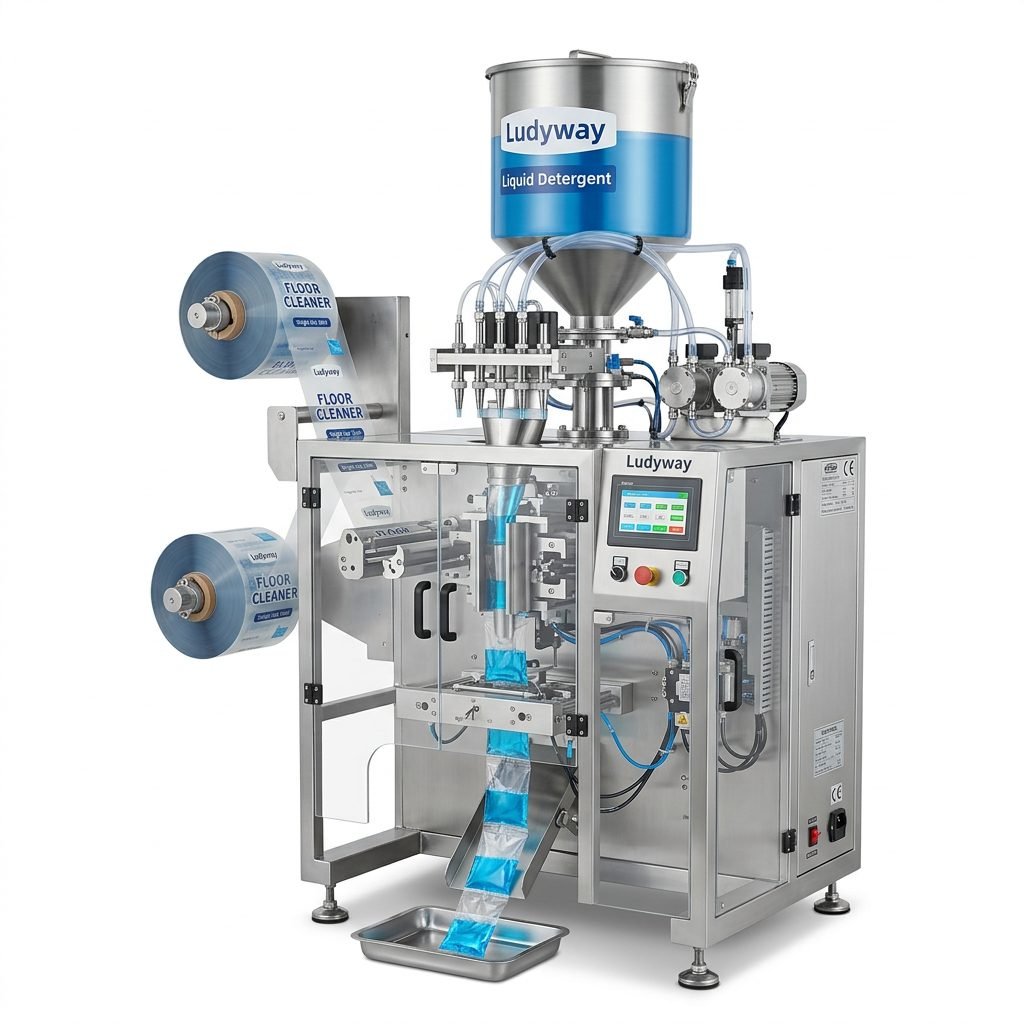
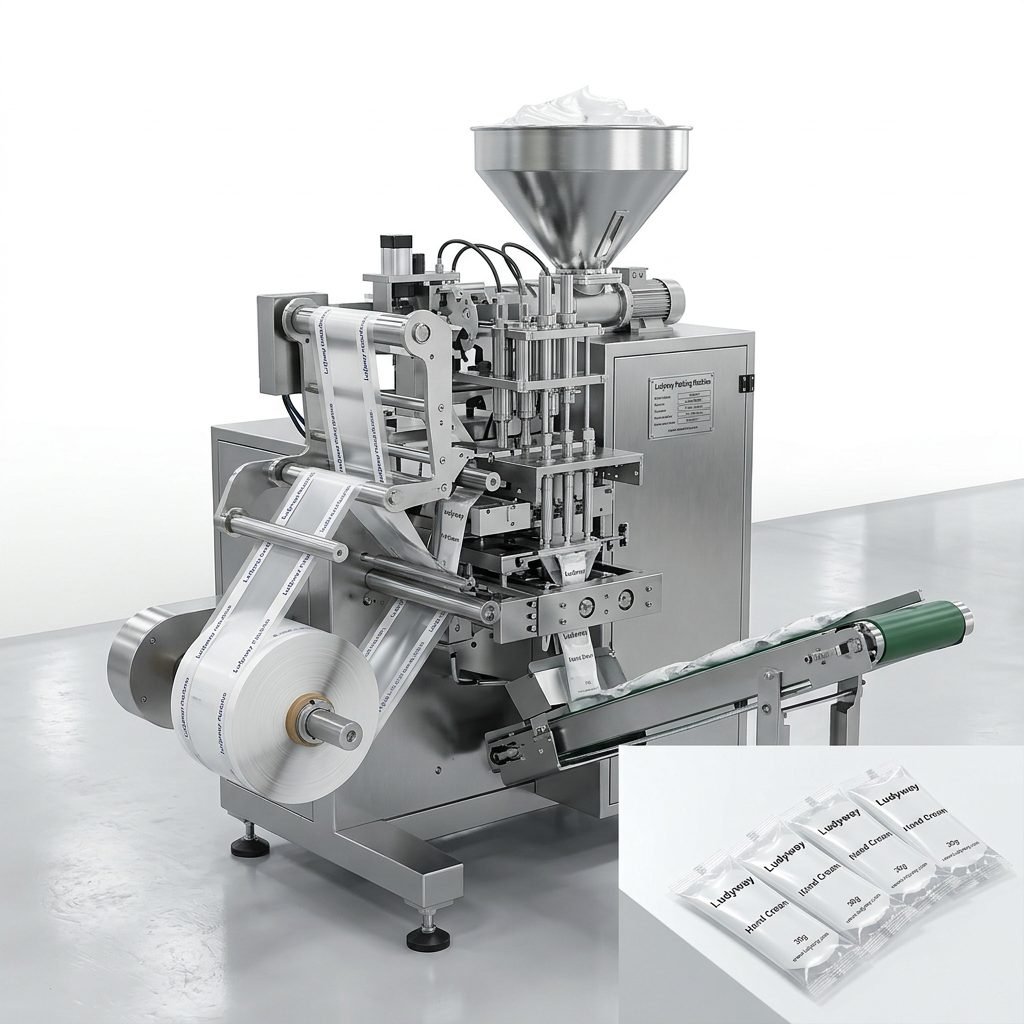
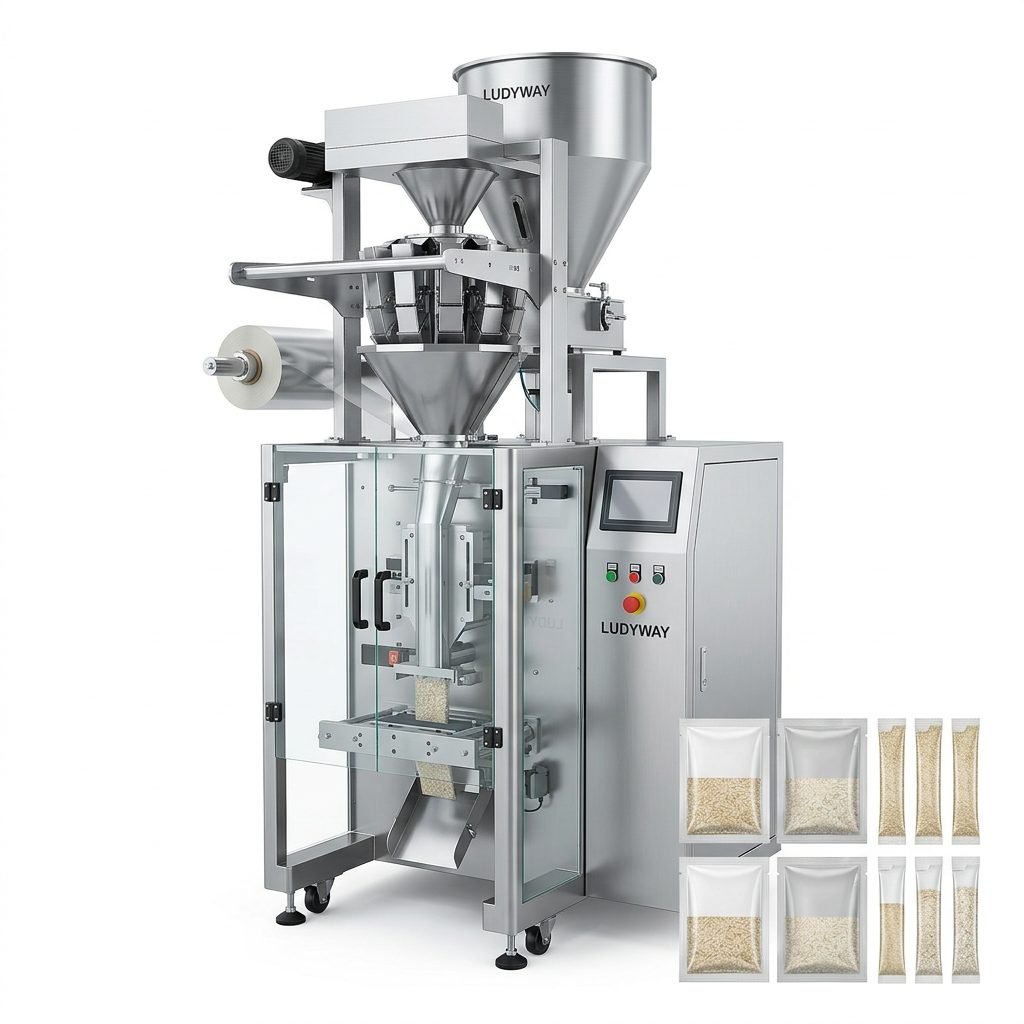
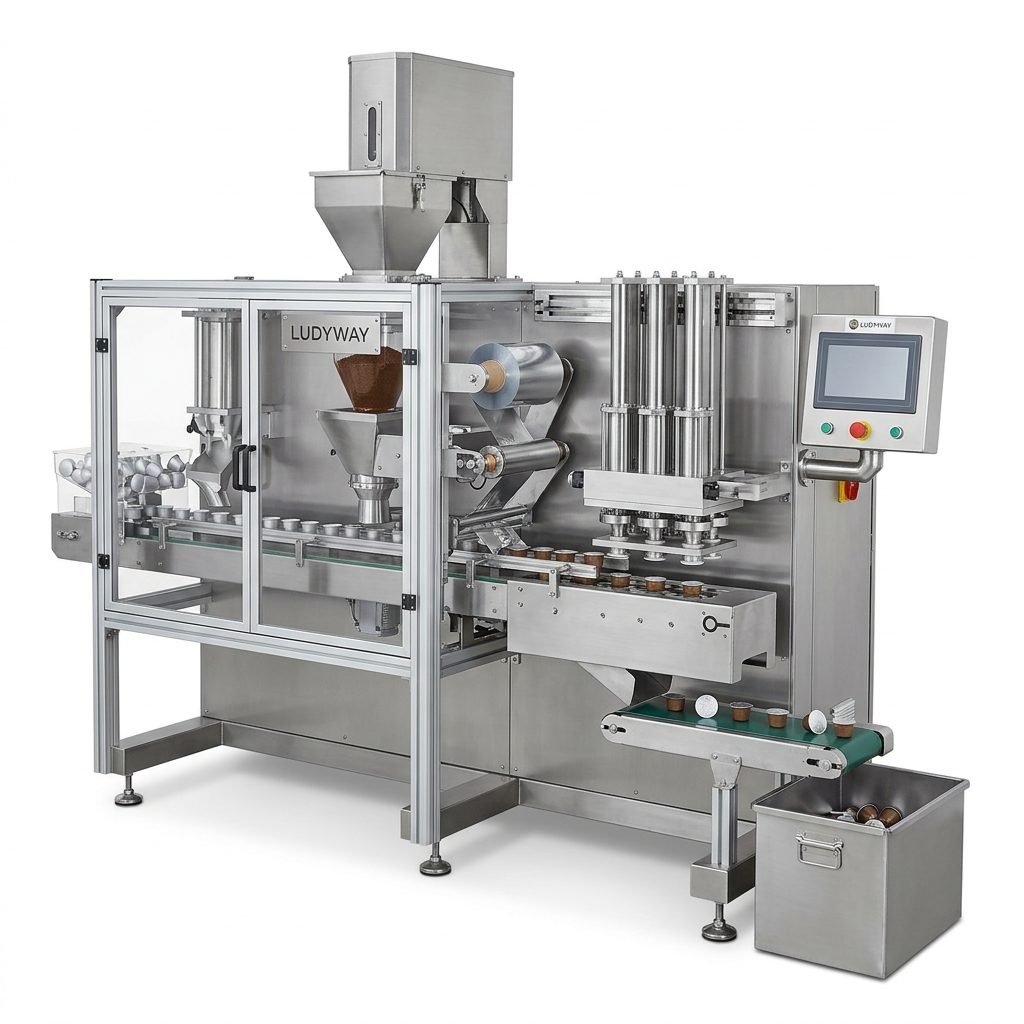
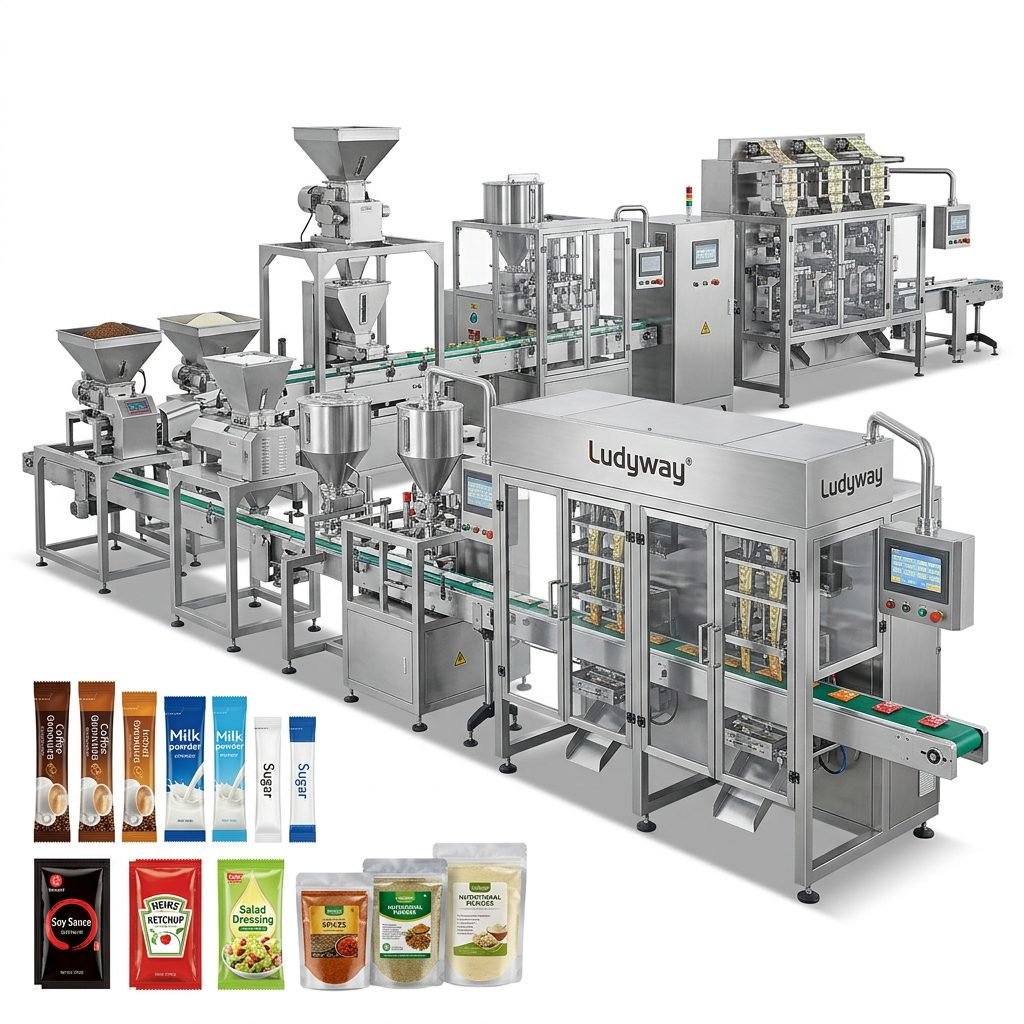
Companies like Ludyway, one of the largest packaging machine manufacturers in China, offer turnkey solutions with over 50 intelligent packaging machine models designed for granule, powder, liquid, and pouch packaging applications. Their integrated approach simplifies the setup process for South American operations, providing equipment that meets international standards at competitive price points. Supported by a modern 20,000㎡ manufacturing facility and over 30 years of industry expertise, they supply reliable vacuum packaging solutions to customers in more than 100 countries and regions.
Conclusion: Taking the Next Step
Setting up a successful vacuum sealer packaging machine production line in South America requires careful planning, the right equipment selection, and ongoing commitment to operational excellence. By following this comprehensive guide, manufacturers can navigate the complexities of equipment procurement, facility preparation, regulatory compliance, and workforce development.
The South American packaging machinery market continues to expand, driven by growing food export demands and increasing pharmaceutical production capabilities. Investing in quality vacuum packaging technology positions businesses to capitalize on these opportunities while delivering superior product protection and extended shelf life.
Key resources for further exploration include:
- PMMI Business Intelligence Reports
- Flexible Packaging Association Resources
- ISO Packaging Standards
- Global Packaging Machinery Growth Trends
Begin your vacuum packaging line project today with a thorough needs assessment and engagement with experienced equipment suppliers who understand the unique requirements of the South American market.