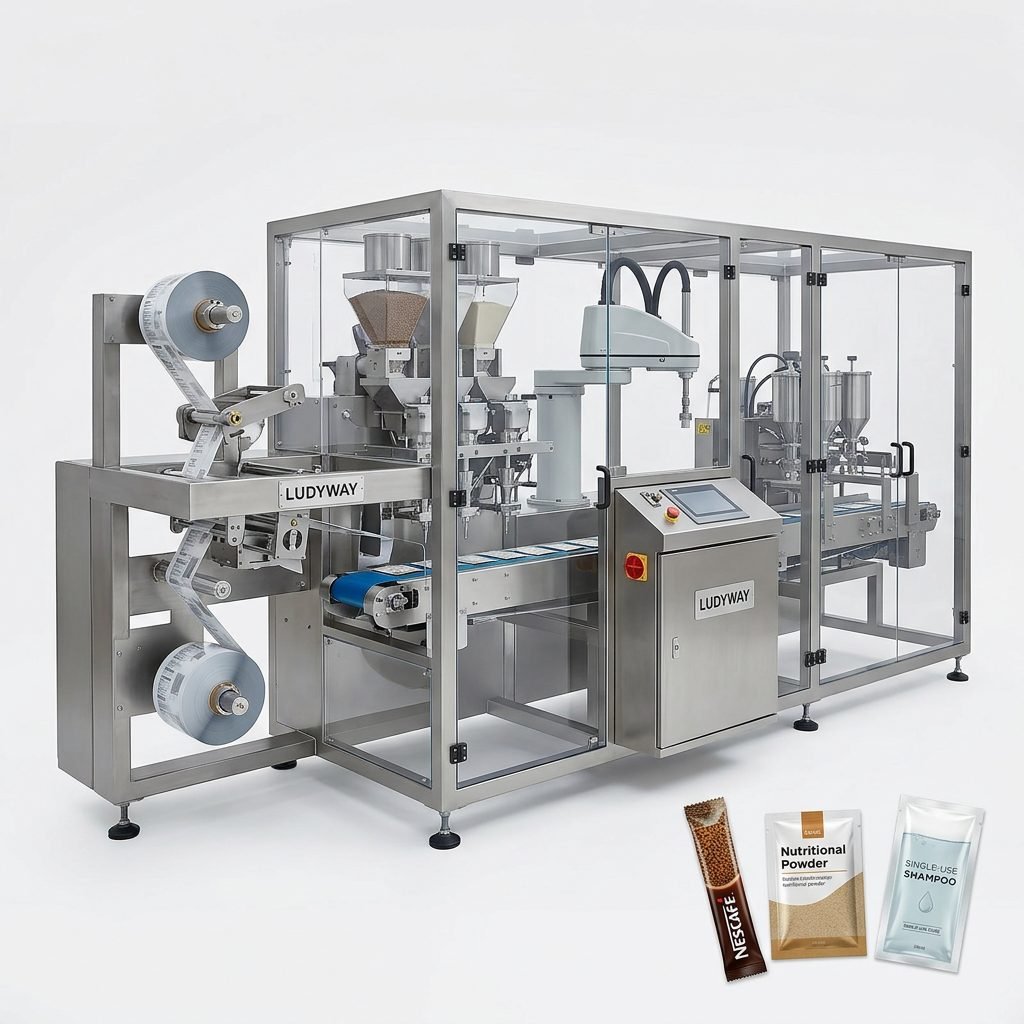
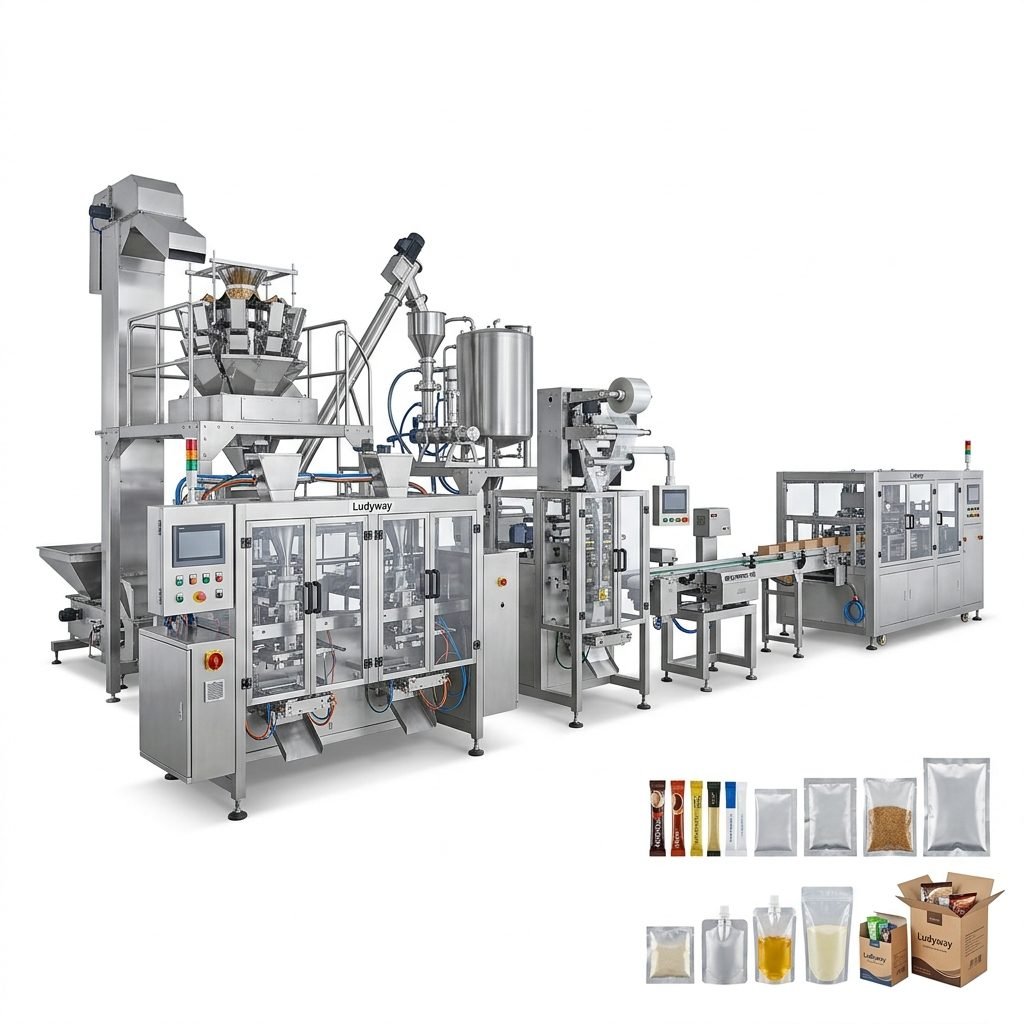
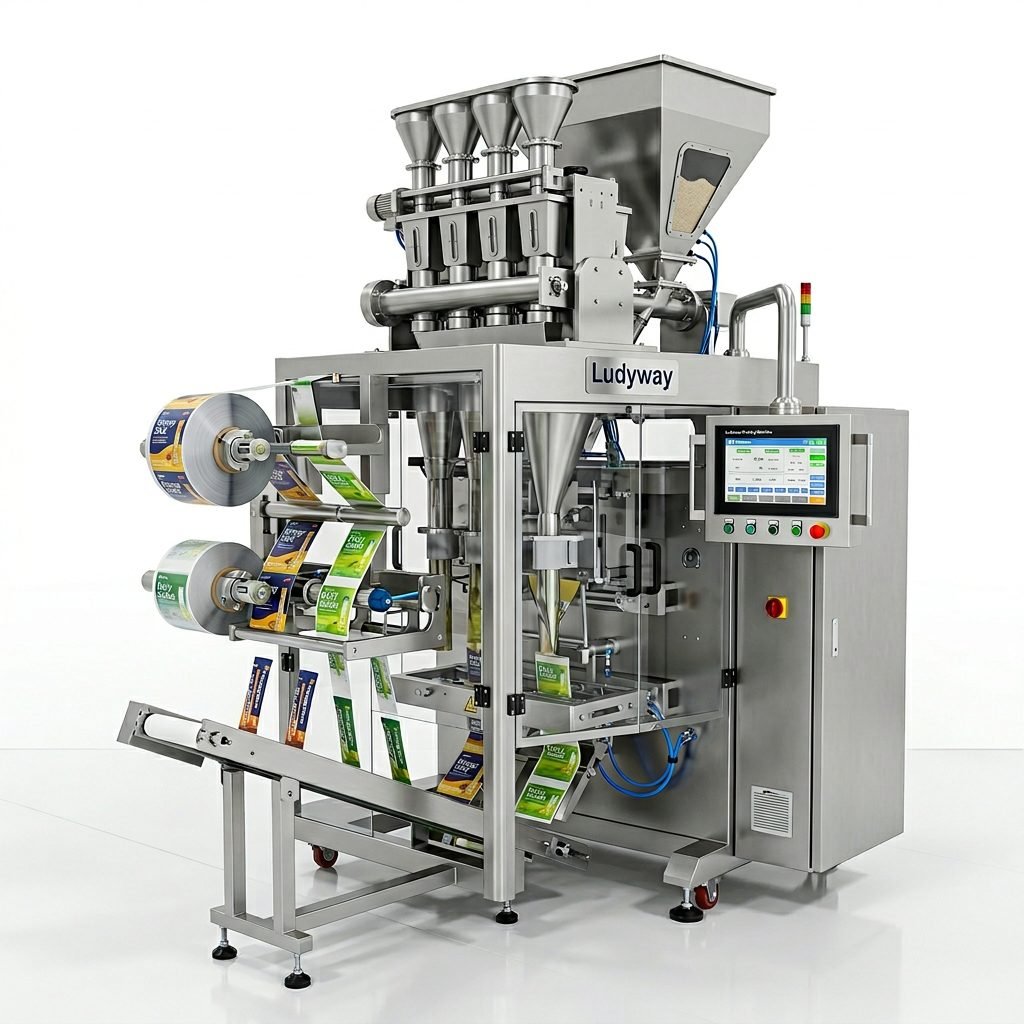
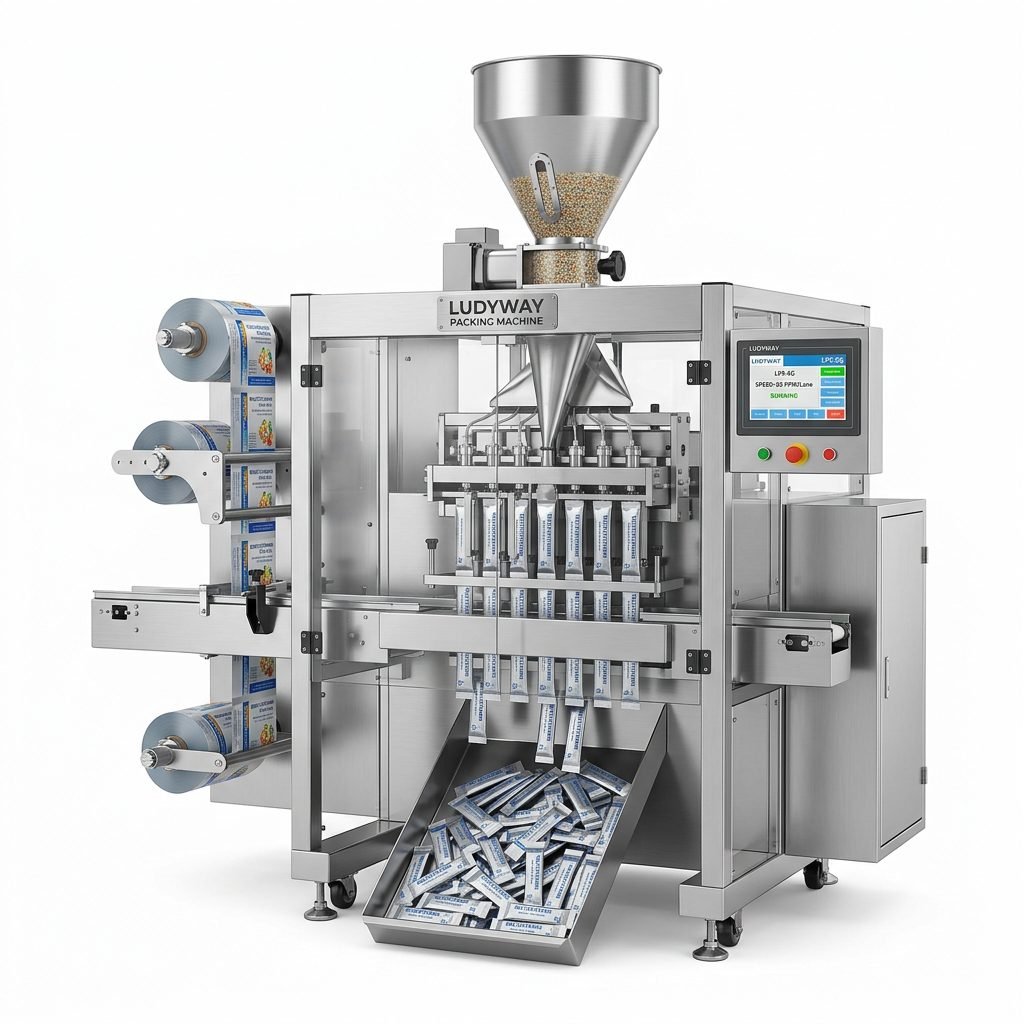
Investing in a skin vacuum packaging machine is a major decision for food processors, meat packers, and perishable goods suppliers across North America. The right equipment extends shelf life, preserves texture, and enhances product presentation—giving your brand a competitive edge. With evolving USDA and FDA regulations, increasing labor costs, and growing demand for premium retail-ready packaging, selecting the right machine requires a methodical approach. This buying guide walks you through the essential factors, from film compatibility to automation levels, so you can make a confident, informed purchase.
Understanding How Skin Vacuum Packaging Works
Skin vacuum packaging uses a specialized top film that is heated and draped over the product like a second skin, while a vacuum draws air out of the bottom tray or film. The result is a tight, wrinkle-free package that conforms to the product’s shape. This method is widely adopted in the meat, seafood, cheese, and ready-meal sectors because it dramatically reduces oxygen exposure and prevents purge. According to industry data from PMMI’s 2025 State of the Industry report, demand for advanced vacuum packaging systems in North America continues to outpace general packaging machinery growth.

Key Factors to Evaluate Before You Buy
Not all skin vacuum packaging machines are built alike. Your specific production environment will dictate which features matter most. Below are the critical criteria you should weigh during the selection process.
1. Product Dimensions, Shape, and Sensitivity
The physical characteristics of your product directly influence machine configuration. Soft or delicate products such as fresh salmon fillets or marinated chicken breasts require adjustable vacuum levels and gentle film forming. Machines with programmable vacuum strength and multi-step cycles prevent crushing and preserve visual appeal. For smaller operations packaging irregularly shaped items, manual loading tray sealers often provide better control. High-value products with sharp edges—like certain bone-in cuts—need puncture-resistant film handling capabilities and robust tooling to avoid costly waste.
2. Throughput and Production Volume
Your expected output per shift determines whether a semi-automatic or fully automatic system is appropriate. Semi-automatic machines typically handle 2 to 6 cycles per minute, making them suitable for small to mid-sized processors. Fully automatic inline systems can achieve 8 to 15+ cycles per minute with conveyorized feeding, automatic tray denesting, and integrated labeling. Plan for future growth—a machine operating at 70% capacity today may bottleneck your line in two years. Resources like the PMMI Business Intelligence library provide benchmarks for evaluating throughput against industry averages.
3. Film and Tray Compatibility
Film selection directly affects seal integrity, clarity, and shelf life. In North America, most applications use multilayer barrier films combining polyethylene, EVOH, and nylon layers. Verify that your chosen machine handles the film thickness, roll diameter, and shrink characteristics you require. Some applications demand high-barrier films for extended refrigerated shelf life, while others prioritize optical clarity for retail display. Also confirm tray material compatibility: PP, PET, and foam trays each behave differently under heat and vacuum. The FDA’s food packaging and food contact substances guidelines should be consulted to ensure all materials meet regulatory standards.
Machine Types: Comparing Your Options
Skin vacuum packaging machines fall into several broad categories. The table below summarizes key differences to help narrow your search.
| Machine Type | Best For | Cycle Speed | Approx. Investment |
|---|---|---|---|
| Semi-Automatic Tray Sealer | Small processors, startups, specialty products | 2–4 cycles/min | $25,000–$80,000 |
| Fully Automatic Inline System | Medium to high volume, retail-ready packs | 6–12 cycles/min | $100,000–$350,000 |
| Rotary Vacuum Chamber Machine | Industrial-scale operations, continuous flow | 10–15+ cycles/min | $250,000–$600,000+ |
| Modified Atmosphere (MAP) Combi Units | Products requiring gas flushing alongside skin pack | 4–10 cycles/min | $150,000–$400,000 |
Critical Features to Look For
Beyond basic functionality, the following features separate high-performance machines from entry-level models:
- Intuitive HMI and recipe storage: Modern touchscreen interfaces with programmable recipes reduce operator error and speed up changeovers between product SKUs.
- Precision temperature control: Multi-zone heating with real-time monitoring ensures consistent film forming without overheating delicate products.
- Automatic film tension management: Advanced systems adjust tension dynamically to eliminate wrinkles and ensure a tight, professional finish on every package.
- Quick-change tooling design: Tool-free die and seal plate changes minimize downtime when switching tray formats or product types.
- Integrated gas flushing (MAP capability): For products requiring a modified atmosphere to extend shelf life, oxygen levels below 0.5% should be achievable and verifiable.
- Data logging and traceability: Machines with built-in data capture support HACCP compliance and allow you to track seal temperature, vacuum pressure, and production metrics over time.
Regulatory Compliance in North America
Packaging machinery used in the United States and Canada must adhere to strict food safety standards. USDA-inspected facilities require equipment that can be effectively cleaned and sanitized, with all food-contact surfaces made of 304 or 316 stainless steel. Electrical components should meet UL or CSA certification requirements. For pharmaceutical or medical device applications, additional standards such as ISO 11607 for terminally sterilized medical device packaging may apply. Buyers should request documentation confirming that the machine is built to meet or exceed applicable North American regulations before finalizing any purchase.
Evaluating Suppliers and After-Sales Support
A machine is only as good as the support behind it. When comparing suppliers, consider these questions:
- Do they maintain local service technicians or distributor partners in North America?
- What is the standard warranty period, and what does it cover (parts only or parts and labor)?
- Are critical spare parts warehoused domestically, or do they ship from overseas?
- Can the supplier provide remote diagnostic support to reduce downtime?
- Do they offer training programs for your maintenance and production staff?
For businesses evaluating global suppliers alongside domestic manufacturers, it is worth considering established international players. Companies like Ludyway—with over 30 years of industry experience, a modern 20,000㎡ production facility, and packaging solutions deployed across more than 100 countries—have built reputations for delivering reliable, turnkey systems that meet diverse production requirements. Requesting live or recorded machine demonstrations, customer references in your industry, and detailed documentation on spare parts availability will help you vet any supplier thoroughly. The Flexible Packaging Association’s industry resources also provide valuable benchmarking data for comparing supplier capabilities.
Total Cost of Ownership and ROI
Look beyond the initial purchase price. A comprehensive cost analysis should factor in:
- Film usage efficiency: Machines that waste less film per cycle deliver significant savings over time.
- Energy consumption: Efficient heating systems and smart standby modes reduce operating costs.
- Labor requirements: Fully automatic systems may reduce headcount or allow reallocation of workers to higher-value tasks.
- Maintenance intervals and spare part costs: Some machines require proprietary components that are expensive and slow to source.
- Downtime risk: The cost of a halt in production can far exceed the savings from a cheaper machine.
For a mid-sized processor, a well-chosen automatic skin vacuum packaging machine typically achieves ROI within 18 to 36 months through reduced labor, lower film waste, extended shelf life, and decreased product returns. The PMMI 2026 State of the Industry report highlights that packaging automation investments continue to generate strong returns for North American food companies.
Installation, Training, and Ongoing Maintenance
Proper installation sets the foundation for years of reliable operation. Confirm that your facility has adequate electrical supply, compressed air, and ventilation to support the machine. Factory acceptance testing (FAT) and site acceptance testing (SAT) protocols should be agreed upon before shipment. Comprehensive operator training reduces startup issues, and a structured preventive maintenance schedule—with clear checklists and recommended intervals—keeps the machine running at peak performance. Request a sample maintenance log and ask the supplier about the typical lifespan of key wear components such as seal gaskets, heating elements, and vacuum pumps.
Making the Final Decision
Selecting a skin vacuum packaging machine in North America demands a balance of technical capability, regulatory compliance, supplier reliability, and cost-effectiveness. Start by clearly defining your product range and throughput targets, then evaluate machines that meet those criteria without overcomplicating your line. Prioritize build quality, local support infrastructure, and transparent operating costs over flashy features that may not deliver practical value. A properly specified machine will protect your product quality, reduce waste, and strengthen your position in the competitive North American protein and perishable goods market for many years to come.
Ready to explore your options? Begin by requesting detailed technical specifications from several qualified suppliers, reviewing independent customer feedback, and where possible, seeing the machine in action at a trade show such as PACK EXPO International or PACK EXPO Las Vegas.