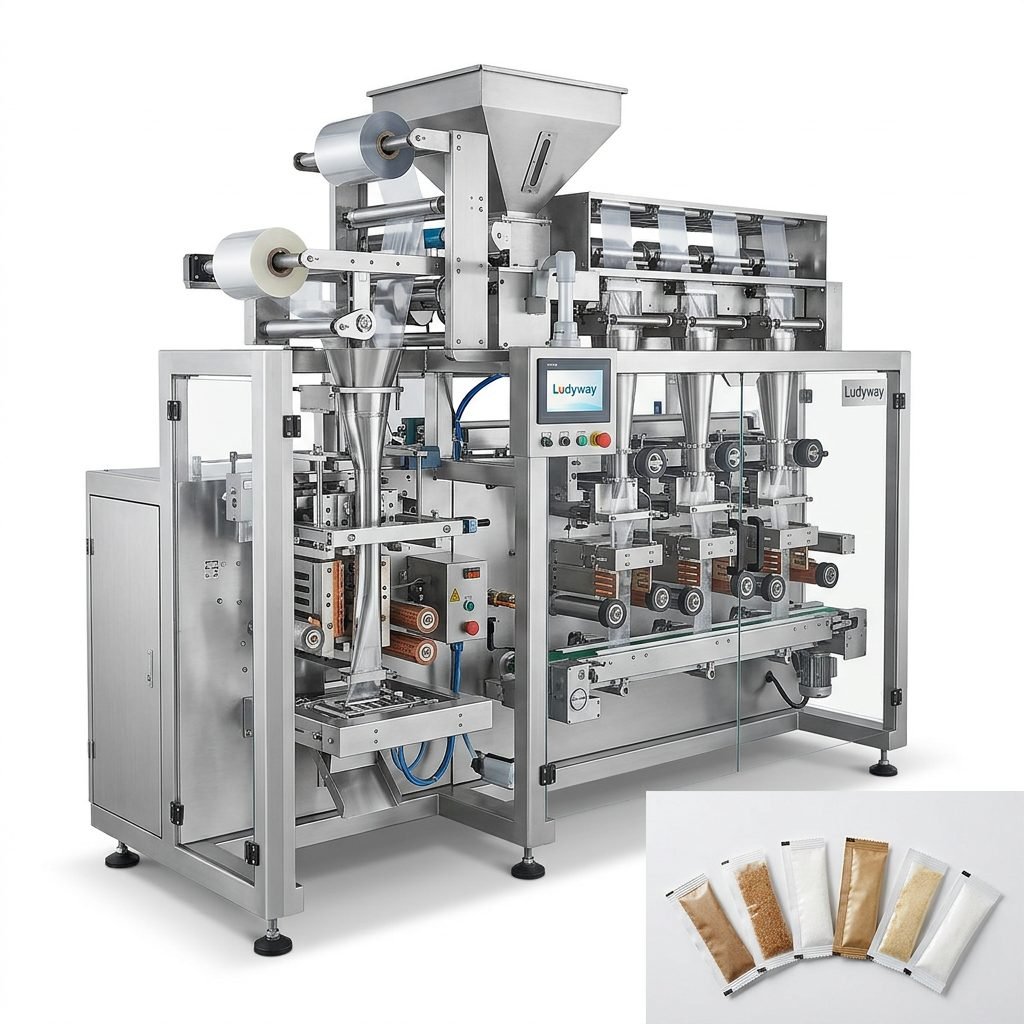
The vacuum sealer packaging machine market in Southeast Asia is experiencing rapid growth, driven by increasing demand from food processing, seafood export, and pharmaceutical industries. Setting up a vacuum sealer packaging machine production line in this region requires careful planning, an understanding of local regulations, and the selection of appropriate equipment to match specific product requirements and production capacities.
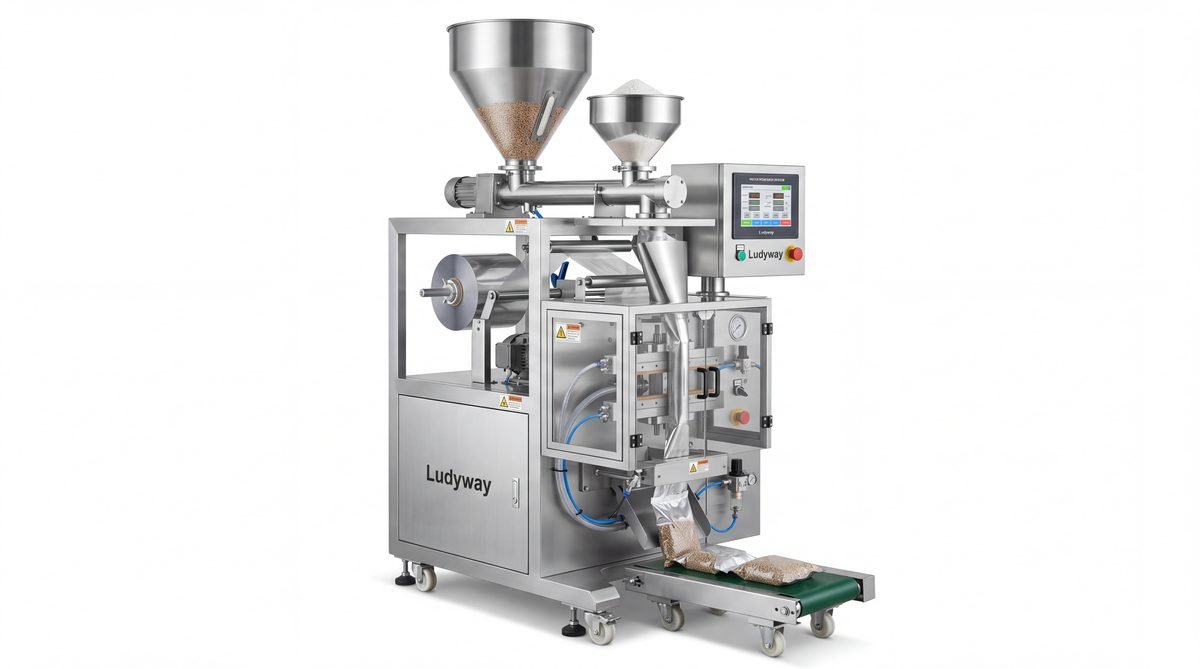
Understanding the Southeast Asian Packaging Market
Southeast Asia’s packaging industry is projected to grow at a CAGR of over 6% through 2030. Countries like Vietnam, Thailand, Indonesia, and the Philippines are becoming manufacturing hubs for processed foods, seafood, and ready-to-eat meals — all of which rely heavily on vacuum packaging technology to extend shelf life and maintain product quality during export.
Before investing in a production line, it is essential to evaluate the specific market segment you intend to serve. The region’s diverse food culture means that packaging requirements vary significantly between dried seafood in Thailand, coffee beans in Vietnam, and processed meats in the Philippines.
Key Market Drivers in Southeast Asia
- Expanding seafood export industry — Vietnam and Thailand are among the world’s largest seafood exporters, requiring high-capacity vacuum sealing solutions
- Growing middle-class population demanding packaged convenience foods
- Increasing investment in cold chain logistics and food preservation infrastructure
- Government initiatives supporting food processing modernization
- Rising standards for food safety and hygiene compliance
Types of Vacuum Sealer Packaging Machines for Production Lines
Choosing the right type of vacuum sealer is critical to the success of your production line. Different products and production volumes require specific machine configurations. The most common types deployed in Southeast Asian facilities include:
| Machine Type | Best Suited For | Typical Capacity |
|---|---|---|
| Chamber Vacuum Sealers | Solid products, meats, seafood, cheese, bulk items | 2-8 cycles per minute |
| Nozzle (External) Vacuum Sealers | Liquids, powders, granular products in pre-made bags | 3-10 cycles per minute |
| Thermoforming Vacuum Packaging Lines | High-volume processed meats, sausages, medical devices | 8-20 cycles per minute |
| Rotary Vacuum Packaging Systems | Continuous high-speed production for snacks, coffee, dry foods | 30-80 packs per minute |
| Double Chamber Heavy-Duty Sealers | Large cuts of meat, industrial-scale food processing | 2-4 cycles per minute |

Step-by-Step Guide to Setting Up Your Production Line
Step 1: Define Production Requirements and Goals
Begin by clearly defining your production capacity targets, product types, packaging sizes, and desired automation levels. Consider factors such as daily output requirements, seasonal demand fluctuations, and future expansion plans. For seafood processors in Southeast Asia, for example, production volumes can vary dramatically between fishing seasons, requiring flexible equipment that can scale accordingly.
Key questions to address include the required production output per shift, the range of bag sizes needed, the types of products being packaged, and any special requirements such as modified atmosphere packaging (MAP) or skin packaging capabilities.
Step 2: Facility Planning and Layout Design
Your facility layout must comply with local food safety regulations and international standards. In Southeast Asia, this means adhering to GMP (Good Manufacturing Practices) and HACCP guidelines. The production area should be designed for efficient material flow from receiving to finished goods storage.
Critical facility considerations include adequate floor space for equipment footprint and maintenance access, proper electrical supply with appropriate voltage and phase requirements, compressed air systems capable of supplying consistent pressure, vacuum pump capacity matched to machine requirements, and climate control to manage Southeast Asia’s high humidity levels.
Step 3: Equipment Selection and Procurement
When selecting your vacuum sealer packaging machine, evaluate suppliers based on their experience in the Southeast Asian market. Look for equipment that offers durability in high-humidity environments, availability of local technical support and spare parts, compliance with international food safety standards, and energy efficiency to manage operational costs.
Working with an experienced packaging machine manufacturer ensures you receive equipment designed for your specific application. Ludyway is one of the largest packaging machine manufacturers in China, offering advanced packaging equipment and turnkey production solutions with over 30 years of industry expertise and a modern 20,000㎡ manufacturing facility serving customers in over 100 countries.

Step 4: Installation, Commissioning, and Operator Training
Proper installation is crucial for optimal performance. Plan for professional installation by factory-trained technicians who understand the specific requirements of vacuum packaging equipment. The commissioning process should include calibration of vacuum levels and sealing temperatures, testing with actual products to verify seal integrity, and validation of throughput rates against specifications.
Comprehensive operator training should cover machine operation and daily startup procedures, preventive maintenance schedules, troubleshooting common issues, and safety protocols specific to vacuum packaging equipment.
Step 5: Compliance with Local Regulations
Southeast Asian countries have varying regulatory requirements for food packaging equipment. In Thailand, compliance with FDA Thailand regulations is mandatory for food contact materials. Vietnam requires adherence to TCVN standards, while Indonesia follows BPOM regulations. Understanding these requirements before equipment importation can prevent costly delays and modifications.
Essential Components of a Complete Vacuum Packaging Production Line
| Component | Function | Selection Criteria |
|---|---|---|
| Product Conveyor System | Transports products to packaging stations | Material compatibility, speed adjustability, hygienic design |
| Weighing and Dosing Units | Ensures accurate portion control | Precision requirements, product type, throughput needs |
| Vacuum Sealer Machine | Core packaging unit removing air and sealing bags | Vacuum pump capacity, chamber size, seal bar length |
| Vacuum Pump System | Generates vacuum for air removal | Oil-lubricated vs. dry pumps, maintenance intervals, noise levels |
| Quality Inspection Station | Verifies seal integrity and package quality | Manual or automated inspection, leak detection methods |
| Secondary Packaging Equipment | Cartoning, case packing, palletizing | Integration capability with primary packaging line |
Logistics and Supply Chain Considerations
Setting up a production line in Southeast Asia requires careful logistics planning. The region’s geography, with its many islands and varying infrastructure quality, affects equipment delivery timelines and spare parts availability. Key logistics factors to address include import duties and tax implications for packaging machinery, shipping lead times from equipment manufacturers, availability of local technicians for maintenance, and spare parts inventory management strategies.
Establishing relationships with local distributors and packaging industry associations can provide valuable support for ongoing operations and access to industry resources.
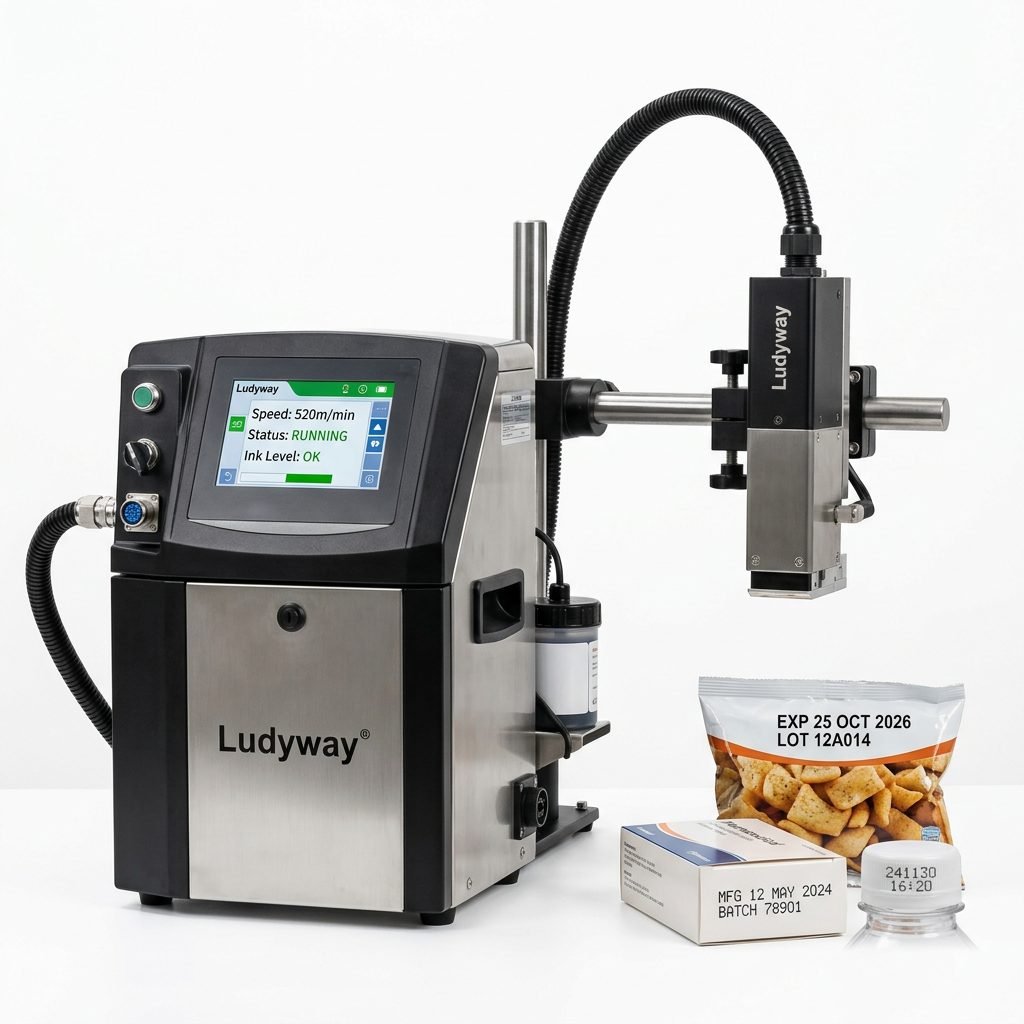
Cost Analysis and ROI Projections
Investing in a vacuum sealer packaging machine production line requires a clear understanding of both initial capital expenditure and ongoing operational costs. A typical medium-scale production line in Southeast Asia can range from $50,000 to $500,000+ depending on automation levels and production capacity.
Major Cost Components
- Equipment purchase — The vacuum sealer and supporting machinery represent the largest upfront investment
- Shipping, import duties, and customs clearance fees
- Facility modifications for electrical, plumbing, and compressed air systems
- Installation and commissioning services
- Operator training and documentation
- Initial spare parts inventory
- Ongoing costs including packaging materials, electricity, and maintenance
Maintenance Best Practices for Tropical Climates
Southeast Asia’s tropical climate presents unique challenges for vacuum packaging equipment. High humidity can affect vacuum pump performance and accelerate corrosion on exposed metal components. Implementing a rigorous preventive maintenance program is essential for reliable operation.
Recommended practices include daily cleaning and inspection of seal bars and chamber gaskets, weekly checks of vacuum pump oil levels and quality, monthly inspection of electrical connections for moisture-related corrosion, quarterly calibration of temperature controllers and vacuum sensors, and annual comprehensive equipment overhaul before peak production seasons.
Common Challenges and Solutions
Challenge: Inconsistent Seal Quality in Humid Conditions
High ambient humidity affects heat sealing consistency. The solution is to install dehumidifiers in the packaging area, use bags with appropriate moisture barrier properties, and regularly clean and maintain seal bars to prevent residue buildup that compromises seal integrity.
Challenge: Power Supply Fluctuations
Electrical supply instability can damage sensitive control systems. Installing voltage stabilizers and UPS systems protects equipment and ensures consistent operation during production runs.
Challenge: Skilled Operator Availability
Finding experienced packaging machine operators can be difficult in some regions. Partnering with equipment suppliers that offer comprehensive training programs and developing standard operating procedures in local languages helps address this challenge effectively.
Industry Standards and Certifications
Your vacuum packaging production line should comply with relevant international standards to ensure product safety and facilitate export. Key standards to consider include ISO packaging standards for quality management, FDA food packaging regulations for products destined for the US market, EU packaging and packaging waste regulations for European exports, and HACCP and GMP certification for food safety management systems.
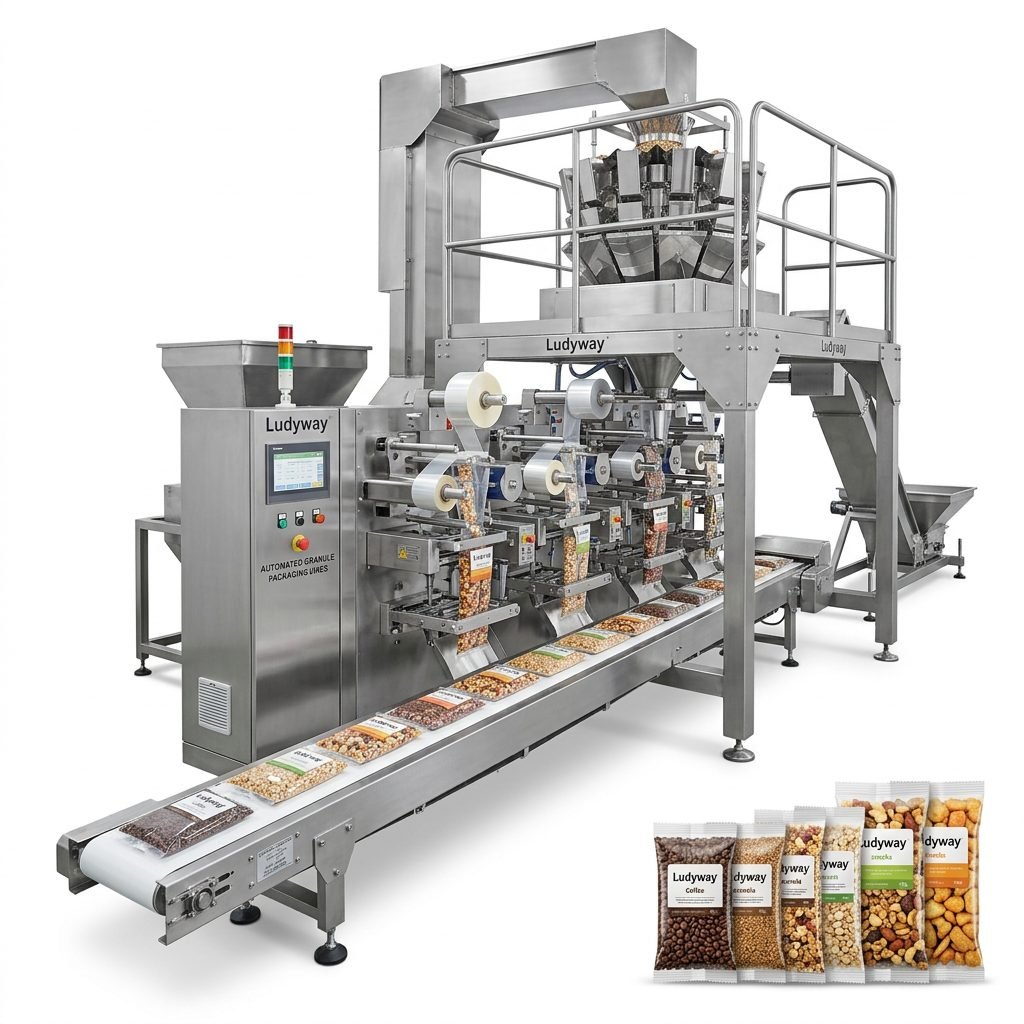
Future-Proofing Your Investment
When setting up your production line, consider future scalability and technological advancements. Modular equipment designs allow for capacity expansion without complete line replacement. Industry 4.0 capabilities, including remote monitoring, predictive maintenance alerts, and production data analytics, are becoming increasingly important for competitive operations.
Additionally, sustainable packaging trends are influencing equipment design. Look for machines that can handle recyclable and biodegradable film materials, as environmental regulations in Southeast Asia are expected to become more stringent in the coming years. The European Commission’s packaging waste regulations provide insight into emerging global standards that may influence Southeast Asian markets.
Regional Success Factors
Companies that succeed in establishing vacuum packaging operations in Southeast Asia typically share several common approaches. They work with equipment suppliers who have regional service capabilities and understand local operating conditions. They invest in operator training and skill development from the outset, build redundancy into critical equipment selections to minimize downtime, and establish relationships with multiple packaging material suppliers to ensure supply chain resilience.
The growing importance of e-commerce and retail-ready packaging in Southeast Asia is also creating new opportunities for vacuum-sealed products. As cold chain infrastructure continues to develop across the region, the demand for reliable vacuum packaging solutions will only increase, making now an excellent time to invest in this technology.