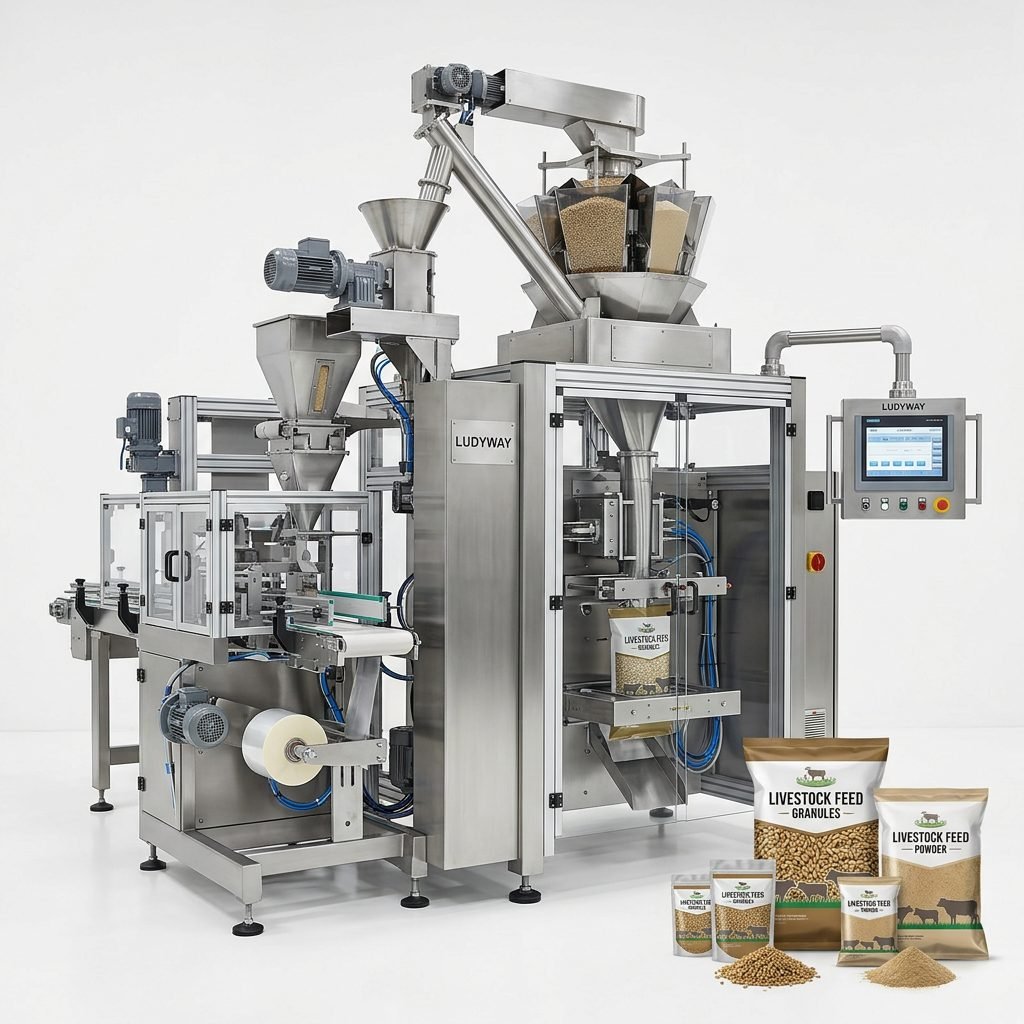
Establishing a fish packaging machine production line in Europe requires careful planning, compliance with strict regulatory standards, and selection of the right equipment to ensure efficiency, hygiene, and product freshness. Whether you are packaging fresh fillets, frozen seafood, or processed fish products, a well-designed automated line can significantly boost productivity and reduce labor costs.
Understanding the European Fish Packaging Market
The European seafood processing industry is one of the largest in the world, with major markets in Norway, Spain, France, Italy, and the United Kingdom. Consumer demand for convenient, hygienically packaged fish products continues to grow, driven by busy lifestyles and increasing awareness of food safety. According to industry data, the European fish processing equipment market is projected to experience steady growth through 2030.
Key trends influencing packaging decisions include:
- Rising demand for modified atmosphere packaging (MAP) to extend shelf life
- Preference for vacuum skin packaging for premium fresh fish
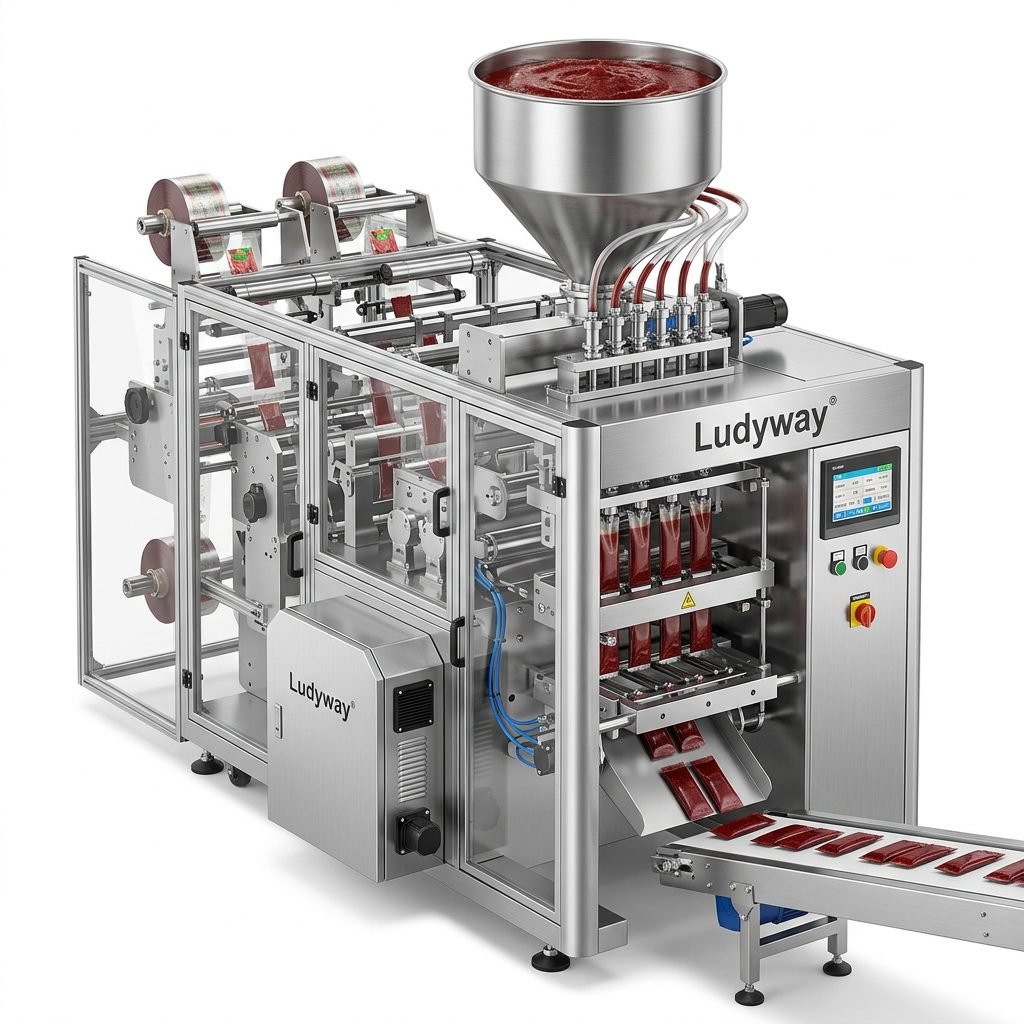
- Growth in portion-controlled sachet and stick pack formats for smoked salmon and dried fish snacks
- Increasing adoption of fully automated multi-lane systems for high-volume production
- Sustainability requirements driving eco-friendly packaging materials and EU packaging waste regulations
Step 1: Define Your Production Requirements
Before purchasing any machinery, you must clearly define the scope of your production line. Consider the following critical factors:
| Parameter | Key Considerations |
|---|---|
| Product Type | Fresh fillets, frozen whole fish, dried fish snacks, fish powder, fish oil supplements |
| Packaging Format | Tray sealing, vacuum pouches, sachets, stick packs, flow wrap, bulk bags |
| Target Output | Packs per minute; single-lane vs multi-lane configuration; shift patterns |
| Hygiene Standards | EU food contact material regulations, washdown requirements, IP65/IP69K ratings |
| Budget Range | Initial capital investment, operational costs, ROI timeline |
Step 2: Essential Equipment for a Fish Packaging Line
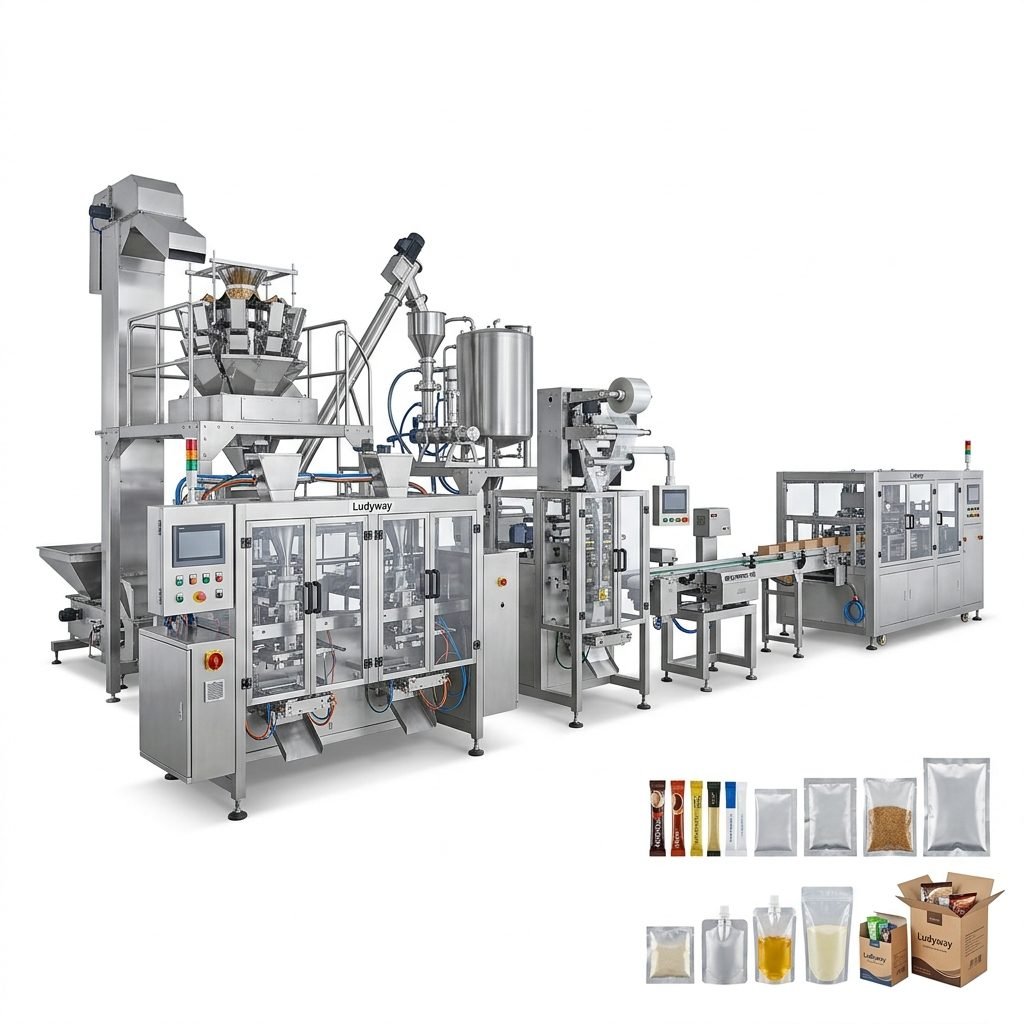
A complete fish packaging production line typically consists of several integrated machines working in harmony. Below are the core components you need to consider.
2.1 Weighing and Feeding Systems
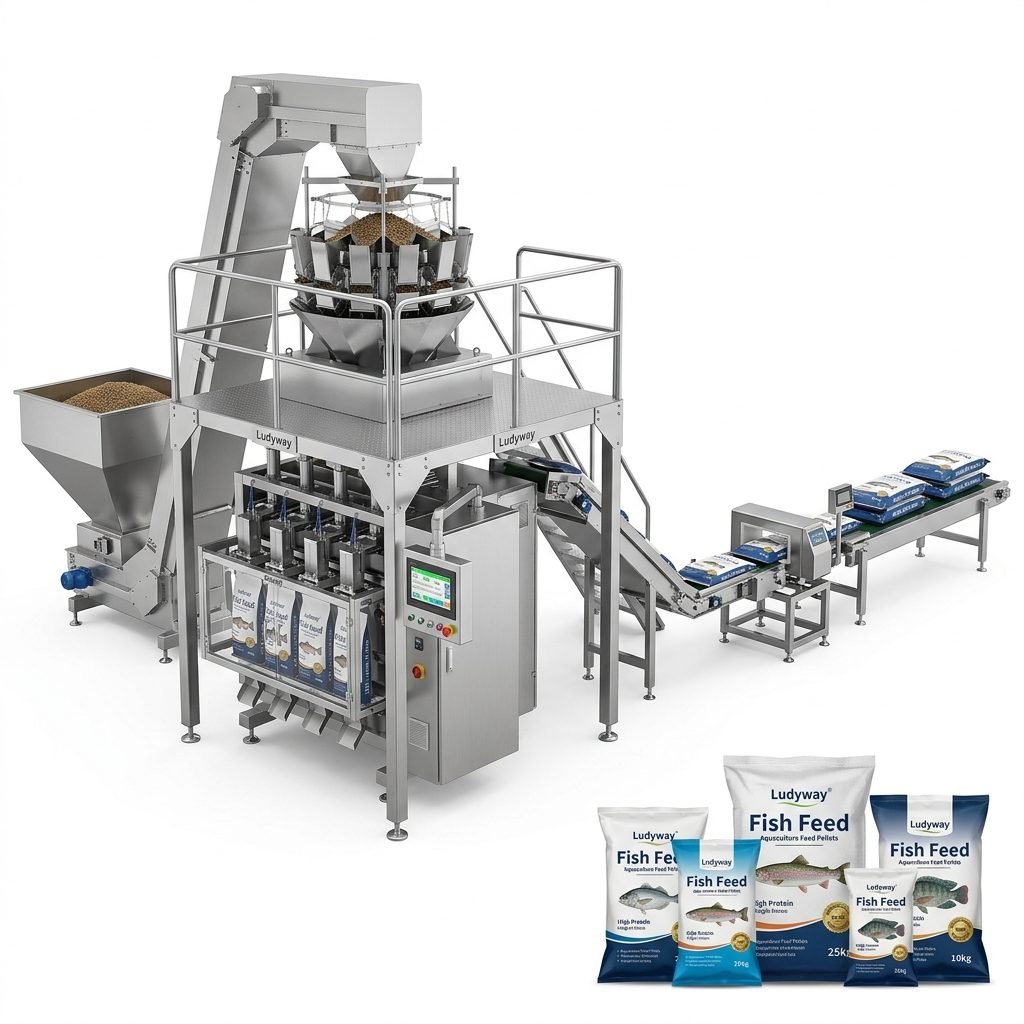
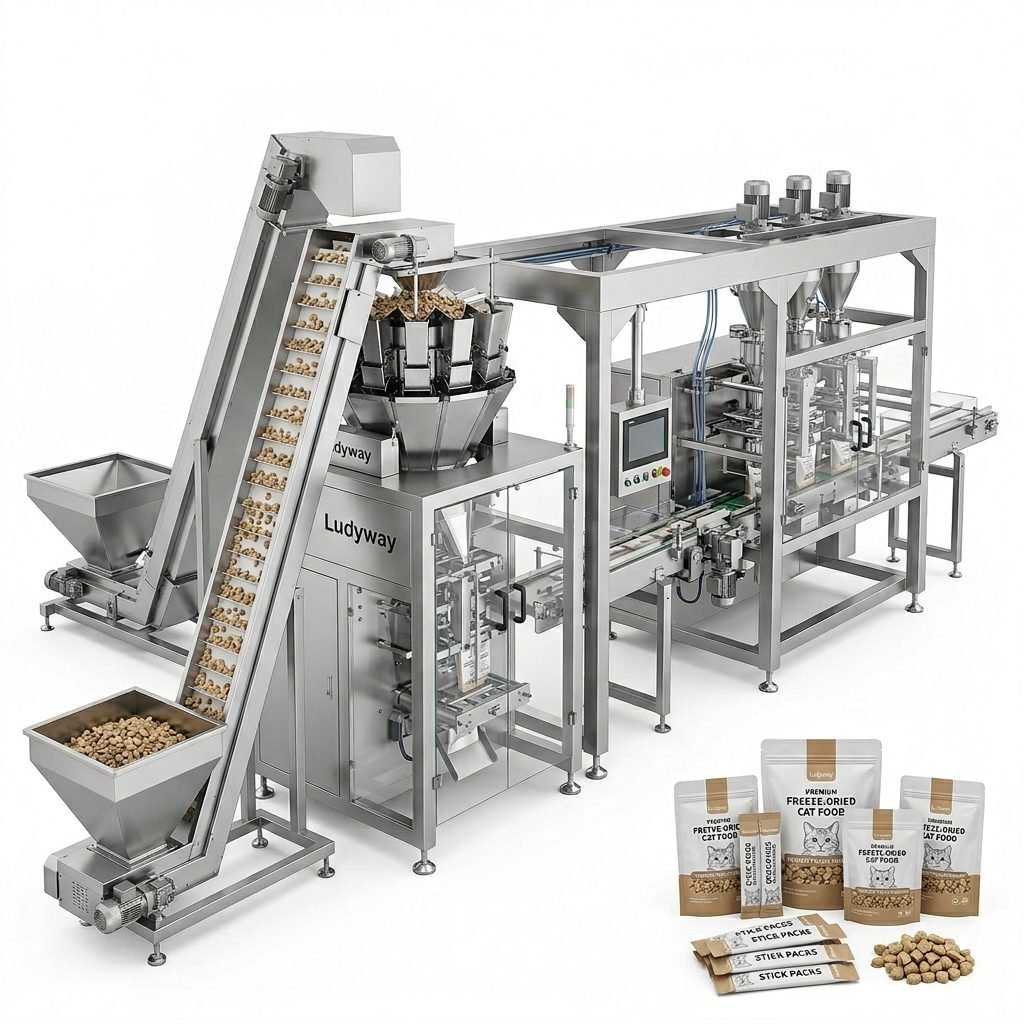
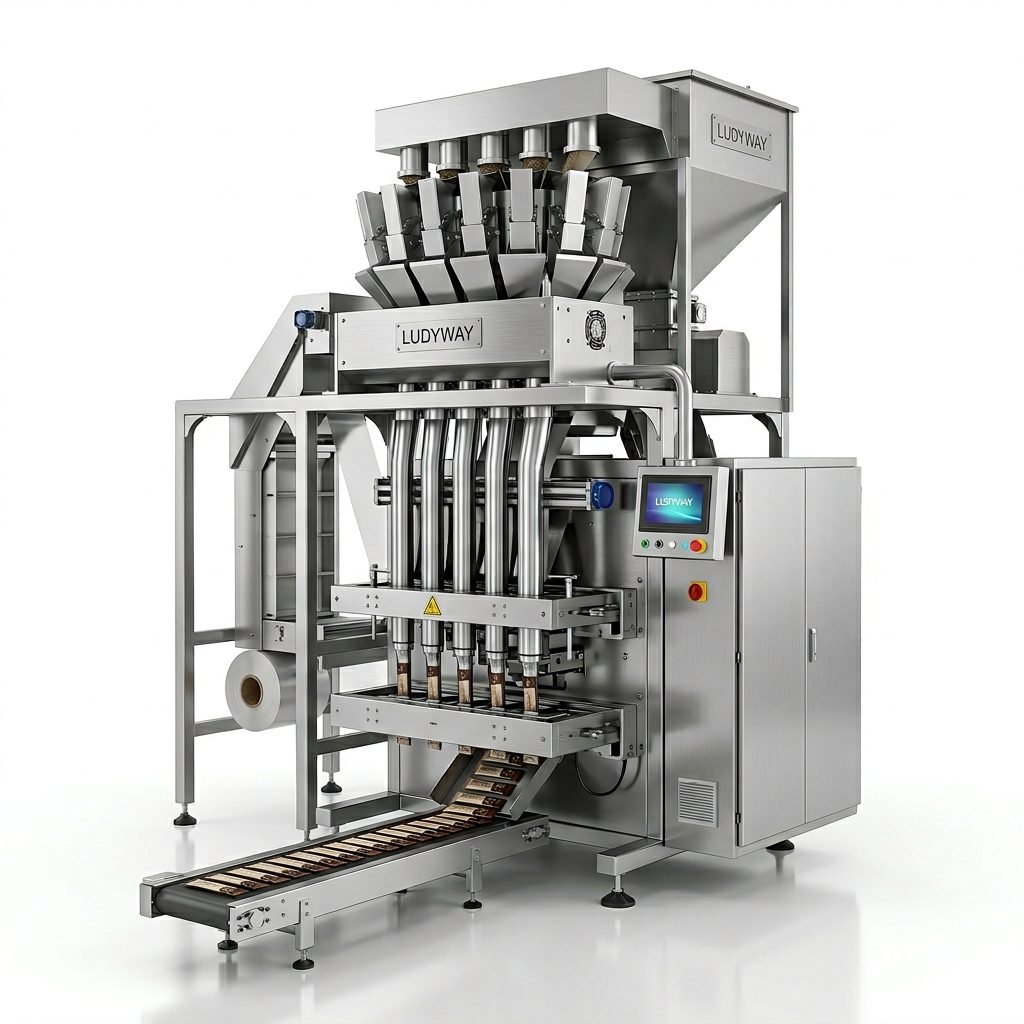
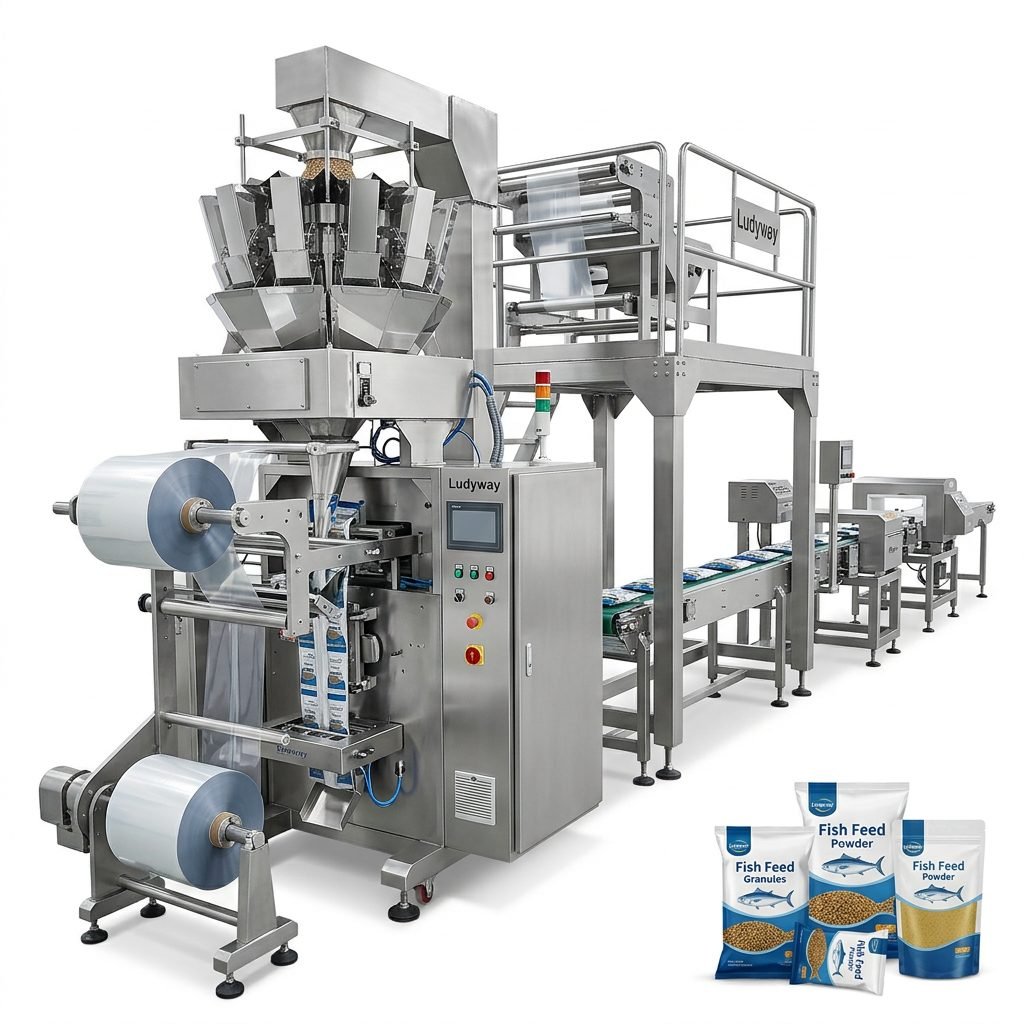
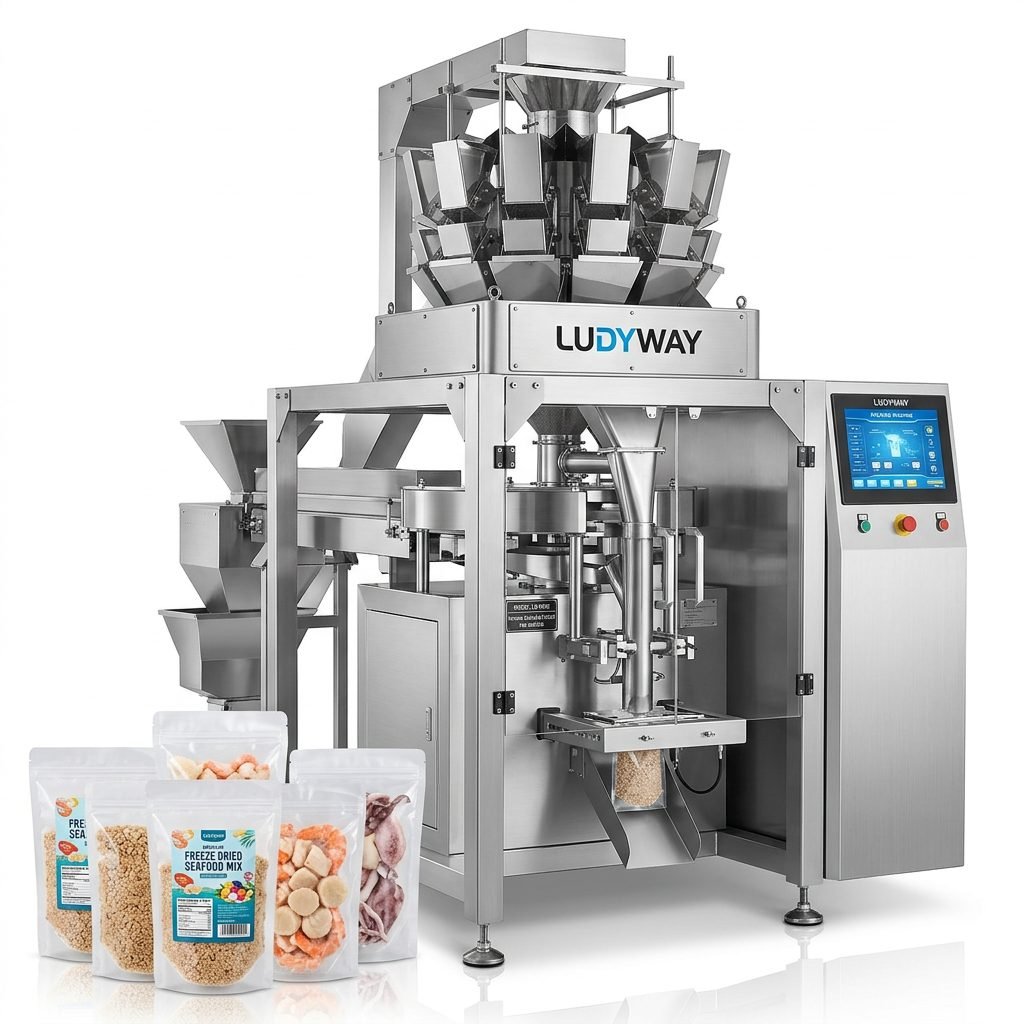
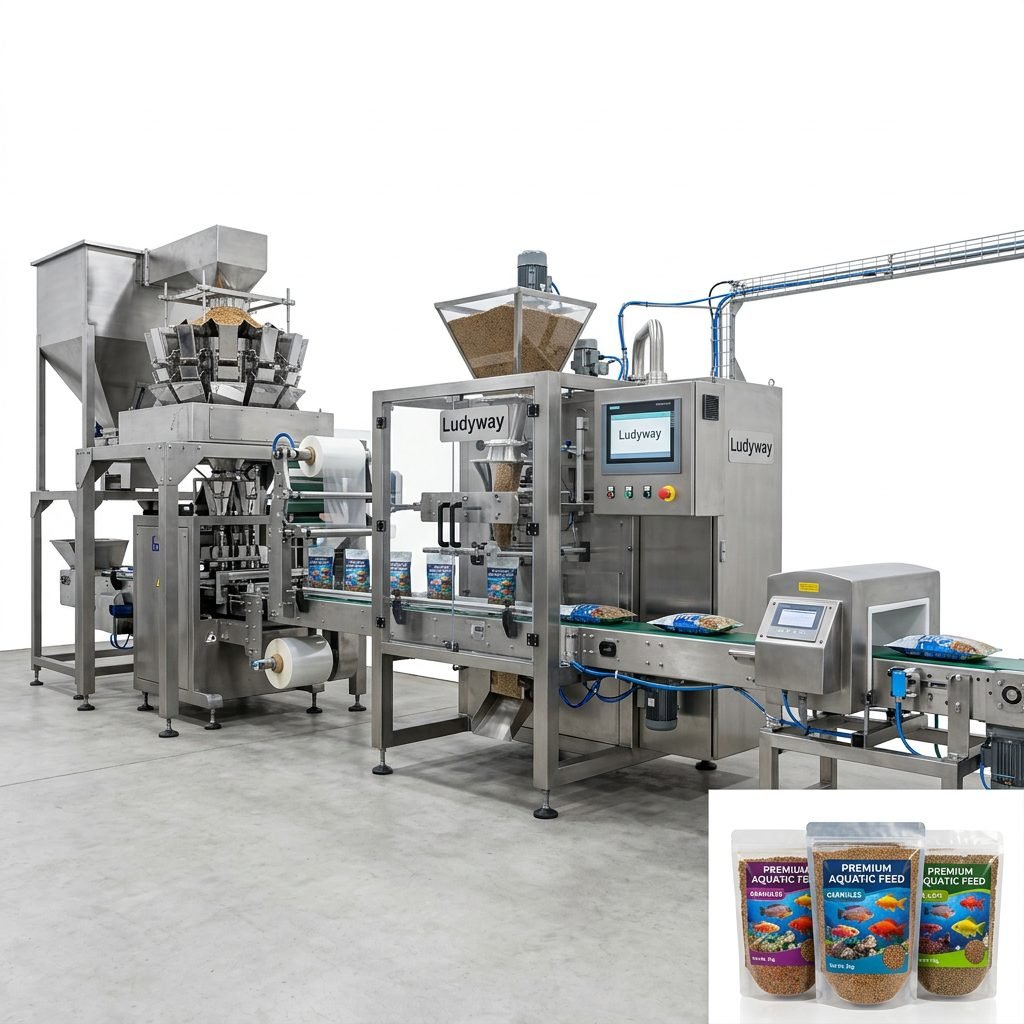
Accurate portioning is essential in fish packaging to meet regulatory weight requirements and minimize product giveaway. Multi-head weighers are commonly used for fresh and frozen fish pieces, capable of achieving high speeds with precision. For irregularly shaped products like whole fish, linear weighers or manual feeding stations integrated with automatic packaging systems may be more suitable.
2.2 Primary Packaging Machines
Depending on your product format, select from the following machine types:
- Vacuum Packaging Machines: Ideal for fresh and frozen fish, removing air to extend shelf life and prevent freezer burn
- Modified Atmosphere Packaging (MAP) Systems: Replace air with a protective gas mixture, preserving color and texture of fresh fish
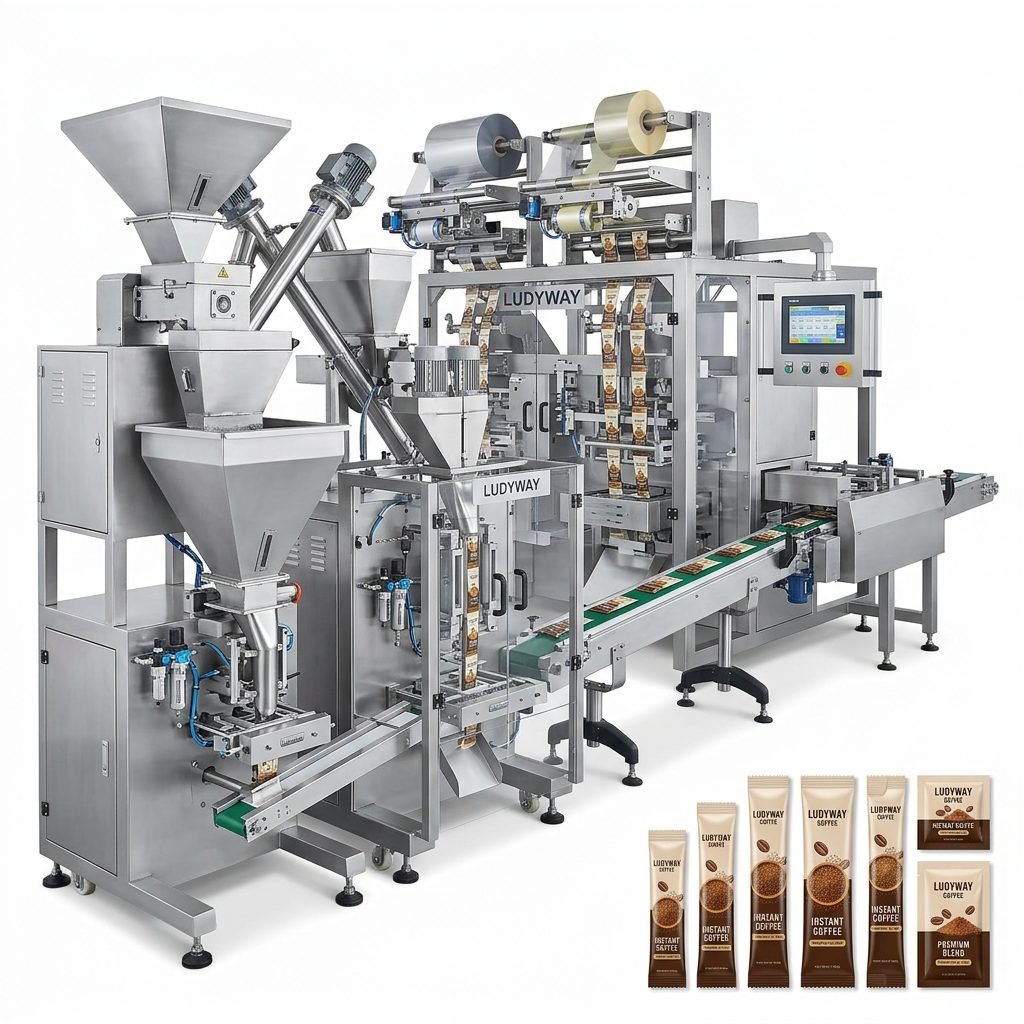
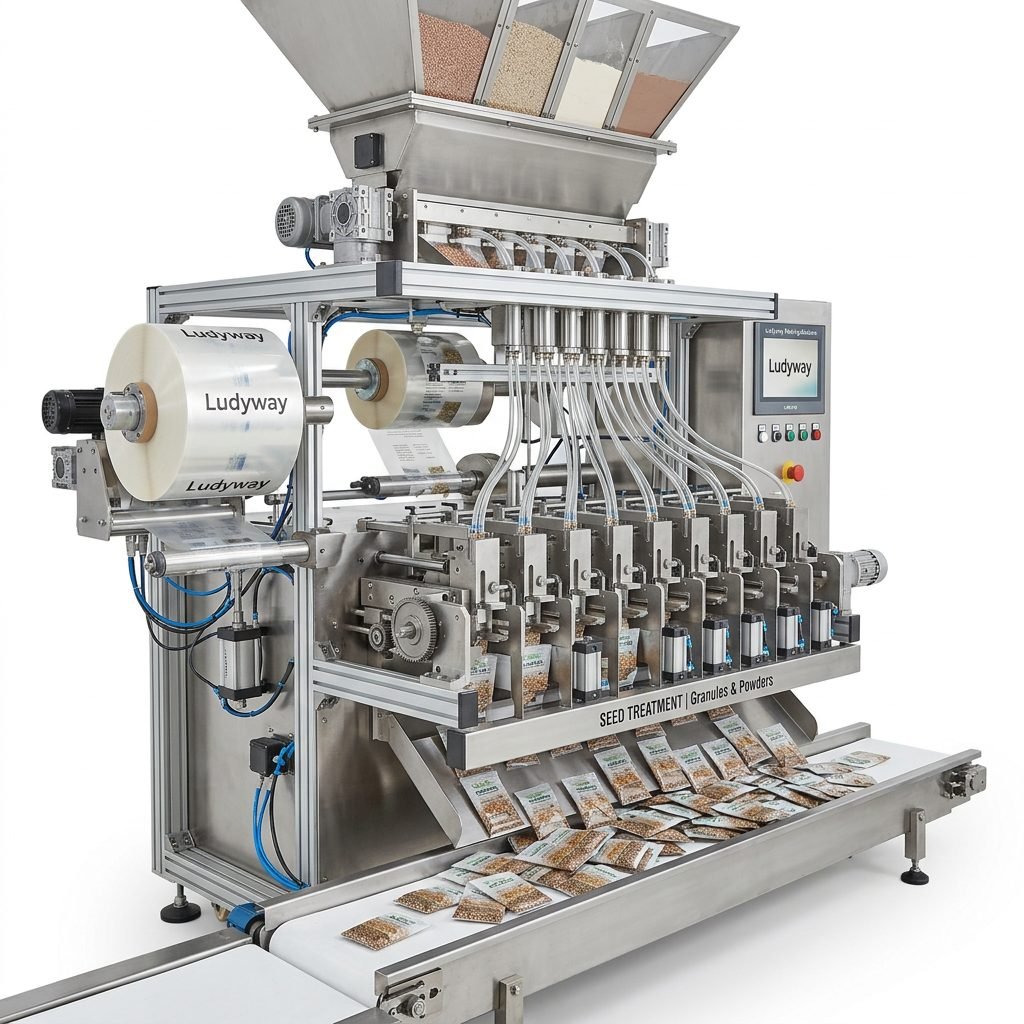
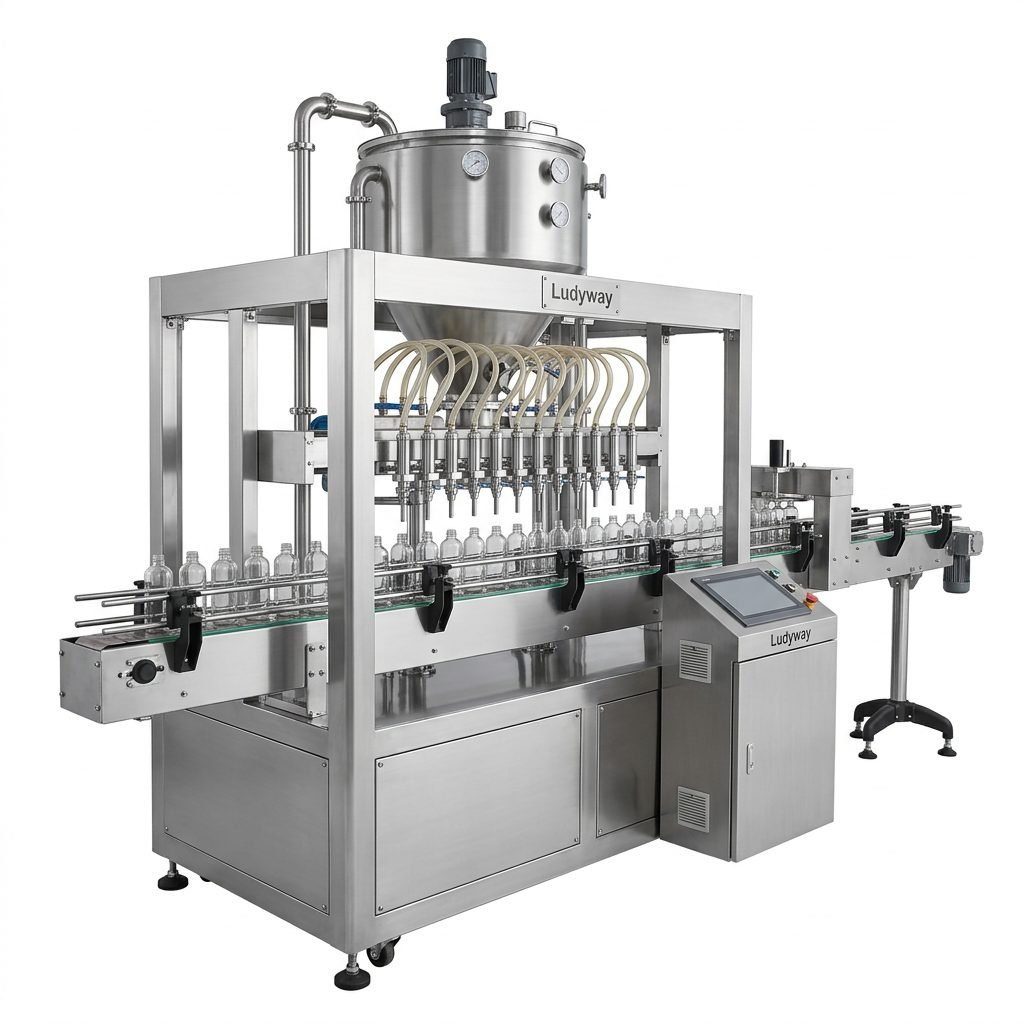
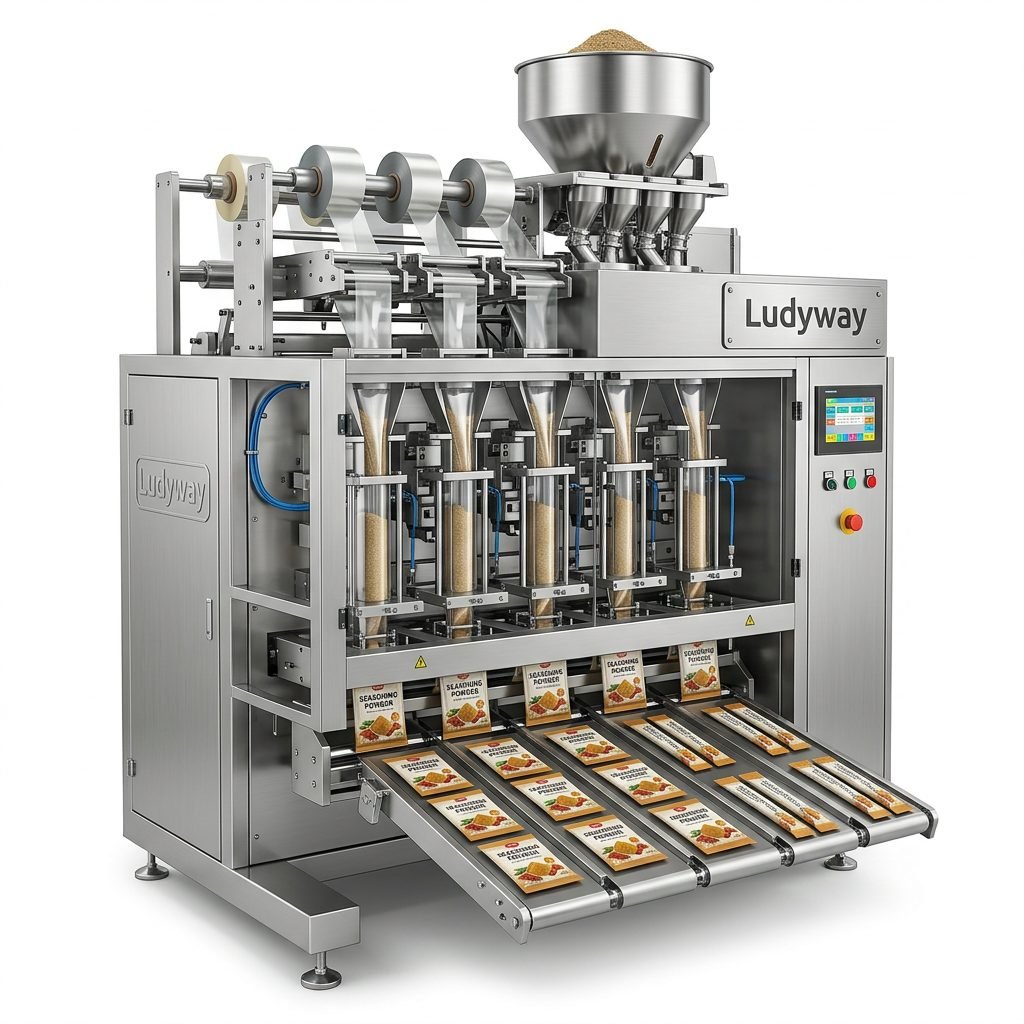
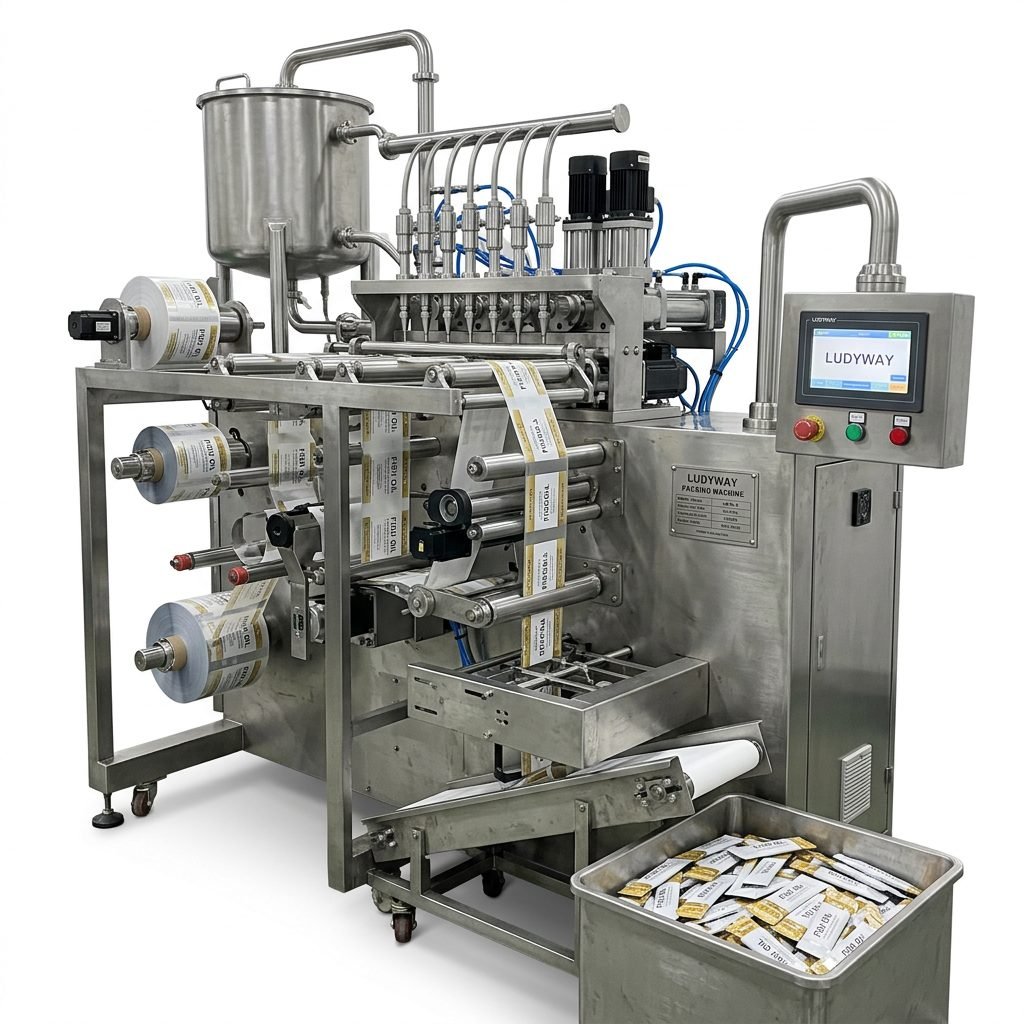
- Multi-Lane Sachet and Stick Pack Machines: Perfect for dried fish snacks, fish powder supplements, and portion-controlled fish oil products
- Tray Sealers: Widely used in European retail for fresh fish fillets displayed in supermarkets
- Flow Wrappers: Suitable for frozen fish portions and smoked fish slices
2.3 Secondary Packaging and End-of-Line Equipment
After primary packaging, products typically move through secondary packaging stages including cartoning, case packing, and palletizing. Automated cartoning machines can load sachets or pouches into cartons at high speeds. For bulk frozen fish products, automatic case packers and robotic palletizing systems can dramatically improve end-of-line efficiency.
2.4 Quality Control Systems
Investing in inline quality control equipment helps ensure compliance with European food safety standards:
- Checkweighers: Verify that each package meets the declared net weight, essential for EU labeling compliance
- Metal Detectors and X-Ray Inspection: Critical for detecting foreign bodies in fish products, meeting food safety requirements
- Vision Inspection Systems: Verify label placement, seal integrity, and print quality
- Leak Detection Systems: Essential for MAP and vacuum packages to ensure seal integrity
Step 3: Navigating EU Regulatory Compliance
European regulations governing food packaging machinery are among the strictest globally. Your production line must comply with several key directives and standards.
3.1 Machinery Directive (2006/42/EC)
All packaging machines installed in Europe must carry the CE marking and comply with the Machinery Directive, ensuring they meet essential health and safety requirements. Work with suppliers who provide full documentation including risk assessments, technical files, and declarations of conformity.
3.2 Food Contact Materials Regulation (EC) 1935/2004
All materials that come into contact with fish products must comply with this regulation. This includes packaging films, conveyor belts, and machine surfaces. Stainless steel construction (AISI 304 or 316L) is standard for food-grade equipment in Europe.
3.3 Hygiene Requirements (EN 1672-2)
Fish processing environments demand hygienic machine design to prevent bacterial contamination. Equipment should feature sloped surfaces, easy-clean designs, and IP65 or higher washdown protection. The European standard EN 1672-2 provides detailed hygiene requirements for food processing machinery.
3.4 Packaging and Packaging Waste Directive
The EU’s Packaging and Packaging Waste Directive sets essential requirements for packaging design, encouraging reduction, reuse, and recycling. Consider this when selecting packaging materials and formats for your fish products.
Step 4: Production Line Layout and Integration
An efficient layout maximizes throughput while maintaining product quality and worker safety. When designing your fish packaging line layout, consider the following principles.
4.1 Flow Design
Arrange equipment in a logical sequence that minimizes product travel distance and cross-contamination risks. A typical flow might be:
- Raw material intake from cold storage or processing
- Portioning and weighing station
- Primary packaging machine (vacuum, MAP, or sachet filler)
- Quality inspection (metal detection, checkweighing)
- Secondary packaging (cartoning, case packing)
- Palletizing and finished goods storage
4.2 Temperature Control Zones
For fresh and frozen fish products, maintaining the cold chain is critical. Design your layout with designated temperature zones, such as chilled processing areas (0-4°C), frozen zones (-18°C or below), and ambient packing areas. Ensure packaging machinery is rated for operation in these conditions.
4.3 Utilities and Infrastructure
Plan for adequate electrical supply, compressed air, and water connections. Fish processing facilities often require frequent washdowns, so electrical components should have appropriate IP ratings. Consult with equipment suppliers to confirm utility requirements before installation.
Step 5: Installation, Commissioning, and Training
Proper installation and commissioning are essential to ensure your fish packaging production line operates at peak performance from day one. Work closely with your machinery supplier to coordinate delivery, installation, and testing.
5.1 Site Preparation
Before equipment arrives, prepare the installation site by ensuring level floors, adequate clearance for machinery, proper ventilation, and all necessary utility connections. Create a detailed installation timeline that accounts for potential delays.
5.2 Factory Acceptance Testing (FAT)
Where possible, conduct factory acceptance testing at the manufacturer’s facility before shipment. This allows you to verify machine performance, test with your actual products, and identify any issues that need resolution before installation.
5.3 Operator Training
Invest in comprehensive training for your operators and maintenance staff. Well-trained personnel can maximize machine uptime, reduce waste, and ensure consistent product quality. Most reputable packaging machinery manufacturers offer on-site training as part of their installation services.
5.4 Ongoing Maintenance and Spare Parts
Establish a preventive maintenance schedule and maintain an inventory of critical spare parts. Common wear items for fish packaging lines include sealing bars, cutting blades, belts, and sensors. A proactive maintenance approach minimizes unexpected downtime and extends equipment life.
Step 6: Cost Considerations and ROI Analysis
Investing in a fish packaging production line represents a significant capital expenditure. Understanding the total cost of ownership helps in making informed decisions.
| Cost Category | Description | Estimated Range |
|---|---|---|
| Equipment Purchase | Primary packaging machines, conveyors, QC systems | € 50,000 – € 500,000+ |
| Installation & Commissioning | Site preparation, setup, testing, training | 10-15% of equipment cost |
| Annual Maintenance | Spare parts, service contracts, labor | 5-8% of equipment cost |
| Packaging Materials | Films, trays, labels, cartons | Variable by volume |
| Energy Consumption | Electricity, compressed air, cooling | Based on local rates |
When calculating ROI, factor in labor savings, reduced product waste, increased throughput, and improved product quality. Many European fish processors achieve full payback within 18 to 36 months after implementing modern automated packaging lines.
Step 7: Selecting a Reliable Equipment Supplier
Choosing the right packaging machinery partner is one of the most critical decisions you will make. Look for suppliers with proven experience in European food packaging projects, strong technical support capabilities, and a commitment to quality.
Companies like Ludyway, one of the largest packaging machine manufacturers in China, specialize in advanced packaging equipment and turnkey production solutions for the food, pharmaceutical, and health industries. With over 30 years of industry expertise and a modern 20,000㎡ manufacturing facility, Ludyway provides reliable and efficient packaging solutions for granule, powder, liquid, and pouch packaging applications, serving customers in more than 100 countries and regions. Their multi-lane stick pack, sachet, and fully automated packaging systems are particularly relevant for fish-based snack and supplement products.
When evaluating suppliers, consider:
- Experience in fish and seafood packaging applications
- CE certification and compliance with EU regulations
- Availability of local service support in Europe
- References from existing European customers
- Capability to provide complete turnkey lines, not just individual machines
Key Resources and Industry Links
For further guidance on setting up your fish packaging line in Europe, explore the following authoritative resources:
- PMMI State of the Industry Reports – Comprehensive packaging industry data and trends
- Flexible Packaging Association Industry Resources – Guidelines and standards for flexible packaging
- ISO Packaging Standards – International packaging and distribution standards
- PACK EXPO International – Leading packaging trade show to explore machinery options
- Ludyway Packaging Machinery Global Growth Trend – Industry insights on packaging machinery trends
Conclusion
Setting up a fish packaging machine production line in Europe is a complex but rewarding investment. By carefully defining your requirements, selecting the right equipment, ensuring EU regulatory compliance, and working with a reliable supplier, you can build a line that delivers consistent quality, high efficiency, and strong ROI. Start by mapping your production goals, consult with multiple equipment manufacturers, and prioritize hygiene and automation features that will future-proof your operation against evolving European market demands.