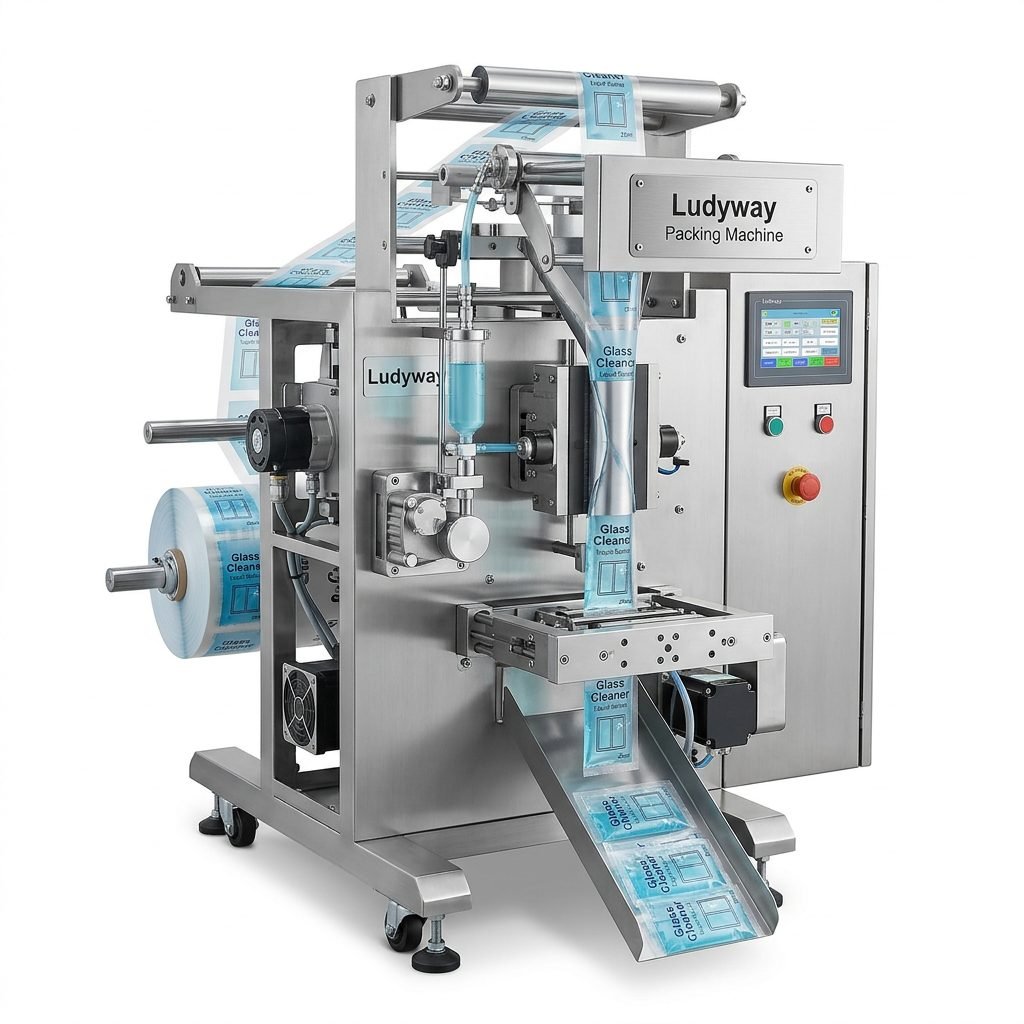
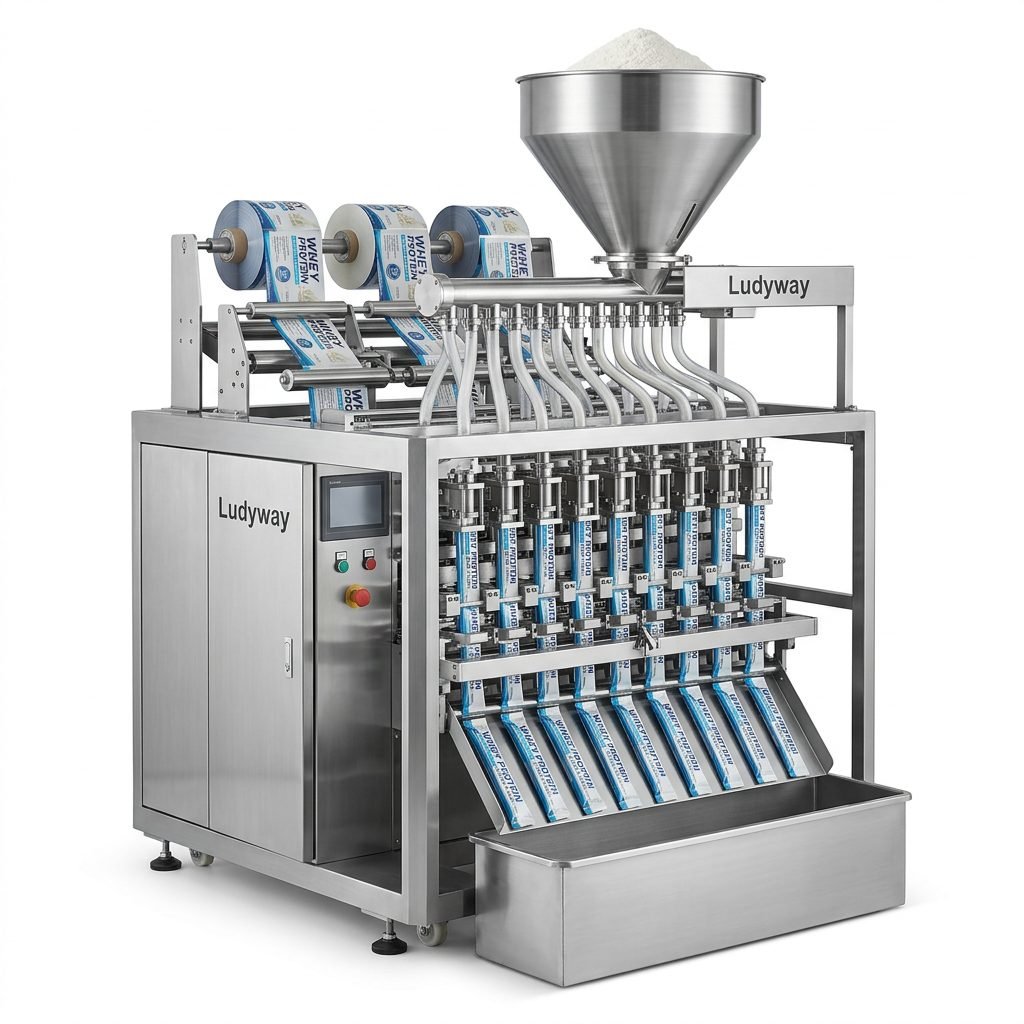
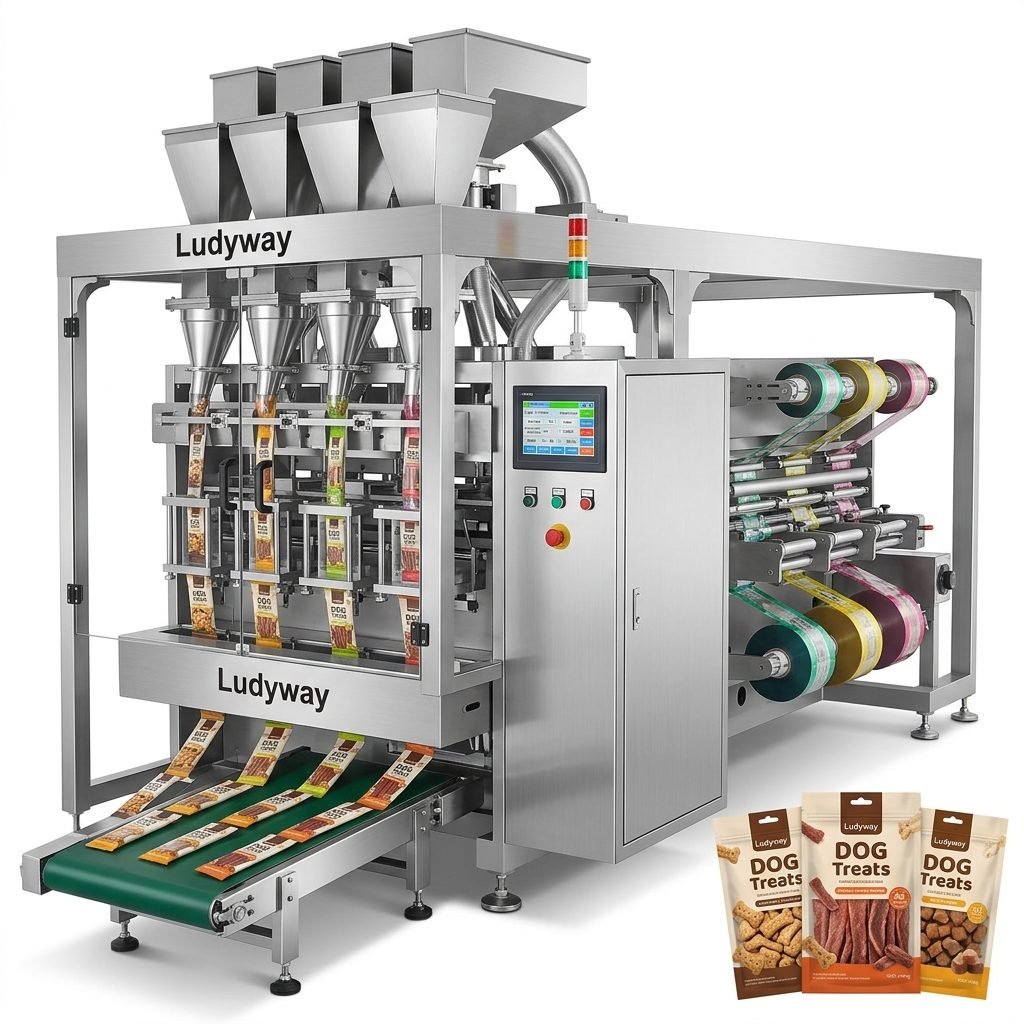
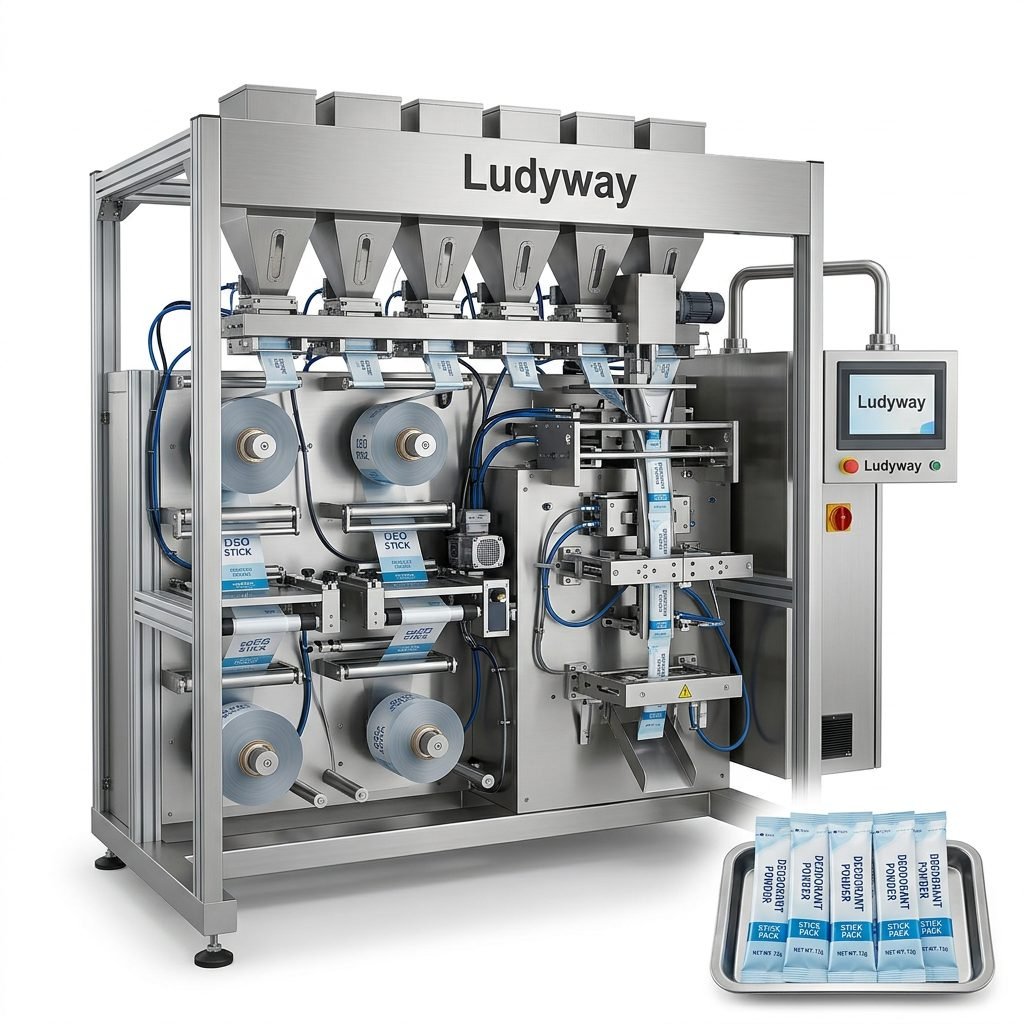
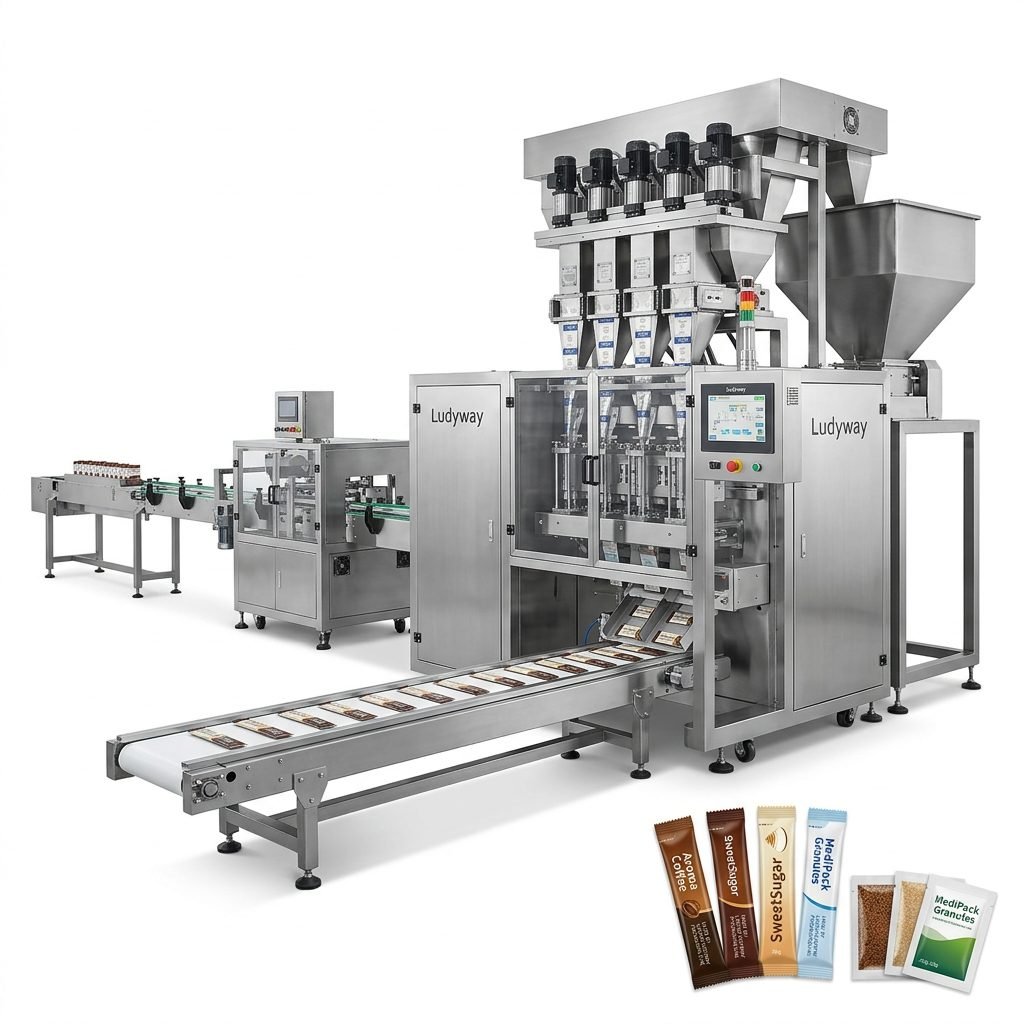
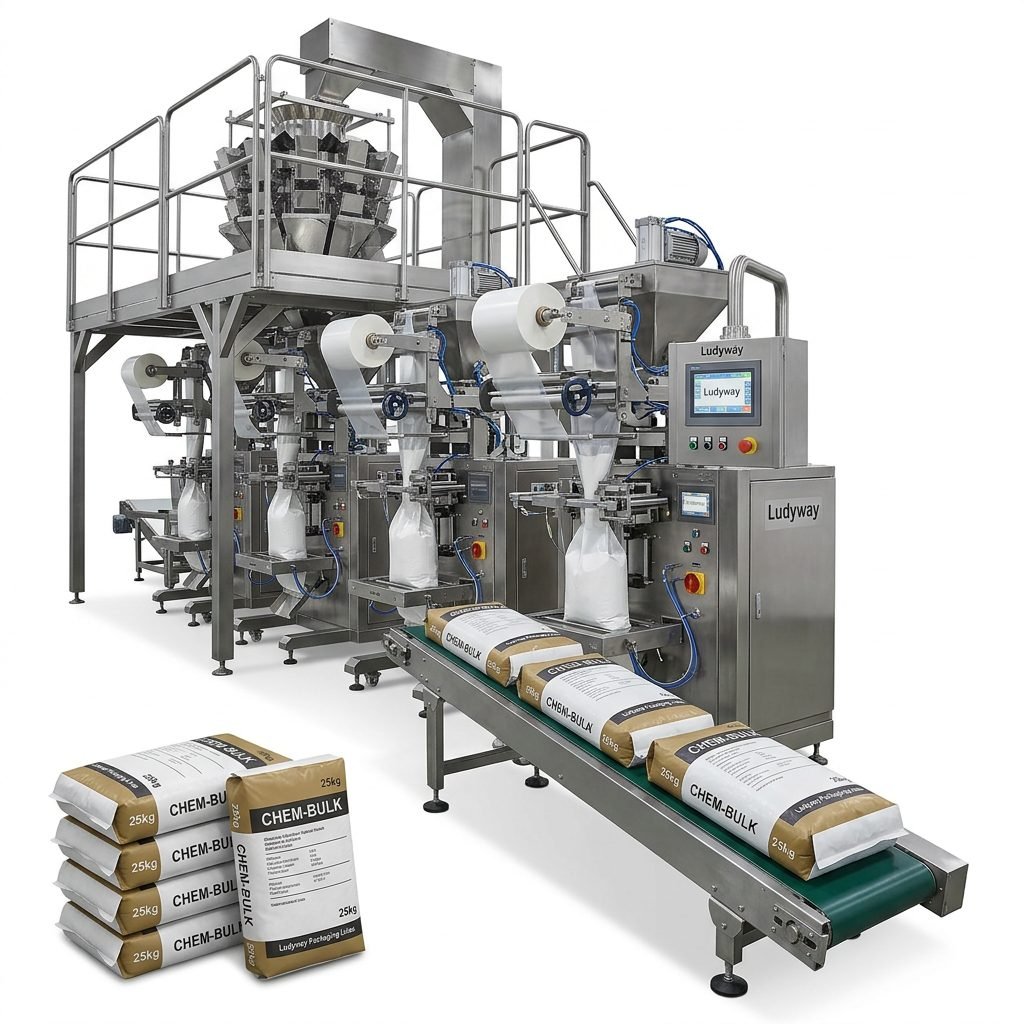
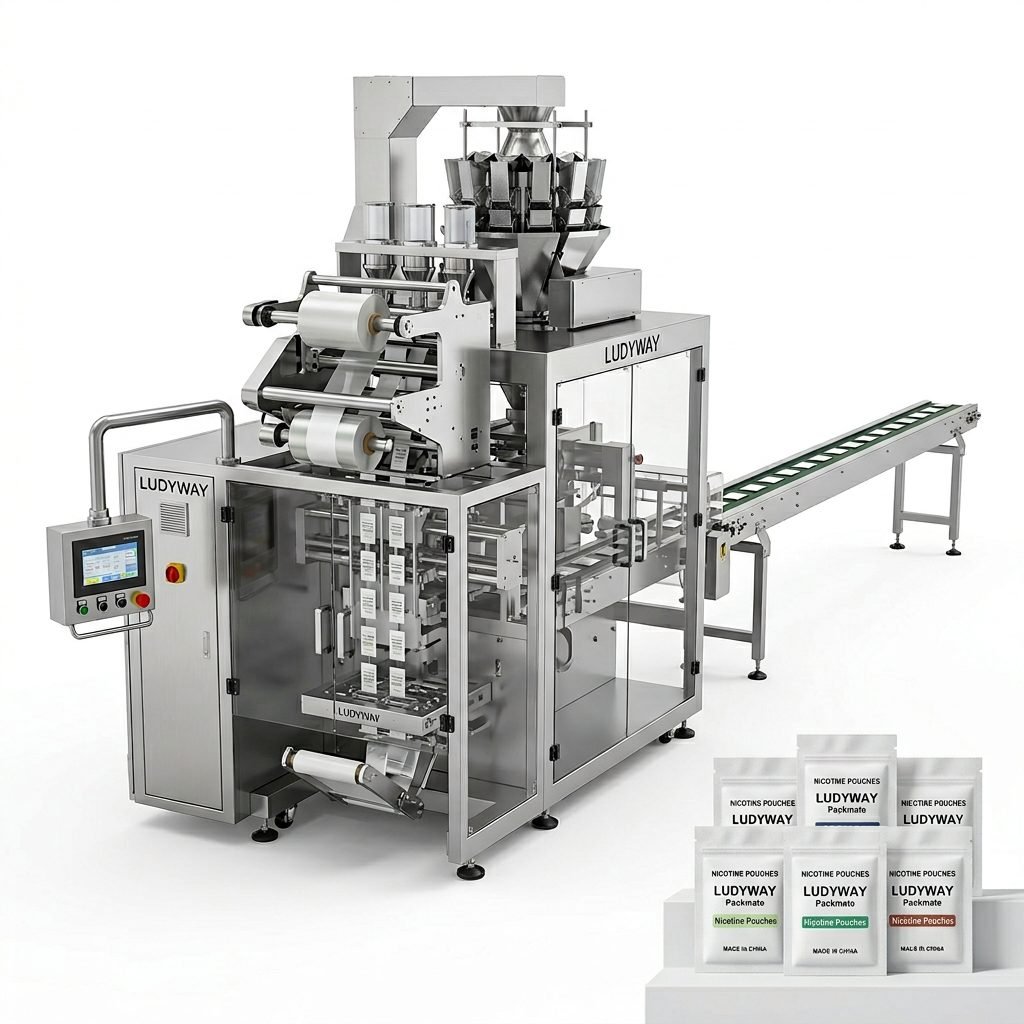
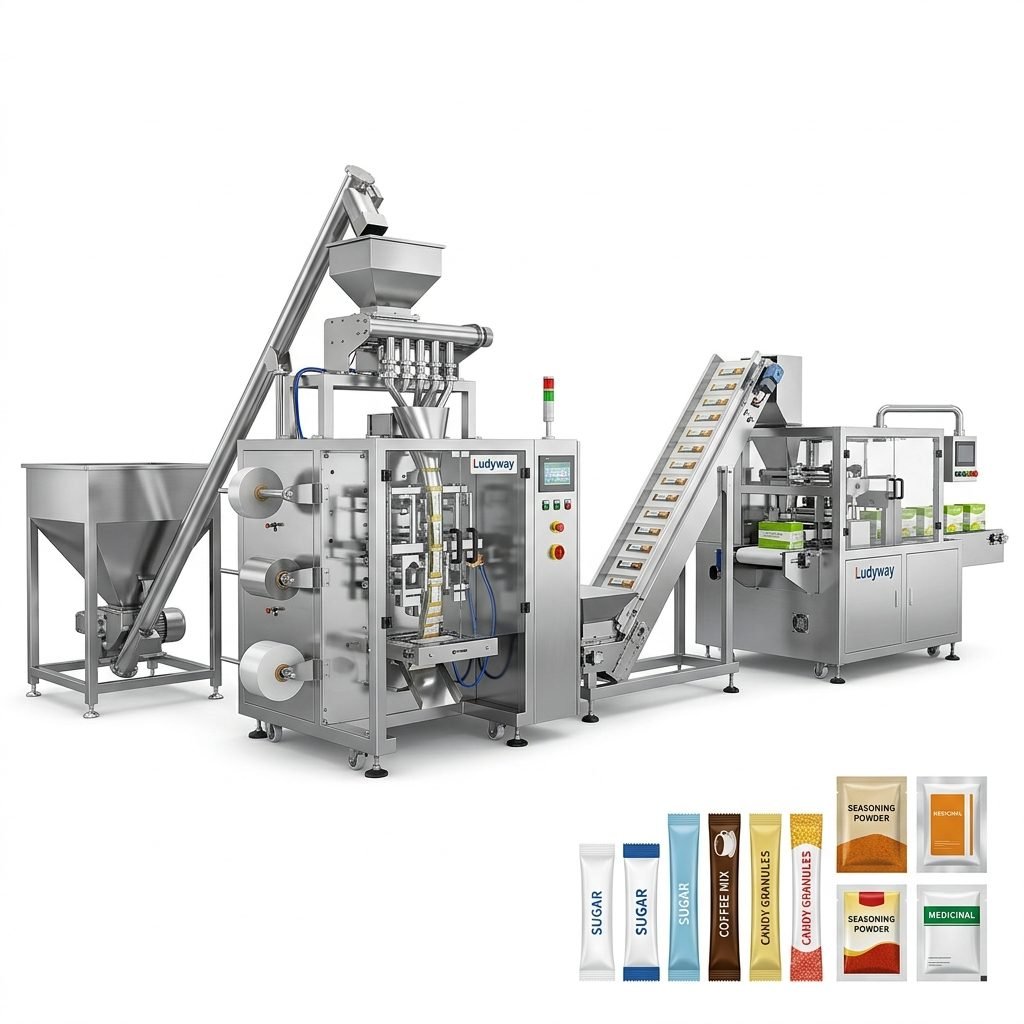
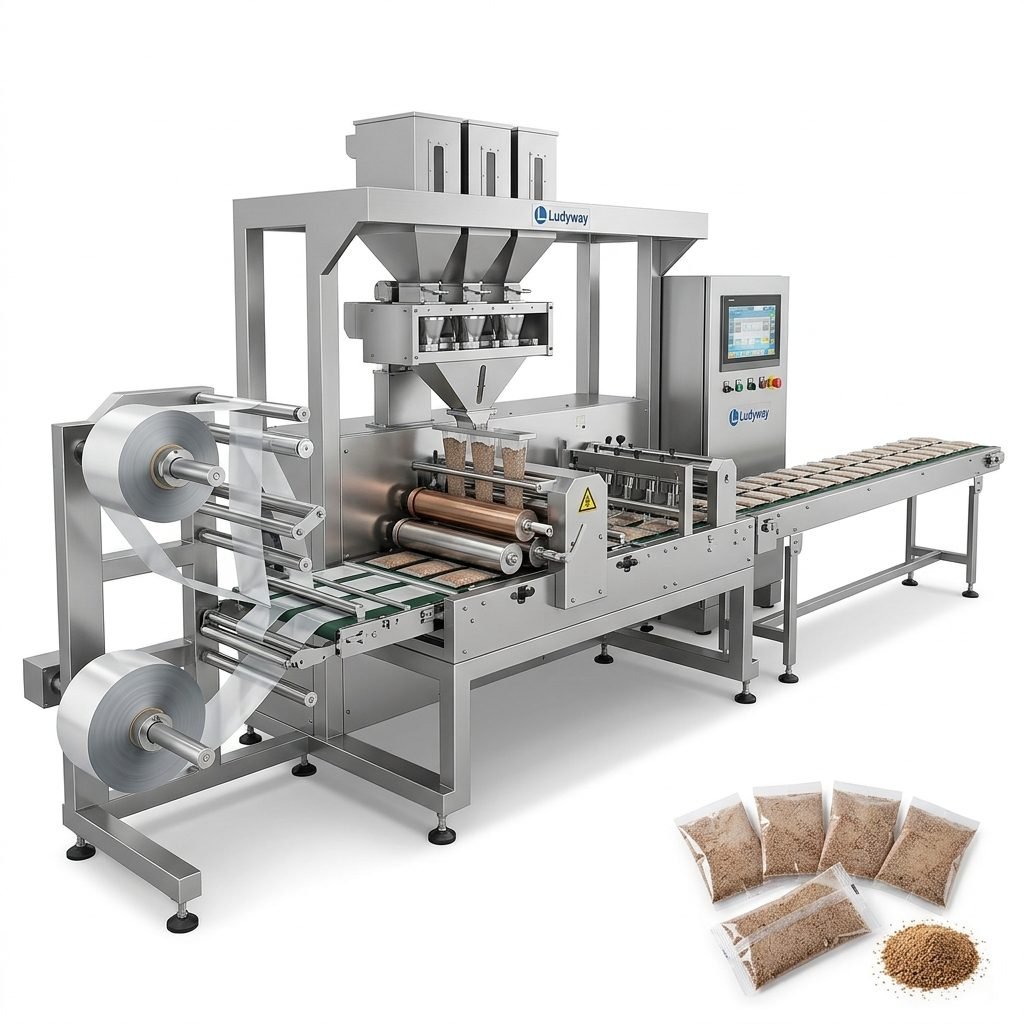
Expanding into global markets with a vacuum sealing packaging machine production line requires meticulous planning, compliance with international standards, and a deep understanding of regional market demands. Vacuum sealing technology extends product shelf life, preserves freshness, and reduces waste — making it indispensable across food, pharmaceutical, and industrial sectors worldwide. Whether you are targeting North America, Europe, Southeast Asia, or Latin America, setting up a production line that meets diverse regulatory and operational requirements is essential for long-term success.

Why Vacuum Sealing Is Critical for Global Food and Pharma Supply Chains
Vacuum packaging removes oxygen from the package before sealing, creating an anaerobic environment that inhibits bacterial growth and oxidation. According to the FDA’s food packaging guidelines, proper vacuum sealing is a scientifically validated method for extending product shelf stability. In the pharmaceutical industry, ISO 11607 standards govern packaging for terminally sterilized medical devices, making vacuum sealing a compliance necessity.
Global demand for vacuum-sealed products continues to surge. Research from the Flexible Packaging Association indicates that vacuum and modified atmosphere packaging segments are projected to grow at a compound annual rate exceeding 5% through 2028, driven by consumer preference for minimally processed, longer-lasting food products.
Core Components of a Vacuum Sealing Production Line
A well-designed vacuum sealing packaging machine production line integrates multiple subsystems that must work in harmony to achieve consistent output quality. Understanding each component’s role is fundamental before configuring your line for global distribution.
1. Feeding and Conveying Systems
The production line begins with automated feeding mechanisms that deliver products to the sealing stations. For granule, powder, and solid product applications, vibratory feeders, bucket elevators, or granule feeding systems ensure a steady, metered flow. The conveying system must be compatible with varying product sizes and weights to accommodate diverse market requirements.
2. Vacuum Chamber and Sealing Station
The heart of the line is the vacuum chamber, where air extraction and hermetic sealing occur. Modern systems feature multi-lane configurations capable of processing anywhere from 30 to over 120 cycles per minute. Key specifications to evaluate include ultimate vacuum pressure (typically below 10 mbar), seal bar temperature uniformity, and chamber material compatibility with food-grade or pharmaceutical-grade requirements.

3. Gas Flushing and Modified Atmosphere Capabilities
For products requiring modified atmosphere packaging (MAP), the vacuum line should integrate nitrogen flushing systems. Gas flushing replaces extracted oxygen with inert gases like nitrogen or carbon dioxide, which is particularly valuable for products destined for markets with extended logistics chains. The PMMI State of the Industry report highlights MAP as one of the fastest-growing packaging technology segments globally.
4. Inspection and Quality Control Modules
International buyers expect rigorous quality assurance. Integrating in-line inspection systems — including metal detectors, X-ray inspection units, and high-precision checkweighers — ensures every package meets specified tolerances before shipment.
Step-by-Step Setup Guide for Global Production Lines
Step 1: Define Your Target Markets and Regulatory Framework
Begin by mapping your primary export destinations. Each region has distinct requirements:
- North America: Compliance with FDA food contact substance regulations and USDA guidelines for meat and poultry products
- European Union: Adherence to EU Packaging and Packaging Waste Regulation (including recyclability mandates)
- Southeast Asia: Halal certification requirements and ASEAN harmonized standards
- Latin America: Mercosur technical regulations and ANVISA requirements for pharmaceutical products
Step 2: Select Equipment with Multi-Market Flexibility
Choose machinery that supports quick changeover between package formats and sizes. This flexibility is critical when serving diverse international markets with varying consumer preferences. Look for multi-lane packaging machines that can handle stick packs, sachets, and pouches on the same platform.

Step 3: Validate Packaging Materials for Global Compliance
Vacuum packaging films must meet the regulatory standards of each target market. Common specifications include oxygen transmission rate (OTR), water vapor transmission rate (WVTR), and overall material migration limits. Work with suppliers who can provide certification documentation for each film specification you intend to use.
Step 4: Implement Standardized Operating Procedures (SOPs)
Document every aspect of the production line operation — from machine startup sequences to cleaning protocols between product changeovers. SOPs should be available in multiple languages if your production facility serves a multilingual workforce. This documentation also supports audit readiness for international certifications such as BRC, IFS, or SQF.
Critical Quality Metrics for Vacuum-Sealed Products
Monitoring and controlling the following parameters ensures consistent product quality across all production batches destined for international markets:
| Quality Parameter | Acceptable Range | Testing Frequency |
|---|---|---|
| Vacuum Pressure Level | ≤ 10 mbar (absolute) | Every shift |
| Seal Integrity | Zero leaks (dye penetration test) | Every 30 minutes |
| Residual Oxygen Level | ≤ 1.0% | Hourly sampling |
| Seal Bar Temperature | ± 3°C of setpoint | Continuous monitoring |
Market-Specific Packaging Configurations
Different global markets have unique preferences for vacuum-sealed package formats. Understanding these nuances can significantly impact your market penetration strategy.
North America
Consumers in the United States and Canada favor resealable vacuum pouches with easy-open features for food products. Stick pack formats are gaining popularity for single-serve applications in the supplement and sports nutrition sectors.
European Union
Sustainability drives packaging decisions across Europe. Vacuum-sealed products increasingly use mono-material films that are fully recyclable. The European Commission’s packaging waste directives mandate that all packaging be reusable or recyclable by 2030 — a critical consideration for production line design.
Asia-Pacific
Sachet and stick pack formats dominate in Southeast Asian markets due to affordability and portion control preferences. Multi-lane sachet packaging machines configured for vacuum sealing can produce thousands of units per hour, meeting high-volume demand.
Maintenance Protocols for Sustained Performance
A robust maintenance program is essential to minimize downtime and ensure consistent vacuum sealing performance. Key practices include:
- Daily: Clean vacuum chamber surfaces, inspect seal bars for residue buildup, and verify vacuum pump oil levels
- Weekly: Test vacuum pump performance curves, calibrate temperature sensors, and inspect gasket seals for wear
- Monthly: Conduct full system diagnostics, replace worn components proactively, and validate all safety interlocks
- Quarterly: Comprehensive preventive maintenance including vacuum pump oil replacement, seal bar alignment checks, and control system software updates
Training Your Workforce for International Quality Standards
Even the most advanced vacuum sealing packaging machine production line requires skilled operators to achieve optimal results. Invest in comprehensive training programs that cover machine operation, quality control procedures, and troubleshooting protocols. Industry resources from the PMMI packaging industry knowledge base offer valuable training frameworks that can be adapted to your specific equipment configuration.
Partnering with an Experienced Equipment Manufacturer
Selecting the right equipment partner is one of the most consequential decisions when establishing a vacuum sealing production line for global markets. Ludyway, with over 30 years of packaging machinery expertise and a modern 20,000㎡ manufacturing facility, provides industrial vacuum packaging machines and complete turnkey production line solutions that serve customers across more than 100 countries. Their multi-lane systems support granule, powder, liquid, and solid product applications with configurations tailored to regional market requirements. Evaluating a manufacturer’s global service network, spare parts availability, and technical documentation in multiple languages should be central to your procurement decision.

Future Trends Shaping Vacuum Packaging Lines
Staying ahead of industry trends positions your production line for long-term competitiveness. Key developments to monitor include:
- Smart factory integration: IoT-enabled sensors that provide real-time data on vacuum pressure, seal integrity, and overall equipment effectiveness (OEE)
- Sustainable packaging materials: Bio-based and compostable films that maintain vacuum seal performance while meeting environmental regulations
- Automation and robotics: Collaborative robots (cobots) for product handling and automated case packing systems that reduce manual labor requirements
- Digital traceability: Blockchain-enabled supply chain tracking that verifies product origin, processing conditions, and packaging integrity for international shipments
Industry data from the PMMI Business Intelligence Library indicates that packaging machinery incorporating Industry 4.0 capabilities will represent over 40% of new installations by 2027, underscoring the importance of future-proofing your investment.
Checklist for Global Production Line Readiness
Before commissioning your vacuum sealing production line for international markets, verify the following:
- All equipment carries CE marking (for EU markets) and applicable local certifications
- Packaging materials are compliant with FDA regulations for food contact substances where applicable
- Production line documentation is available in the languages of your target markets
- Spare parts inventory covers critical components with established lead times for international shipping
- Quality control protocols align with international standards including ISO packaging standards
- Operator training programs have been completed and competency assessments documented
- Environmental management systems address sustainable packaging requirements in destination markets
Setting up a vacuum sealing packaging machine production line for global markets is a strategic endeavor that demands technical expertise, regulatory knowledge, and careful equipment selection. By following the structured approach outlined above — from component selection and quality parameter validation to market-specific configuration and workforce training — you can build a production line that delivers consistent, compliant, and competitive vacuum-sealed products to markets around the world.