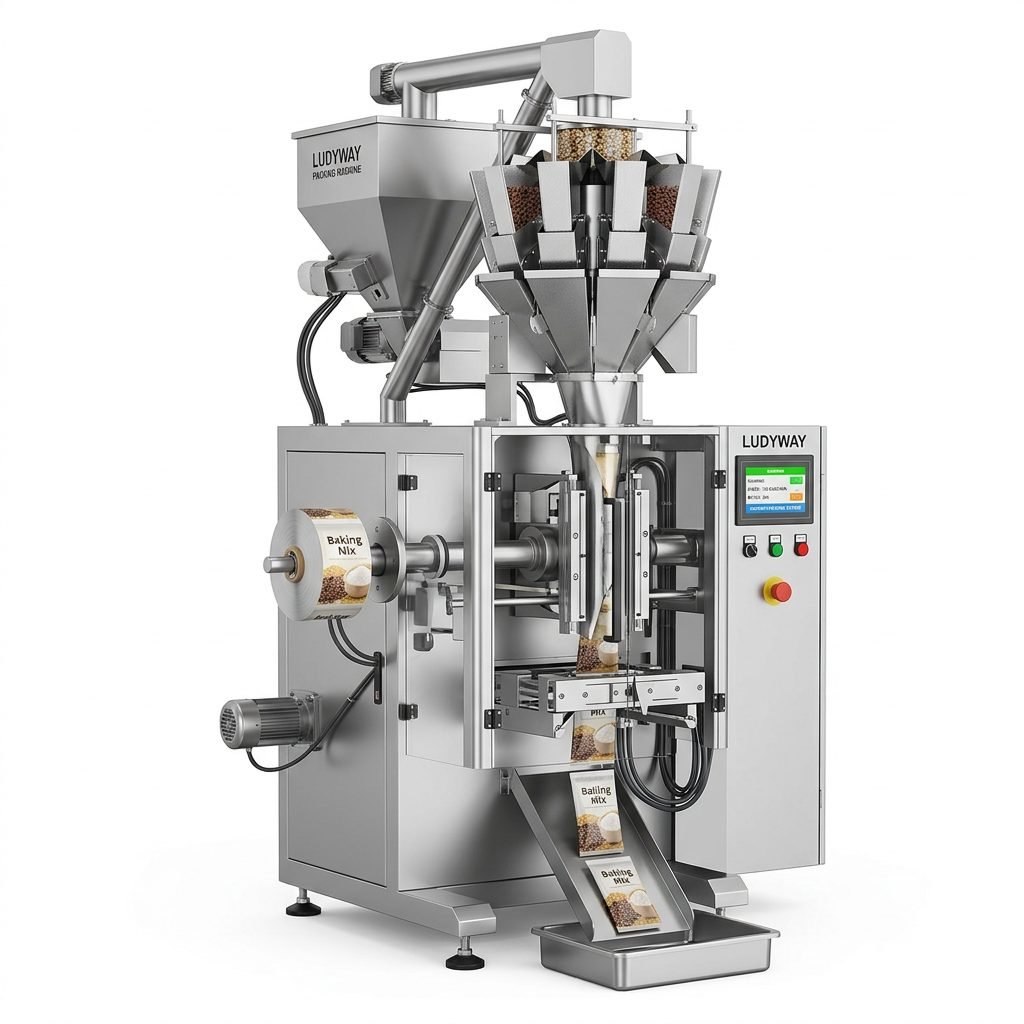
Investing in a meat packing machine is a critical decision for any food processing business. Whether you are running a small butcher shop or scaling up to a large industrial facility, the right equipment directly impacts your production efficiency, product shelf life, and food safety compliance. With so many models, configurations, and automation levels available, the selection process can quickly become overwhelming. This guide walks you through the essential factors to consider, helping you make an informed purchase that aligns with your operational goals and budget.
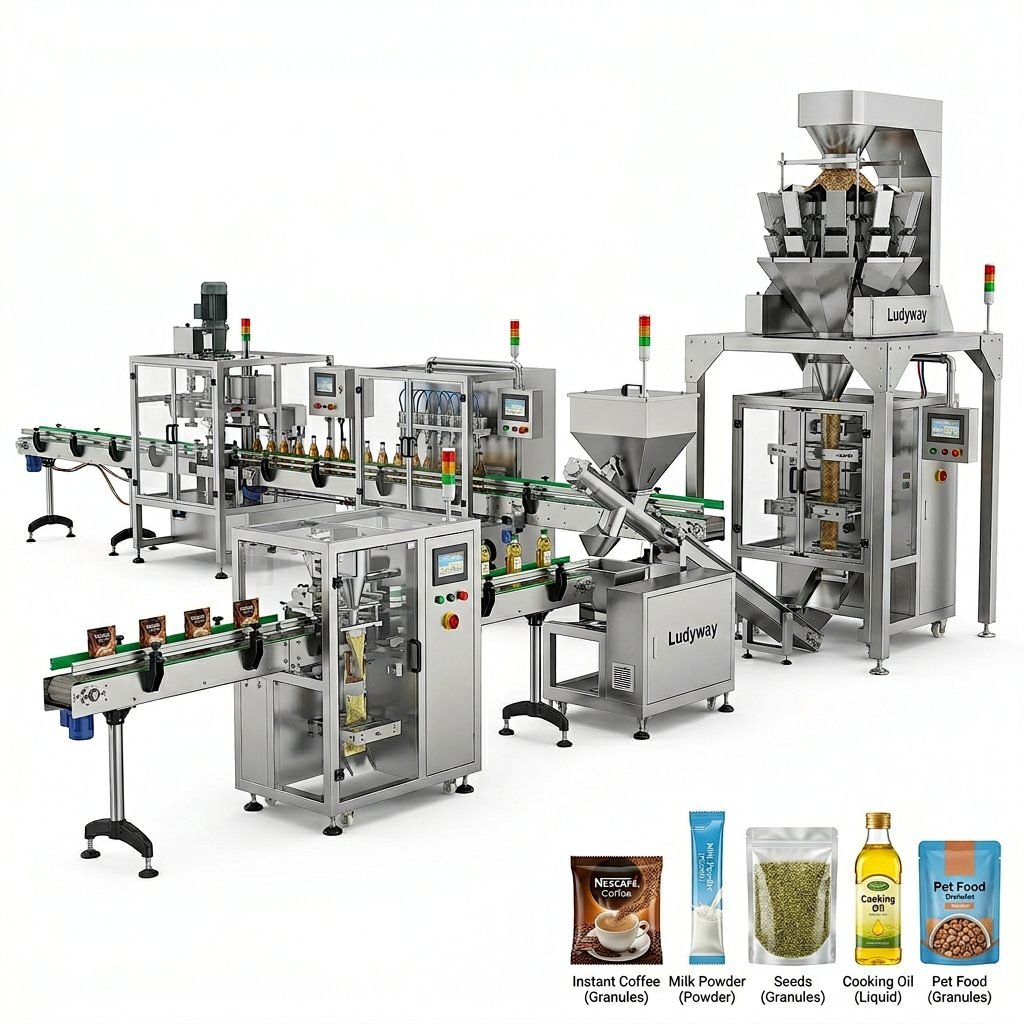
Understanding Your Product and Packaging Requirements
Before evaluating specific machines, you must define your product characteristics and packaging objectives. Meat products vary widely — from fresh cuts and ground meat to processed items like sausages, patties, and marinated portions. Each format demands a different approach to weighing, filling, sealing, and material handling.
- Fresh vs. Frozen: Fresh meat often requires modified atmosphere packaging (MAP) to extend shelf life, while frozen products may need vacuum sealing to prevent freezer burn.
- Portion Sizes: Are you packing fixed-weight retail portions or bulk wholesale quantities? This determines whether you need a multi-head weigher or a simpler volumetric filler.
- Packaging Format: Common formats include vacuum pouches, shrink bags, tray-sealed packs, flow-wrapped trays, and thermoformed packs. Your choice of format directly influences machine type.
- Bone-In Products: Sharp bones can puncture packaging film. Machines handling bone-in cuts need reinforced sealing systems and puncture-resistant film compatibility.
According to packaging industry standards from PMMI, matching machine capabilities to product-specific requirements is the most critical first step in equipment selection. Conducting a thorough product analysis before contacting suppliers can save significant time and costs.
Types of Meat Packing Machines
The term meat packing machine covers a broad spectrum of equipment. Understanding the main categories helps narrow your search:
Vacuum Packaging Machines
These remove air from the package before sealing, significantly extending product shelf life. They are ideal for fresh meats, cured products, and portioned cuts. Vacuum packaging is the industry standard for most meat processing operations due to its proven ability to inhibit bacterial growth and prevent oxidation.
Modified Atmosphere Packaging (MAP) Machines
MAP machines replace the air inside the package with a controlled gas mixture — typically a combination of carbon dioxide, nitrogen, and oxygen. This technology is widely used for case-ready fresh meat products sold in retail trays. The gas composition preserves color and freshness while slowing microbial spoilage.
Thermoform Fill-Seal Machines
These high-speed automated systems form the bottom packaging from a roll of film, fill the product, and then seal with a top film layer. Thermoform machines are popular for large-scale production of bacon, sliced meats, hot dogs, and processed meat products. They offer excellent throughput and consistent seal integrity.
Tray Sealing Machines
Designed for pre-formed trays, these machines apply a sealed film lid. They come in manual, semi-automatic, and fully automatic configurations. Tray sealers are common in retail-ready meat packaging where product appearance and tamper evidence are important.
Flow Wrapping / Horizontal Form-Fill-Seal (HFFS) Machines
HFFS machines wrap products in a continuous film tube, creating a fin seal on the bottom. They are suitable for frozen meat products, trayed items, and bundled packs. These machines offer high speeds and compatibility with printed film for branded packaging.
Key Selection Criteria at a Glance
The following table summarizes the critical evaluation factors you should weigh when comparing different meat packing machines:
| Selection Factor | What to Evaluate | Why It Matters |
|---|---|---|
| Production Speed | Packs per minute (PPM), cycle time | Must match or exceed your daily throughput requirements |
| Packaging Format | Pouch, tray, vacuum, MAP, flow wrap | Determines machine type and film compatibility |
| Hygiene & Sanitation | IP rating, washdown capability, stainless steel build | Essential for food safety compliance and regulatory audits |
| Automation Level | Manual, semi-auto, fully automatic, inline integration | Affects labor requirements, consistency, and total cost of ownership |
| Seal Integrity | Seal strength, leak detection, gas flushing accuracy | Directly impacts product shelf life and customer satisfaction |
| Changeover Time | Tool-less adjustments, recipe memory, quick-release parts | Critical for facilities running multiple SKUs or pack sizes |
| Footprint & Layout | Machine dimensions, conveyor integration, workspace access | Must fit within existing or planned facility constraints |
| Service & Support | Warranty, spare parts availability, technical assistance | Minimizes downtime and protects your investment long-term |

Hygiene and Sanitation: Non-Negotiable for Meat Processing
Meat processing environments demand the highest hygiene standards. Your meat packing machine must be designed for rigorous cleaning protocols. Stainless steel construction is mandatory for all food-contact surfaces. Look for machines with:
- IP65 or IP69K ratings for washdown environments, allowing high-pressure cleaning without damaging electrical components.
- Sloped surfaces and rounded corners that prevent water pooling and facilitate drainage.
- Quick-release tool-less disassembly for conveyor belts, sealing bars, and forming tubes to simplify daily sanitation.
- Sealed bearings and motors that resist moisture ingress and prevent lubricant contamination.
- Hygienic design certifications such as EHEDG or 3-A Sanitary Standards compliance.
Regulatory bodies including the FDA food contact packaging regulations set strict requirements for materials and processes used in meat packaging. Non-compliance can result in costly recalls and reputational damage.
Automation Level: Balancing Labor and Throughput
Meat packing machines range from manually operated tabletop sealers to fully automated inline systems with robotic loading and integrated checkweighing. Your choice depends on production volume, labor costs, and long-term growth plans.
- Semi-Automatic: Operators manually load product and initiate cycles. Suitable for startups and low-to-medium volume operations. Lower upfront cost but higher labor dependency.
- Fully Automatic: Continuous product feeding, automatic film advance, sealing, and cutting. Ideal for medium-to-high volume production with consistent throughput requirements.
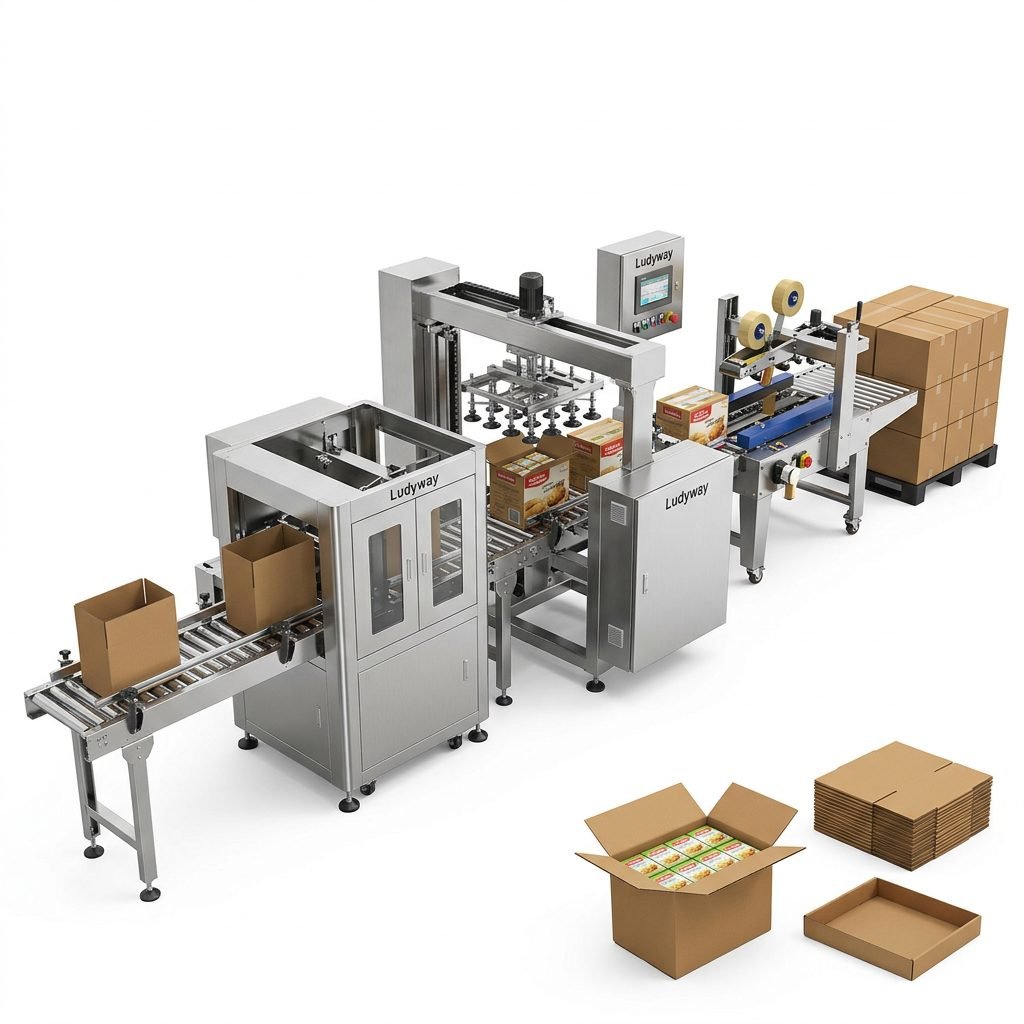
- Inline Integrated Systems: These connect upstream processing equipment (slicers, portioners, marinators) with downstream packaging, labeling, checkweighing, and case packing. They minimize human contact, reducing contamination risk and labor costs.
For manufacturers looking to scale, investing in automation early can provide a significant competitive advantage. The flexible packaging industry trends show a clear shift toward integrated, automated packaging lines that reduce manual handling and improve traceability.
Packaging Materials and Film Compatibility
Not all meat packing machines work with every film type. Your packaging material choice — influenced by barrier requirements, shelf-life targets, and branding needs — must be compatible with the machine’s sealing technology.
- Polyethylene (PE) — Common for vacuum pouches; good moisture barrier.
- Polyamide (PA/PE) — Excellent mechanical strength and oxygen barrier; used for vacuum and MAP applications.
- EVOH barrier films — High oxygen barrier for extended shelf life; widely used in thermoforming and MAP.
- Shrink films — Ideal for whole cuts and primal packaging; requires specific heat-seal parameters.
- Biodegradable and recyclable films — Growing in popularity due to sustainability demands; verify machine compatibility before committing.
Pro tip: Always test your chosen film on the target machine before purchase. Sealing temperature, dwell time, and pressure settings vary across film suppliers and machine manufacturers. A film that works perfectly on one machine may fail on another.
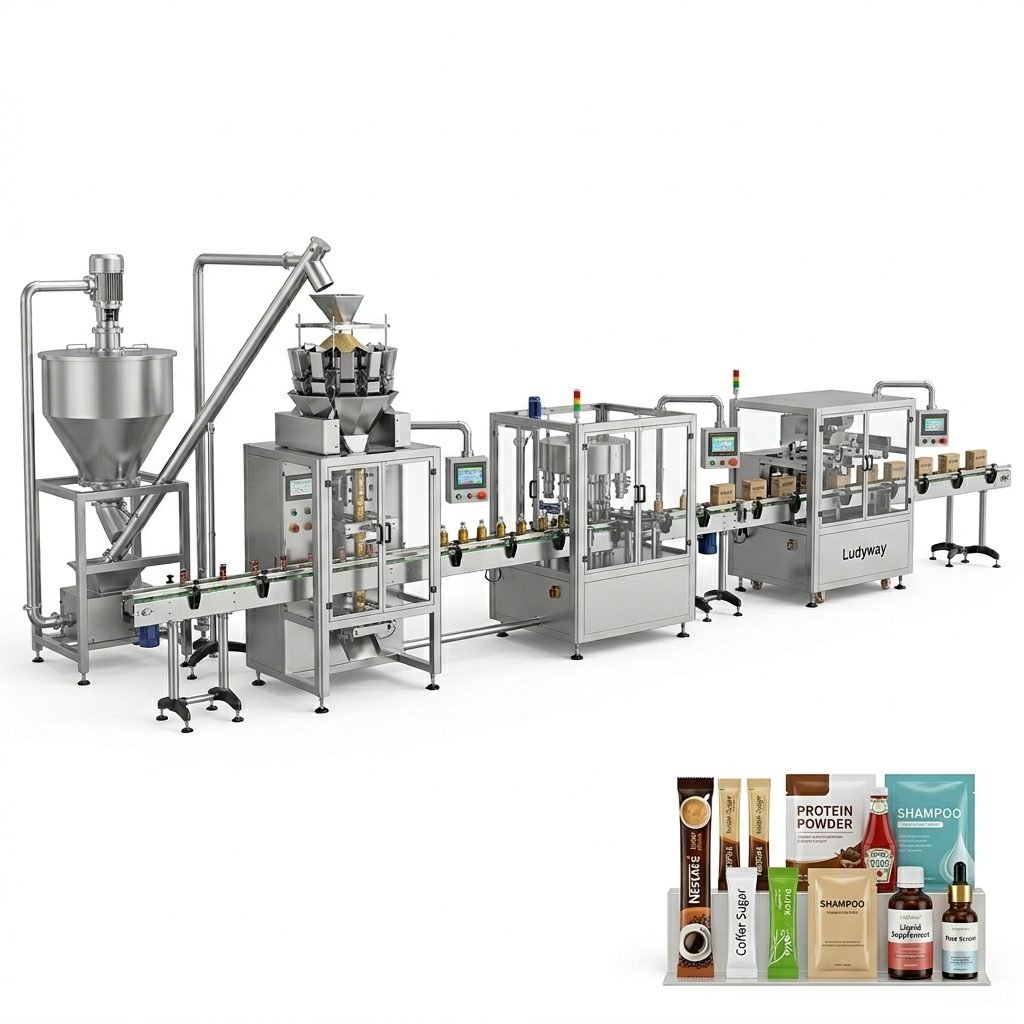
Evaluating Suppliers and After-Sales Support
The quality of your meat packing machine is only as good as the support behind it. When evaluating suppliers, consider the following:
- Industry experience: How long has the manufacturer been building meat-specific packaging equipment? A track record in protein packaging is invaluable.
- Installation and commissioning: Does the supplier offer on-site setup, operator training, and production ramp-up assistance?
- Spare parts availability: Rapid access to critical spare parts minimizes downtime. Ask about local parts inventory and shipping timelines.
- Technical support: Is remote troubleshooting available? What about on-site service visits? Response time commitments should be clearly stated.
- Customization capability: Can the supplier modify standard equipment to match your specific product handling and packaging requirements?
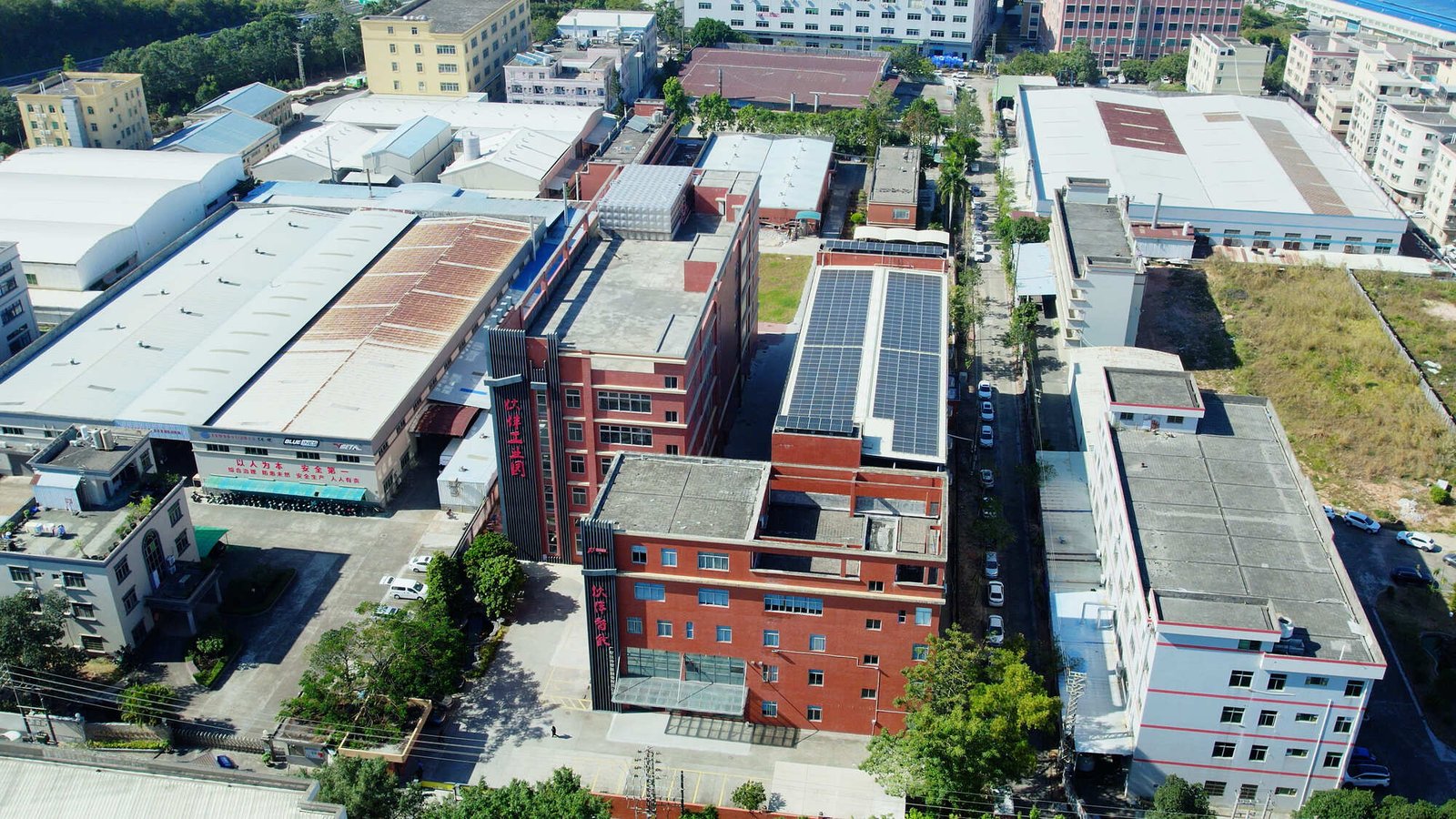
Established manufacturers with global service networks often provide the most reliable long-term partnership. For example, Ludyway Machinery, a China-based packaging machinery manufacturer with over 30 years of experience, provides turnkey packaging solutions and technical support to customers in more than 100 countries, combining in-house manufacturing with engineering and automation expertise to help meat processors improve packaging efficiency and operational consistency. Global packaging machinery trends indicate that manufacturers offering comprehensive after-sales support are increasingly preferred by food processors worldwide.
Total Cost of Ownership vs. Purchase Price
A common mistake is focusing solely on the upfront purchase price. A comprehensive cost analysis should account for the machine’s entire lifecycle:
- Initial investment: Machine cost including freight, import duties, installation, and commissioning.
- Operating costs: Film consumption, energy usage, compressed air requirements, and labor allocation.
- Maintenance expenses: Routine parts replacement (sealing bars, belts, cutting blades), preventive maintenance contracts, and unscheduled repairs.
- Downtime costs: Lost production during breakdowns. A reliable machine with strong support typically delivers a lower total cost of ownership even at a higher purchase price.
- Film waste: Precision film handling reduces scrap. Machines with accurate film registration and minimal mis-seals save significant material costs over time.
Future-Proofing Your Investment
The meat packing machine you choose today should accommodate tomorrow’s growth. Consider these forward-looking factors:
- Modular design: Can you add modules — such as automatic weighing, gas flushing, labeling, or case packing — as your production needs evolve?
- Speed scalability: Does the machine offer headroom beyond your current throughput requirements? Operating at 90% of maximum capacity generally yields better reliability than running at 100%.
- Industry 4.0 readiness: Look for machines with data logging, remote diagnostics, and connectivity options that support smart factory integration. Real-time production data helps optimize OEE (Overall Equipment Effectiveness).
- Sustainability features: Machines optimized for thinner films, recyclable mono-materials, and reduced energy consumption align with growing environmental regulations and consumer expectations.
The packaging machinery market research from PMMI consistently highlights that food processors who invest in flexible, upgradeable equipment achieve better long-term ROI compared to those who purchase fixed-capability machines at lower upfront costs.
Final Checklist Before Purchase
Use this summary checklist to guide your final evaluation of any meat packing machine:
- Define your product range, packaging format, and target throughput in quantifiable terms.
- Verify film compatibility through hands-on testing with your actual packaging materials.
- Confirm hygiene and sanitation features meet or exceed your regulatory obligations.
- Assess the supplier’s installation, training, spare parts, and technical support capabilities.
- Calculate total cost of ownership over a 5-7 year horizon, not just the purchase price.
- Ensure the machine can scale with your production growth through modular upgrades or speed reserves.
- Request references from similar meat processing operations and speak directly with existing users.
- Visit the manufacturer’s facility or schedule a live demonstration before finalizing your decision.
Choosing the right meat packing machine is a strategic decision that affects every aspect of your meat processing operation — from product quality and shelf life to production efficiency and regulatory compliance. By methodically evaluating your product requirements, machine options, supplier credentials, and total cost of ownership, you can select equipment that delivers reliable performance and supports your business growth for years to come.