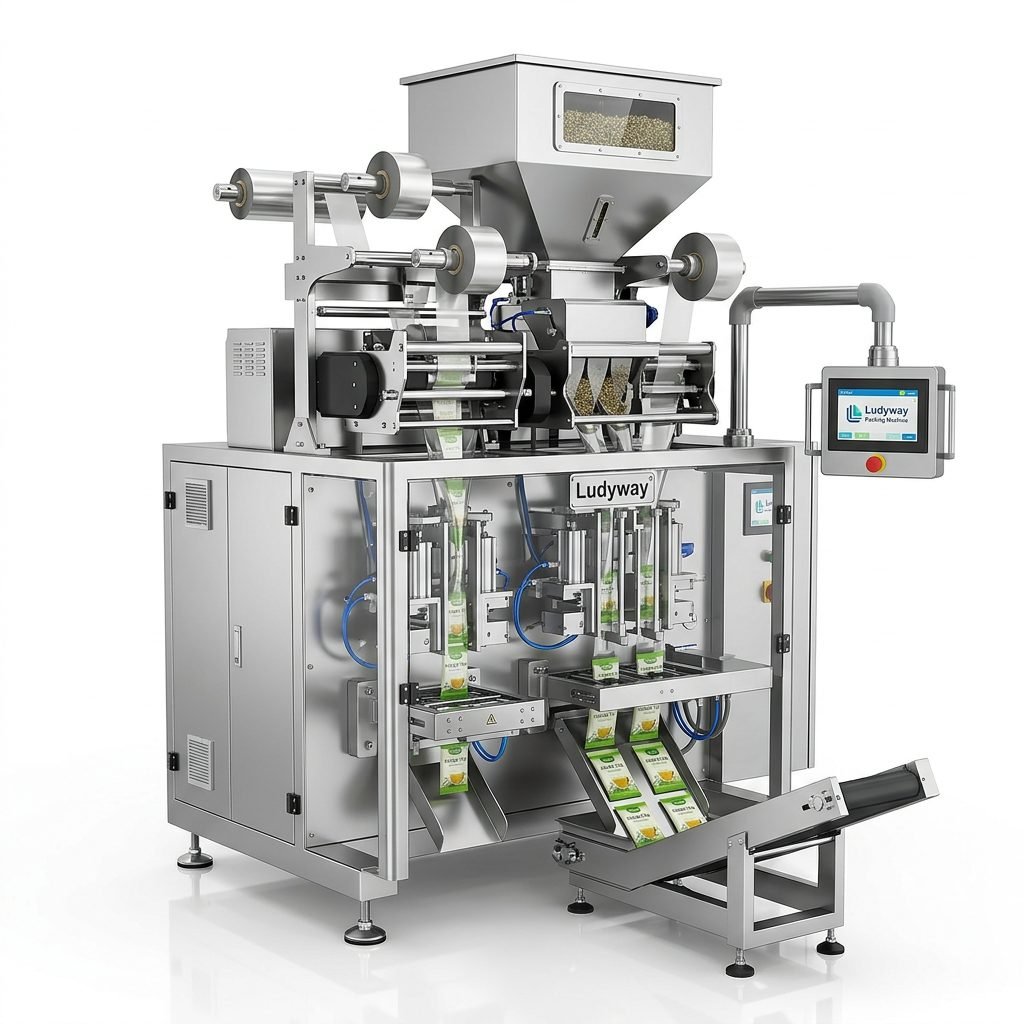
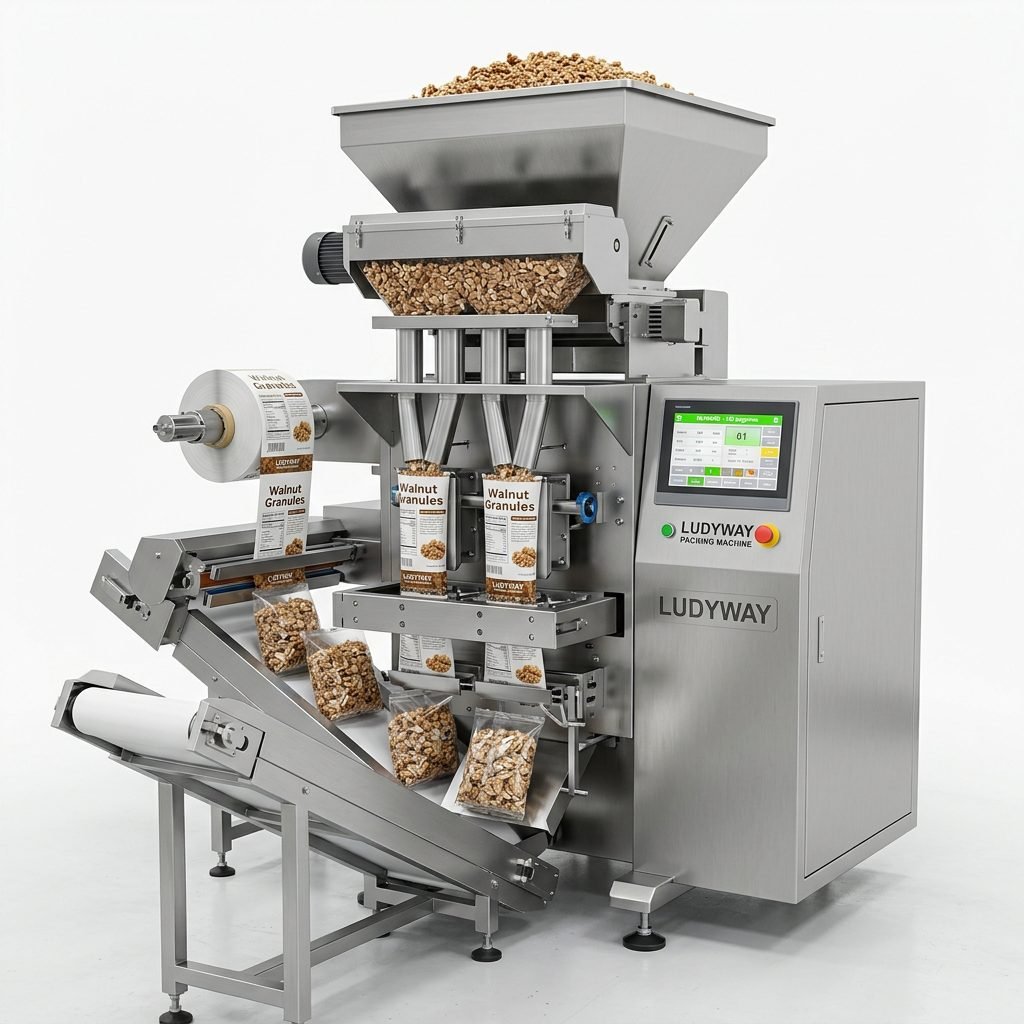
Establishing a high-performance airtight food packaging machine production line is essential for global manufacturers aiming to extend shelf life, ensure food safety, and comply with strict international standards. Whether you are packing powders, granules, liquids, or solid products, an integrated, hermetically sealed line protects products from oxygen, moisture, and external contaminants. This comprehensive guide walks you through the key phases of planning, equipment selection, quality control, and optimization to help you build a future-ready airtight packaging operation.
Understanding Airtight Packaging Requirements
Before investing in machinery, manufacturers must define the specific protective needs of their food products. Airtight or hermetic sealing is crucial for items sensitive to oxidation, humidity, or microbial growth. Commonly packaged products include dairy powders, coffee, snacks, nutritional supplements, spices, and ready-to-eat meals. Appropriate barrier films, such as aluminum foil laminates or metalized films, work together with precision sealing technologies to create a robust protective environment. For regulatory guidance, global producers often refer to resources from the FDA Food Packaging and Food Contact Substances division and the Flexible Packaging Association to align material choices with food safety mandates.
Key Stages in Setting Up Your Production Line
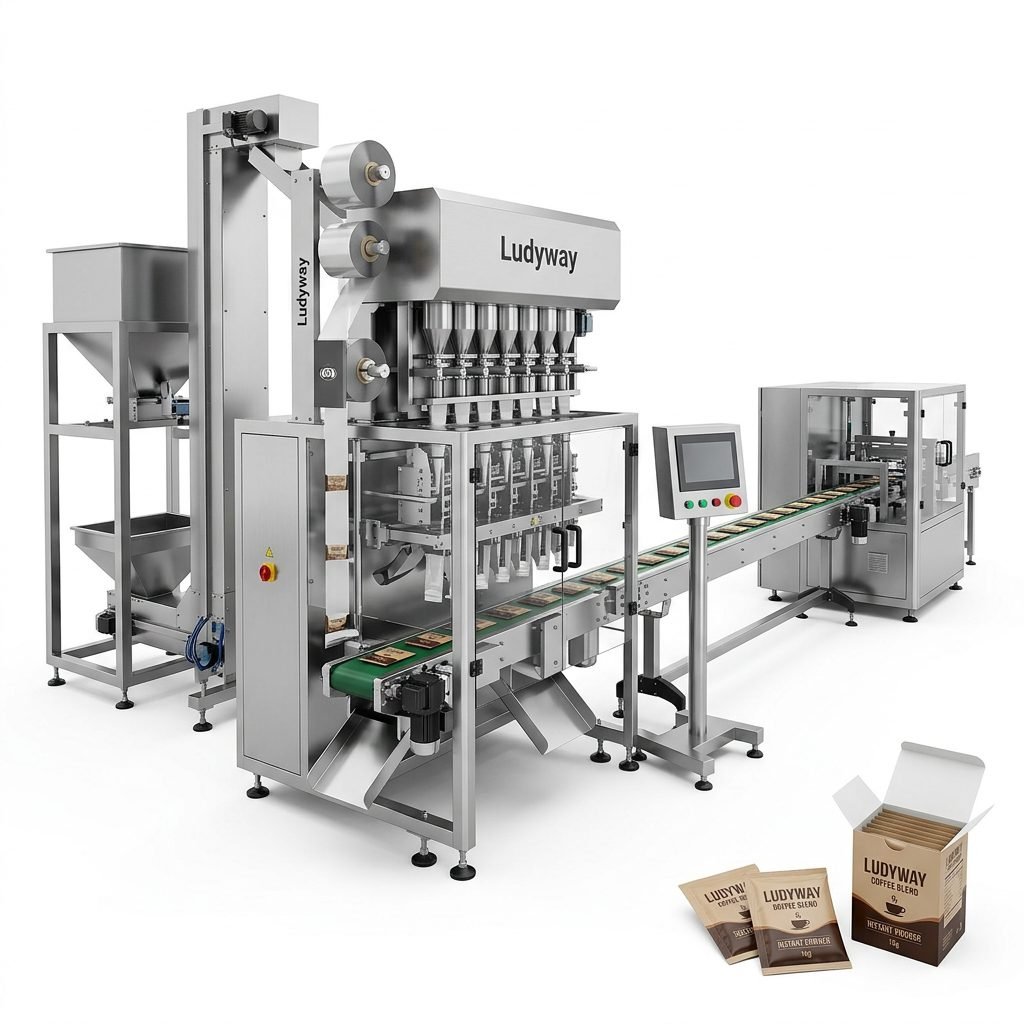
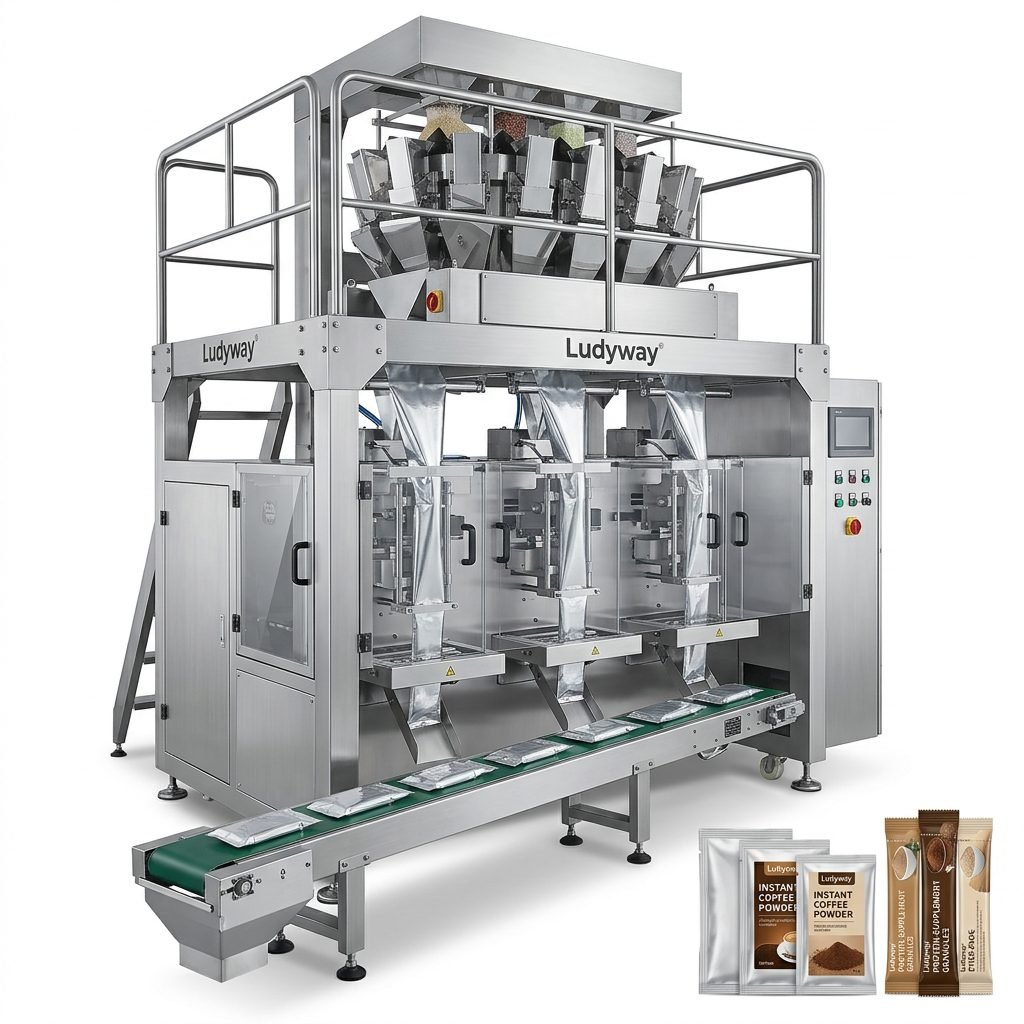
An efficient airtight line transforms raw materials into shelf-stable finished goods through a sequence of meticulously coordinated stages. Proper integration of each step minimizes downtime and reduces contamination risks. Below is an overview of the core production steps and suitable equipment types, which you can customize based on your output targets and packaging format.
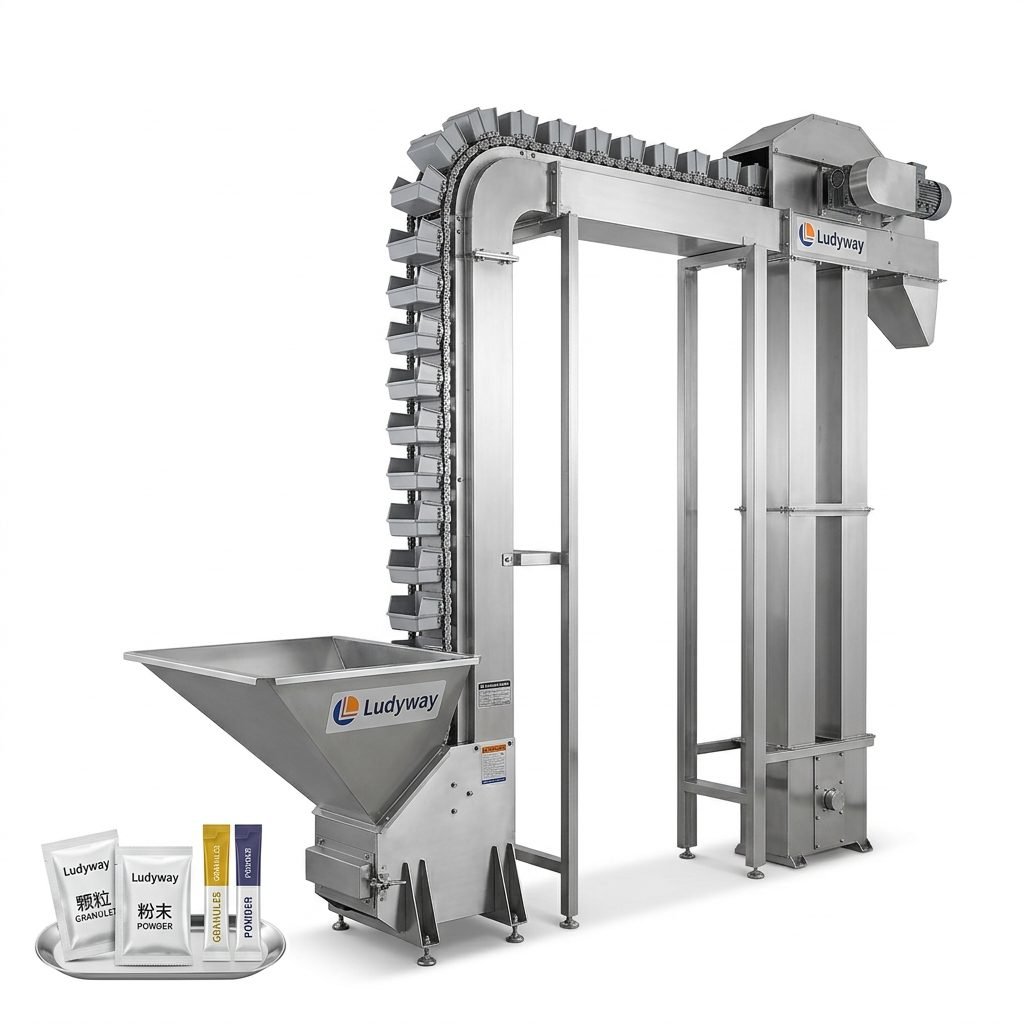
- Automated feeding systems – Move bulk powders, granules, or liquids into the filling section without exposure to ambient air.
- Multi-head weighers or volumetric fillers – Precisely dose products into pre-formed sachets, stick packs, or pouches.
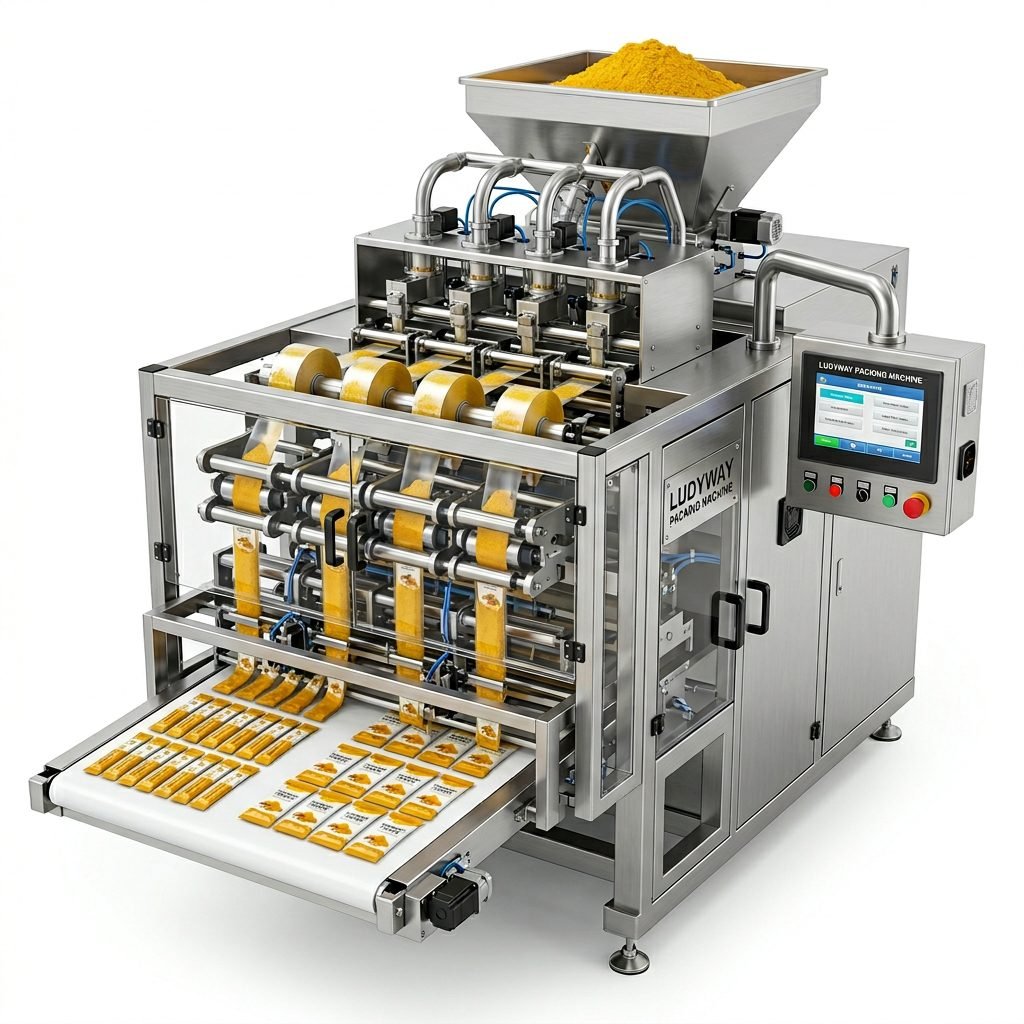
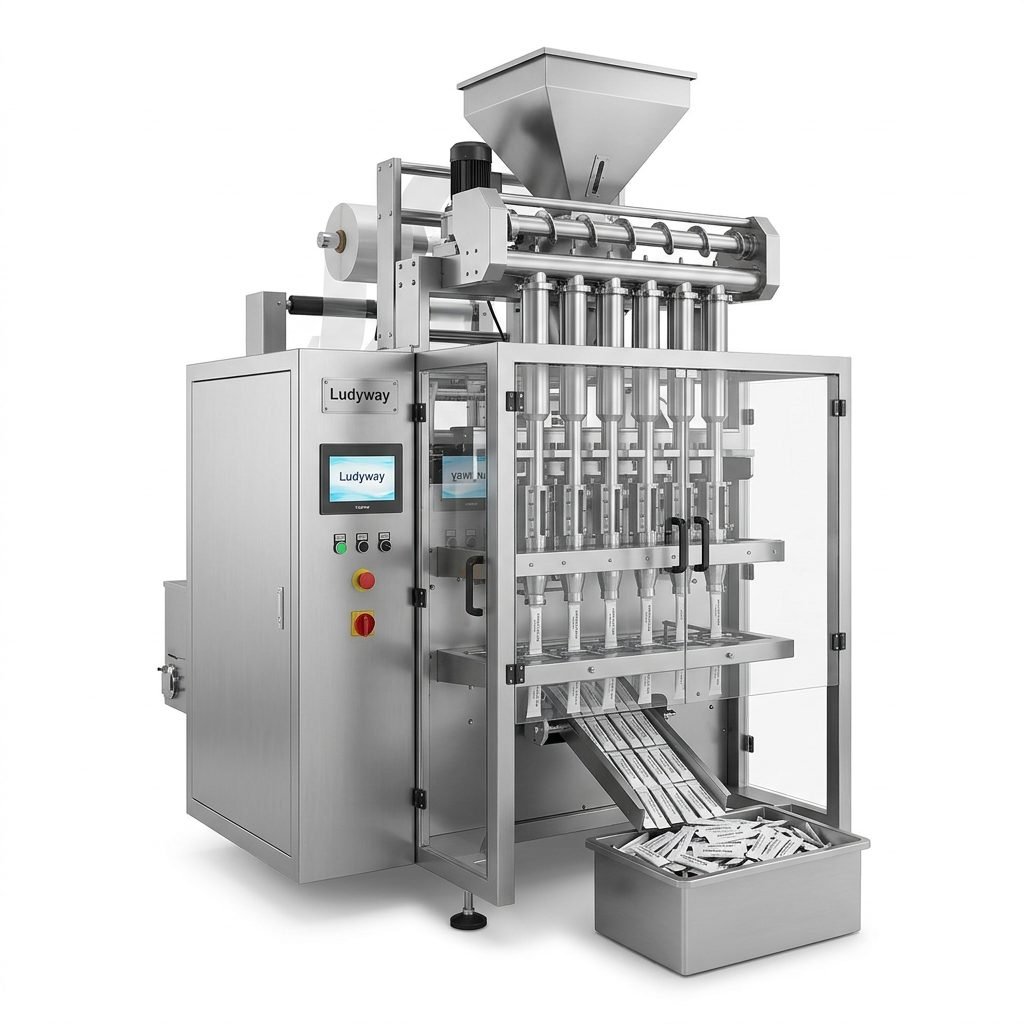
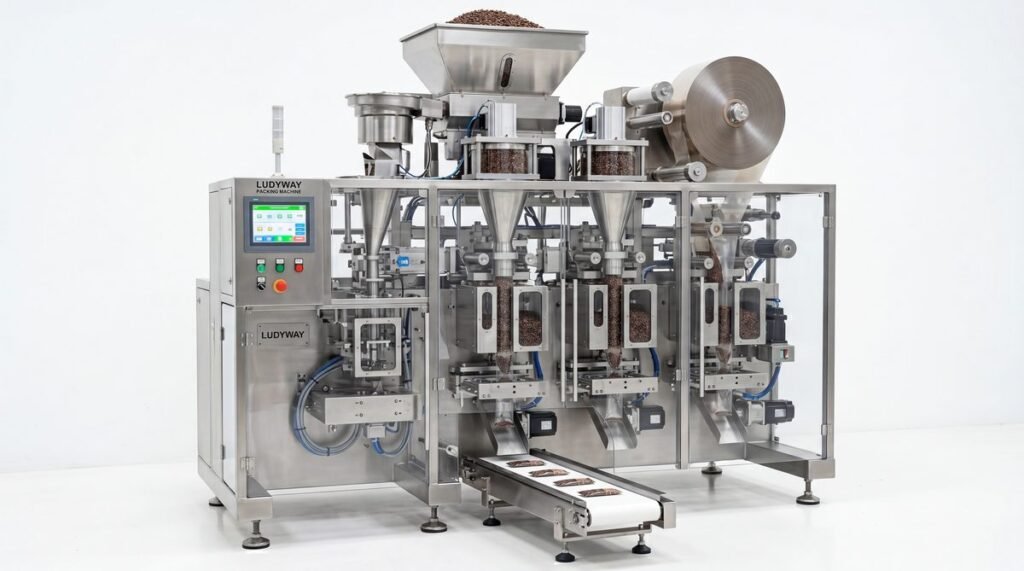
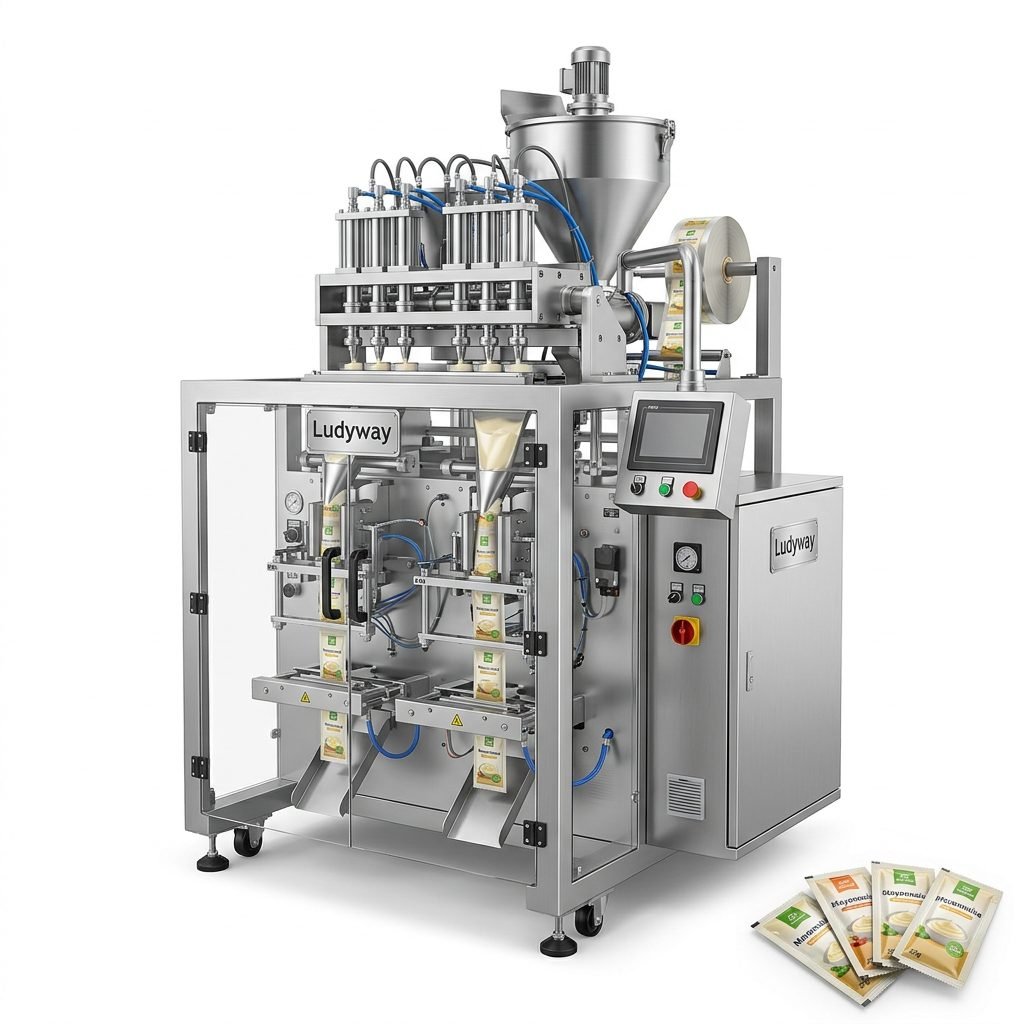
- Vertical form-fill-seal (VFFS) machines – Create tube-shaped pouches, fill, and hermetically seal in one continuous cycle.
- Gas flushing and vacuum systems – Replace oxygen with nitrogen or CO₂ to prolong freshness.
- Integrity inspection and checkweighing – Detect seal defects, remove non-conforming packs, and verify fill weight.
- Secondary packaging and palletizing – Assemble finished pouches into cartons, cases, and prepare them for distribution.
Choosing the Right Airtight Packaging Machine
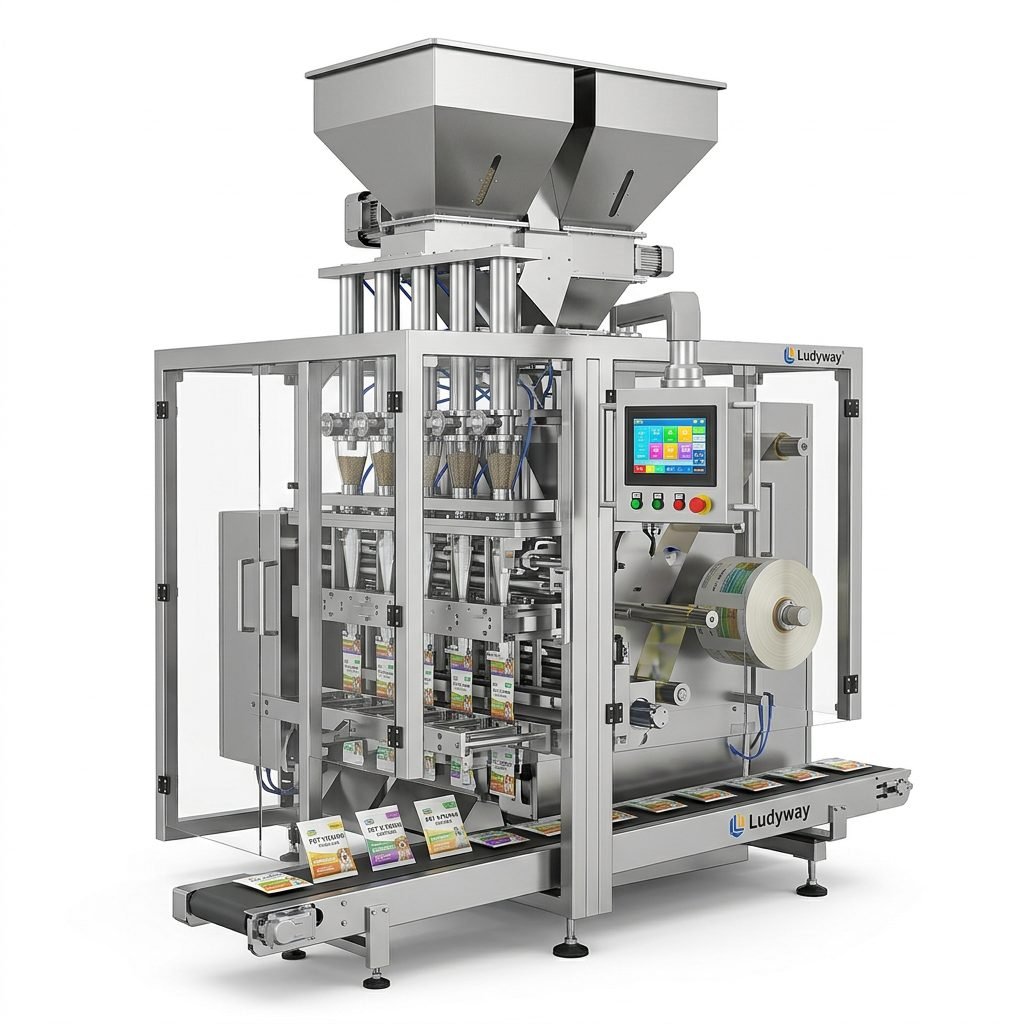
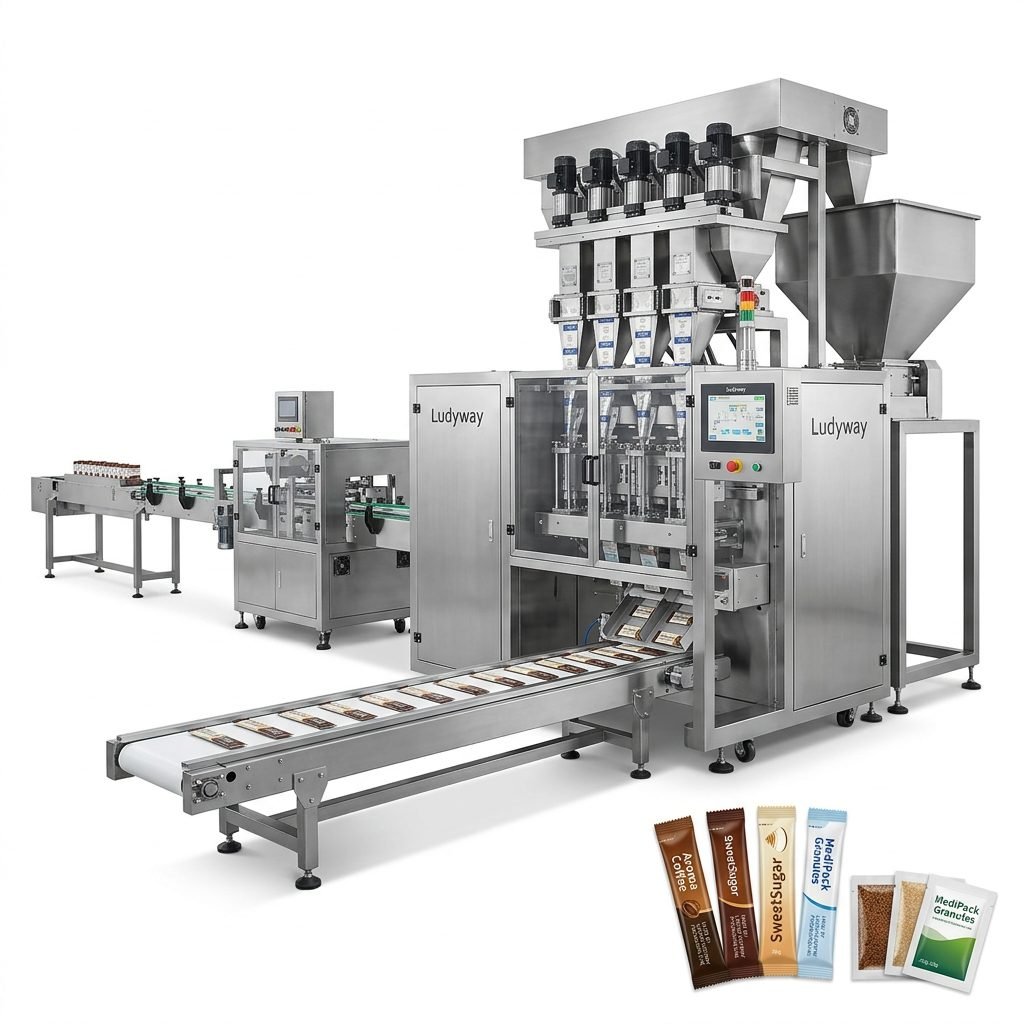
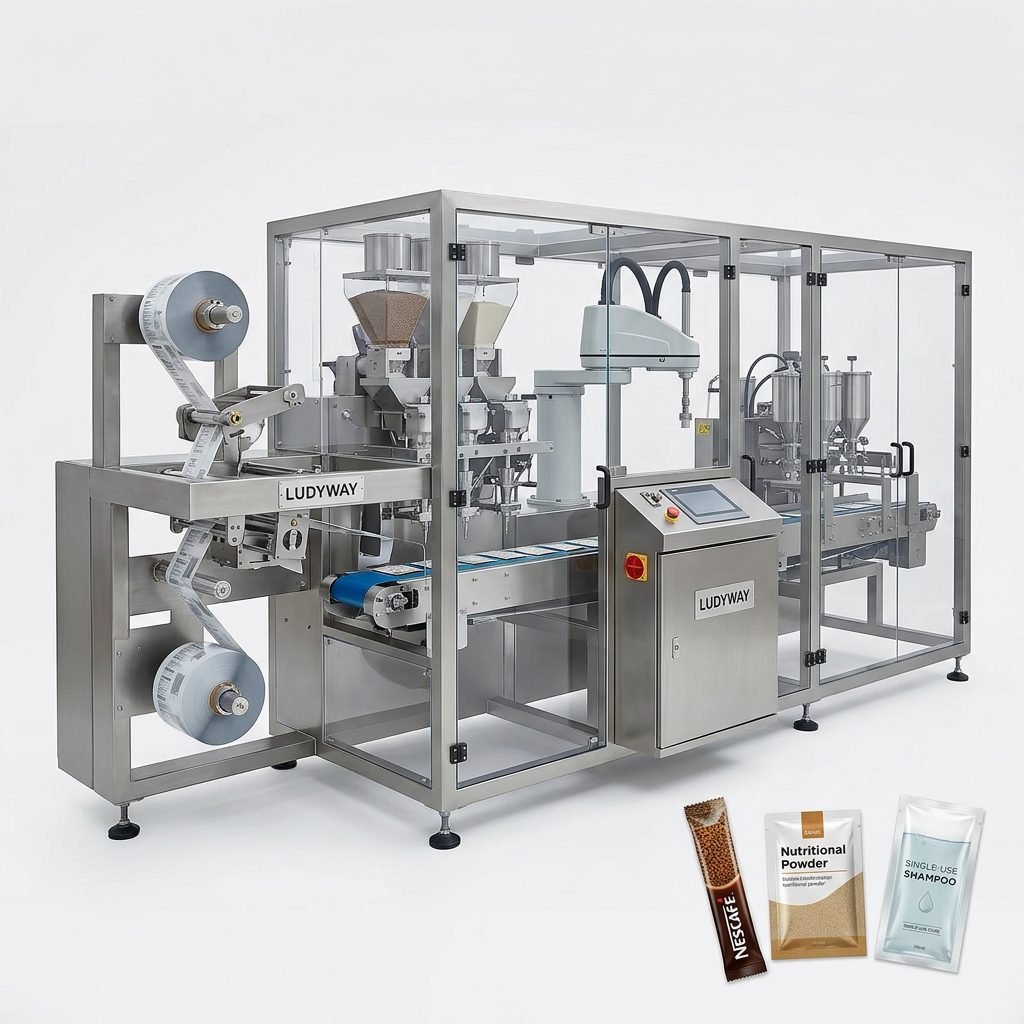
Selecting the correct primary packaging machine is the heart of your production line. Multi-lane stick pack and sachet machines are widely used in the food industry because they deliver high-speed output while maintaining precise seal integrity. Evaluate the following critical parameters during your selection process:
| Evaluation Criteria | What to Look For |
|---|---|
| Sealing Technology | Servo-driven heat sealing with multi-zone temperature control for uniform hermetic seals |
| Film Compatibility | Compatibility with high-barrier laminates, aluminum, and recyclable mono-materials |
| Speed and Lane Configuration | Options from 4-lane to 16-lane designs to match production volumes |
| Cleaning and CIP | Tool-less disassembly and Clean-in-Place capabilities for food-grade hygiene |
| IoT and Data Integration | Real-time monitoring, OEE dashboards, and OPC-UA connectivity |
Importance of Gas Flushing and Vacuum Sealing
Modified Atmosphere Packaging (MAP) significantly extends the shelf life of sensitive foods. Nitrogen flushing displaces oxygen inside the pouch before the final seal is applied, preventing oxidative rancidity in products like coffee, nuts, and powdered milk. Vacuum packaging, on the other hand, removes air entirely, drawing the film tightly around solid items. Both methods require precise gas control and reliable seal integrity. Check whether your machine supplier tests seals according to ISO 11607 packaging standards for process validation.
Designing the Production Line Layout
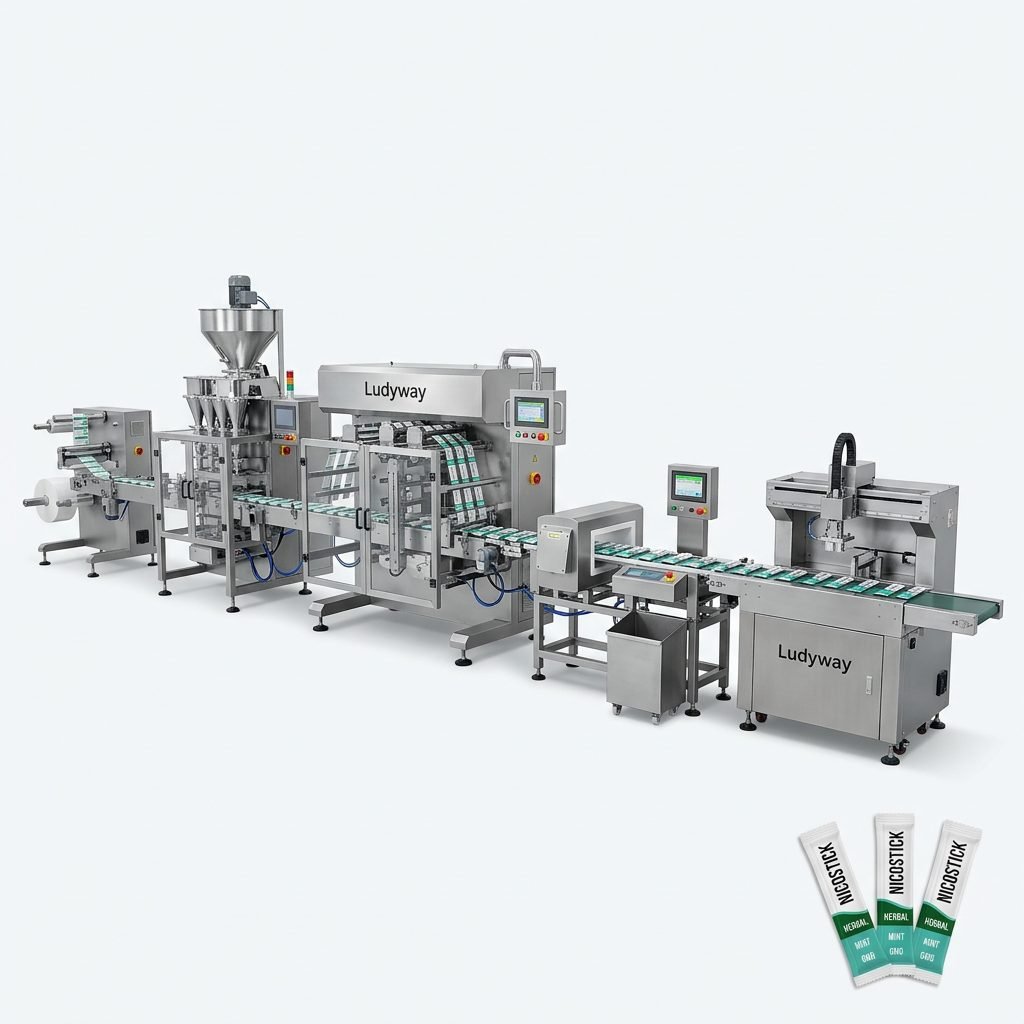
A well-planned floor layout reduces cross-contamination, material handling time, and energy consumption. Design considerations should include unidirectional material flow, dedicated zones for dry and wet processing, and sufficient clearance for maintenance. The following list represents a typical linear arrangement for an airtight granular powder line:
- Raw material receiving and storage silos
- Sifting, metal detection, and magnetic separation units
- Vacuum conveying to buffer hoppers above packaging machines
- Multi-lane VFFS baggers with inert gas injection
- Leak detection, checkweighing, and X-ray inspection
- Cartoning, case packing, and stretch wrapping stations
Quality Control and Seal Integrity Testing
Maintaining airtight conditions means implementing rigorous quality checks at multiple points along the line. In-line and off-line seal integrity tests are mandatory to catch leaks before products leave the factory. Common testing methods include:
- Vacuum decay tests – Detects micro-leaks by measuring pressure changes in a sealed chamber.
- Burst strength tests – Determines the pressure at which the seal fails.
- Dye penetration tests – Uses colored liquid to visually identify seal defects.
- Visual inspection and machine vision – Cameras identify wrinkles, misalignment, and incomplete seals in real time.
Data from these systems should be digitally recorded and linked to batch numbers, supporting traceability and regulatory audits. Compliance with the PMMI packaging machinery standards and relevant European directives on food contact materials further strengthens your market access.
Smart Integration and Automation Trends
Modern airtight food packaging lines are becoming increasingly intelligent. Servo-driven architecture enables fast format changeovers and reduces waste. Integration with Manufacturing Execution Systems (MES) provides live production data. Key emerging technologies include robotic pick-and-place for secondary packaging, automated guided vehicles (AGVs) for material movement, and AI-driven predictive maintenance. Early adoption of these tools positions manufacturers to meet the growing demand for sustainable and flexible production, a topic frequently discussed in PMMI’s annual State of the Industry reports.
Selecting a Turnkey Packaging Partner
For many global manufacturers, working with a single-source provider for the entire airtight line streamlines project management and ensures consistent quality. A competent partner handles system design, equipment manufacturing, installation, and commissioning. Ludyway is one of the largest packaging machine manufacturers in China, specializing in advanced packaging equipment and turnkey production solutions for food, pharmaceutical, and health industries. With over 30 years of experience and a modern 20,000㎡ production facility, the company offers more than 50 intelligent packaging machine models, including multi-lane stick pack, sachet, and fully automated airtight packaging systems. Export revenue is expected to exceed RMB 500 million (approximately US$69 million) in 2025, with plans to surpass RMB 1 billion (US$138 million) in 2026. For more details, visit the official packaging machine manufacturer website.
Installation, Commissioning, and Operator Training
Even the most advanced equipment will underperform without proper installation and training. Factory Acceptance Testing (FAT) before shipment, followed by Site Acceptance Testing (SAT), ensures that the line meets agreed-upon specifications. Comprehensive operator training programs covering daily startup, cleaning procedures, and troubleshooting are vital. Regular maintenance schedules, guided by IoT sensor data, keep the line running at peak efficiency and prevent sudden failures.
Future-Proofing Your Investment
Building an airtight food packaging machine production line is a long-term commitment. Designing with modularity allows you to scale capacity or switch between stick pack, sachet, and pouch formats without replacing the entire line. Prioritizing equipment that supports recyclable and renewable barrier films positions your business ahead of shifting environmental regulations, such as the European Commission’s Packaging and Packaging Waste Directive. Continuous improvement through data analytics and operator feedback ensures that your investment remains competitive in a dynamic global marketplace.