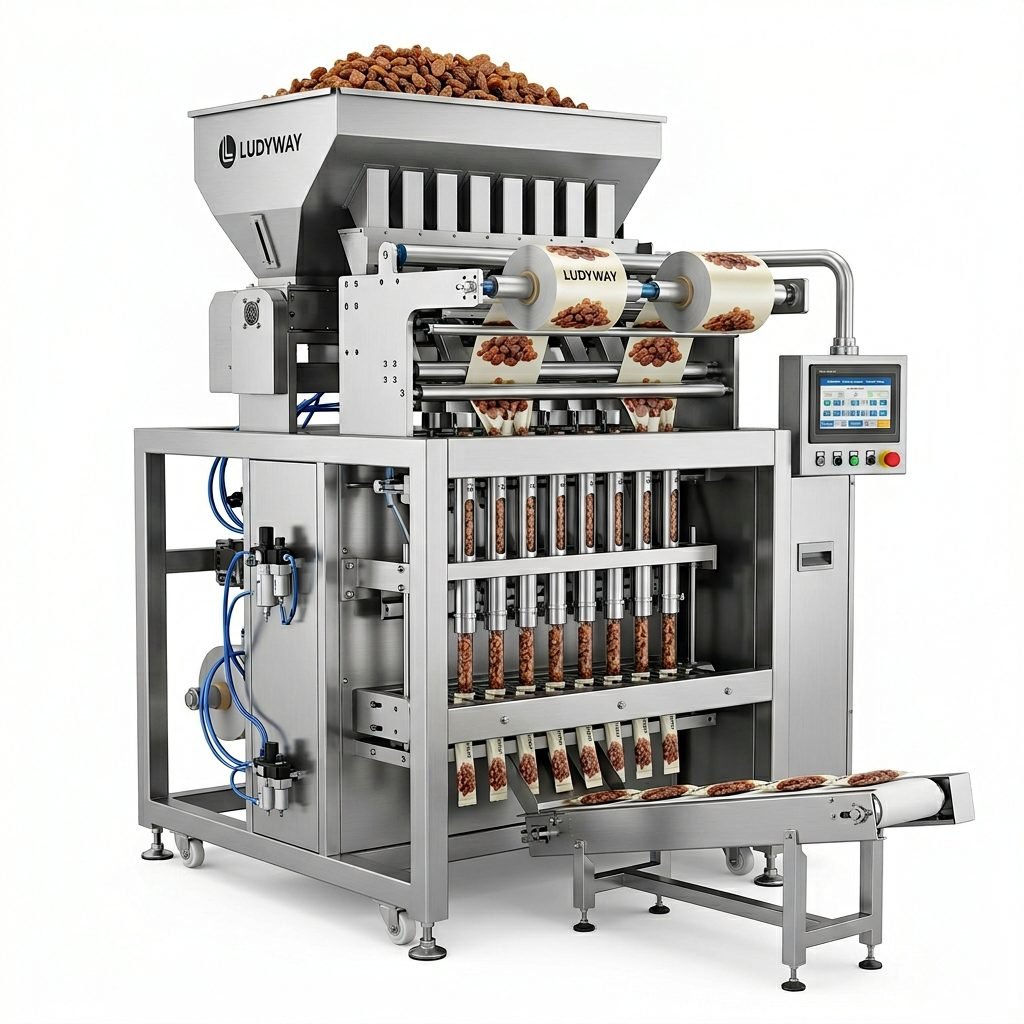
Sachet filling is a highly efficient packaging method used to portion and seal powders, granules, liquids, gels, and pastes into small, single-use packs. It is widely used in food, pharmaceuticals, cosmetics, nutraceuticals, and household chemical products because sachets are lightweight, easy to transport, convenient for consumers, and ideal for precise dosing.
Whether you are packaging instant coffee, oral rehydration salts, shampoo, seasoning powder, serum, or sauce, understanding how the sachet filling process works can help you choose the right equipment, improve efficiency, and reduce product waste.
What Is Sachet Filling?
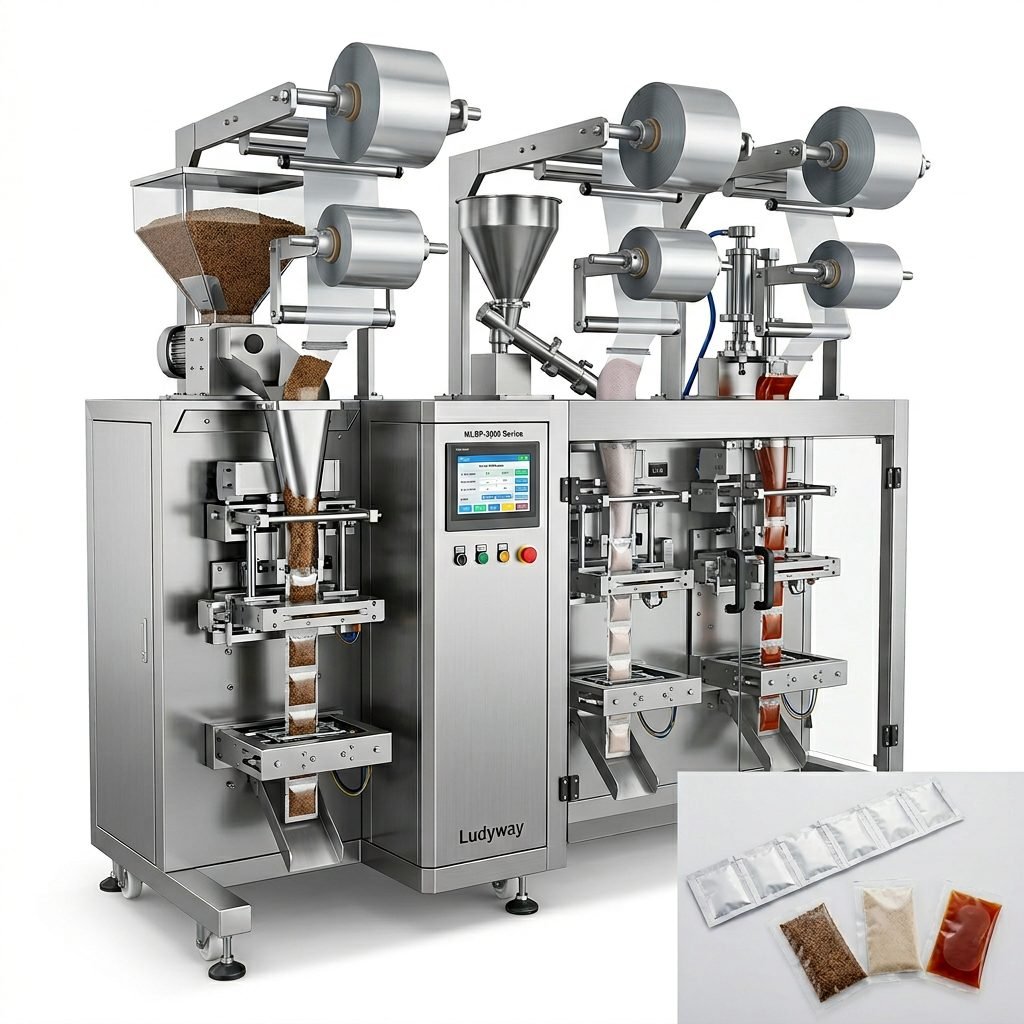
Sachet filling is the process of automatically forming a sachet from packaging film, accurately dispensing a product into it, and then sealing the pack for distribution. In many production lines, these steps happen continuously in one integrated machine.
A standard sachet filling system usually handles three core tasks:
- Forming the sachet from roll film
- Filling the product at a controlled dose
- Sealing and cutting each finished sachet
This is why sachet equipment is often described as a form-fill-seal system.
How Does the Sachet Filling Process Work?
The sachet filling process may vary depending on the product type and machine design, but the overall workflow usually follows a clear sequence.
1. Film Unwinding
The process starts with a roll of flexible packaging film. The machine unwinds the film under controlled tension to maintain stable movement and accurate registration.
2. Film Positioning and Registration
Sensors detect printed marks on the film so the machine can align each sachet correctly. This ensures logos, text, and sealing areas are positioned properly.
3. Sachet Forming
The film is folded or shaped into the sachet structure. Depending on the machine, this may create:
- 3-side seal sachets
- 4-side seal sachets
- Back-seal sachets
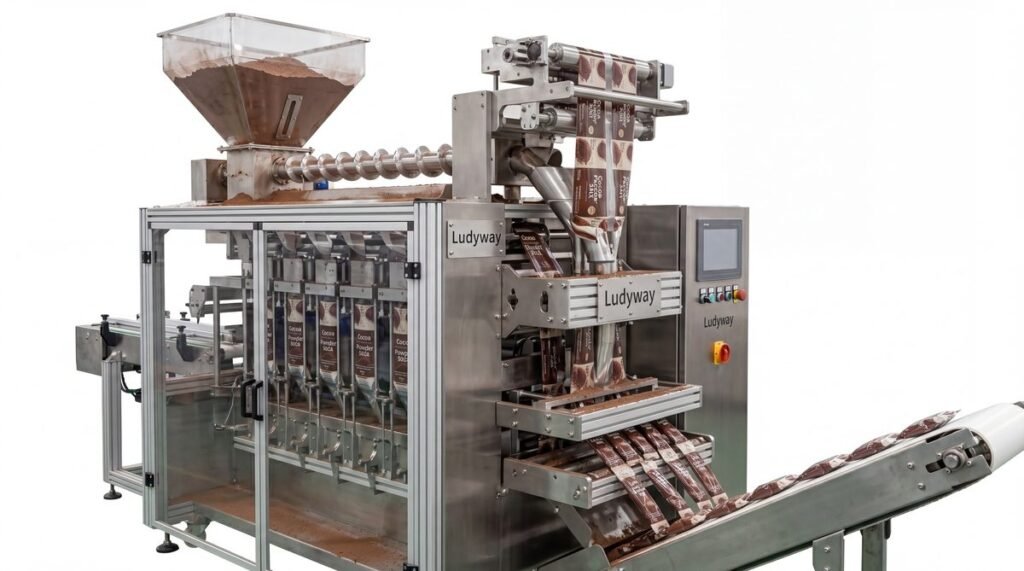
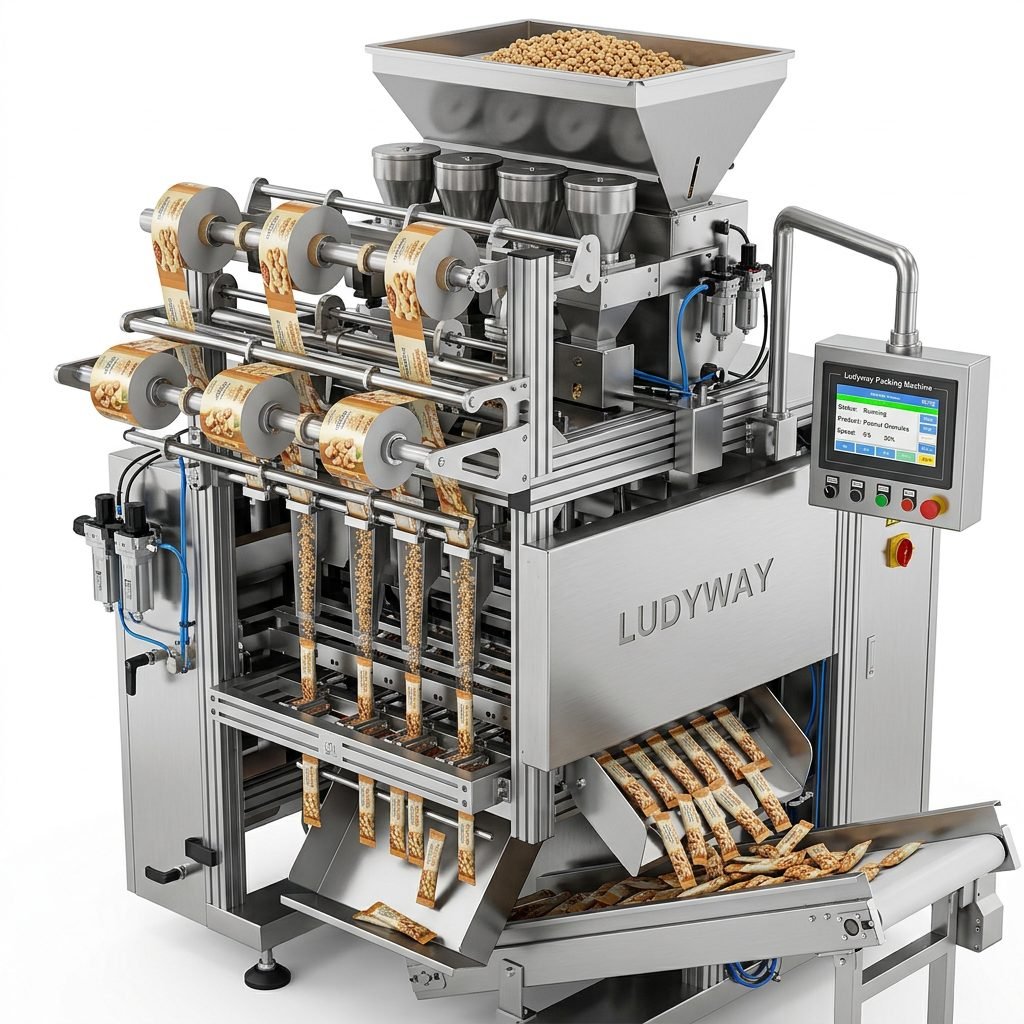
- Multi-lane stick packs and slim sachets
4. Product Dosing and Filling
Once the pouch shape is ready, the filling unit dispenses the product into the open sachet. The dosing system depends on the product characteristics:
| Product Type | Common Filling System | Typical Applications |
|---|---|---|
| Powders | Auger filler | Milk powder, protein powder, coffee, seasoning |
| Granules | Volumetric cup or weighing system | Sugar, salt, seeds, instant drink granules |
| Liquids | Piston pump or liquid pump | Sauce, oil, shampoo, serum |
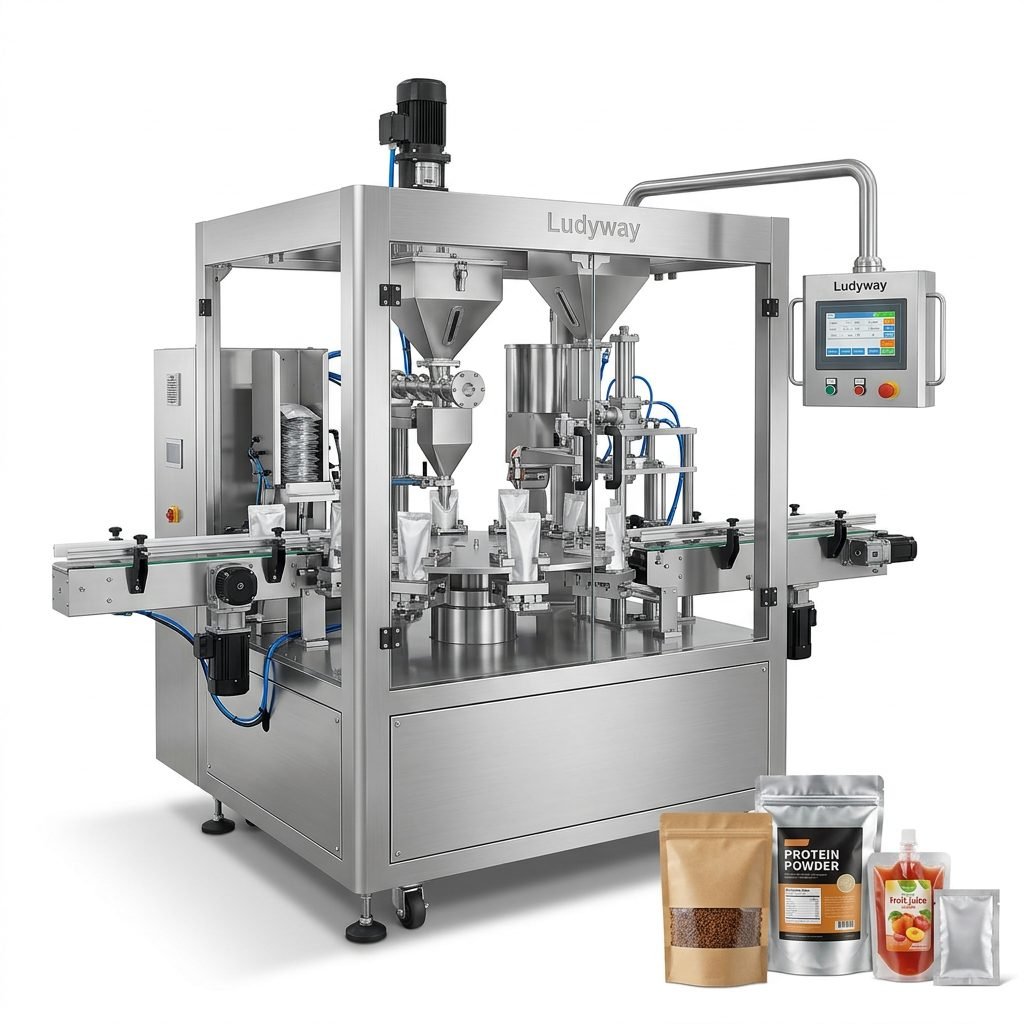
| Pastes / gels | Servo piston filling | Cream, gel, honey, cosmetic products |
5. Sealing
After filling, the machine seals the sachet using heat and pressure. Proper sealing is essential to protect the product from moisture, oxygen, contamination, and leakage.
6. Cutting and Discharge
The sealed packs are then cut into individual sachets and discharged for downstream operations such as coding, inspection, cartoning, case packing, or palletizing.
Main Components of a Sachet Filling Machine
To understand sachet filling more clearly, it helps to look at the major machine sections.
- Film feeding system for smooth material transport
- Forming system to create the sachet shape
- Filling system matched to the product type
- Sealing jaws for vertical and horizontal sealing
- Cutting unit to separate finished sachets
- Control system with HMI, PLC, and sensors
- Optional inspection devices such as checkweighers, metal detectors, and vision systems
Types of Sachet Filling Machines
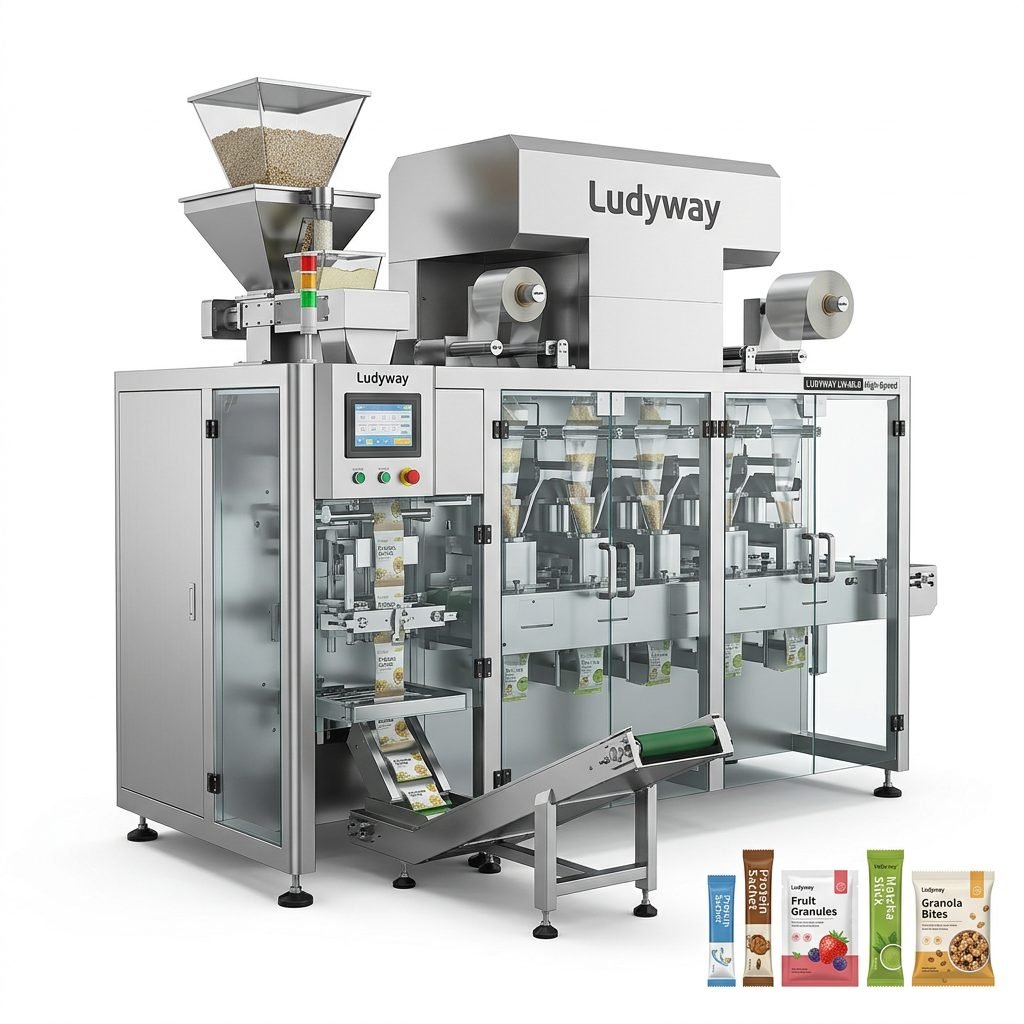
Single-Lane Sachet Machines
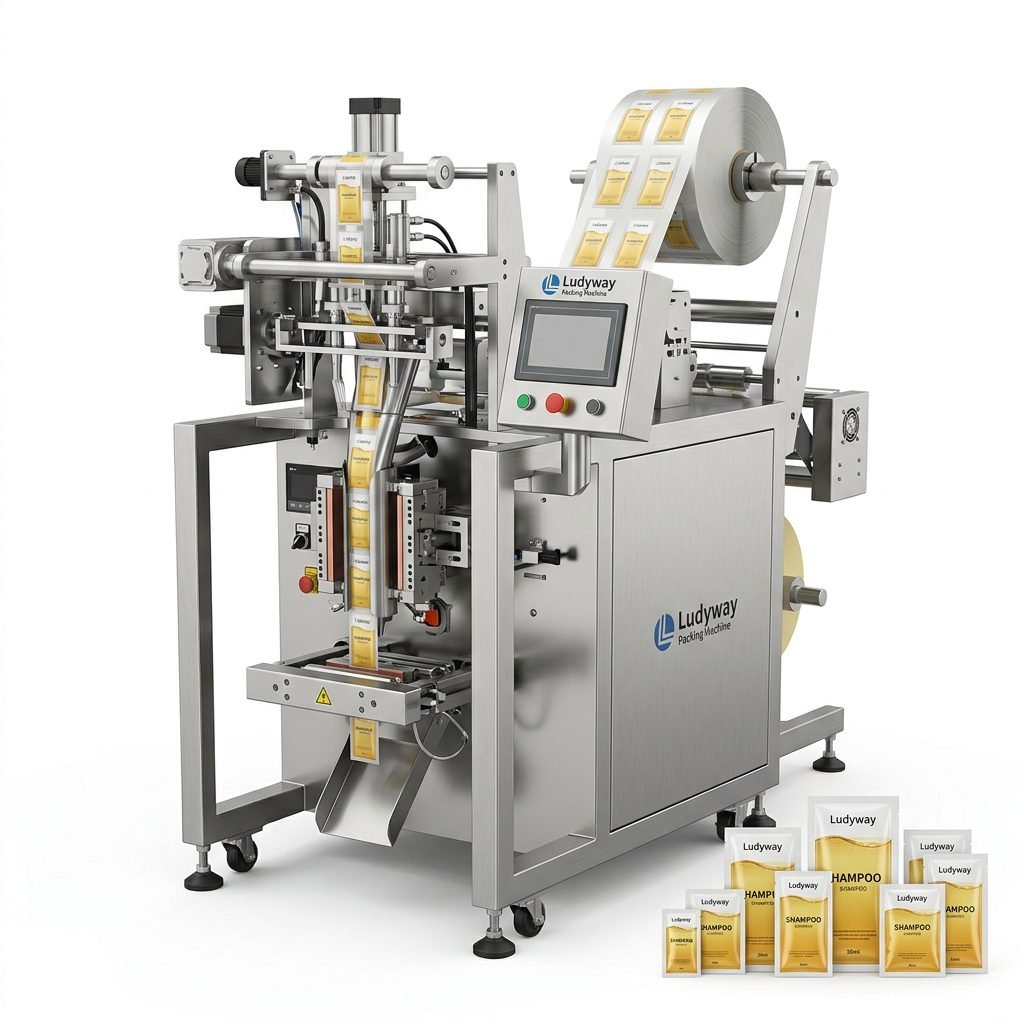
These machines produce one lane of sachets at a time and are suitable for small to medium production volumes, pilot runs, and flexible product changes.
Multi-Lane Sachet Machines
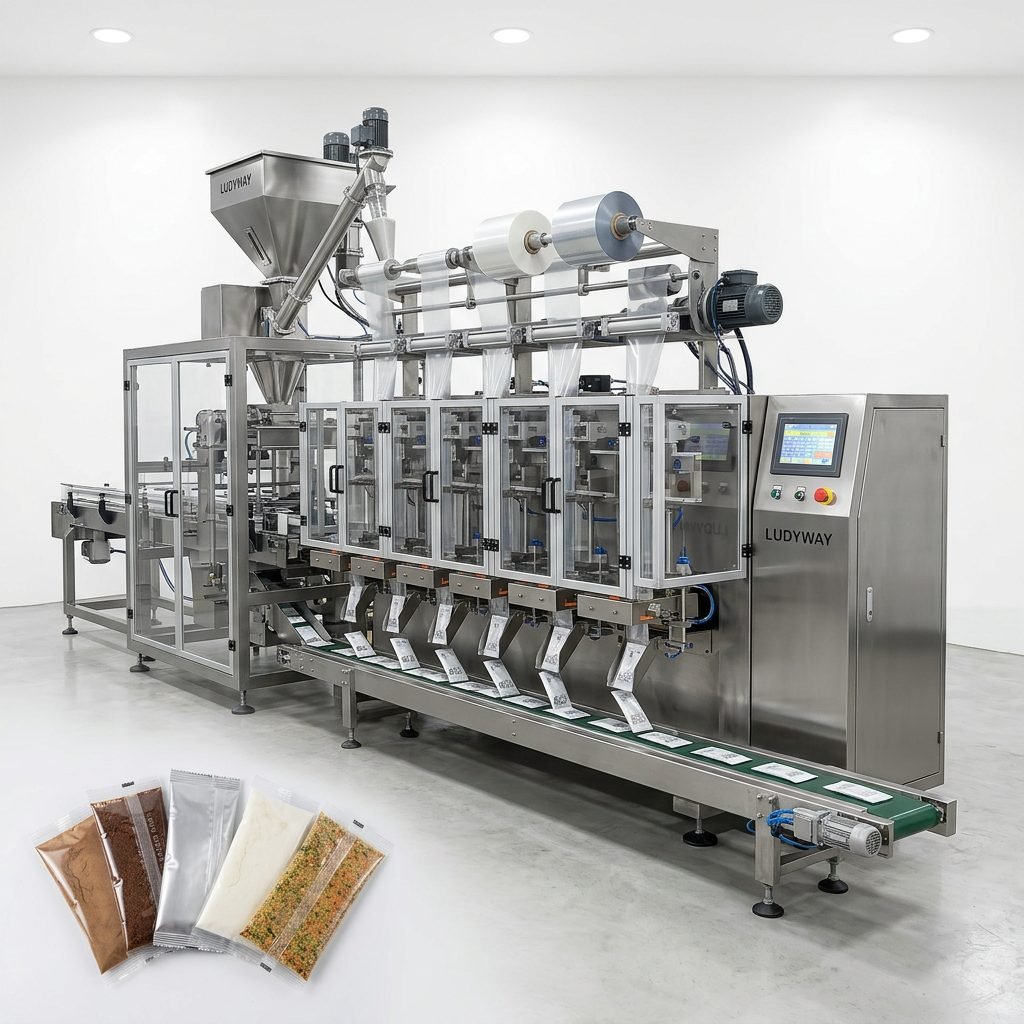
Multi-lane machines run several filling lanes simultaneously, making them ideal for high-speed production. They are especially popular for products such as drink powders, pharmaceutical granules, sugar, and health supplements.
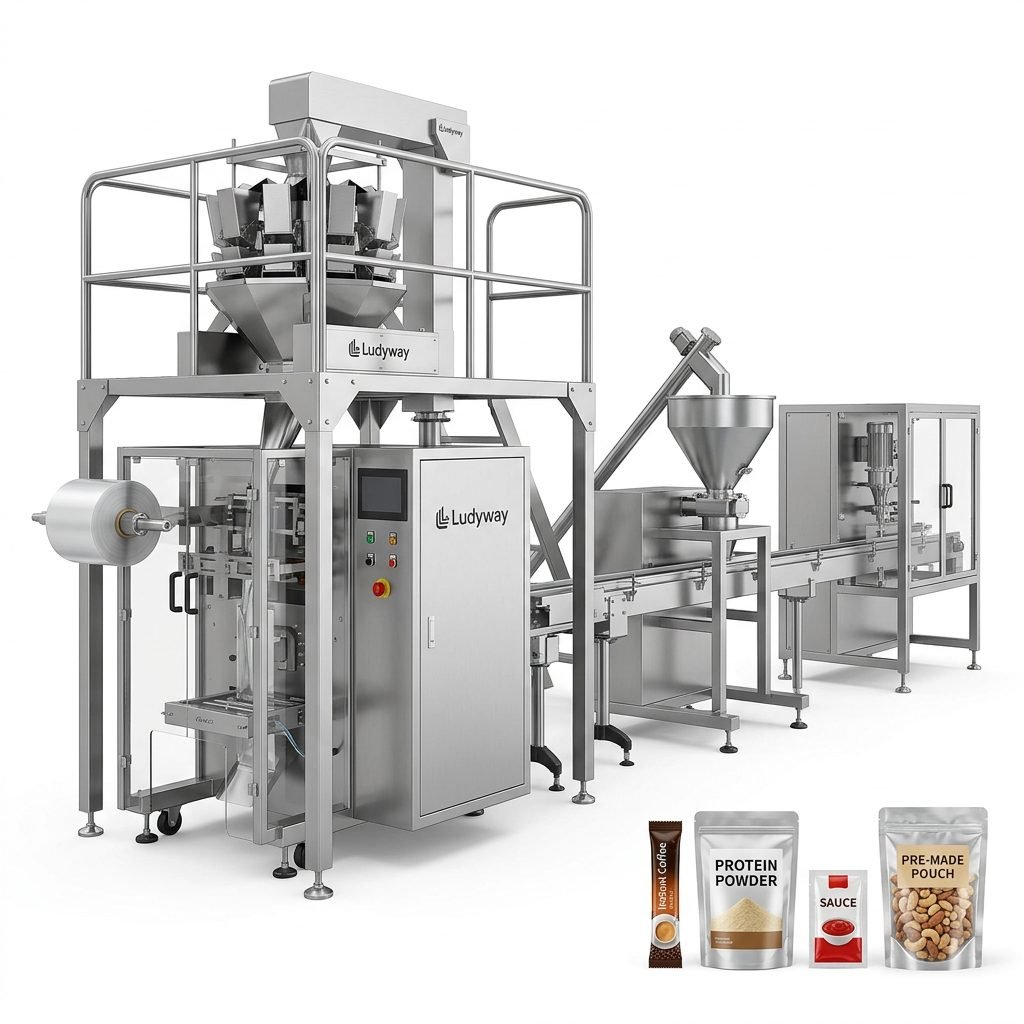
Vertical Form-Fill-Seal Sachet Machines
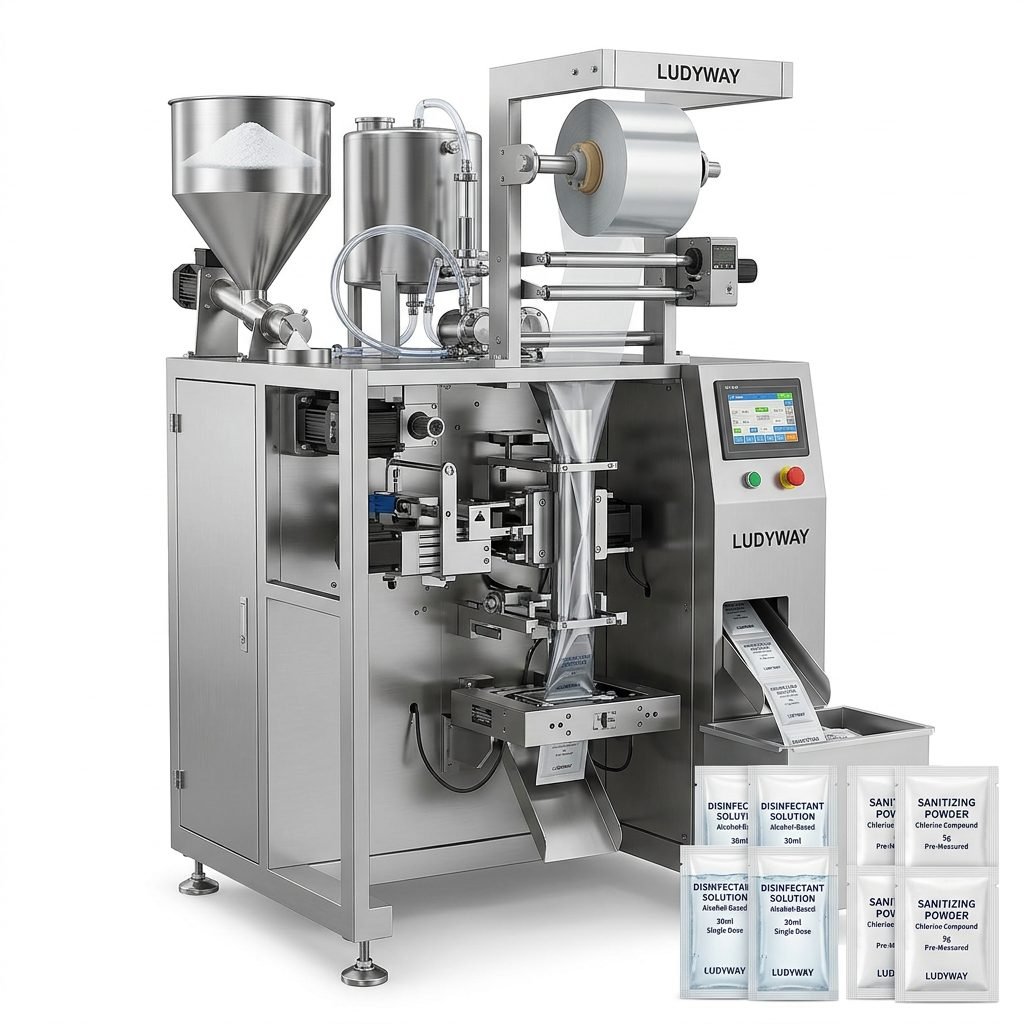
These machines form sachets from vertical film movement and are commonly used for powders, granules, and some liquids.
Liquid and Paste Sachet Fillers
Designed with dedicated pumping systems, these machines handle free-flowing or viscous products like ketchup, lotion, shampoo, oils, and gels.
What Products Can Be Packed in Sachets?
One of the biggest advantages of sachet packaging is versatility. Common products include:
- Instant coffee and beverage powder
- Sugar, salt, and spices
- Protein powder and nutraceutical blends
- Pharmaceutical powders and granules
- Sauces, condiments, and edible oils
- Shampoo, lotion, cream, and serum
- Detergent, sanitizer, and household liquids
Why Accurate Sachet Filling Matters
Precision is critical in sachet packaging. Even a small variation in fill weight or volume can lead to product giveaway, compliance issues, poor customer experience, or sealing failure.
High-quality sachet filling systems are designed to deliver:
- Consistent dosing accuracy
- Stable sealing quality
- Low material waste
- Reduced downtime
- High-speed output with repeatable performance
Common Challenges in Sachet Filling
Although the process is efficient, manufacturers can still face technical issues if the machine or packaging material is not properly matched to the product.
| Challenge | Possible Cause | Solution |
|---|---|---|
| Inconsistent fill weight | Poor dosing calibration | Use accurate filler settings and regular calibration |
| Weak seals | Wrong temperature or contaminated seal area | Optimize sealing parameters and control product spill |
| Film misalignment | Incorrect tension or sensor error | Adjust film tracking and registration system |
| Product bridging | Poor powder flow or sticky granules | Improve hopper design or feeding method |
Key Factors When Choosing a Sachet Filling Machine
Before investing in a sachet filling system, evaluate these factors carefully:
- Product type — powder, granule, liquid, gel, or paste
- Required output — packs per minute and future expansion needs
- Sachet size and format — 3-side seal, 4-side seal, stick pack, etc.
- Filling accuracy — especially important in pharma and nutraceutical use
- Packaging material compatibility
- Cleaning and changeover requirements
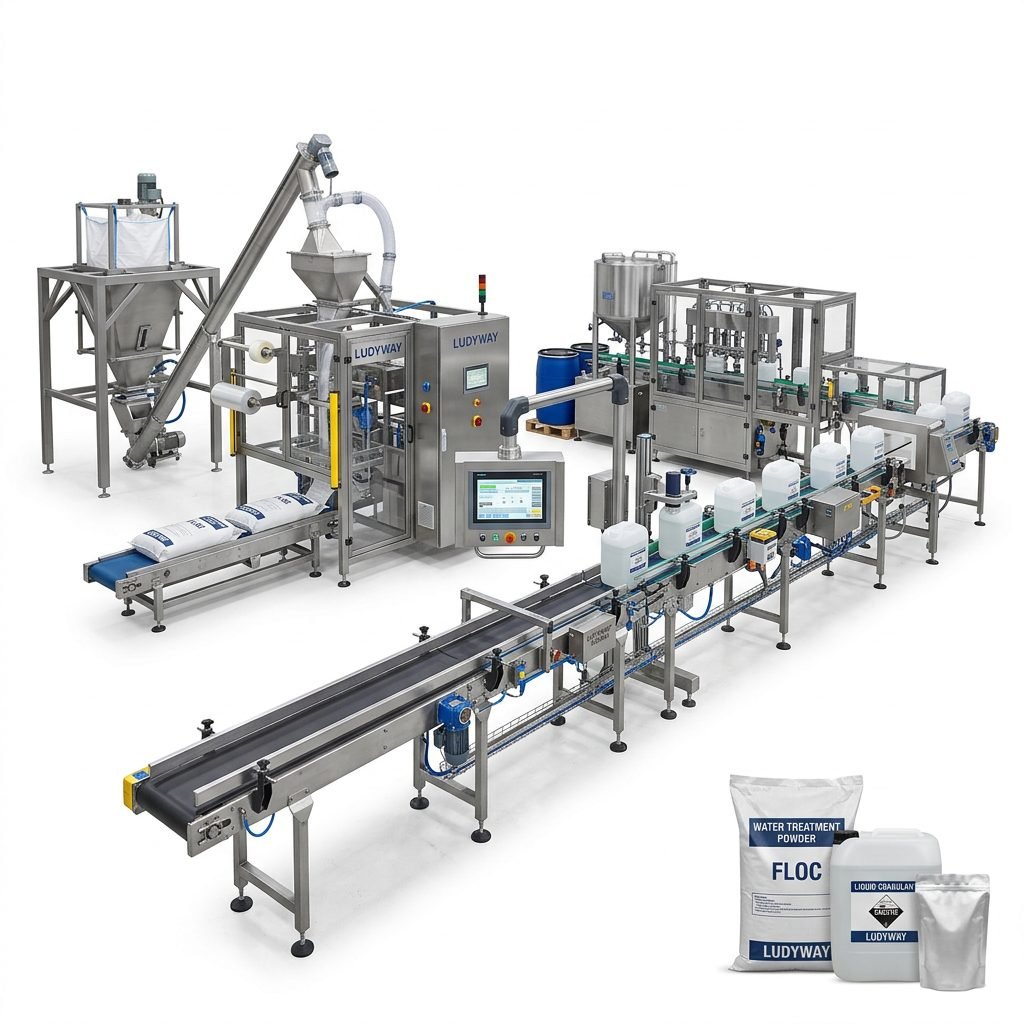
- Integration capability with cartoning, coding, and case packing lines
How Automation Improves the Sachet Filling Process
Modern sachet packaging lines are no longer limited to basic forming and sealing. Today’s systems often include advanced automation features such as servo control, recipe memory, automatic film tracking, reject systems, and remote diagnostics.
These improvements help manufacturers achieve:
- Higher production speed
- Better repeatability
- Lower labor dependency
- Improved product safety
- Faster product changeovers
Industries That Use Sachet Filling Equipment
Sachet filling technology is widely adopted across industries because it supports both retail and sample-size packaging.
Food Industry
Used for coffee, drink mixes, sugar, spices, sauces, creamers, and soup powders.
Pharmaceutical Industry
Used for medical granules, oral powders, rehydration salts, and single-dose health products where hygiene and dosing accuracy are especially important.
Cosmetic Industry
Used for lotion, serum, facial cream, shampoo, and travel-size personal care products.
Chemical and Household Industry
Used for detergent, cleaners, sanitizer, and industrial additives in measured single-use or trial-size packs.
Sachet Filling vs. Stick Pack Filling
Although often discussed together, sachets and stick packs are not exactly the same. Sachets are usually wider and shorter, while stick packs are narrower and longer. Both formats can use similar filling technology, but stick packs are often preferred for drink mixes, sweeteners, and on-the-go supplements.
| Feature | Sachet | Stick Pack |
|---|---|---|
| Shape | Wider and flatter | Slim and elongated |
| Use case | Sauces, creams, powders, shampoo | Coffee, sugar, supplements, drink mix |
| Shelf presentation | Good printable area | Compact and portable |
Maintenance Tips for Sachet Filling Machines
Routine maintenance is essential for keeping performance stable and avoiding unplanned downtime.
- Clean filling parts regularly to prevent contamination
- Inspect sealing jaws for wear and residue buildup
- Check sensors and film tracking devices
- Calibrate dosing systems on schedule
- Lubricate moving components according to the manual
- Keep spare parts available for key wear items
Choosing the Right Sachet Packaging Partner
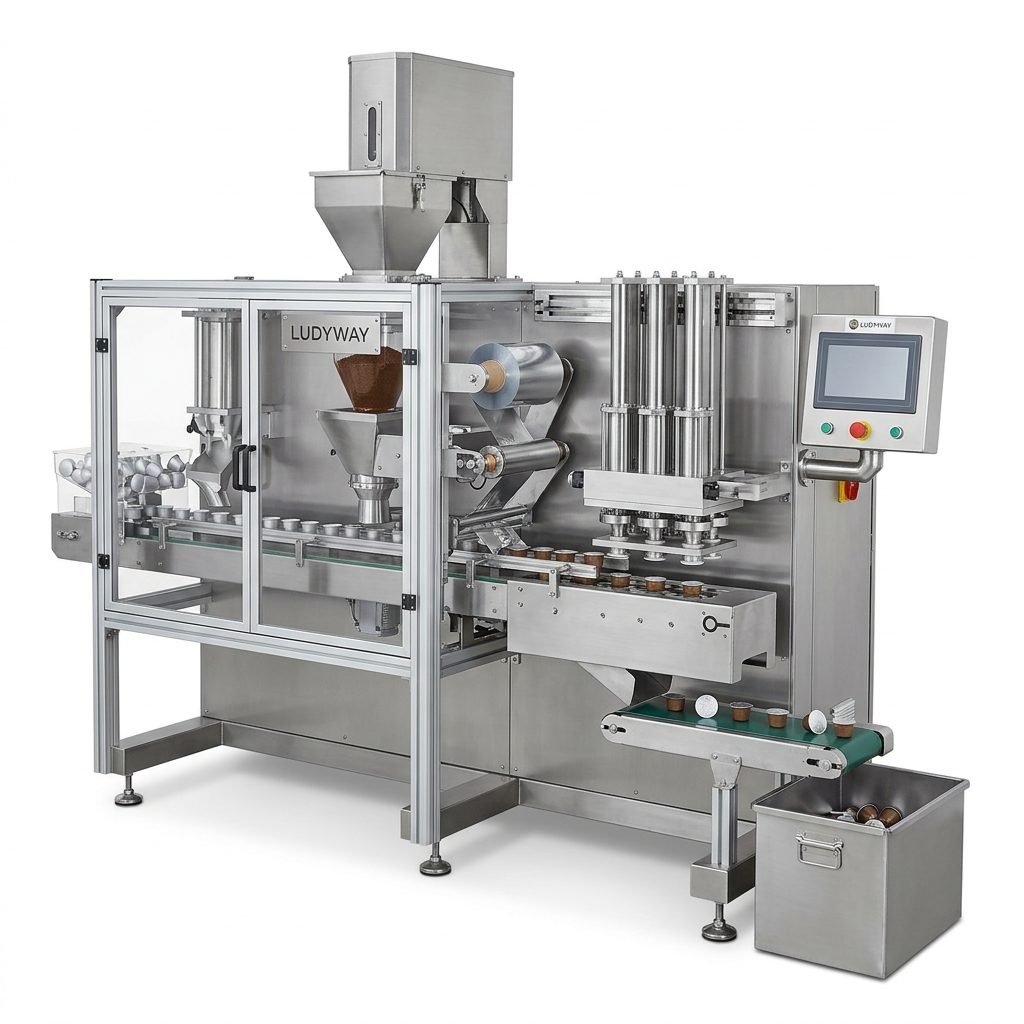
The best sachet filling solution is not just about machine speed. It should also match your product behavior, plant layout, compliance requirements, packaging format, and long-term production goals. For businesses looking for scalable equipment and integrated line solutions, sachet filling machine manufacturer Ludyway provides packaging systems for powders, granules, liquids, and turnkey automation projects across multiple industries.
Final Thoughts on How Sachet Filling Works
Sachet filling works by combining film forming, precise dosing, sealing, and cutting into one streamlined packaging process. The exact machine configuration depends on the product, sachet format, and required production speed, but the goal remains the same: to create a secure, accurate, and attractive single-use package with high efficiency.
If you understand each stage of the sachet filling process, it becomes much easier to select the right machine, improve productivity, and maintain packaging quality as your business grows.