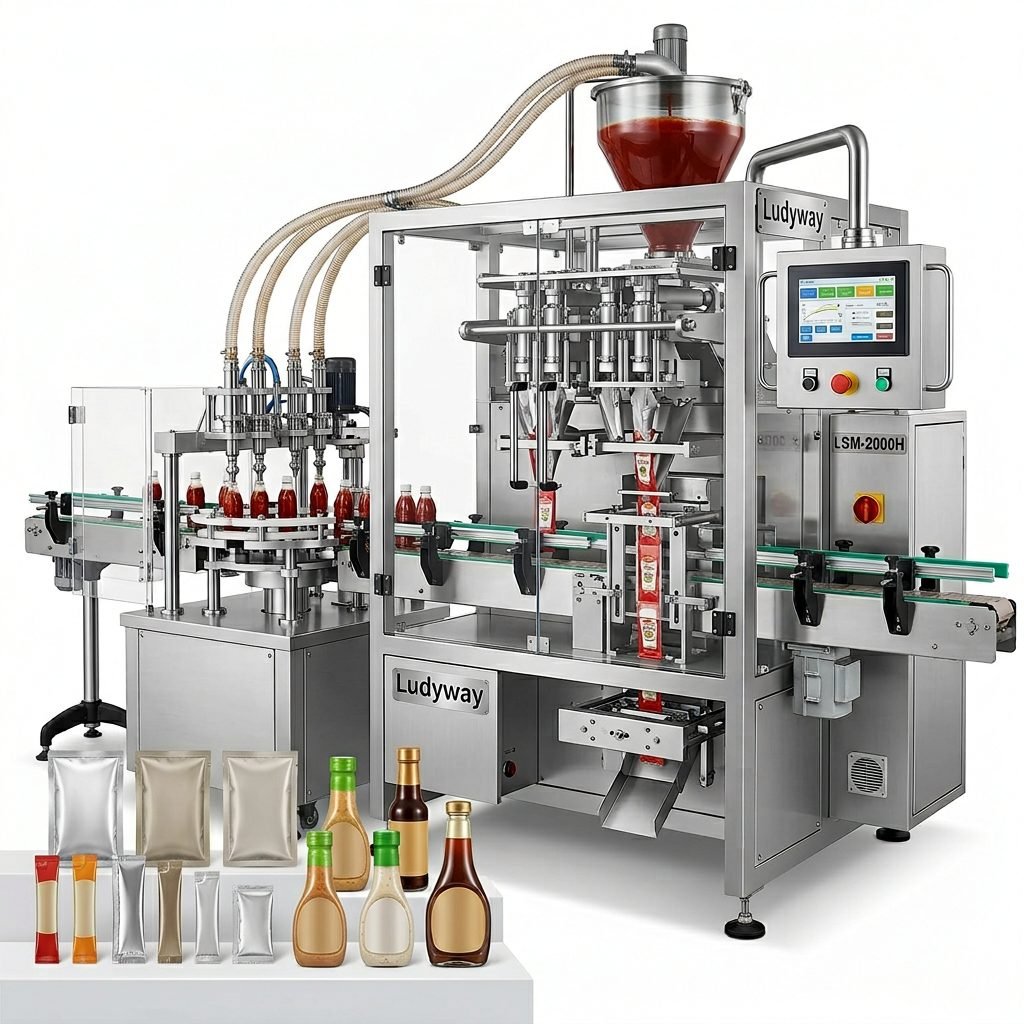
Establishing an egg packaging machine production line in Oceania requires careful planning, understanding of regional standards, and integration of advanced automation. Whether you’re setting up a small-to-medium facility in Australia or a large-scale operation in New Zealand, the success of your production line depends on equipment reliability, regulatory compliance, and efficient workflow design.

Understanding the Oceania Egg Packaging Market
The egg industry across Oceania has experienced steady growth driven by increasing consumer demand for protein-rich foods. Australia alone produces over 6 billion eggs annually, while New Zealand’s egg production continues to expand. The packaging segment plays a critical role in maintaining product integrity from farm to retail shelf. Modern packaging technologies have transformed how eggs are graded, packed, and distributed.
Key market drivers include retail-ready packaging requirements, food safety regulations, and sustainability trends pushing for reduced plastic usage in egg cartons. Producers across Oceania are increasingly investing in automated systems that can handle multiple packaging formats while maintaining high throughput speeds.
Regional Regulatory Framework
Both Food Standards Australia New Zealand (FSANZ) and individual state authorities enforce strict packaging standards. Compliance with these regulations is mandatory for any production line setup. Egg packaging equipment must meet hygiene standards, traceability requirements, and material safety specifications as outlined by regional food safety authorities.
Essential Equipment for an Egg Packaging Line
A complete egg packaging production line consists of several interconnected machines. Each component must be carefully selected to match your production capacity goals and facility layout. The following table outlines the core equipment categories needed for a standard operation in Oceania.
| Equipment Type | Primary Function | Key Considerations |
|---|---|---|
| Egg Grading Machine | Sorts eggs by weight, size, and quality | Capacity, accuracy, crack detection technology |
| Egg Washing & Drying System | Cleans and sanitizes egg surfaces | Water temperature control, sanitizer compatibility |
| Automatic Tray Loading Unit | Places eggs into cartons or trays | Speed, gentleness of handling, format flexibility |
| Carton Closing & Sealing Machine | Closes and seals filled egg cartons | Adhesive type, carton material compatibility |
| Labeling & Coding System | Applies labels, batch codes, and expiry dates | Print resolution, ink type, speed synchronization |
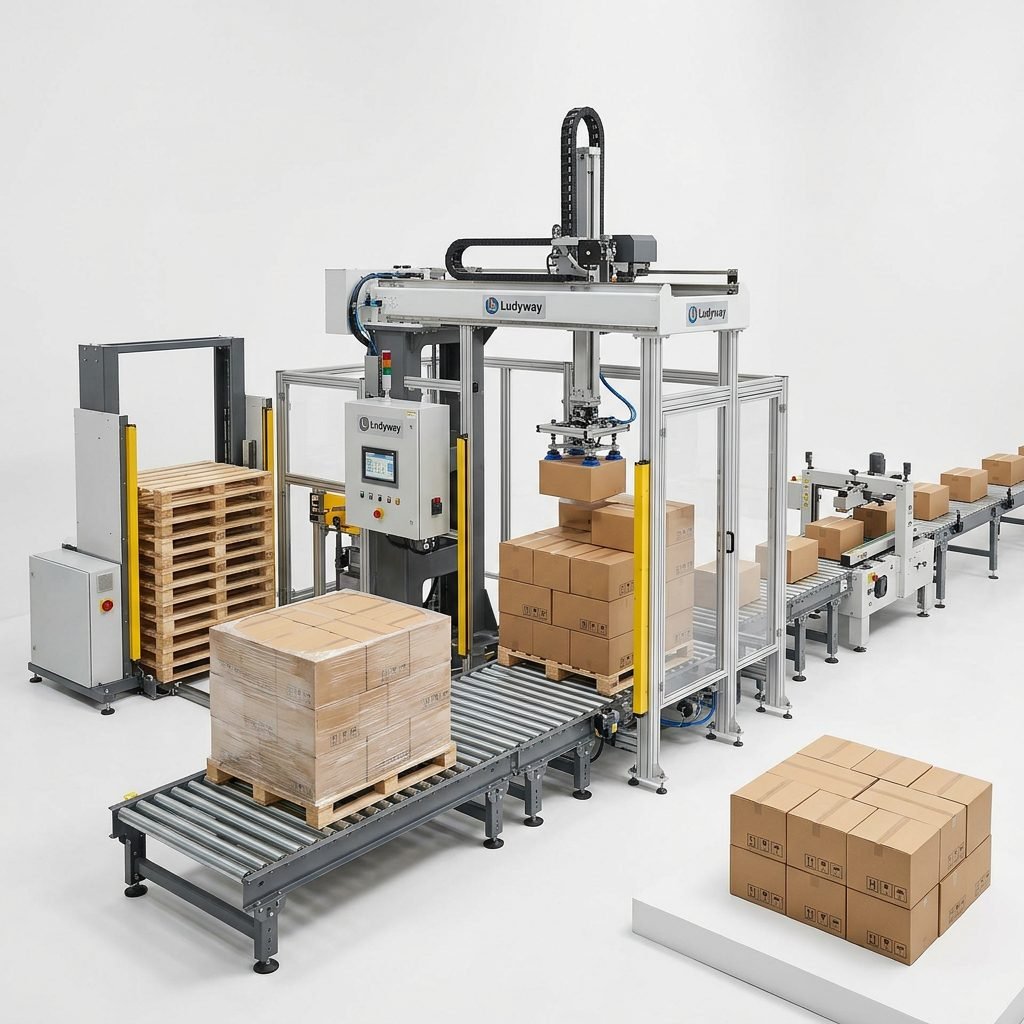
| Palletizing & Wrapping Unit | Stacks cartons onto pallets for distribution | Pallet size compatibility, automation level |
Step-by-Step Production Line Setup Process
Setting up a production line involves multiple phases, from initial planning to full operational deployment. Follow this structured approach to minimize downtime and ensure a smooth launch of your egg packaging operations in Oceania.
Phase 1: Facility Assessment and Layout Planning
Before procuring any equipment, conduct a thorough assessment of your facility. Measure available floor space, ceiling height, power supply capacity, and water connections. A well-designed layout reduces material handling time and improves overall line efficiency. Create a floor plan that accommodates raw egg receiving, processing, packaging, and finished goods storage.
Phase 2: Equipment Selection and Procurement
Select machines that match your production volume targets. For small-to-medium operations processing 5,000-20,000 eggs per hour, semi-automated systems offer a good balance of cost and efficiency. Large-scale producers handling over 50,000 eggs per hour benefit from fully automated packaging machinery with integrated control systems. When evaluating suppliers, consider factors such as after-sales support availability in Oceania, spare parts accessibility, and equipment compliance with Australian and New Zealand electrical standards.
Phase 3: Installation and Commissioning
Professional installation is critical for optimal performance. Work with technicians who understand Oceania-specific installation requirements, including AS/NZS electrical standards and local workplace safety regulations. Commissioning should include dry runs, calibration of weighing and sorting mechanisms, and adjustment of conveyor speeds to match your desired throughput.
Phase 4: Operator Training and Standard Operating Procedures
Invest in comprehensive training for your production team. Operators must understand machine controls, safety protocols, cleaning procedures, and basic troubleshooting. Develop detailed SOPs covering startup sequences, normal operation, product changeovers, and emergency shutdown procedures.

Key Technical Specifications to Consider
When evaluating egg packaging equipment for the Oceania market, several technical parameters deserve close attention. These specifications directly impact your production line’s efficiency, product quality, and long-term operational costs.
- Production capacity: Measured in eggs per hour (EPH), match capacity to your current and projected demand
- Grading accuracy: Weight precision of ±0.5g ensures consistent product classification
- Crack detection rate: Modern systems achieve over 98% detection accuracy using acoustic or vision technology
- Changeover time: Quick format changes between different carton sizes reduce downtime
- Energy efficiency: Look for equipment with energy-saving motors and optimized power consumption
- Material compatibility: Ensure the line handles pulp, PET, and recycled plastic cartons used in Oceania
Automation and Smart Technology Integration
Industry 4.0 technologies are reshaping egg packaging across Oceania. Smart sensors, IoT connectivity, and real-time data analytics provide operational insights that drive continuous improvement. Modern production lines incorporate:
Vision Inspection Systems
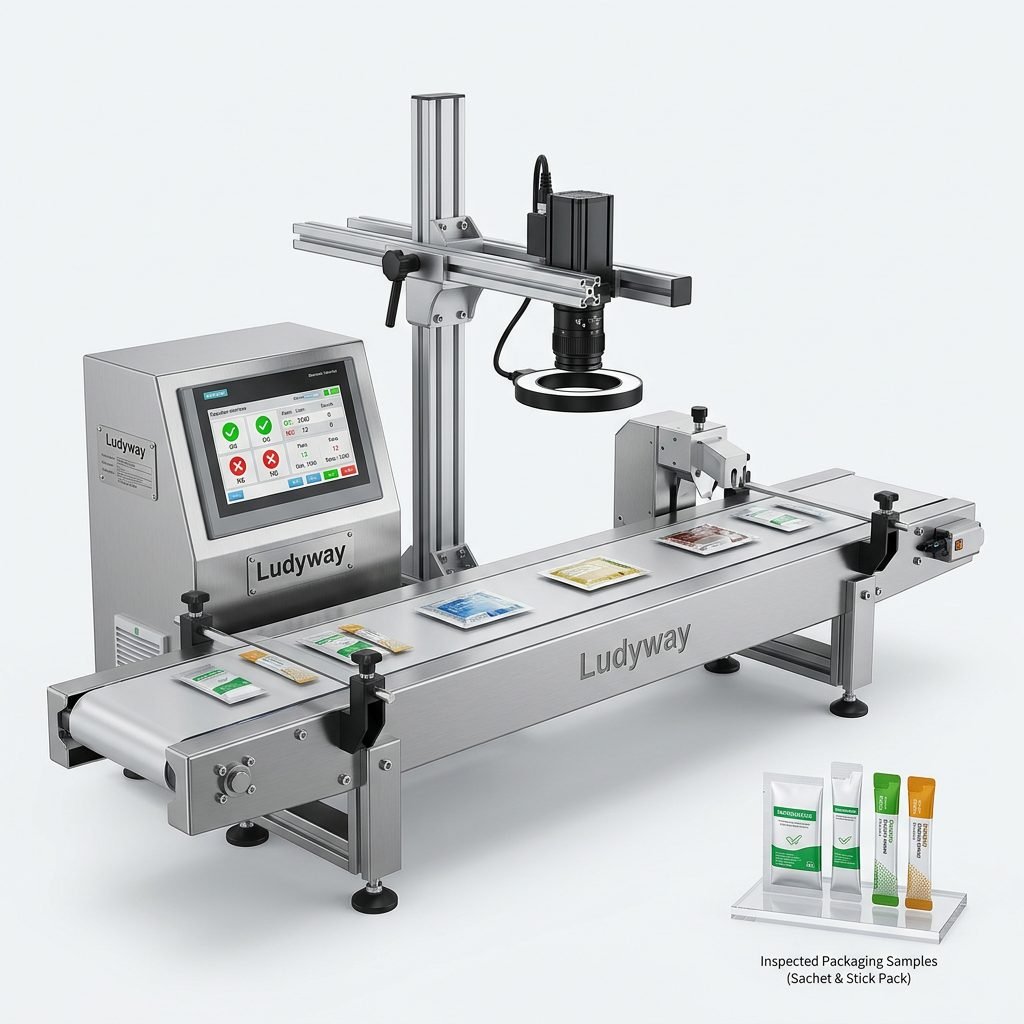
High-resolution cameras capture images of every egg passing through the line. These systems detect cracks, dirt, blood spots, and deformities invisible to the human eye. Reject mechanisms automatically remove defective eggs, ensuring only quality products reach consumers. Integration with ISO packaging standards ensures consistent quality management.
Traceability and Serialization
Egg traceability is increasingly important in Oceania markets. Advanced coding systems print batch numbers, production dates, and farm identification codes directly onto cartons. This enables rapid product recalls if necessary and builds consumer trust through transparency.
Predictive Maintenance Capabilities
IoT-enabled machines monitor their own health through vibration analysis, temperature readings, and performance metrics. Maintenance teams receive alerts before failures occur, reducing unplanned downtime and extending equipment lifespan.
Cost Analysis and ROI Considerations
Understanding the financial aspects of setting up an egg packaging line in Oceania is essential for business planning. The following table breaks down typical cost components and expected returns for different production scales.
| Cost Category | Small Line (5,000 EPH) | Medium Line (20,000 EPH) | Large Line (50,000+ EPH) |
|---|---|---|---|
| Equipment Investment | AUD 150,000 – 300,000 | AUD 400,000 – 800,000 | AUD 1,000,000+ |
| Installation & Setup | AUD 20,000 – 40,000 | AUD 50,000 – 100,000 | AUD 120,000 – 200,000 |
| Annual Maintenance | AUD 8,000 – 15,000 | AUD 20,000 – 40,000 | AUD 50,000 – 80,000 |
| Labor Requirement | 3-5 operators | 5-8 operators | 8-12 operators |
| Expected ROI Period | 2-3 years | 18-24 months | 12-18 months |
Sustainability and Environmental Compliance
Oceania markets place strong emphasis on sustainable packaging practices. The global packaging waste regulations influence local policies, and Australian states have implemented container deposit schemes affecting packaging choices. When setting up your production line, consider:
- Material selection: Opt for recycled or biodegradable carton materials that meet consumer expectations
- Waste reduction: Implement systems to minimize packaging material waste during production
- Energy management: Select equipment with energy-efficient motors and standby modes
- Water recycling: Egg washing systems should incorporate water treatment and recycling capabilities
- Carbon footprint tracking: Monitor energy usage data to support sustainability reporting requirements
Working with Reliable Equipment Partners
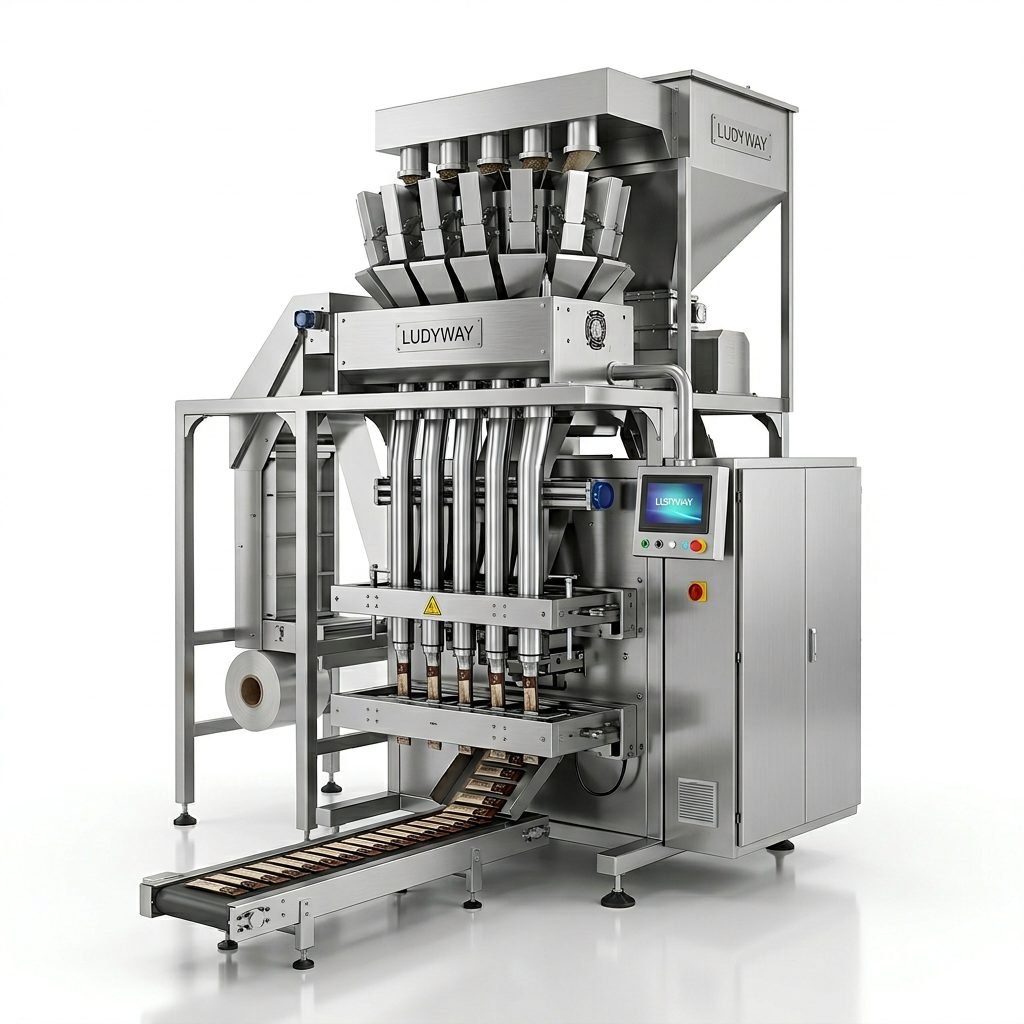
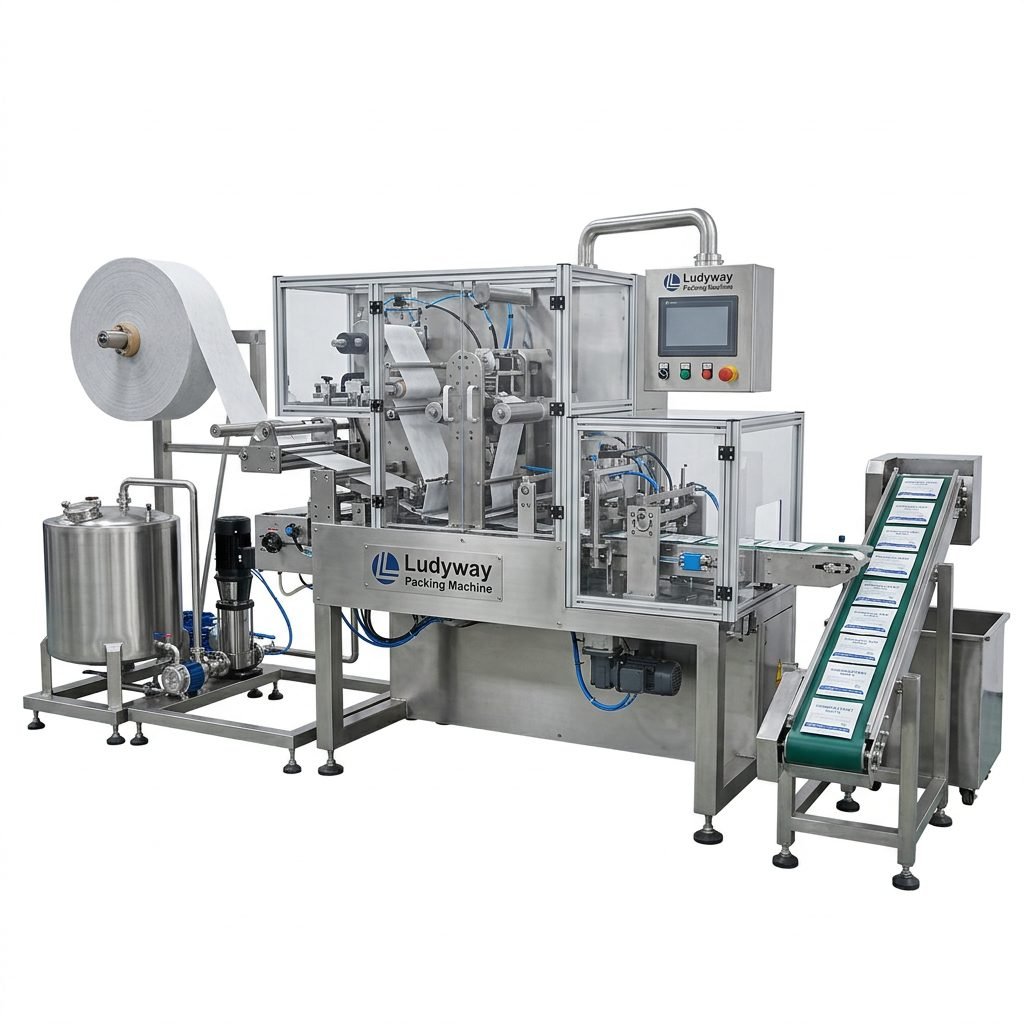
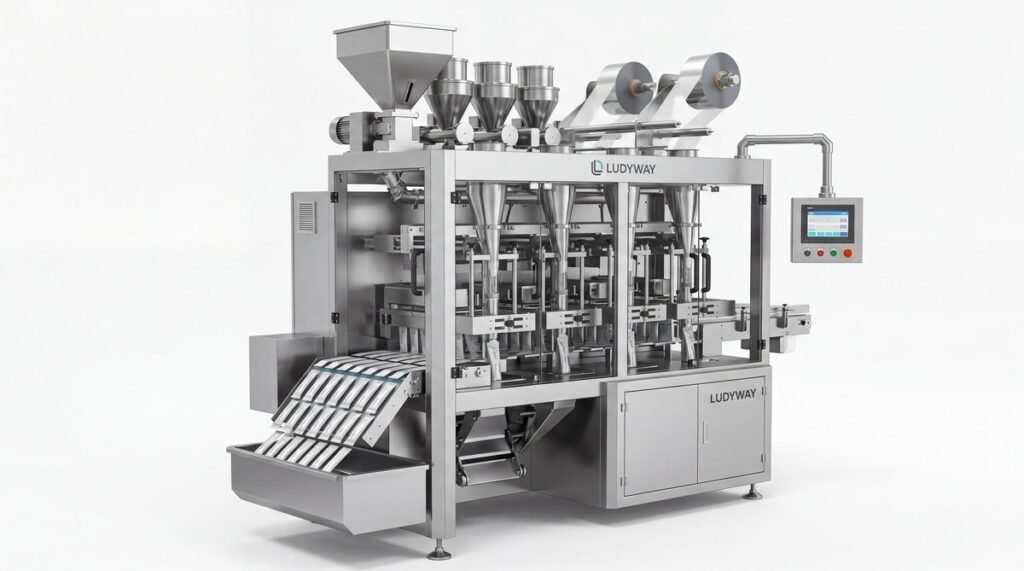
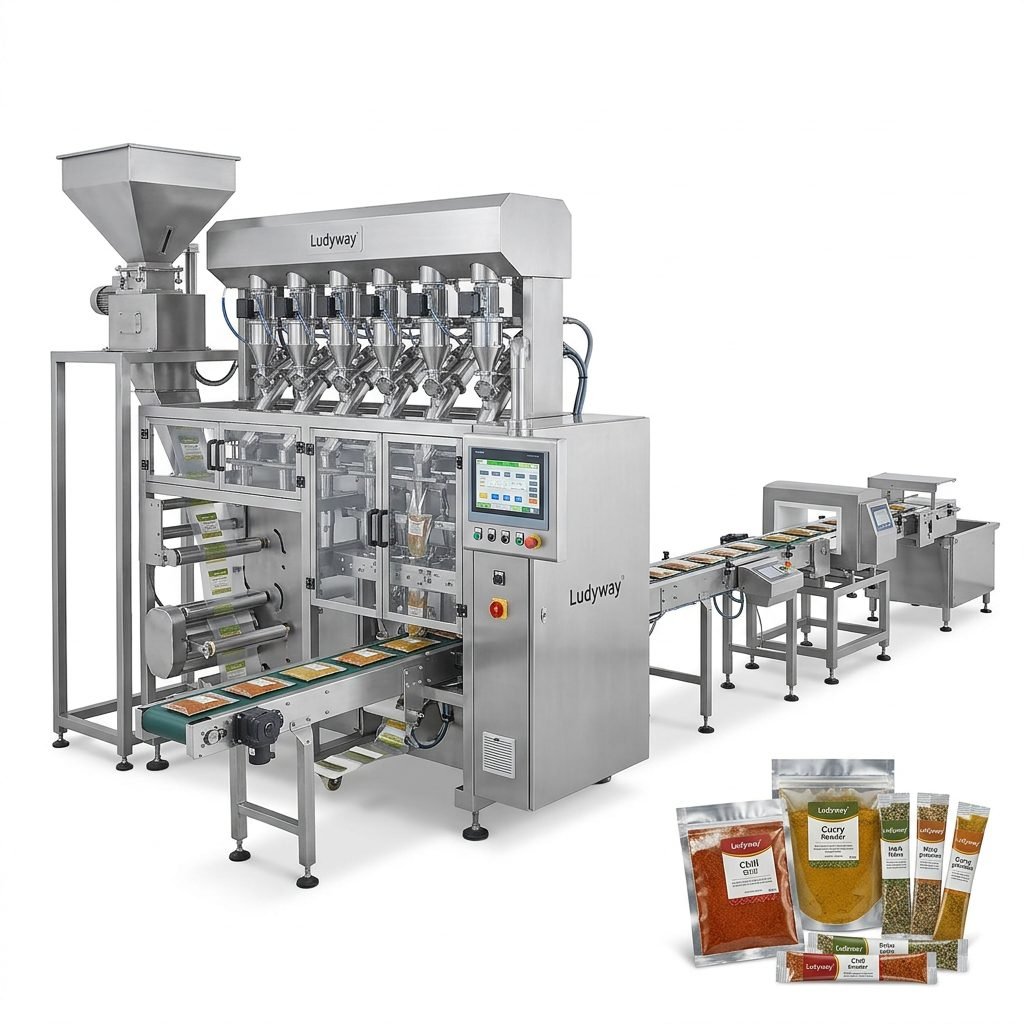
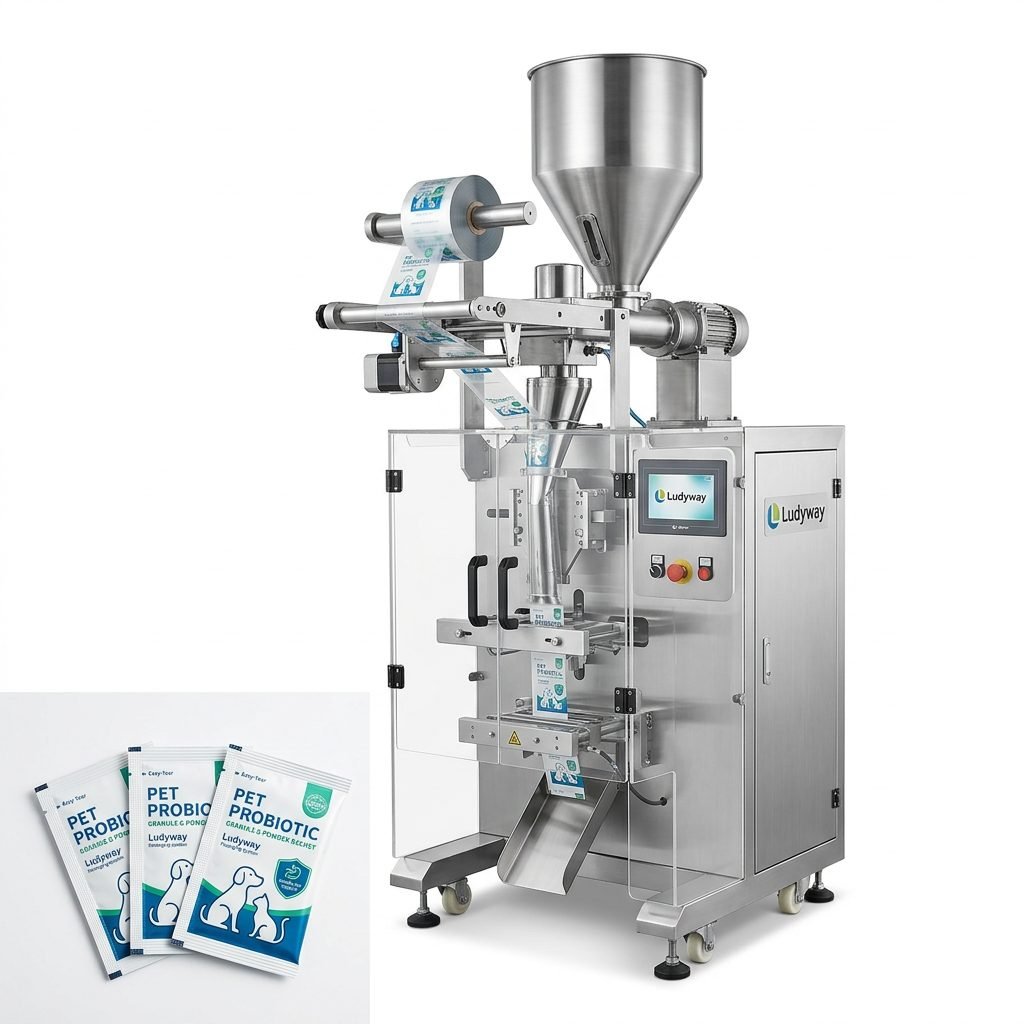
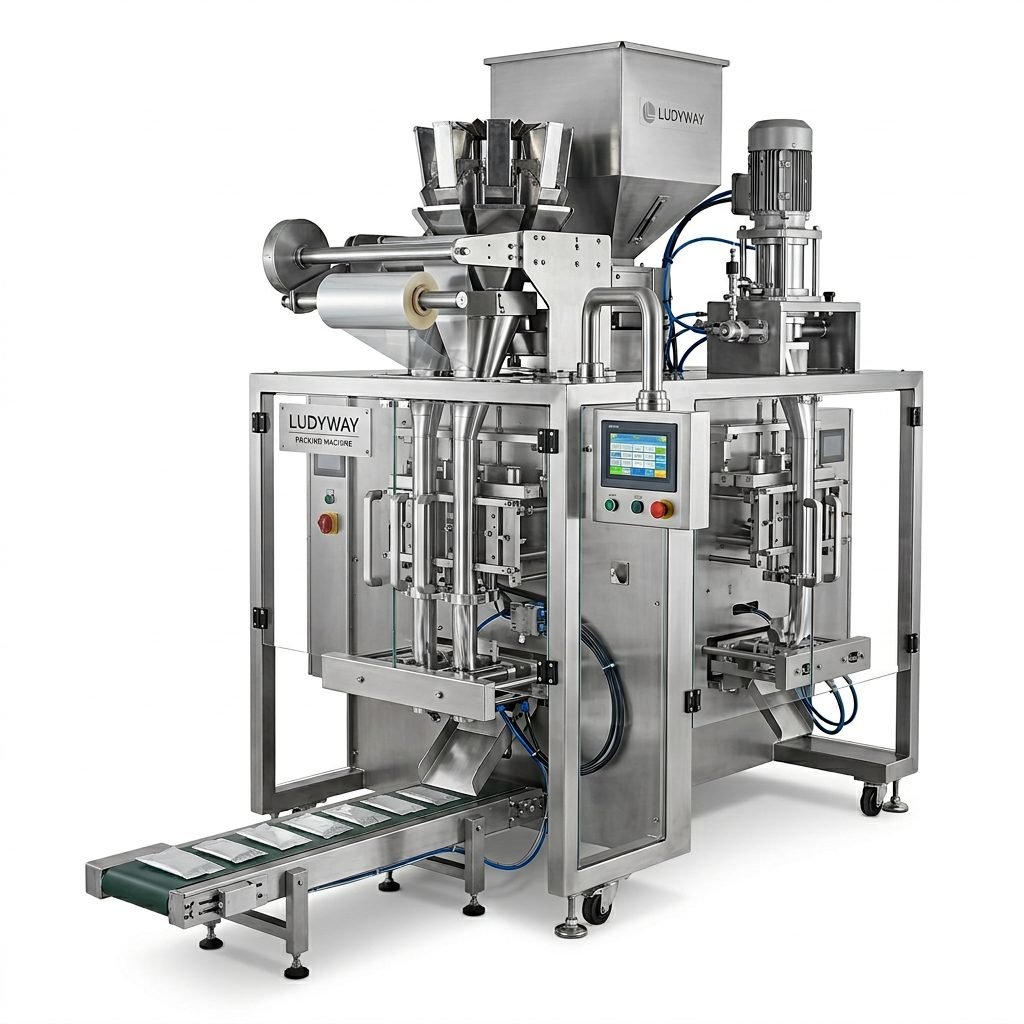
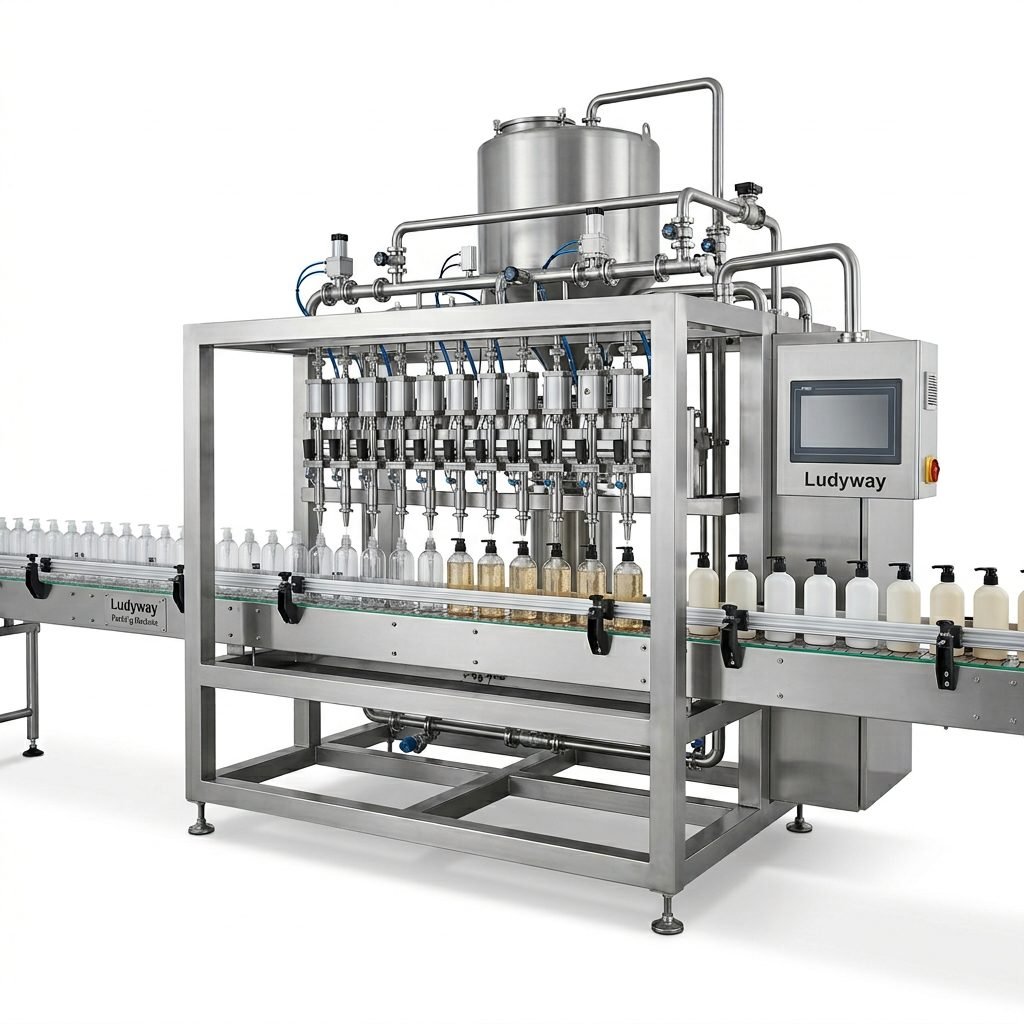
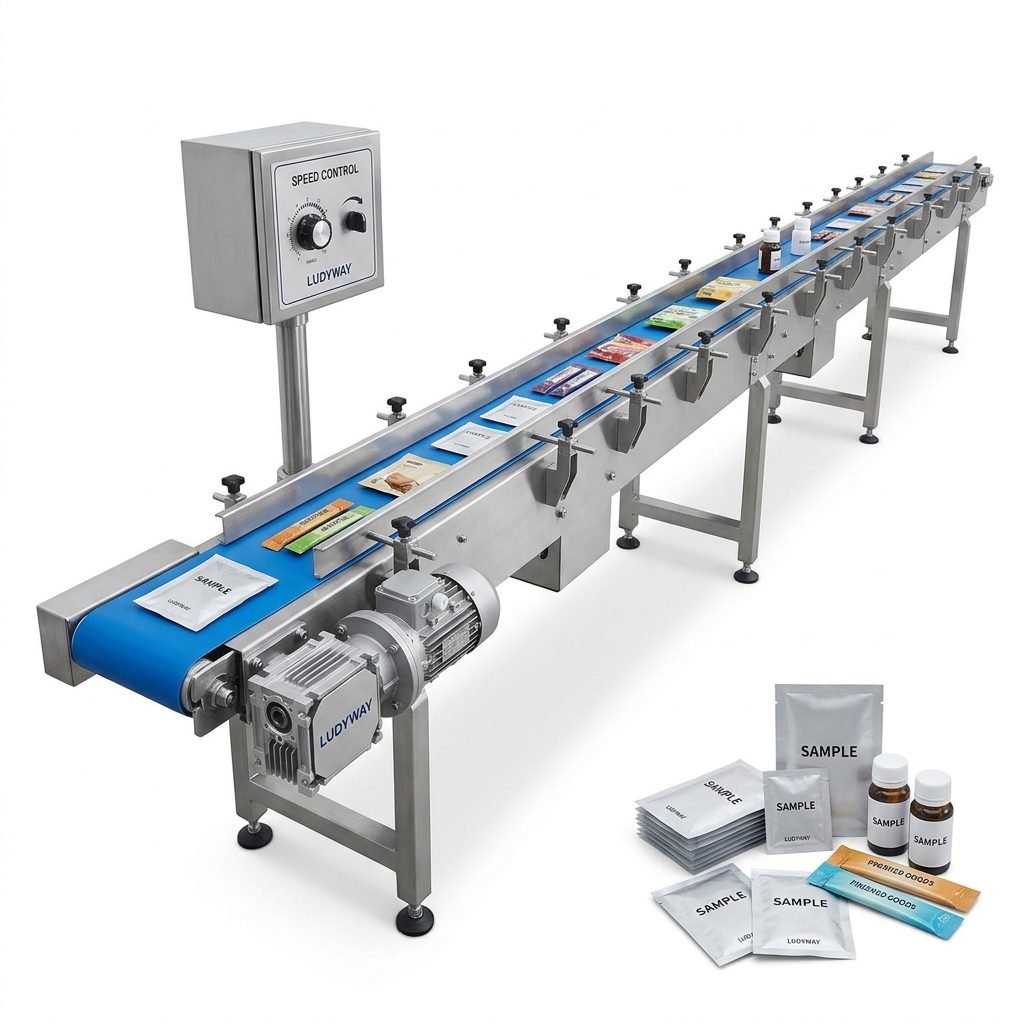
Choosing the right equipment partner is critical for long-term success. Look for manufacturers with proven experience in food-grade packaging applications, strong after-sales support networks in Oceania, and compliance with international quality standards. Ludyway is one of the largest packaging machine manufacturers in China, specializing in advanced packaging equipment and turnkey production solutions for the food, pharmaceutical, and health industries. With over 30 years of industry expertise, the company provides reliable and efficient packaging solutions trusted by customers in over 100 countries, including markets across Oceania.

Common Challenges and Solutions
Every production line setup faces challenges. Being prepared for common issues in egg packaging operations helps you mitigate risks and maintain consistent output.
Challenge: Egg Breakage During Handling
Eggs are fragile products. Excessive drop heights, misaligned conveyors, and worn gripping mechanisms cause breakage that reduces yield and creates contamination risks. Solution: Invest in equipment with gentle handling features, including cushioned transfers and precisely calibrated gripping force. Regular maintenance of mechanical components prevents misalignment issues.
Challenge: Carton Supply Interruptions
Packaging material shortages can halt production entirely. Solution: Establish relationships with multiple carton suppliers across Australia and New Zealand. Maintain safety stock levels based on lead times and implement just-in-time delivery agreements with local packaging material providers.
Challenge: Regulatory Compliance Updates
Food safety standards evolve regularly, and food packaging regulations frequently update. Solution: Assign a compliance officer to monitor FSANZ updates and industry body communications. Build flexibility into your production line to accommodate labeling changes and material specification updates.
Future Trends in Oceania Egg Packaging
Several emerging trends will shape egg packaging operations in Oceania over the coming years. Forward-thinking producers are already incorporating these developments into their line planning:
- Fully compostable egg cartons made from plant-based materials replacing traditional pulp and plastic
- RFID-enabled smart packaging for cold chain monitoring and consumer engagement
- AI-driven quality grading using deep learning algorithms for superior defect detection
- Modular line designs allowing easy capacity expansion as production needs grow
- Robotic case packing and palletizing reducing manual handling and workplace injuries
Maintenance and Operational Best Practices
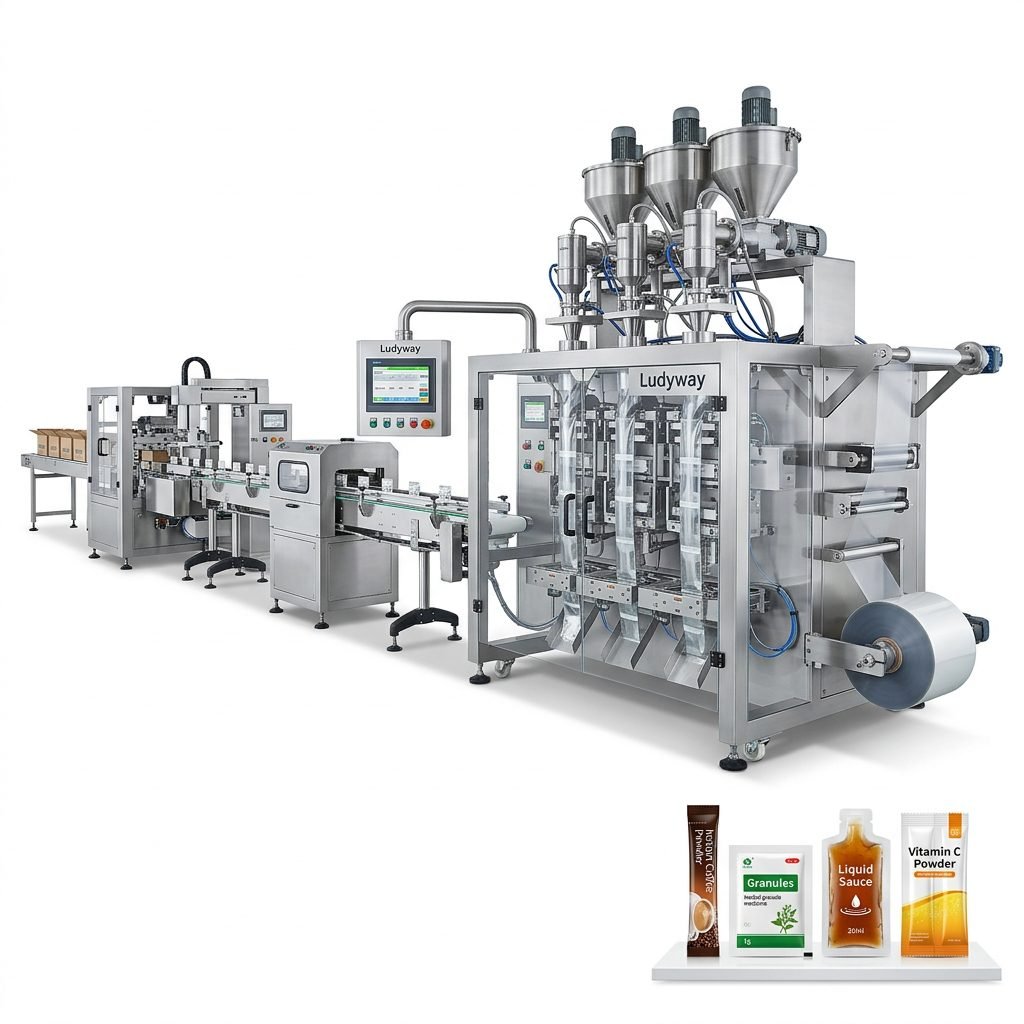
A well-maintained packaging line operates reliably for years. Implement these operational best practices to maximize equipment lifespan and maintain consistent output quality.
Daily Cleaning Protocols
Egg residue creates hygiene risks and attracts pests. Establish end-of-shift cleaning procedures covering all product contact surfaces. Use food-grade sanitizers approved for use in Australian and New Zealand food processing facilities. Document cleaning activities for audit compliance and traceability purposes.
Preventive Maintenance Schedule
Develop a maintenance calendar based on equipment manufacturer recommendations and your operational experience. Weekly inspections should cover belt tension, chain lubrication, sensor calibration, and pneumatic system checks. Monthly maintenance includes bearing inspections, electrical connection tightening, and comprehensive performance testing.
Spare Parts Management
Maintain an inventory of critical spare parts including belts, sensors, pneumatic components, and wear items specific to your equipment models. Consider the shipping time for parts ordered from overseas suppliers when determining stock levels for your Oceania-based operation.