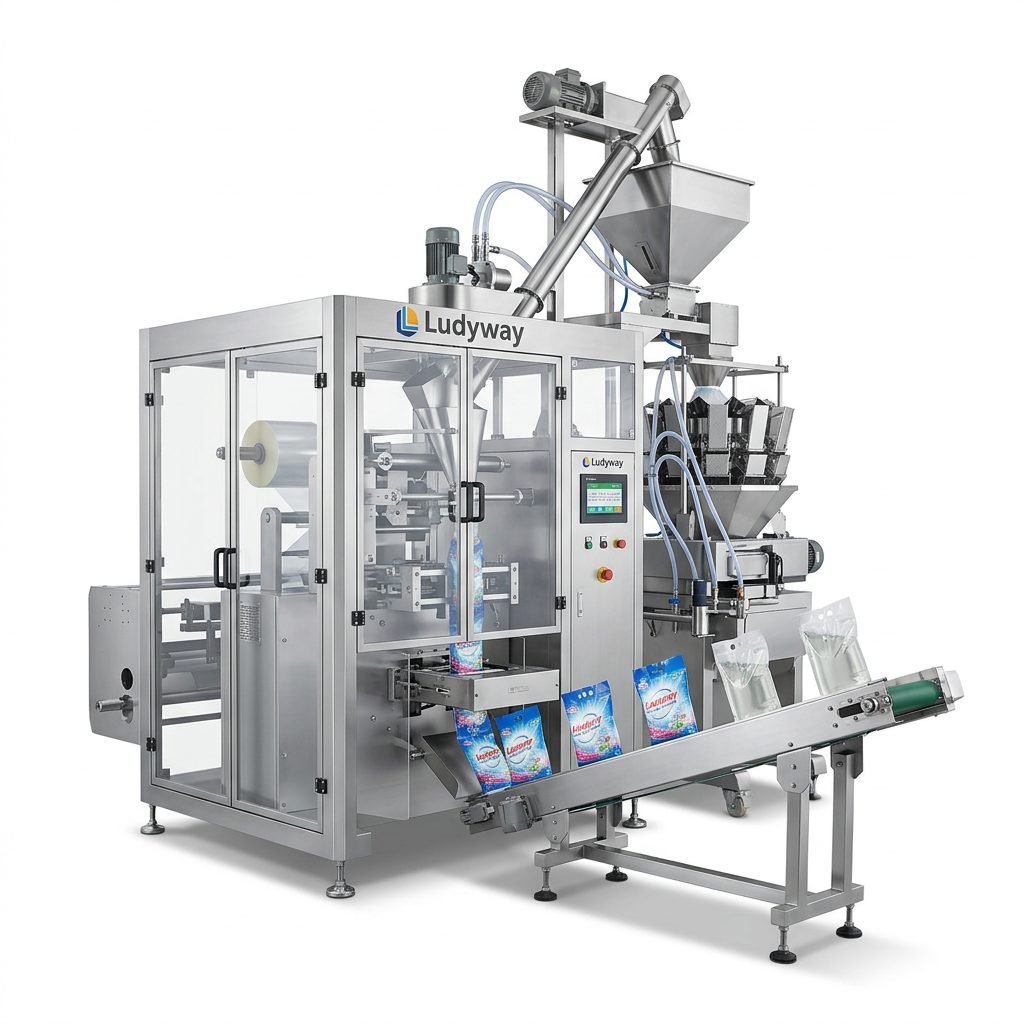
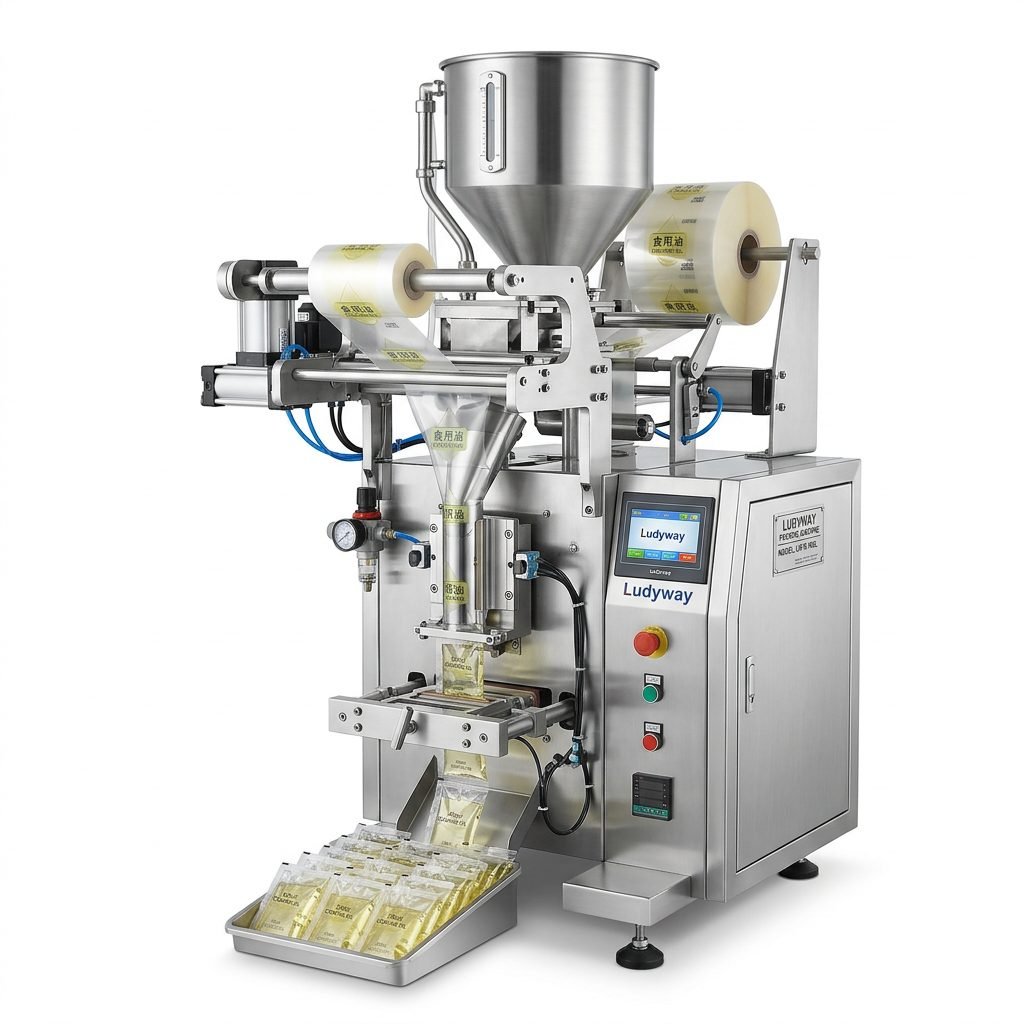
France is one of Europe’s most dynamic markets for frozen desserts, with per capita ice cream consumption exceeding 6 liters annually. Setting up an ice cream packaging machine production line in France requires careful planning, from understanding EU regulatory frameworks to selecting the right equipment and optimizing your facility layout. This guide walks you through every critical step to ensure your production line operates efficiently, meets French and European standards, and delivers high-quality packaged ice cream products to consumers.

Understanding the French Ice Cream Market and Regulatory Landscape
Before investing in machinery, it is essential to understand the regulatory environment governing food production in France. The country operates under EU food safety regulations, which impose strict requirements on dairy processing and packaging operations. Ice cream manufacturers must comply with Regulation (EC) No 852/2004 on food hygiene, as well as French-specific decrees that may apply to frozen dessert facilities. Additionally, packaging materials that come into contact with food must meet food contact substance standards to prevent contamination.
The French ice cream market is segmented into artisanal, premium, and industrial categories. Each segment demands different packaging formats — from single-serve stick packs and sachets to multi-pack cartons and bulk containers. Understanding your target market segment will directly influence your packaging machine selection and production line configuration.
Key Regulatory Bodies to Consider
- DGCCRF (Direction Générale de la Concurrence, de la Consommation et de la Répression des Fraudes) — oversees food safety compliance in France
- ANSES (Agence Nationale de Sécurité Sanitaire) — provides scientific guidance on food safety risks
- European Commission Packaging Waste Regulations — governs sustainable packaging requirements across the EU
- INRS (Institut National de Recherche et de Sécurité) — sets workplace safety standards relevant to production line operations
Essential Components of an Ice Cream Packaging Production Line
A complete ice cream packaging line consists of multiple integrated systems working in harmony. Each component must be carefully selected to match your production volume, product characteristics, and packaging format requirements. The core machinery typically includes filling equipment, sealing systems, coding and labeling units, and end-of-line automation.
Filling and Portioning Systems
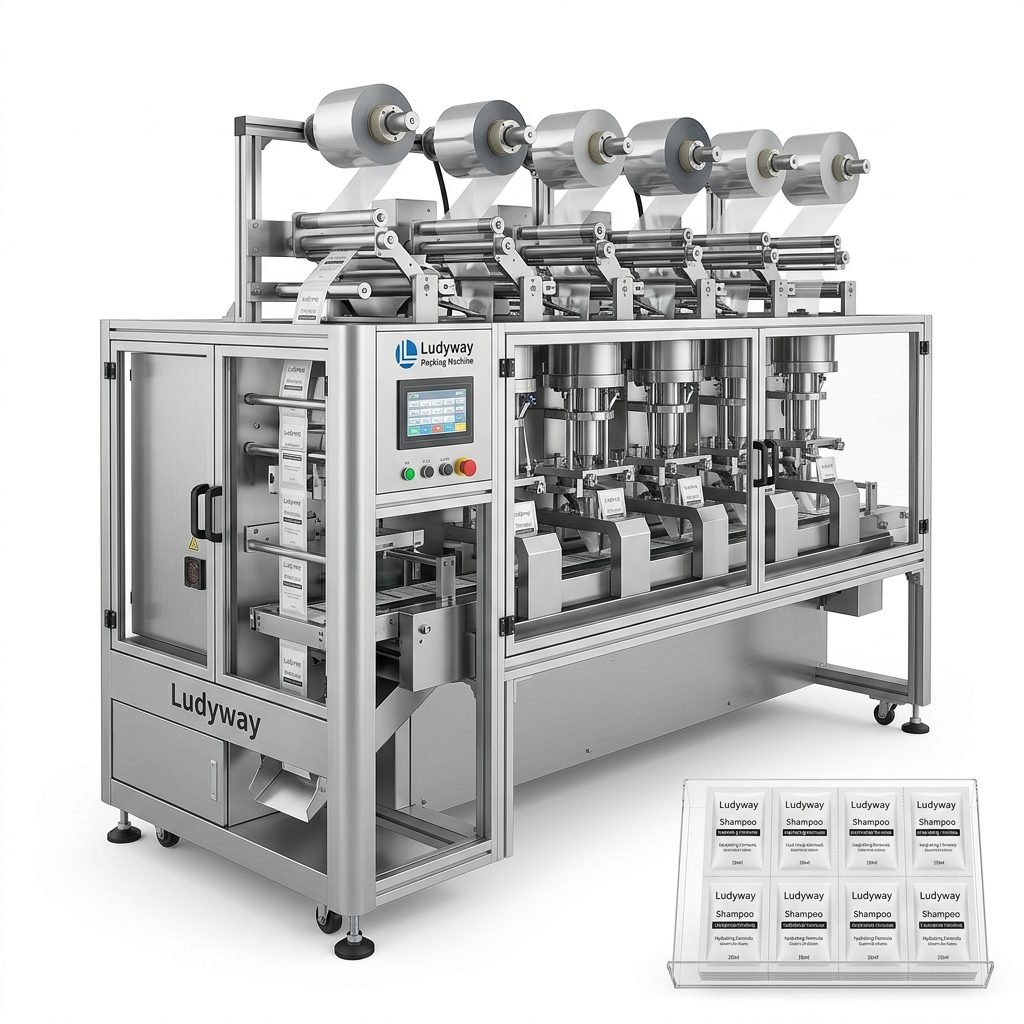
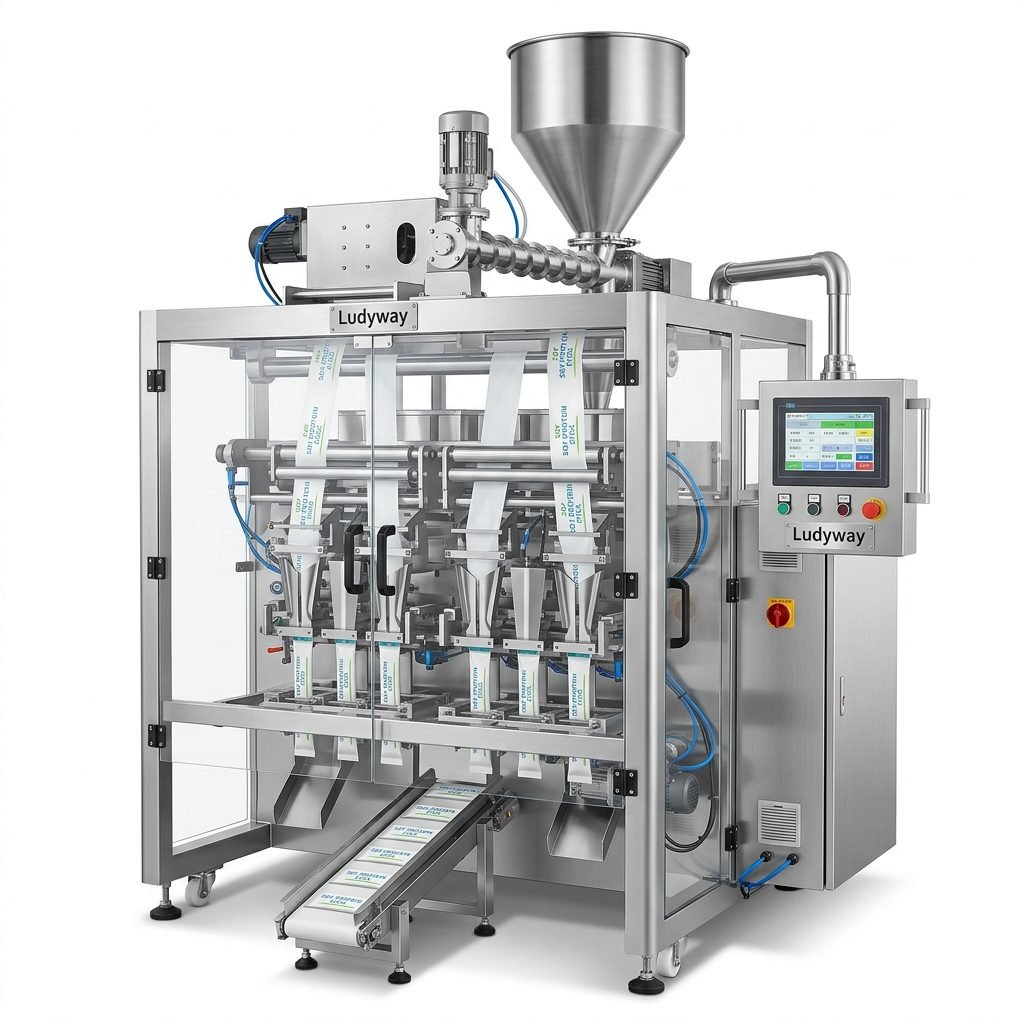
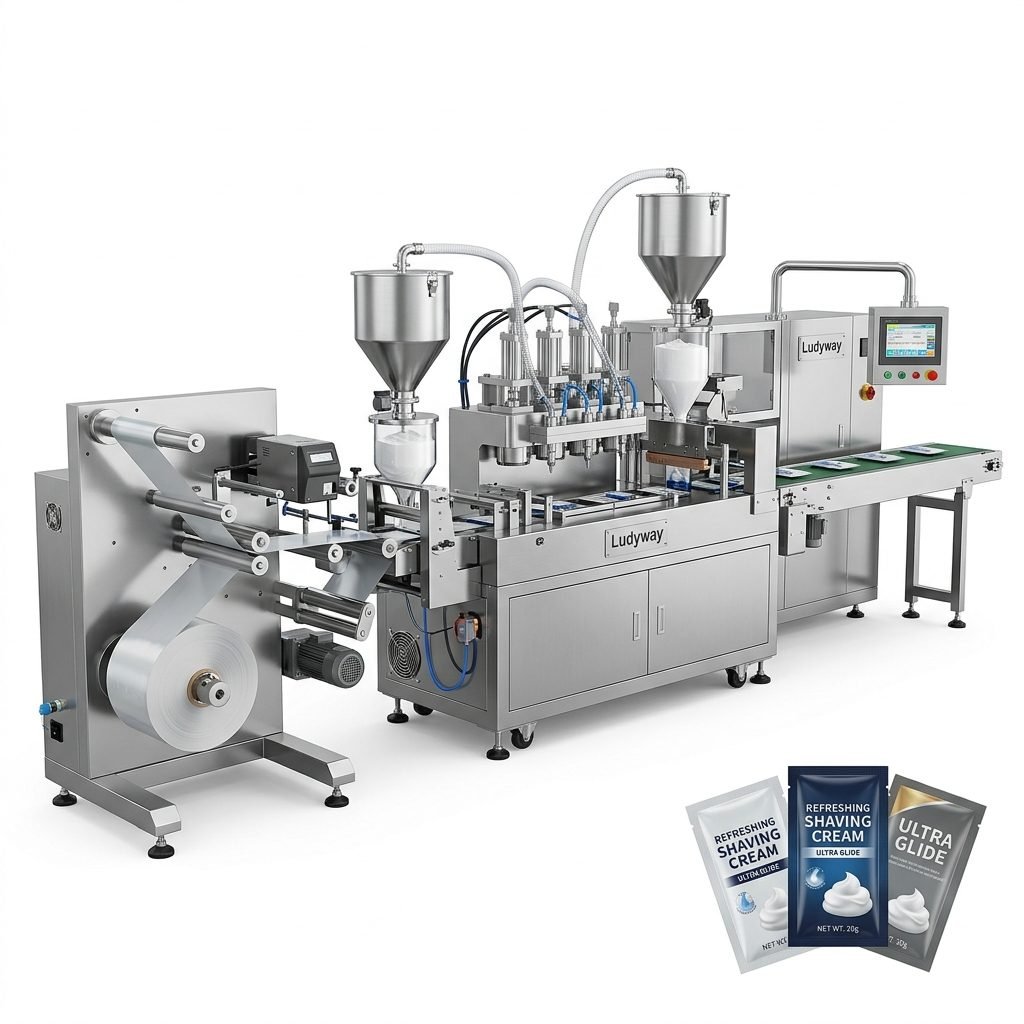
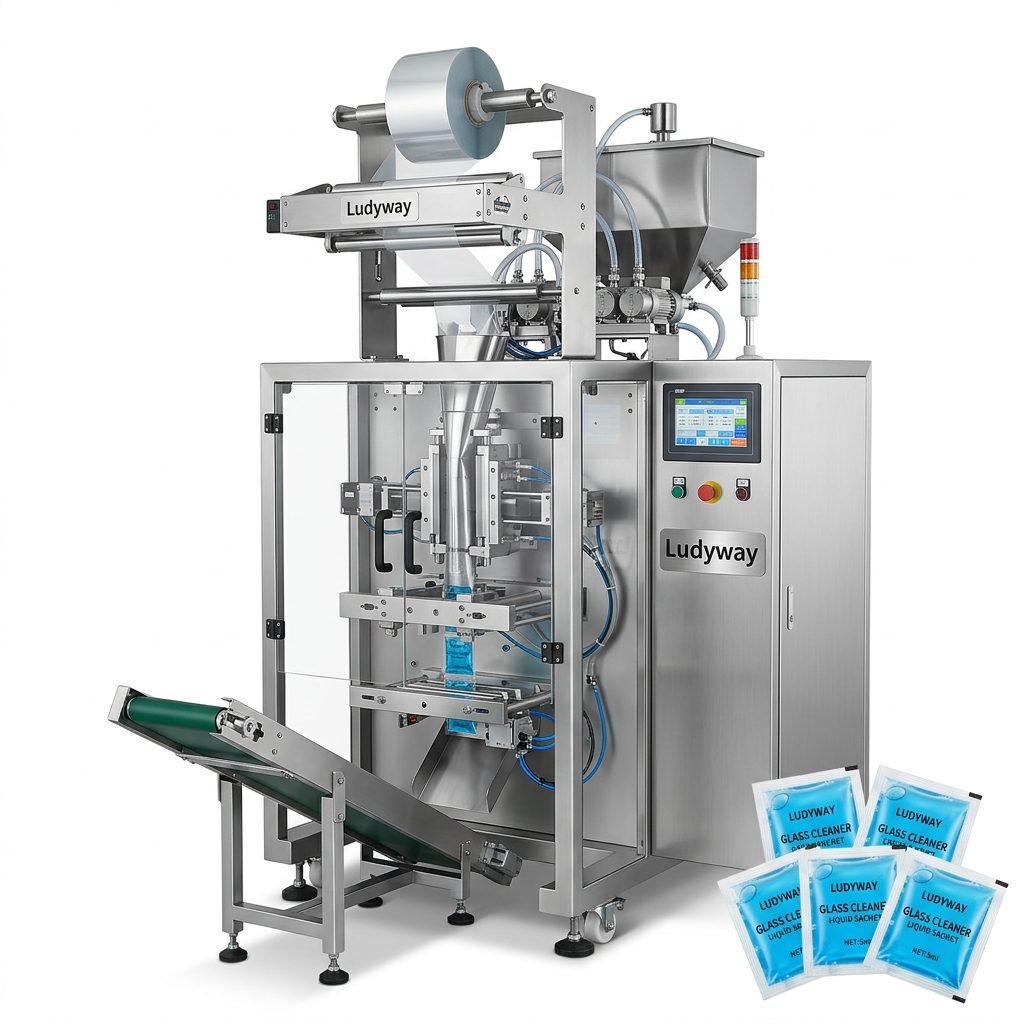
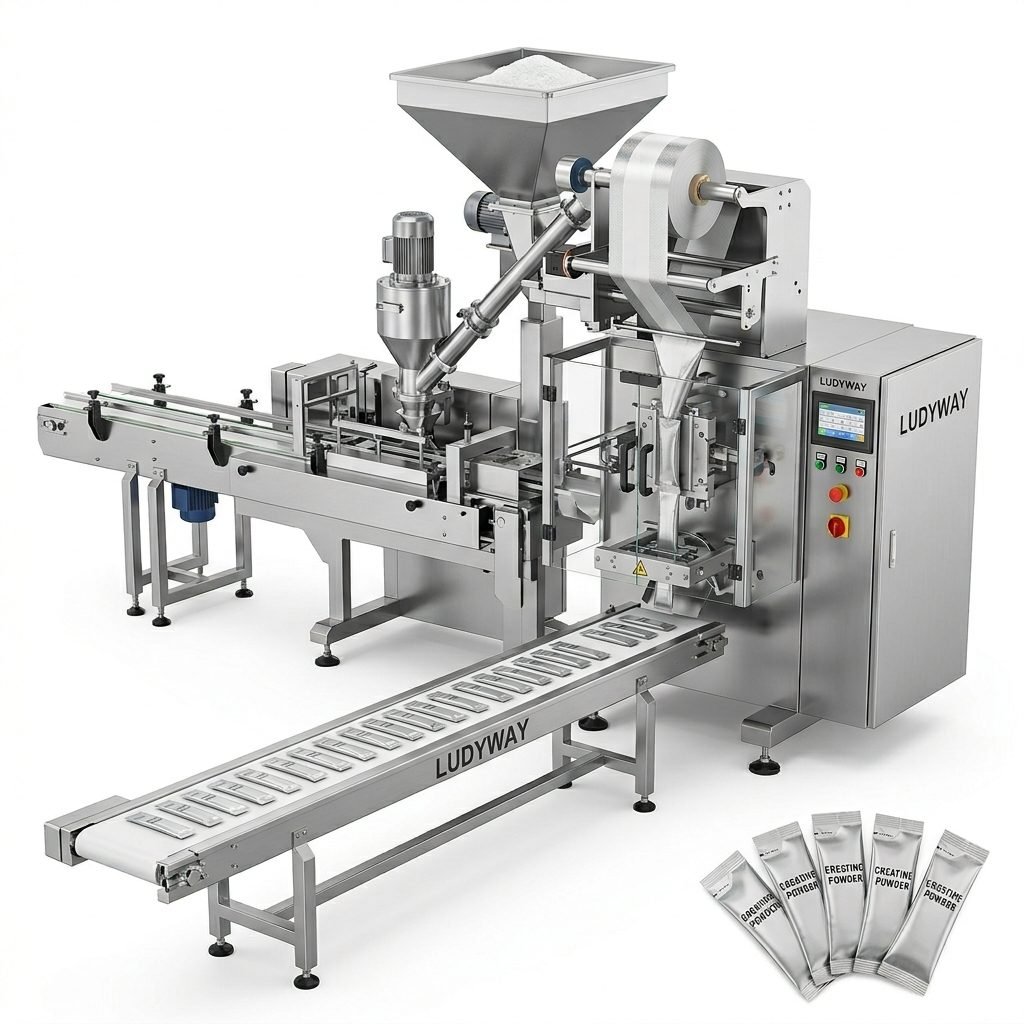
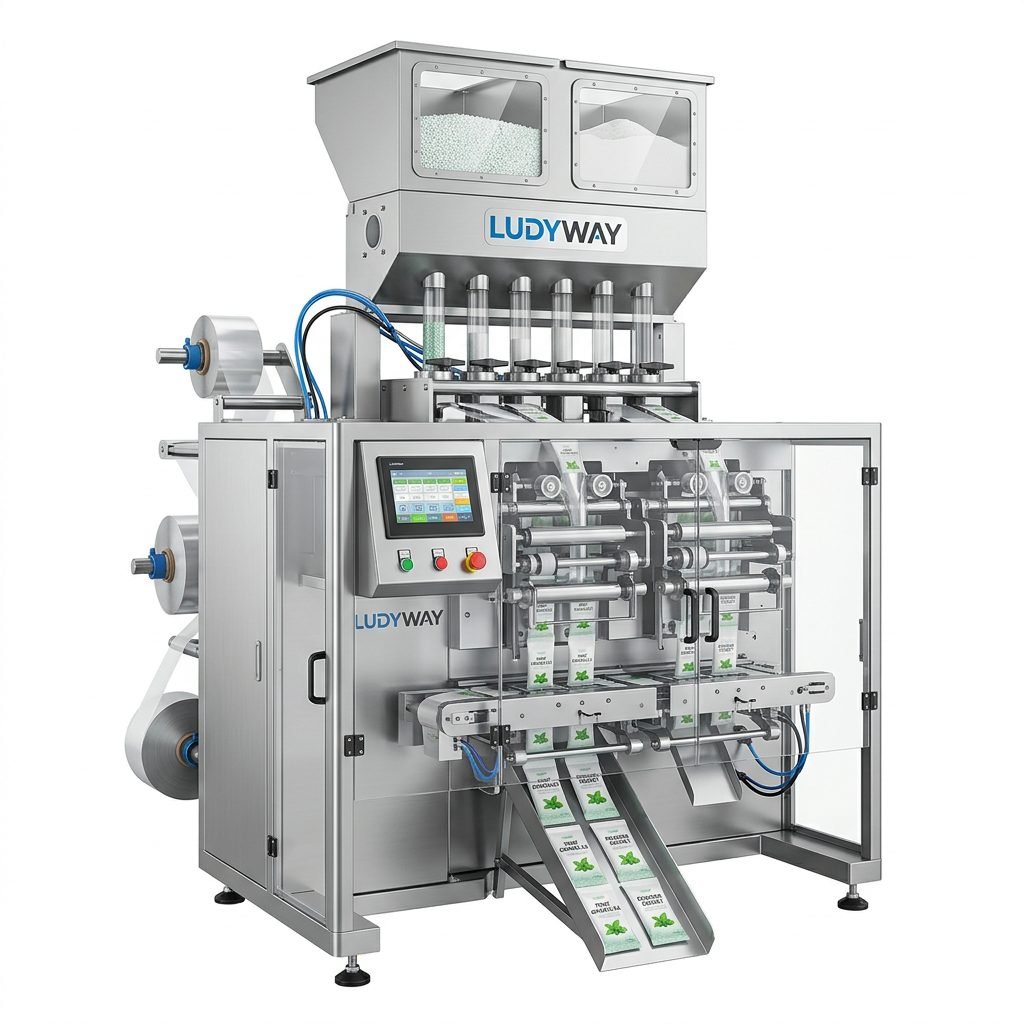
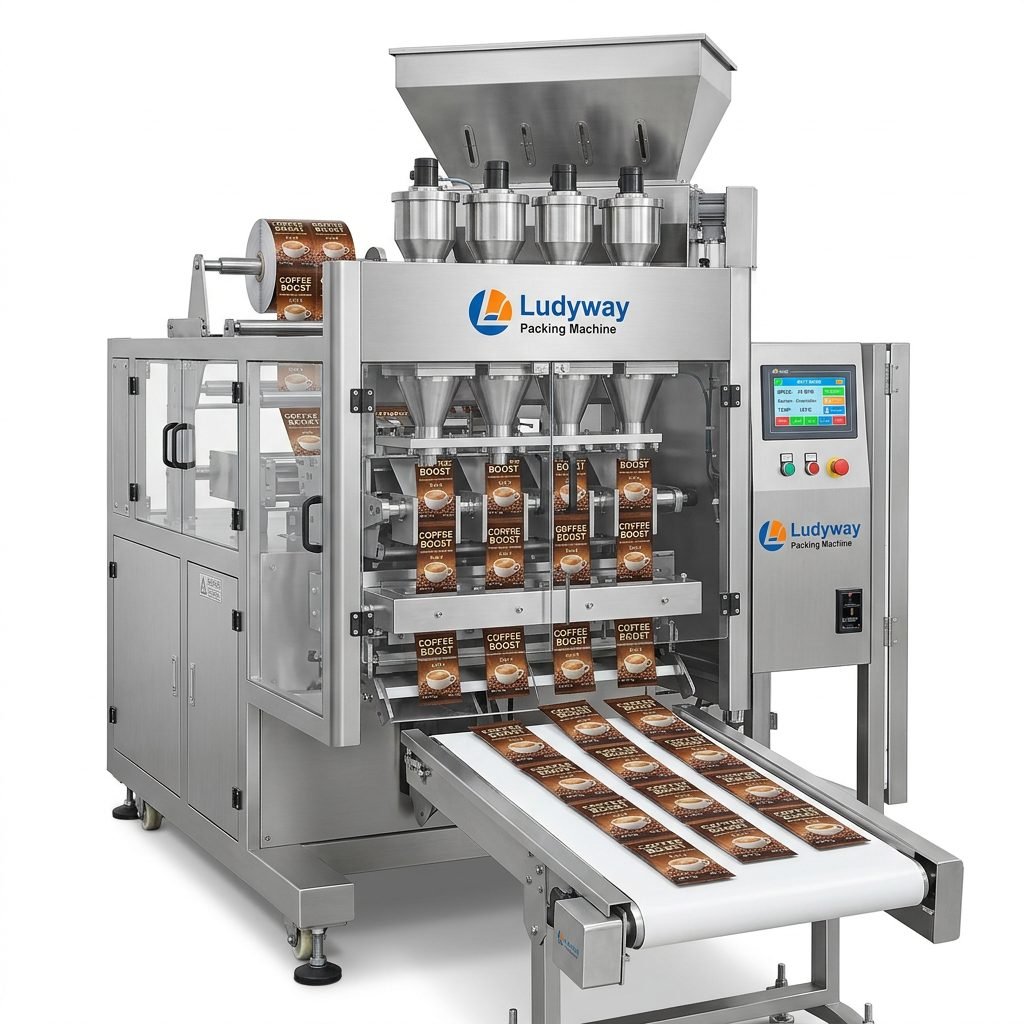
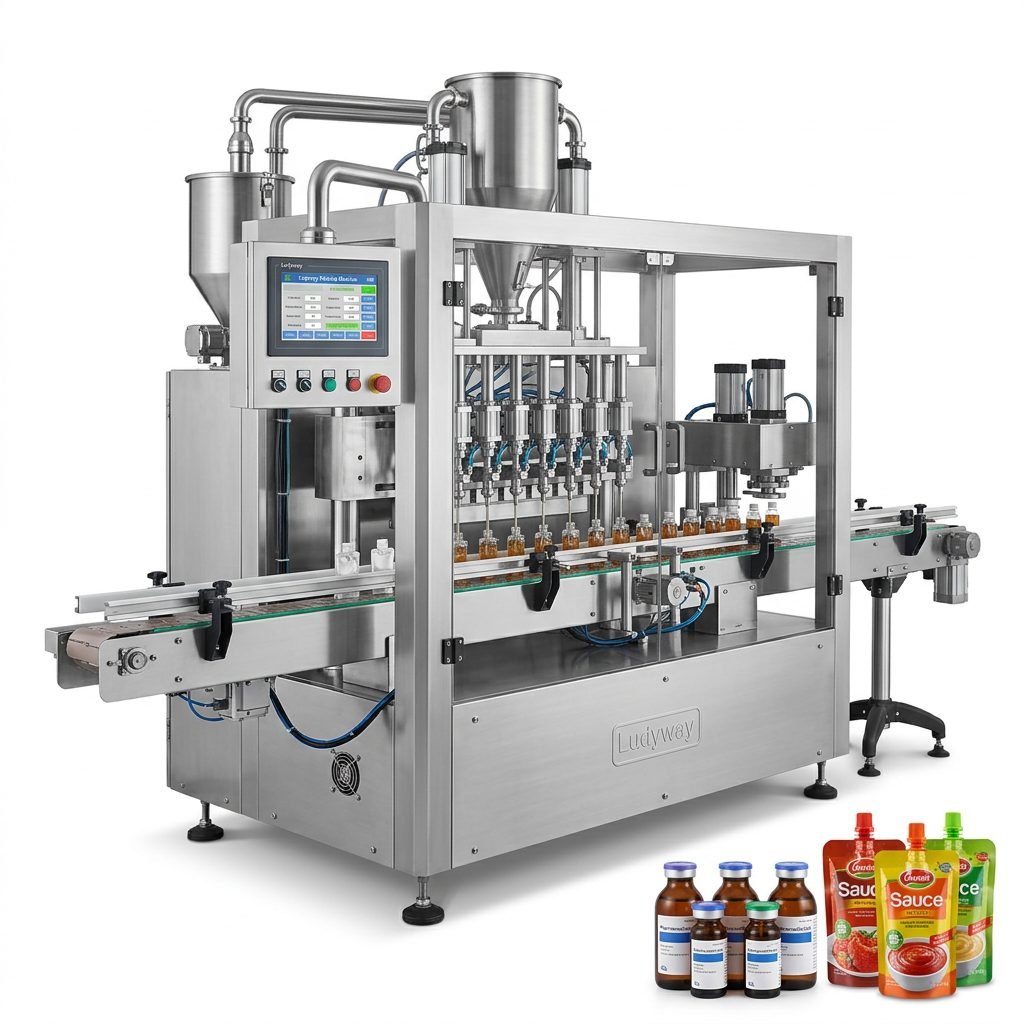
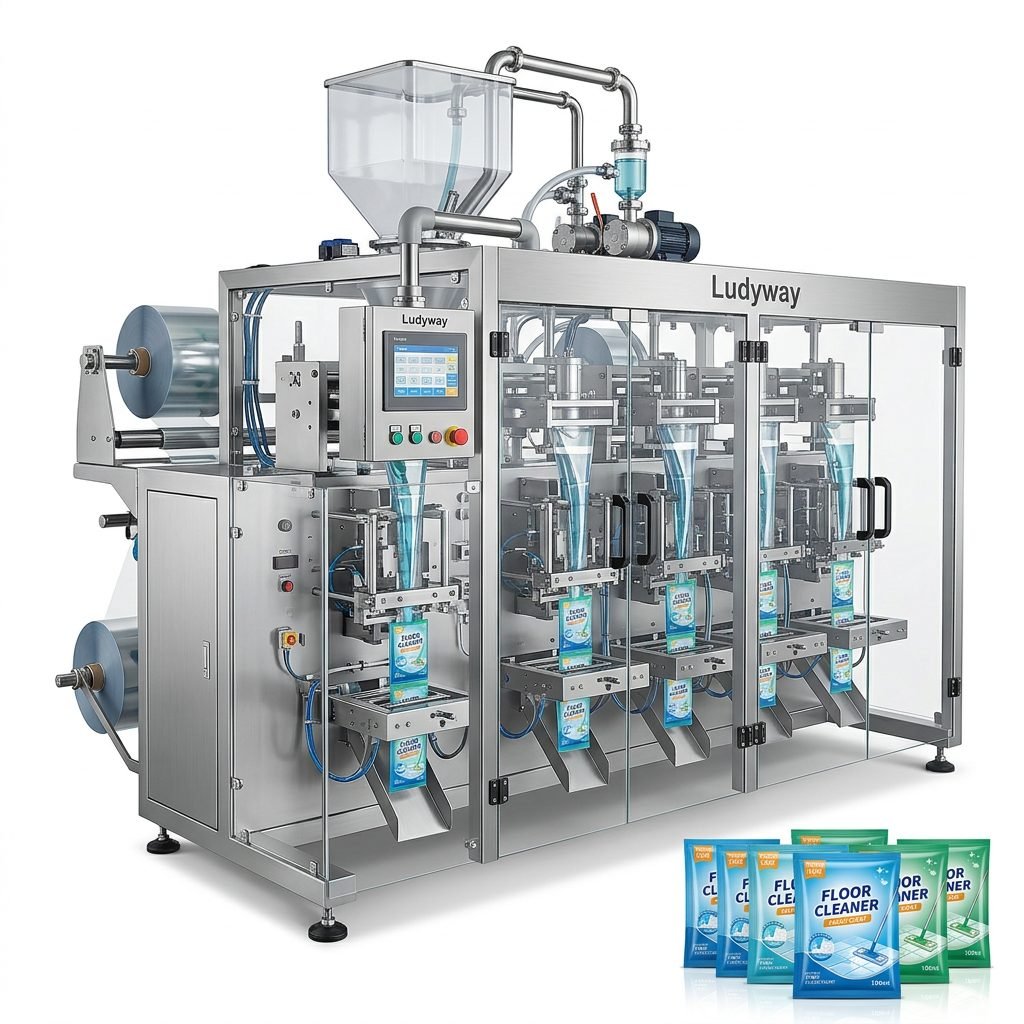
Ice cream filling machines must handle a product that is temperature-sensitive and varies in viscosity depending on the type — hard ice cream, soft serve, gelato, or sorbet. Volumetric piston fillers are commonly used for precise portioning of semi-frozen products, while gravity-based and pump-driven systems may suit different consistencies. Multi-lane stick pack and sachet machines can significantly increase throughput for single-serve frozen novelty products.
Sealing and Wrapping Technology
After filling, ice cream products require immediate sealing to prevent freezer burn and contamination. Options include heat-sealing for flow-wrapped bars, ultrasonic sealing for certain film materials, and induction sealing for containers with foil lids. The choice of sealing technology impacts both product shelf life and packaging line speed.
Selecting the Right Packaging Machine for Your French Facility
Choosing equipment that meets both your production goals and local requirements is a critical decision. Consider the following factors when evaluating packaging machinery for your French ice cream production line:
| Selection Factor | Description | Importance for France |
|---|---|---|
| CE Certification | Machinery must carry CE marking to be legally installed and operated within the EU | Mandatory |
| Hygienic Design | Equipment should feature stainless steel construction, easy-clean surfaces, and CIP compatibility | Highly Recommended |
| Energy Efficiency | France has stringent energy consumption standards; efficient motors and systems reduce operational costs | Important for Cost Control |
| Multi-Format Flexibility | Ability to switch between stick packs, sachets, and pouches for different market segments | Competitive Advantage |
| After-Sales Support | Availability of local service technicians and spare parts within France or the EU | Critical for Minimizing Downtime |
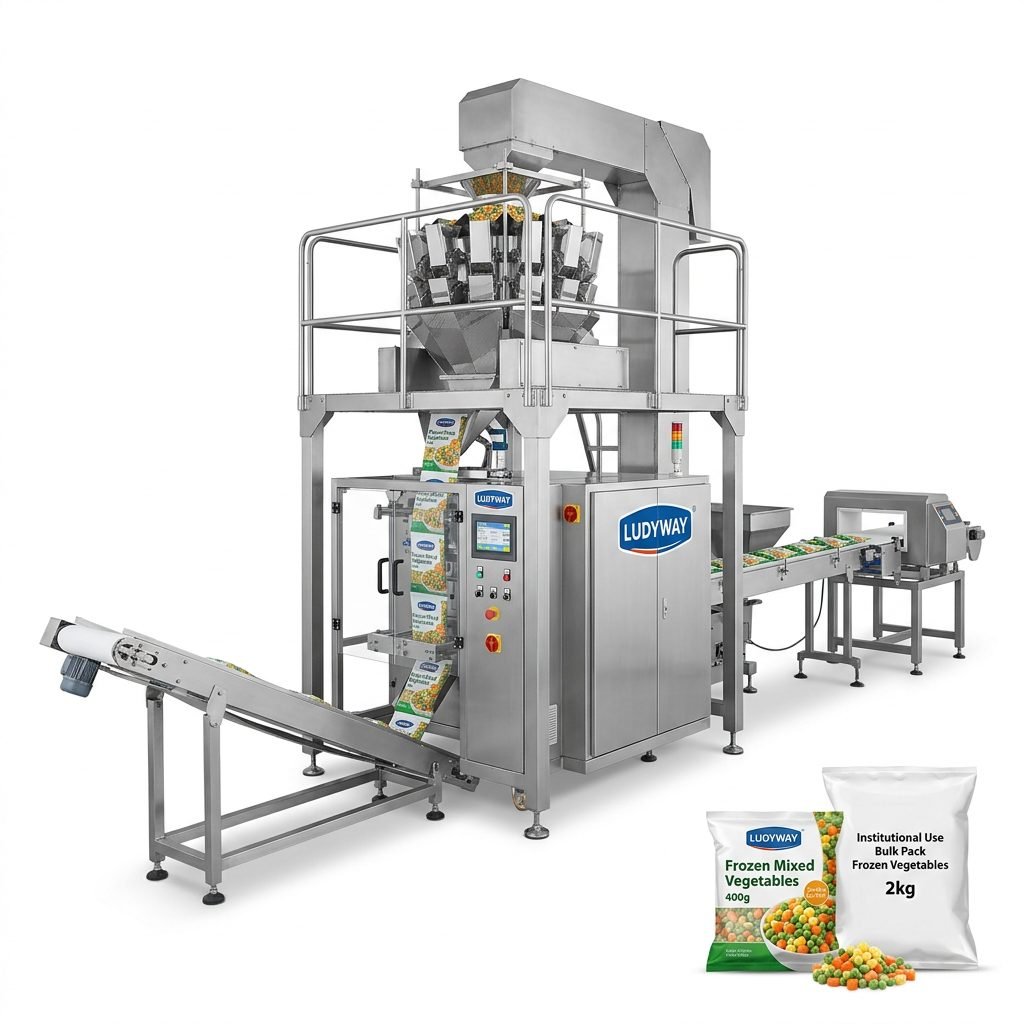
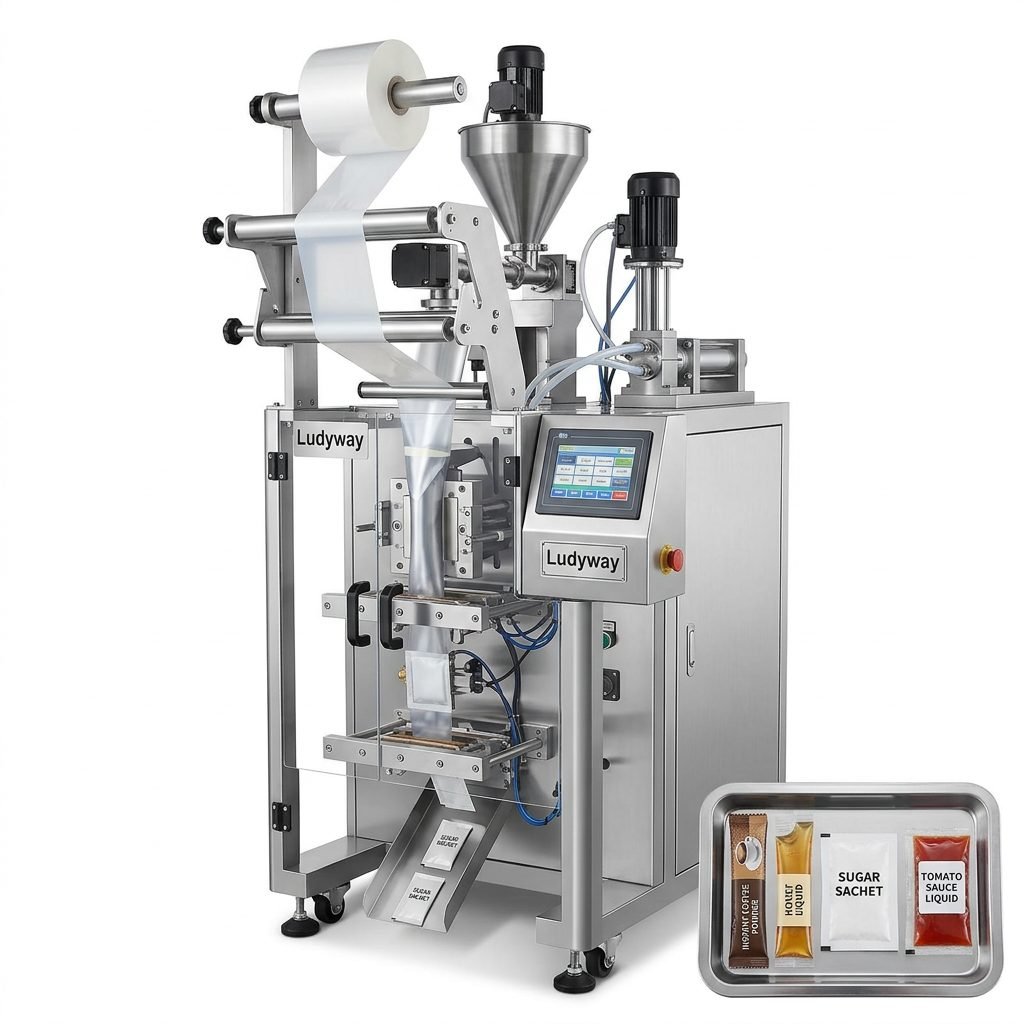
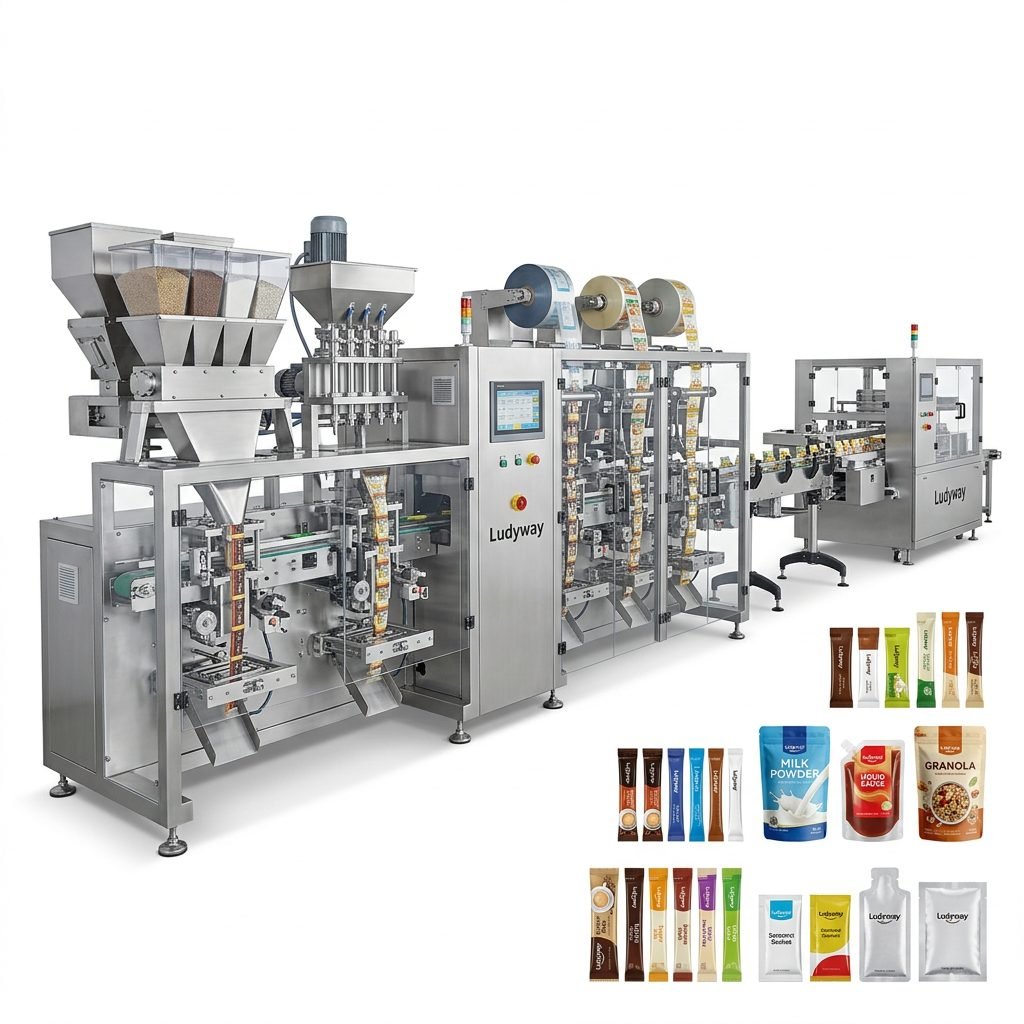
When sourcing machinery, many French producers evaluate international suppliers for cost-effectiveness and advanced technology. Companies like Ludyway, one of the largest packaging machine manufacturers in China with over 30 years of industry experience, offer turnkey solutions that include multi-lane stick pack, sachet, and fully automated systems suitable for ice cream portion packaging. Their equipment is designed to meet international standards and can be customized for frozen food applications.
Facility Layout and Production Line Design
A well-designed facility layout is essential for maximizing production efficiency in your French ice cream packaging operation. The layout must account for cold chain integrity, material flow, and compliance with food safety zoning principles. In France, production facilities typically follow a linear or U-shaped flow pattern that separates raw material receiving, processing, packaging, and finished goods storage into distinct zones.
Cold Chain Considerations
Ice cream packaging requires maintaining product temperature below -18°C throughout the process. The packaging area itself may need to be temperature-controlled, and rapid transfer systems should move filled packages into blast freezers or cold storage without delay. Insulated conveyor sections and automated handling systems help minimize temperature fluctuation during packaging.
Space Planning for Multi-Lane Systems
If you are installing multi-lane stick pack or sachet machines, plan for adequate access space around each unit for operation, cleaning, and maintenance. French workplace safety regulations require minimum clearance zones that must be factored into your floor plan. Additionally, consider future scalability — leaving space for additional lanes or complementary equipment can save significant costs down the line.
Installation, Commissioning, and Validation
Installing packaging machinery in France involves several procedural steps that differ from non-EU countries. Qualified technicians should handle installation to ensure compliance with electrical and mechanical safety standards. The commissioning phase includes dry runs, product testing, and adjustments to achieve optimal fill accuracy and seal integrity. Validation protocols should align with ISO packaging standards where applicable.
Documentation Requirements
- Technical file — including machine specifications, electrical diagrams, and safety assessments
- Declaration of Conformity — certifying CE compliance for EU market placement
- Installation qualification (IQ) — verifying correct installation per manufacturer specifications
- Operational qualification (OQ) — demonstrating that equipment operates within defined parameters
- Performance qualification (PQ) — confirming consistent output under actual production conditions
Ensuring Compliance with French and EU Packaging Regulations
France has embraced the EU’s circular economy action plan, which directly impacts packaging choices for ice cream products. The AGEC Law (Anti-Waste for a Circular Economy) and upcoming EU Packaging and Packaging Waste Regulation (PPWR) set targets for recyclability, recycled content, and packaging reduction. Ice cream manufacturers must select packaging materials and machinery capable of handling recyclable or reusable formats.
Sustainable Packaging Trends in France
French consumers and regulators increasingly favor mono-material packaging, paper-based alternatives, and lightweight designs. Your packaging machines should be compatible with these evolving material specifications. Flexible packaging lines that can adapt to different film types and thicknesses provide a strategic advantage in the French market, where sustainability credentials influence both regulatory compliance and consumer preference. For broader industry guidance, the Flexible Packaging Association resources offer valuable insights into material trends and regulatory updates.
Staff Training and Operational Excellence
Operating an ice cream packaging production line in France requires skilled personnel familiar with both the machinery and food safety protocols. French labor law mandates specific training for employees working with industrial equipment, and your training program should cover machine operation, sanitation procedures, safety protocols, and basic troubleshooting. Many equipment suppliers offer on-site training packages as part of their installation services.
Key Training Areas
- Machine start-up and shutdown procedures specific to frozen product handling
- Cleaning-in-place (CIP) and sanitation protocols for dairy-contact surfaces
- Quality control checks including seal integrity testing and weight verification
- Emergency stop procedures and lockout/tagout compliance under French safety regulations
- Basic maintenance tasks to minimize reliance on external service calls
Maintenance Strategies for Long-Term Reliability
A proactive maintenance program is essential to keep your ice cream packaging line running efficiently in a demanding production environment. Preventive maintenance schedules should align with production volumes and equipment manufacturer recommendations. In France, maintaining detailed service records is not only good practice but may also be required for insurance purposes and regulatory inspections.
Spare Parts Inventory Management
Stocking critical spare parts locally within France can significantly reduce downtime. Work with your equipment supplier to identify high-wear components such as sealing jaws, cutting blades, belts, and sensors. A recommended spare parts list should be developed during commissioning, and reorder points established based on expected component lifespan. For more information on packaging machinery best practices and market research, industry associations provide comprehensive benchmarking data.
Cost Considerations and ROI Analysis
Investing in an ice cream packaging production line in France involves significant capital expenditure, but a thorough return on investment analysis can guide decision-making. Factor in not only equipment purchase costs but also installation, training, ongoing maintenance, energy consumption, and potential downtime. French government incentives for food processing modernization may be available through regional development programs or EU agricultural funds.
| Cost Category | Estimated Range (EUR) | Notes |
|---|---|---|
| Single-Lane Filling Machine | €25,000 – €60,000 | Entry-level, suitable for artisanal producers |
| Multi-Lane Stick Pack Line | €80,000 – €250,000 | 4-12 lanes, ideal for single-serve products |
| Complete Turnkey Line | €300,000 – €1,000,000+ | Including filling, sealing, coding, cartoning, and palletizing |
| Annual Maintenance | 3% – 5% of equipment value | Spare parts, service contracts, technician visits |
| Energy Consumption | €8,000 – €30,000 per year | Varies by line size and operating hours |
Working with Local Partners and Authorities
Establishing strong relationships with local French partners can streamline your production line setup. This includes engaging with local engineering firms for facility modifications, French packaging material suppliers for film and container sourcing, and regional business development agencies that can assist with navigating administrative procedures. The packaging industry resources from PMMI also provide valuable guidance on equipment selection and industry networking opportunities.
French Industry Networks
Consider joining French food industry associations such as ANIA (Association Nationale des Industries Alimentaires) or regional dairy cooperatives. These networks provide access to market intelligence, regulatory updates, and potential collaboration opportunities with other ice cream producers who have already navigated the production line setup process.
Future-Proofing Your Ice Cream Packaging Line
The ice cream industry in France is evolving rapidly, with trends toward healthier formulations, plant-based alternatives, and sustainable packaging reshaping the market. When setting up your production line, invest in equipment that offers flexibility to handle different product consistencies — from traditional dairy ice cream to vegan sorbets and high-protein frozen desserts. Modular machinery designs allow for future upgrades without complete line replacement.
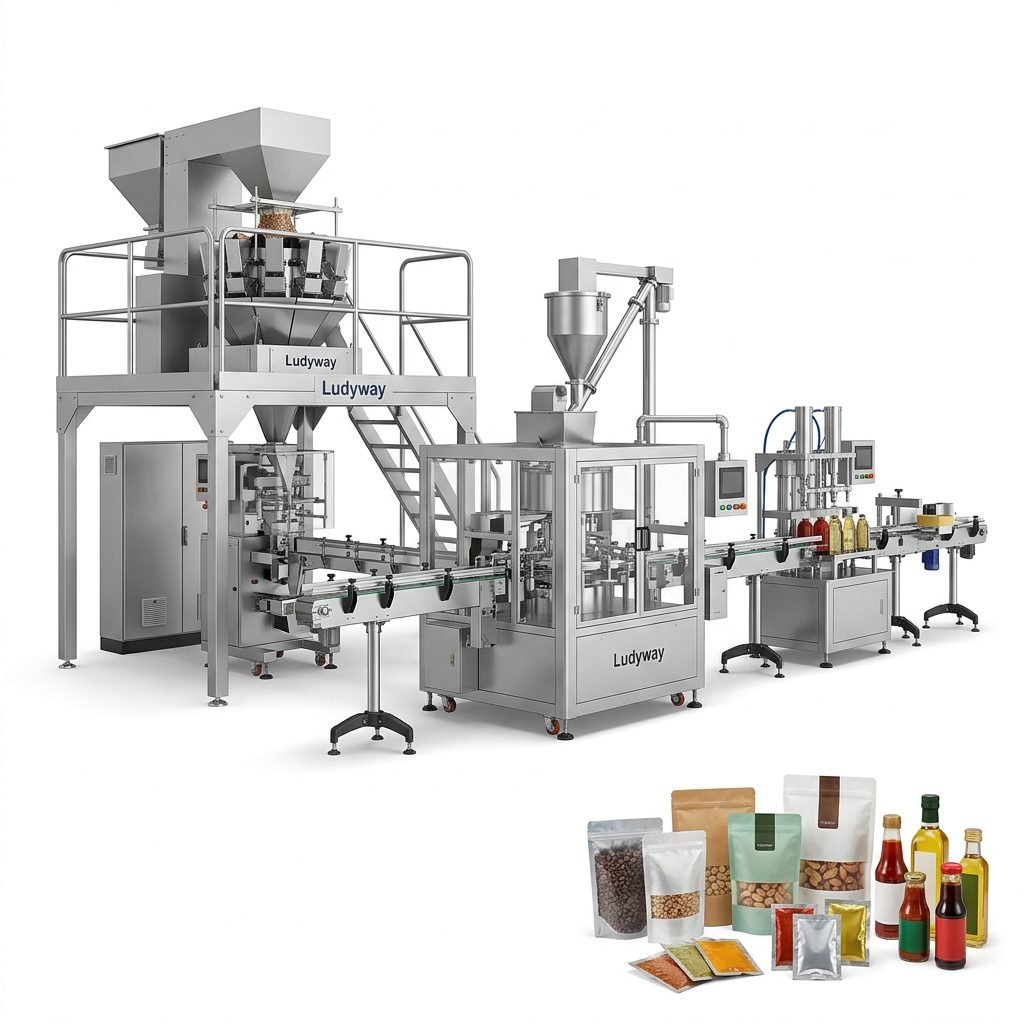
Automation and data integration are also becoming increasingly important. Smart packaging lines equipped with sensors and connectivity enable real-time monitoring of production metrics, predictive maintenance alerts, and seamless integration with enterprise resource planning systems. In the French market, where labor costs are relatively high, investing in automation can deliver substantial long-term savings. For the latest state of the industry data and packaging trends, annual reports from leading industry bodies offer comprehensive analysis.
Final Checklist Before Launch
- Verify CE certification for all imported or locally sourced machinery
- Complete facility modifications including cold storage integration and utility connections
- Conduct thorough staff training covering operation, sanitation, and safety procedures
- Validate packaging line performance with product trials and quality assurance testing
- Secure all necessary permits from French authorities including DREAL for environmental compliance
- Establish supplier relationships for packaging materials, spare parts, and technical support
- Implement a preventive maintenance schedule and document management system
- Test traceability systems to ensure compliance with EU food labeling regulations (Regulation 1169/2011)
Setting up an ice cream packaging machine production line in France is a substantial undertaking that requires careful coordination of regulatory compliance, equipment selection, facility design, and operational planning. By following the steps outlined in this guide and partnering with experienced equipment suppliers, you can build a high-performance production line that meets the demands of the French market and positions your business for long-term growth in Europe’s competitive frozen dessert industry.