Ice cream is one of the most competitive food categories in the world. From single-serve bars and cones to family tubs, cups, and squeeze pouches, packaging does much more than hold the product. It protects texture, supports cold-chain distribution, improves shelf appeal, and helps brands maintain hygiene and efficiency at scale.
For manufacturers, choosing the right ice cream packaging machine can directly affect output, product consistency, labor cost, packaging quality, and long-term profitability. The ideal solution depends on your product format, production speed, filling accuracy, plant layout, and automation goals.
Why Ice Cream Packaging Requires Specialized Equipment
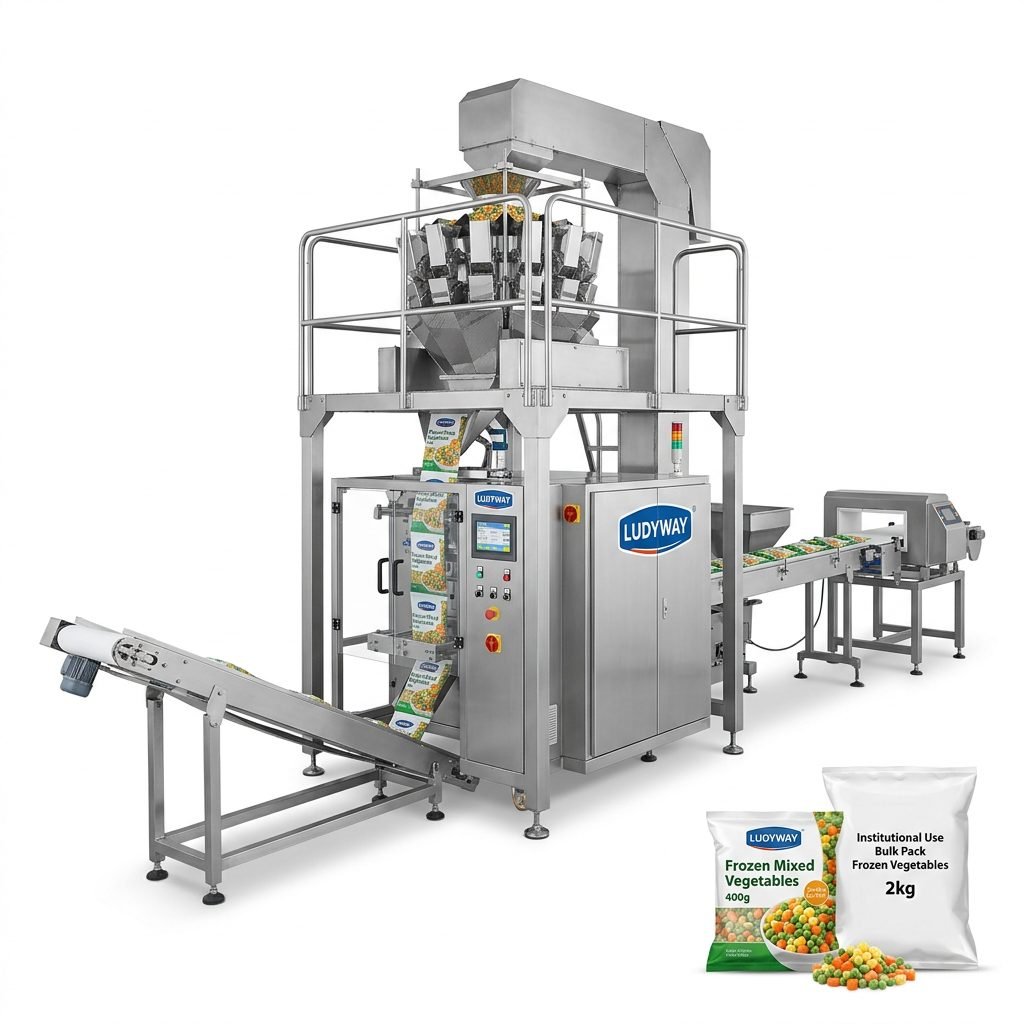
Ice cream packaging is different from standard food packaging because the product is temperature-sensitive, texture-sensitive, and highly vulnerable to contamination. A good machine must work efficiently while preserving product appearance and fill integrity.
- It must handle cold or semi-frozen product conditions.
- It should maintain accurate fill volumes even with viscous or aerated products.
- It must support hygienic design and easy cleaning.
- It should seal packaging securely to prevent leakage, freezer burn, and contamination.
- It needs to match upstream and downstream processes such as feeding, coding, cartoning, and case packing.
Whether you pack soft-serve style cups, rigid tubs, frozen novelties, or flexible sachets, machine design plays a major role in maintaining stable production.
Main Types of Ice Cream Packaging Machines
There is no single machine suitable for every ice cream product. Different packaging formats require different filling, sealing, and handling technologies.
1. Cup Filling and Sealing Machines
These machines are widely used for single-serve ice cream cups. They typically handle cup denesting, filling, topping addition, lid placement, heat sealing, date coding, and discharge.
Best for: retail cups, dessert cups, yogurt-style frozen products, premium portion packs.
Key advantages
- Clean and attractive retail presentation
- Good fill accuracy
- Flexible for multiple cup sizes
- Can integrate with topping systems and lid applicators
2. Tub Filling Machines
Tub fillers are designed for medium and large containers, including family-size and bulk ice cream packs. They are common in supermarkets, foodservice supply, and industrial frozen dessert production.
Best for: family tubs, catering packs, multi-liter containers.
Key advantages
- Higher filling capacity for larger formats
- Suitable for premium inclusions such as nuts, fruit pieces, or chocolate chips
- Supports automatic lid placement and tamper-evident sealing
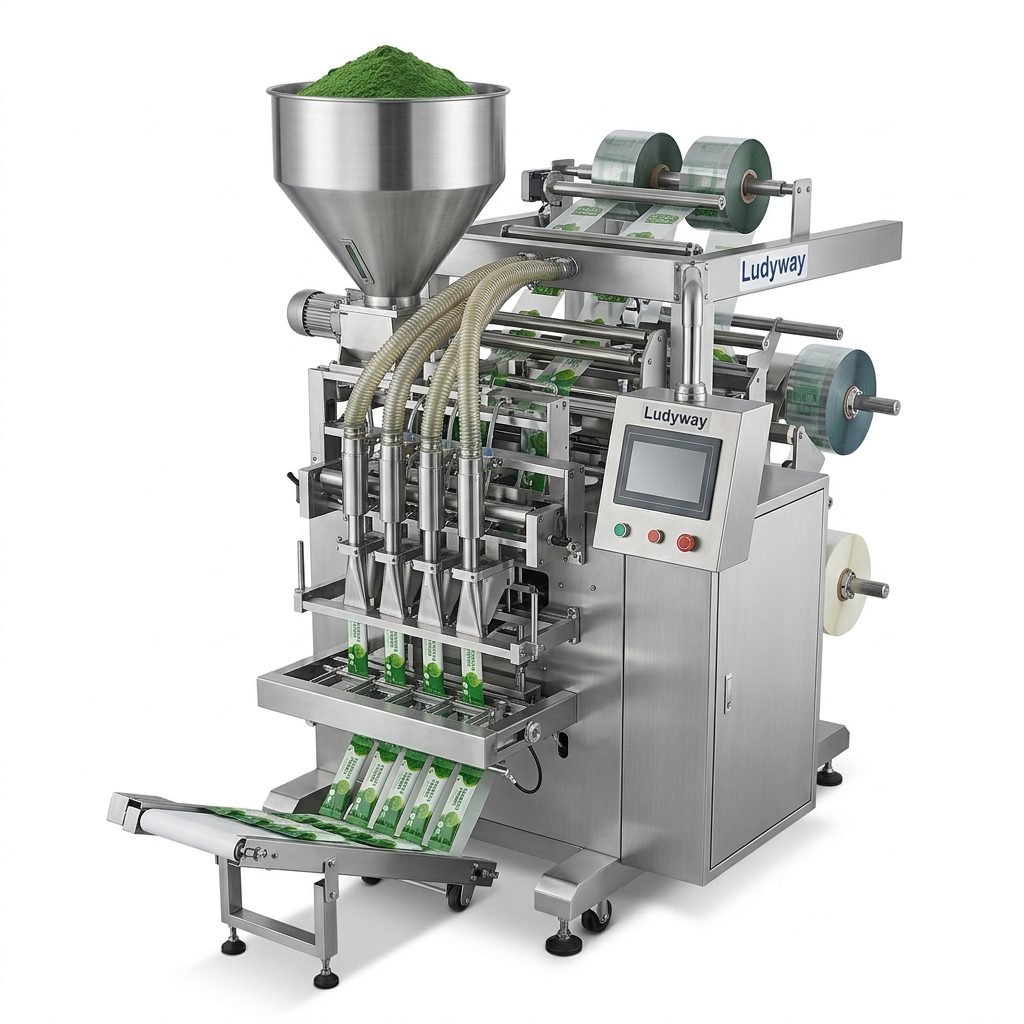
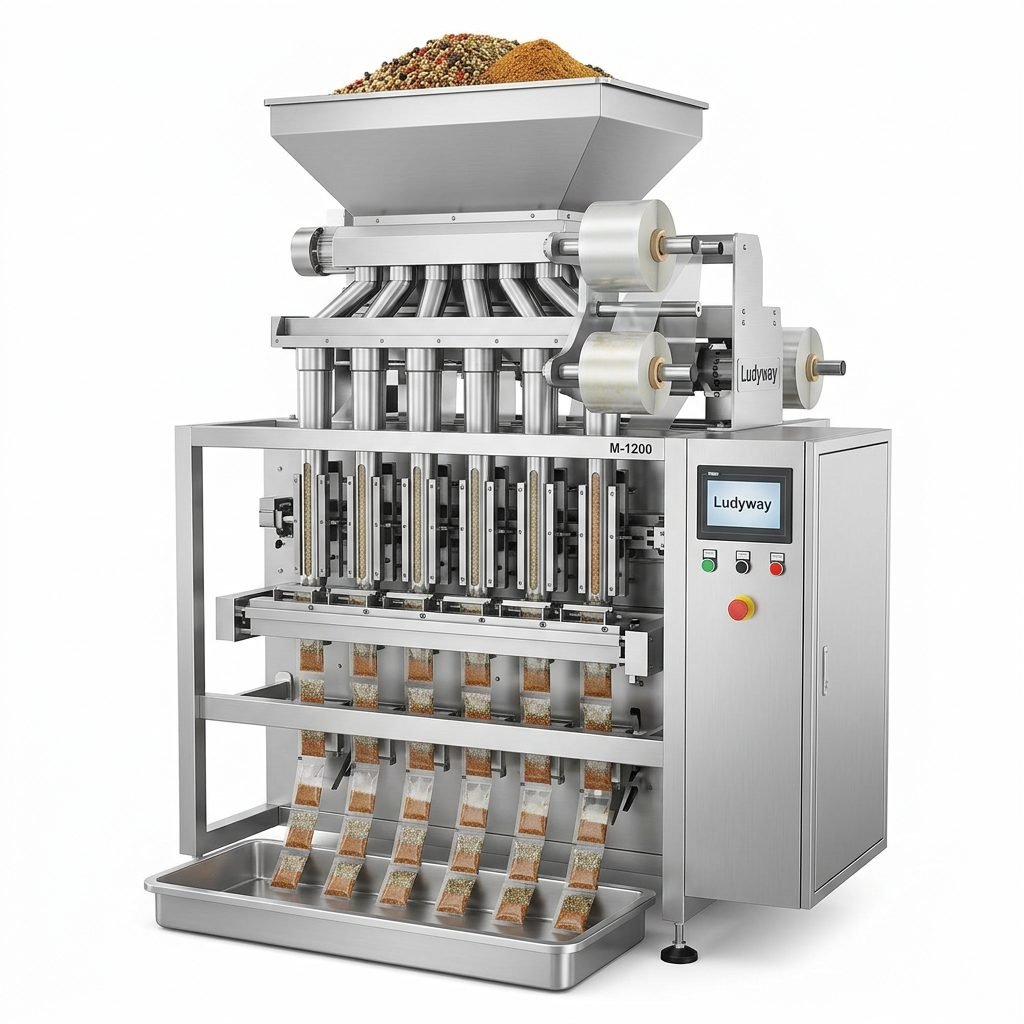
3. Stick Pack or Sachet Packaging Machines for Ice Cream Mixes and Related Products
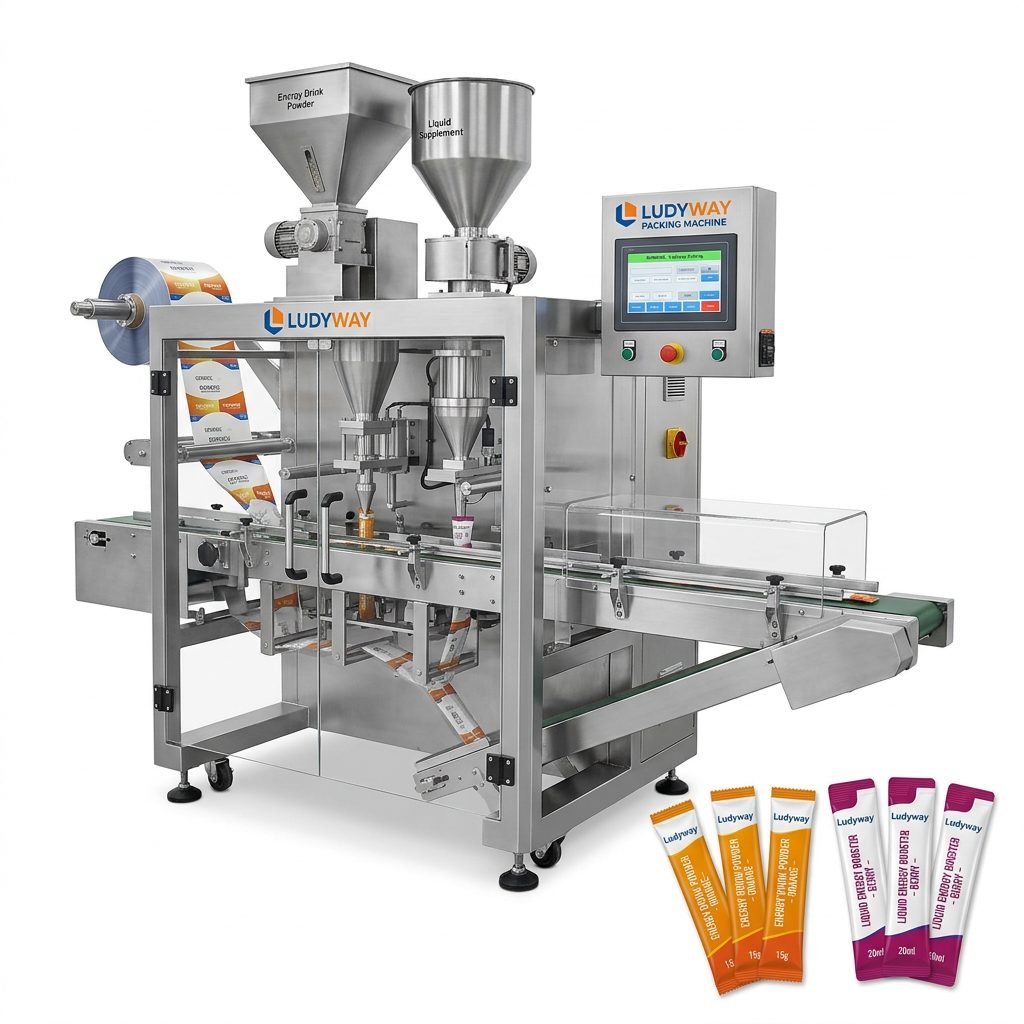
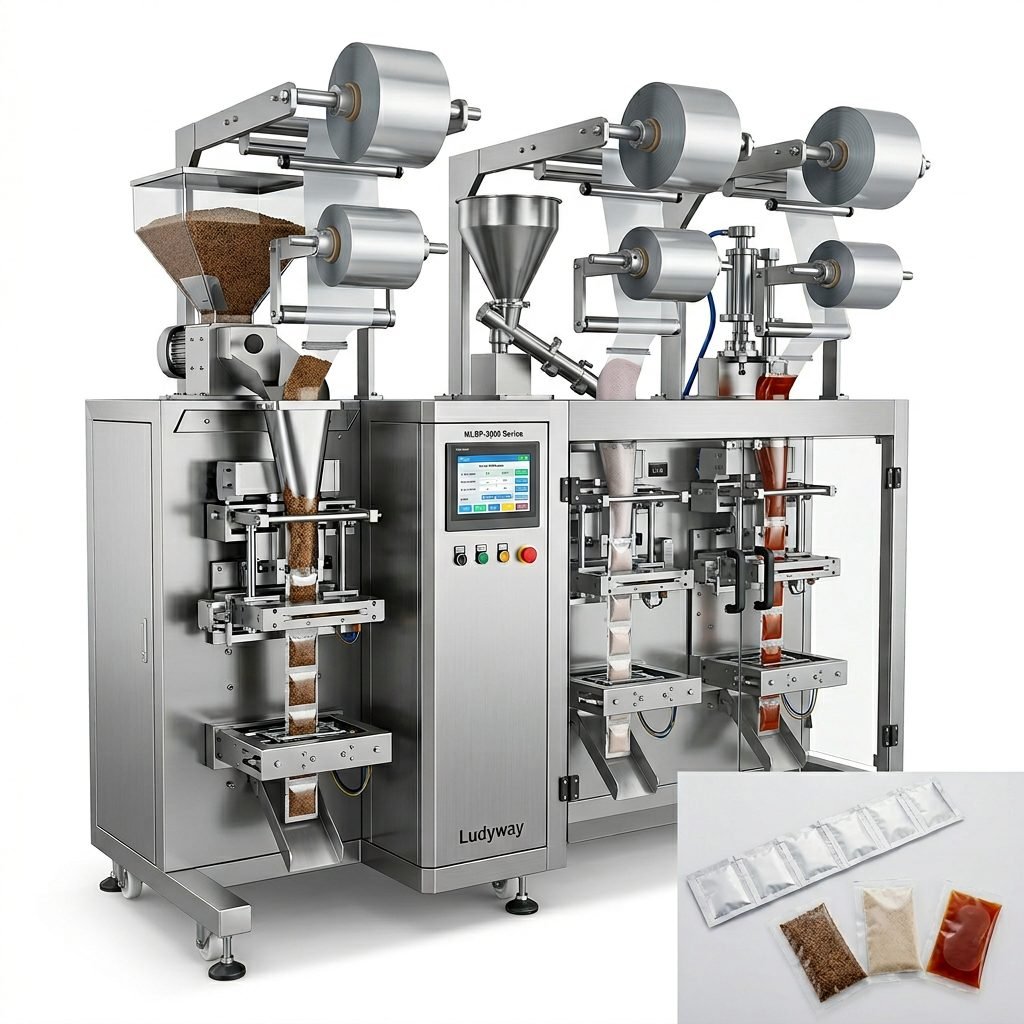
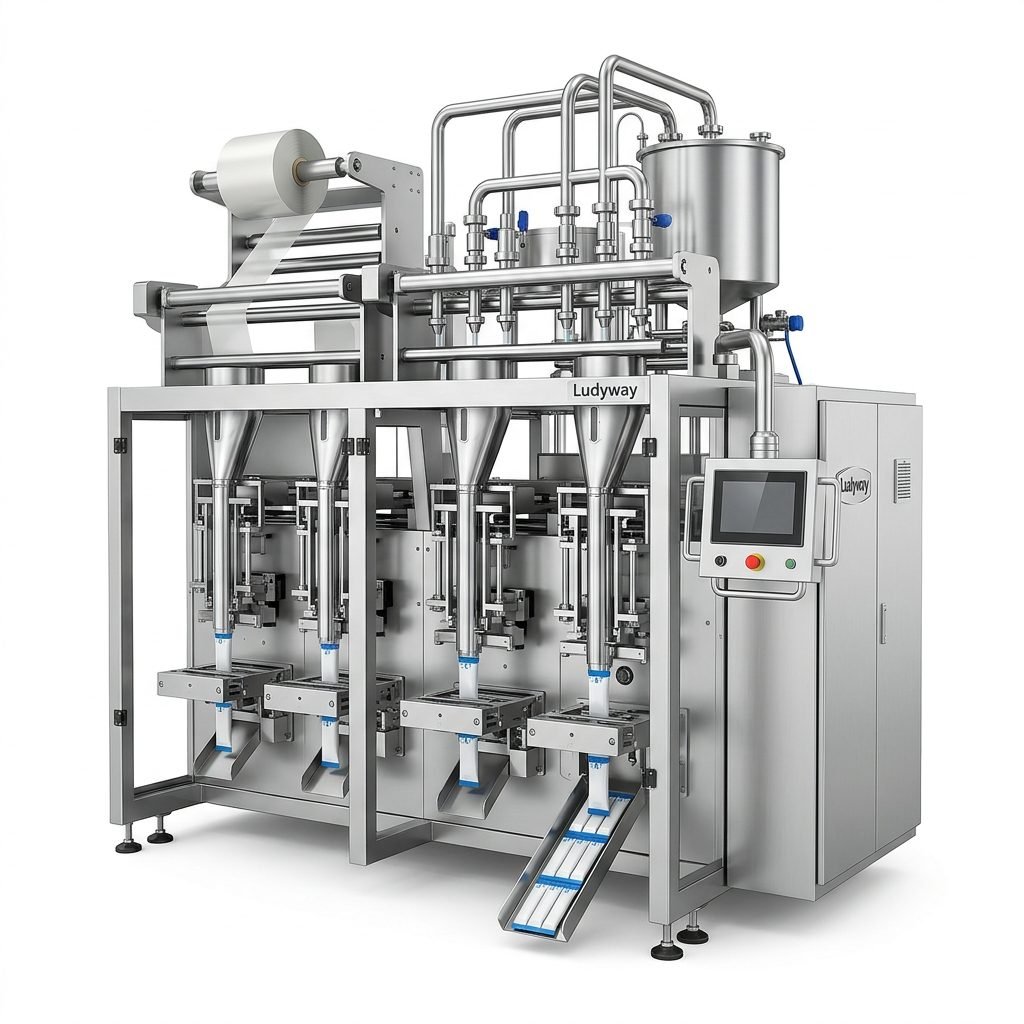
While finished frozen ice cream is often packed in cups, tubs, or wrappers, stick pack and sachet machines are highly relevant for powdered ice cream mixes, dessert bases, toppings, flavoring powders, and companion ingredients used in the frozen dessert industry.
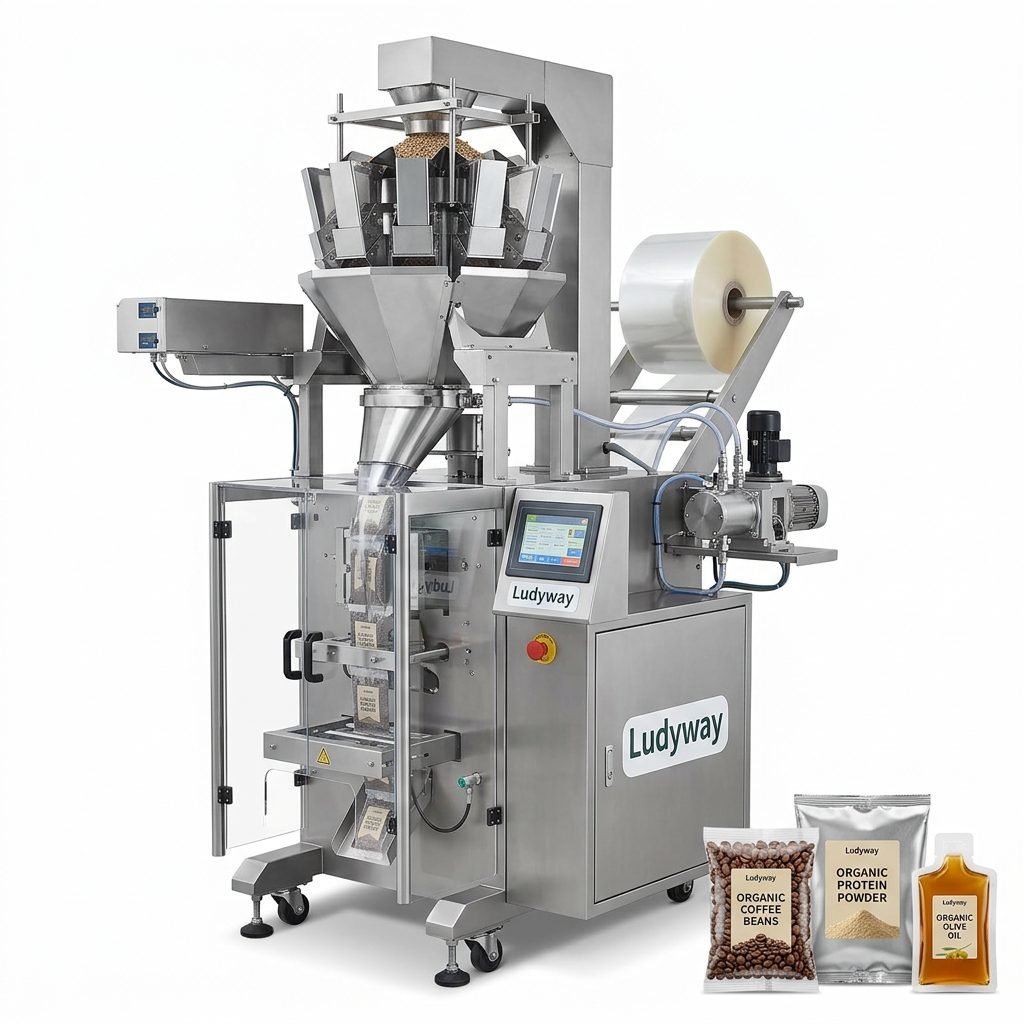
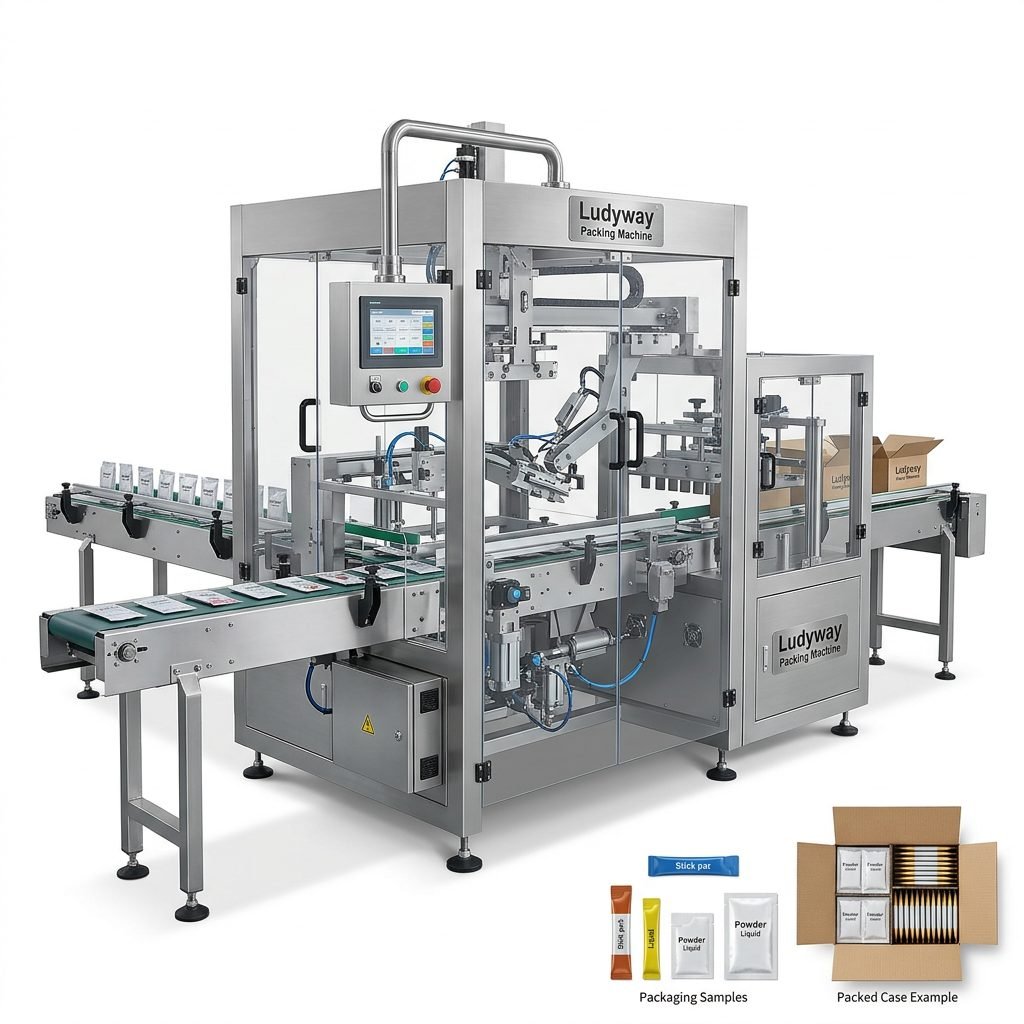
For businesses producing instant ice cream powder, soft-serve premix, chocolate sauce portions, or topping sachets, multi-lane packaging systems can deliver high speed and precise dosing. Companies looking for this kind of solution often evaluate Ludyway ice cream packaging machine solutions because of their broad packaging automation experience and turnkey line capability.
4. Flow Wrapping Machines
Flow wrappers are used for individually wrapping ice cream bars, sandwiches, and similar novelty products. They provide a sealed outer pack that protects product shape and freshness during frozen storage and transport.
Best for: ice cream bars, chocolate-coated novelties, sandwich ice cream, molded products.
Key advantages
- High-speed continuous wrapping
- Strong seal performance
- Good branding space for printed film
- Compatible with cartoning systems
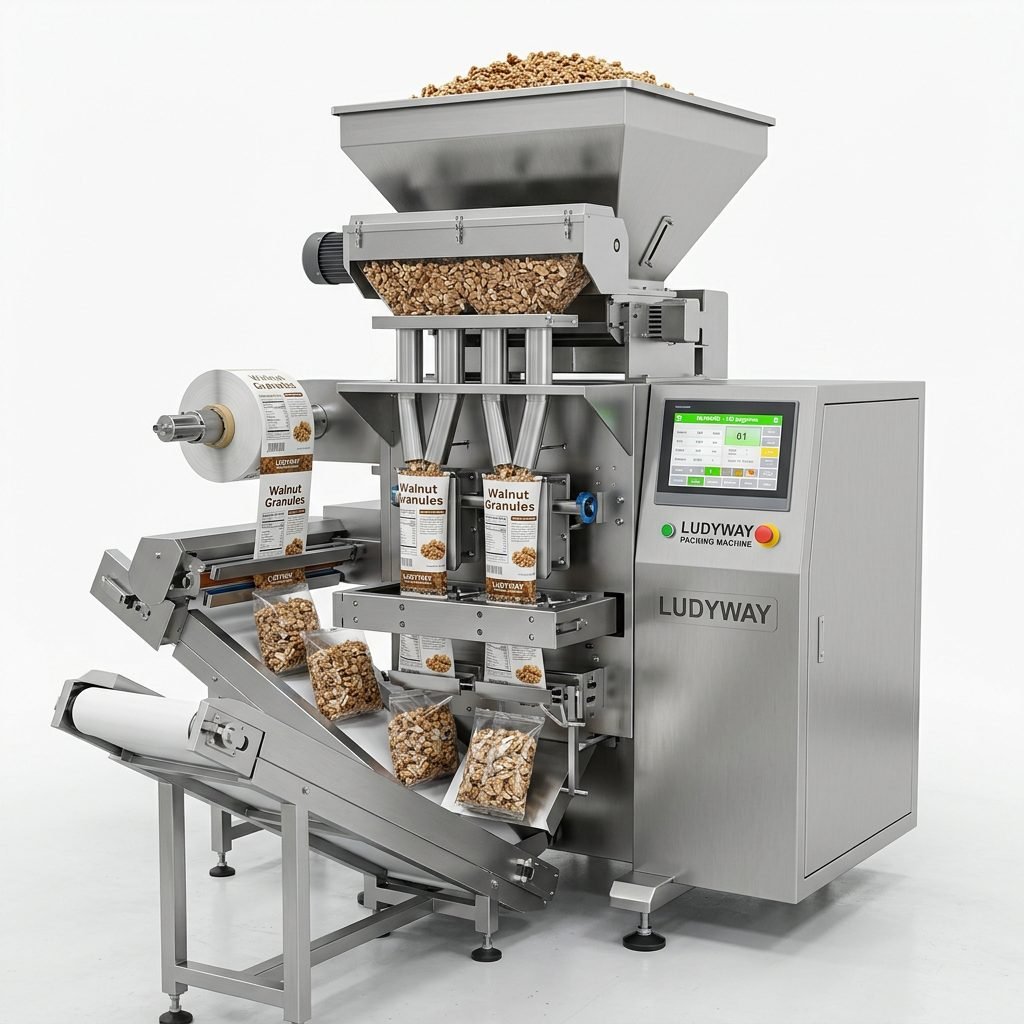
5. Pouch Filling Machines
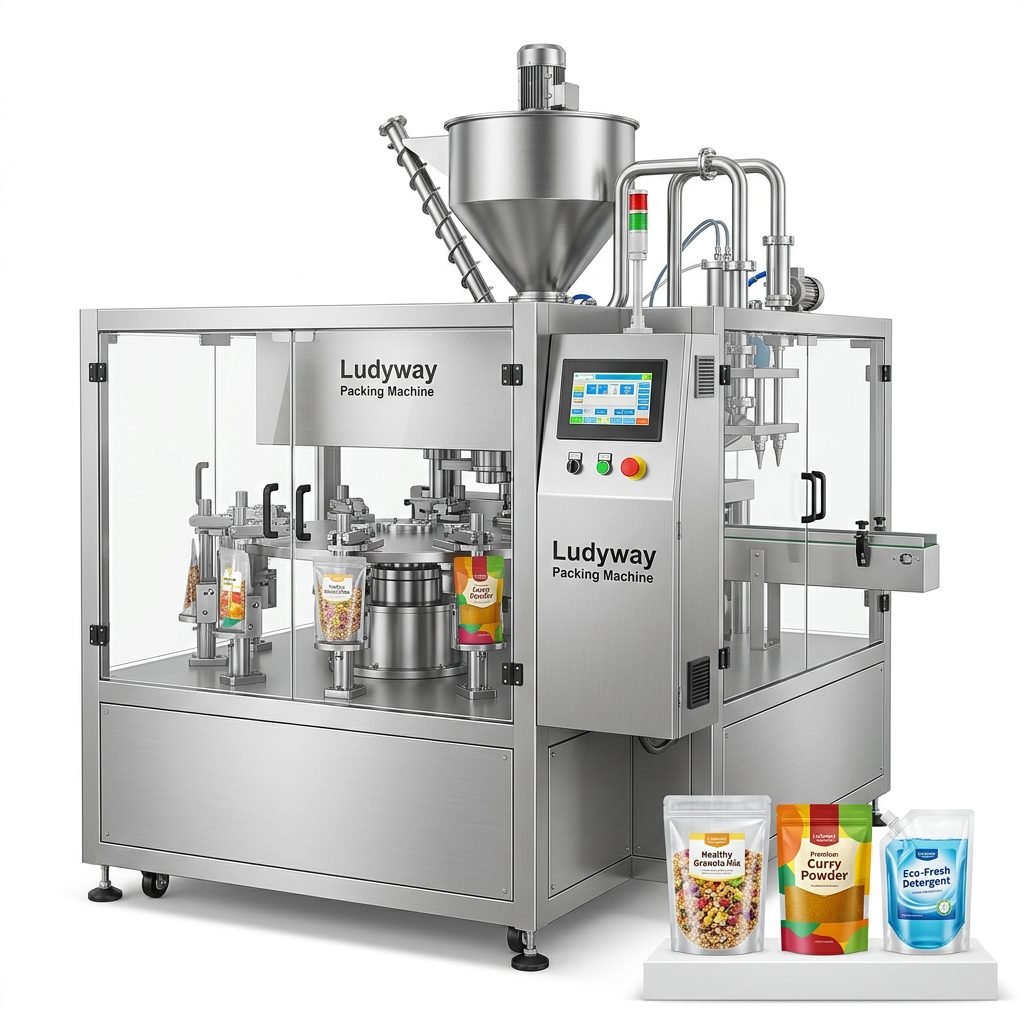
Pouch packaging is growing in frozen desserts and related liquid or semi-liquid formulations. Some manufacturers use pouches for puree-style frozen treats, toppings, syrups, or specialty products aimed at convenience-focused consumers.
Best for: squeeze packs, liquid toppings, frozen dessert bases, specialty portable formats.
6. Cartoning and Case Packing Systems
These are secondary packaging machines used after primary filling or wrapping. They group individual products into retail cartons or shipping cases, improving logistics efficiency and retail readiness.
Best for: multi-packs, retail cartons, transport packaging.
Comparison of Ice Cream Packaging Machine Types
| Machine Type | Typical Products | Main Benefit | Ideal User |
|---|---|---|---|
| Cup Filling & Sealing | Single-serve cups | Retail-friendly and hygienic | Brands selling portion packs |
| Tub Filling Machine | Family tubs, bulk packs | Large-volume filling efficiency | Supermarket and foodservice suppliers |
| Flow Wrapper | Bars, sandwiches, novelties | High-speed individual wrapping | Frozen novelty manufacturers |
| Pouch Filling Machine | Portable frozen treats, toppings | Flexible packaging format | Innovative consumer brands |
| Stick Pack/Sachet Machine | Ice cream mixes, toppings, powders | Accurate small-dose packaging | Premix and ingredient suppliers |
| Cartoning/Case Packing | Multipacks and shipping units | Improved downstream efficiency | Medium to large automated plants |
Benefits of Investing in the Right Ice Cream Packaging Machine
Higher Production Efficiency
Automated equipment can significantly reduce manual intervention and help maintain stable output over long production runs. This matters especially during peak seasons when demand rises sharply.
Better Fill Accuracy
Accurate dosing protects margins and improves compliance with label claims. Underfilling creates customer dissatisfaction, while overfilling increases product giveaway.
Improved Hygiene and Food Safety
Modern machines are designed with sanitary contact parts, easy cleaning access, and controlled product handling. This reduces contamination risk and supports food safety standards.
Reduced Labor Costs
A more automated line can decrease dependency on manual packing, improve workflow consistency, and make labor planning easier.
Stronger Packaging Appearance
In frozen retail, appearance matters. Neat seals, centered labels, uniform fills, and stable packs help products stand out in freezers and improve brand perception.
Scalability for Future Growth
The right packaging solution should not only meet current demand but also support future expansion, new SKUs, and line upgrades.
Key Features to Look For
When comparing machines, focus on practical performance rather than only headline speed.
- Material compatibility: Can it handle cups, tubs, films, pouches, lids, or foil seals required for your product?
- Product compatibility: Can it work with viscous, aerated, chunky, or temperature-sensitive ice cream formulas?
- Output range: Is the machine suitable for your target units per minute?
- Changeover convenience: Fast size changeover is important if you run multiple SKUs.
- Seal quality: A poor seal can ruin product integrity in frozen storage.
- Cleaning and maintenance access: Downtime often depends on how easy the machine is to maintain.
- Automation integration: Can it connect with conveyors, checkweighers, coders, cartoners, and palletizing systems?
- Control system: A user-friendly HMI and recipe management improve daily operation.
How to Choose the Best Ice Cream Packaging Machine
Start with Your Product Format
The first question is simple: what exactly are you packing? A cup filler is not the best option for wrapped bars, and a flow wrapper is not suitable for large tubs. List every current and planned package type before contacting suppliers.
Define Your Capacity Requirements
Think in real production terms, not only maximum machine speed. Consider shift hours, seasonal peaks, reject rates, sanitation downtime, and future growth.
Assess Product Characteristics
Ice cream can vary widely in viscosity, overrun, particulate content, and filling temperature. If your product includes swirls, chunks, sauces, or layered structures, the machine must be designed accordingly.
Consider Plant Space and Layout
A machine may look suitable on paper but still fail to fit your real production environment. Check infeed direction, discharge direction, maintenance clearance, operator access, and future line expansion space.
Evaluate Customization Capability
Many ice cream producers need more than a standard machine. You may require custom molds, lid systems, printing units, special filling heads, or integrated end-of-line automation.
Review After-Sales Support
Technical support is crucial. Spare parts availability, troubleshooting response time, remote support, manuals, and commissioning service all affect long-term equipment value.
Quick Buyer Checklist
| Question | Why It Matters |
|---|---|
| What package format do I need? | Determines the machine category |
| What is my target output per hour? | Prevents underbuying or overspending |
| How many SKUs and sizes will I run? | Impacts changeover and flexibility requirements |
| What are my hygiene and compliance needs? | Affects machine design and material selection |
| Do I need a standalone machine or a full line? | Changes project scope and integration needs |
| What support does the supplier provide? | Reduces long-term operating risk |
Common Mistakes to Avoid
- Choosing based only on price instead of total lifecycle value
- Ignoring future SKU expansion
- Underestimating sanitation and maintenance requirements
- Buying a machine with poor compatibility for your actual product texture
- Overlooking downstream packaging and case packing needs
- Not confirming spare parts and technical support availability
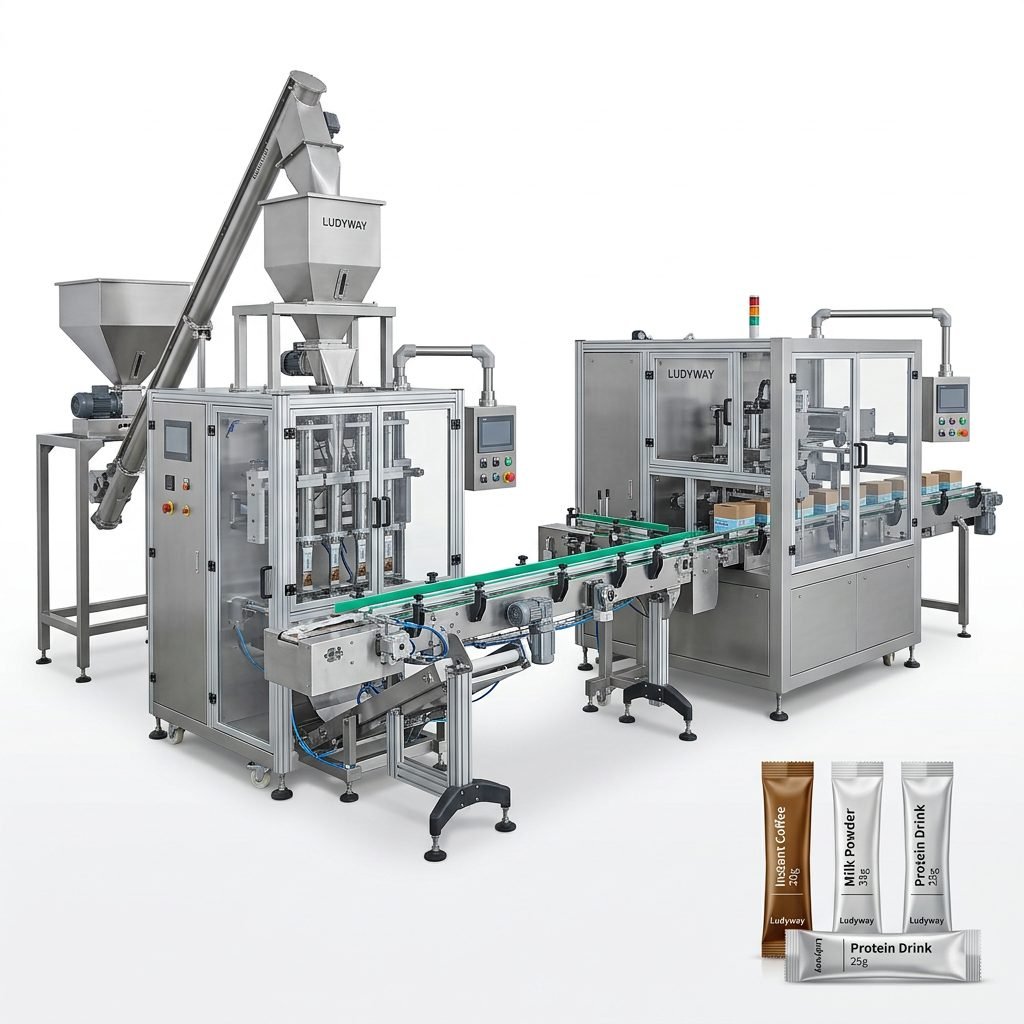
Standalone Machine or Turnkey Packaging Line?
If you are launching a new factory or scaling quickly, a turnkey line may offer better long-term efficiency than buying separate machines from multiple vendors. A complete solution can include feeding, filling, sealing, coding, inspection, cartoning, case packing, and palletizing.
For growing manufacturers, line integration often reduces compatibility issues, shortens commissioning time, and simplifies service coordination.
Final Thoughts for Buyers
The best ice cream packaging machine is the one that matches your product type, speed target, hygiene standard, and business growth plan. Instead of focusing on a single specification, evaluate the full picture: package format, fill accuracy, sealing performance, ease of cleaning, automation level, and supplier support.
A well-chosen machine can help you improve operational efficiency, reduce product waste, protect product quality, and build a stronger frozen dessert brand in an increasingly competitive market.