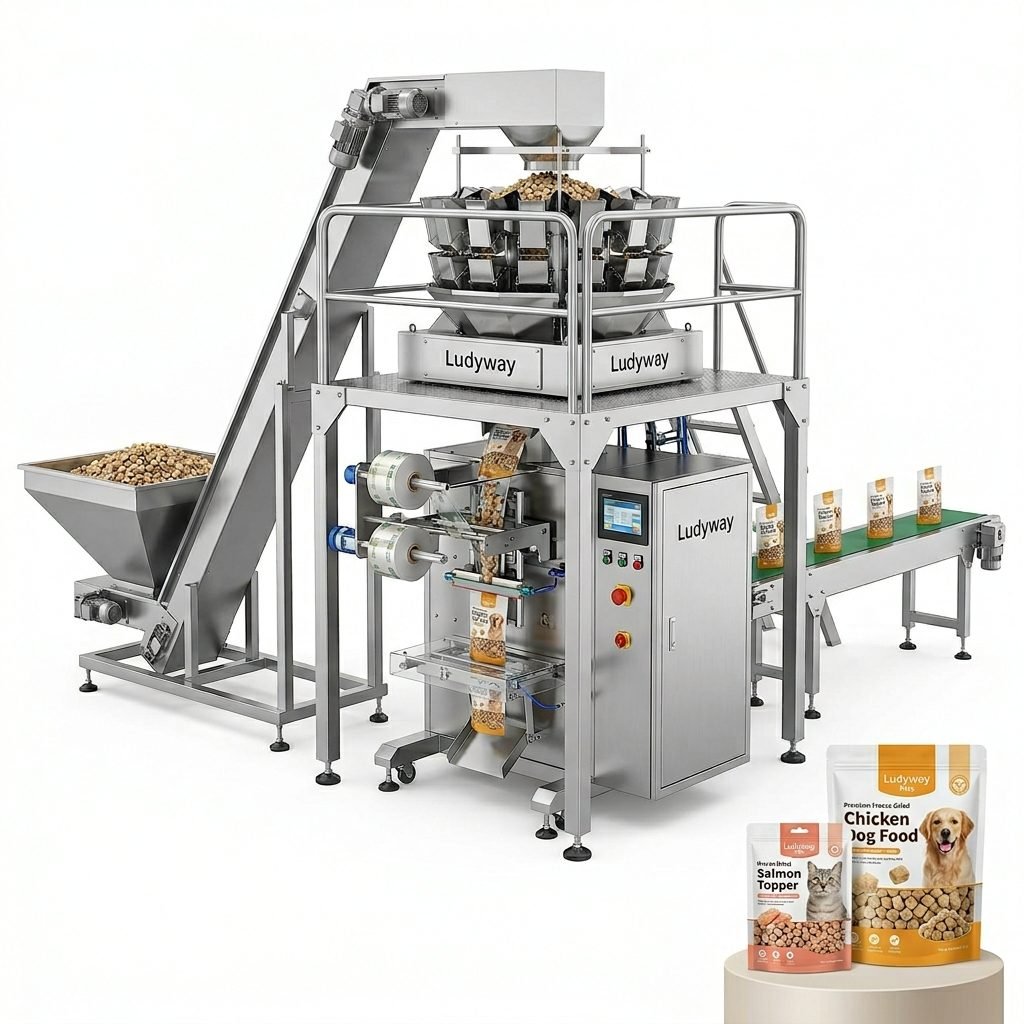
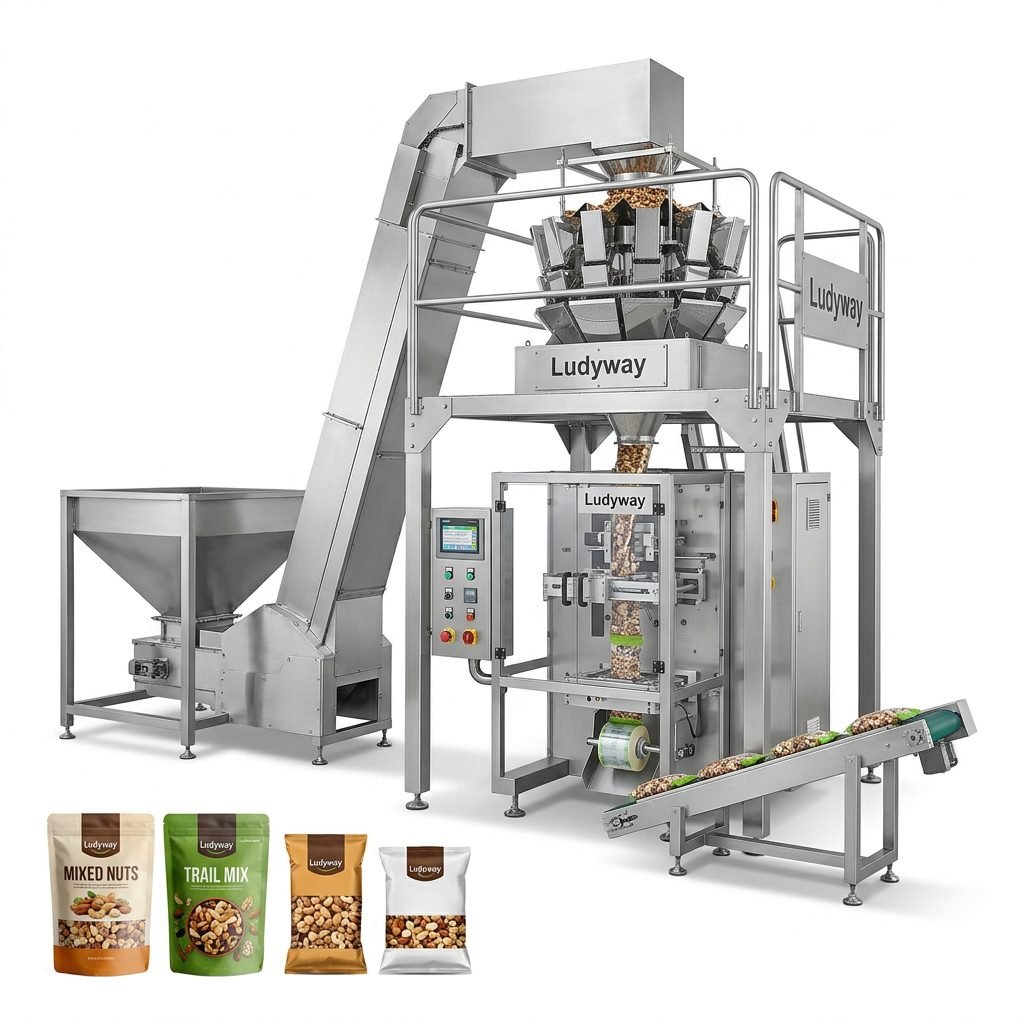
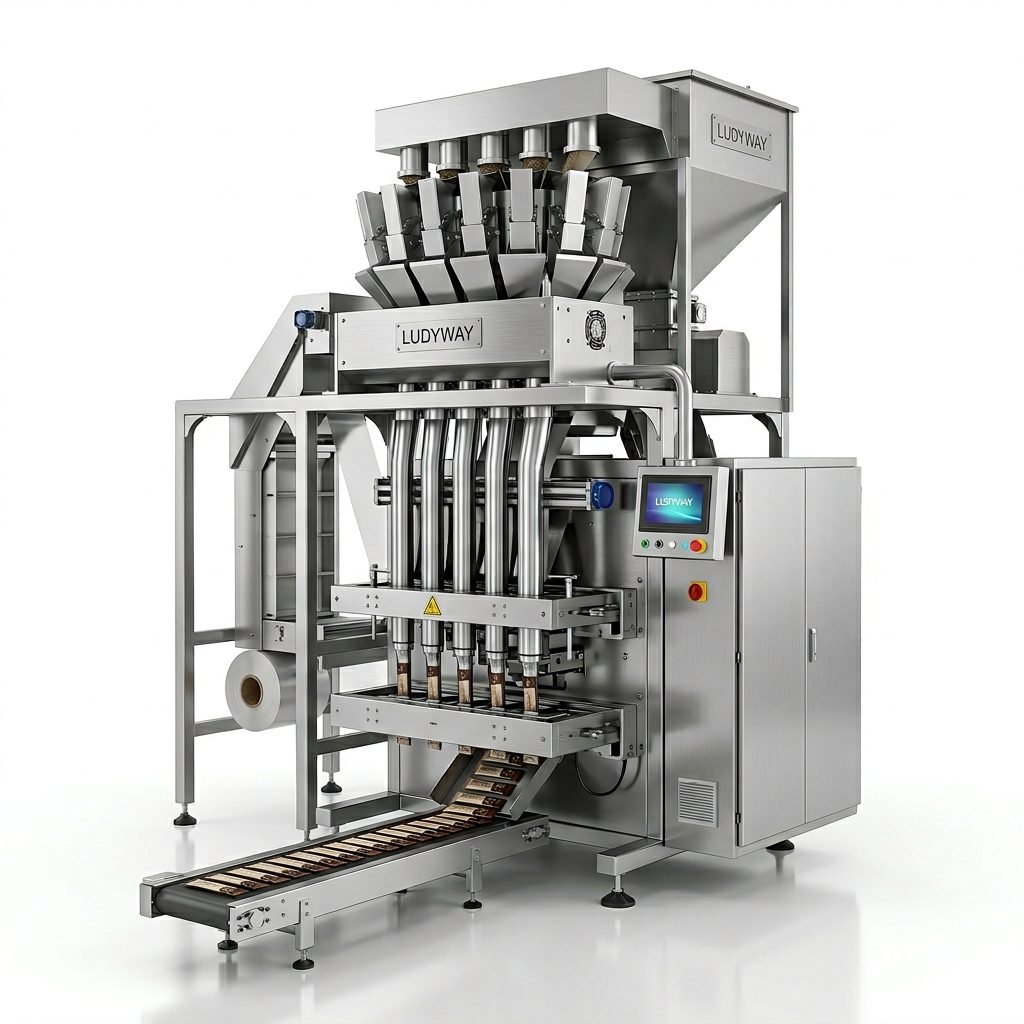
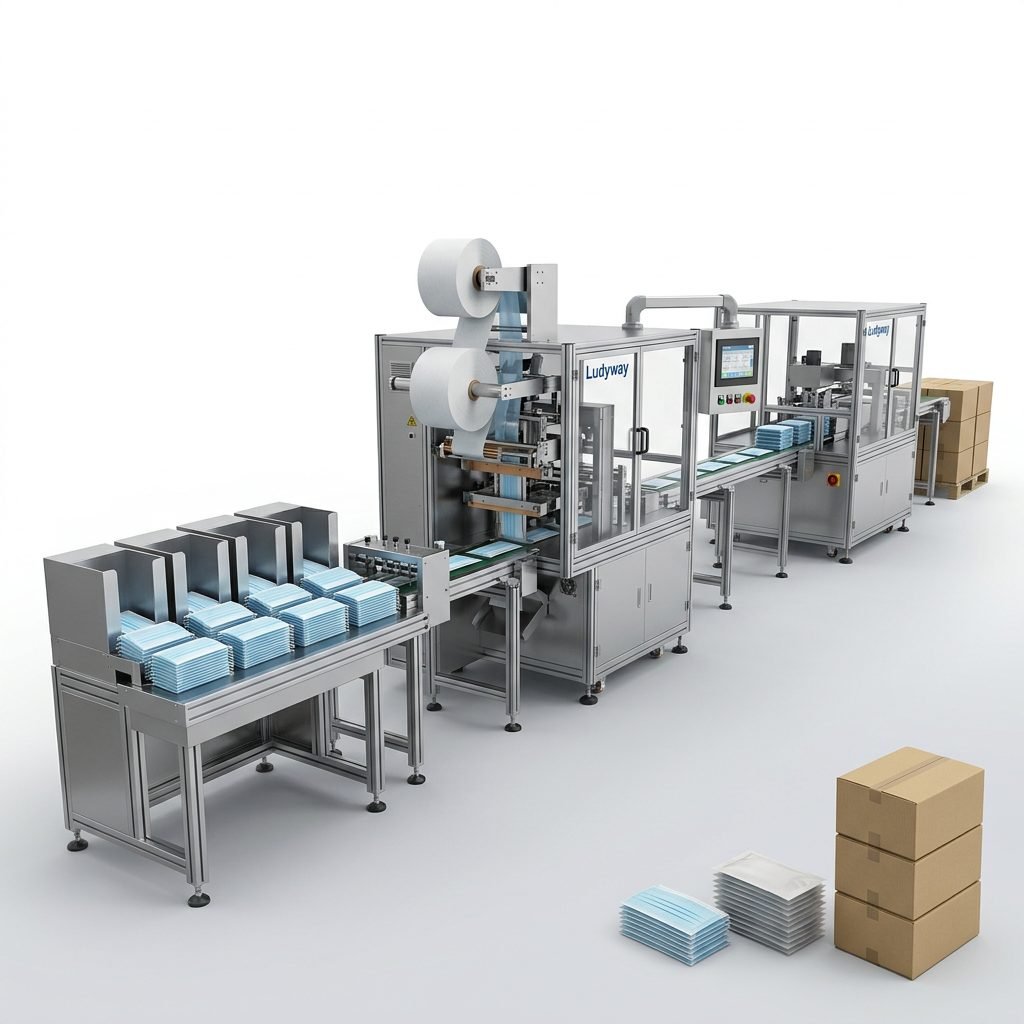
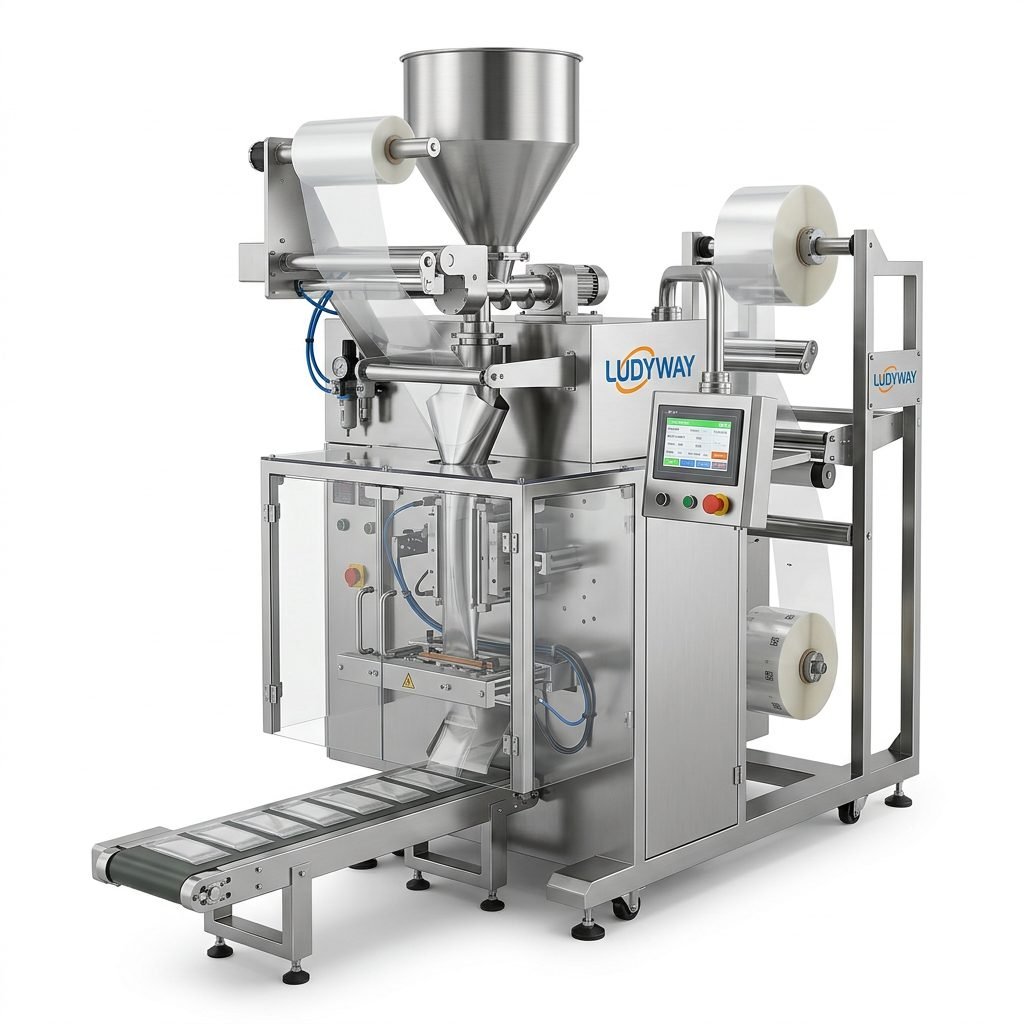
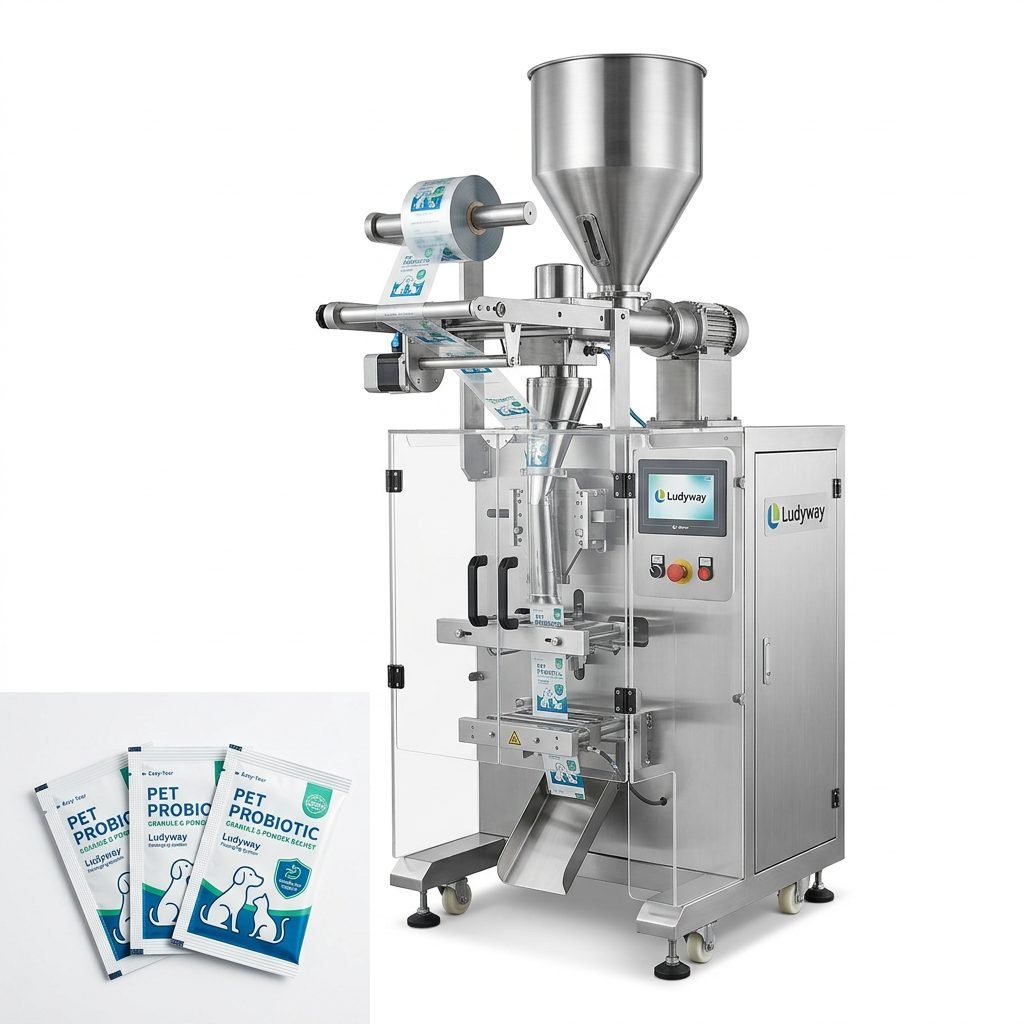
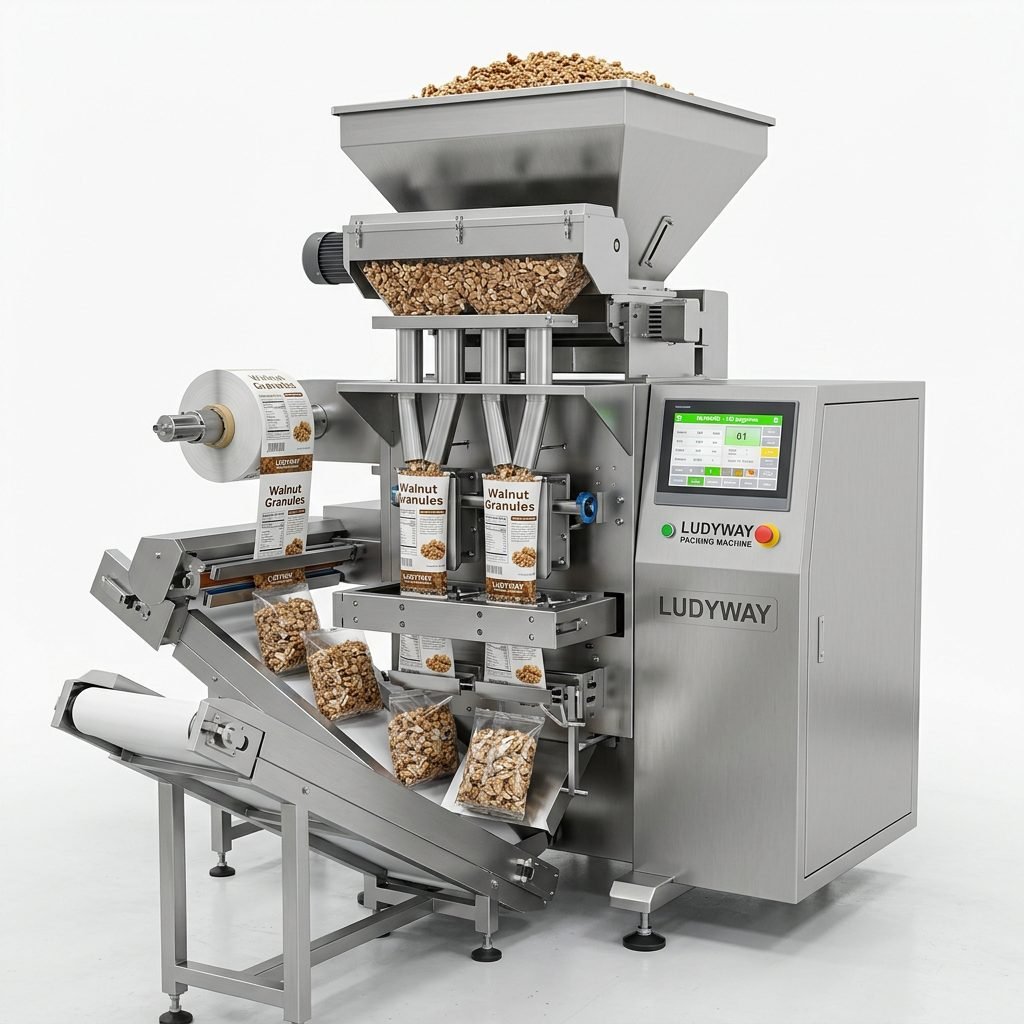
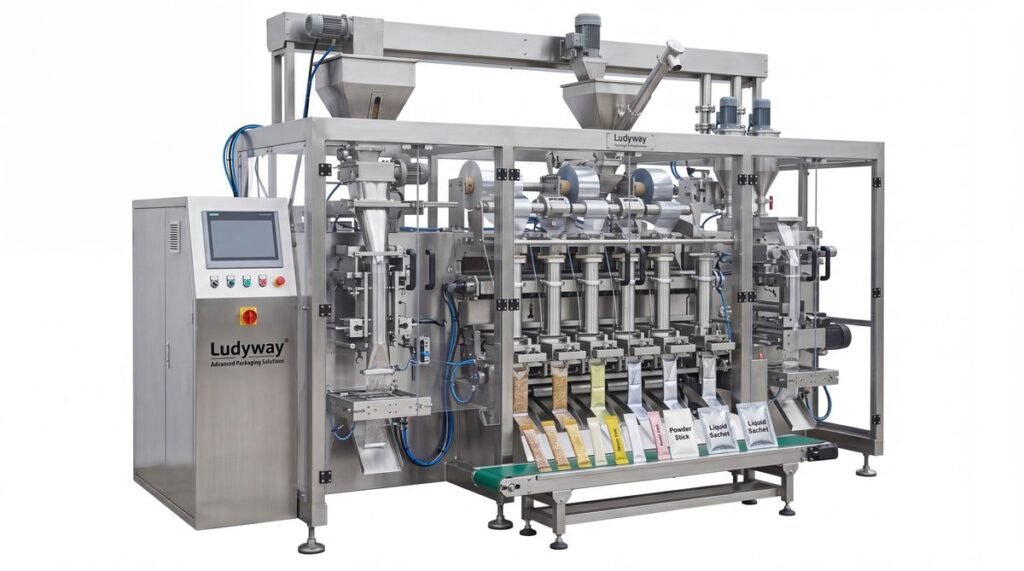
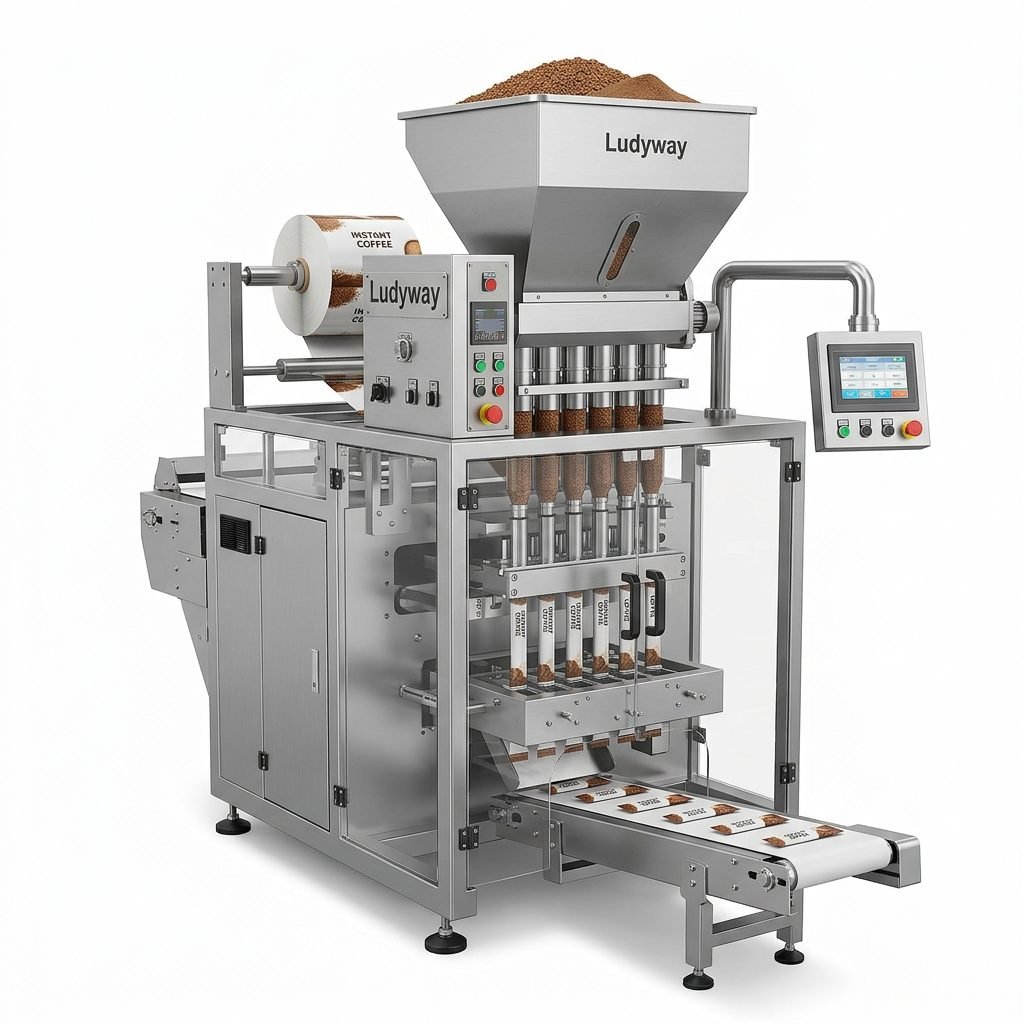
Beverage brands today are under pressure to package faster, reduce waste, maintain product quality, and respond to changing consumer demand. From powdered drink mixes and electrolyte sachets to liquid shots, stick packs, pouches, and bottled beverages, beverage packaging automation helps manufacturers improve line speed while keeping filling accuracy, sealing consistency, and traceability under control.
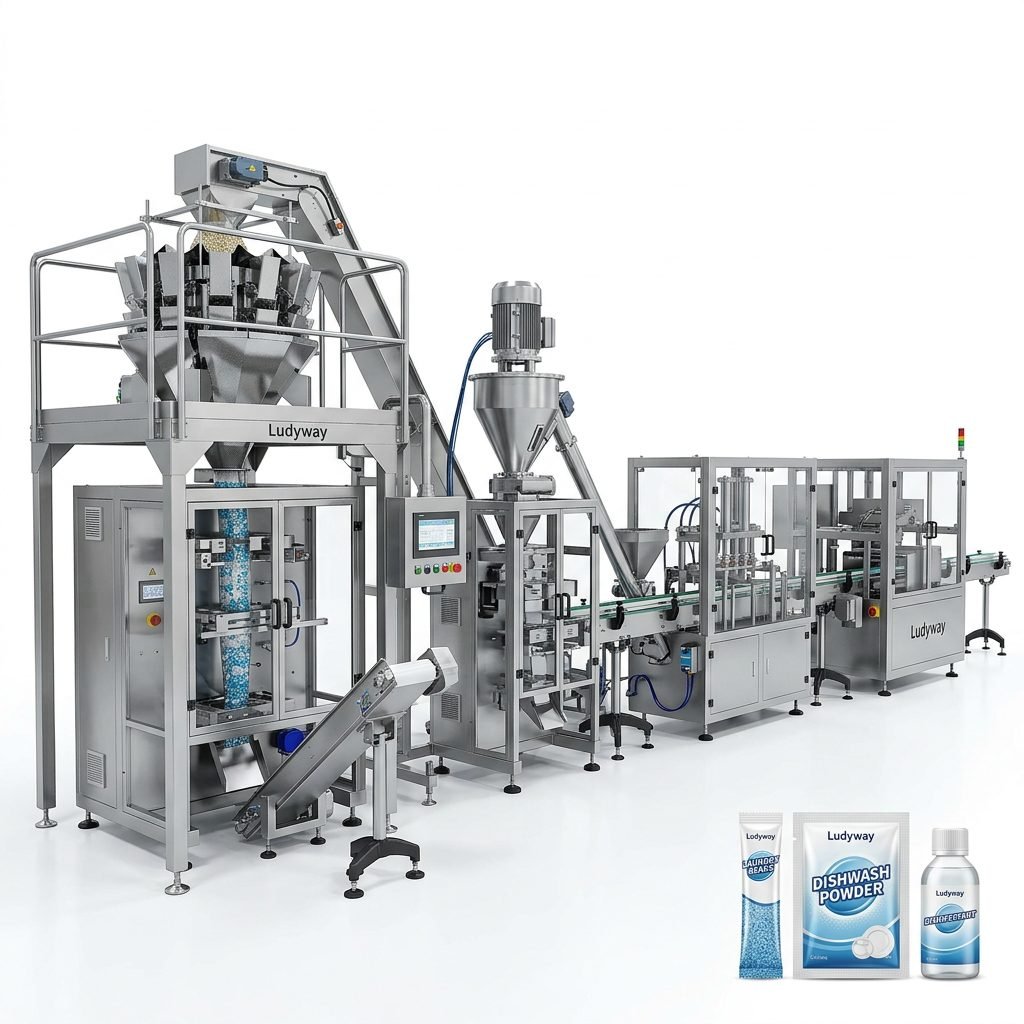
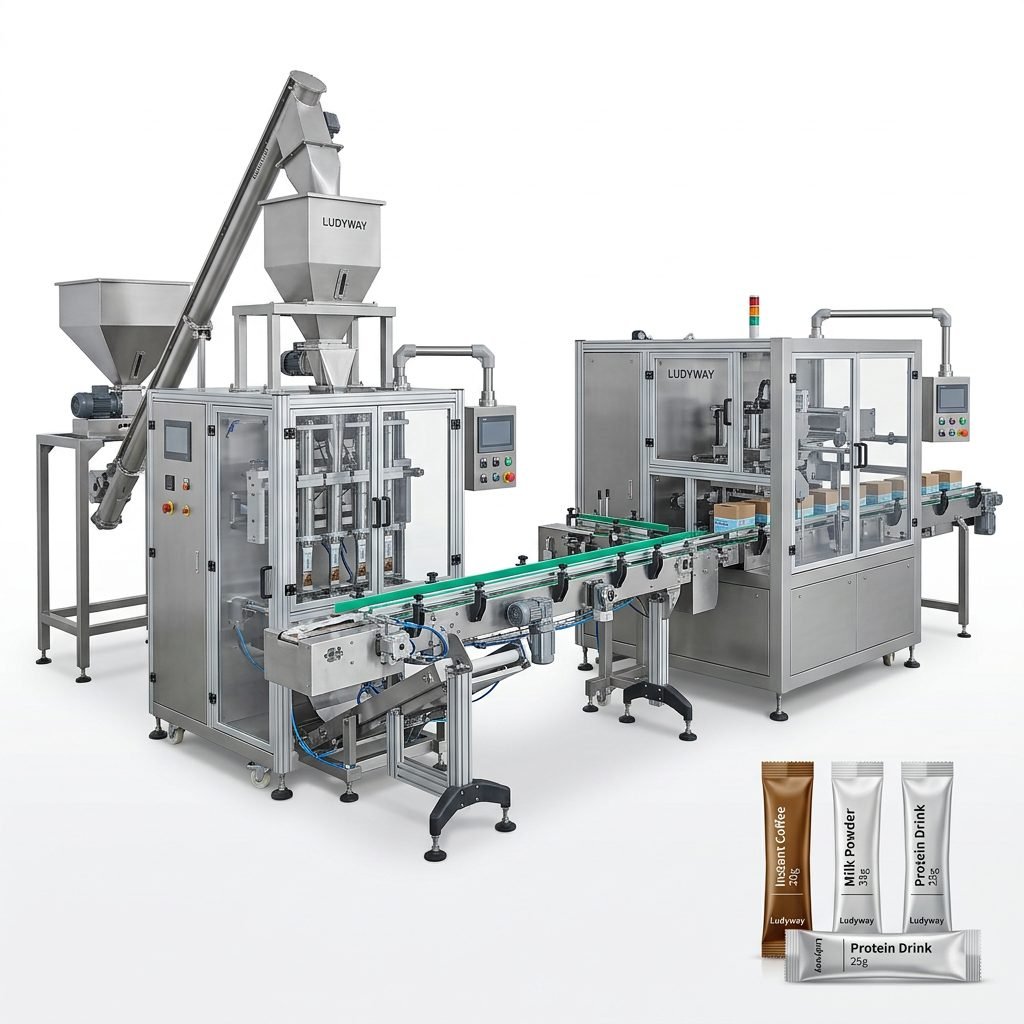
A modern beverage packaging line is no longer just a filler and a sealer. It is an integrated system that may include feeding, dosing, mixing, filling, sealing, coding, inspection, cartoning, case packing, and palletizing. When these processes work together, production becomes faster, smarter, and more reliable.
Why automation matters in beverage packaging
Manual or semi-automatic operations often struggle with throughput limits, labor variability, inconsistent fill weights, and higher product loss. Automated systems solve these issues by synchronizing each packaging step and using control logic to stabilize output.
- Higher production speed for growing order volumes
- Improved filling precision for powders, granules, and liquids
- Better seal integrity and package appearance
- Reduced downtime through line coordination
- Lower labor dependence in repetitive packaging tasks
- More reliable batch coding, inspection, and traceability
For beverage manufacturers, these gains directly affect profitability. Less giveaway, fewer rejects, and shorter changeover times create measurable improvements across daily output and long-term operating cost.
Common beverage products that benefit from automated packaging lines
Automation can be configured for a wide range of beverage formats. The right system depends on product flow characteristics, hygiene level, packaging format, and target speed.
| Beverage Type | Typical Packaging Format | Recommended Automation Focus |
|---|---|---|
| Instant drink powders | Sachets, stick packs, pouches | Multi-lane dosing, dust control, accurate sealing |
| Electrolyte and sports drink mixes | Single-serve sachets, sticks | High-speed filling, coding, cartoning |
| Liquid concentrates and syrups | Sachets, pouches, bottles | Servo filling, leak prevention, cap or seal verification |
| Protein and nutrition beverages | Stick packs, pouches, jars | Precise dosing, contamination control, labeling |
| Functional beverage blends | Sachets, multi-pack cartons | Flexible format switching, integrated inspection |
Key components of a faster, smarter beverage packaging line
1. Product feeding and transfer
Efficient automation begins with stable product feeding. Beverage powders may require screw conveyors, vacuum feeders, or bucket elevators. Liquids may need tanks, pumps, and buffer systems. A poorly designed feeding stage can create inconsistent fills and line interruptions downstream.
2. Precision dosing and filling
The filling unit is the heart of the line. For beverage powders, auger fillers or weighing systems are often used. For liquids, piston pumps, peristaltic systems, or flowmeter-based fillers may be preferred. Precision filling reduces product loss and improves package consistency, especially for premium or regulated beverage products.
3. Sealing technology
Whether packaging in sachets, stick packs, or pouches, sealing quality affects shelf life, product protection, and brand image. Automated sealing systems maintain temperature, pressure, and dwell time more consistently than manual processes.
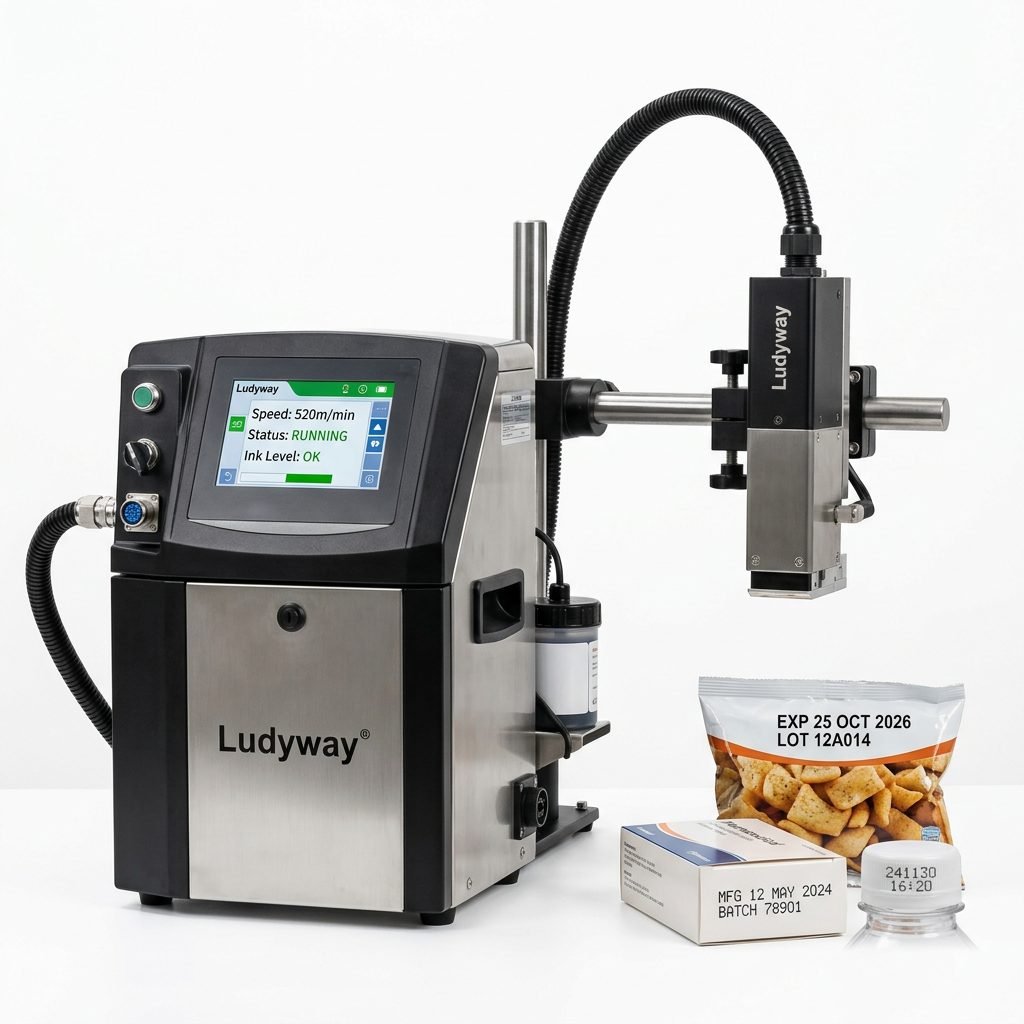
4. Coding and traceability
Date coding, batch coding, and variable data printing help manufacturers meet retailer, export, and regulatory requirements. Integrated coding systems keep packaging lines moving without sacrificing traceability.
5. Inspection and quality control
Automated beverage packaging lines can include metal detection, checkweighing, vision inspection, leak detection, and reject systems. These tools help remove defective packs before they reach secondary packaging.
6. End-of-line automation
Cartoning, case packing, palletizing, and wrapping reduce manual handling and improve shipping efficiency. This is especially important for high-output beverage plants serving retail, e-commerce, or export markets.
How automation improves packaging speed without sacrificing quality
Many manufacturers assume faster lines automatically mean more errors. In reality, the right automation setup improves both speed and consistency. Advanced controls synchronize product feeding, film pulling, dosing, sealing, and discharge so the line operates as one system rather than several disconnected machines.
- Consistent cycle timing reduces stops and uneven output.
- Servo-driven movement improves accuracy and repeatability.
- Recipe storage enables quicker product changeovers.
- Real-time monitoring helps operators identify problems early.
- Integrated alarms reduce troubleshooting time.
For beverage producers handling multiple SKUs, smart automation is particularly valuable because it allows quick switches between flavors, pack sizes, and film structures with less production disruption.
Best packaging formats for automated beverage lines
Different beverage categories require different packaging solutions. Choosing the right format affects line efficiency, material cost, transport convenience, and consumer usability.
| Format | Best For | Advantages |
|---|---|---|
| Stick packs | Powdered drink mixes, nutrition supplements | Portable, high-speed multi-lane production, portion control |
| Sachets | Liquid shots, powdered beverages, concentrates | Flexible sizing, lower material usage, broad retail use |
| Pouches | Premium mixes, family packs, refill packs | Shelf appeal, larger fill range, resealable options |
| Bottles | Ready-to-drink liquids, syrups | Strong retail presence, easy labeling, familiar format |
What to consider before investing in beverage packaging automation
Not every line should be designed the same way. Before selecting equipment, manufacturers should evaluate current needs and future expansion plans.
- Product type: powder, granule, liquid, paste, or mixed format
- Target speed per minute or per day
- Required package sizes and material structures
- Level of automation needed from primary packing to palletizing
- Cleaning and sanitation requirements
- Integration with existing upstream and downstream equipment
- Available floor space and utility conditions
- Maintenance support and spare parts availability
A scalable design is often the smartest choice. It allows beverage manufacturers to start with a core packaging machine and later add coding, cartoning, inspection, or robotic palletizing as output grows.
The role of turnkey solutions in beverage packaging efficiency
Many beverage companies now prefer turnkey packaging lines instead of buying stand-alone machines from multiple sources. A turnkey solution improves compatibility across the full line and simplifies installation, commissioning, and after-sales support.
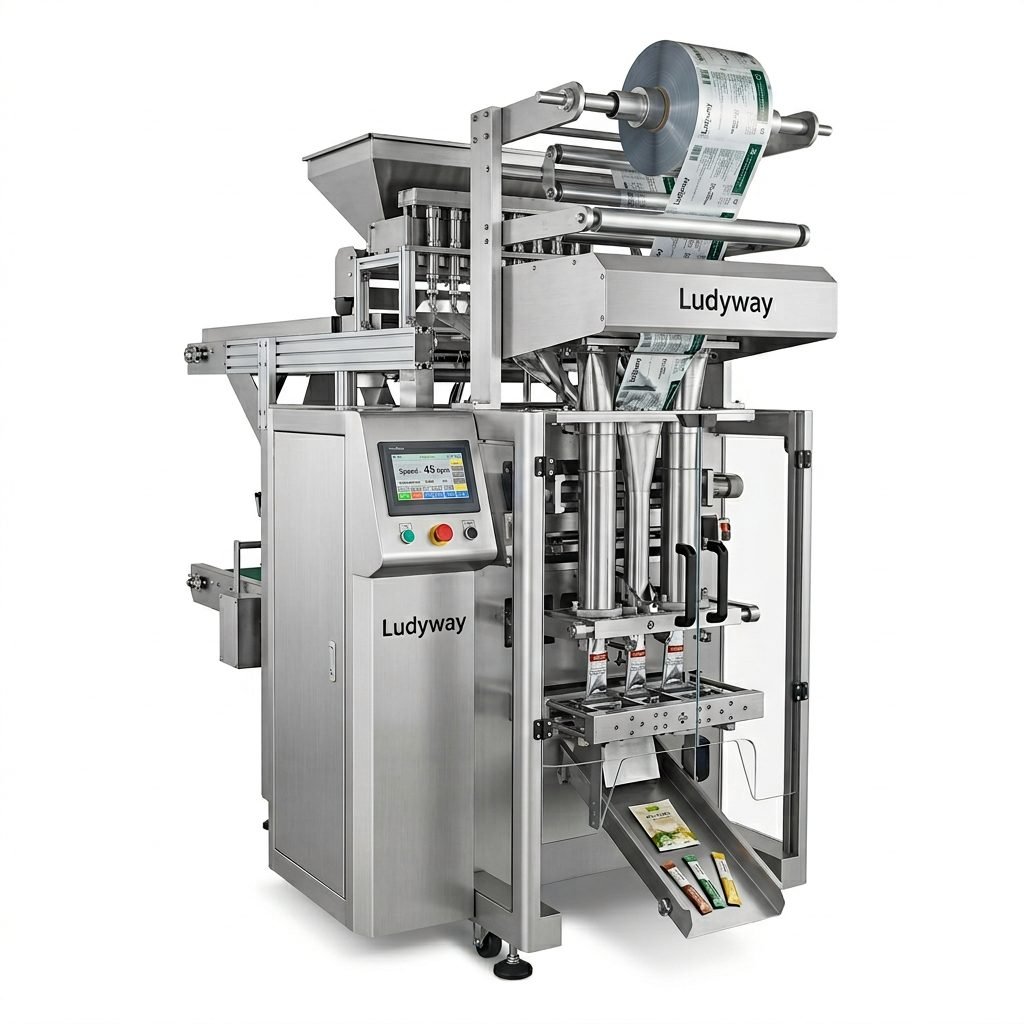
Experienced manufacturers such as beverage packaging automation solution provider Ludyway can support integrated projects covering feeding, filling, sealing, coding, inspection, and end-of-line packaging. This approach helps reduce coordination risk and improves long-term line performance.
Smart automation trends shaping the beverage packaging industry
The future of beverage packaging is not just about speed. It is about data, flexibility, and uptime. More manufacturers are adopting intelligent functions that improve production visibility and decision-making.
Real-time line monitoring
Operators can track output, alarms, reject rates, and machine status in real time, helping supervisors improve production planning.
Predictive maintenance support
Sensors and control systems can indicate wear trends before a failure stops the line, reducing unexpected downtime.
Faster recipe changeover
Stored settings make it easier to switch between different beverage formulas and package specifications.
Better packaging sustainability
Automated systems help reduce overfill, minimize film waste, and support efficient use of packaging materials.
Who benefits most from automated beverage packaging lines?
Automation is valuable for both growing brands and large-scale beverage manufacturers. It is especially effective for:
- Instant beverage powder producers
- Sports nutrition and electrolyte brands
- Functional wellness drink manufacturers
- OEM and contract packers
- Ready-to-drink liquid processors
- Export-oriented beverage businesses needing reliable batch traceability
Conclusion
Beverage packaging automation gives manufacturers a practical path to faster output, smarter control, and more consistent packaging quality. By combining precise filling, reliable sealing, integrated coding, inspection, and end-of-line handling, automated lines help beverage companies stay competitive in a market that demands efficiency and flexibility.
Whether the goal is to package powdered drink mixes, liquid concentrates, or functional beverage products, the right automated solution can improve productivity today while creating room for future growth.