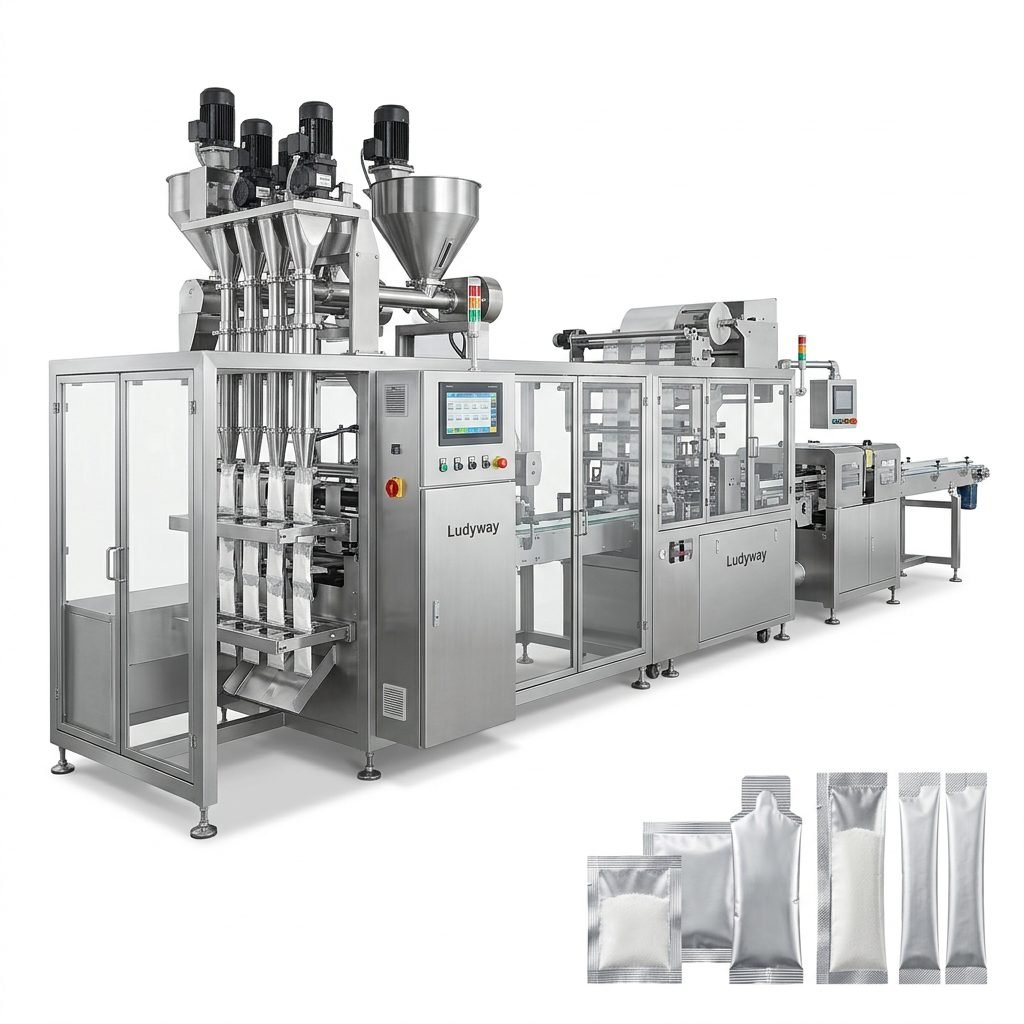
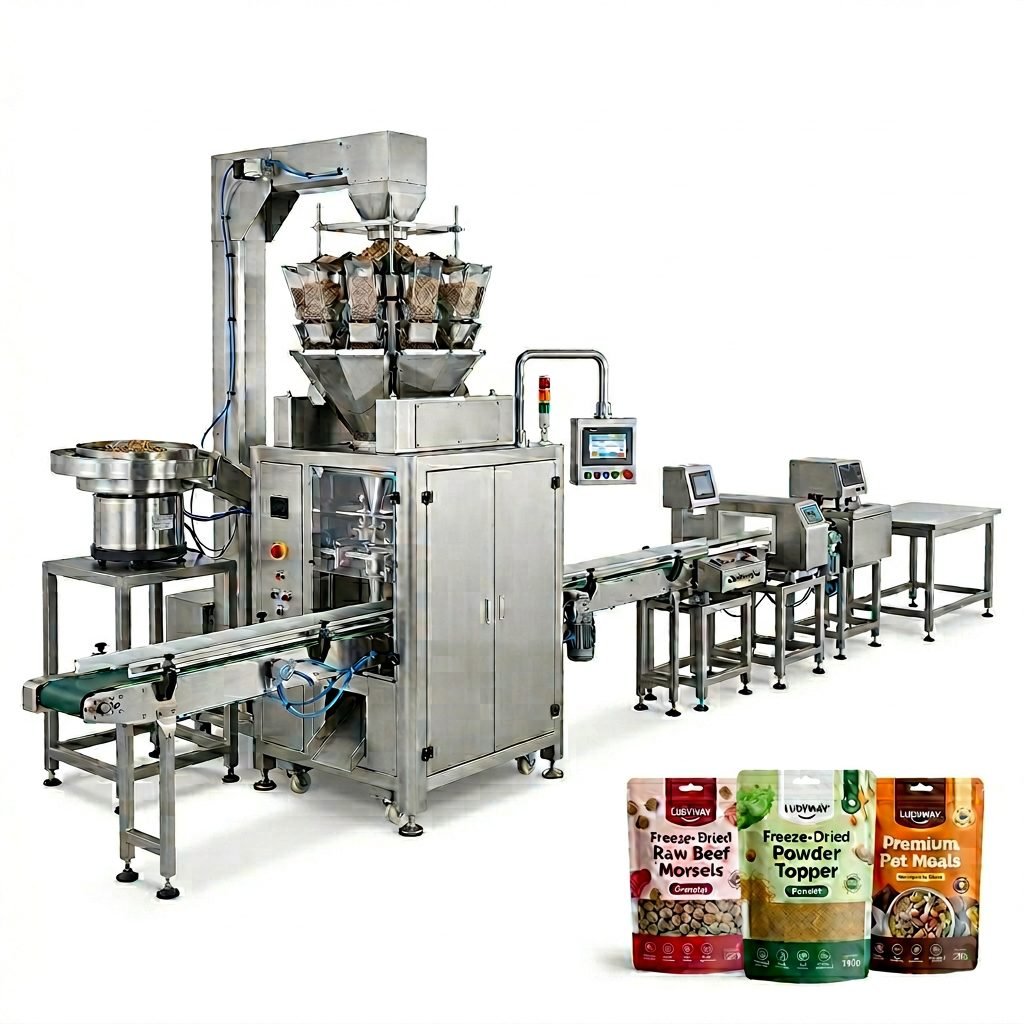
Industrial packaging machines are the backbone of modern production. They help manufacturers package products faster, more accurately, and with better consistency across food, pharmaceutical, cosmetic, chemical, and pet care industries. Whether you run a growing factory or manage a large-scale automated plant, choosing the right packaging equipment can directly affect output, product quality, labor cost, and long-term profitability.
This guide explains the main types of industrial packaging machines, where they are used, and the business benefits they deliver. It also highlights what buyers should evaluate before investing in a new machine or a complete turnkey line.
What Are Industrial Packaging Machines?
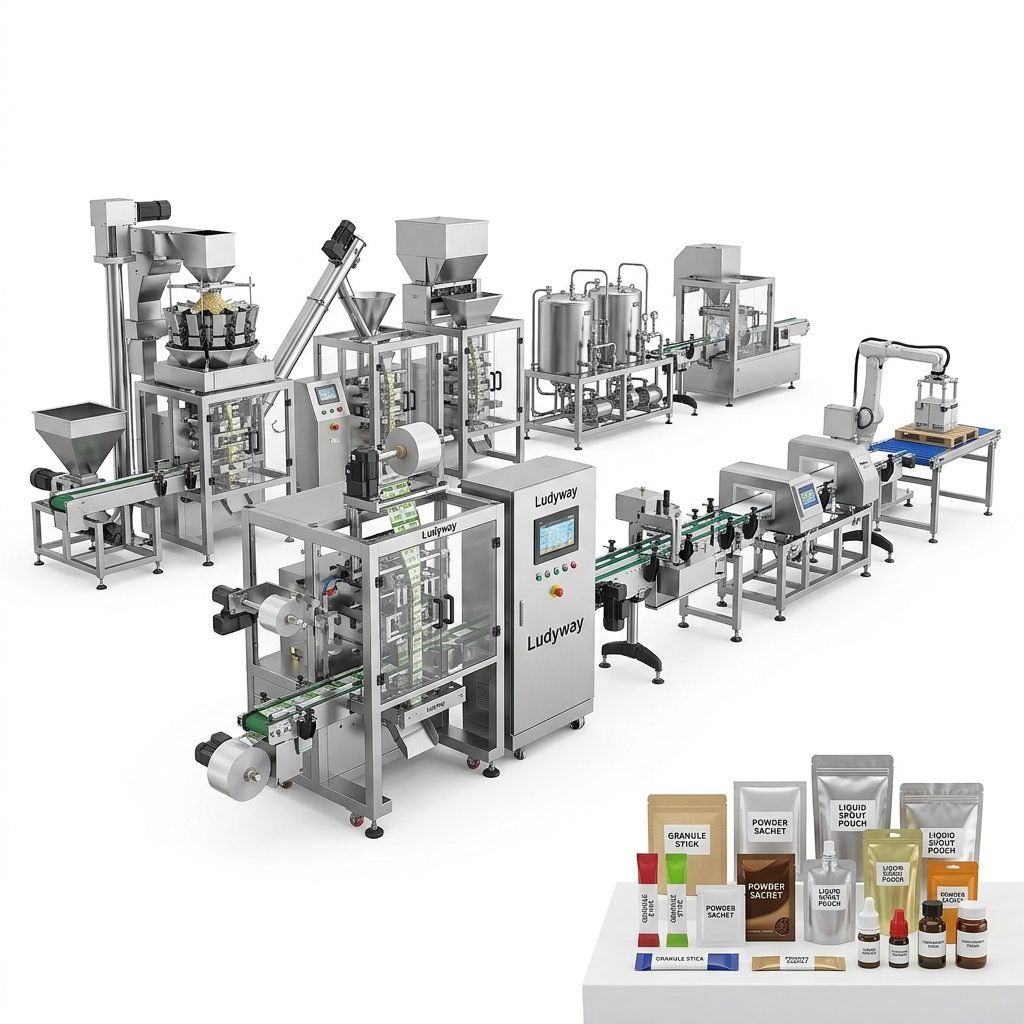
Industrial packaging machines are automated or semi-automated systems designed to fill, seal, wrap, label, code, count, weigh, and prepare products for shipping or retail sale. They are used for a wide range of product forms, including powders, granules, liquids, pastes, tablets, capsules, sachets, stick packs, pouches, bottles, jars, cartons, and bags.
In a typical factory, packaging machinery is not just a single machine. It often includes a connected process made up of feeding, dosing, filling, sealing, inspection, cartoning, case packing, and palletizing equipment.
Why Industrial Packaging Machines Matter
- Increase production speed for high-volume output
- Improve filling accuracy and package consistency
- Reduce dependence on manual labor
- Support hygiene and contamination control
- Lower product waste and packaging material loss
- Enhance brand presentation with cleaner, more uniform packs
- Help meet industry compliance and traceability standards
Main Types of Industrial Packaging Machines
1. Form Fill Seal Machines
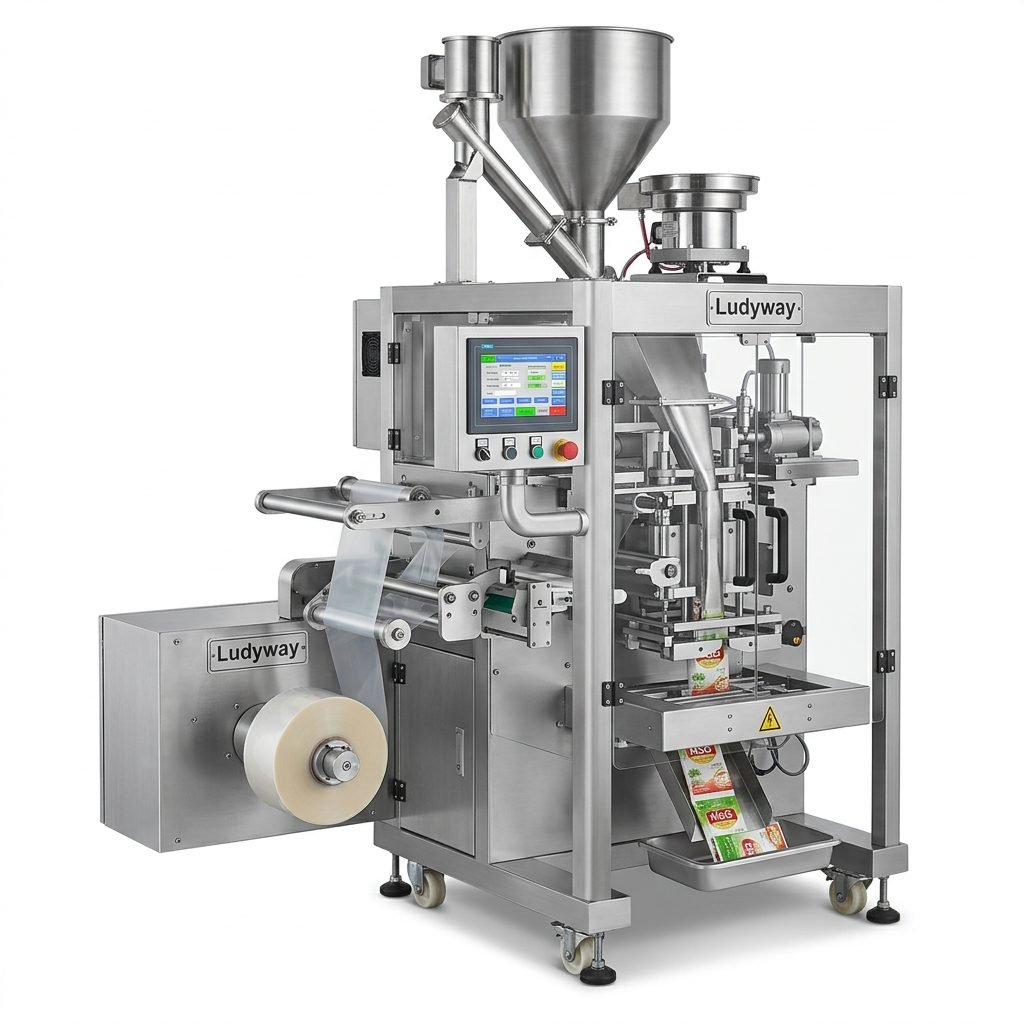
Form fill seal equipment creates the package from roll film, fills it with product, and seals it in one continuous process. This category includes vertical form fill seal machines and horizontal form fill seal machines.
- Best for powders, granules, liquids, and small-dose products
- Common package types: sachets, stick packs, pillow bags, and pouches
- Ideal for high-speed automated production
2. Sachet Packaging Machines
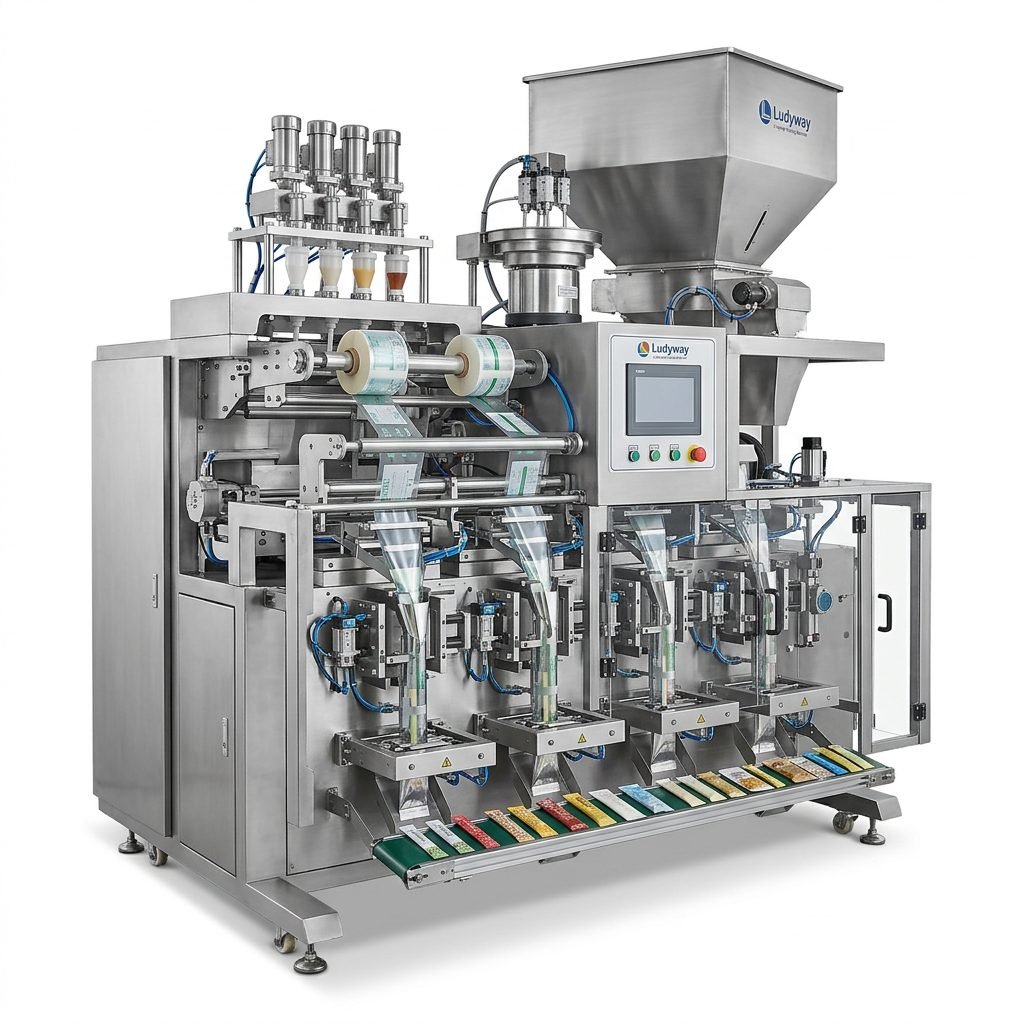
Sachet machines are widely used for single-dose and small-format packaging. They are especially popular in food seasonings, pharmaceutical powders, cosmetic creams, and health supplements.
- Suitable for powder, liquid, paste, and granule products
- Compact package format for retail and sampling
- Often available in multi-lane configurations for greater output
3. Stick Pack Machines
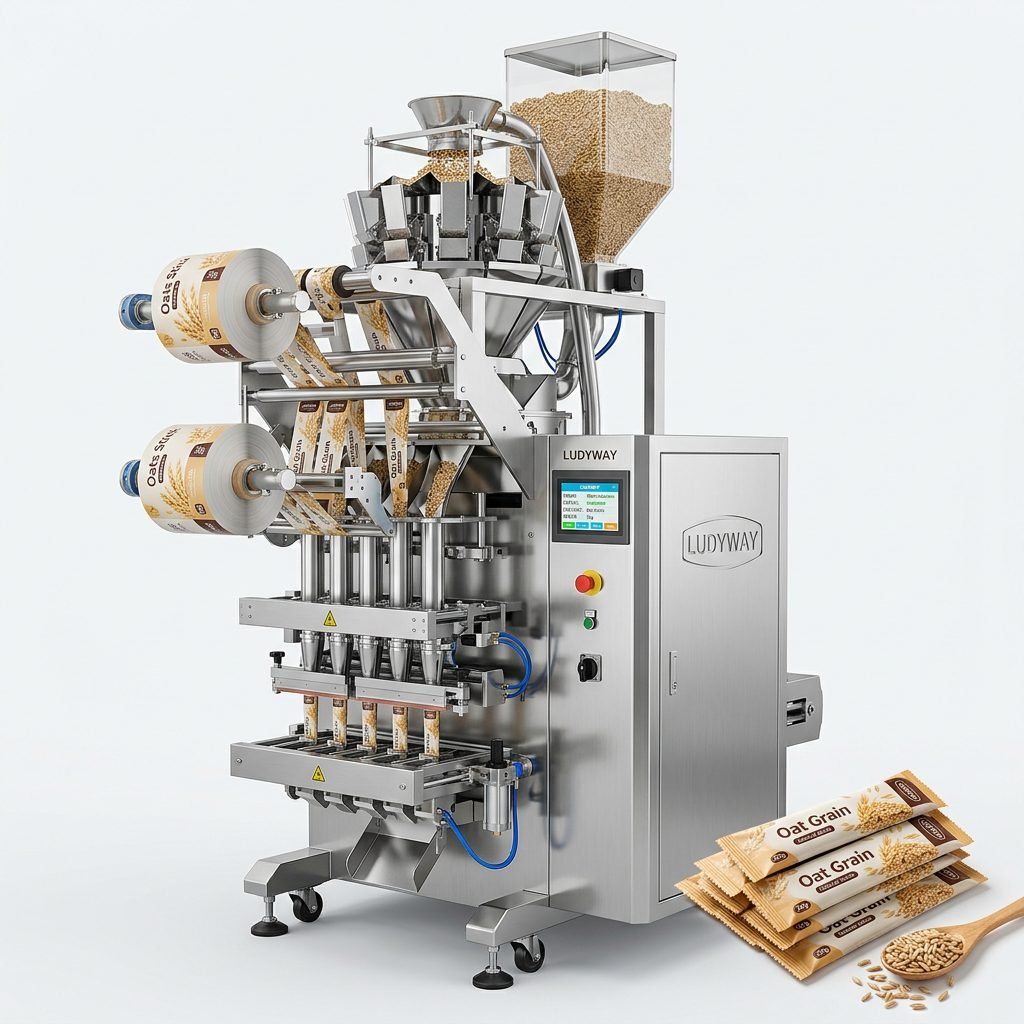
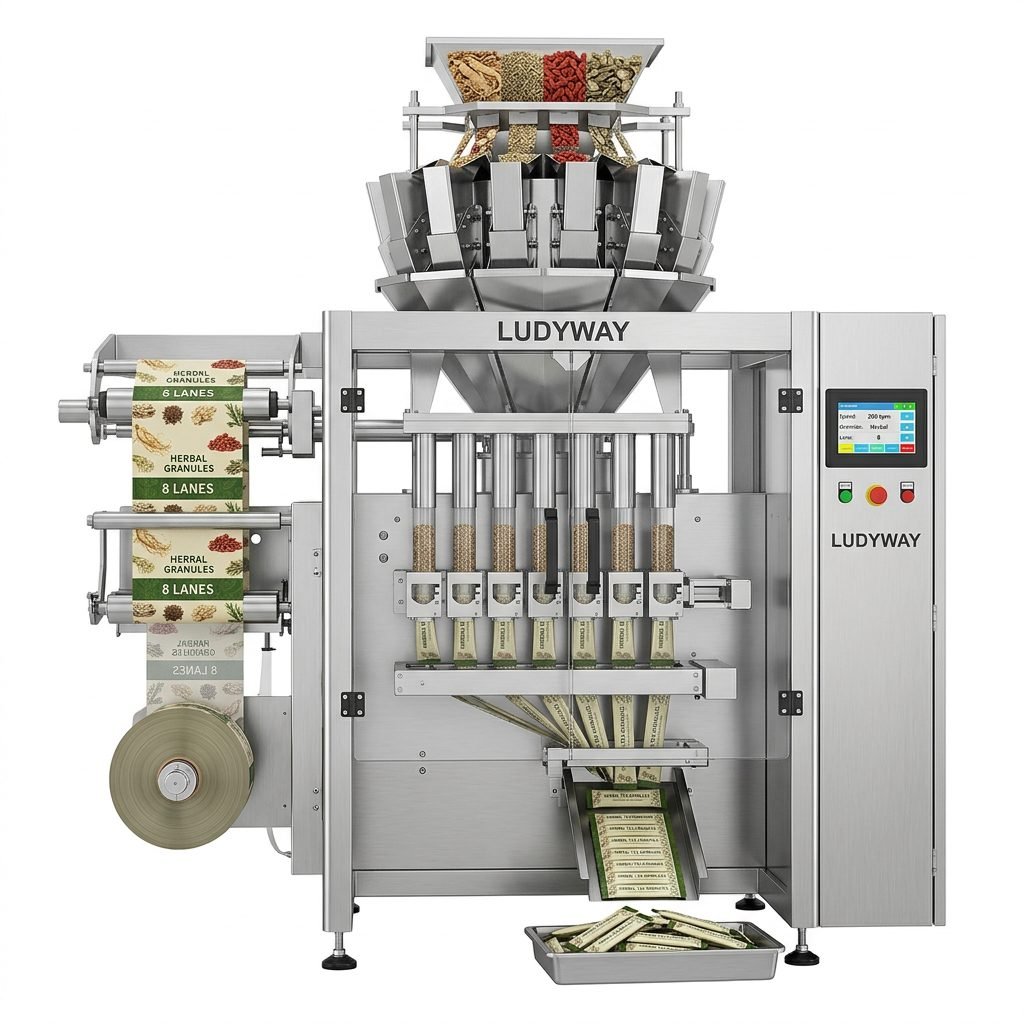
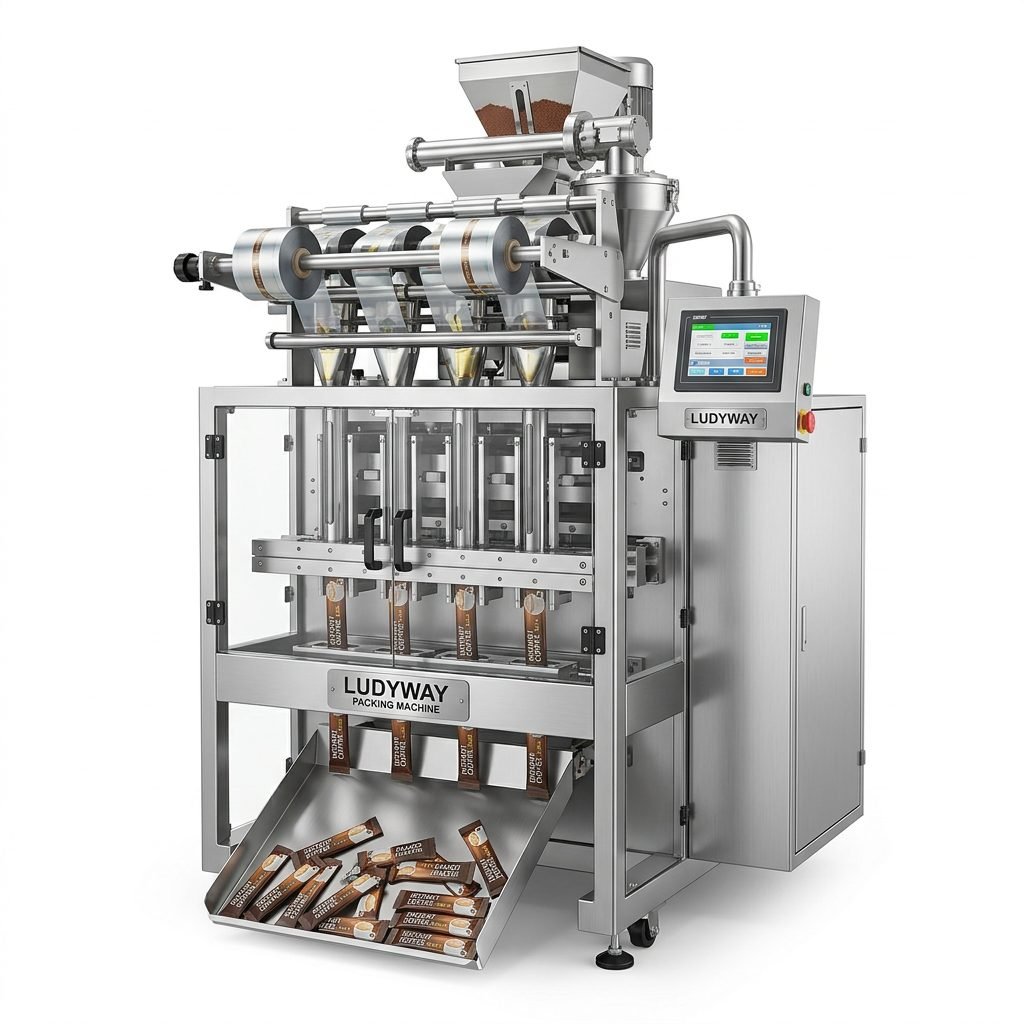
Stick pack machines produce slim, narrow pouches that are convenient for on-the-go use. These machines are common in instant drinks, coffee, oral rehydration salts, collagen powder, and nutritional supplements.
- Excellent for single-serve applications
- Efficient film usage compared with some larger pouch formats
- Popular in food, pharma, and wellness categories
4. Pouch Packaging Machines
Pouch machines handle premade pouches or create pouches automatically. They are used for stand-up pouches, zipper pouches, flat pouches, and shaped pouches.
- Good for premium shelf presentation
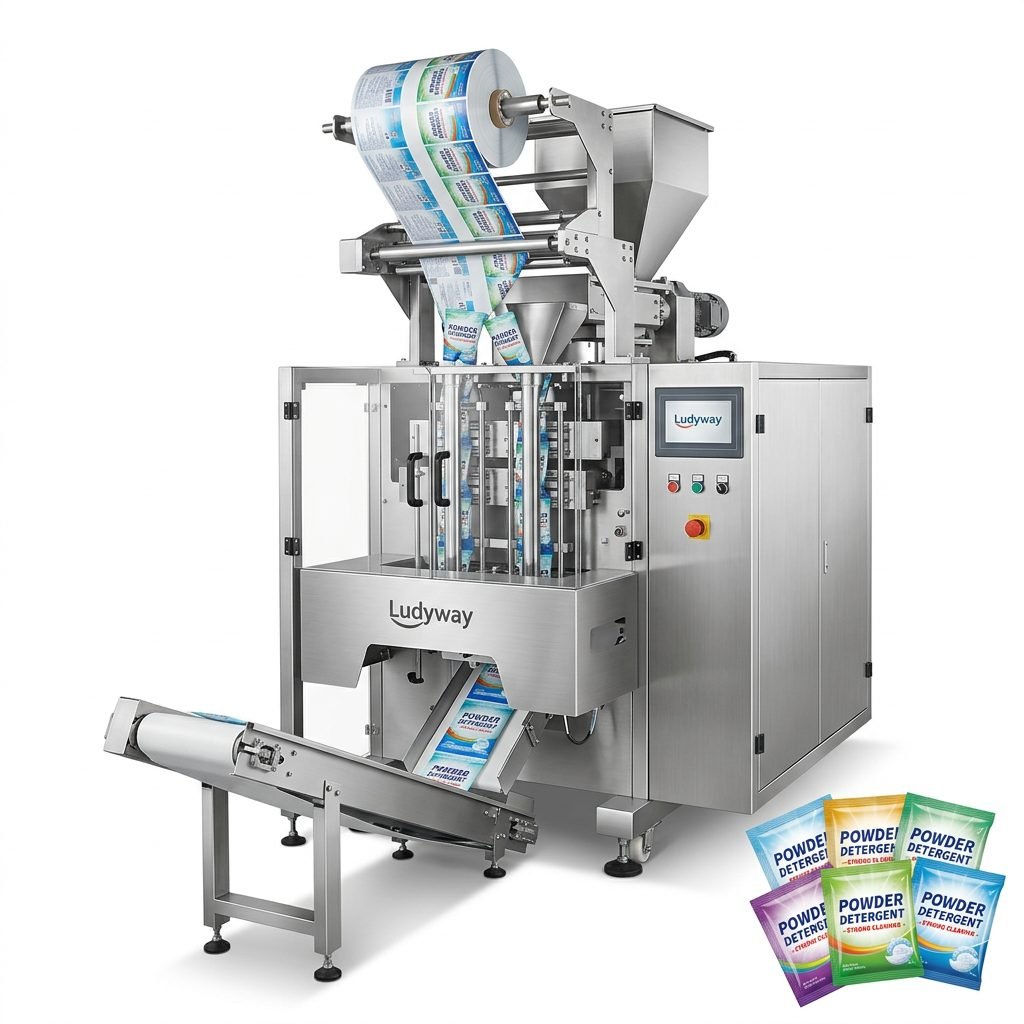
- Works with snacks, powders, detergents, sauces, pet food, and chemicals
- Can integrate with weighing, nitrogen flushing, and zipper opening functions
5. Filling Machines
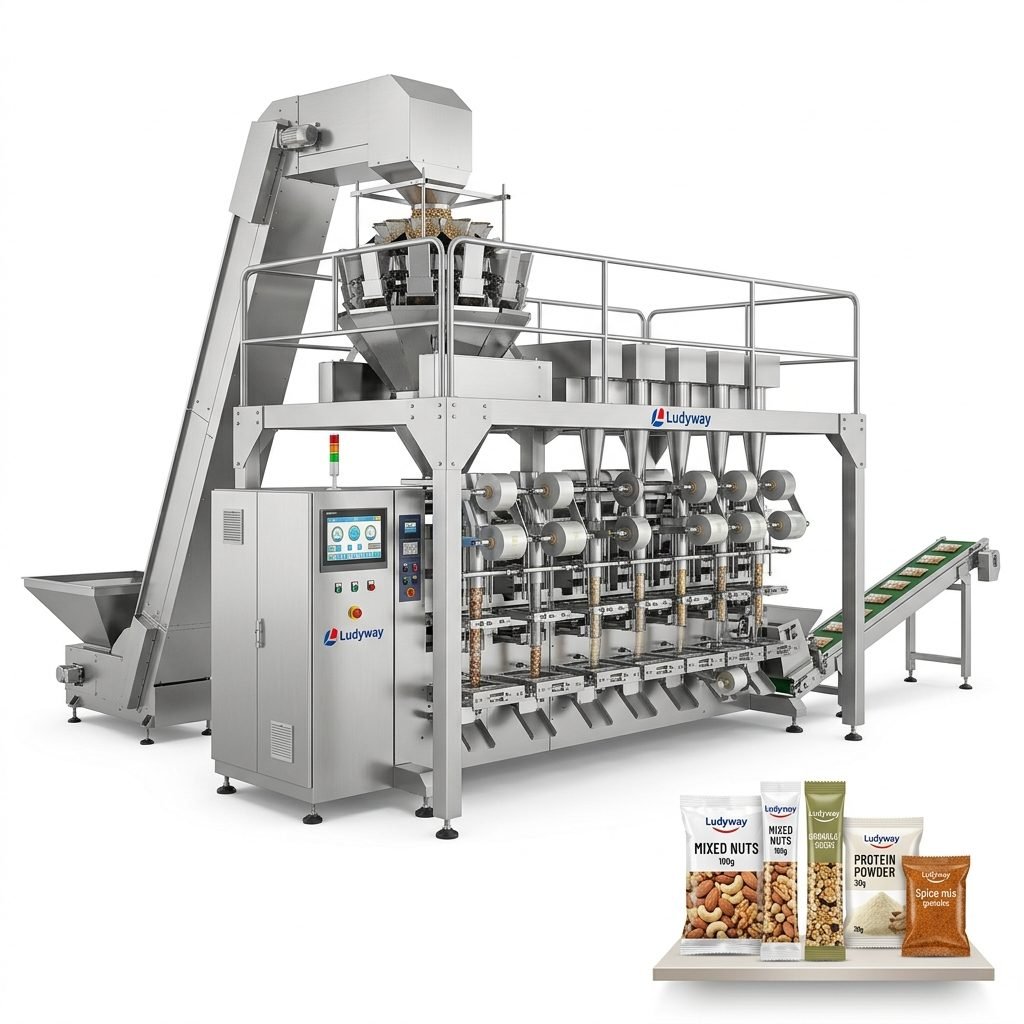
Filling equipment is selected according to product characteristics. Powder fillers, auger fillers, multi-head weighers, piston fillers, pump fillers, and liquid filling machines each serve different packaging needs.
- Powder fillers for flour, milk powder, supplements, and chemicals
- Weighing systems for granules, seeds, snacks, and pet food
- Liquid and paste fillers for sauces, lotions, oils, syrups, and detergents
6. Sealing Machines
Sealing machines close packages securely to protect products during storage and distribution. The sealing method depends on package type and material.
- Heat sealing for sachets, pouches, and flexible films
- Induction sealing for bottles and containers
- Vacuum sealing for shelf life and freshness protection
7. Labeling and Coding Machines
These systems add identification, batch codes, dates, barcodes, and labels. They are essential for traceability, compliance, and retail readiness.
8. Cartoning, Case Packing, and Palletizing Systems
End-of-line packaging machines prepare products for transport and warehouse handling. They are often part of a complete automation upgrade.
- Cartoners load products into boxes
- Case packers group units into shipping cartons
- Palletizers stack finished cartons for logistics efficiency
Packaging Machine Types by Product Form
| Product Type | Recommended Machine Type | Typical Applications |
|---|---|---|
| Powders | Auger filler, sachet machine, stick pack machine, VFFS | Milk powder, spices, supplements, pharma powders |
| Granules | Weigher-based pouch machine, stick pack machine, bagging system | Sugar, salt, seeds, coffee beans, pet food |
| Liquids | Liquid filler, sachet machine, bottle filling line | Sauces, oils, syrups, detergents, oral liquids |
| Pastes/Creams | Piston filler, sachet filler, tube filling machine | Cosmetics, ointments, creams, condiments |
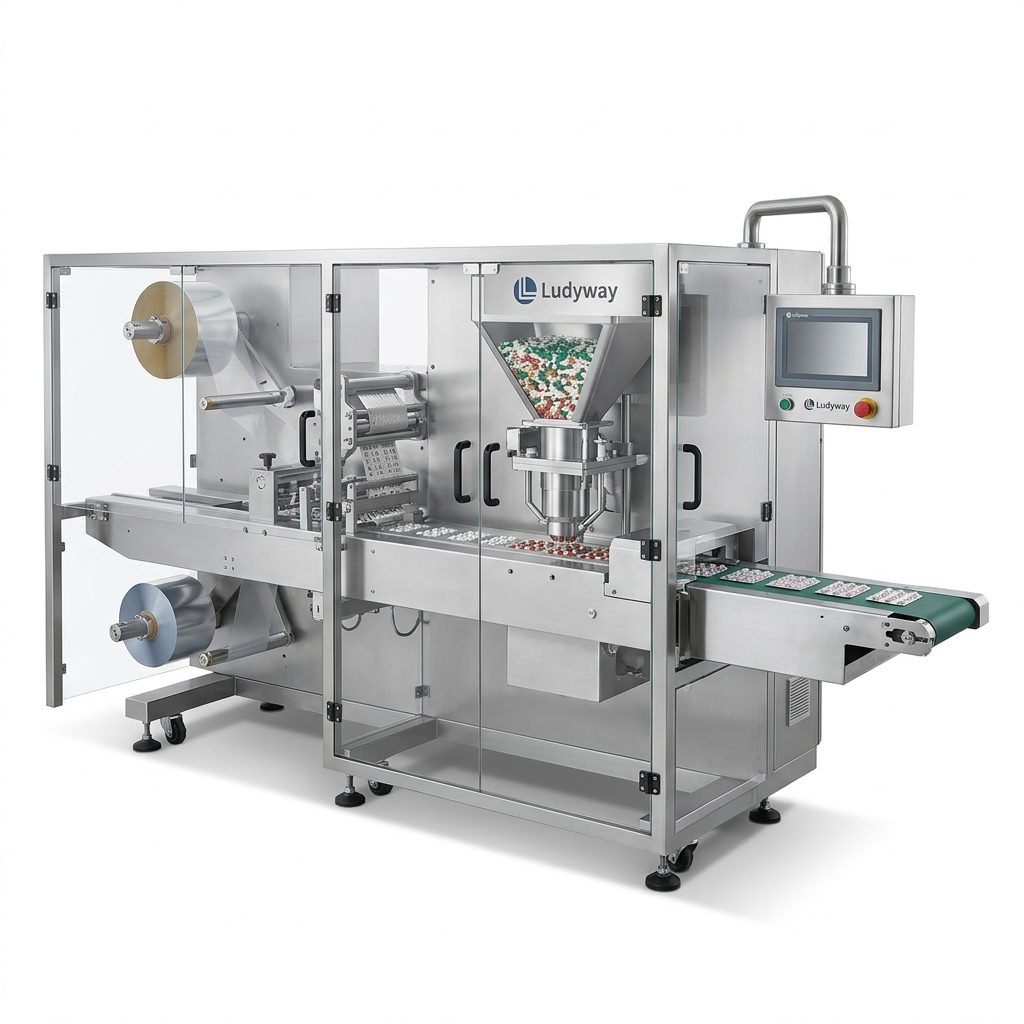
| Tablets/Capsules | Counting machine, blister machine, bottling line | Pharmaceutical and nutraceutical products |
Common Industrial Applications
Food Industry
Food producers use industrial packaging machines for snacks, coffee, seasonings, sugar, salt, flour, sauces, frozen foods, grains, powders, and ready-to-mix beverages. In this sector, speed, hygiene, and freshness protection are top priorities.
Pharmaceutical Industry
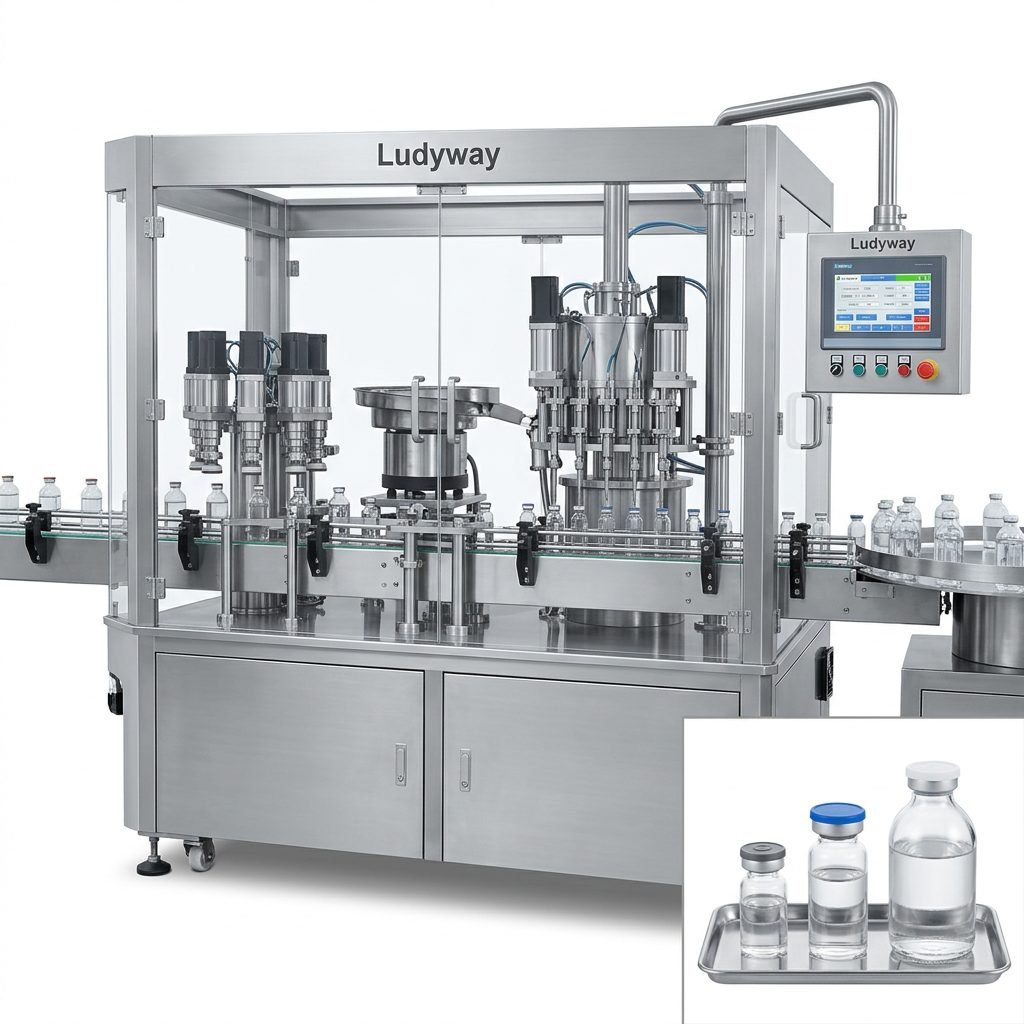
Pharmaceutical packaging demands high accuracy, traceability, and clean operation. Machines are used for powders, granules, tablets, capsules, oral liquids, medical devices, and sterile product packaging.
Cosmetics and Personal Care
Cosmetic packaging systems handle creams, lotions, serums, shampoos, body wash, hand cream, facial masks, and travel-size sachets. Attractive pack appearance and leak prevention are especially important.
Chemical Industry
Chemical products often require durable packaging, dust control, corrosion-resistant contact parts, and safe filling systems. Machines may be used for detergents, fertilizers, industrial powders, cleaning agents, and specialty liquids.
Animal Feed and Pet Products
Feed and pet food packaging lines support granules, pellets, powders, supplements, and treats. Large bagging systems and multi-lane small-pack systems are both common depending on the target market.
Benefits of Investing in Industrial Packaging Machines
Higher Efficiency
Automation dramatically increases output compared with manual or semi-manual packaging. High-speed systems can maintain stable production over long operating hours.
Better Accuracy
Accurate dosing reduces giveaway and ensures each package meets product specifications. This is especially valuable for expensive powders, active ingredients, and regulated products.
Lower Labor Costs
A properly designed packaging line can reduce the number of operators required while also lowering repetitive manual tasks.
Improved Product Protection
Reliable sealing and controlled filling help prevent leaks, contamination, moisture exposure, and product degradation.
Scalability
Many industrial machines can be upgraded with multi-lane designs, additional feeders, checkweighers, coding systems, or cartoning modules as demand grows.
Brand Consistency
Clean, uniform packaging improves visual appeal on store shelves and strengthens customer trust. This is a major advantage for consumer-facing brands.
Key takeaway: The right packaging machine is not just a production tool—it is a direct investment in quality control, operating efficiency, and market competitiveness.
How to Choose the Right Industrial Packaging Machine
- Product characteristics: powder, granule, liquid, paste, tablet, or capsule
- Package format: sachet, stick pack, pouch, bottle, jar, carton, or bulk bag
- Output requirement: low, medium, or high-speed production
- Filling accuracy: especially important for pharma and premium ingredients
- Material compatibility: film type, pouch type, bottle size, and seal requirements
- Hygiene standard: food-grade or pharma-grade construction needs
- Factory layout: available installation space and workflow design
- Future expansion: whether the line can grow with demand
- After-sales support: spare parts, remote service, training, and maintenance
Single Machine vs. Complete Packaging Line
| Option | Best For | Main Advantage |
|---|---|---|
| Standalone Machine | Specific packaging task or smaller production upgrade | Lower initial investment |
| Integrated Packaging Line | High-volume operations and full automation projects | Higher efficiency and smoother workflow integration |
Important Features to Look For
- PLC control with user-friendly touchscreen
- Servo-driven motion for precision
- Quick changeover for multiple SKUs
- Dust control or anti-drip design based on product type
- Stainless steel contact parts for hygienic production
- Checkweighing, metal detection, and vision inspection compatibility
- Batch coding and date printing integration
- Remote diagnostics and technical support options
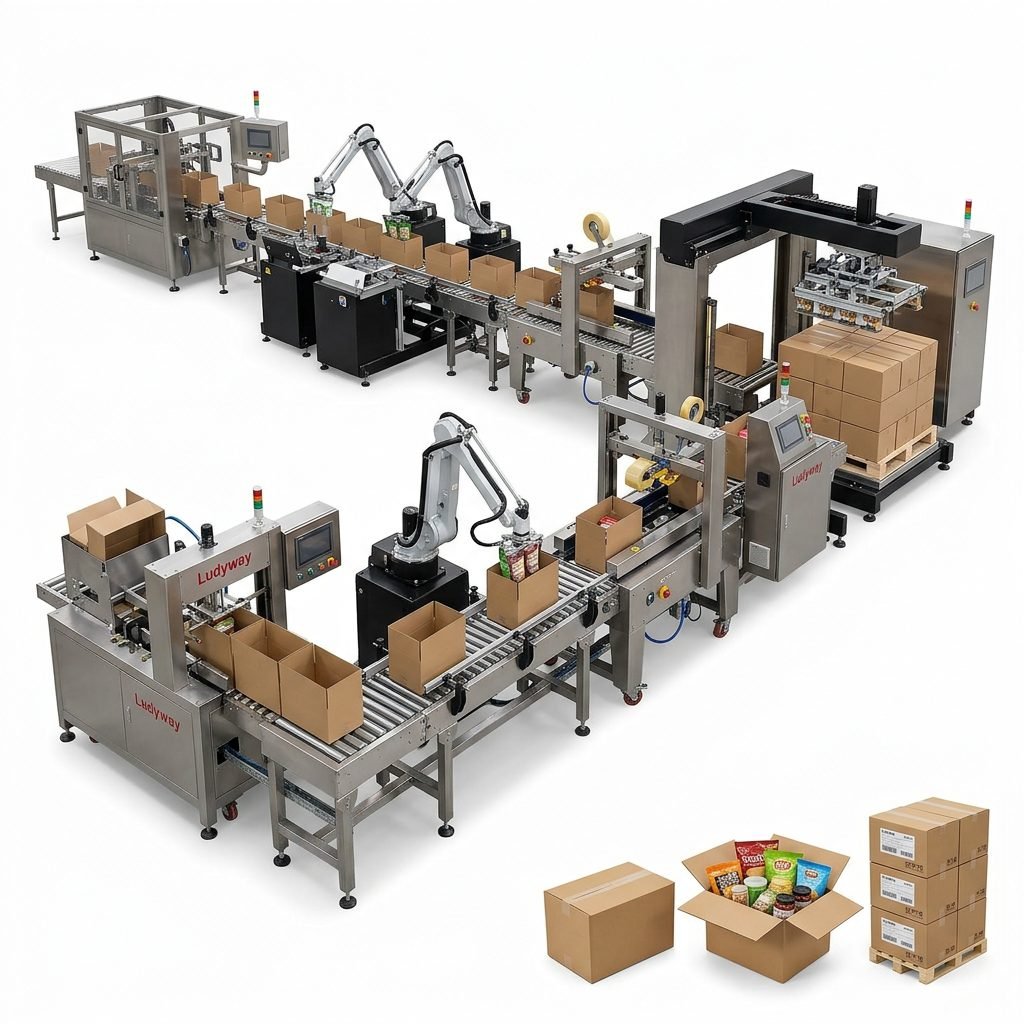
Trends in Industrial Packaging Automation
Packaging technology is evolving quickly. Manufacturers increasingly want systems that are more flexible, intelligent, and efficient. Some of the most important trends include:
- Multi-lane packaging systems for higher output in limited floor space
- Smart controls for monitoring production performance and alarms
- Turnkey integration from feeding to final palletizing
- Sustainable packaging compatibility for changing material requirements
- Fast changeover design for shorter production runs and more SKUs
Working With an Experienced Packaging Machine Manufacturer
Machine quality is important, but so is the supplier’s engineering capability. A strong manufacturer should understand product behavior, package design, production speed goals, and full-line integration requirements. This is especially critical when packaging powders, liquids, or small-dose products at high speed.
For businesses looking for scalable equipment and turnkey line solutions, industrial packaging machines from Ludyway can support applications across food, pharmaceutical, health supplement, cosmetic, chemical, and related sectors. With more than 30 years of experience and broad export coverage, the company is known for supplying both standalone machinery and integrated automatic packaging lines.
Frequently Asked Questions
What is the most common industrial packaging machine?
It depends on the industry, but form fill seal machines, sachet machines, pouch packing machines, and bottle filling lines are among the most widely used.
Which machine is best for powders?
Powder packaging usually requires an auger filling system combined with a sachet, stick pack, pouch, or bagging machine, depending on package size and output.
Can one machine pack different products?
Some machines can handle multiple product types if they are similar in flow characteristics and package format. However, very different products may require different filling systems or custom configurations.
Is a turnkey packaging line better than a standalone machine?
For high-volume factories, a turnkey line usually provides better efficiency, smoother automation, and easier process control. For smaller operations, a standalone machine may be the right starting point.
How long does it take to see ROI on packaging automation?
Return on investment depends on labor savings, production volume, material savings, and machine utilization. Many manufacturers see value quickly when replacing slow or inconsistent manual packing processes.
Final Thoughts for Buyers
Selecting the right industrial packaging machine starts with understanding your product, package style, production target, and long-term growth plan. The best equipment should not only package efficiently today but also support future expansion, quality assurance, and automation goals.
If you compare machine types carefully and work with an experienced supplier, you can build a packaging process that delivers speed, reliability, and stronger business performance for years to come.